 Allfishes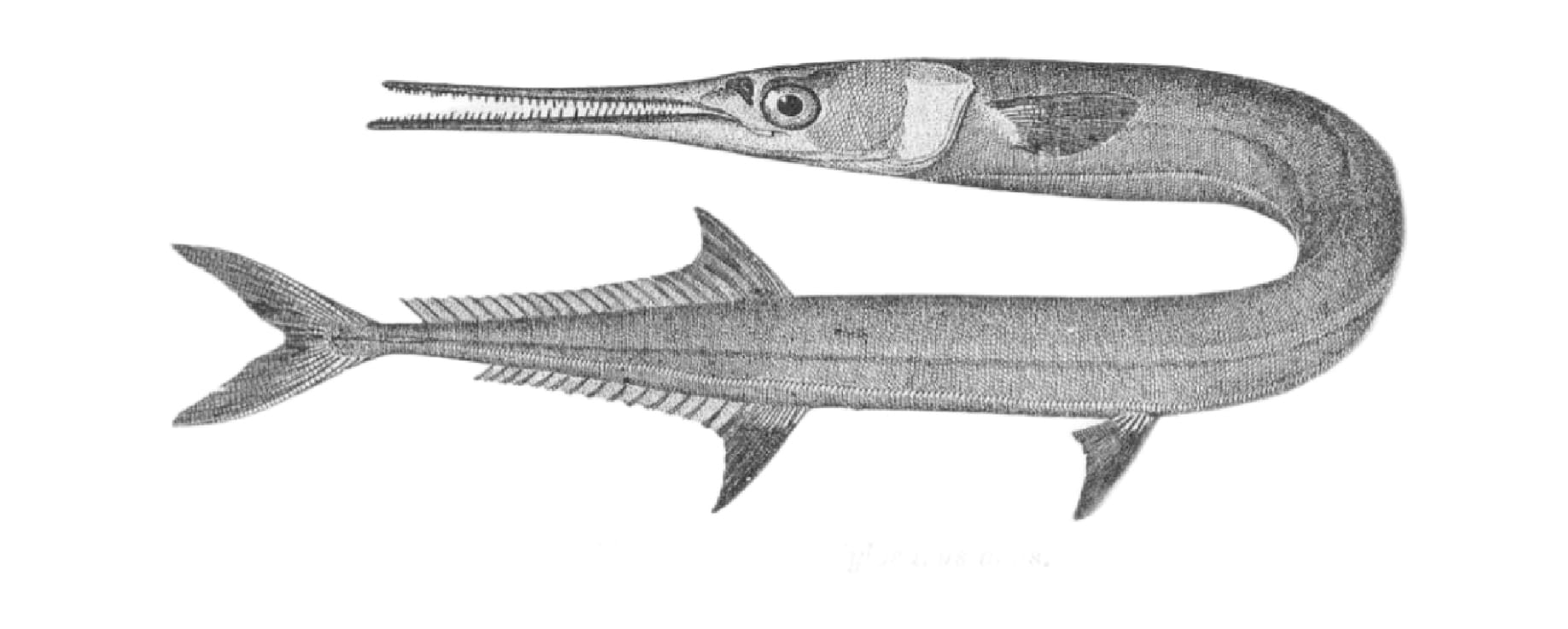
Agujon needlefish
Tylosurus acus
The three subspecies have been given species rank as tentatively accepted names pending further work on …
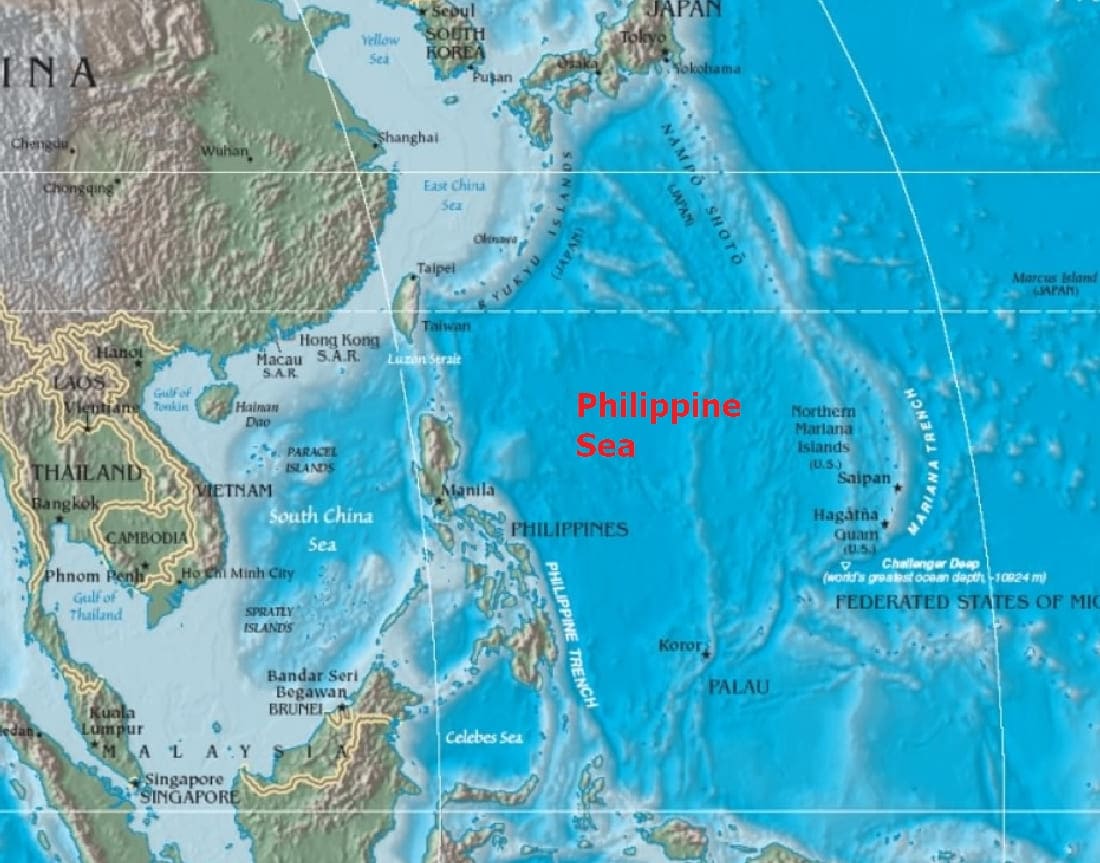 The Philippine Sea is an oceanic inter-island sea of the Pacific Ocean, it is located near the Philippine archipelago. It is the second largest sea in the world. It has no clear land boundaries and is separated from the ocean by groups of islands: the Japanese (Honshu, Kyushu and Ryukyu), Taiwan Island and the Philippine Islands in the west, the submarine ridges and islands of Izu, Ogasawara (Bonin), Kajan and Mariana in the east, Yap and Palau in the southeast. The area is 5 million 726 thousand km². Average depth - 4108 m, maximum depth - 10,994 ± 40 m (in the Mariana Trough). The volume is 23,522 thousand km³. Water surface temperature from 15-28 °C (in the north) to 27-29 °C (in the south). Salinity from 34.3 ‰ in the north to 35.1 ‰ in the south. The sea is located in four climatic zones, subtropical, tropical, subequatorial, equatorial. The air temperature increases significantly from the north to the south. In January - February it is: 9-10°C in the north, 18-24°C in the central areas of the sea, 25-27°C in the south. The Philippine Sea is characterized by a large water exchange with the Pacific Ocean and various strong vertical water movements. Salinity varies relatively little in different parts of the sea, averaging close to 34.5 ‰.
There is an active fishing and whaling industry in the marine area. Seaweed, Milkfish, Japanese eel, shrimp, oysters, clams, and live reef fish are farmed as aquaculture products.
Fishermen catch many species of pelagic fish, including West Pacific (dwarf) deepsea herring, Big-headed deepsea herring, Pacific pomfret, Blackfin scad, Mackerel scad, Amberstripe scad, Herring scad, Cleftbelly trevally, Silvermouth trevally, Whitefin wolf-herring, Blacksaddle herring, Pompano dolphinfish, Common dolphinfish, Smoothbelly sardinella, Chacunda gizzard shad, Indonesian gizzard shad, Kelee shad, Western Pacific gizzard shad, Bloch's gizzard shad, White sardine, White sardinella, Deepbody sardinella, Fringescale sardinella.
There is also a wide variety of deep-sea commercial fish. Japanese perchlet, Brilliant pomfret, Brown lefteye flounder, Pelican flounder, Wide-mouthed flounder, Clear fin-base flounder, Philippine slender flounder, Small headed flounder, Crosseyed flounder, Indo-Pacific ocellated flounder are caught.
The Philippines also produces 20% of the world's shellfish. As well as turtles and octopus, which are abundant in the coastal zone. Other types of commercial fishing include squid.
The Philippine Sea has the highest number of marine species per unit area compared to the countries of the Indo-Malay-Philippine Archipelago and has been identified as the epicenter of marine biodiversity. It is part of the Coral Triangle and contains more than 3,212 species of fish, 486 species of coral, 800 species of seaweed and 820 species of seagrass. Within its area, thirty-three endemic fish species have been identified, including Bluespotted angelfish, Sea catfish, Culion silverside, Twocoat coralblenny, Mindanao rasbora. The marine area has become a breeding and feeding ground for endangered marine species such as whale shark and dugong. Many life forms have been found in the sea - bacteria, foraminifera, polychaete worms, isopoda, amphipoda, sea cucumber, bivalves and snails and others.
The Philippine Sea is home to an exotic marine ecosystem. The coastal waters are home to 421 of the 577 known coral species, including 19 species of seaweeds and 30 species of mangroves that provide nutrients to the coral systems. Many exotic reef fishes like Eyestripe surgeonfish, Japan surgeonfish, Whitecheek surgeonfish, Short-tail bristle-tooth, Whitemargin unicornfish, Orangespine unicornfish, Twotone tang, Sailfin tang, Bonefish can be seen here. More rich in fauna are the places near the banks, reefs, underwater ridges, here you can find sea turtles, octopus, sea snakes and flying fish.
The Philippine Sea is home to many toothy predators. It is home to the Barbelthroat carpetshark, which lives at depths of up to 182 meters in the northwestern Pacific Ocean; the Leopard Shark usually inhabits coastal areas and shallow waters; the Silvertip Shark is found in the open ocean, near the coast and in shallow waters; the Tiger Shark is the most dangerous to humans; the Smooth Hammerhead is one of the most recognizable shark species; also the Whitetip Reef Shark, Gray Reef Shark, Shortfin Mako Shark and others.
The waters of the Philippine Sea are home to many traumatogenic, harmful and poisonous fish species.
Venomous: Lined surgeonfish, Yellowfin surgeonfish, Orangespine unicornfish, Palette surgeonfish, Ocellated waspfish, Grunting toadfish, Threadless blenny, Forktail blenny, One-striped poison-fang blenny, Striped poison-fang blenny.
Traumatogenic: Striped poison-fang blenny mimic, Hound needlefish, Agujon needlefish, Orange-lined triggerfish, Roughback sea catfish, Smooth-headed catfish, Longsnouted catfish, Giant catfish, Salmon catfish, Sagor catfish, Veined catfish, Goat catfish, Shovelnose sea catfish, Spotted catfish, Fleshysnout catfish, Threadfin sea catfish, Ocellated eagle ray, Elongate surgeonfish.
Poisonous to eat: Epaulette surgeonfish, Brackishwater frogfish и Tuberculated frogfish.
Showing 1–24 of 75
Tylosurus acus
The three subspecies have been given species rank as tentatively accepted names pending further work on …
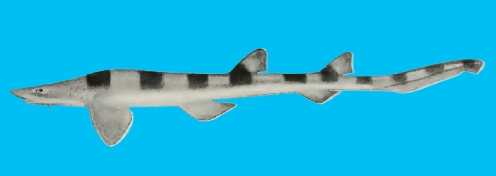
Cirrhoscyllium expolitum
Sharks have a slender, elongated body and a long, slightly pointed snout. The throat has characteristic …
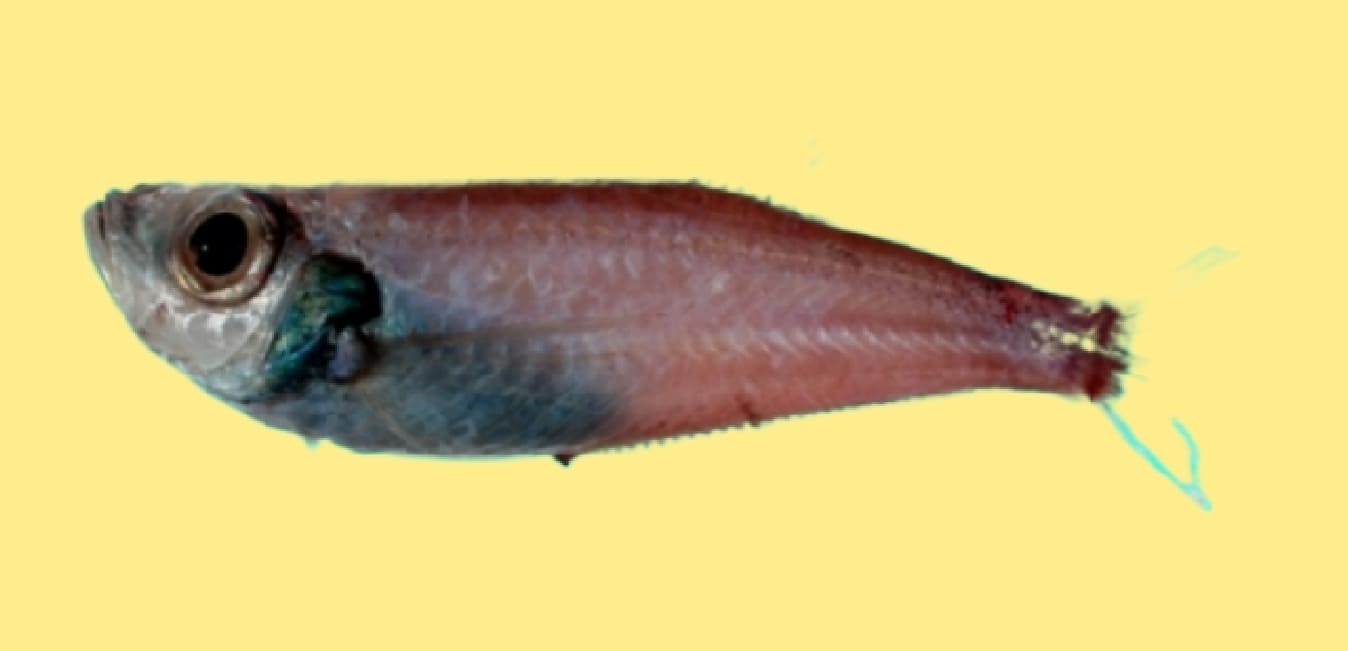
Neobathyclupea megaceps
This species is characterized by the following features: head length is about 2.5 times the average …
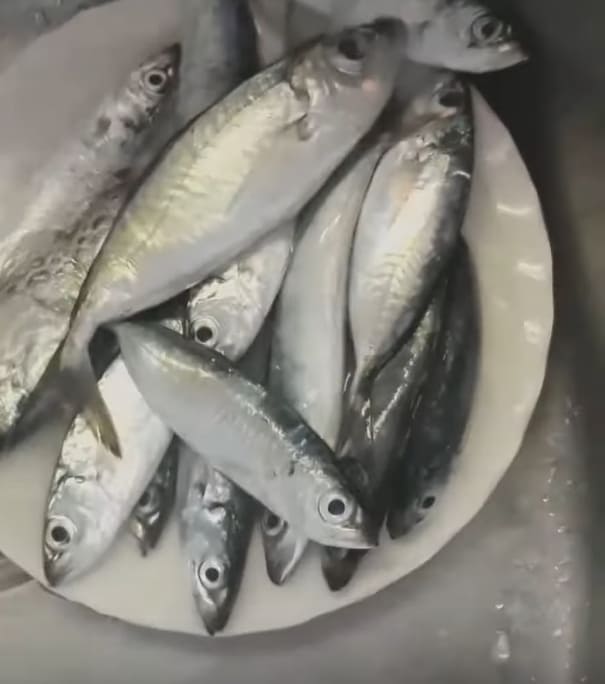
Alepes melanoptera
Have a body profile very similar to that of Alepes apercna, but is easily distinguished by …
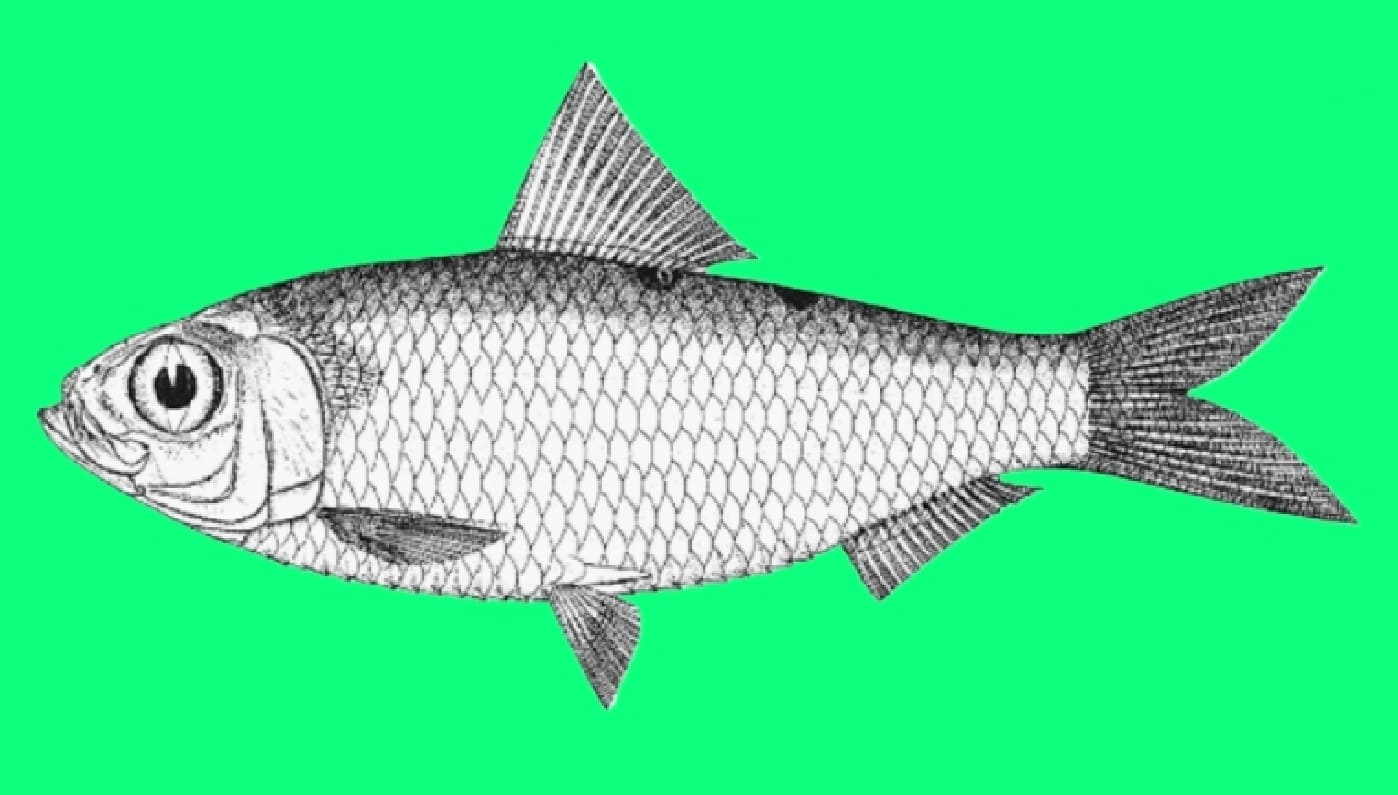
Herklotsichthys dispilonotus
Overlaps the range of H. quadrimaculatus, which lacks the black saddles and has elongate wing like …
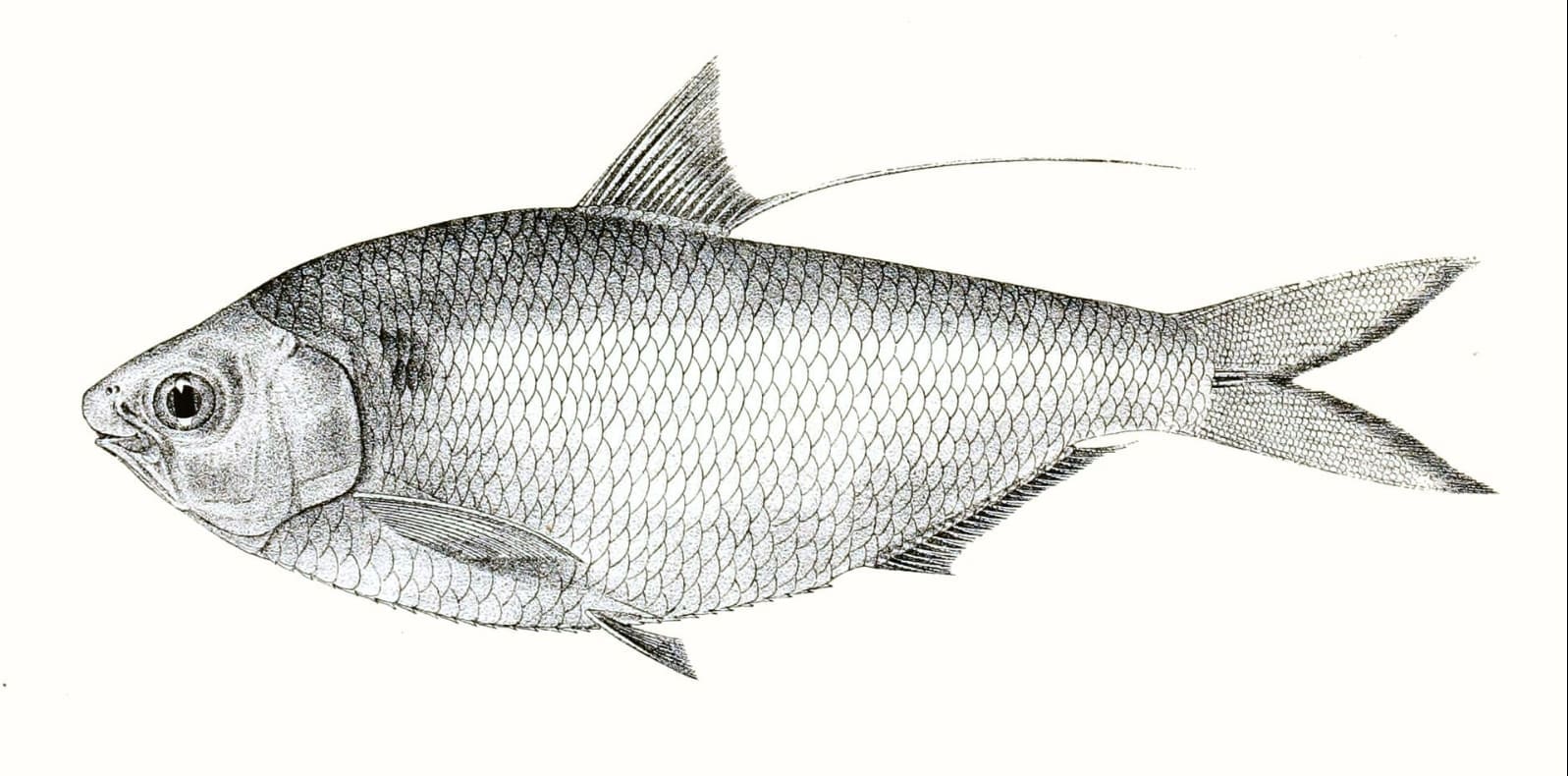
Nematalosa nasus
Body rather deep, its depth about 34-41% of the standard length, abdomen with 17-20 + 9-13 …
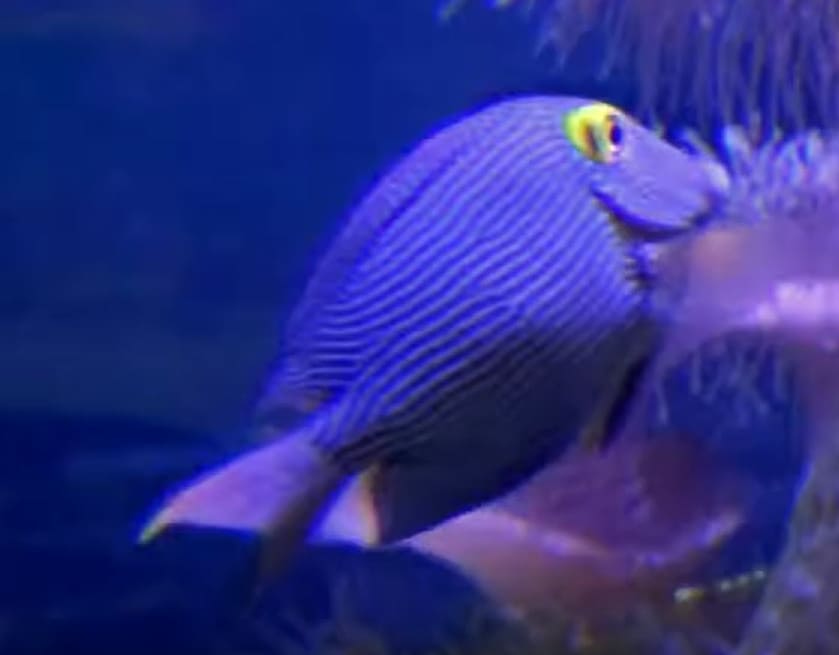
Ctenochaetus cyanocheilus
Ctenochaetus cyanocheilus has the species name cyanocheilus, which means "blue lips", which this fish displays when …
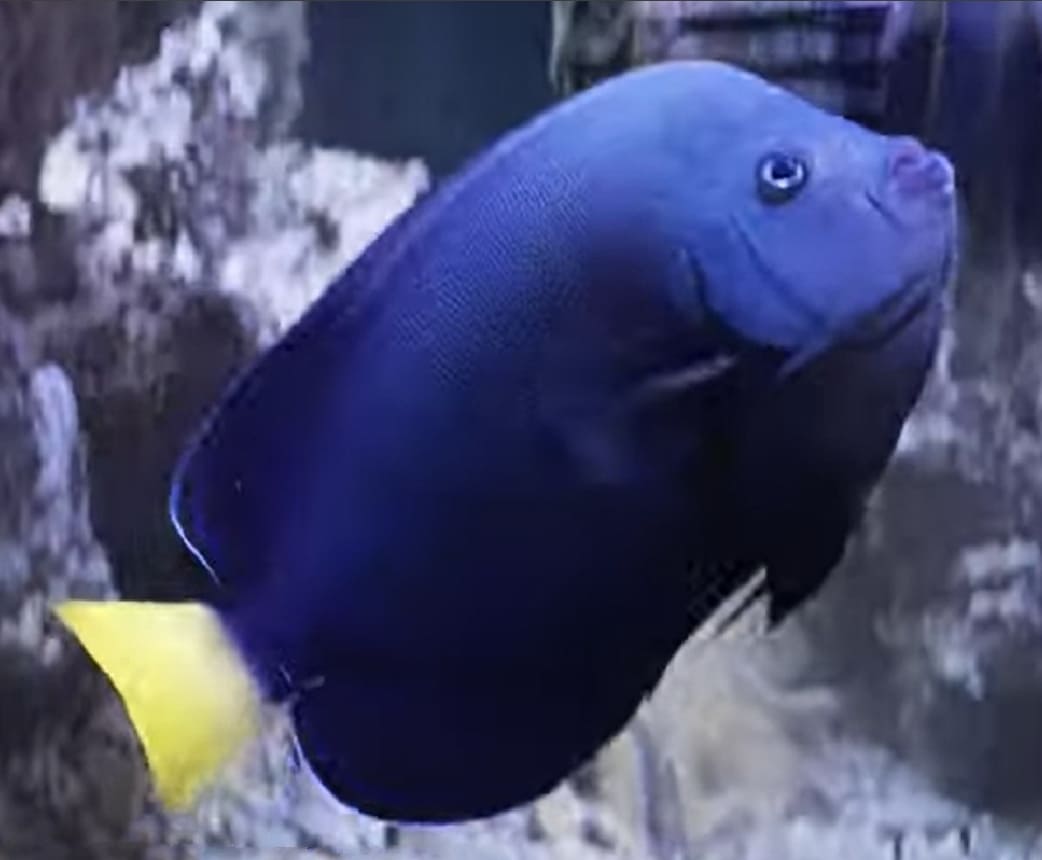
Chaetodontoplus caeruleopunctatus
The biggest differences between males and females are in their pelvic fins and body shape. Males …
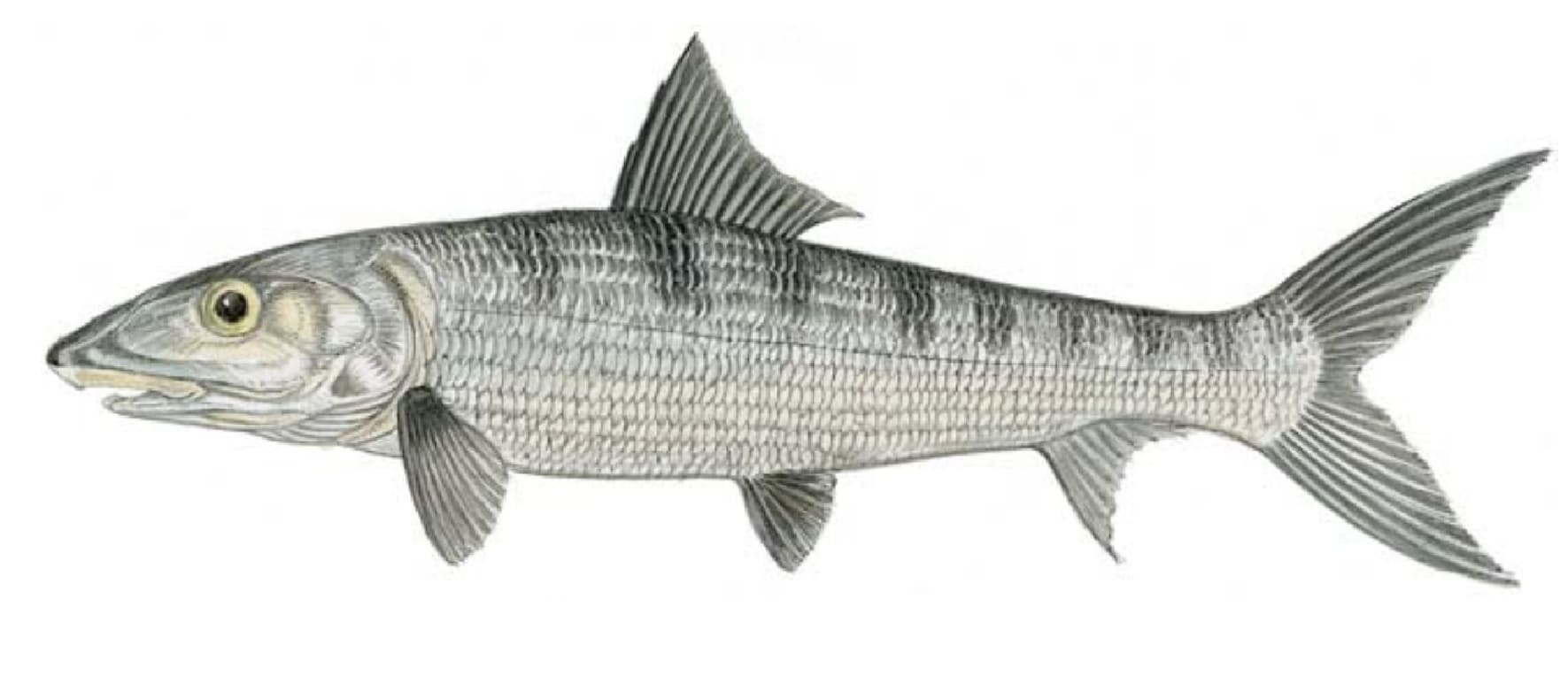
Albula vulpes
The body, except for the head, is covered with rather fine scales. The back is dark …
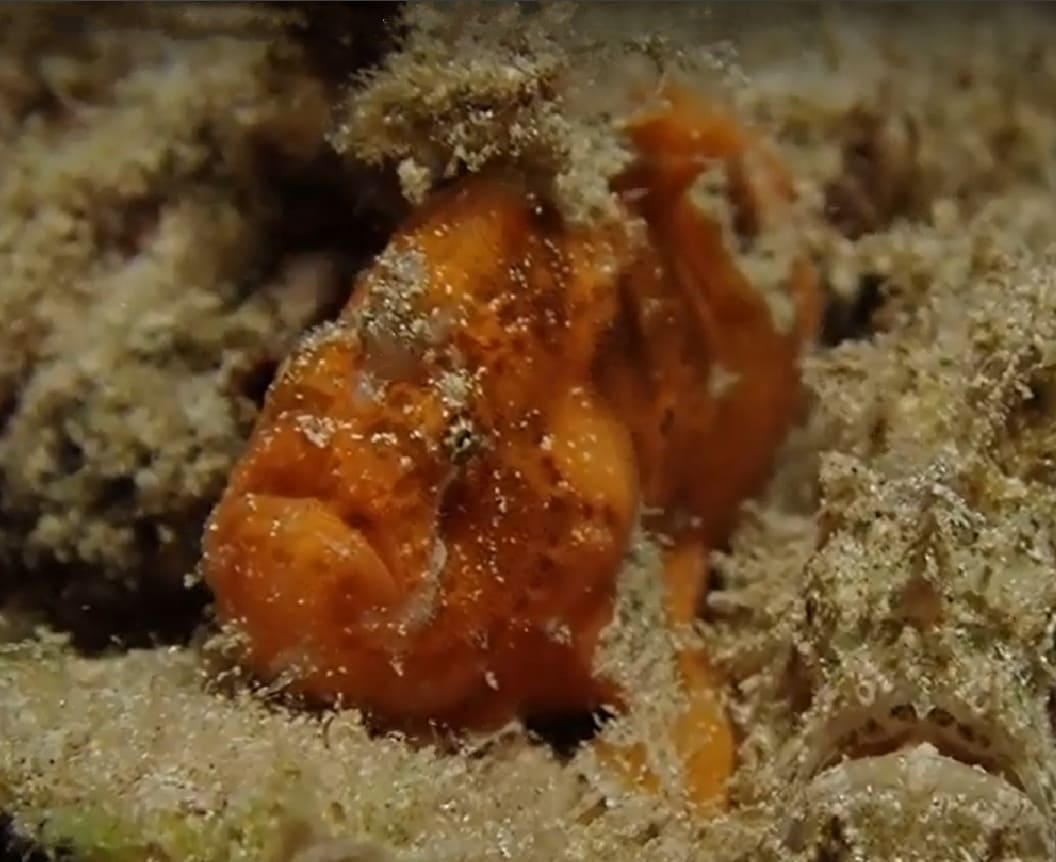
Antennarius biocellatus
Antennarius biocellatus has a second dorsal process that is longer than the first, the illicium, and …
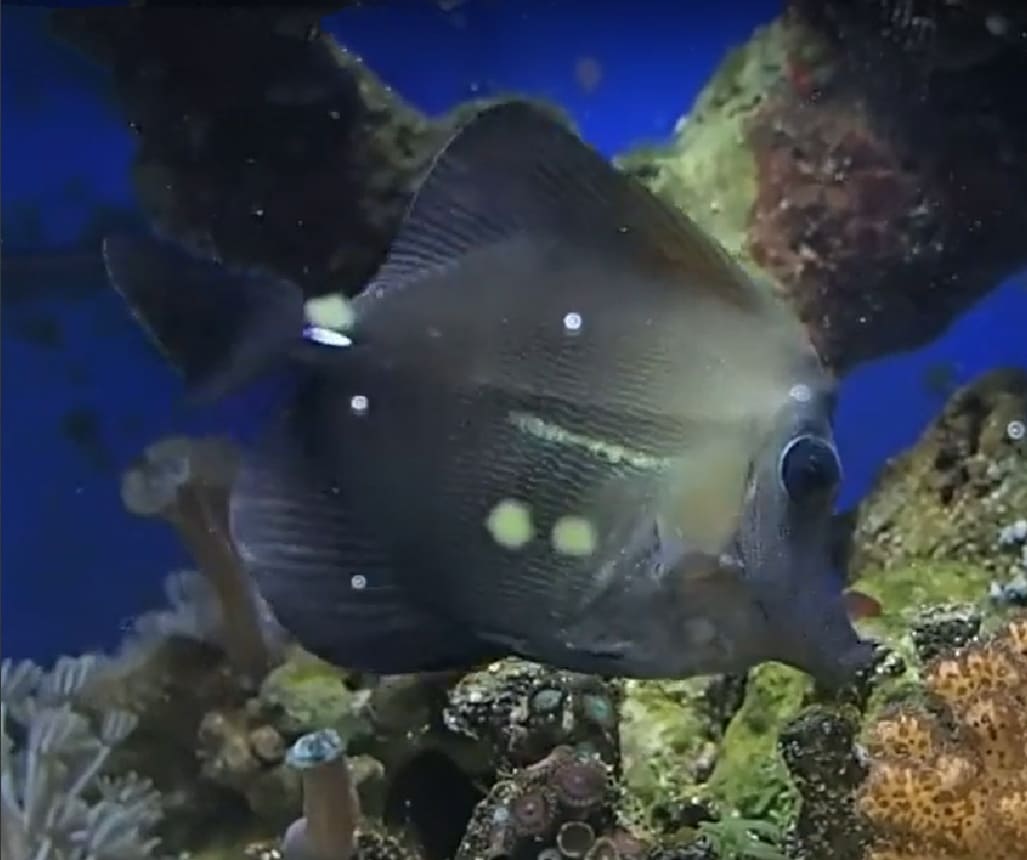
Zebrasoma scopas
These fish have a thick body compressed at the sides and a protruding face.
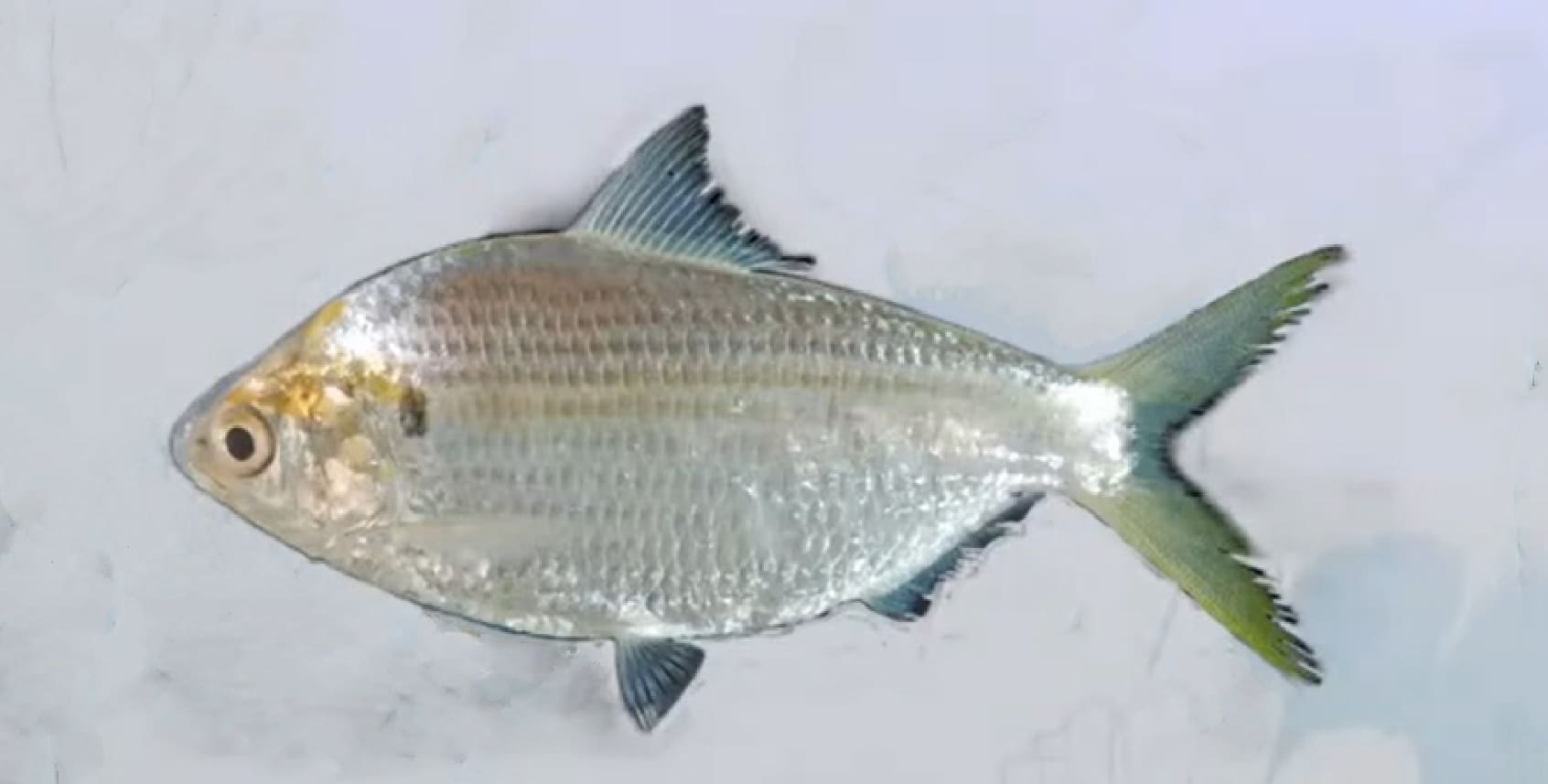
Anodontostoma chacunda
The depth of the body increases with the size of the fish, from 40 to 70% …
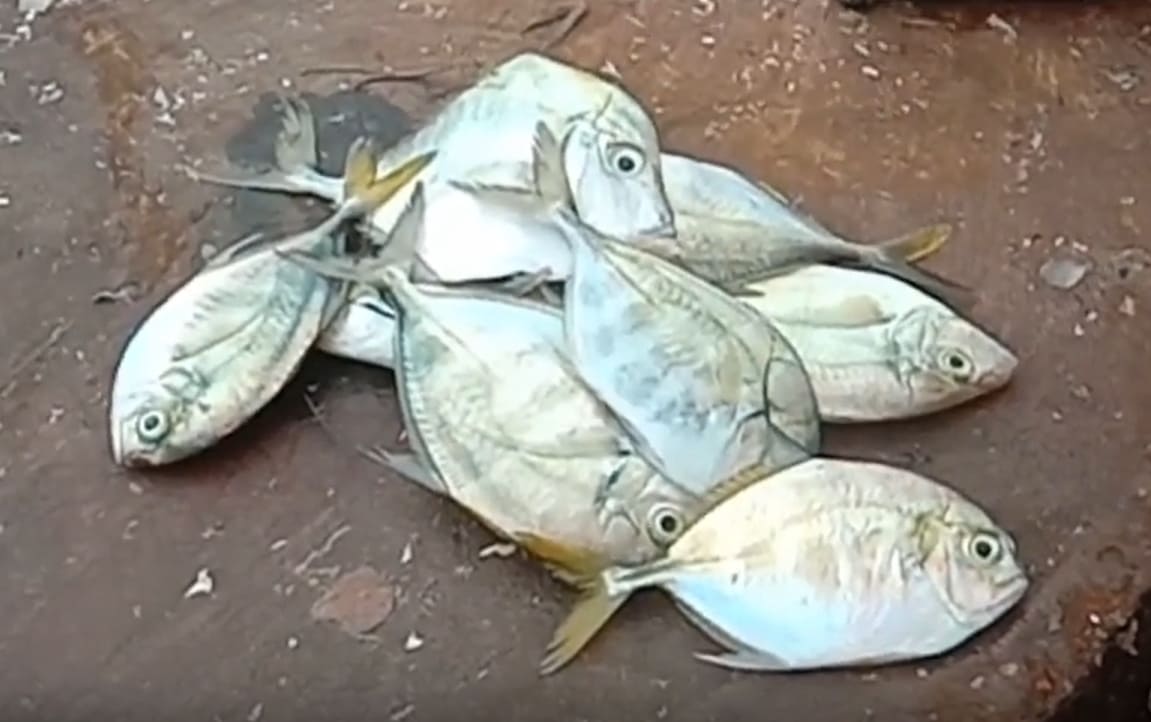
Atropus atropos
The body is oval in shape, strongly compressed at the sides. The height of the body …
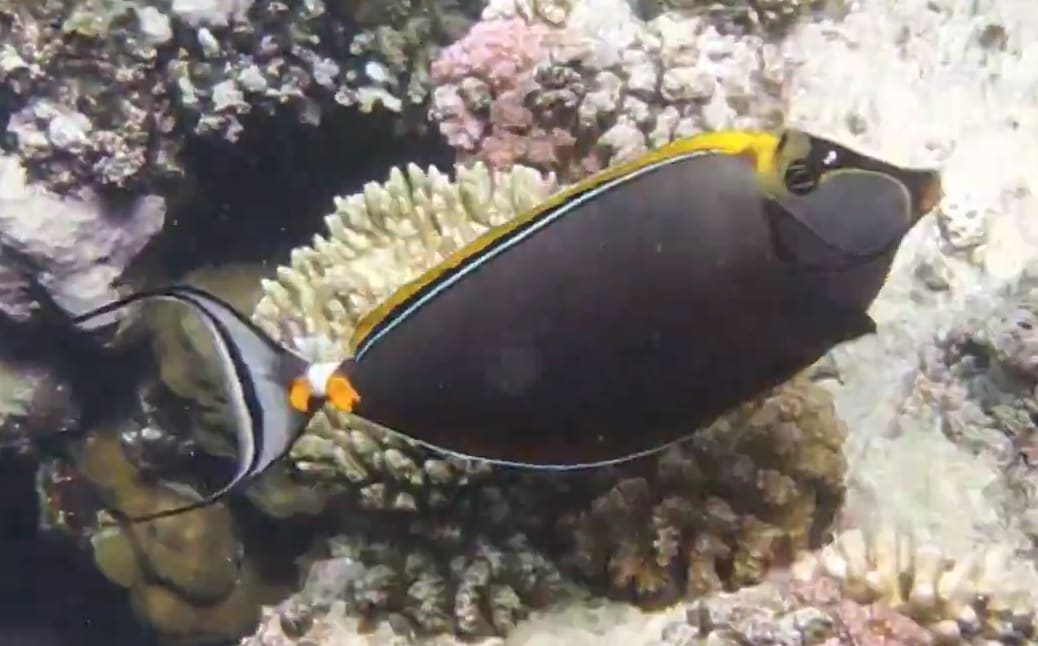
Naso lituratus
Characteristic features of Naso lituratus include orange lips, a caudal peduncle with a curved spine, and …
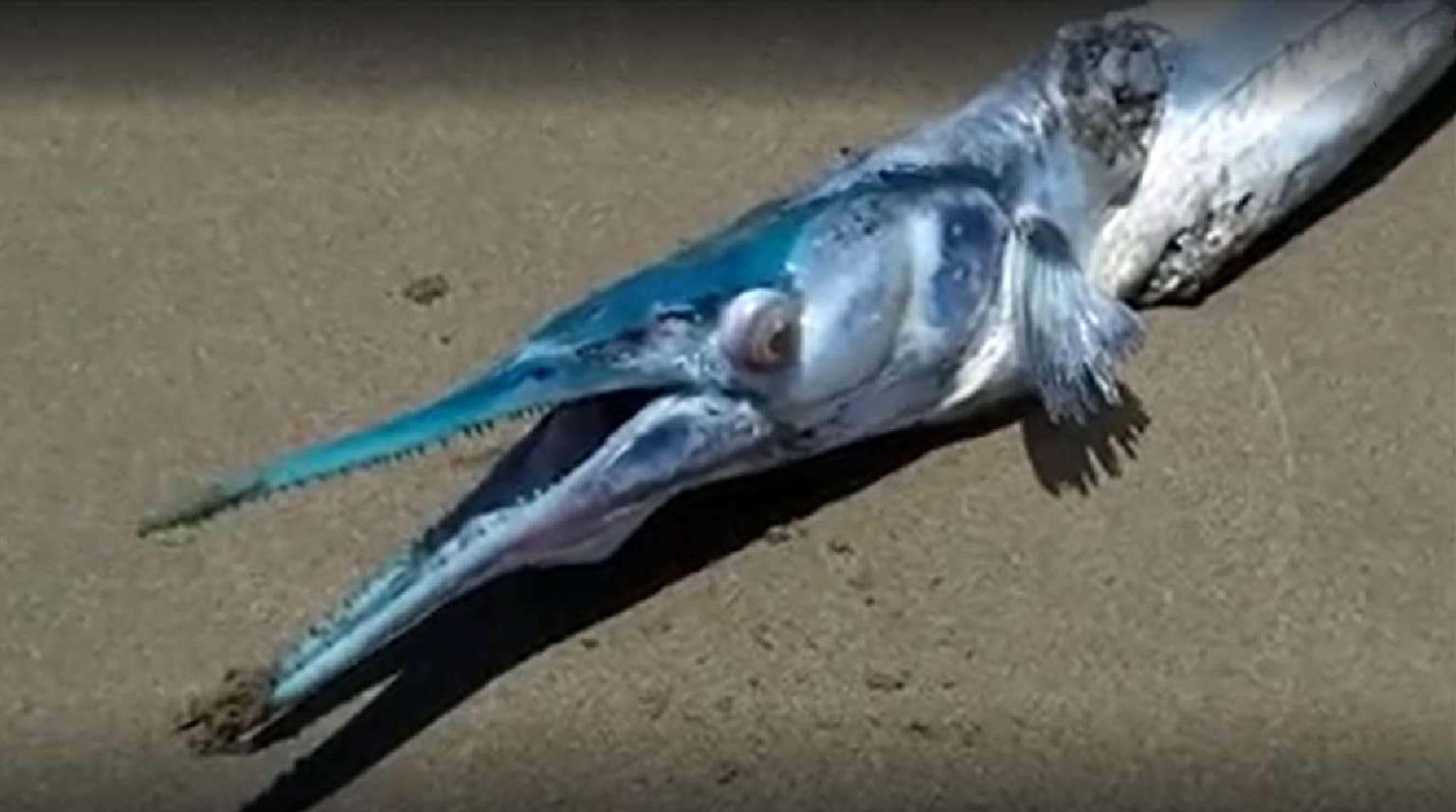
Tylosurus crocodilus
These fish are known to have 270-340 anterior scales and 75-80 vertebrae. The jaws are extremely …
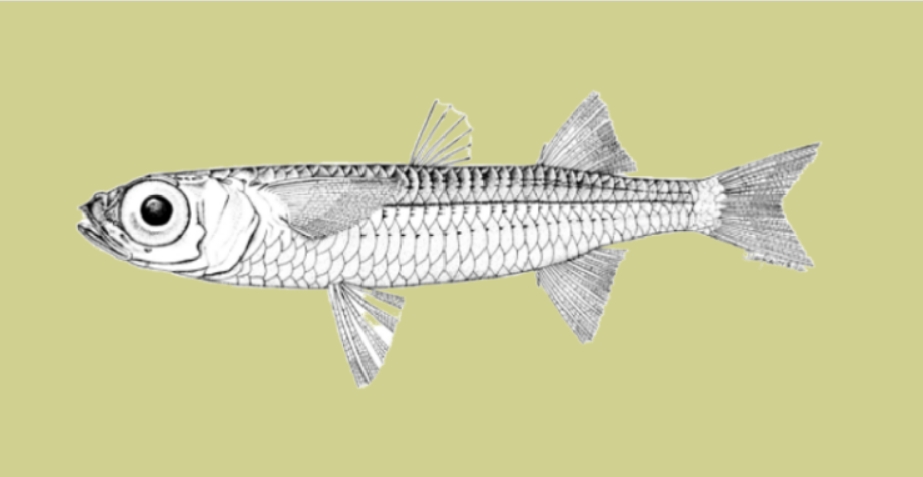
Atherinomorus regina
The palatal teeth are absent. Biology unknown. Probably used as food by commercial fish species.
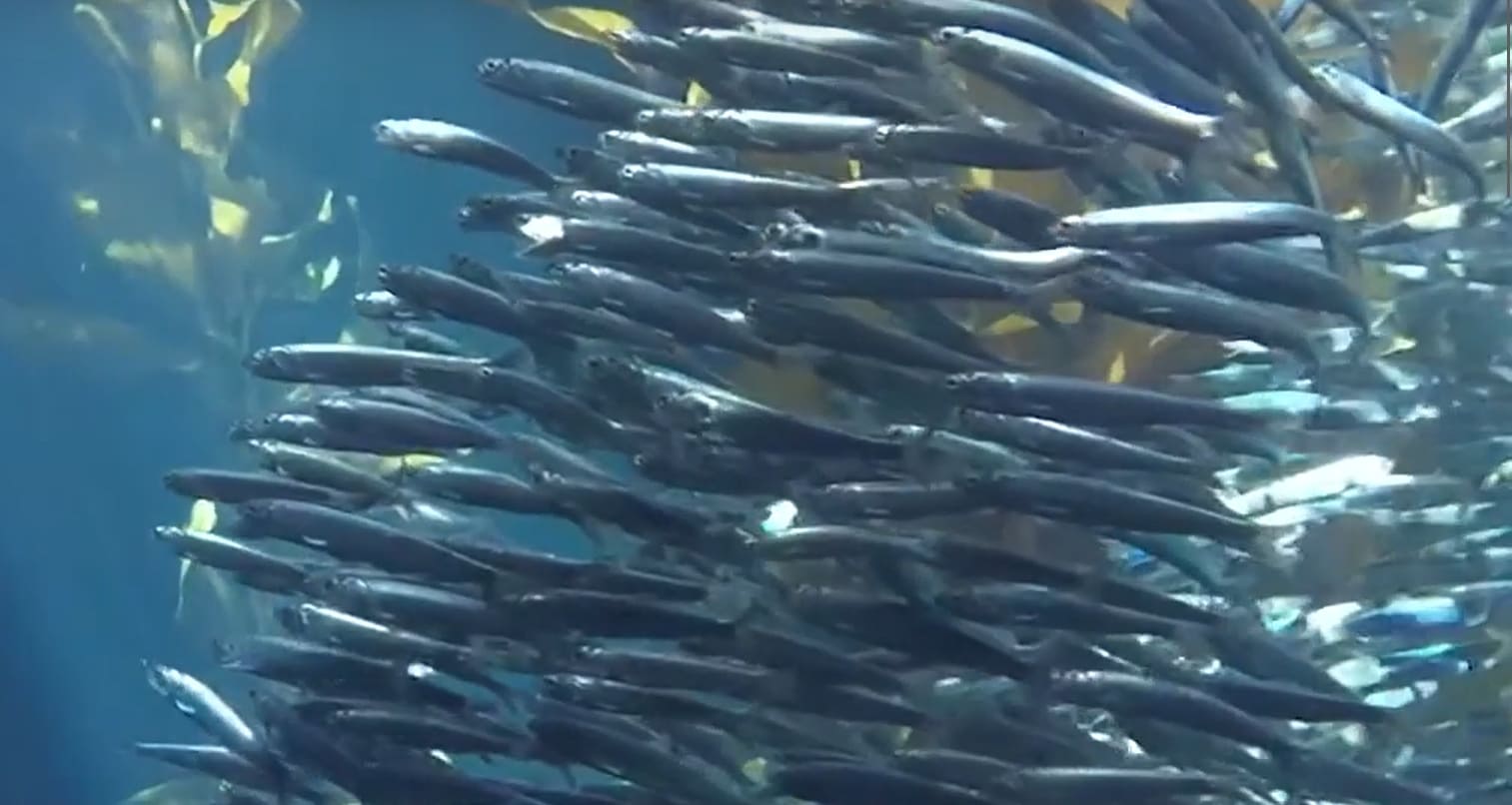
Sardinella brachysoma
Body deep; total number of scales from 29 to 32. Vertical furrows on the scales overlapping …
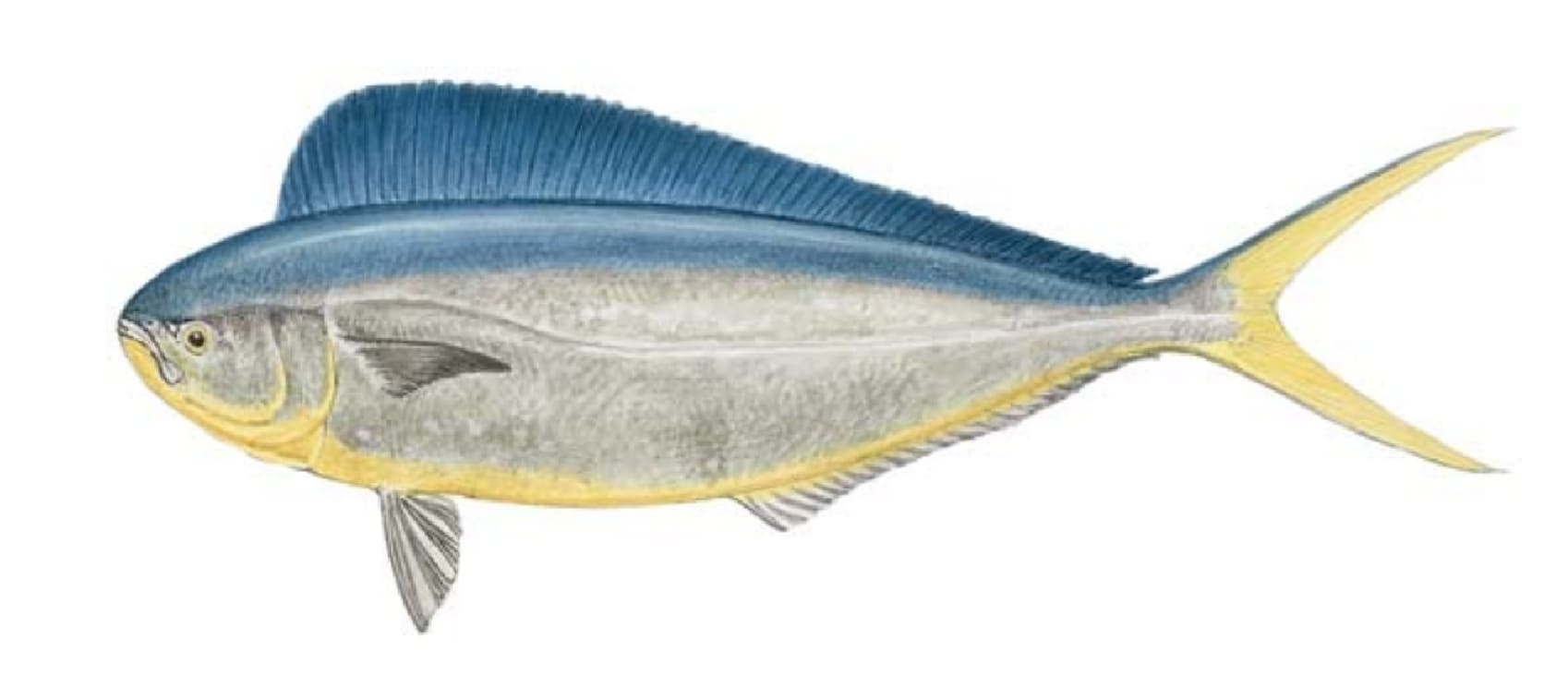
Coryphaena equiselis
This species is almost identical to the common dolphin in coloring and general shape, although it …
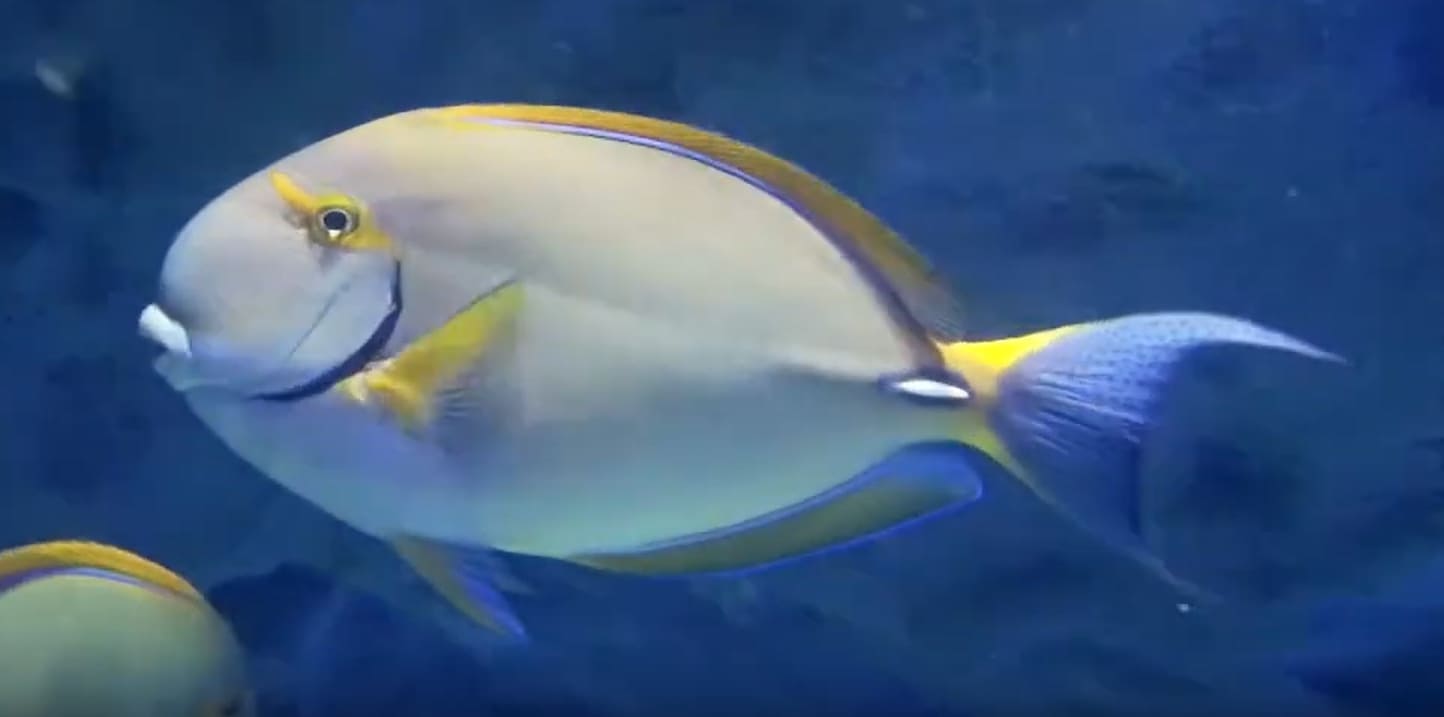
Acanthurus dussumieri
Older males have a hump on the back of the head. Small scales. Gill rays 22-26 …
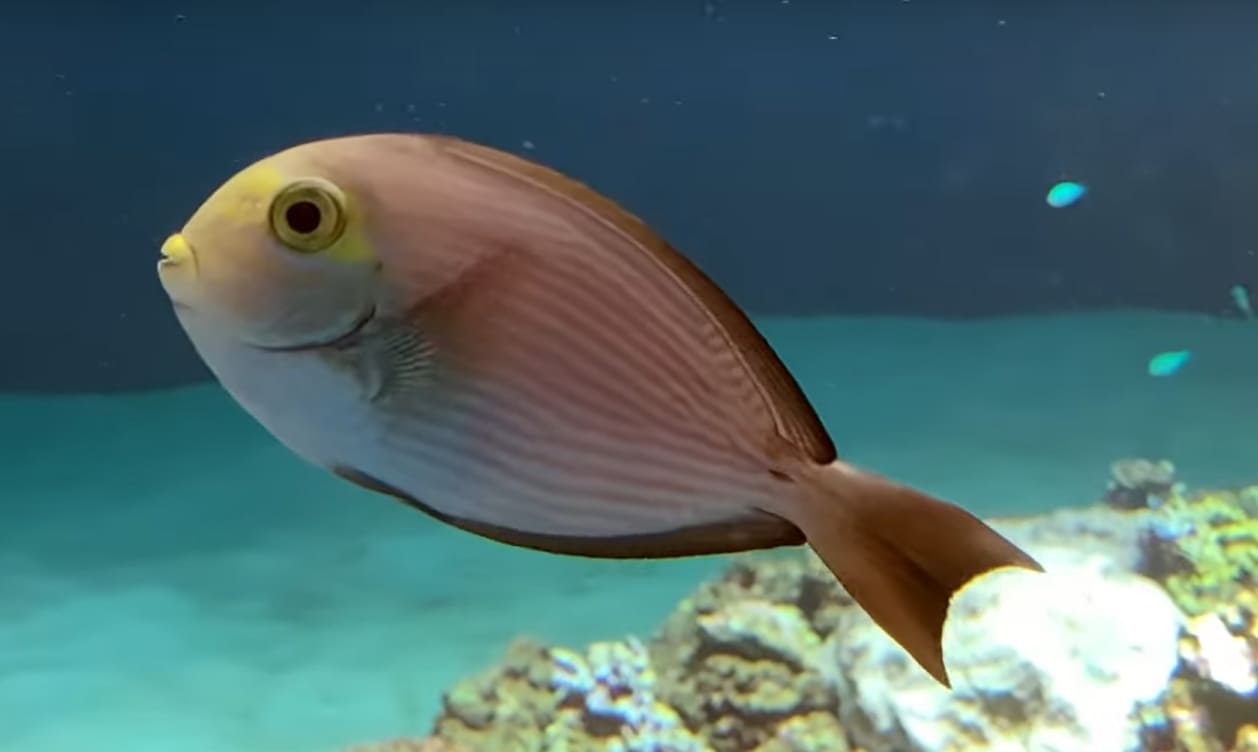
Acanthurus mata
The body is oval in shape and compressed at the sides. The muzzle is relatively short. …
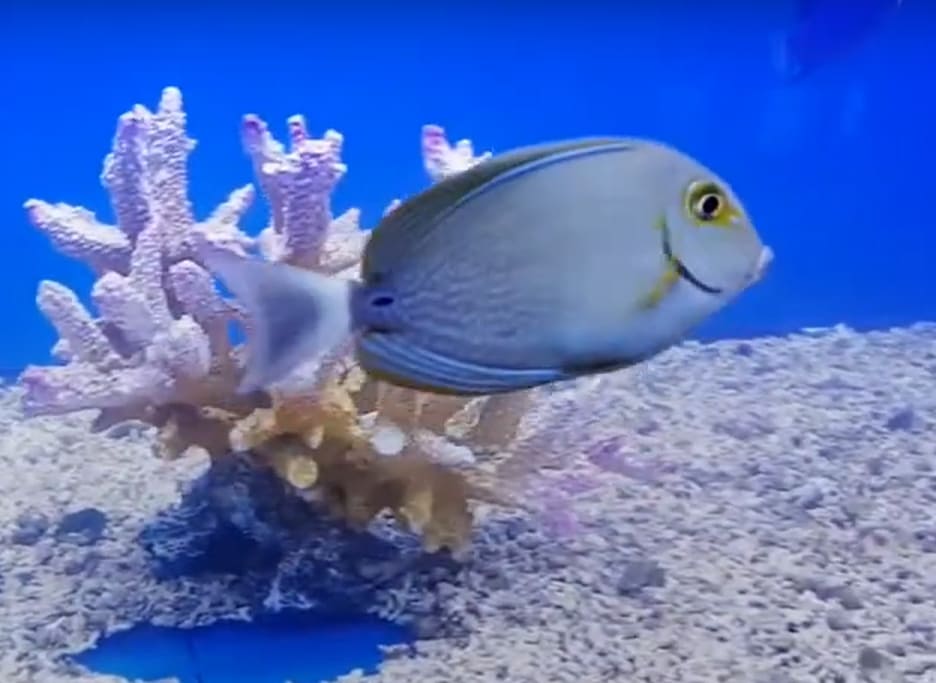
Acanthurus nigricauda
It is a fish with a thick body compressed from the sides. The profile of the …
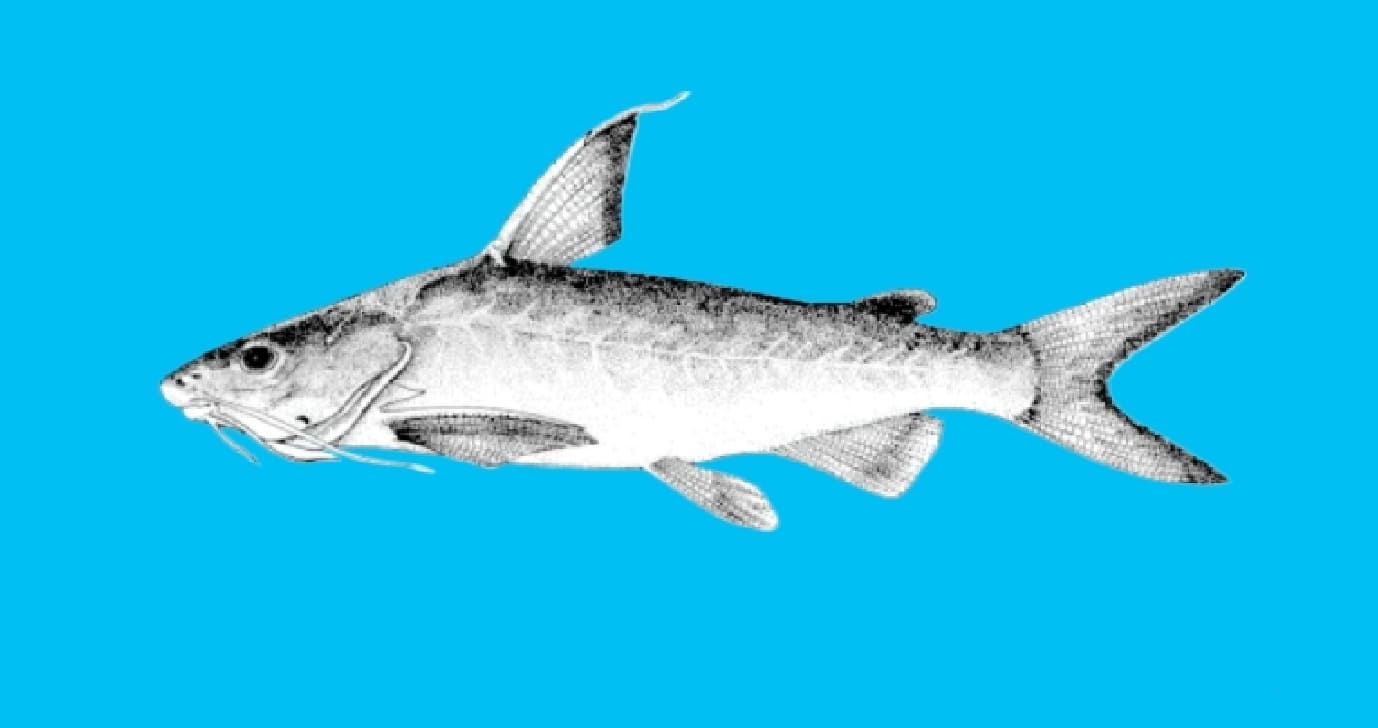
Arius dispar
The species was described by Albert William Herre in 1926, originally as part of the genus …
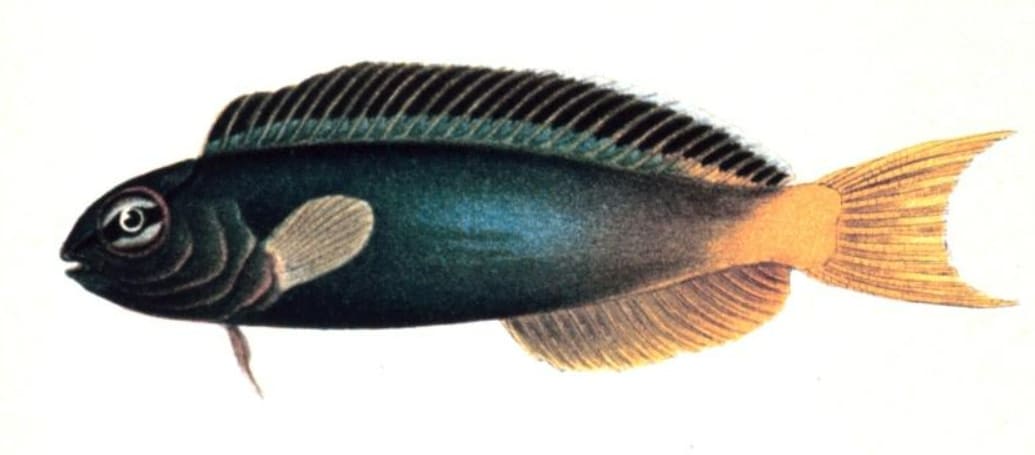
Meiacanthus atrodorsalis
Adults have long filaments on the tips of the caudal fin.
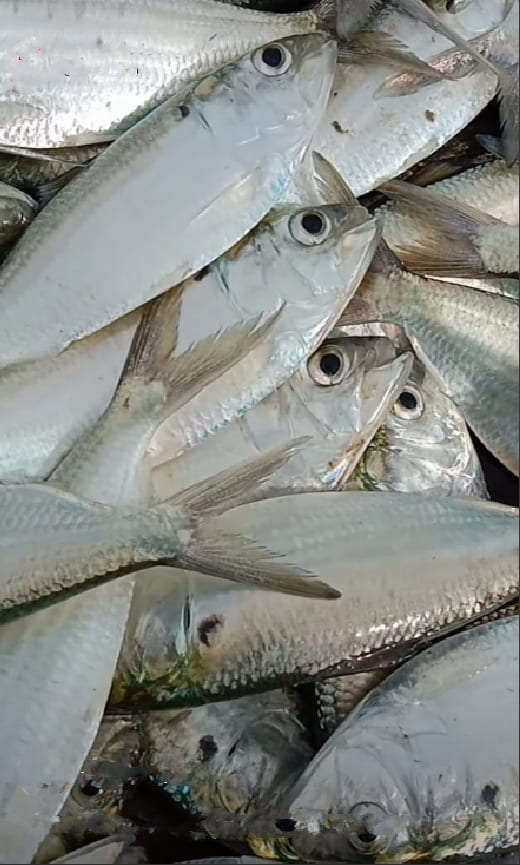
Sardinella fimbriata
They have a spindle-shaped body (its height is 25-34% of the total length), it is slightly …