 Allfishes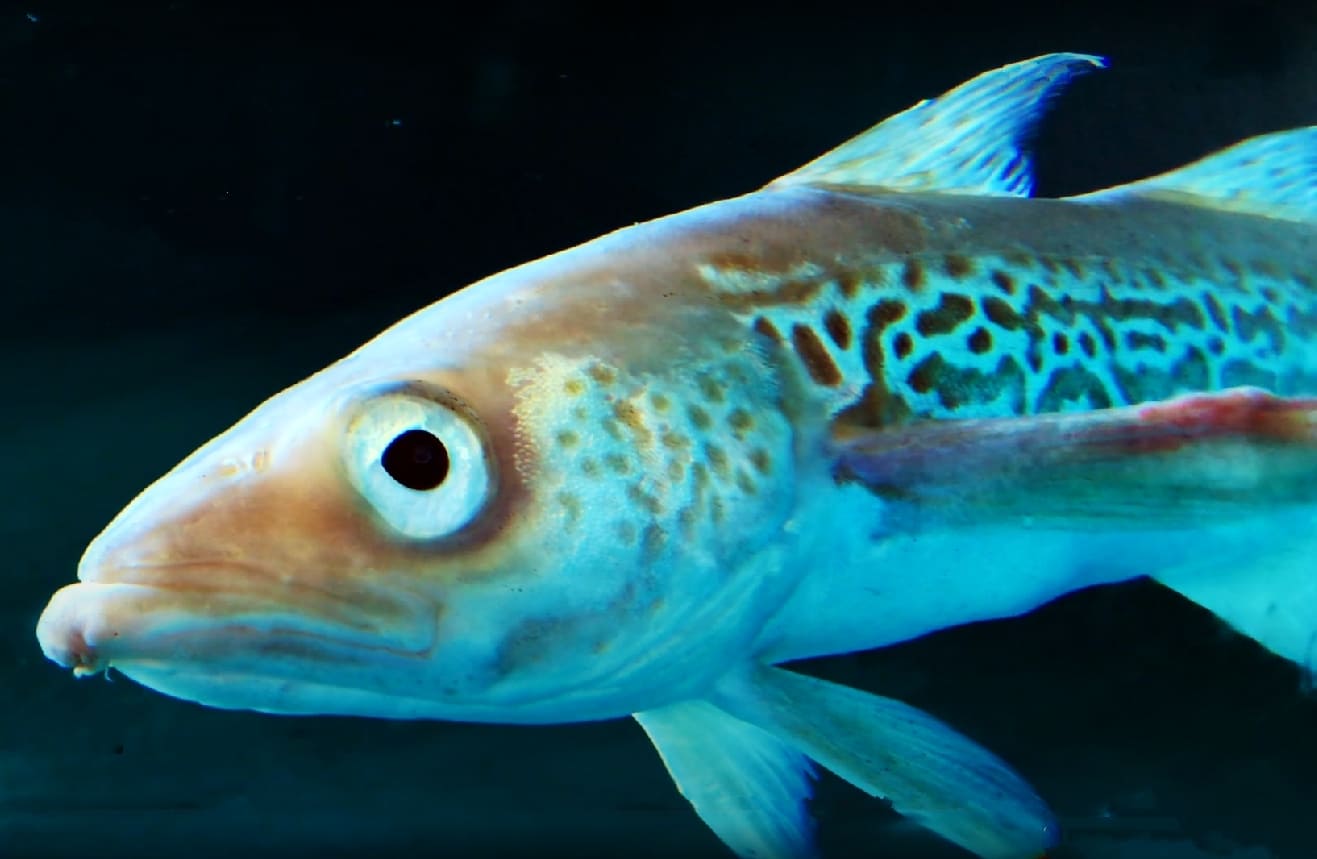
Alaska pollock
Gadus chalcogrammus
Alaska pollack have very large eyes and a very short tendril under the lower lip. The …
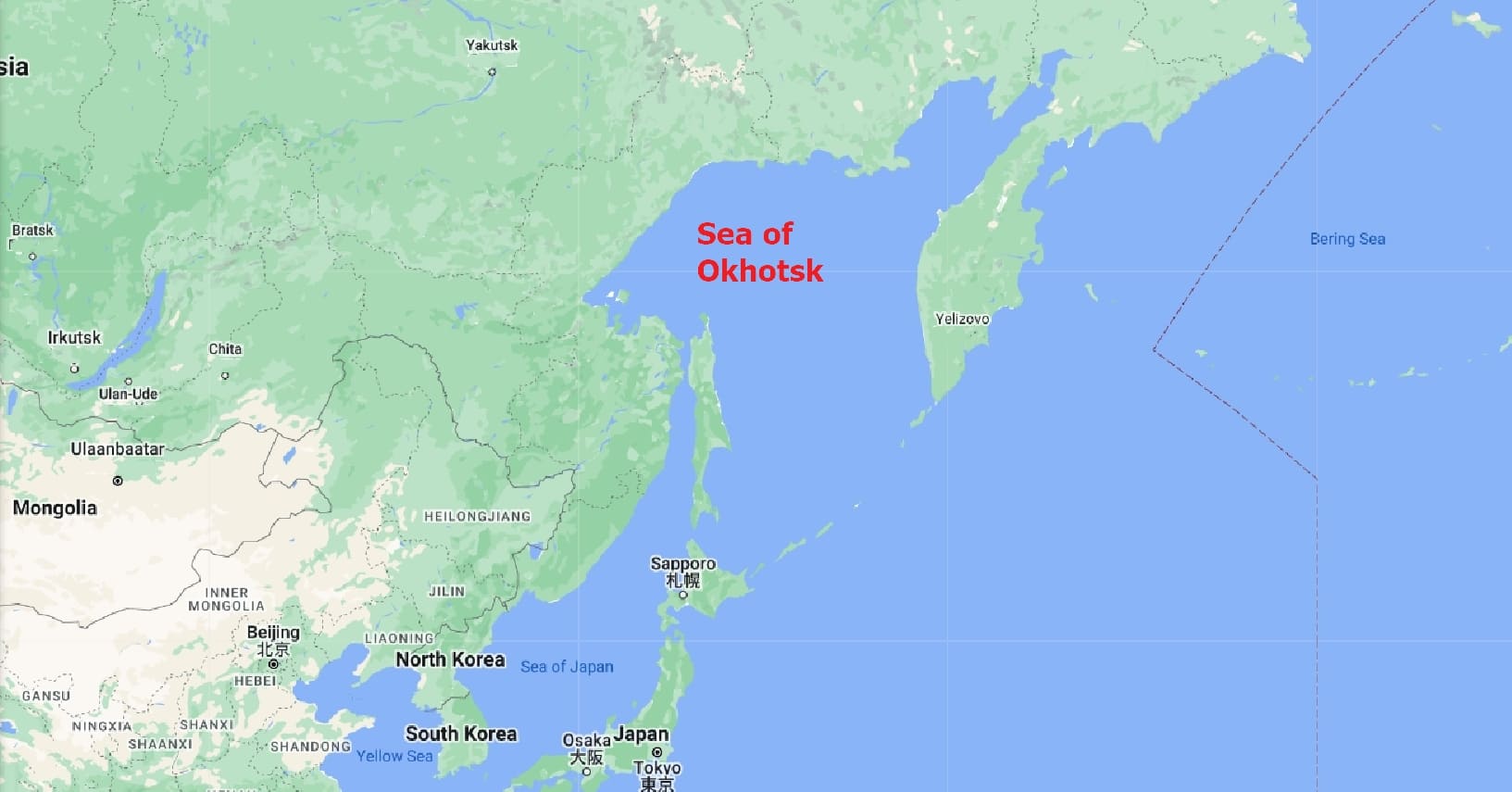 The Sea of Okhotsk is a sea of the Pacific Ocean, separated from it by the Kamchatka Peninsula, the Kuril Islands and Hokkaido Island. It is separated from the neighboring Sea of Japan by Sakhalin Island. It washes the coasts of Russia and Japan. In the cold season, more than half of the sea surface is covered with ice for 6-7 months. In winter, the water temperature near the surface ranges from -1.8 to 2.0°C, while in summer it rises to 10-18°C. The number of fish species in the Sea of Okhotsk is large, so the sea is an important industrial site.
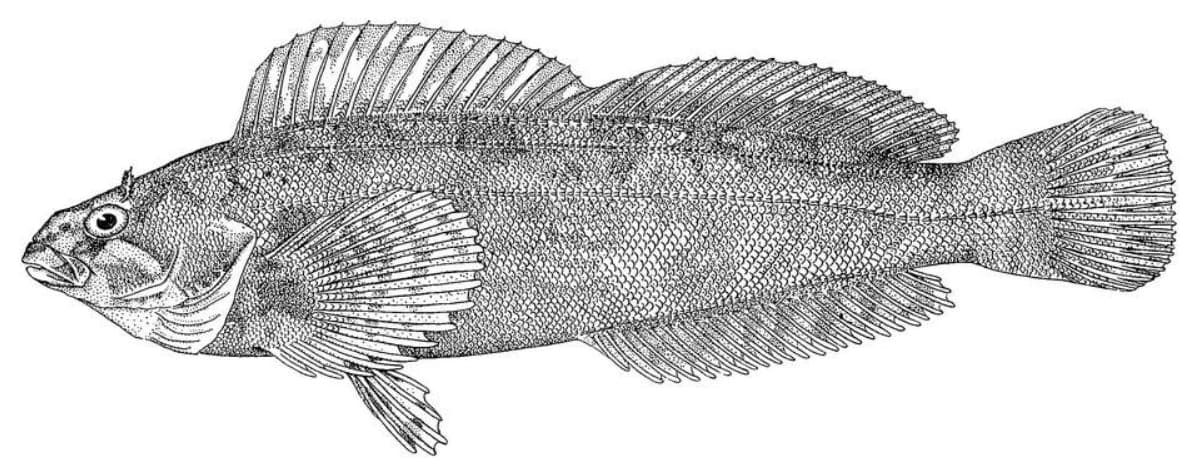
The Sea of Okhotsk is home to about 300 species of fish, of which about 40 are commercial, including Pacific cod (Gadus macrocephalus), Alaska pollock (Gadus chalcogrammus), Pacific herring (Clupea pallasii), saffron cod (Eleginus gracilis), white-edged rockfish (Sebastes taczanowskii), blue rockfish (Sebastes mystinus). Crested sculpin (Blepsias bilobus), rock greenling (Hexagrammos lagocephalus), Pholidapus dybowskii, Bering wolffish (Anarhichas orientalis), masked greenling (Hexagrammos octogrammus). The Salmonidae are widespread: Pink salmon (Oncorhynchus gorbuscha), Chum salmon (Oncorhynchus keta), Sockeye salmon (Oncorhynchus nerka), Coho salmon (Oncorhynchus kisutch), Chinook salmon (Oncorhynchus tshawytscha), and Japanese huchen (Parahucho perryi), the largest and oldest fish in this family.
Sea urchins of various forms are found in various sublittoral horizons, on stony, sandy and muddy substrates of the Sea of Okhotsk. The most common is the green sea urchin. The most beautiful and mysterious inhabitants of this sea are sea stars (Evasterias retifera) and living corals. Humpy shrimp is the most popular shrimp species in the northwestern part of the sea. On hard substrate - rocks, boulders, less often on pebbles and gravel are distributed bay mussels. Jellyfish (lion's mane jellyfish, Atlantic sea nettle, brown-banded moon jelly) swim along the shores and in the water column.
Among the valuable seafood can be distinguished the red king crab - they are a delicacy. It is one of the largest representatives of crustaceans in Far Eastern waters. Pacific oyster is also a valuable food, rich in protein, vitamins and minerals, with a small amount of fat.
The sea is home to whales, seals, dolphins, Steller sea lions, fur seals.
As in many northern waters, several species of whales can be found here, including the rare fin whale and the largest mammal on the planet, the blue whale. The Sea of Okhotsk is also home to the long-lived bowhead whale, beluga whale, Dall's porpoise, and Pusa.
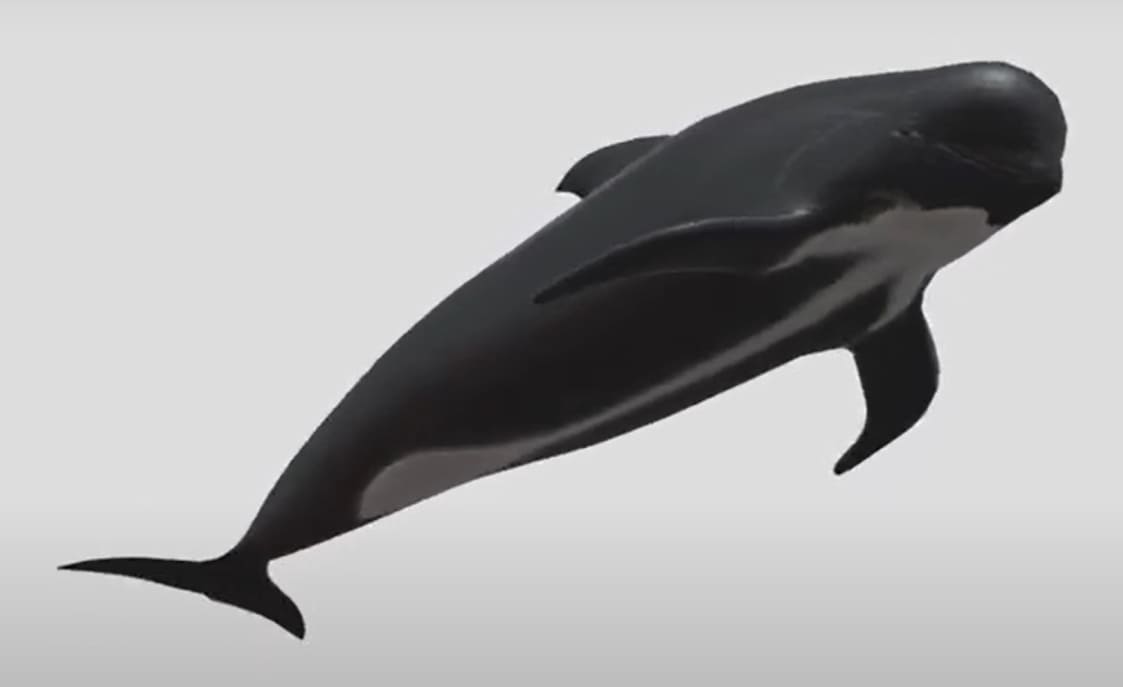
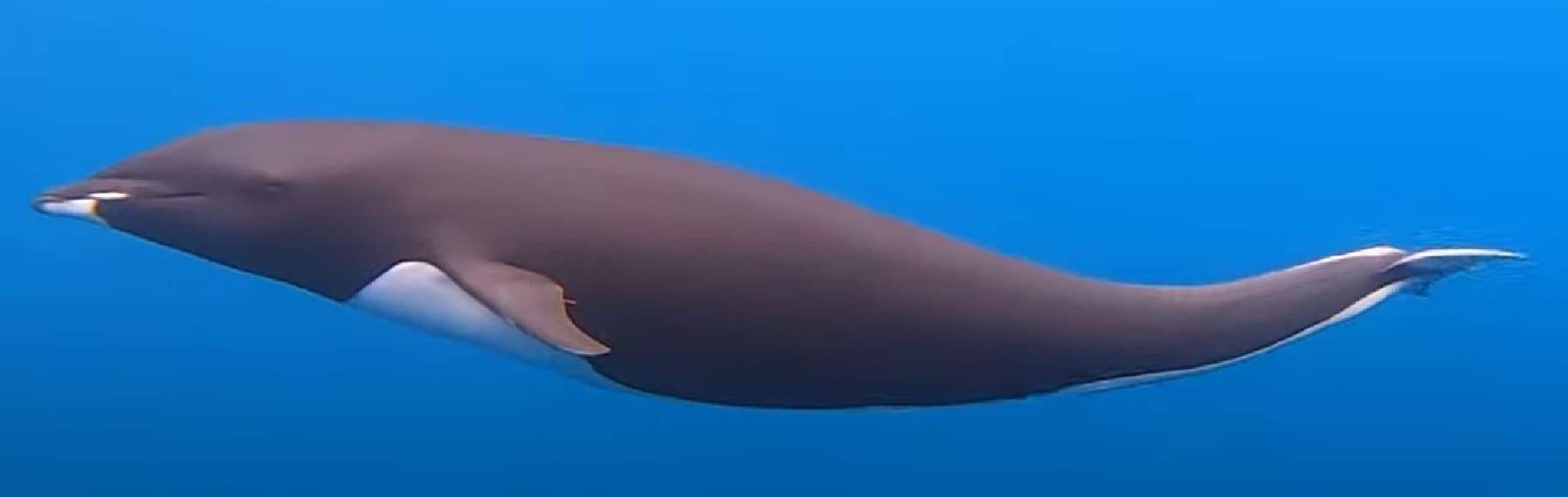
The Orca, the largest member of the family, is found in the cold waters of the ocean. Other dolphins include common dolphin, striped dolphin, northern right whale dolphin, Pacific white-sided dolphin, Risso's dolphin, long-finned pilot whale and false killer whale.
Famous predators are not uncommon in the Sea of Okhotsk. Several are known to be present. The Salmon shark is potentially dangerous to humans, although no attacks have been recorded. On the contrary, these sharks have become the target of fishing. Their meat is of high gastronomic quality, fins are considered a delicacy in Japan and East Asia. Spiny dogfish - its meat is highly valued for its lack of ammonia odor. Greenland shark - makes vertical migrations. It spends the winter at depths of up to 2000 meters and in the summer, when the water warms, it rises to the surface. Shortfin mako shark - a dangerous predator that grows to impressive size. It is considered the most agile of the sharks and can reach speeds of over 70 km/h.
The dives are technically challenging due to low visibility caused by large amounts of plankton and suspended sediment, strong tidal currents and water temperatures ranging from -2 to 10-14 degrees Celsius. They are mostly done in the spring. And if you manage to dive, you can see a magnificent variety of soft algae Laminaria and Fucus, sponges, bryozoa, Alcyonacea, which create a colorful relief where there is a huge number of representatives of the animal world from flat marine worm and mollusca to fish of the coastal zone and representatives of marine mammals. Bivalvia, Ctenophora, Gobiidae, flatfish, halibut, anarhichas, blue king crab, Paralithodes brevipes, Japanese spider crab, etc. are observed almost constantly.
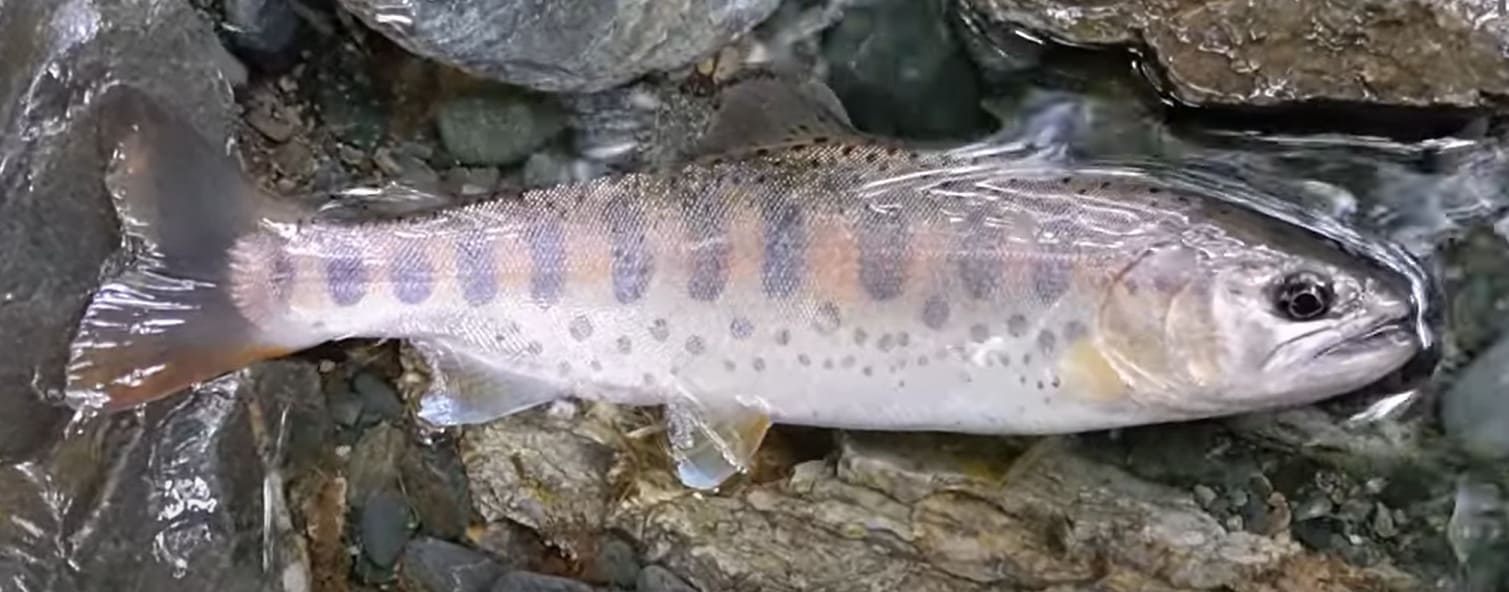
There are about 425 species of fish in the Sea of Okhotsk: salmonidae, halibut, Pleuronectidae family and many others. It is a paradise for lovers of sea fishing. Depending on the season there are: cod, flatfish, halibut, sebastes, blenny, batoidea, crab, octopus, squid, Japanese amberjack, masu salmon, pink salmon, chum salmon. From July to October it is possible to catch almost all the fish that live here.
Showing 1–24 of 30
Gadus chalcogrammus
Alaska pollack have very large eyes and a very short tendril under the lower lip. The …
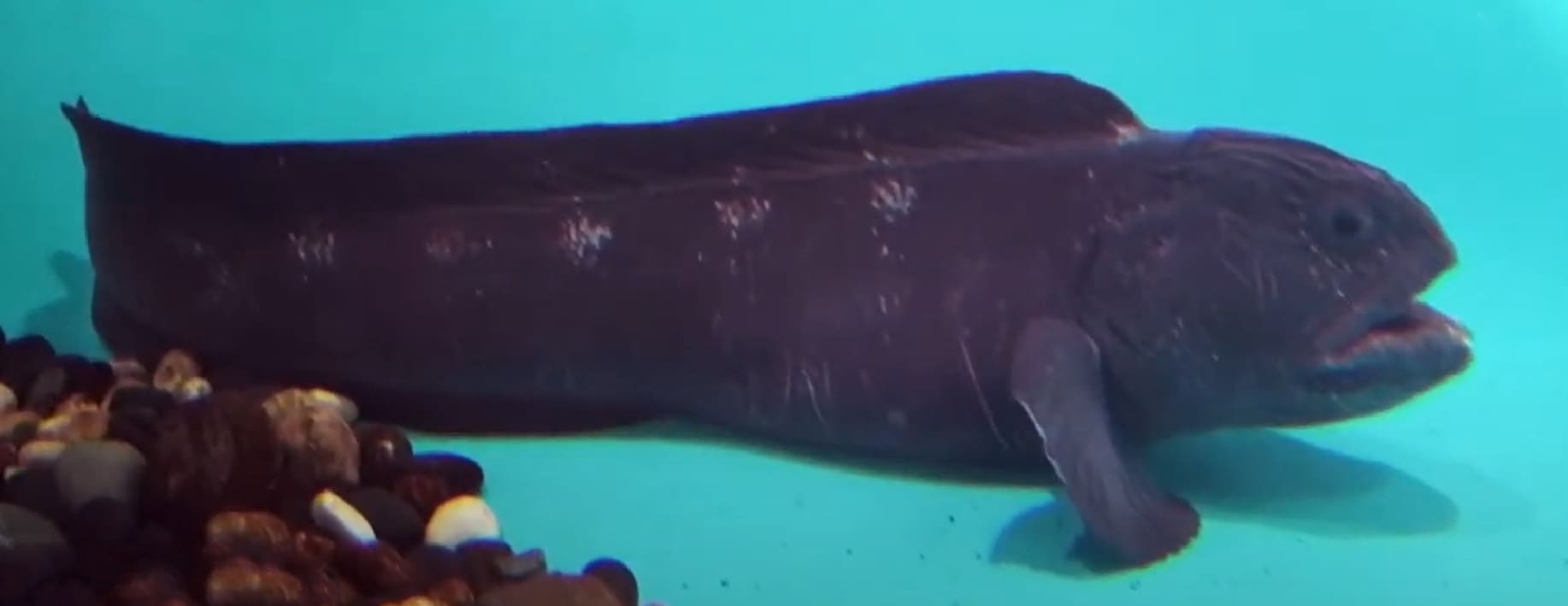
Anarhichas orientalis
The body is elongated, somewhat compressed at the sides, and covered with cycloid scales. The Bering …
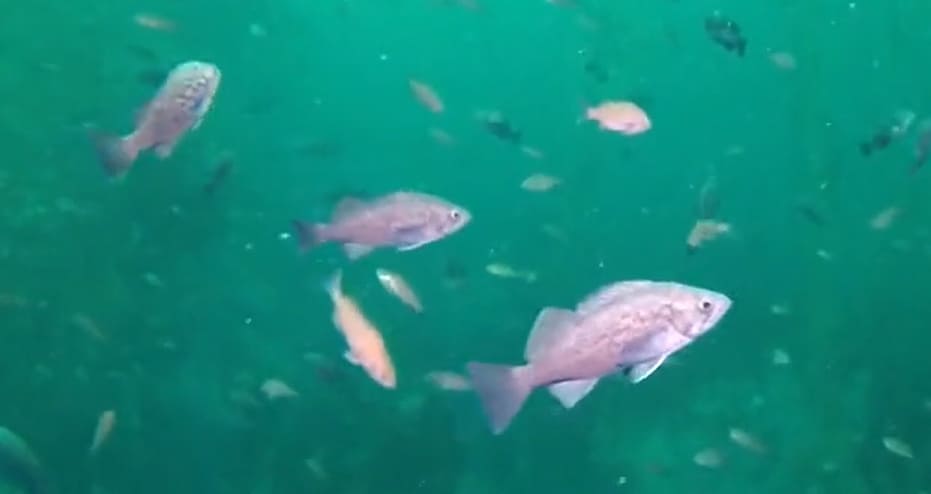
Sebastes mystinus
Compared to other members of the Sebastes family, the blue rockfish is relatively smooth and oval …
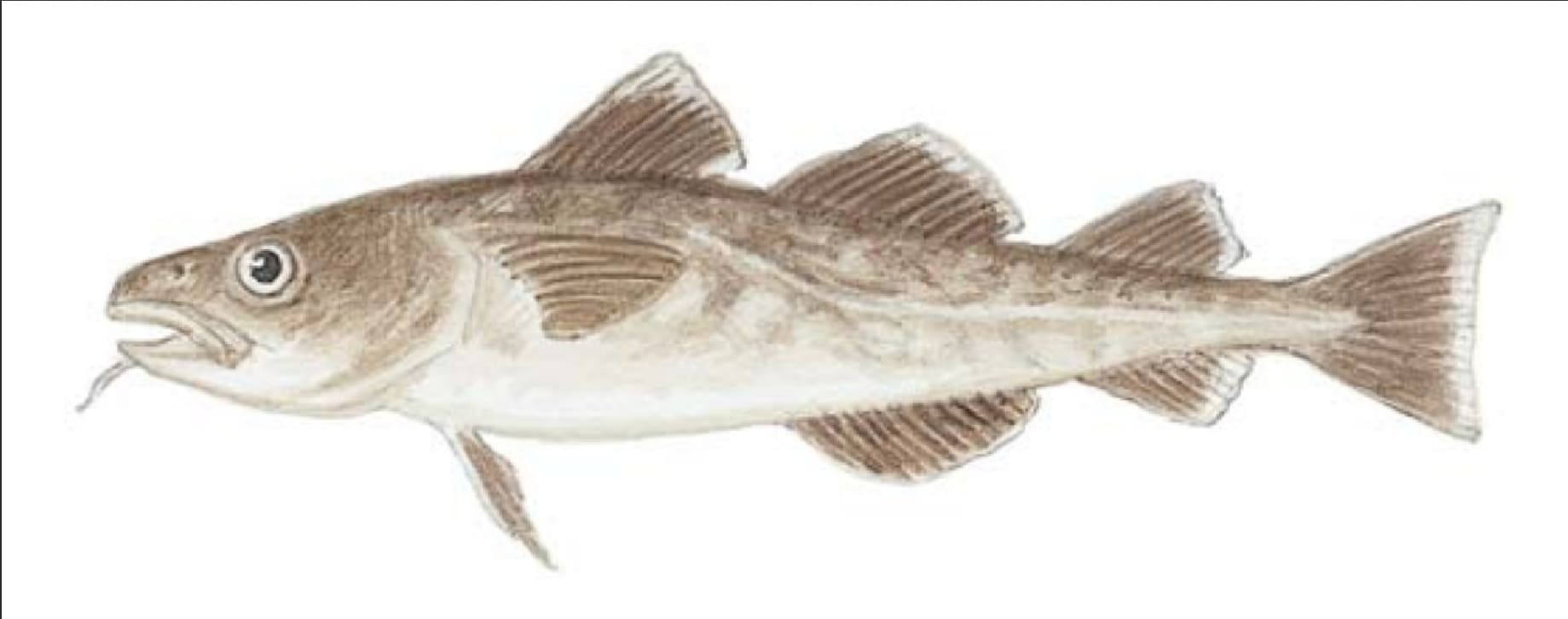
The Pacific cod, characteristic of the cod family, has three distinct dorsal fins, two anal fins, …
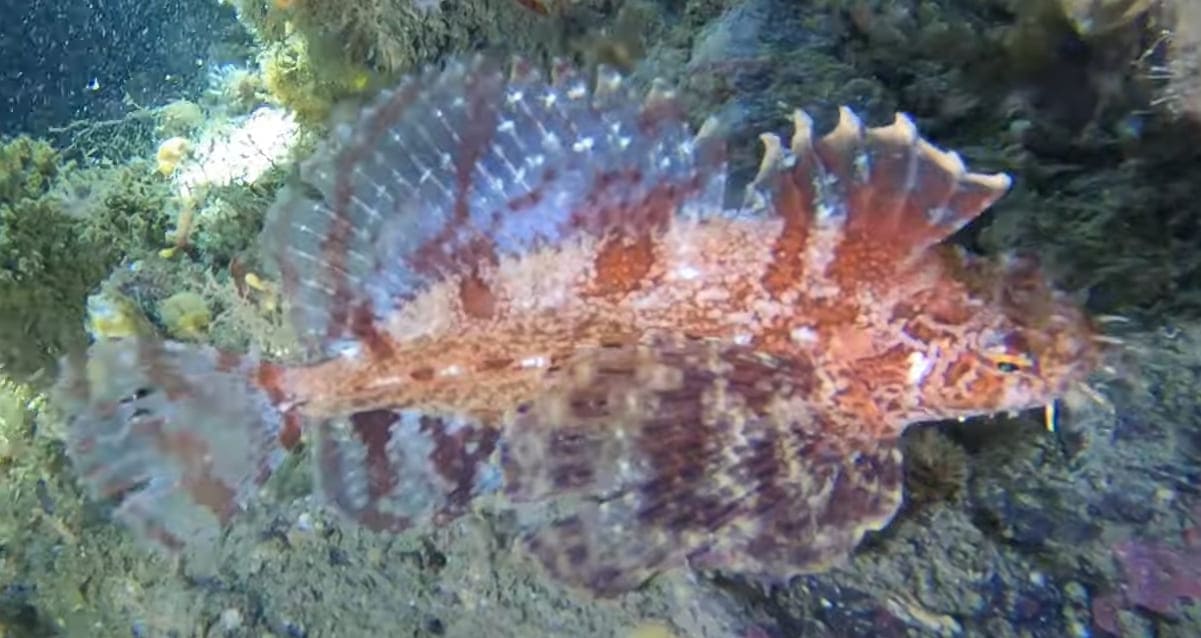
Blepsias bilobus
It has a deep, compressed body, all covered with spines. The snout is short, blunt, the …
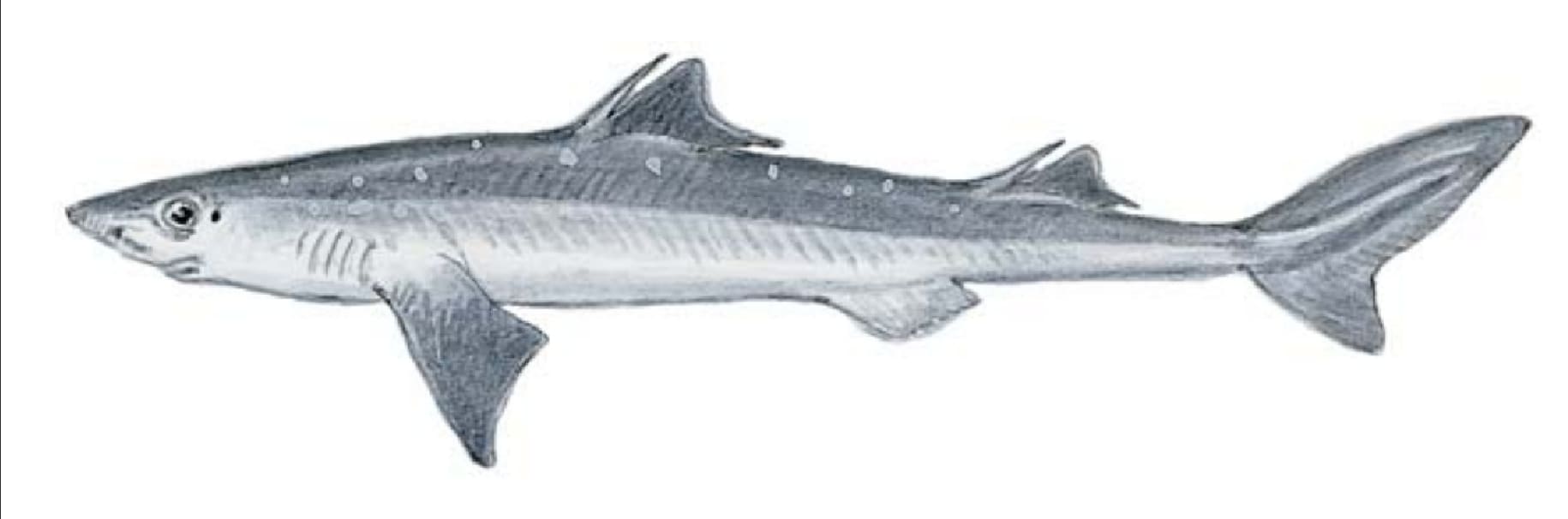
Squalus acanthias
The body is elongated and slender. Head is pointed. Coloration from above from slate-gray to brownish, …
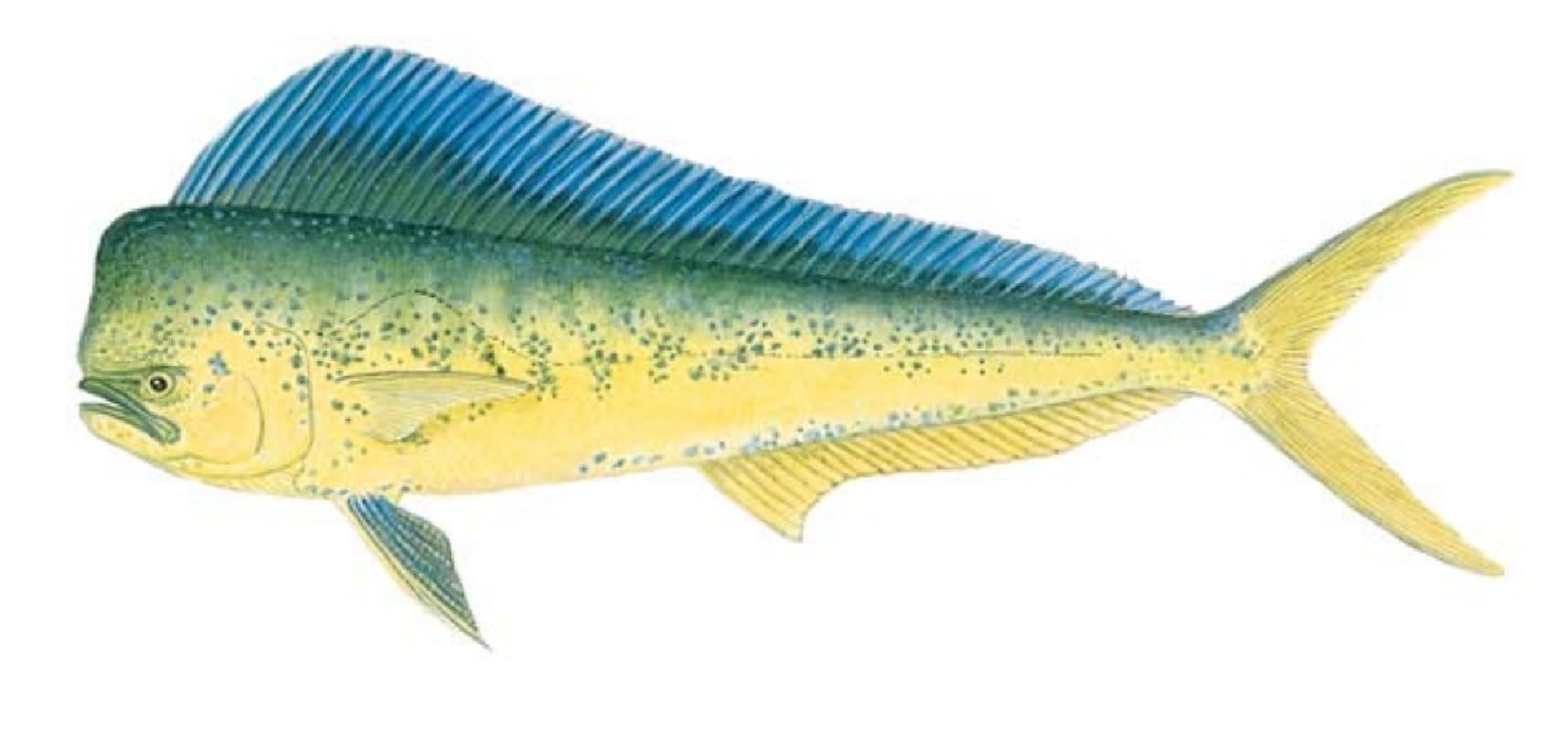
Coryphaena hippurus
The body is slender and streamlined, tapering sharply from head to tail. Large males, called bulls, …
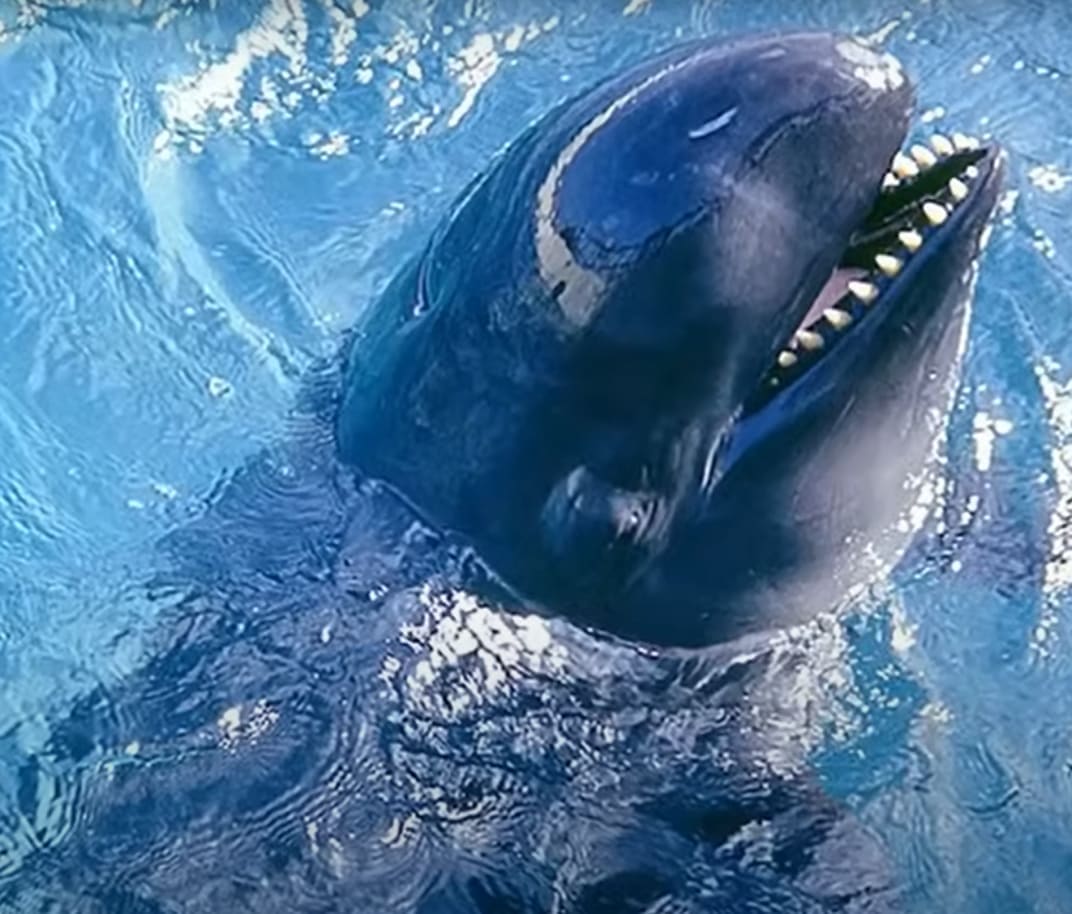
Pseudorca crassidens
The head is rounded, with a melon-shaped forehead. The body is elongated. The upper jaw is …
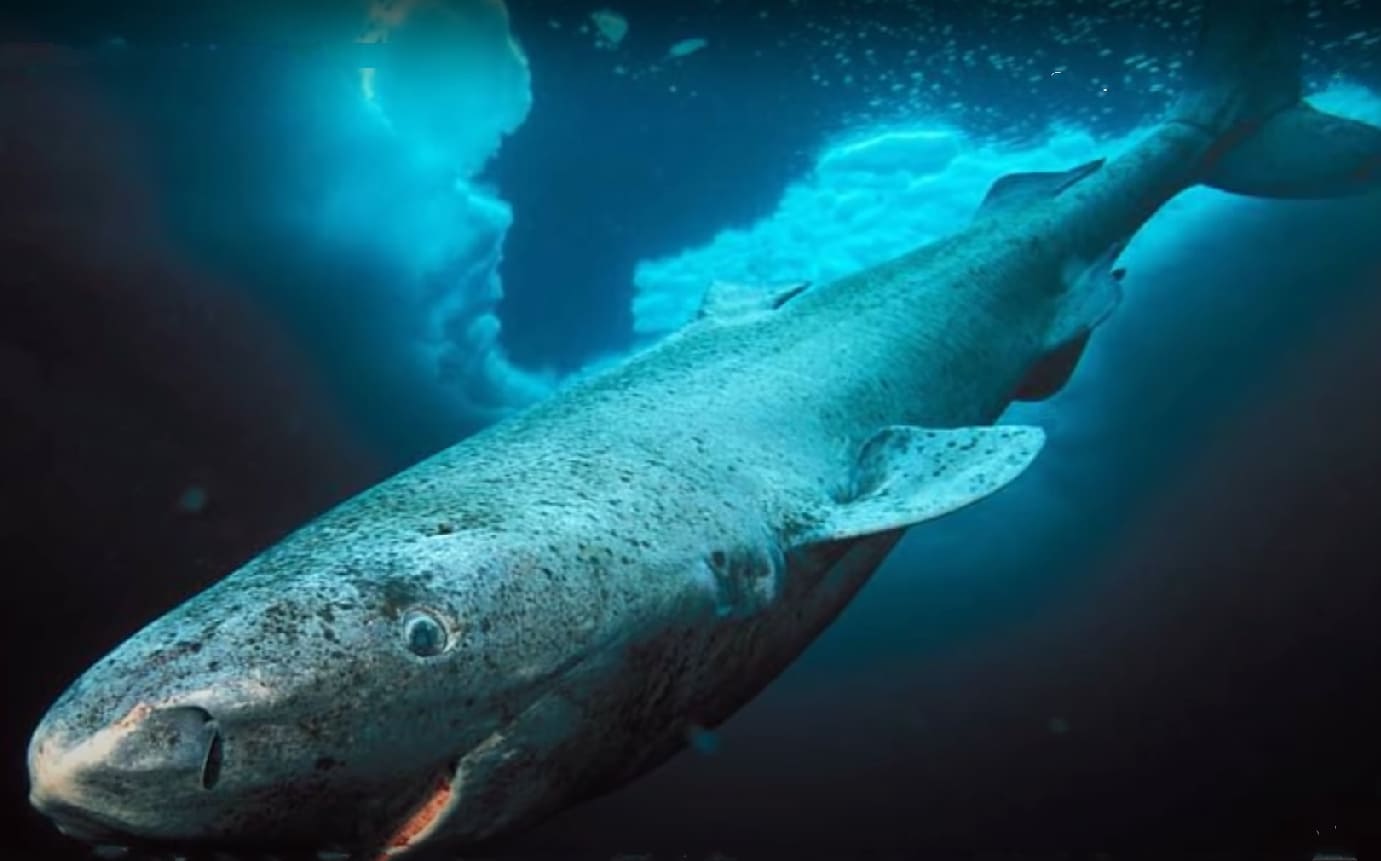
Somniosus microcephalus
The head is elongated and the distance from the tip of the snout to the pectoral …
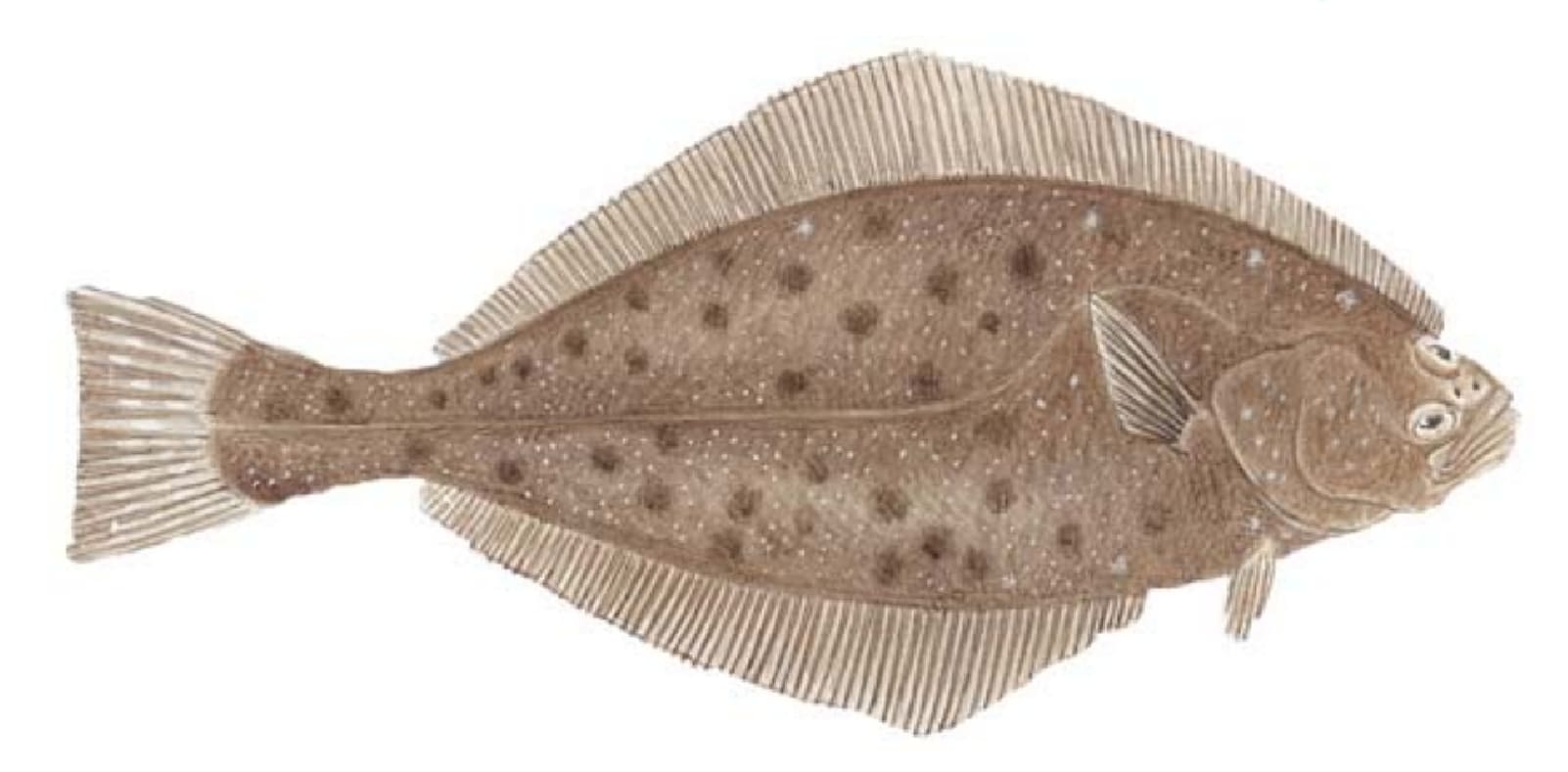
Hippoglossus stenolepis
Halibut are usually dextral, meaning both eyes are on the right side of the head. Its …
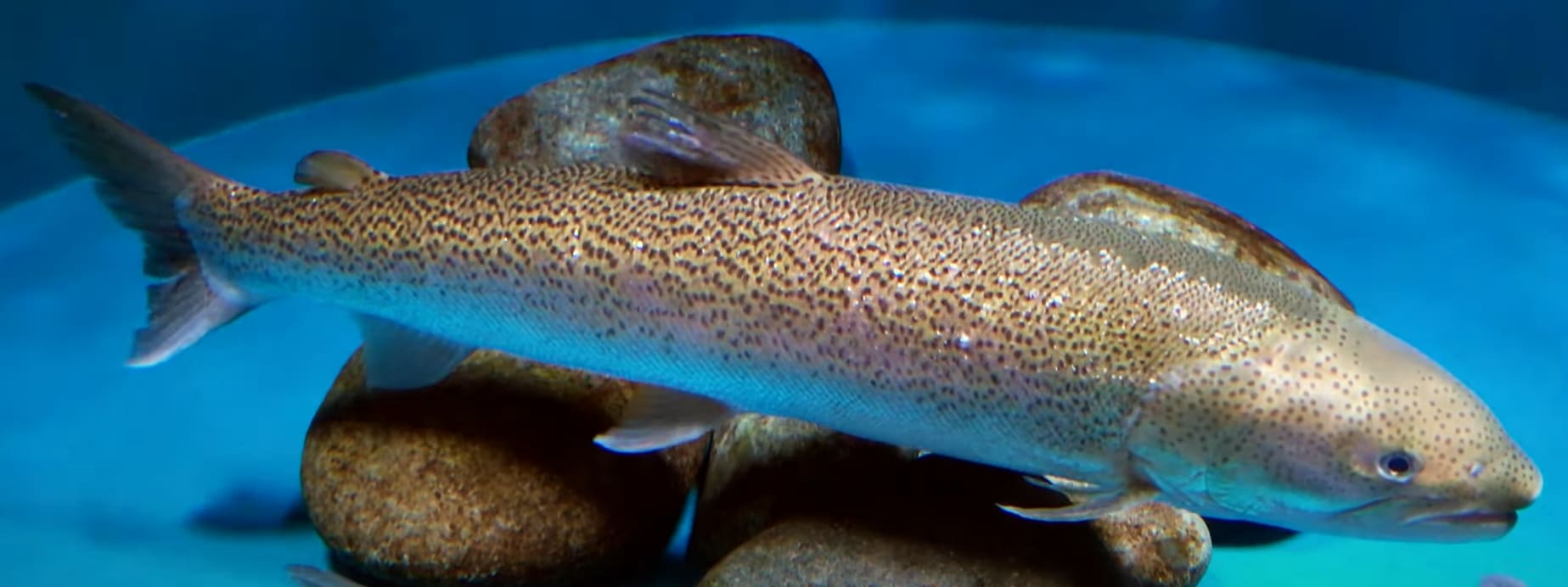
Parahucho perryi
This species differs from the common taimen in having larger scales. There are small teeth on …
Globicephala melas
The most characteristic feature is a large, melon-shaped head. This shape does not appear immediately after …
Hexagrammos octogrammus
The characteristic feature of this species, the fork of the 4th lateral line at the base …
Oncorhynchus masou
It has a spindle-shaped, streamlined, somewhat laterally compressed body covered with fine scales. There are 130-240 …
Lissodelphis borealis
Have a slender hydrodynamic body. The fat pad on the head is low and the bill …
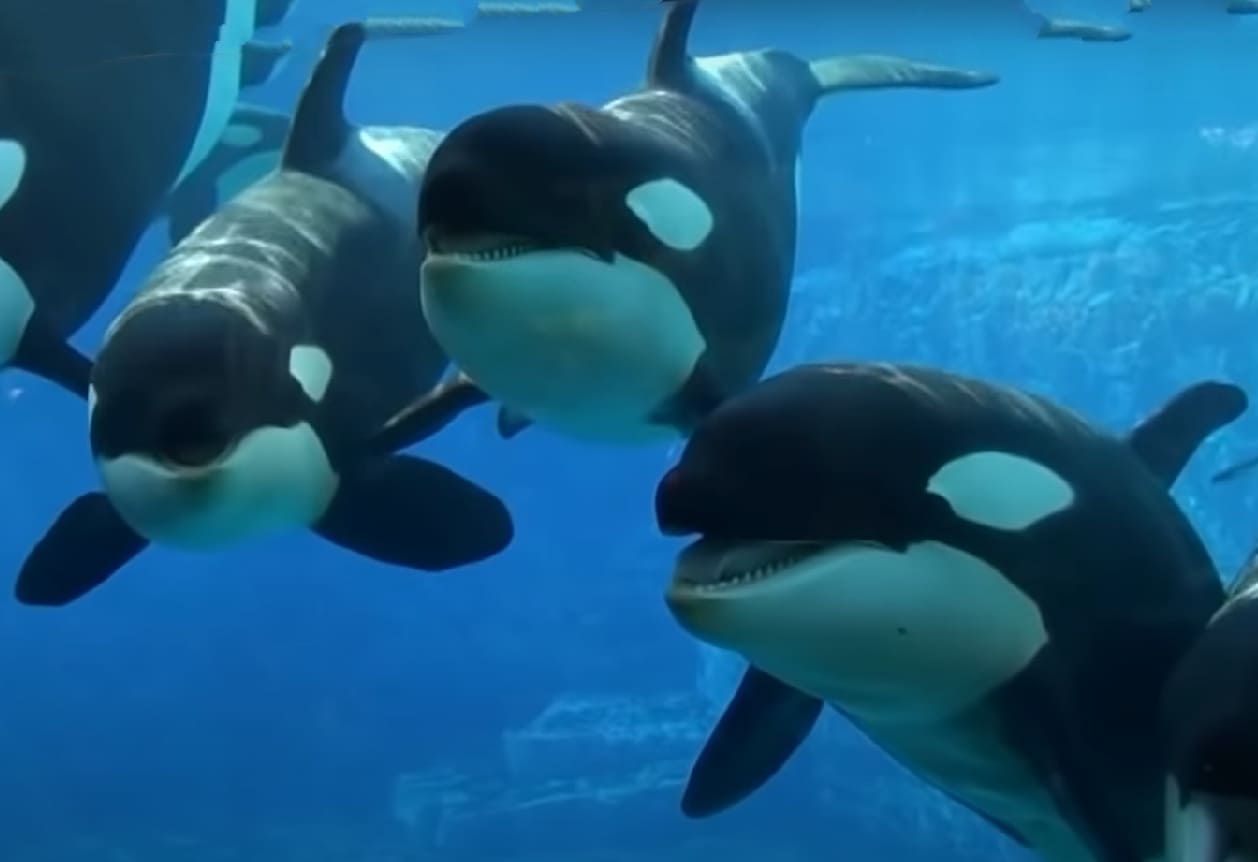
Orcinus orca
The Latin orca is thought to derive from the Greek ὄρυξ - a word used by …
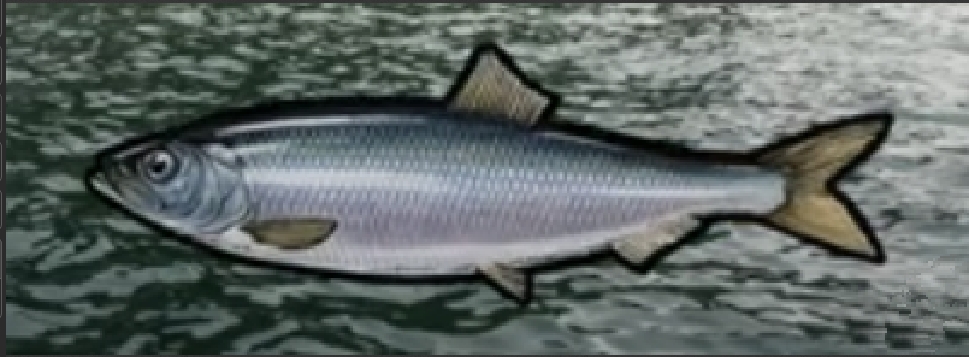
Titles in different languages North Pacific herring, Pacific herring (eng), Pacifisher hering (deu), aringa del Pacifico …
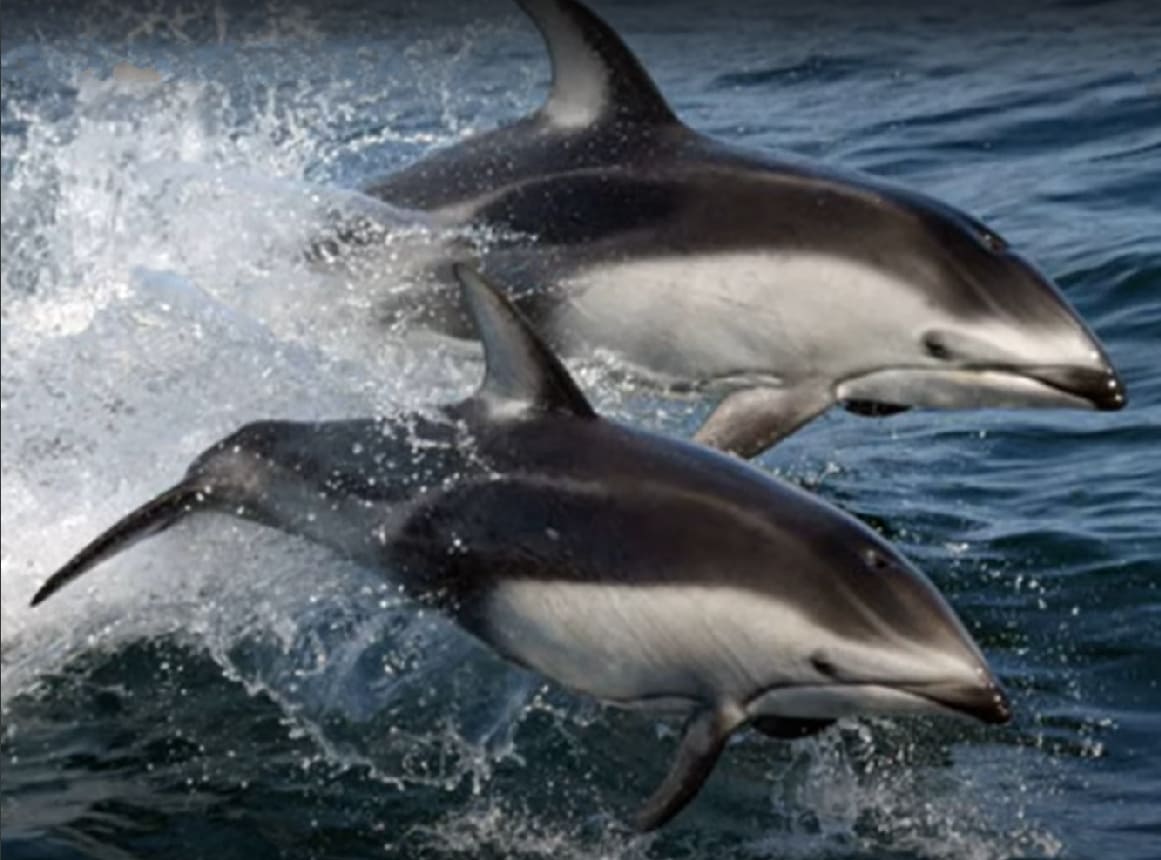
Lagenorhynchus obliquidens
The proportions and body shape are very similar to the Atlantic white-sided dolphin. Each tooth is …
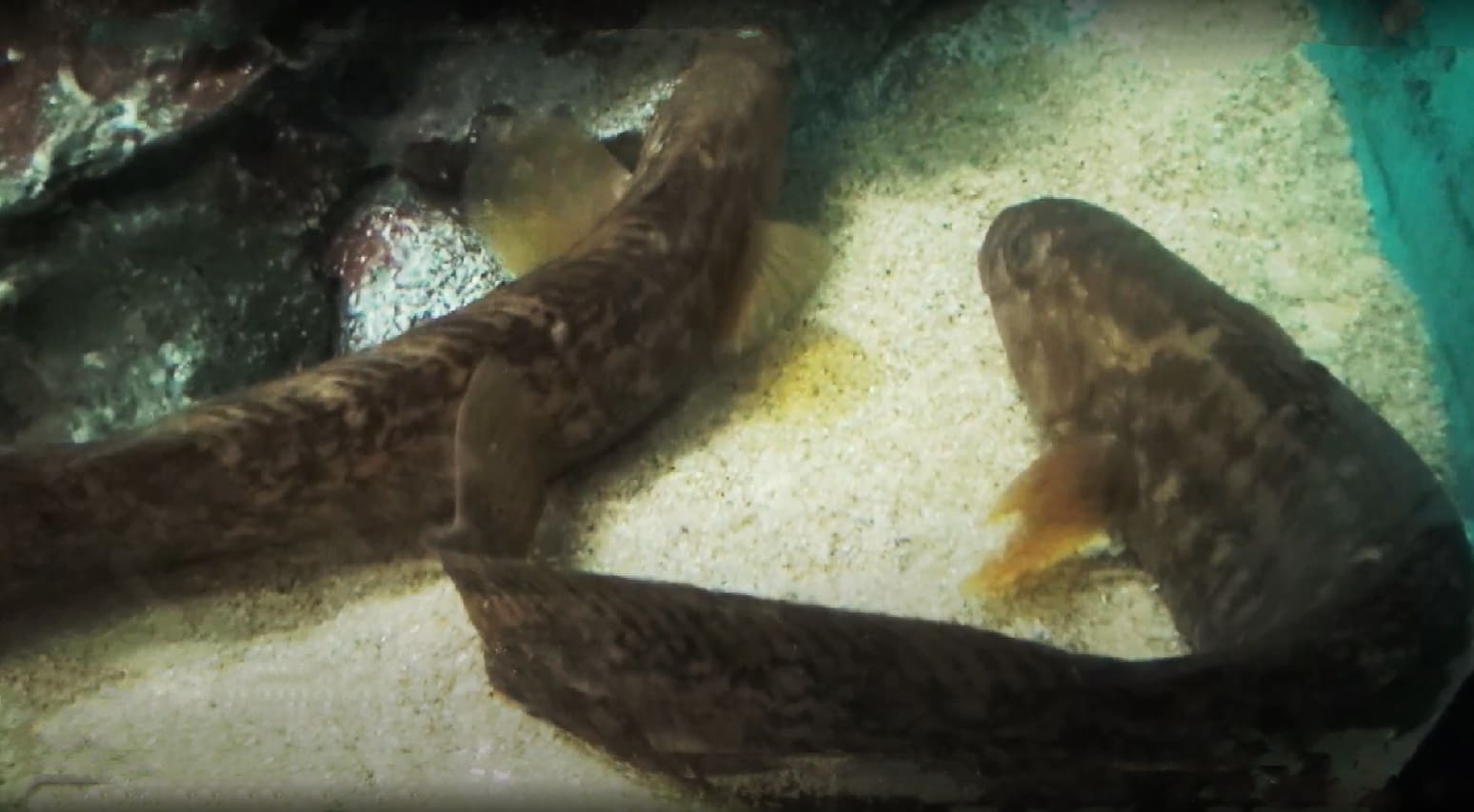
Pholidapus dybowskii
Vertebrae 67-70. Body elongated and broader than in closely related species, covered with fine smooth scales, …
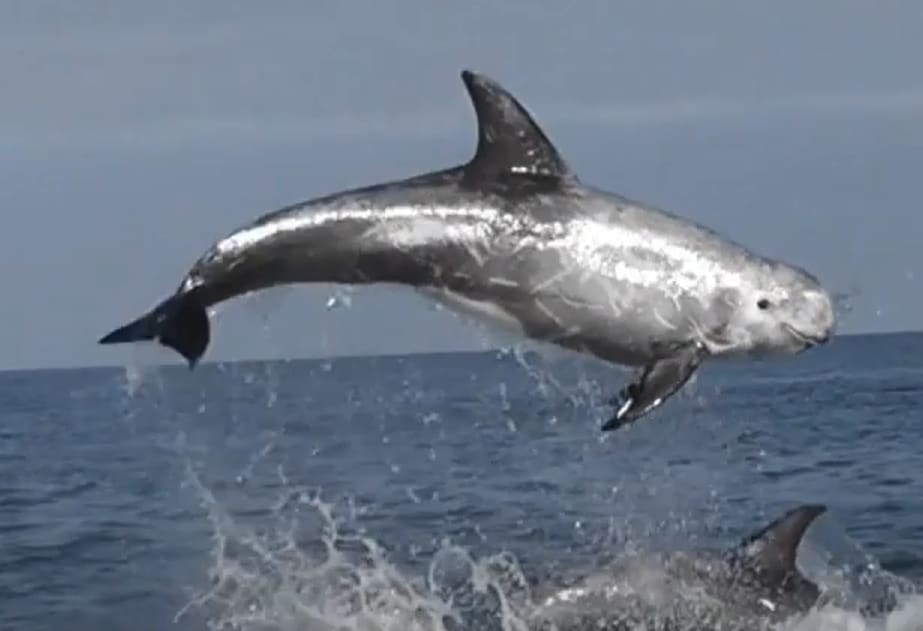
Grampus griseus
Risso's dolphin lacks the typical beak of other dolphins. It has a relatively large front body …
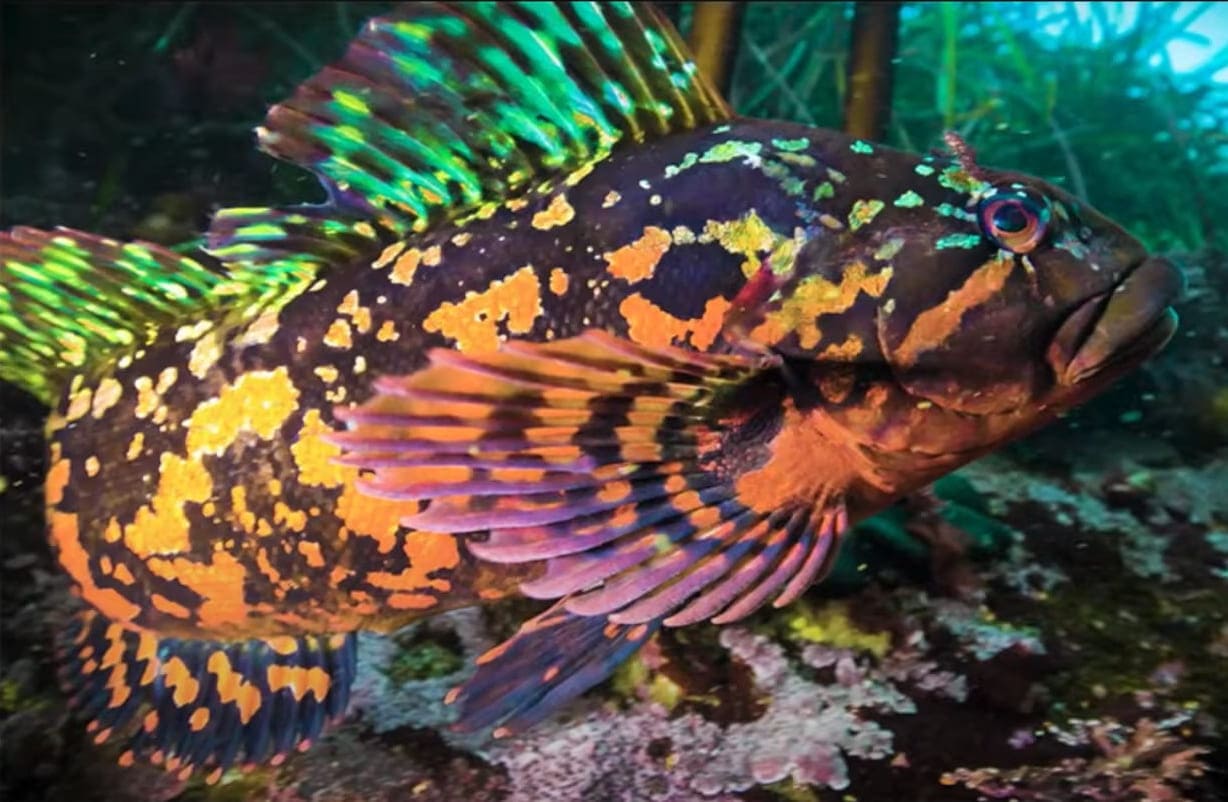
Hexagrammos lagocephalus
There are two forms: Asian and American. In the Asian form the supraorbital lobes are short …
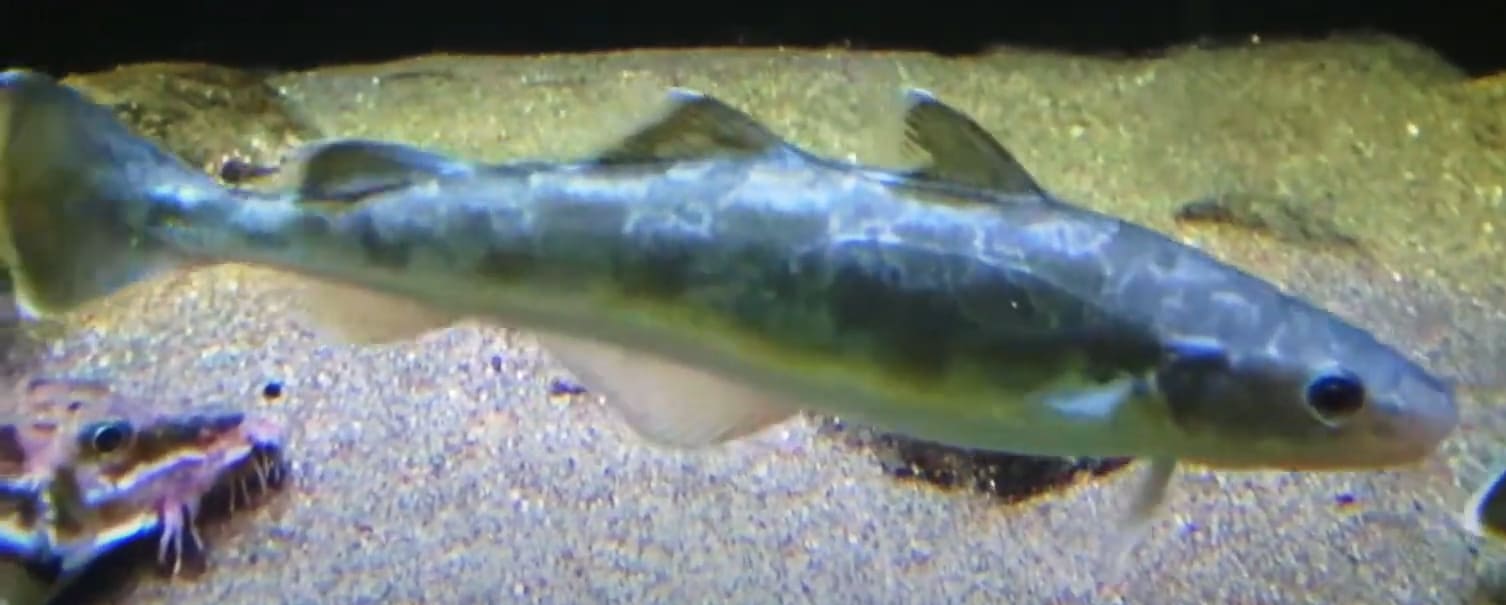
Eleginus gracilis
The lower jaw is shorter than the upper jaw, there is a chin tendril whose length …
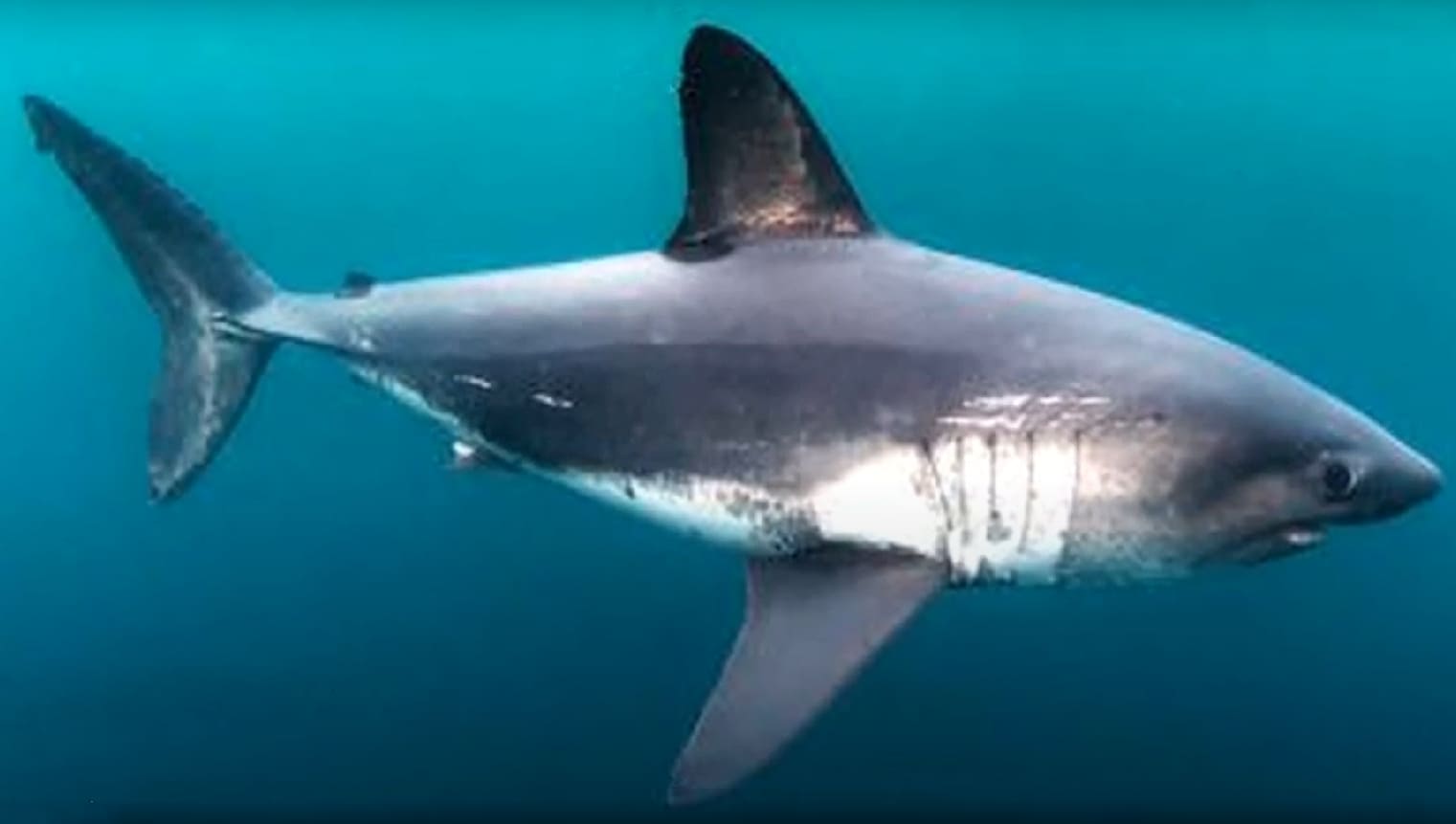
Lamnа ditropis
They have a thick spindle-shaped body, a short conical snout (the distance from the tip of …
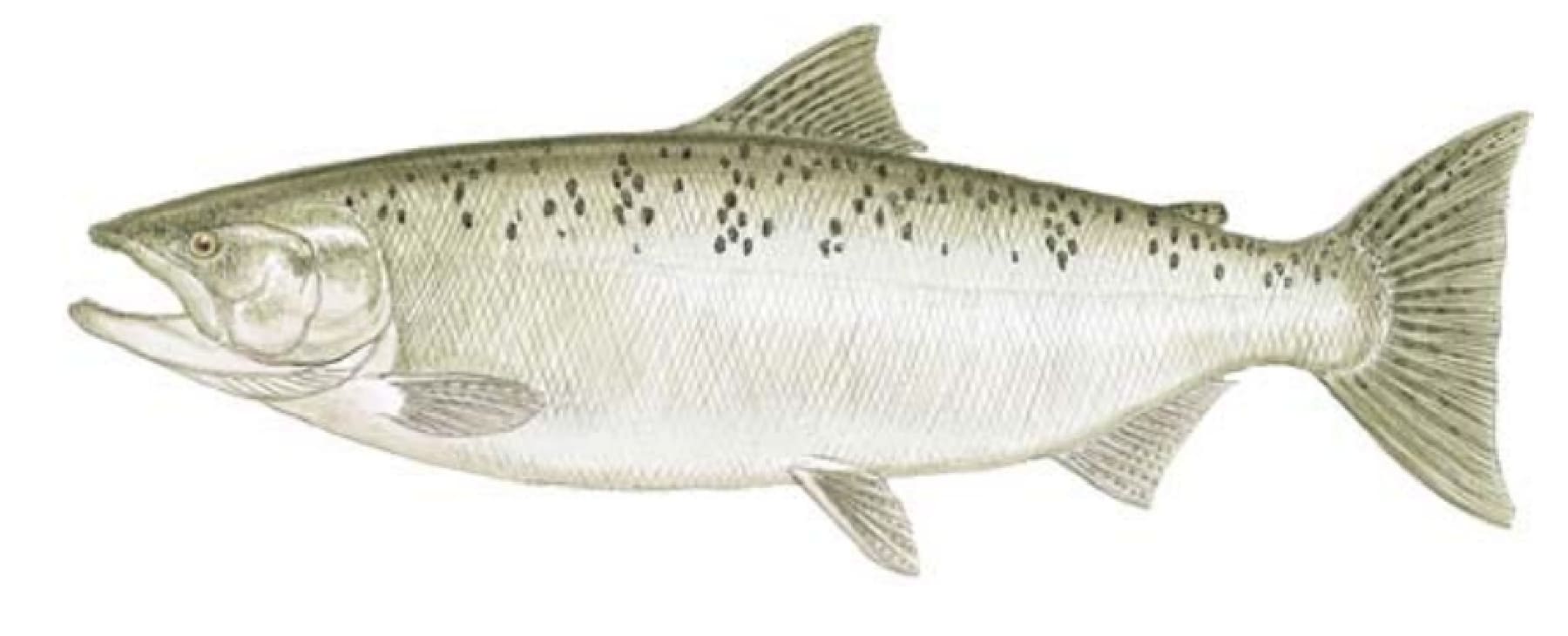
Oncorhynchus tshawytscha
The body is elongated and somewhat compressed. The head is cone-shaped . It has a bluish …