 Allfishes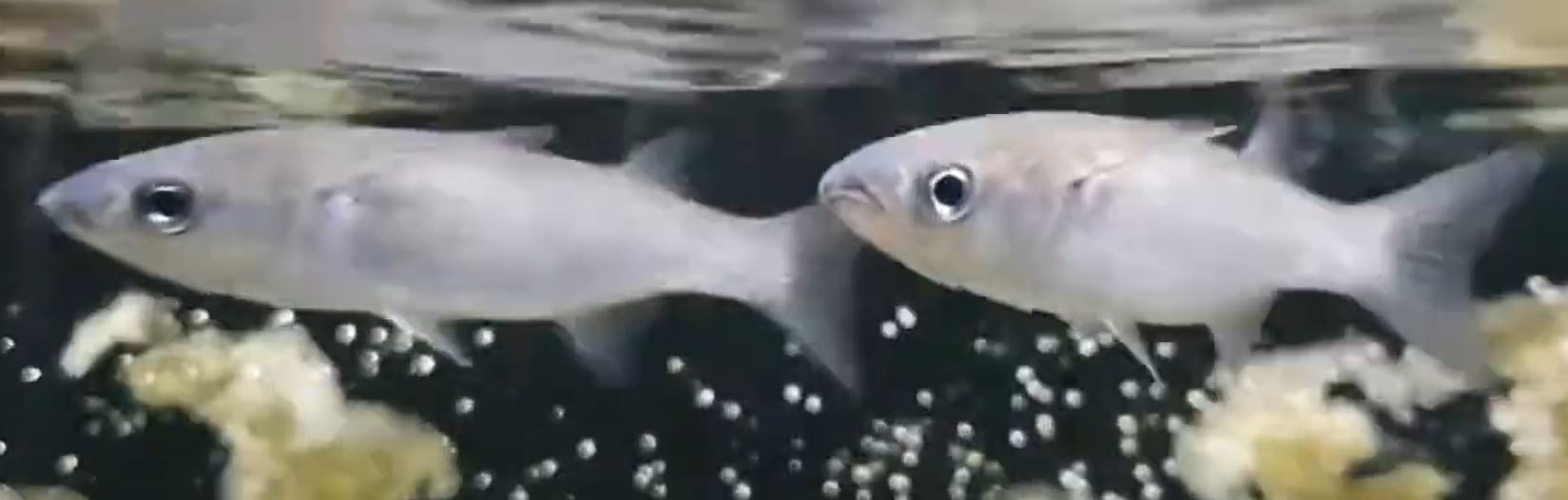
Flathead grey mullet
Mugil cephalus
Body elongate, thick, semi-cylindrical, covered with large ctenoid scales. There are 39-45 transverse rows of scales …
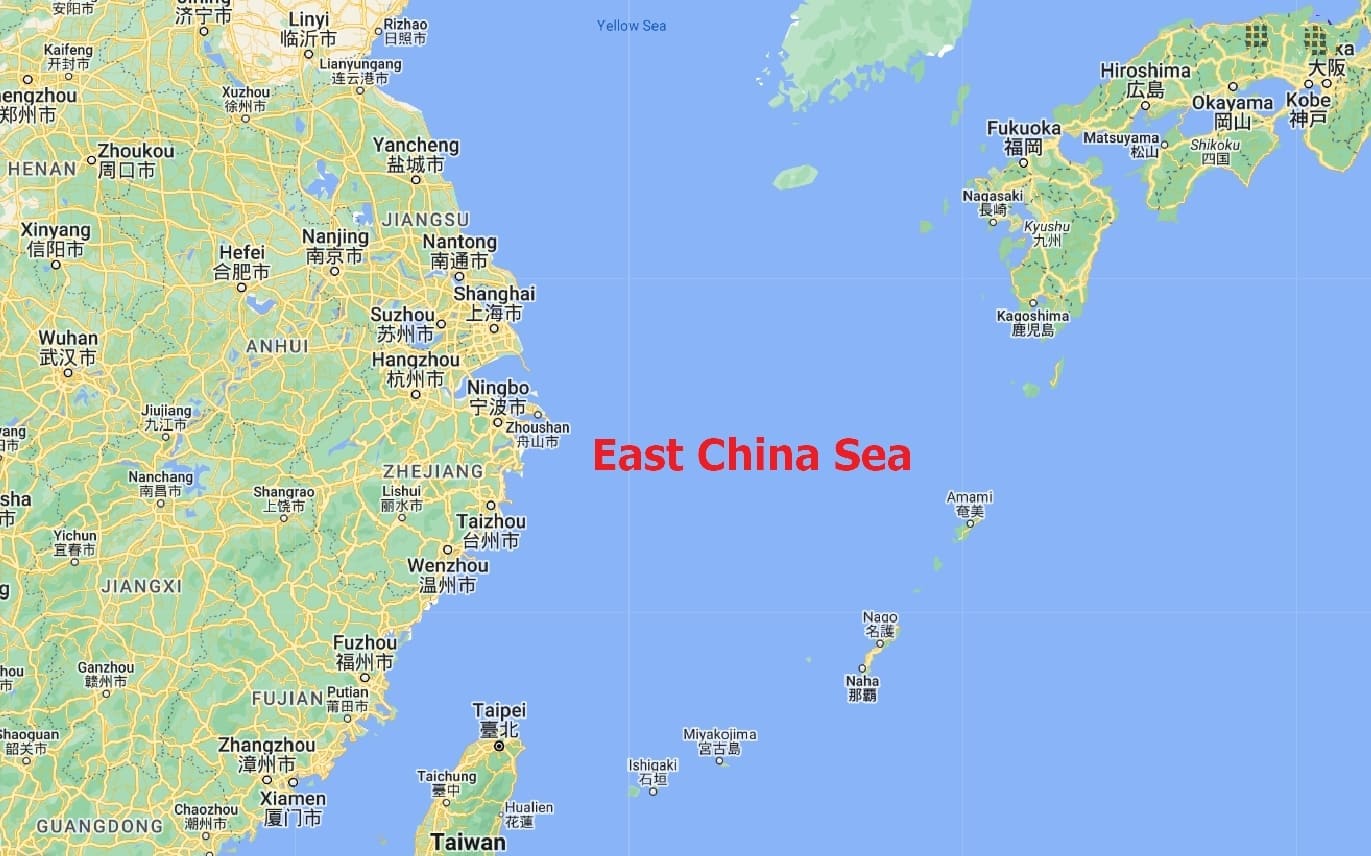 A semi-enclosed sea in the western North Pacific Ocean, located between the coast of East Asia (China) and the islands of Ryukyu, Kyushu (Japan), and Taiwan (Republic of China).
The sea is rich in biological resources. Herring, sardines, mackerel, flounder, tuna, Sciaenidae, crab, lobster, Apostichopus japonicus and seaweed are fished commercially.
Pacific herring, Pacific sardine, Pacific jack mackerel, flathead grey mullet, willow flounder, Japanese eel, prickly shark are abundant in the sea waters.
Represented by various molluscs, crustaceans and echinoderms. Lots of jellyfish, squid, bottom fish. A very popular fish in these places is the milkfish. It is prized for its very tender and tasty meat. There are many eels, sea snakes in the coastal waters, among which there are many poisonous species.
Of the marine mammals that have settled in the sea, several species of dolphins and dugong seals should be mentioned. The waters of the sea do not attract large whales.
Warm ocean water is not conducive to the growth and reproduction of phytobacteria and, consequently, zooplankton.
Sharks in the sea are represented by a great variety of species. Here you can meet the requiem shark, great white shark, hammerhead shark, shortfin mako shark, blue shark and many others. There is also a rare species - the frilled shark. Predators are especially abundant in the summer months, when the warm temperatures from the neighbouring South China Sea are felt.
Among the rare species are the giant, unique Nomura's jellyfish. Their huge domes, which range in colour from white to blue or pink, can reach up to two metres in length and weigh up to 250 kg.
Showing 1–13 of 13
Mugil cephalus
Body elongate, thick, semi-cylindrical, covered with large ctenoid scales. There are 39-45 transverse rows of scales …
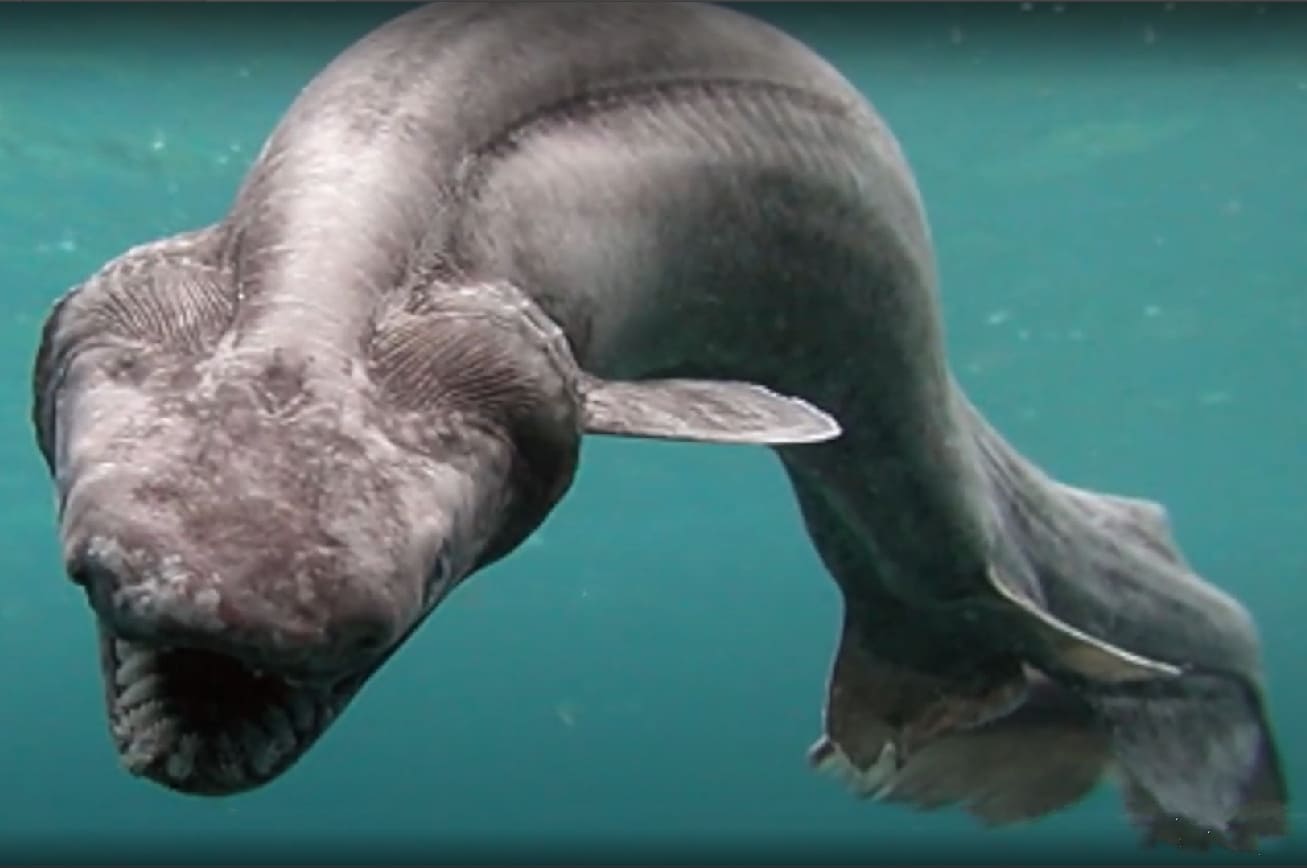
Chlamydoselachus anguineus
The frilled shark is named for the wide skin folds formed by gill fibres covering the …
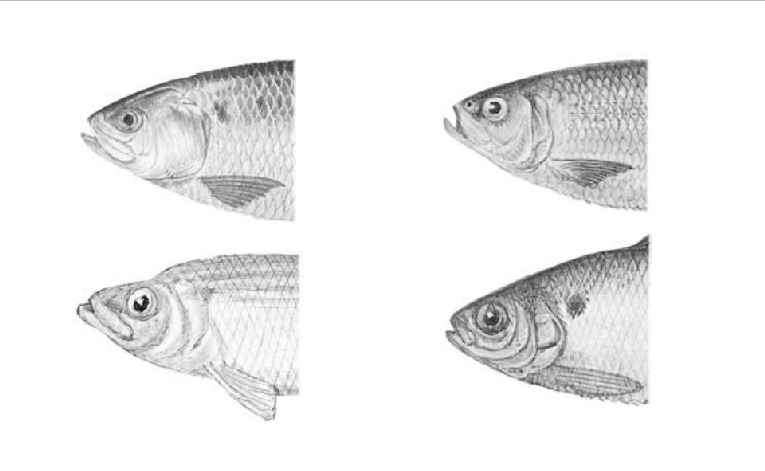
Clupea
Body compressed from the sides, with jagged edge of abdomen. Scales moderate or large, rarely small. …
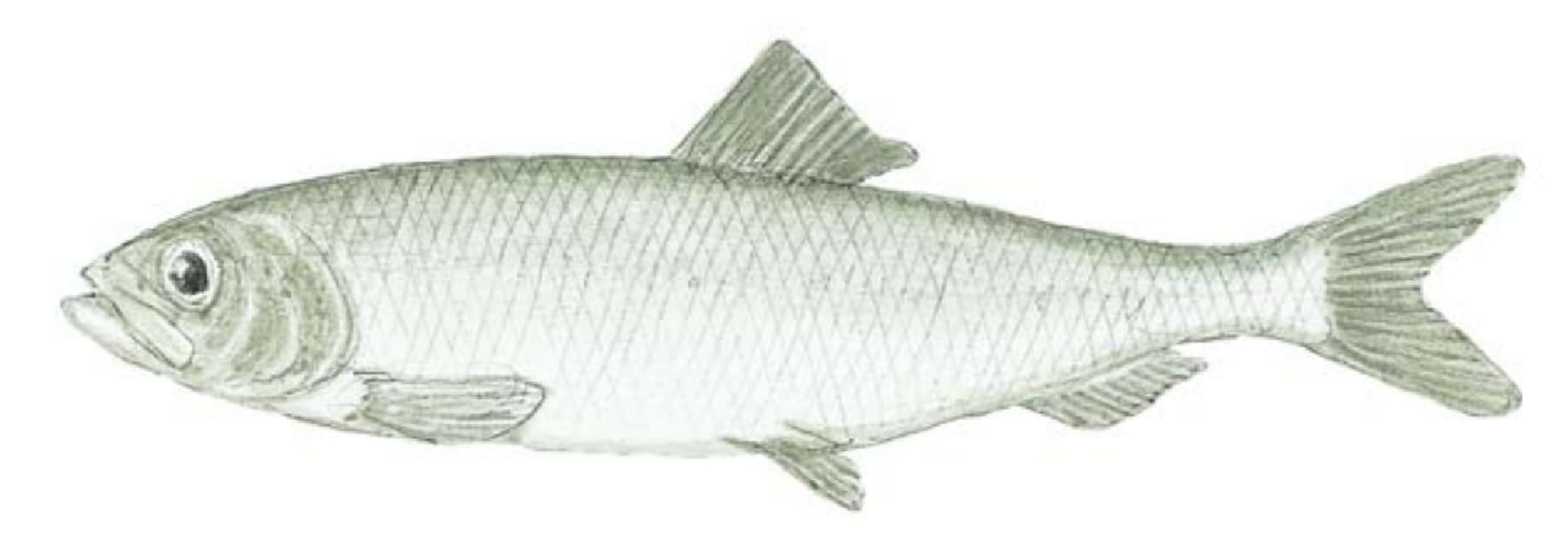
Clupea pallasii
The body is prostrate, compressed from the sides, covered with easily drooping scales. Abdomen rounded, ventral …
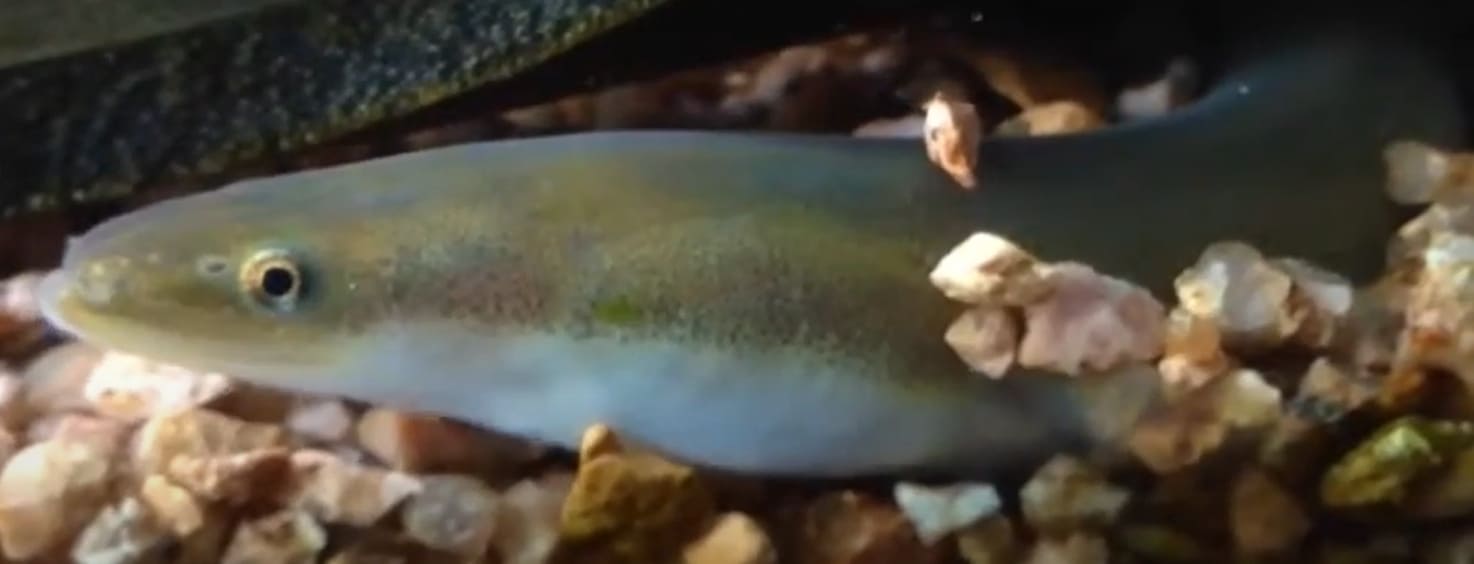
Anguilla japonica
Vertebrae: 114-118. Head length 11.2-11.9% (11.6%) of body length (according to Ege, females 13, males 12-13%). …
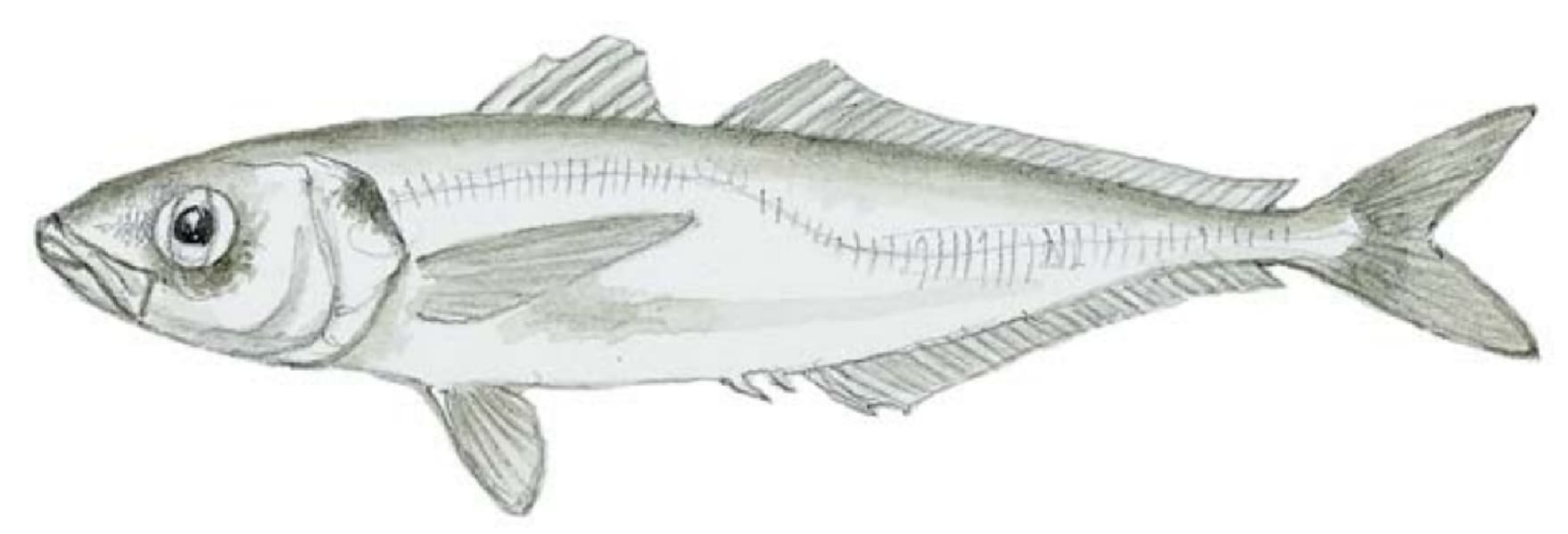
Trachurus symmetricus
The body of the Pacific horse mackerel is somewhat compressed and elongated, and the tail is …
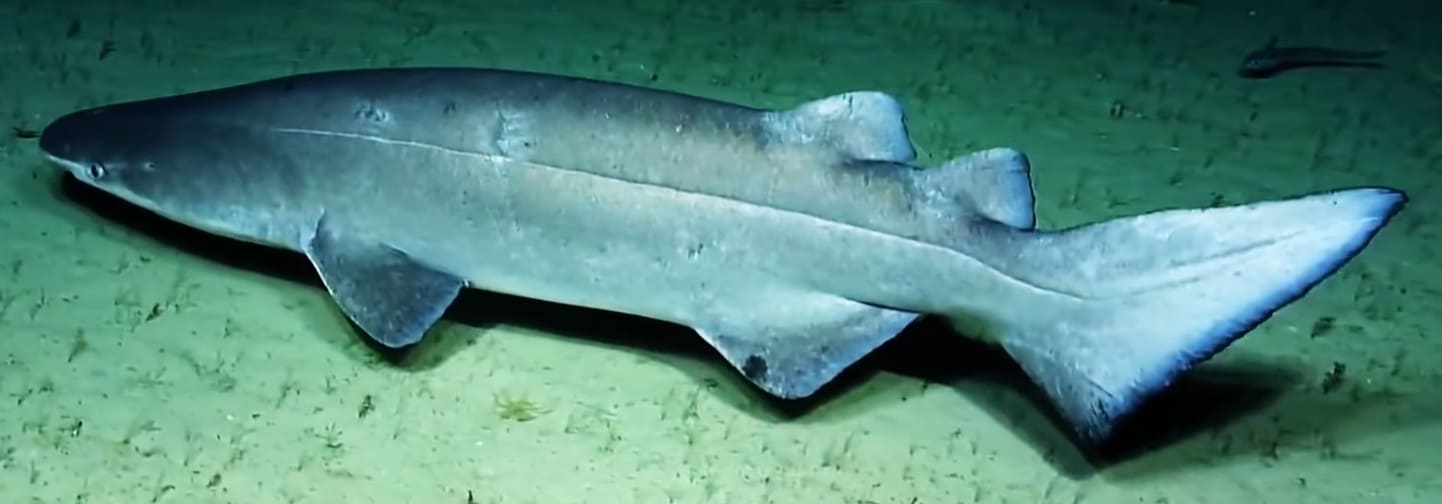
Echinorhinus cookei
They have a flabby, cylindrical body (adultsharks are much more massive than juveniles) and a short, …
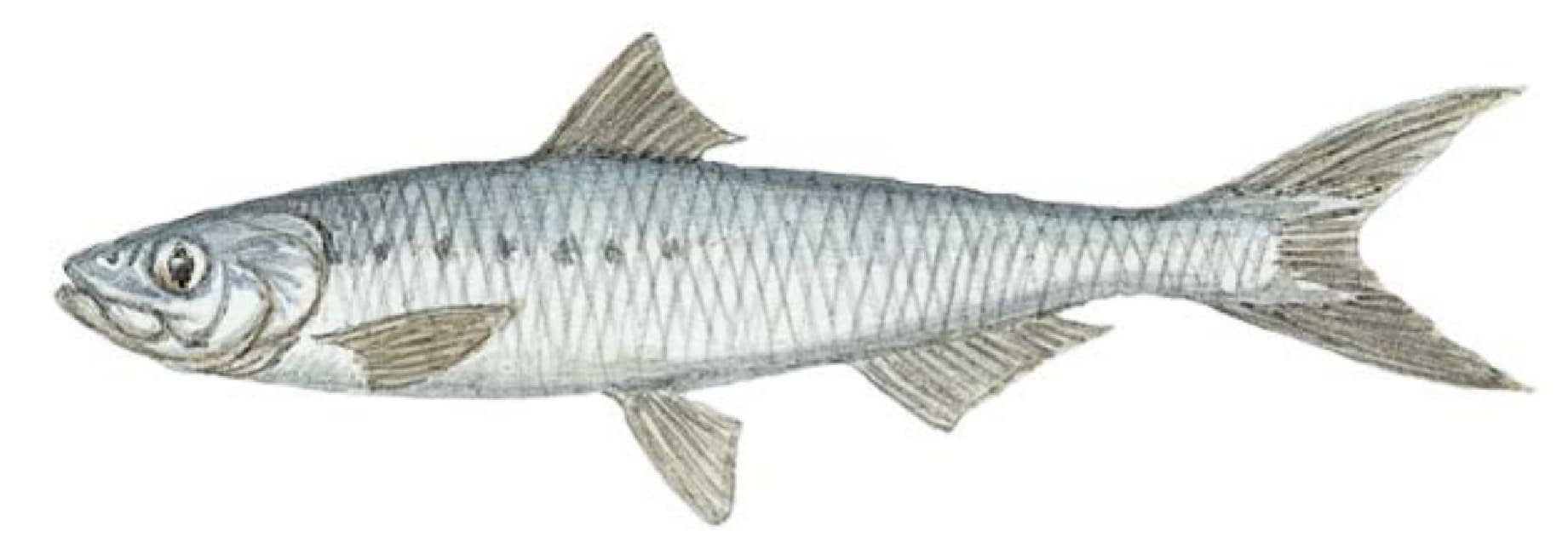
Sardinops caeruleus
It has an elongated body, compressed head and small mouth, of moderate size. There are no …
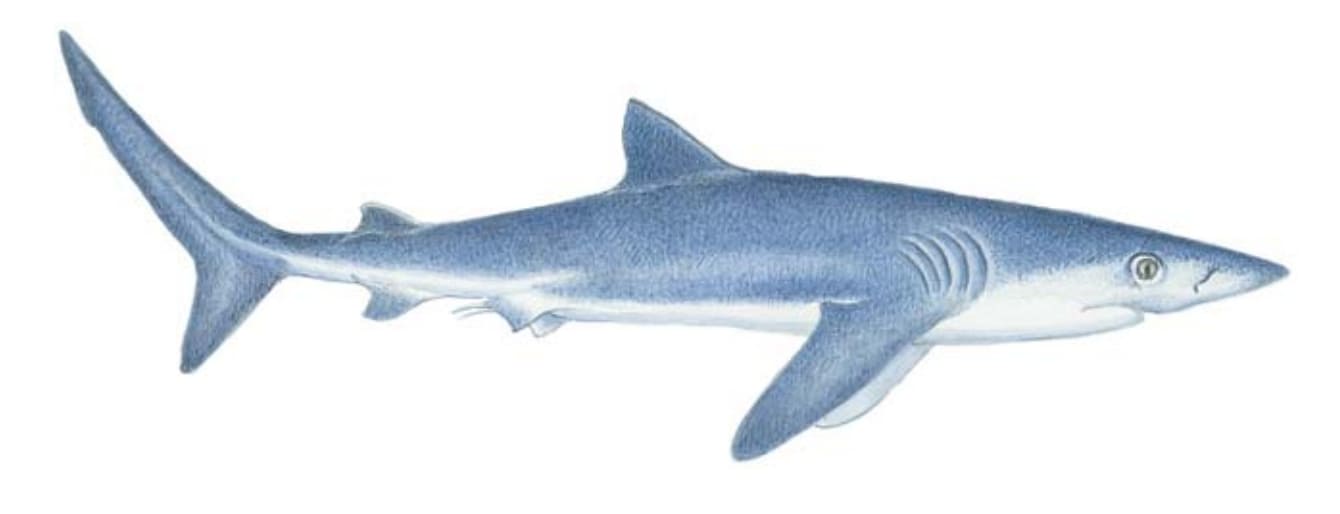
Prionace glauca
The blue shark is very slender and streamlined, with a long and pointed snout that is …
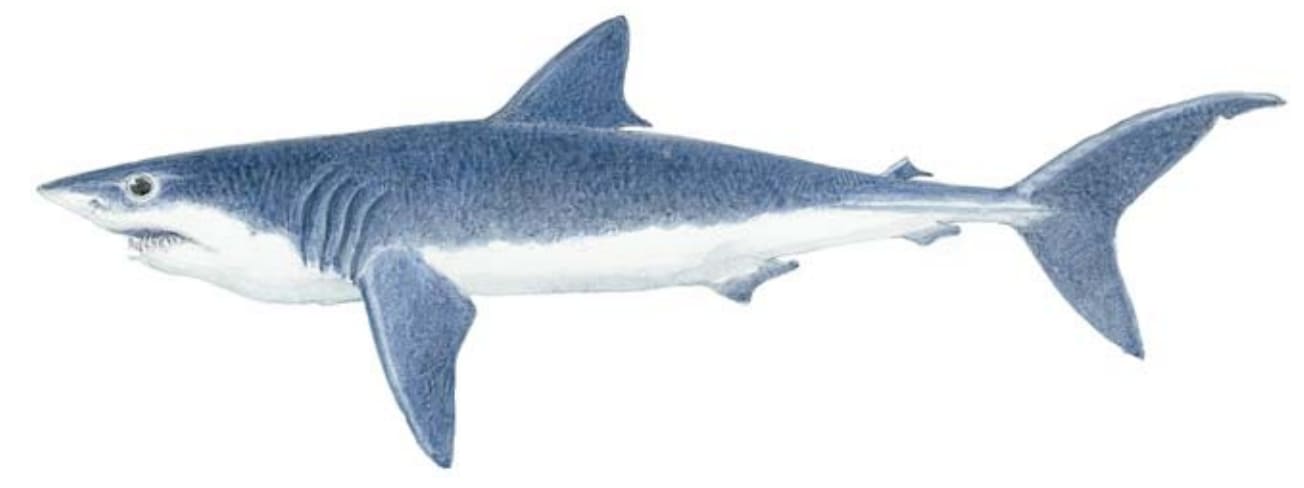
Isurus oxyrinchus
The snout is sharp, conical. There are 24-25 sharp lanceolate teeth on each jaw. The caudal …
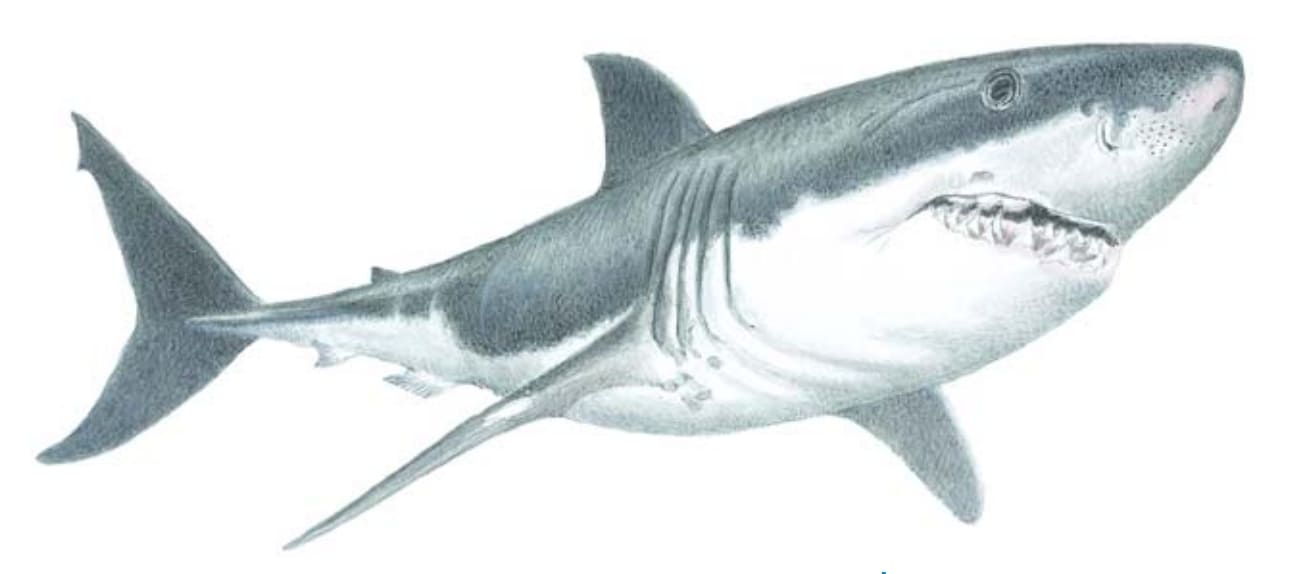
Carcharodon carcharias
The white shark has a strong, heavy body that can be a dull slate-blue, grayish-brown, or …
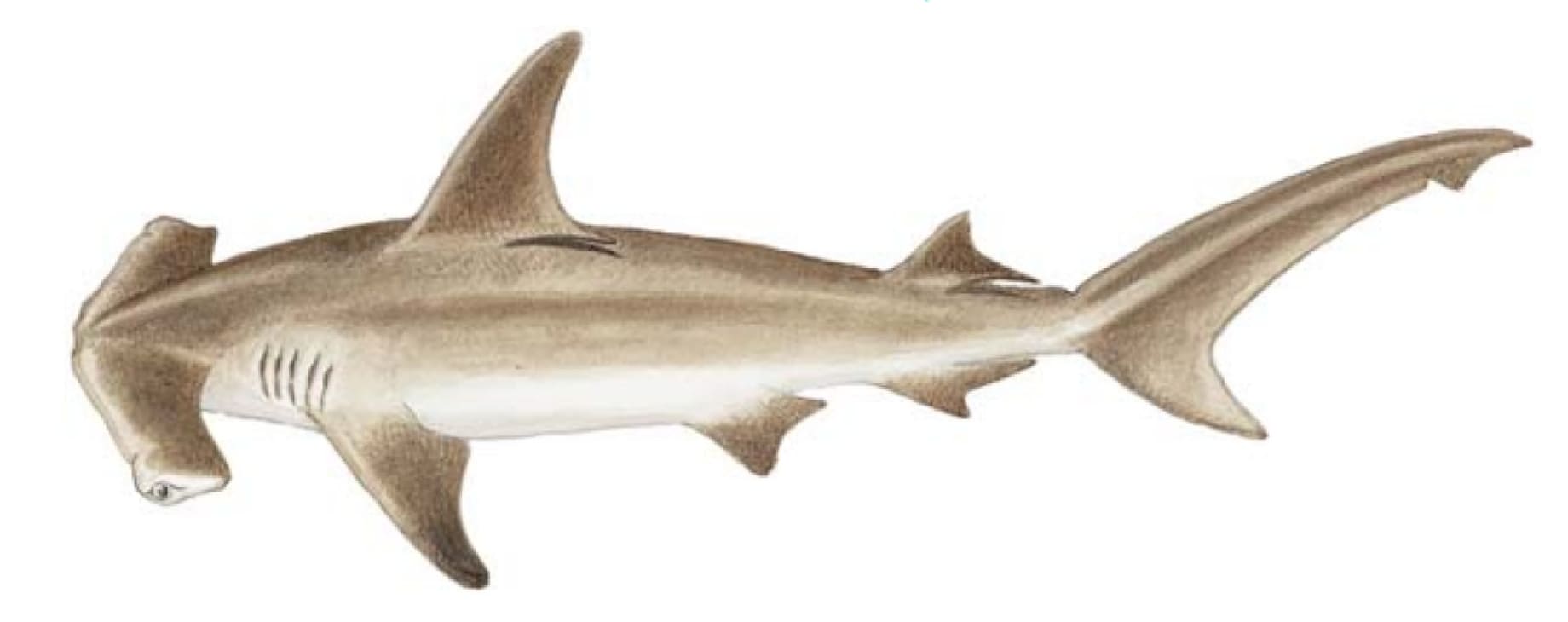
Sphyrna species
Hammerheads are easy to identify, even for the beginner: the eyes are located at the ends …
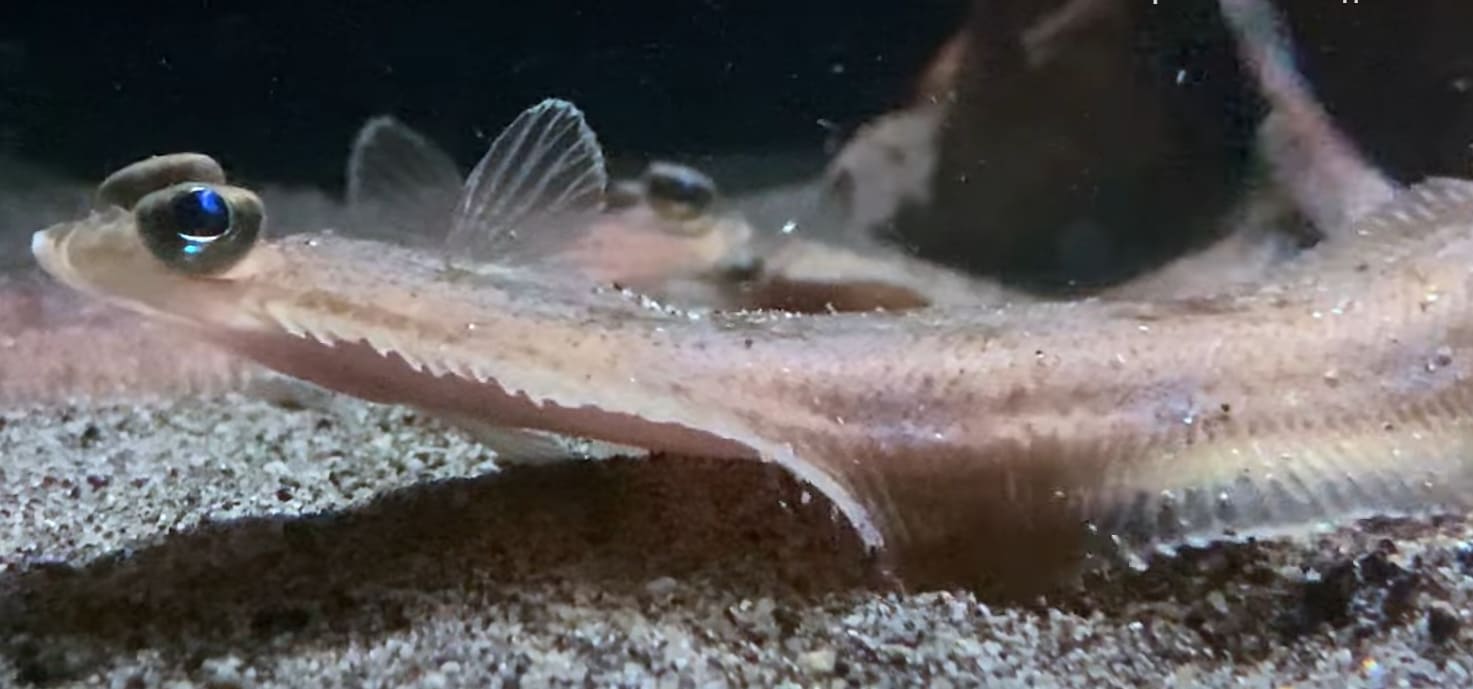
Tanakius kitaharae
Body ellipsoidal, strongly compressed. The mouth is small, the upper jaw reaching the anterior margin of …