 Allfishes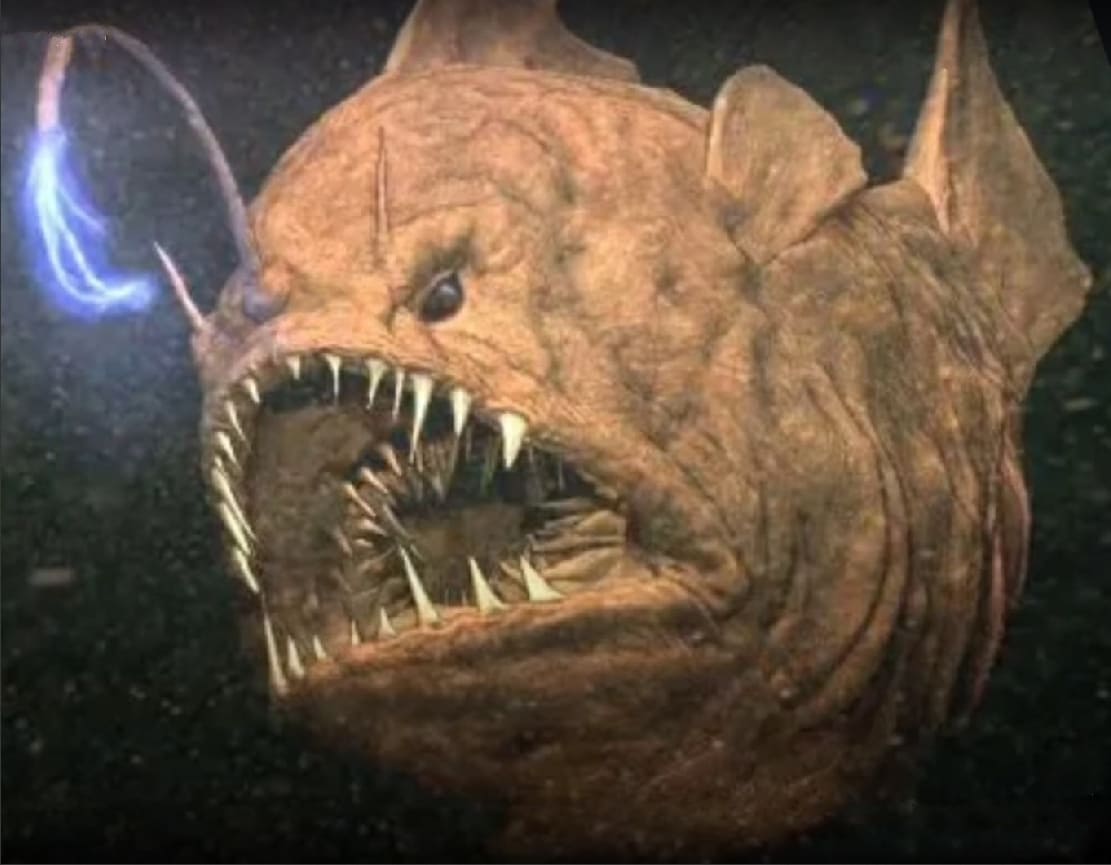
Angler
Lophius piscatorius
The body is naked, covered with numerous leathery growths and bony tubercles. On either side of …
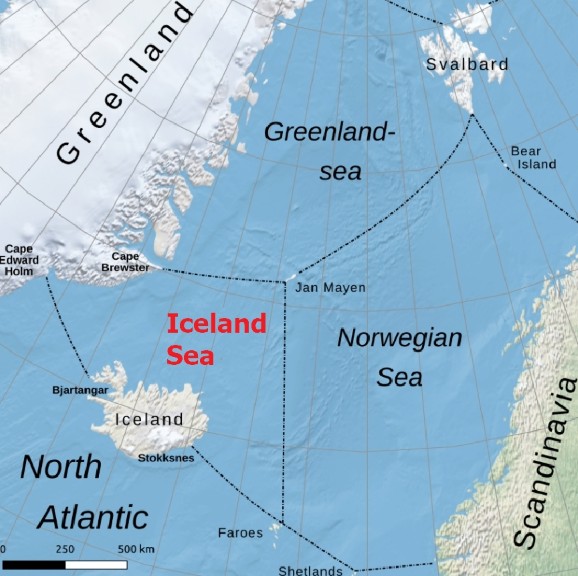 It is a sea of the Arctic Ocean extending north and east of Iceland. It is one of the Scandinavian seas. It is bounded by: Iceland to the south, Greenland to the west, Jan Mayen to the north, and the Faroe Islands to the east. The Iceland Sea communicates with the Norwegian Sea to the east, the Greenland Sea to the north, and the Atlantic Ocean to the south. The Kolbeinsey Oceanic Ridge divides the Iceland Sea into eastern and western parts. The predominant depths range from 500 to 2,000 meters. The greatest depth is 2,795 meters. The largest currents in this area of the Arctic Ocean are the East Iceland Current and the East Greenland Current. The sea is surrounded by two major water masses: the warm, salty Atlantic waters and the cold Arctic waters. Each water mass originates from a different source and has unique characteristics. When these two water masses meet, the ratio of warm to cold water changes.
The local flora and fauna are currently experiencing shifts due to the effects of climate change. Of particular concern is ocean acidification, which threatens marine life and reduces habitats for bivalves and other organisms. Warming seas have also impacted the marine ecosystem, altering the distribution and abundance of various finfish species, particularly capelin and mackerel. Additionally, several species of groundfish, such as haddock and monkfish, which traditionally lived along Iceland's southern coast, have expanded their range and now live further north. Changes in environmental conditions have led to a decline in seabird and seal numbers, as well as changes in some whale species' habitats.
The Iceland Sea has a diverse ecosystem. Two groups of phytoplankton—diatoms and dinoflagellates—inhabit these waters. Diatoms belonging to the genera Thalassiosira and Chaetoceros are abundant and grow in large numbers in the spring. After spring, when common dinoflagellates belonging to the genera Ceratium and Protoperidinium bloom, the diatoms remain abundant. Throughout the fall, diatoms usually bloom again, though dinoflagellates remain abundant.
These waters are also home to zooplankton, particularly copepods such as Calanus finmarchicus, which comprise 60% to 80% of the zooplankton population. Other commonly found species are Pseudocalanus, Acartia longiremis, and Oithona.
Five species of invertebrates inhabit the sea: the northern shrimp (Pandalus borealis), the Norway lobster (Nephrops norvegicus), the Iceland scallop (Chlamys islandica), the ocean quahog (Arctica islandica), and the common welk (Buccinum undatum). These invertebrates are an essential food source for larger organisms, including fish, marine mammals, and seabirds.
The marine life in this sea is defined by cold-water fish species that have adapted to its harsh environment. These species have developed a variety of physical and behavioral adaptations to ensure their survival, including specialized body structures, anti-freeze proteins, and unique feeding strategies. The Iceland Sea is home to fish such as: cod (Gadus morhua), haddock (Melanogrammus aeglefinus), saithe (Pollachius virens), redfish (Sebastes marinus), herring (Clupea harengus), blue whiting (Micromesistius poutassou), capelin (Mallotus villosus), monkfish (Lophius piscatorius), Atlantic mackerel (Scomber scombrus), and Greenland halibut (Reinhardtius hippoglossoides).
This body of water is home to eighteen species of cetaceans, including whales, dolphins, and porpoises, as well as seven species of pinnipeds, such as seals and walruses. Examples include the minke whale (Balaenoptera acutorostrata), the humpback whale (Megaptera novaeangliae), the blue whale (Balaenoptera musculus), the Atlantic white-sided dolphin (Lagenorhynchus acutus), the northern bottlenose whale (Hyperoodon ampullatus), the harbor seal (Phoca vitulina), and the grey seal (Halichoerus grypus). These species have adapted remarkably well to the region's extreme environment, demonstrating the resilience of life on Earth.
Showing 1–10 of 10
Lophius piscatorius
The body is naked, covered with numerous leathery growths and bony tubercles. On either side of …
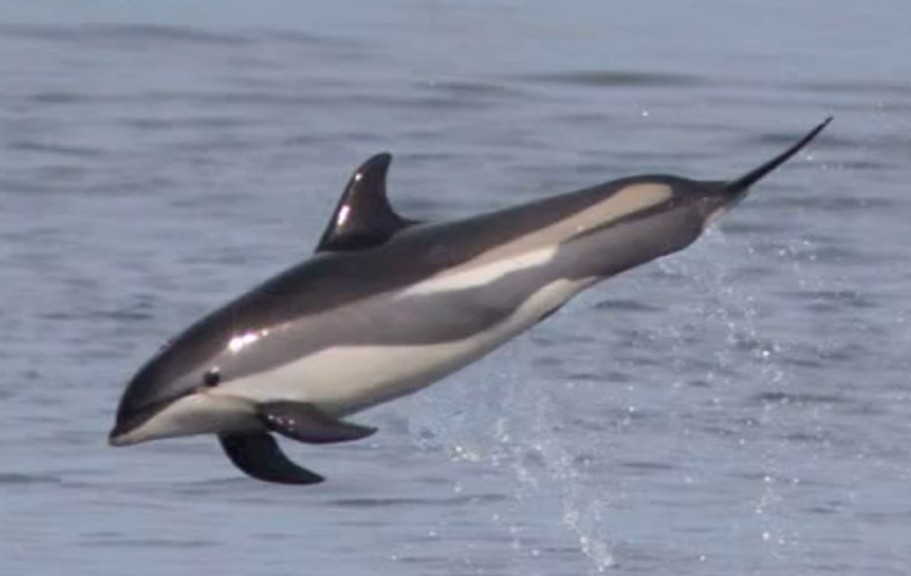
Lagenorhynchus acutus
The Atlantic white-sided dolphin is characterized by its shortened head and beak. Its genus name, Lagenorhynchus, …
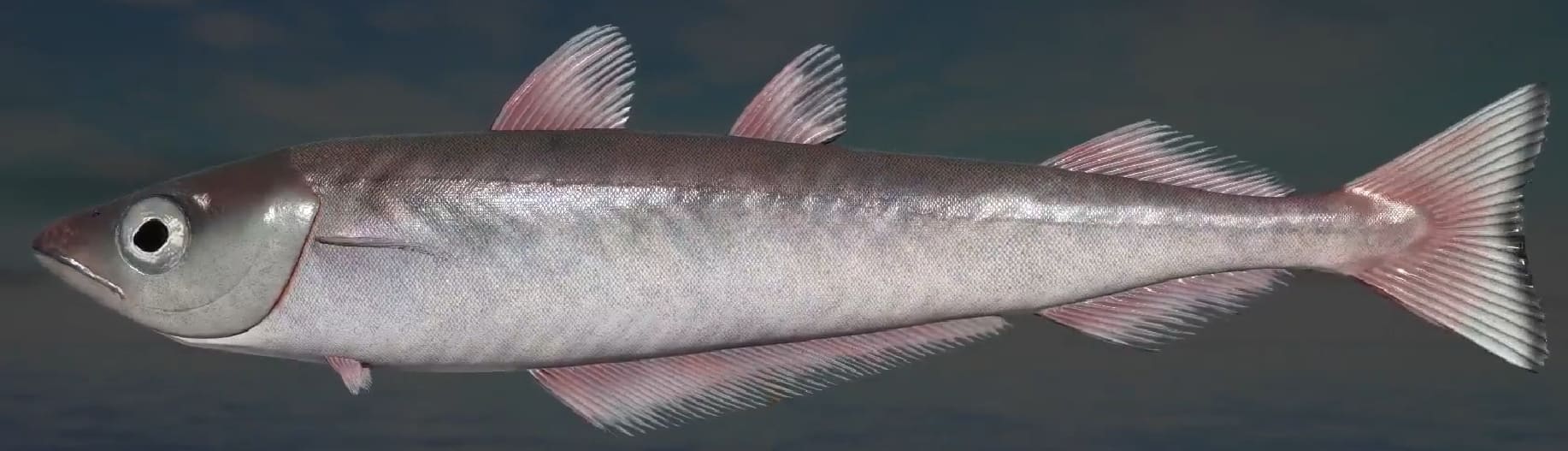
Micromesistius poutassou
The body is elongated and covered with very small, slightly falling cycloid scales. There is no …
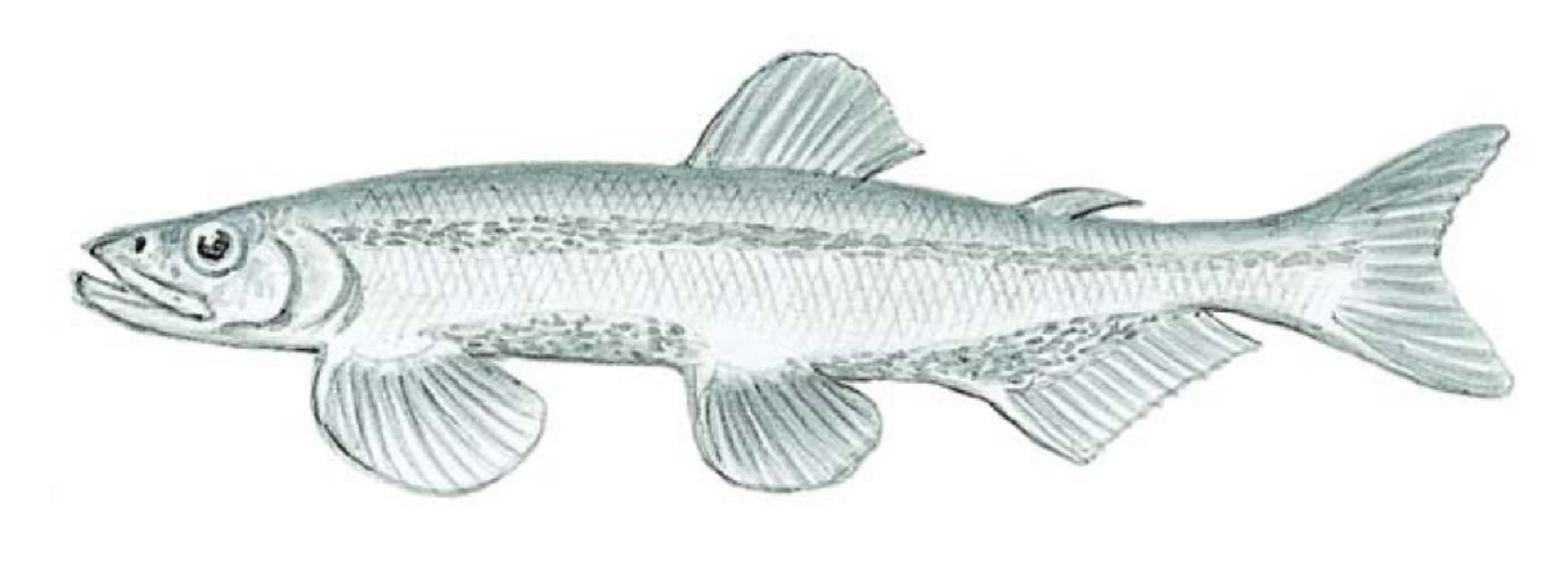
Mallotus villosus
The capelin has a large mouth with a lower jaw that extends below each eye. Males …
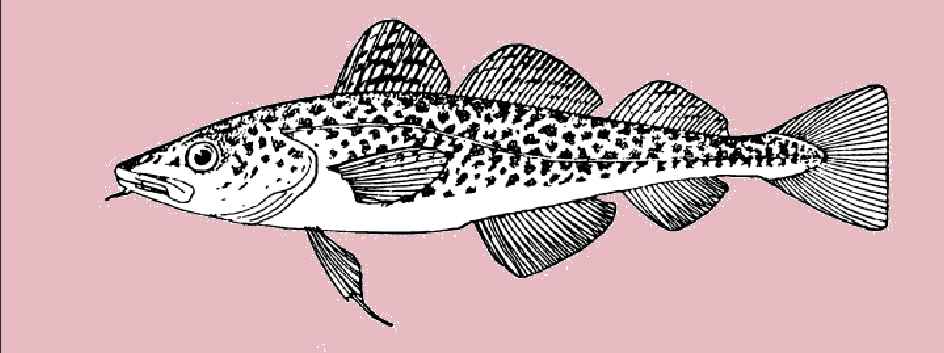
Gadus morhua
The Atlantic cod has three dark dorsal fins and two dark anal fins, none of which …
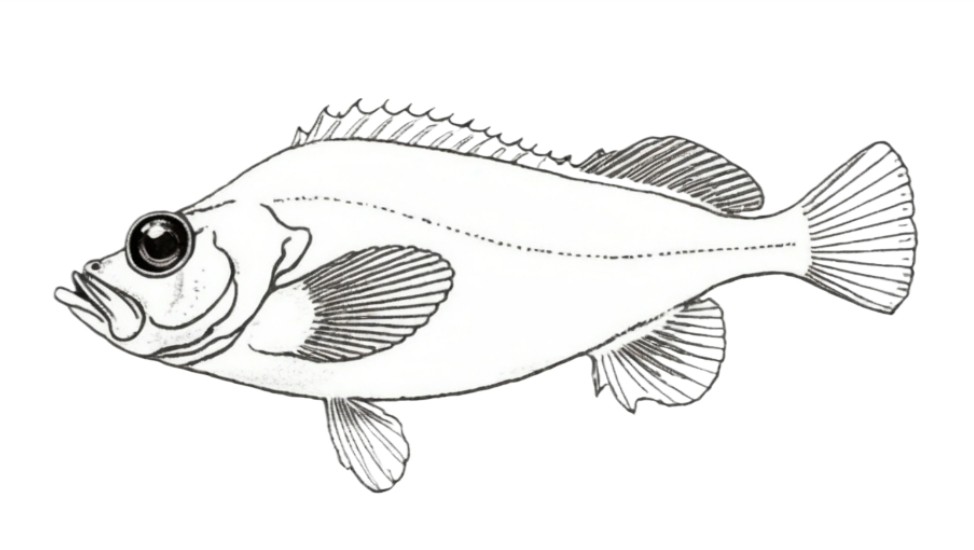
Sebastes norvegicus
Golden redfish are characterized by a laterally compressed, tall body and a large head. The mouth …
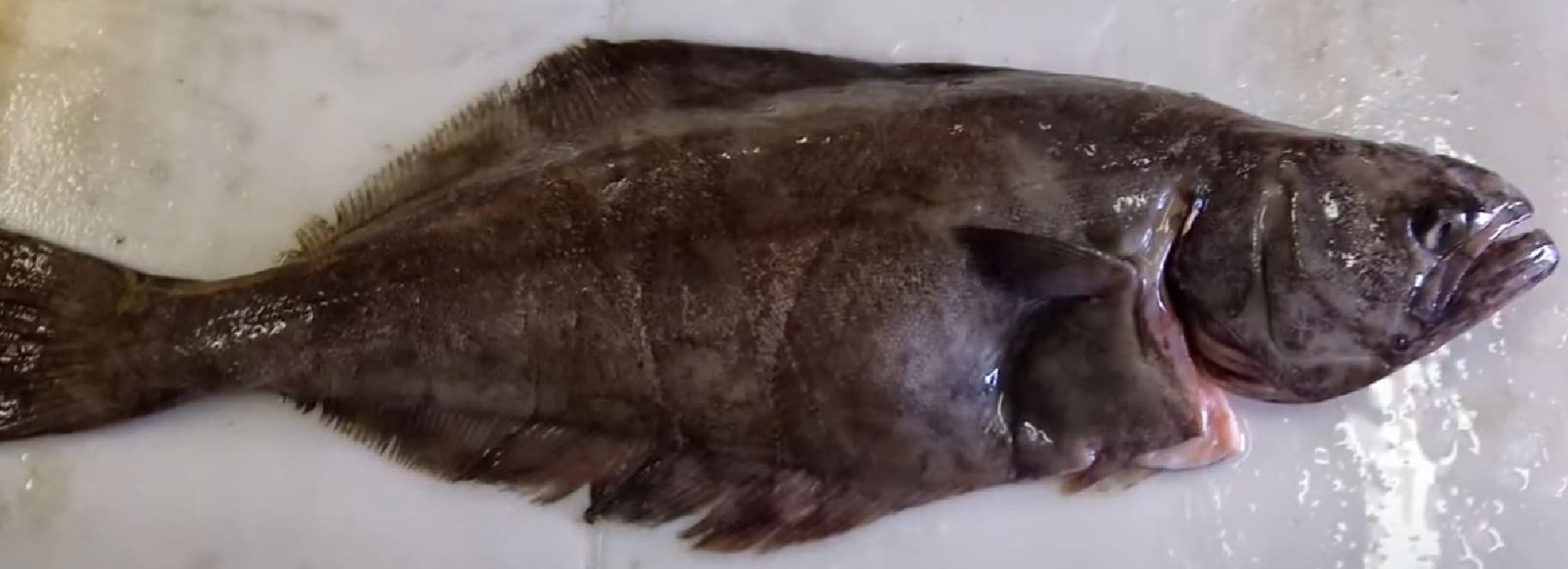
Reinhardtius hippoglossoides
The body is elongated and covered with fine cycloid scales. The eyes are located on the …
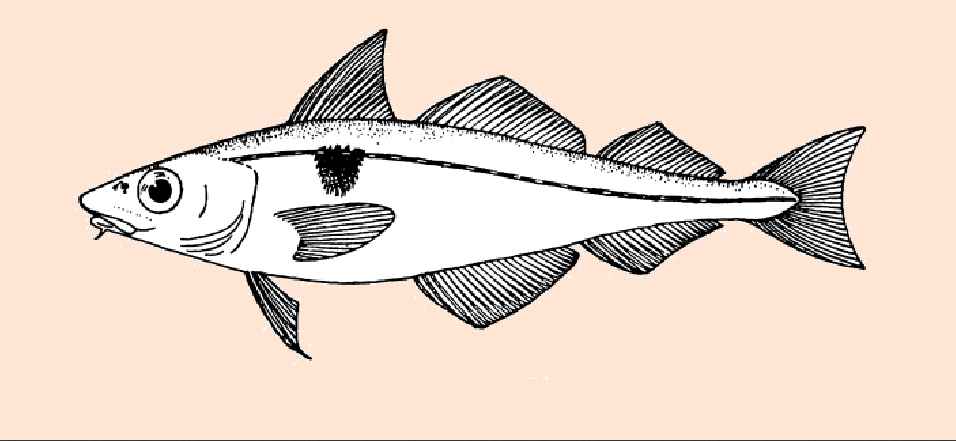
Melanogrammus aeglefinus
Haddock has three dorsal fins and two anal fins. The first dorsal fin is high and …
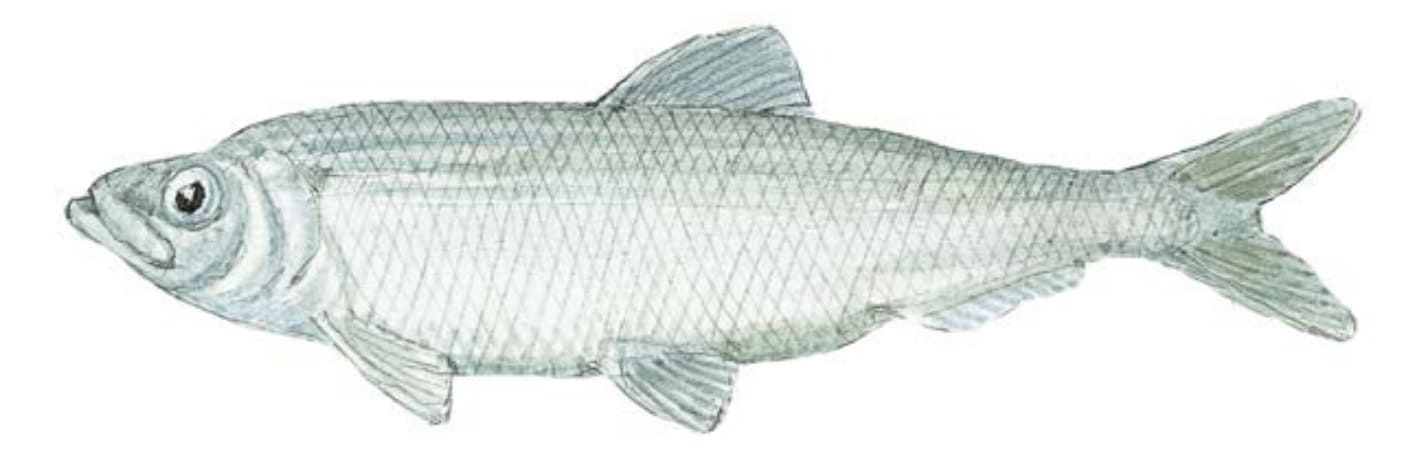
Clupea harengus
The body is not high (its height is about 1/5 of body length). Head is comparatively …
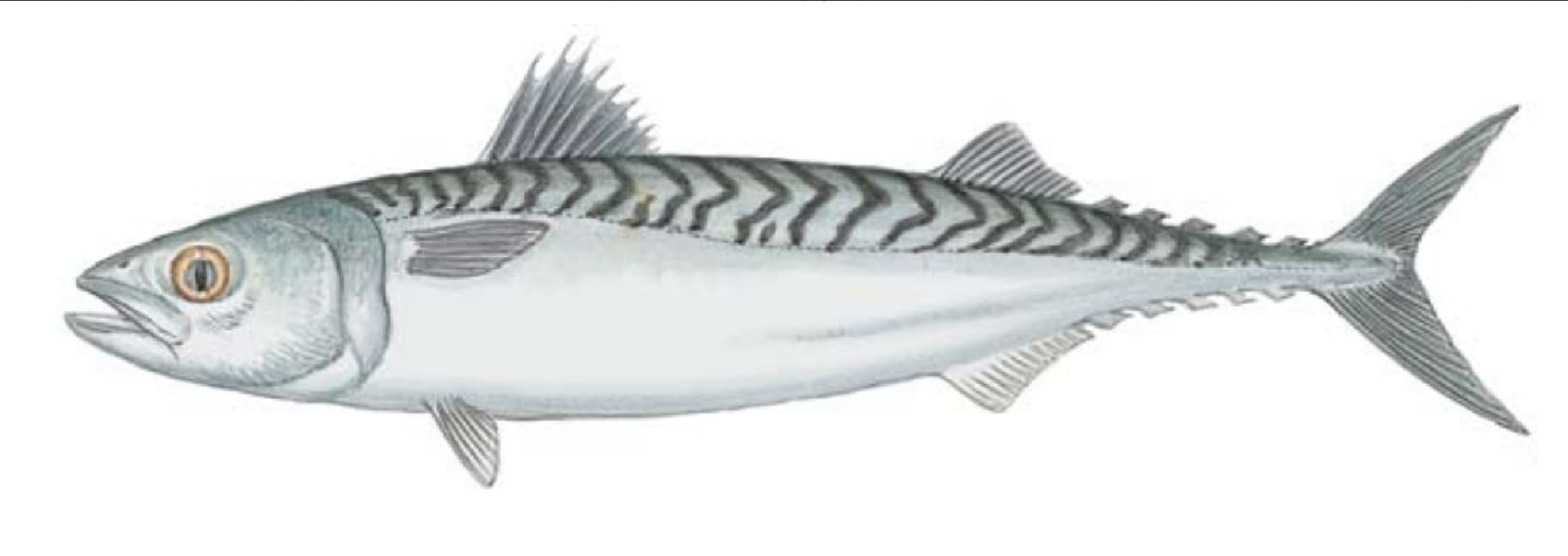
Scomber scombrus
The body is fusiform, slightly compressed from the sides. The scales are fine, cycloidal. The length …