 Allfishes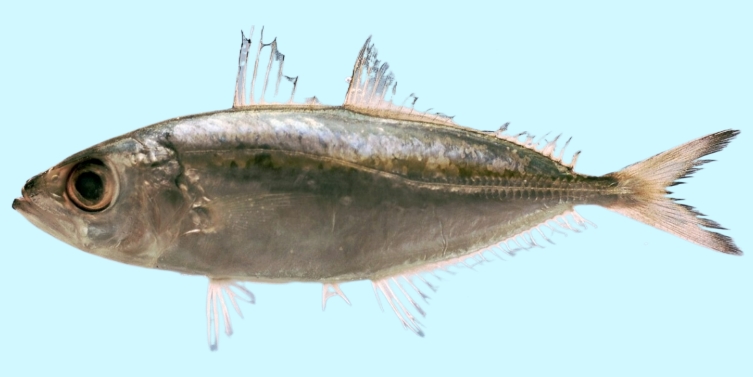
Bigeye scad
Selar crumenophthalmus
The species name is derived from the Greek ὀφθαλμός 'eye' and Latin crumena 'leather purse or …
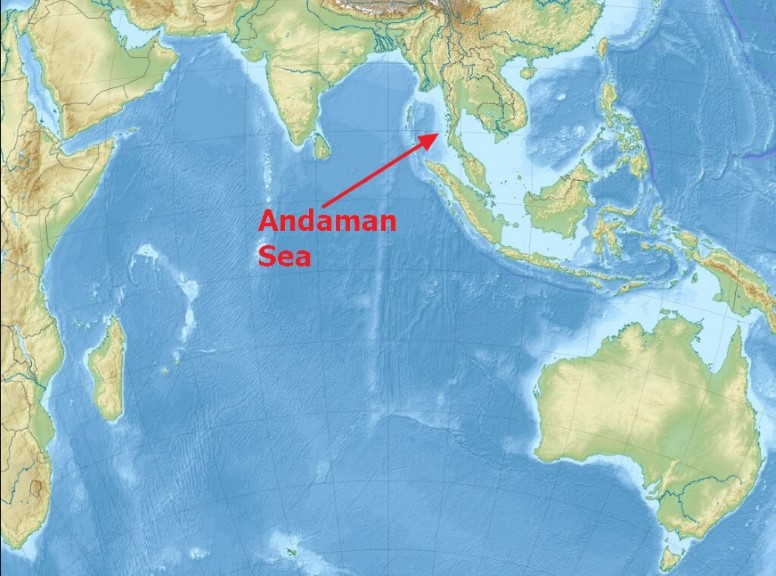 Geographical position of the Andaman Sea
A semi-enclosed sea in the north-eastern Indian Ocean. It lies between the peninsulas of Indochina and Malacca in the east, the island of Sumatra in the south, and the Andaman and Nicobar Islands in the west. It washes the coasts of Myanmar, Thailand, Indonesia and India. The area is about 605 thousand km2, volume 631 thousand km3, the greatest depth is 4507 metres. In the north-west through numerous straits communicates with the Indian Ocean and its Bay of Bengal. The Andaman Sea is connected to the South China Sea of the Pacific Ocean by the Strait of Malacca.
The bottom topography is characterised by a shelf, a continental slope and a deep-water basin. The widest shelf is in the northern and eastern parts of the sea (150-400 km). The Salween and Irrawaddy Rivers flow into the northern part and carry large amounts of suspended material (the Irrawaddy carries about 250 million tonnes of sediment annually). As a result, the coastal shelf, 80-250 km wide, is a monotonous accumulation plain with depths of less than 50 m. The continental slope is a scarp. The continental slope is a scarp with elevations ranging from 500-1500 m in the north to 2000 m in the southeast. The relief of the basin floor is divided into a western and an eastern part. The western half, adjacent to the slope of the Andaman submarine ridge, is a complexly dissected depression with high meridional ridges in the central part, separated by the Andaman Trough, at a depth of about 3500 m. The eastern half is a broad step with a flat surface and depths exceeding 2000 m.
The climate is tropical, monsoonal and humid. The winter monsoon blows over the sea from the north-east or north and the summer monsoon from the south-west or south. The winter monsoon is characterised by light winds and gusts, weak waves, wave heights of less than 1.0 m and frequent gusts. The summer monsoon has stronger winds, increasing northwards to 7.0 m/sec, with waves up to 2.0 metres high. The average air temperature is 26°C in February and 27-28°C in August. Atmospheric rainfall is more than 3000 mm per year, exceeding evaporation by almost 2 times.
Average water temperature of 26-28°C in February, up to 29°C in May; at depths of more than 1600m the temperature remains constant (4.8°C) all the way to the bottom. Salinity is 31.5-32.5‰ in summer and 30.0-33.0‰ in winter; in the northern part it drops to 20‰ under the influence of river discharge. Water circulation in the Andaman Sea is subject to seasonal variability. In winter, the upper layer currents are south-westerly and westerly; cyclonic circulation occurs in the northern part of the sea with velocities of 20 cm/sec and up to 50 cm/sec in the southern part. Water enters the southern part of the sea through the Strait of Malacca, and the current speed can reach 100 cm/sec. In summer, an anticyclonic circulation of water is established, currents in the western part of the sea are directed northwards in accordance with the direction of the summer monsoon, and southwards along the eastern coast. The tides are semidiurnal, reaching 7.2 metres in the northern part and 3.7-5.0 metres near the eastern coast.
The Andaman Sea, like other tropical seas of the world ocean, is characterised by a great diversity of species composition of the animal world (flying fish, southern herring, sailfish, etc.), species of high abundance are practically absent except in the coastal zone and coral reef areas (anchovy, jack mackerel, cutlassfish, croaker, etc.). The marine waters along the Malay Peninsula are favourable for the growth of molluscs and there are about 280 species of edible fish belonging to 75 families. Of these, 232 species (69 families) live in mangroves and 149 species (51 families) live in seagrass beds, with 101 species common to both habitats. The sea is also home to many endangered animals, including dugongs (Dugong dugon), several species of dolphins such as the Irrawaddy dolphin (Orcaella brevirostris) and four species of sea turtles: The critically endangered Leatherback Turtle (Dermochelys coriacea) and Hawksbill Turtle (Eletmochelys imbricata), the endangered Green Turtle (Chelonia mydas) and the Olive Ridley Turtle (Lepidochelys olivacea). There are only about 150 dugongs in the Andaman Sea, scattered between Ranong and Satun provinces. These species are vulnerable to degradation of seagrass beds. It is estimated that coral reefs cover 73,364 rai (117 km²) in the Andaman Sea and only 6.4% are in good condition.
In 2004, marine fish production in Thailand was as follows: pelagic fish 33%, demersal fish 18%, cephalopods 7.5%, crustaceans 7.5%, trash fish 30% and other species 7%. Trash fish includes inedible species, edible species of low commercial value and juvenile fish released into the sea. Pelagic fish were divided between anchovy (Stolephorus spp, 19%), short mackerel (Rastrelliger brachysoma, 18%), sardinella (Sardinellars spp., 14%), Decapterus (11%), longtail tuna (Thunnus tonggol, 9%), mackerel tuna (Euthynnus affinis, 6%), Carangidae (6%), Bigeye scad (Selar crumenophthalmus, 5%), Indian mackerel (Rastrelliger kanagurta, 4%), King mackerel (Scomberomorus cavalla, 3%), Torpedo scad (Megalaspis cordyla, 2%), Herring (1%) and others (2%). The production of demersal species was dominated by Purple-spotted bigeye (Priacanthus tayenus), Ornate threadfin bream (Nemipterus hexodon), Brushtooth lizardfish (Saurida undosquamis), Slender lizardfish (Saurida elongata) and Jinga shrimp (Metapenaeus affinis). Most species have been overfished since the 1970s-1990s, with the exception of narrow-barred Spanish mackerel (Scomberomorus commersoni), carangidae and torpedo scad (Meggalaspis spp.). The total overfishing rate in 1991 was 333% for pelagic and 245% for benthic species. Cephalopods are divided into squid, cuttlefish and molluscs, with squid and cuttlefish in Thai waters comprising 10 families, 17 genera and over 30 species. The main species of molluscs caught in the Andaman Sea are scallops, blood cockles (Anadara granosa) and short-necked clams (Paphia undulata). Collecting them requires bottom gears that damage the seabed. As a result, mollusc production fell from 27,374 tonnes in 1999 to 318 tonnes in 2004. Although crustaceans accounted for only 4.5 per cent of total marine production in 2004, they accounted for 21 per cent of the total value. These were dominated by bamboo shrimp, giant tiger prawn, whiteleg shrimp, Caridean shrimp, flathead lobster, mantis shrimp, swimming crab and mud crab.
Showing 1–18 of 18
Selar crumenophthalmus
The species name is derived from the Greek ὀφθαλμός 'eye' and Latin crumena 'leather purse or …
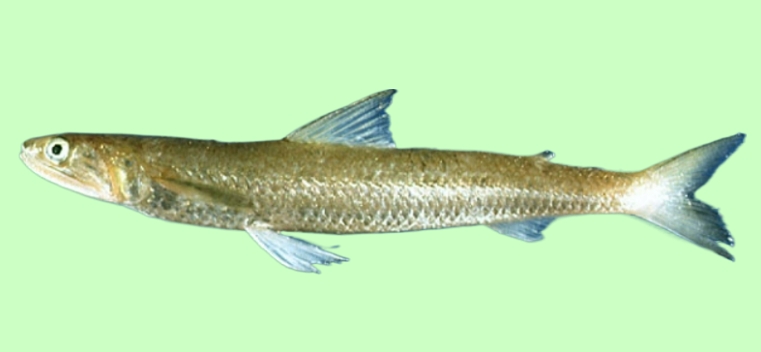
Saurida undosquamis
Saurida: Derived from Greek, sauros = lizard.Brush-toothed lizardfish have a cigar-shaped, rounded or slightly compressed body. …
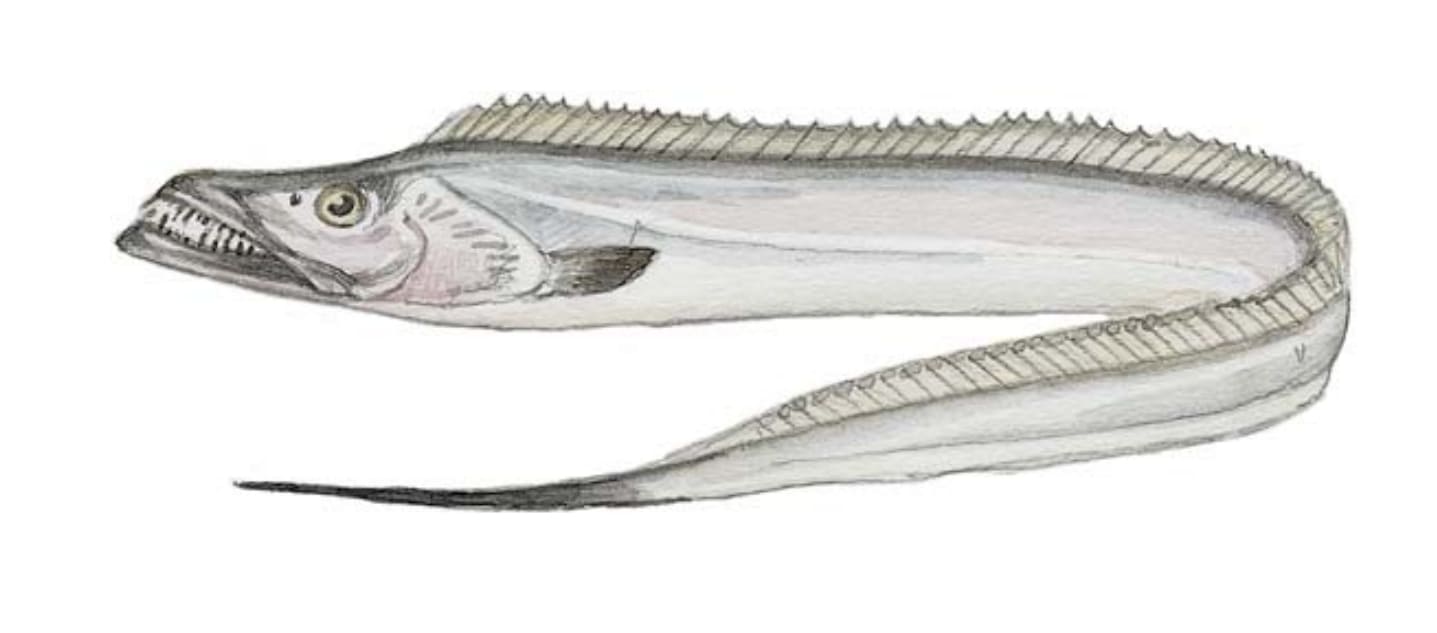
Trichiuridae
Characterized by a long, compressed body tapering toward the pointed tail, they are also commonly known …
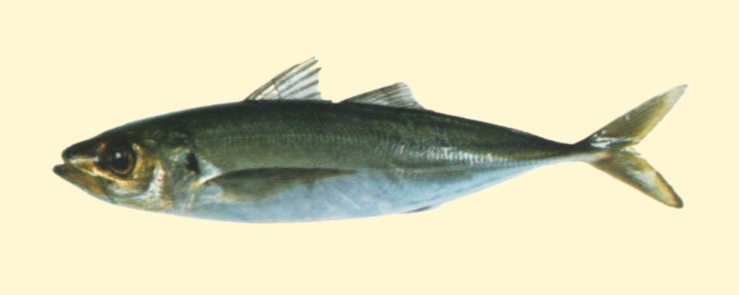
Trachurus declivis
Greek, trachys, -eia, -ys = rough + Greek, oura = tail.The common name comes from the …
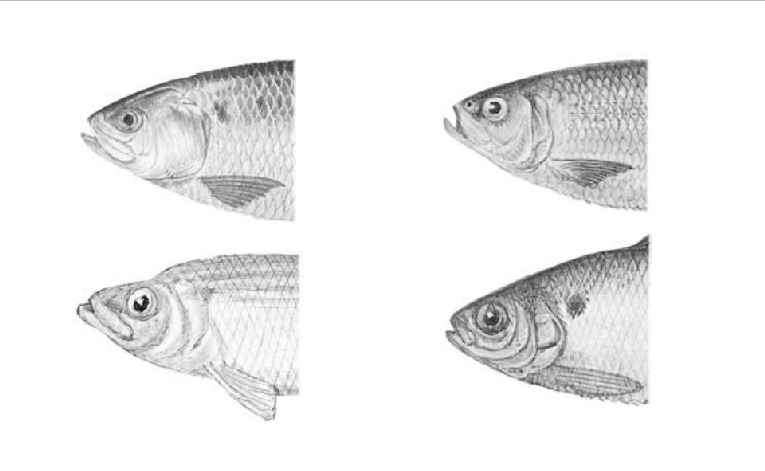
Clupea
Body compressed from the sides, with jagged edge of abdomen. Scales moderate or large, rarely small. …
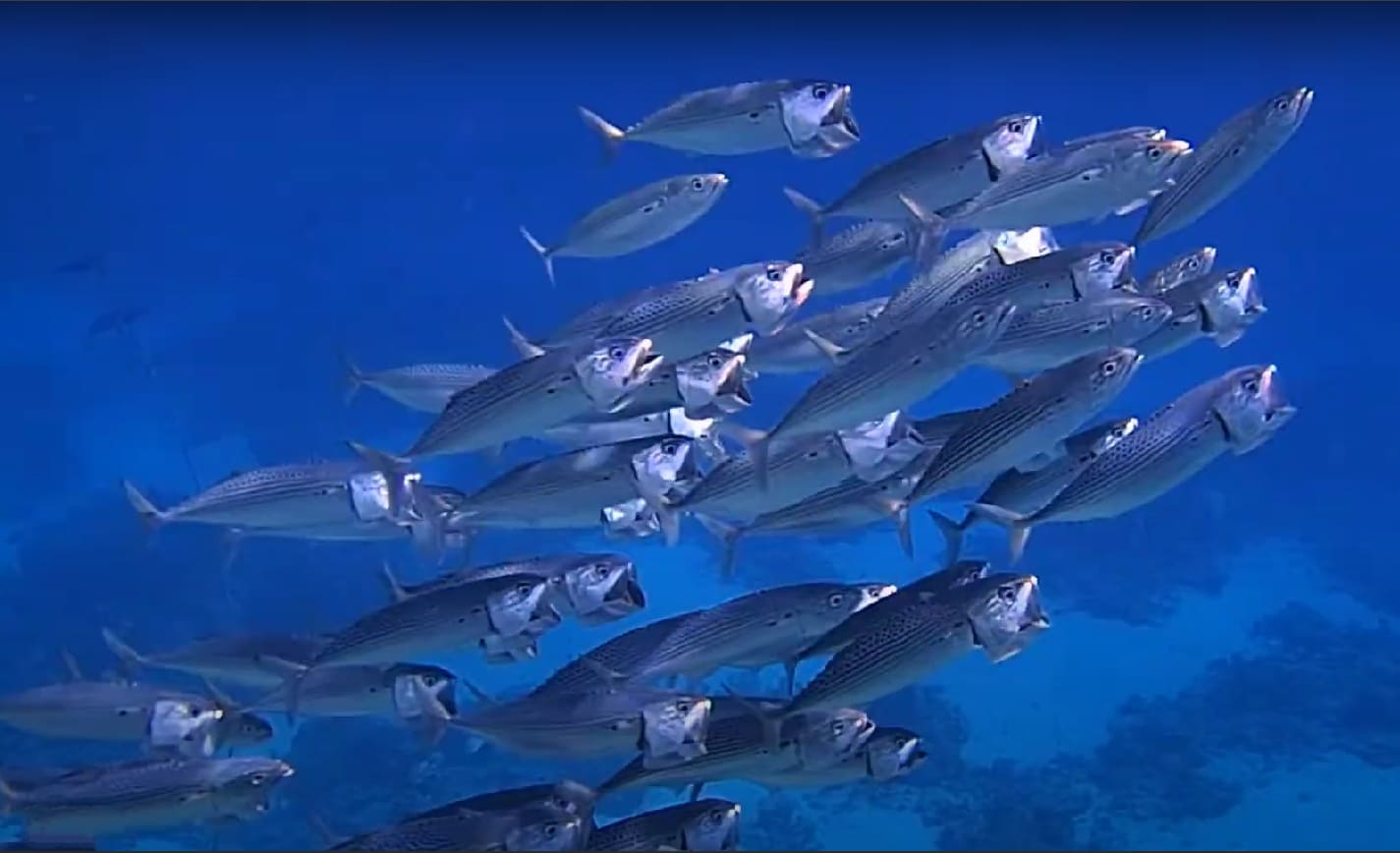
Rastrelliger kanagurta
Body elongated, spindle-shaped, moderately high, covered with fine cycloid scales. Maximum body height on the vertical …
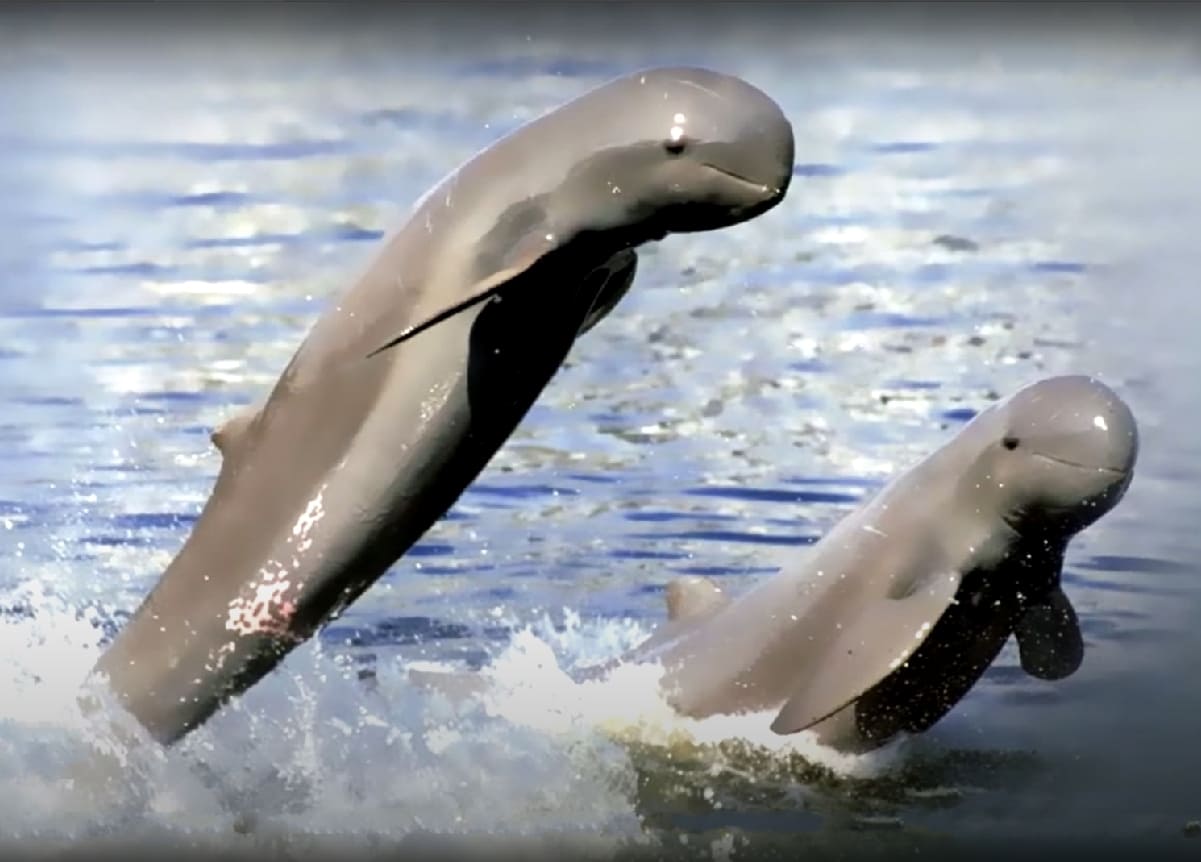
Orcaella brevirostris
Unlike other members of the Delphinidae family, Irrawaddy dolphins lack a beak and have a flexible …
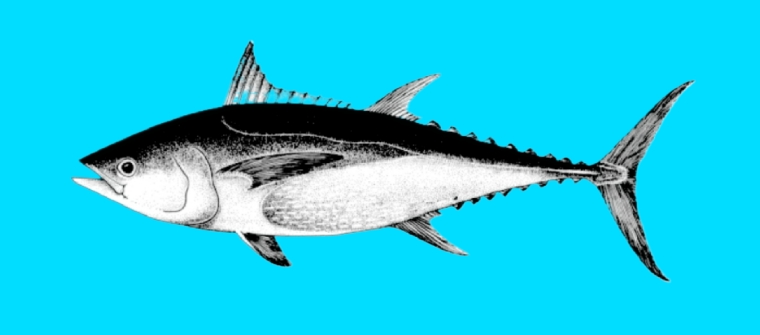
Thunnus tonggol
The longtail's body is torpedo-shaped, elongated, high in the midsection and tapering sharply towards the tail. …
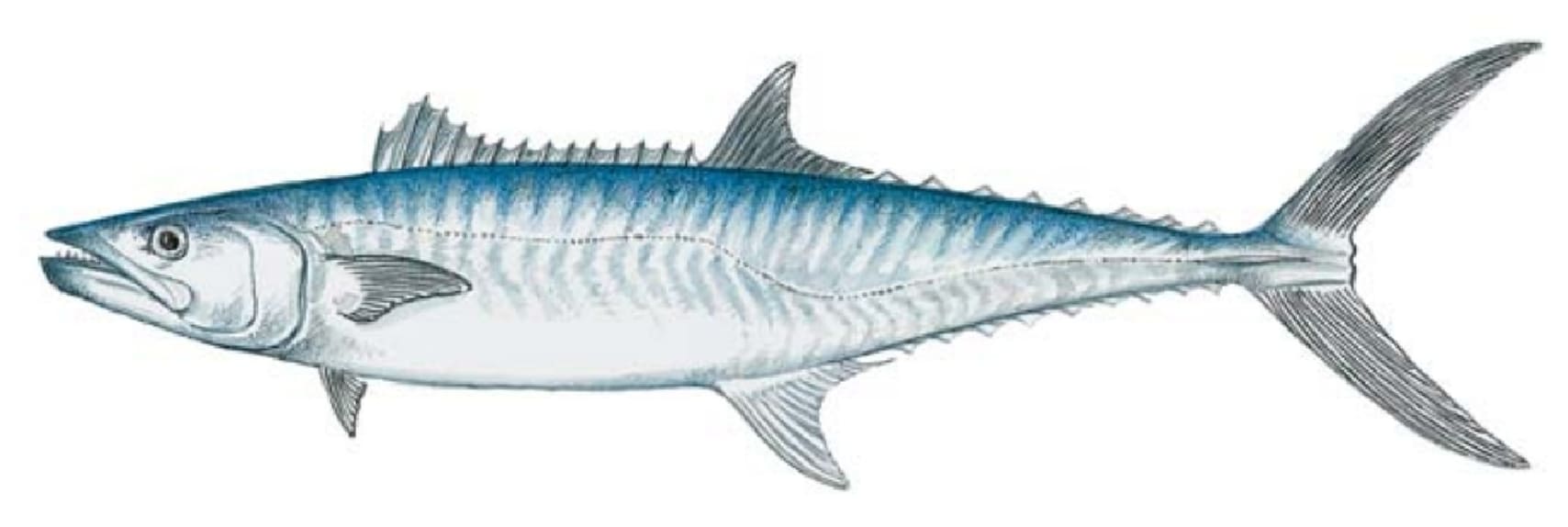
Scomberomorus cavalla
The body is torpedo-shaped, compressed from the sides. The lower jaw is slightly protruded forward relative …
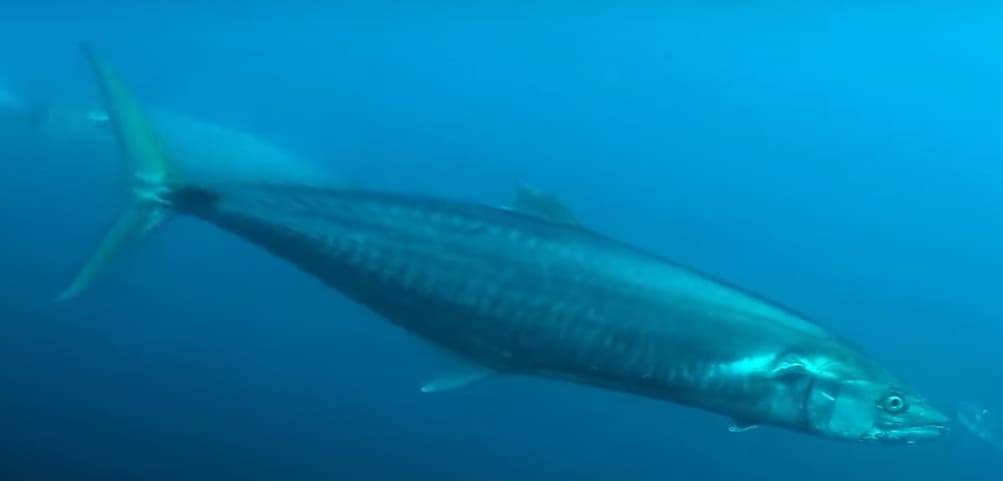
Scomberomorus commerson
They have an elongated torpedo-shaped body, compressed at the sides. Their height is 5-6.3 times less …
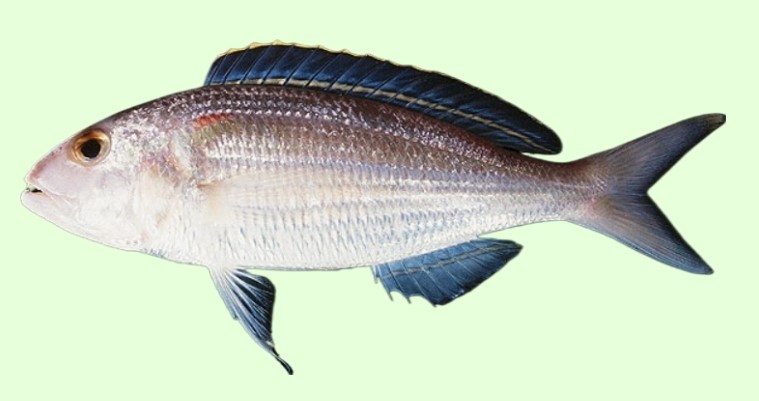
Nemipterus hexodon
Nemipterus: Greek, nema, -atos = filament + Greek, pteron = wing, fin.This species is characterised by …
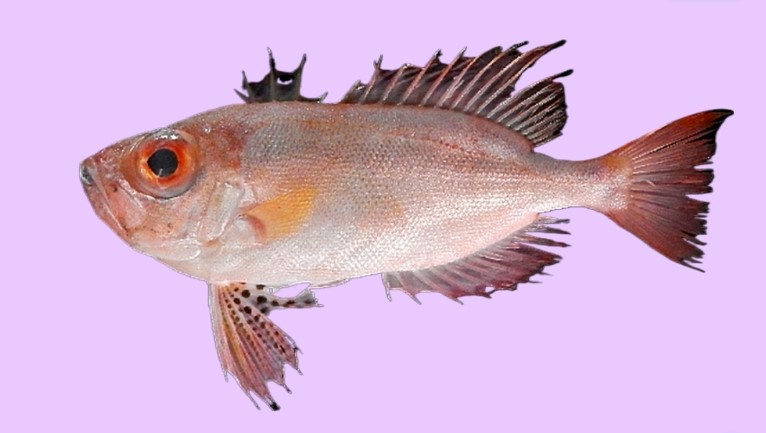
Priacanthus tayenus
A feature of this species is the well-developed spine at the corner of the preopercle.
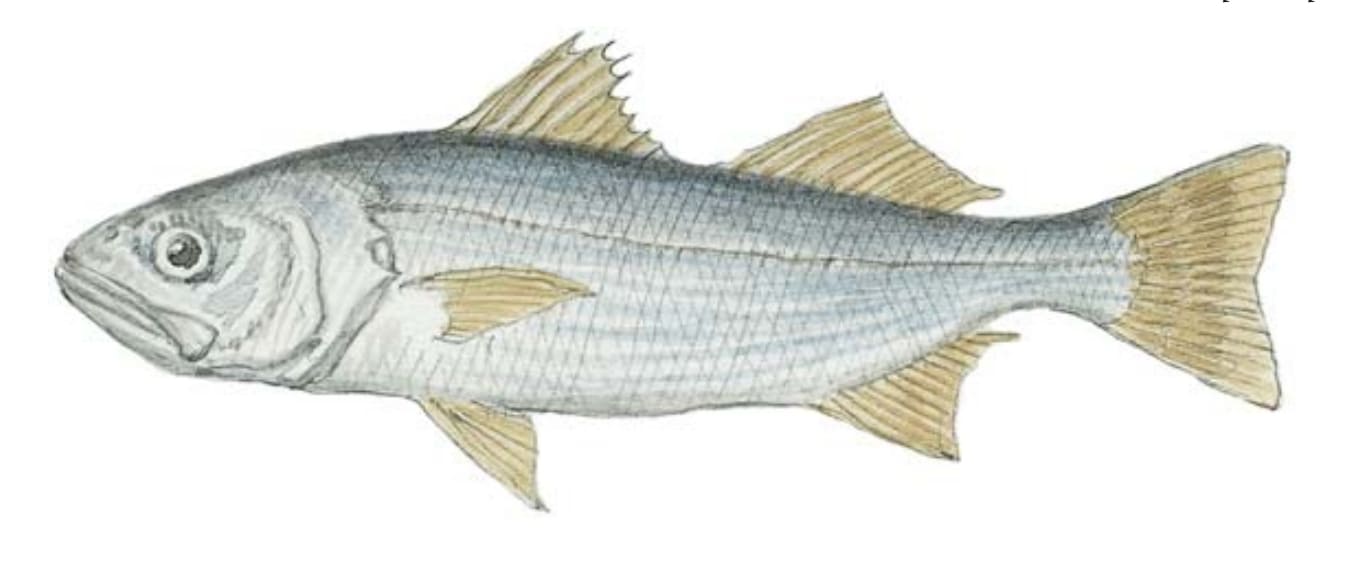
Seriphus politus
The fish has an elongated, moderately compressed body. The upper part of the profile is depressed …
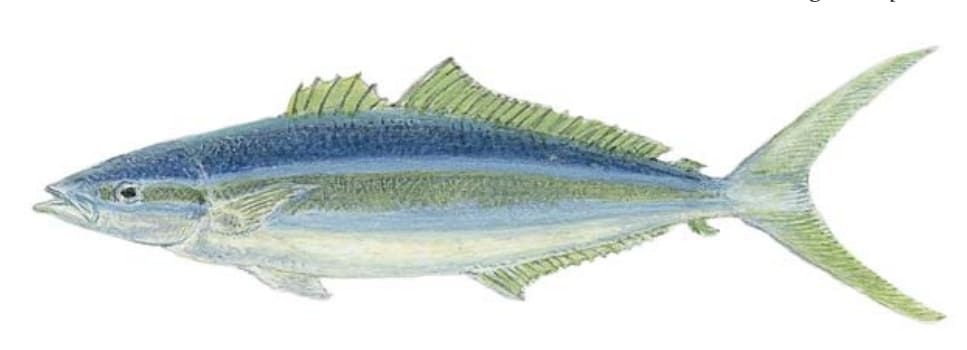
Istiophorus platypterus
Body elongated, compressed from sides. Snout in form of elongated, spear-shaped rostrum, round in cross-section. The …
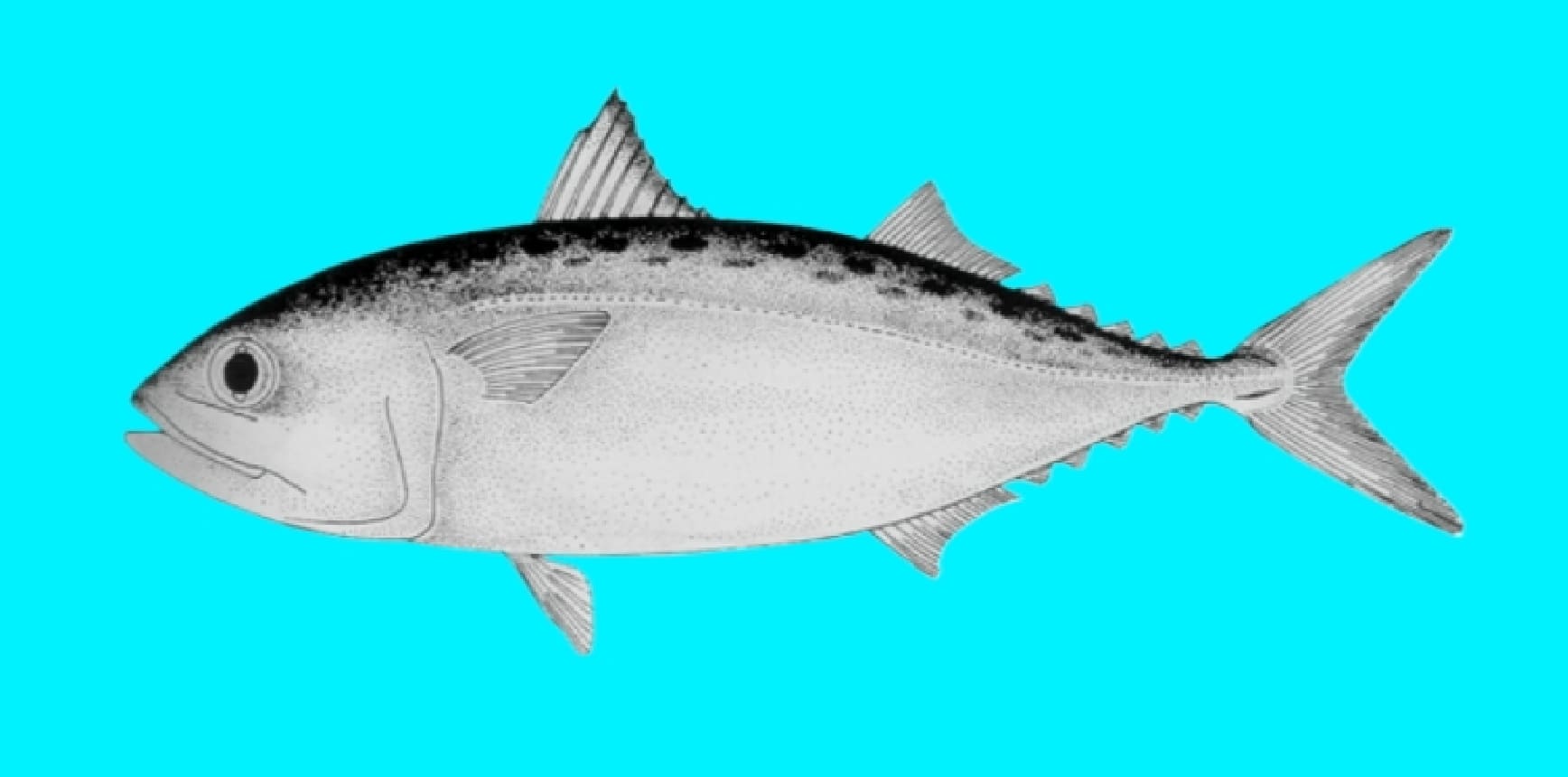
Rastrelliger brachysoma
The short mackerel has the typical appearance of a medium-sized mackerel. This species is characterised by …
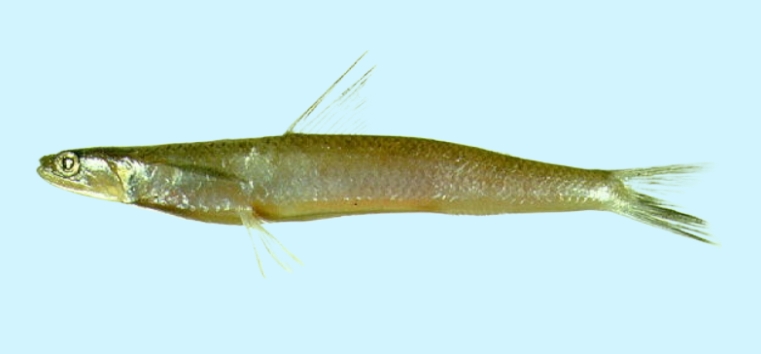
Saurida elongata
Saurida: Derived from Greek, sauros = lizard.Slender lizardfish have a streamlined, elongated body shape and sharp …
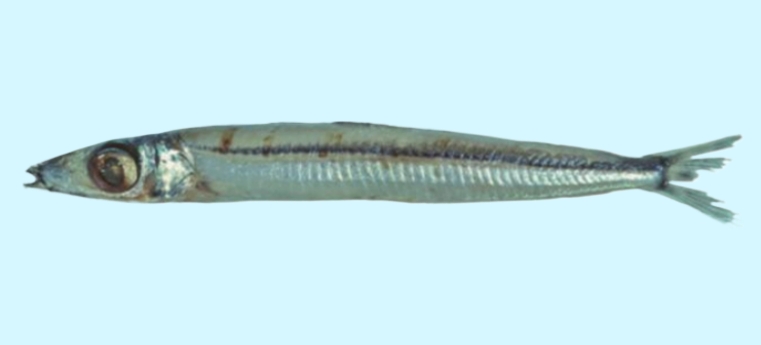
Glossanodon australis
Glossanodon: Greek, glossa = tongue + Greek, anodos = without teeth.These are small fish, similar in …
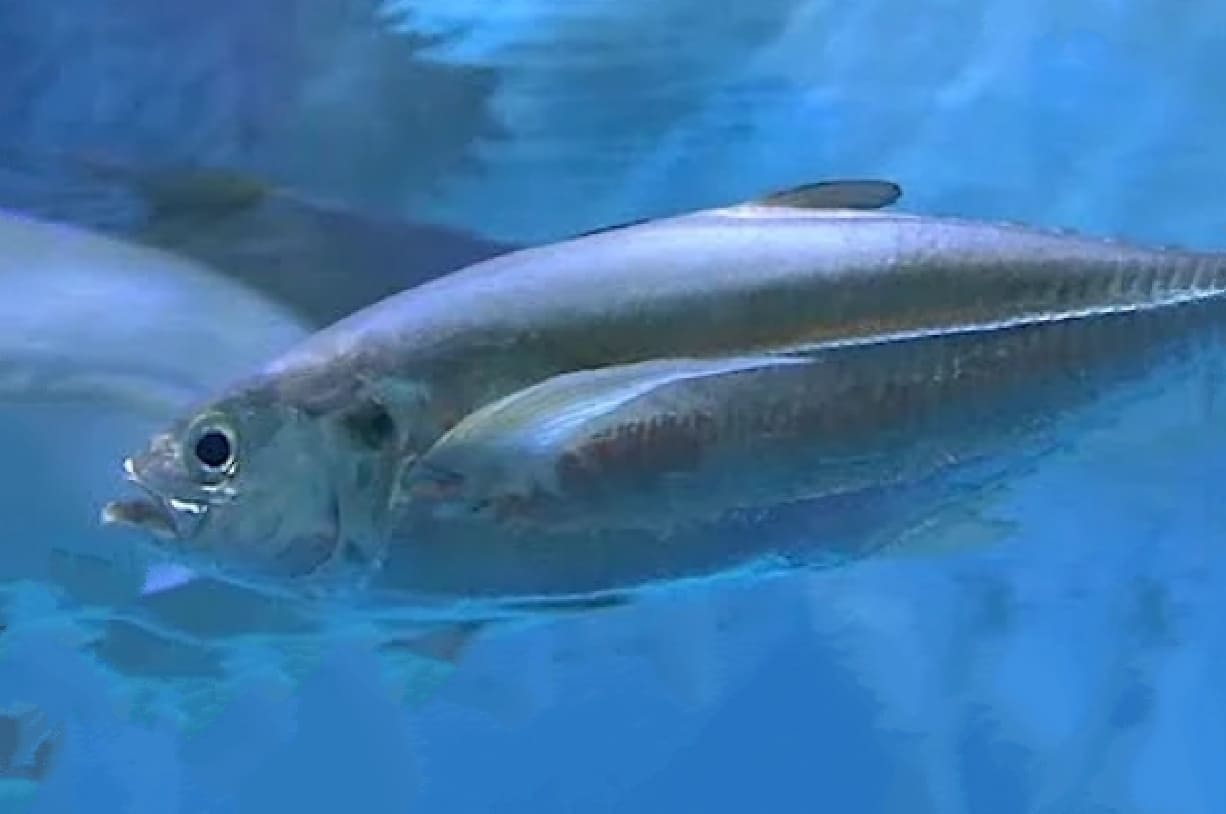
Megalaspis cordyla
The body of these fishes is elongated, oval in shape, almost cylindrical in cross section, somewhat …