 Allfishes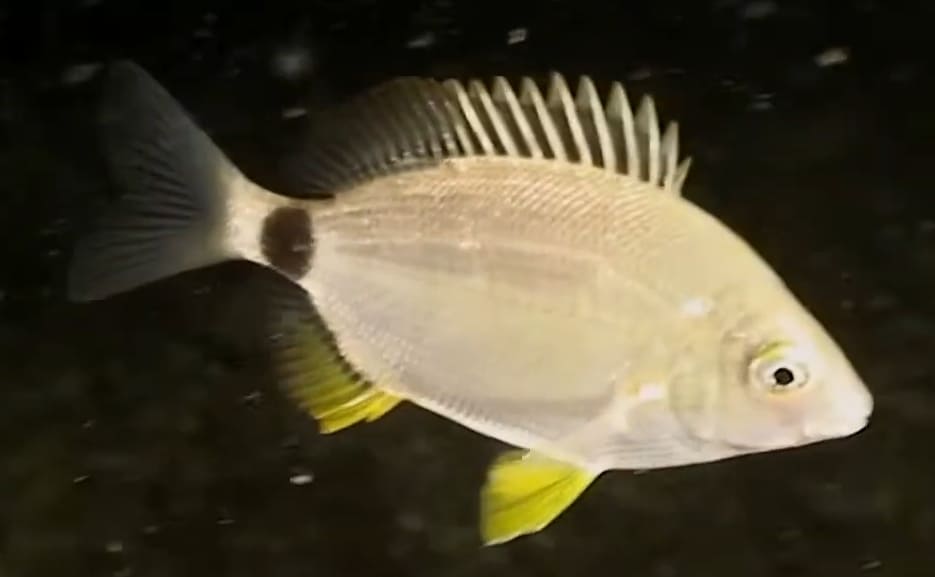
Annular seabream
Diplodus annularis
It has a deep, compressed body with an elongated ovoid shape. There are 8 incisors in …
 Fishing has been developed in the Aegean Sea since ancient times, with sponge and octopus fishing. In recent times, however, it has gradually declined due to its private nature, the deterioration of the ecological situation in the sea and the lack of plankton, which is necessary for fish to feed.
Serranidae, Diplodus annularis, mullet, parrotfish and conger are common in the Aegean Sea. Commercial fishes are: Sardine, Mackerel, Pomfret, Engraulis, Trachurus. With the help of a fishing rod in recreational fishing you can catch: Epinephelus, Sebastes, Mullus, European seabass, Boops Boops.
There are over 35 species of sharks in this sea, some of which can be dangerous to humans. The most common predators are Great white shark, Tiger shark, Bull shark, Shortfin mako shark, Oceanic whitetip shark, Blue shark, Hammerhead shark, Copper shark, Grey reef shark, Sandbar shark, Lemon shark, Sharpnose sevengill shark, Silky shark. Aegean shark species that are not dangerous to humans: Spiny dogfish, Catshark, Bluntnose sixgill shark, Common smooth-hound, Basking shark, Thresher shark, Squatina squatina. Sharks rarely swim into Aegean resorts. If they do meet bathers on the beaches, it is an isolated incident.
Mammals in the Aegean include common and bottlenose dolphins, Risso's dolphins, the occasional killer whale and other whales.
Sea turtles are quite common in the Aegean. The most common reptile in this area is the loggerhead sea turtle.
In the water column and on the bottom there are sea anemones, large and small cuttlefish, starfish, sometimes jellyfish of various species, there are also "stinging" ones. Sea urchins, Ctenophora, crabs, Scorpaena and other animals can be found.
Showing 1–24 of 26
Diplodus annularis
It has a deep, compressed body with an elongated ovoid shape. There are 8 incisors in …
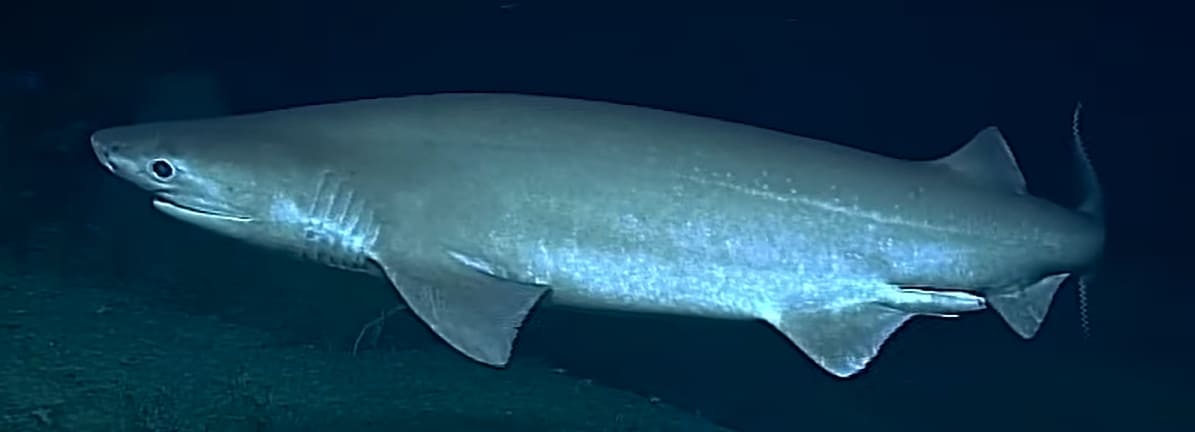
Hexanchus griseus
The bluntnose sixgill shark has a dense, spindle-shaped body and a broad head with a blunt …
Boops boops
Has an elongated body, compressed at the sides, covered with small scales. Dorsal spines: 13-15; Dorsal …
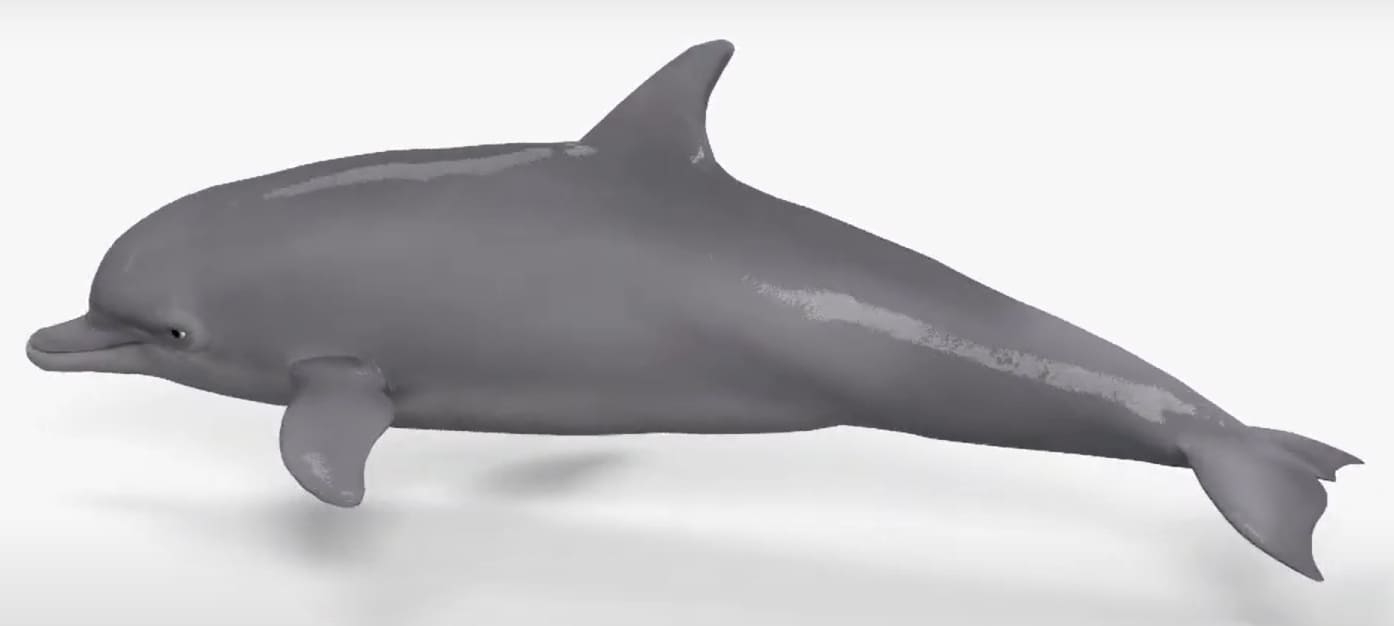
Tursiops truncatus
The moderately developed "beak" is clearly separated from the convex frontal-nasal (fat) pad. The skull reaches …
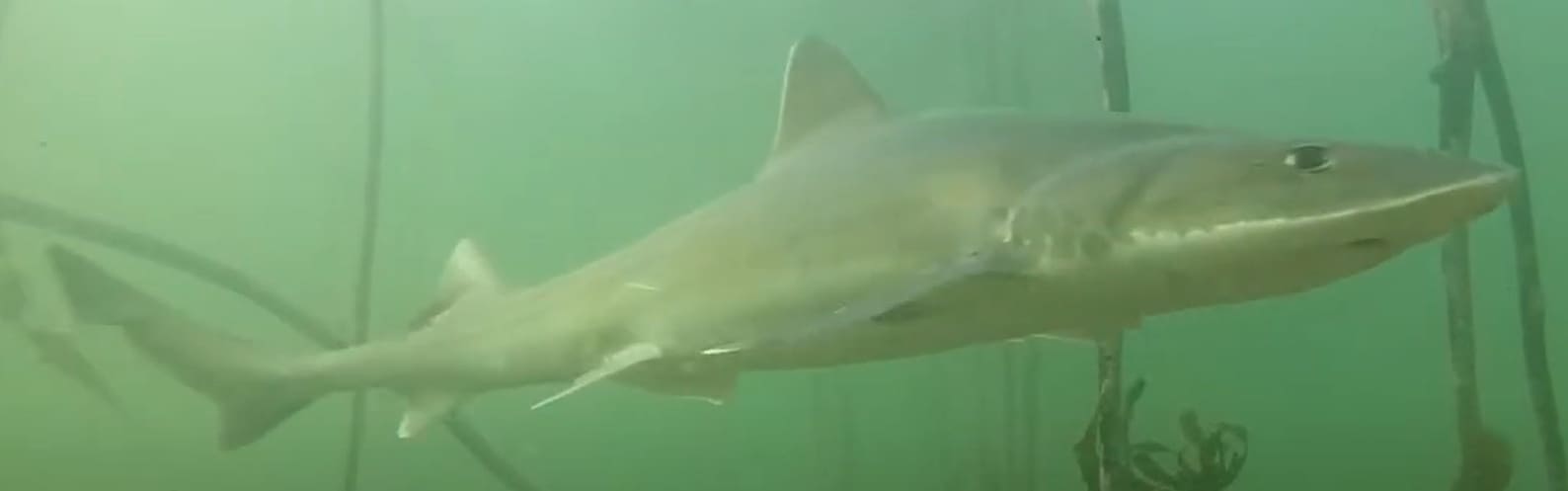
Mustelus mustelus
These sharks have a short head and an elongated body. The distance from the tip of …
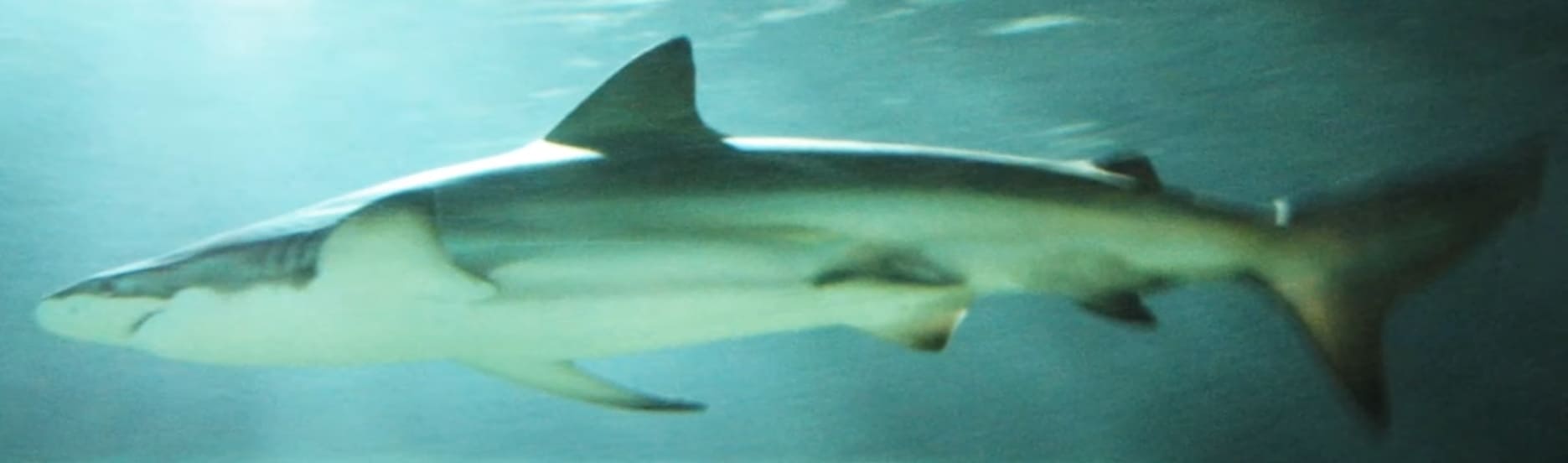
Carcharhinus brachyurus
It has a slender, streamlined body with a slightly curved profile behind the head. The muzzle …
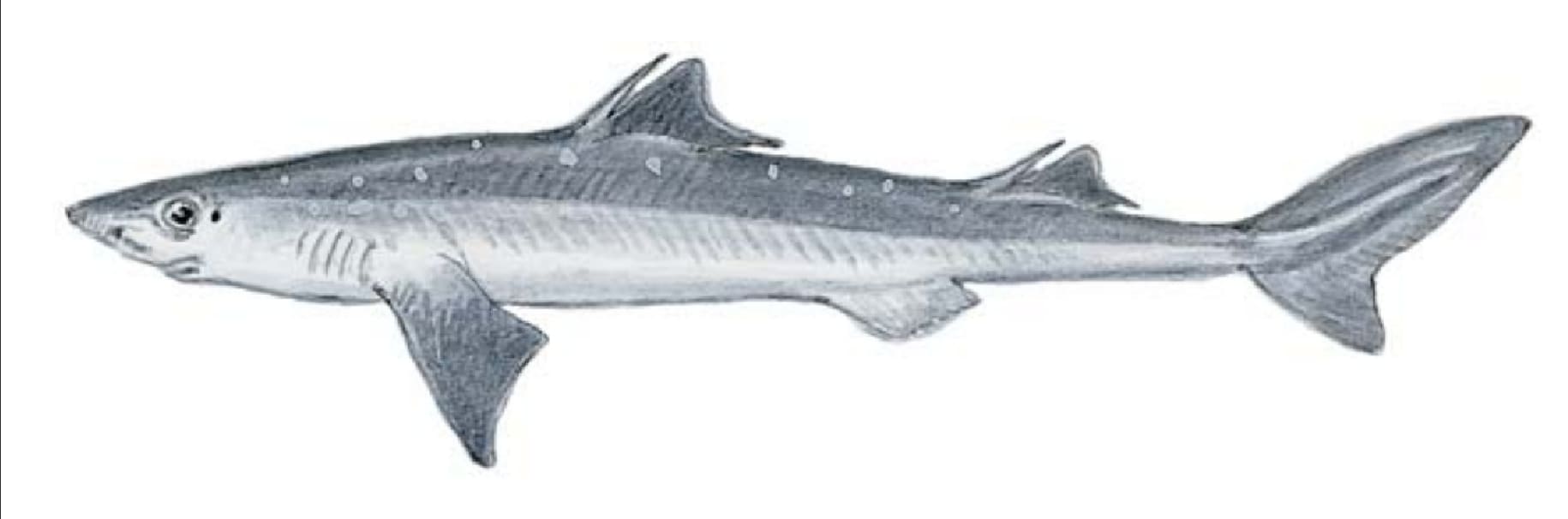
Squalus acanthias
The body is elongated and slender. Head is pointed. Coloration from above from slate-gray to brownish, …
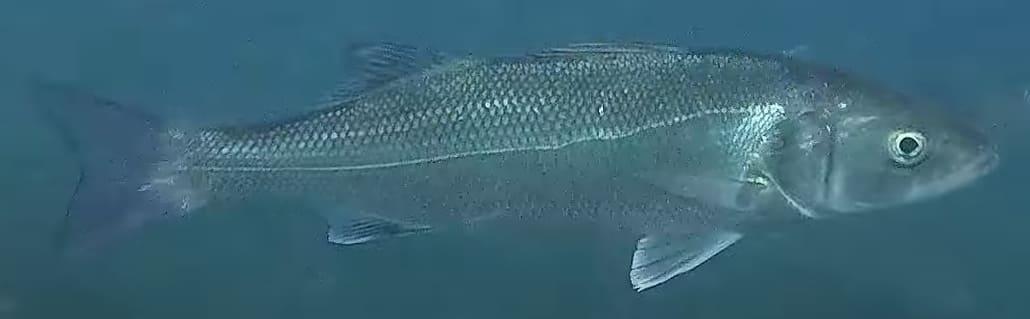
Dicentrarchus labrax
The generic Latin name is derived from the Ancient Greek δύο - two, κέντρον - barb …
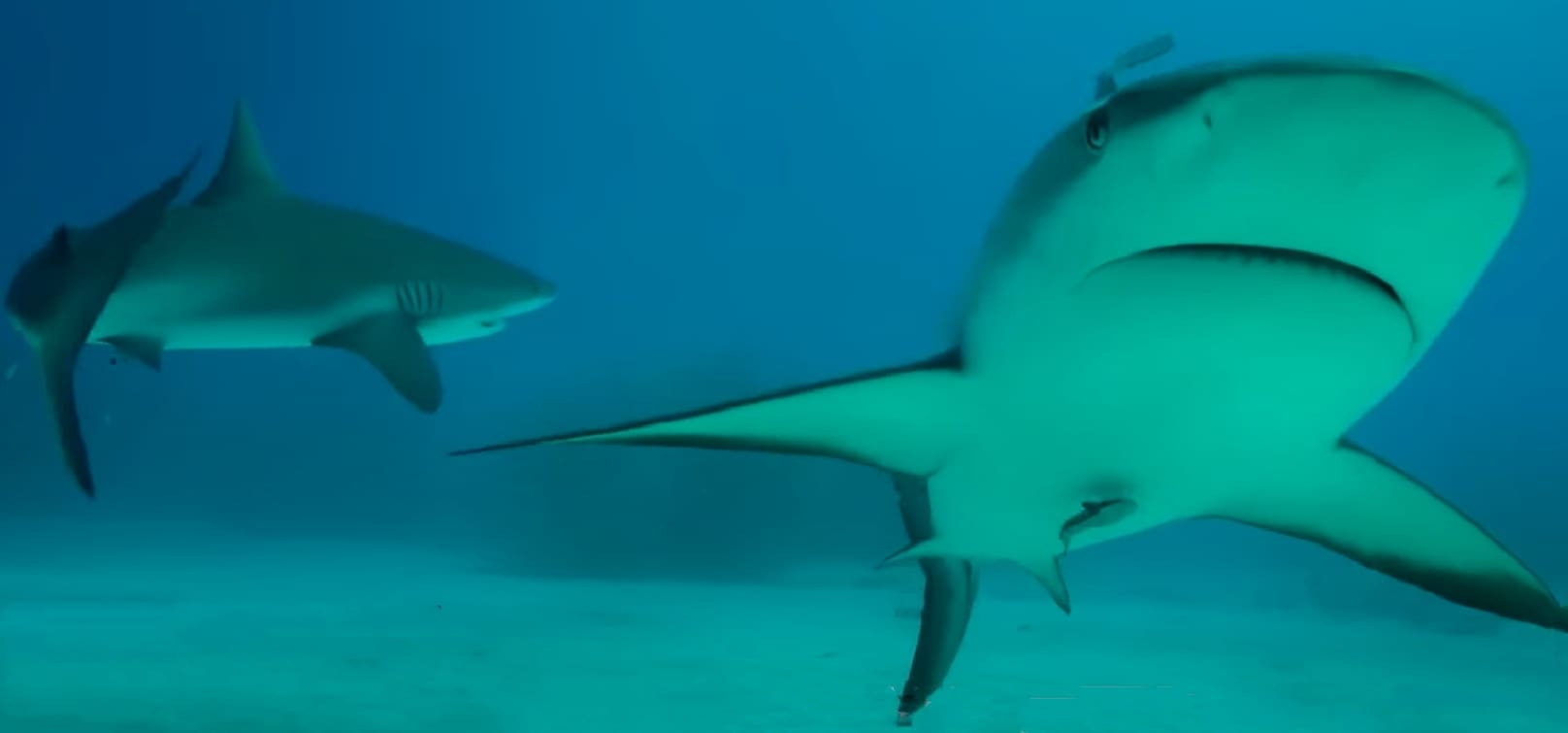
Carcharhinus amblyrhynchos
The body of the fish is torpedo-shaped, the snout is round, wide, the eyes are round, …
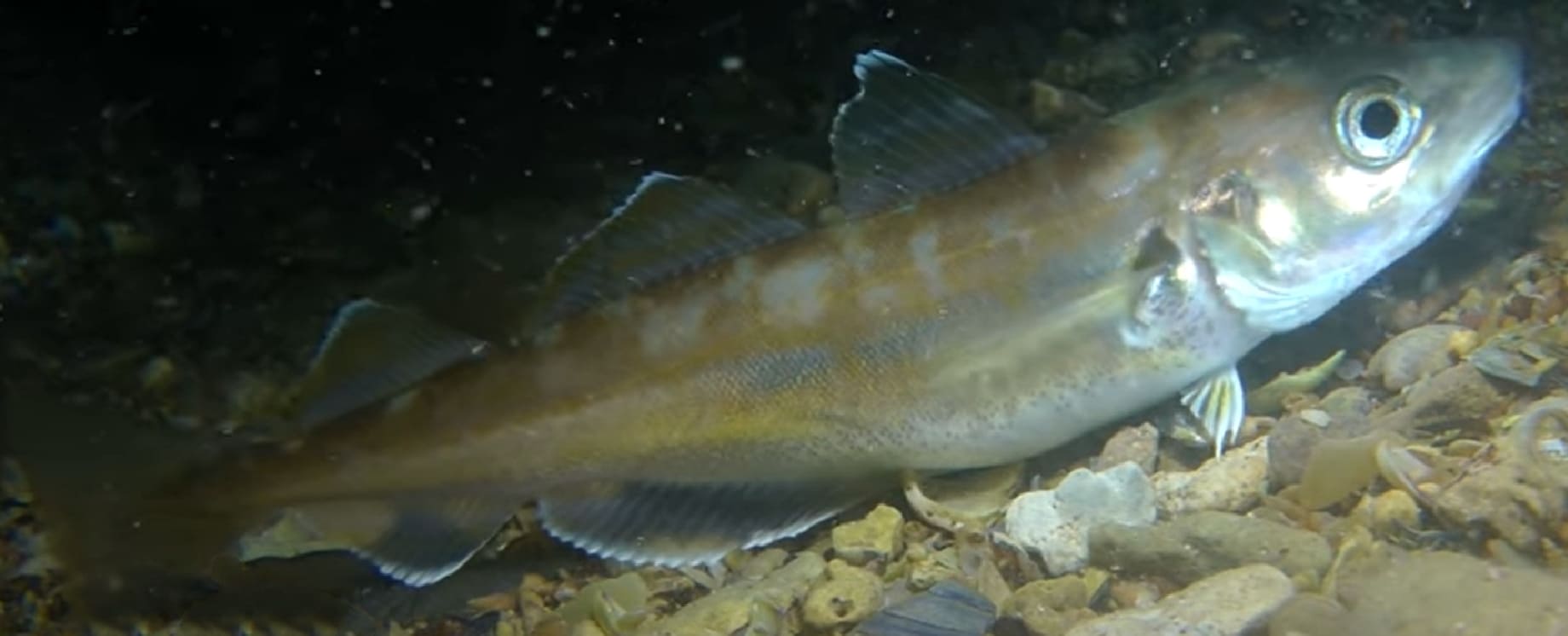
Merlangius merlangus
It has three dorsal fins separated by small slits. The third fin extends almost to the …
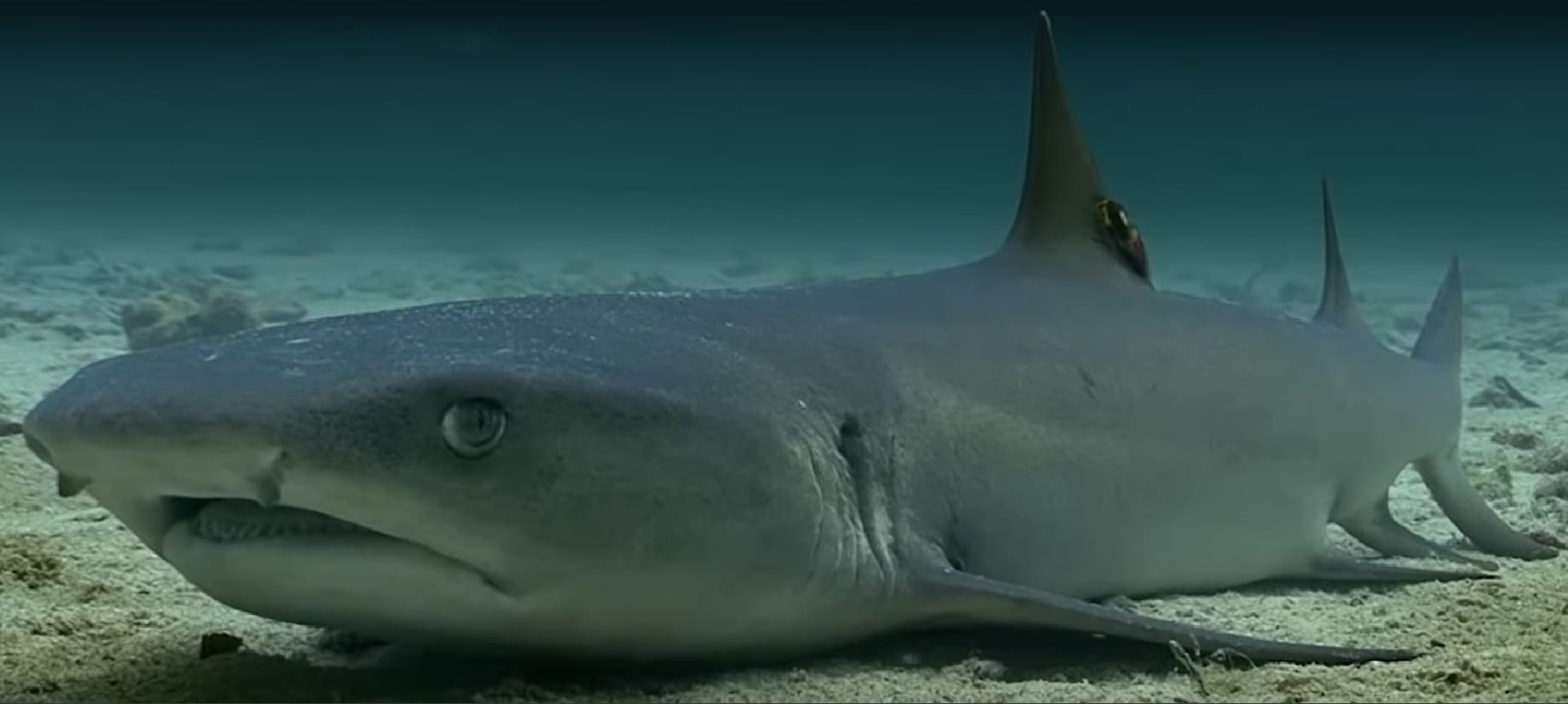
Carcharhinus longimanus
The pectoral fins are considerably longer and wider than those of most other sharks and are …
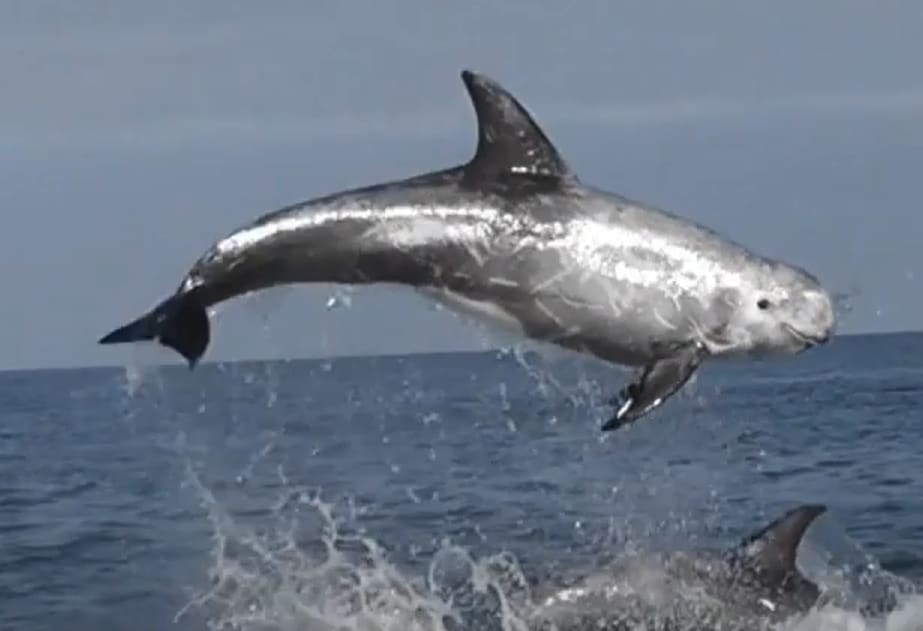
Grampus griseus
Risso's dolphin lacks the typical beak of other dolphins. It has a relatively large front body …
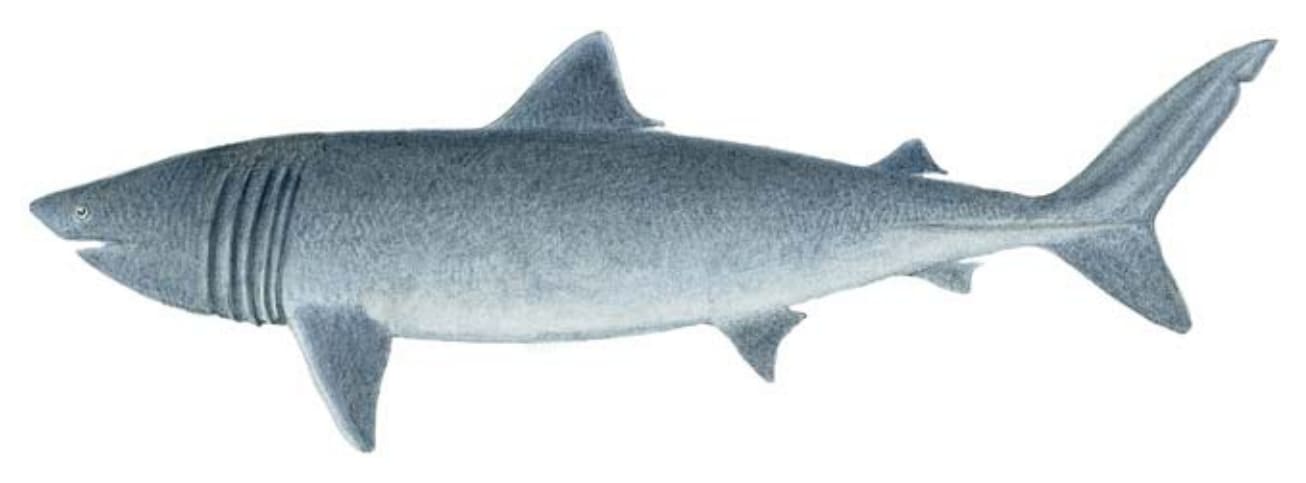
Cetorhinus maximus
The dark gray or slate-gray fish, transitioning to a paler hue, got its name from its …
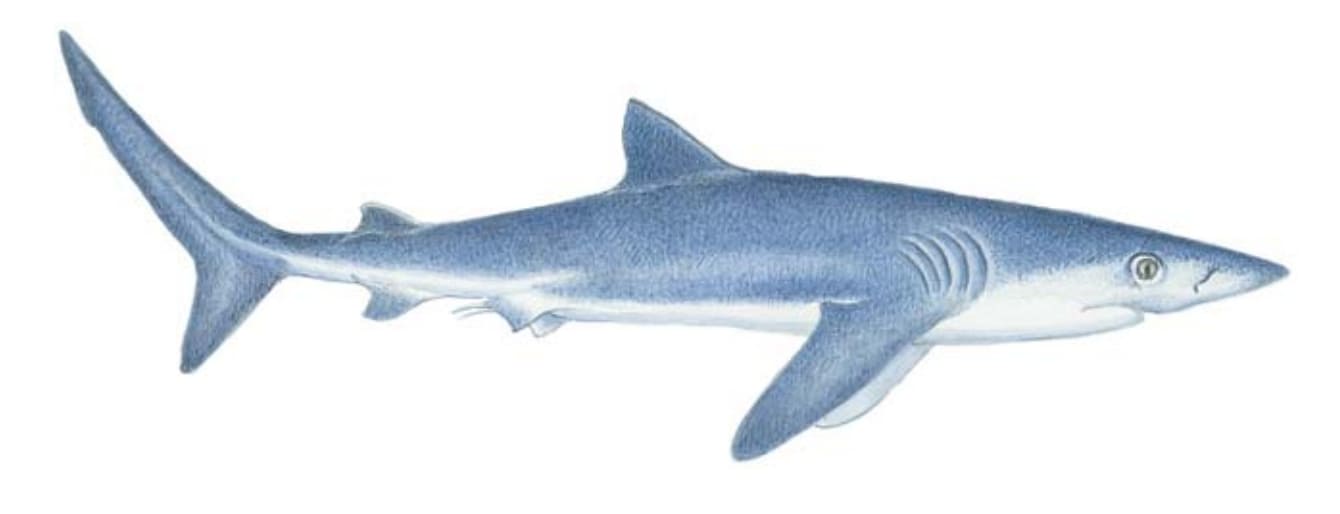
Prionace glauca
The blue shark is very slender and streamlined, with a long and pointed snout that is …
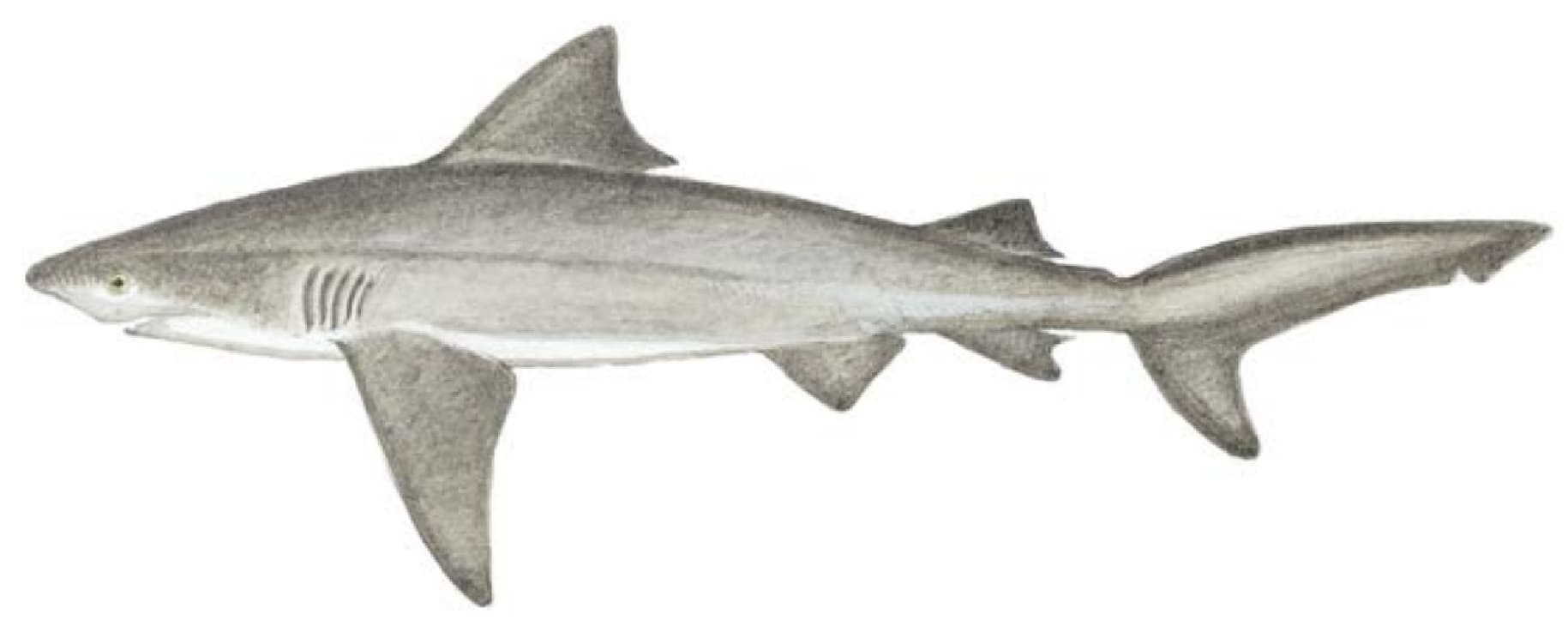
Carcharhinus leucas
The Bull shark gets its name from its bull-like head and is known for its heavy …
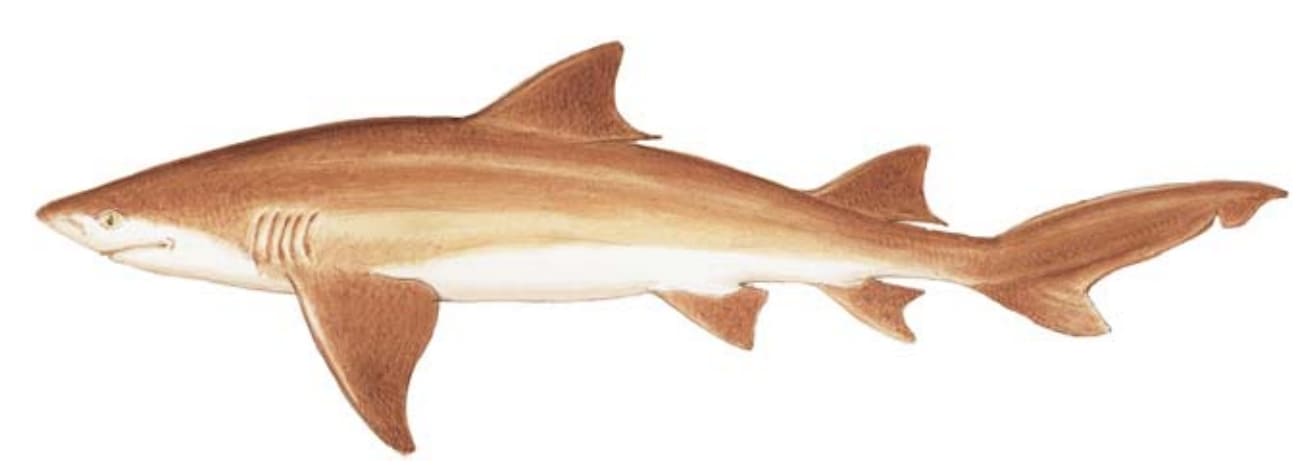
Negaprion brevirostris
It is usually yellow-brown, but can also be a dirty dark brown or dark gray with …
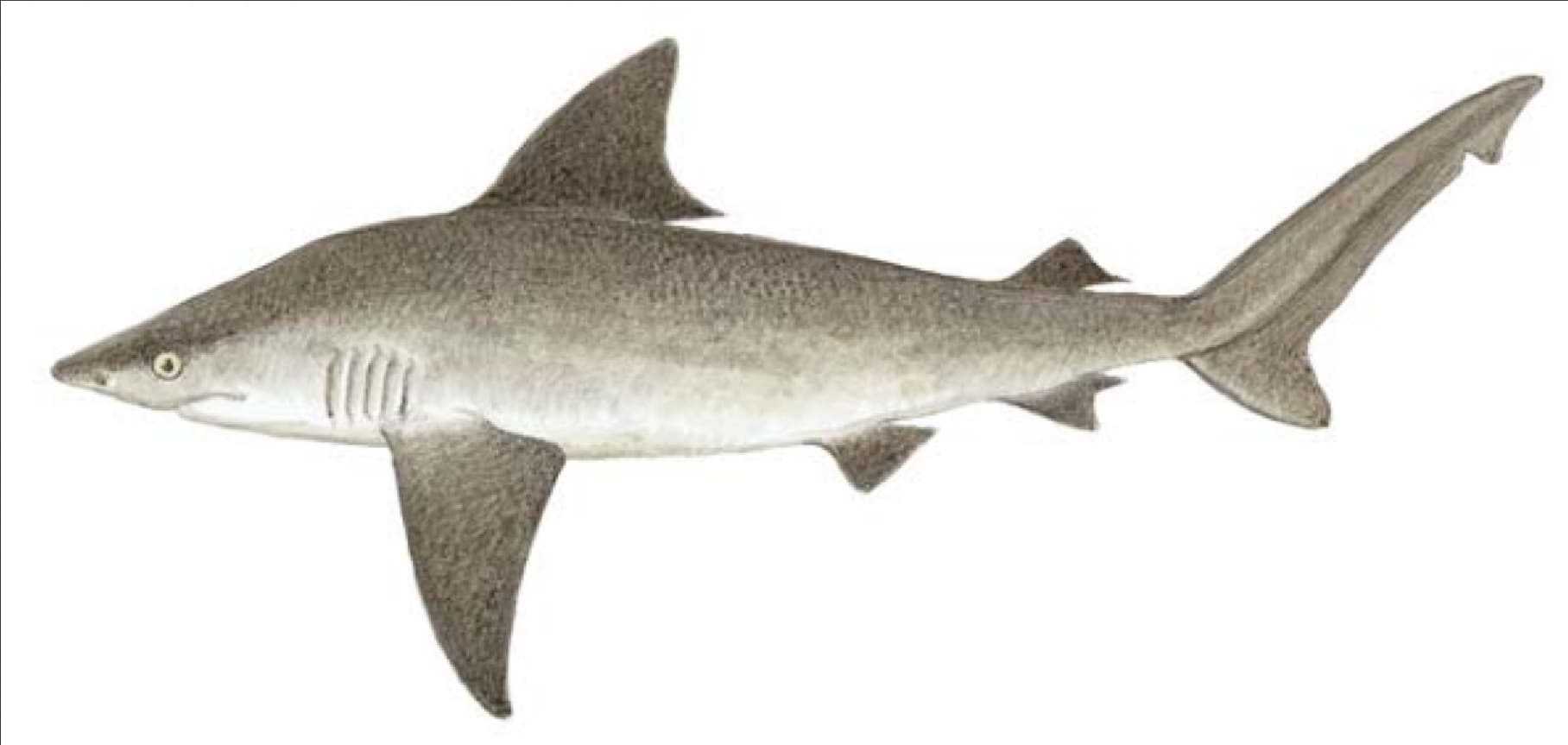
Carcharhinus Plumbeus
A relatively heavy fish, it has a dark bluish-gray or brownish-gray color and a pale or …
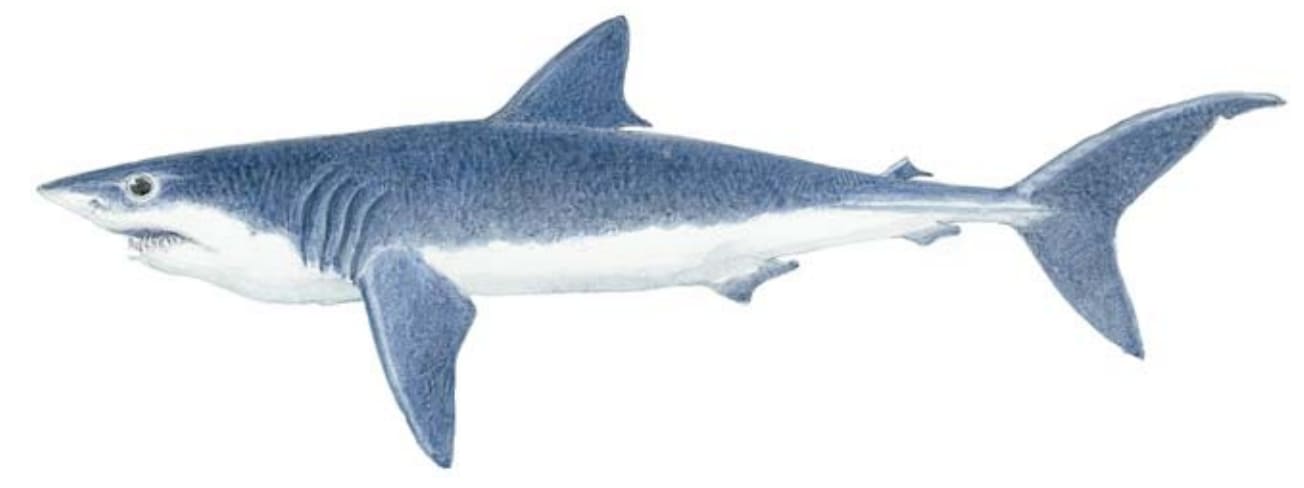
Isurus oxyrinchus
The snout is sharp, conical. There are 24-25 sharp lanceolate teeth on each jaw. The caudal …
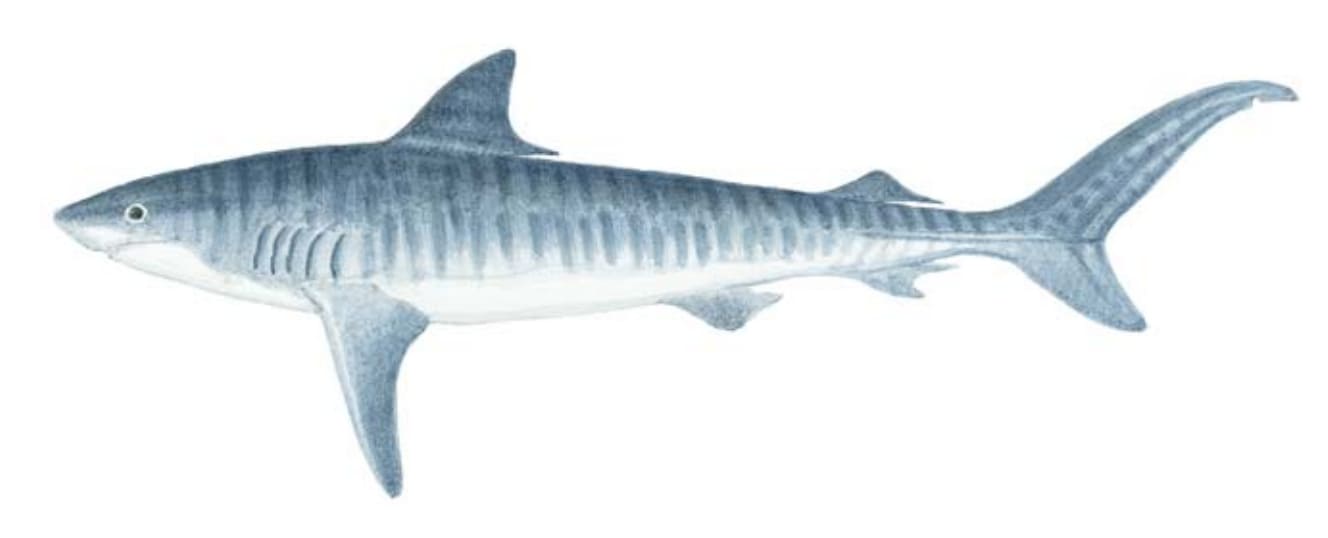
Galeocerdo cuvier
Dark bluish-gray or brownish-gray above and whitish below, the tiger shark is so called because of …
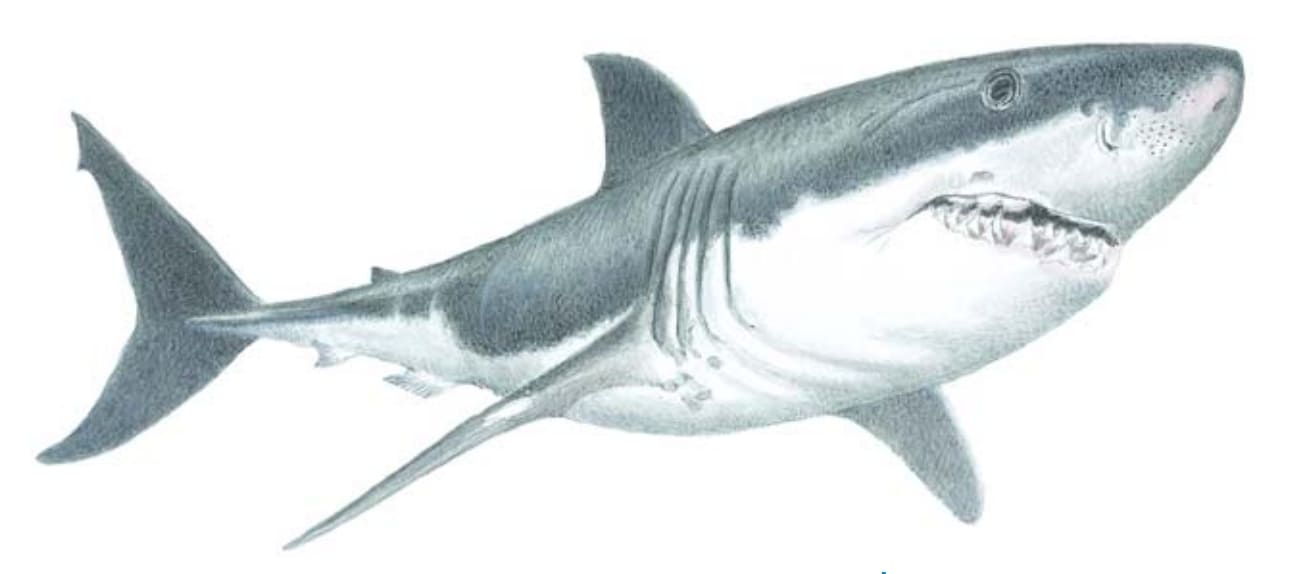
Carcharodon carcharias
The white shark has a strong, heavy body that can be a dull slate-blue, grayish-brown, or …
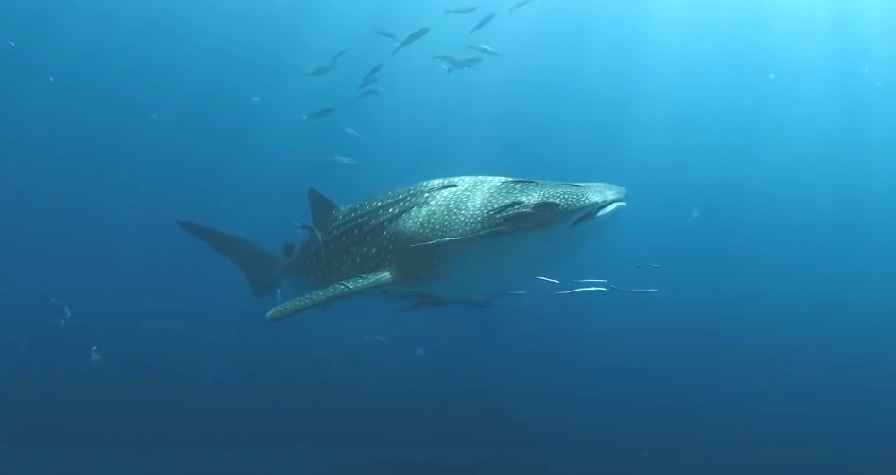
Like all fish, sharks are vertebrates, but ichthyologists separate them from most bony fish because a …
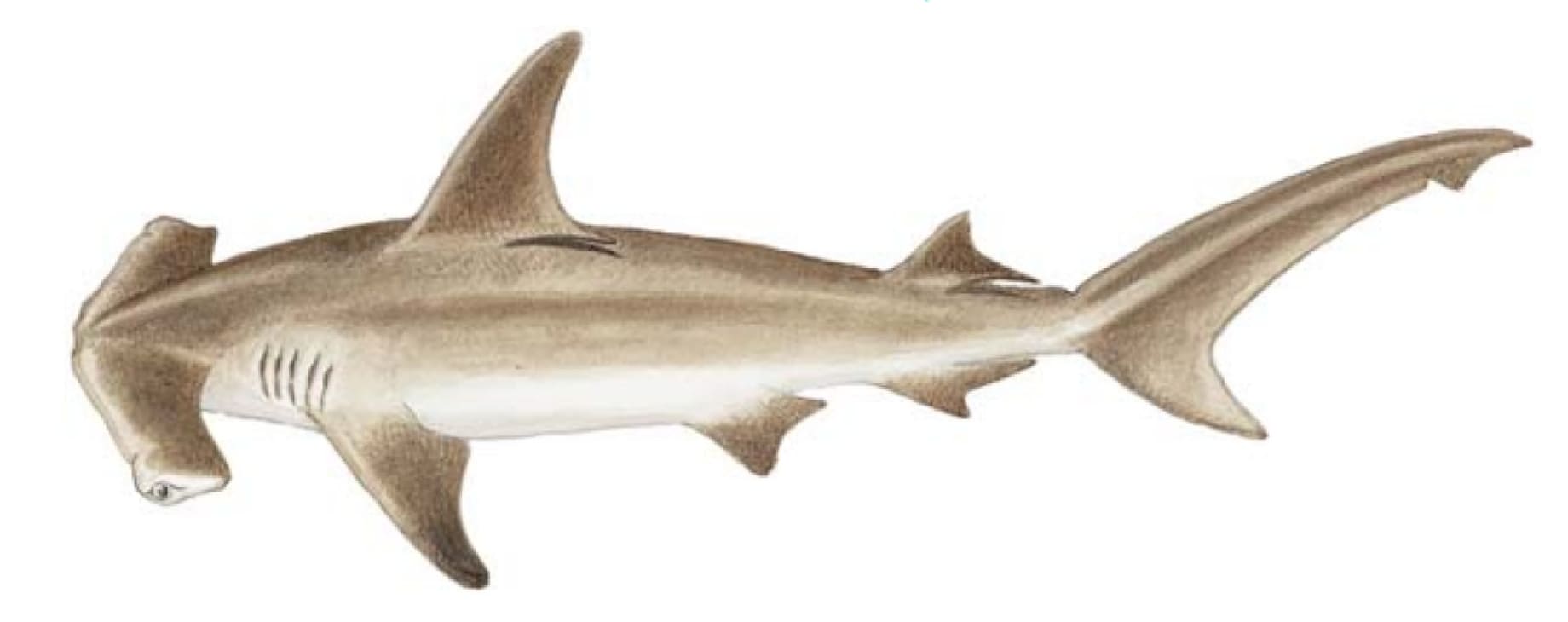
Sphyrna species
Hammerheads are easy to identify, even for the beginner: the eyes are located at the ends …
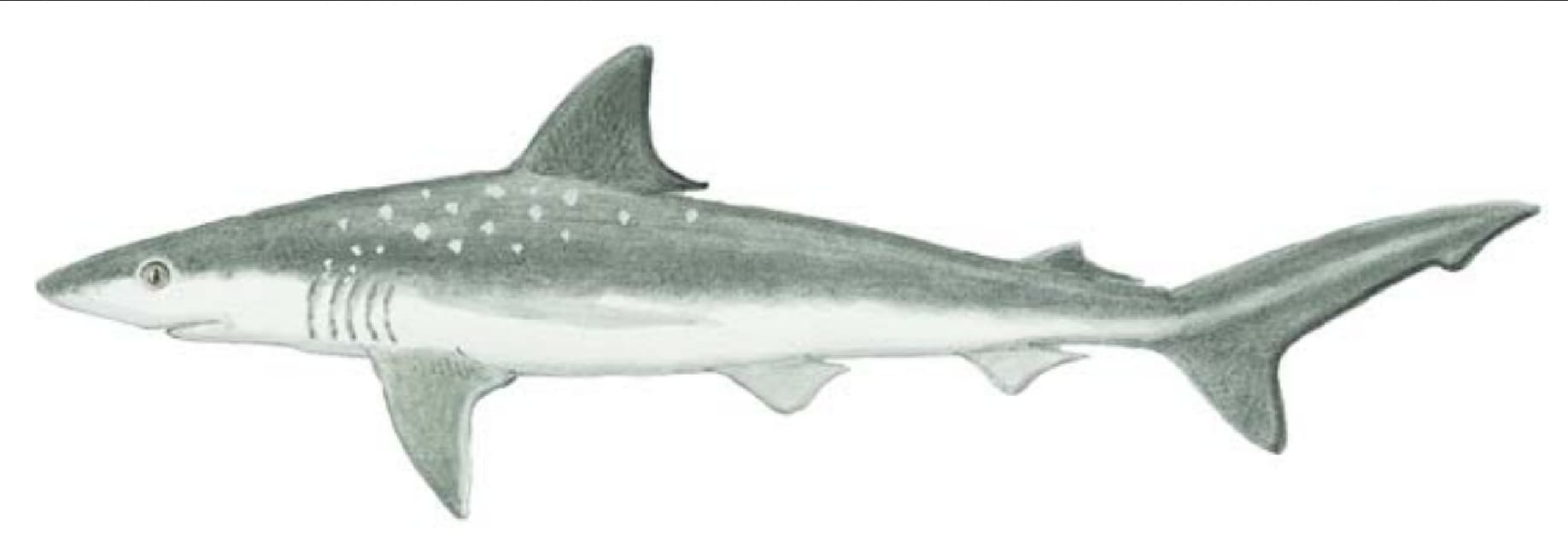
Rhizoprionodon species
It has a characteristic long and flattened snout and a slender brown to olive-gray body with …
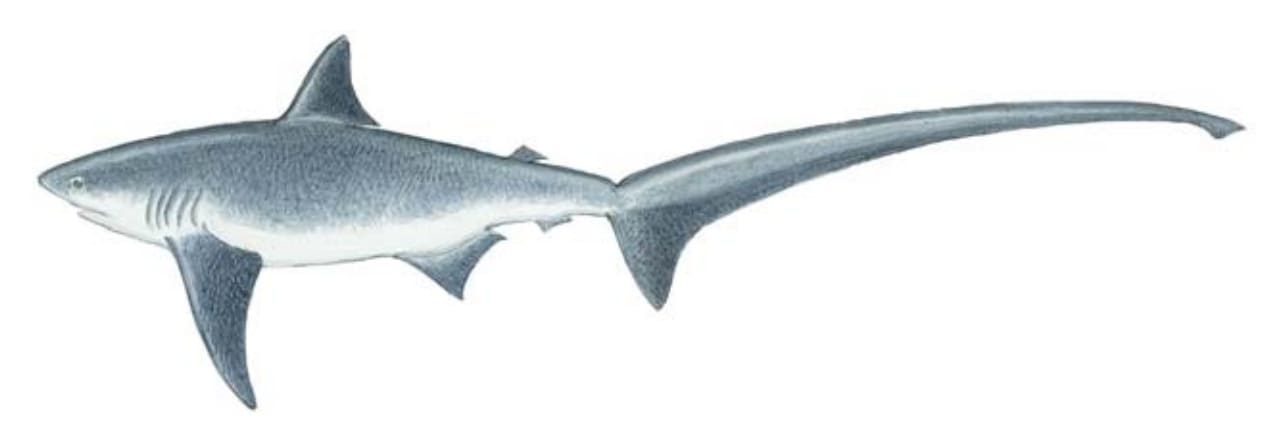
Alopias species
Known by various names, the thresher shark is distinguished by its well-branched tail, whose upper blade …