 Allfishes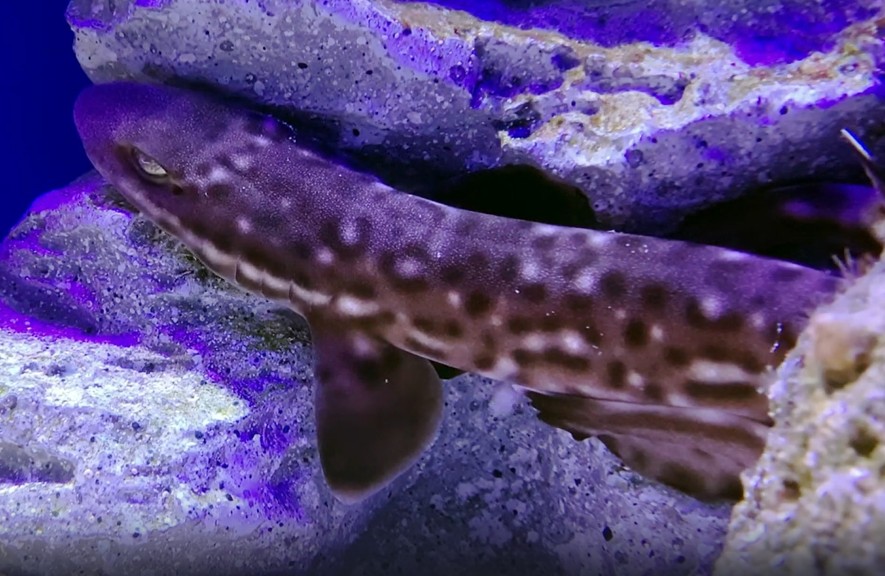
Australian marbled catshark
Atelomycterus macleayi
Australian marbled catsharks have an elongated, slender, almost cylindrical body that tapers slightly towards the tail. …
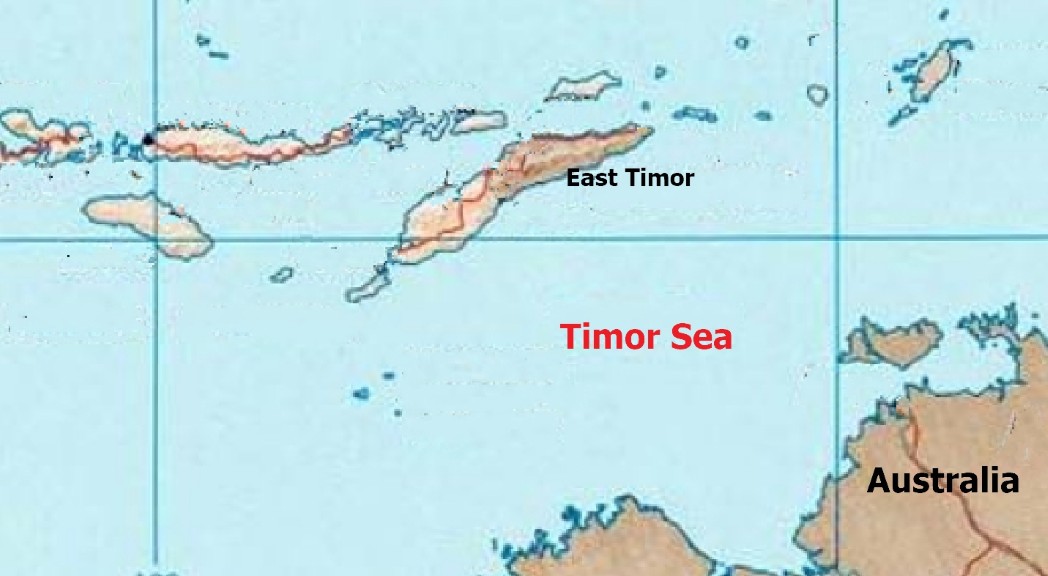 A marginal continental sea in the eastern Indian Ocean, between the north coast of Australia and the island of Timor. It is bordered by the Banda Sea to the north, the Arafura Sea to the east and the Indian Ocean to the west. Its area is 432 thousand km2. The maximum depth is 3310 metres. The central and south-eastern regions of the sea lie within the continental shelf. To the north and north-west, the continental slope delimits a narrow, deep depression, which extends strongly from south-west to north-east and in which the deepest oceanic bed, the Timor Trough, is located. The sea is located in the subequatorial belt of the southern hemisphere, in the area of the monsoon climate. From December to March, the northwest monsoon blows over the sea with very stable winds with an average speed of 3-5 m/s. Strong winds and storms at this time have a recurrence rate of less than 10%. When tropical cyclones pass over the southern part of the sea, wind speeds reach 25-30 m/s. From April to November, the south-east monsoon is active with sustained winds of 6-8 m/s. Air temperatures in February range from 28°C in central areas to 31°C off the Australian coast, and from 25°C to 28°C in August. Water temperature at the surface is 26-29°C throughout the year, dropping rapidly to 2.5°C in the lower layers. Salinity ranges from 33‰ at the surface to 34.7‰ in the Timor Trough. Waves are usually mild to moderate, but can reach 4-5 m during storms. Water circulation is determined by monsoon winds. From December to April the prevailing transport is from west to east, from May to October from east to west. The current speed ranges from 10-15 to 25-30 cm/sec. Tides are predominantly irregular semi-diurnal with heights from 2 to 4 m.
The favorable climatic conditions of these places, favor the richness of its underwater life. The flora in the sea is not particularly diverse, but the fauna is very rich. This sea is a cozy home for Marine worm, Sea snake and Jellyfish. It has a variety of corals, among which there are many soft corals and stony corals. There are large numbers of Mollusca (Gastropoda, Cephalopod, Bivalvia). Many species of Crustacean - shrimps, crabs, lobsters, Echinoderm (Sea urchin, Starfish, Brittle star, Sea cucumber, Crinoid). Almost 300 species of various representatives of the fish world can be found in the waters of the sea.
The variety and abundance of marine ichthyofauna makes sea fishing a favourite pastime for professionals and amateurs alike. Some of the most valuable trophies are Black Marlin, Indo-Pacific Blue Marlin, Indo-Pacific Sailfish, Dogtooth Tuna, Yellowfin Tuna, Wahoo, Great Barracuda, Spanish Mackerel, Barramundi, Mahi-Mahi, Crevalle Jack. Leopard coral grouper, Malabar grouper and red emperor can be found only in the coastal shoals and coral reefs of the sea, their catch, along with other interesting inhabitants, is suitable for lovers of underwater hunting. In the waters of this sea live and several very interesting species. For example, the Maori Snapper, which usually swims alone or in schools of 15-20 fish. You can also find the spotted garden eel here. These eels form colonies on the sandy bottom by burrowing into the sand and exposing part of their snake-like tepa. Equally interesting is the Argonaut octopus found in these waters. It has a real shell and uses it to move, travelling through the waves.
This sea is home to many species of sharks. Sand shark (Indian sand tiger, Smalltooth sand tiger), various species of Requiem shark (Tiger shark, Whitetip reef shark, Sandbar shark, Pondicherry shark) are numerous here. There are also quite rare species - Western highfin spurdog, Australian marbled catshark, Port Jackson shark, Zebra shark, Rusty carpetshark, Necklace carpetshark, which live exclusively in coastal waters of Australia. Several species are represented here - Wobbegong (Spotted wobbegong, Northern wobbegong). The Great white shark, Bull shark, Shortfin mako shark, Blue shark and Sharpnose sevengill shark are among the shark species particularly dangerous to humans that have settled in these waters.
It should be noted that many dangerous inhabitants can be found in the Timor Sea - Lion's mane jellyfish, Portuguese man o' war, Australian box jelly, Irukandji jellyfish, Blue-ringed octopus, Whiptail stingray, Siphonophorae, poisonous spiny fish, cone snails. On the sandy and muddy bottoms of lagoons and coral reefs you can accidentally come across Peacock sole. Most often this fish burrows into the sand, leaving on the surface only eyes and nostrils. Along the edges of its dorsal and anal fins are numerous pores of poisonous glands, the total number of which varies from 204 to 237. Also in the waters of this sea, crocodiles attack humans several times a year. Swimming in the sea is possible only in certain places and very carefully.
Showing 1–24 of 36
Atelomycterus macleayi
Australian marbled catsharks have an elongated, slender, almost cylindrical body that tapers slightly towards the tail. …
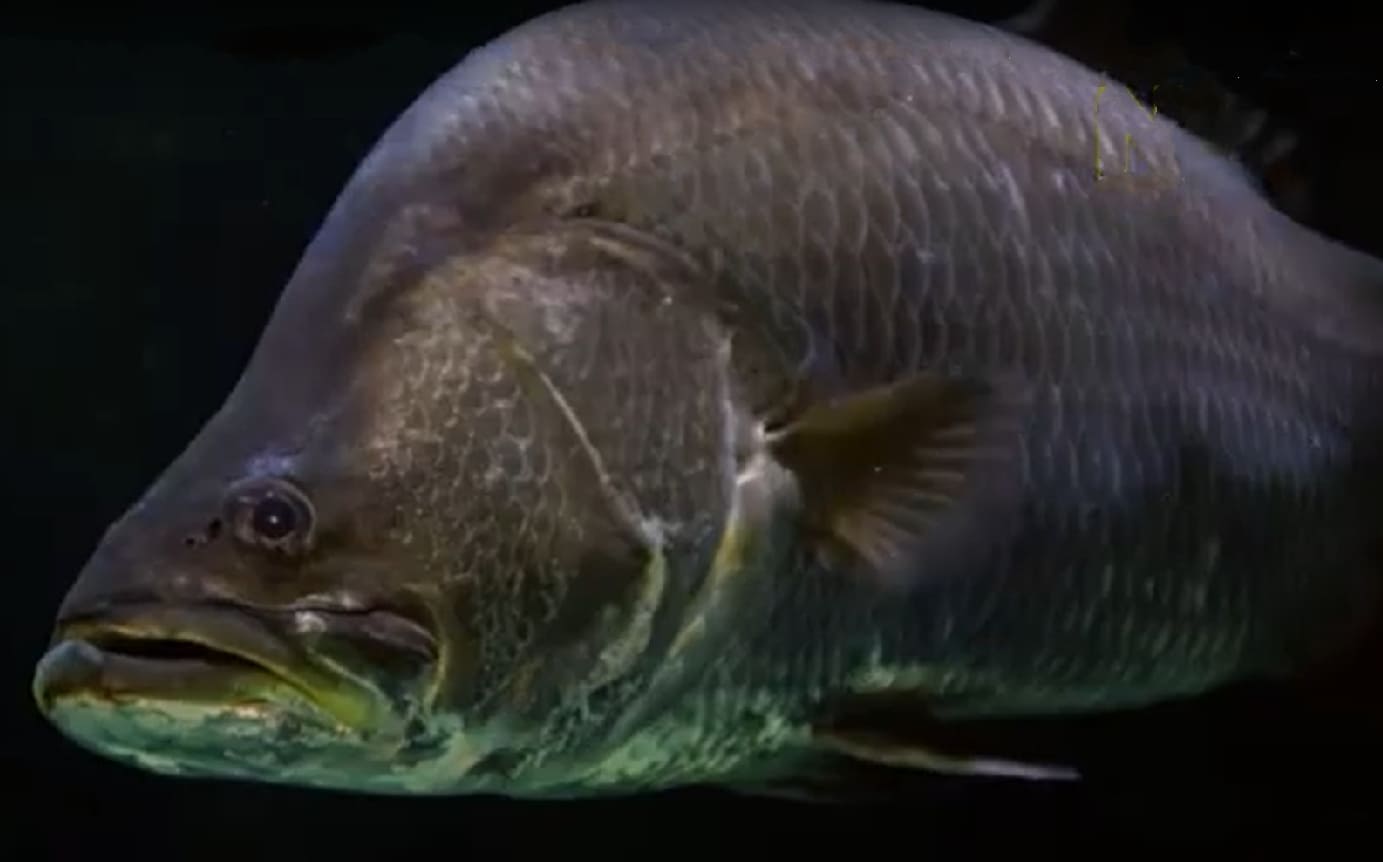
Lates calcarifer
Body elongated, compressed at the sides, with a high caudal peduncle. Head pointed, dorsal profile concave, …
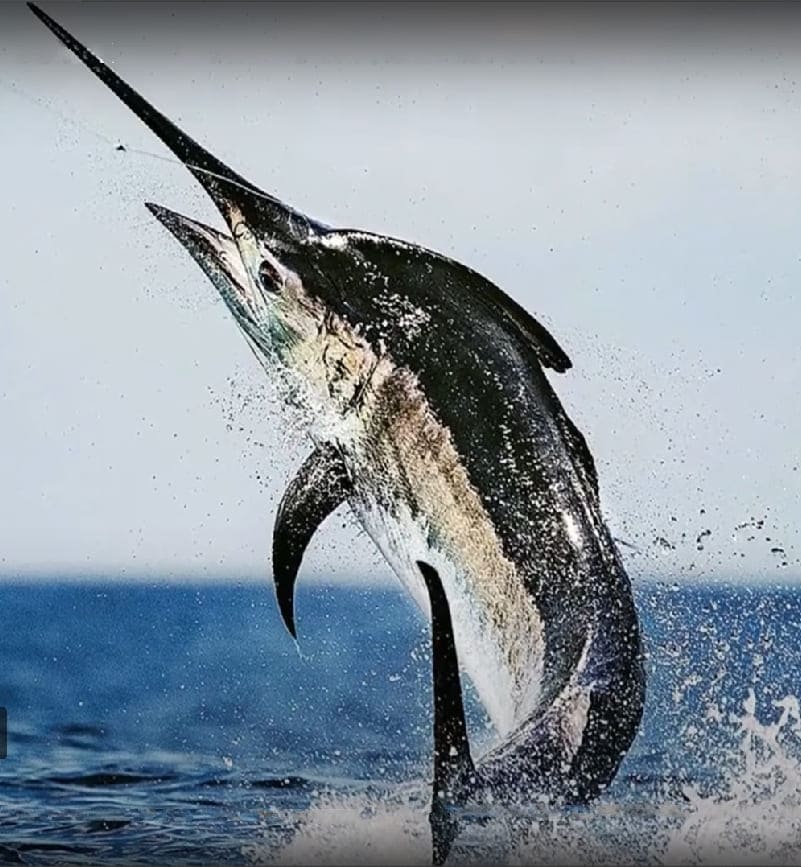
Istiompax indica
The body is elongated, not strongly compressed at the sides, covered with dense, thick, elongated scales …
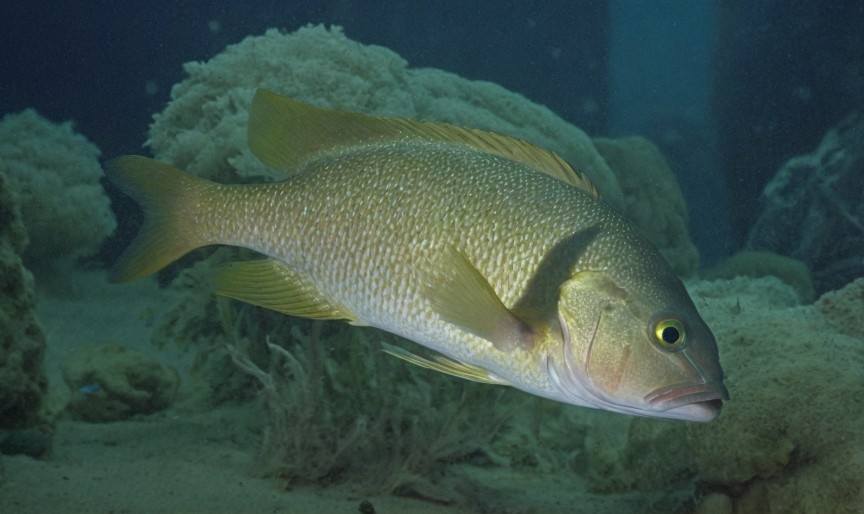
Lutjanus rivulatus
The Blubberlip Snapper has a very deep body, with a standard length of just over twice …
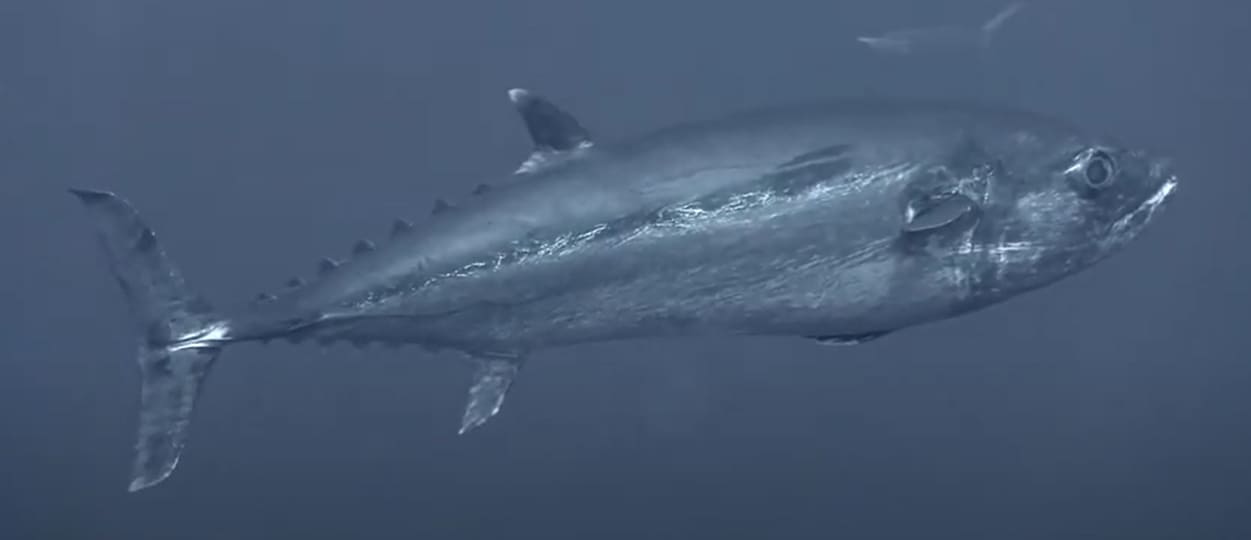
Gymnosarda unicolor
They are elongated, somewhat compressed from the sides of the body. The mouth is large. The …
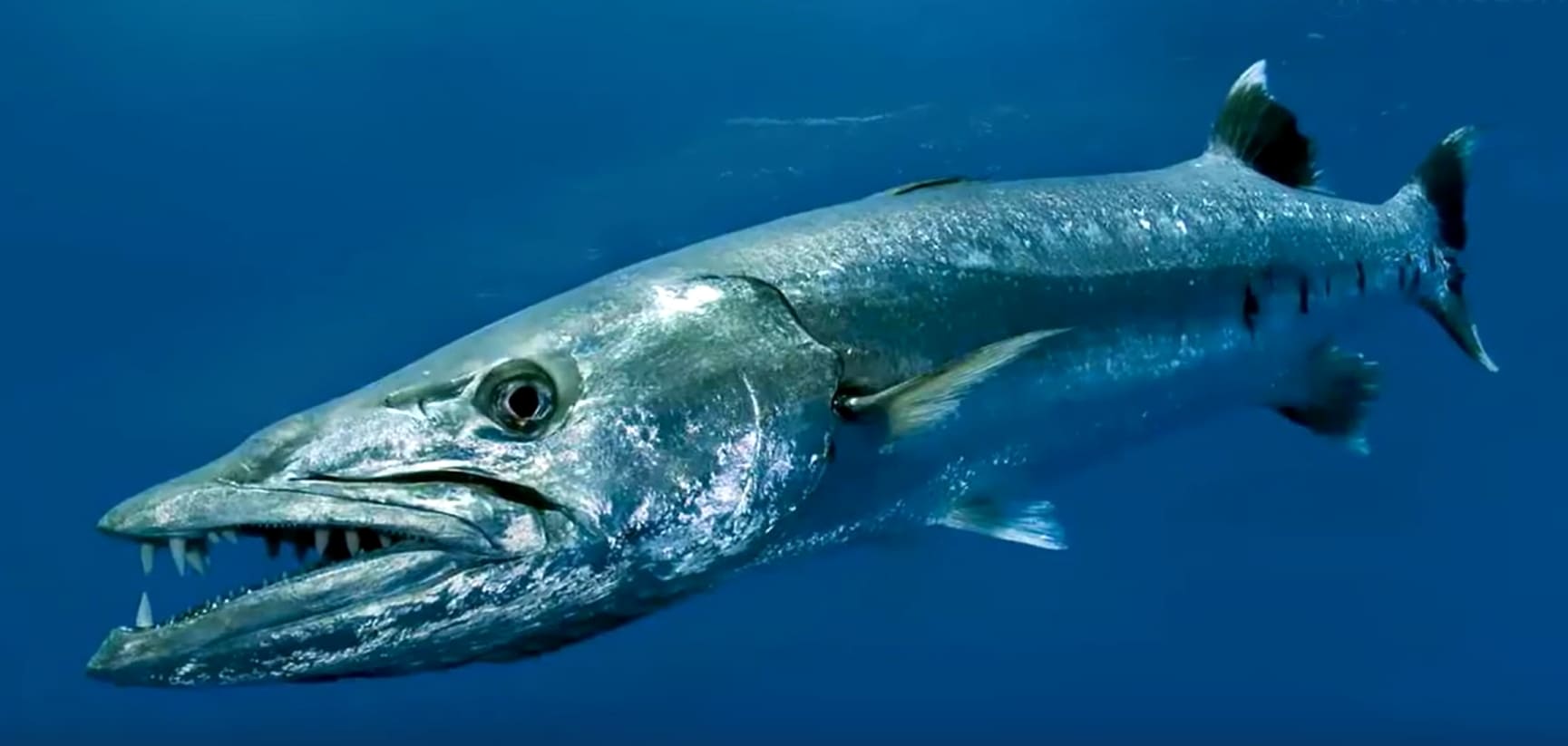
Sphyraena barracuda
Characteristic of this fish is a large head with a massive lower jaw. Great Barracuda, one …
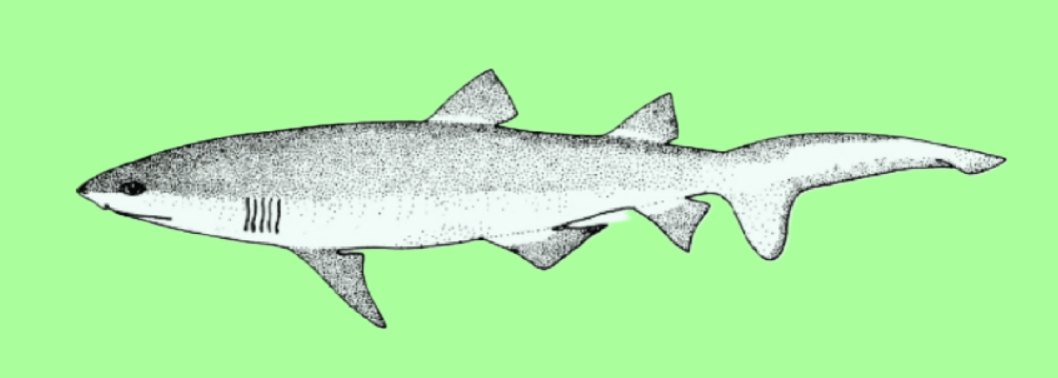
Carcharias tricuspidatus
Carcharias: From the Ancient Greek karkharías, shark, derived from kárkharos, sharp or jagged, referring to a …
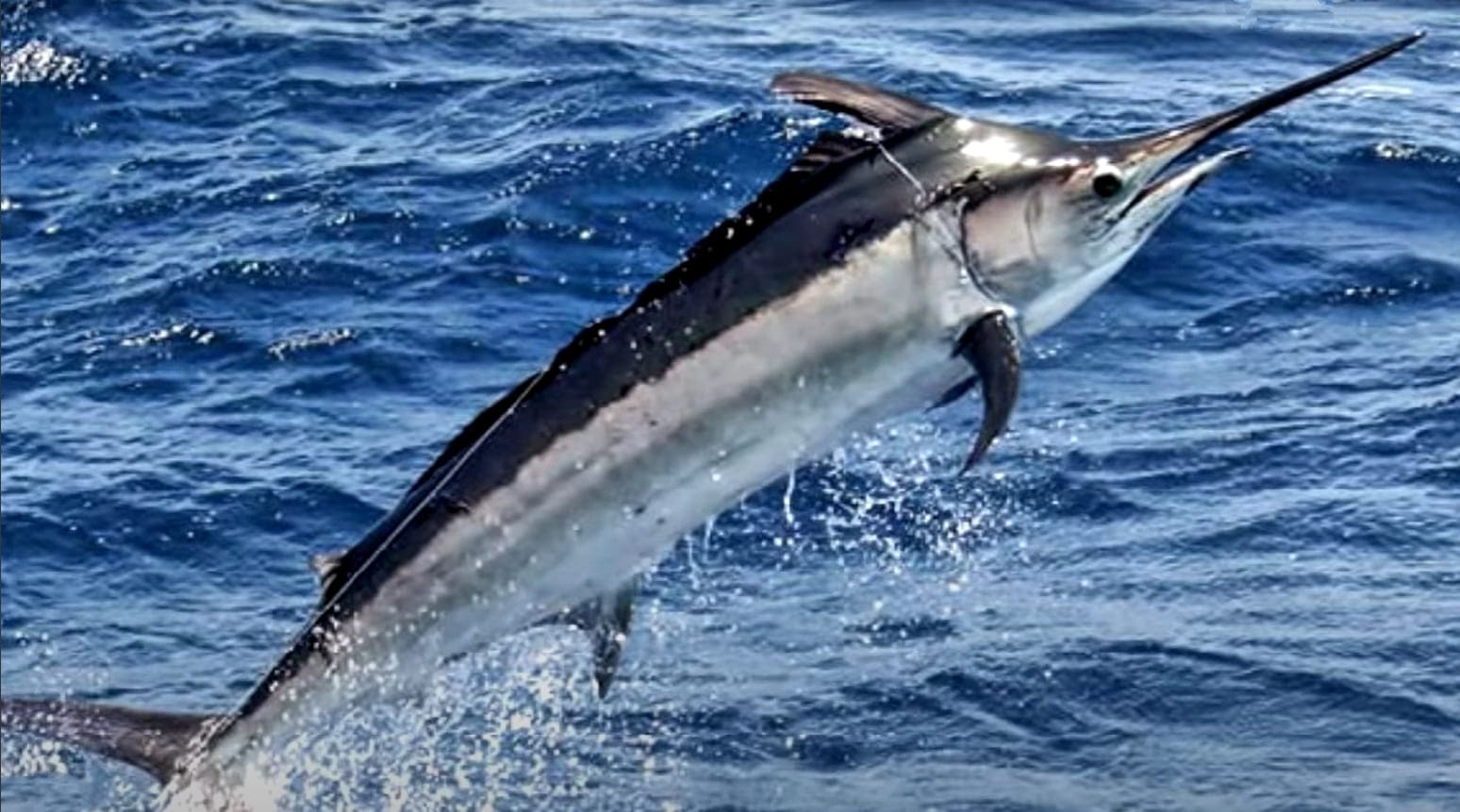
Makaira mazara
The snout is long. The lateral line is looped and almost indistinguishable in adults. Vertebrae: 24. …
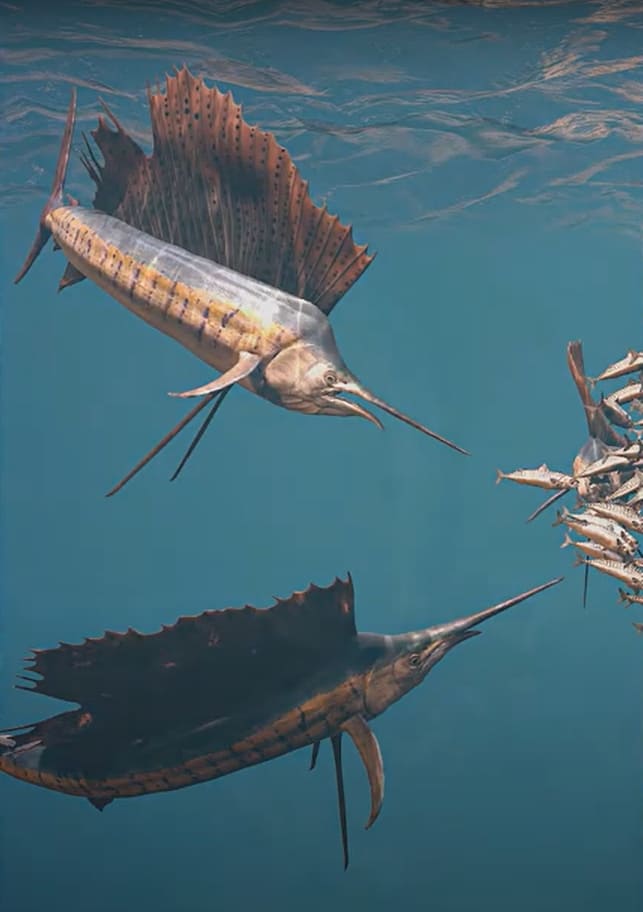
Istiophorus platypterus
This species is characterised by the following features: slender, elongated and rather compressed, with a high, …
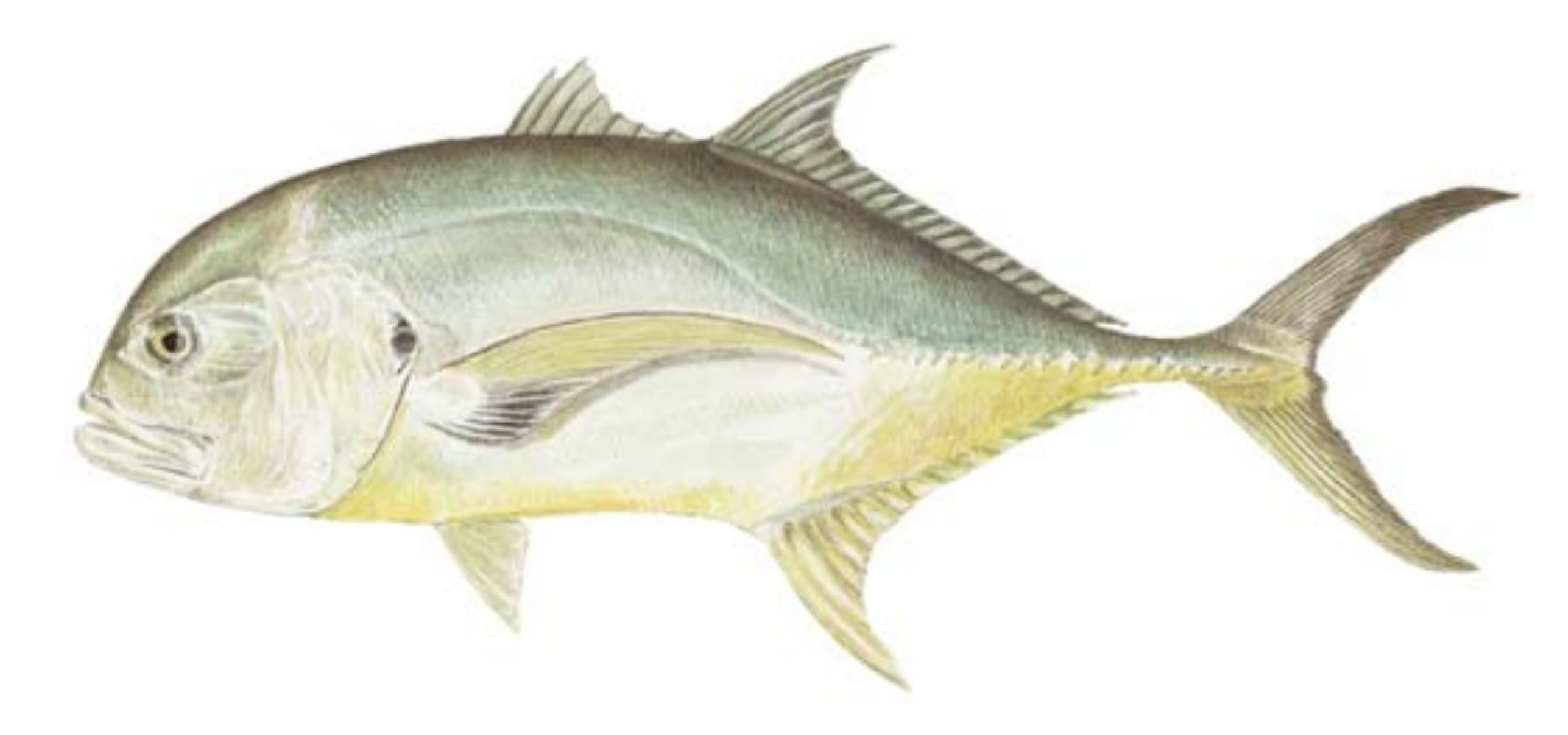
Caranx hippos; Caranx caninus
Both species are bluish-green or greenish gold on the back and silvery or yellowish on the …
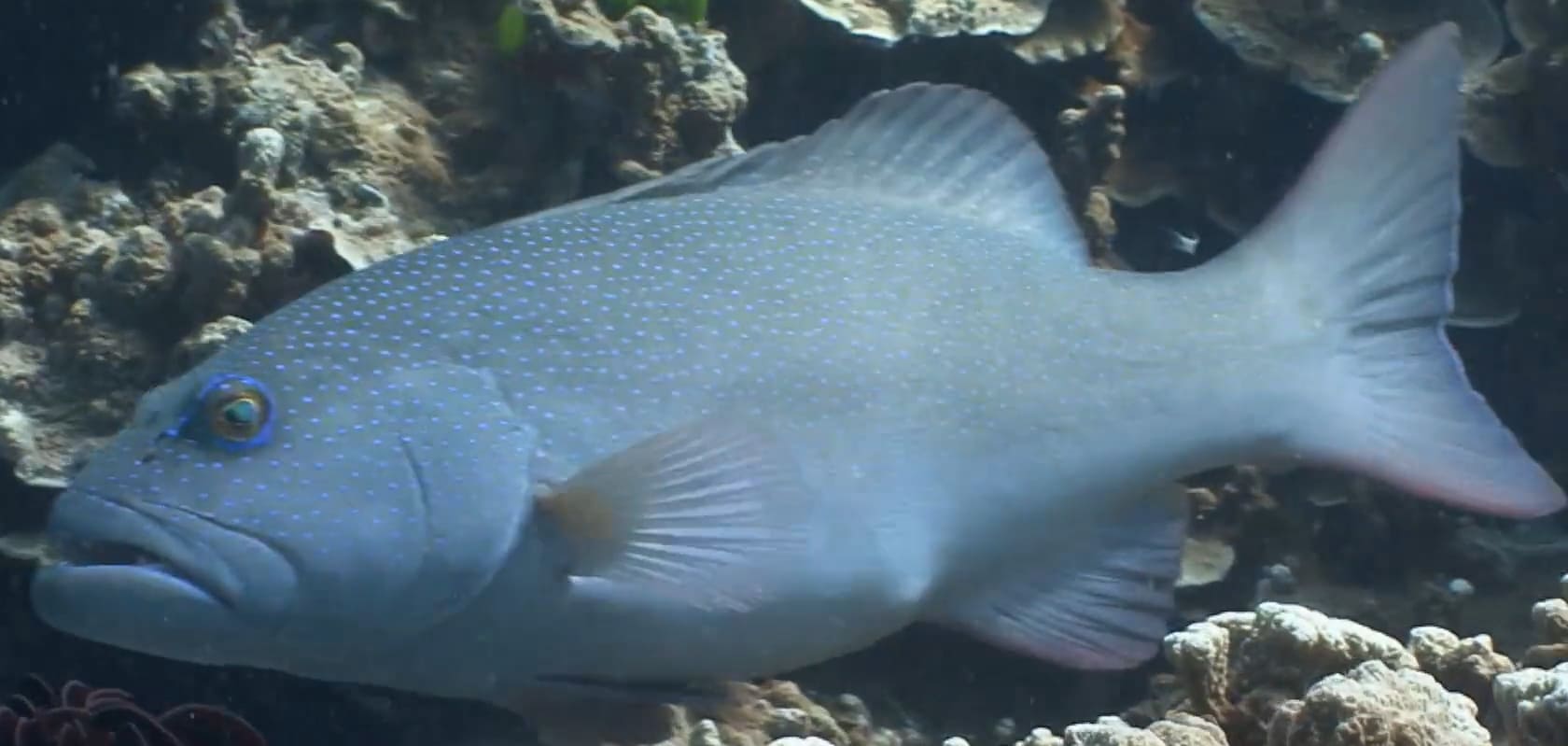
Plectropomus leopardus
The body is elongated and stout, with a standard length of 2.9-3.9 times the body depth. …
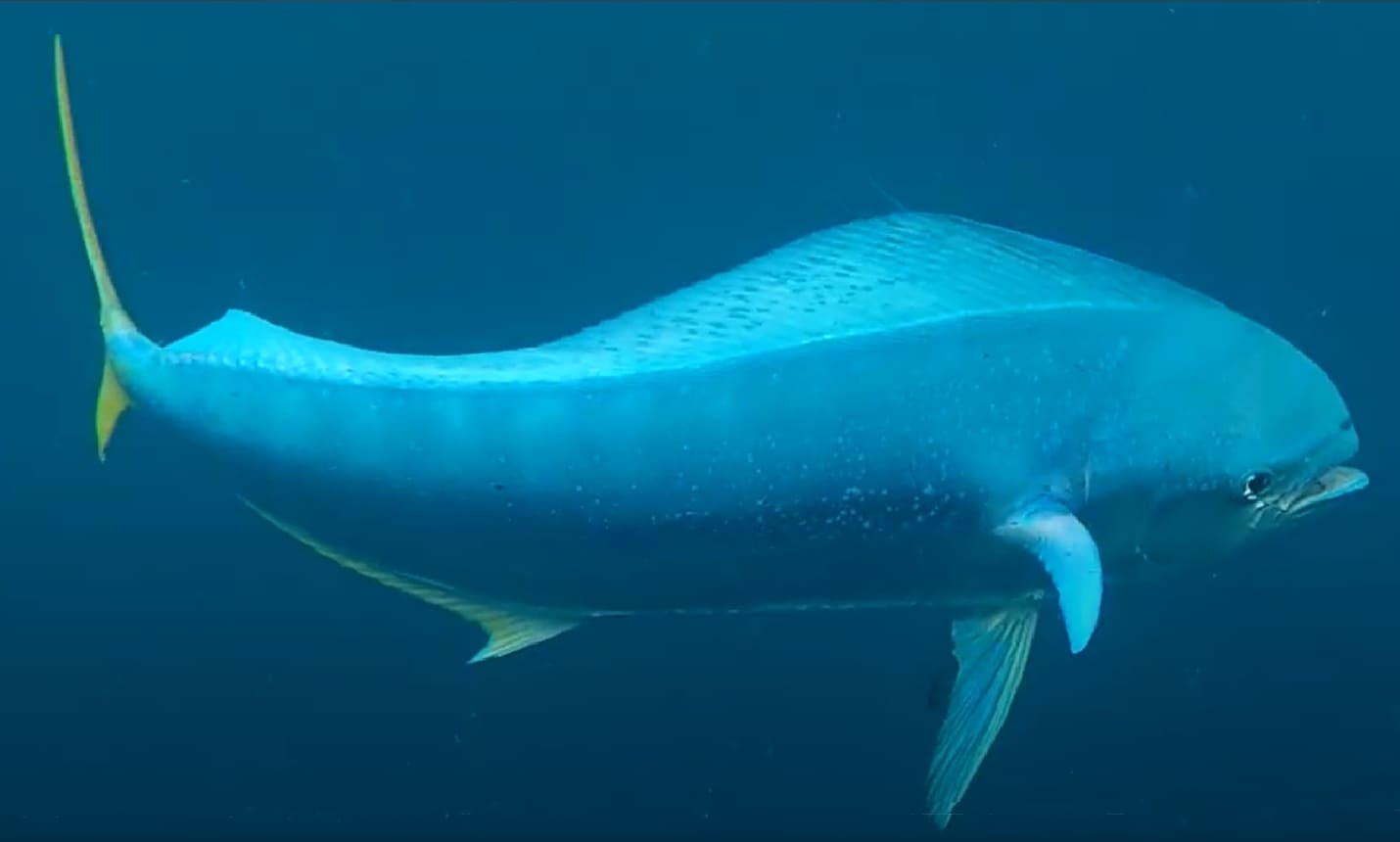
Coryphaena hippurus
The name "Coryphaena" is derived from the Greek κορυφή - head, and the species name from …
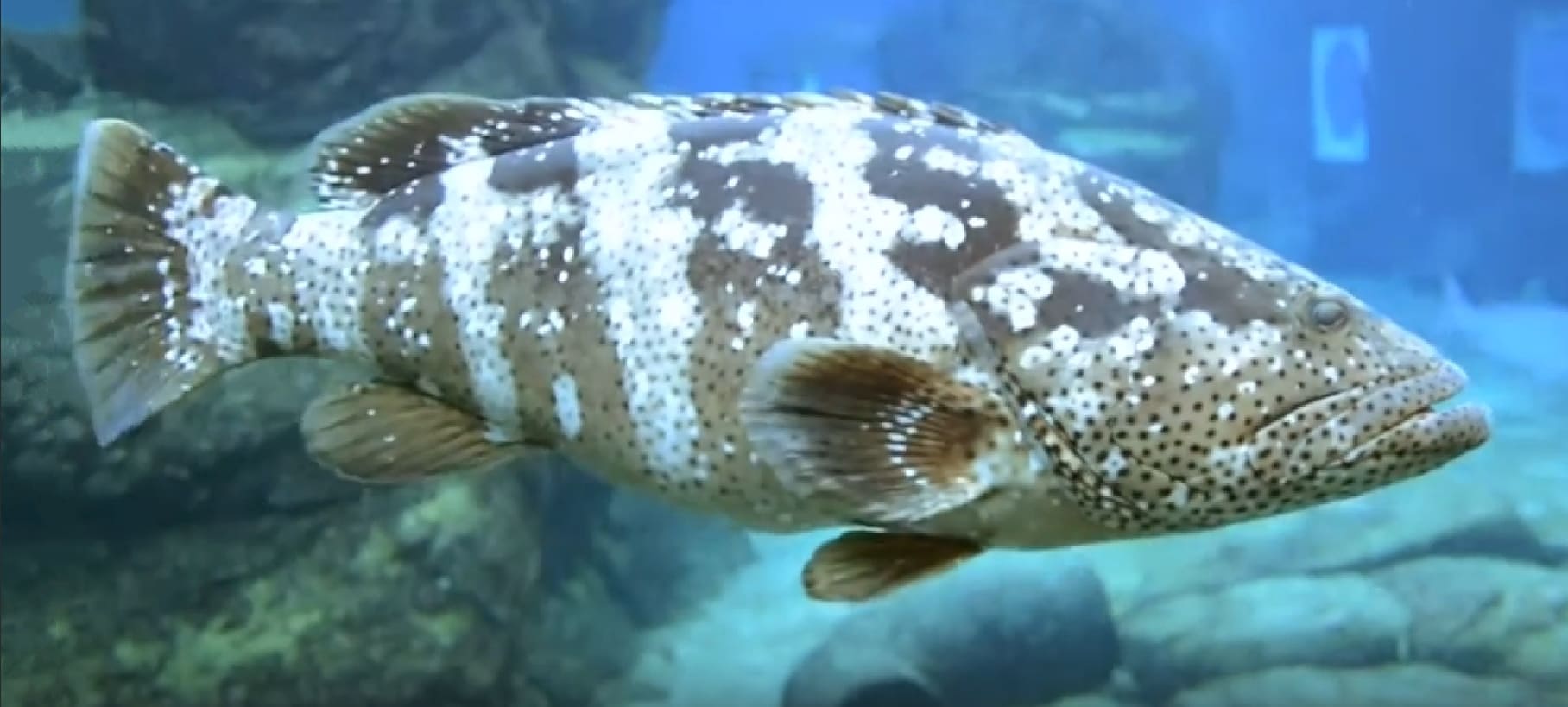
Epinephelus malabaricus
Malabar grouper has ridged scales on body except cycloid scales on anterodorsal part, thorax and abdomen; …
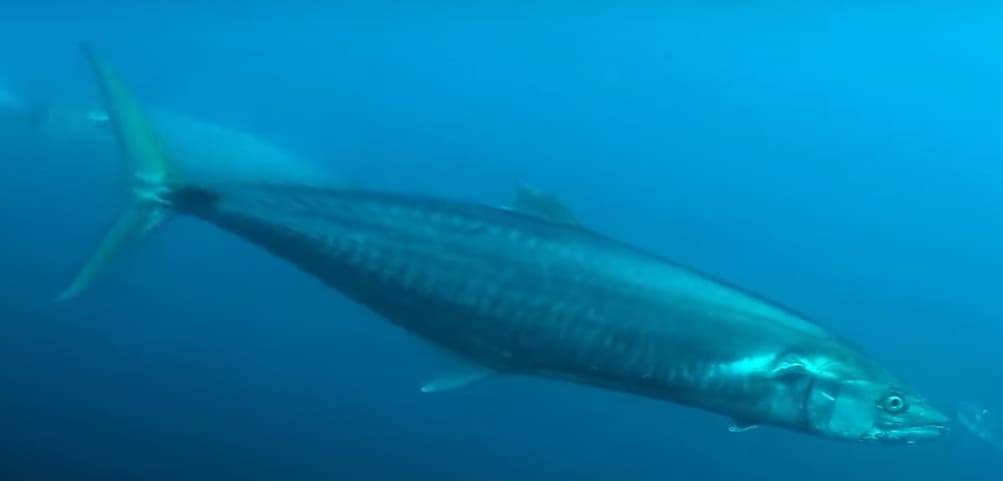
Scomberomorus commerson
They have an elongated torpedo-shaped body, compressed at the sides. Their height is 5-6.3 times less …
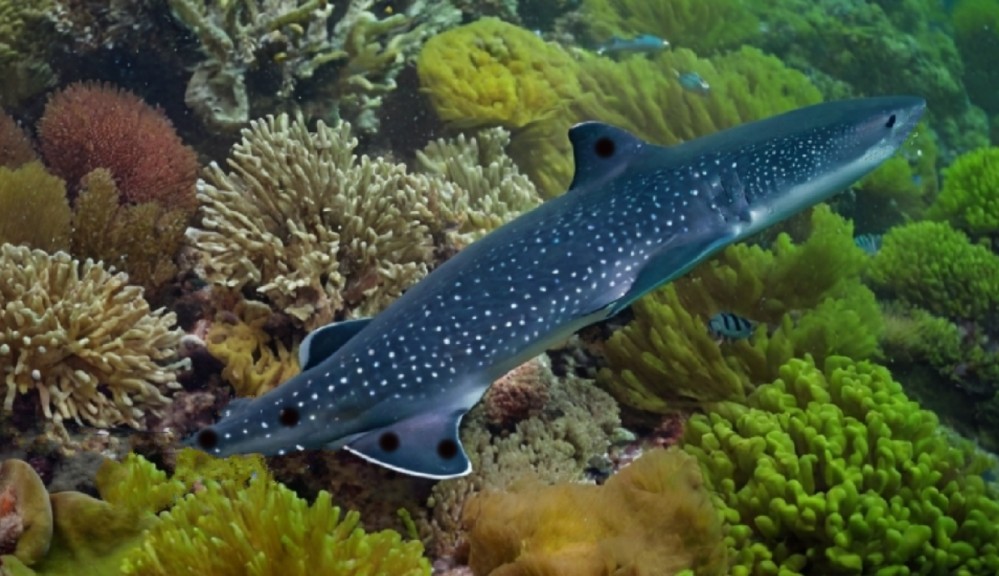
Parascyllium variolatum
The necklace carpetshark has a slender, elongated body and a short snout. The mouth is located …
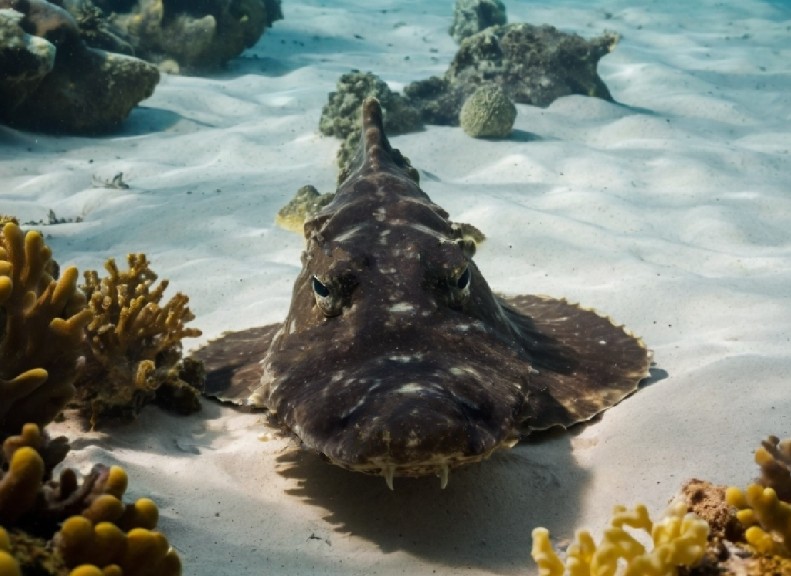
Orectolobus wardi
Northern Wobbegong have a flattened and broad head and body. The nostrils are framed by unbranched …
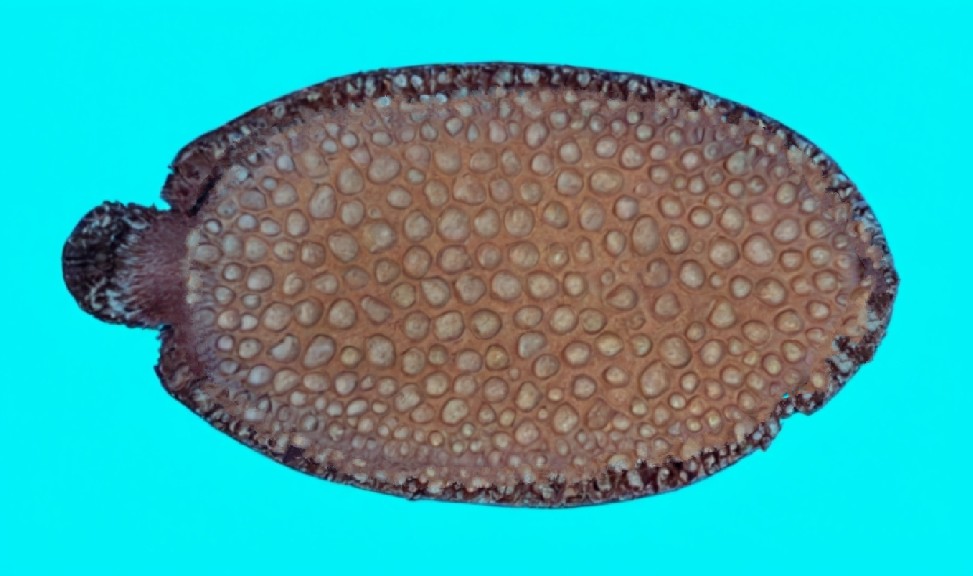
Pardachirus pavoninus
The body shape of the peacock sole is compressed and asymmetrical. The eyes are located on …
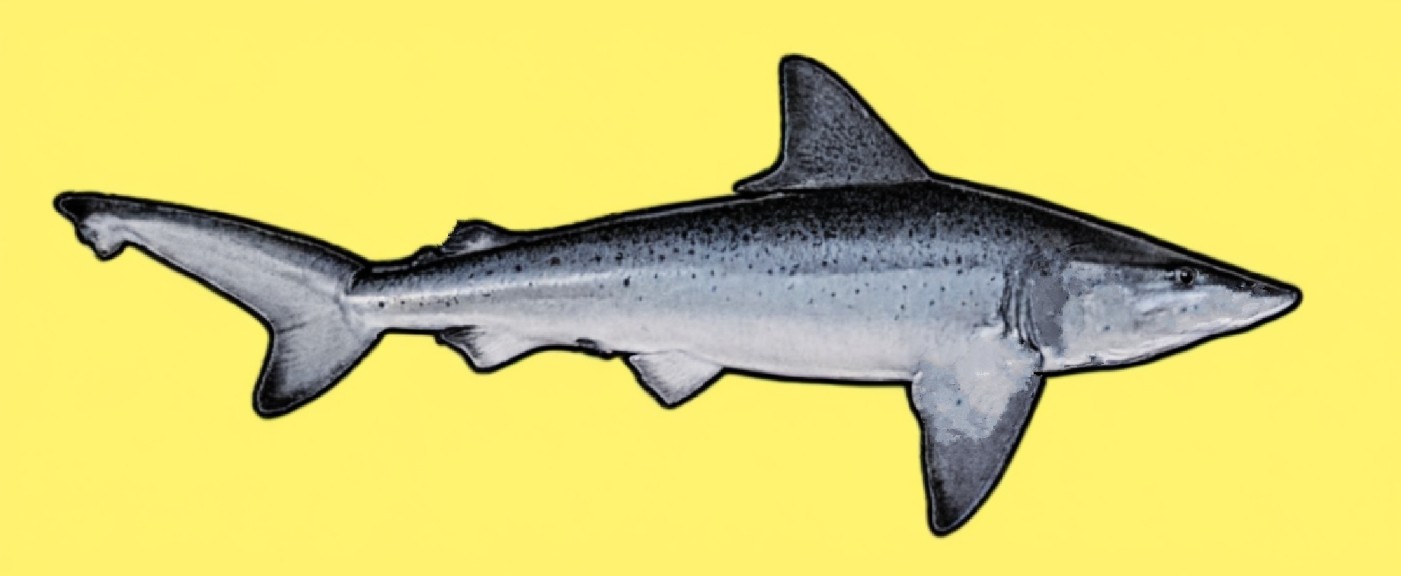
Carcharhinus hemiodon
The Pondicherry shark has a rather thick body with a rather long, pointed snout. Each nostril …
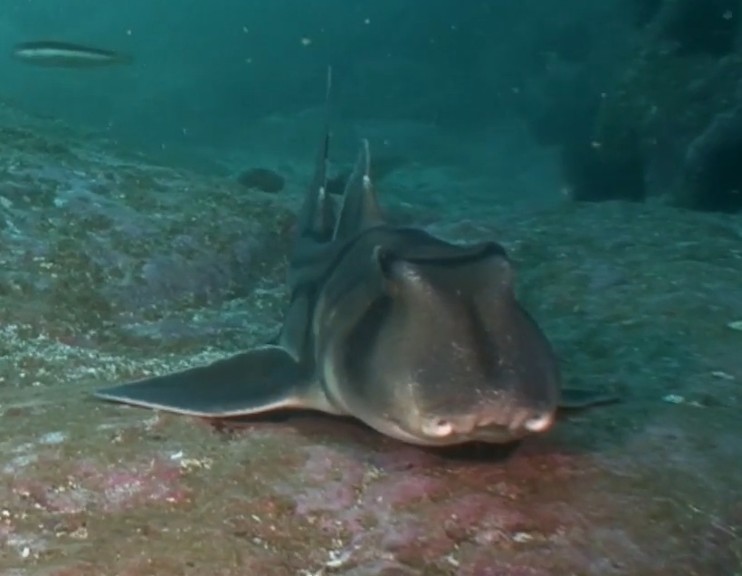
Heterodontus portusjacksoni
The Port Jackson shark has a slender, cylindrical body. They have a large head with a …
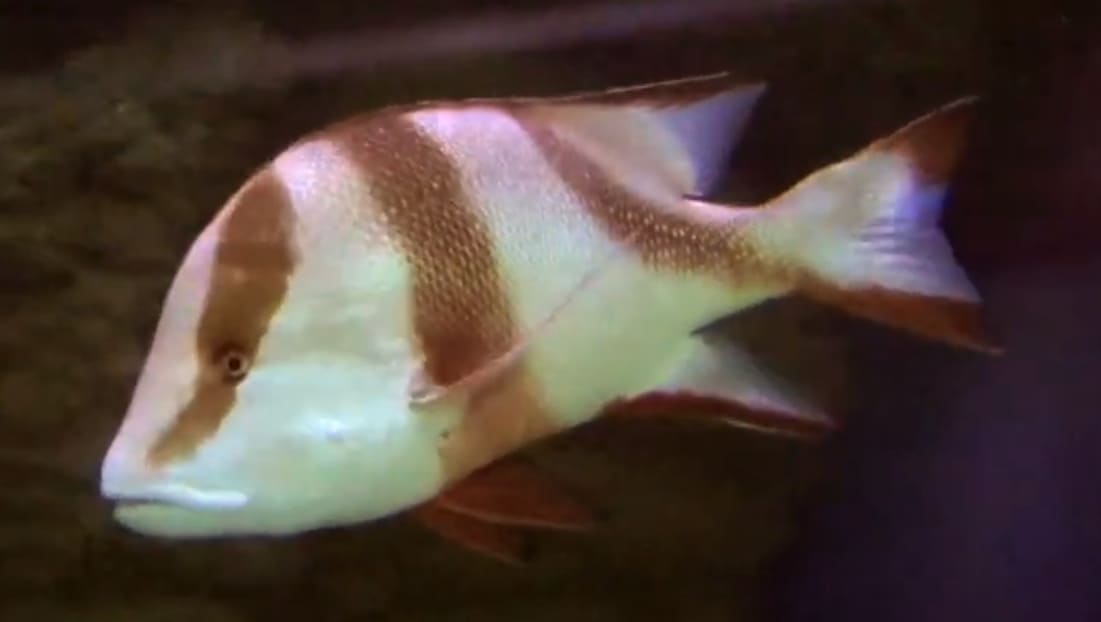
Lutjanus sebae
Body very tall, maximum height 2.1-2.4 times the standard body length, covered with fine ctenoid scales. …
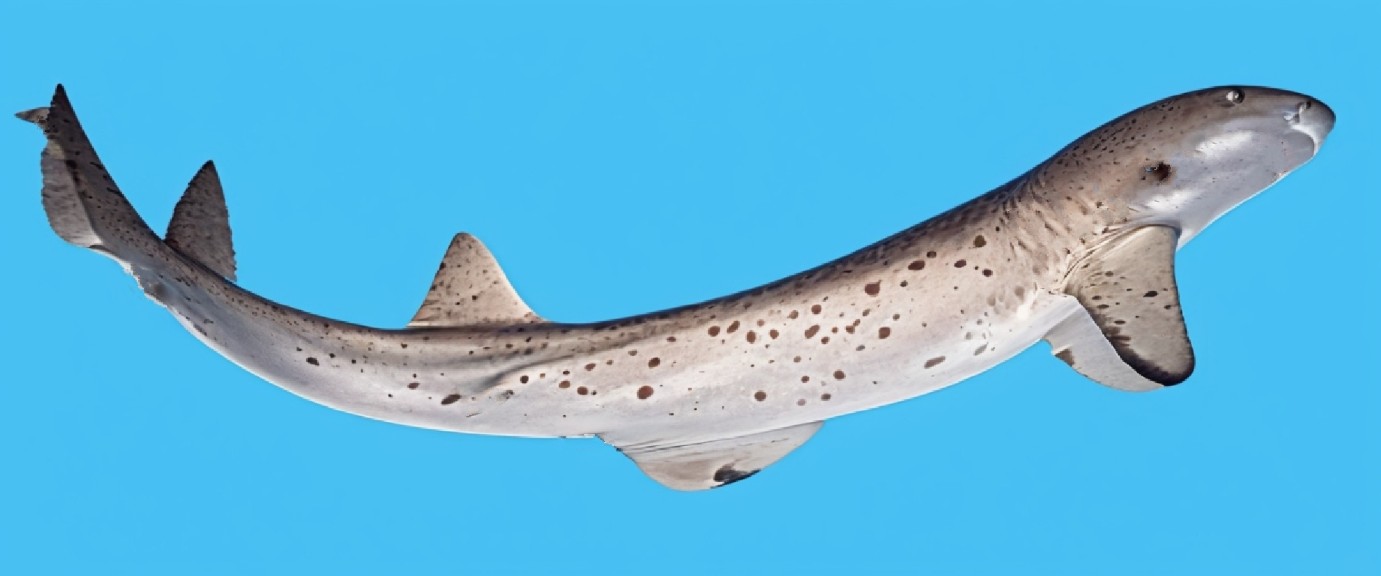
Parascyllium ferrugineum
The Rusty Carpetshark has a slender, elongated body with a short snout. The mouth is placed …
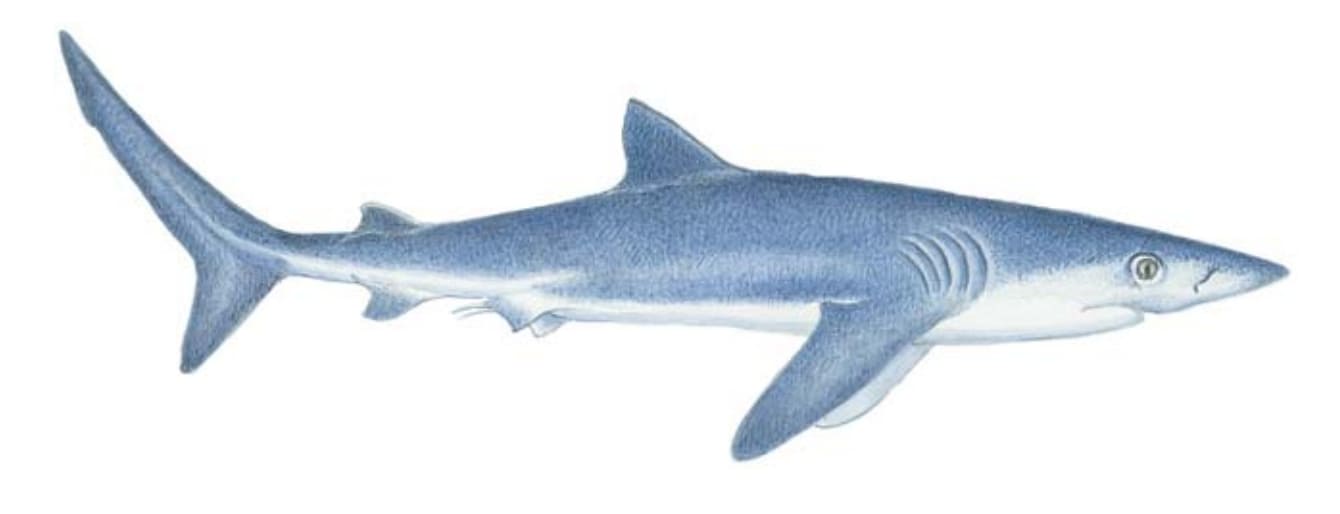
Prionace glauca
The blue shark is very slender and streamlined, with a long and pointed snout that is …
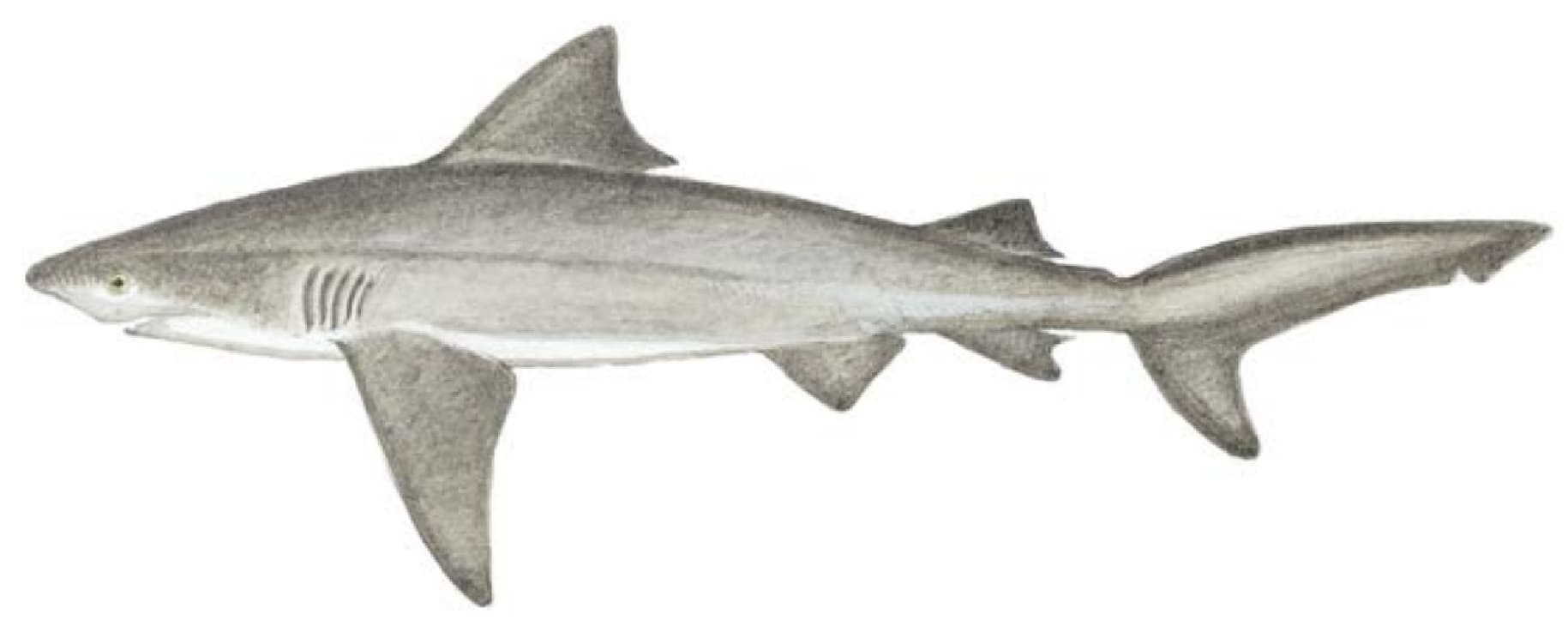
Carcharhinus leucas
The Bull shark gets its name from its bull-like head and is known for its heavy …
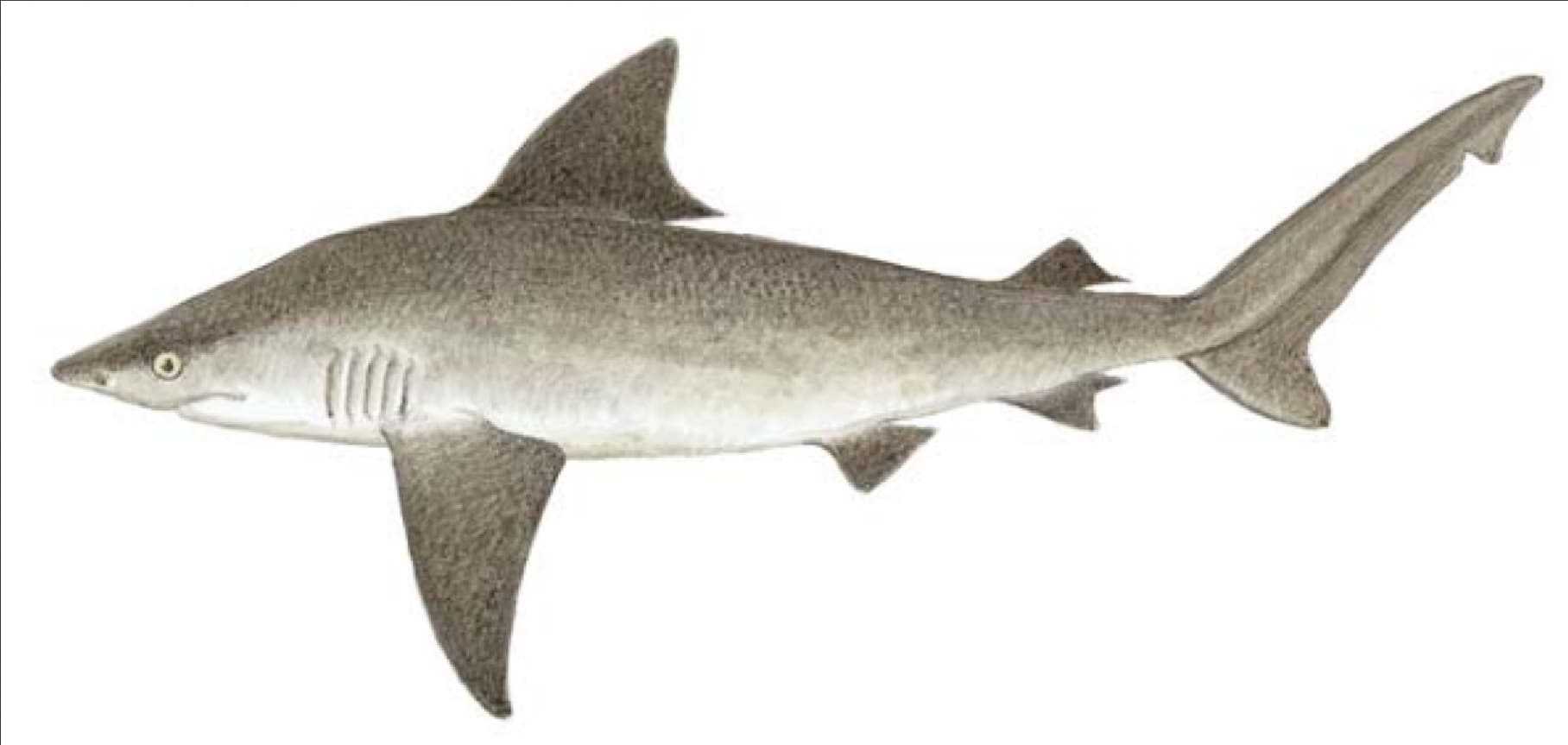
Carcharhinus Plumbeus
A relatively heavy fish, it has a dark bluish-gray or brownish-gray color and a pale or …