 Allfishes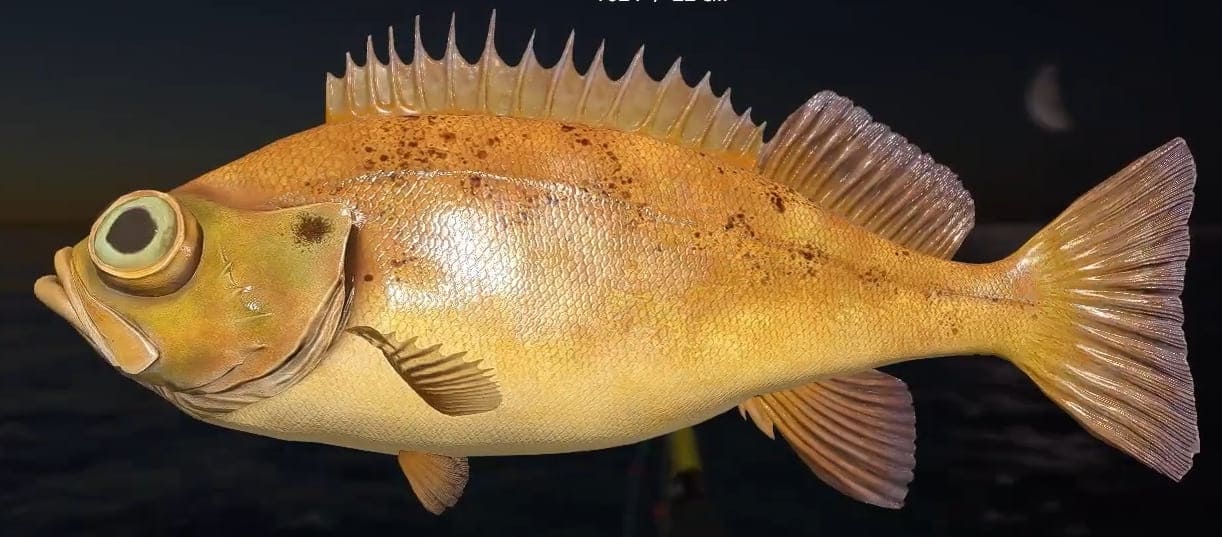
Beaked redfish
Sebastes mentella
Massive body covered with ctenoid scales. Numerous spines and ridges are poorly developed on the head. …
 It is a small inter-island sea in the Canadian Arctic Archipelago. It is part of the Arctic Ocean. It is bordered by three islands: Borden Island to the west, Mackenzie King Island to the east, and Ellef Ringnes Island to the south.
Otto Sverdrup named the sea during his 1902 expedition. Believing that he had reached the western boundary of the Canadian Arctic Archipelago, he named the area east of Ellef Ringnes Island the Prince Gustav Adolf Sea after Prince Gustav Adolf, the future King Gustav VI Adolf and son of King Gustav V. He named the sea north of Ellef Ringnes after Gustav V.
Because of the constant cold weather, plant life here is scarce, and there are few animals. However, the local landscape remains in its original state. The area is mainly inhabited by seals, which are hunted by polar bears. Sometimes, species of whales such as narwhals and belugas swim into these waters. Invertebrates are scarce. The few species of fish include the cold-loving Rainbow smelt (Osmerus mordax), Atlantic cod (Gadus morhua), Blue ling (Molva dypterygia), Bering wolffish (Anarhichas orientalis), Saffron cod (Eleginus gracilis), Ninespine stickleback (Pungitius pungitius), Beaked redfish (Sebastes mentella), Haddock (Melanogrammus aeglefinus), Blue whiting (Micromesistius poutassou), Roughhead grenadier (Macrourus berglax).
The coastline and the area of the sea are poorly studied. Most of the year, the sea is covered in ice, making navigation difficult and preventing the development of sea routes. The Prince Gustaf Adolf Sea is uninhabited. There are no settlements or research stations; only the pristine, wild nature of the harsh north exists here. It is one of the few places on Earth where human influence is not felt.
Showing 1–10 of 10
Sebastes mentella
Massive body covered with ctenoid scales. Numerous spines and ridges are poorly developed on the head. …
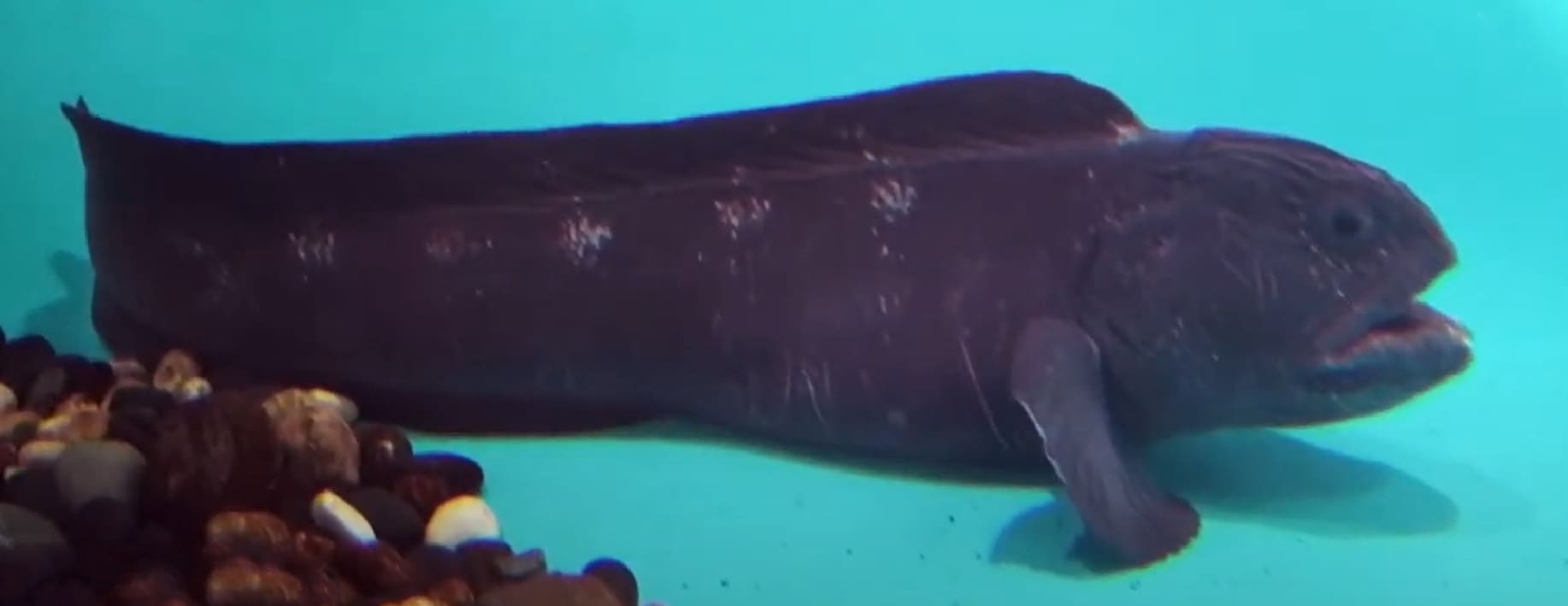
Anarhichas orientalis
The body is elongated, somewhat compressed at the sides, and covered with cycloid scales. The Bering …
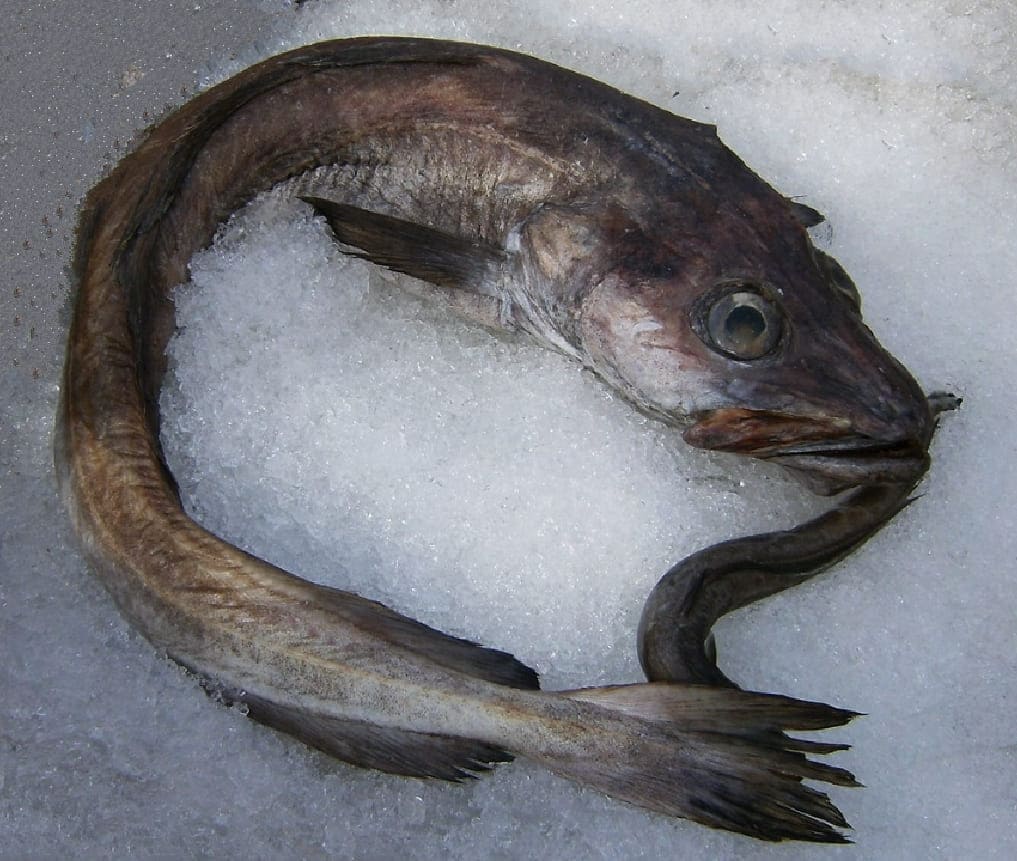
Molva dypterygia
The body is elongated, slender with a narrow tail stock. The lower jaw is longer than …
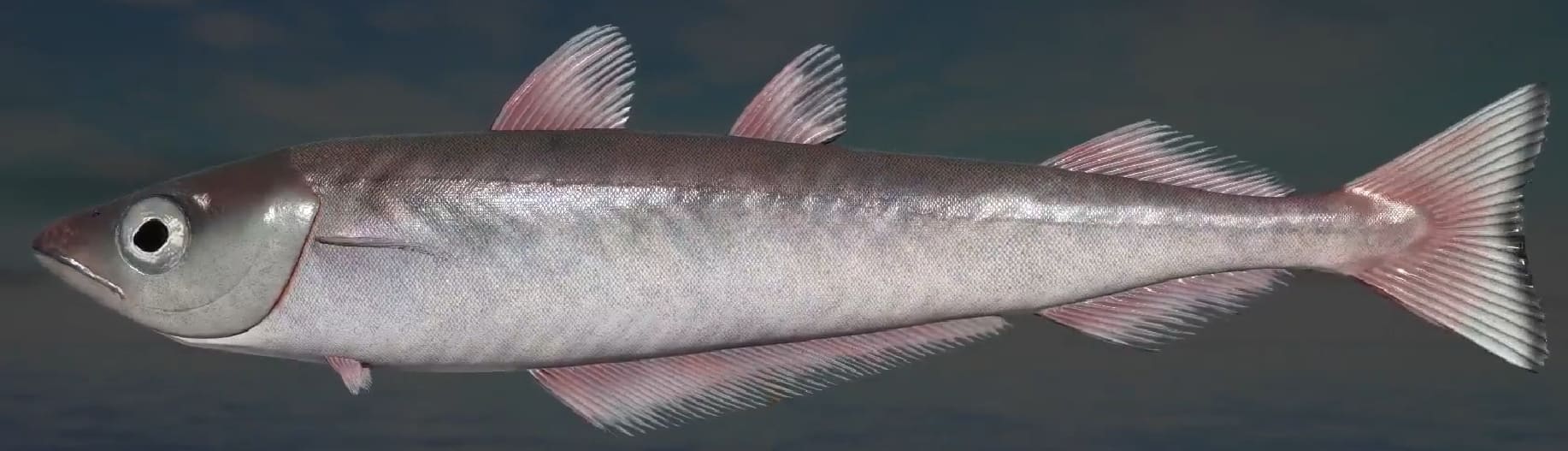
Micromesistius poutassou
The body is elongated and covered with very small, slightly falling cycloid scales. There is no …
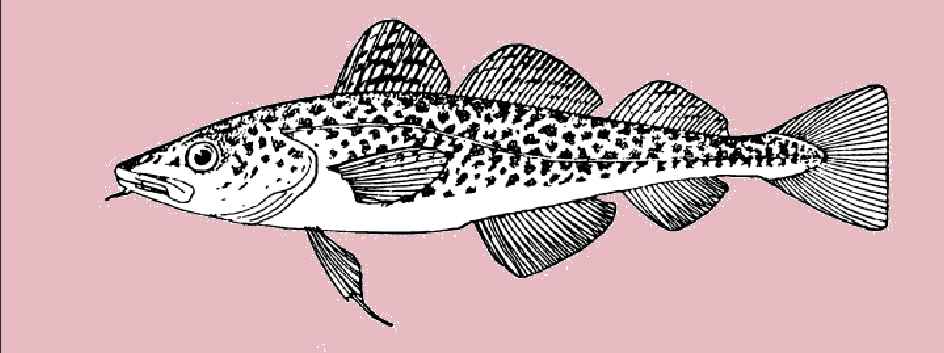
Gadus morhua
The Atlantic cod has three dark dorsal fins and two dark anal fins, none of which …
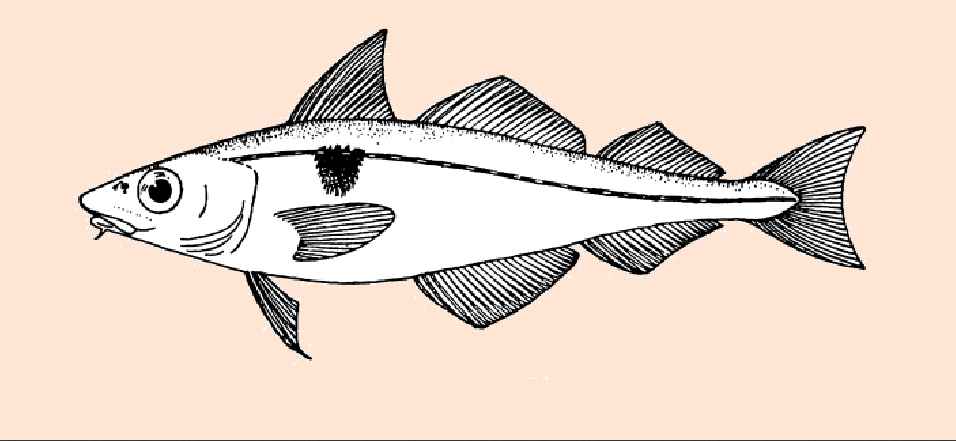
Melanogrammus aeglefinus
Haddock has three dorsal fins and two anal fins. The first dorsal fin is high and …
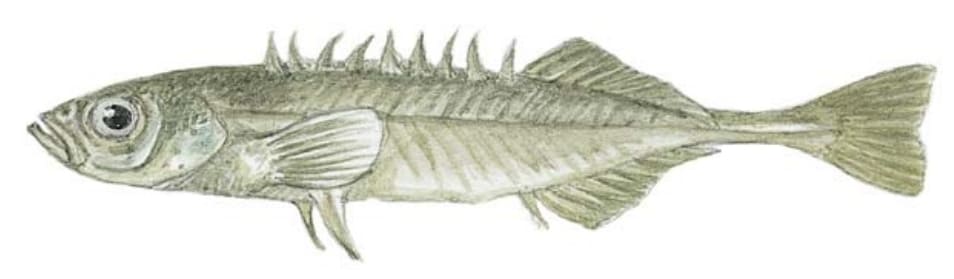
Pungitius pungitius
The stickleback gets its name from the short and long spines on the first dorsal fin, …
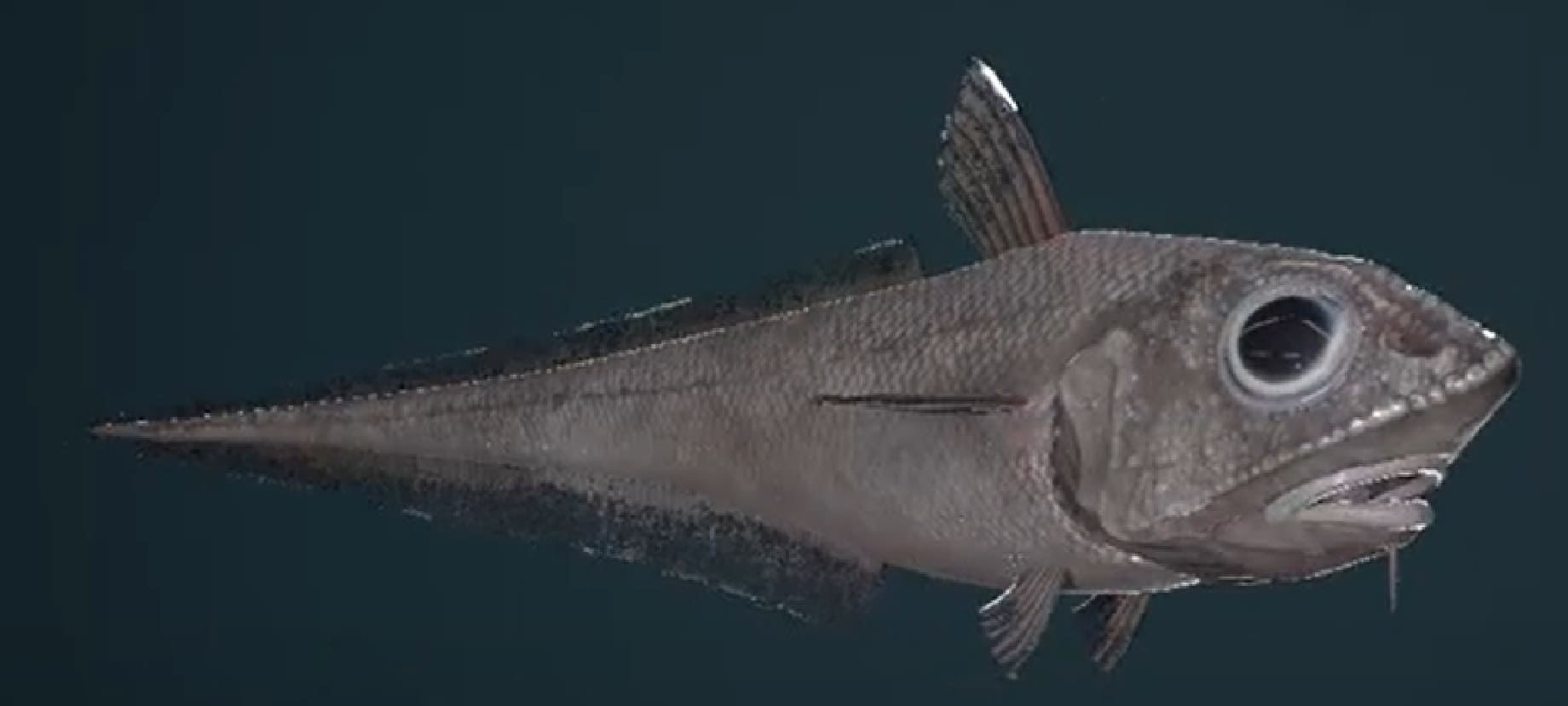
Macrourus berglax
The body is elongated, highest near the first dorsal fin and tapering towards the rear end. …
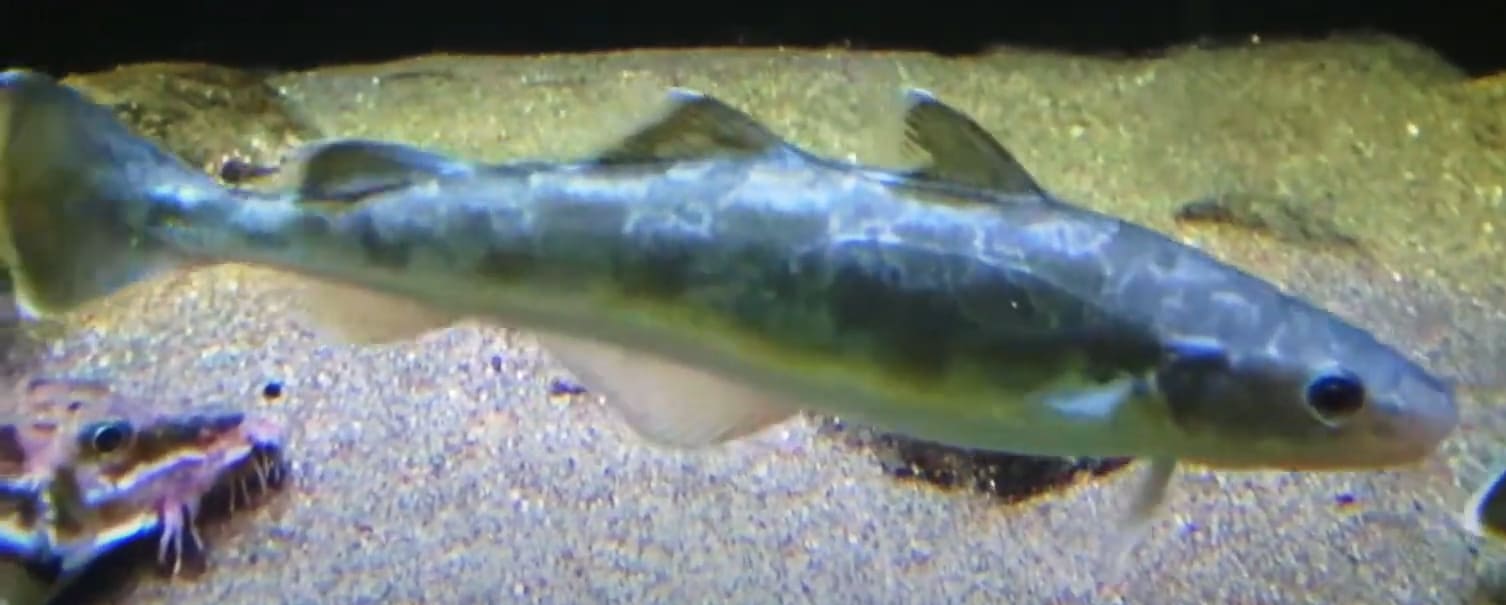
Eleginus gracilis
The lower jaw is shorter than the upper jaw, there is a chin tendril whose length …
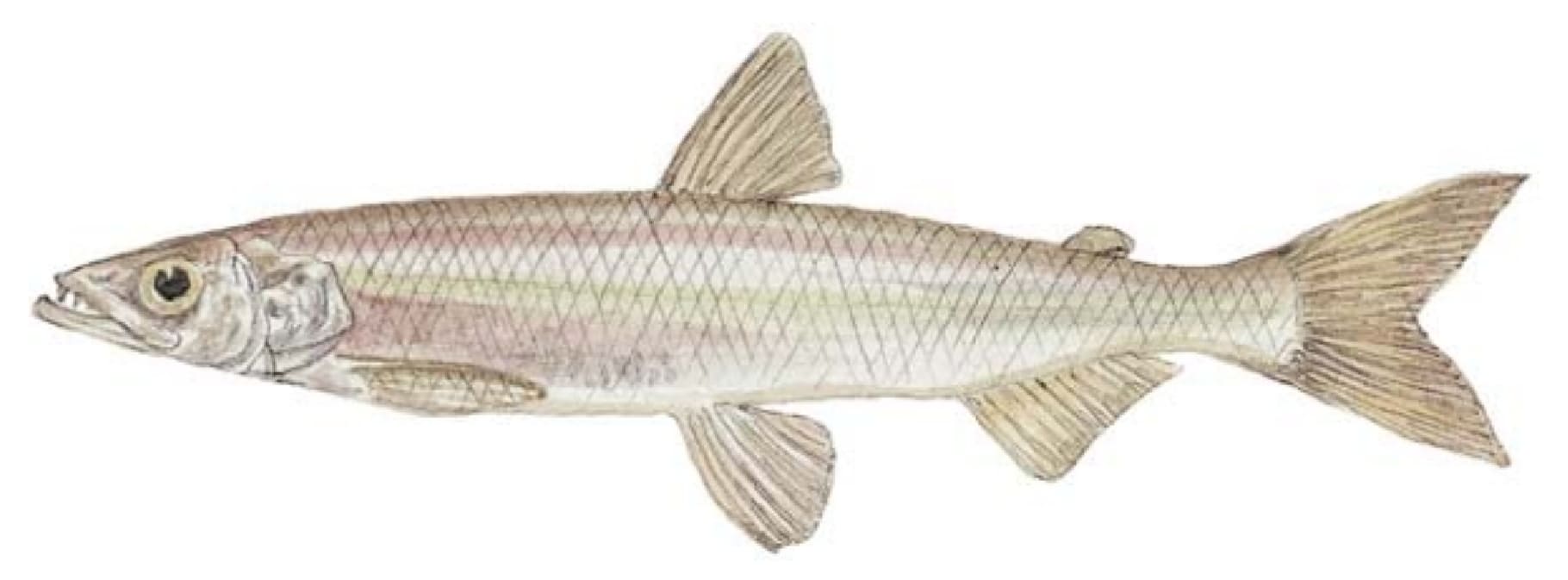
Osmerus mordax
A slender, silvery fish with a pale green or olive green back. When fresh, the sides …