 Allfishes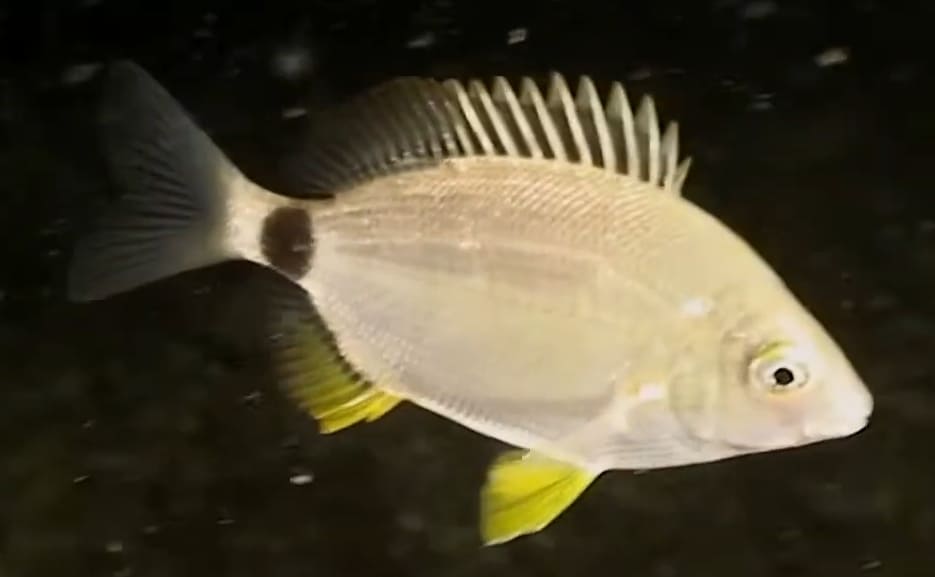
Annular seabream
Diplodus annularis
It has a deep, compressed body with an elongated ovoid shape. There are 8 incisors in …
The ichthyofauna of the Sea of Azov currently includes 103 species and subspecies of fish belonging to 76 genera and is represented by migratory, semi-migratory, marine and freshwater species.
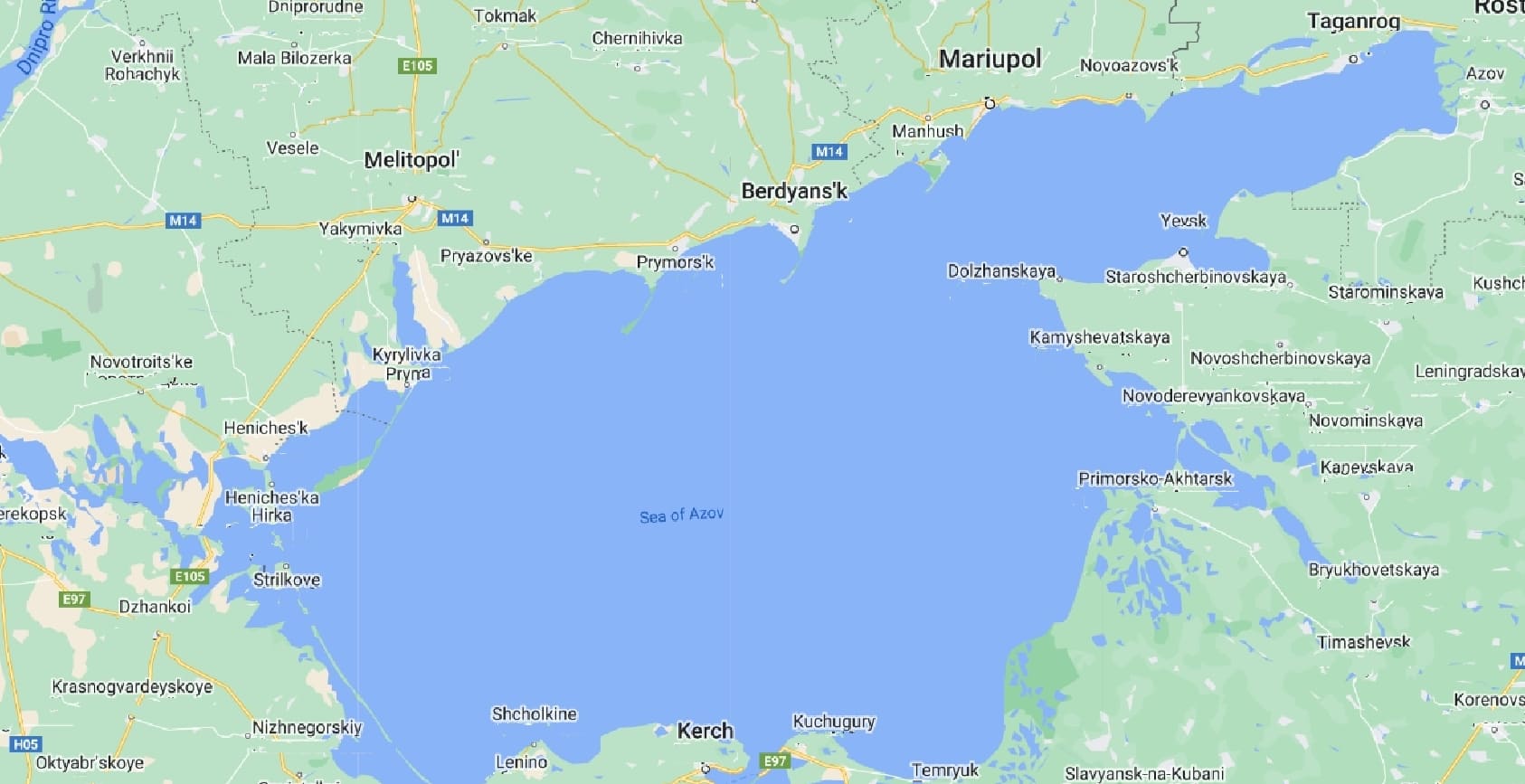
Among the Azov passable fish there are valuable commercial species such as beluga (sturgeon), starry sturgeon, herring, Vimba vimba, Russian sturgeon, bester and danube bleak. Semi-passable fish include mass species such as pikeperch, bream, Rutilus heckelii, Pelecus cultratus and some others. Among the marine species, there are the permanent inhabitants of the Sea of Azov - so-iuy mullet, Black Sea turbot, European flounder, Black Sea sprat, Common percarina, three-headed stickleback, Broadnosed pipefish, all kinds of gobies and a group of fish coming from the Black Sea, including those making regular migrations: Azov and Black Sea European anchovy, Black Sea herring, mullus, golden grey mullet, leaping mullet, flathead grey mullet, scophthalmus maeoticus, horse mackerel, mackerel and others. Freshwater species usually permanently inhabit one area of a water body and do not make large migrations. These species inhabit usually desalinated areas of the sea. Such fish as sterlet, prussian carp, northern pike, pike, Ide, common bleak, etc. are found here.
Molluscs occupy a dominant position in the benthic biomass. Their skeletal remains, represented by calcium carbonate, have a significant specific weight in the formation of modern bottom sediments and accumulating overwater bodies. In 1989, the invasive mollusc Anadara kagoshimensis was discovered for the first time in the Sea of Azov. Molluscs and worms have managed to preserve their ancient species: Loripes lucinalis, Pectinariidae, Mytilaster.
Marine mammals are represented by one species, the harbour porpoise. It is the smallest of the cetaceans. Representatives of the local Azov-Black Sea population are smaller than dolphins from other parts of their range.
The Sea of Azov is inhabited by two species of jellyfish that have arrived here from the Black Sea through the Kerch Strait - Rhizostomeae and Aurelia aurita.
The seabed has become home to many aquatic inhabitants such as Nereis, Rapana, Upogebia pusilla.
Several species of turtles can be found in the Sea of Azov. Among them: Caretta caretta, Dermochelys coriacea, Chelonia mydas.
Dasyatis pastinaca - this stingray cannot kill a person, but if it encounters one it can injure and inject venom. Thornback ray - covered with many spines, it is dangerous and wounds should be treated carefully. Rhizostomae - the venom of these jellyfish is not dangerous to humans, but contact with them can cause burning, irritation, redness of the skin.
Sharks in the Sea of Azov are represented by a single species - the spiny dogfish. This shark rarely exceeds 1 metre in length and is completely safe for humans.
Showing 1–24 of 25
Diplodus annularis
It has a deep, compressed body with an elongated ovoid shape. There are 8 incisors in …
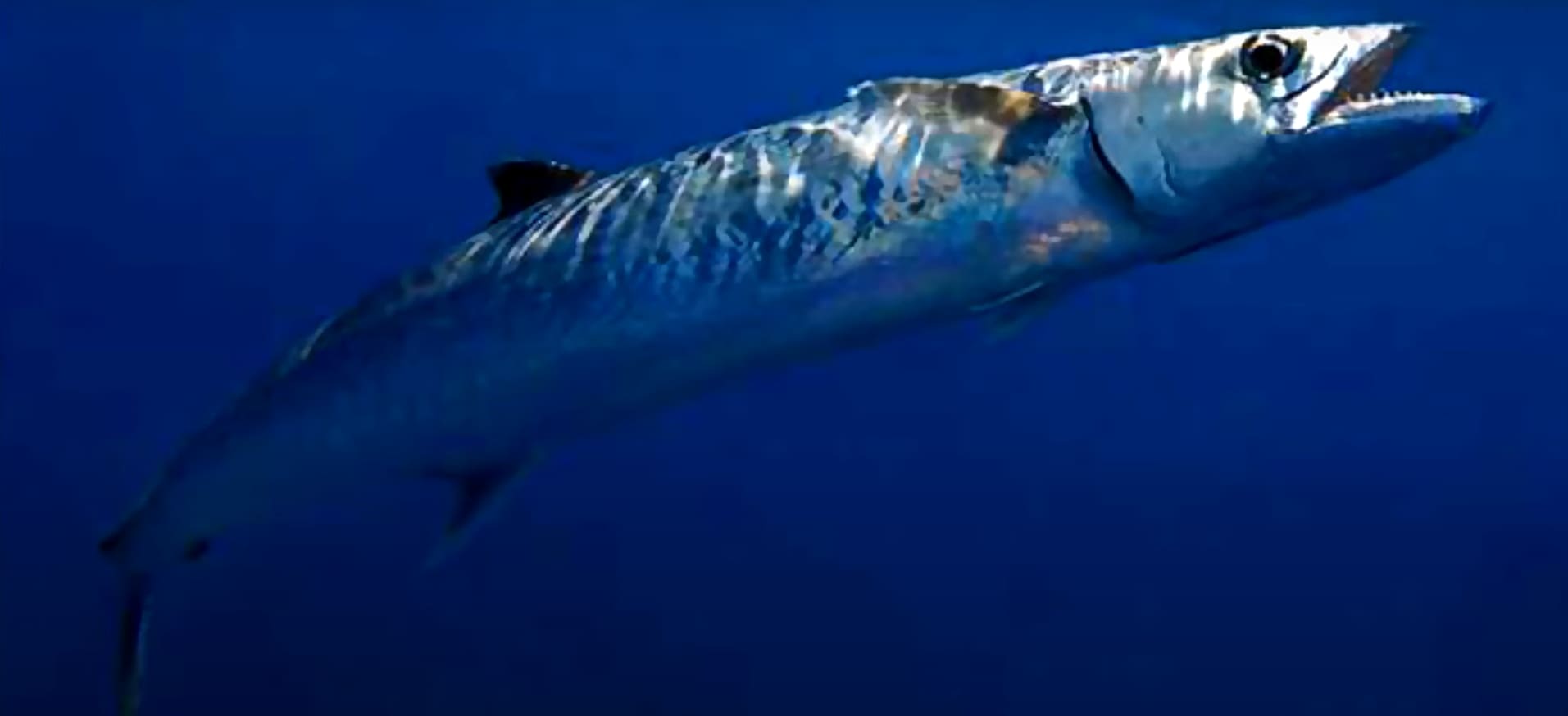
Trachurus trachurus
It has a spindle-shaped, elongated body covered with fine scales, ending in a slender tail stalk. …
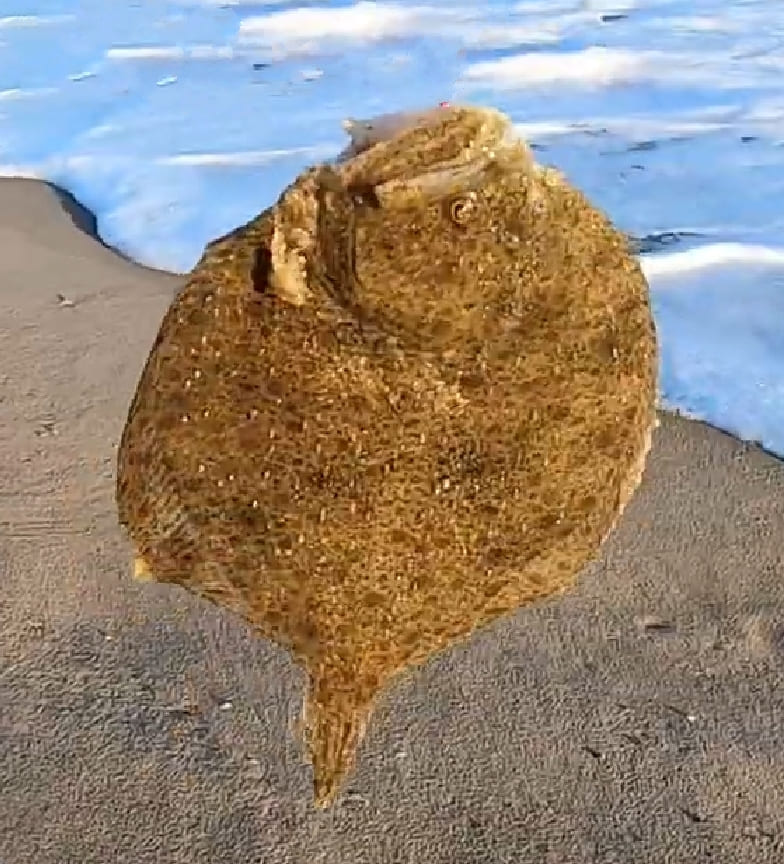
Scophthalmus maeoticus
The body is tall, 80% of its length (the body height is almost equal to the …
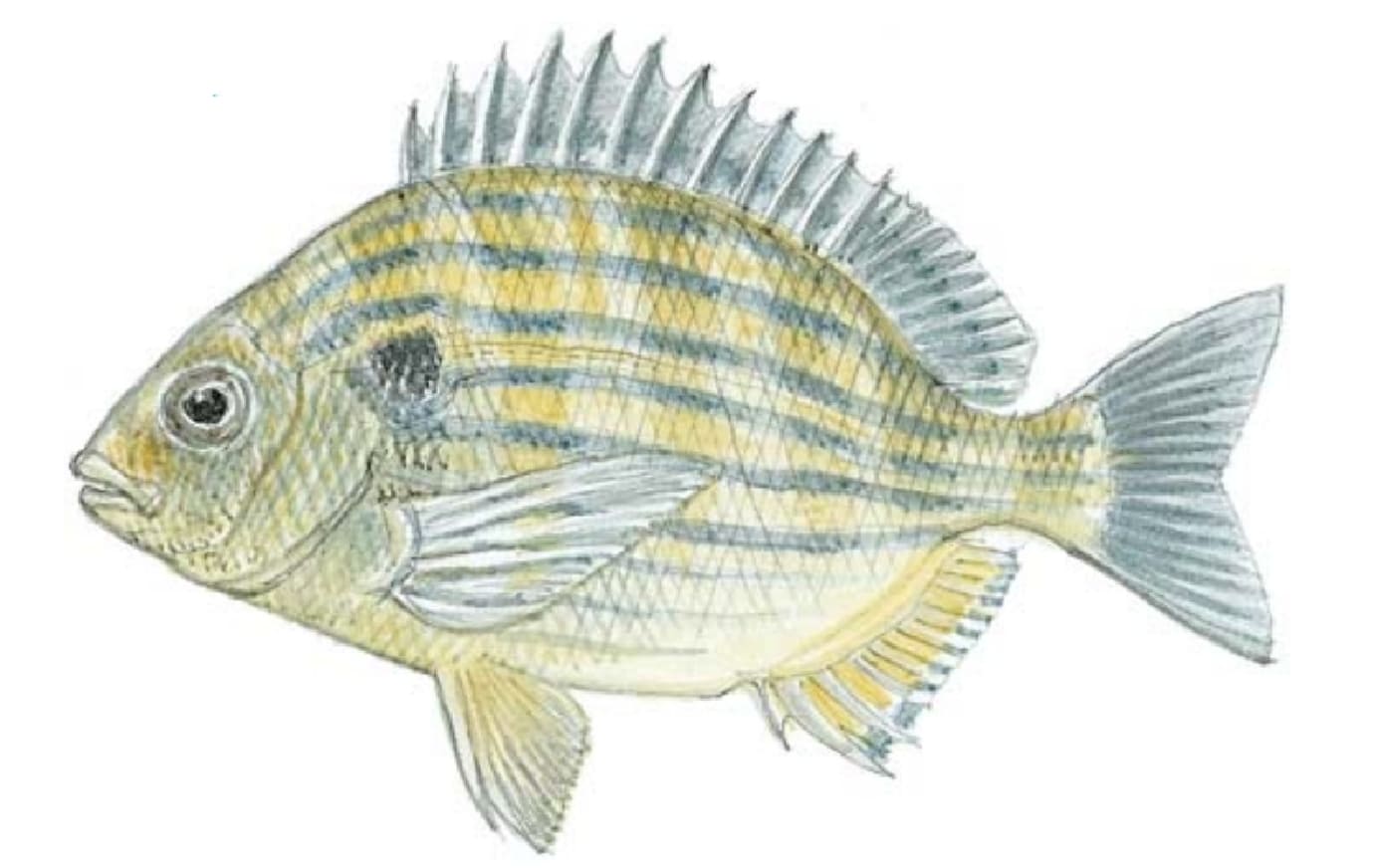
Archosargus rhomboidalis
The West Atlantic sea bream is similar to other members of its genus. It differs in …
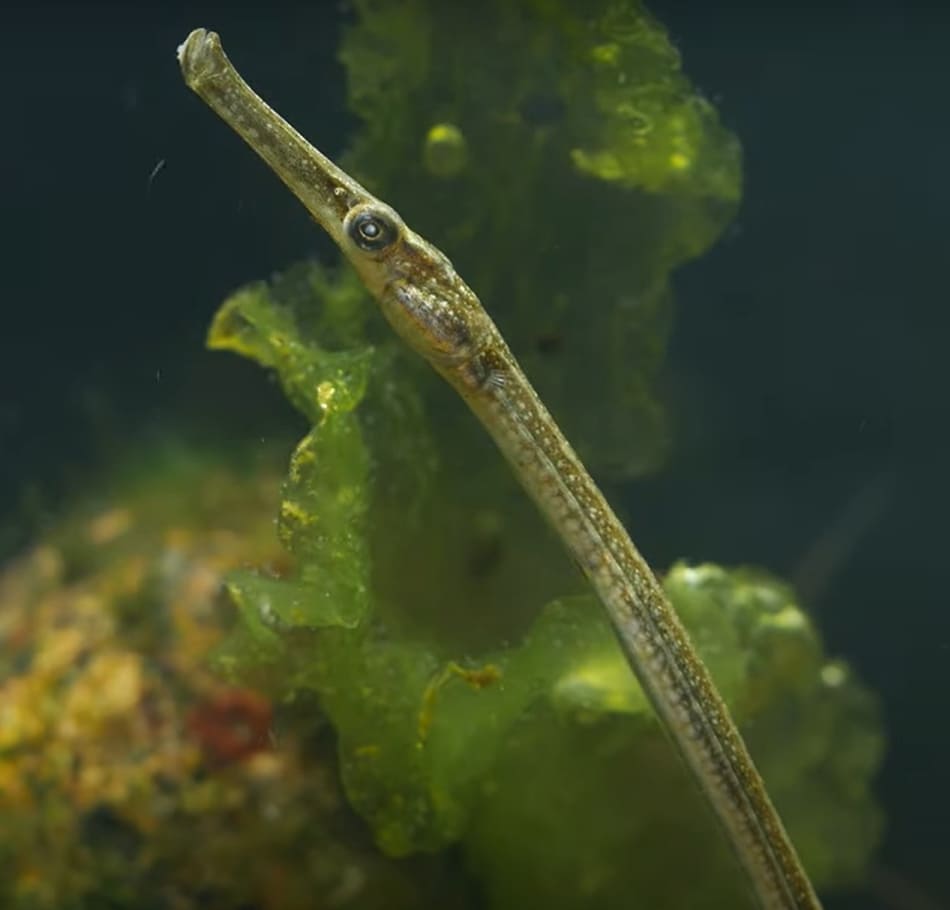
Syngnathus typhle
It is a slender, elongated fish with a hexagonal cross section, which distinguishes it from its …
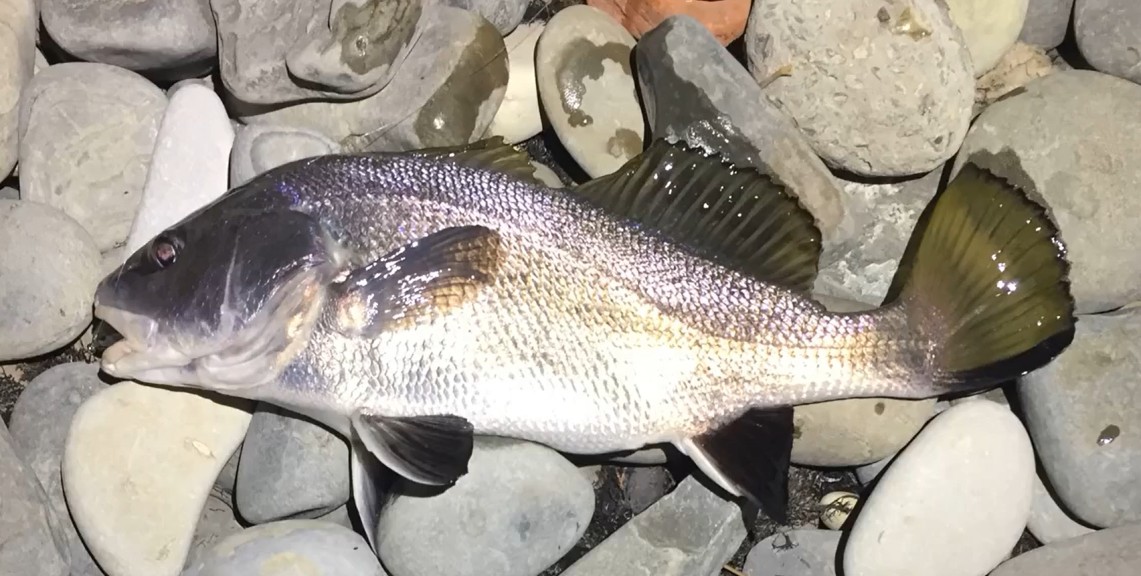
Sciaena umbra
The body of the Brown meagre is elongated, tall, with a humped back, somewhat compressed laterally, …
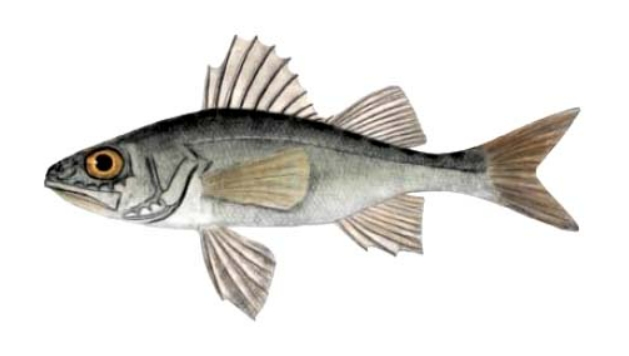
Percarina demidoffii
Externally the fish resembles Gymnocephalus. Life expectancy is 3-4 years. The body is elongated, rather tall, …
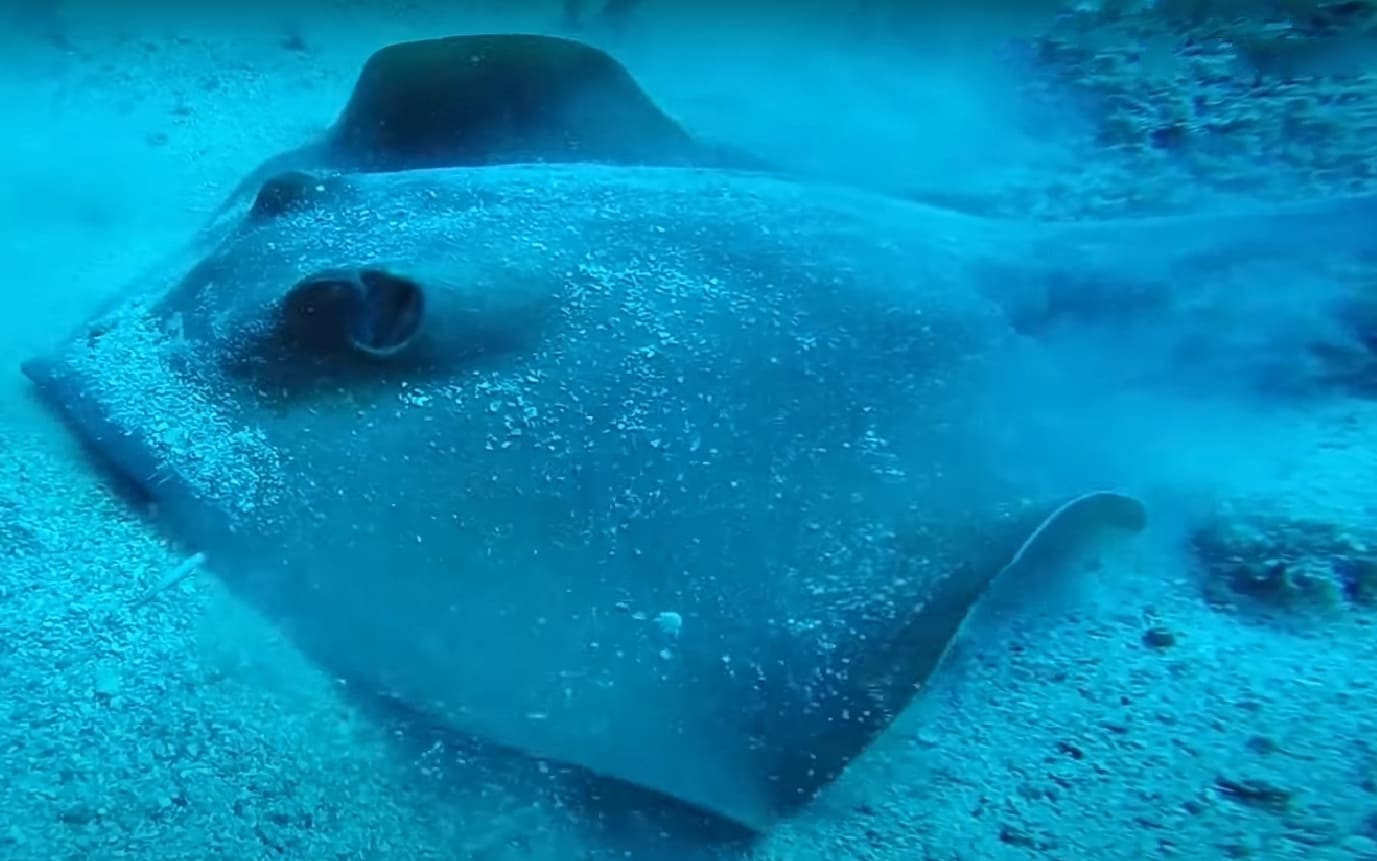
Dasyatis pastinaca
The pectoral fins merge with the head to form a diamond-shaped flat disc, only slightly wider …
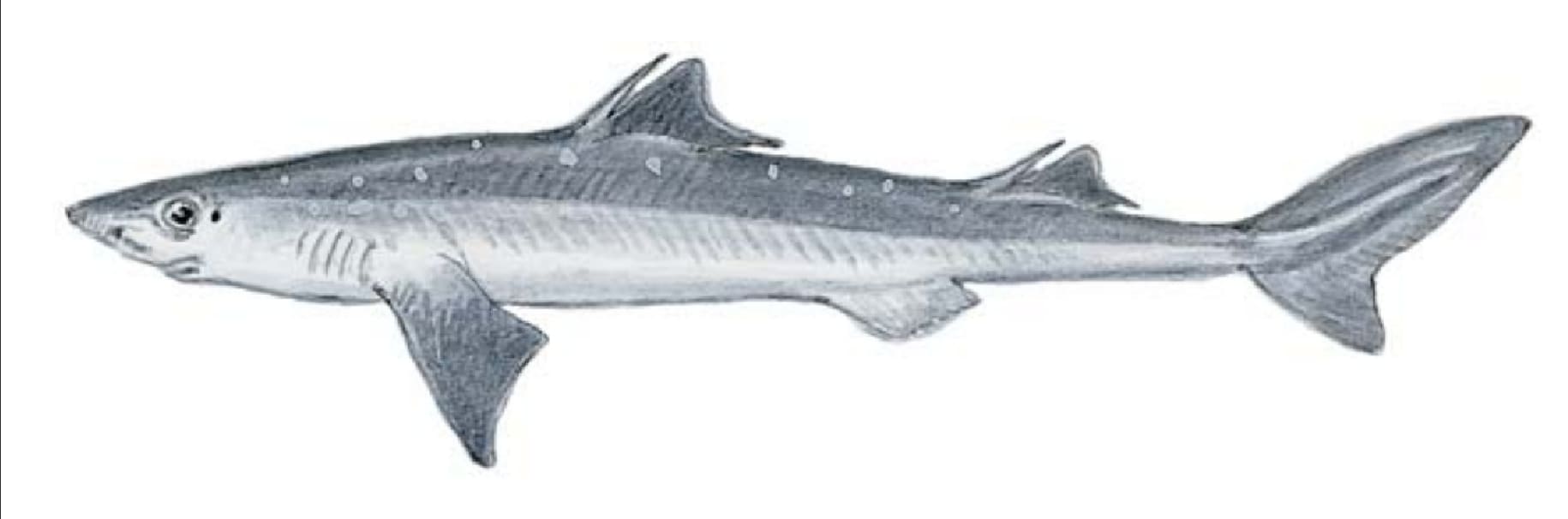
Squalus acanthias
The body is elongated and slender. Head is pointed. Coloration from above from slate-gray to brownish, …
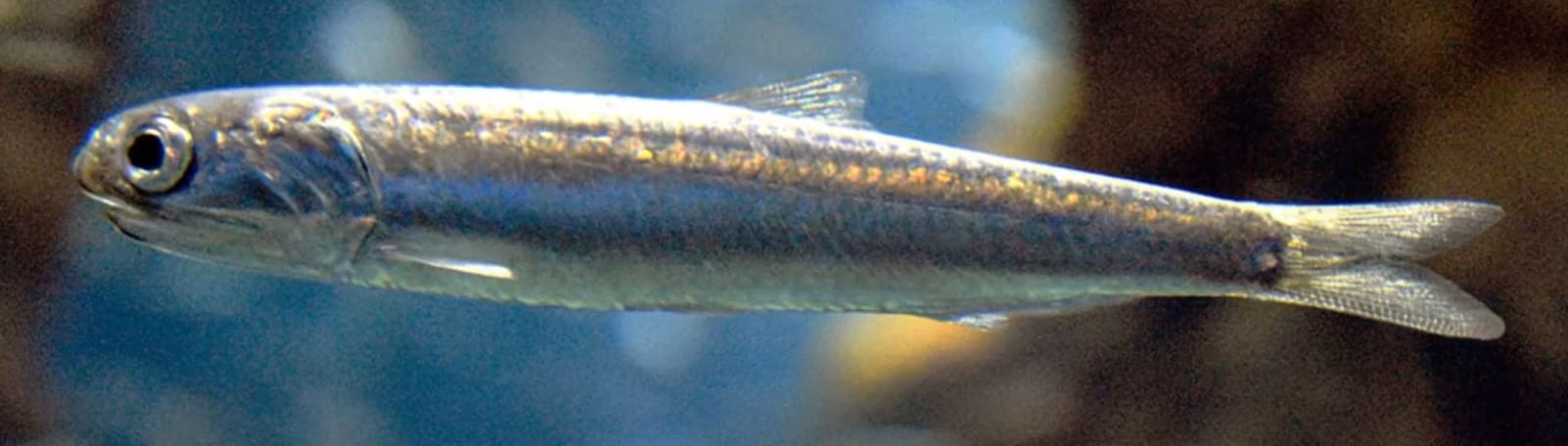
Engraulis encrasicolus
Body elongated, low, covered with cycloid scales, head compressed at the sides, bare. Scales thin, easily …
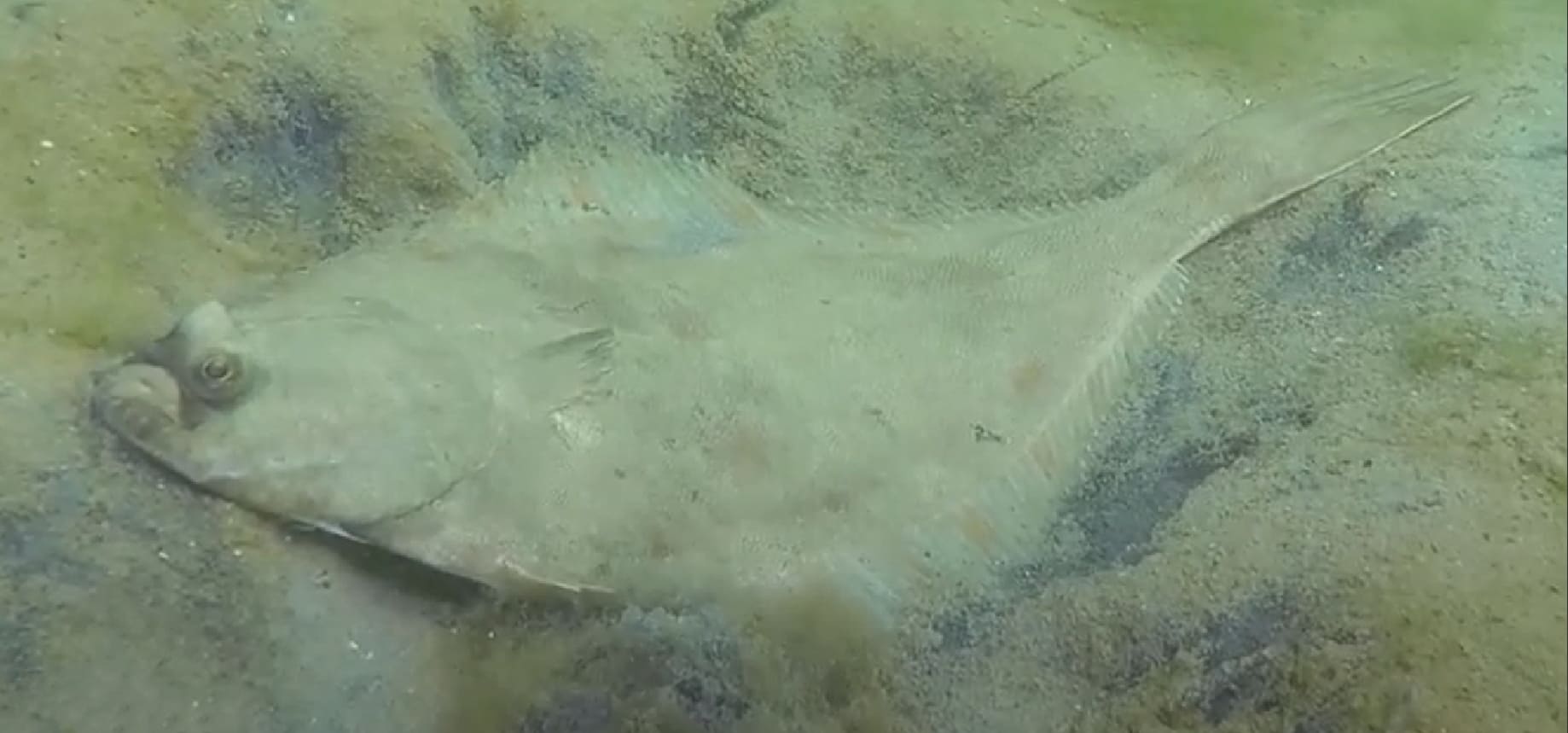
Platichthys flesus
The body is flattened. Both eyes are on the same upper side of the body. In …
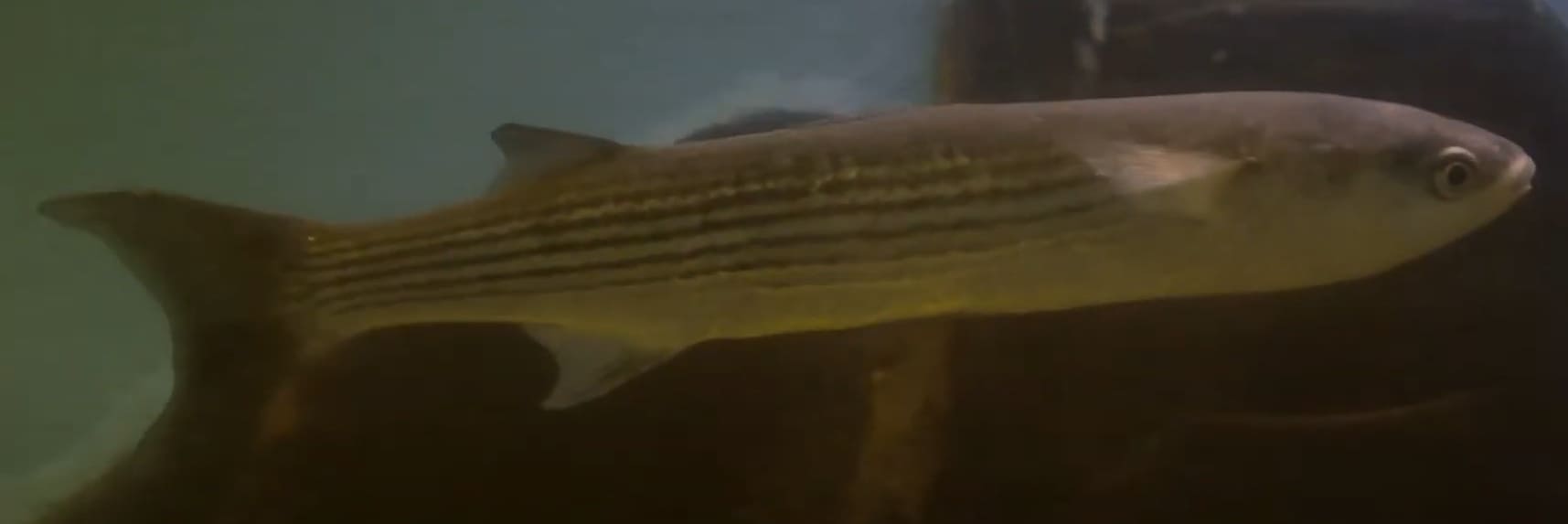
Chelon auratus
The body is elongated, low, barely compressed at the sides and covered with large scales. The …
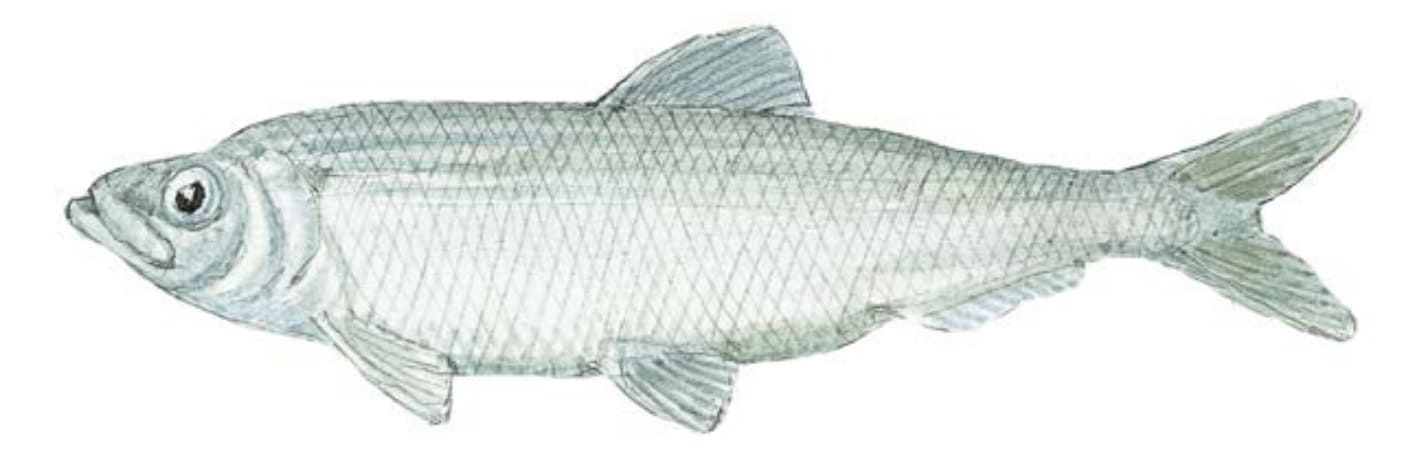
Clupea harengus
The body is not high (its height is about 1/5 of body length). Head is comparatively …
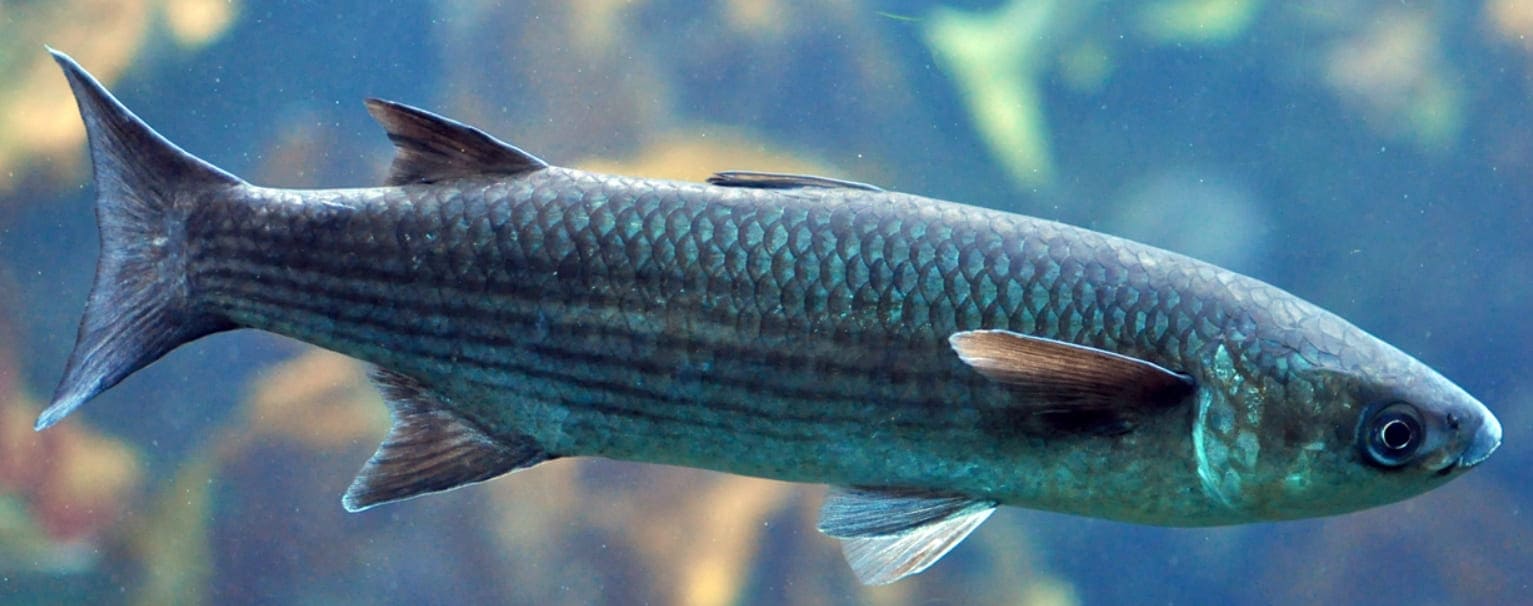
Chelon saliens
Body elongated, cylindrical. Head broad, width of interorbital space approximately equal to width of mouth; snout …
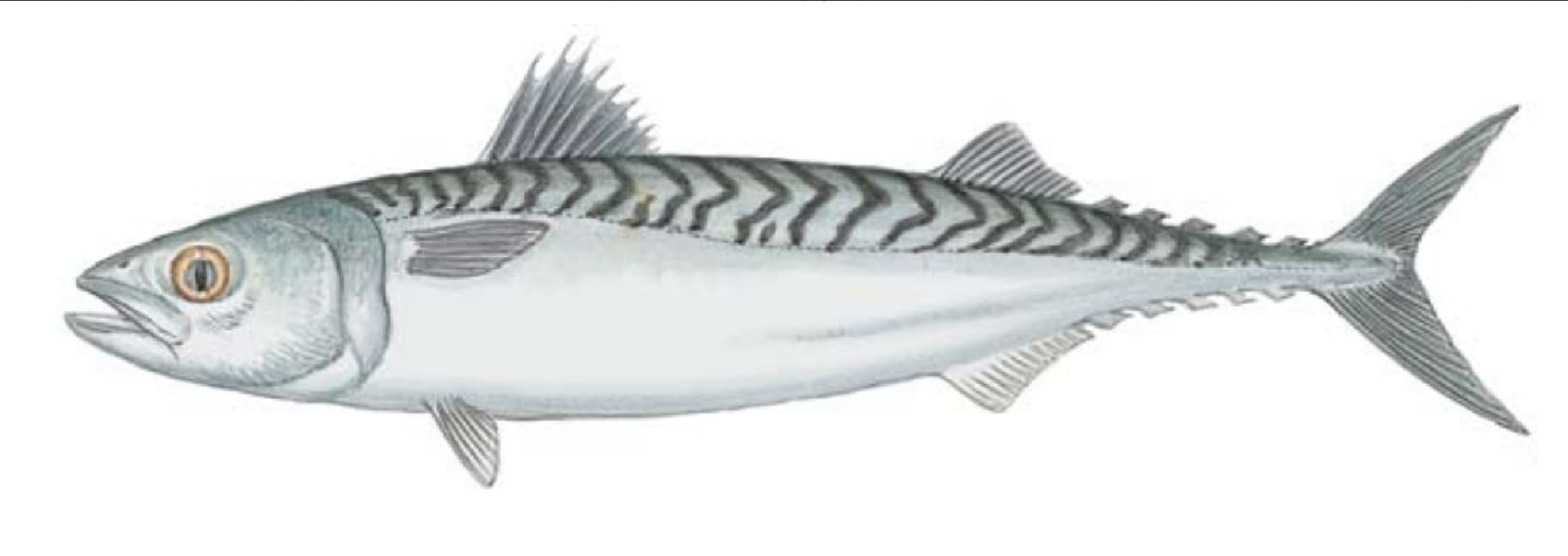
Scomber scombrus
The body is fusiform, slightly compressed from the sides. The scales are fine, cycloidal. The length …
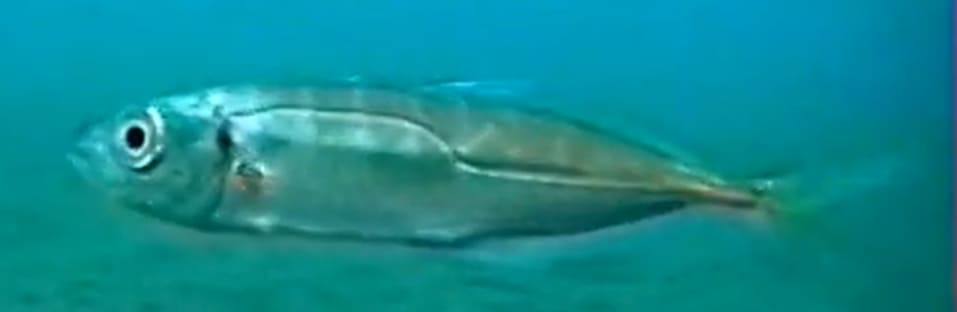
Trachurus mediterraneus
The body is relatively low, rounded; its greatest height is 16.8-24.0% of body length to the …
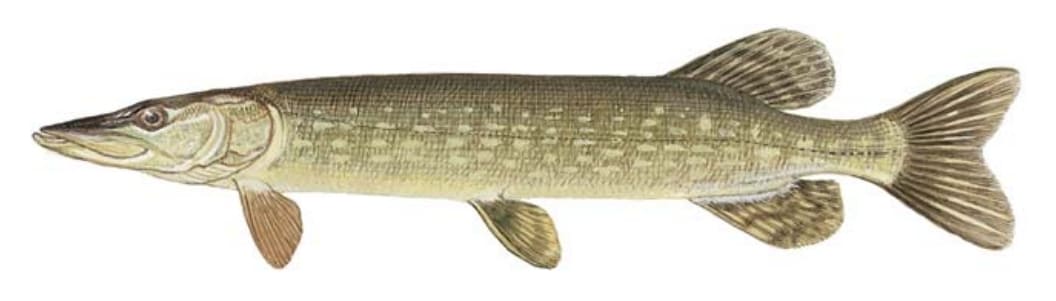
Esox lucius
The northern pike has an elongated body and head. The snout is broad and flat, resembling …
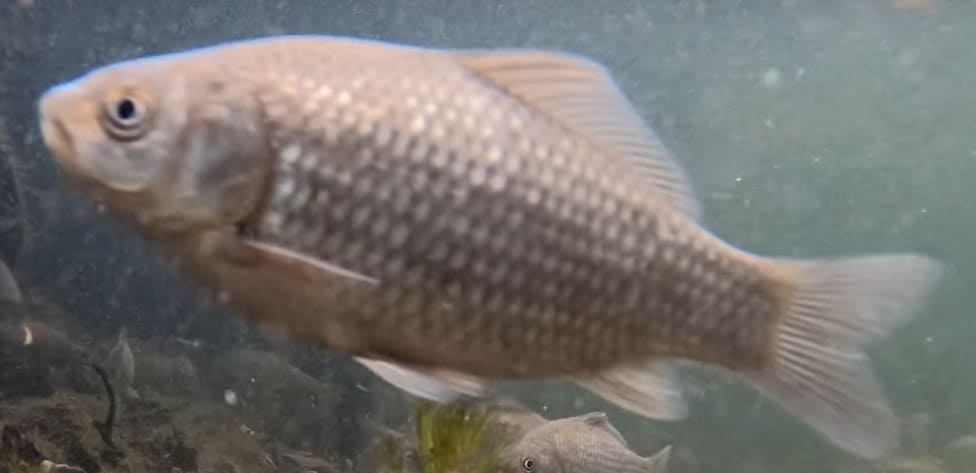
Carassius gibelio
The Prussian carp can be distinguished from the Crucian by its larger, lighter scales and smaller …
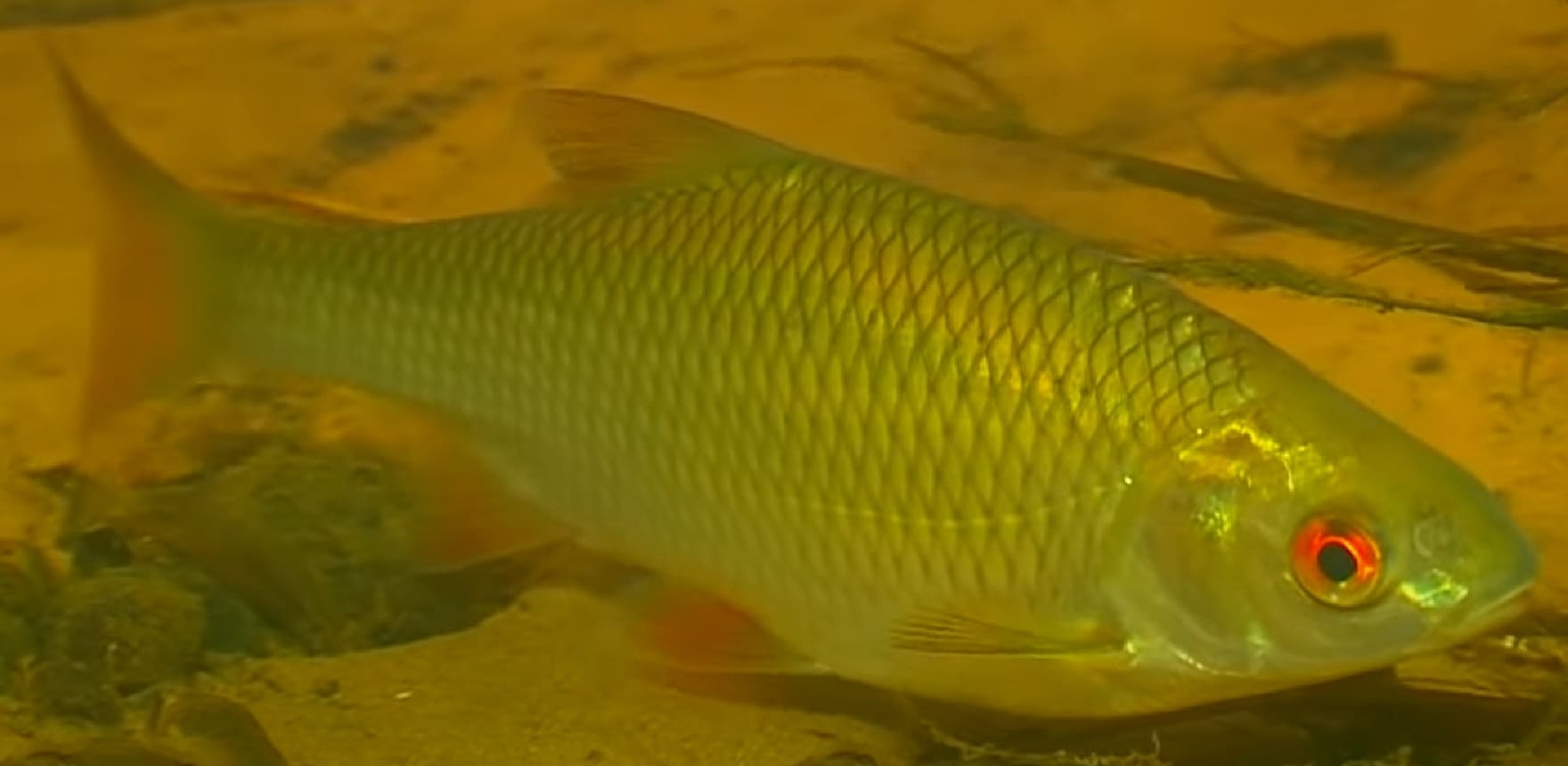
Rutilus heckelii
Distinctive features compared to the common roach: larger body size, smaller scales, fewer rays in the …
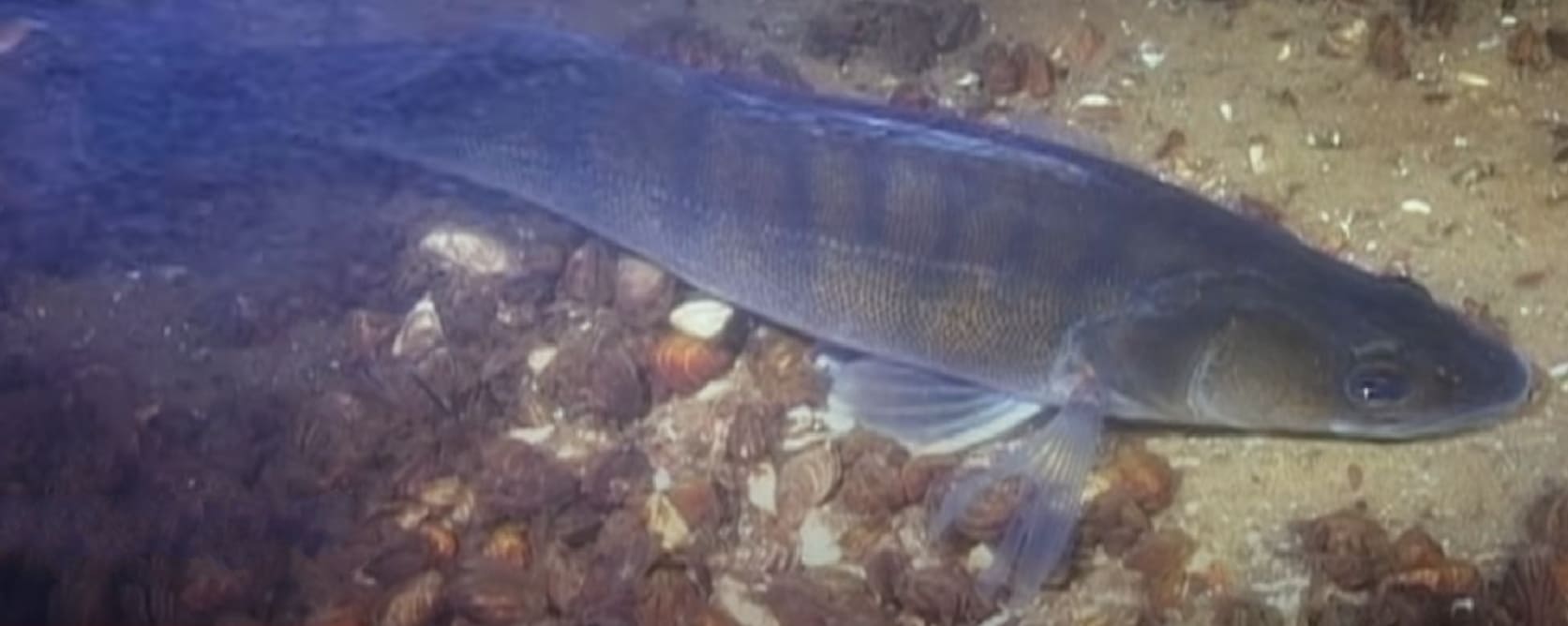
Sander lucioperca
There are 8-12 short, broad, brown-black horizontal stripes on the sides. The dorsal and caudal fins …
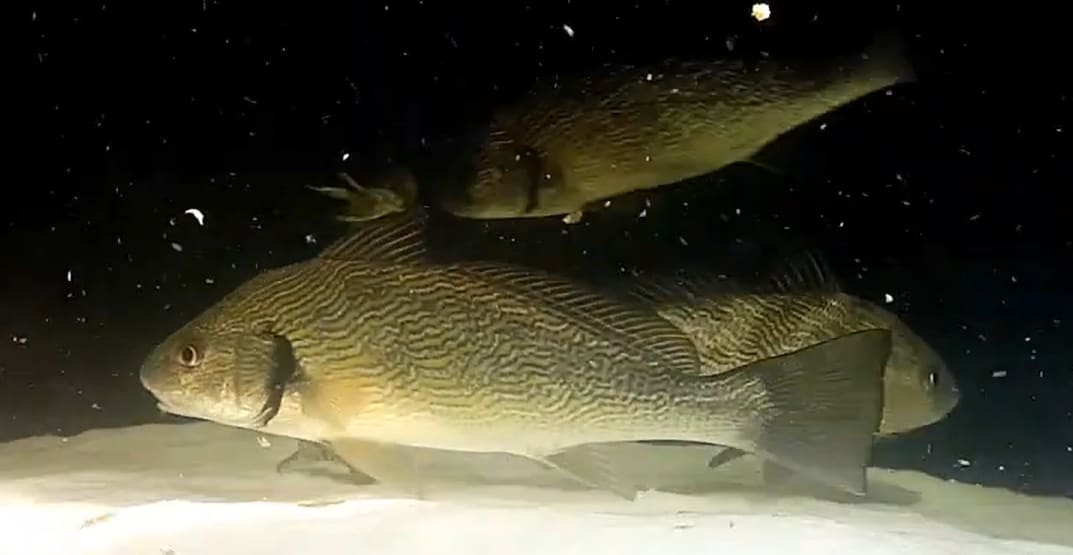
Umbrina cirrosa
Body elongated, high, slightly compressed at the sides. Muzzle short and blunt. Small mouth with fine …
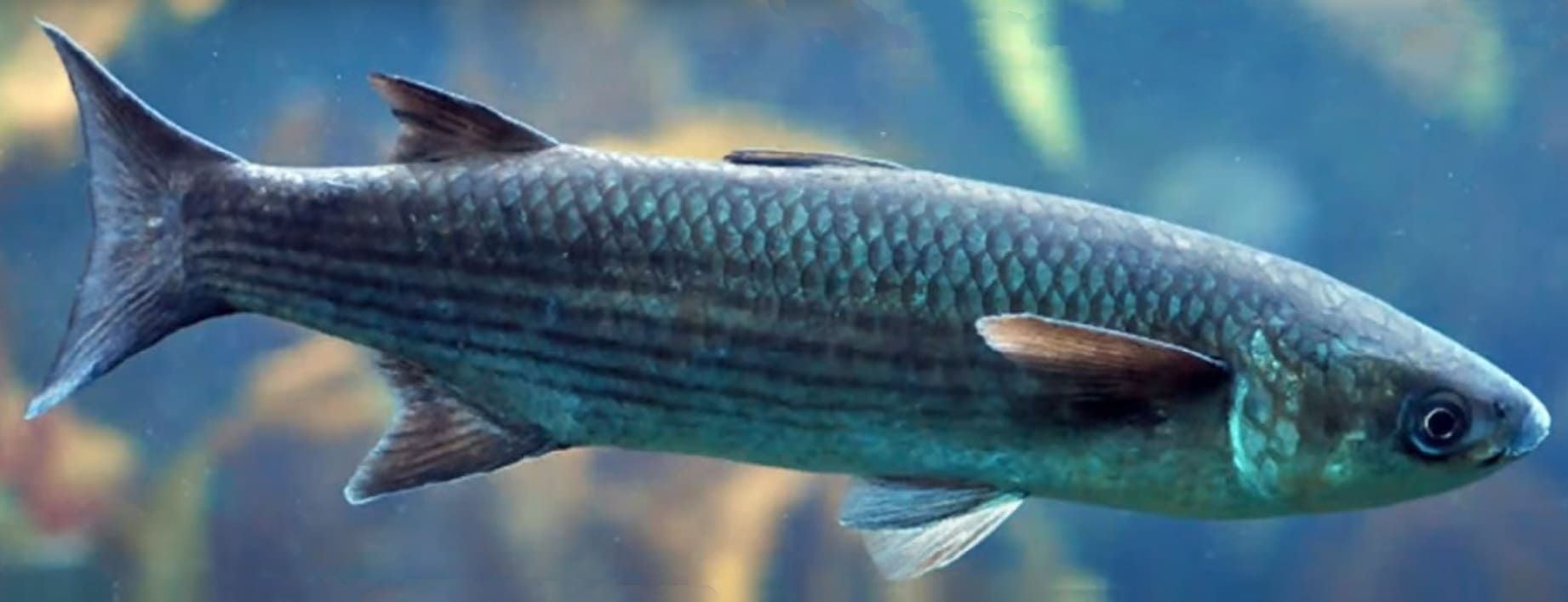
Planiliza haematocheilus
The body is elongated and torpedo shaped. The head has a broad forehead and the iris …
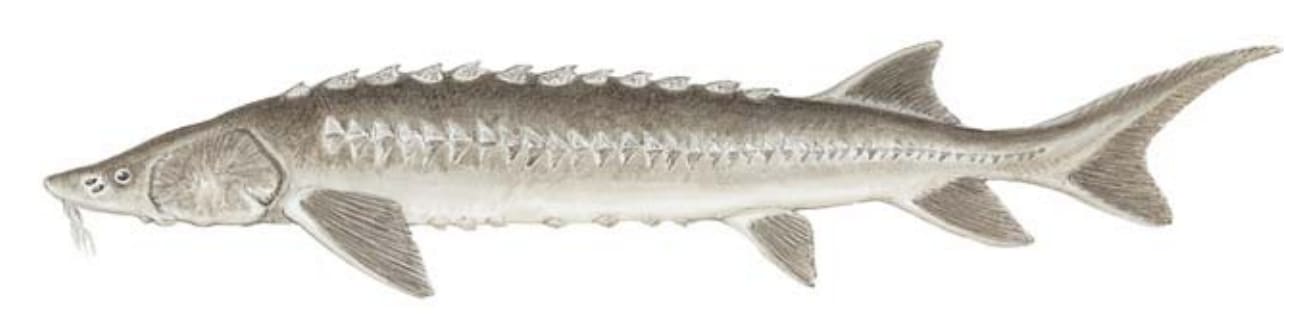
Acipenser transmontanus
The adult white sturgeon has a moderately blunt snout, spines closer to the tip of the …
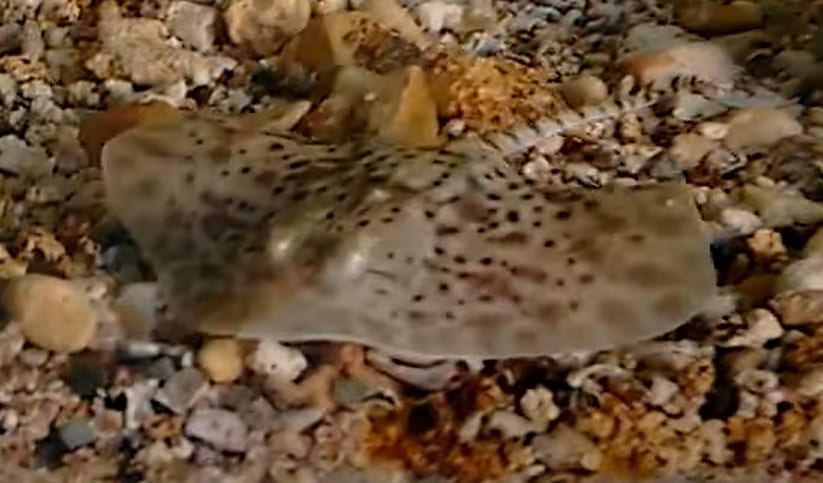
Raja clavata
The body is rhomboid, the head is short and the wing-like pectoral fins are pointed at …