 Allfishes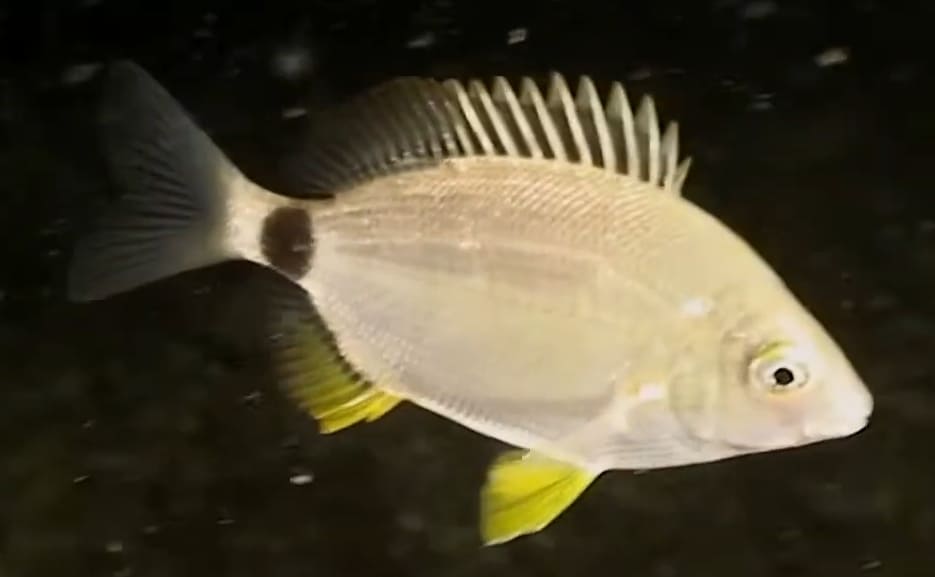
Annular seabream
Diplodus annularis
It has a deep, compressed body with an elongated ovoid shape. There are 8 incisors in …
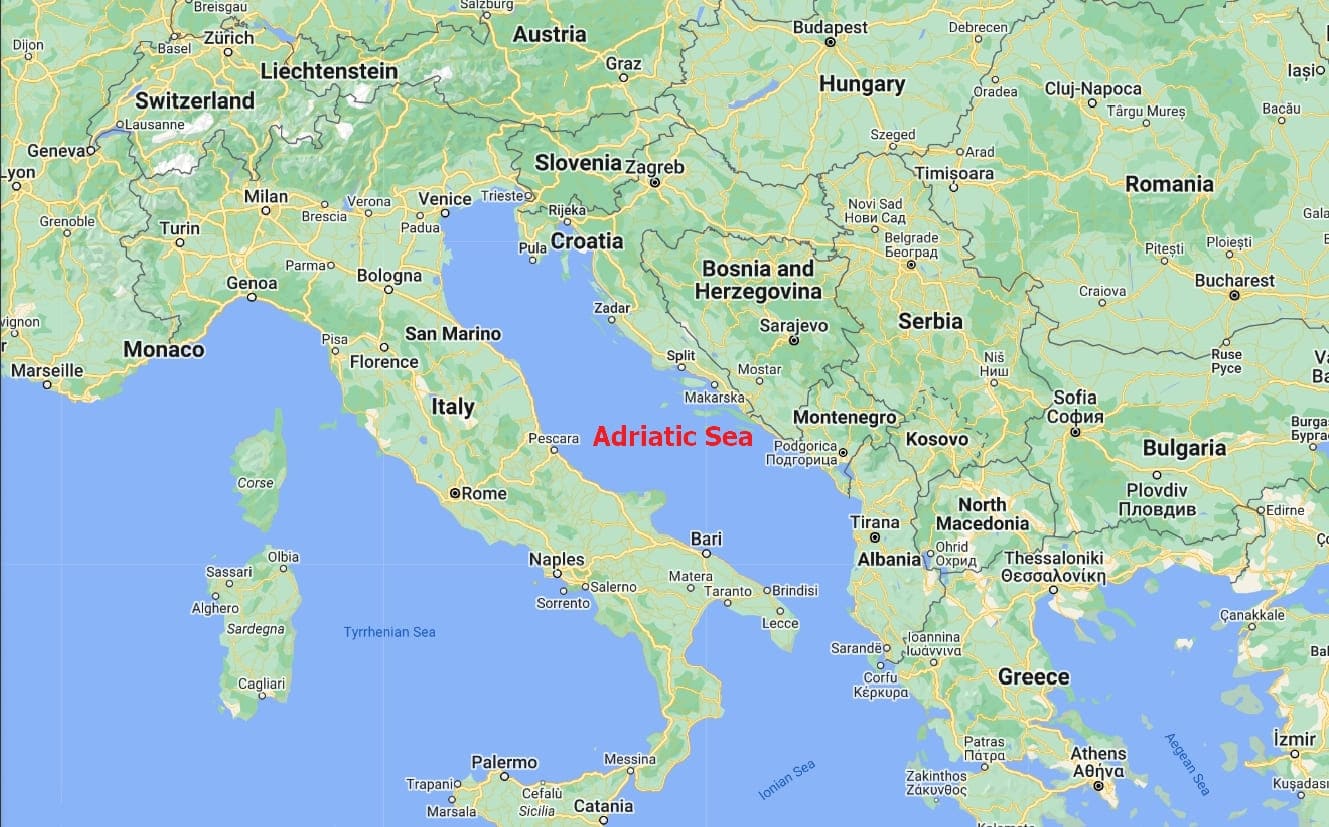 The plant and animal life of the Adriatic Sea is quite rich. There are 45 subspecies endemic to the Adriatic coast and islands. There are at least 410 species and subspecies of fish in the Adriatic, which is about 70% of the Mediterranean taxa, and 7 species are endemic to the Adriatic. More than 60 fish species are listed in the International Red Data Book (IUCN), mainly due to overfishing.
In the coastal zone there are many species of snails and bivalves with thick, strong shells that protect them from the impact of the waves, as well as echinoderms and crustaceans. In shallow water live oysters, mytilus, limpets, sea urchins, sea cucumbers and small crabs. In slightly deeper water live large crustaceans - lobster, large crab, as well as octopus, cuttlefish, starfish.
Many gregarious fish: sardine, scomber, scomberomorus, Atlantic bonito and tuna. The water column of the Adriatic is full of plankton and juvenile fish. Eels and muraenas swim here. Seahorses swim in thickets of algae.
Currents bring many delicate, transparent jellyfish and glowing hydrozoans to the Adriatic.
Check. The most common sharks in the Adriatic are the pygmy shark, the spiny shark, the blue shark and the velvet belly lanternshark in deeper waters. The basking shark is very rare.
Among the mammals, the Adriatic is home to the common dolphin, bottlenose dolphin, Risso's dolphin and the endangered monk seal.
There are 4 species of the family Trachinidae in the Adriatic Sea, the most common being the greater and lesser weever. The spines of the first dorsal fin of the Trachinidae and the sharp spike on the gill cover are equipped with venom glands. Muraena, Batoidea and Hermodice carunculata are also dangerous to humans.
Showing 1–15 of 15
Diplodus annularis
It has a deep, compressed body with an elongated ovoid shape. There are 8 incisors in …
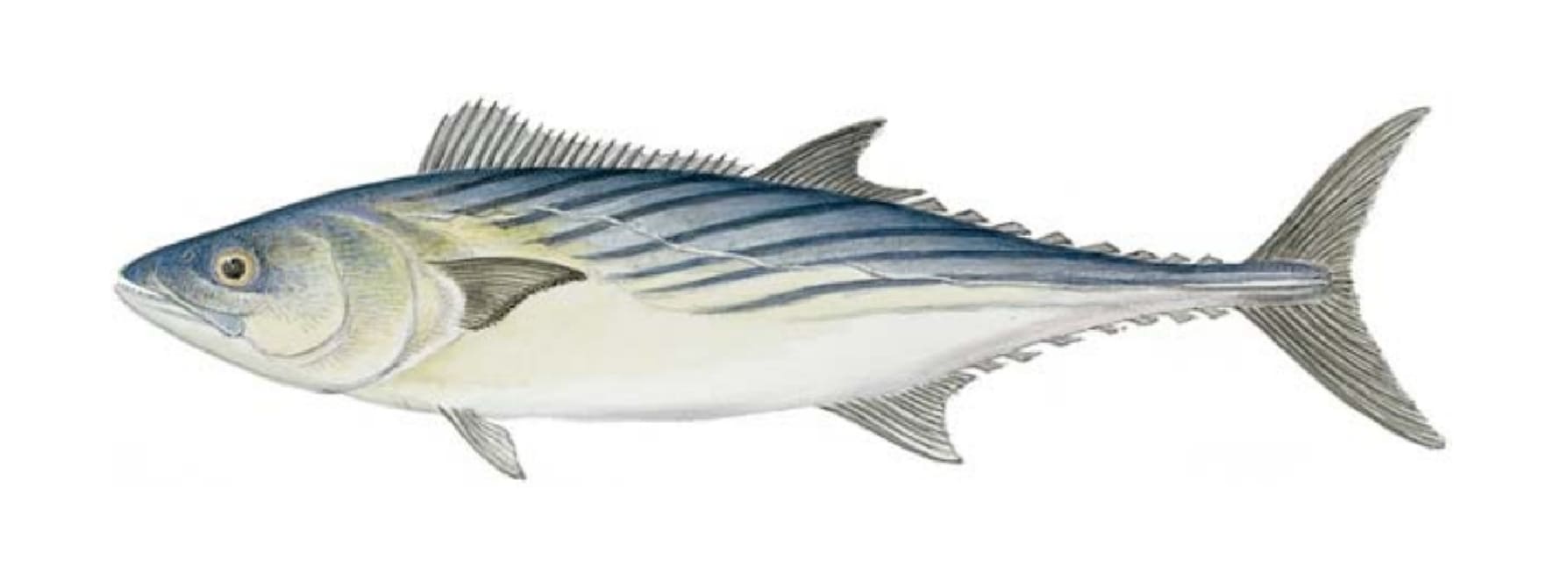
Sarda sarda
The Atlantic bonito belongs to a group in which the dorsal fins are very close together …
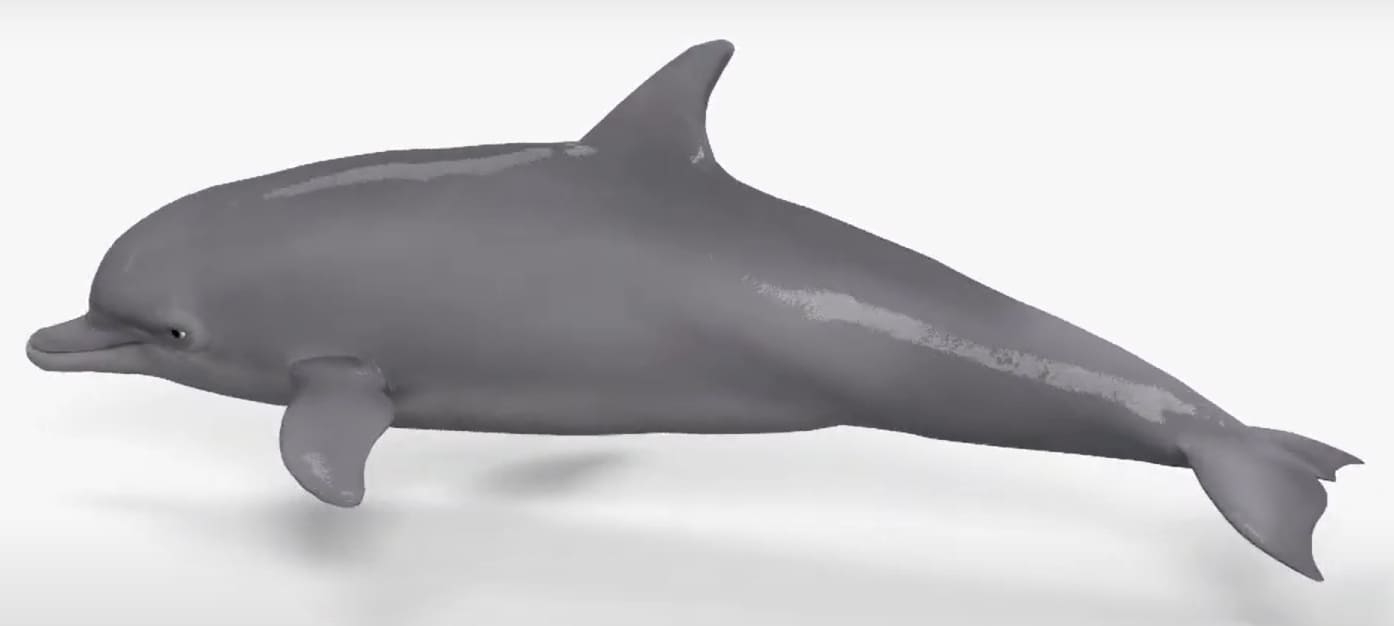
Tursiops truncatus
The moderately developed "beak" is clearly separated from the convex frontal-nasal (fat) pad. The skull reaches …
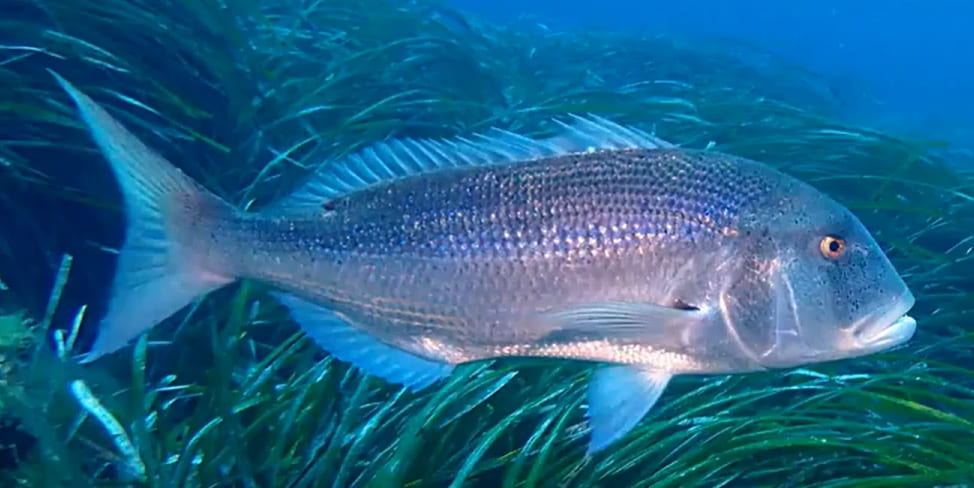
Dentex dentex
Body oval in shape, compressed at the sides. The lateral line organ is clearly visible on …
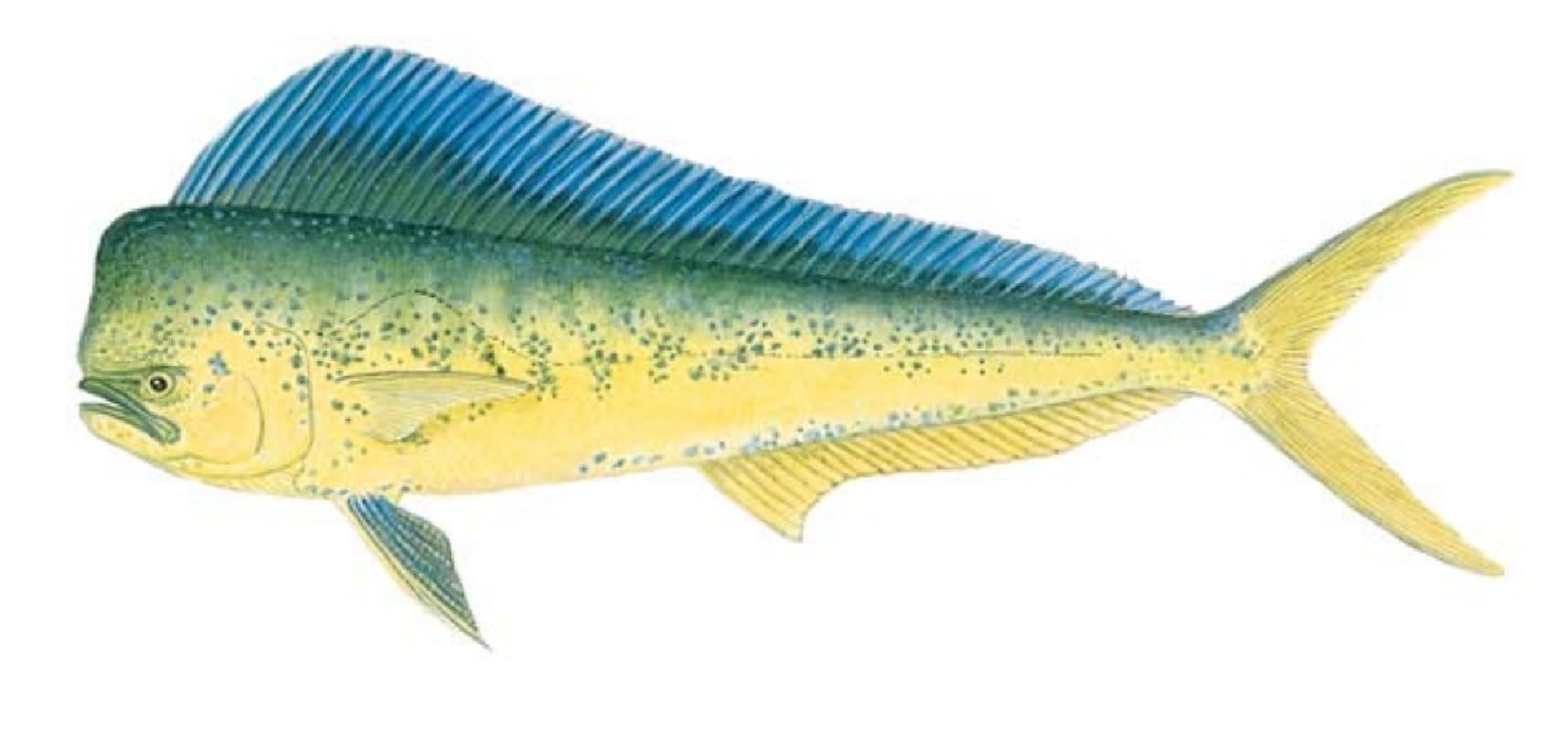
Coryphaena hippurus
The body is slender and streamlined, tapering sharply from head to tail. Large males, called bulls, …
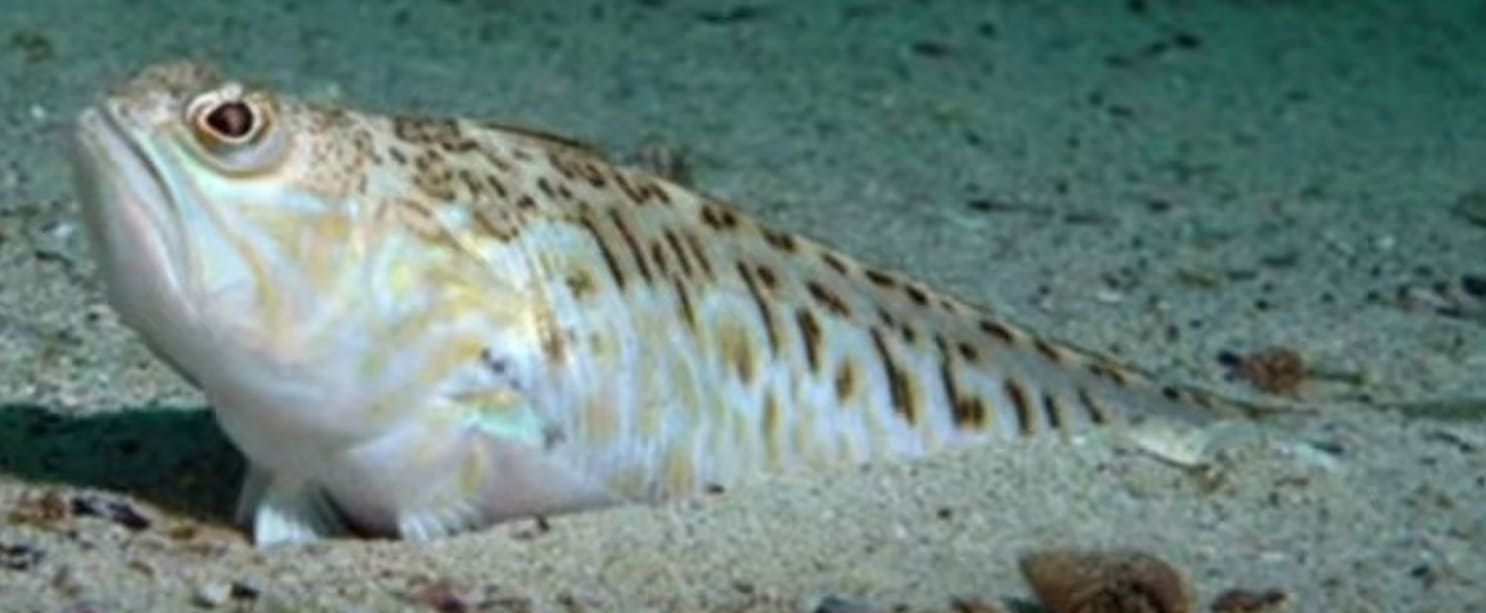
Trachinus draco
Elongated with a large angular head, a groundfish. The mouth is relatively large and slanted upwards. …
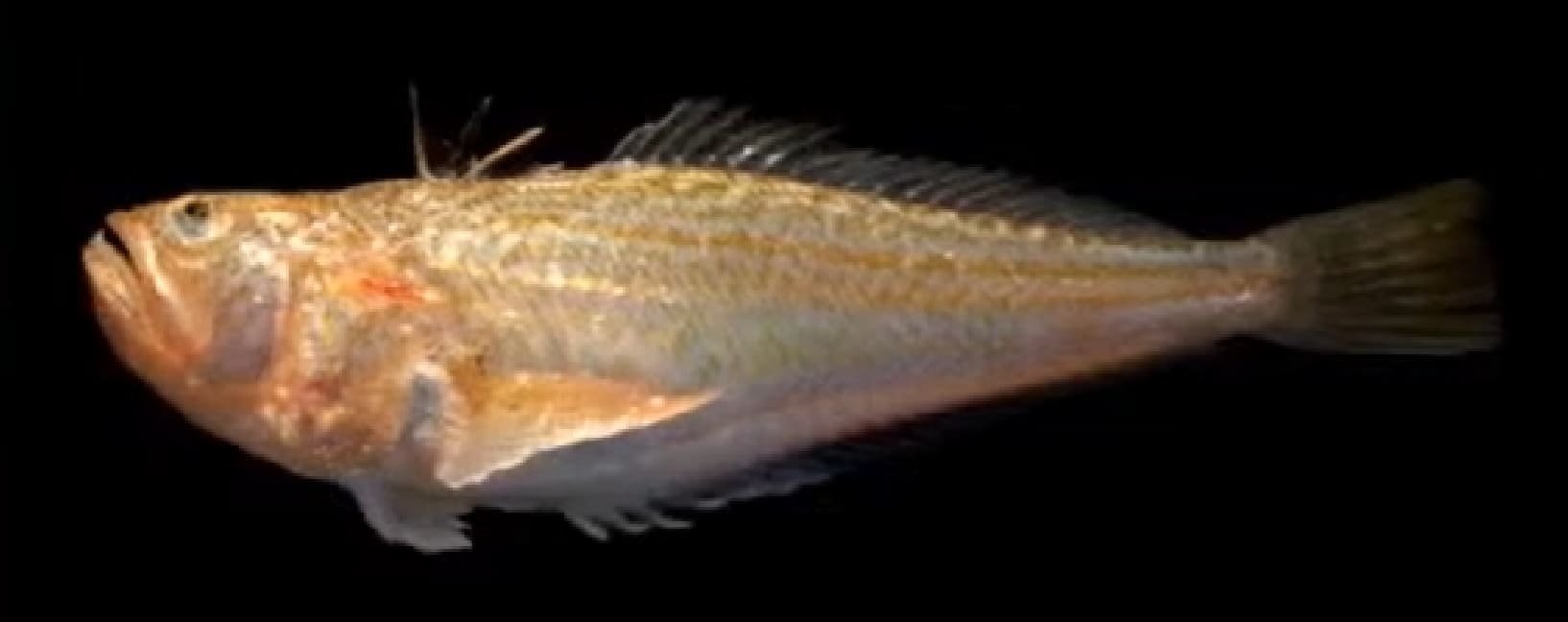
Echiichthys vipera
It has an elongated body, compressed at the sides; its height exceeds ⅕ of the body …
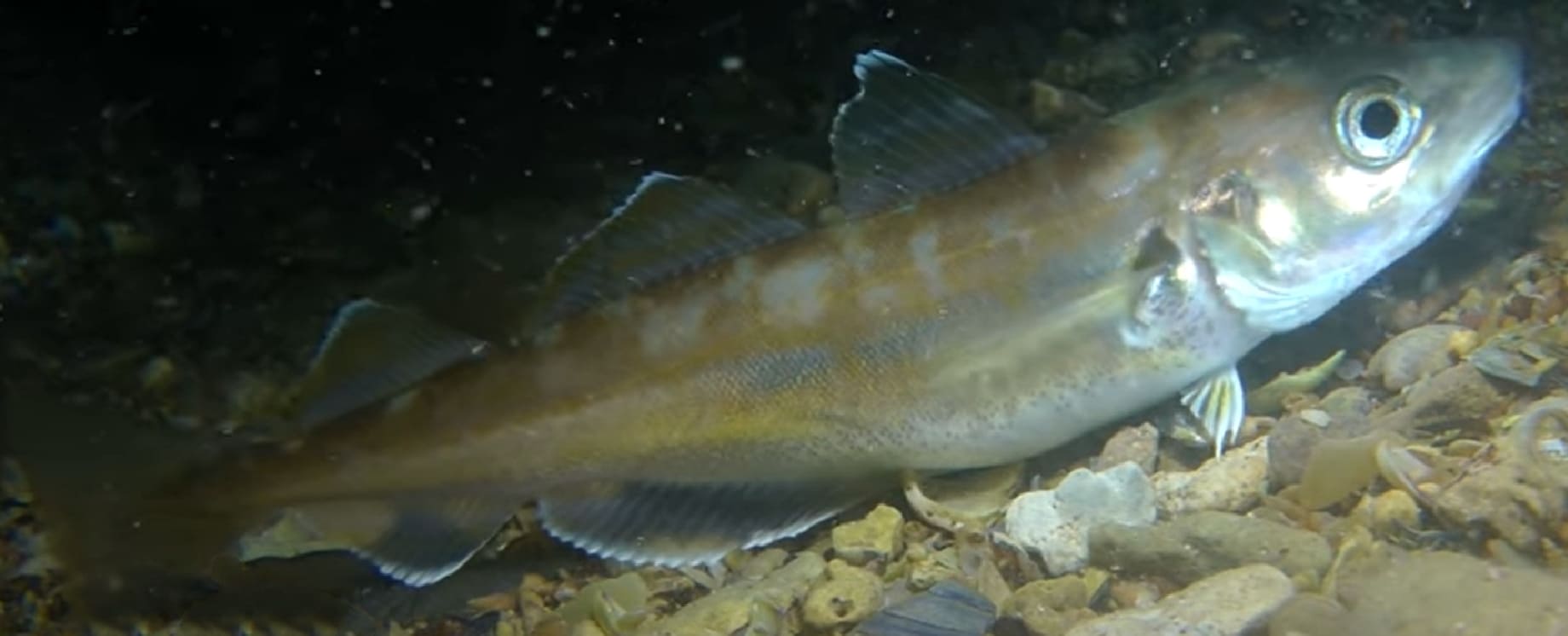
Merlangius merlangus
It has three dorsal fins separated by small slits. The third fin extends almost to the …
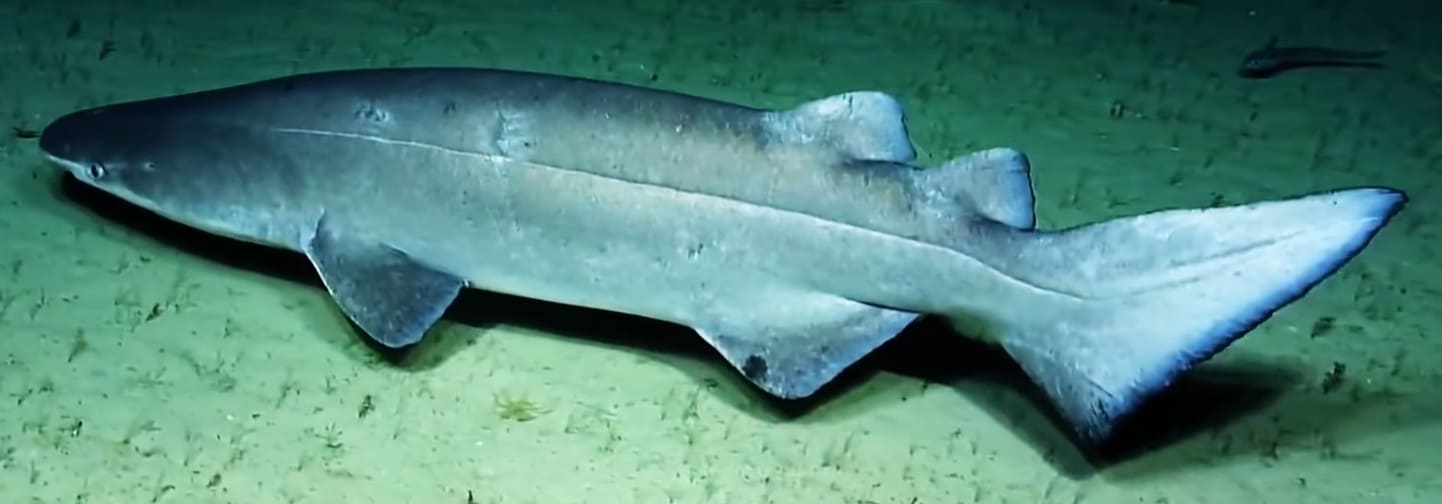
Echinorhinus cookei
They have a flabby, cylindrical body (adultsharks are much more massive than juveniles) and a short, …
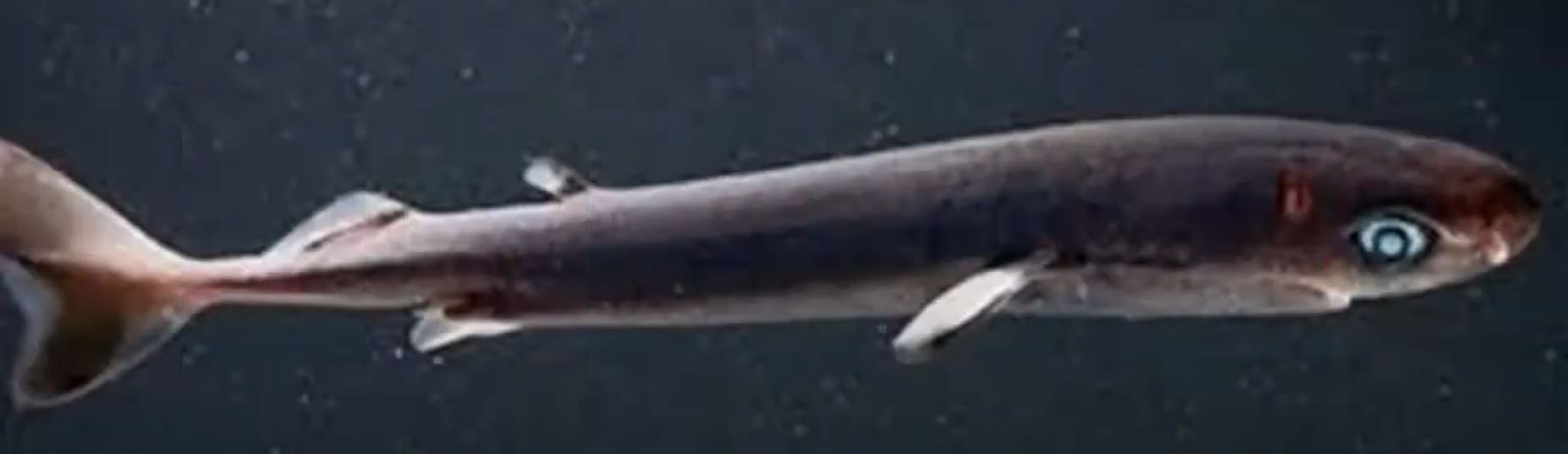
Euprotomicrus bispinatus
The generic name comes from the ancient Greek words εὖ 'good', πρώτος 'first' and μικρός 'small'.The …
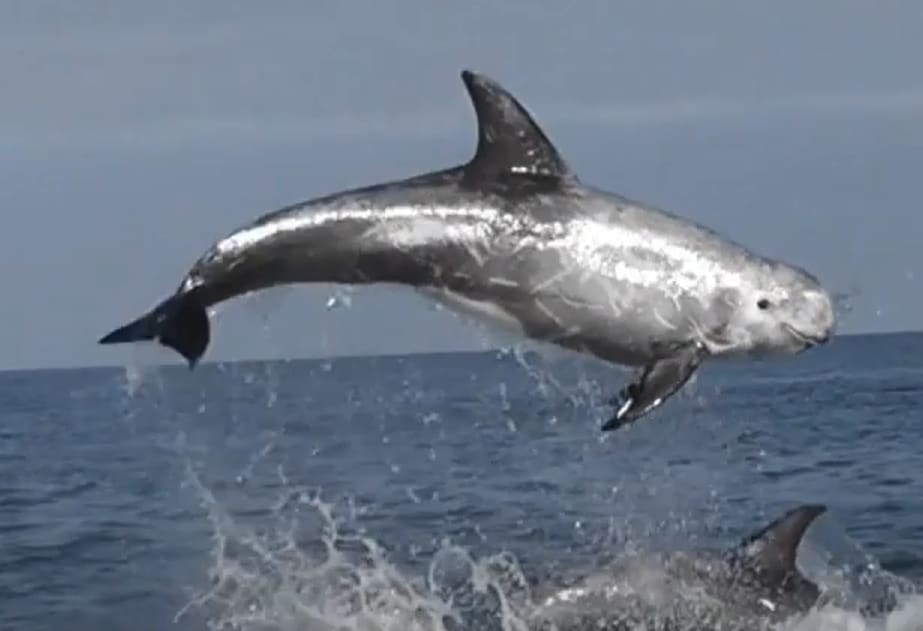
Grampus griseus
Risso's dolphin lacks the typical beak of other dolphins. It has a relatively large front body …
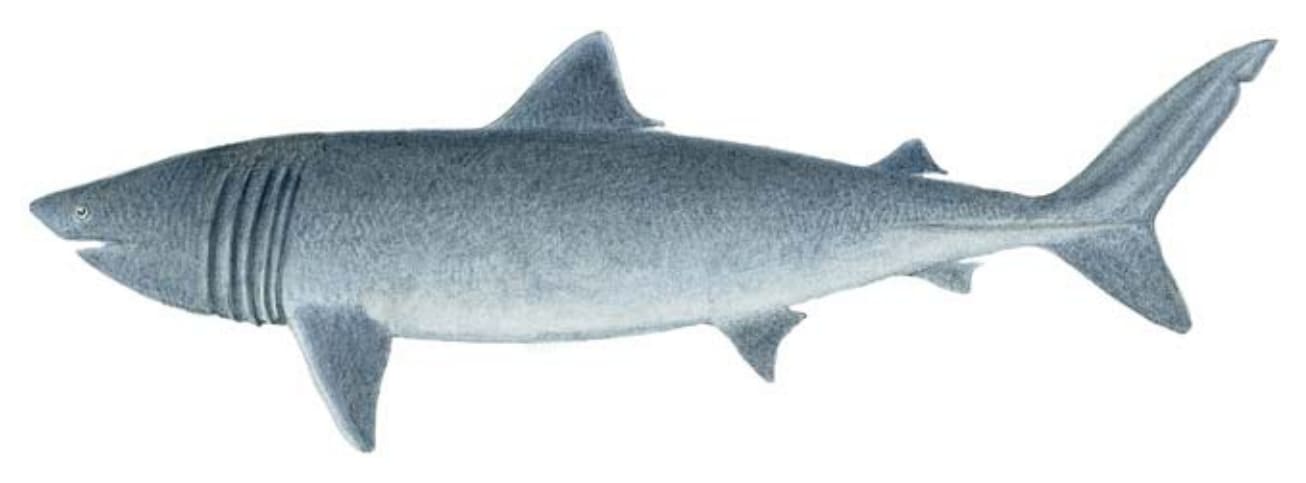
Cetorhinus maximus
The dark gray or slate-gray fish, transitioning to a paler hue, got its name from its …
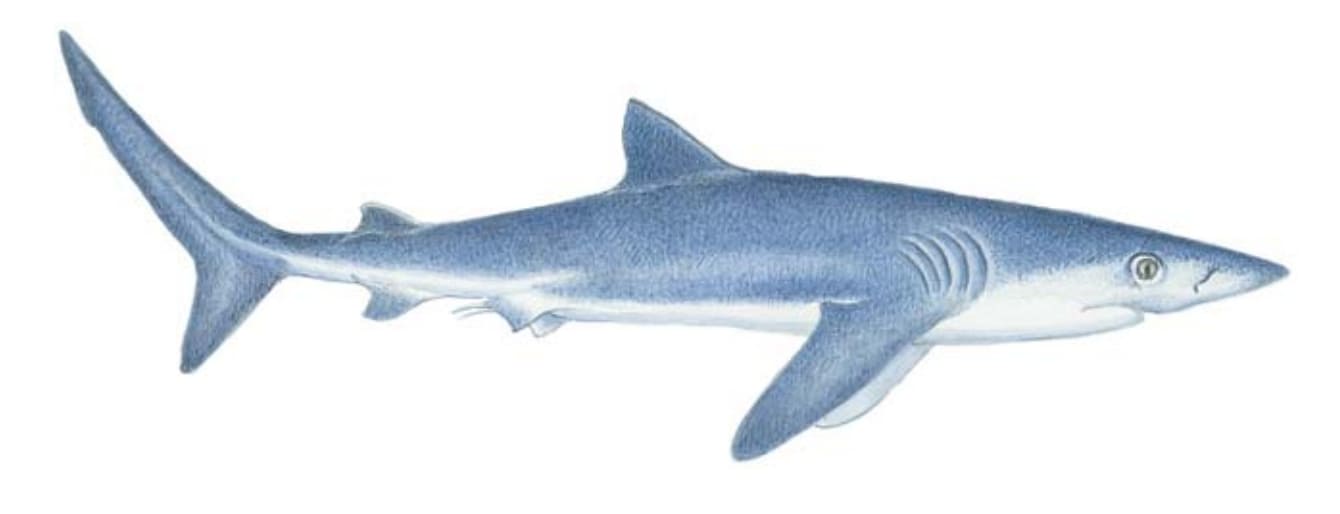
Prionace glauca
The blue shark is very slender and streamlined, with a long and pointed snout that is …
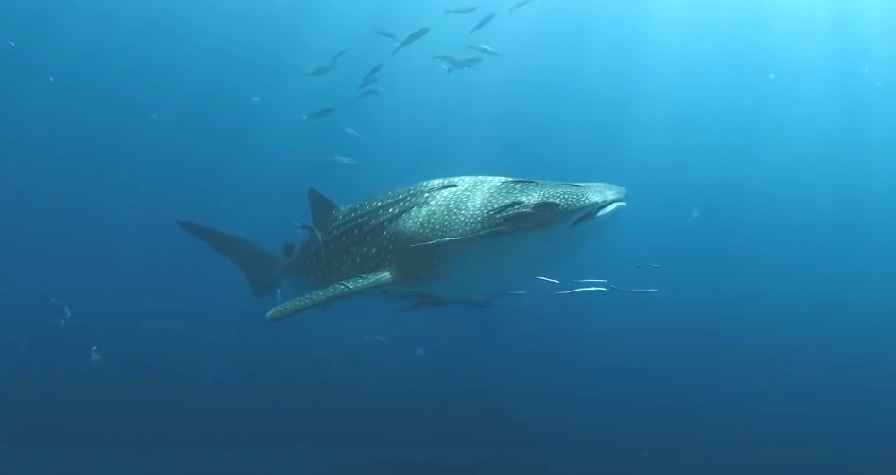
Like all fish, sharks are vertebrates, but ichthyologists separate them from most bony fish because a …
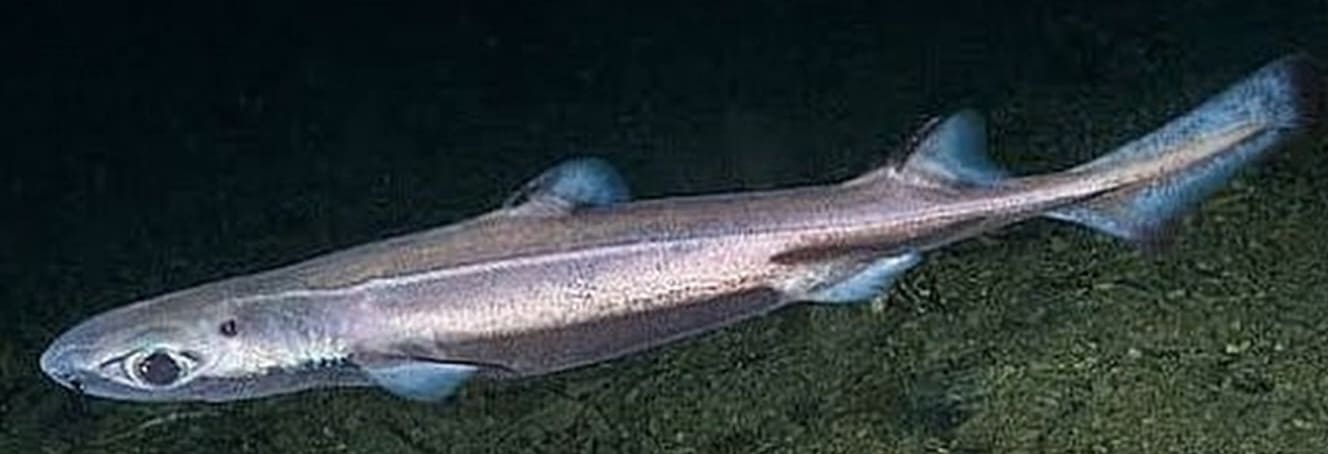
Etmopterus spinax
It is a dense-bodied fish with a moderately elongated, broad, flattened snout. The mouth is surrounded …