 Allfishes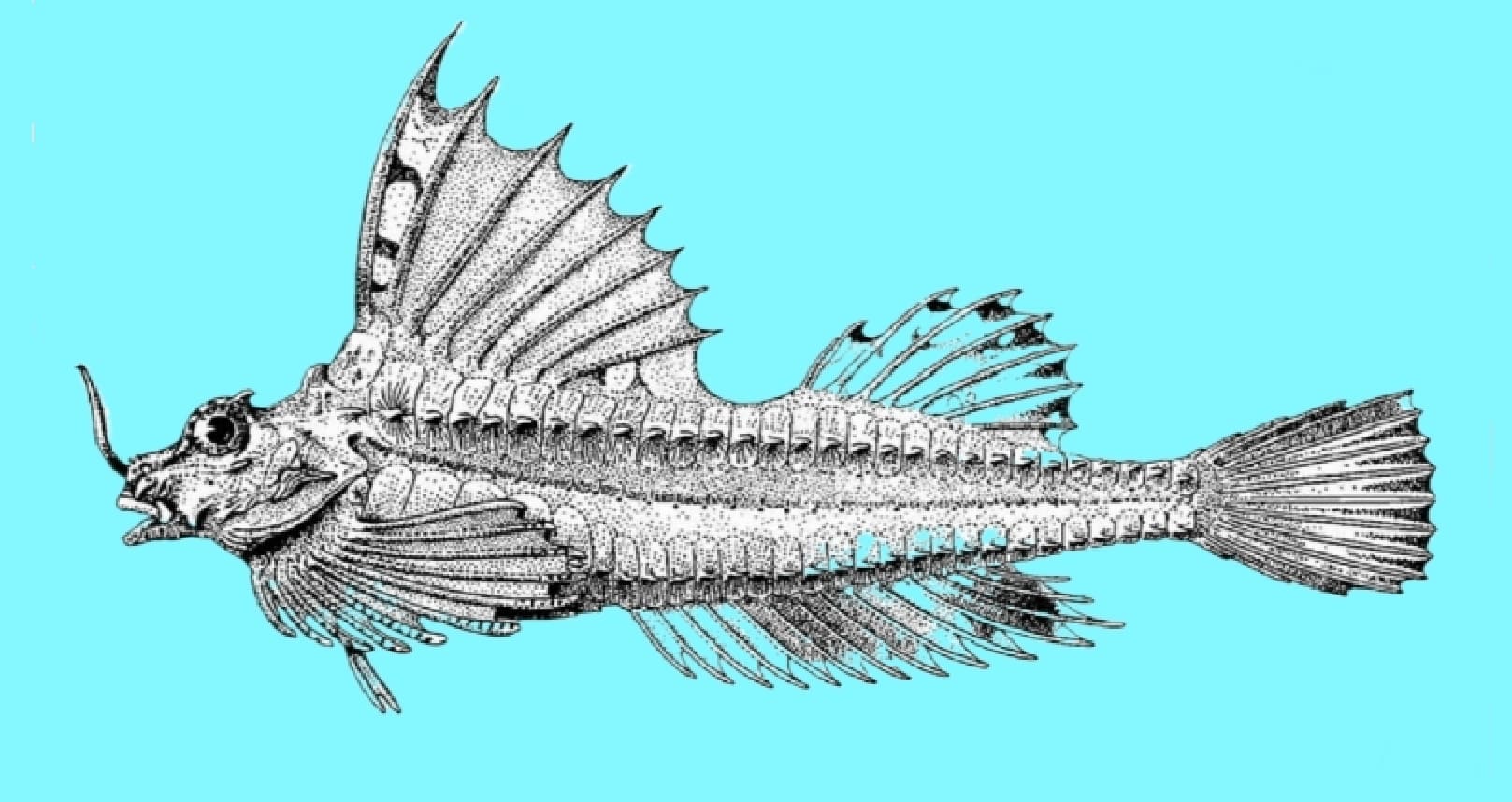
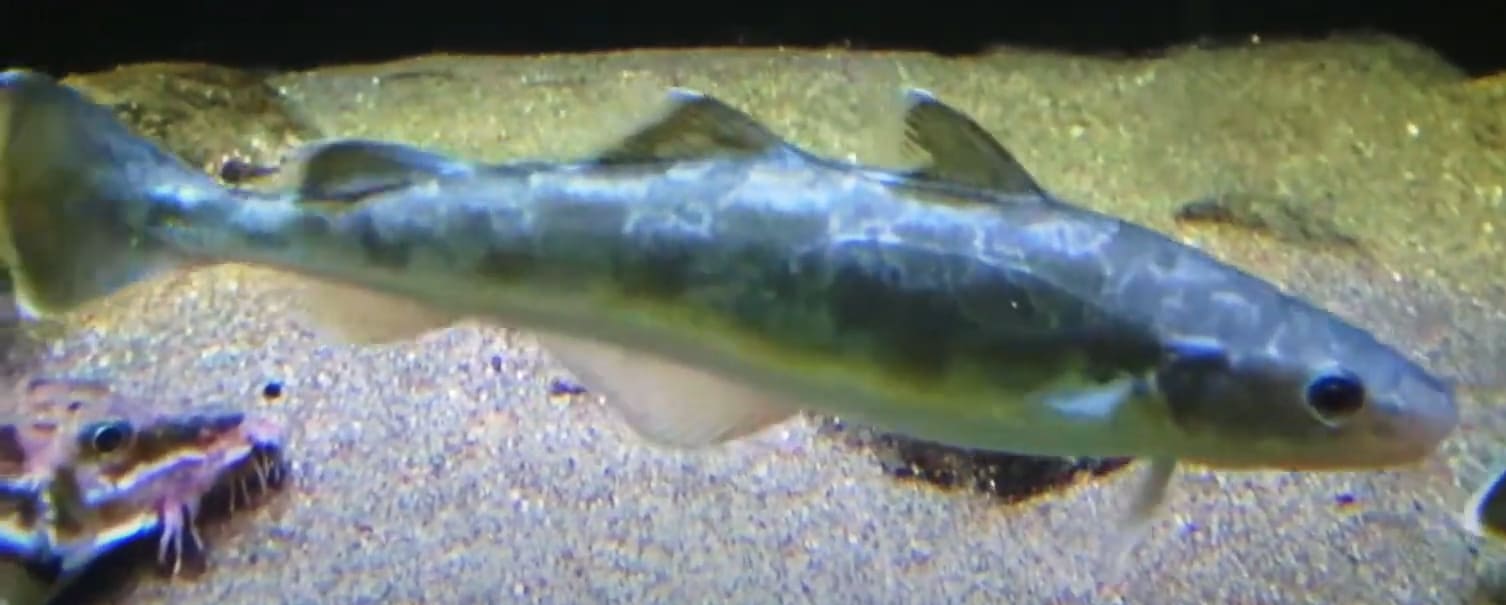
Agonomalus jordani
Agonomalus jordani
The body of Agonomalus jordani is tall, slender and compressed at the sides. The back is …
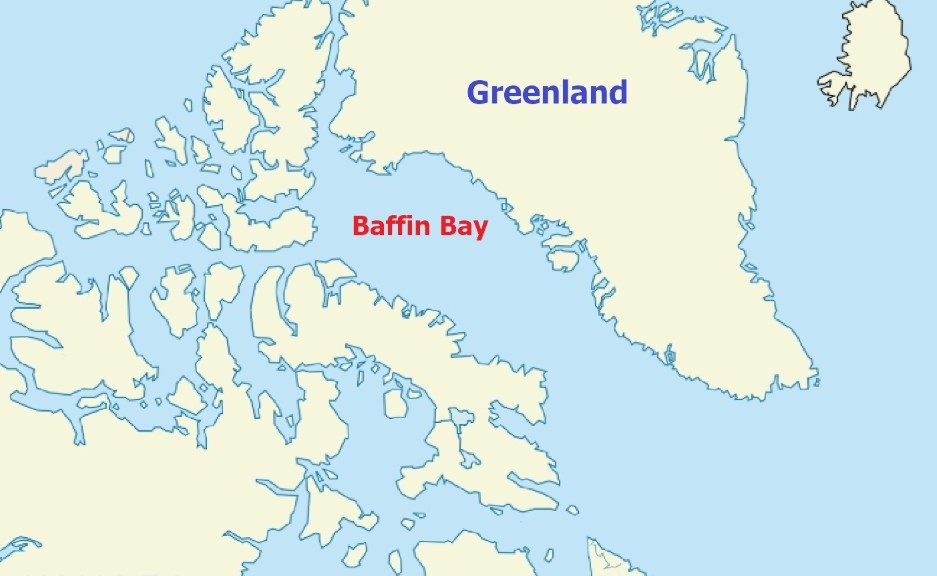 A sea of the Arctic Ocean that borders the Labrador Sea of the Atlantic Ocean and washes the western coast of Greenland. The sea is 1,130 km long from north to south. Surface water temperatures in summer range from 0°C in the northwest to 5°C in the southeast. The water entering the Baffin Sea from the Arctic Basin has a salinity of 30 to 32.7 ‰, and a surface temperature of -2 °C in winter and up to 5 °C in summer. At depths of 400-600 m, the temperature is 1 °C, salinity 34.5 ‰. Water circulation is mainly counterclockwise: in the east, along the coast of Greenland, relatively warm and salty Atlantic water moves northward; in the west, off the coast of Baffin Land, a cold, less salty current carries water from the Arctic Ocean. The climate is arctic with frequent storms, especially in winter. The ice cover reaches Hudson Strait by the end of October. In winter, 80% of the bay is covered with ice. Some winters it freezes completely. Ice is most abundant in March and least abundant in August through September. In summer, drift ice remains in the central and western parts. During this time, many icebergs form and are transported with the ice to the Atlantic Ocean near Newfoundland. Against the background of solid ice in the central part of the sea, an extensive ice-free area in the north stands out, probably caused by the influence of the warm West Greenland Current - North Water polynya.
Despite the very specific climate of the area, the inhabitants of Baffin Bay are not scarce. Typical representatives of the local flora are brown and red algae. Due to the warm westerly currents, there is a high concentration of unicellular algae in the sea basin. They serve as food for microscopic invertebrates, especially krill, which in turn feed larger invertebrates, fish, marine mammals and birds. Invertebrates are more abundant here than in the Beaufort Sea. Numerous species of bottom-dwelling animals live in this sea - cephalopods and clams, sea urchins, jellyfish, daphnids, cyclopids, shrimp, crabs, lobsters, marine worms, and others.
The diversity of fish in this sea is represented by more than 60 different species. Among them are several species of Gadidae (Pacific cod, Greenland cod, Arctic cod) and Pleuronectidae (Greenland halibut, Arctic flounder). Common species are: Capelin, Blue whitings, Saffron cod, Three-spined stickleback, Arctic char, Glacier lantern fish, American sand lance, Beaked redfish. From bottom fish - Shorthorn sculpin, Gelatinous seasnail, Arctic skate, Agonomalus jordani many others. Atlantic cod, Atlantic mackerel, Atlantic herring, Haddock, Atlantic halibut and Roughhead grenadier migrate from the Atlantic Ocean.
A large number of Beluga whales live in this sea. They are constantly in danger of getting trapped in the ice, so sometimes they have to break through the ice to get air and keep swimming. The famous Narwhals also swim here. Other whales, including Killer whales, are also found in the northern part of the sea. Dolphins and walruses also live here. Seals are represented by Harp seal, Ringed seal and Bearded seal.
One of the more fearsome members of the Baffin Bay fauna is the Basking shark. Despite their impressive size, they pose no threat to humans. The Greenland shark is also found here. It can grow to over 6 meters in length. This species has established itself in many Arctic seas. Cases of their attacks on humans have also not been recorded. There is no reliable information about the presence of other shark species in this sea. However, it is possible that species such as the Spiny dogfish and the Salmon shark exist in these areas.
Showing 1–24 of 27
Agonomalus jordani
The body of Agonomalus jordani is tall, slender and compressed at the sides. The back is …
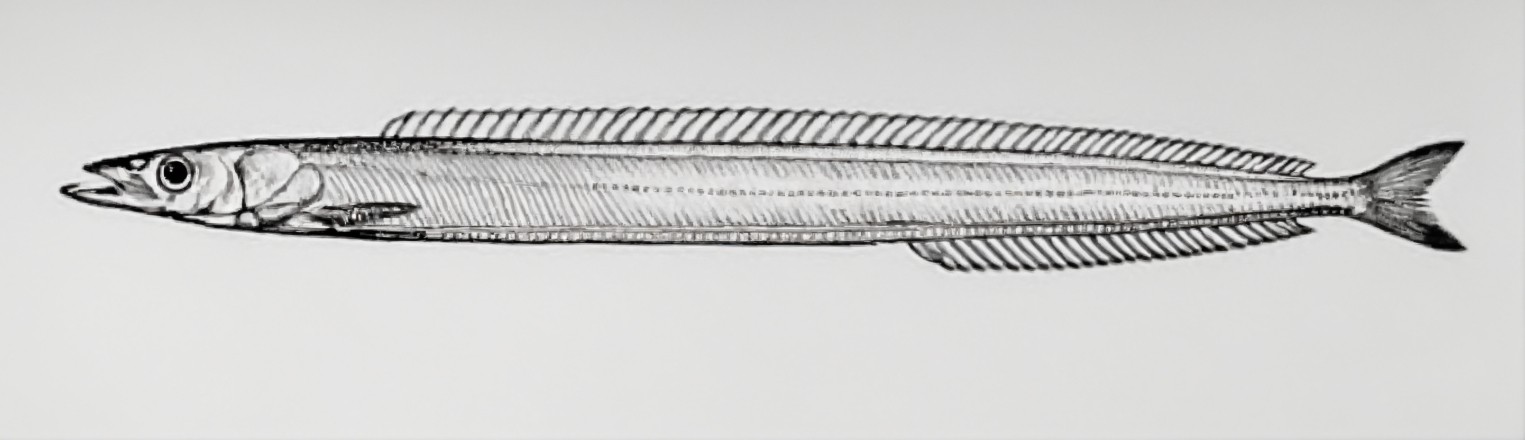
Ammodytes americanus
Like all lances, the American sand lance has a long, slender body with a pointed snout. …
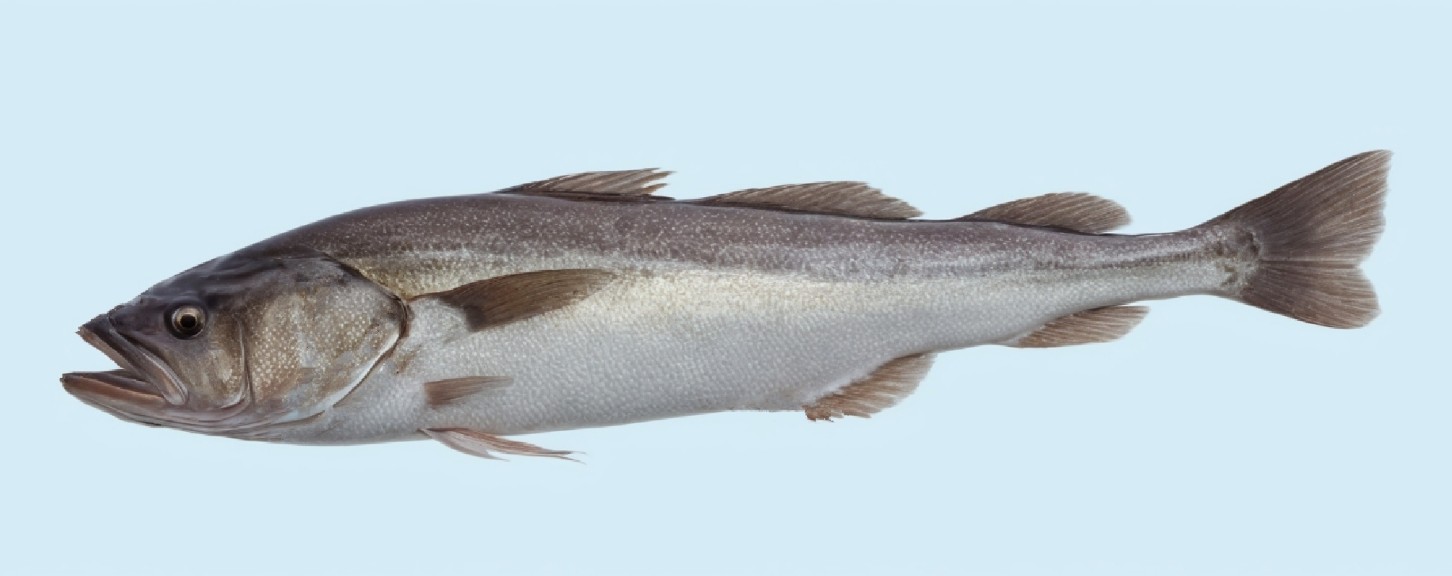
Arctogadus glacialis
Arctic cod are characterized by a thin body, a deeply bifurcated tail, a protruding mouth, large …
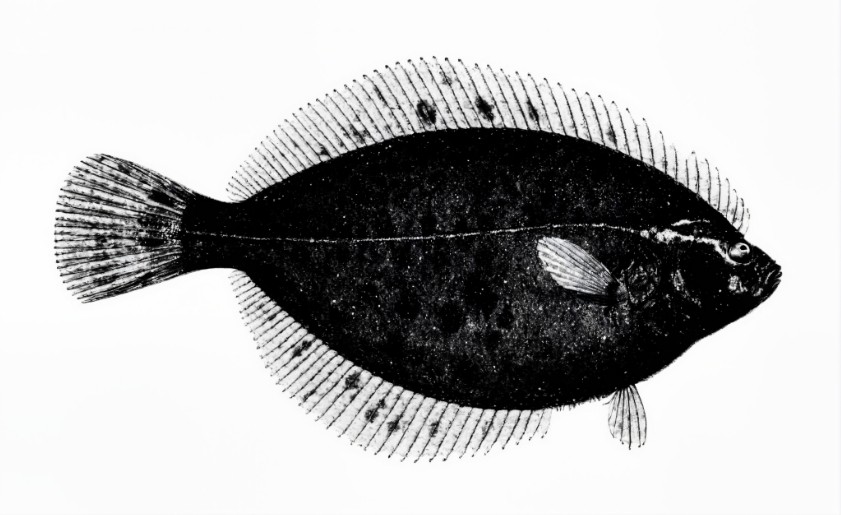
Liopsetta glacialis
It is a right eyed flounder. It is characterized by the presence of both eyes on …
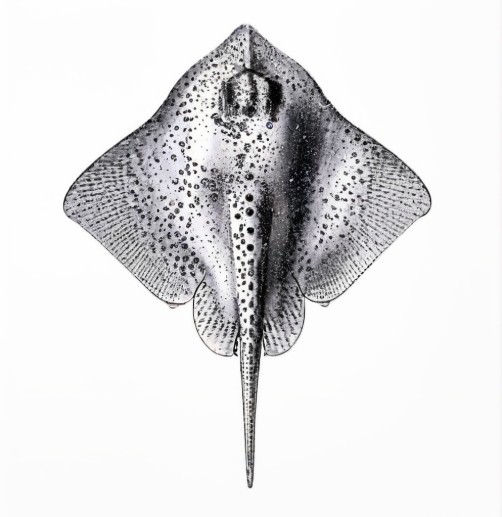
Amblyraja hyperborea
The broad and flat pectoral fins of the Arctic skate form a rhombic disk with a …
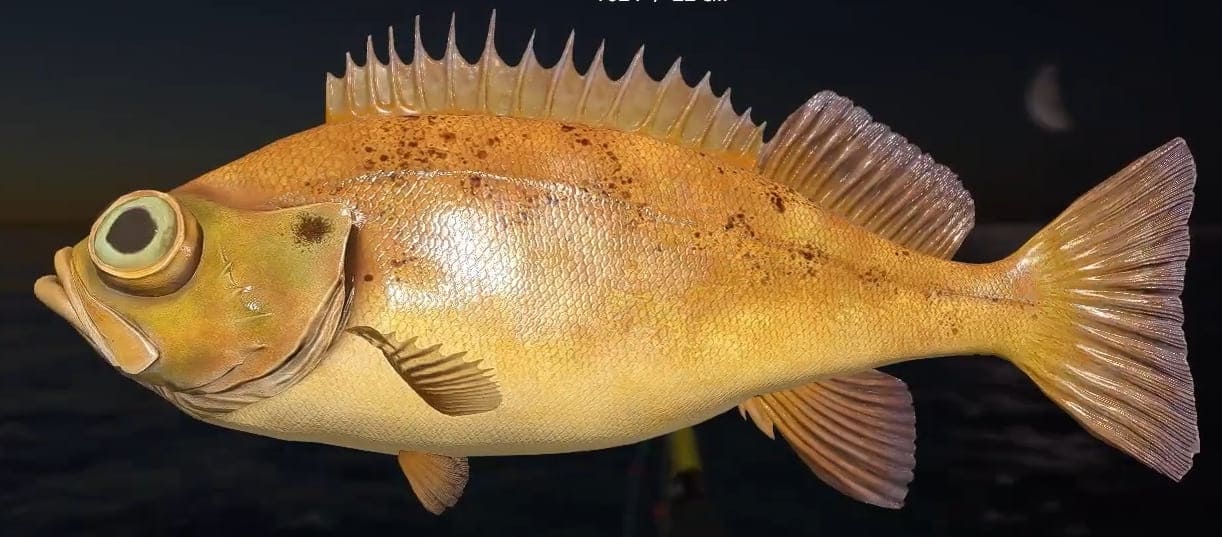
Sebastes mentella
Massive body covered with ctenoid scales. Numerous spines and ridges are poorly developed on the head. …
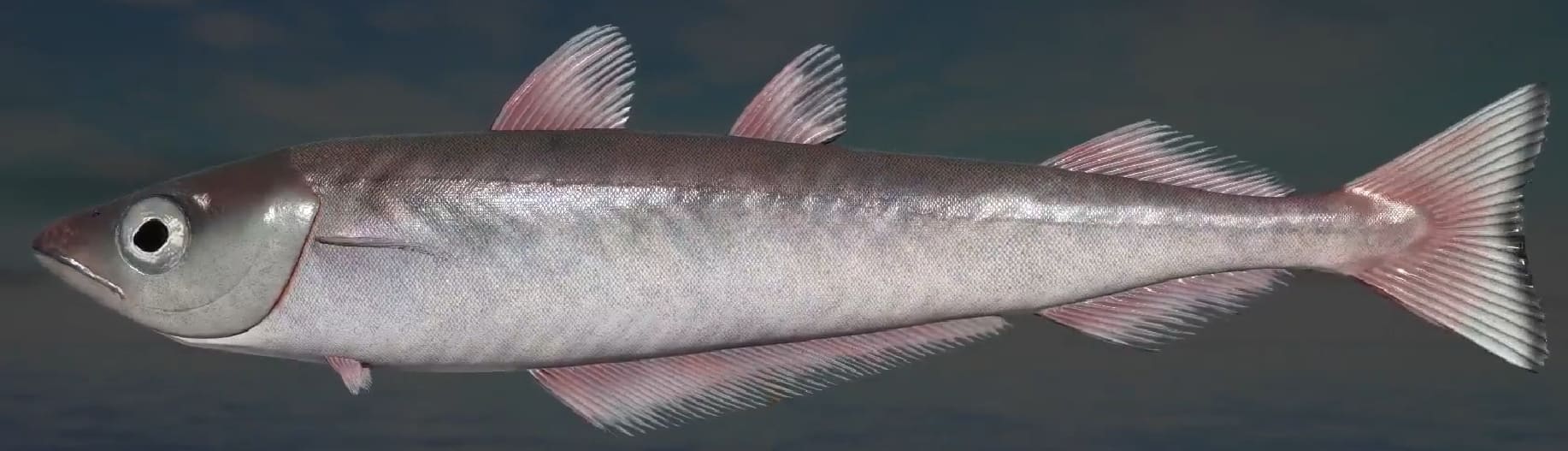
Micromesistius poutassou
The body is elongated and covered with very small, slightly falling cycloid scales. There is no …
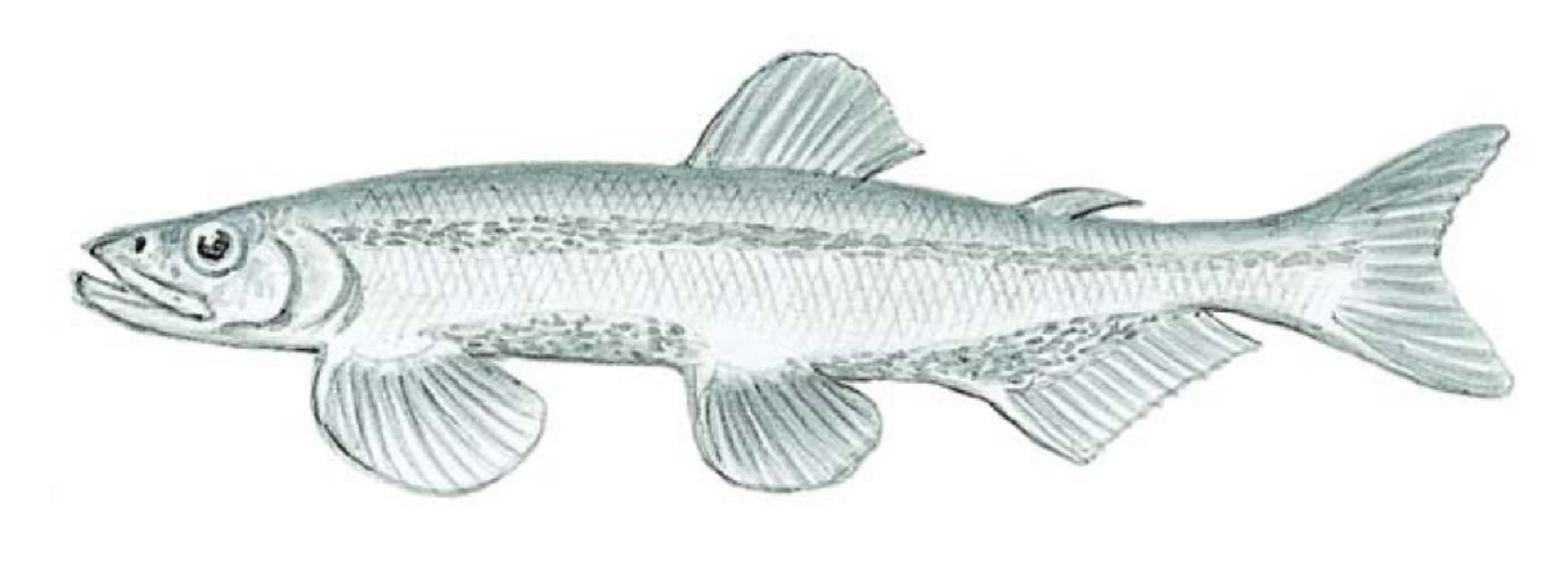
Mallotus villosus
The capelin has a large mouth with a lower jaw that extends below each eye. Males …
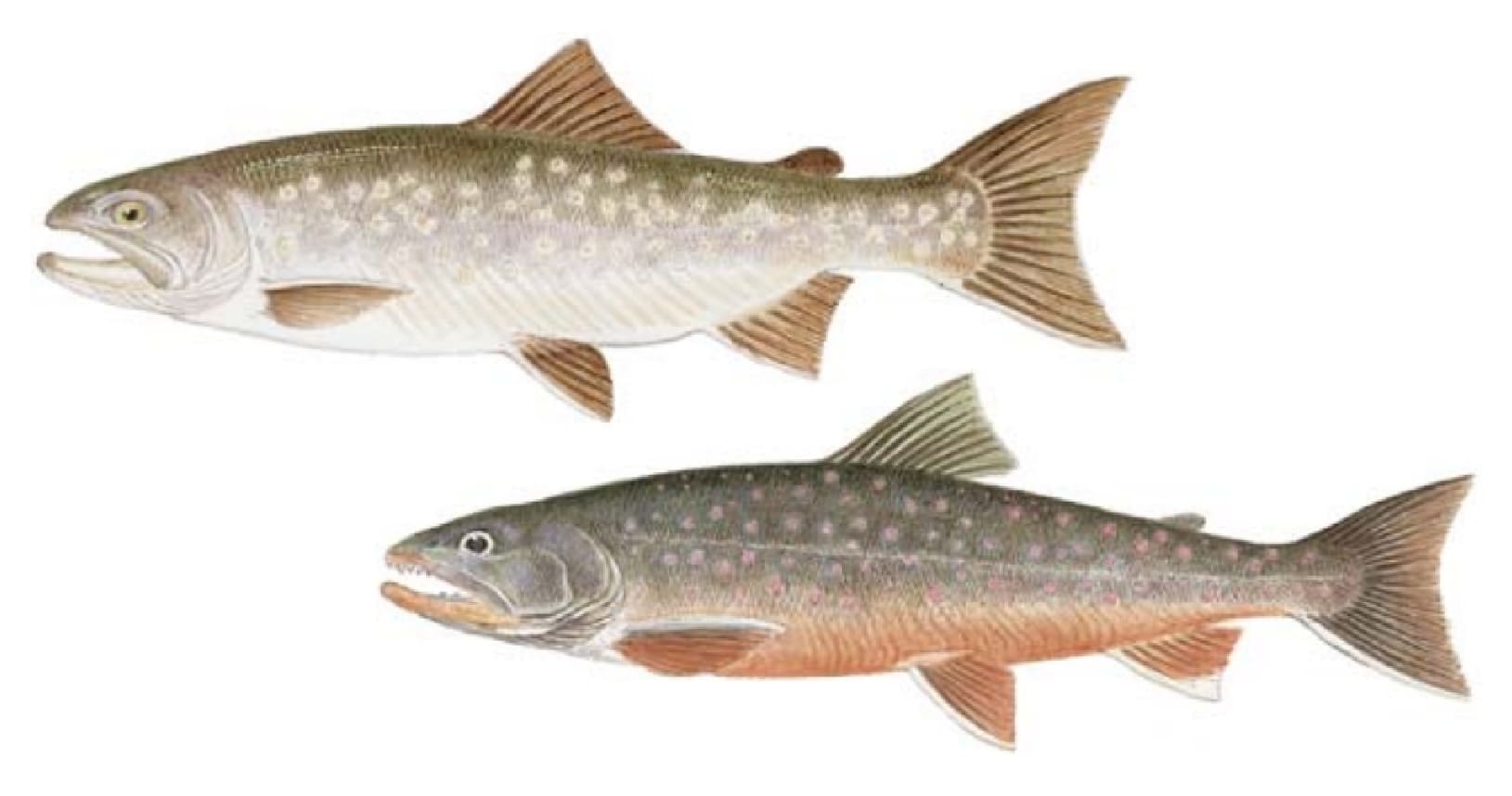
Salvelinus alpinus
Like all members of the genus Salvelinus, the Arctic charr has bright spots on the body, …
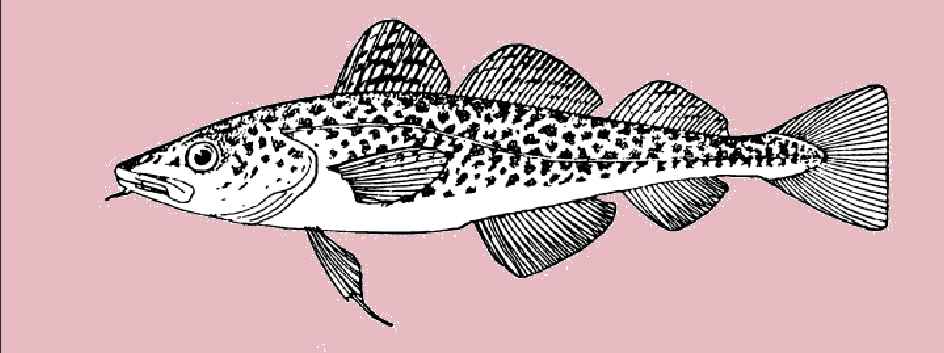
Gadus morhua
The Atlantic cod has three dark dorsal fins and two dark anal fins, none of which …
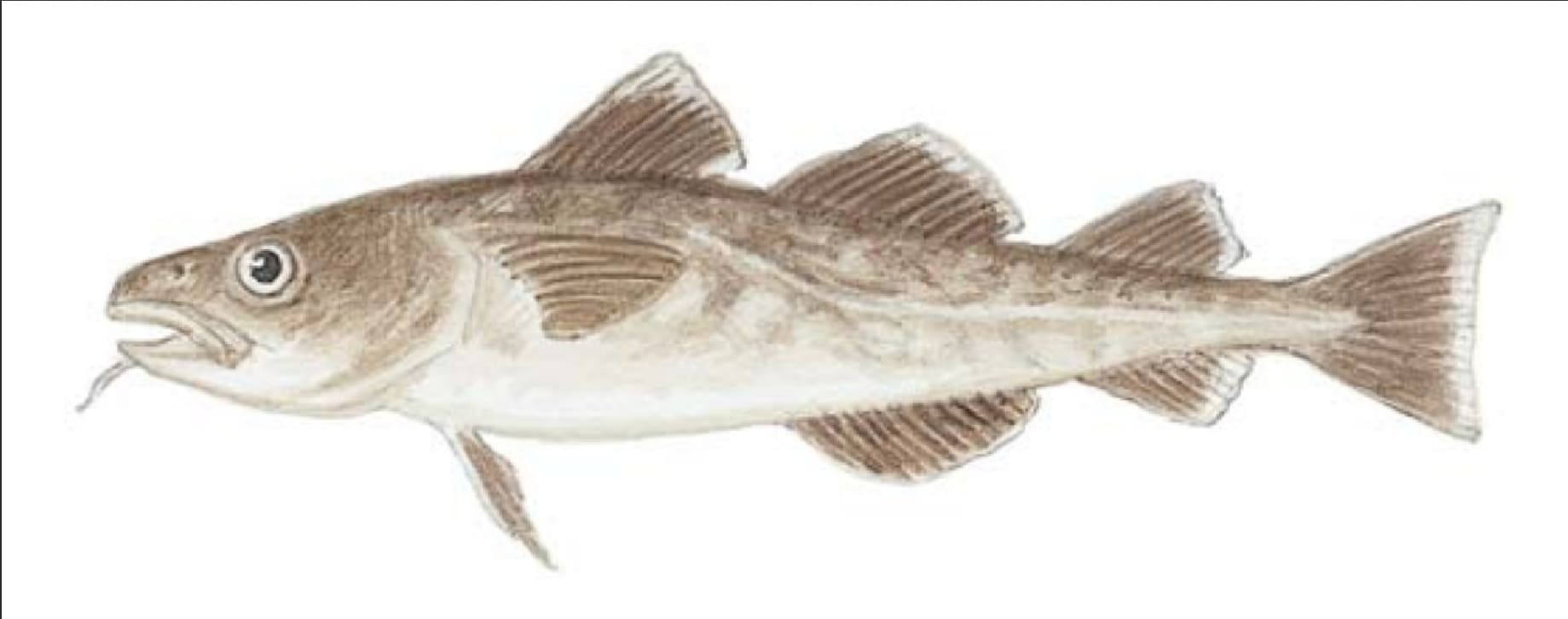
The Pacific cod, characteristic of the cod family, has three distinct dorsal fins, two anal fins, …
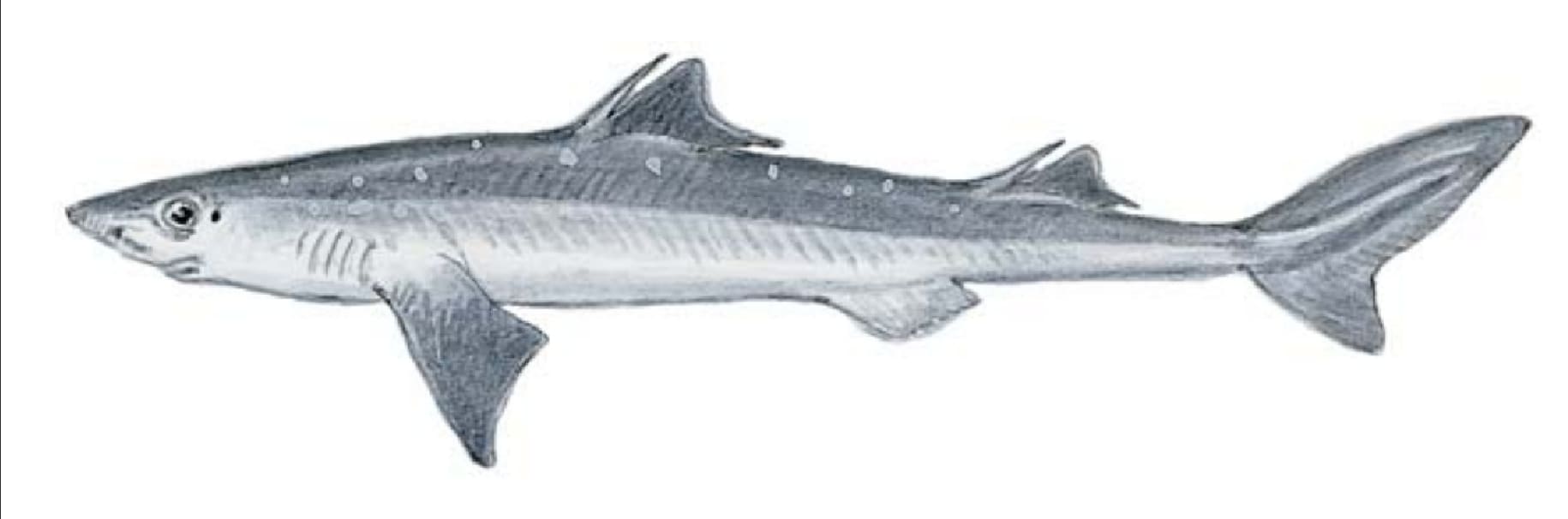
Squalus acanthias
The body is elongated and slender. Head is pointed. Coloration from above from slate-gray to brownish, …
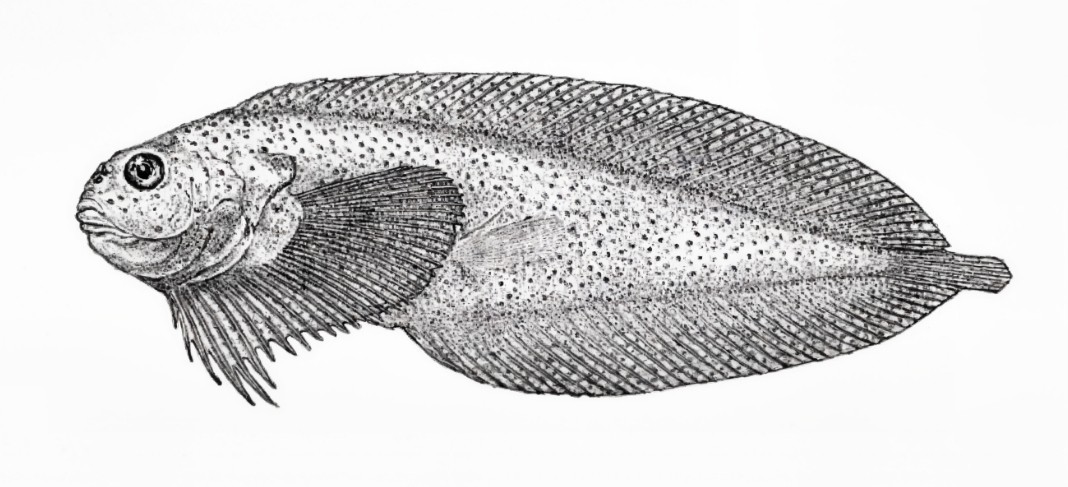
Liparis fabricii
The body shape of the Gelatinous seasnail resembles a tadpole with a large rounded head and …
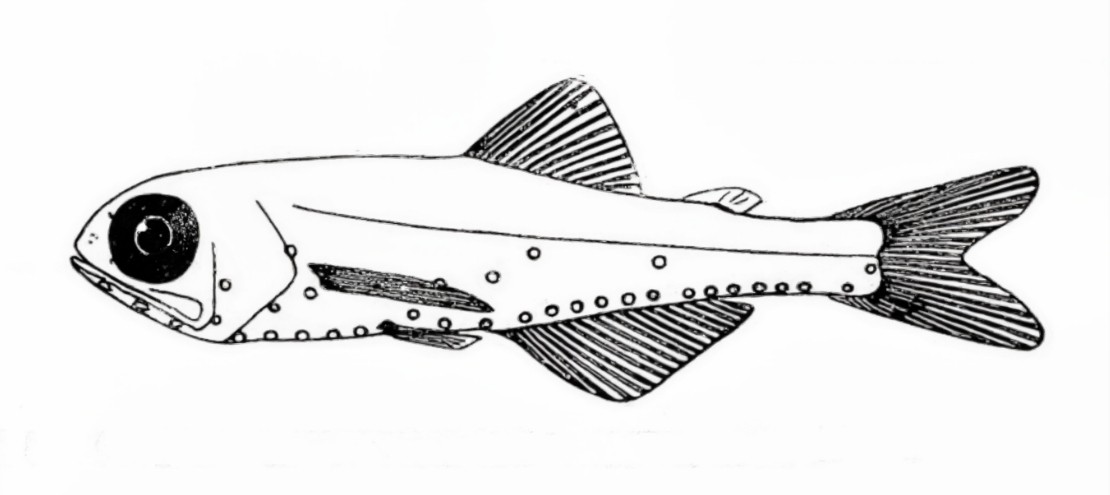
Benthosema glaciale
The largest size of the glacier lantern fish is 22-25% of the body length without the …
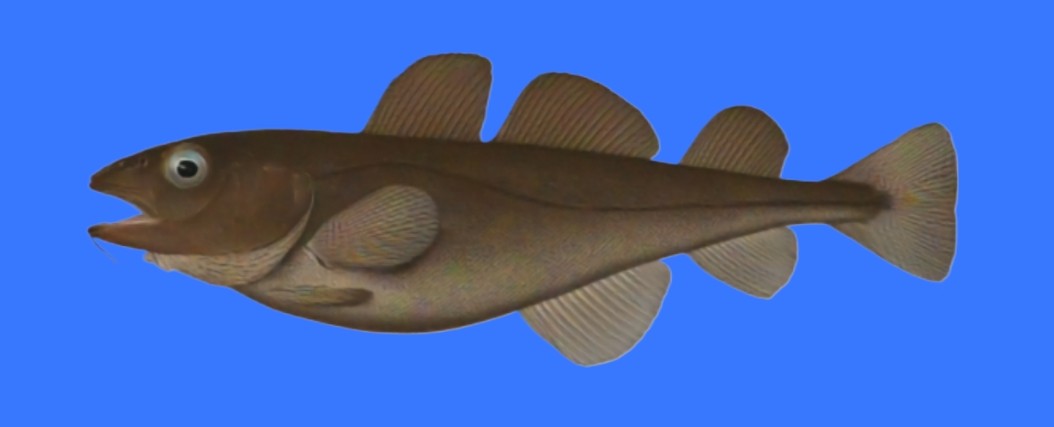
Gadus ogac
Externally, the Greenland cod is similar to other cod species. Head is elongated and broad, 25.0-25.2% …
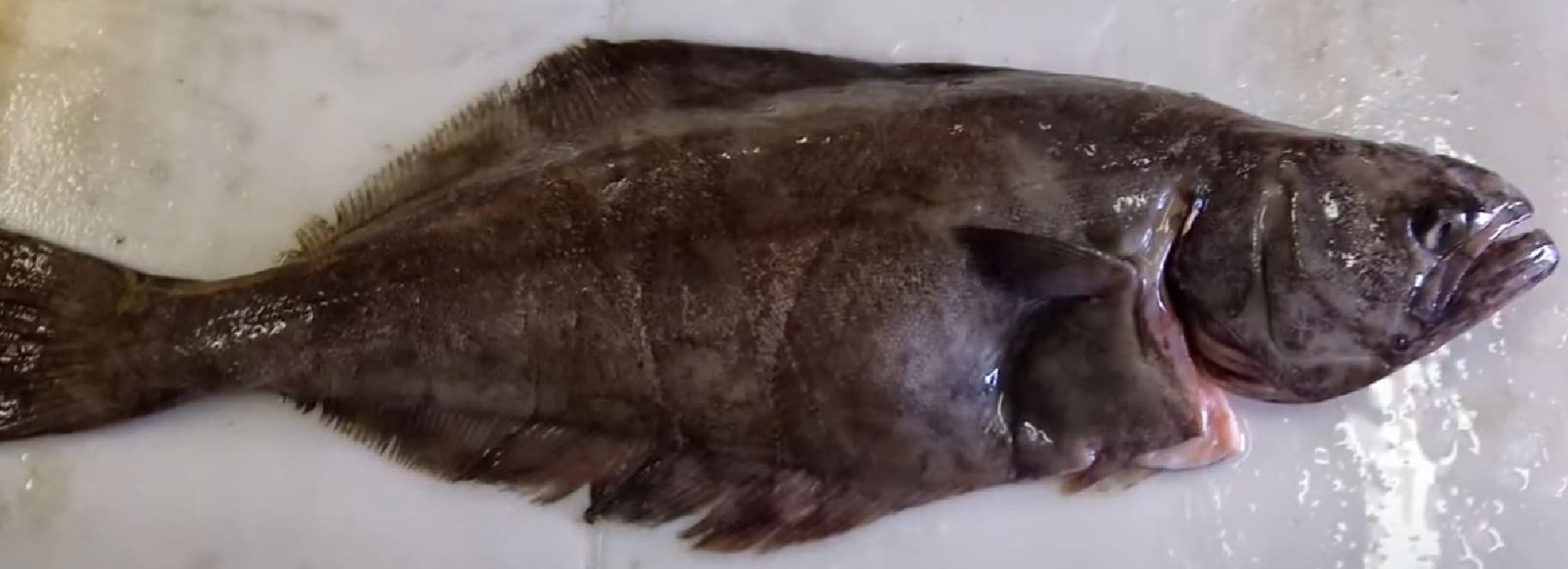
Reinhardtius hippoglossoides
The body is elongated and covered with fine cycloid scales. The eyes are located on the …
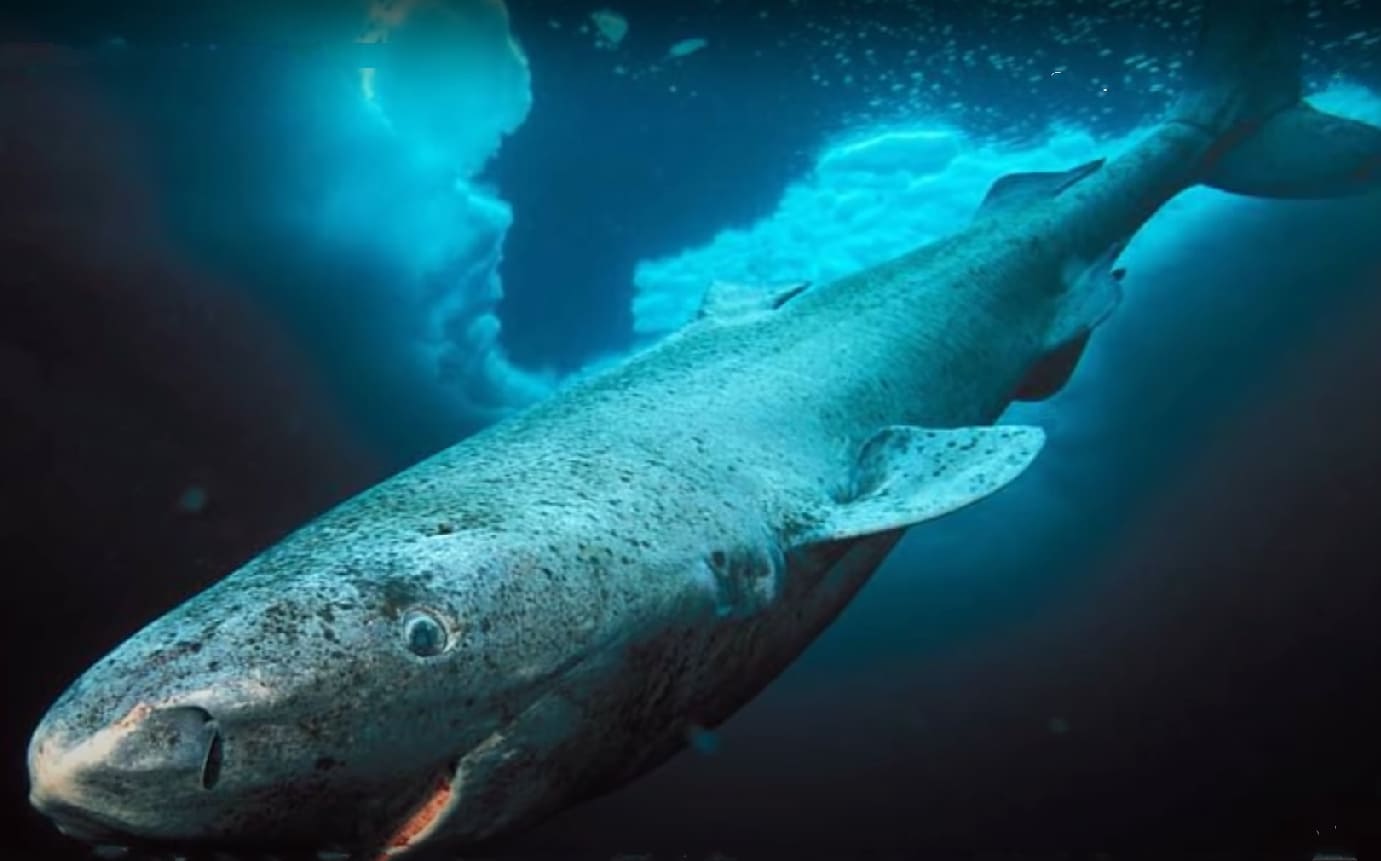
Somniosus microcephalus
The head is elongated and the distance from the tip of the snout to the pectoral …
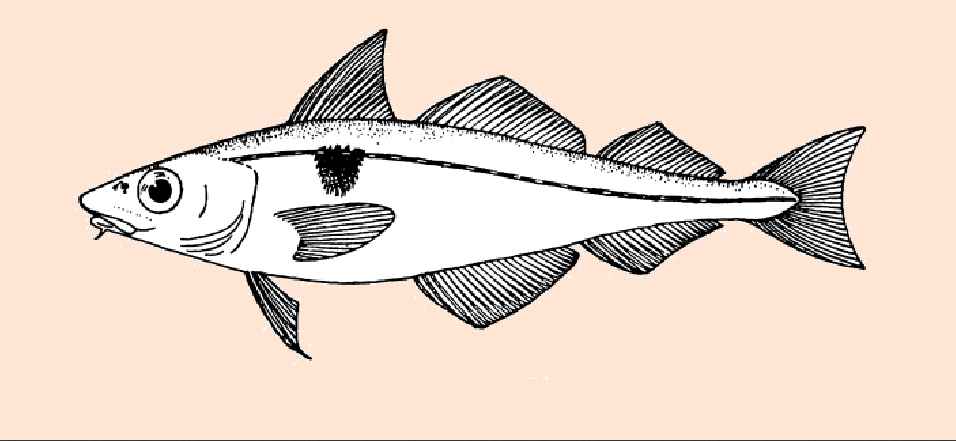
Melanogrammus aeglefinus
Haddock has three dorsal fins and two anal fins. The first dorsal fin is high and …
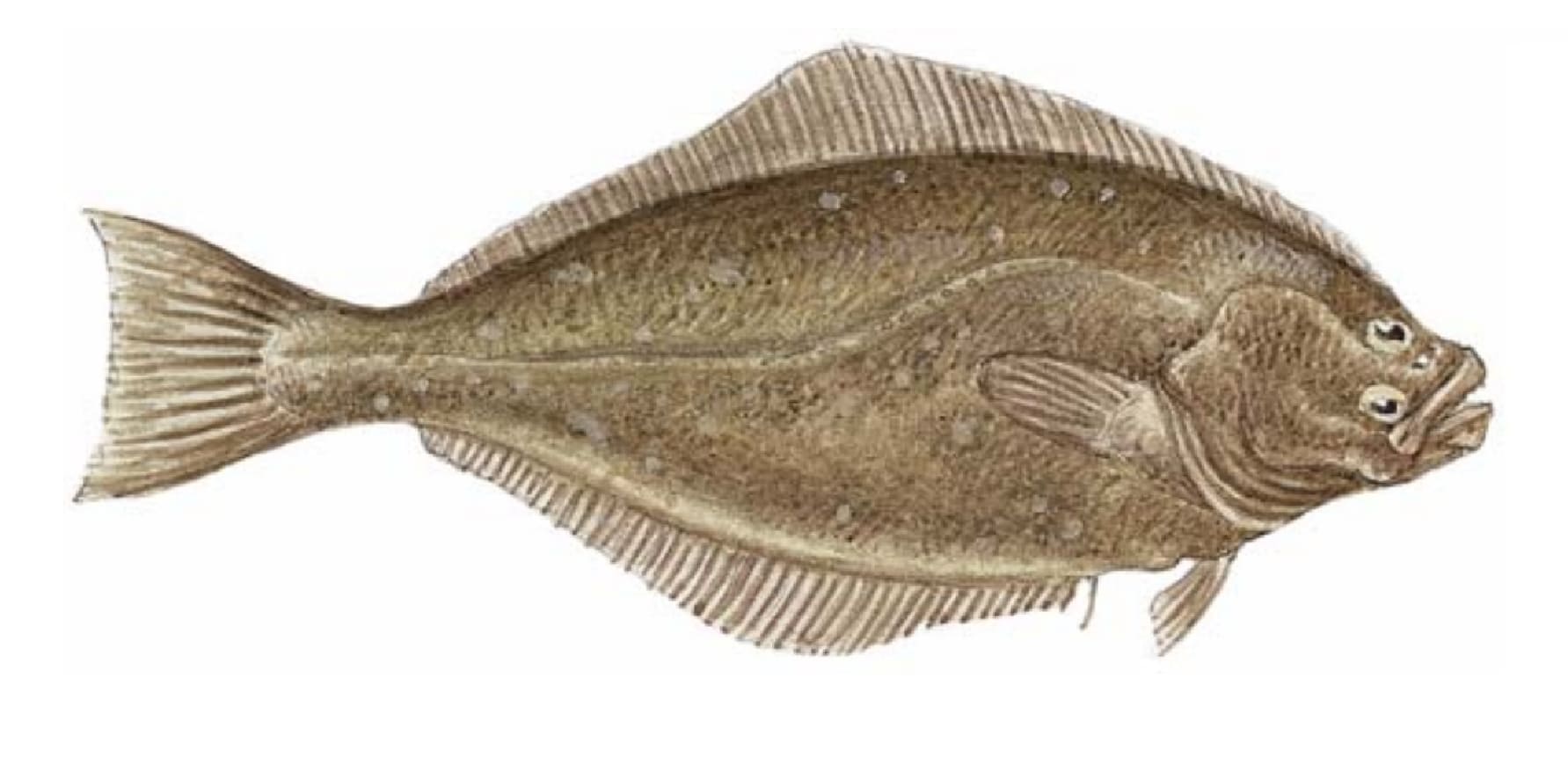
Hippoglossus hippoglossus
The body is elongated broad, somewhat flattened, oval, bordered by long dorsal and anal fins. Head …
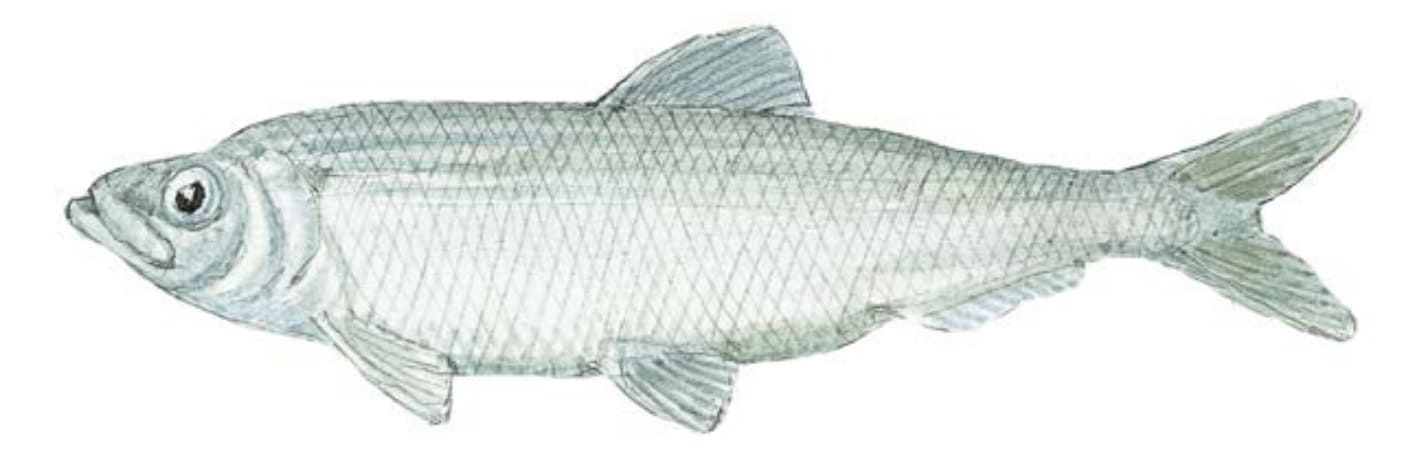
Clupea harengus
The body is not high (its height is about 1/5 of body length). Head is comparatively …
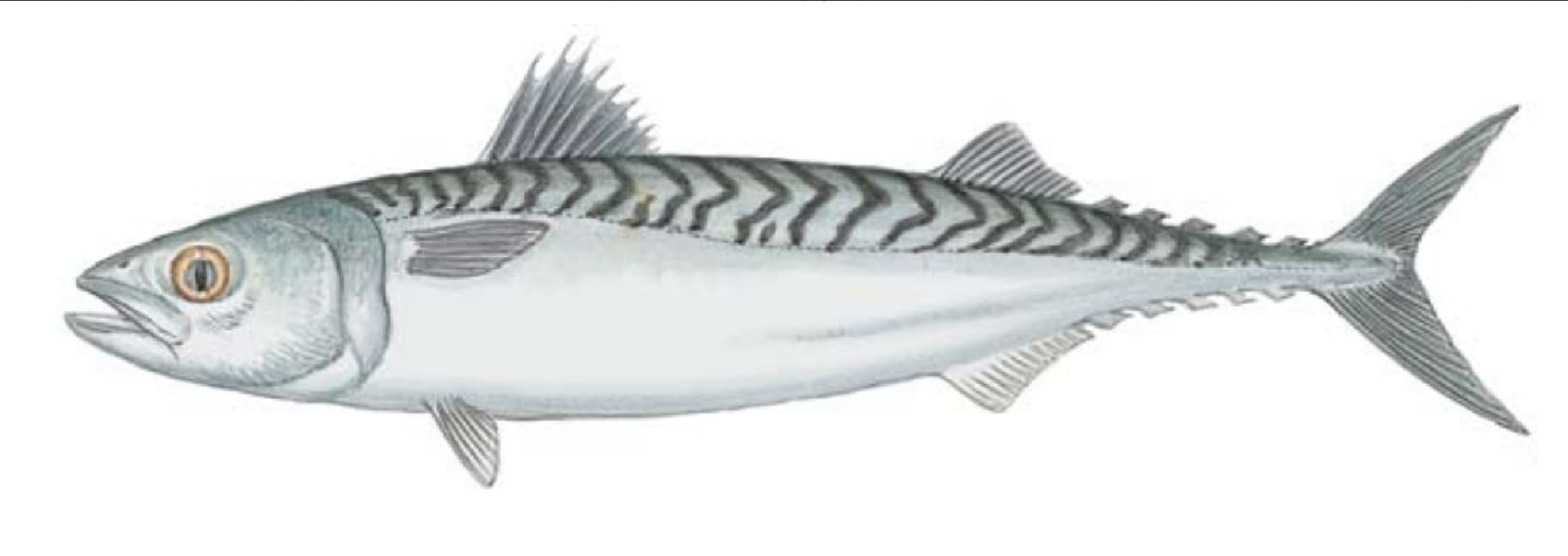
Scomber scombrus
The body is fusiform, slightly compressed from the sides. The scales are fine, cycloidal. The length …
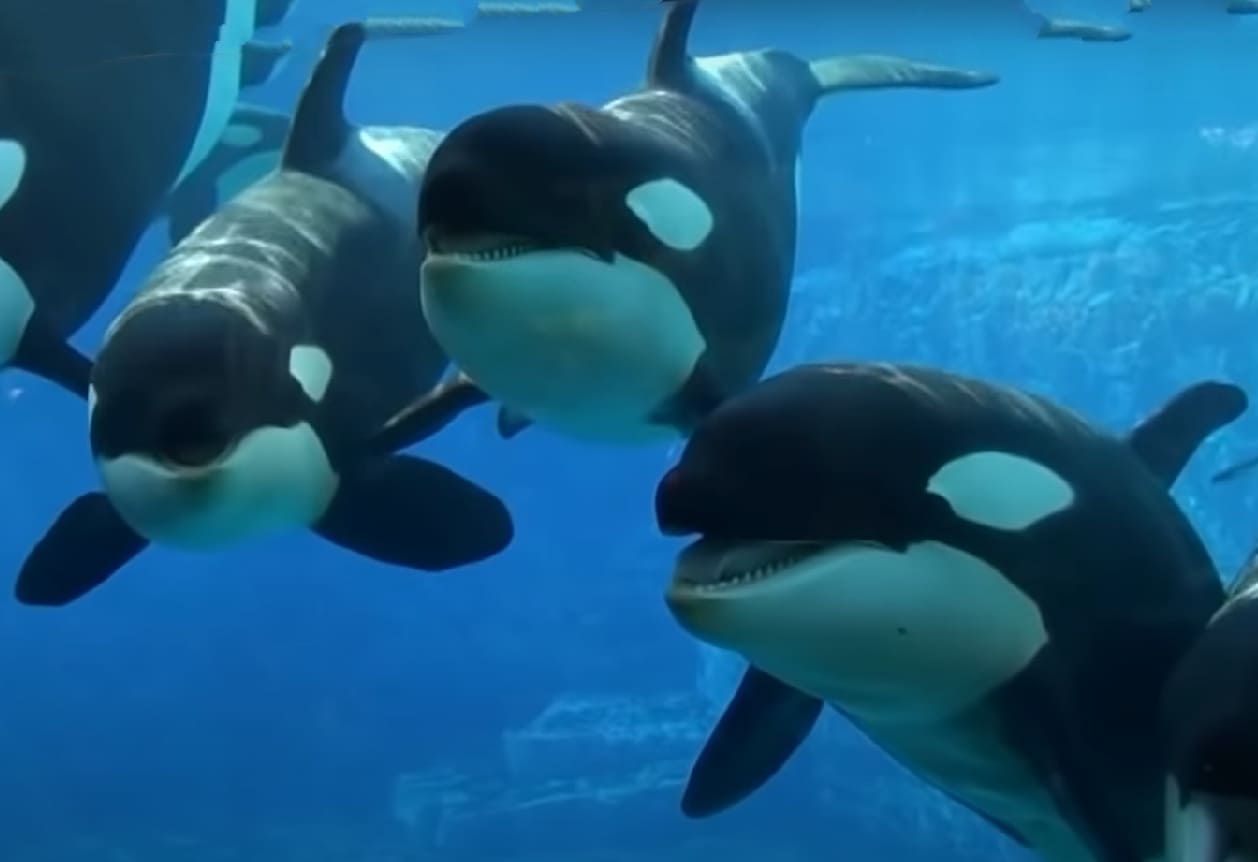
Orcinus orca
The Latin orca is thought to derive from the Greek ὄρυξ - a word used by …
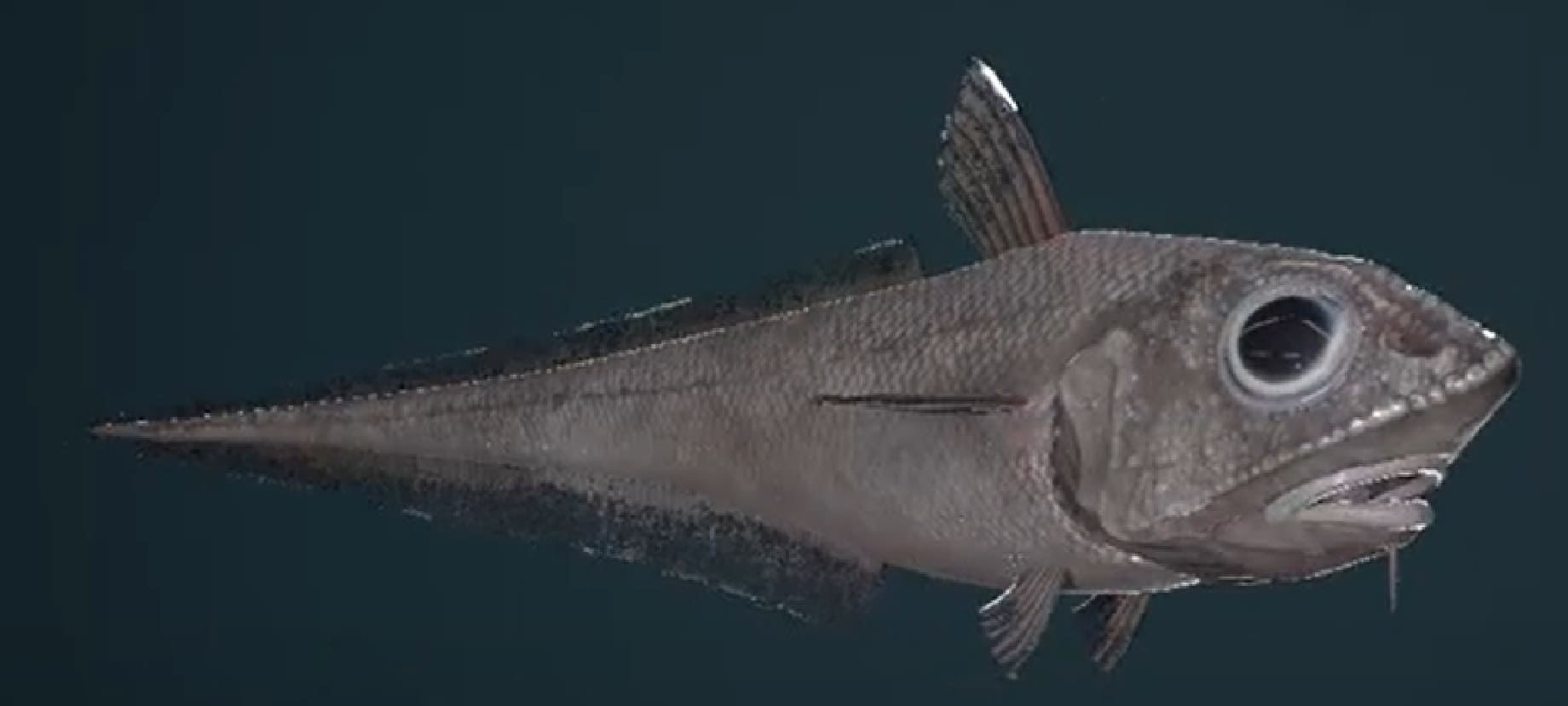
Macrourus berglax
The body is elongated, highest near the first dorsal fin and tapering towards the rear end. …
Eleginus gracilis
The lower jaw is shorter than the upper jaw, there is a chin tendril whose length …