 Allfishes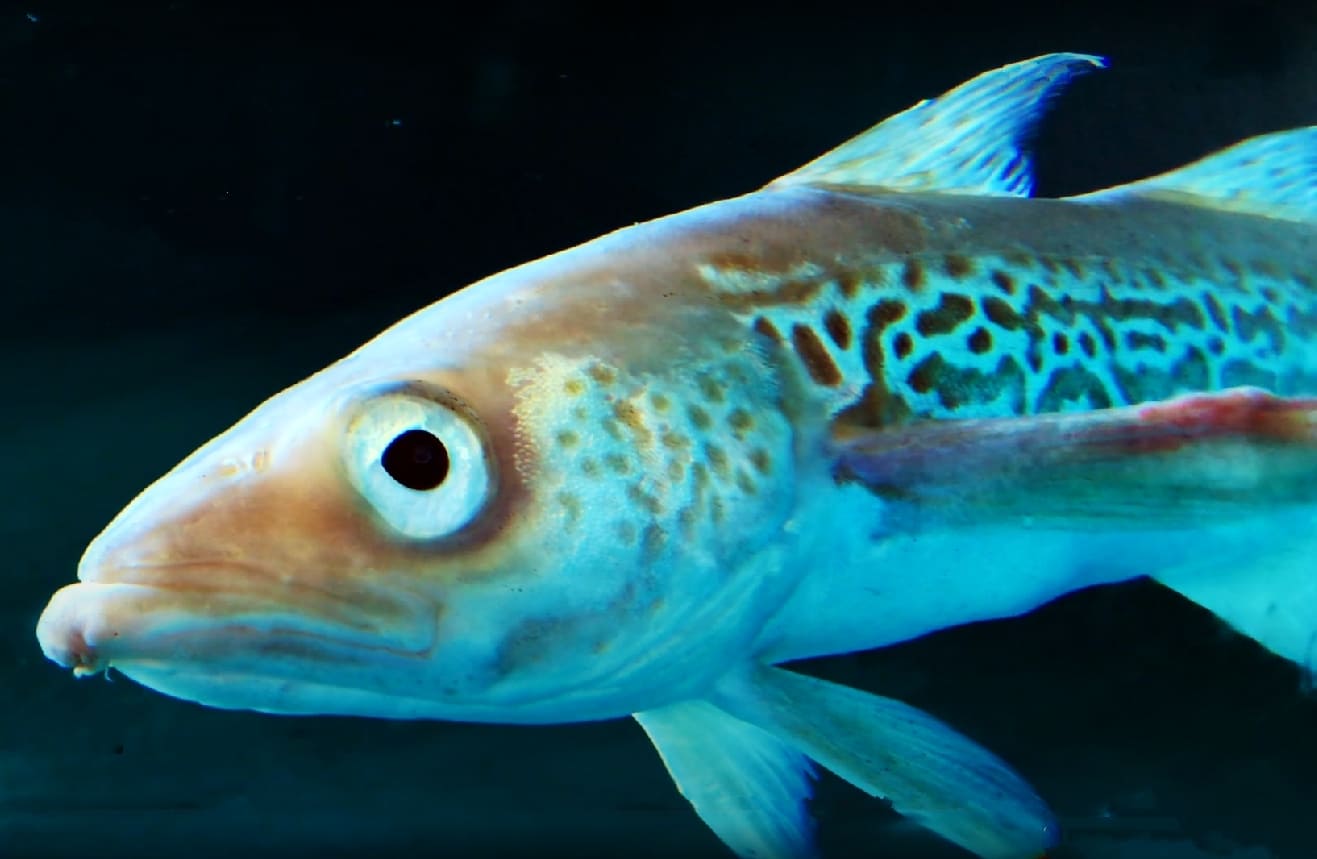
Alaska pollock
Gadus chalcogrammus
Alaska pollack have very large eyes and a very short tendril under the lower lip. The …
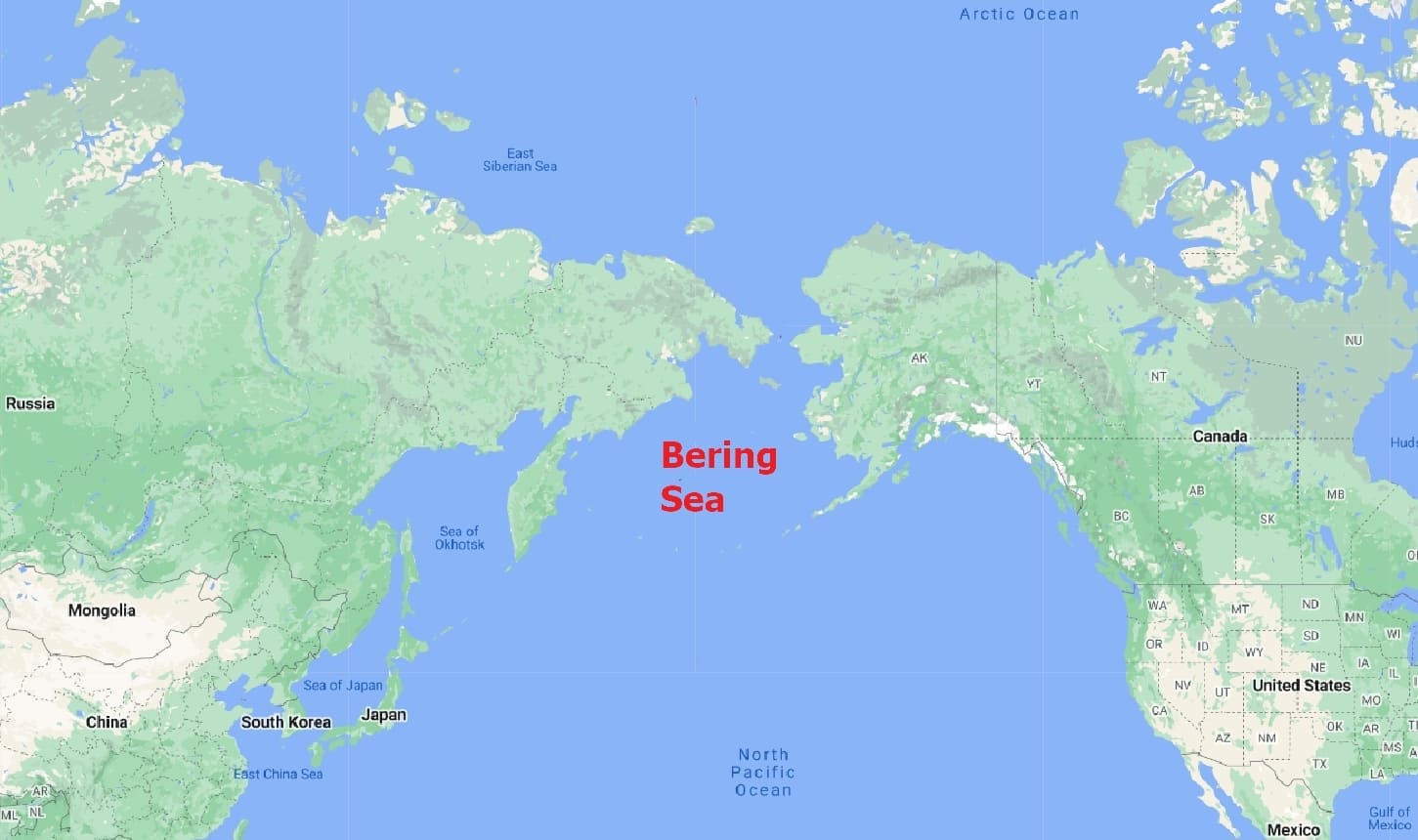
A marginal sea in the North Pacific Ocean, separated from it by the Aleutian and Commander Islands. It is connected to the Chukchi Sea and the Arctic Ocean by the Bering Strait. It separates Eurasia from the Americas.
The distribution of hydrobionts in the sea depends directly on the topography of the seabed. In the Bering Sea there are 402 species of fish from 65 families, including 9 species of Gobiidae, 7 species of Salmonidae, 5 species of Zoarcidae, 4 species of Pleuronectidae and others. Of these, 50 species and 14 families are commercial fish. There are also 4 species of crabs, 4 species of shrimps, 2 species of cephalopods.
The main marine mammals of the Bering Sea are Pinnipeds: ringed seal, harbour seal, bearded seal, ribbon seal and Pacific walrus. Cetaceans include narwhal, grey whale, bowhead whale, humpback whale, fin whale, North Pacific right whale, sei whale and northern blue whale.
The aquatic world of the Bering Sea is represented by valuable commercial species such as Clupeidae and Gadidae (Alaska pollock, saffron cod, giant grenadier). Pleuronectidae are abundant: starry flounder, American plaice, Bering flounder, yellowfin sole, longhead dab, halibut. Salmonidae: pink salmon, chum salmon, chinook salmon and sockeye salmon.
The sea is mainly inhabited by species that are not dangerous to humans: Greenland shark and spiny dogfish. The frilled shark, the goblin shark and the bluntnose sixgill shark can also be seen. Among the dangerous predators, the salmon shark can be singled out, but no cases of its aggression towards humans have been recorded in this sea.
Plankton biomass (annual average) in the Bering Sea epipelagic Copepoda is 55.1%, Chaetognatha - 26.3%, Euphausiacea - 10.8%, jellyfish - 3.2%, Hyperiidea - 2.9%.
Red king crab and shrimp are harvested here in large quantities.
The densest assemblages of Scyphozoa are concentrated in the shelf areas of the northern part of the Bering Sea. Species of the genus Chrysaora and Cyanea capillata dominate. High concentrations of Hydromedusa are found in the deep waters of the western part of the Bering Sea, where jellyfish of the genus Aequorea dominate.
Showing 1–19 of 19
Gadus chalcogrammus
Alaska pollack have very large eyes and a very short tendril under the lower lip. The …
Hippoglossoides platessoides
It has a slender body and a large mouth. The ocular side is covered with ctenoid …
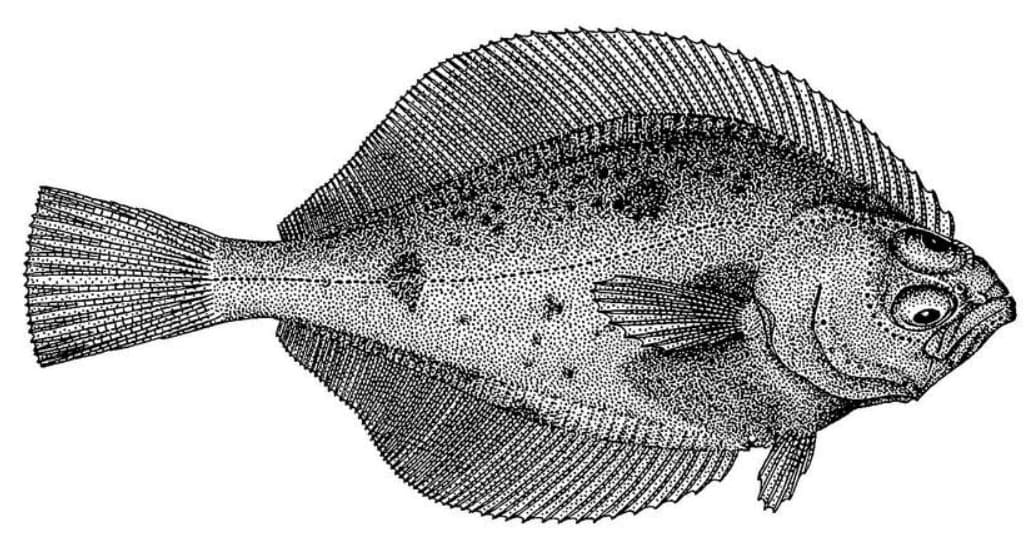
Hippoglossoides robustus
The mouth is large. The teeth on each jaw are arranged in a single row. The …
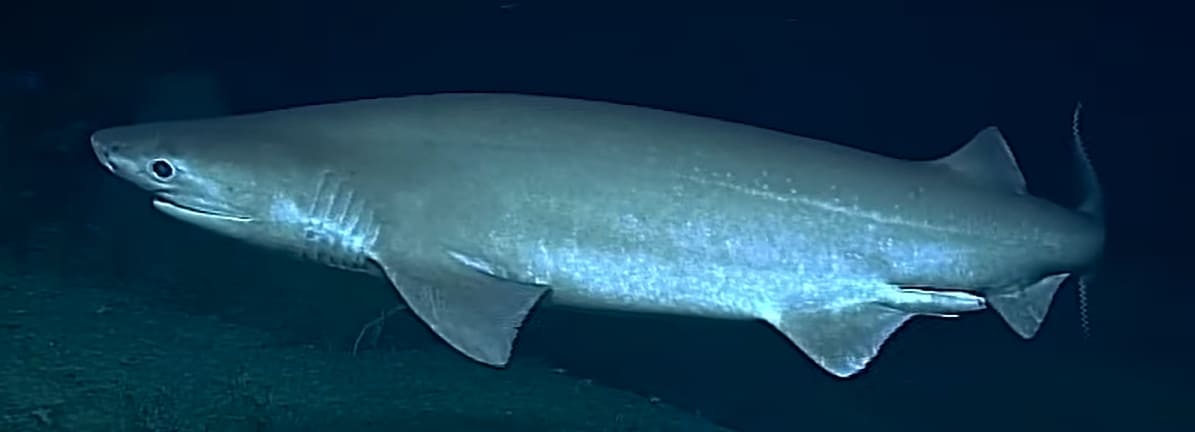
Hexanchus griseus
The bluntnose sixgill shark has a dense, spindle-shaped body and a broad head with a blunt …
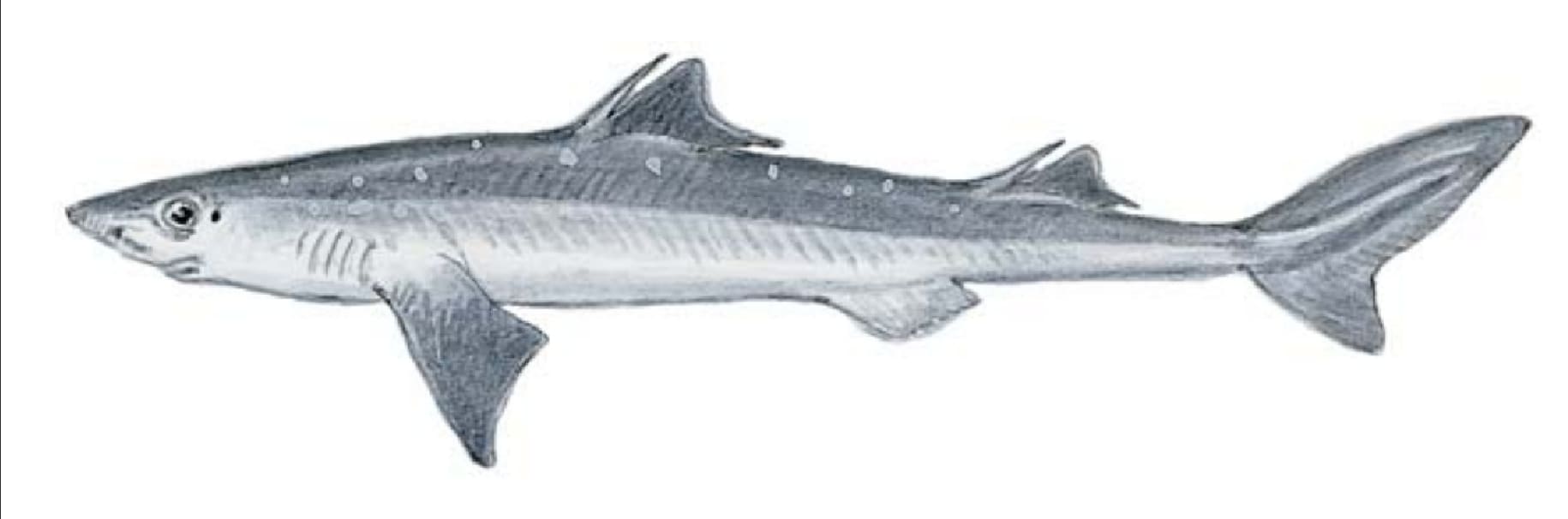
Squalus acanthias
The body is elongated and slender. Head is pointed. Coloration from above from slate-gray to brownish, …
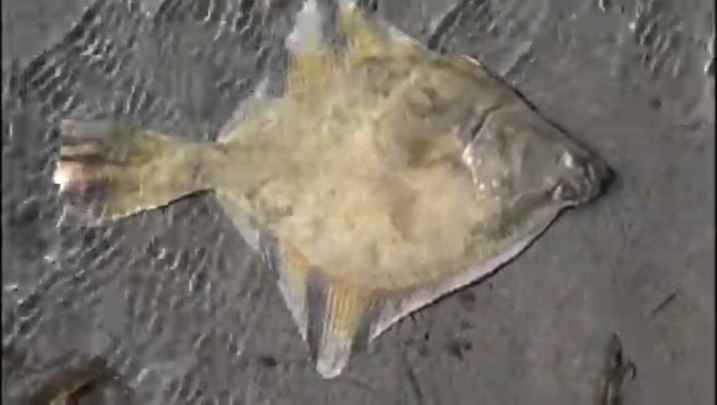
Platichthys stellatus
The starry flounder belongs to the right-eyed flounder family, but can also be left-eyed. The head …
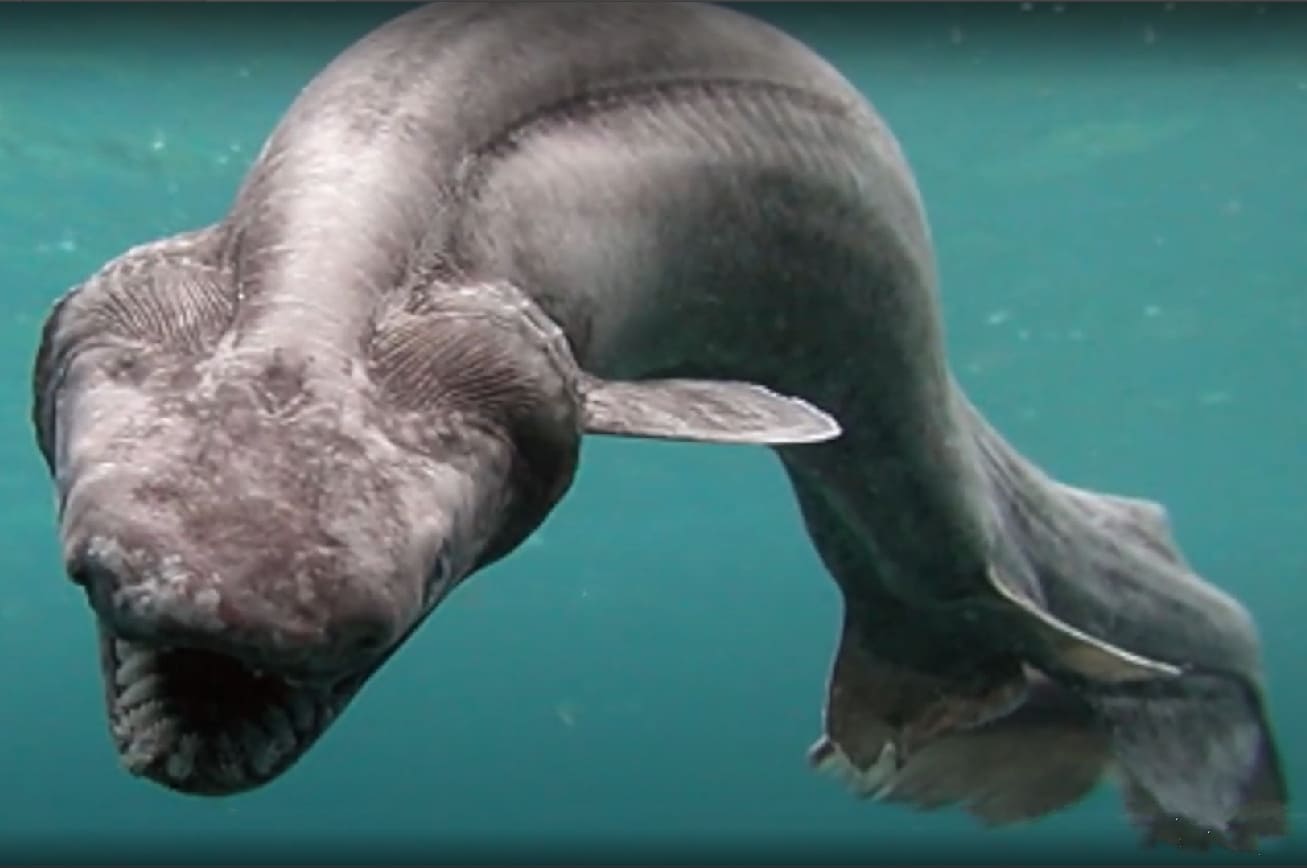
Chlamydoselachus anguineus
The frilled shark is named for the wide skin folds formed by gill fibres covering the …
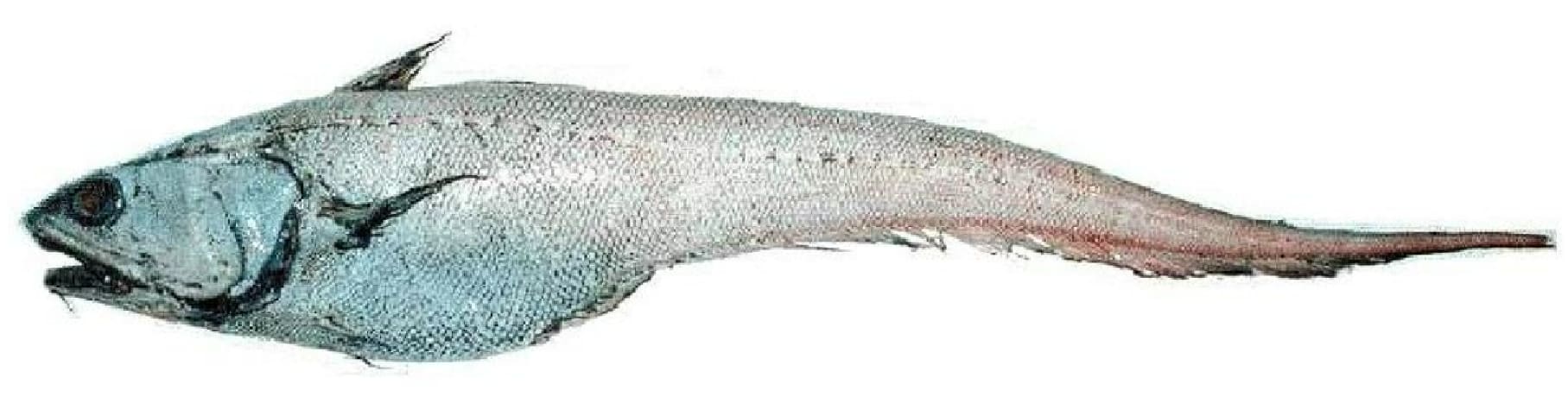
Albatrossia pectoralis
It has a massive body, a broad head and a ribbon-like, tapering tail. The snout protrudes …
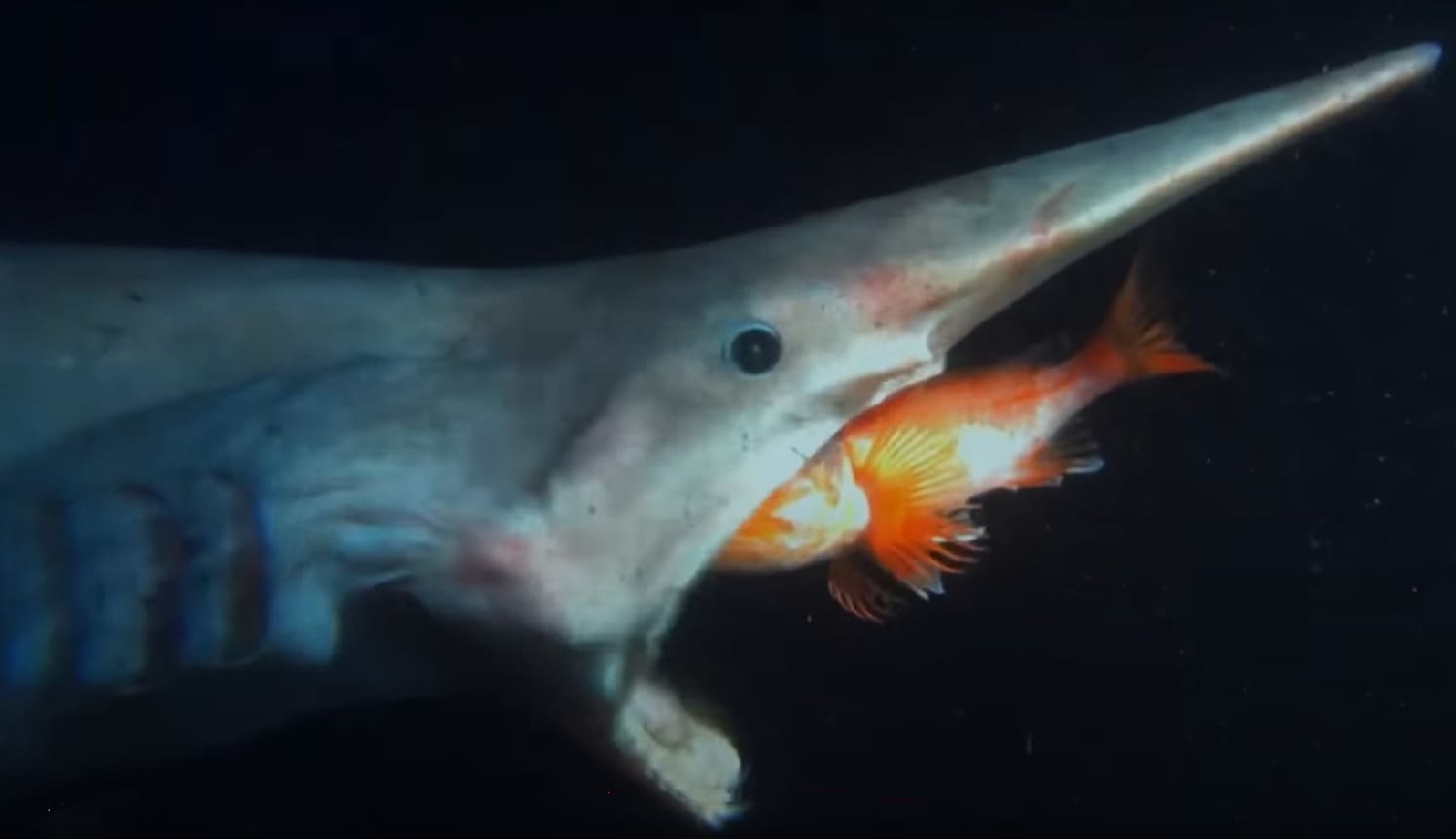
Mitsukurina owstoni
The body is spindle-shaped and the fins have an unusual rounded shape for sharks. The third …
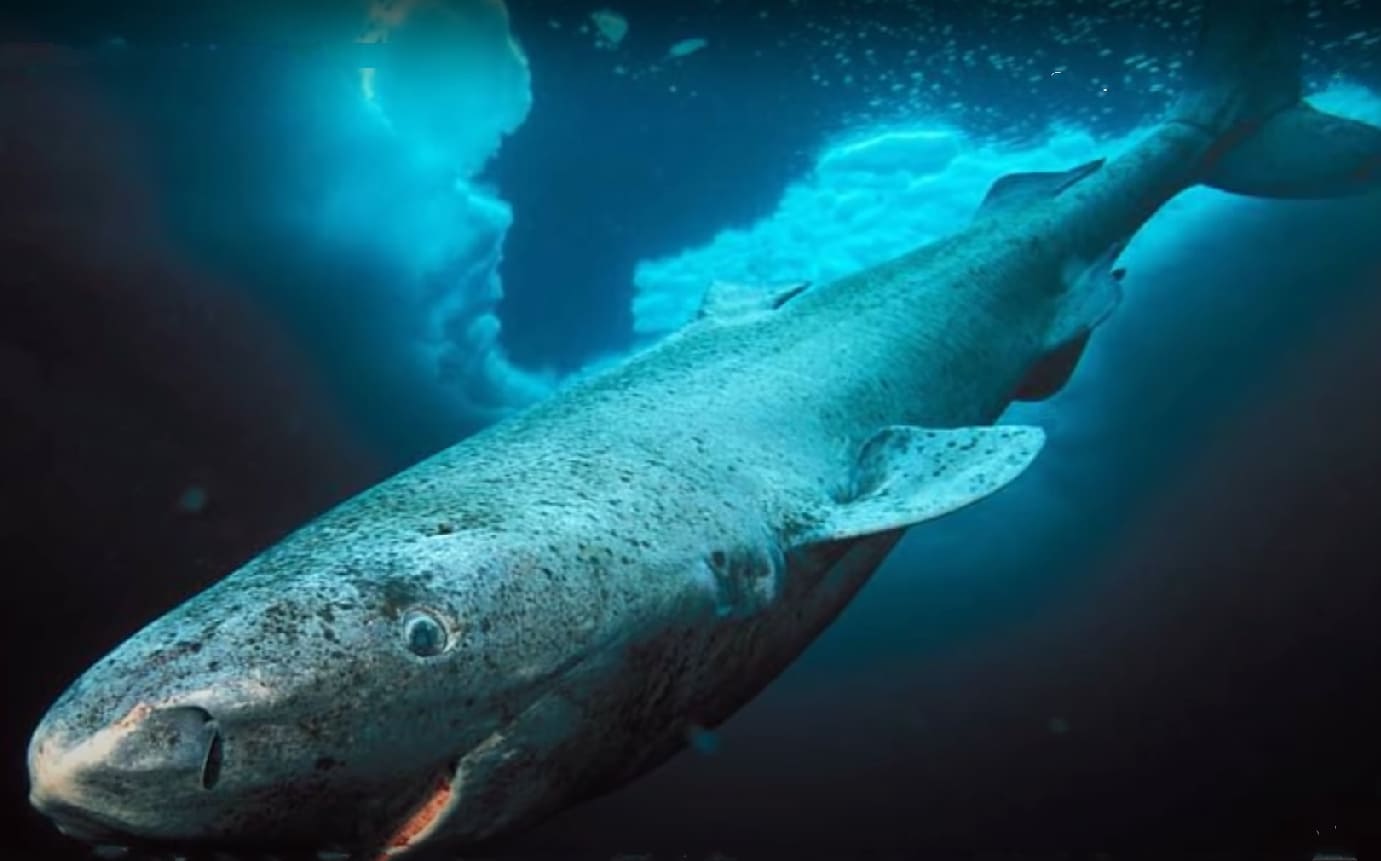
Somniosus microcephalus
The head is elongated and the distance from the tip of the snout to the pectoral …
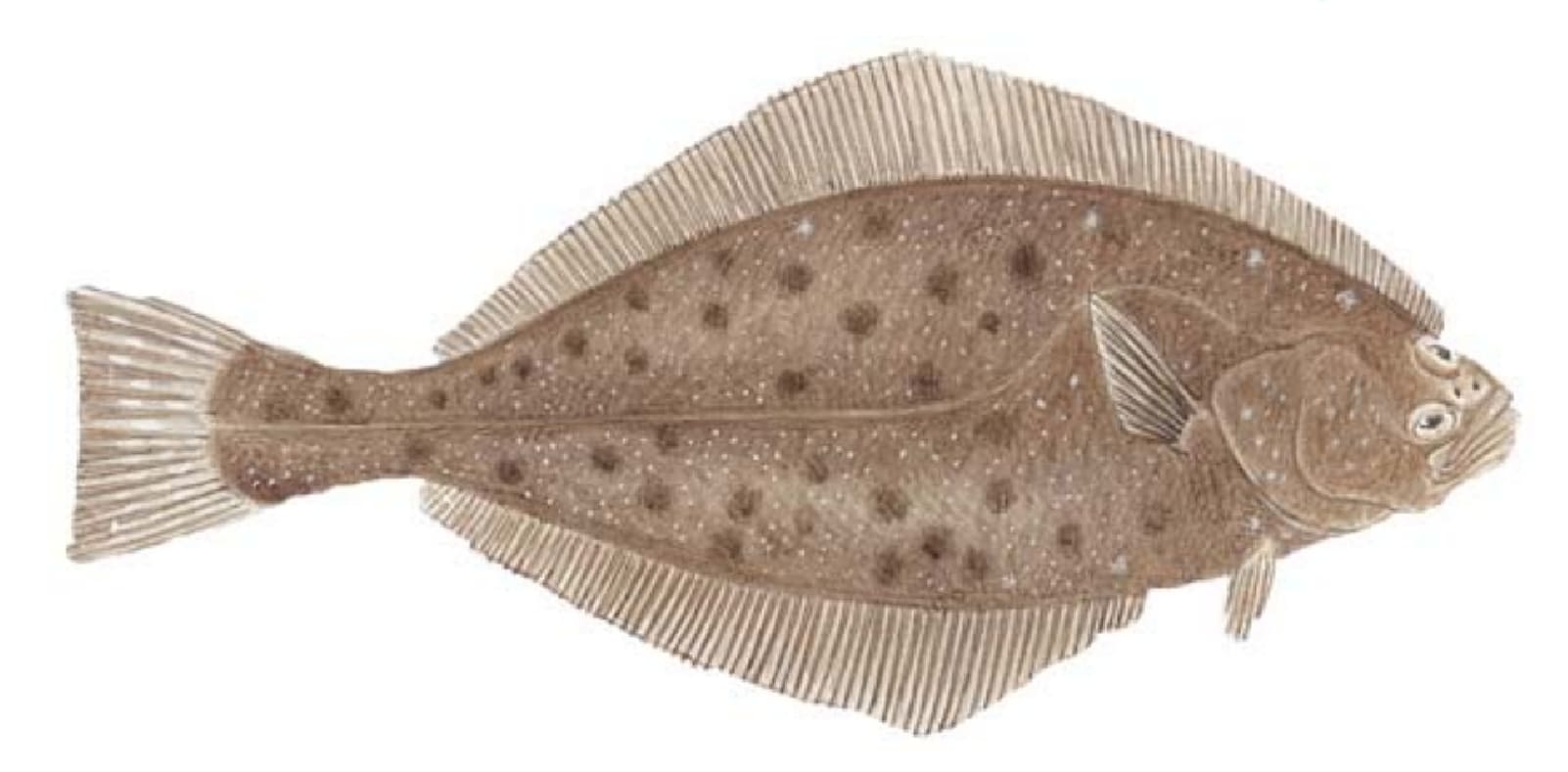
Hippoglossus stenolepis
Halibut are usually dextral, meaning both eyes are on the right side of the head. Its …
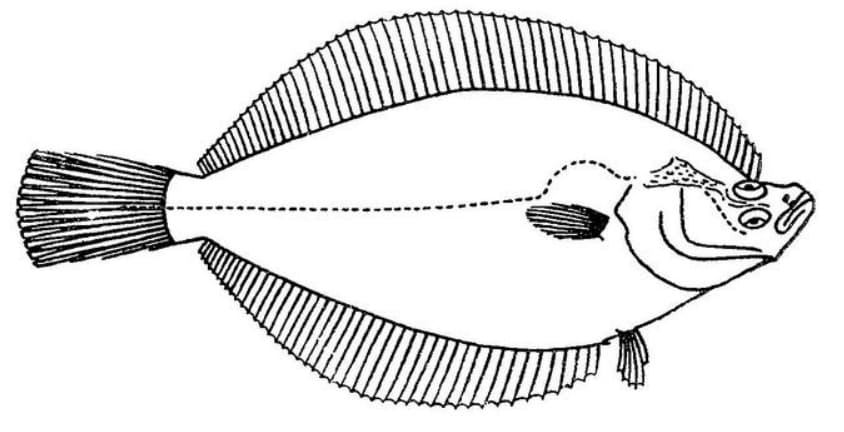
Limanda proboscidea
The lateral line forms a high arch above the base of the pectoral fin. The pectoral …
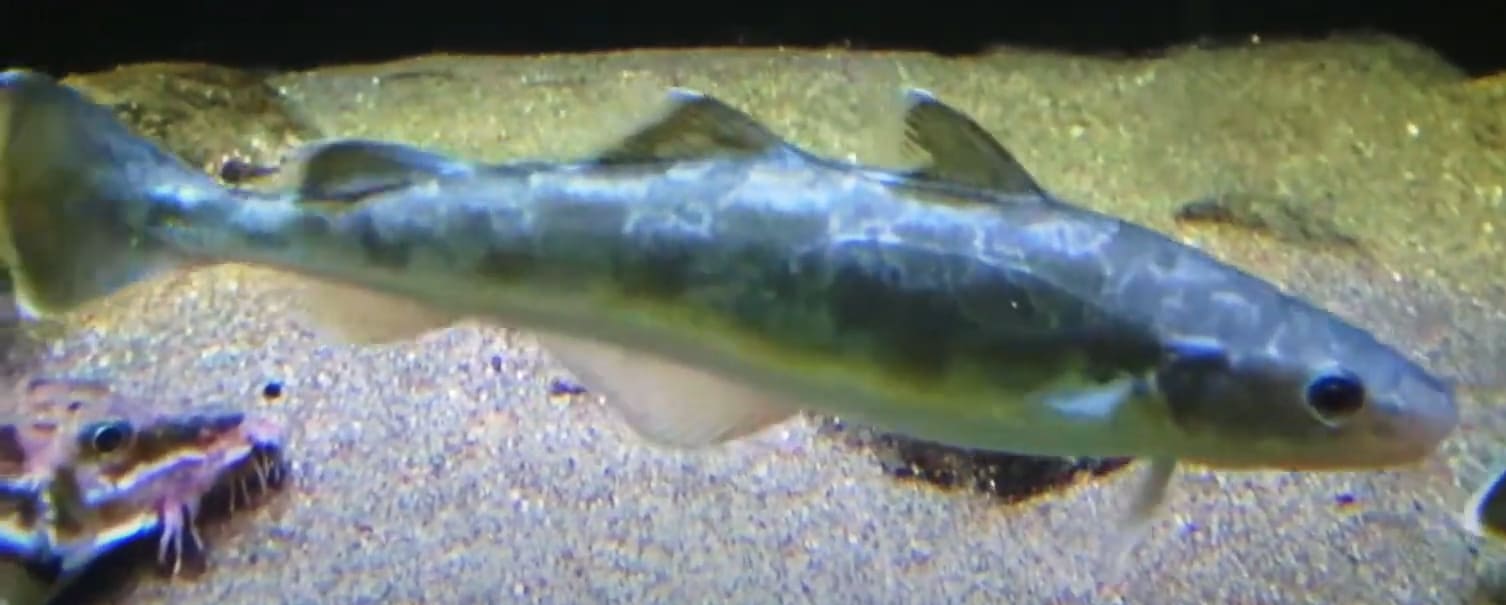
Eleginus gracilis
The lower jaw is shorter than the upper jaw, there is a chin tendril whose length …
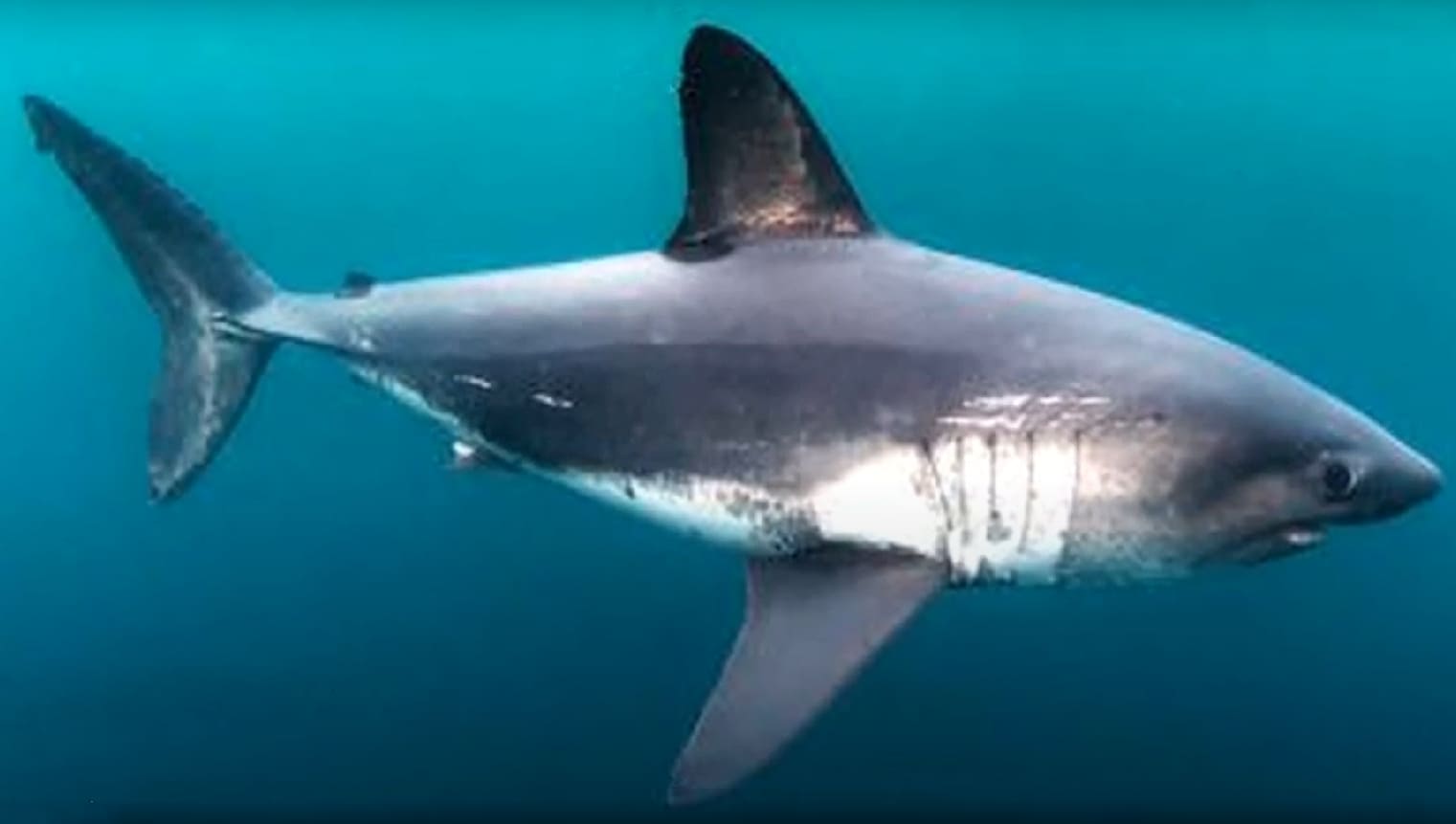
Lamnа ditropis
They have a thick spindle-shaped body, a short conical snout (the distance from the tip of …
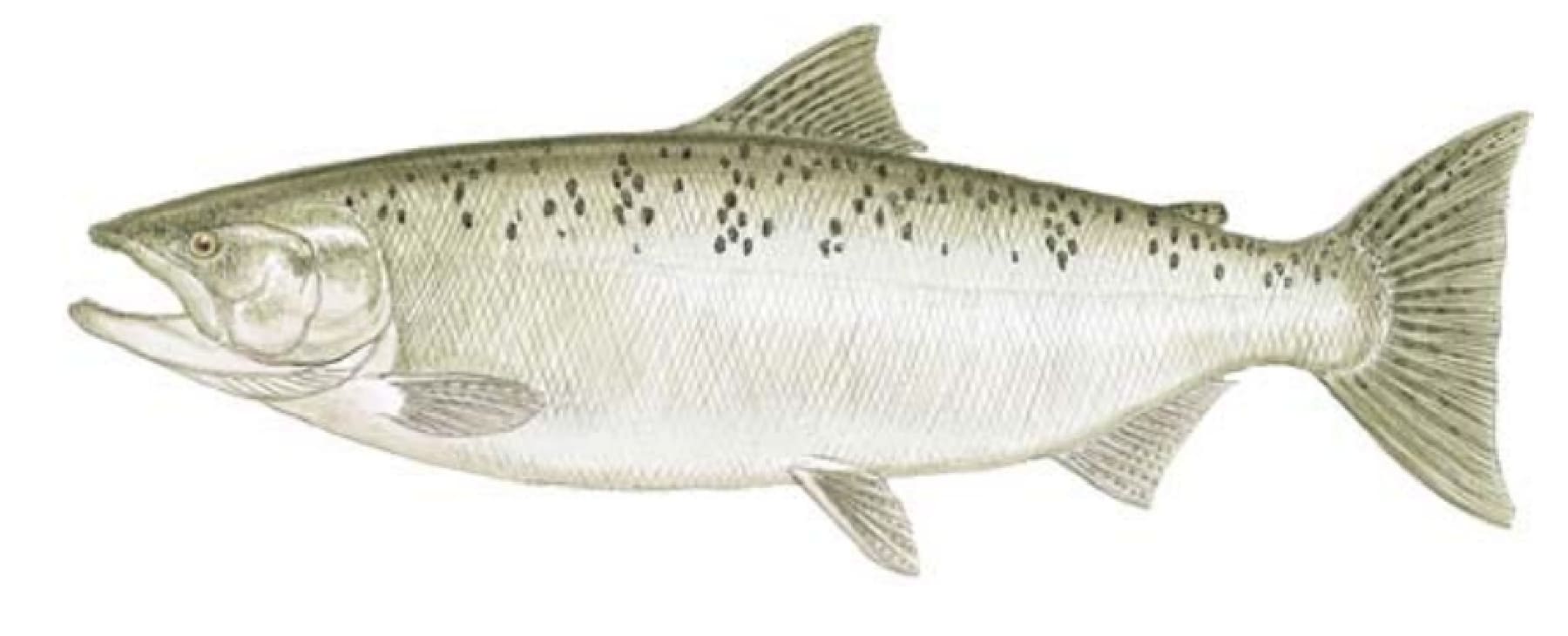
Oncorhynchus tshawytscha
The body is elongated and somewhat compressed. The head is cone-shaped . It has a bluish …
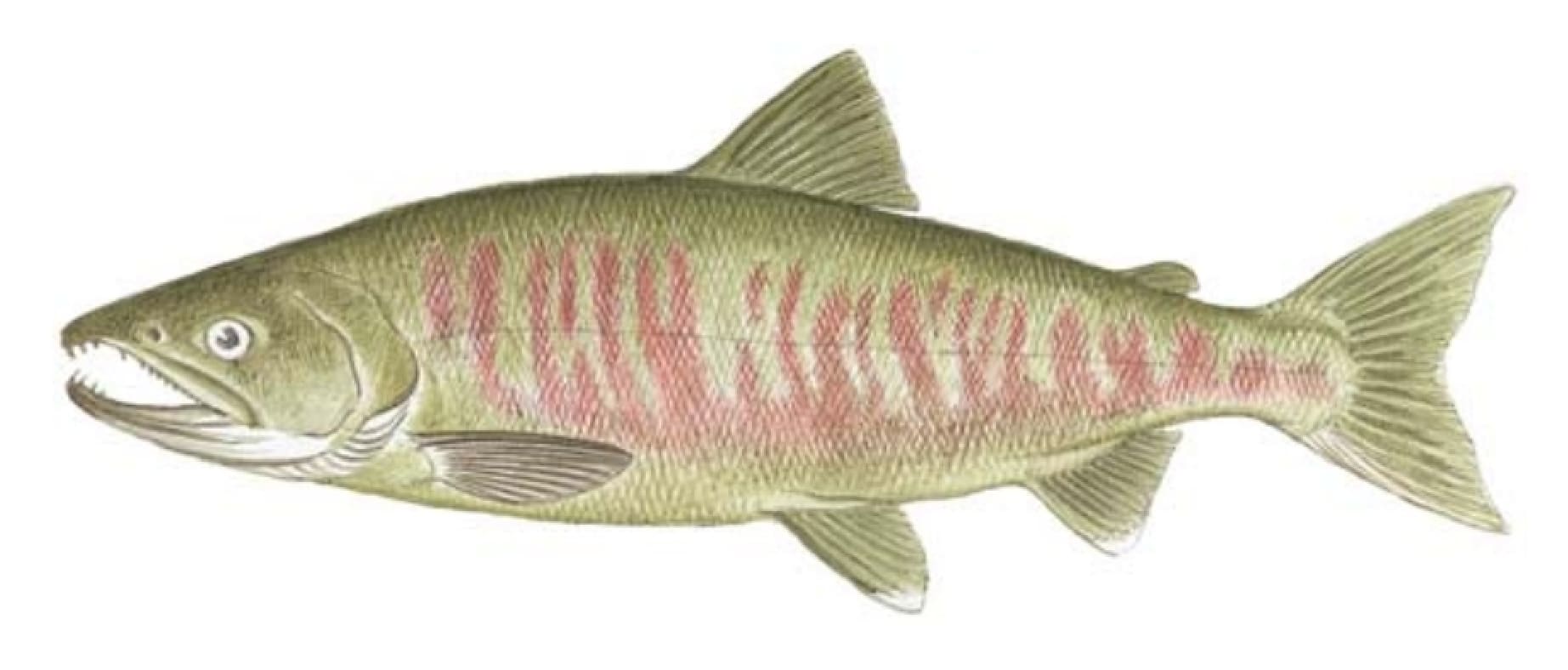
Oncorhynchus keta
The mouth is large, with the maxillary bone reaching backwards to the vertical of the posterior …
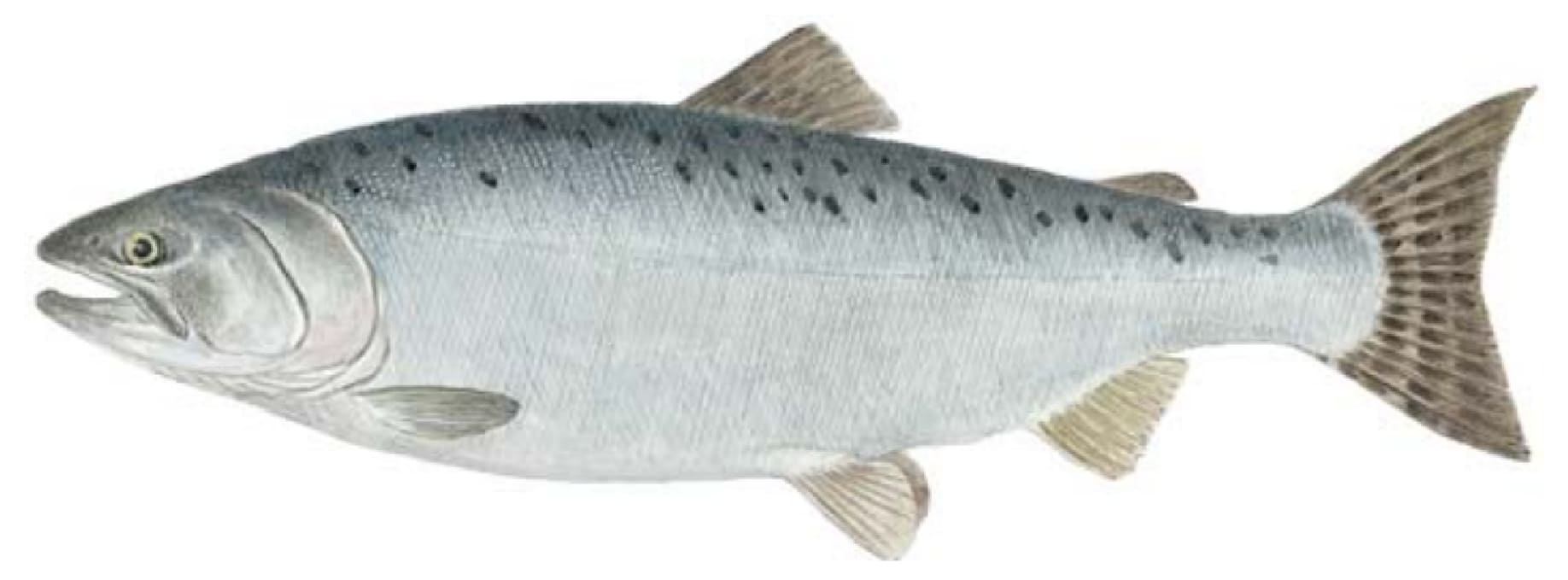
Oncorhynchus gorbuscha
Pink salmon are known as "humpback" because of their distorted, extremely humped appearance, which is caused …
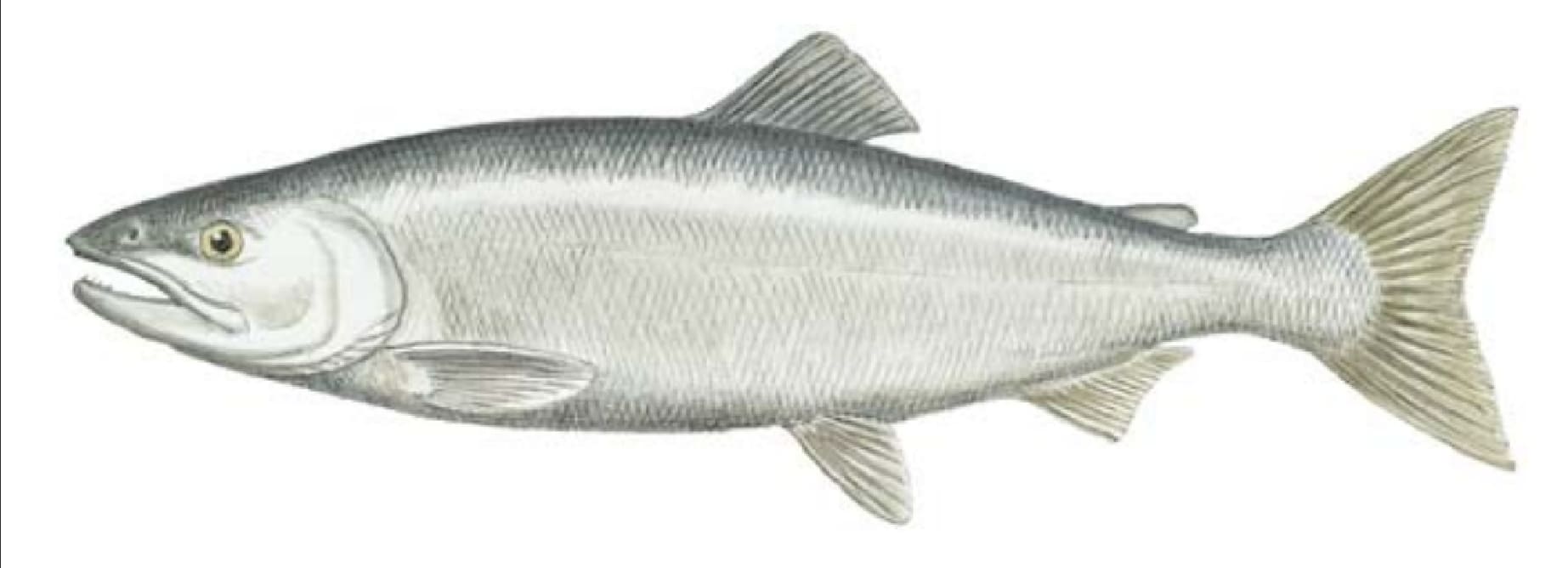
Oncorhynchus nerka
The slimmest and most streamlined of the Pacific salmon, which are elongated and somewhat compressed from …
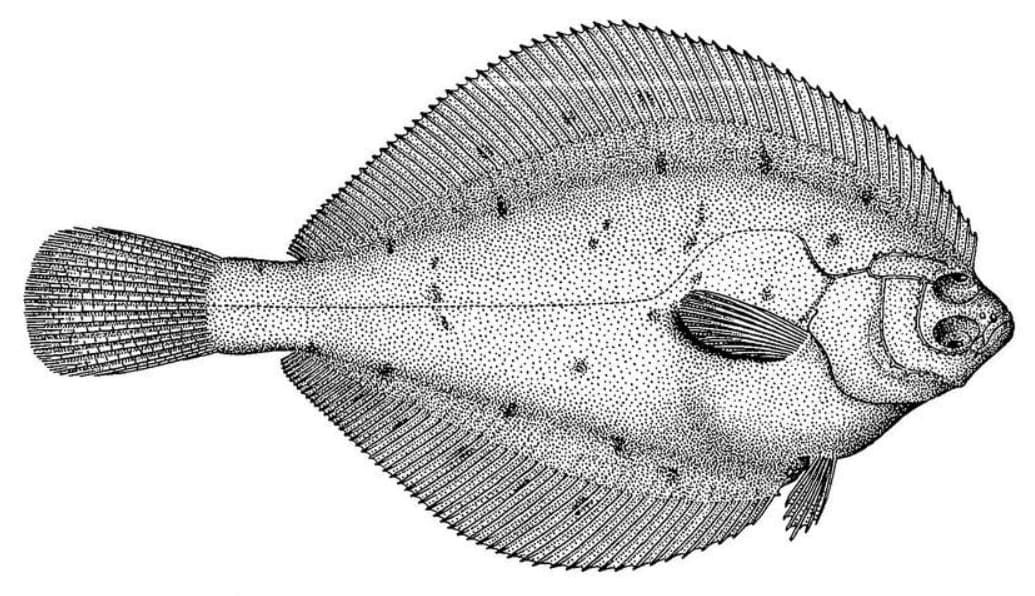
Limanda aspera
Body large and broad, mouth small. The lateral line is strongly curved above the pectoral fins. …