 Allfishes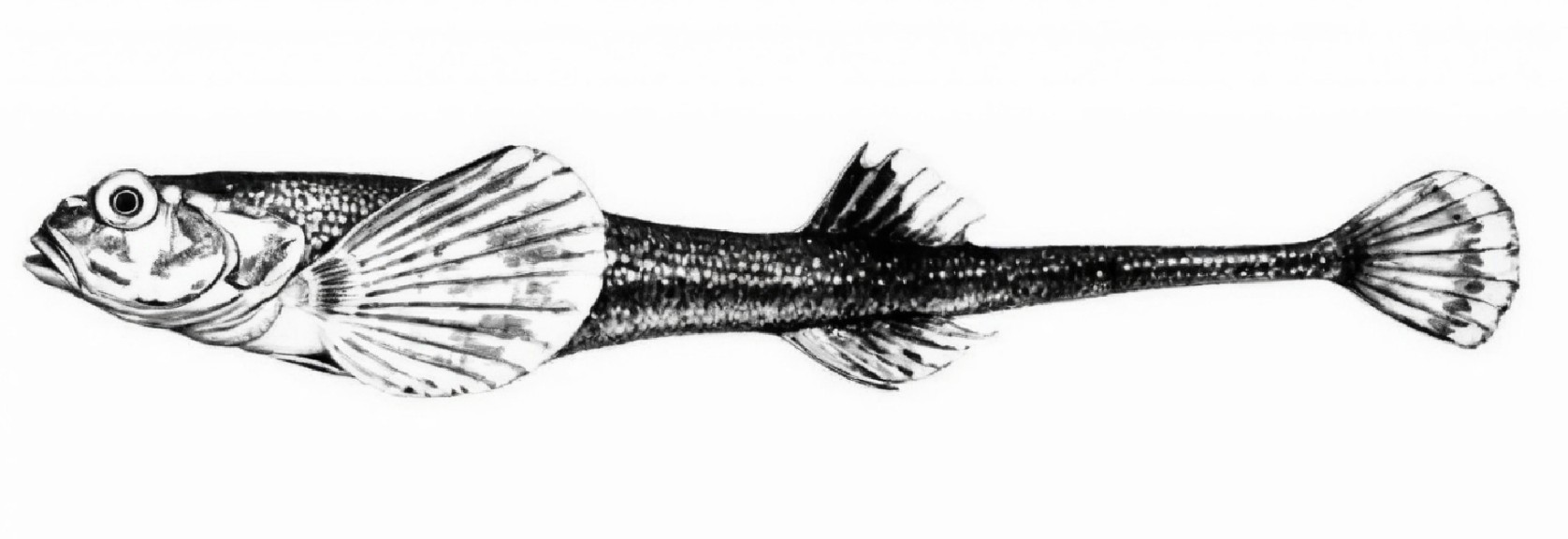
Arctic alligatorfish
Aspidophoroides olrikii
The head of the Arctic alligatorfish is large and broad. There are short antennae on the …
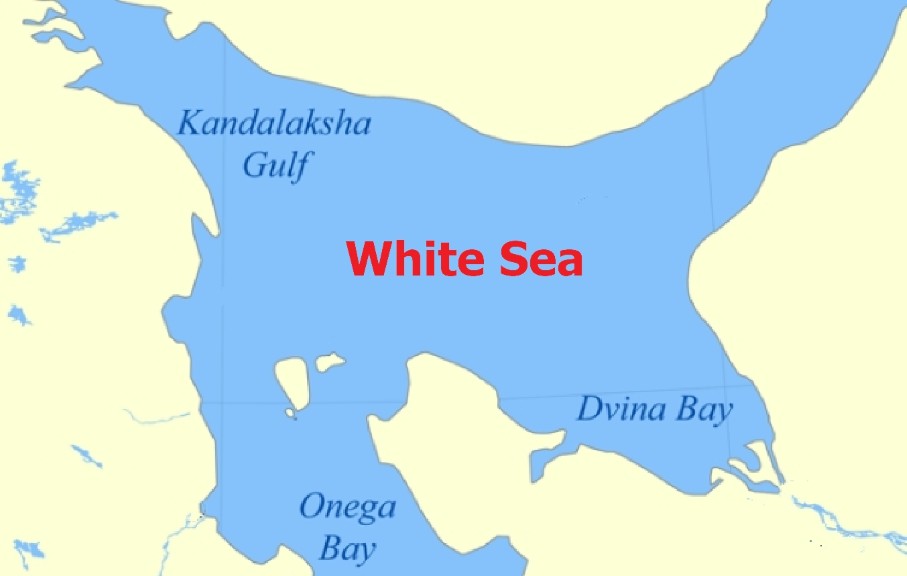 Inland sea in the north of the European part of Russia, belongs to the Arctic Ocean. The White Sea is the only inland sea in Russia. It has an area of 90 thousand km² (including numerous small islands) and a volume of only 4400 km³. Its maximum length is 600 km. The maximum depth of the sea is 343 meters, the average depth is 67 meters. The temperature of the surface water layer of the sea varies greatly depending on the season in different parts of the sea. In summer, the surface water of the bays and the central part of the sea warms up to 15-17 °C, while in Onega Bay and the Throat - not higher than 9 °C. In winter, the surface water temperature in the central and northern parts of the sea decreases to -1.3 - -1.7 °C, and in the bays - to -0.5 - -0.7 °C. Deep water layers (below the depth of 50 meters) have a constant temperature regardless of the season from -1.0 °C to +1.5 °C. The salinity of the seawater is related to the hydrological regime. The large inflow of river water and insignificant exchange with the Barents Sea have resulted in relatively low salinity of the surface waters (26 ppm and below). The salinity of the deep waters is much higher - up to 31 ppm. A counterclockwise circular current is observed in the center of the sea.
The sea is home to more than 700 species of invertebrates, about 70 species of fish, and several species of marine mammals. Animals and plants live here that are adapted to sudden changes in conditions, able to withstand desiccation, changes in temperature and salinity, and strong sunlight. Bivalves have settled here in the sand. Among the representatives of coelenterates we can note various species of jellyfish, beadlet anemones, plumose anemones. Sponges, ascidians, starfish and brittle stars live on the surface of the rocks. Among the brown algae Fucus, many sea snails and colonies of bryozoans can be found. Many microorganisms live here that recycle organic matter that comes from the land with rivers and rainfall runoff. Bristle worms, balanus and mussels help to settle detrital suspensions. Numerous sea urchins and crustaceans also prefer these places. Various species of marine worms are abundant in the coastal zone. Although the sea is mainly located above the polar circle, it is not inferior to the tropical ones in terms of the diversity of its fauna.
There are about 70 species of fish in the sea area, of which 56 are marine and the rest are passable or semi-passable species. The fishery is relatively small and focuses mainly on Atlantic herring, saffron cod, European smelt, Atlantic cod and Atlantic salmon. Due to the harsh weather, it is difficult to catch fish with a rod in these waters, so they are mainly caught from fishing vessels. The fish world of the White Sea is rarer than that of its northern neighbor - the Barents Sea. Such fish as navaga, Atlantic wolffish, haddock, lesser sandeel, capelin, Arctic cod, pink salmon, Arctic alligatorfish, Atlantic poachers have found a home here. The most abundant fish in the White Sea is the three-spined stickleback. In the coastal zone one can meet viviparous eelpout, rock gunnel, fourhorn sculpin, lumpsucker, beaked redfish. White sea herring, European plaice, brown trout, Atlantic mackerel are the main trophies that fishermen can get here.
The friendly beluga whale is often seen here. Common мinke whales are sometimes seen in the pelagic part of the sea from June to September. Larger whales such as the bowhead and humpback whales are rare visitors to the waters. Orca and minke whales occasionally enter the central part. Rare visitors such as the northern bottlenose whale have appeared more than once. Harbor porpoises and one of the so-called "polar dolphins", which is probably a white-beaked dolphin, can sometimes be seen far from the shore. Sometimes walruses come here. Bearded and ringed seals often swim quite close to people, hoping to eat the remains of fish. Sperm whales, fin whales and sei whales have also been found dead here.
The most dangerous inhabitant of this sea is considered to be the lion's mane jellyfish. Large specimens of these jellyfish are dangerous to humans, their stinging cells cause severe burns. Fortunately, in the White Sea these giants are not found near the coast, so you can swim in it without risking your life. But on the surface of the sea you can meet 2 kinds of sharks. The spiny dogfish is a small shark whose average length does not exceed 1 meter. Between its fins it has spikes with which it defends itself. The Greenland shark, which swims in these waters, can grow up to 6 meters long and looks very threatening. Both sharks are virtually harmless to humans. They will only attack if there is a clear danger.
Showing 1–24 of 27
Aspidophoroides olrikii
The head of the Arctic alligatorfish is large and broad. There are short antennae on the …
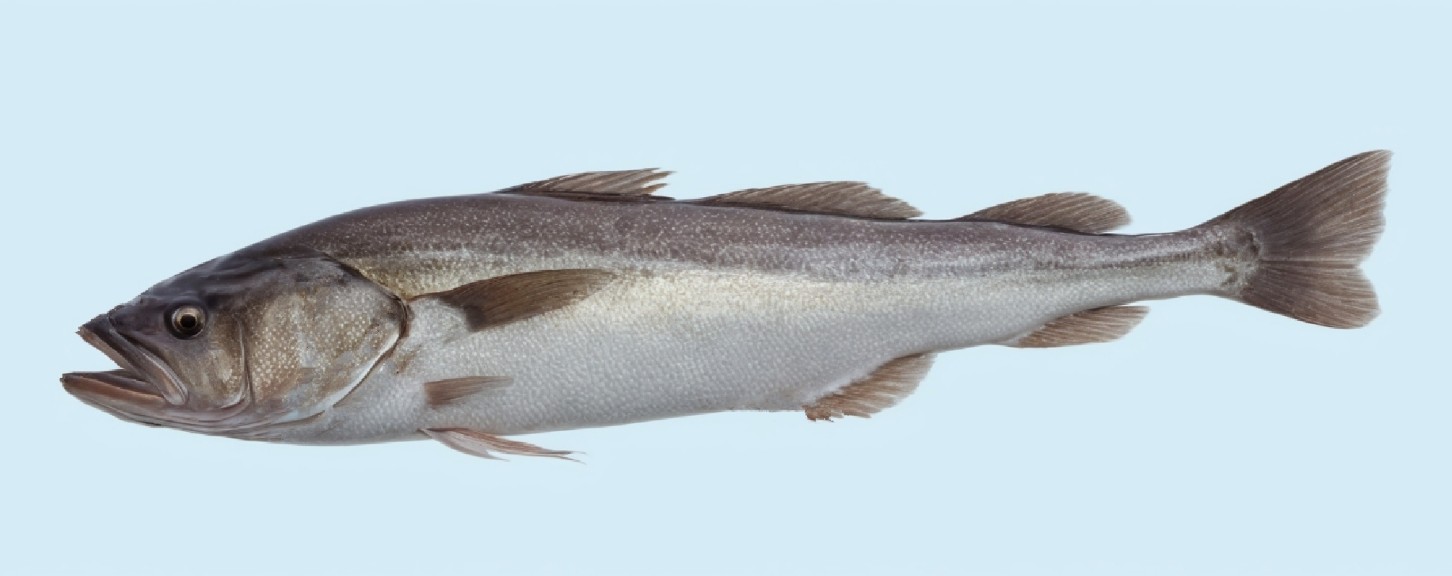
Arctogadus glacialis
Arctic cod are characterized by a thin body, a deeply bifurcated tail, a protruding mouth, large …
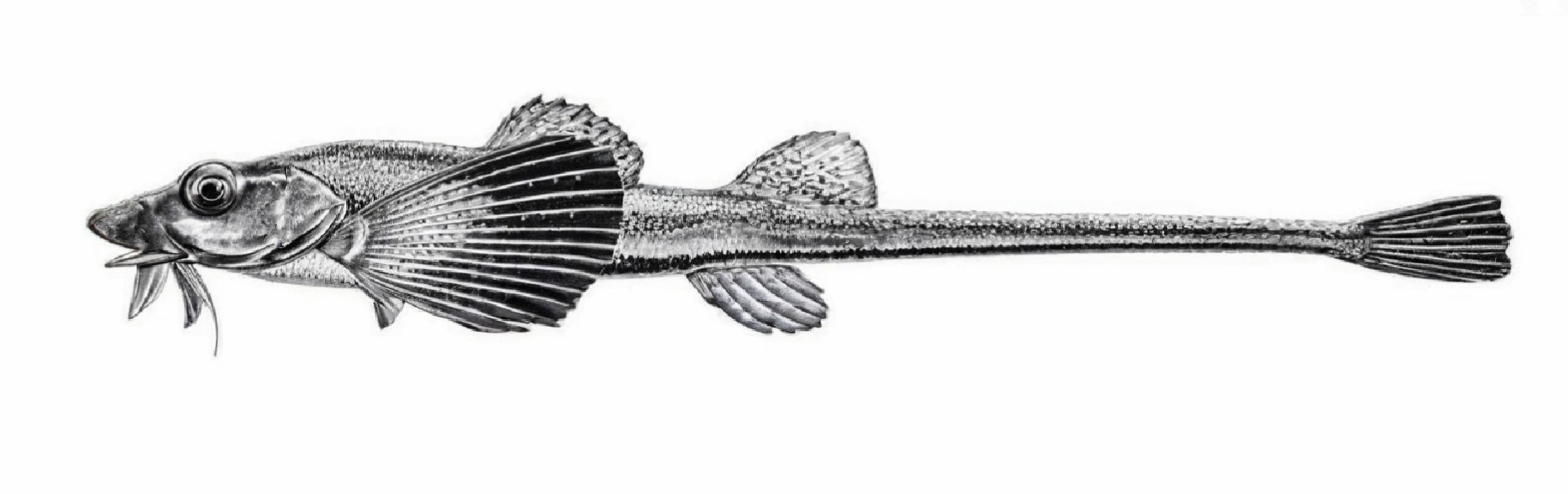
Leptagonus decagonus
This species is the only known member of its genus. The body of the Atlantic poacher …
Anarhichas lupus
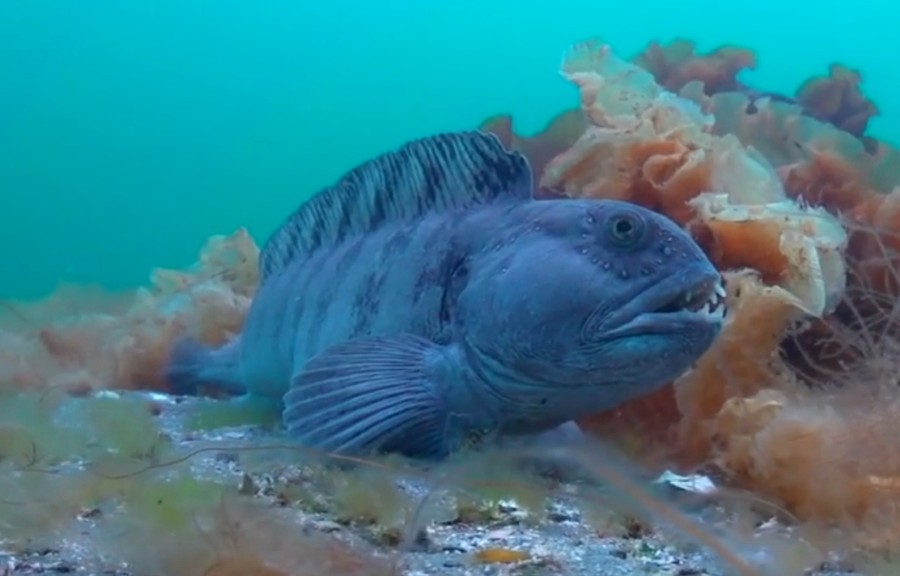
The body of the Atlantic wolffish is elongated, tapering to the tail, and covered with fine …
Sebastes mentella
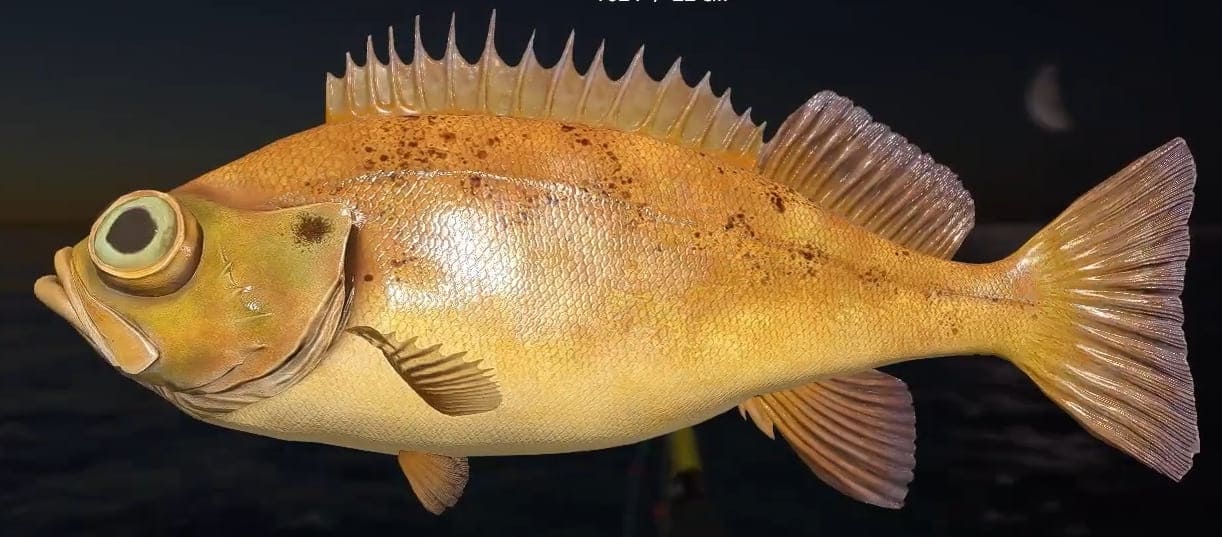
Massive body covered with ctenoid scales. Numerous spines and ridges are poorly developed on the head. …
Mallotus villosus
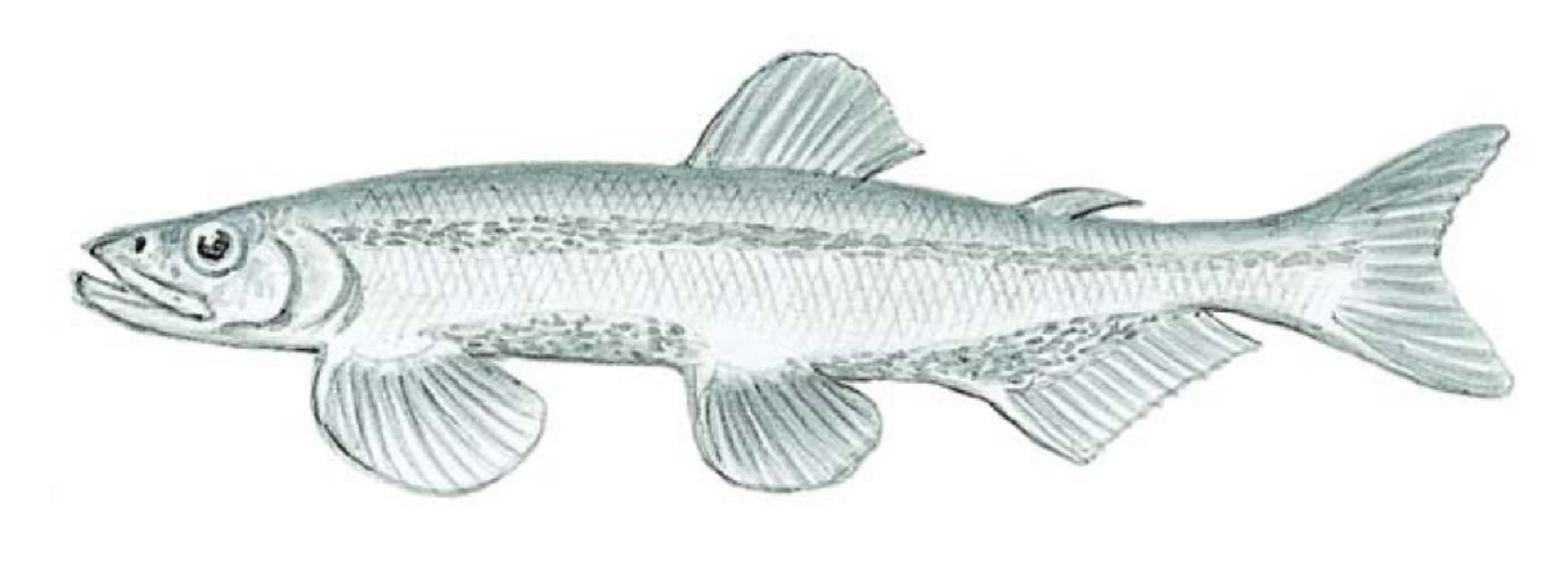
The capelin has a large mouth with a lower jaw that extends below each eye. Males …
Gadus morhua
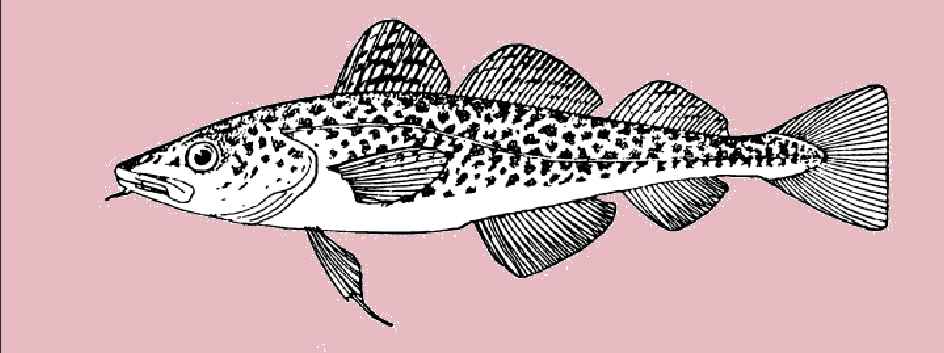
The Atlantic cod has three dark dorsal fins and two dark anal fins, none of which …
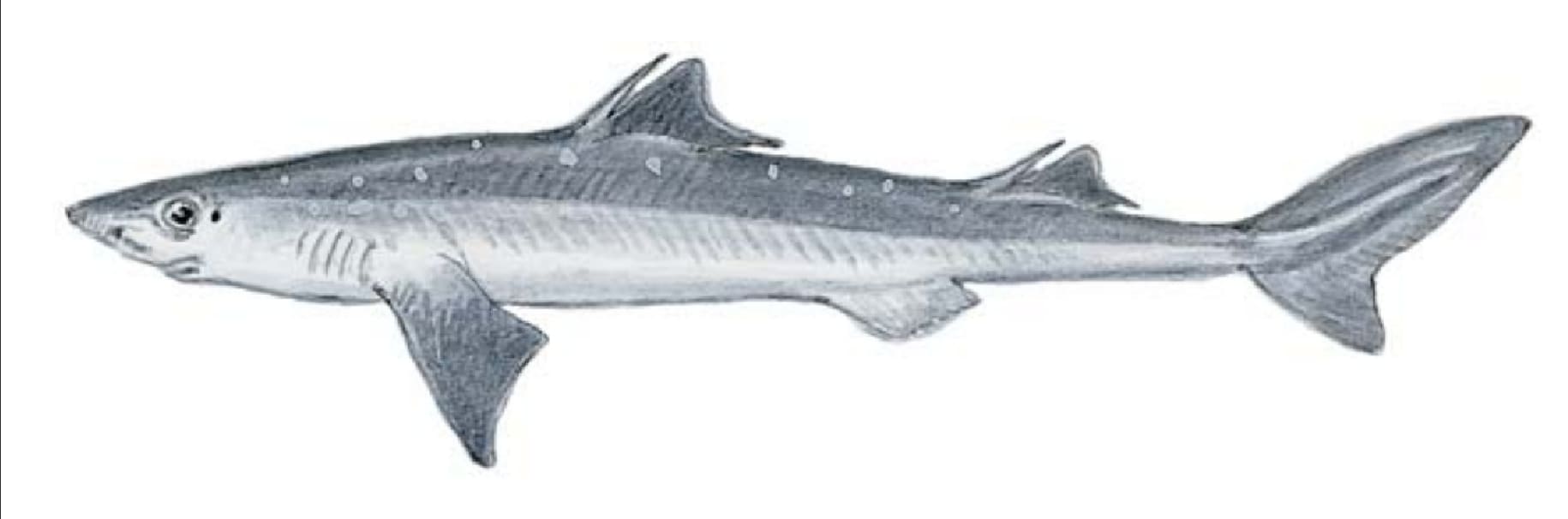
Squalus acanthias
The body is elongated and slender. Head is pointed. Coloration from above from slate-gray to brownish, …
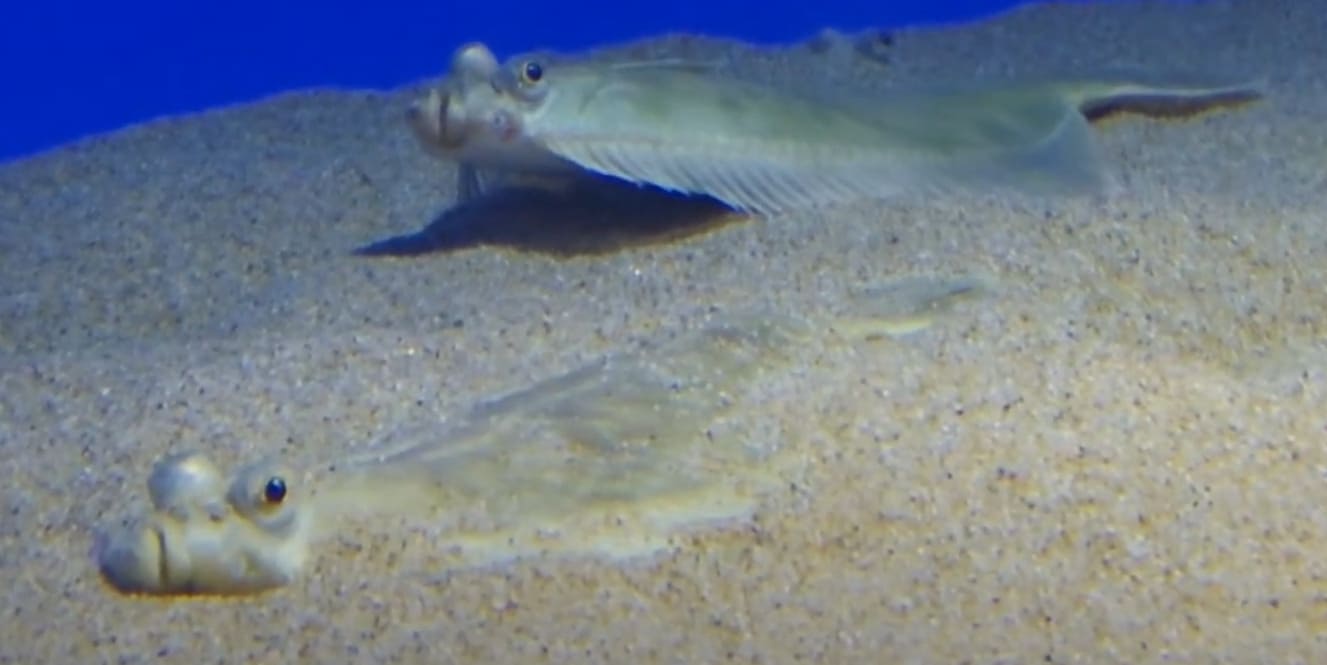
Pleuronectes platessa
The adult body shape is oval, with the body strongly compressed in the dorsoventral direction. The …
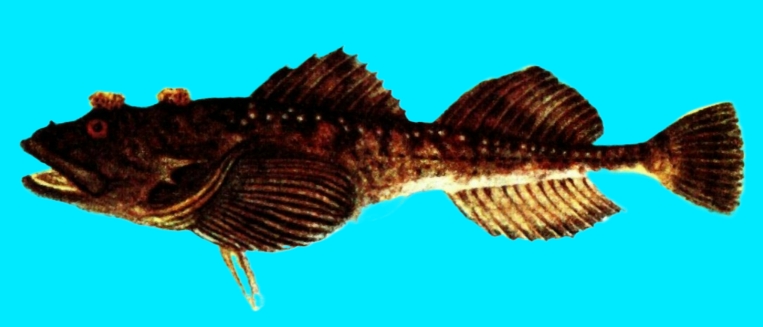
Myoxocephalus quadricornis
The fourhorn sculpin has a large, lumpy head with protruding lips and four bony protuberances. Vertebrae: …
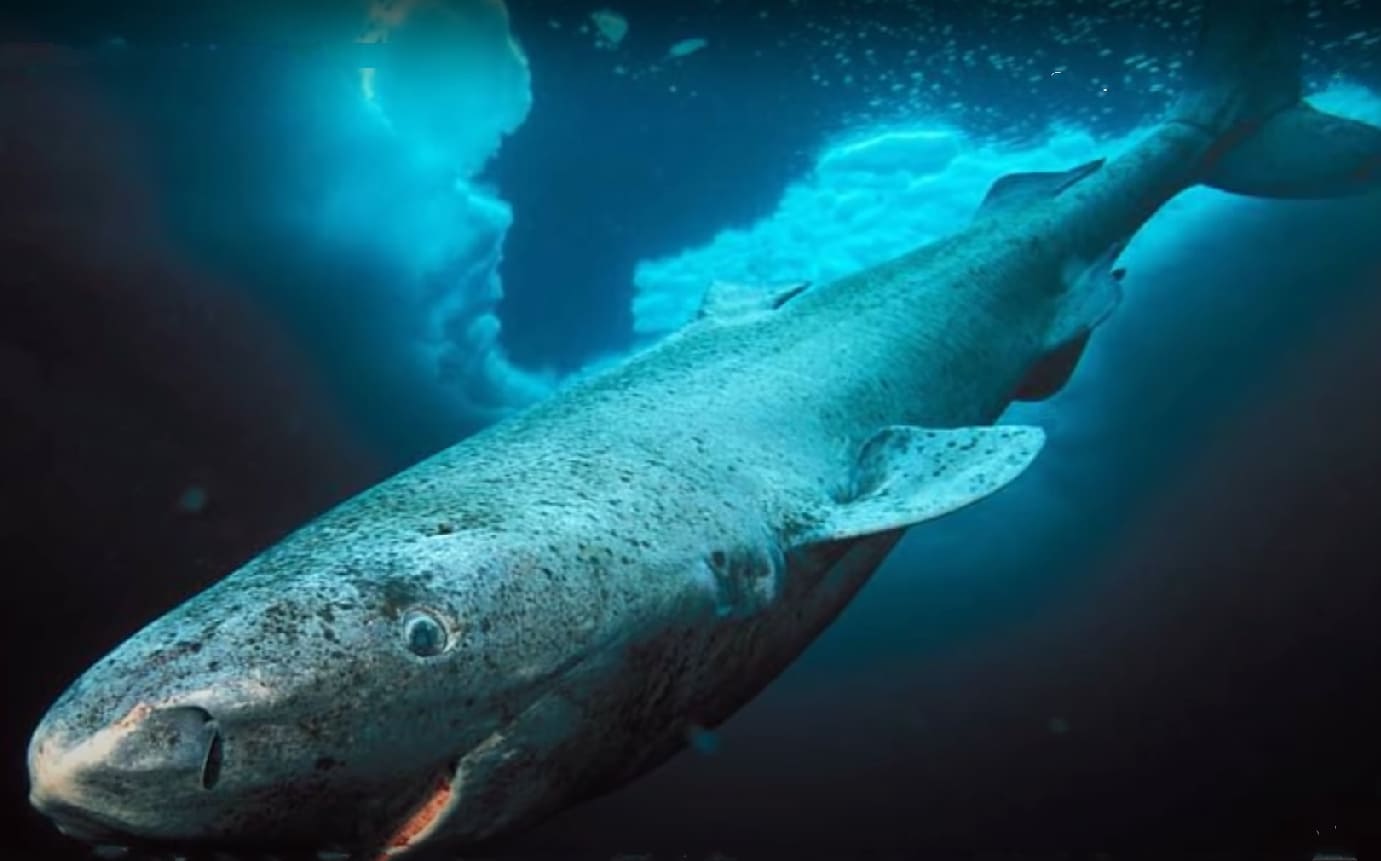
Somniosus microcephalus
The head is elongated and the distance from the tip of the snout to the pectoral …
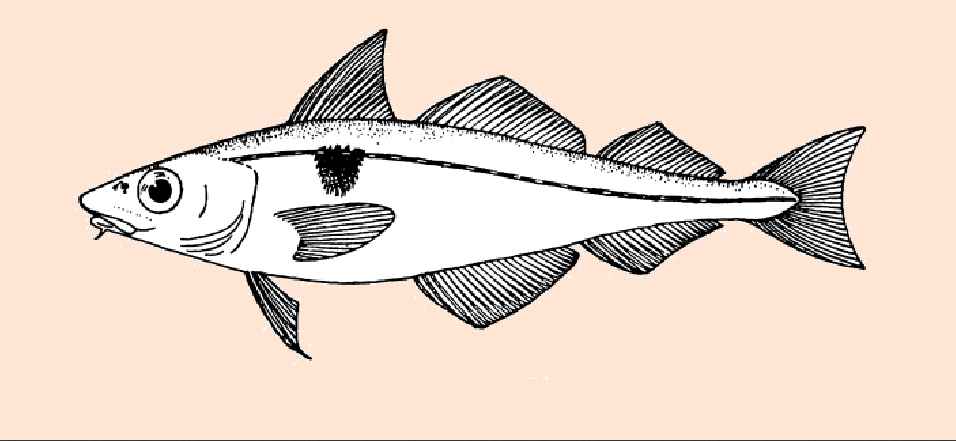
Melanogrammus aeglefinus
Haddock has three dorsal fins and two anal fins. The first dorsal fin is high and …
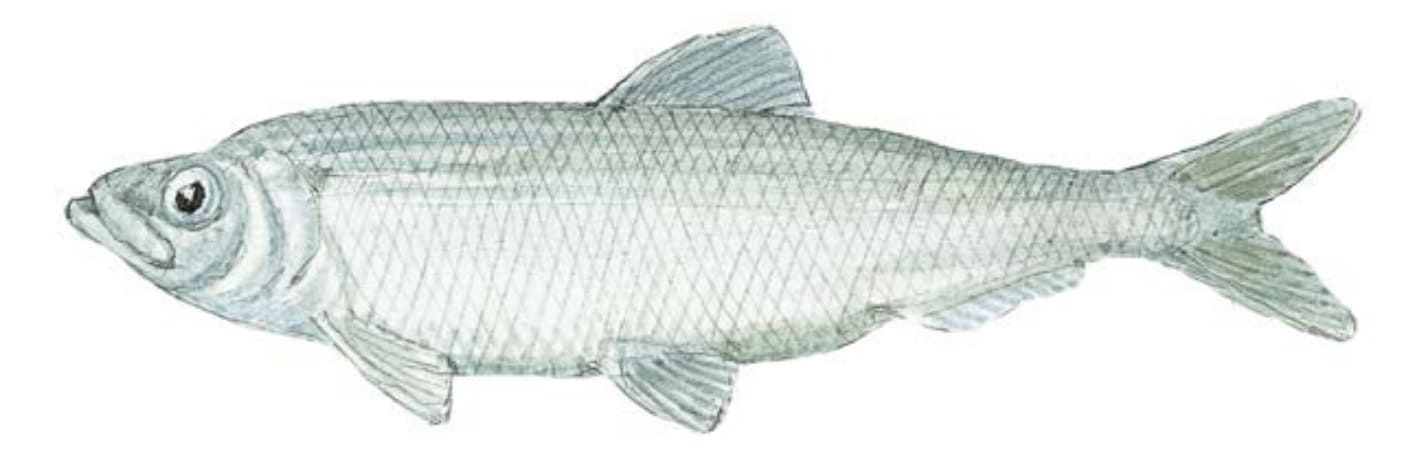
Clupea harengus
The body is not high (its height is about 1/5 of body length). Head is comparatively …
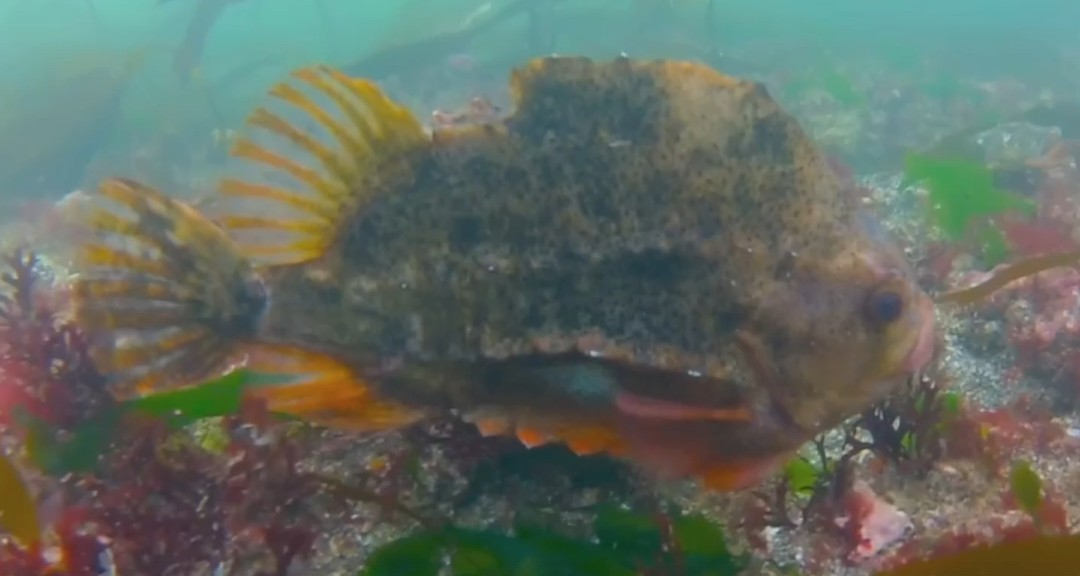
Cyclopterus lumpus
The body of the Lumpsucker is large, thick, and compressed at the sides. There are bony …
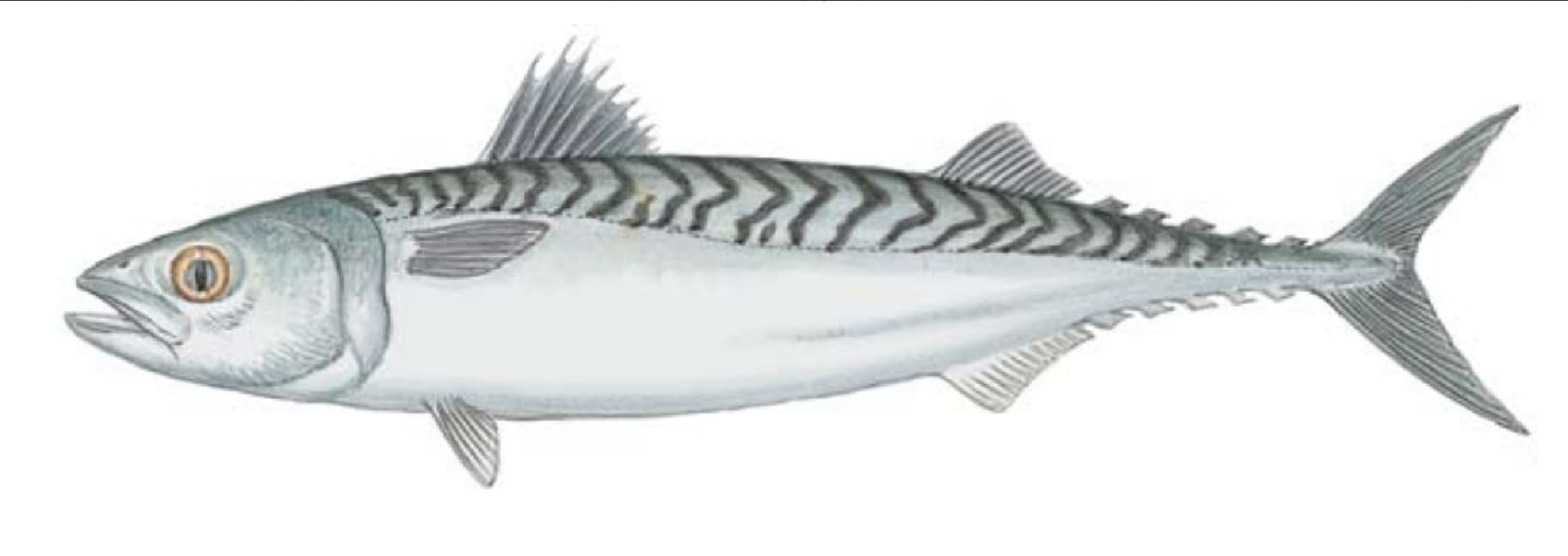
Scomber scombrus
The body is fusiform, slightly compressed from the sides. The scales are fine, cycloidal. The length …
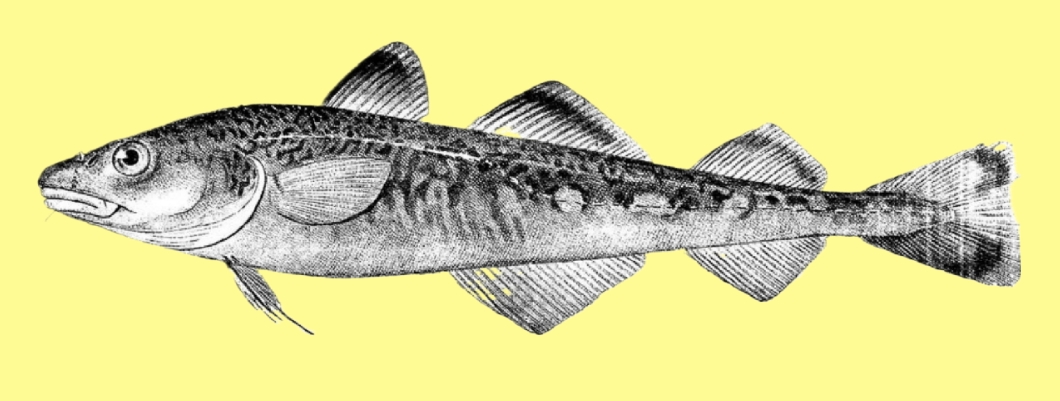
Eleginus nawaga
Eleginus nawaga is a close relative of E. gracilis, a related Pacific species.Navaga are characterized by …
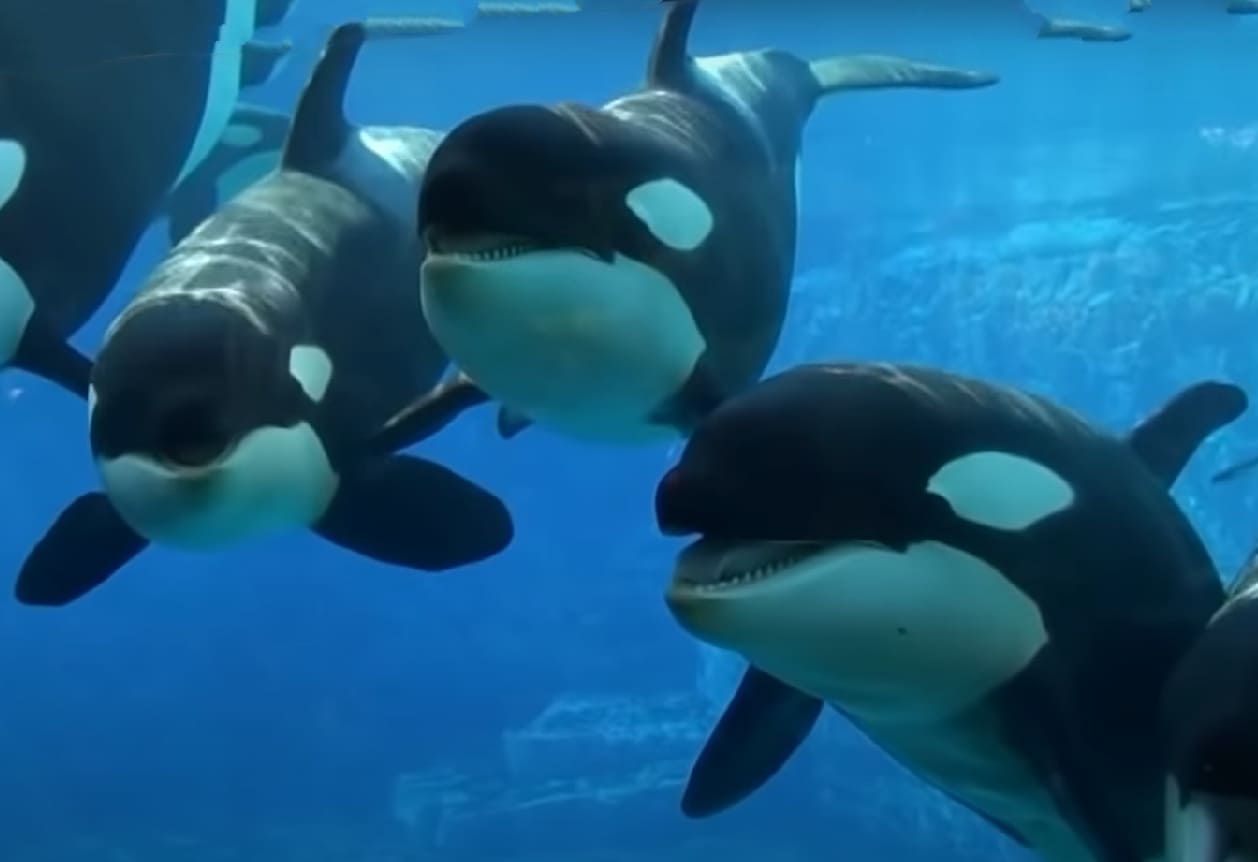
Orcinus orca
The Latin orca is thought to derive from the Greek ὄρυξ - a word used by …
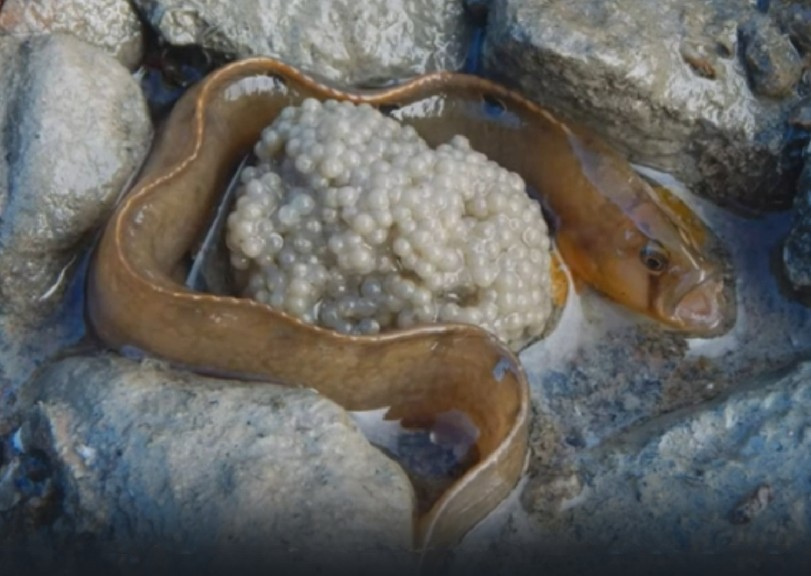
Pholis gunnellus
The body of Rock Gunnel, as well as other members of the genus, is eel-shaped. There …
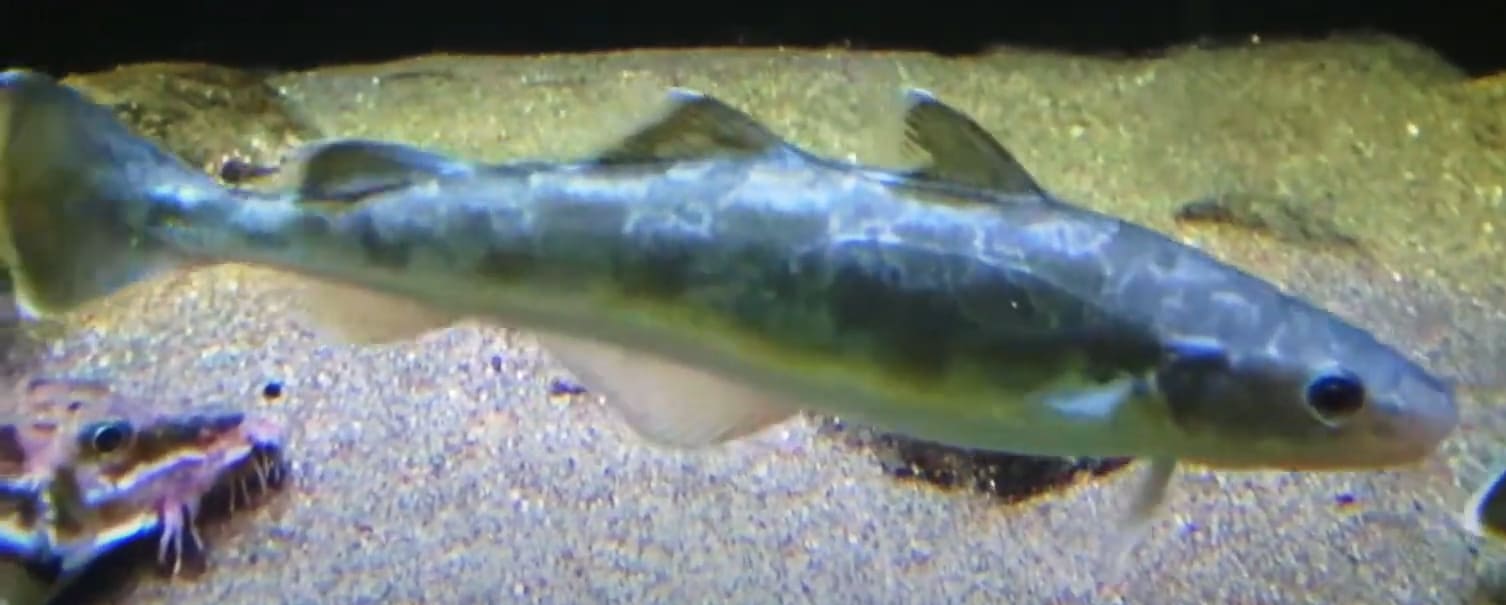
Eleginus gracilis
The lower jaw is shorter than the upper jaw, there is a chin tendril whose length …
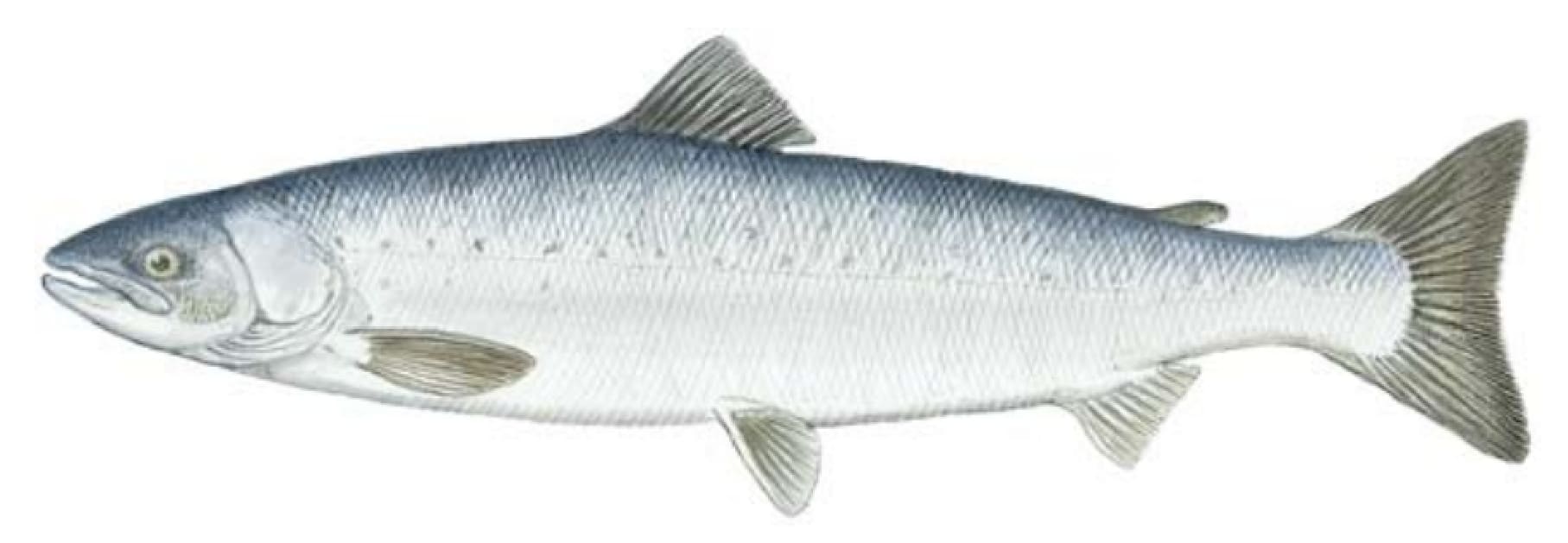
Salmo salar
Compared to its body size, the adult Atlantic salmon has a small head. Its body is …
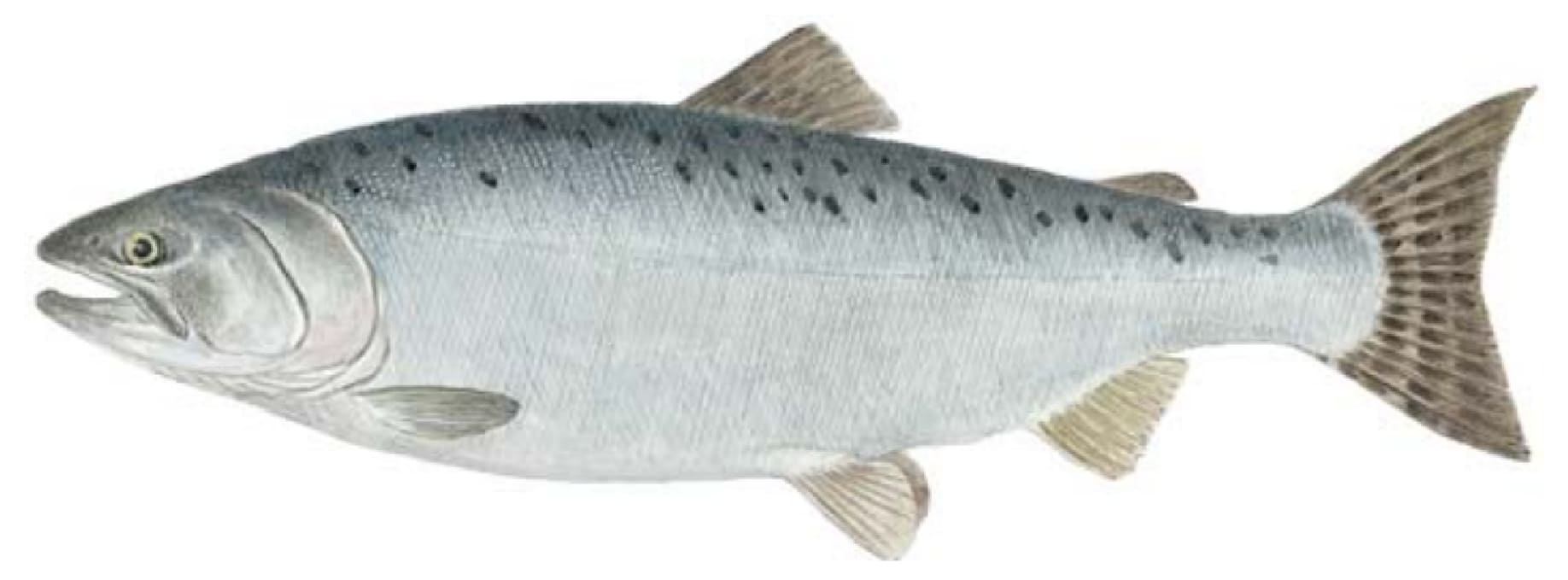
Oncorhynchus gorbuscha
Pink salmon are known as "humpback" because of their distorted, extremely humped appearance, which is caused …
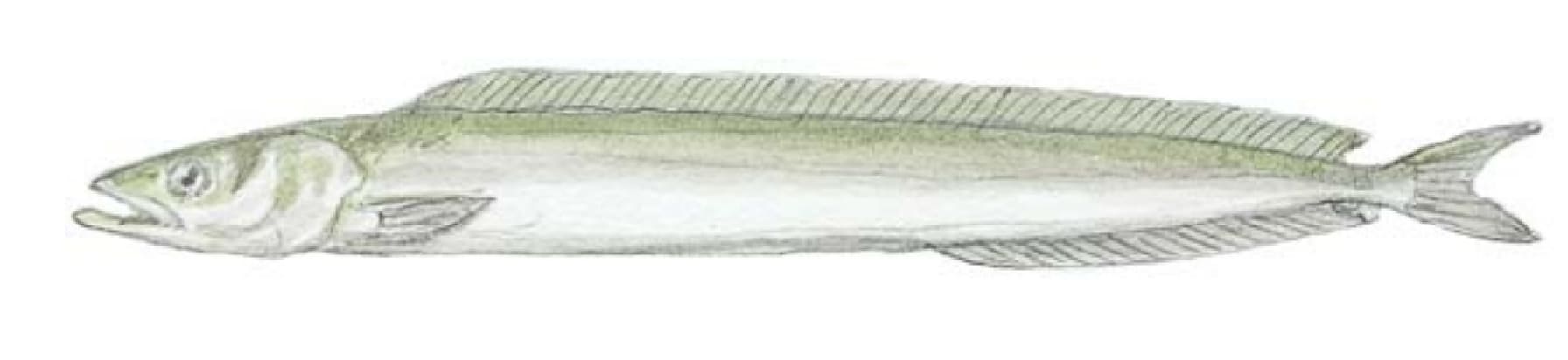
Ammodytes americanus, Ammodytes dubius, Ammodytes hexapterus
It is a small, slender, elongated and round-bodied fish without teeth, usually without pelvic fins, without …
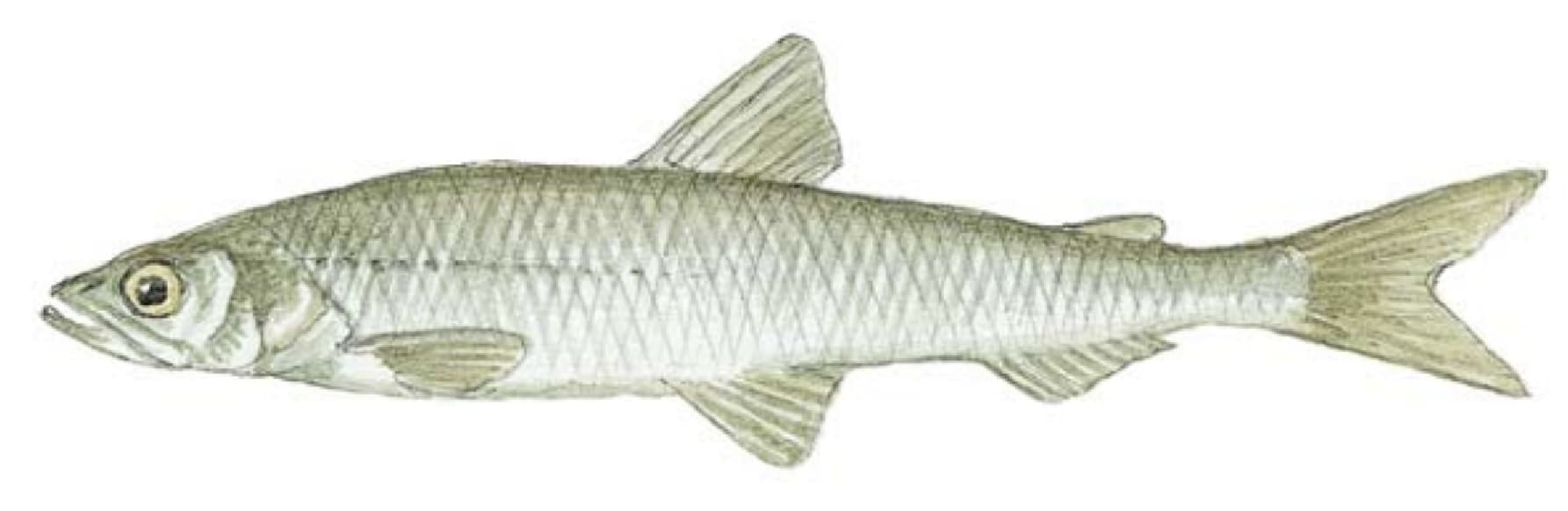
Osmerus eperlanus
Like salmon and trout, the smelt has a spiny adipose fin just in front of the …
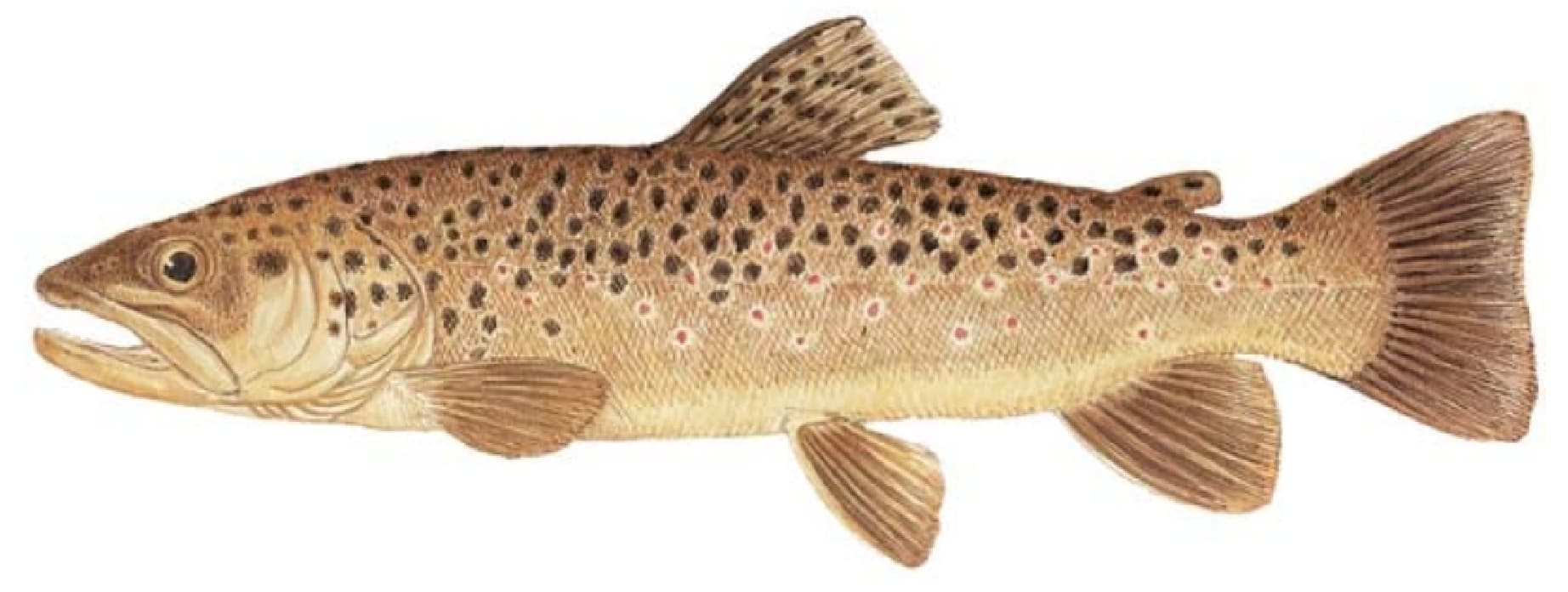
Salmo trutta
The brown trout gets its common name from its characteristic olive green, brown or golden brown …