 Allfishes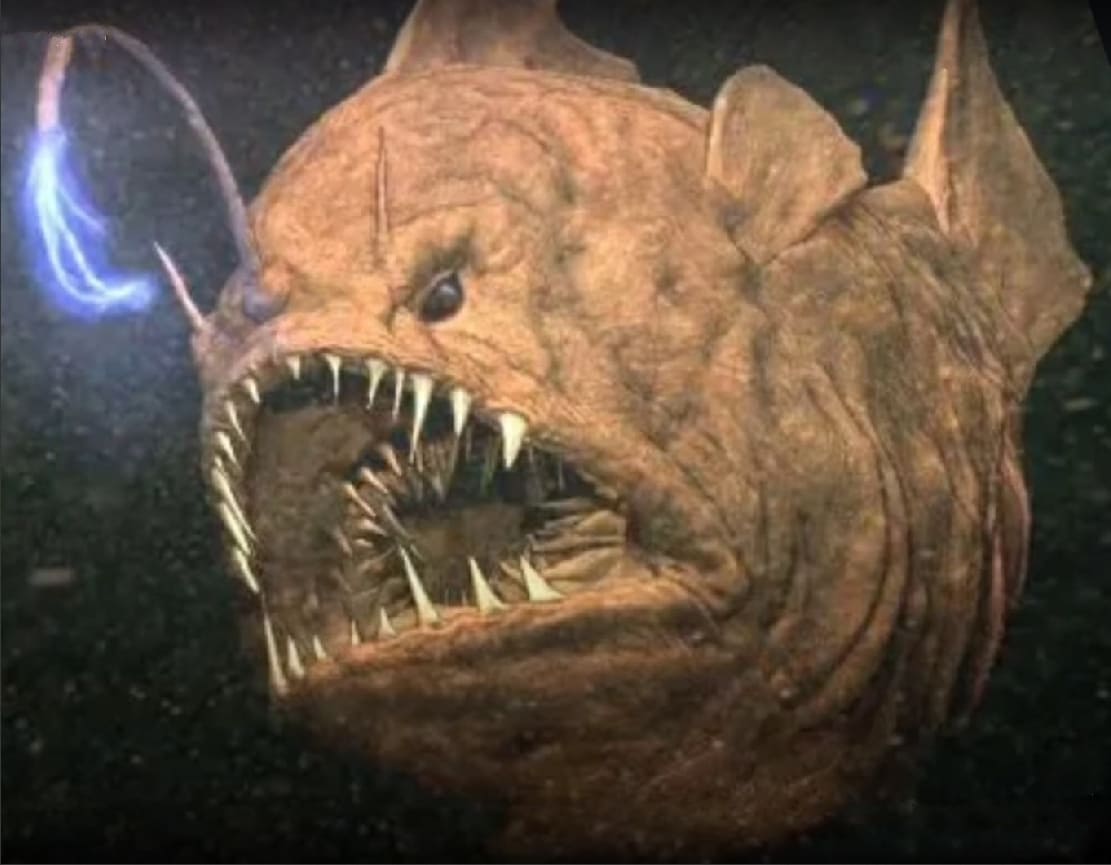
Angler
Lophius piscatorius
The body is naked, covered with numerous leathery growths and bony tubercles. On either side of …
The fauna of the Baltic Sea has a character transitional from sea to freshwater lake. Thus, often marine mollusks like oysters, Mua trunats, Littorina littoralis, etc. are found only in the western part of the sea, where the water is saltier. The fishes are also partly freshwater, the marine fishes disappearing as they approach the bays and estuaries, such as herrings, sprat, cod, etc. These fish do not enter the eastern part of the Gulf of Finland and the mouths of rivers, where salmon, smelt, ripple, etc. are caught.
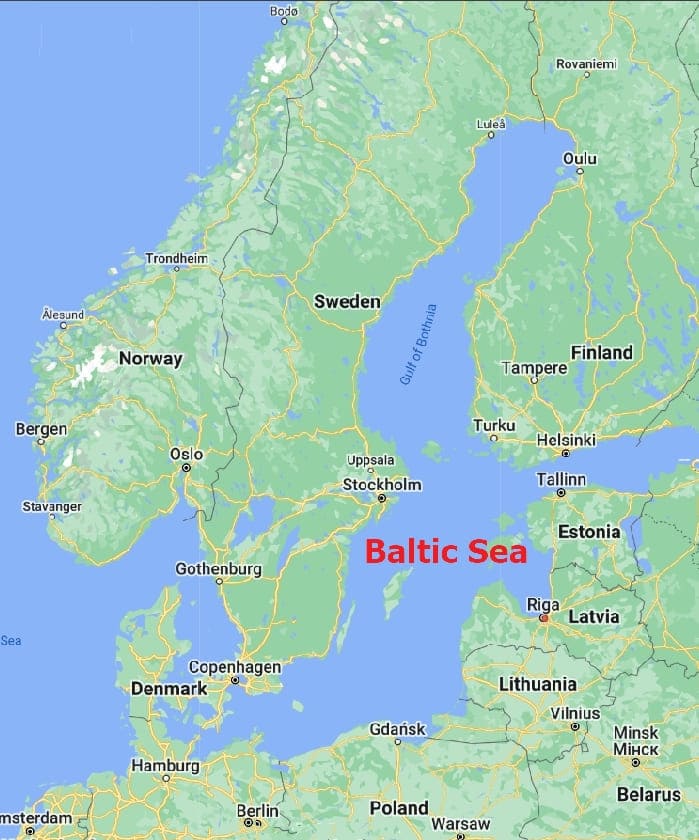
The Baltic Sea is not rich in fish species. Commercial species include Atlantic herring, Baltic sprat, cod, flounder, salmon, eel, smelt, roach, whitefish and perch. In the bays you will find perch, roach, gouster, bream, yaz, spruce, pike, pike perch, burbot, eel, ruff and even gudgeon. In the reed beds of the bays there are plenty of redfish, crucian carp, tench and other freshwater fish.
The mollusc fauna of the Baltic Sea is unique in its own way - there are both purely marine and freshwater species in its various parts. Saduria entomon is the largest mollusc in the Baltic Sea. Its length is 8 cm. Hydrobia is the smallest snail in the Baltic Sea. Its shell is only 3 mm thick. The Chinese mitten crab has recently appeared in the sea.
In addition to fish, the waters of the Baltic Sea are home to squid, small crustaceans and jellyfish. The Baltic Sea is famous for its delicious prawns, which are high in protein and low in calories. The largest jellyfish, Cyanea capillata, lives close to Danish waters. The harmless jellyfish Aurelia aurita lives in the rest of the area.
There are three species of Baltic seals around the Aland Islands: Grey Seal, Pusa and Porpoise. Ringed seals and Eurasian otters can be seen along the shores of the Baltic Sea.
The only shark found in the Baltic Sea is the spiny dogfish, but it is safe for humans. There are no other dangerous inhabitants.
Myoxocephalus scorpius is a fish that can hardly be described as beautiful. It is a predatory fish without scales. It has a huge head with six spines on the top and several on the sides. In the Baltic Sea it lives up to seven years and grows to a maximum of 33 cm.
Showing 1–19 of 19
Lophius piscatorius
The body is naked, covered with numerous leathery growths and bony tubercles. On either side of …
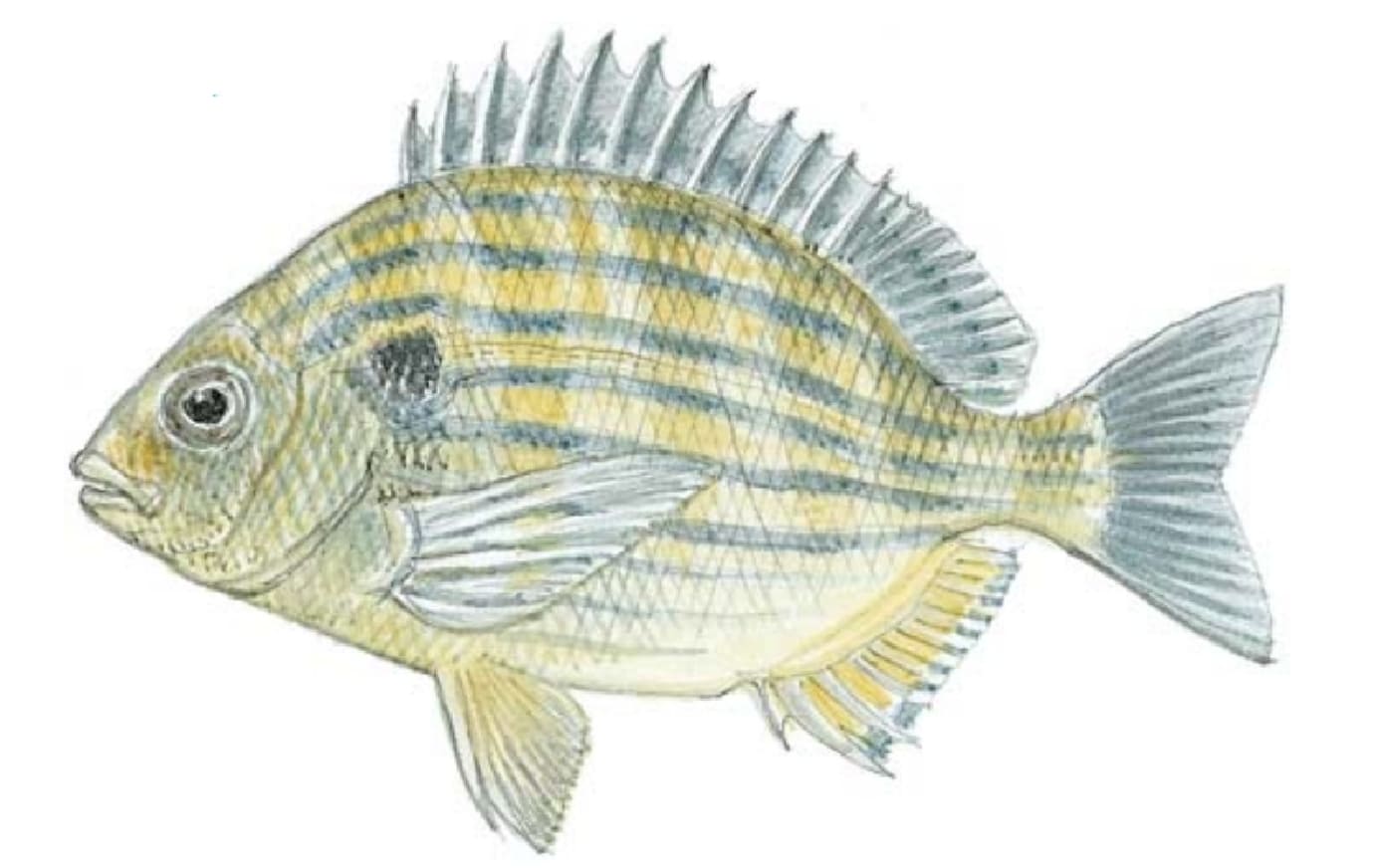
Archosargus rhomboidalis
The West Atlantic sea bream is similar to other members of its genus. It differs in …
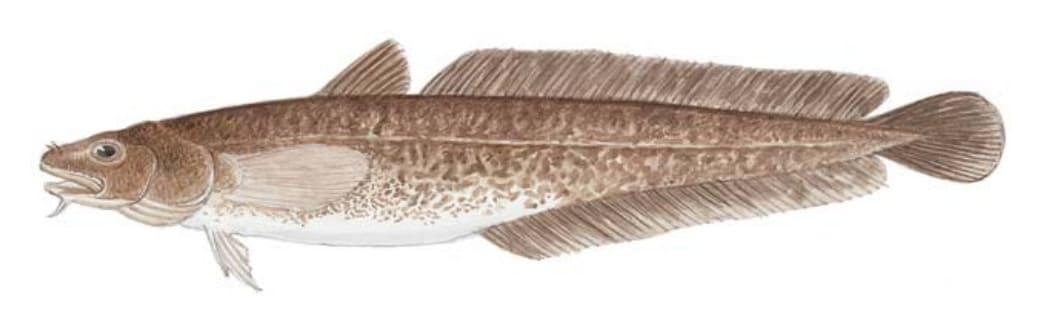
Lota lota
The head is flattened, broad, with an unpaired antenna on the chin and short antennae at …
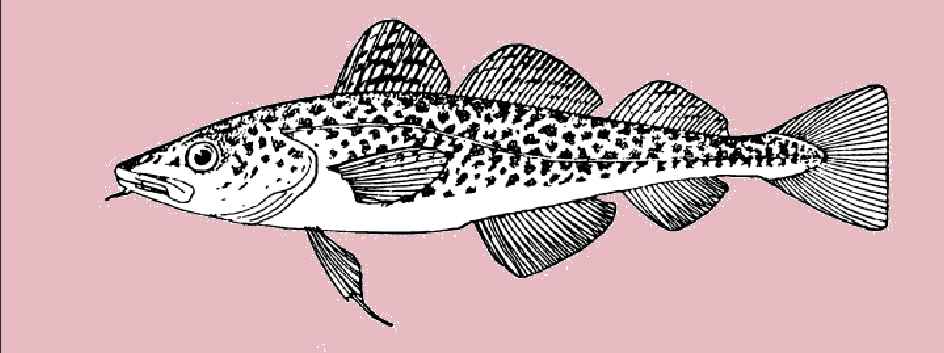
Gadus morhua
The Atlantic cod has three dark dorsal fins and two dark anal fins, none of which …
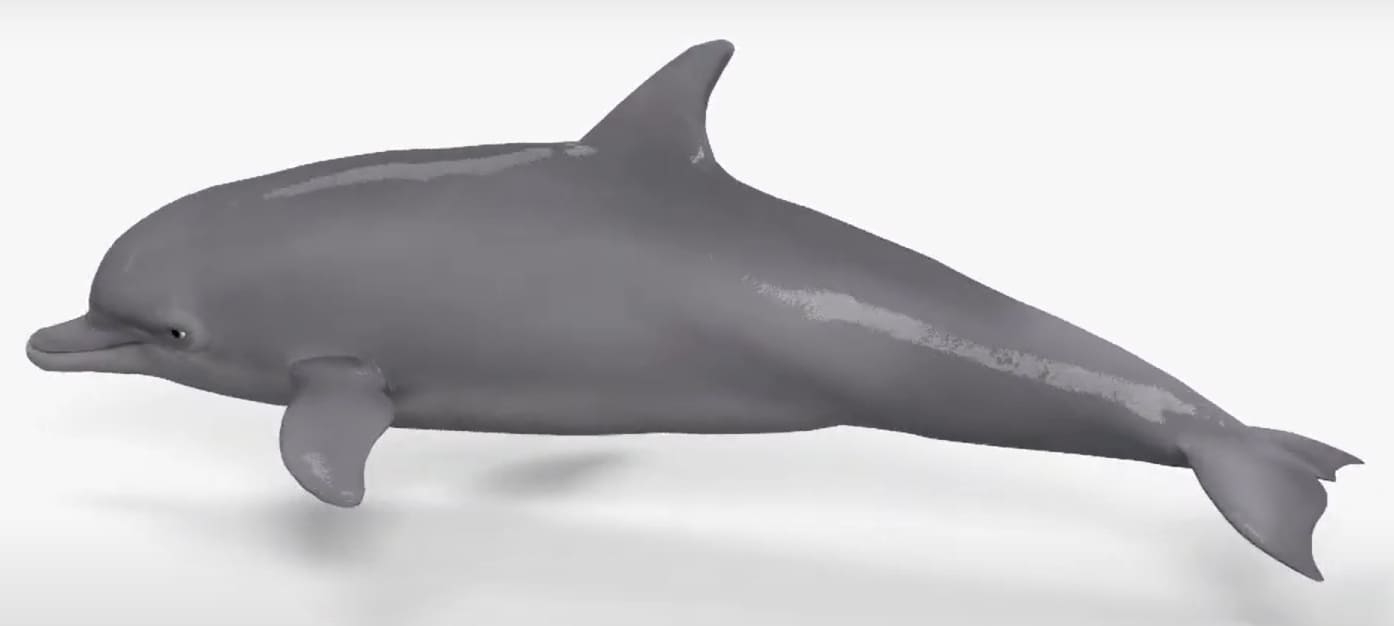
Tursiops truncatus
The moderately developed "beak" is clearly separated from the convex frontal-nasal (fat) pad. The skull reaches …
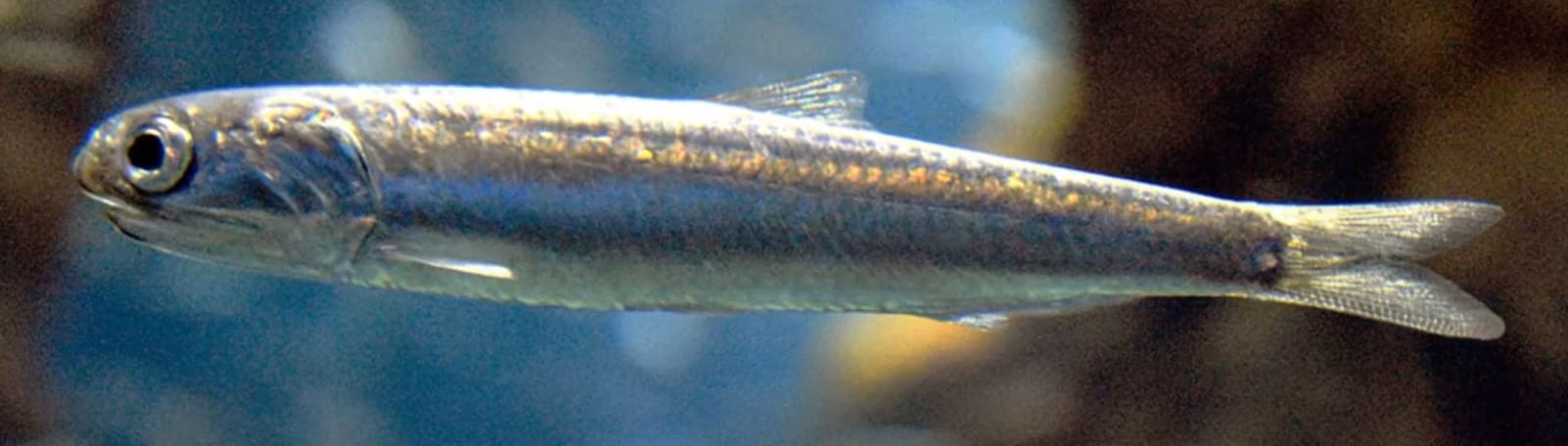
Engraulis encrasicolus
Body elongated, low, covered with cycloid scales, head compressed at the sides, bare. Scales thin, easily …
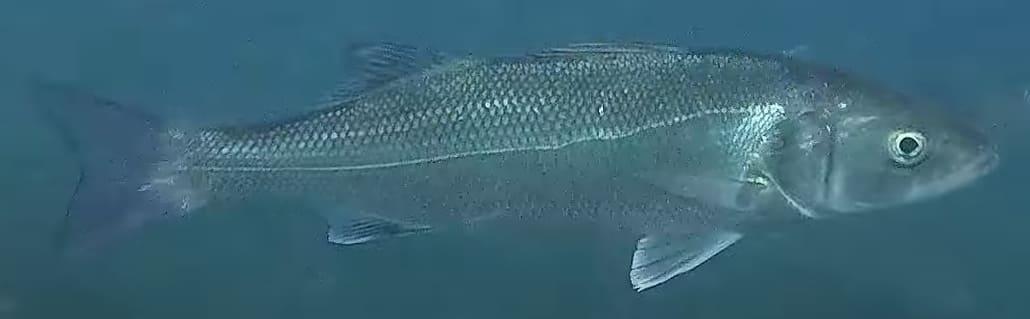
Dicentrarchus labrax
The generic Latin name is derived from the Ancient Greek δύο - two, κέντρον - barb …
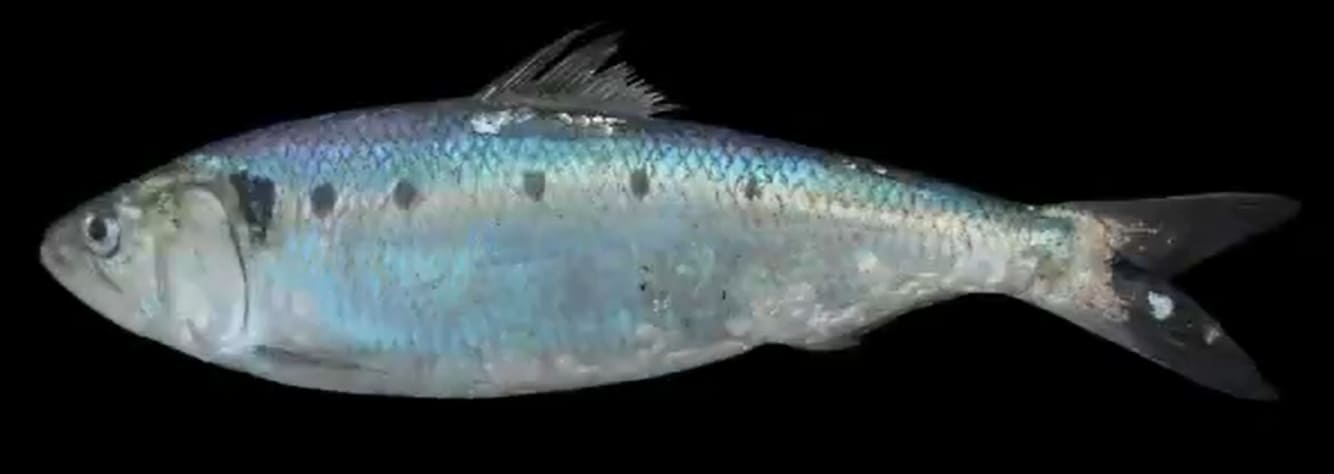
Sprattus sprattus
Characterised by strongly developed keel-shaped scales. The keel extends from the throat to the anal fin, …
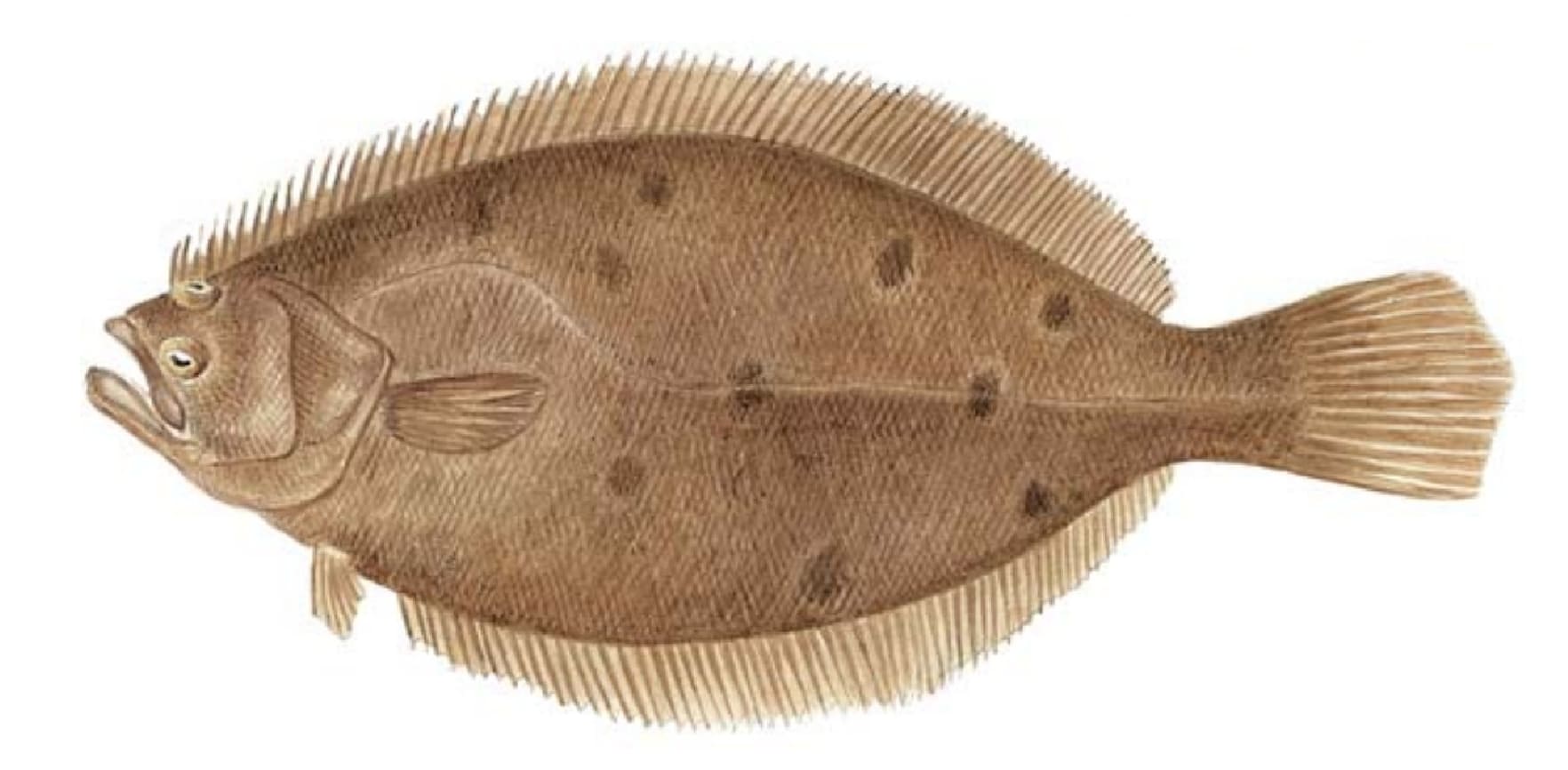
Paralichthys dentatus
The body is broad and somewhat flattened, bordered by long dorsal and anal fins. The mouth …
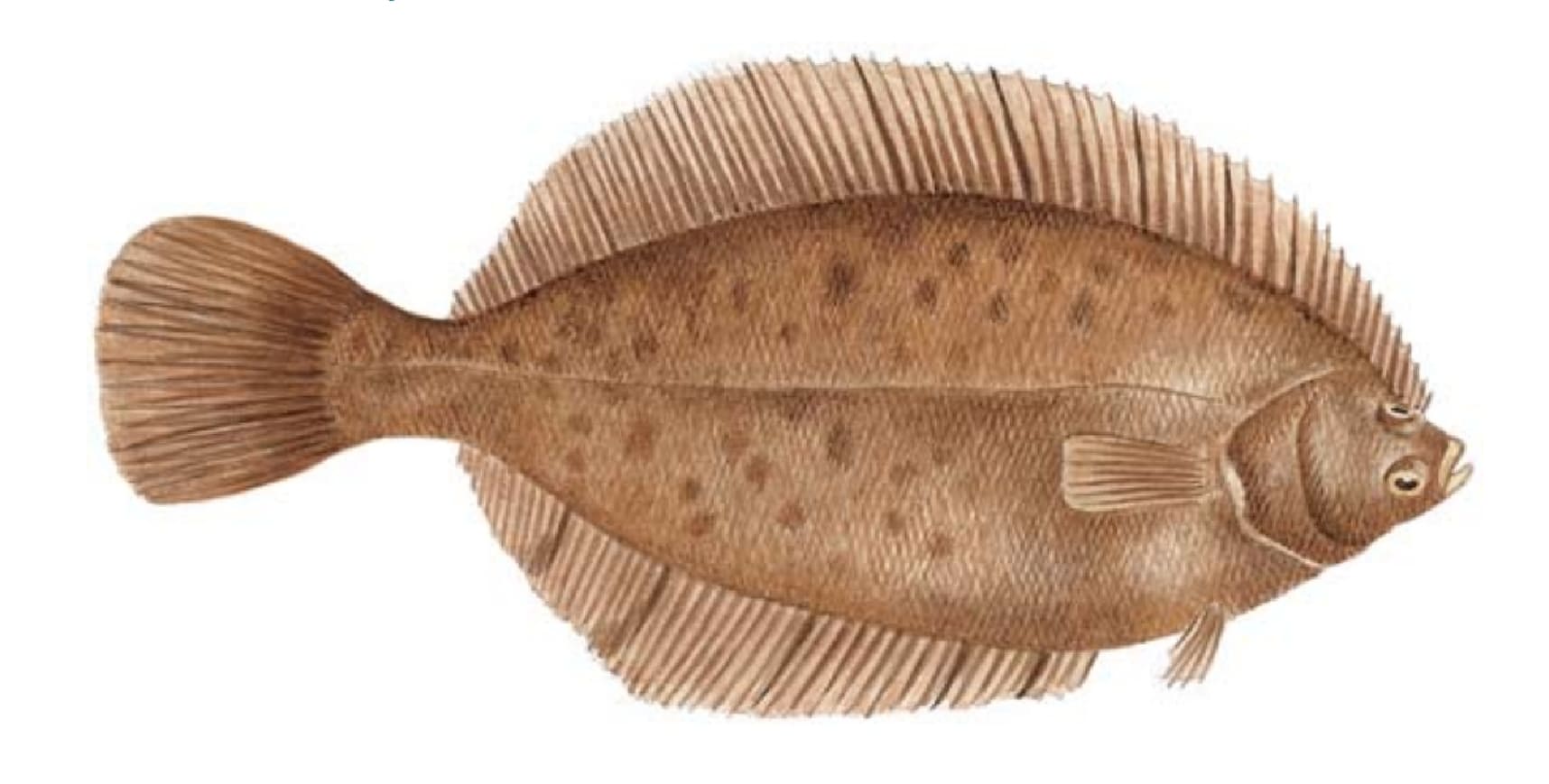
Pseudopleuronectes americanus
The body is oval and flat with a tiny mouth. The color varies from reddish-brown to …
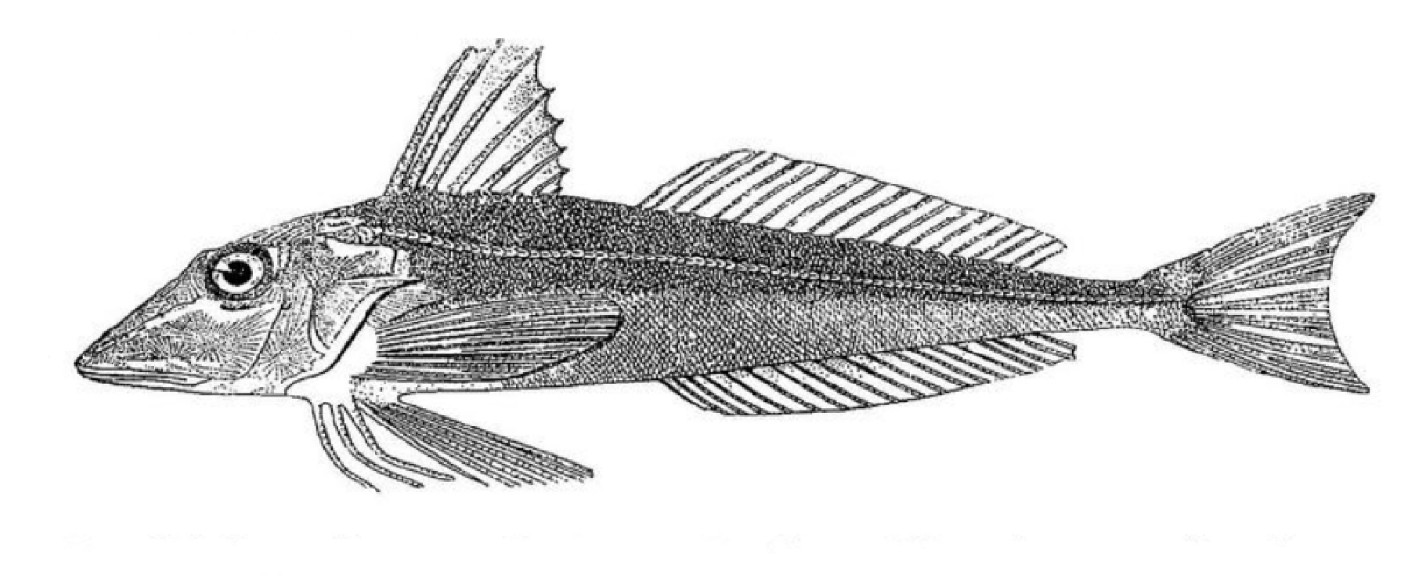
Eutrigla gurnardus
The elongated body of the gray gurnard is covered with fine scales; scales are absent from …
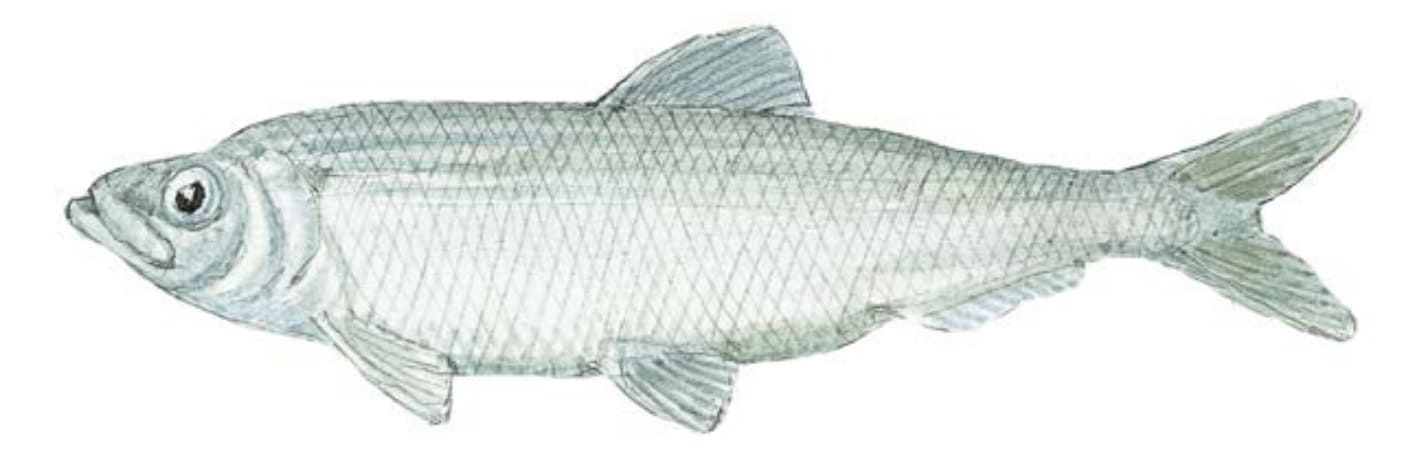
Clupea harengus
The body is not high (its height is about 1/5 of body length). Head is comparatively …
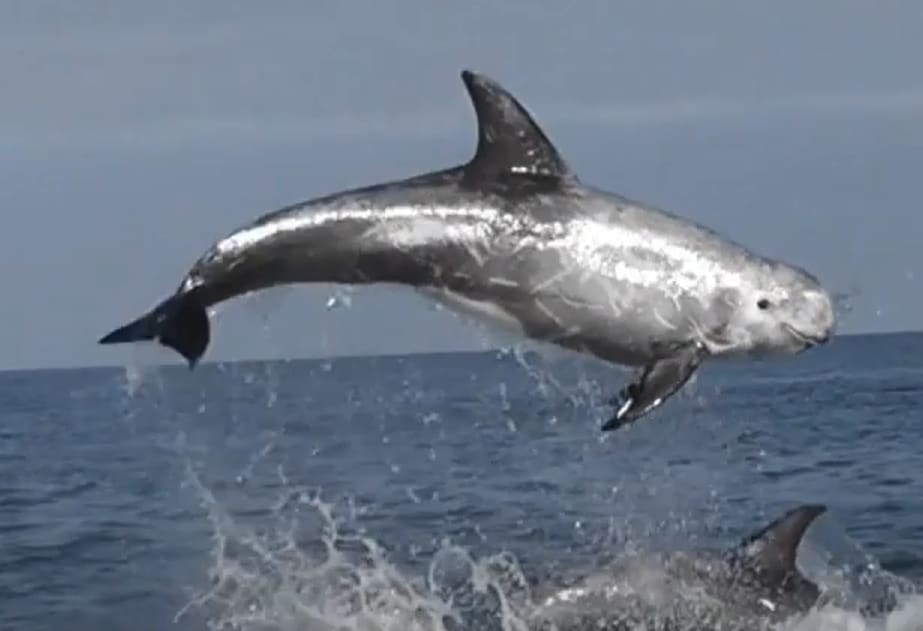
Grampus griseus
Risso's dolphin lacks the typical beak of other dolphins. It has a relatively large front body …
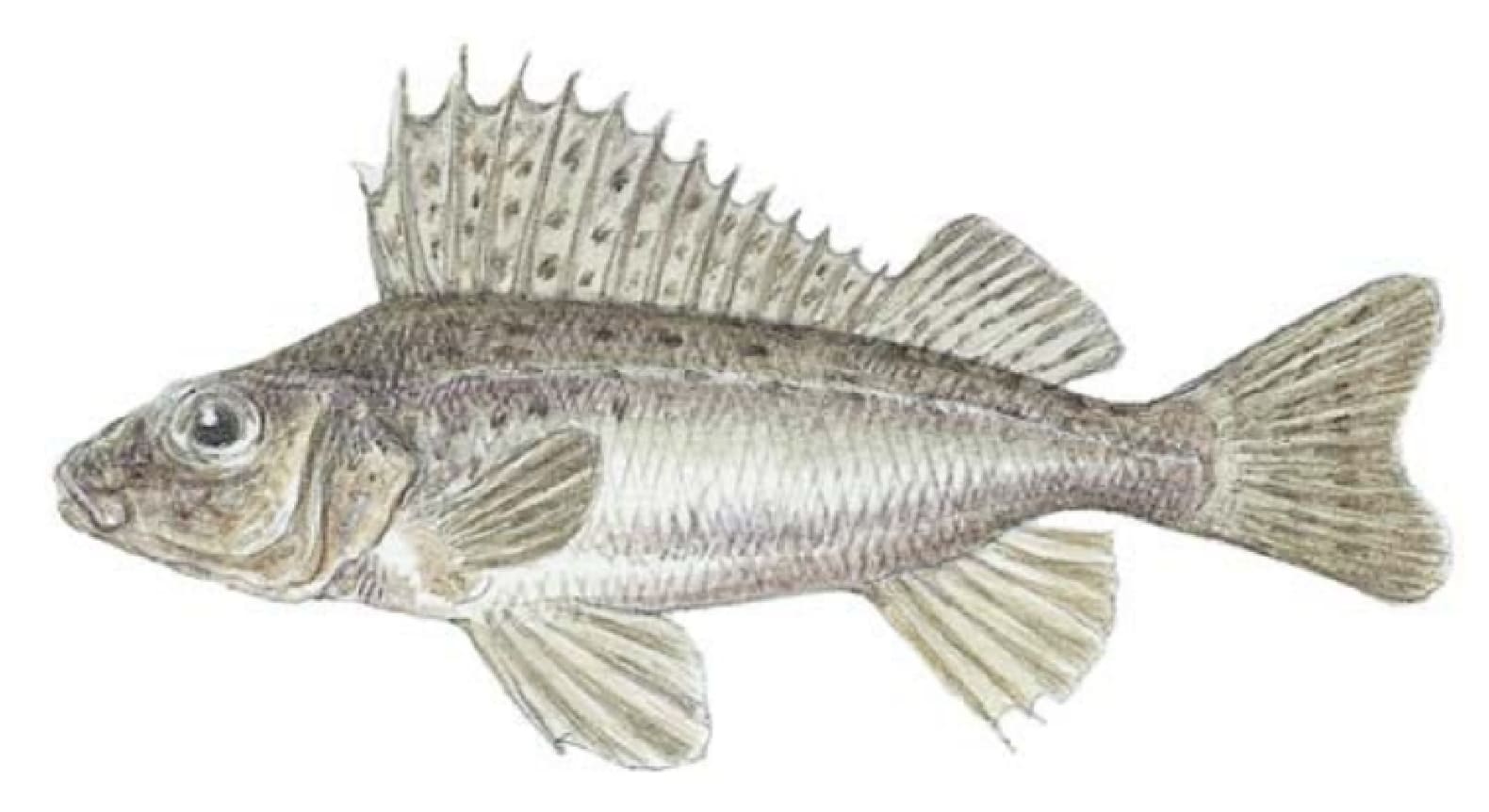
Gymnocephalus cernuus
The ruffe is very similar to the yellow perch in body shape and to the walleye …
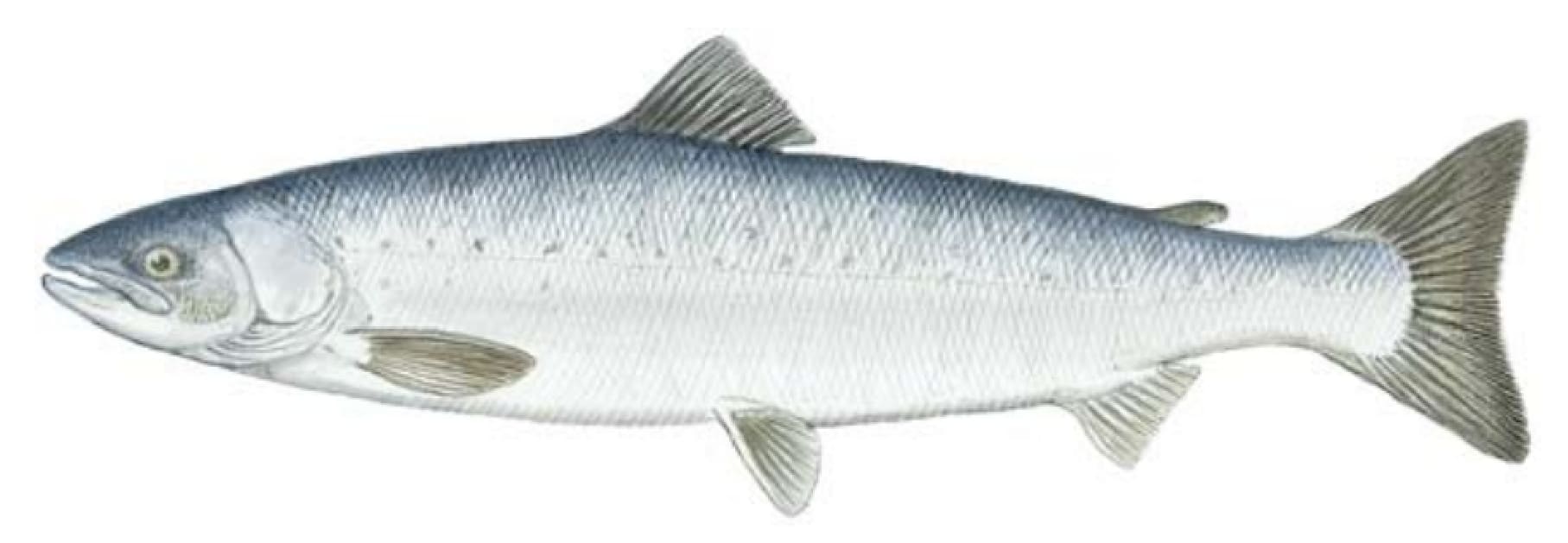
Salmo salar
Compared to its body size, the adult Atlantic salmon has a small head. Its body is …
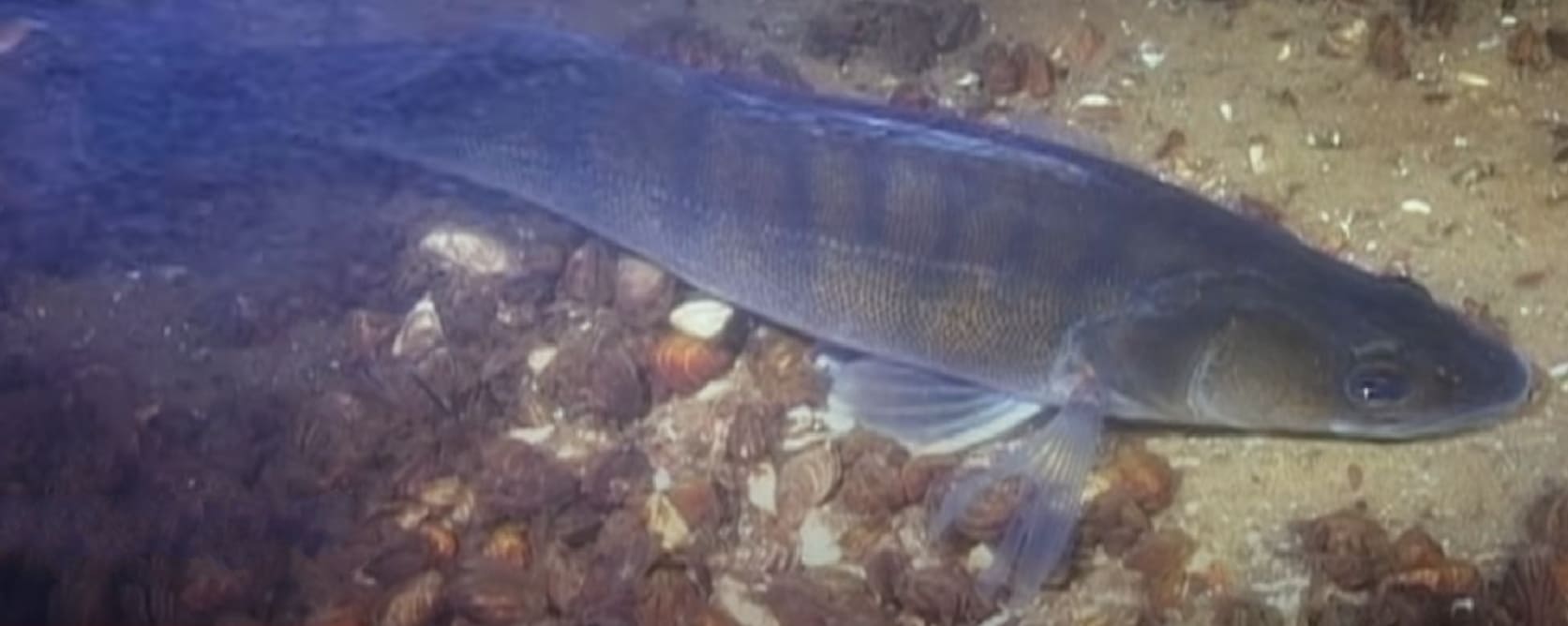
Sander lucioperca
There are 8-12 short, broad, brown-black horizontal stripes on the sides. The dorsal and caudal fins …
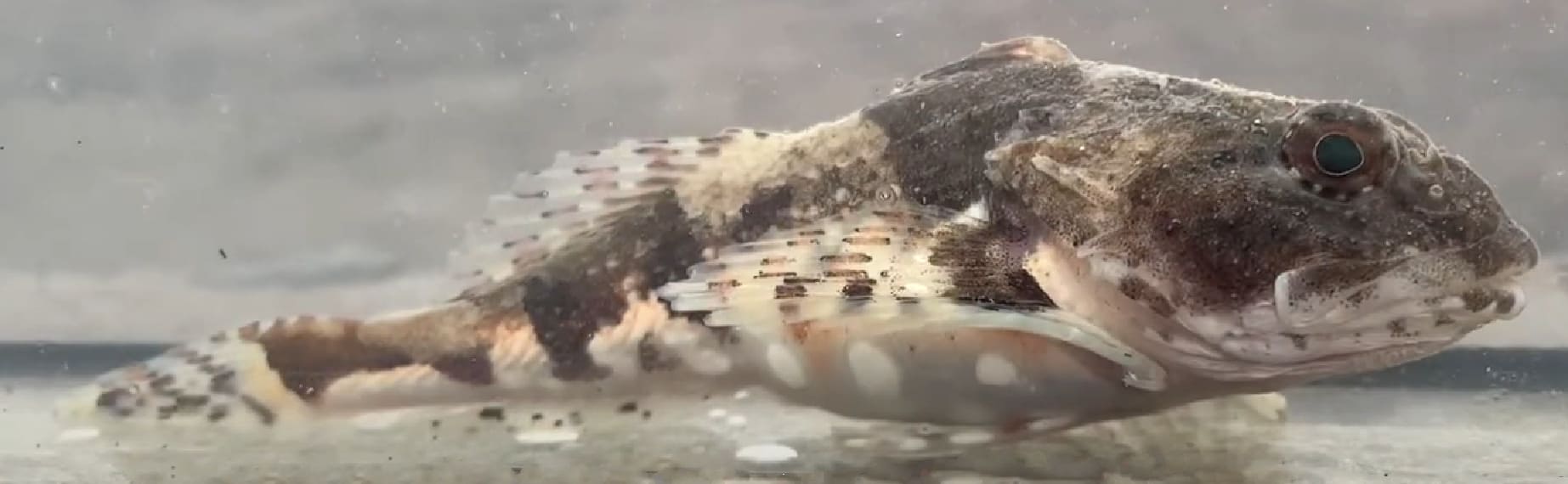
Myoxocephalus scorpius
The head is broad and spiny, the body is strong and scaleless. There are two conspicuous …
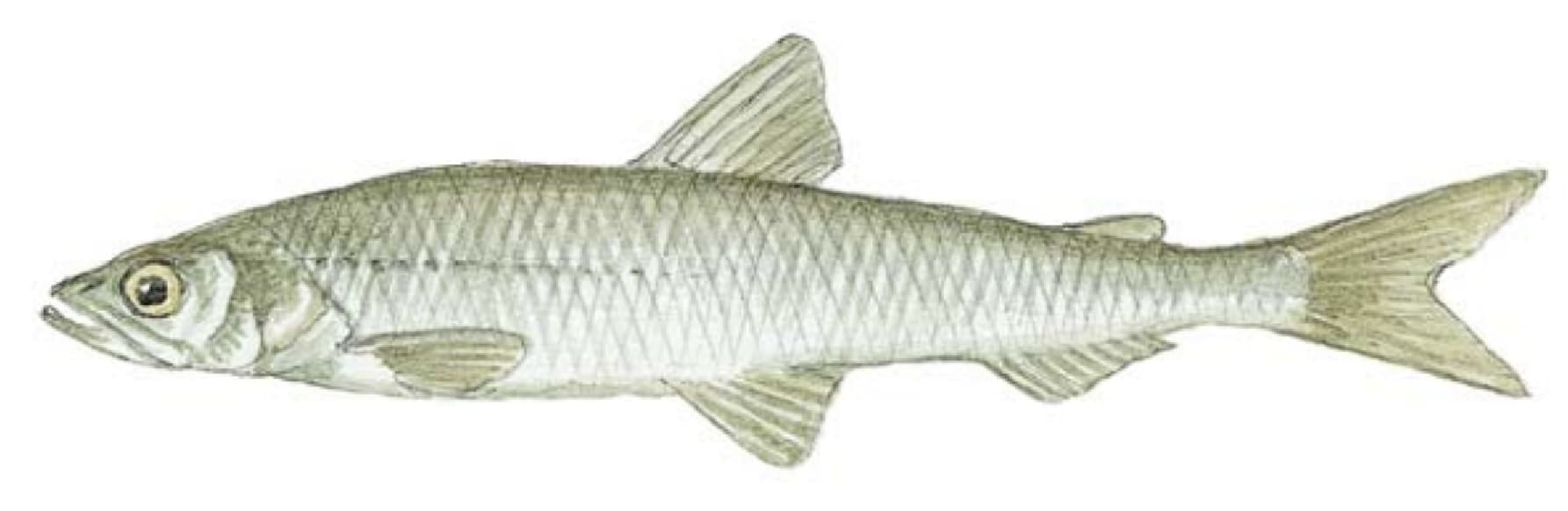
Osmerus eperlanus
Like salmon and trout, the smelt has a spiny adipose fin just in front of the …
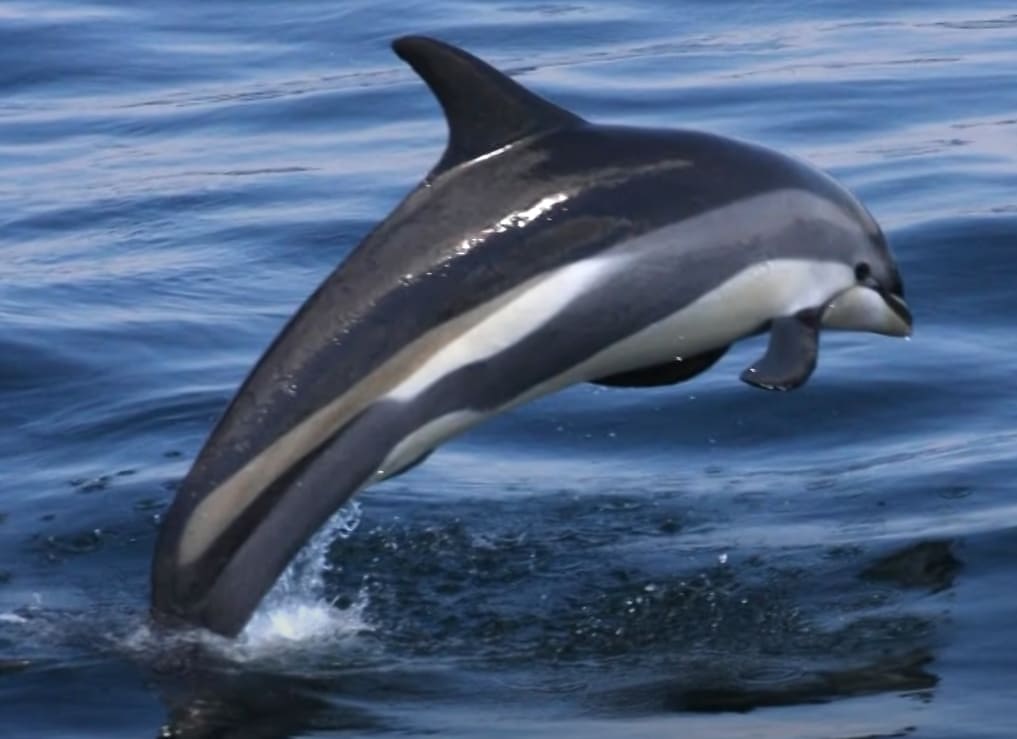
Lagenorhynchus albirostris
They have a rather powerful build and a muscular body. They have between 25 and 28 …