 Allfishes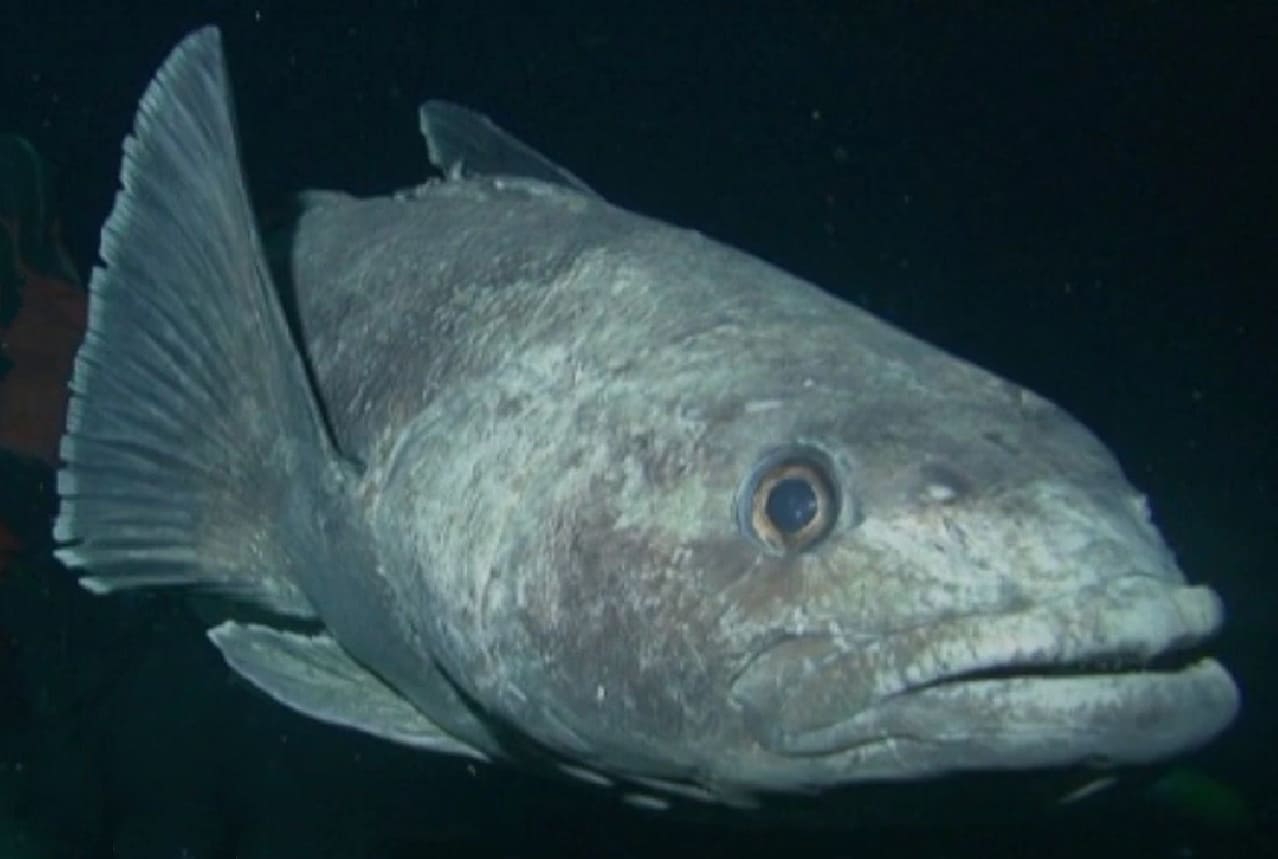
Antarctic toothfish
Dissostichus mawsoni
First dorsal fin with 7-9 barb rays, second dorsal fin with 24-27 barb rays, anal fin …
The fauna of the Weddell Sea is characteristic of the Antarctic region. The waters here are rich in different species of fish, whales, dolphins and other animals. Colourful coral reefs, a variety of starfish and shells create a magical atmosphere.
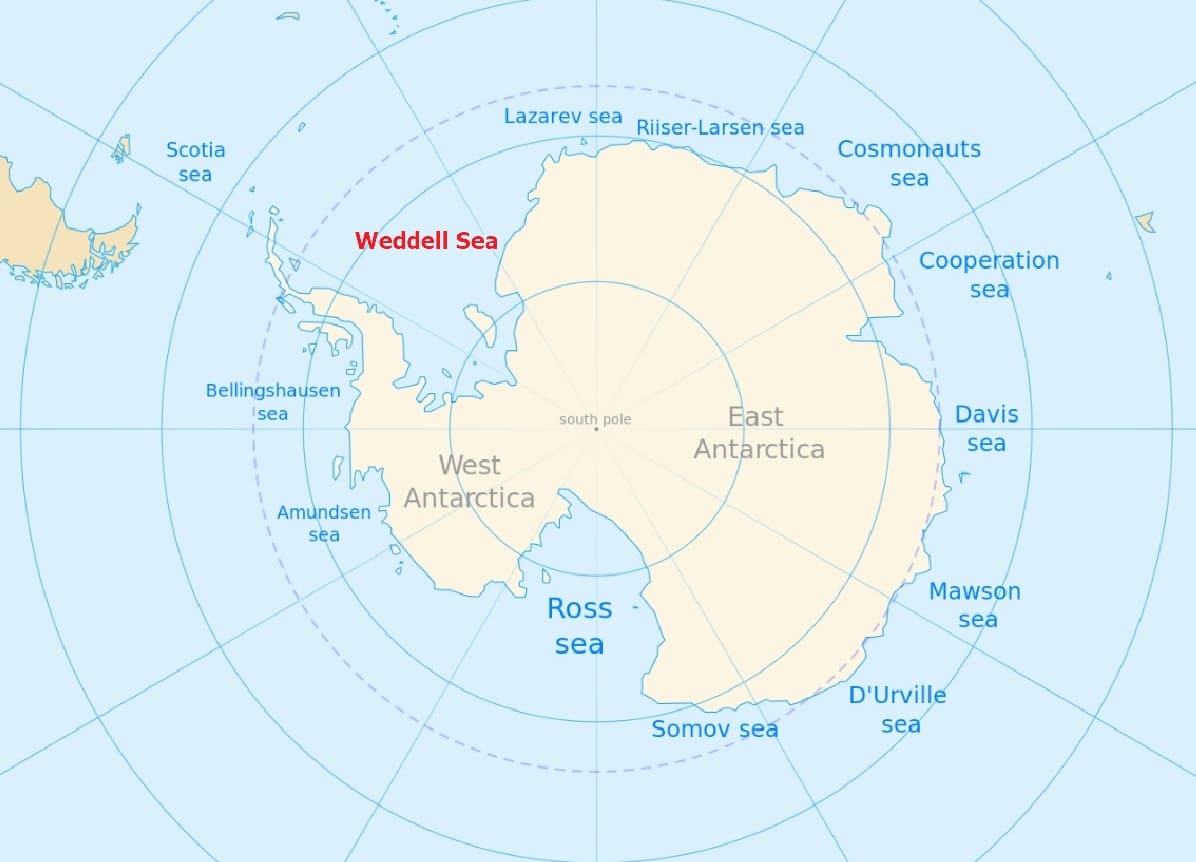
There are 1500 species of invertebrates known to inhabit the Weddell Sea. The most common in terms of biomass are sponges, ascidians, gorgonians, branching bryozoans, hydrozoan polyps, sea anemones, pterobranchs and others.
The sea is rich in krill, which provides food for larger animals and fish.
At the bottom of the sea is the world's largest fish spawning ground, covering 240 km² and consisting of some 60 million nests of Neopagetopsis ionax. Fish in the Weddell Sea are also represented by Antarctic toothfish of the family Nototheniidae, mackerel icefish, Macrourus, Micromesistius. Harpagiferidae, several species of Artedidraconidae and other representatives of the Antarctic fauna.
Typical marine life includes Weddell and Crabeater seals. The latter is prey for the large predatory leopard seal. Seals are hunted by killer whales. Baleen whales attracted by krill schools are mainly minke and humpback whales, but also blue whales, southern right whales, sei whales, fin whales and sperm whales.
Showing 1–3 of 3
Dissostichus mawsoni
First dorsal fin with 7-9 barb rays, second dorsal fin with 24-27 barb rays, anal fin …
Pagothenia borchgrevinki
The first dorsal fin has 4-7 flexible barb rays, the second dorsal fin has 34-38 flexible …
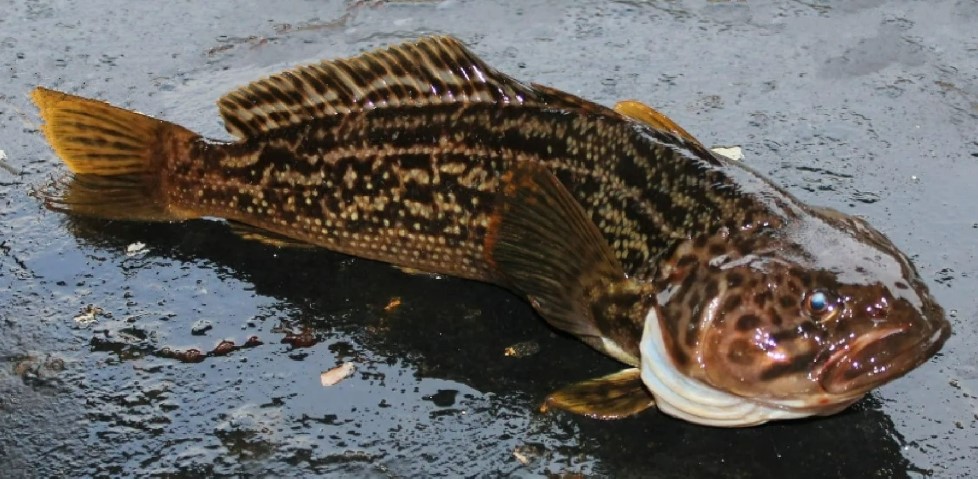
The species name gibberifrons is a combination of the words gibber, meaning 'humpback', and frons, meaning …