 Allfishes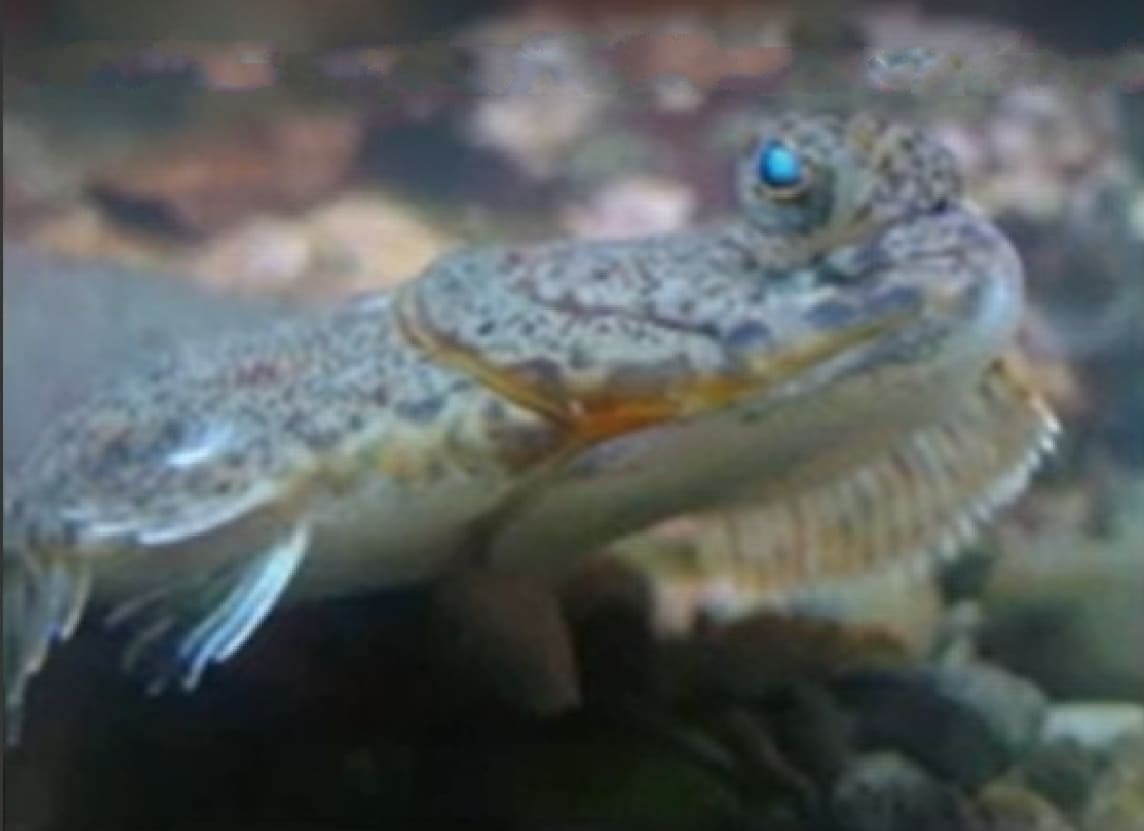
American plaice
Hippoglossoides platessoides
It has a slender body and a large mouth. The ocular side is covered with ctenoid …
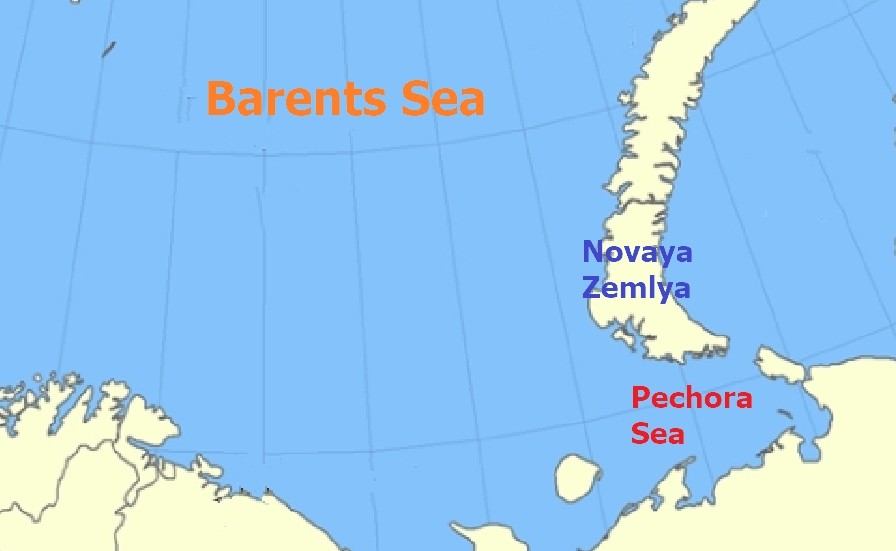 The Arctic Sea is located northwest of European Russia and constitutes the southeastern portion of the Barents Sea. It borders Kolguyev Island to the west, Vaygach Island's western coast and the Yugorsky Peninsula to the east, and Novaya Zemlya's southern tip to the north. The sea is approximately 300 km long and 180 km wide. It covers 81,263 km² of water and has a volume of 4,380 km³.
The seasonal ice cover forms in September and October and remains until July. The water in the surface layers warms up to 10-12°C in August, while the water in the deep layers warms up in September and October. In May, the coldest month, the water temperature is below freezing from the surface to the bottom. Water salinity varies throughout the year and in different areas of the sea. During the ice period, salty seawater is present (salinity 32-35 ‰). During the summer and fall, the effect of freshwater runoff from the mainland is strongly pronounced in the area. In the 0–10-meter layer, zones of brackish water (salinity up to 25 ‰), moderately salty marine water (salinity 25–30 ‰), and salty marine water (salinity greater than 30 ‰) form. These zones reach maximum development in July. They decrease in size from August to October, disappearing completely by the time ice begins to form in November.
This body of water is unique compared to the rest of the Barents Sea because of its more continental climate, lower salinity, shallow water, remoteness from the open sea, large number of rivers, and low level of human intervention in historical processes. Its temperate characteristics are atypical of the Arctic. Located in the center of the East Atlantic Strait, where conditions are suitable for benthic organisms, the Pechora Sea is home to about 600 species and has the highest total biomass in the Barents Sea. The most common species are annelids, bryozoans, crustaceans, echinoderms, mollusks, and sarcomastigophora. These species are the main food source for the nearby walruses. Two species of sharks, the spiny dogfish (Squalus acanthias) and the Greenland shark (Somniosus microcephalus), inhabit these waters, which is unusual for the Arctic. The Kara group of beluga whales migrates to the Pechora Sea in the winter. Cod and seal fishing are carried out in the local waters.
Of the 70 species of fish in the sea, the most common is the polar cod (Boreogadus saida). This species is important to the cryopelagic ecosystem. Various migratory fish enter the sea, including some of the largest populations of Atlantic salmon (Salmo salar) and Arctic cisco (Coregonus autumnalis) in Northern Europe. Other migratory fish include nelma (Stenodus nelma), humpback whitefish (Coregonus pidschian), broad whitefish (Coregonus nasus), Siberian sturgeon (Acipenser baerii), and brown trout (Salmo trutta), least cisco (Coregonus sardinella). The European eel (Anguilla anguilla) comes to the sea to breed. The basin is home to ide (Leuciscus idus), northern pike (Esox lucius), peled (Coregonus peled), European grayling (Thymallus thymallus), and pink salmon (Oncorhynchus gorbuscha). Native fish species include: Arctic lamprey (Lethenteron camtschaticum), thornback ray (Raja clavata), Atlantic herring (Clupea harengus), Chosa herring (Clupea pallasii suworowi), capelin (Mallotus villosus), thornback ray (Raja clavata), rainbow smelt (Osmerus mordax), burbot (Lota lota), navaga (Eleginus nawaga), saffron cod (Eleginus nawaga), Atlantic cod (Gadus morhua), haddock (Melanogrammus aeglefinus), pollock (Pollachius virens), three-spined stickleback (Gasterosteus aculeatus), ninespine stickleback (Pungitius pungitius), golden redfish (Sebastes marinus), Atlantic hookear sculpin (Artediellus atlanticus), hamecon (Artediellus scaber), Arctic staghorn sculpin (Gymnocanthus tricuspis), twohorn sculpin (Icelus bicornis), shorthorn sculpin (Myoxocephalus scorpius), fourhorn sculpin (Myoxocephalus quadricornis), ribbed sculpin (Triglops pingelii), Atlantic poacher (Leptagonus decagonus), Arctic alligatorfish (Aspidophoroides olrikii), lumpsucker (Cyclopterus lumpus), leatherfin lumpsucker (Eumicrotremus derjugini), Atlantic spiny lumpsucker (Eumicrotremus spinosus), kelp snailfish (Liparis tunicatus), polka-dot snailfish (Liparis gibbus), gelatinous seasnail (Liparis fabricii), Canadian eelpout (Lycodes polari), shulupaoluk (Lycodes jugoricus), viviparous eelpout (Zoarces viviparus), stout eelblenny (Anisarchus medius), daubed shanny (Leptoclinus maculatus), slender eelblenny ((Lumpenus fabricii), snakeblenny ((Lumpenus lampretaeformis), rock gunnel (Pholis gunnellus), northern wolffish (Anarhichas denticulatus), Atlantic wolffish (Anarhichas lupus), spotted wolffish (Anarhichas minor), raitt's sand eel (Ammodytes marinus), American plaice (Hippoglossoides platessoides), Atlantic halibut (Hippoglossus hippoglossus), common dab (Limanda limanda), Arctic flounder (Liopsetta glacialis), European plaice (Pleuronectes platessa).
Showing 1–24 of 62
Hippoglossoides platessoides
It has a slender body and a large mouth. The ocular side is covered with ctenoid …
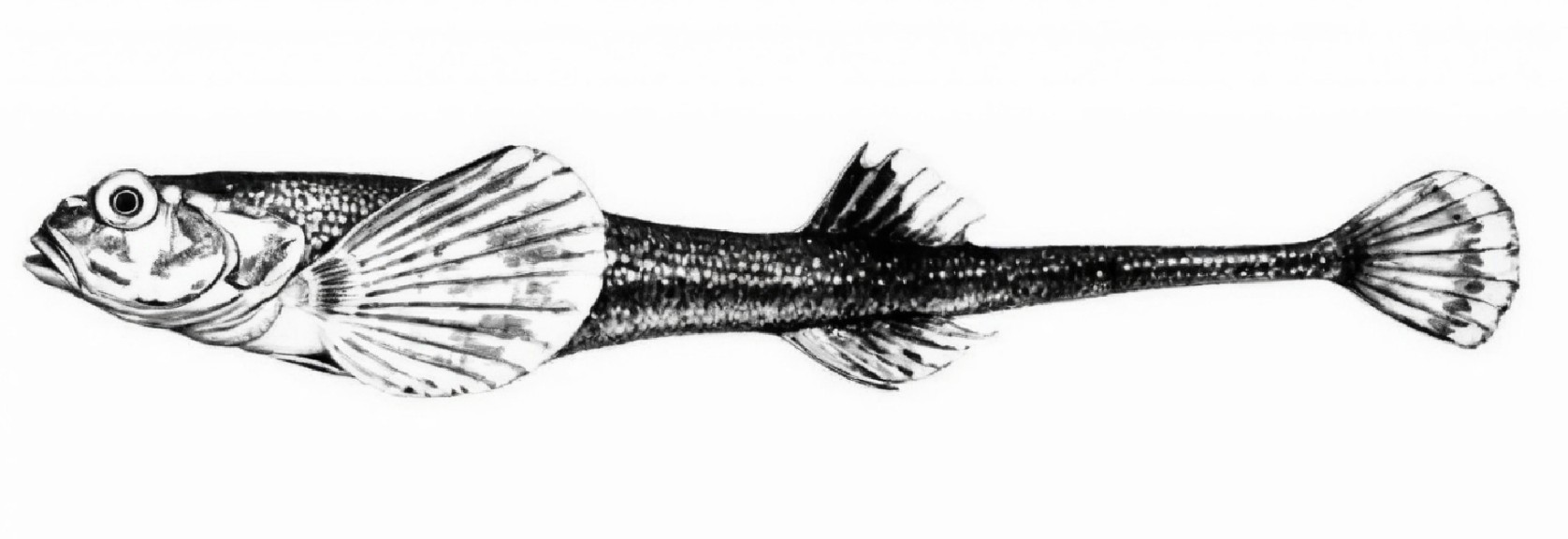
Aspidophoroides olrikii
The head of the Arctic alligatorfish is large and broad. There are short antennae on the …
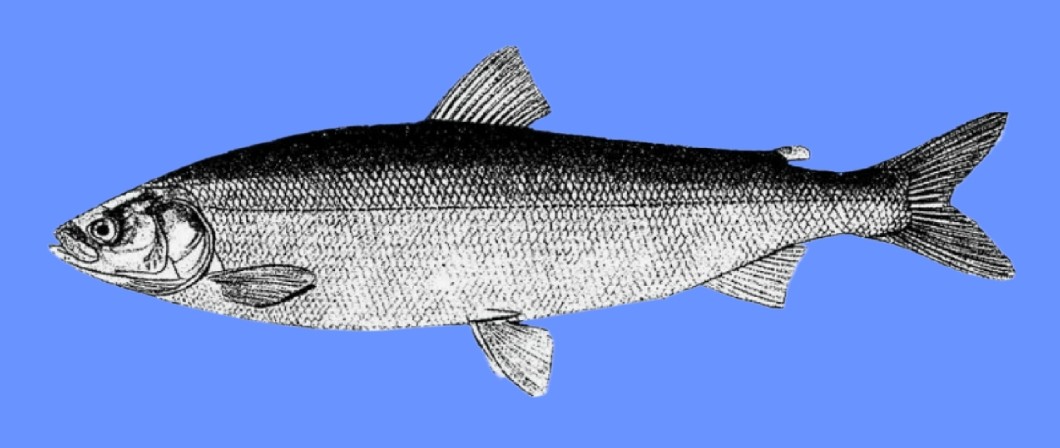
Coregonus autumnalis
The back of the Arctic cisco is rather high and slightly curved. The pelvis has an …
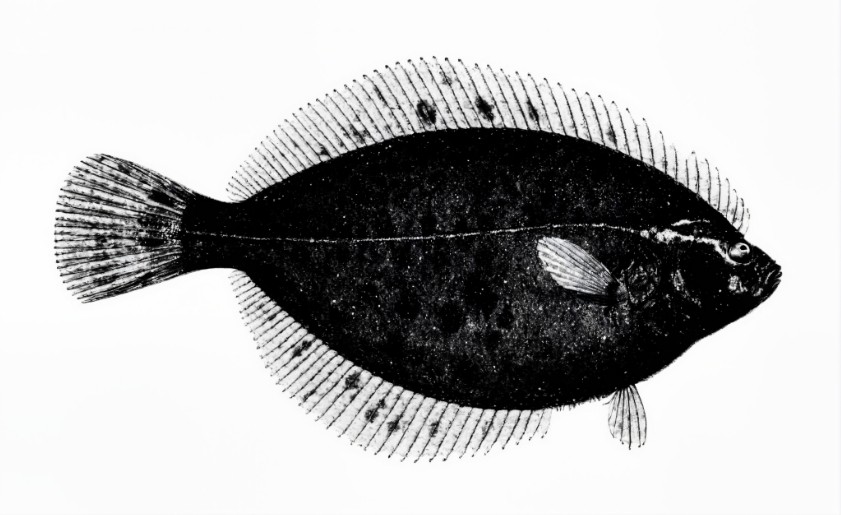
Liopsetta glacialis
It is a right eyed flounder. It is characterized by the presence of both eyes on …
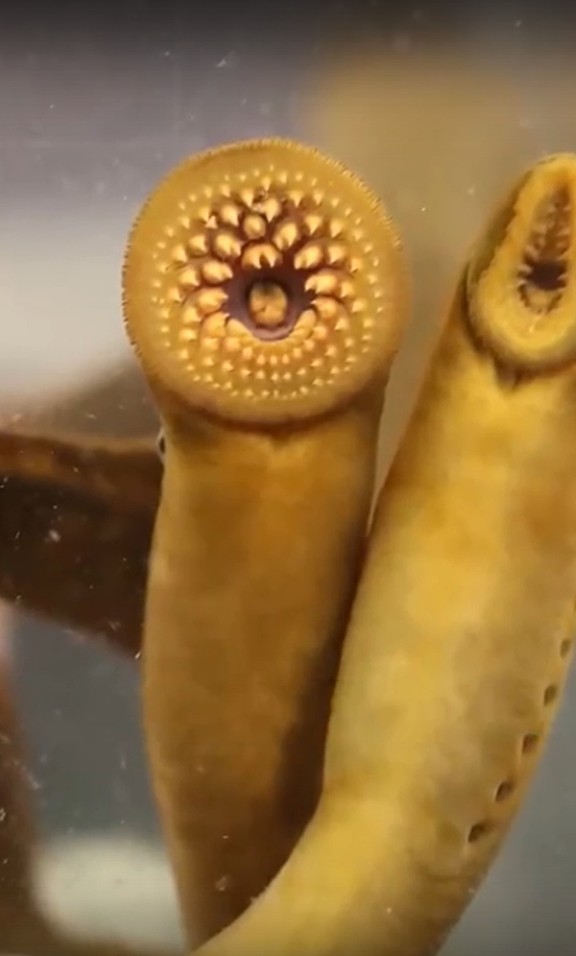
Lethenteron camtschaticum
The Arctic lamprey is characterized by its eel-like body shape, the presence of two large teeth …
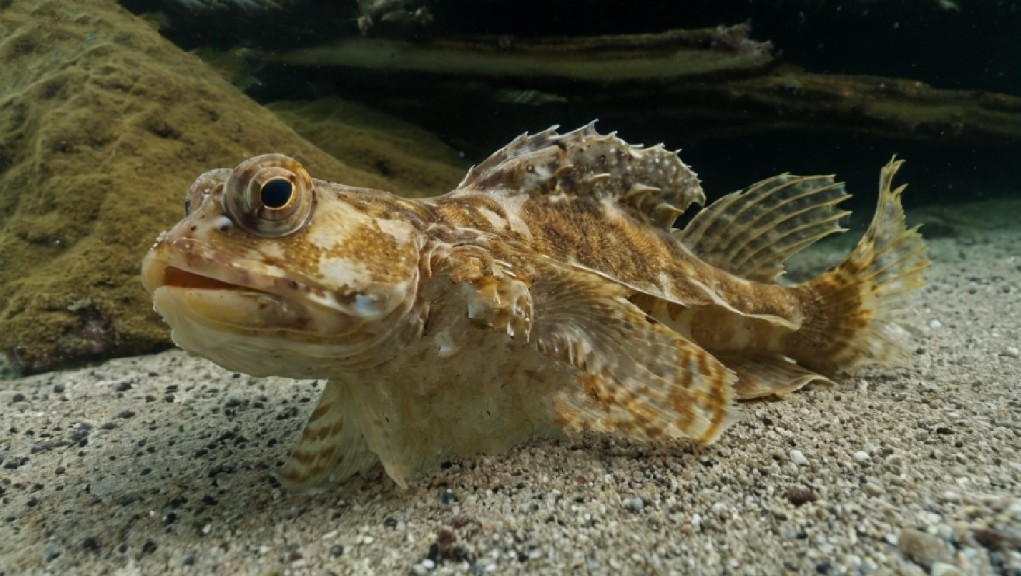
Gymnocanthus tricuspis
The Arctic staghorn sculpin has flat bone plates on the back and top of the head. …
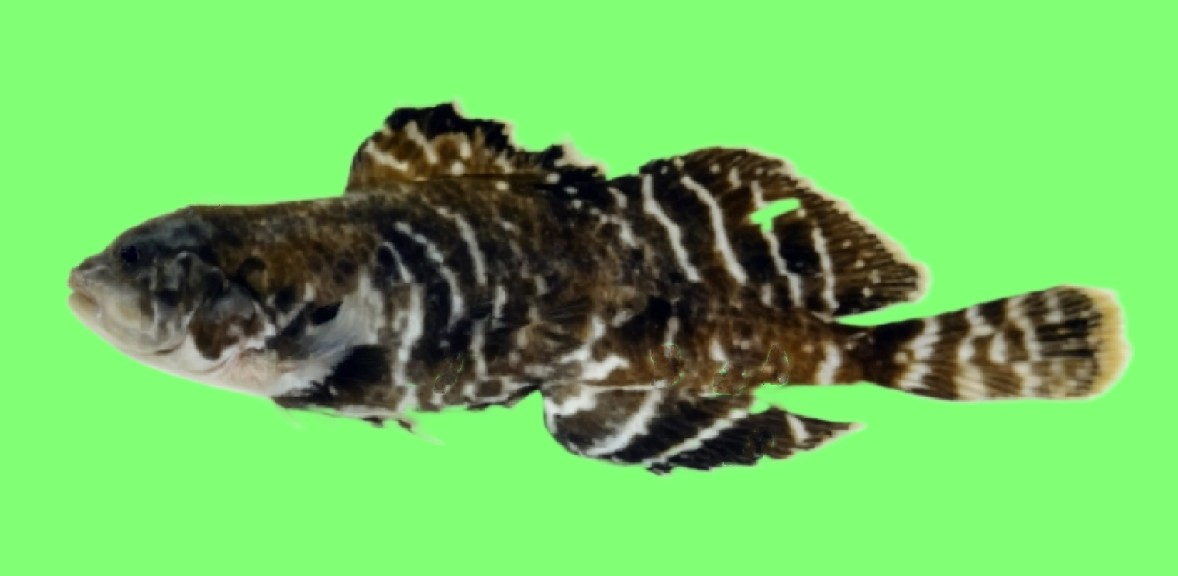
Artediellus atlanticus
The Atlantic hookear sculpin has an elongated body that is thicker in the front and tapers …
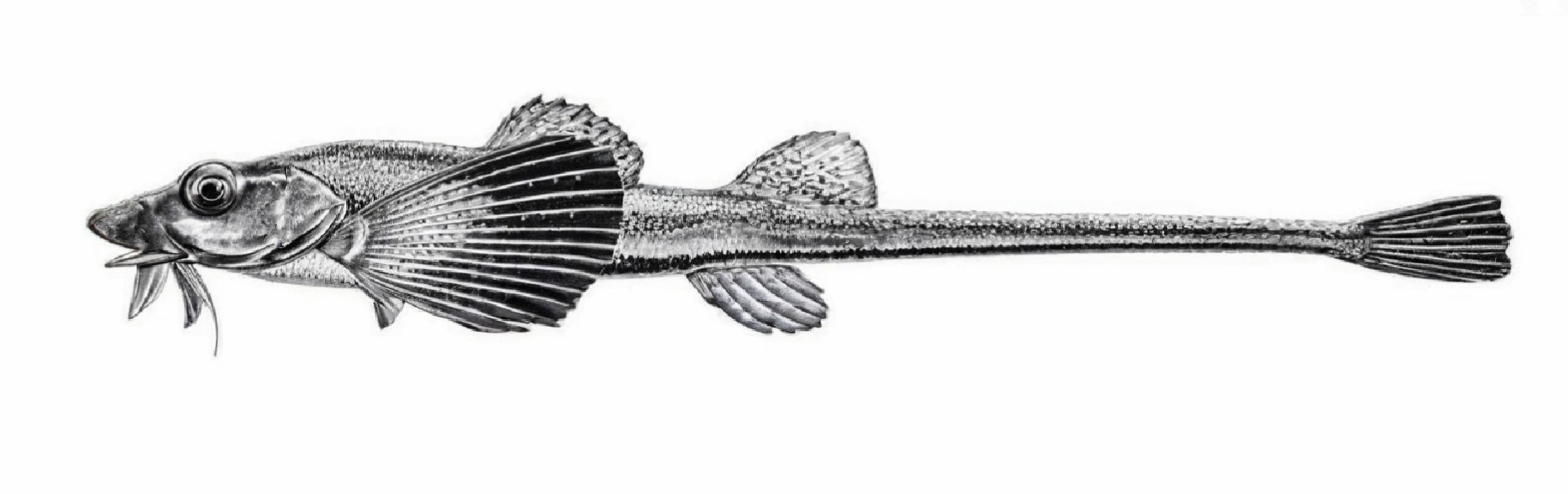
Leptagonus decagonus
This species is the only known member of its genus. The body of the Atlantic poacher …
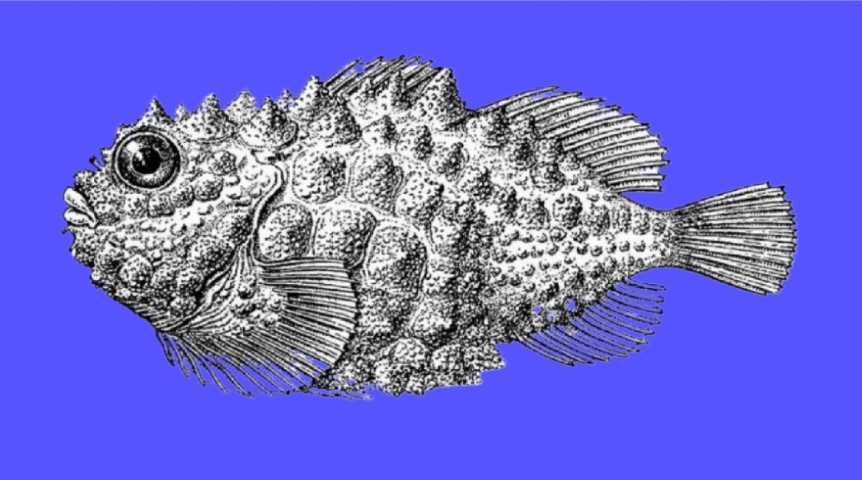
Eumicrotremus spinosus
The Atlantic spiny lumpsucker has a bloated anterior body that is completely covered with regular rows …
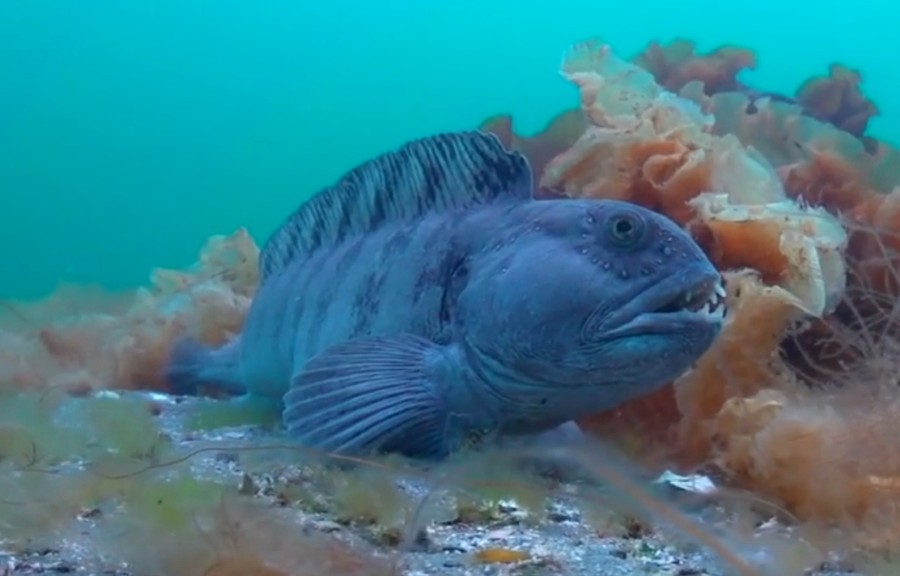
Anarhichas lupus
The body of the Atlantic wolffish is elongated, tapering to the tail, and covered with fine …
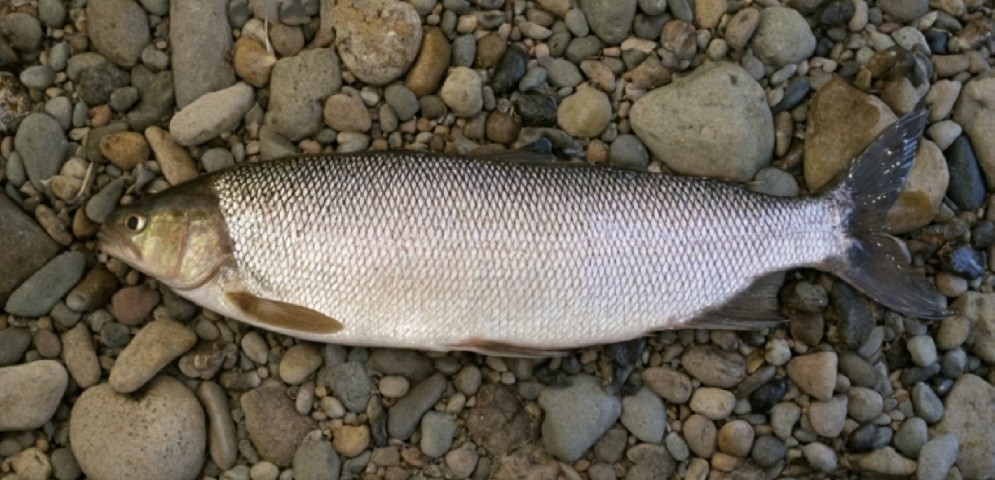
Coregonus nasus
The Broad Whitefish has a broad, compressed body. Its nose is thick and humped, protruding behind …
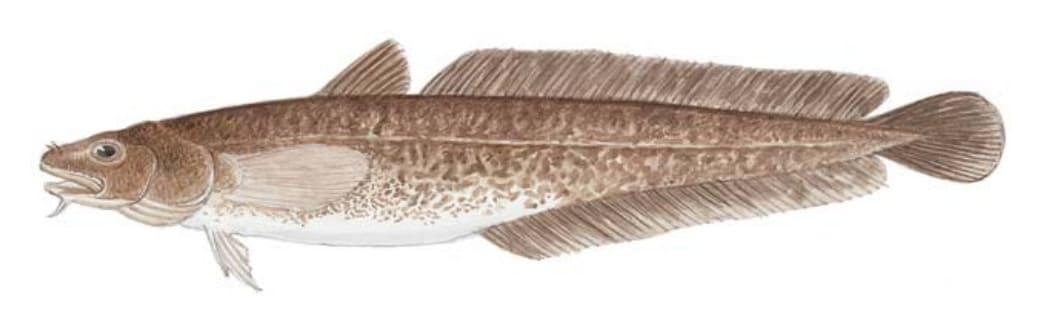
Lota lota
The head is flattened, broad, with an unpaired antenna on the chin and short antennae at …
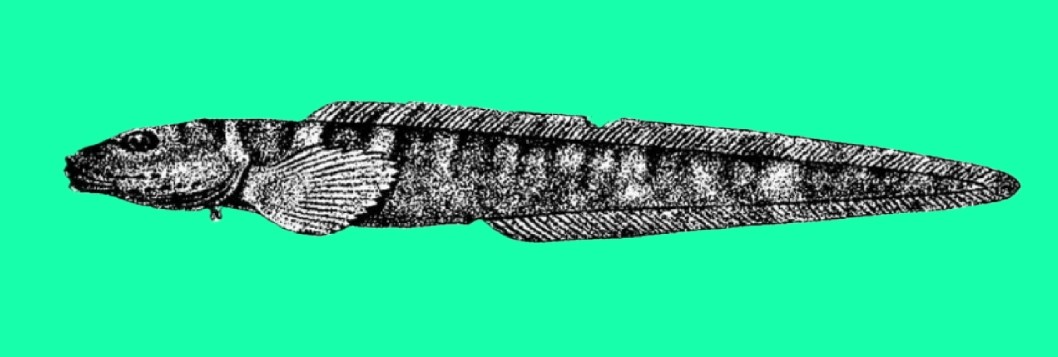
Lycodes polaris
The Canadian eelpout is characterized by its long, dense body that is rounded in cross-section. Its …
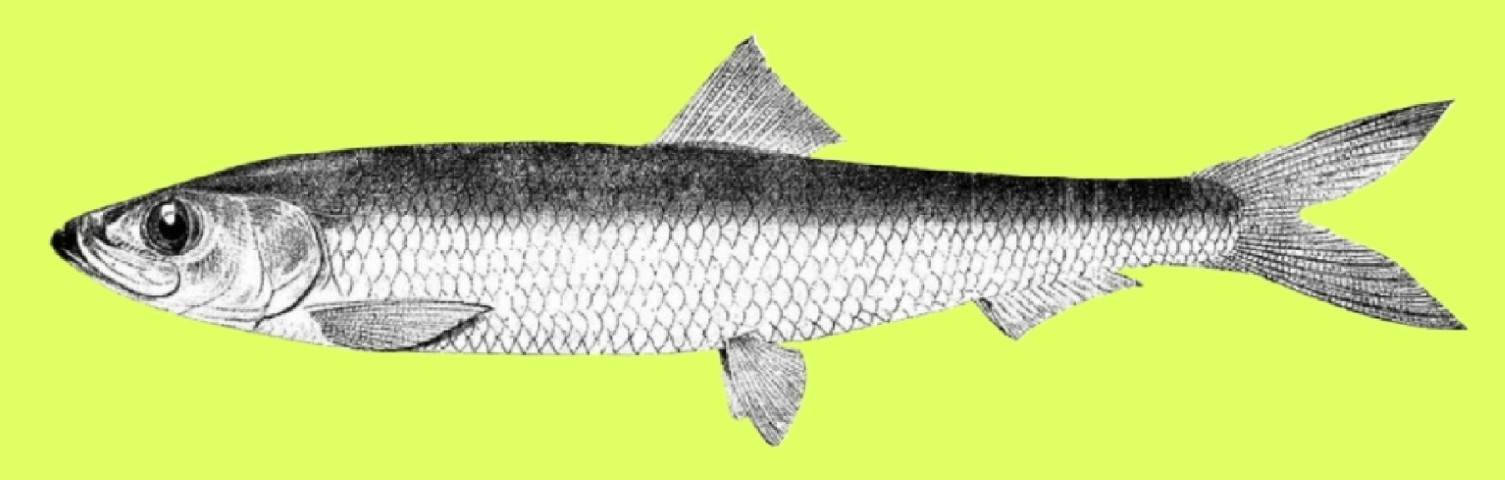
Clupea pallasi suworowi
The abdominal keel scales of the Chosa herring are developed only behind the base of the …
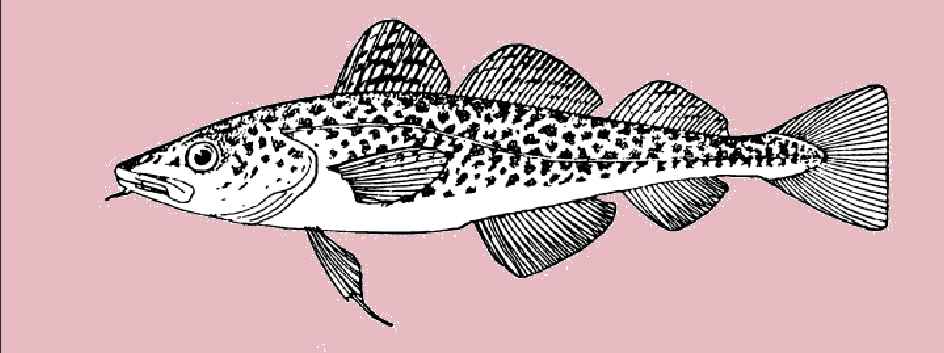
Gadus morhua
The Atlantic cod has three dark dorsal fins and two dark anal fins, none of which …
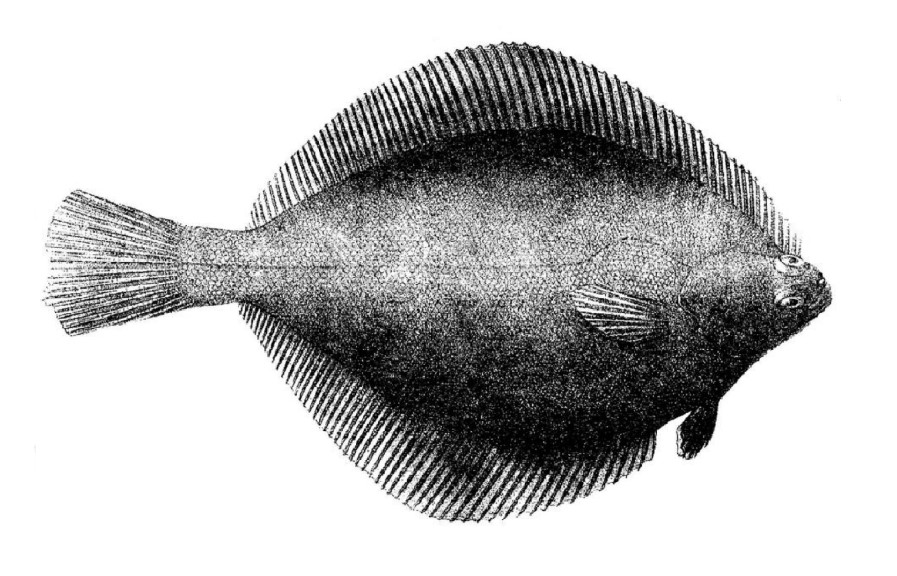
Limanda limanda
A distinctive feature of the common dab is the lateral line with a curve above the …
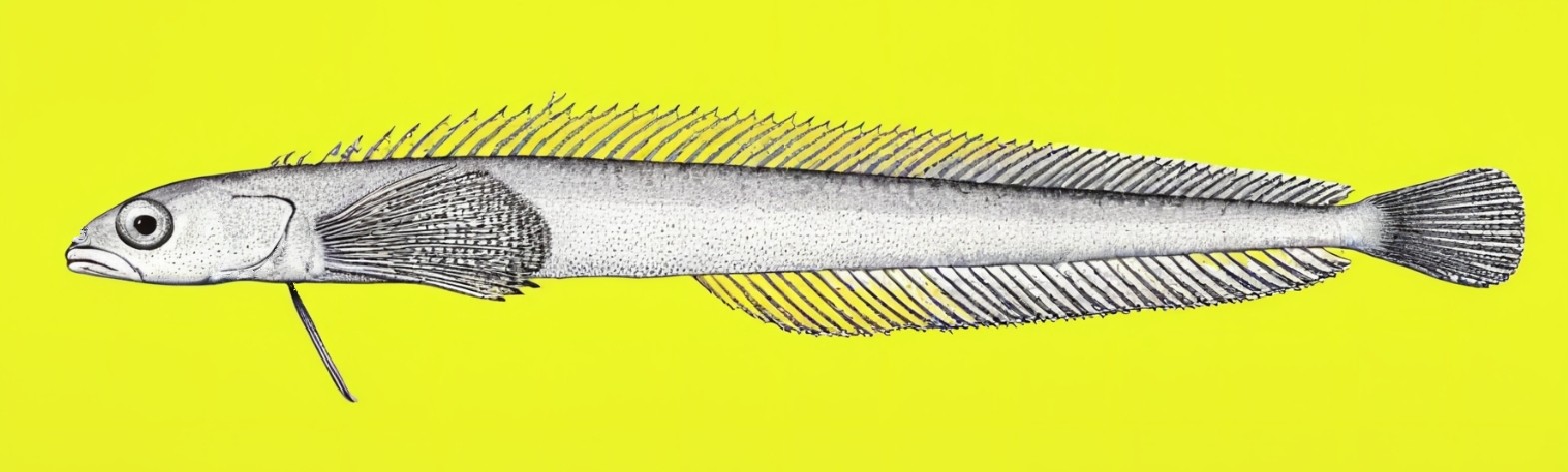
Leptoclinus maculatus
The daubed shanny has a compressed head, a pointed snout, and a somewhat flattened top. Its …
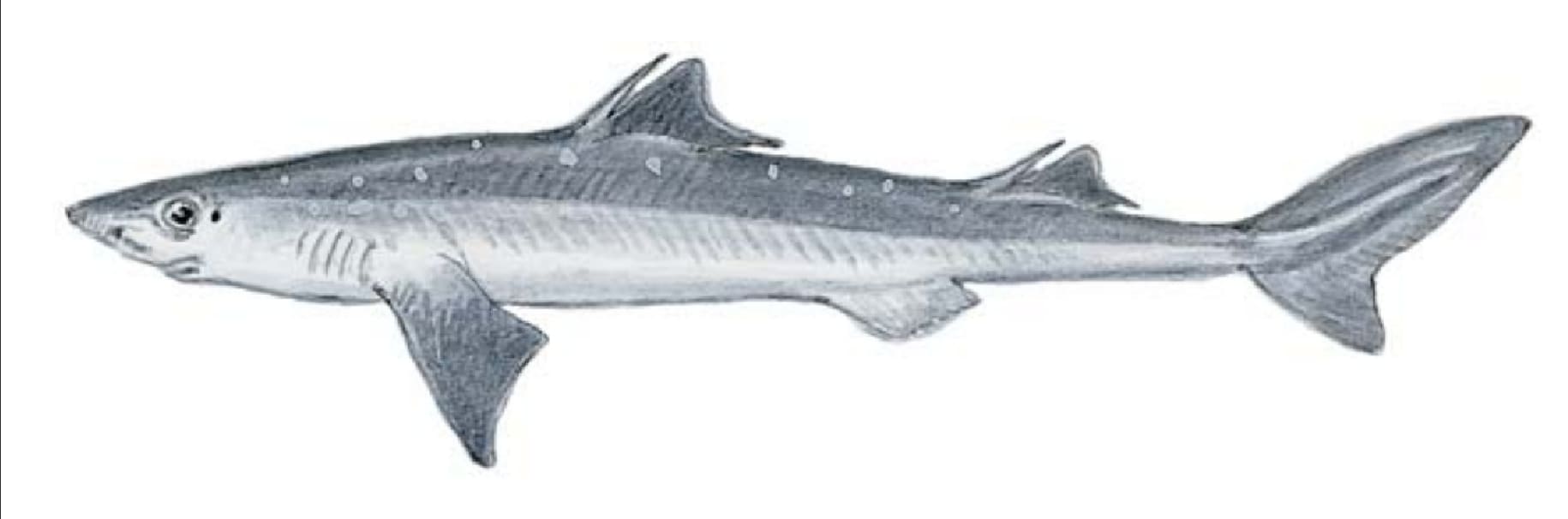
Squalus acanthias
The body is elongated and slender. Head is pointed. Coloration from above from slate-gray to brownish, …
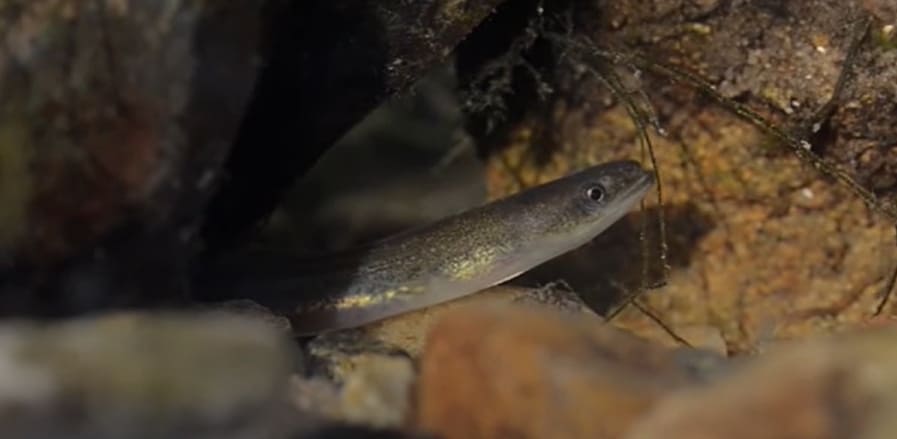
Anguilla anguilla
It has a long body with a brownish-greenish back, with yellowing on the sides and belly. …
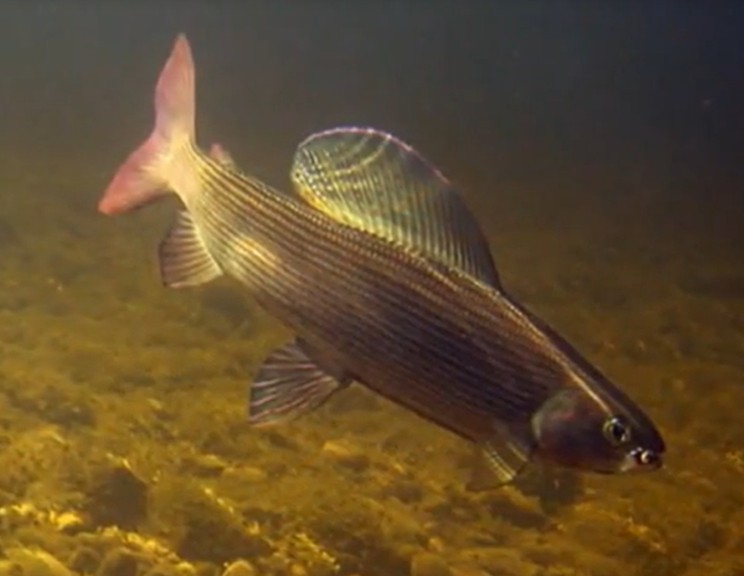
Thymallus thymallus
The distinctive features of the European grayling are its spindle-shaped body, its upper jaw that reaches …
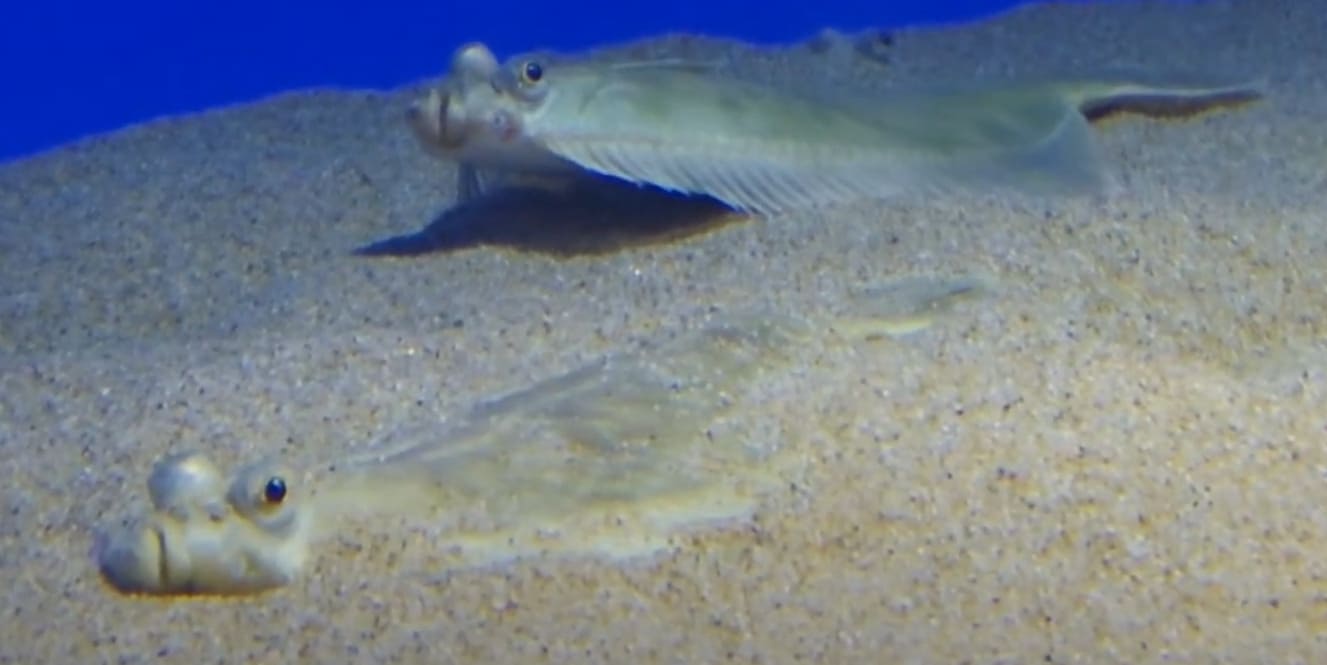
Pleuronectes platessa
The adult body shape is oval, with the body strongly compressed in the dorsoventral direction. The …
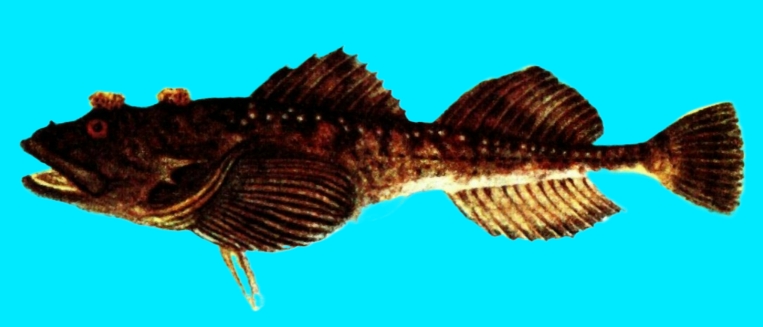
Myoxocephalus quadricornis
The fourhorn sculpin has a large, lumpy head with protruding lips and four bony protuberances. Vertebrae: …
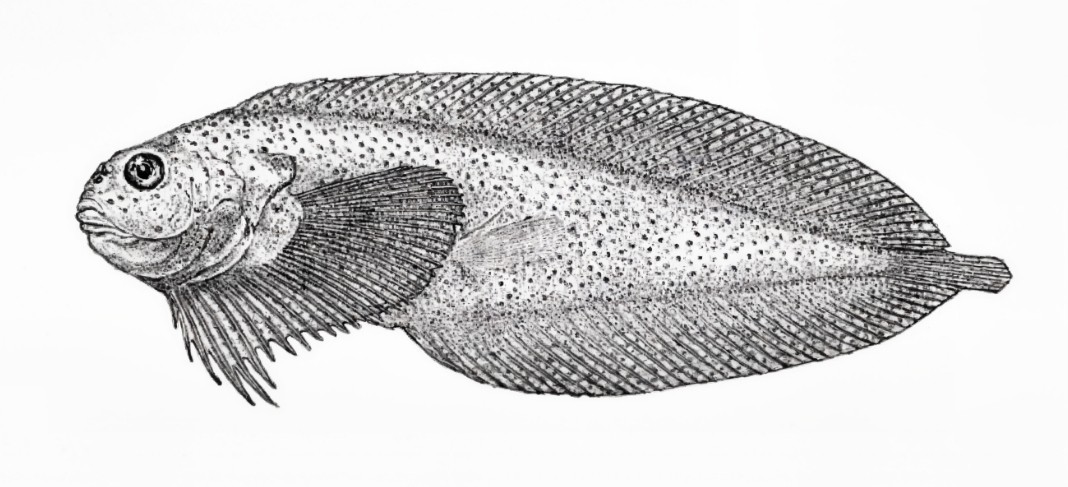
Liparis fabricii
The body shape of the Gelatinous seasnail resembles a tadpole with a large rounded head and …
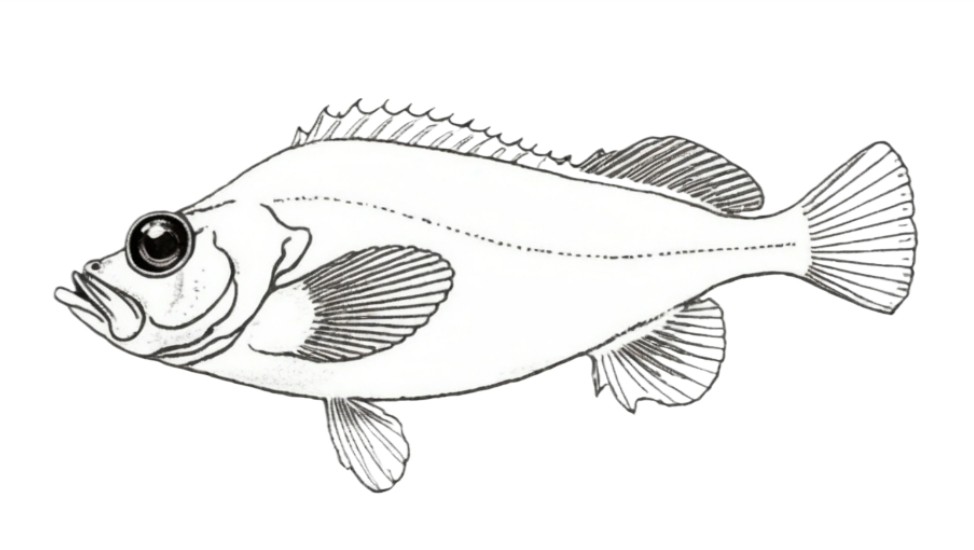
Sebastes norvegicus
Golden redfish are characterized by a laterally compressed, tall body and a large head. The mouth …