 Allfishes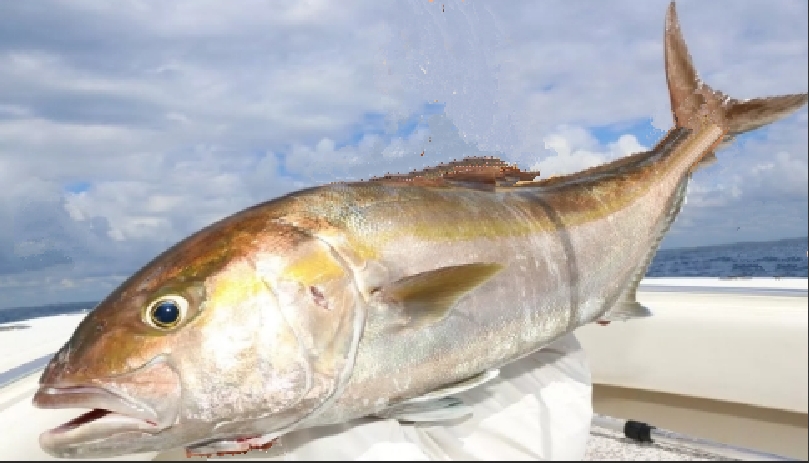
Amberjack, Greater
Seriola dumerili
This fish is greenish-blue to almost purple or brown above the lateral line and silvery below …
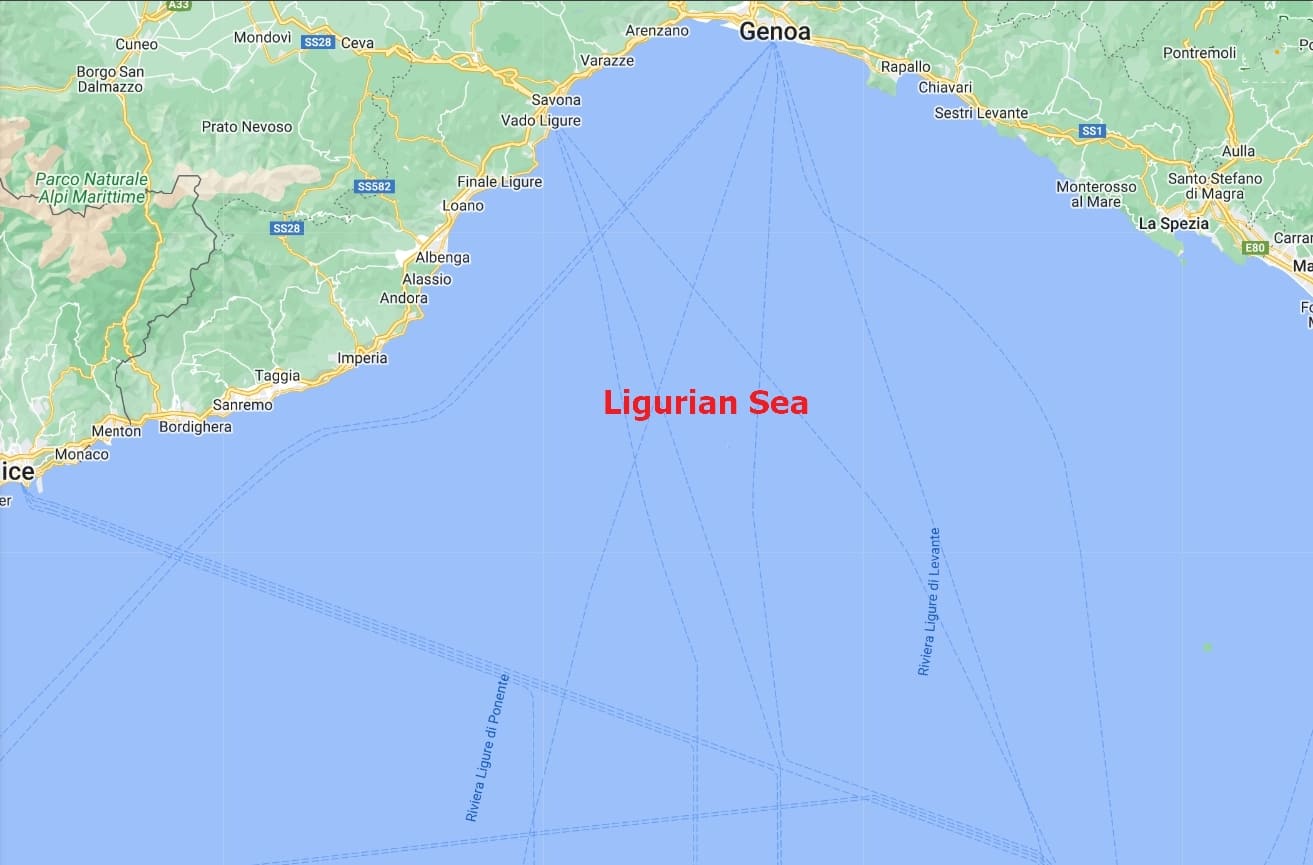 The Ligurian Sea is home to fish, molluscs and animals that are found in other parts of the Mediterranean Sea. It is rich in phytoplankton and has a high concentration of chlorophyll.
The most common families in the Ligurian sea are: trachurus, tunas, gobiidae, mugilidae, scombridae. In particular, we can highlight fish such as Atlantic Bluefin Tuna, Greater Amberjack, Slender Grouper, European Seabass, Gilt-head Bream, Turbot, Mullet, Mediterranean Horse Mackerel, Swordfish, Umbrina cirrosa, Argyrosomus regius, Red Porgy, Common Dentex, which are the objects of recreational fishing.
The Ligurian Sea is too warm for predators such as sharks, so they are not found here.
The Ligurian Sea is home to octopus, shrimp, squid, lobsters, jellyfish, oysters, and crayfish. There are many mussel, oyster and other shellfish farms.
The Ligurian Sea is home to a wide variety of cetaceans. It is considered to be the main feeding ground for fin whales in the Mediterranean. Bottlenose dolphins, Risso's dolphins and beaked whales can also be seen. The Cetacean Sanctuary regularly hosts 8 species of whales and dolphins: Striped dolphin, bottlenose dolphin, common dolphin, Cuvier's beaked whale, Risso's dolphin, long-finned pilot whale, sperm whale, fin whale and Mediterranean monk seal.
The loggerhead turtle can be observed in the Ligurian Sea. The presence of manta rays, which were practically absent a few years ago, has increased.
Showing 1–15 of 15
Seriola dumerili
This fish is greenish-blue to almost purple or brown above the lateral line and silvery below …
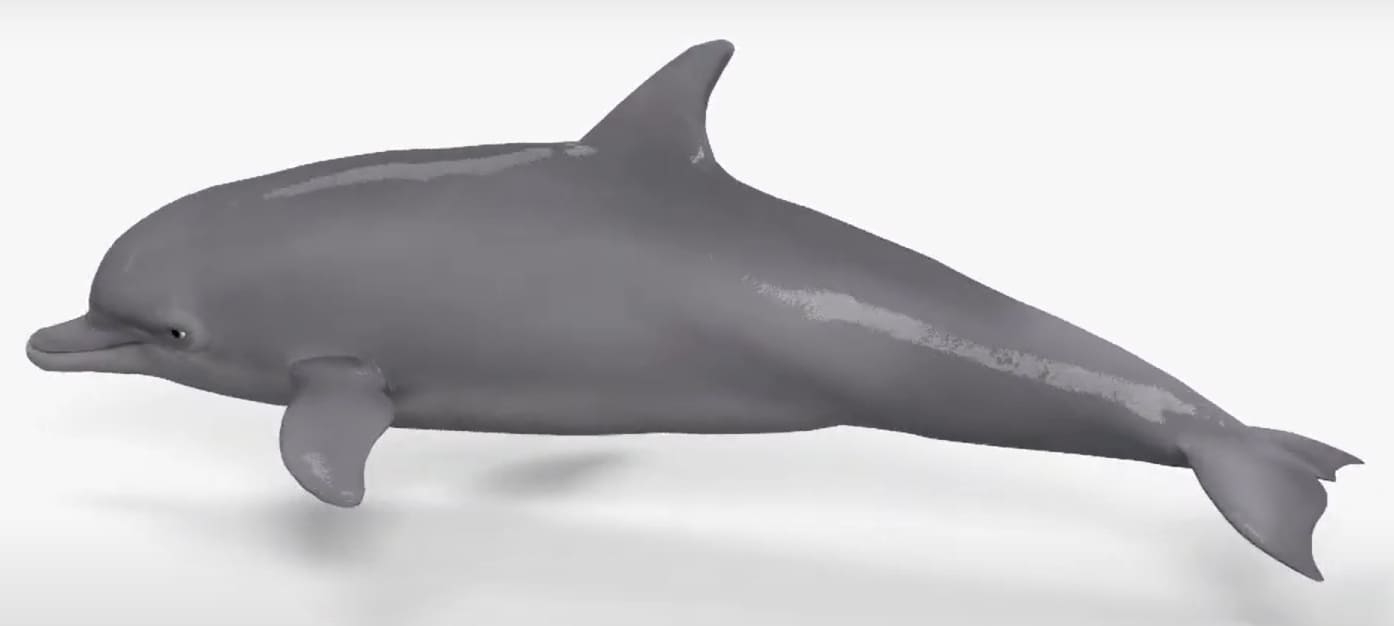
Tursiops truncatus
The moderately developed "beak" is clearly separated from the convex frontal-nasal (fat) pad. The skull reaches …
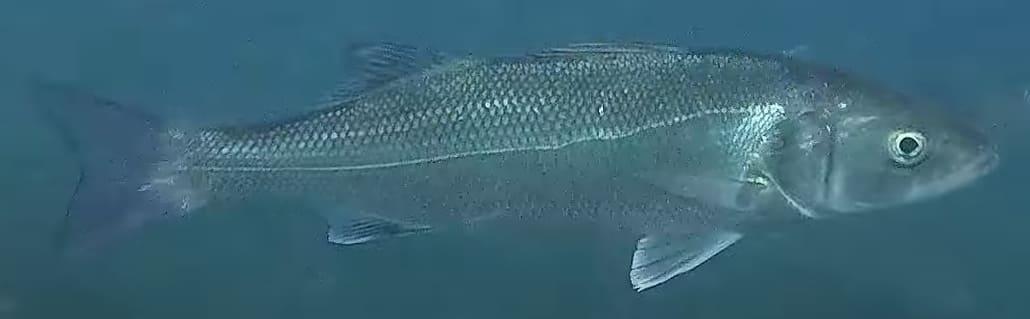
Dicentrarchus labrax
The generic Latin name is derived from the Ancient Greek δύο - two, κέντρον - barb …
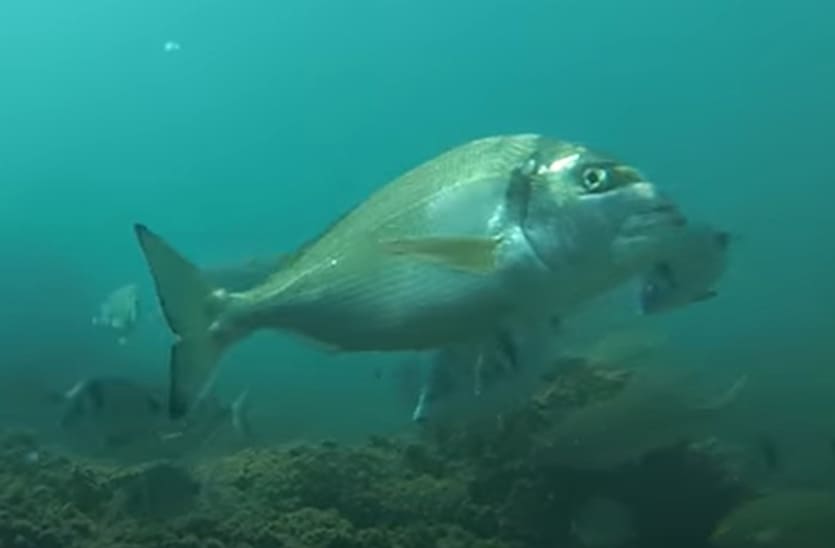
Sparus aurata
Body oval, torso flattened at the sides with a steep head profile, with a distinct sharp …
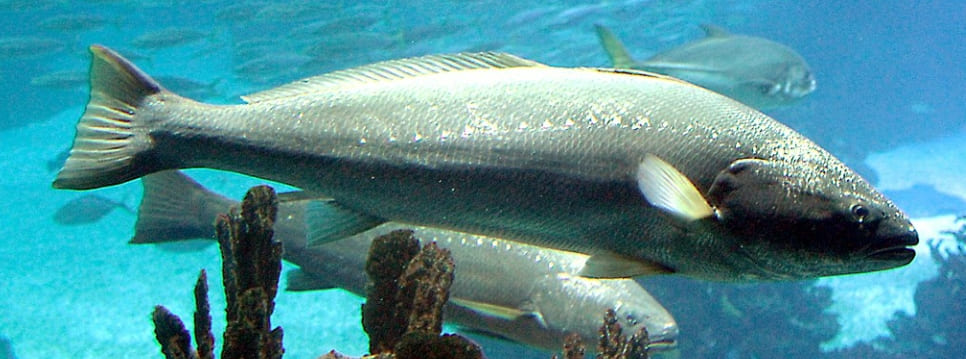
Argyrosomus regius
Body elongated, rather low, compressed at the sides, covered with ctenoid scales. The scales are cycloid …
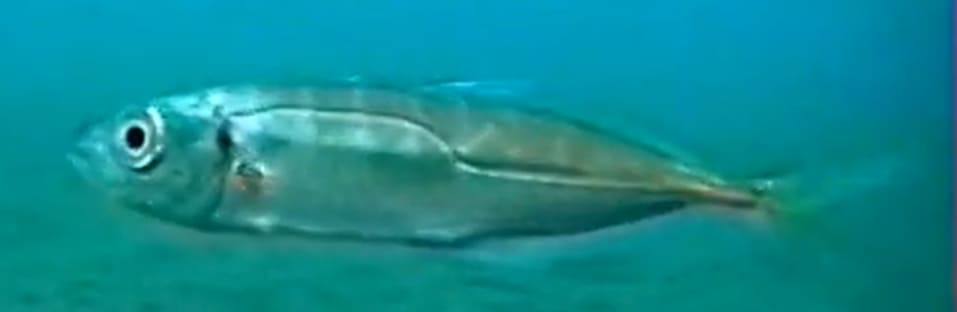
Trachurus mediterraneus
The body is relatively low, rounded; its greatest height is 16.8-24.0% of body length to the …
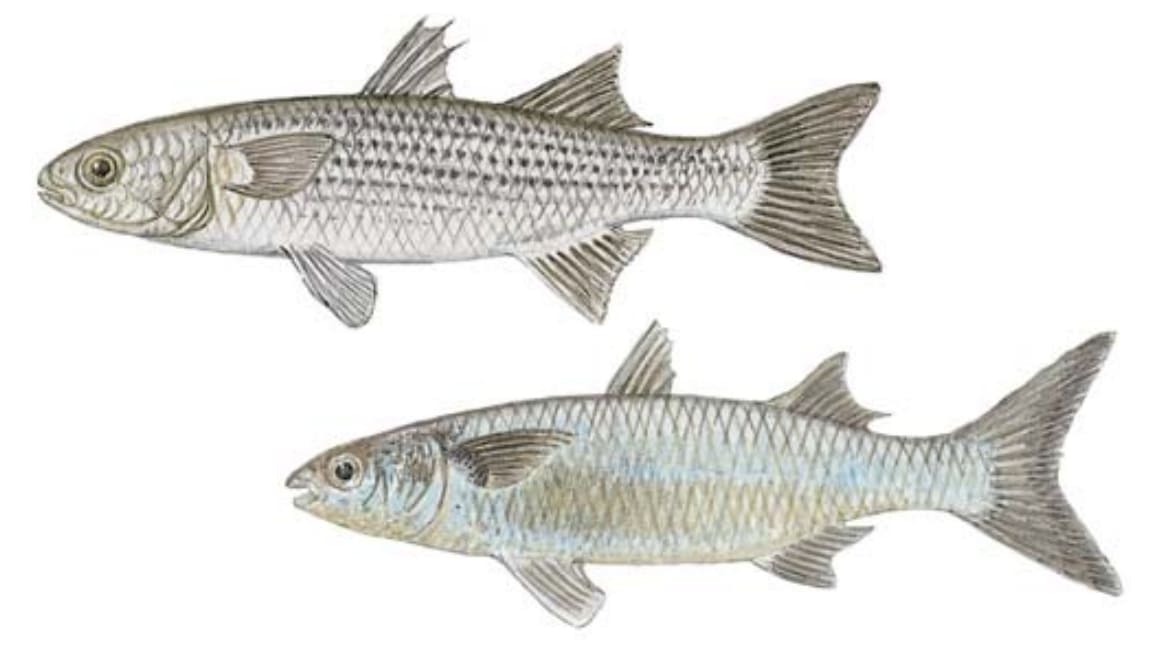
Mugil cephalus, Mugil curema
The striped mullet (Mugil cephalus) has a bluish-gray or green coloration along the back, turning to …
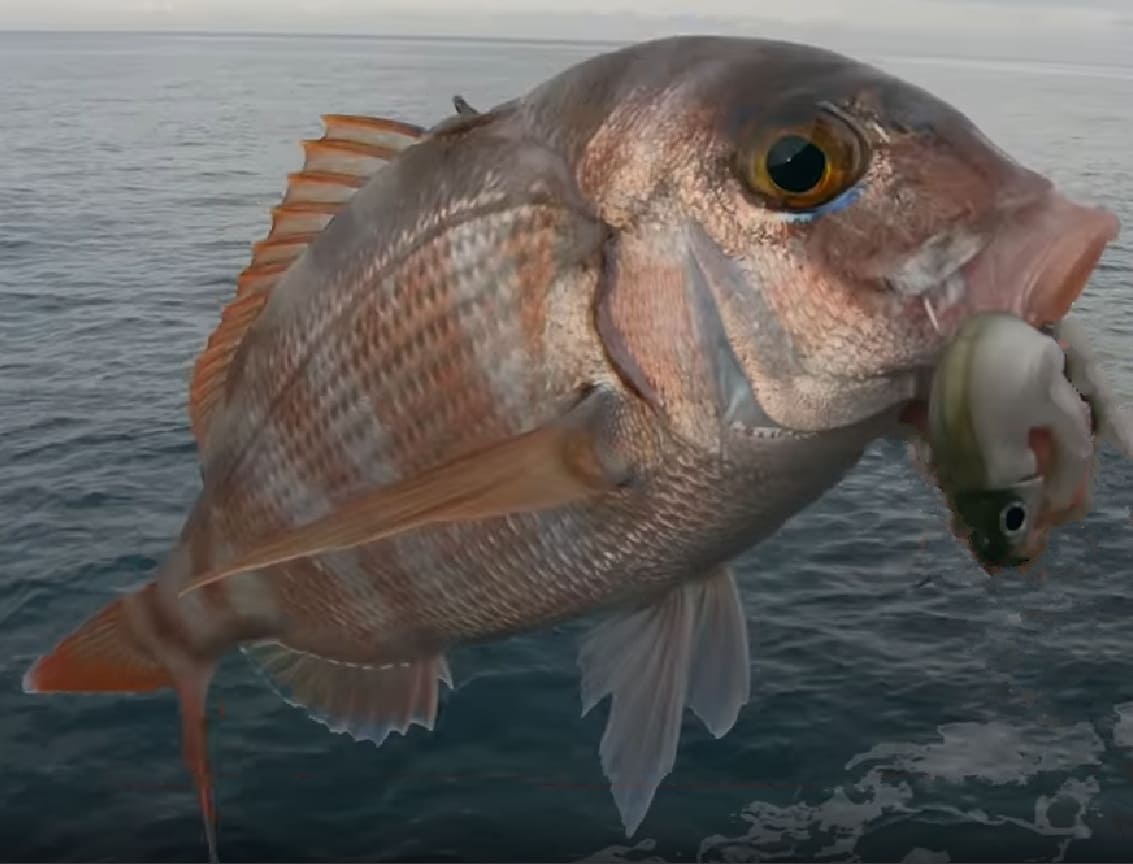
Pagrus pagrus
Body oval, moderately deep. Head profile convex, slightly steeper in front of the eyes; 6 or …
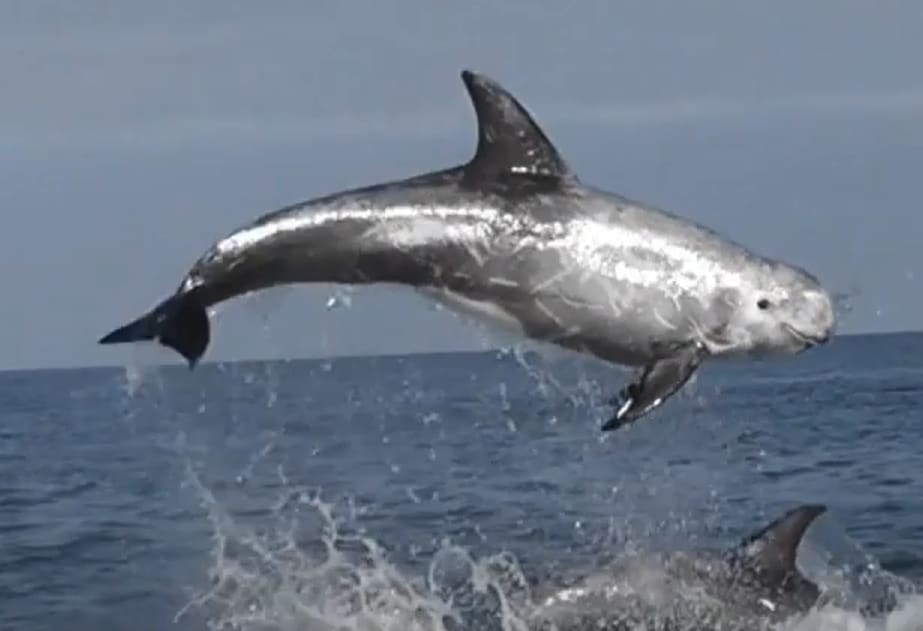
Grampus griseus
Risso's dolphin lacks the typical beak of other dolphins. It has a relatively large front body …
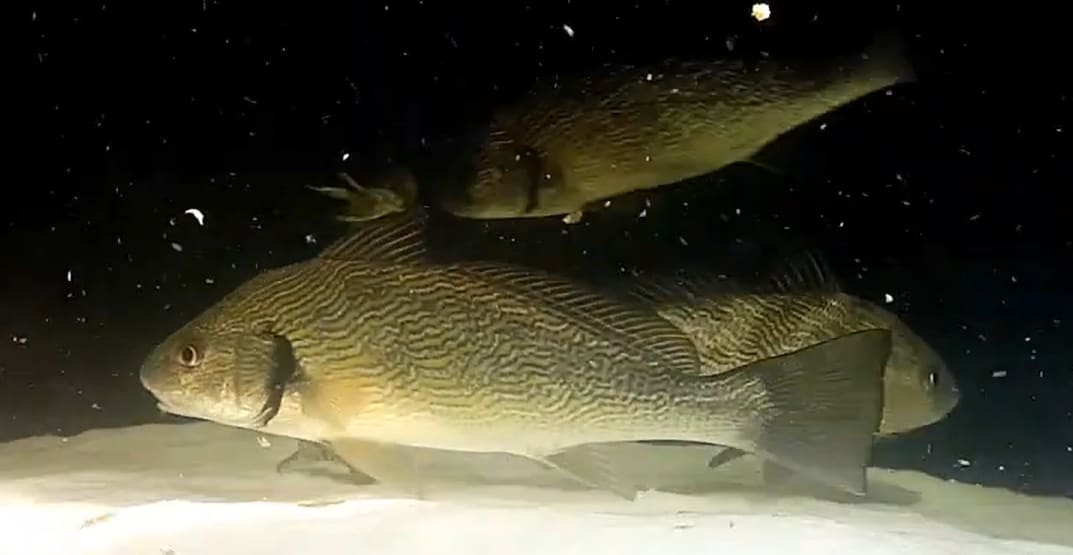
Umbrina cirrosa
Body elongated, high, slightly compressed at the sides. Muzzle short and blunt. Small mouth with fine …
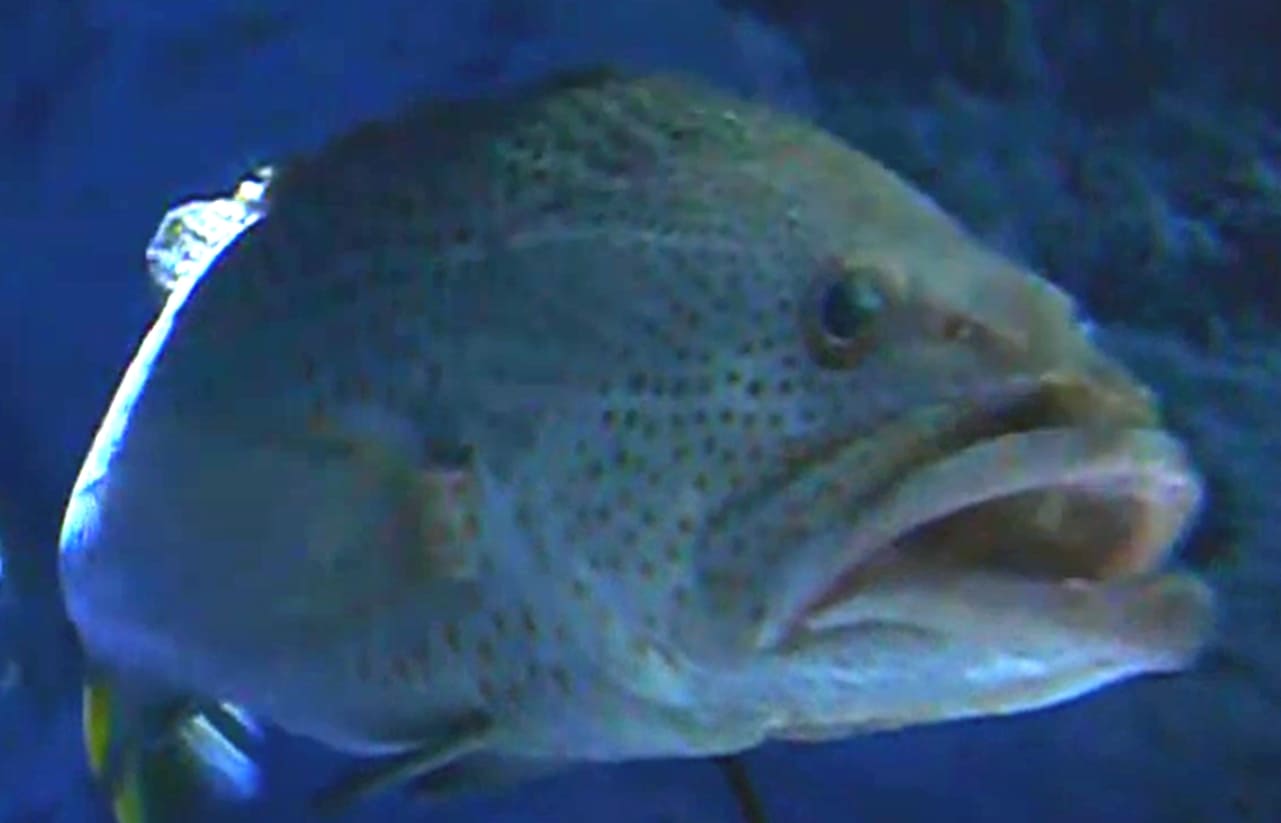
Anyperodon leucogrammicus
The head occupies 40% of the total length, the mouth is large and the lower jaw …
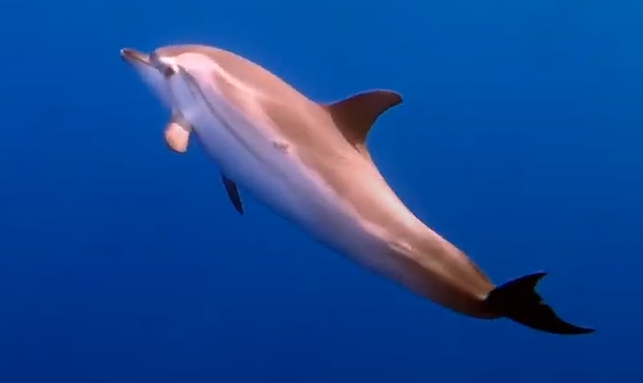
Stenella coeruleoalba
It is distinguished from other dolphins by the presence of lateral stripes. It has a slender …
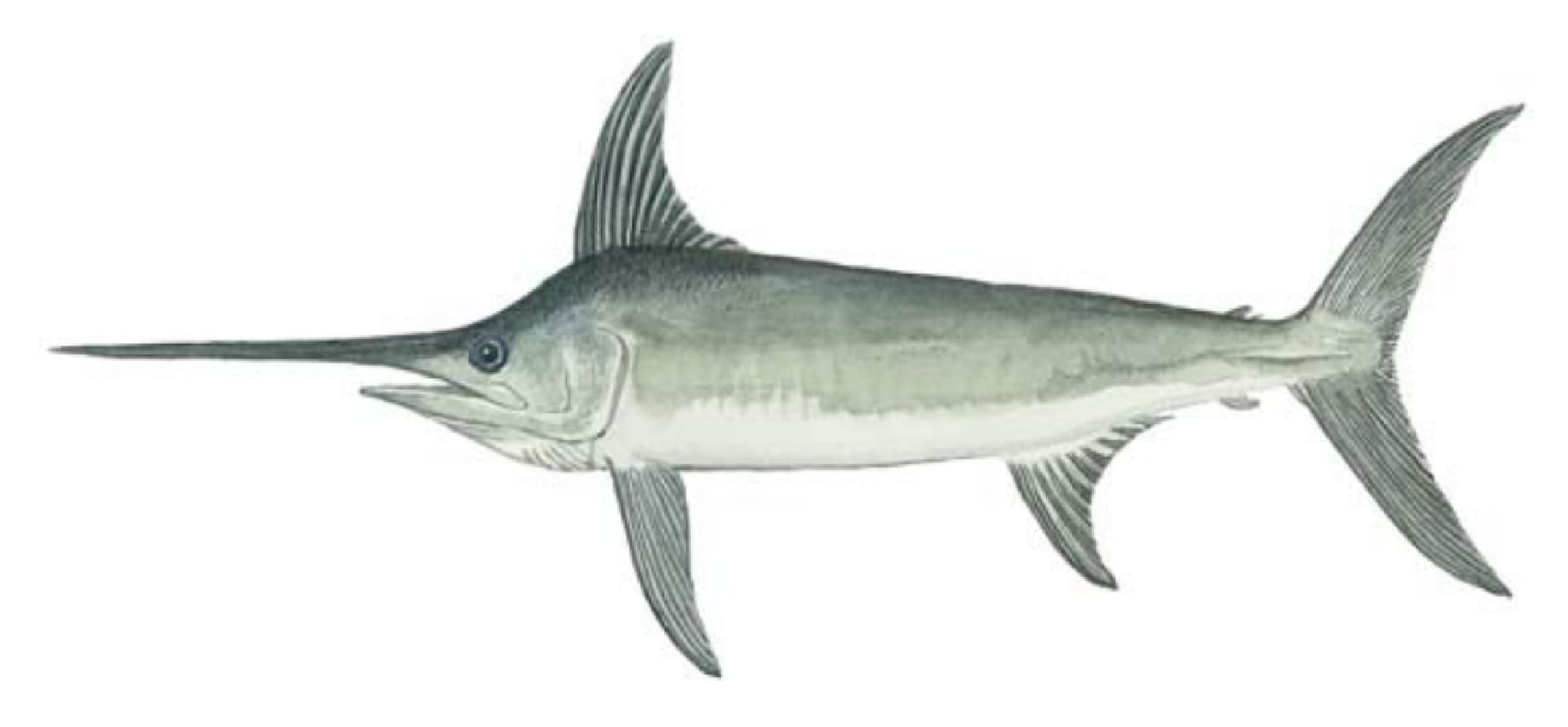
Xiphias gladius
The swordfish has a strong, rather rounded body and large eyes. The first dorsal fin is …
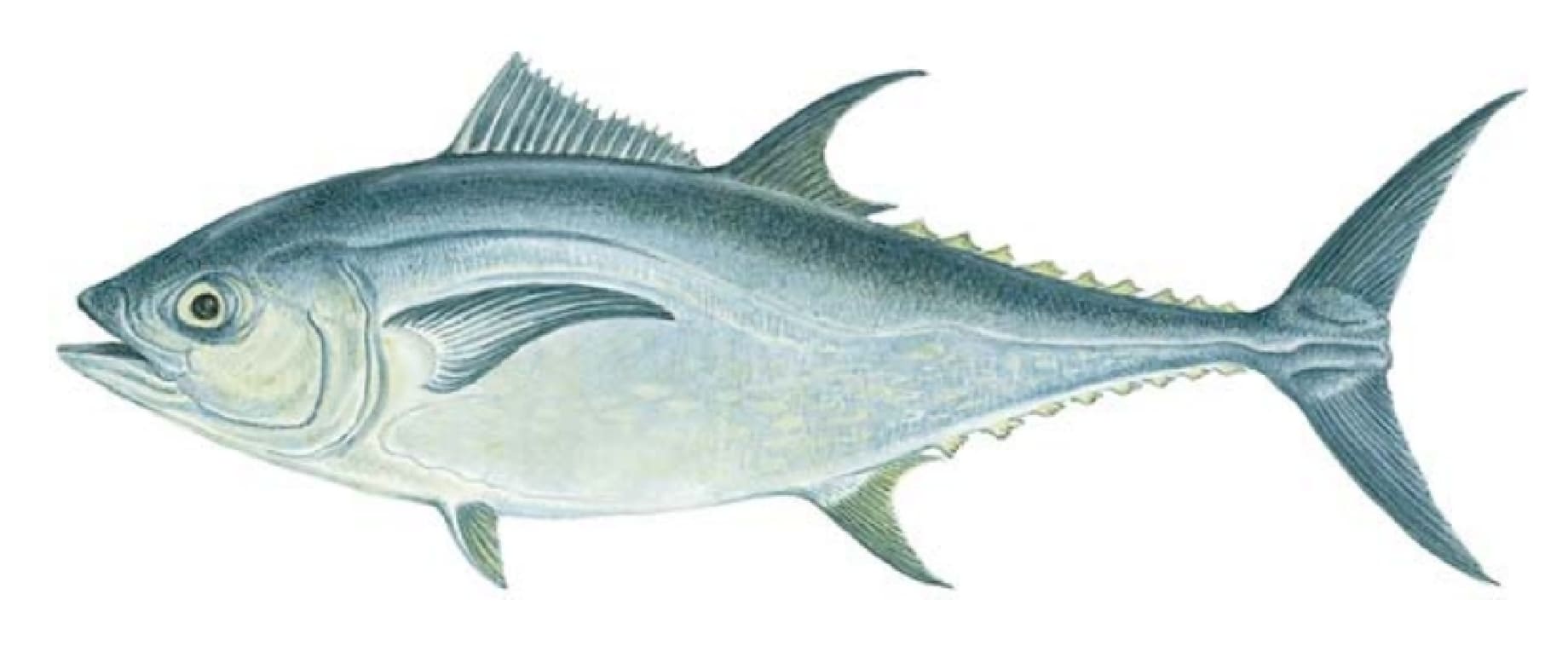
Thunnus thynnus
Body shape typical of tuna. Bluefin tuna has a fusiform body, compressed and stocky in front. …
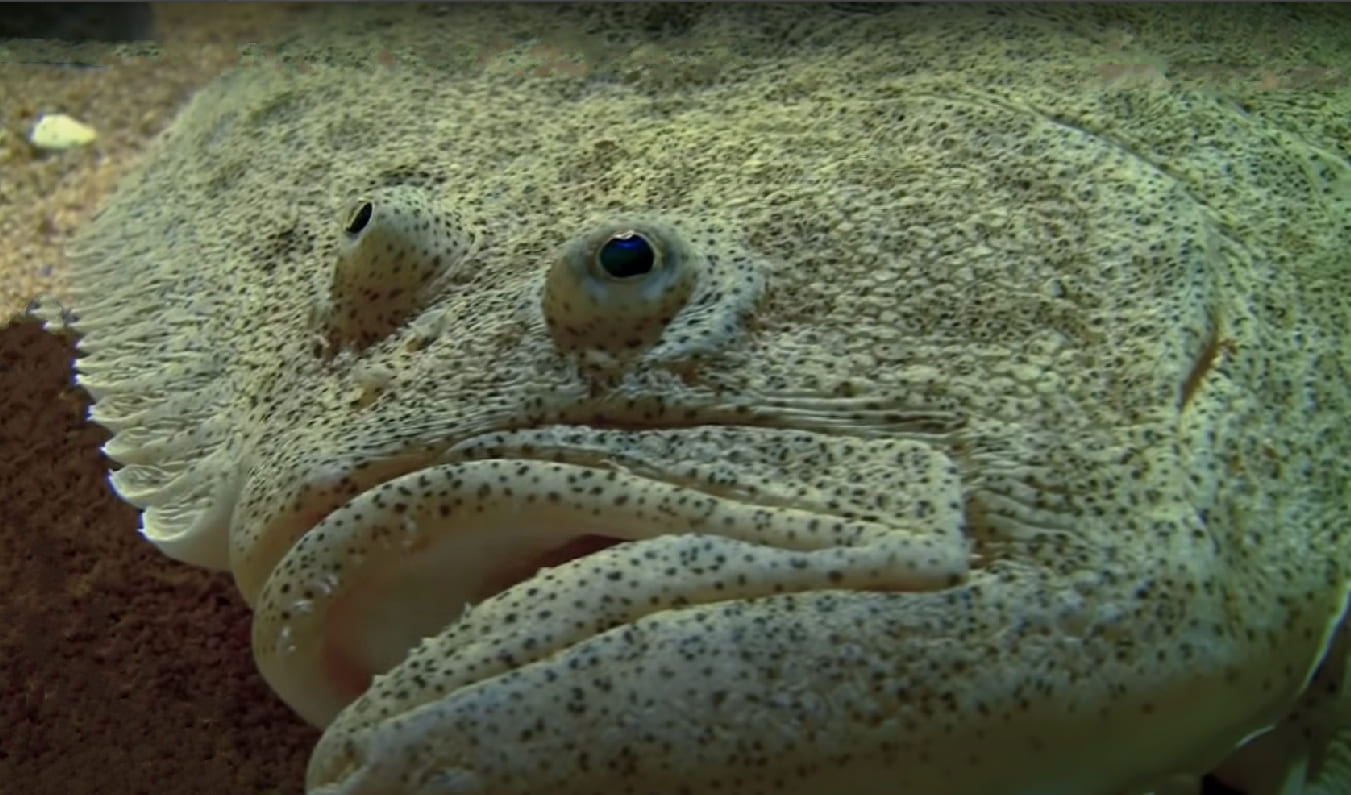
Scophthalmus maximus
The body is diamond-shaped, strongly compressed at the sides, and the body height is only 1.5 …