 Allfishes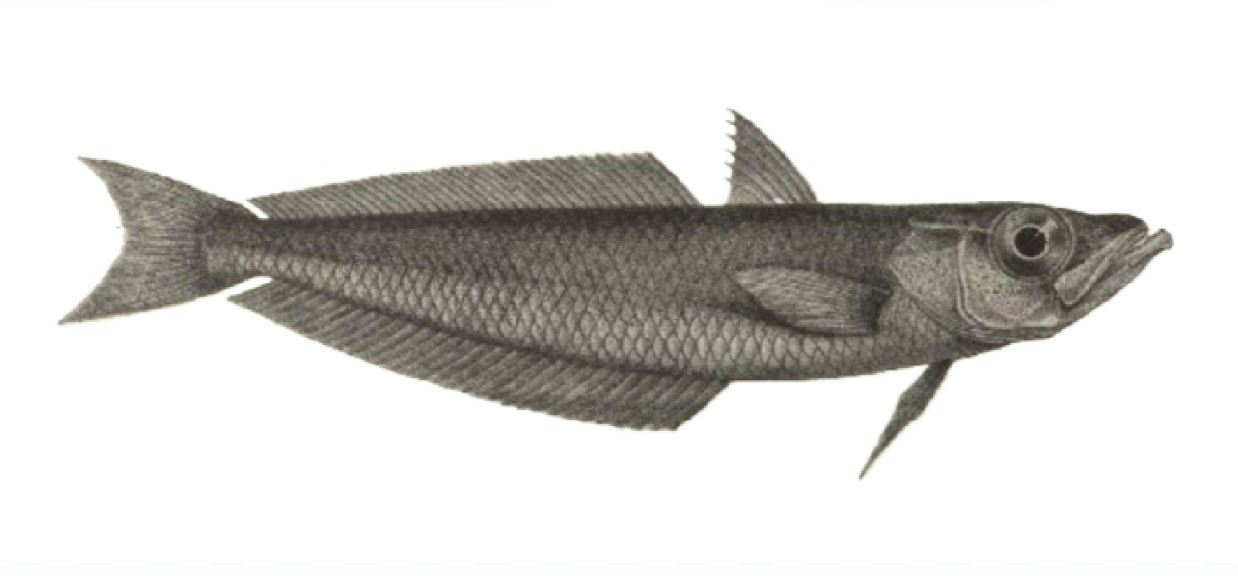
Antarctic silverfish
Pleuragramma antarctica
The body of the Antarctic silverfish is pronounced, strongly compressed at the sides, herring-shaped, with rather …

A marginal sea in the south-eastern part of the Indian Ocean, off the coast of East Antarctica, washes Adelie Land. The sea has no natural boundaries and has been singled out as an independent object because of the peculiarities of its hydrological regime, so its western and eastern boundaries are conventionally drawn along the 136° and 148° E meridians, and its northern boundary along approximately 63° S. N.
The sea is located on the shelf and continental slope (depth up to 3610 m). The coastline is icy, mostly precipitous and highly indented, with many small bays. The coastal contour is subject to almost constant change due to glacial advance and iceberg break-up. The bottom relief has a general slope from south to north, with large gradients in the upper part of the continental slope, complicated by underwater rises and depressions.
The sea is located at the latitude of the South Polar Circle, in the Antarctic climate zone. It is one of the windiest areas in all of Antarctica. Stable, gusty south-easterly winds blow all year round at an average speed of 18-20 m/s. Average air temperatures range from -1°C in January to -18°C in July. Precipitation is mainly in the form of snow, ranging from 500 to 1000 mm per year.
The sea is covered with drift ice and icebergs almost all year round. During the summer navigation season (January-February), the water temperature on the surface ranges from -1 to 0 °С, while in winter (under the ice) it is at the freezing point of seawater (about -1.9 °С). The salinity is 33.5-34.0‰ in summer, slightly higher in winter due to salinisation during ice formation from seawater. Water circulation is dominated by the east-west Antarctic coastal current.
The fauna of this sea is dominated by cetaceans, pinnipeds and birds. The waters are rich in small fish and molluscs that feed on krill and plankton. The fish attract seals. The fauna is also represented by various invertebrates: sea stars, sea urchins, sea cucumbers, crustaceans. This place is becoming increasingly popular with tourists who come to see the penguins and the amazing beauty of the icebergs.
In addition to seals such as leopard, Ross and Weddell, the waters attract whales. The Southern Right Whale, Pygmy Right Whale, Sei Whale, Antarctic Minke Whale, Sperm Whale, Humpback Whale and Fin Whale all thrive here. The killer whale is the queen of these waters.
There are relatively few families in this region. The most numerous families are the snailfishes (Liparidae) and the icefishes (Nototheniidae). The dominant fish is the Nototheniidae, which make up 44.7% of all fish. All the fishes of this sea have some characteristics in common. They tend to have rounded pectoral and ventral fins, which provide maximum mobility both in the water column and on the seabed. The eyes are medium-sized and close to the top of the head, indicating that they catch prey by rising from the seabed into the water column. The mouth is large in relation to the size of the body. The most common species are: Antarctic silverfish, Antarctic toothfish, Spiny icefish, Bald notothen, Chionobathyscus dewitti, Dolloidraco longedorsalis, Green icefish, Blue antimora, Yellowfin rockcod, Stocky rockcod, Spotless plunderfish, Patagonian toothfish, Red icefish, Scaly rockcod, Charcoal icefish, Hopbeard plunderfish, Pike icefish.
Showing 1–12 of 12
Pleuragramma antarctica
The body of the Antarctic silverfish is pronounced, strongly compressed at the sides, herring-shaped, with rather …
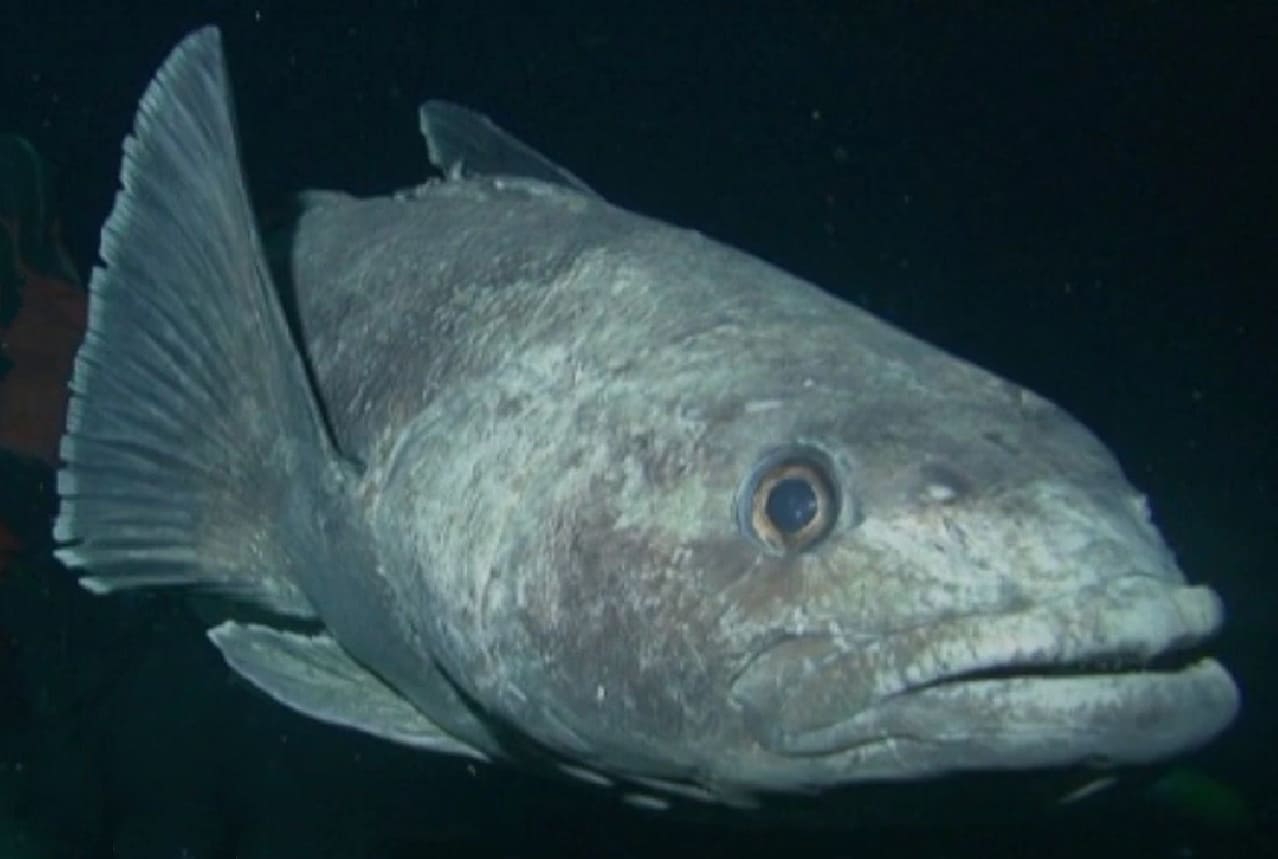
Dissostichus mawsoni
First dorsal fin with 7-9 barb rays, second dorsal fin with 24-27 barb rays, anal fin …
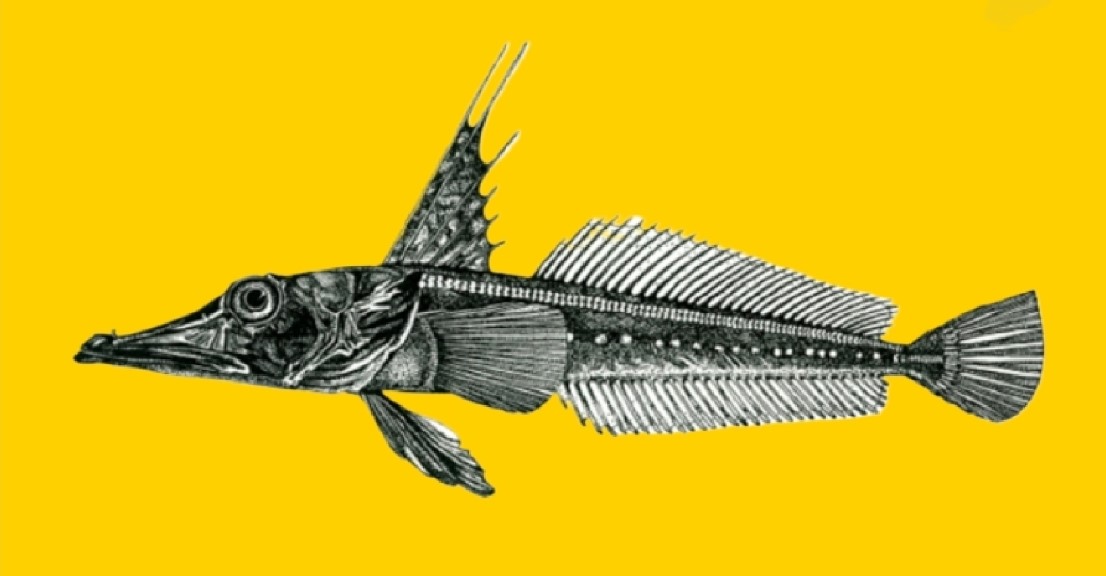
Channichthys panticapaei
Charcoal icefish is distinguished from other species of the genus Channichthys by the following set of …
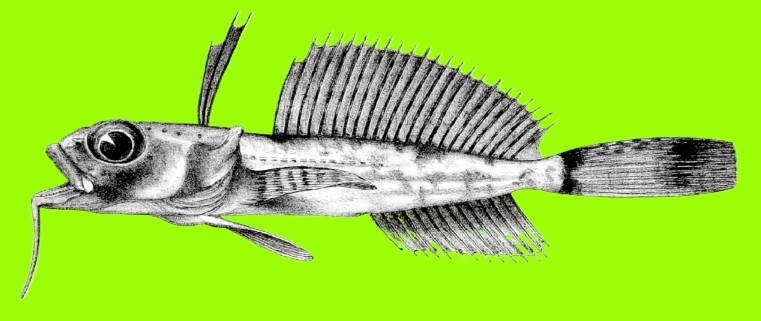
Dolloidraco longedorsalis
The body of Dolloidraco longedorsalis is elongated, compressed at the sides, low, its height is about …
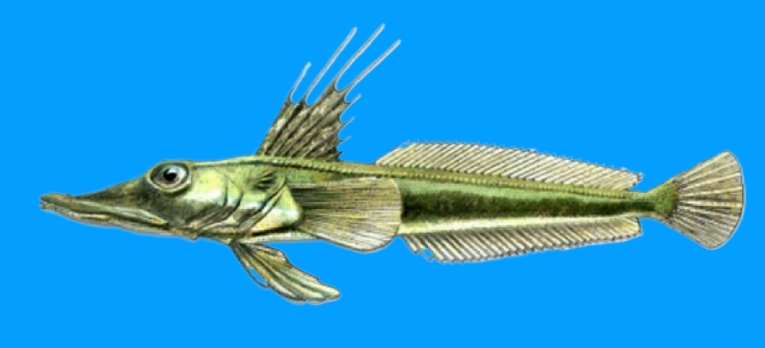
Channichthys mithridatis
The green icefish is distinguished from other species of the genus Channichthys by the following set …
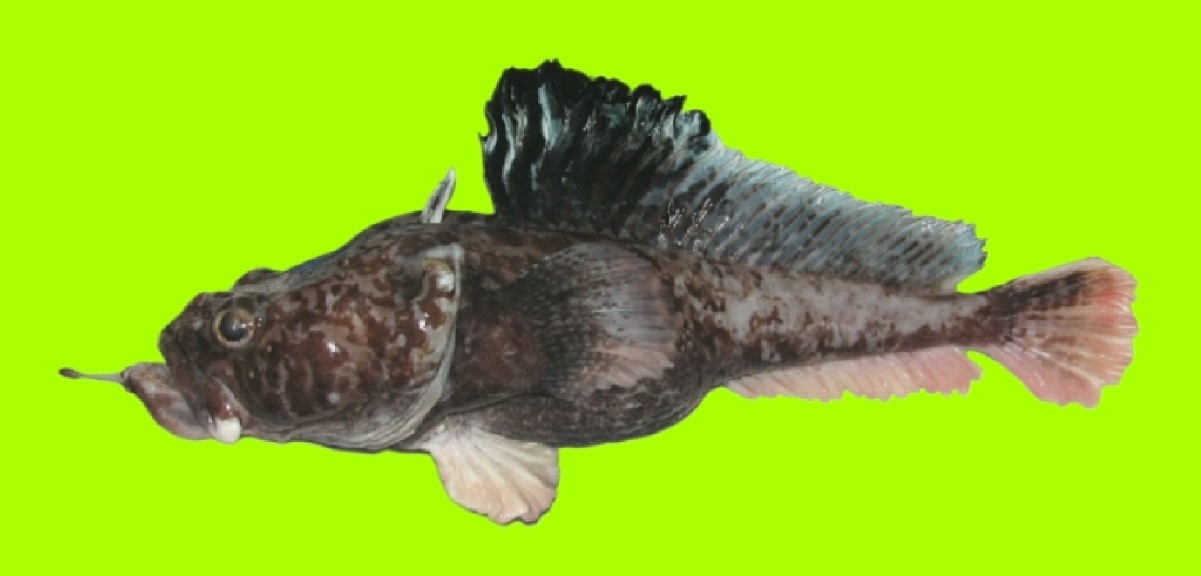
Pogonophryne neyelovi
The species name Hopbeard plunderfish refers to the peculiar structure of the fish's chin tendril, the …
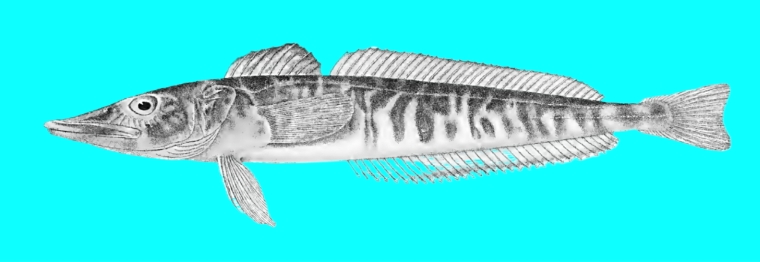
Champsocephalus esox
The species was given its Latin name because of its resemblance to the common pike (Esox …
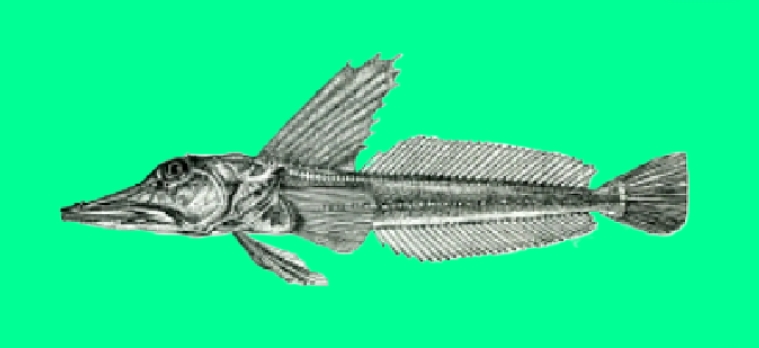
Channichthys rugosus
Red icefish is distinguished from other species of the genus Channichthys by the following set of …
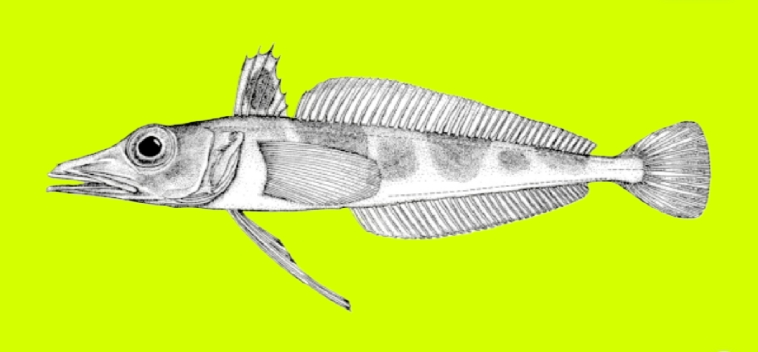
Chaenodraco wilsoni
The species was first described in 1914 by Charles Tate Regan, based on material collected by …
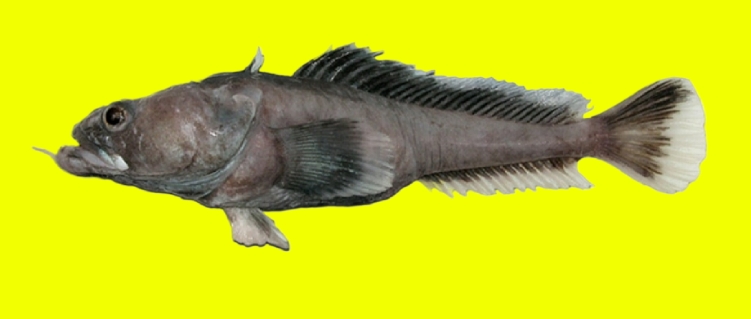
It belongs to the species group "P. albipinna". It differs from other species of the group …
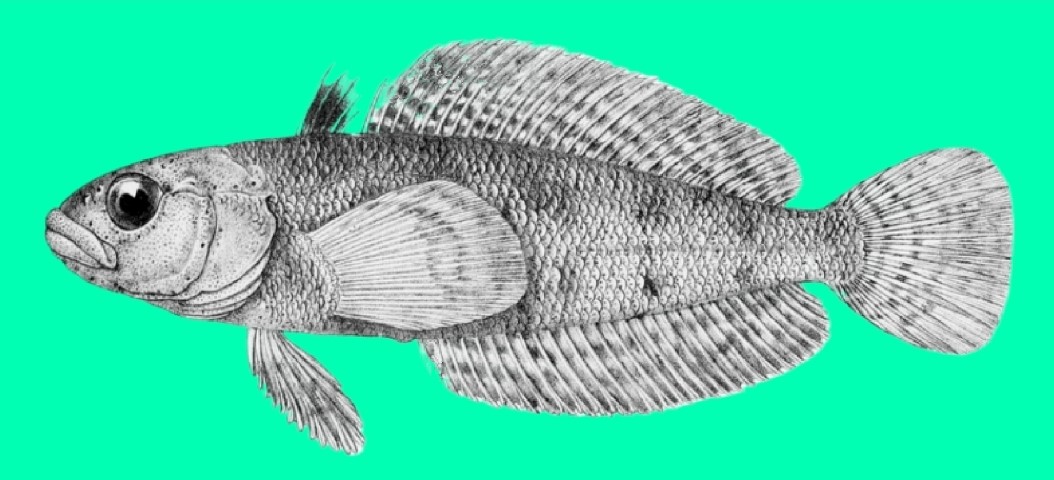
Pagothenia phocae
The species was first officially described in 1844 as Notothenia phocae by the Scottish naval surgeon, …
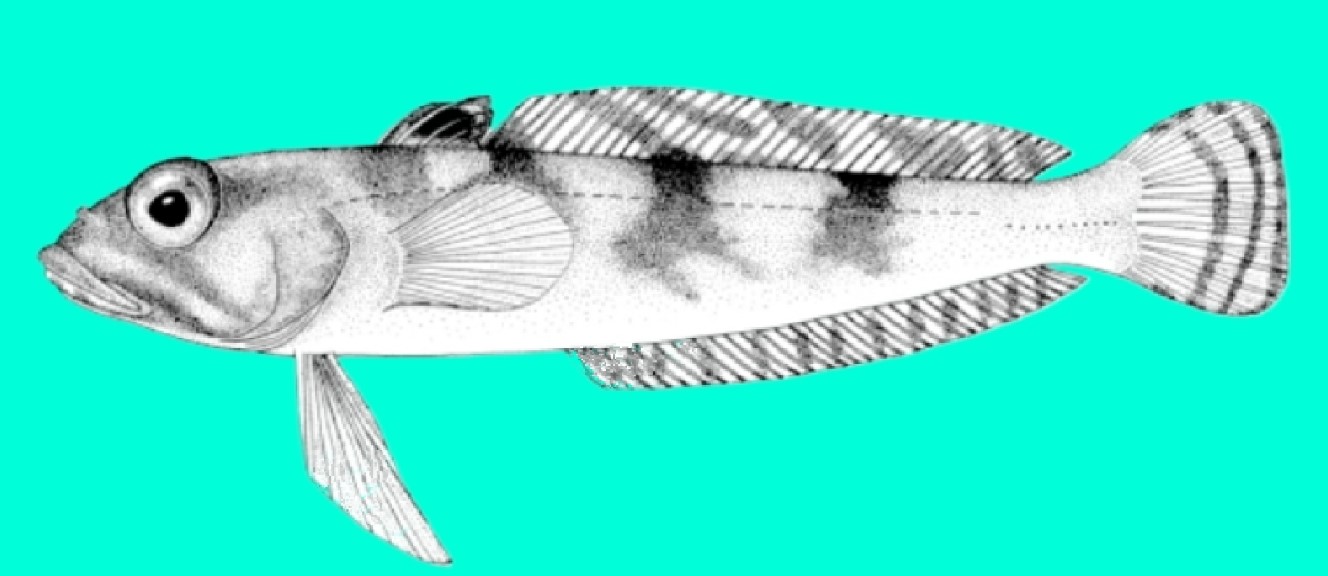
Lindbergichthys nudifrons
The body of the Yellowfin Rockcod is relatively short, compressed at the sides and not tall; …