 Allfishes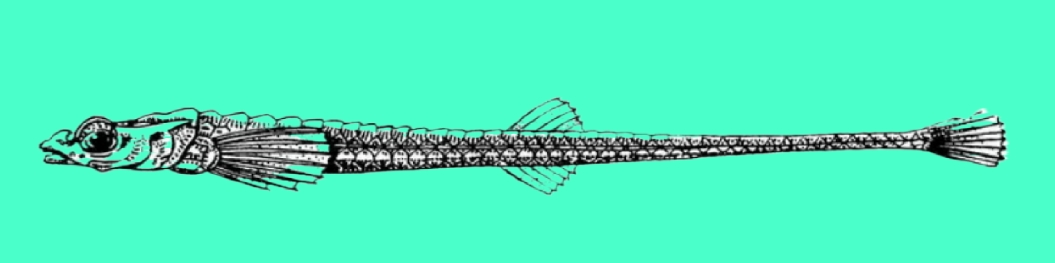
Alligatorfish
Aspidophoroides monopterygius
The body of the alligatorfish is covered with large bony plates forming longitudinal rows, these plates …
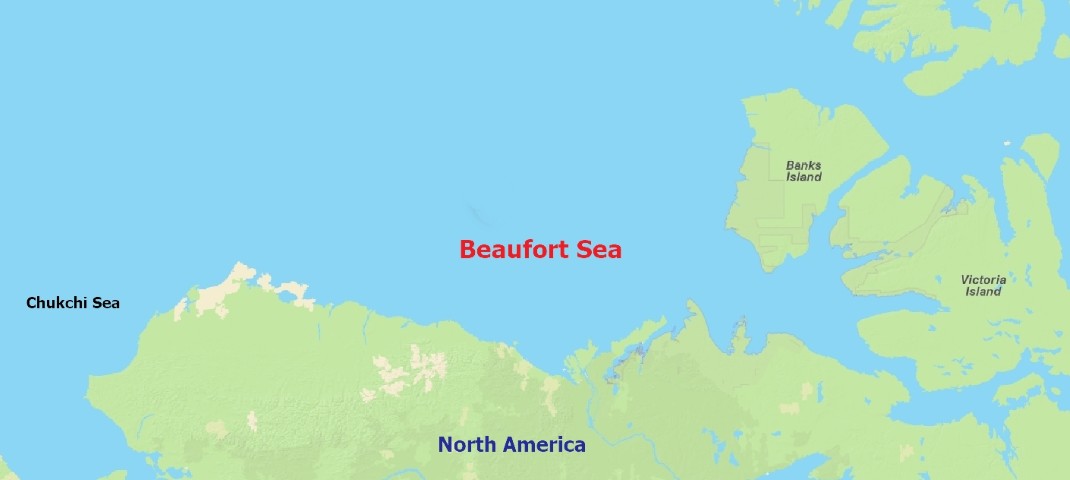 A marginal sea of the Arctic Ocean that washes the northern coasts of Canada and Alaska. The sea has an area of about 476,000 km². The average depth is 1,004 m and the maximum depth is 15,360 ft. The climate is arctic, with harsh winters and relatively warm, short summers. The average air temperature in the sea area ranges from -28 °C to -30 °C in January and from 6 °C to 8 °C in August. The entire sea surface is covered with ice throughout the year, except for the southern coastal part, where the ice breaks up in August-September at a distance of 50-100 km from the coast.
The Beaufort Sea is part of the Beaufort Sea Marine Ecosystem (along with Amundsen Bay). There are more than 70 species of phytoplankton in the Beaufort Sea, although their total biomass is small. About 80 species of zooplankton and about 700 species of benthic crustaceans and mollusks have also been found. Some crustaceans (including amphipods) live permanently on the underside of ice floes, hiding from predators in cracks and crevices. The total number of inhabitants of this sea is relatively small due to the cold climate.
The main fish species found in this sea include Polar cod (Boreogadus saida), Arctic cod (Arctogadus glacialis), Saffron cod (Eleginus gracilis), Chum salmon (Oncorhynchus keta), Lake whitefish (Coregonus clupeaformis), Broad whitefish (Coregonus nasus), Fourhorn sculpin (Myoxocephalus quadricornis), Inconnuу (Stenodus leucichthys), Rainbow smelt (Osmerus mordax), and Capelin (Mallotus villosus). Bottom fishes living here include Arctic flounder (Liopsetta glacialis), Atlantic halibut (Hippoglossus hippoglossus), Сommon seasnail (Liparis liparis), Alligatorfish (Aspidophoroides monopterygius), Atlantic poacher (Leptagonus decagonus), Arctic alligatorfish (Aspidophoroides olrikii. 21 species of fish (some anadromous) are commercially harvested, including Arctic cisco (Coregonus autumnalis), Least cisco (Coregonus sardinella) и Dolly Varden trout (Salvelinus malma). Arctic char (Salvelinus alpinus) occupies a notable place in the ichthyofauna. Pacific herring (Clupea pallasii) and stray salmonids enter the Beaufort Sea from the Bering Sea. There is currently no extensive commercial fishing in these waters.
Because part of the Arctic Ocean is still relatively unexplored by commercial shipping, this sea is an important habitat for whales, particularly Bowhead, Narwhal, Rorqual, and Beluga whales. Genetic analysis has confirmed that Beluga whales in the Beaufort Sea are distinct from Beluga whales in other Canadian and Alaskan waters, although they often winter in a common habitat. Bearded and Ringed seals predominate here and feed on benthic invertebrates.
Showing 1–20 of 20
Aspidophoroides monopterygius
The body of the alligatorfish is covered with large bony plates forming longitudinal rows, these plates …
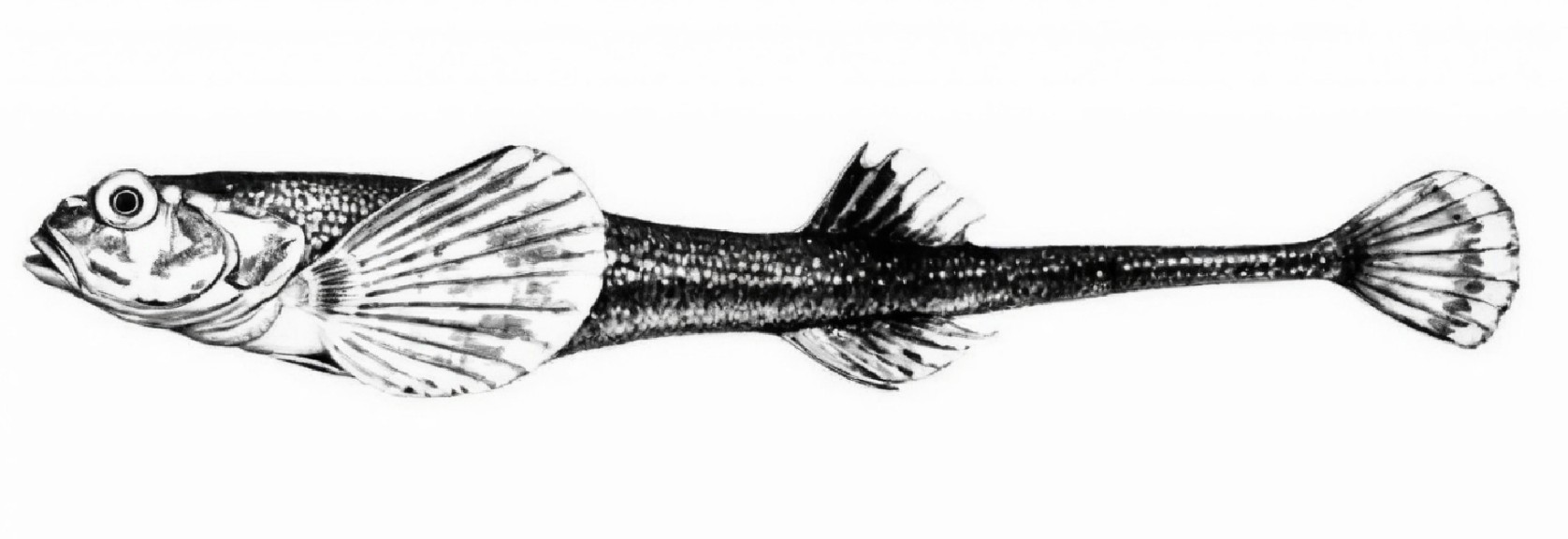
Aspidophoroides olrikii
The head of the Arctic alligatorfish is large and broad. There are short antennae on the …
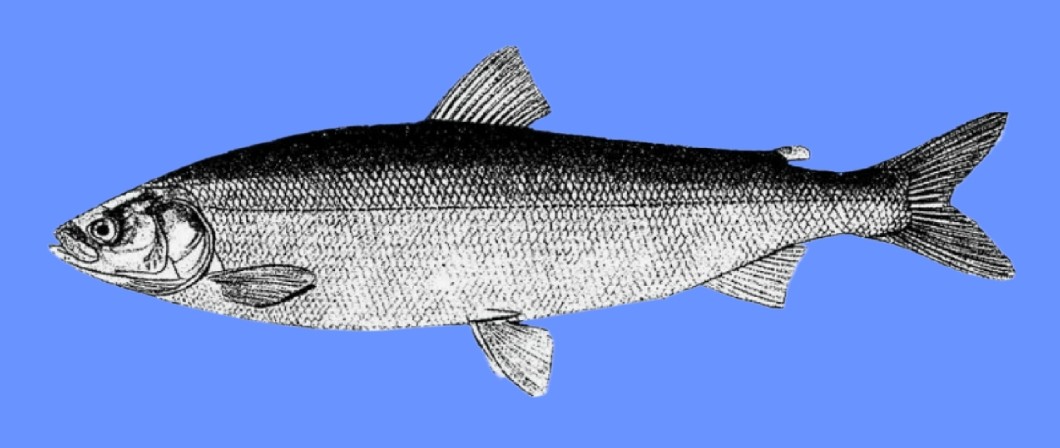
Coregonus autumnalis
The back of the Arctic cisco is rather high and slightly curved. The pelvis has an …
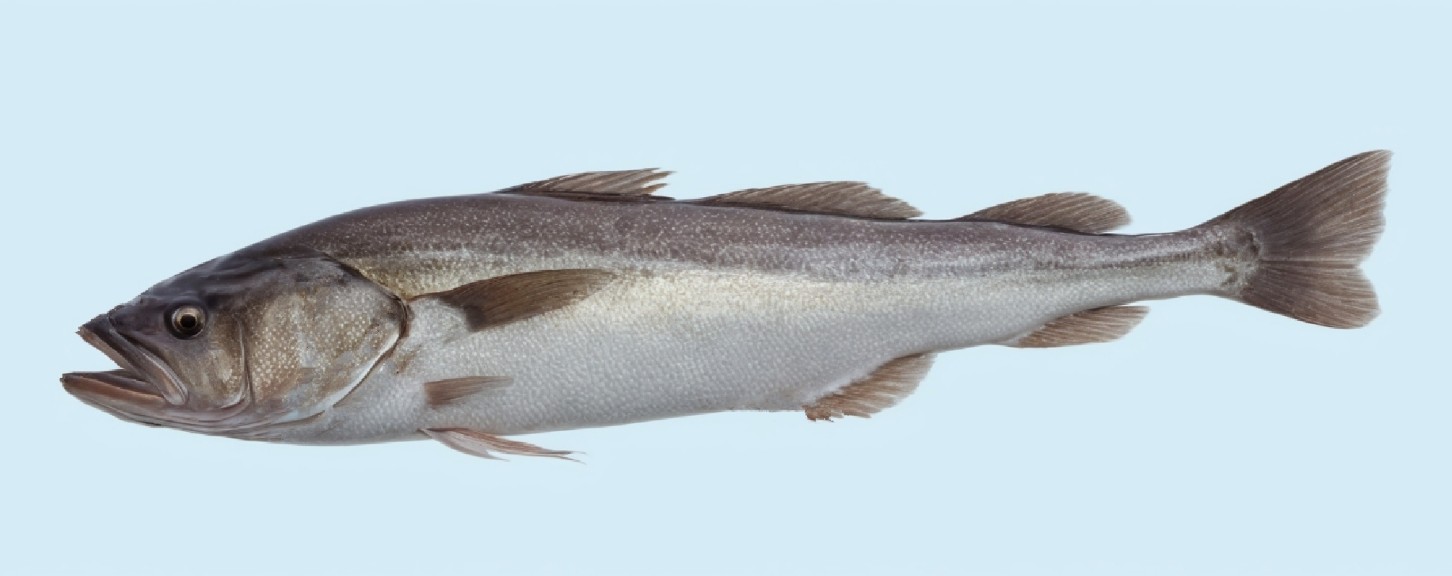
Arctogadus glacialis
Arctic cod are characterized by a thin body, a deeply bifurcated tail, a protruding mouth, large …
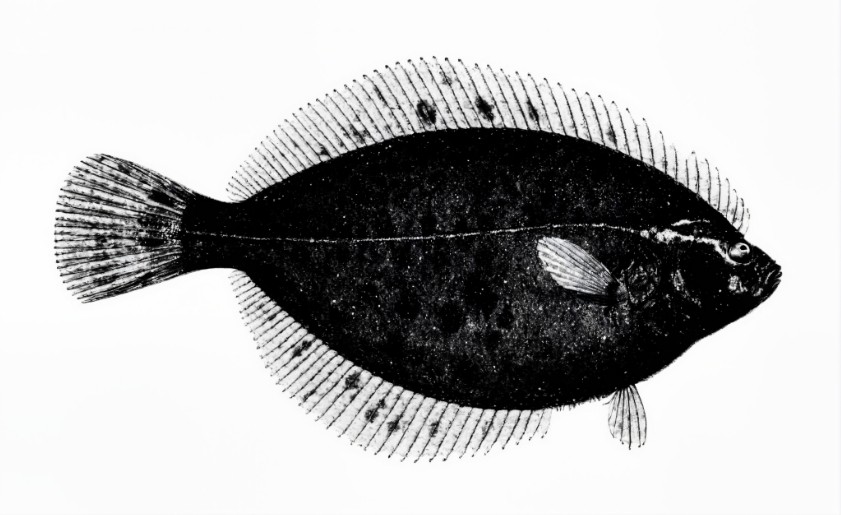
Liopsetta glacialis
It is a right eyed flounder. It is characterized by the presence of both eyes on …
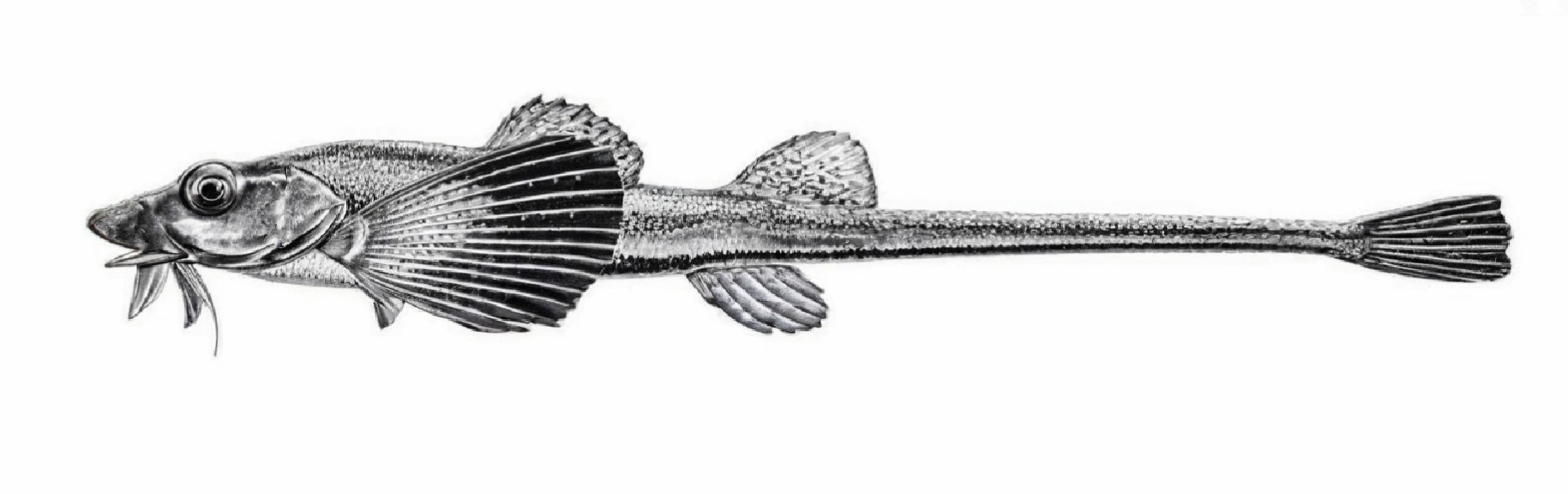
Leptagonus decagonus
This species is the only known member of its genus. The body of the Atlantic poacher …
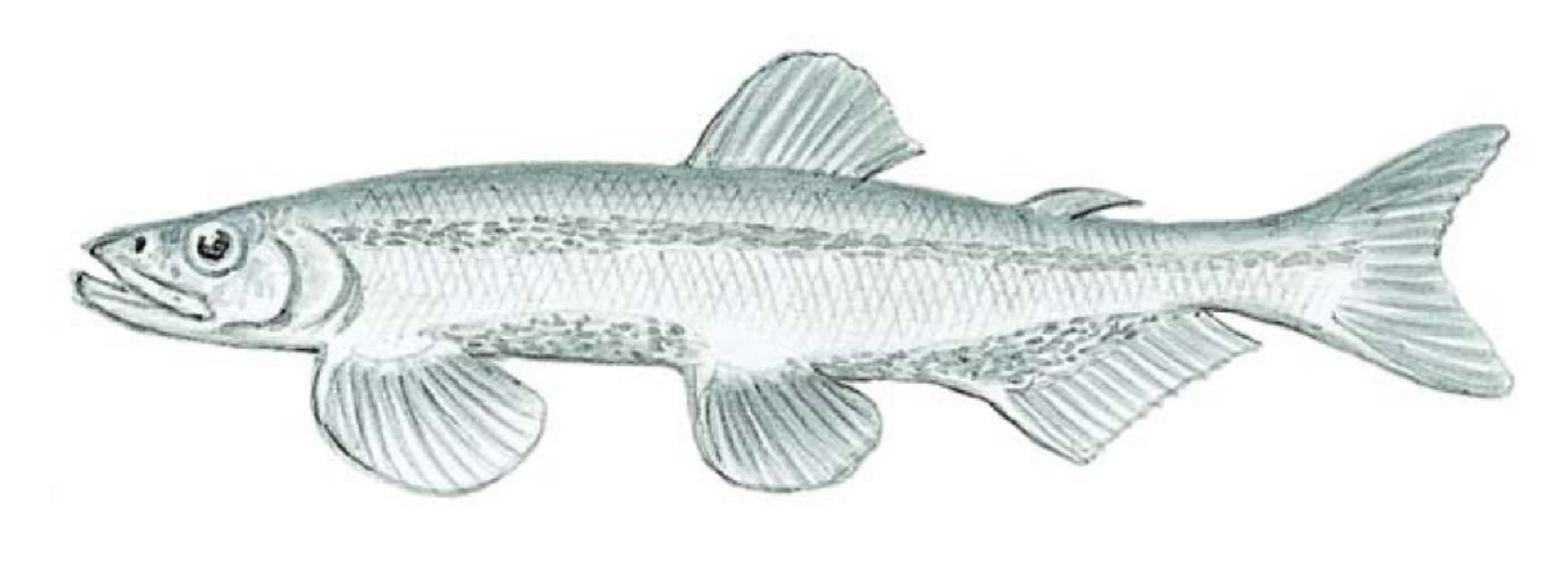
Mallotus villosus
The capelin has a large mouth with a lower jaw that extends below each eye. Males …
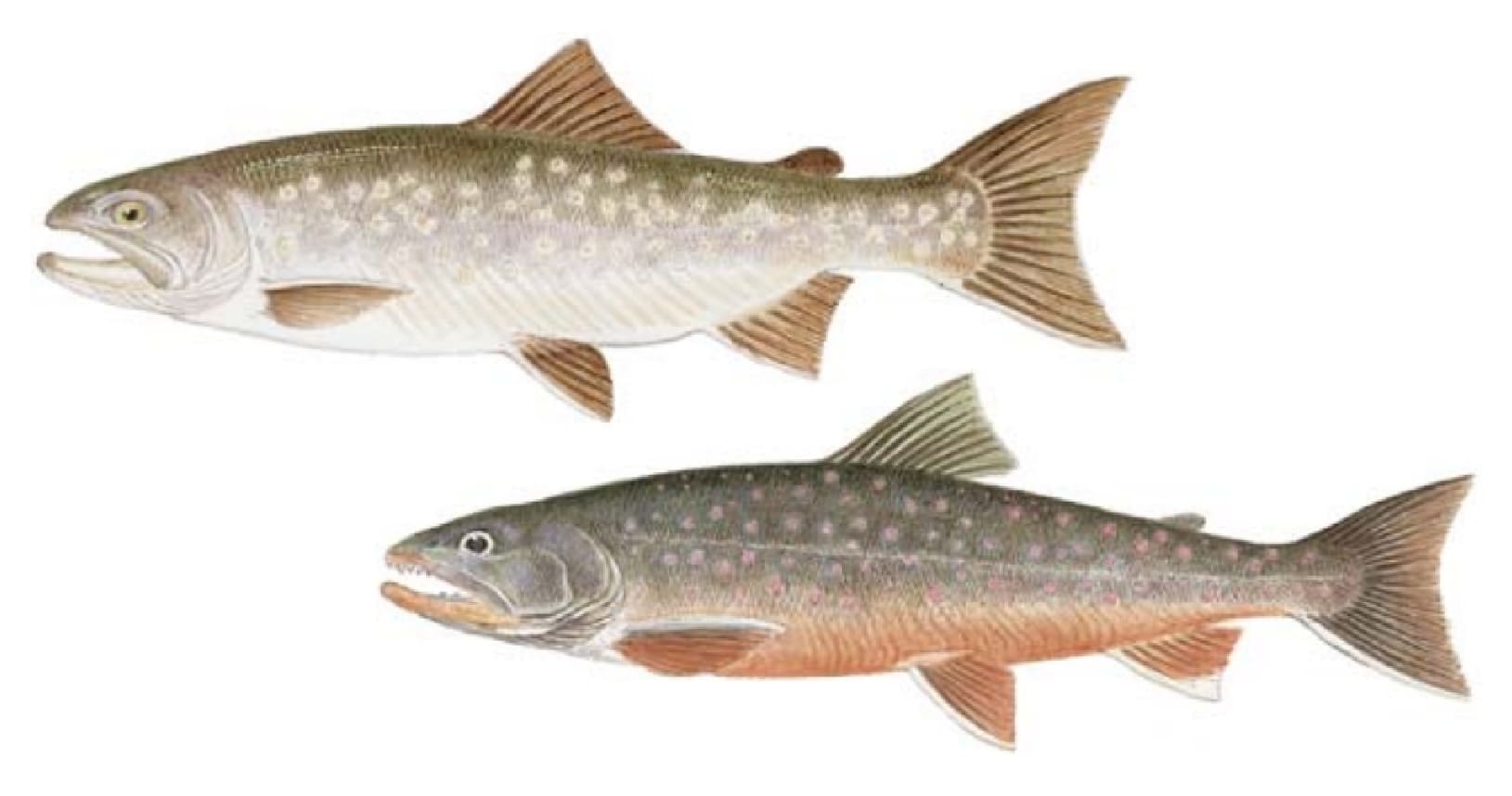
Salvelinus alpinus
Like all members of the genus Salvelinus, the Arctic charr has bright spots on the body, …
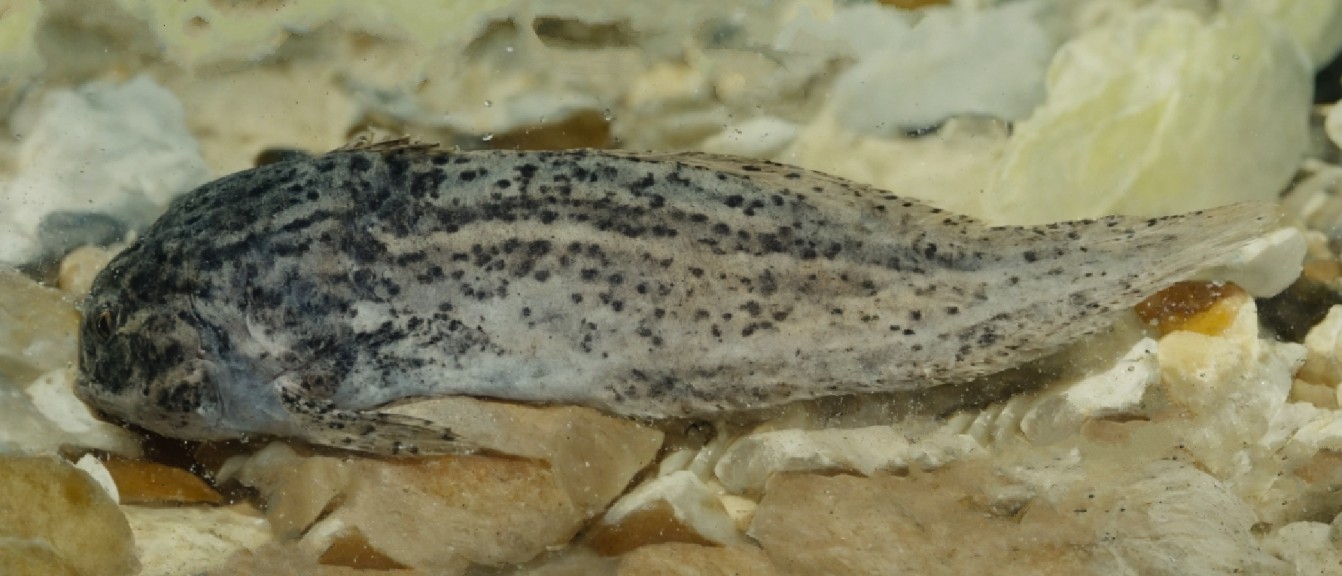
Liparis liparis
The body of the common seasnail is elongated, compressed at the sides (especially at the rear). …
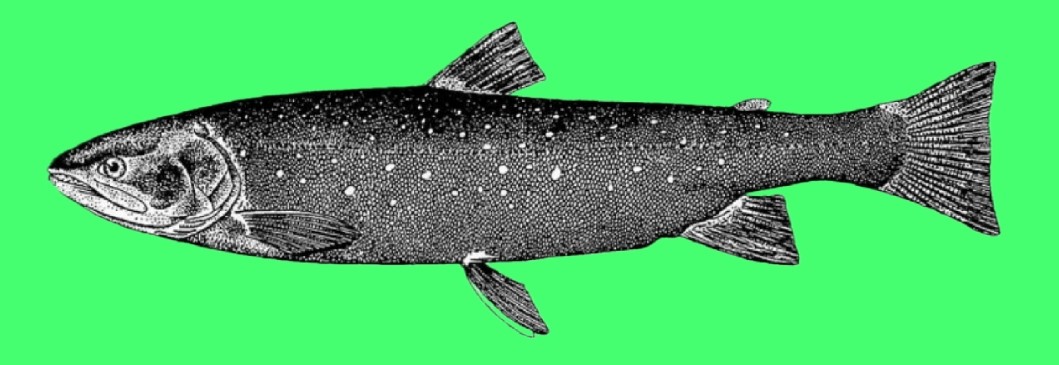
Salvelinus malma
The body of the Dolly Varden trout is elongated, somewhat rounded, with the greatest depth of …
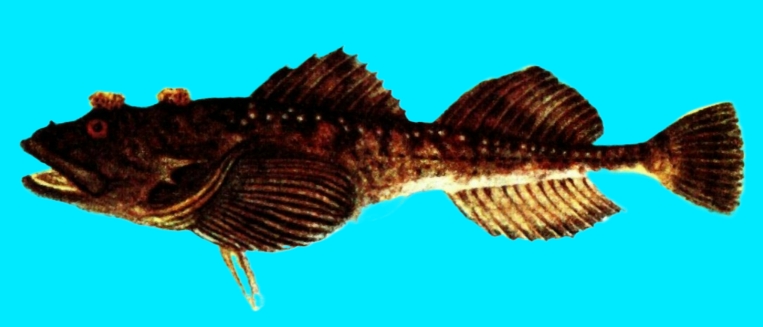
Myoxocephalus quadricornis
The fourhorn sculpin has a large, lumpy head with protruding lips and four bony protuberances. Vertebrae: …
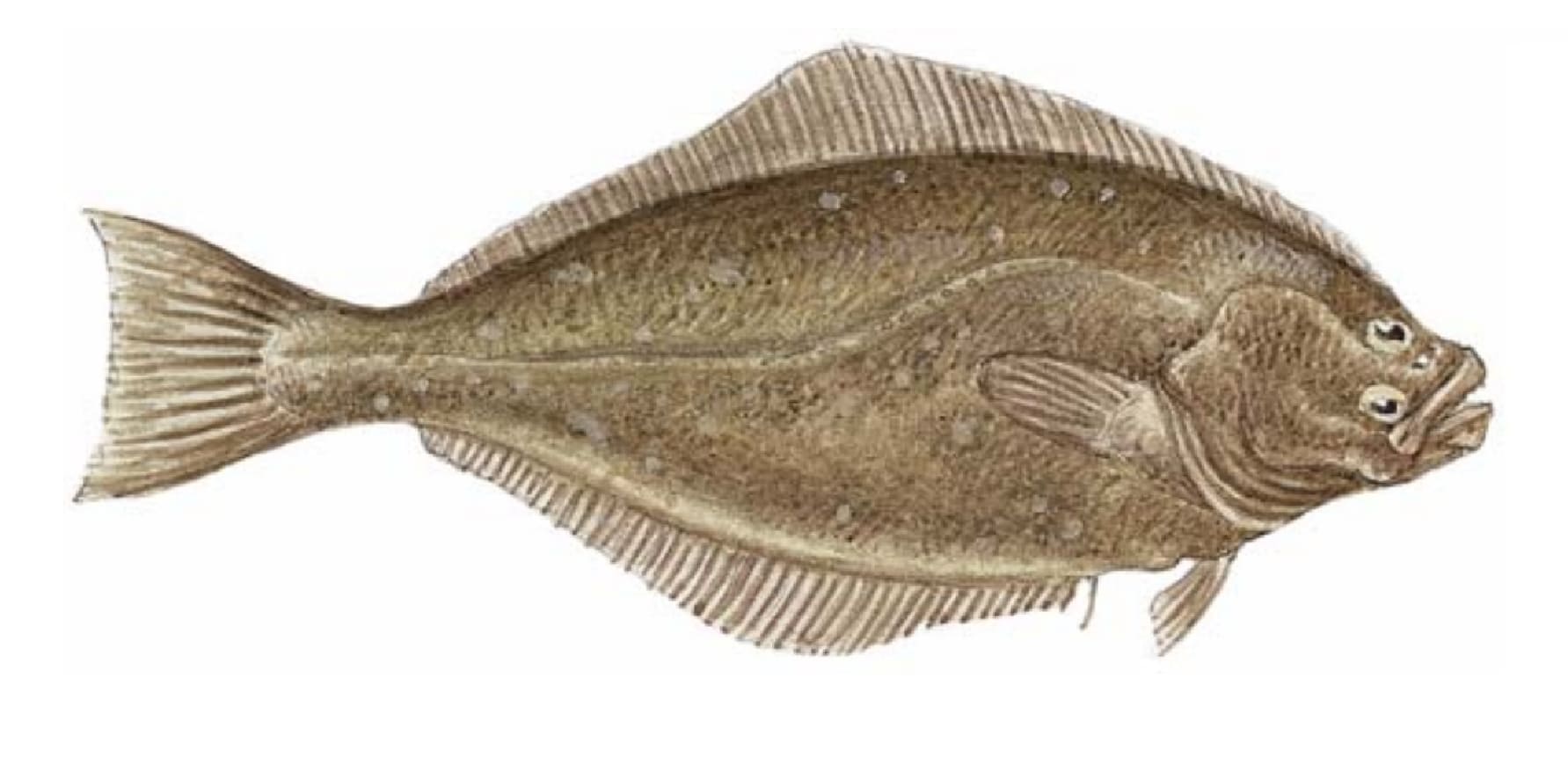
Hippoglossus hippoglossus
The body is elongated broad, somewhat flattened, oval, bordered by long dorsal and anal fins. Head …
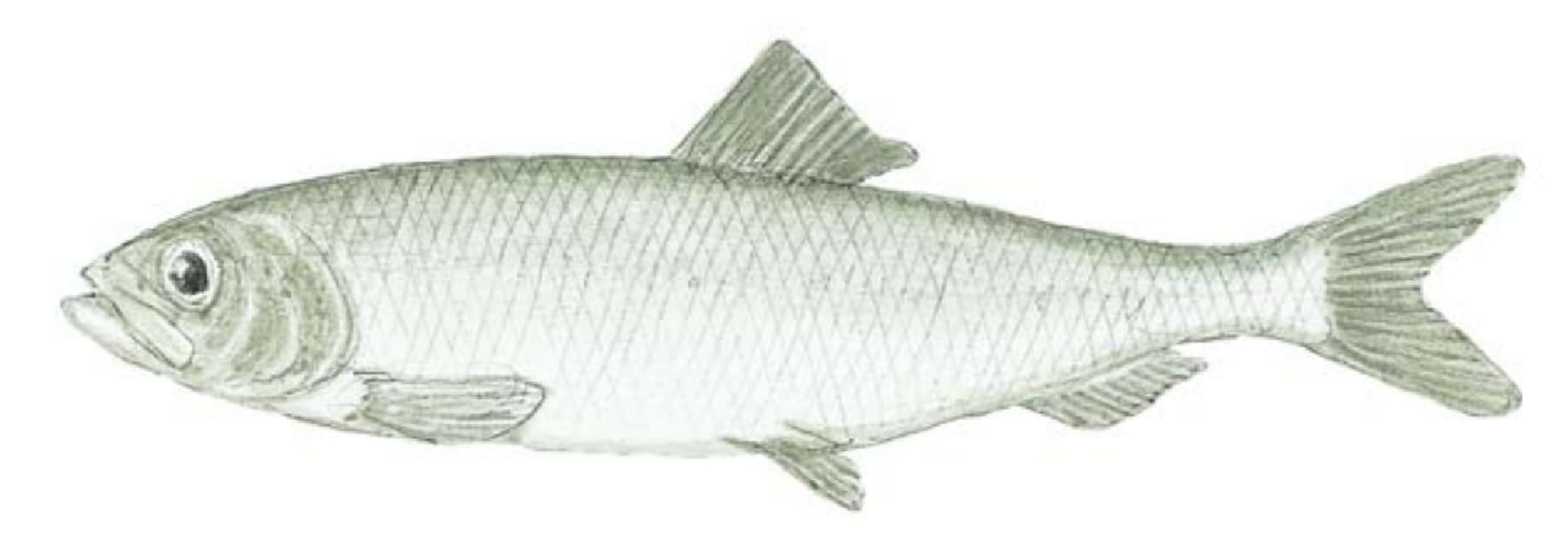
Clupea pallasii
The body is prostrate, compressed from the sides, covered with easily drooping scales. Abdomen rounded, ventral …
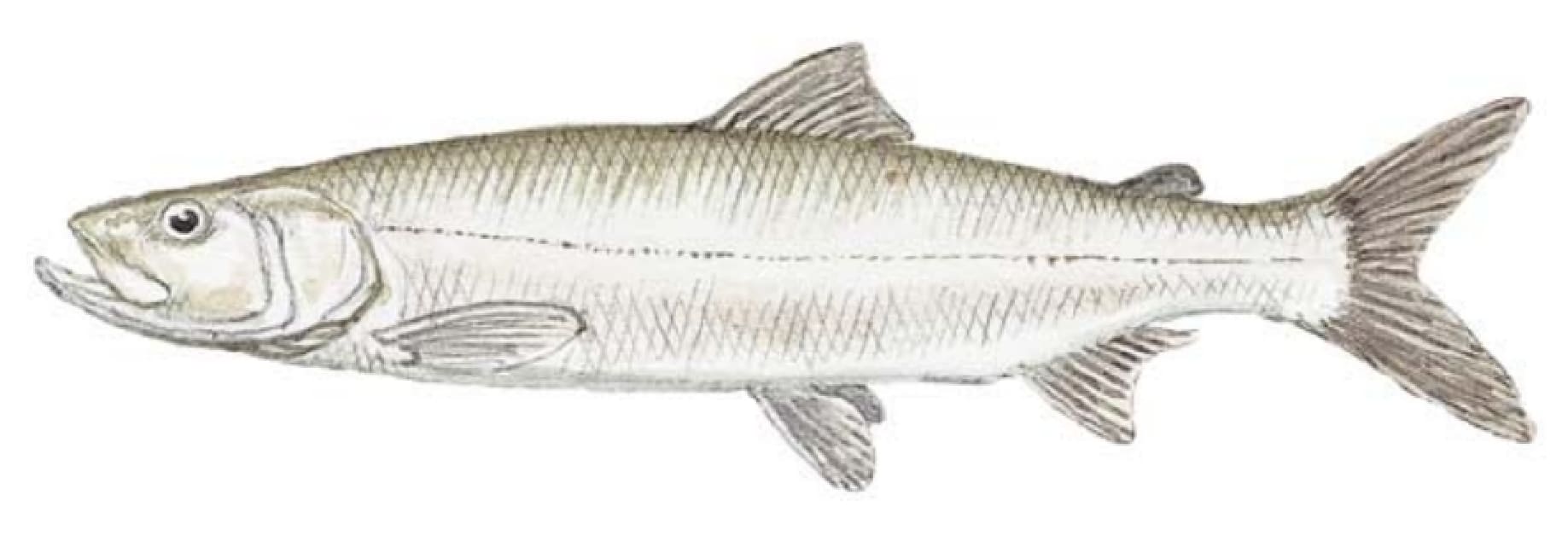
Stenodus leucichthys
The general shape of the inconnu's body is very similar to that of the charr or …
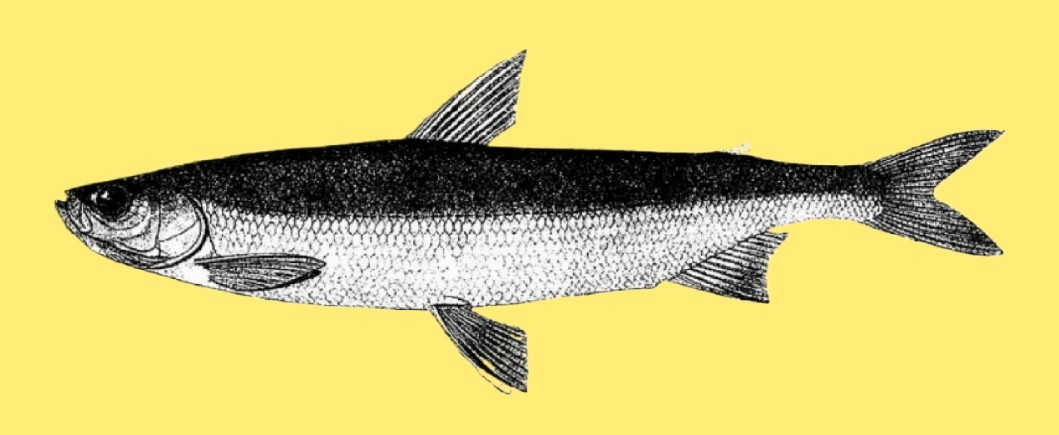
Coregonus sardinella
The body of the Least Cisco is elongated, somewhat compressed at the sides, with the greatest …
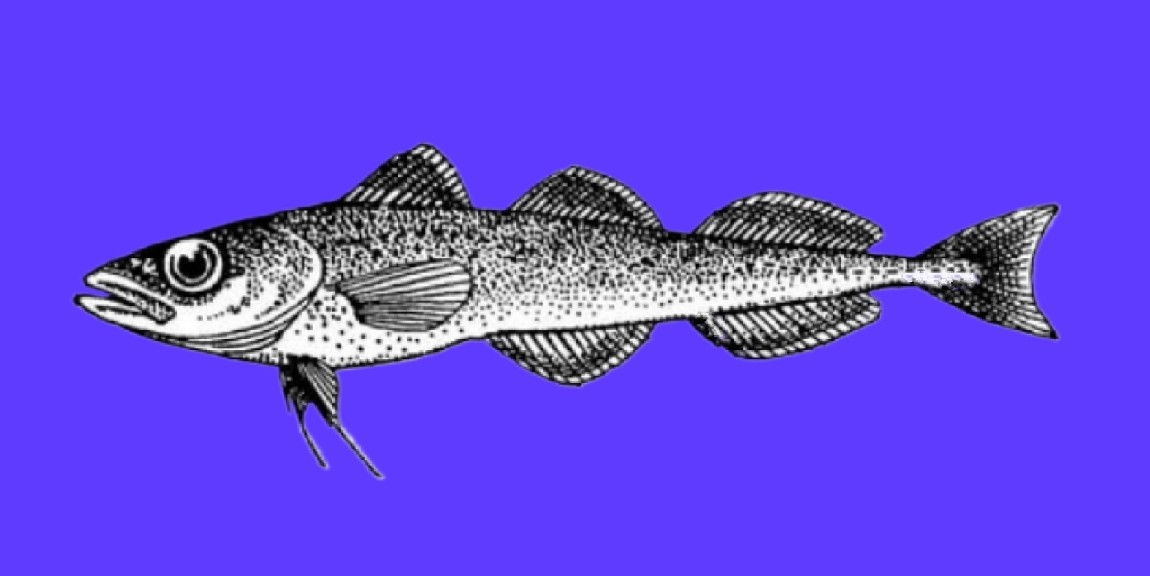
Boreogadus saida
The body of the polar cod tapers significantly towards the tail. The head is large, the …
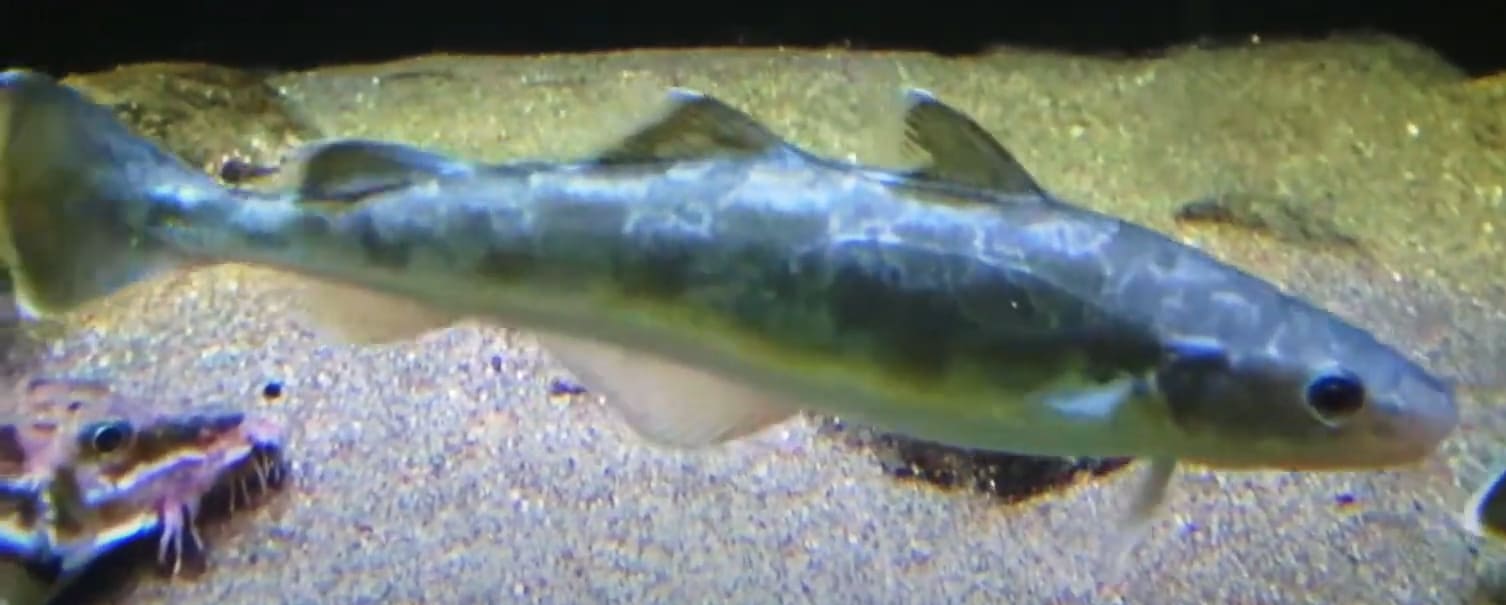
Eleginus gracilis
The lower jaw is shorter than the upper jaw, there is a chin tendril whose length …
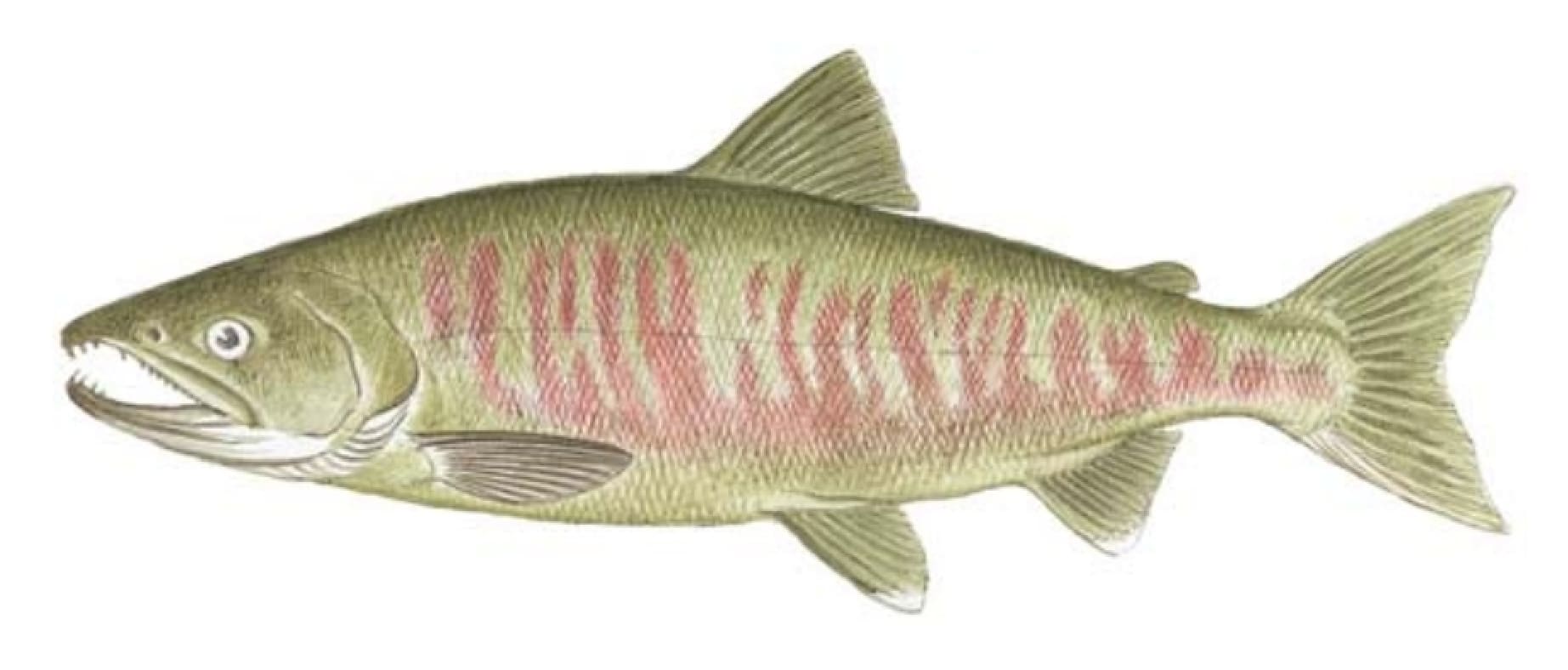
Oncorhynchus keta
The mouth is large, with the maxillary bone reaching backwards to the vertical of the posterior …
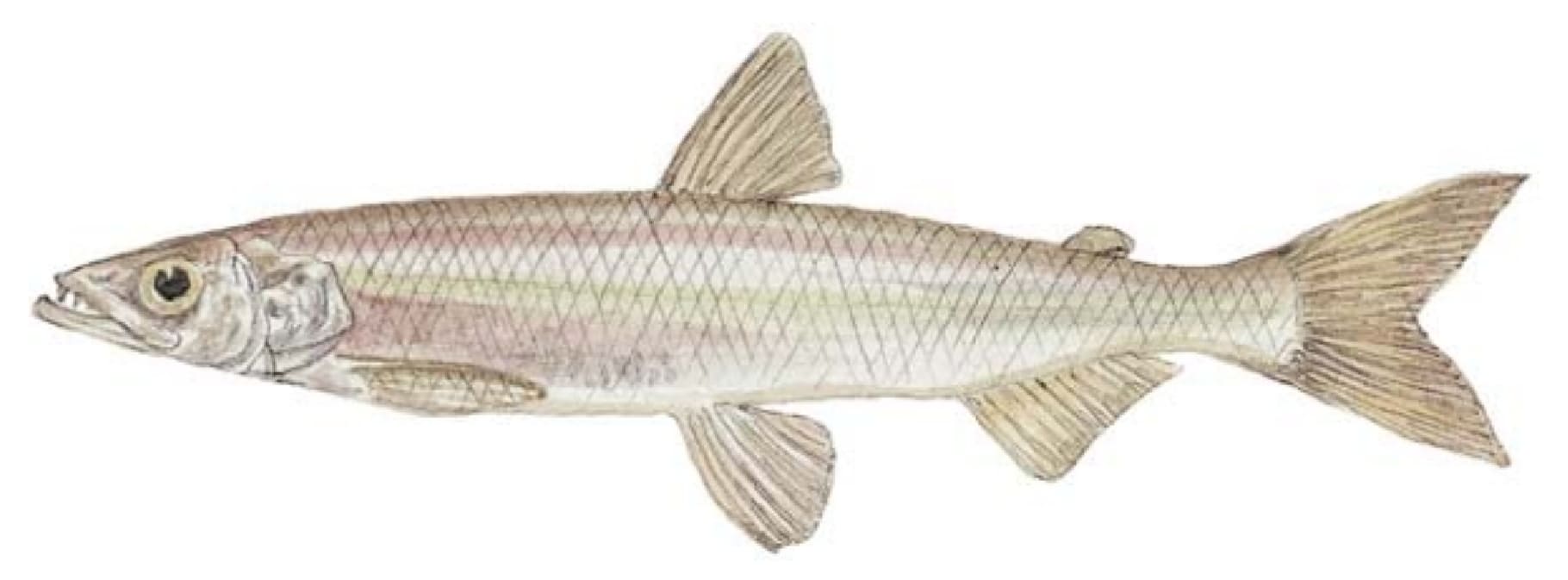
Osmerus mordax
A slender, silvery fish with a pale green or olive green back. When fresh, the sides …
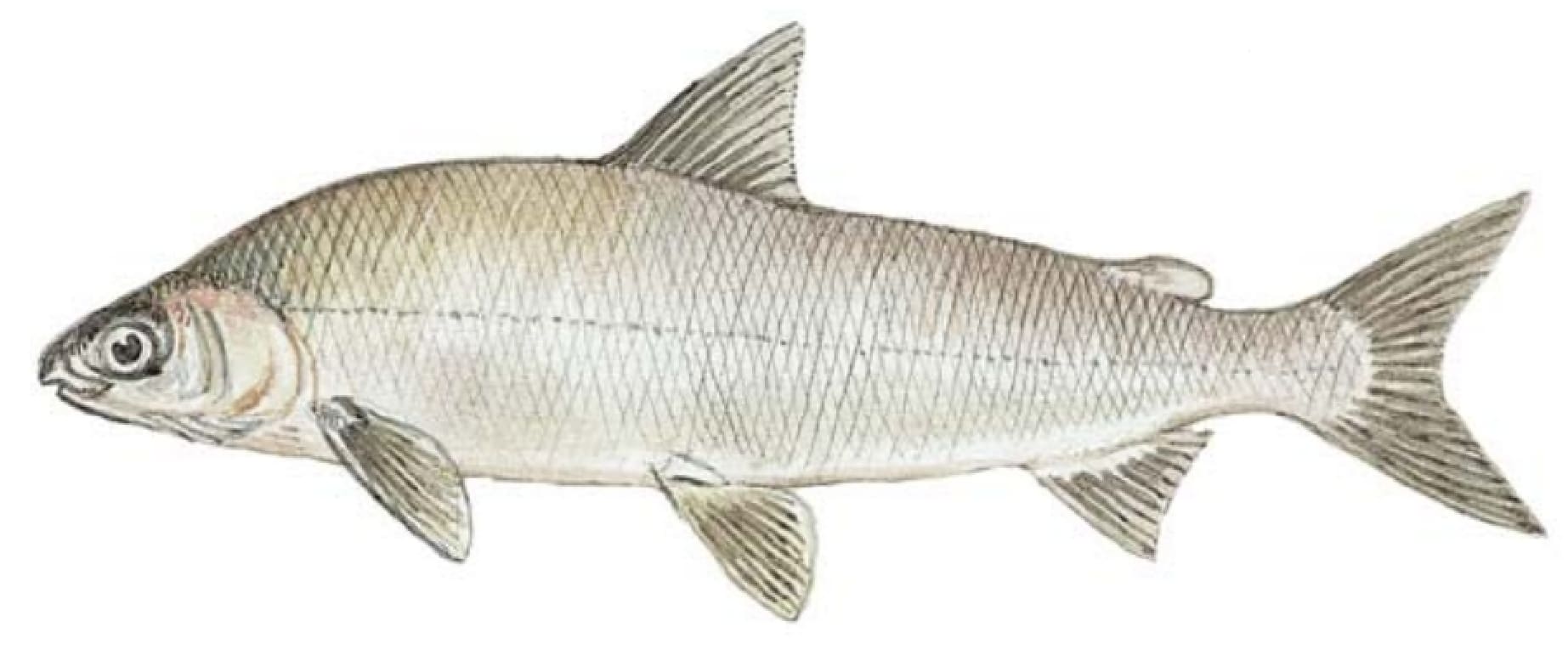
Coregonus clupeaformis
A slender, elongated species, the lake whitefish is silvery white with an olive or pale greenish-brown …