 Allfishes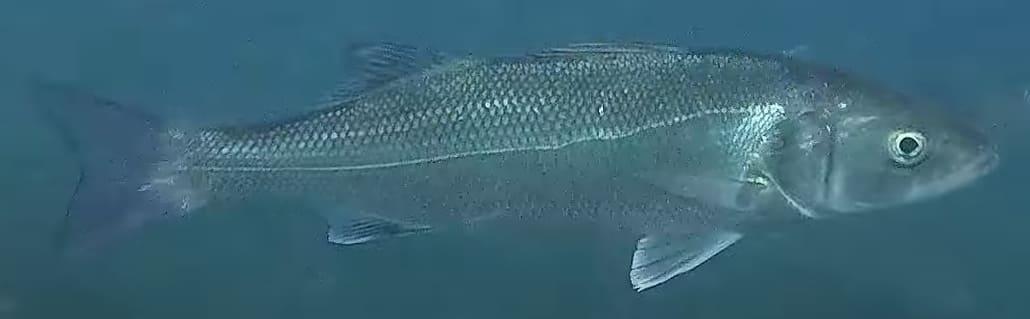
European seabass
Dicentrarchus labrax
The generic Latin name is derived from the Ancient Greek δύο - two, κέντρον - barb …
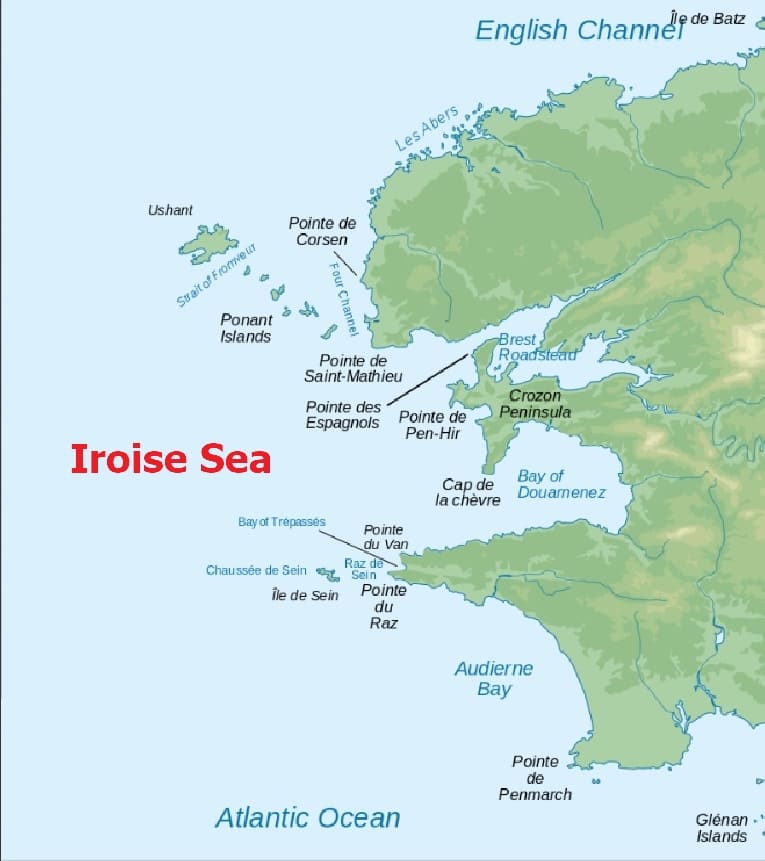
The Iroise Sea is one of the most important biogeographical transition zones in the world. It is the dividing line between temperate, cold temperate and boreal marine species.
The Iroise Sea is home to European seabass, dolphin, earless seal, sea otter, lobster and occasionally ocean sunfish, basking shark and even whale. Fishermen catch crab, sardines and European monkfish.
The waters of the Iroise Sea are rich in coral reefs. This has made the sea a popular destination for diving and snorkelling. Here you can see unique underwater creatures and admire the colourful reefs.
Thanks to a national park protected by the authorities, the Iroise Sea has become a refuge for many species of animals. One of the main advantages of the Iroise Sea is its ecological purity. A unique flora and fauna can be observed here, including various species of fish, dolphins and chelonians. It is important in terms of biodiversity as it contains diverse habitats of over 300 species of seaweed, large colonies of sea birds and populations of basking shark (Cetorhinus maximus) and grey seal (Halichoerus grypus).
Showing 1–3 of 3
Dicentrarchus labrax
The generic Latin name is derived from the Ancient Greek δύο - two, κέντρον - barb …
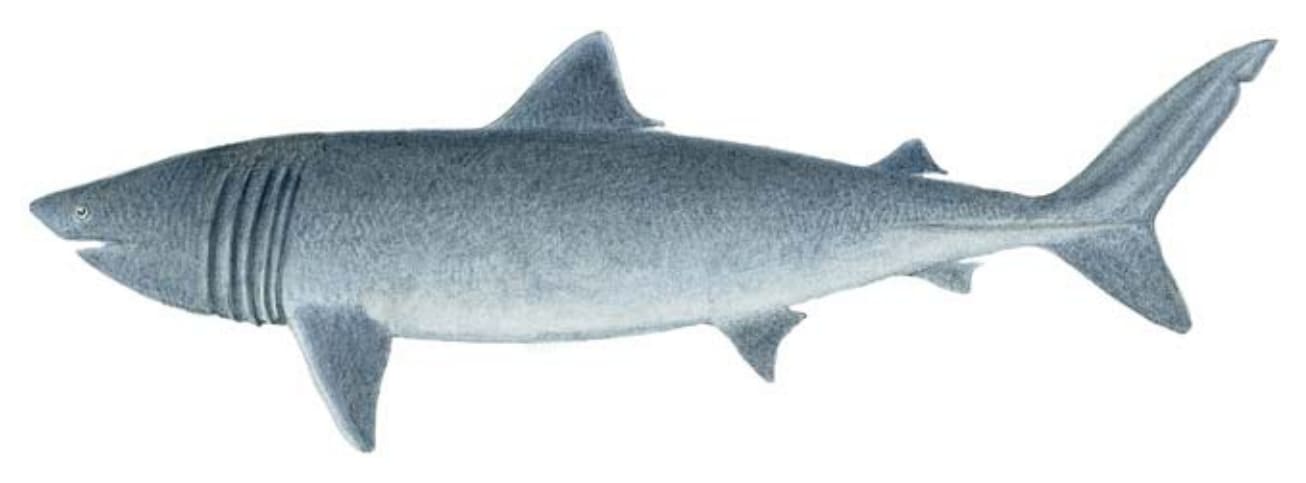
Cetorhinus maximus
The dark gray or slate-gray fish, transitioning to a paler hue, got its name from its …
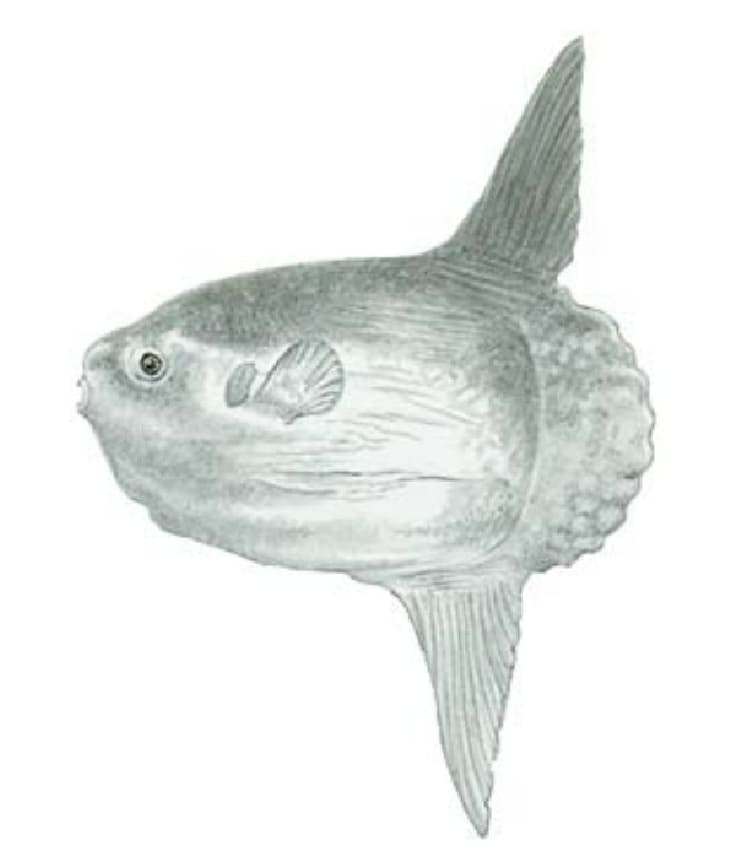
Mola mola
The short, strongly laterally compressed body is disk-shaped. Thick skin is covered with small bony tubercles. …