 Allfishes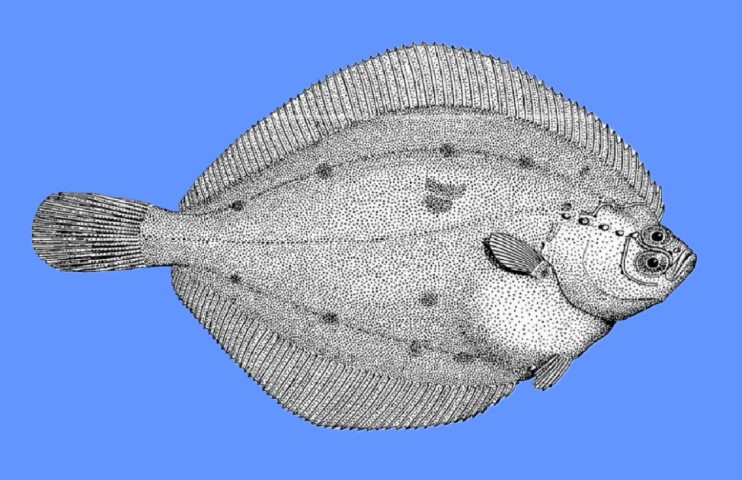
Alaska plaice
Pleuronectes quadrituberculatus
The ocellar bony ridge of the Alaska plaice is divided into 4-8 bony tubercles and forms …
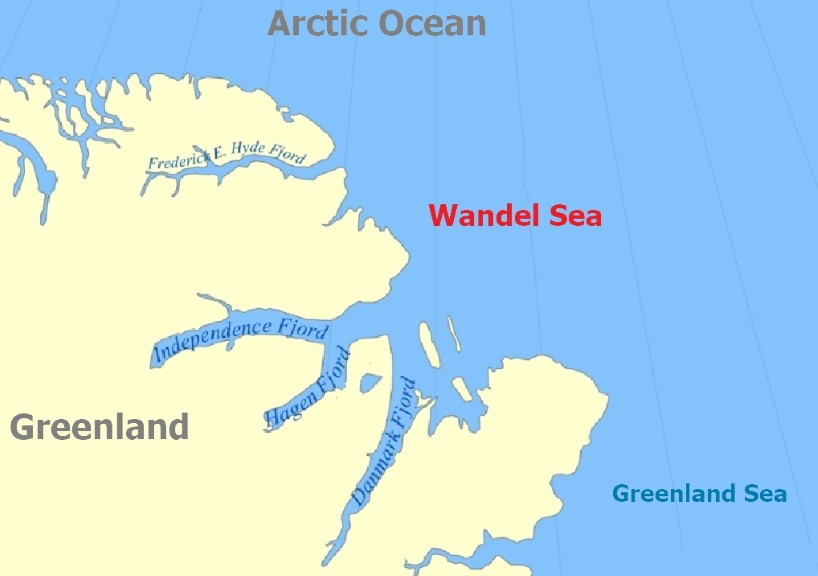 Arctic-type sea located at 82° north longitude and 21° west latitude. This small coastal sea of the Arctic Ocean washes the coasts of Piri Land (Greenland) in the west, while the rest of the area is completely surrounded by the Arctic Ocean, which freezes there all year round. This area is one of the least explored parts not only of the Arctic Ocean, but of the entire world ocean. The water space to the north and northeast of the Bering Sea is covered with ice throughout the year. To the west of the sea are two of Greenland's largest fjords: the Independence Fjord and the Danmark Fjord. In the northwest of the sea is the Lincoln Sea. The water temperature here is mostly below zero and can remain low even in the summer. In terms of climatic conditions, the Wandel Sea can be compared to the climate of the Antarctic hinterland. The sea basin is covered with ice most of the year. Moreover, the thickness of the ice cover is considered to be the most impressive in the Arctic Ocean, reaching 15 meters. Therefore, this sea is considered to be the most severe area of the Arctic. The area is extremely inaccessible for mastering.
Difficult accessibility and harsh conditions of these places have had a positive impact on the fauna and flora. The sea is rich in almost all representatives of marine life of these latitudes. Algae grow on the southern coasts of the sea. The diversity of aquatic inhabitants is supported by a large amount of plant and animal plankton, which is the main food link. Whales (beluga whale and narwhal) come here, seals (ringed seal, Arctic ringed seal and harp seal) live here. It is not possible to determine the exact number of fish in the sea. The absence of shipping and fishing has a positive effect on the conservation of many species in the region.
There are probably more than 100 species of fish in the Wandel Sea and the Arctic Ocean. The most important species are Arctic flounder (Liopsetta glacialis), Northern wolffish (Anarhichas denticulatus), Atlantic wolffish (Anarhichas lupus), Beaked redfish (Sebastes mentella), Haddock (Melanogrammus aeglefinus), Rainbow smelt (Osmerus mordax), Pacific herring (Clupea pallasii), Atlantic halibut (Hippoglossus hippoglossus), Greenland halibut (Reinhardtius hippoglossoides), Polar cod (Boreogadus saida), Arctic char(Salvelinus alpinus), Atlantic cod (Gadus morhua), Norway bullhead (Micrenophrys lilljeborgii), Blue ling (Molva dypterygia), Bering wolffish (Anarhichas orientalis), Saffron cod (Eleginus gracilis), Ninespine stickleback (Pungitius pungitius), Hooknose (Agonus cataphractus), Common seasnail (Liparis liparis), Common dab (Limanda limanda), Leatherfin lumpsucker (Eumicrotremus derjugini), Threadfin seasnail (Rhodichthys regina), Capelin (Mallotus villosus), Common ling (Molva molva), Arctic cisco (Coregonus autumnalis), Lumpsucker (Cyclopterus lumpus), Spotted wolffish (Anarhichas minor), Blue whiting (Micromesistius poutassou), Roughhead grenadier (Macrourus berglax), Pacific sand lance (Ammodytes hexapterus), Norway pout (Trisopterus esmarkii), Alaska plaice (Pleuronectes quadrituberculatus), Fourhorn sculpin (Myoxocephalus quadricornis). Sharks are not found in these areas. Fishing here is not on a mass scale, as it is difficult even for icebreakers to pass through the ice barrier, a thick layer lying on the sea surface. However, sometimes the most courageous tourists do not mind fishing in these places from the shore or from a motorboat.
Showing 1–24 of 33
Pleuronectes quadrituberculatus
The ocellar bony ridge of the Alaska plaice is divided into 4-8 bony tubercles and forms …
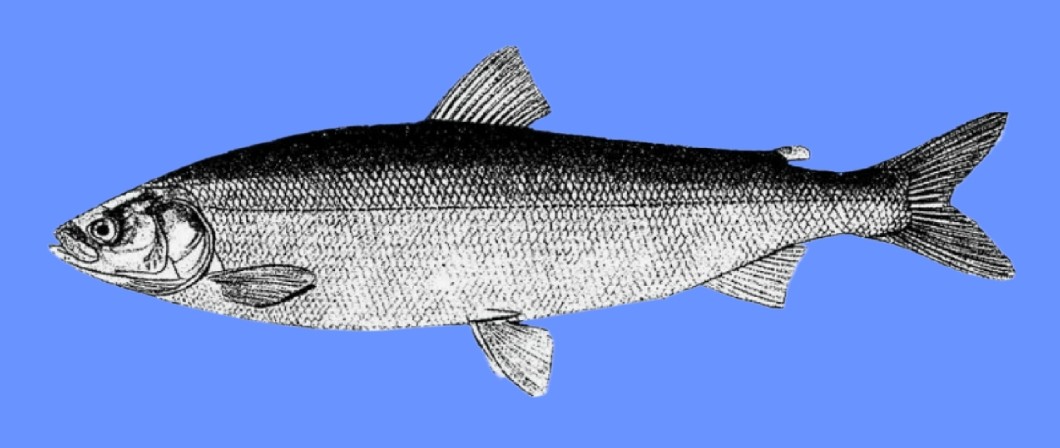
Coregonus autumnalis
The back of the Arctic cisco is rather high and slightly curved. The pelvis has an …
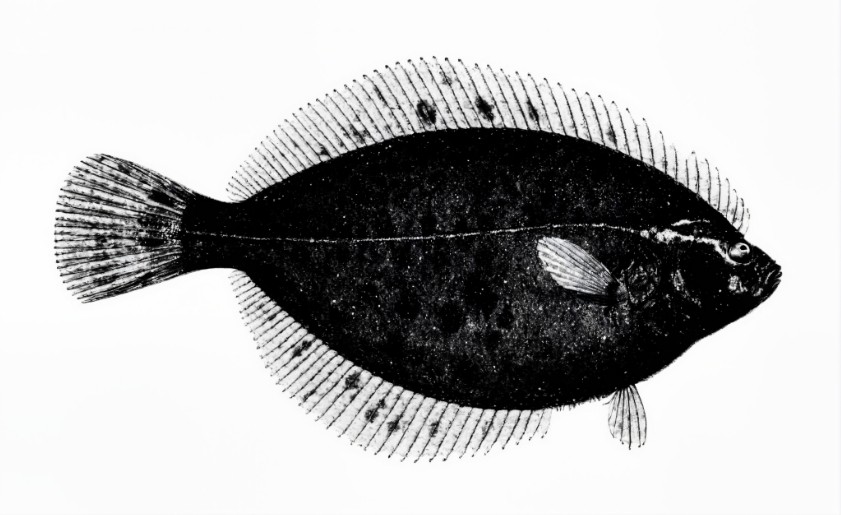
Liopsetta glacialis
It is a right eyed flounder. It is characterized by the presence of both eyes on …
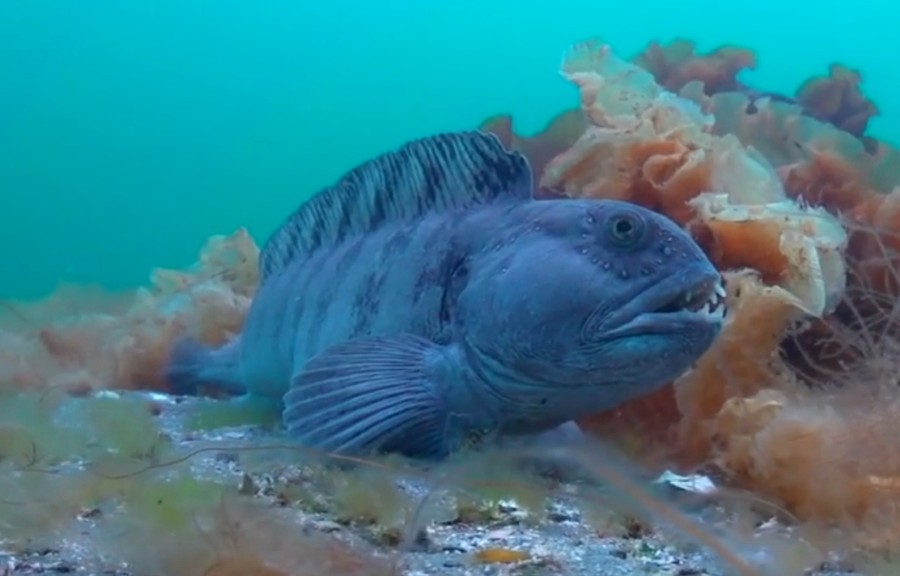
Anarhichas lupus
The body of the Atlantic wolffish is elongated, tapering to the tail, and covered with fine …
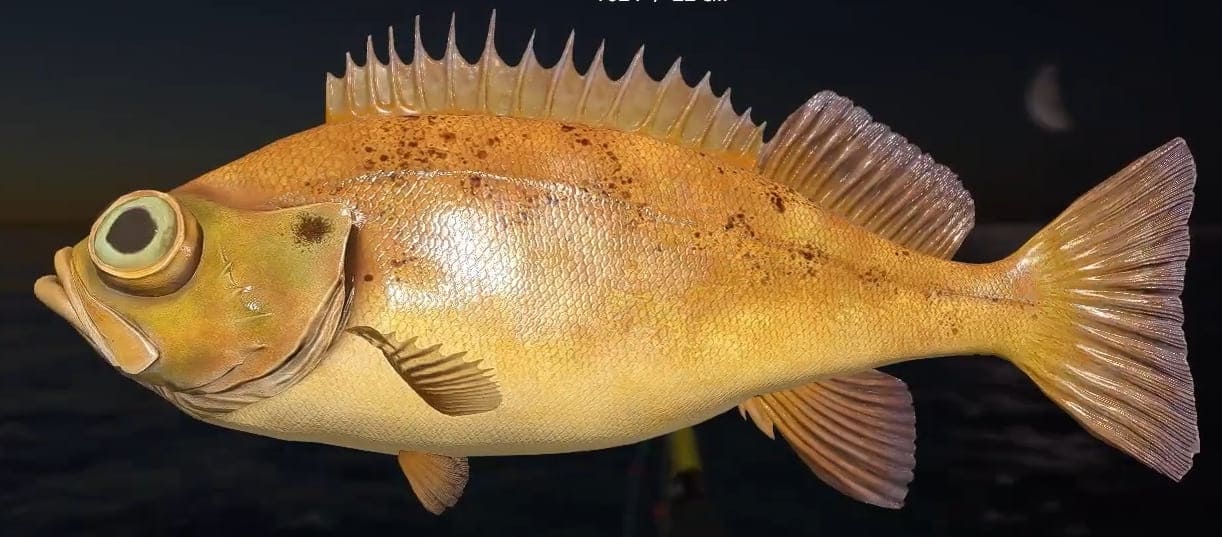
Sebastes mentella
Massive body covered with ctenoid scales. Numerous spines and ridges are poorly developed on the head. …
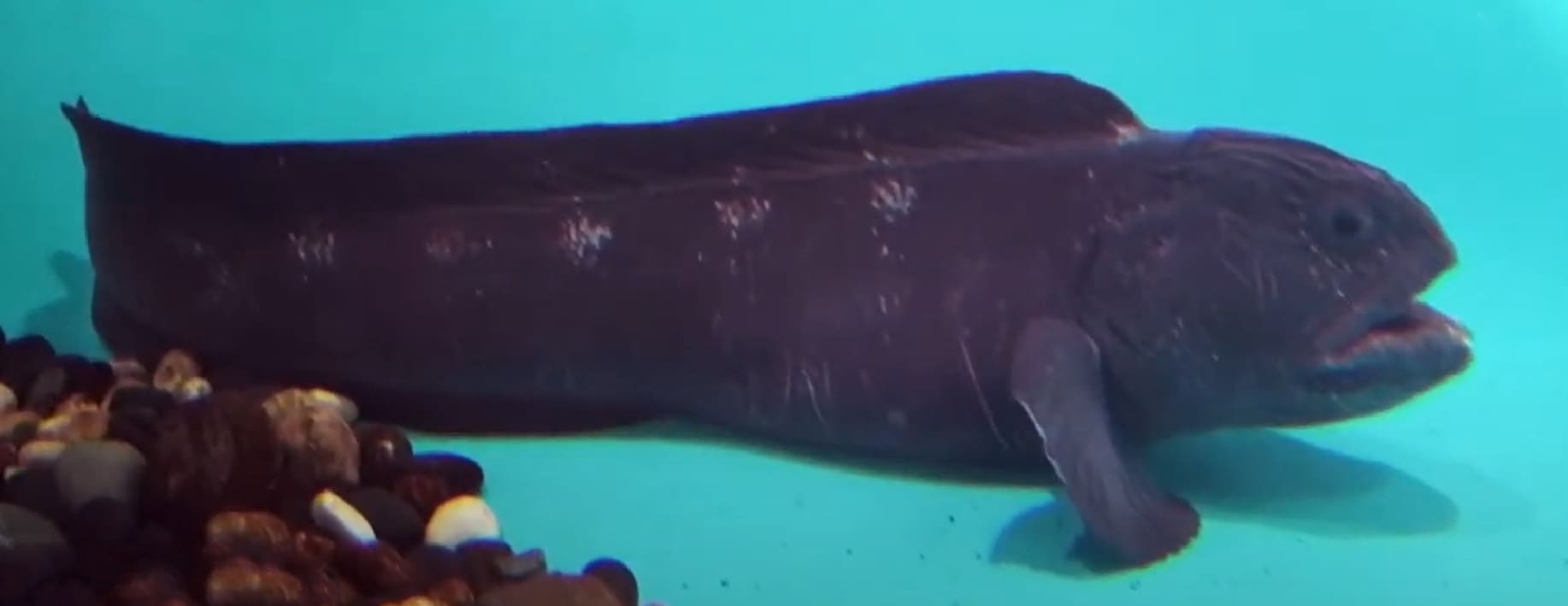
Anarhichas orientalis
The body is elongated, somewhat compressed at the sides, and covered with cycloid scales. The Bering …
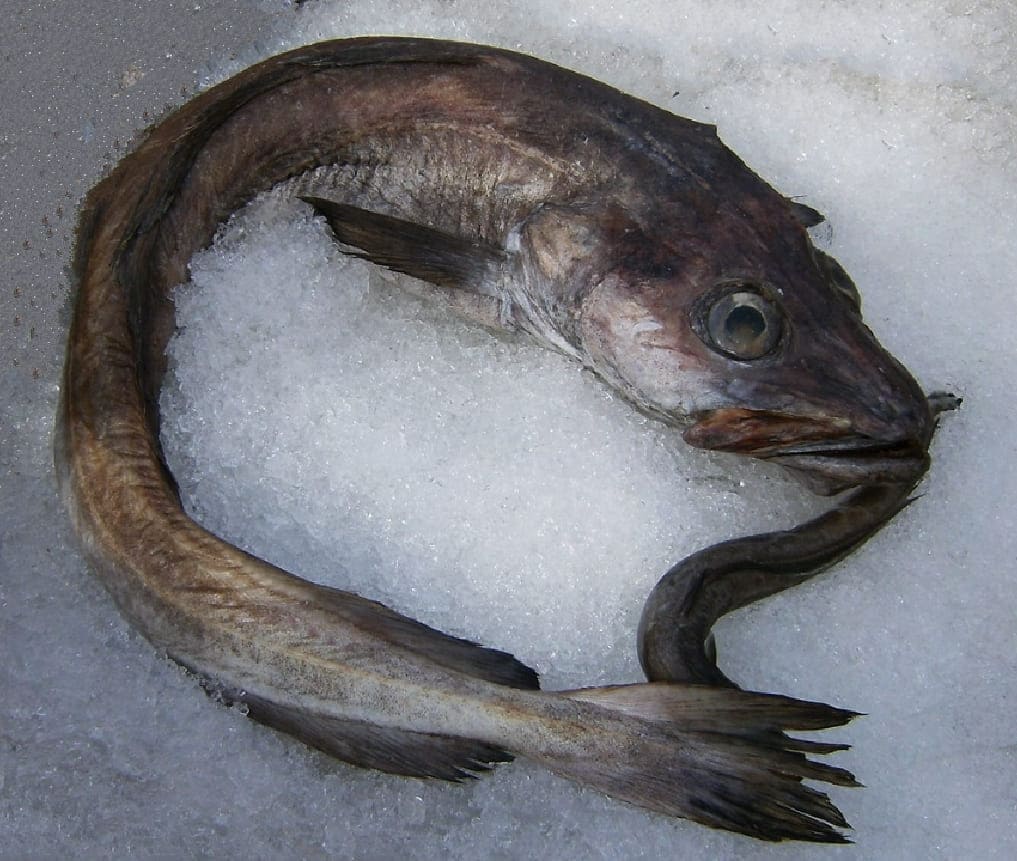
Molva dypterygia
The body is elongated, slender with a narrow tail stock. The lower jaw is longer than …
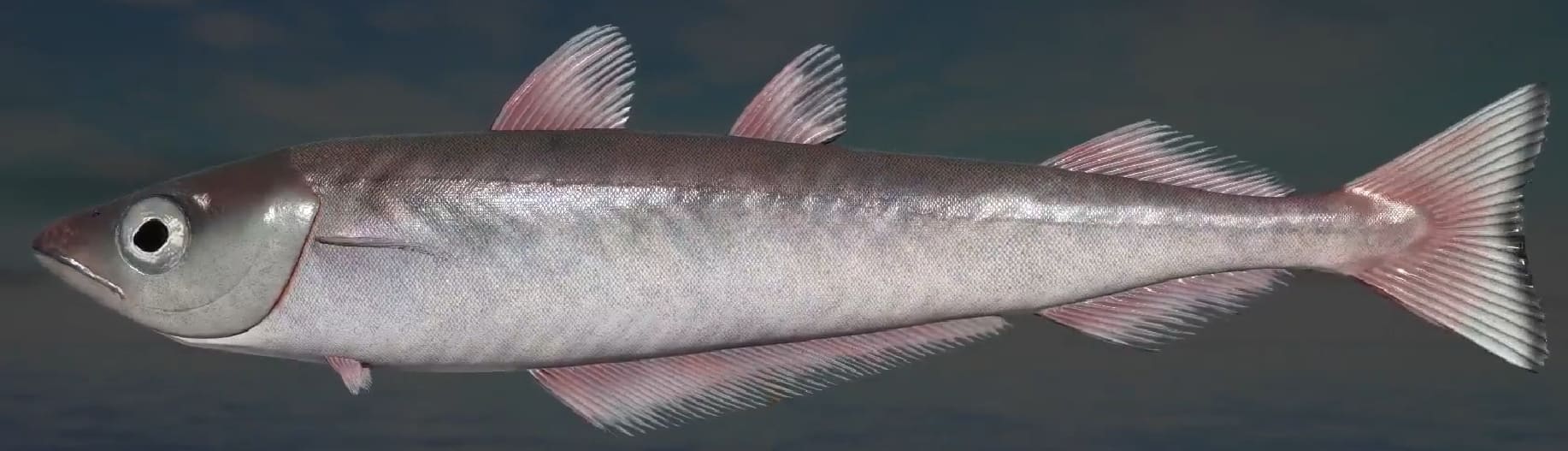
Micromesistius poutassou
The body is elongated and covered with very small, slightly falling cycloid scales. There is no …
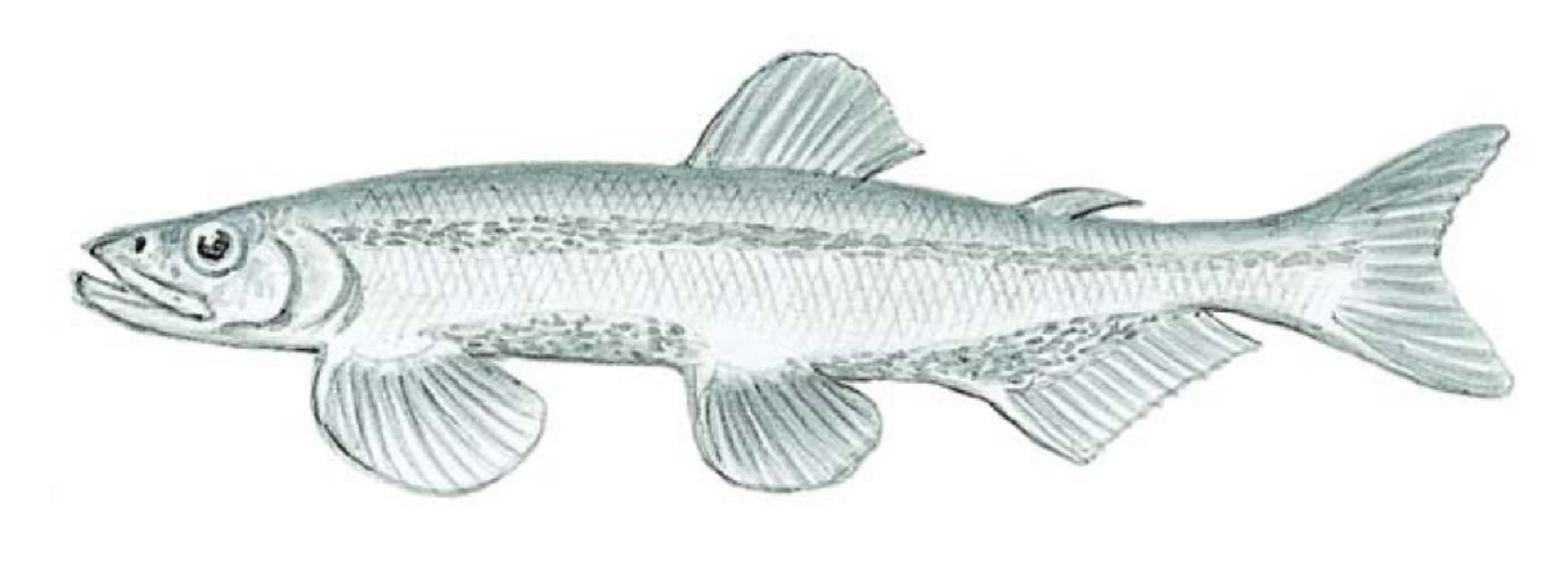
Mallotus villosus
The capelin has a large mouth with a lower jaw that extends below each eye. Males …
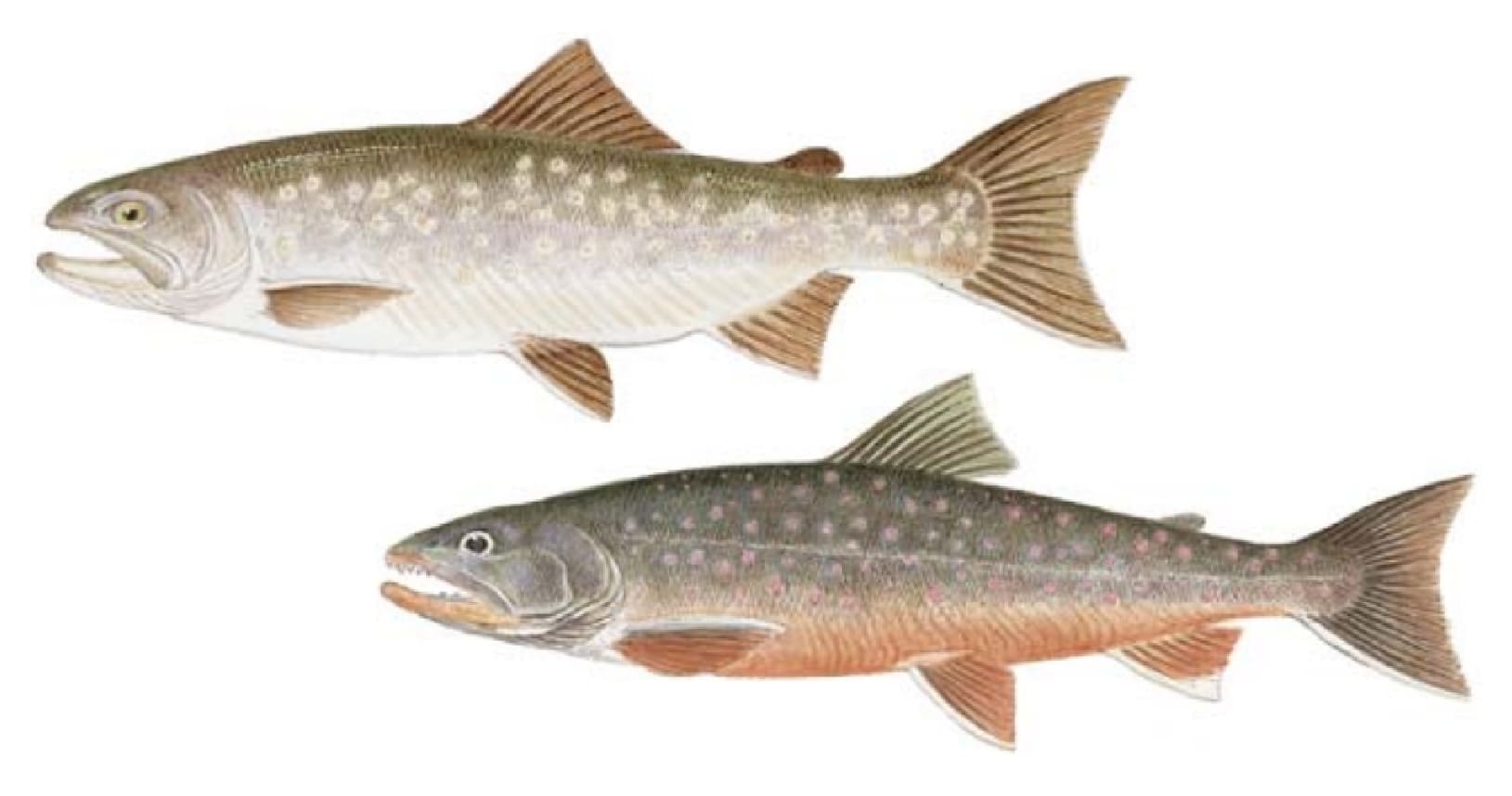
Salvelinus alpinus
Like all members of the genus Salvelinus, the Arctic charr has bright spots on the body, …
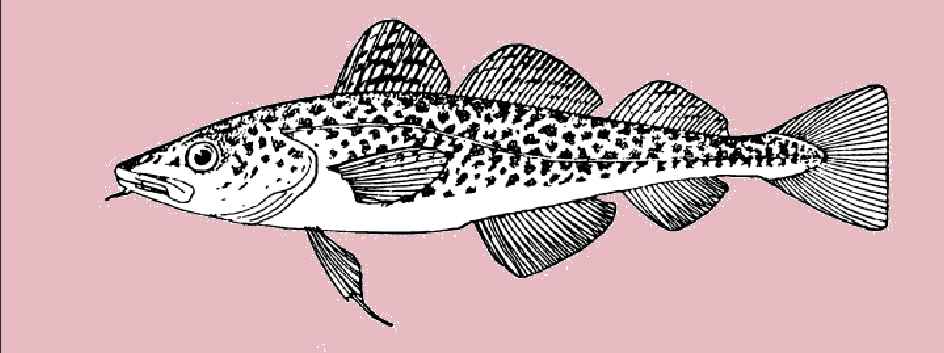
Gadus morhua
The Atlantic cod has three dark dorsal fins and two dark anal fins, none of which …
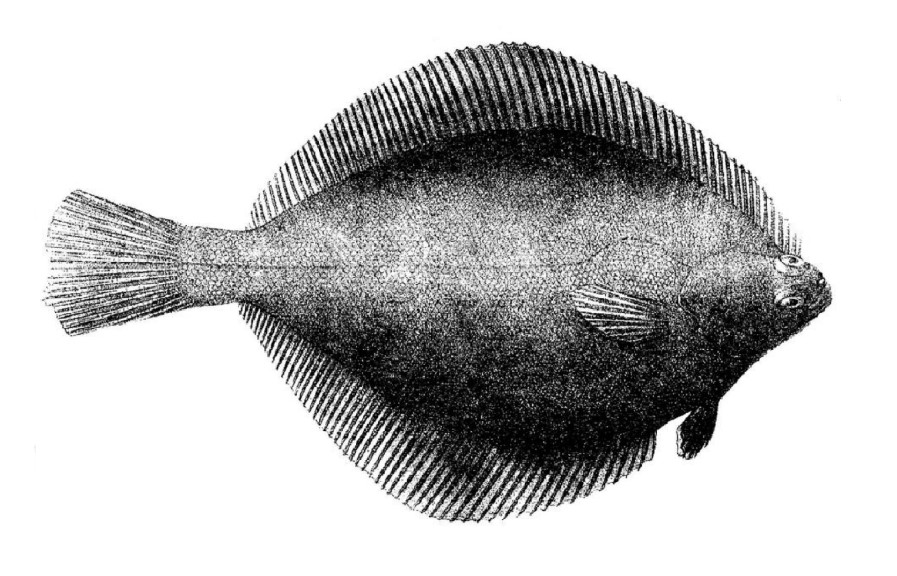
Limanda limanda
A distinctive feature of the common dab is the lateral line with a curve above the …
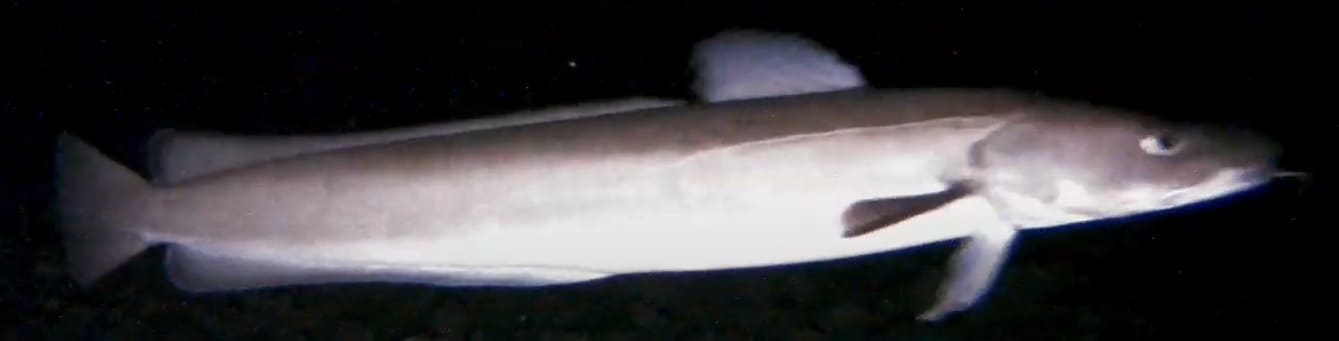
Molva molva
These fish have an elongated body and a long head large mouth, which has large teeth, …
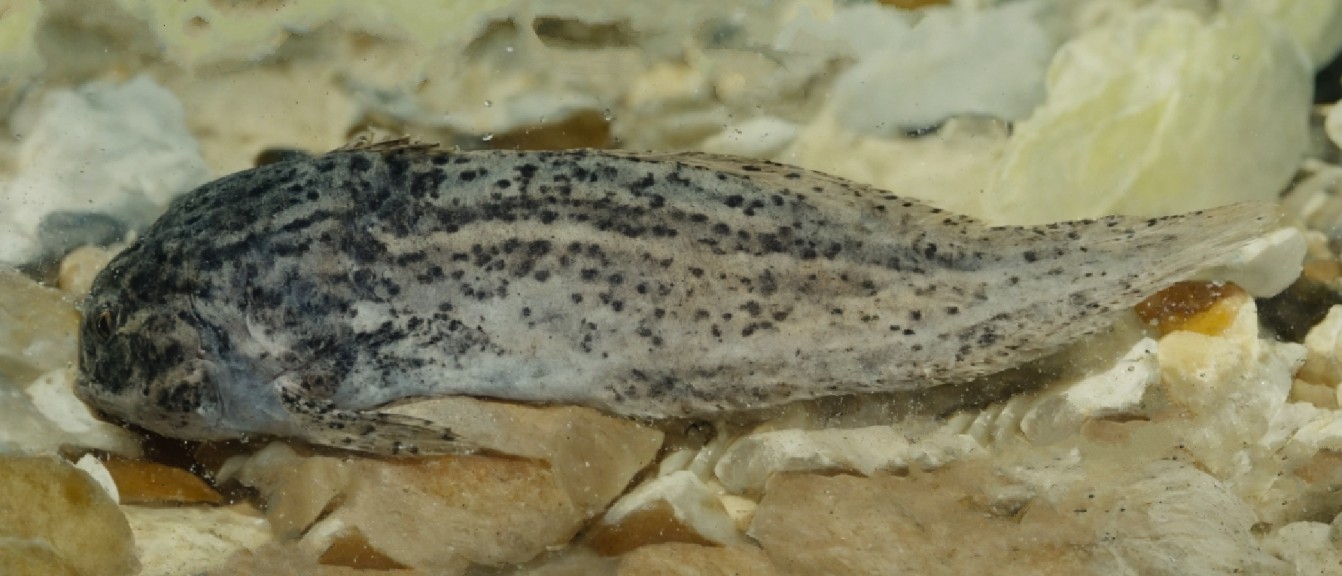
Liparis liparis
The body of the common seasnail is elongated, compressed at the sides (especially at the rear). …
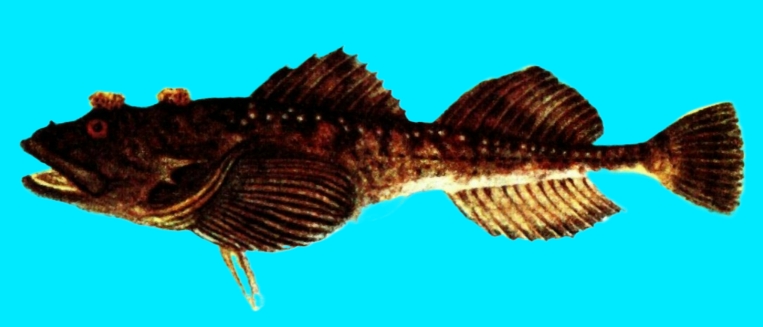
Myoxocephalus quadricornis
The fourhorn sculpin has a large, lumpy head with protruding lips and four bony protuberances. Vertebrae: …
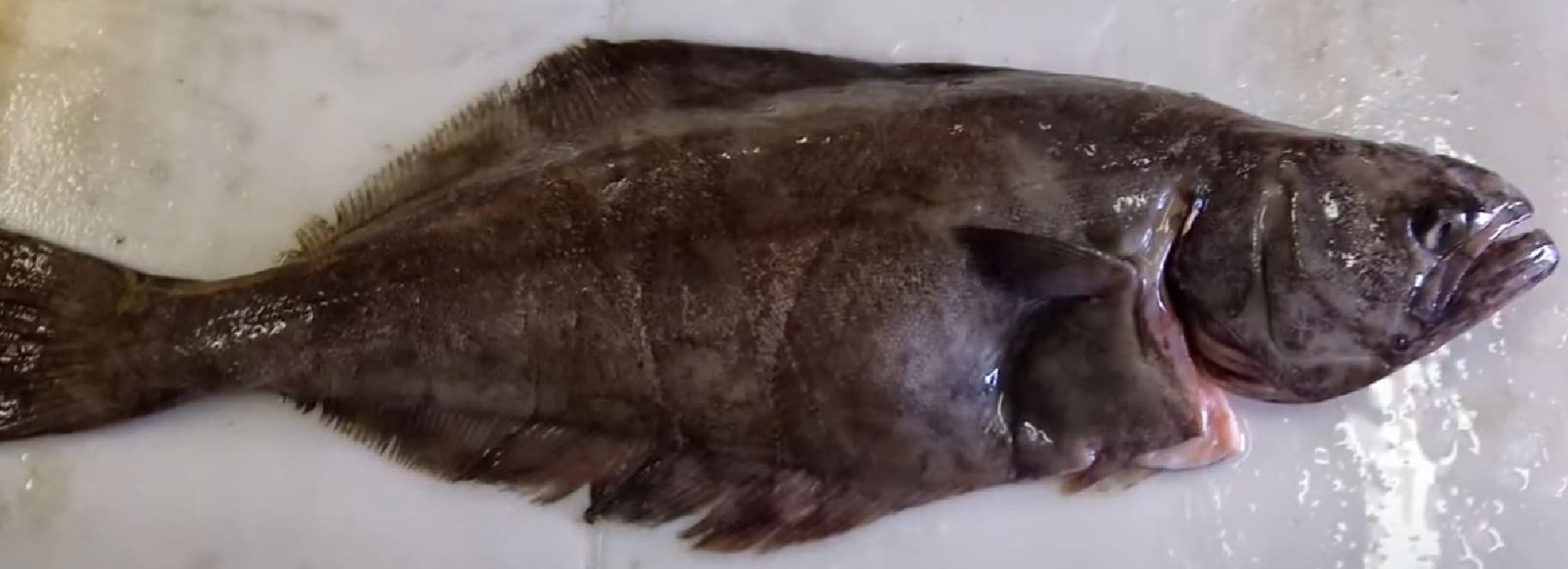
Reinhardtius hippoglossoides
The body is elongated and covered with fine cycloid scales. The eyes are located on the …
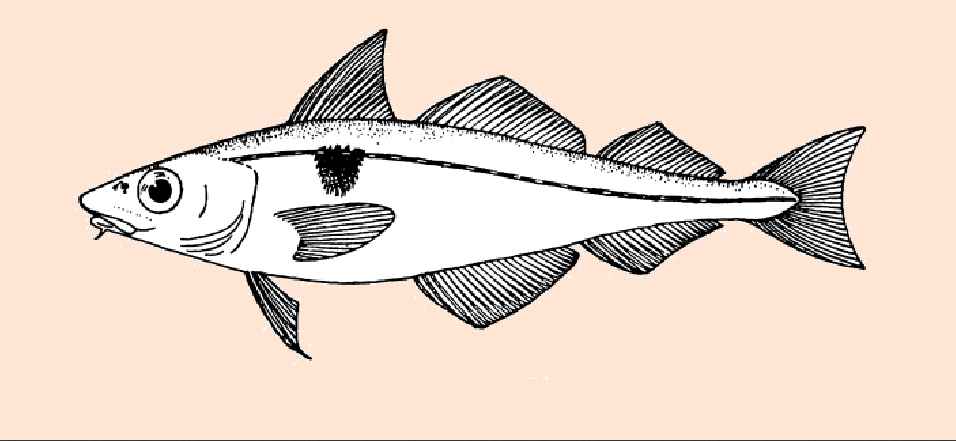
Melanogrammus aeglefinus
Haddock has three dorsal fins and two anal fins. The first dorsal fin is high and …
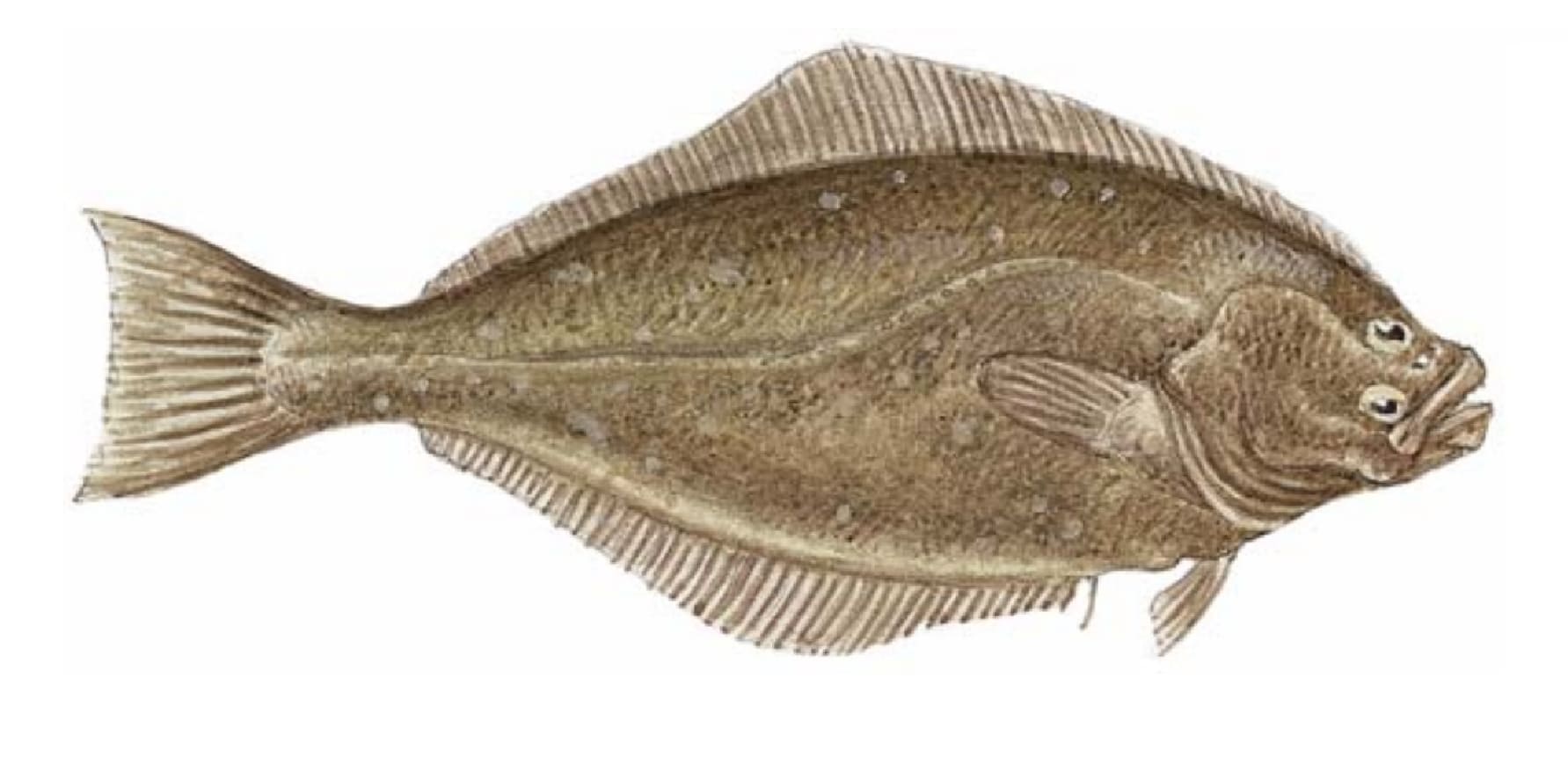
Hippoglossus hippoglossus
The body is elongated broad, somewhat flattened, oval, bordered by long dorsal and anal fins. Head …
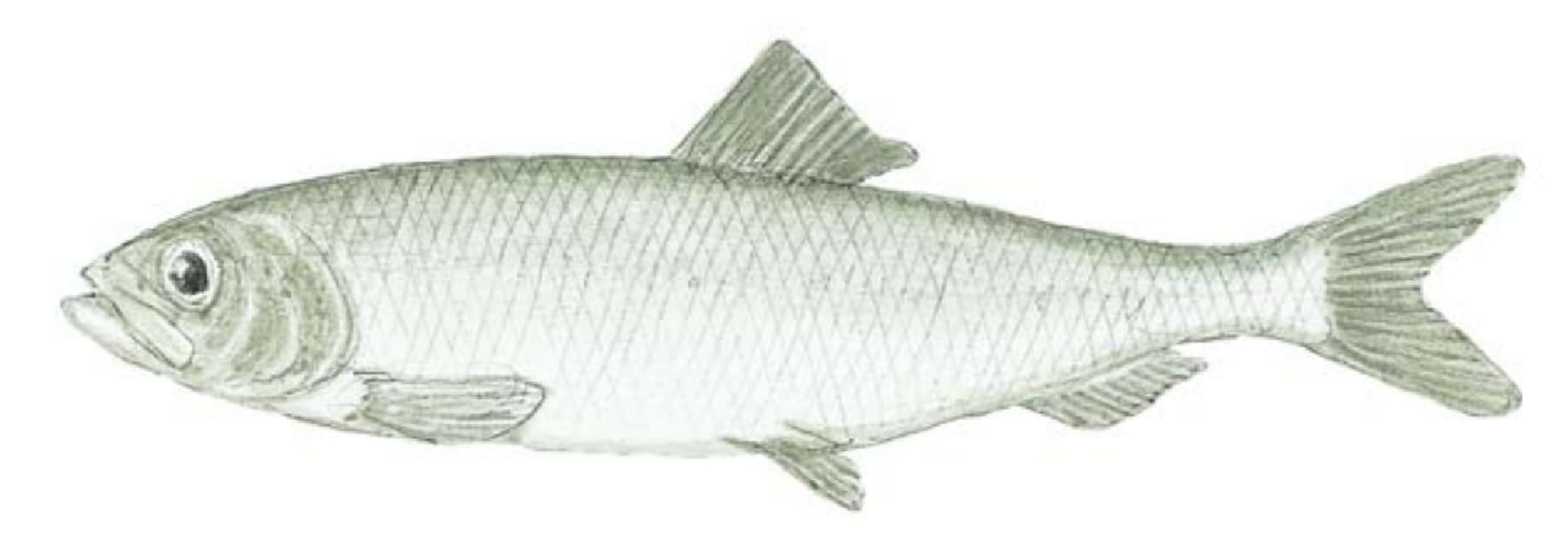
Clupea pallasii
The body is prostrate, compressed from the sides, covered with easily drooping scales. Abdomen rounded, ventral …
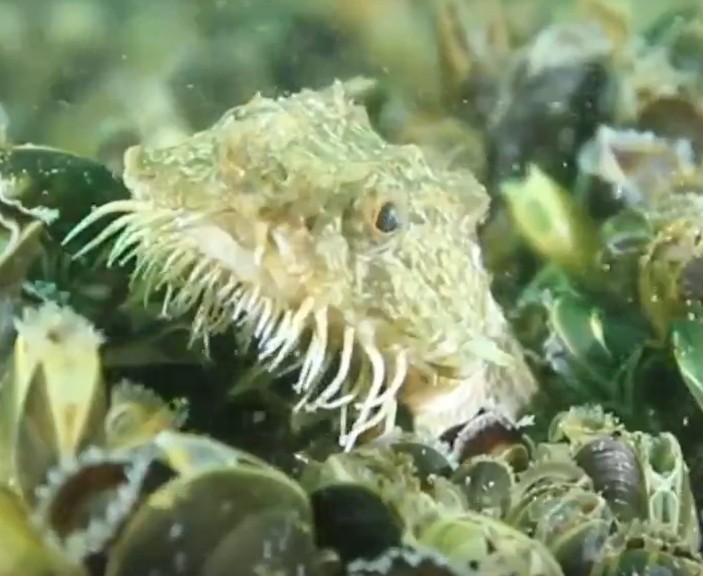
Agonus cataphractus
The Hooknose broad head and body are covered with stiff bony plates that limit its flexibility. …
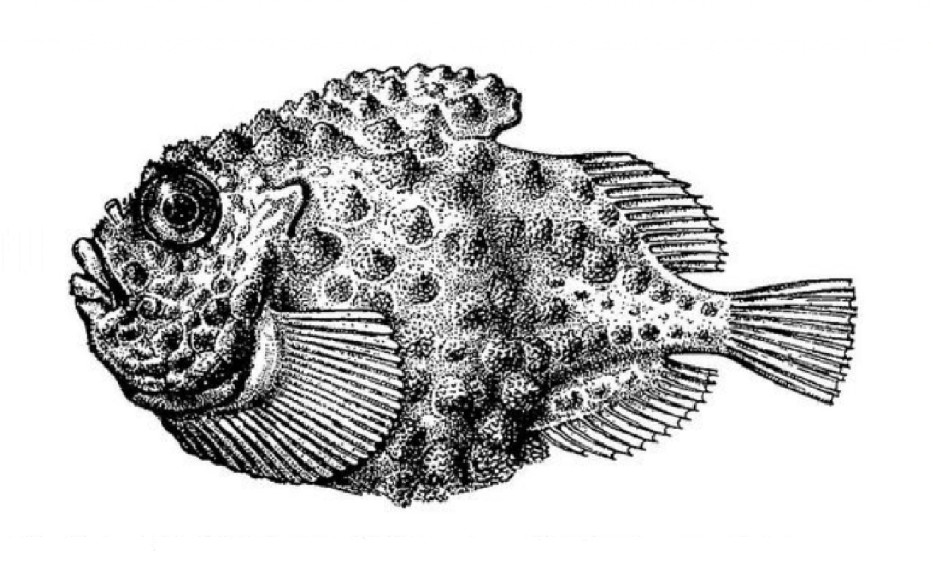
Eumicrotremus derjugini
It differs from closely related species in having a dorsal fin that is completely submerged under …
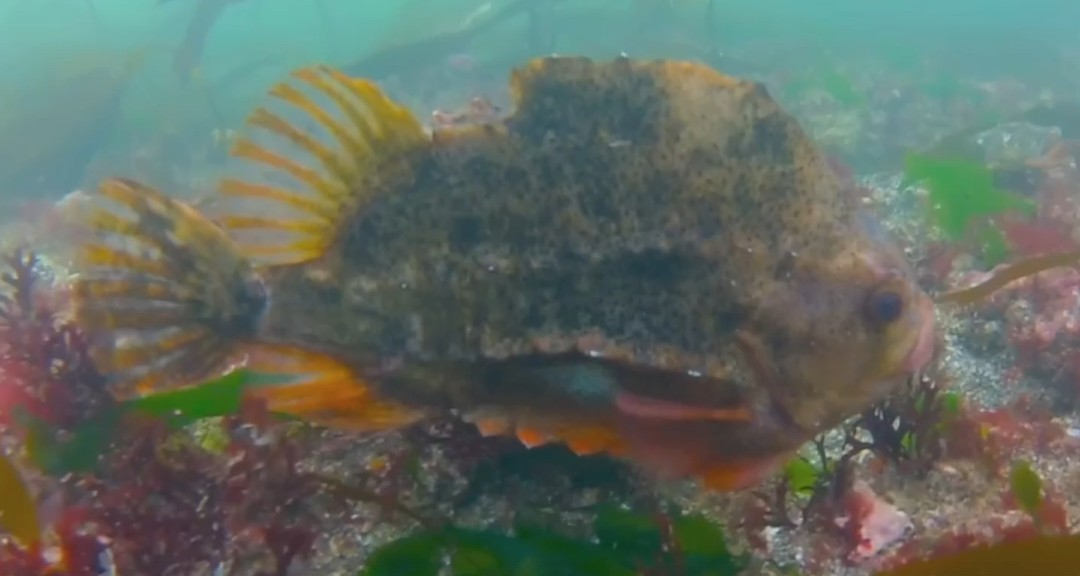
Cyclopterus lumpus
The body of the Lumpsucker is large, thick, and compressed at the sides. There are bony …
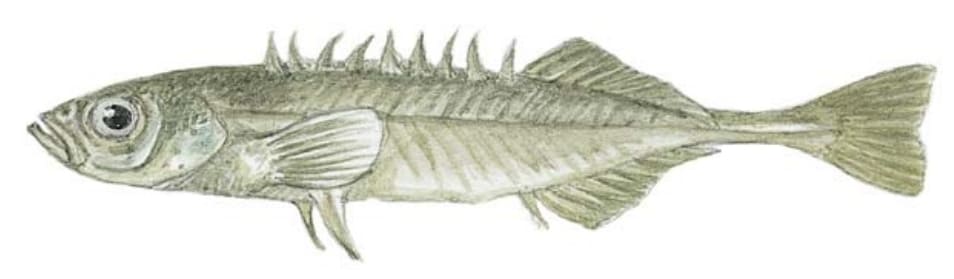
Pungitius pungitius
The stickleback gets its name from the short and long spines on the first dorsal fin, …
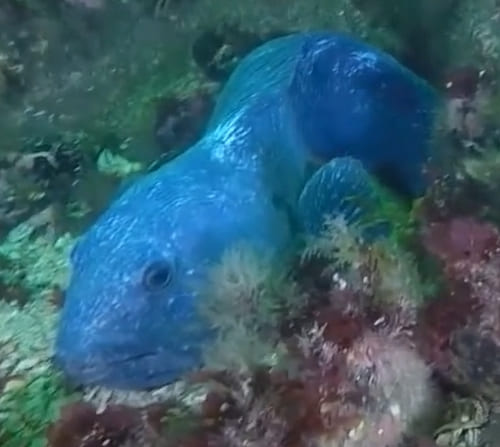
Anarhichas denticulatus
The body is elongated, but taller than other anarhichids, tapering to a tail stalk covered with …