 Allfishes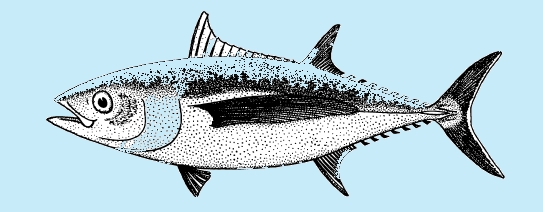
Albacore
Thunnus alalunga
The albacore has long pectoral fins that reach a point behind the anal fin, as well …
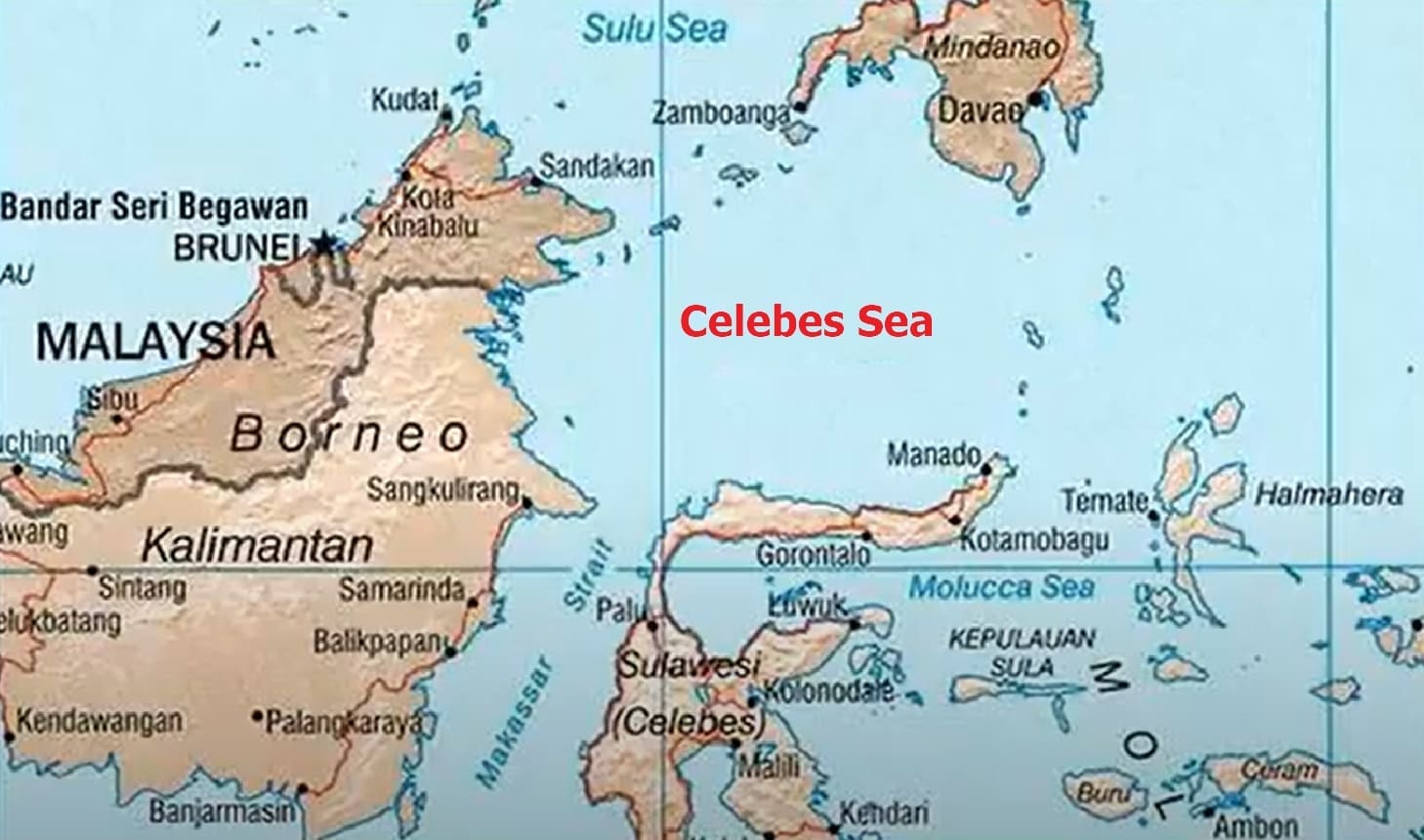 An inter-island sea in the western Pacific Ocean. Located between the islands of Sulawesi, Kalimantan, Mindanao, Sangihe and the Sulu Archipelago. It washes the coasts of the Philippines and Indonesia. It stretches 675 km from north to south and 840 km from east to west. The sea area is about 453 thousand km², depth up to 6220 m, temperature in February 27-28 °C, in August - 28-29 °C, salinity at the surface is about 34.5 ‰, which is lower than oceanic, and is caused by the fact that precipitation over the sea exceeds the level of evaporation. The tides are irregular semidiurnal of up to 2. The weather in the maritime areas is usually hot and humid, with frequent showers and thunderstorms.
The sea is home to a wide variety of fish and aquatic life. Its tropical climate and warm, clear waters make it home to some 580 of the world's 793 species of reef-forming corals. The sea is home to whales and dolphins, sea turtles, sea snakes, worms, crustaceans and mollusks. The latter are represented in a huge variety. Here you can see cone snails, they have a beautiful shell, which is very expensive, and nautilus mollusk, which looks like a snail. There are familiar but no less interesting octopuses and cuttlefish.
In the deep waters of the Celebes Sea, animals unknown to science have been discovered, such as the black jellyfish, the floating sea cucumber, and the shrimp-like Eurythoe complanata. This creature has a dozen tentacles growing from its head. The presence of the ancient fish Indonesian coelacanth was found in the Celebes Sea. These are the only Coelacanthus that have survived almost unchanged to this day. The small but dangerous Black Swallower lives in the sea. It can swallow prey much larger than itself.
Among the most famous representatives of the Celebes Sea fauna are: sharks. The Celebes Sea is home to such predators as the large plankton-eating whale shark, the tiger shark, the slow and inactive nurse shark, the shallow-water blacktip reef shark, the loner great hammerhead shark, the active blacktip shark, the dangerous scalloped hammerhead shark, the nocturnal hunter whitetip reef shark, and the swift gray reef shark.
Fishing is a common commercial activity in the Celebes Sea. Mahi-mahi, giant trevally, swordfish, black marlin, striped snakehead, humphead wrasse, bonefish are caught in the waters of the sea. Yellowfin tuna, skipjack tuna, longfin tuna, Pacific bluefin tuna, bigeye tuna, great barracuda, Indian mackerel are also found in abundance. At night under artificial light, houndfish can be caught, this fish is considered dangerous and fishermen are afraid of it because of its large size, tendency to jump out of the water and cause puncture wounds with its beak.
The Celebes Sea has beautiful, almost untouched corals and many small caves that are very interesting to look into. In them you can see unusual and colorful sea creatures: Pontoh's pygmy seahorse, rare mandarinfish, striated frogfish, ornate ghost pipefish, yellowfin scorpionfish, spotfin lionfish, leafy seadragon, reef triggerfish, red lionfish, moorish idol, stonefish, ocellaris clownfish, humpback anglerfish, yellow tang, bluestreak cleaner wrasse and longhorn cowfish. Between the coral you will find lobsters, unusual species of shrimp, giant crabs, snails and perhaps even the largest holoduck - the Spanish dancer. At depth there are giant oceanic manta rays, spotted eagle rays, giant morays, ribbon eels and the unusual ocean sunfish.
Showing 1–24 of 47
Thunnus alalunga
The albacore has long pectoral fins that reach a point behind the anal fin, as well …
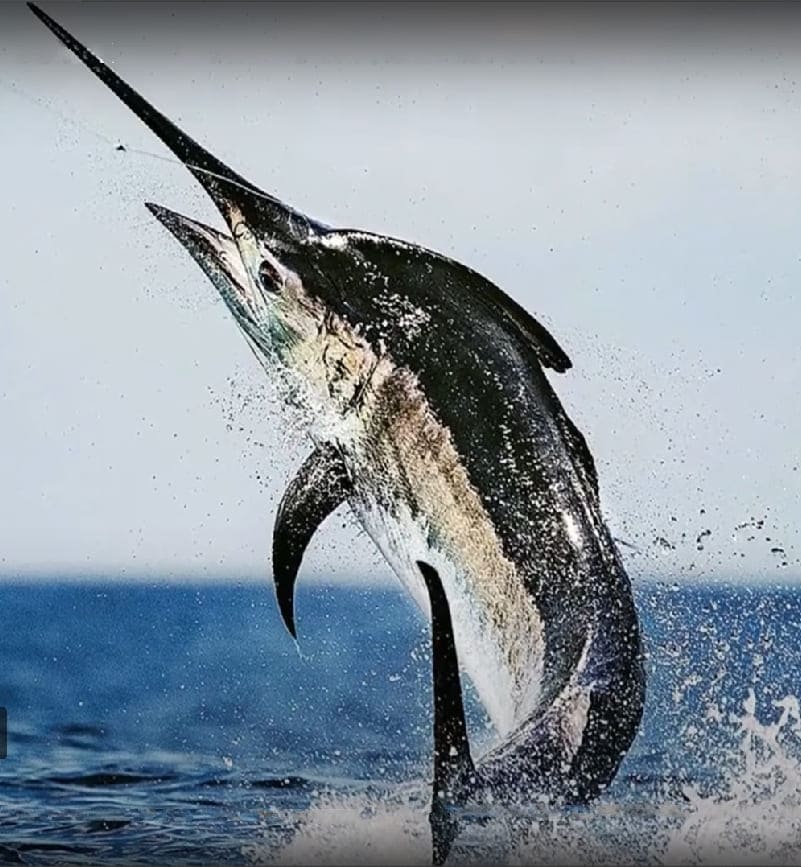
Istiompax indica
The body is elongated, not strongly compressed at the sides, covered with dense, thick, elongated scales …
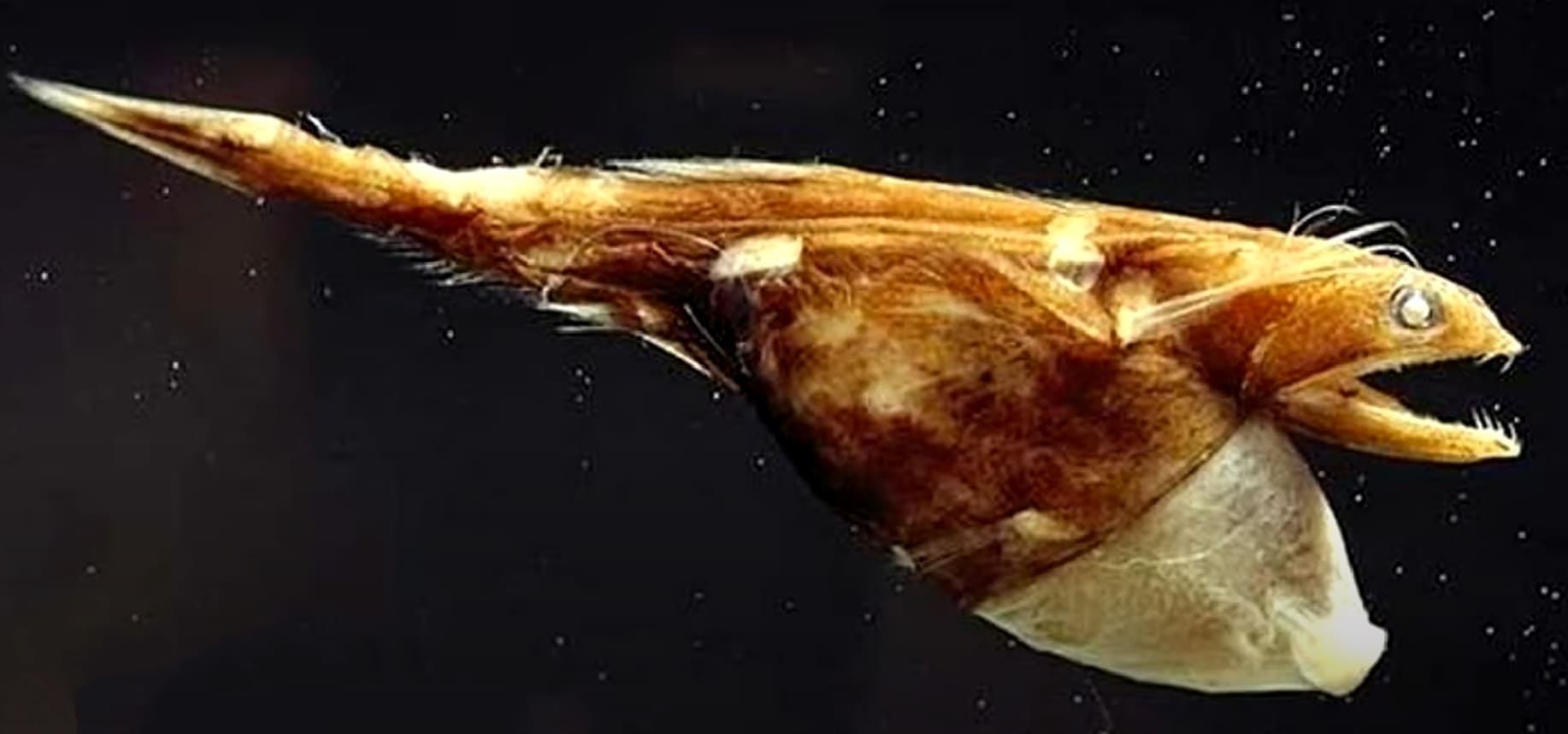
Chiasmodon niger
No scales. Musculature poorly developed. The body is elongated and compressed. The head is long with …
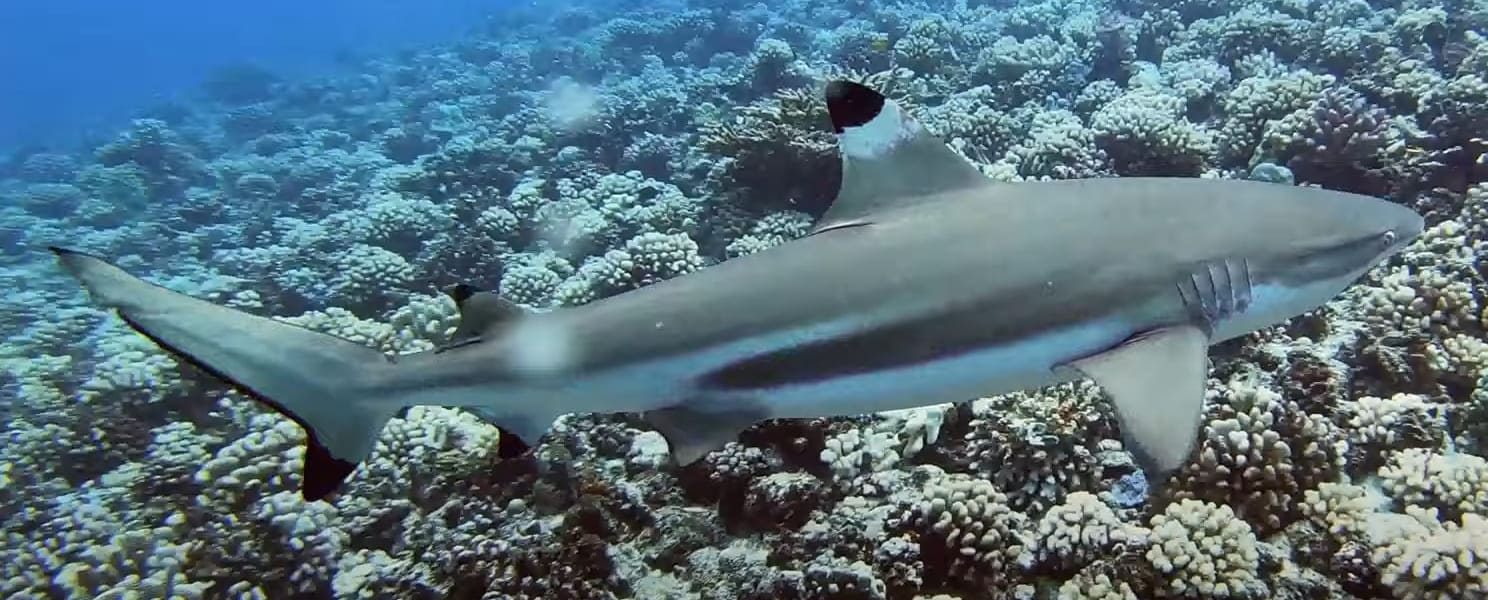
Carcharhinus melanopterus
This species has a characteristic torpedo-shaped, streamlined body. The snout is short, broad and rounded. The …
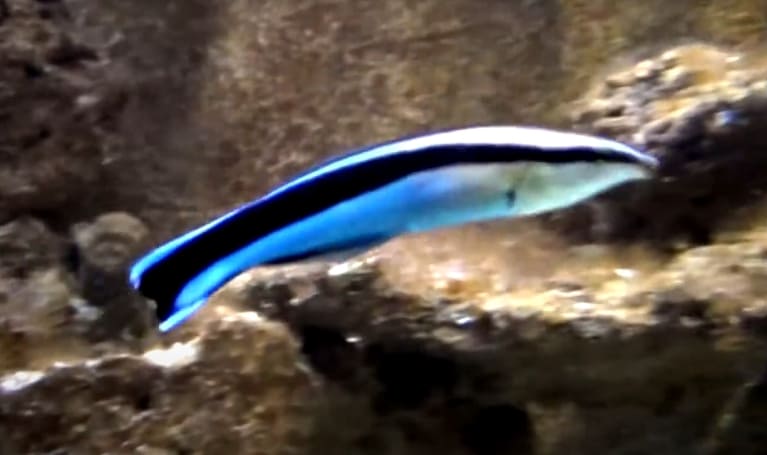
Labroides dimidiatus
Genetic analysis of L. dimidiatus has shown that the population is divided into two monophyletic groups, …
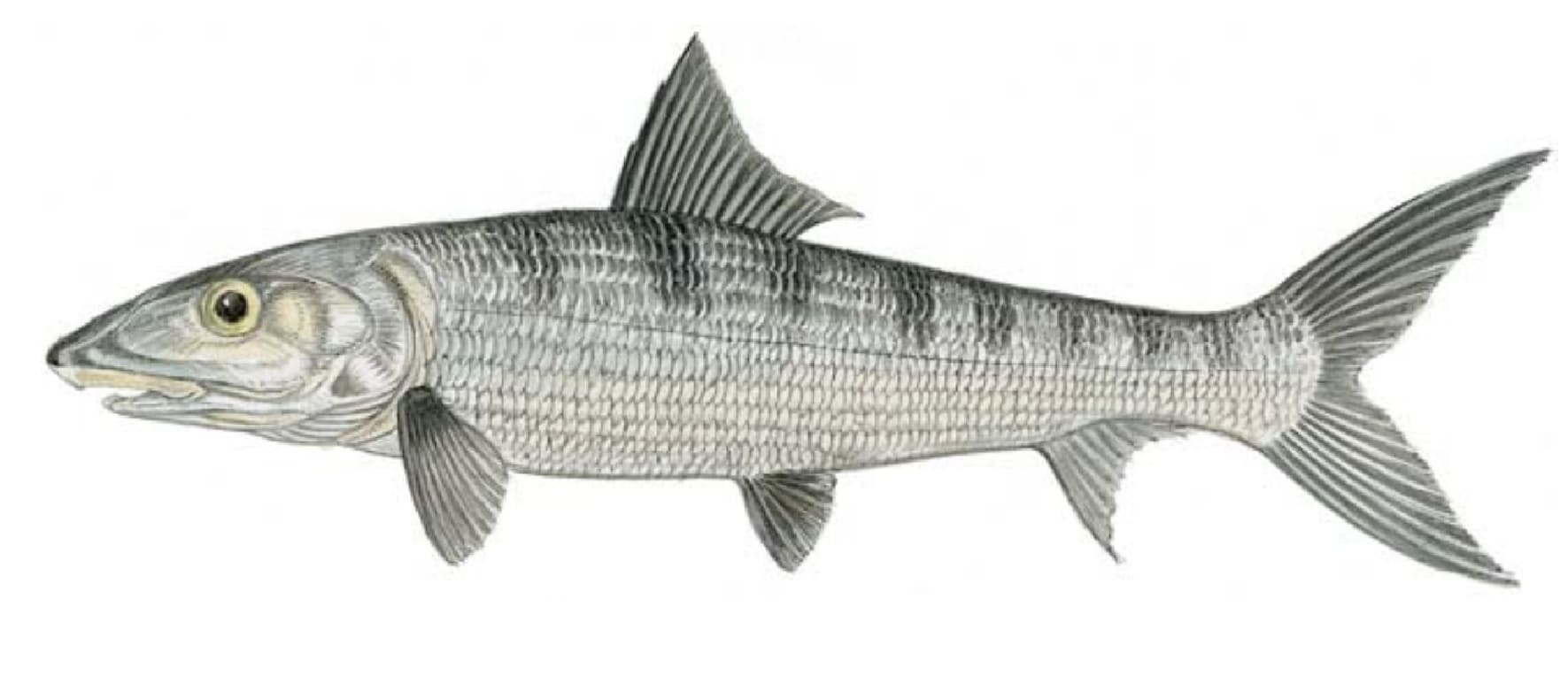
Albula vulpes
The body, except for the head, is covered with rather fine scales. The back is dark …
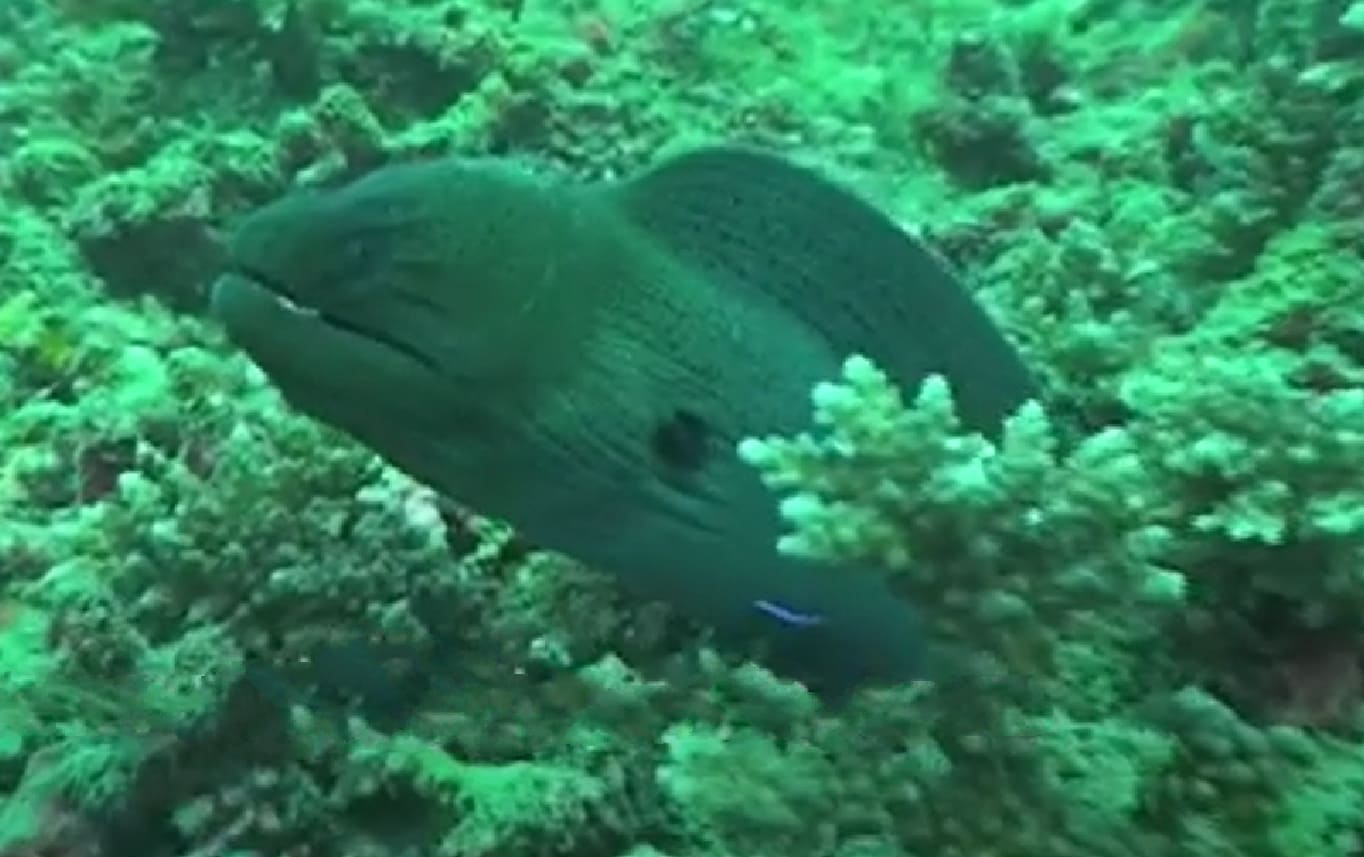
Gymnothorax javanicus
The body is compressed from the sides and covered with a layer of mucus, which allows …
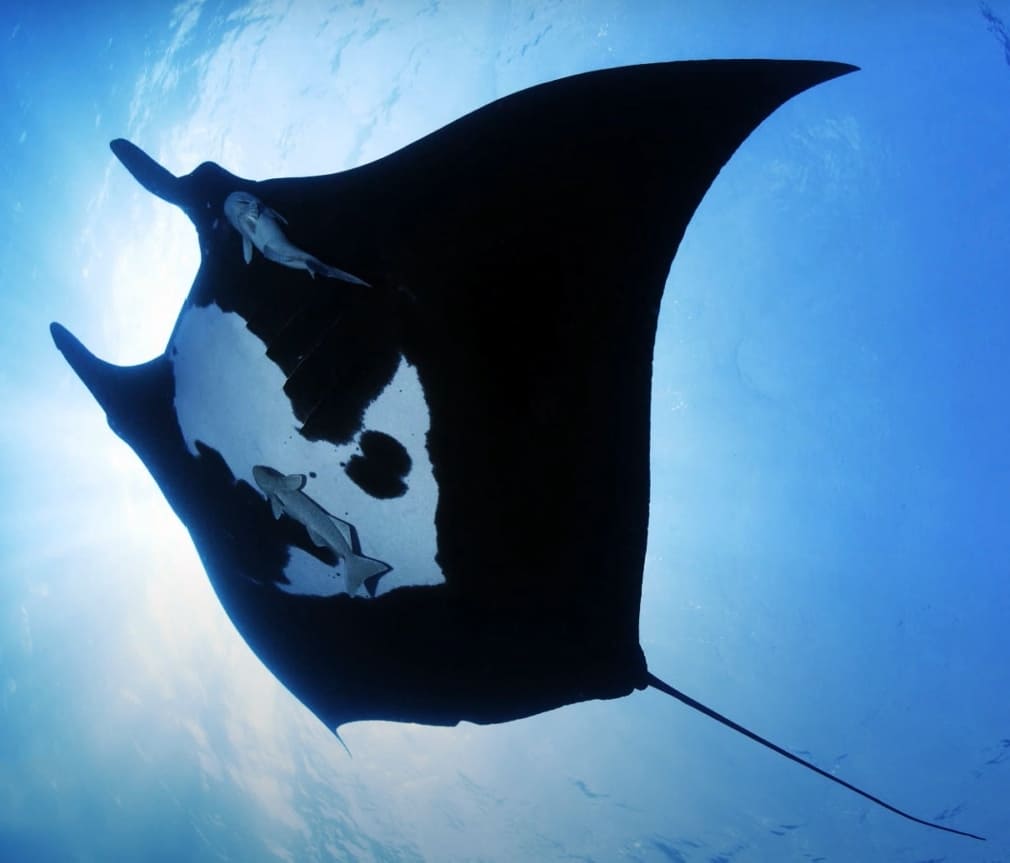
Mobula birostris
Huge pectoral fins form a diamond-shaped disc with the head, the width of which is about …
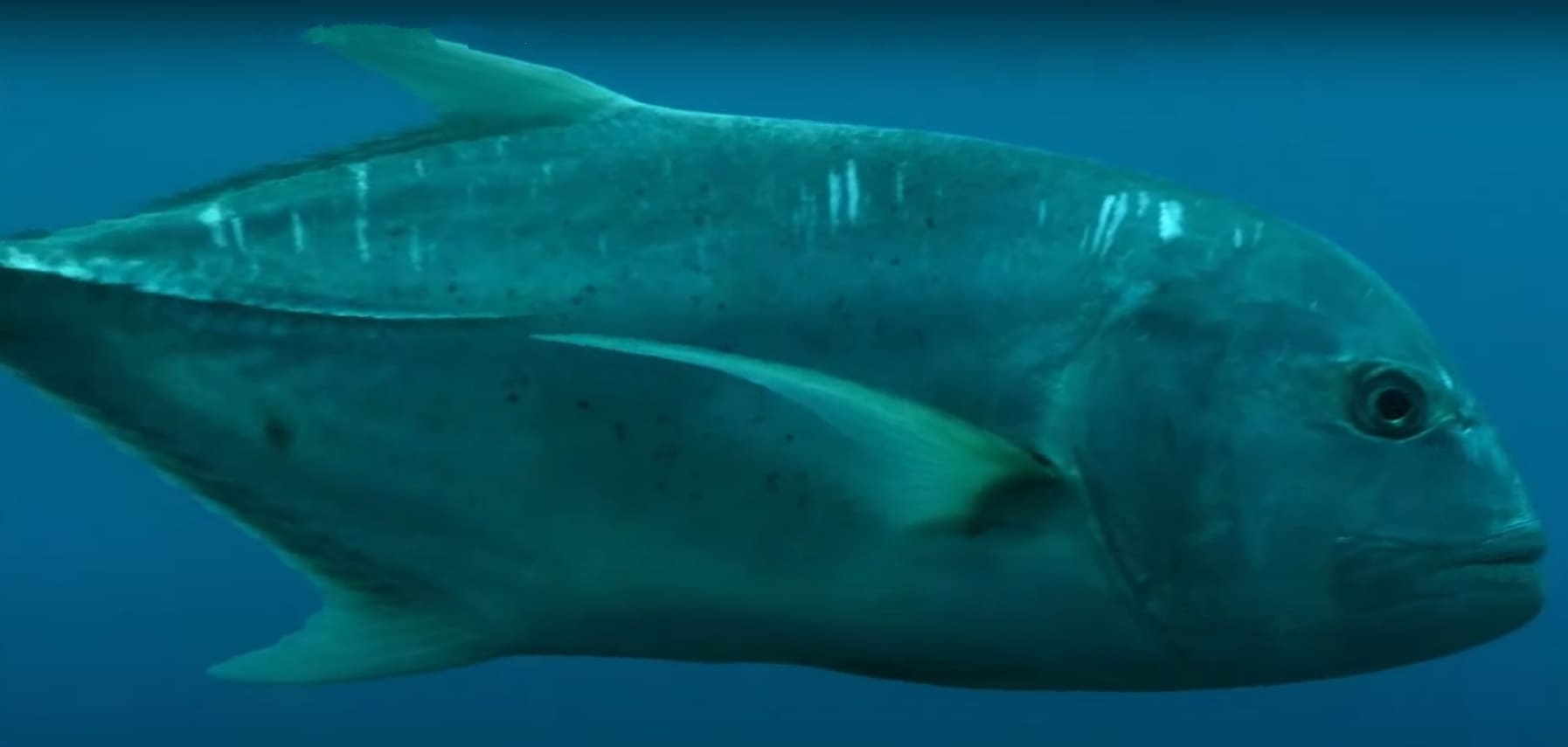
Caranx ignobilis
Body elongate, slightly compressed at the sides, covered with small cycloid scales. Thorax without scales. Upper …
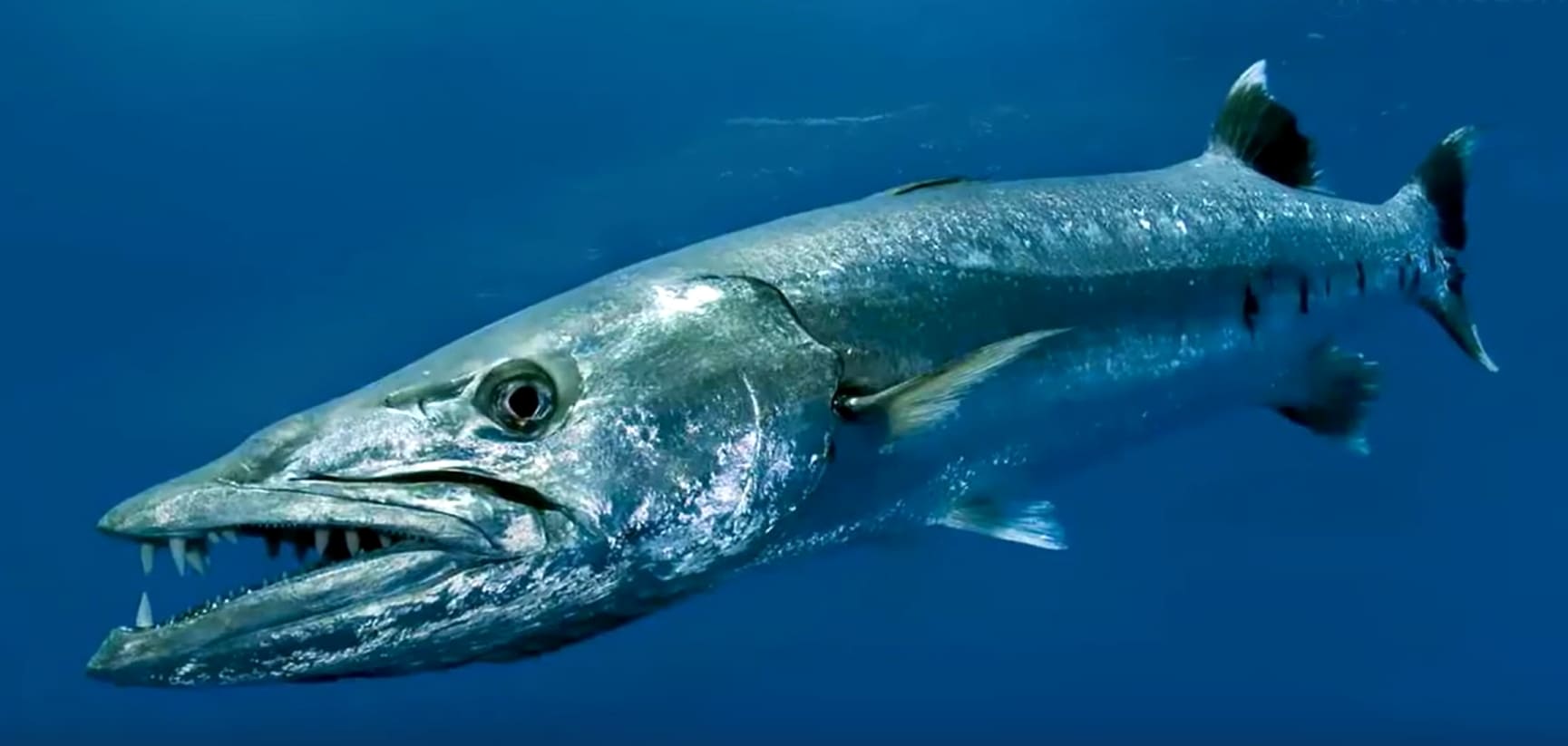
Sphyraena barracuda
Characteristic of this fish is a large head with a massive lower jaw. Great Barracuda, one …
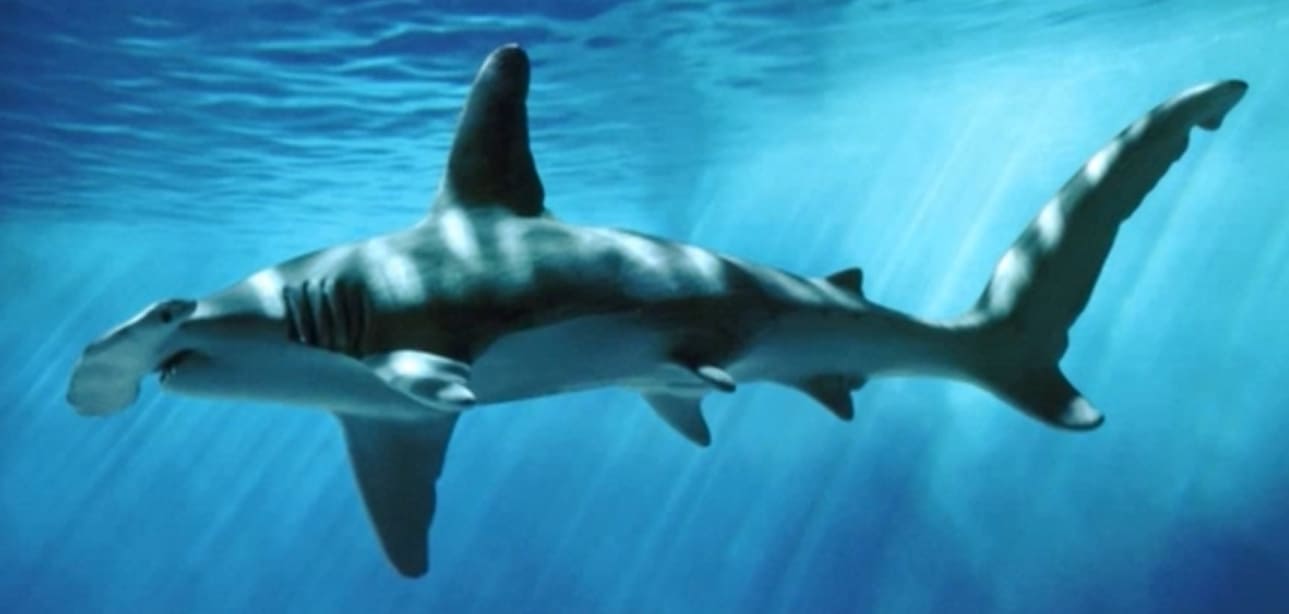
Sphyrna mokarran
They have a characteristic spindle-shaped body and head with projections on the sides. In adults, the …
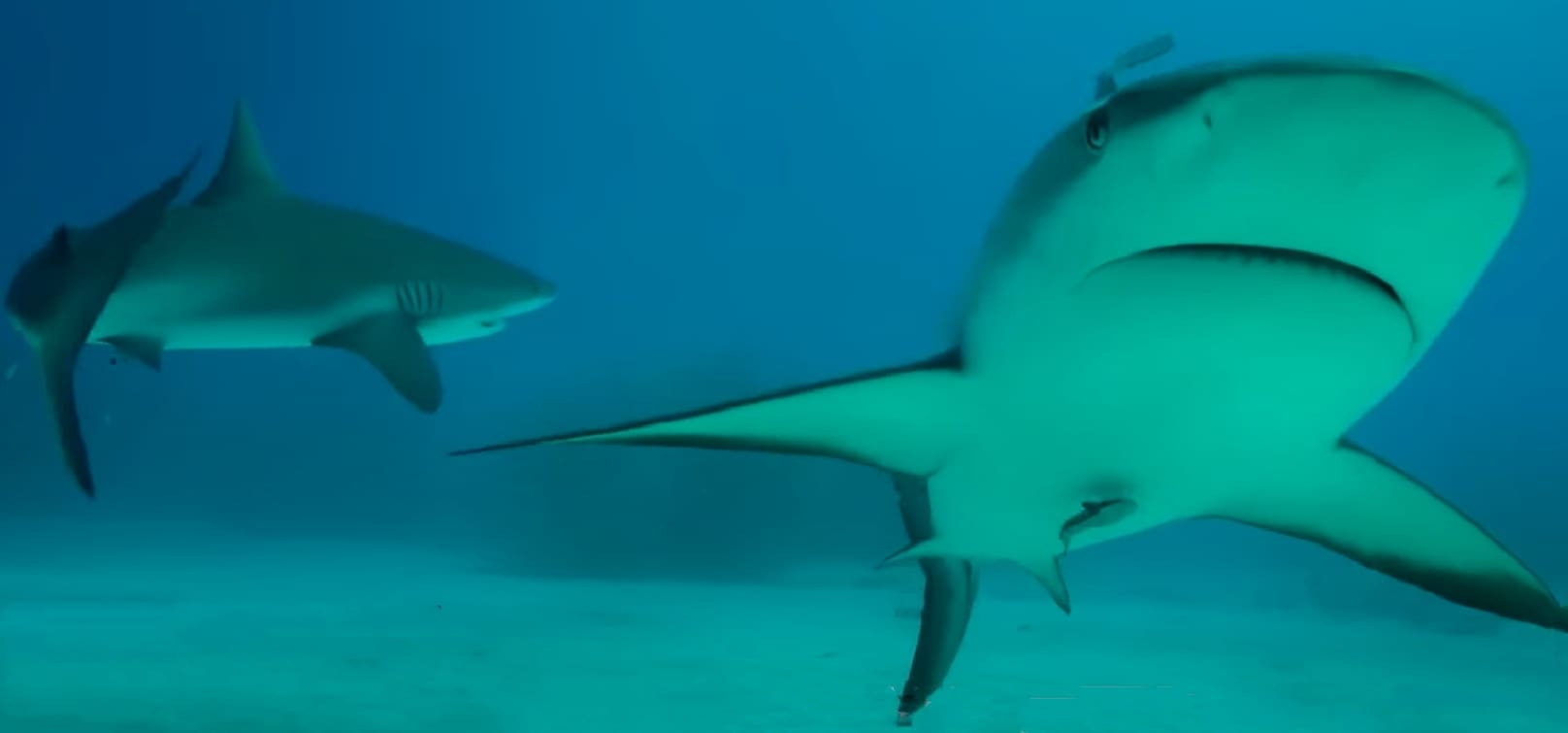
Carcharhinus amblyrhynchos
The body of the fish is torpedo-shaped, the snout is round, wide, the eyes are round, …
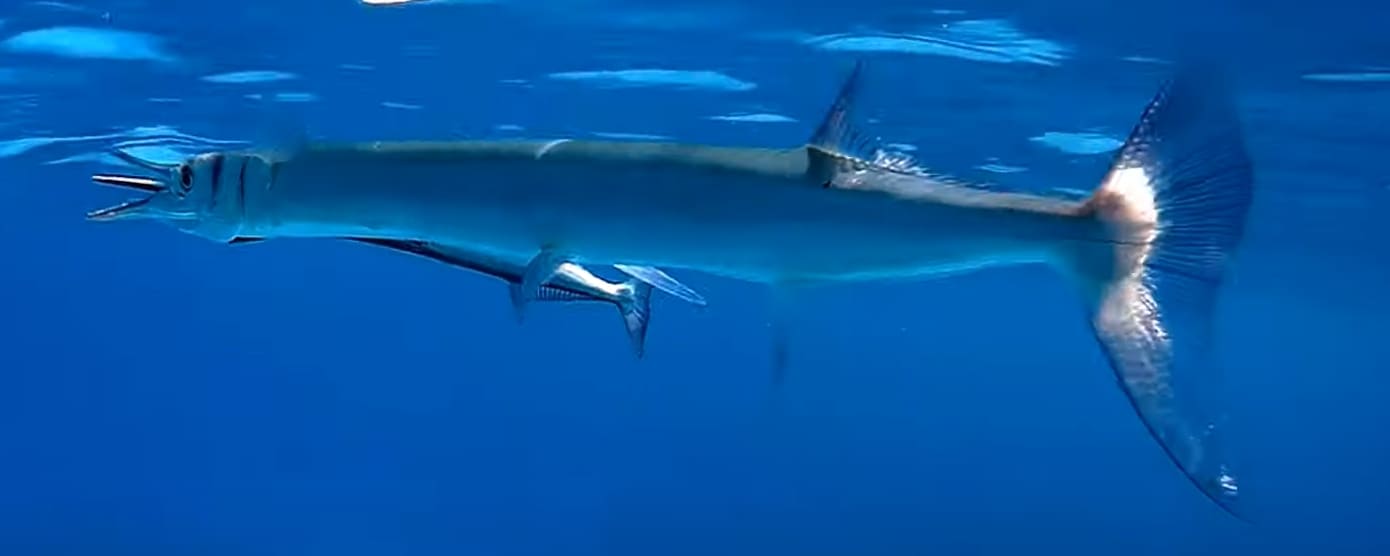
Tylosurus crocodilus
The main difference between this fish and other members of the genus Tylosurus is that the …
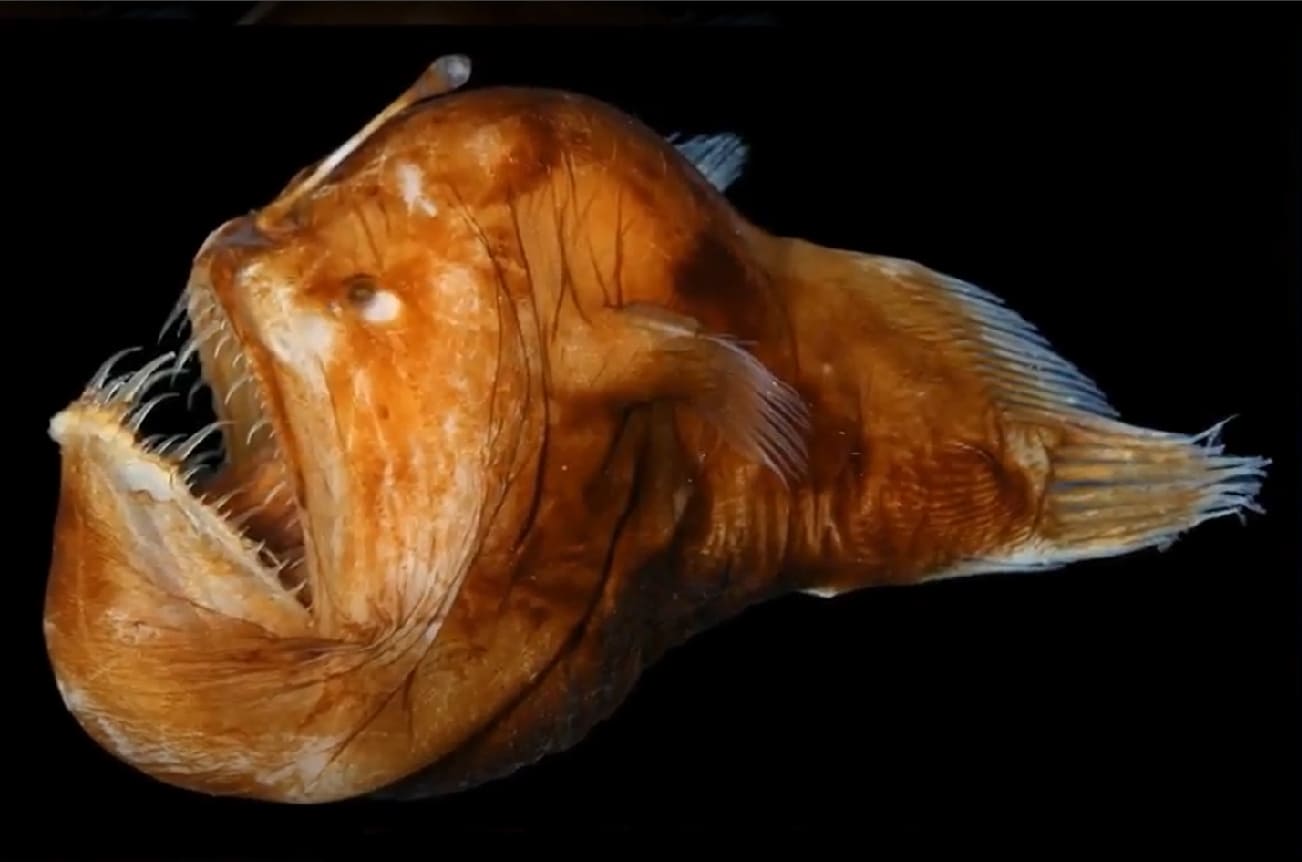
Melanocetus johnsonii
Dorsum with compressed posterior and anterior ridges; anterior margin of scutellum almost straight; fine dermal spines …
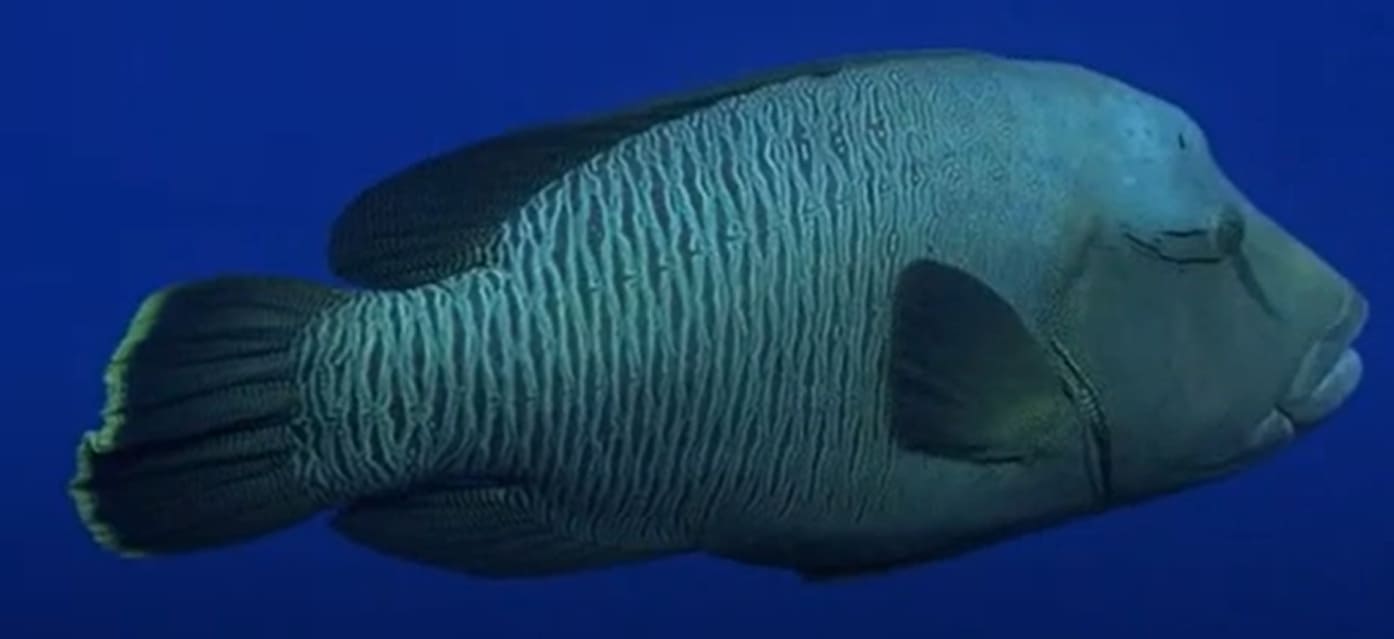
Cheilinus undulatus
Adult fish have thick, swollen lips and a prominent bulge on the head. This species is …
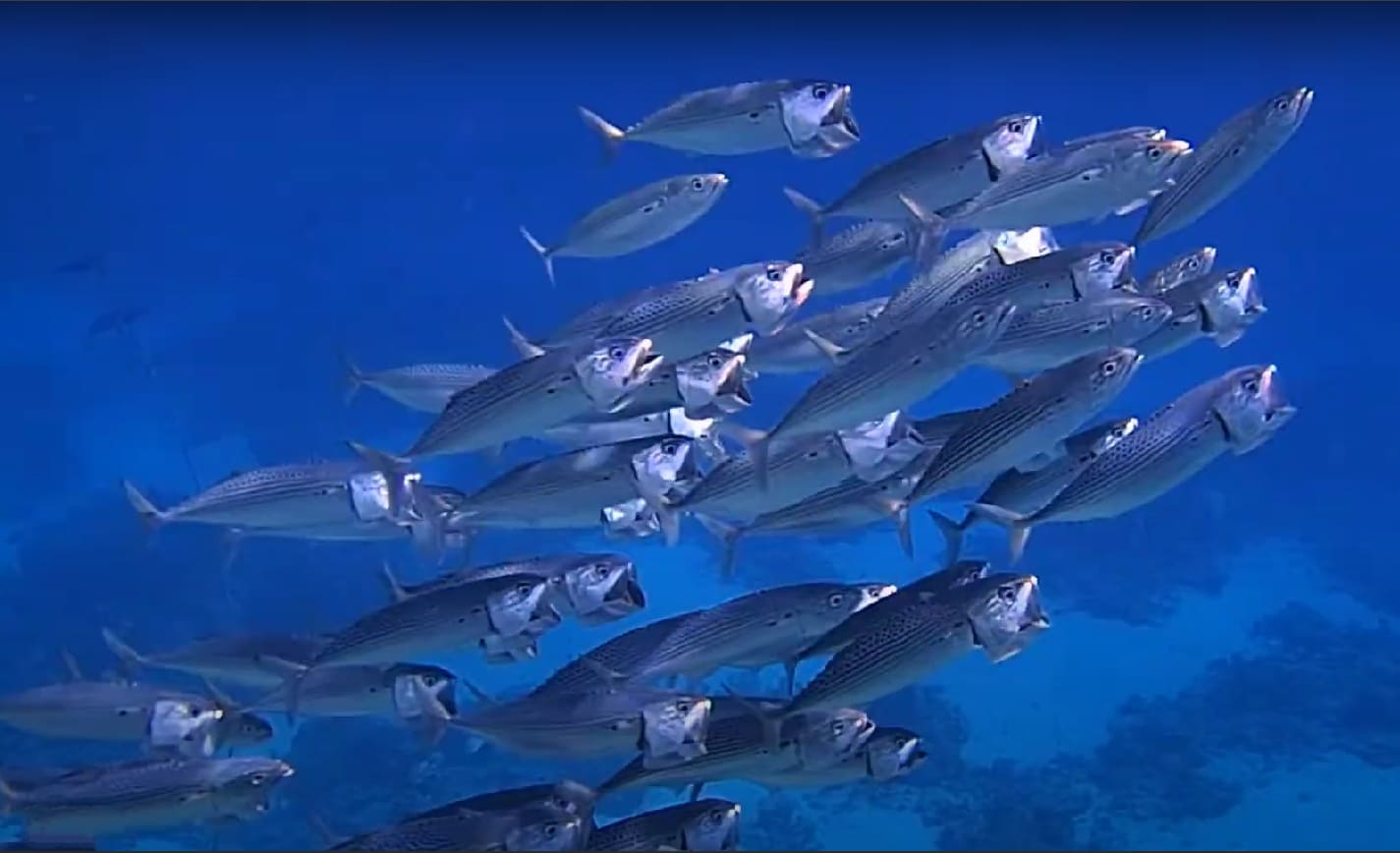
Rastrelliger kanagurta
Body elongated, spindle-shaped, moderately high, covered with fine cycloid scales. Maximum body height on the vertical …
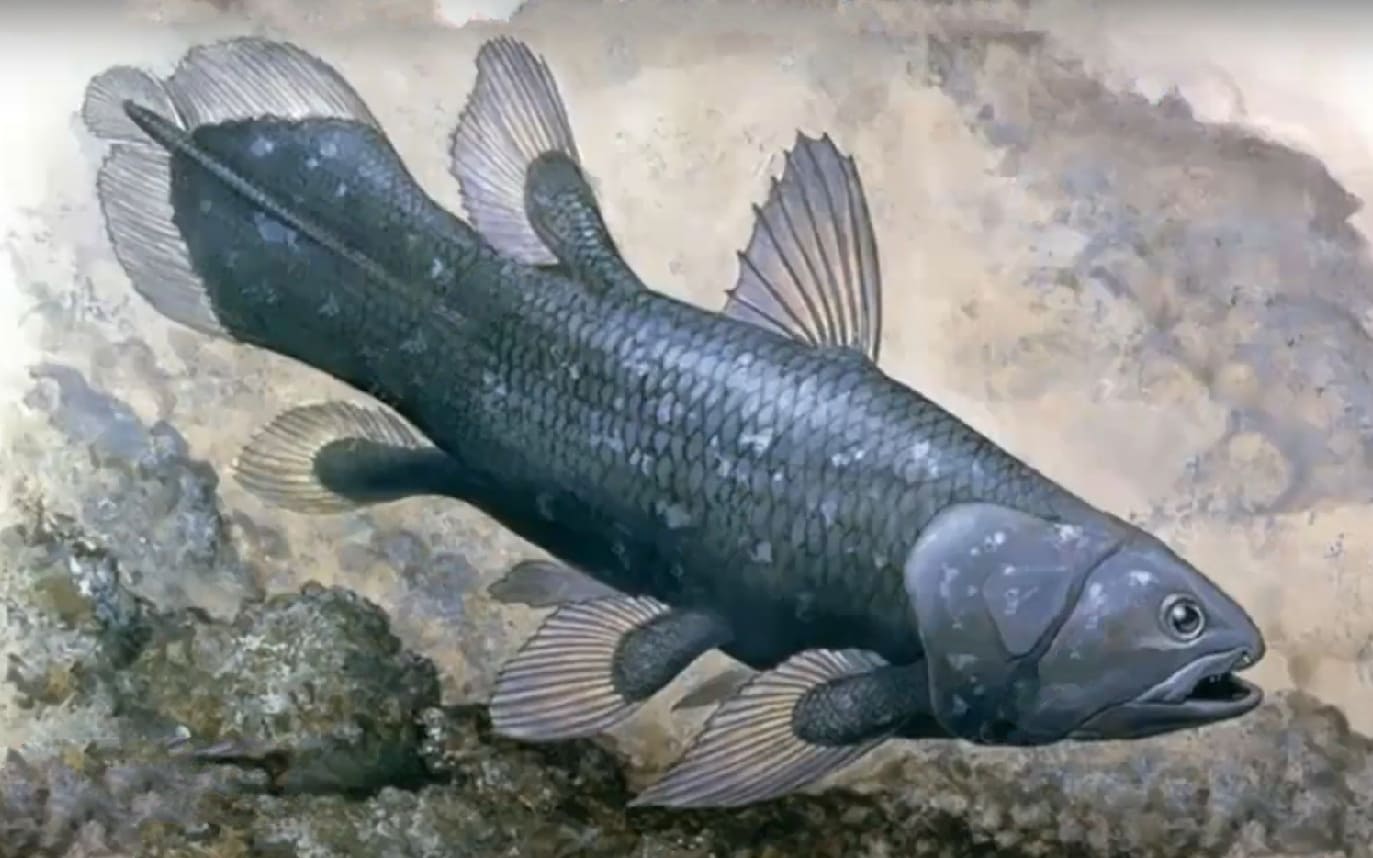
Latimeria menadoensis
Instead of vertebrae, the Indonesian coelacanth has a thick tube containing a highly pressurized fluid. An …
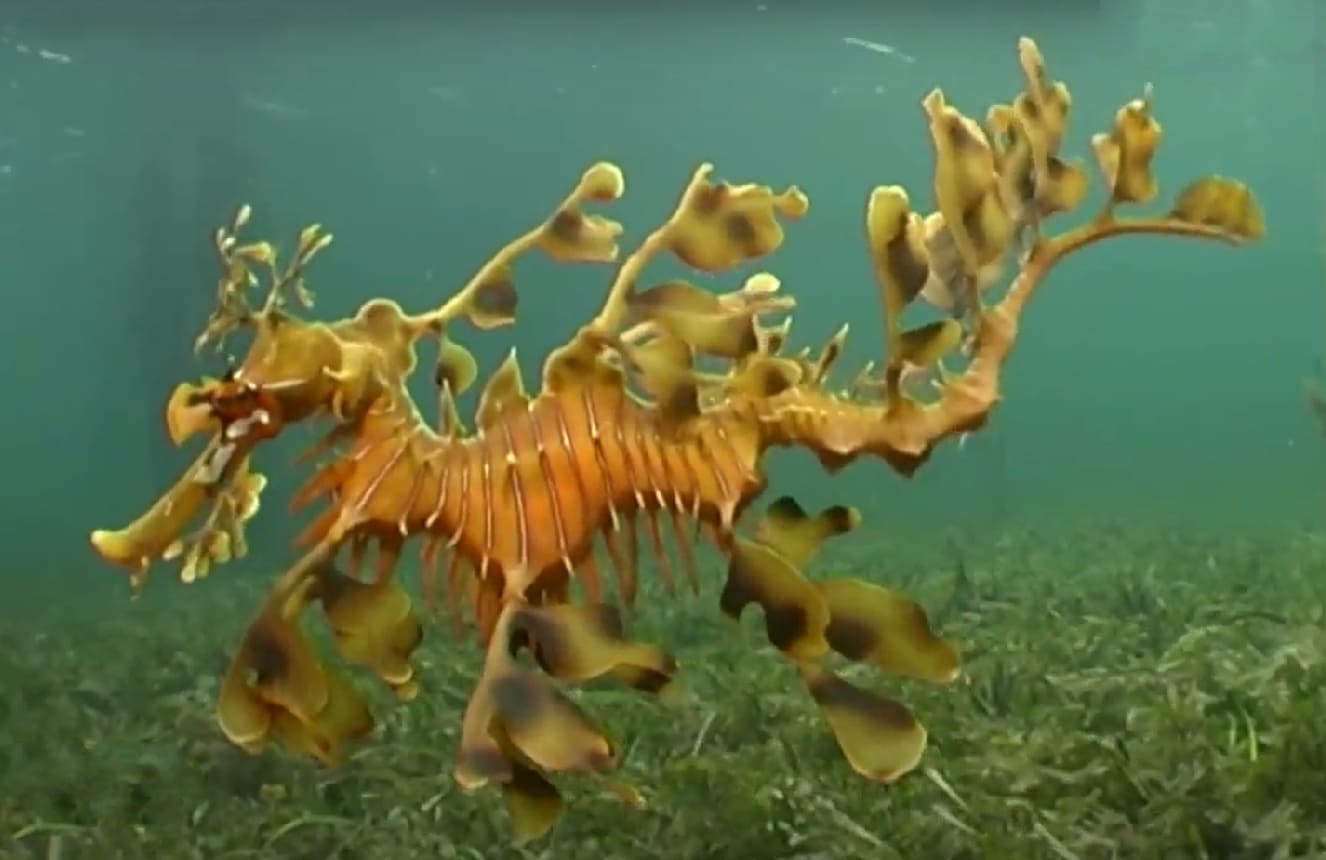
Phycodurus eques
Representatives of this species of fish are characterized by the fact that their entire body and …
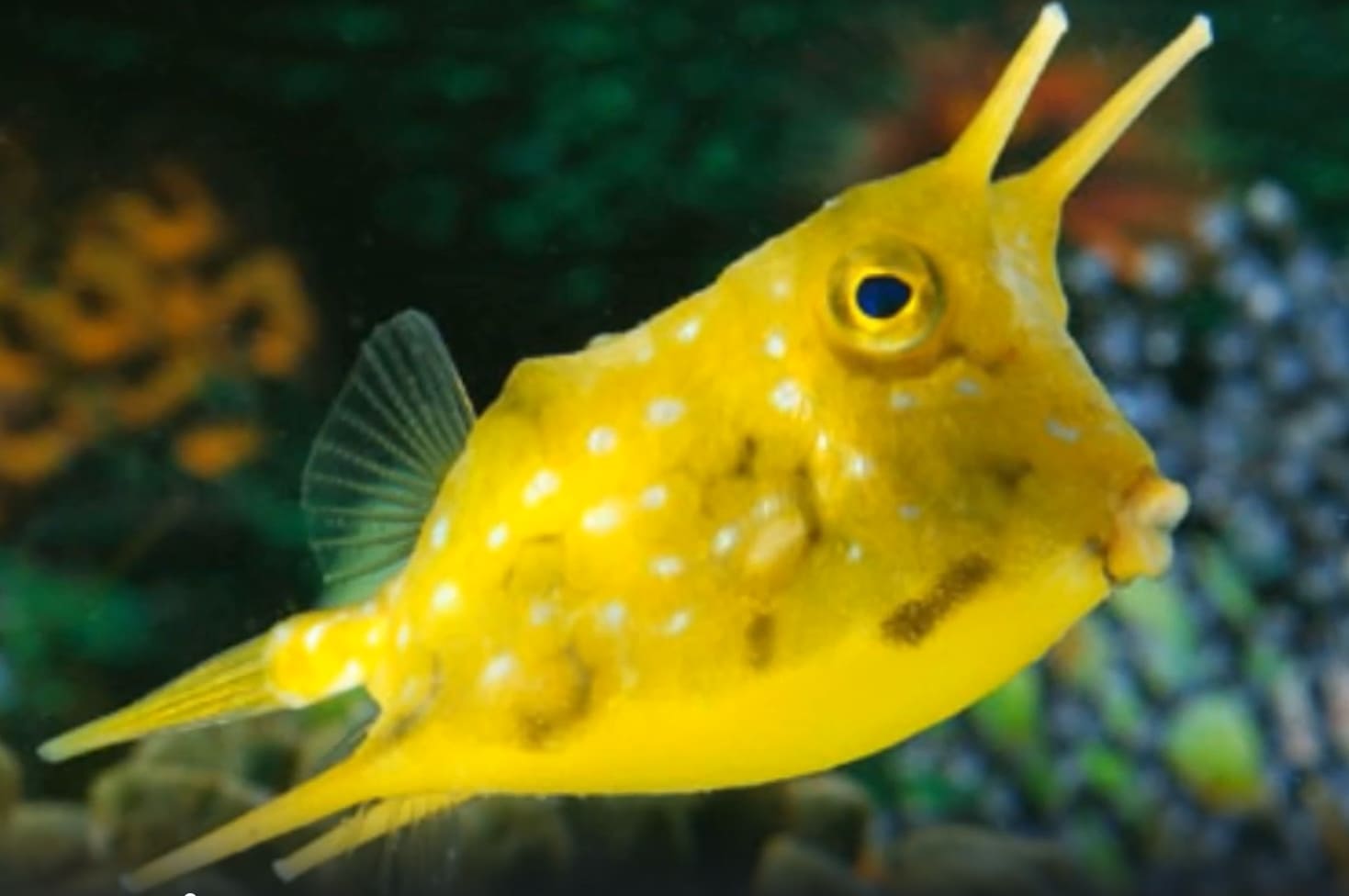
Lactoria cornuta
The body is usually conical in shape, widening towards the head, with two horn-like growths on …
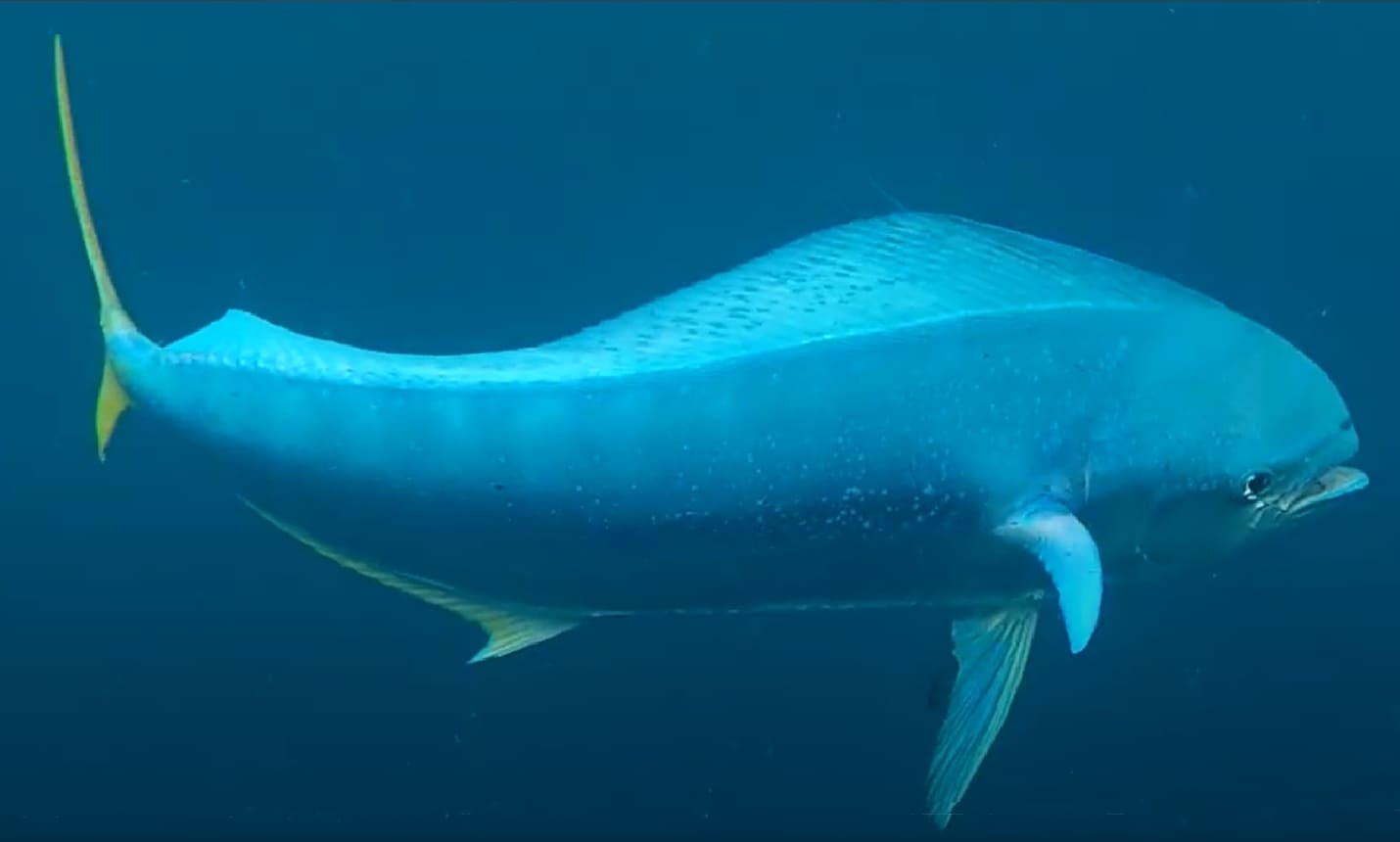
Coryphaena hippurus
The name "Coryphaena" is derived from the Greek κορυφή - head, and the species name from …
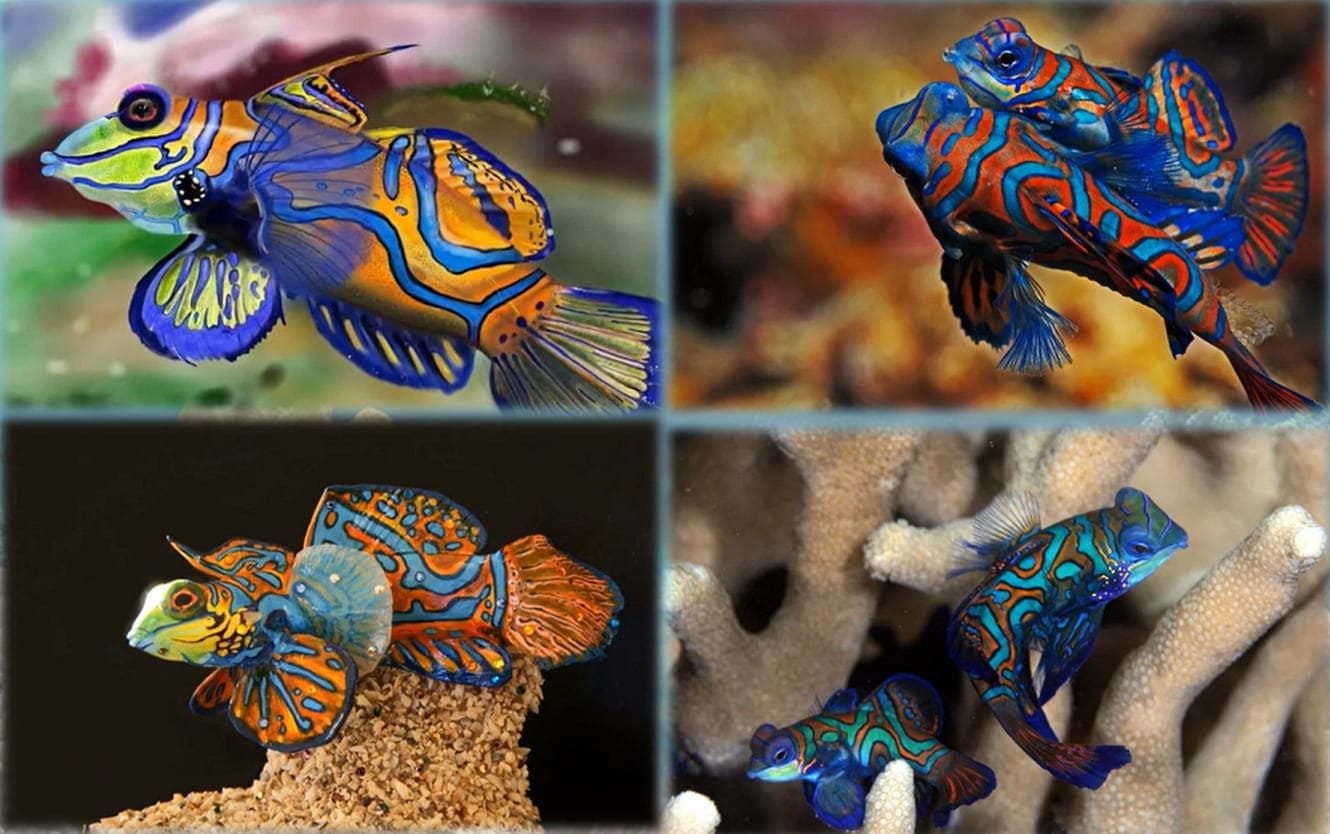
Synchiropus splendidus
Has a similar body shape to the goby, and this is the only similarity between the …
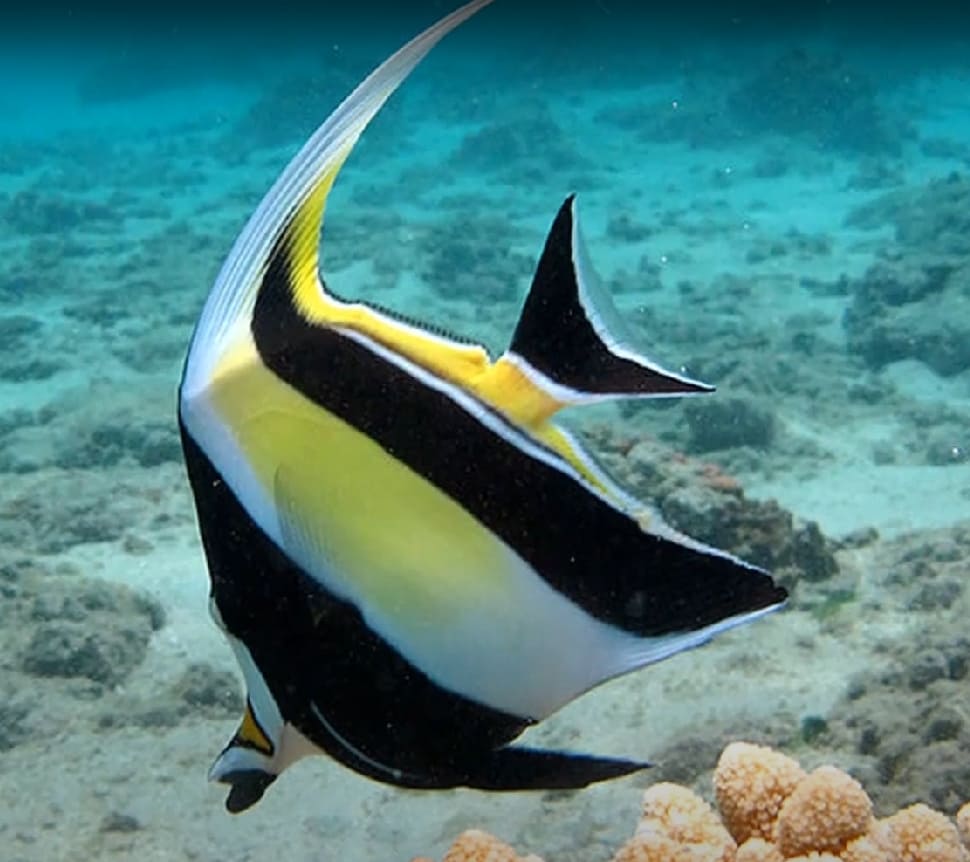
Zanclus cornutus
The name is derived from the Greek word zagkios - "beveled".The body is tall, disk-shaped, flattened …
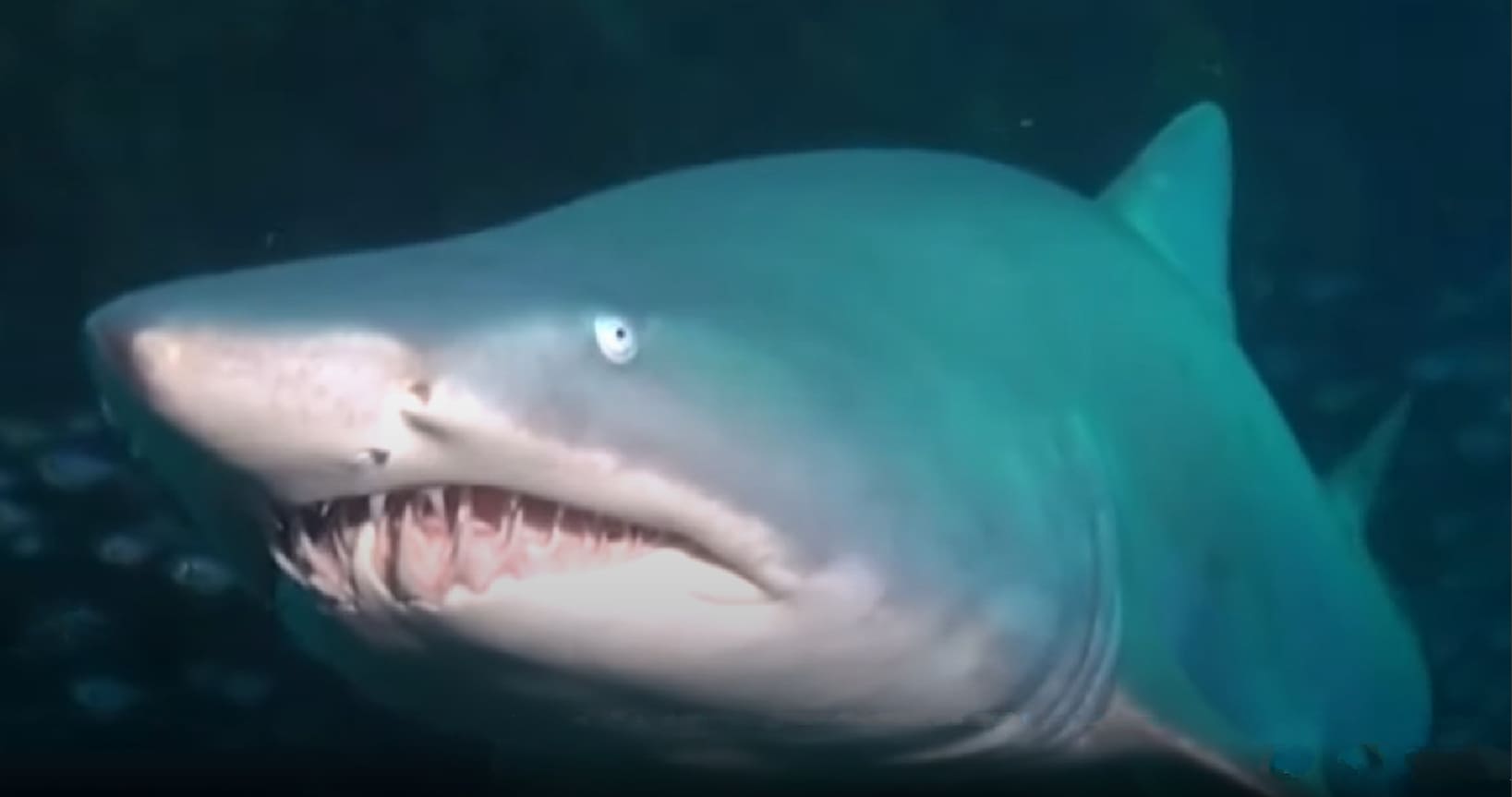
Ginglymostoma cirratum
When viewed from above or from the side, the head of juvenile sharks is broadly arched, …
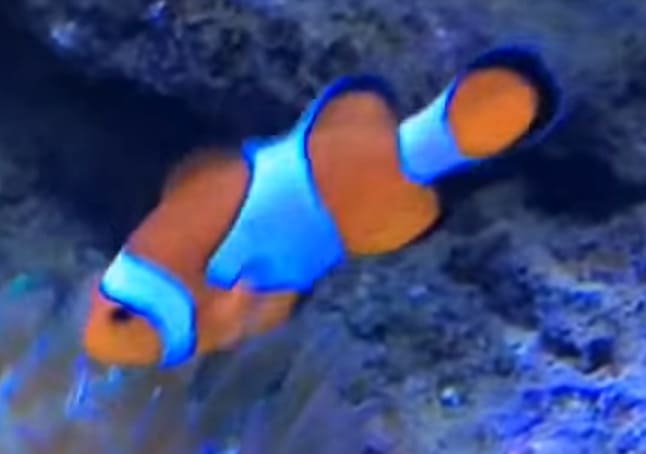
Amphiprion ocellaris
The body is stocky and oval in shape. It is compressed at the sides and has …