 Allfishes
Arctic cisco (Coregonus autumnalis)
Latin name
Coregonus autumnalis
Other name
Arctic omul
Identification
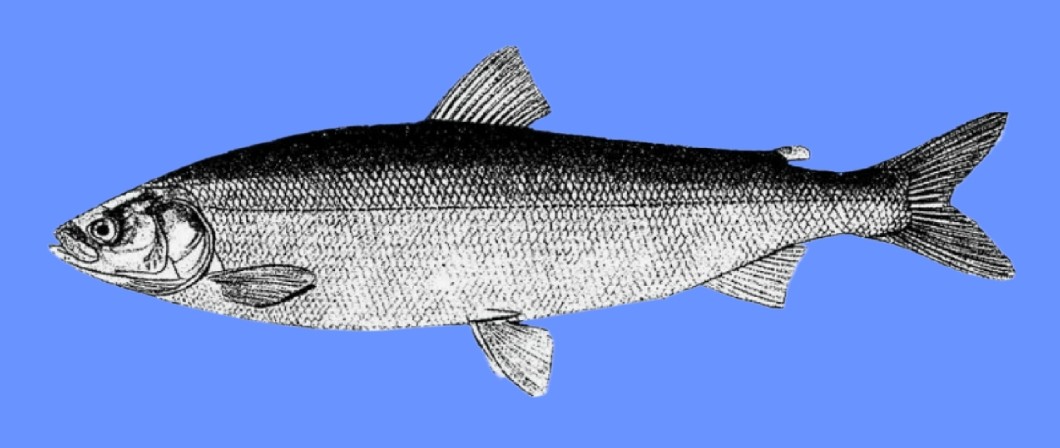
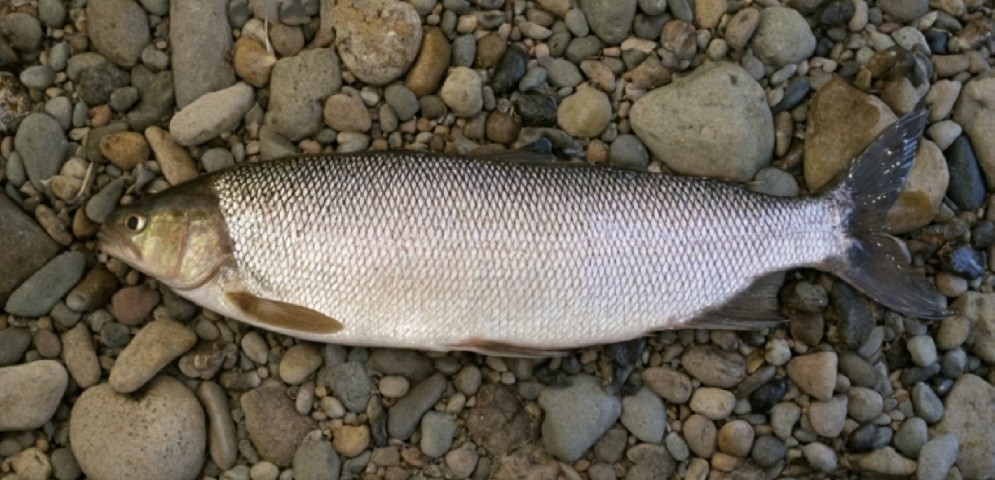
The back of the Arctic cisco is rather high and slightly curved. The pelvis has an axillary process. This fish has a relatively small head with a not too prominent snout. It has no teeth on the jaw or tongue. Vertebrae: 64-67. Gill lobes: 41 to 48 on 1st gill arch.
Features of fish fins
Dorsal spines (total): 0; Dorsal soft rays (total): 10 - 12; Anal spines: 0; Anal soft rays: 12 - 14.
Fish colouring
The Arctic Cisco has a silvery metallic body, a brown or dark green back, and nearly colorless fins.
Distribution
This species is found in the Beaufort Sea, the Colville River Delta, and freshwater areas east of the Sagavanirktok River. It is distributed in several drainages in the Northwest Territories and Siberia, such as the Chaun River, and is rarely found east of Point Barrow.
Habitat
Marine freshwater brackish pelagic-neritic anadromous species. Occurs in brackish waters of coastal lagoons, estuaries, and bays, especially in large flat rivers.
Size
Arctic cisco may reach 50 cm (20 inches) in length and weigh up to 2 kg (4.4 lb), but usually less than 40 cm (16 inches) in length and 1 kg (2.2 lb) in weight. Can live to 13 years or more.
Behavior
The juveniles migrate along the Beaufort Sea coast and then use the wind to reach the Colville River delta, where they are more than 100 miles (160 kilometers) from the spawning grounds. They return to the Mackenzie River to spawn.
Food and feeding habits
Arctic cisco feeds on small crustaceans, insects, small fish, worms and mollusks. At sea, it preys on large crustaceans and small fish. No feeding occurs during upstream migration.
Reproduction
Arctic cisco are capable of laying eggs at the age of 8-9 years. Females do this only two or three times in their lives and not necessarily every year. Breeding occurs in September. It does not breed in Alaskan waters, but does breed in the Mackenzie River. Females can lay up to 90,000 eggs.
Fishing
An important commercial species, but catches and numbers have declined significantly in recent years. These fish are caught in nets.
Relationship with a person
Harmless.
Related species (same family)
Amu-Darya trout
Salmo oxianus
The Amu-Darya trout, in its external appearance, is typical of salmonid fish but has its own …
Arctic grayling
Thymallus arcticus
The Arctic grayling has 58 to 62 vertebrae. They have small mouths with small teeth on …
Bering cisco
Coregonus laurettae
The Bering cisco has an elongated, compressed body. It is distinguished from the Arctic cisco (Coregonus …
Broad whitefish
Coregonus nasus
The Broad Whitefish has a broad, compressed body. Its nose is thick and humped, protruding behind …
Charr, Arctic
Salvelinus alpinus
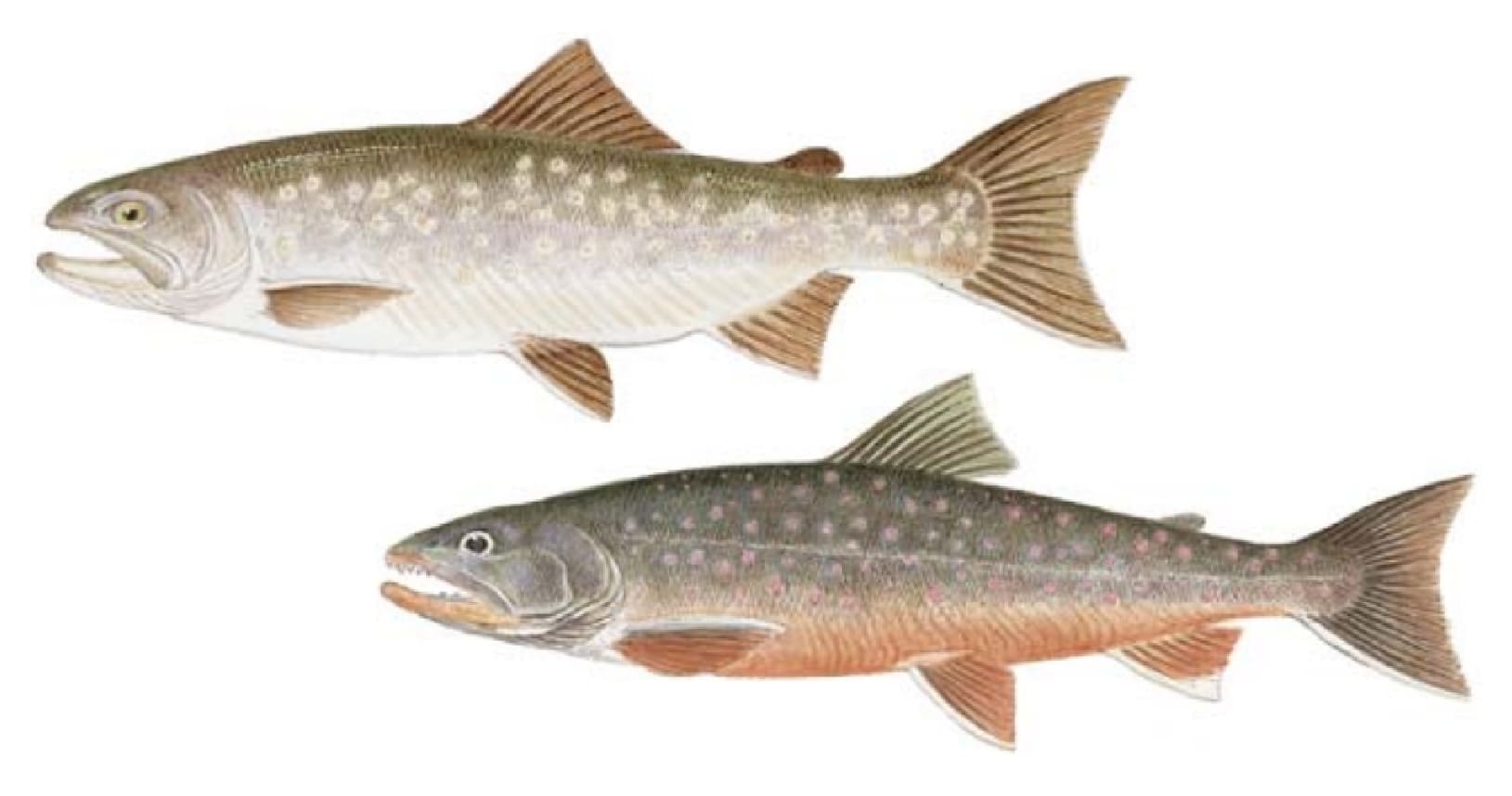
Like all members of the genus Salvelinus, the Arctic charr has bright spots on the body, …
Charr: Brook Trout
Salvelinus fontinalus
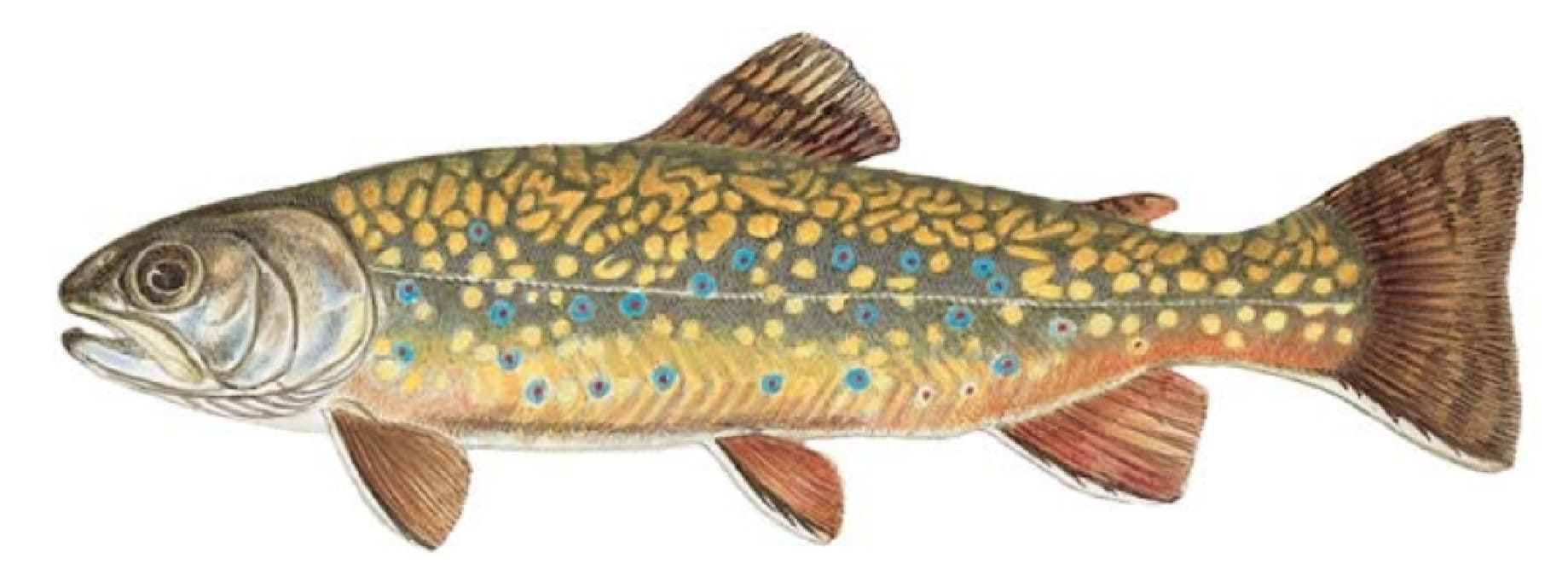
The charr group includes only one species that is actually called 'charr' in English, Salvelinus alpinus, …