 Allfishes
Queenfish (Croaker) (Seriphus politus)
Herring, herring croaker, kingfish, shiner, queen croaker; Spanish: corvina reina.
Latin name
Seriphus politus
Other names
Herring, herring croaker, kingfish, shiner, queen croaker; Spanish: corvina reina.
Identification
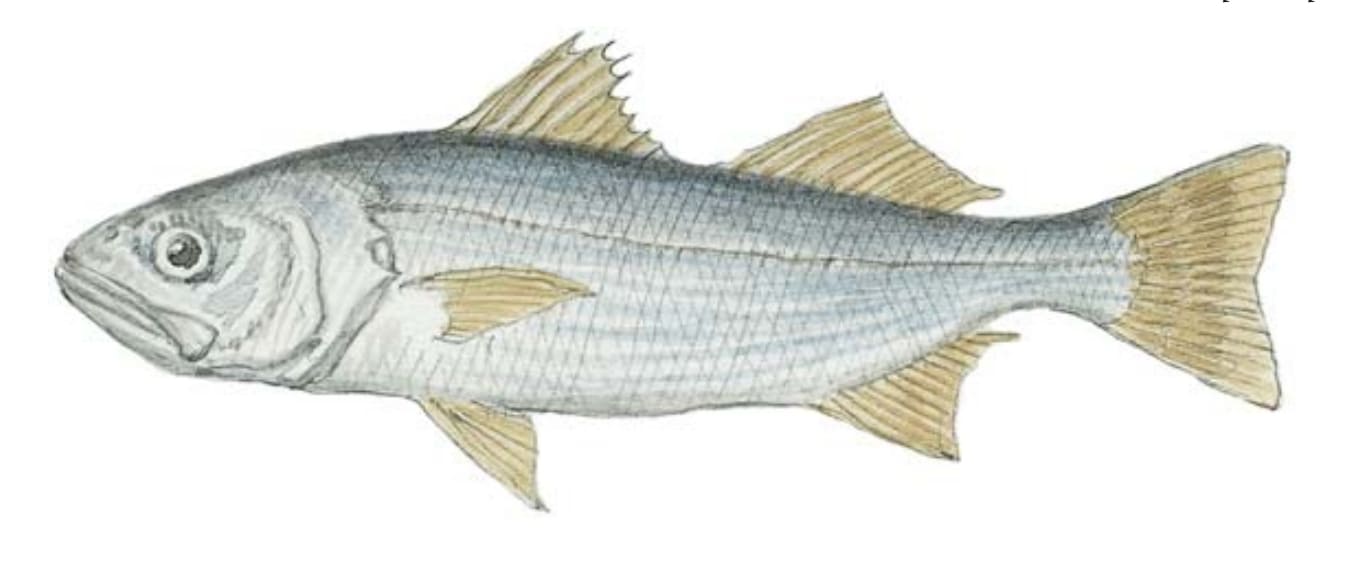
The fish has an elongated, moderately compressed body. The upper part of the profile is depressed above the eyes, and it has a large mouth. The coloration is bluish above and silvery below. The fins are yellowish. This species is distinguished from the others by its large mouth, the base of the second dorsal and anal fins, which are approximately equal, and a wide gap between the two dorsal fins. The mandible lacks a chin bar.
Distribution
It occurs along the Pacific coast, from Yaquina Bay, Oregon, to Uncle Sam's Shoal in Baja California, Mexico. It is common in Southern California, but rarely found north of Monterey.
Habitat
In summer, fish usually live in shallow, sandy-bottomed waters. They are mostly found in depths of 4 to 25 feet, but have been known to inhabit depths as deep as 180 feet. They often congregate in dense schools, sometimes together with whitefish, in shallow sandy areas near pilings and piers, and migrate to deeper waters at night.
Size
The maximum length of the fish is 12 inches, but most fish are much smaller.
Life history and Behavior
Spawning occurs along the coast in summer. Eggs float freely, and newly hatched young emerge in late summer and fall. They gradually move toward the shore from a depth of 20-30 feet into the surf zone.
Food and feeding habits
The fish feeds on small, free-swimming crustaceans, crabs, and fish.
Reproduction
No information
Photos
Related species (same family)
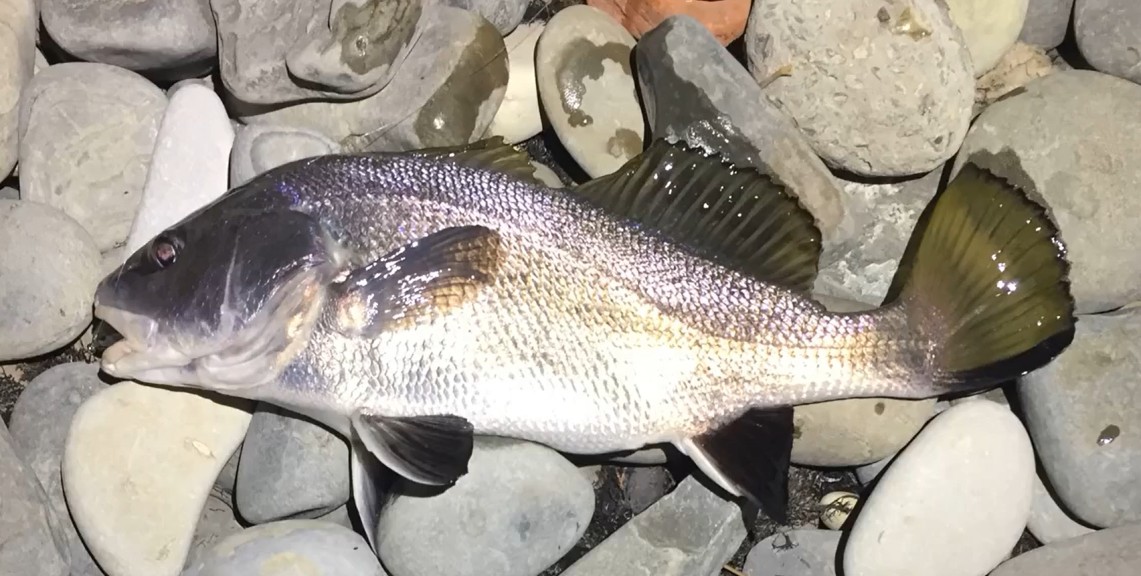
Brown meagre
Sciaena umbra
The body of the Brown meagre is elongated, tall, with a humped back, somewhat compressed laterally, …
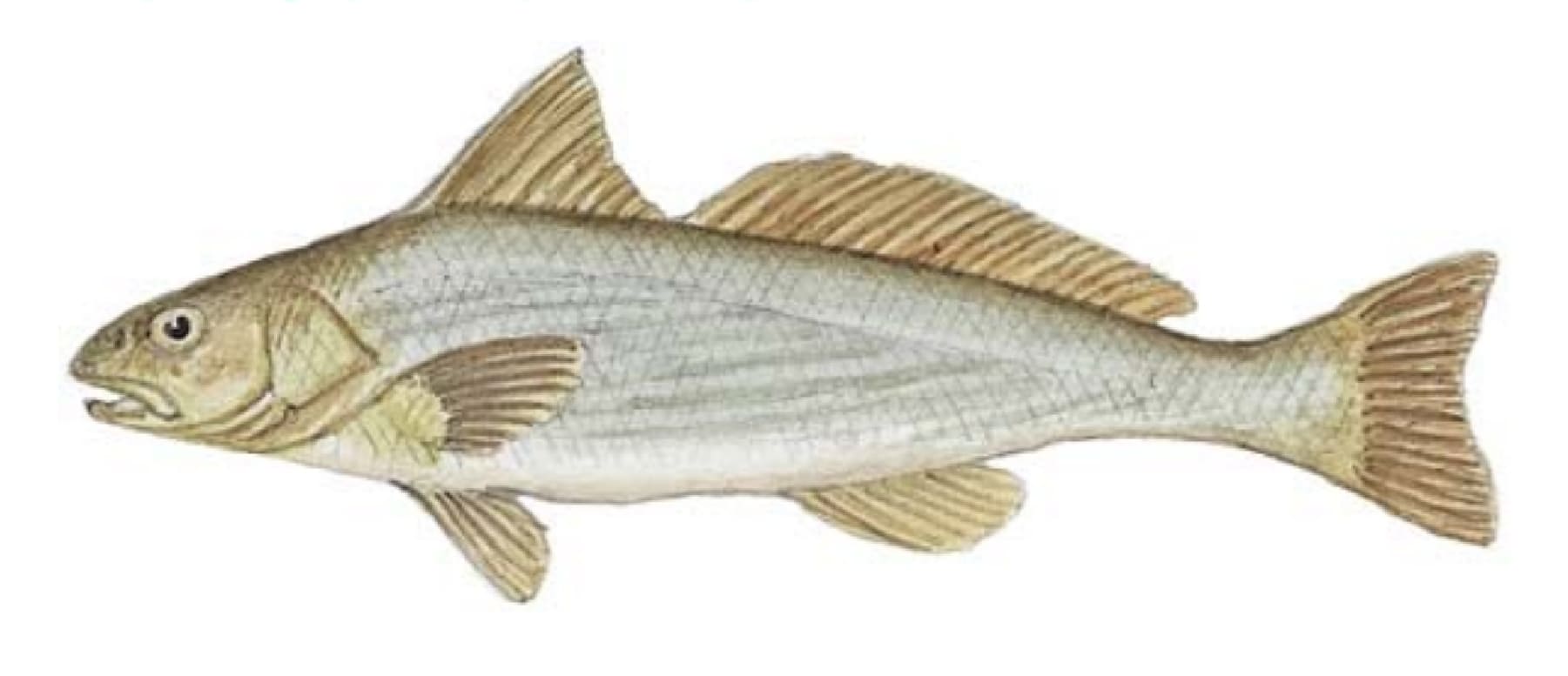
Corbina, California
Menticirrhus undulatus
The body of the California corbina is elongated and slightly compressed, with a flattened belly. Its …
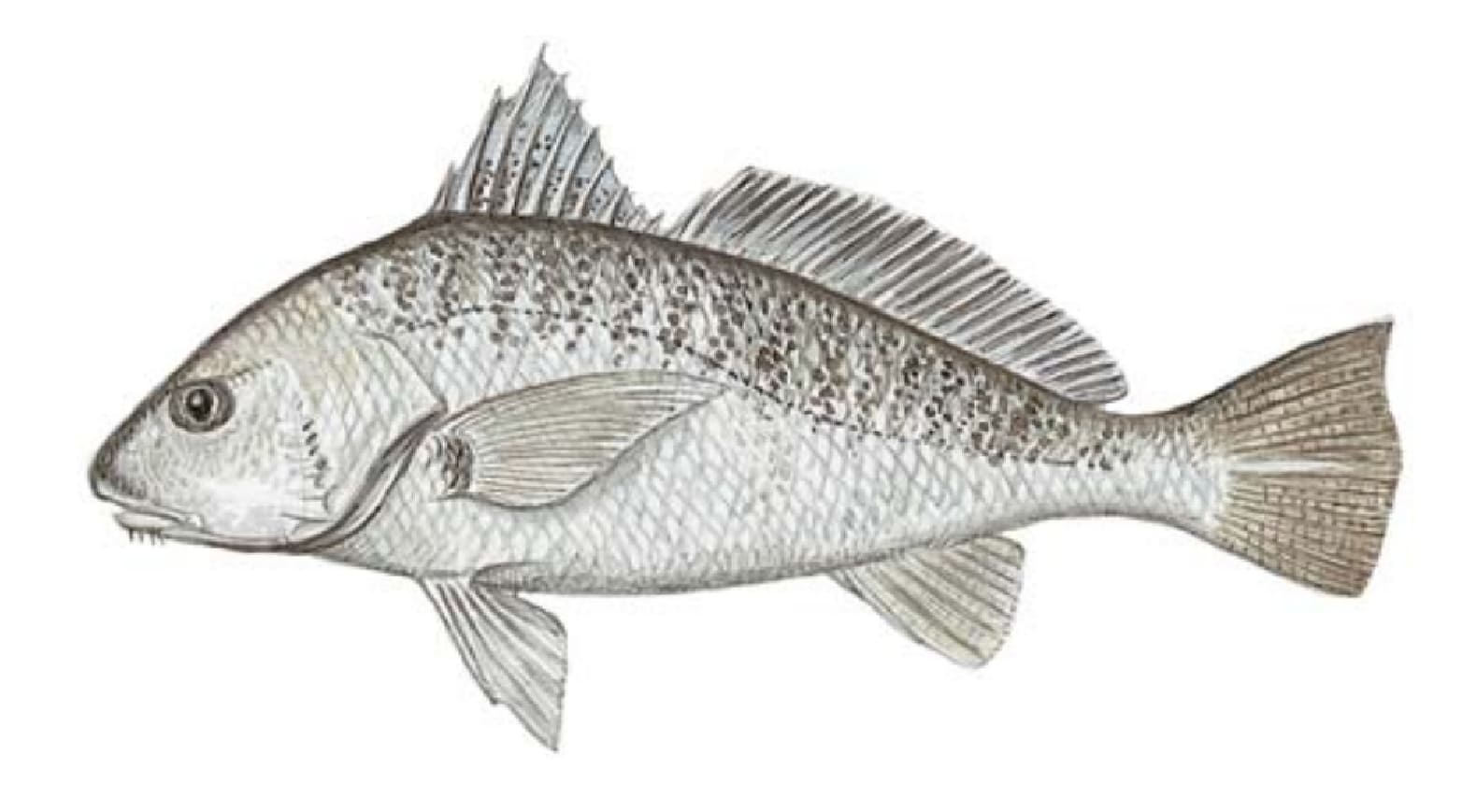
Croaker, Atlantic
Micropogonias undulatus
Body is rather massive, back is elevated and compressed. Head is long, snout is protruded forward …
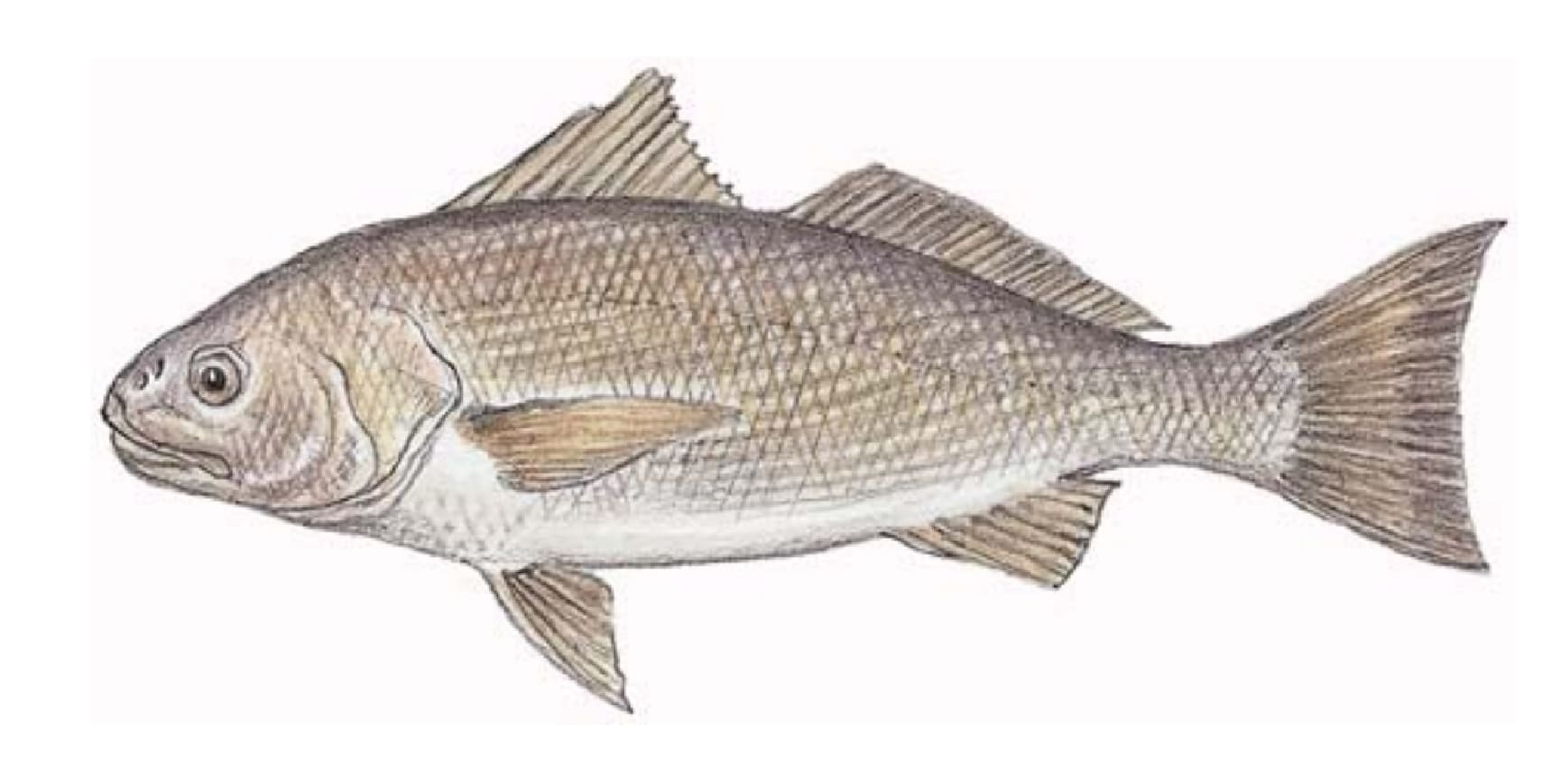
Croaker, White
Genyonemus lineatus
The body of the white croaker is elongated and compressed. The head is oblong and bluntly …
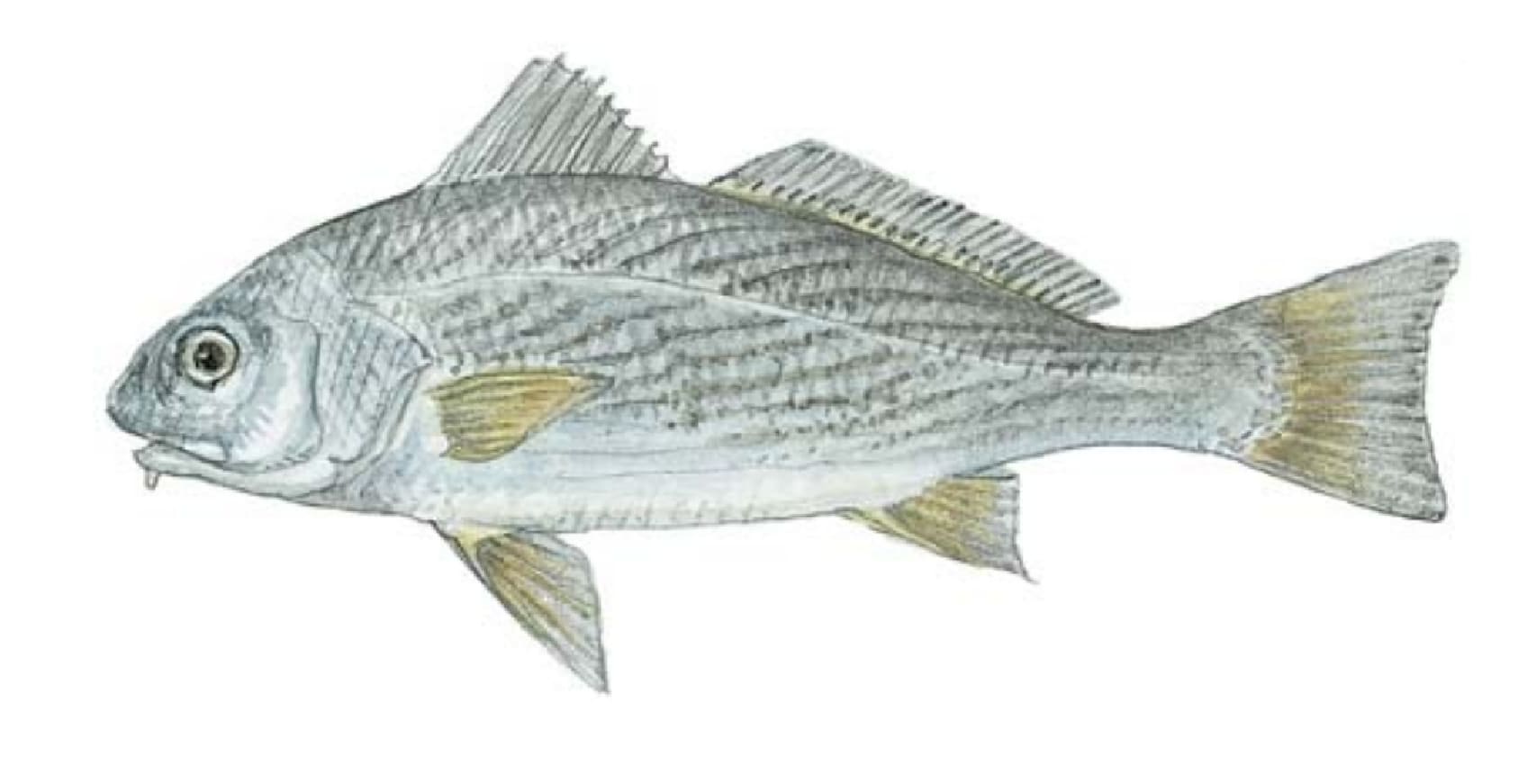
Croaker, Yellowfin
Umbrina roncador
The body of the yellowfin croaker is elliptically elongated, the back somewhat arched, and the head …
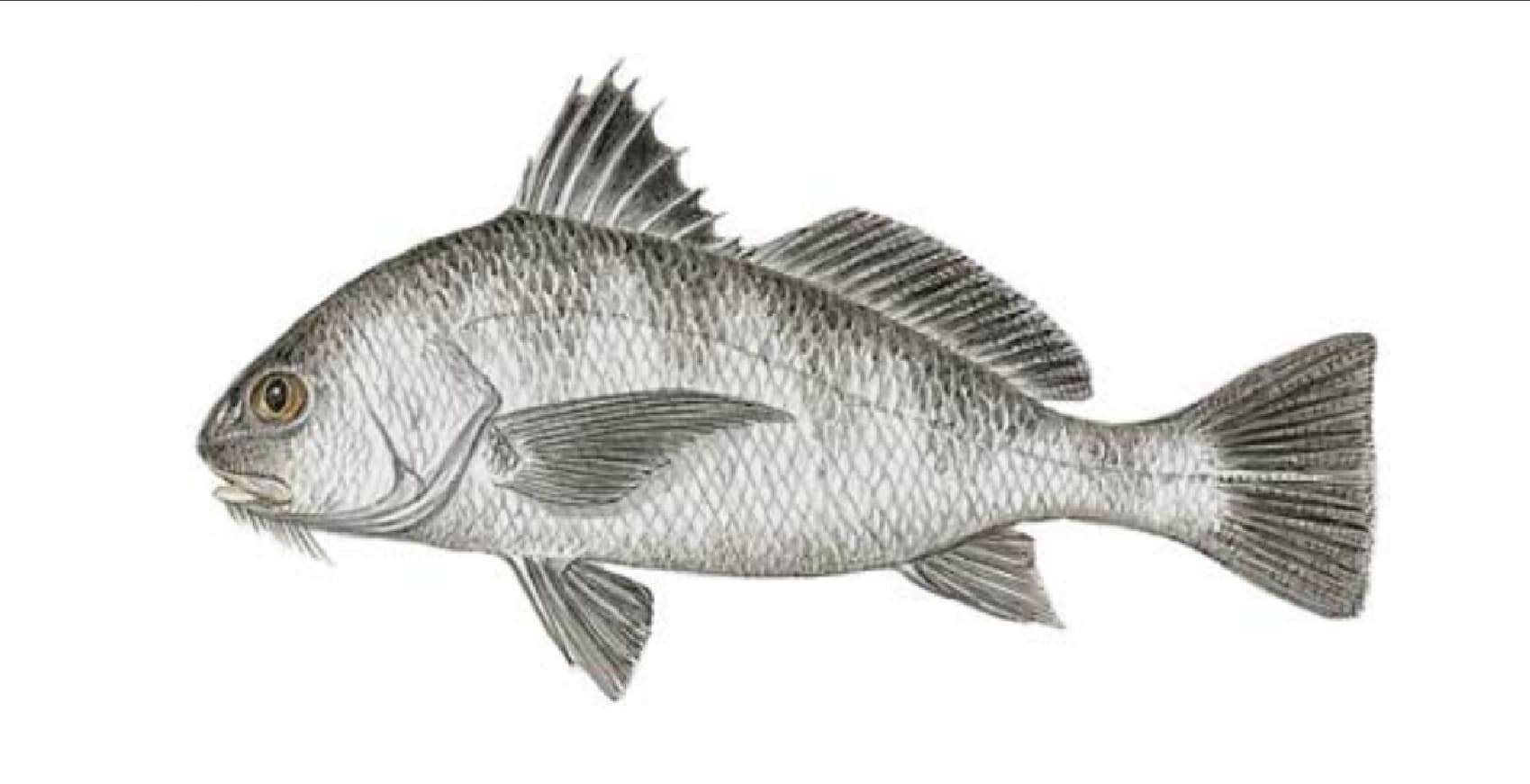
Drum, Black
Pogonias cromis
The black drum has a short, deep, and stocky body, with a high, arched back and …