 Allfishes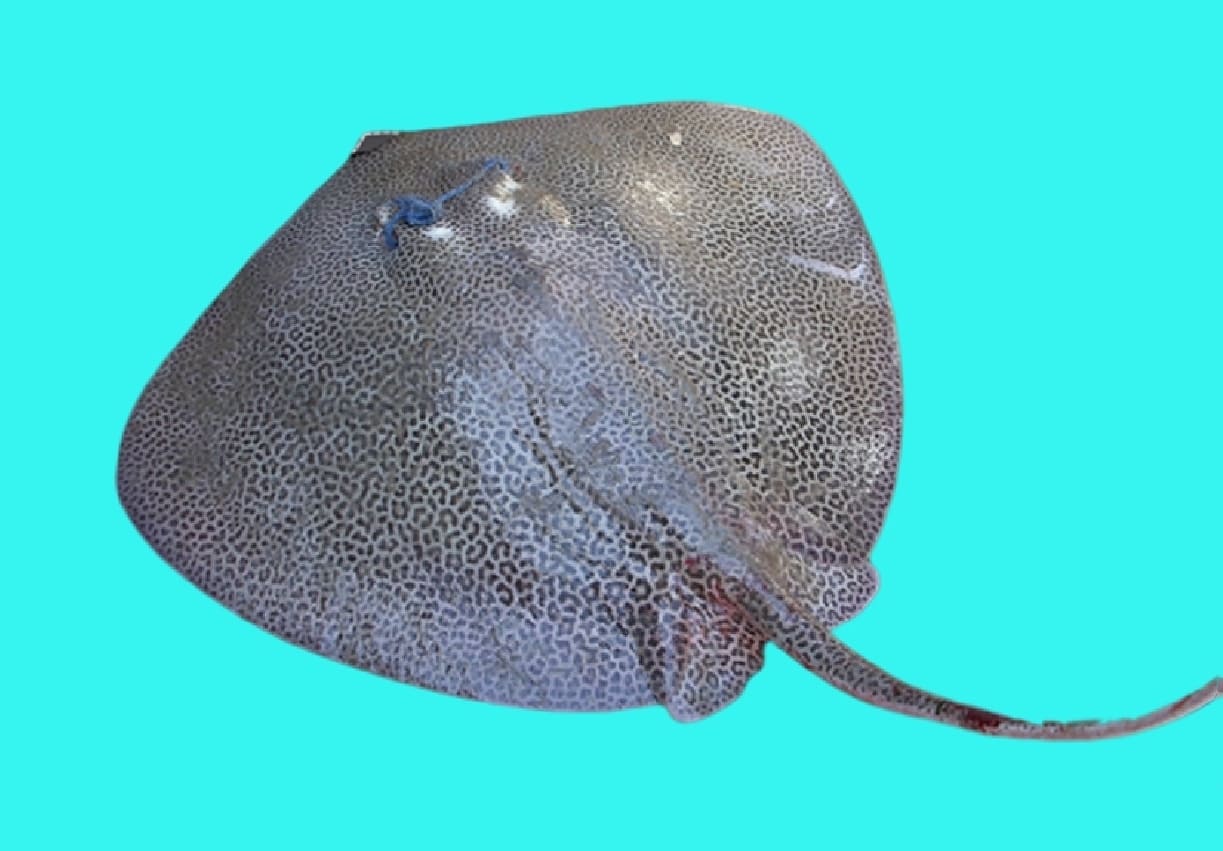
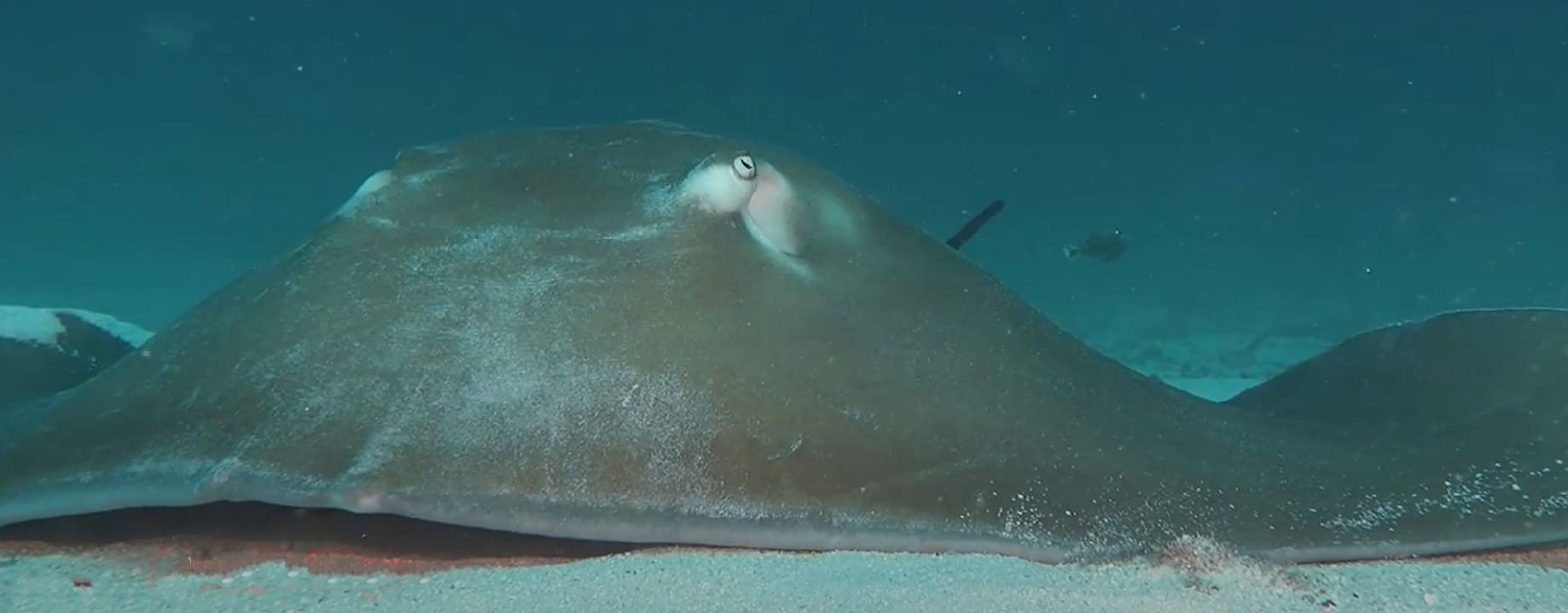
Fine-spotted leopard whipray
Himantura tutul
Himantura tutul was first scientifically described in 2013.
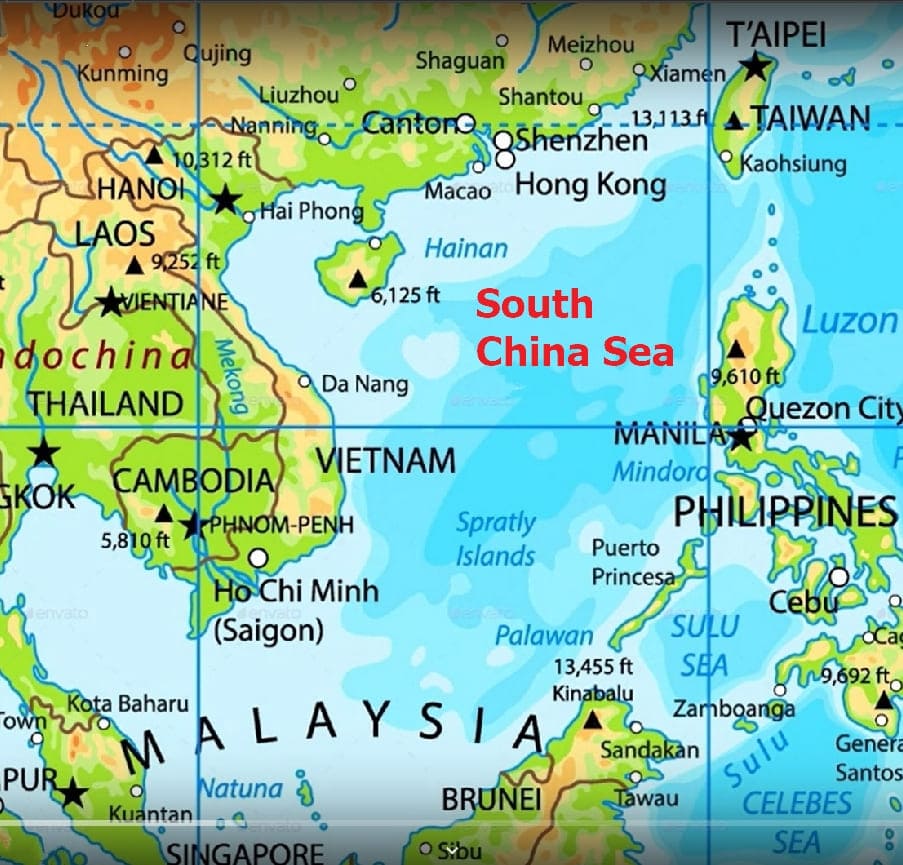 A semi-enclosed sea in the Pacific Ocean off Southeast Asia, between the Indochina Peninsula and the islands of Kalimantan, Palawan, Luzon and Taiwan.
Area - 3,537,289 km², maximum depth - 5,560 m, average depth - 1,024 m, surface water temperature in February - from 20 °C in the north to 27 °C in the south, in August it reaches 28-29 °C over the whole area. Salinity of the water is 32-34 ‰.
The bottom in deep water is silt and sand, and coral near islands and reefs. In the southern part of the route, silt, sand and seashell predominate, with coral on the banks and rocky bottoms near the shores of rocky islands.
The sea is rich in biological resources, various species of algae (from unicellular to green and red algae). Phytoplankton is rather scarce due to the fact that the water surface is insufficiently saturated with oxygen and mineral substances. Fauna is represented in all its splendor.
There is a huge variety of species of fish, jellyfish, polyps, cephalopods, clams, mussels, gastropods, shellfish, echinoderms, sea urchins, starfish, snake tails, crayfish, crabs, shrimp, and other. But unfortunately, each species of creature has a limited small population.
Commercial fish of this sea are: Pacific herring, Yellowspotted trevally, Black-banded trevally, Japanese large-eye bream, Red seabream, Trout sweetlips, Goldlined Seabream, Spanish Mackerel, Albacore, Blacktip sardinella, Redlip croaker and Giant mottled eel.
Some of the larger fish include giant sea devils, many species of stingrays, electric rays, limpets, swordfish, marlin, tuna, moray eels, barracudas and sablefish.
Some of the larger fish of the South China Sea include the Giant oceanic manta ray, Giant guitarfish, Eyed flounder, Fine-spotted leopard whipray, Pink whipray, Smalltooth sawfish, Swordfish, Indo-Pacific sailfish, Indo-Pacific blue marlin, Narrowtail moray, Lipspot moray eel, Blotch-necked moray, Australian mottled moray, Japanese barracuda, Pacific cutlassfish.
There are many sharks in this sea, they are diverse - deep, bottom and coastal. The most famous species living in these waters are: Whale shark, Tiger shark, Great white shark, Shortfin mako shark, Oceanic whitetip shark, Blue shark, Indonesian wobbegong, Spotted wobbegong, Coral catshark. In most cases all these sharks are very shy and not easy to approach. To avoid unpleasant and life-threatening consequences, this should not be attempted.
The underwater world of the South China Sea is diverse and attractive. A large number of rare species of fish and other marine life live here in abundance. These include Flat-faced seahorse, Whitefin surgeonfish, Cinnamon clownfish, Arrow-head soapfish, Garish hind, Asian butterflyfish, Hong Kong butterflyfish, Blackfin fairy-warsse, Ocean humbug, Flame tail blenny, Redlip morwong, Threespot wrasse, Spanish flag snapper, Humpnose big-eye bream, Chinese demoiselle, Sixspine butterflyfish, Big-scale Parma, Bicolor goatfish, Amethyst anthias, Red naped wrasse, Brown-banded butterflyfish, Asian sheepshead wrasse, Streaked spinefoot, Black scraper, Threadtail anthias, Fang's pygmy goby, African spadefish, as well as leisurely turtles and an exuberant variety of corals of all colors. Some divers are lucky enough to find shells with real pearls on the bottom.
Nothing good can come from encountering the dangerous inhabitants of this sea. You should be wary of Spotfin lionfish, Devil firefish, African lionfish, Clearfin lionfish, Red lionfish, Bluespotted ribbontail ray, Flathead Helmet Gurnard, Sea goblin, Longfingered scorpionfish, Poss's scorpionfish, Box jellyfish, Siphonophorae, Blue-ringed octopus, Cone snails. All of these inhabitants have extremely strong venom and can cause great problems to human health.
Showing 25–48 of 72
Himantura tutul
Himantura tutul was first scientifically described in 2013.
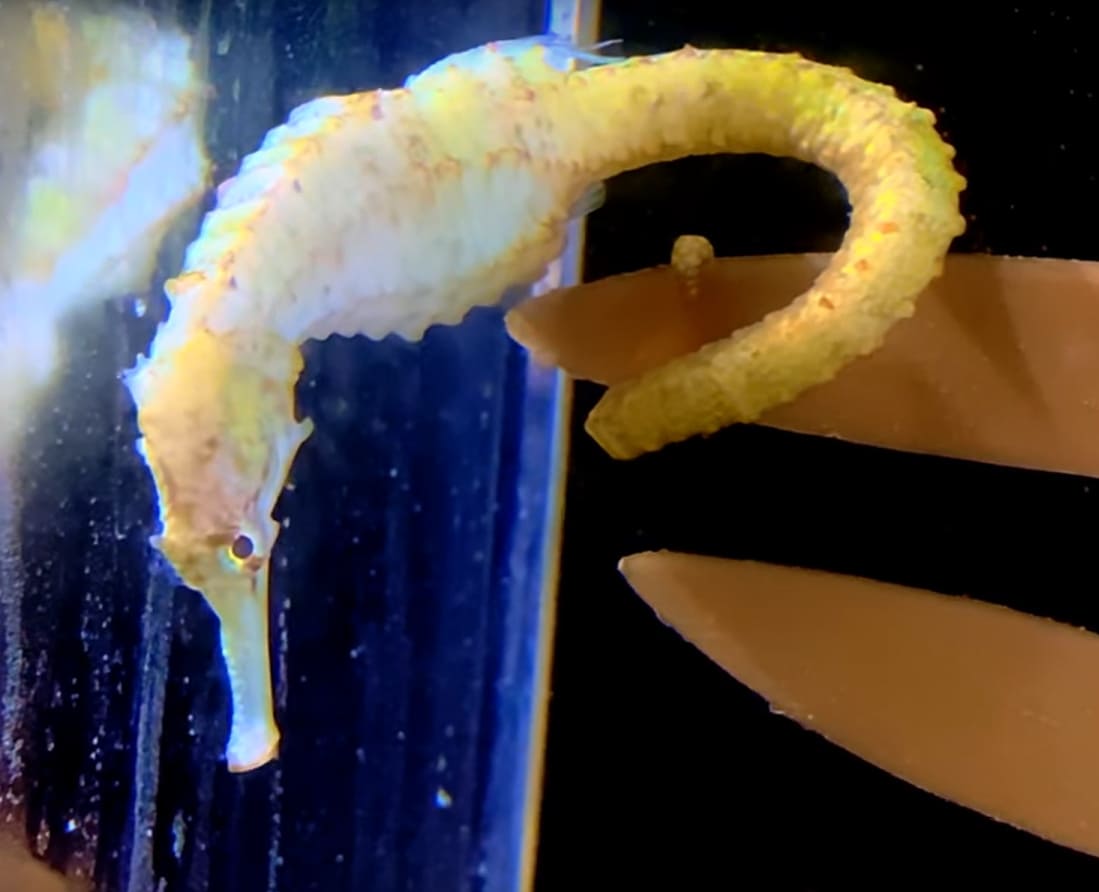
Hippocampus trimaculatus
The appearance of the flat-faced seahorse can vary, but it is usually flat with sharp, hook-like …
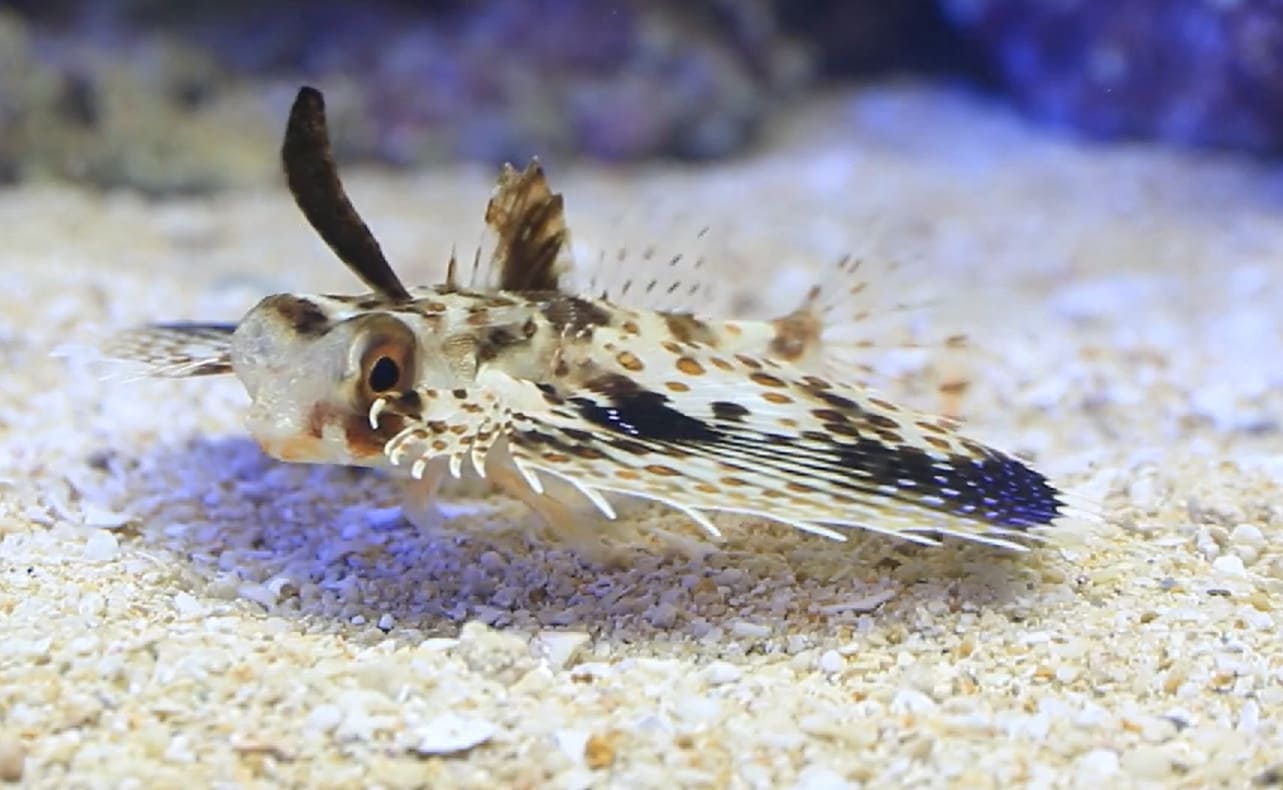
Dactyloptena gilberti
The species name was given in honour of the American ichthyologist Charles Henry Gilbert (1859-1928).The body …
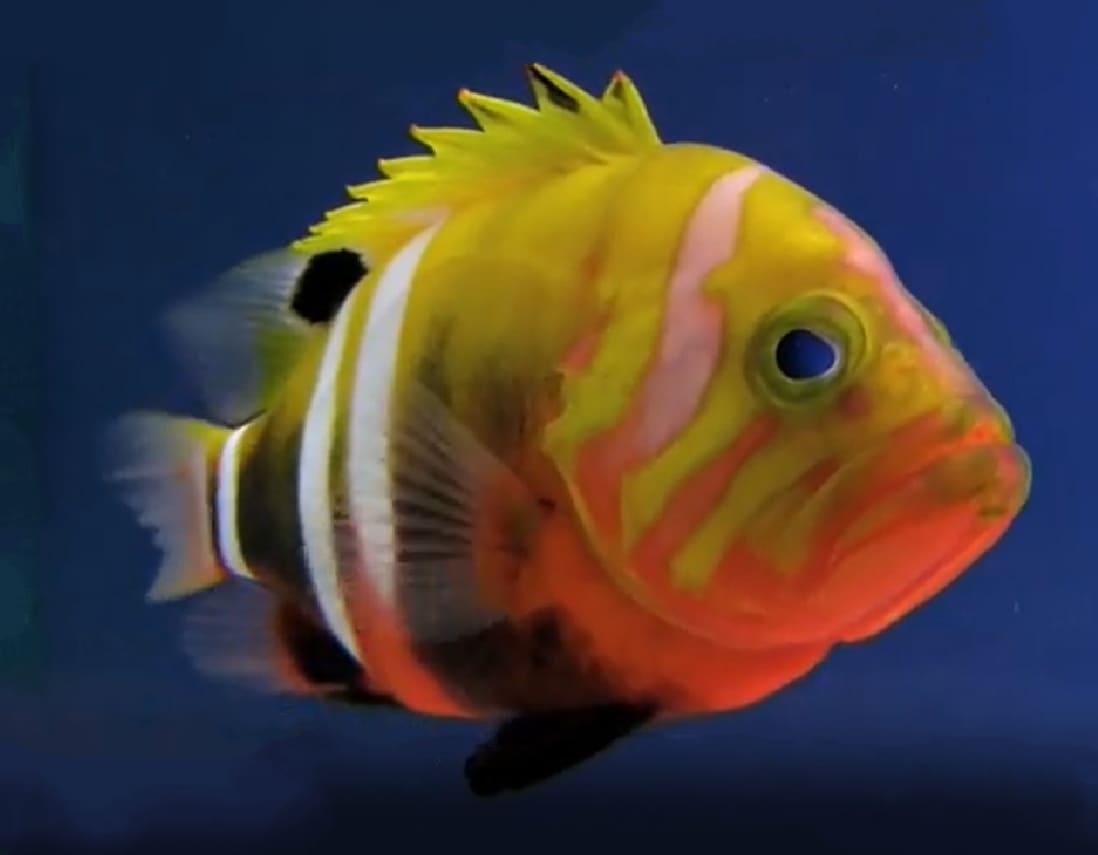
Cephalopholis igarashiensis
The garish hind has an elongated, massive body, somewhat compressed at the sides and covered on …
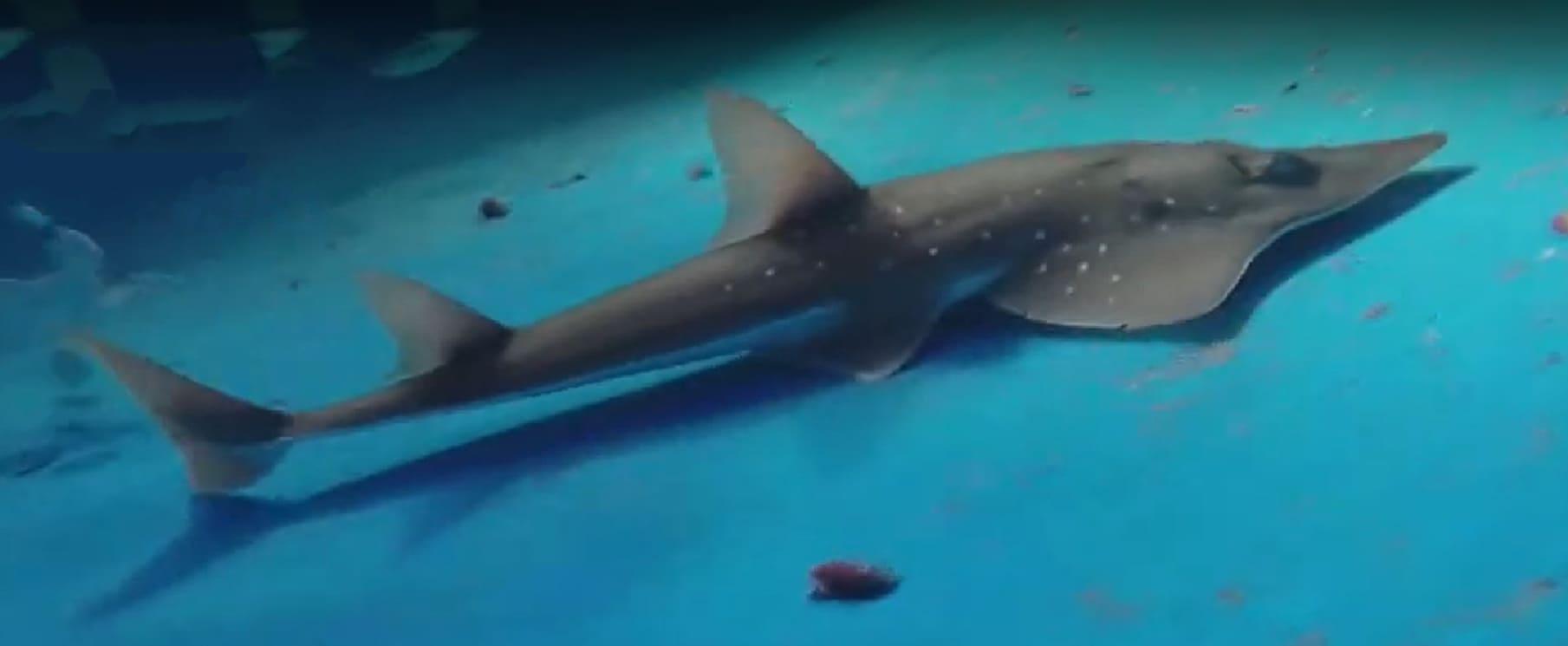
Rhynchobatus djiddensis
This species can be confused with its distant relative, the common shovelnose ray, from which it …
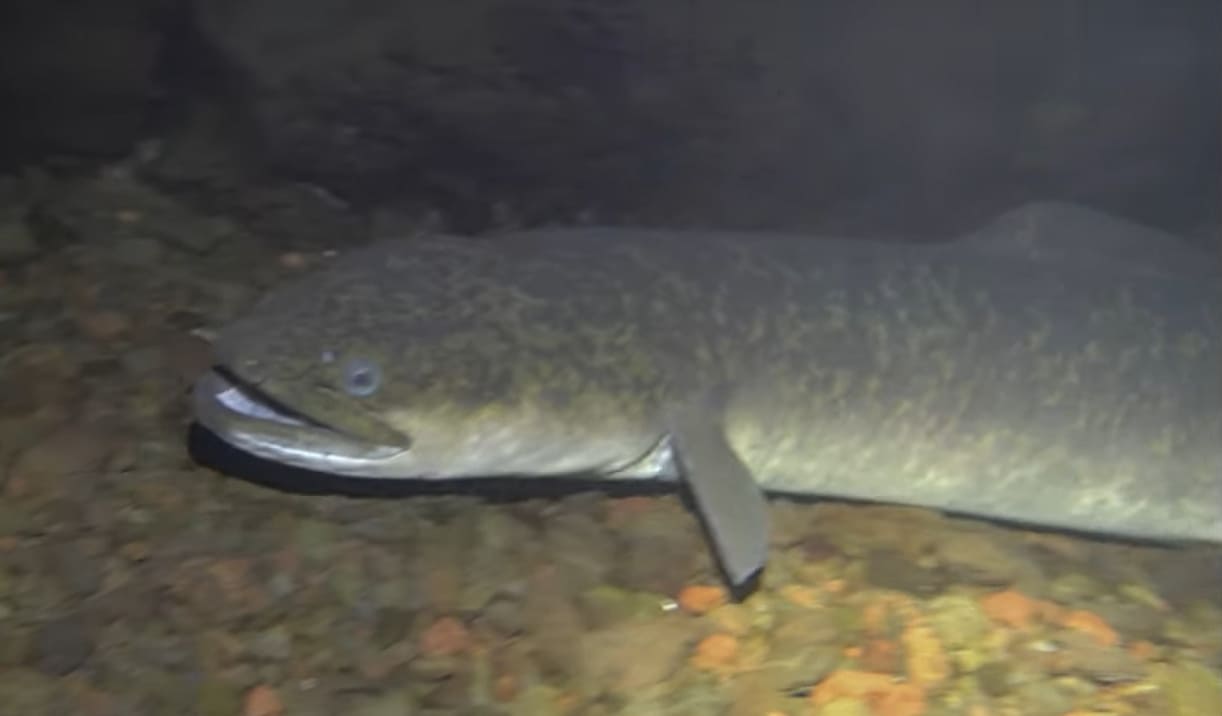
Anguilla marmorata
The giant mottled eel is cylindrical in shape with small, well-developed pectoral fins and a protruding …
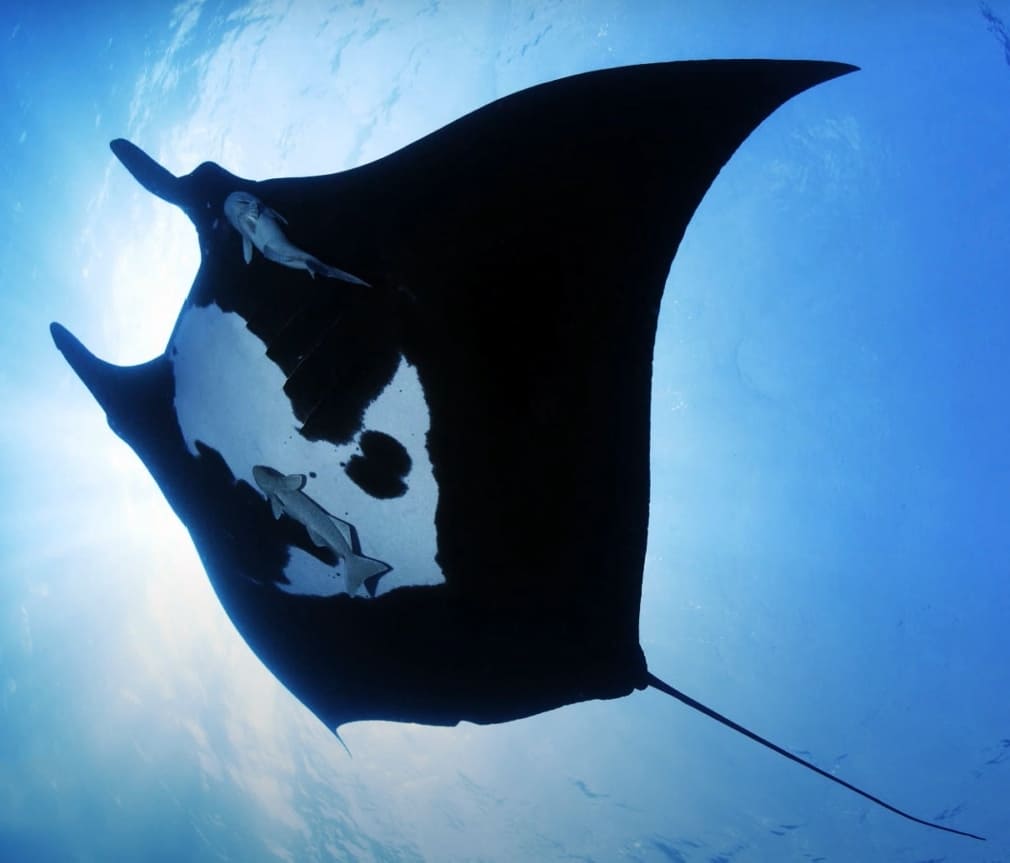
Mobula birostris
Huge pectoral fins form a diamond-shaped disc with the head, the width of which is about …
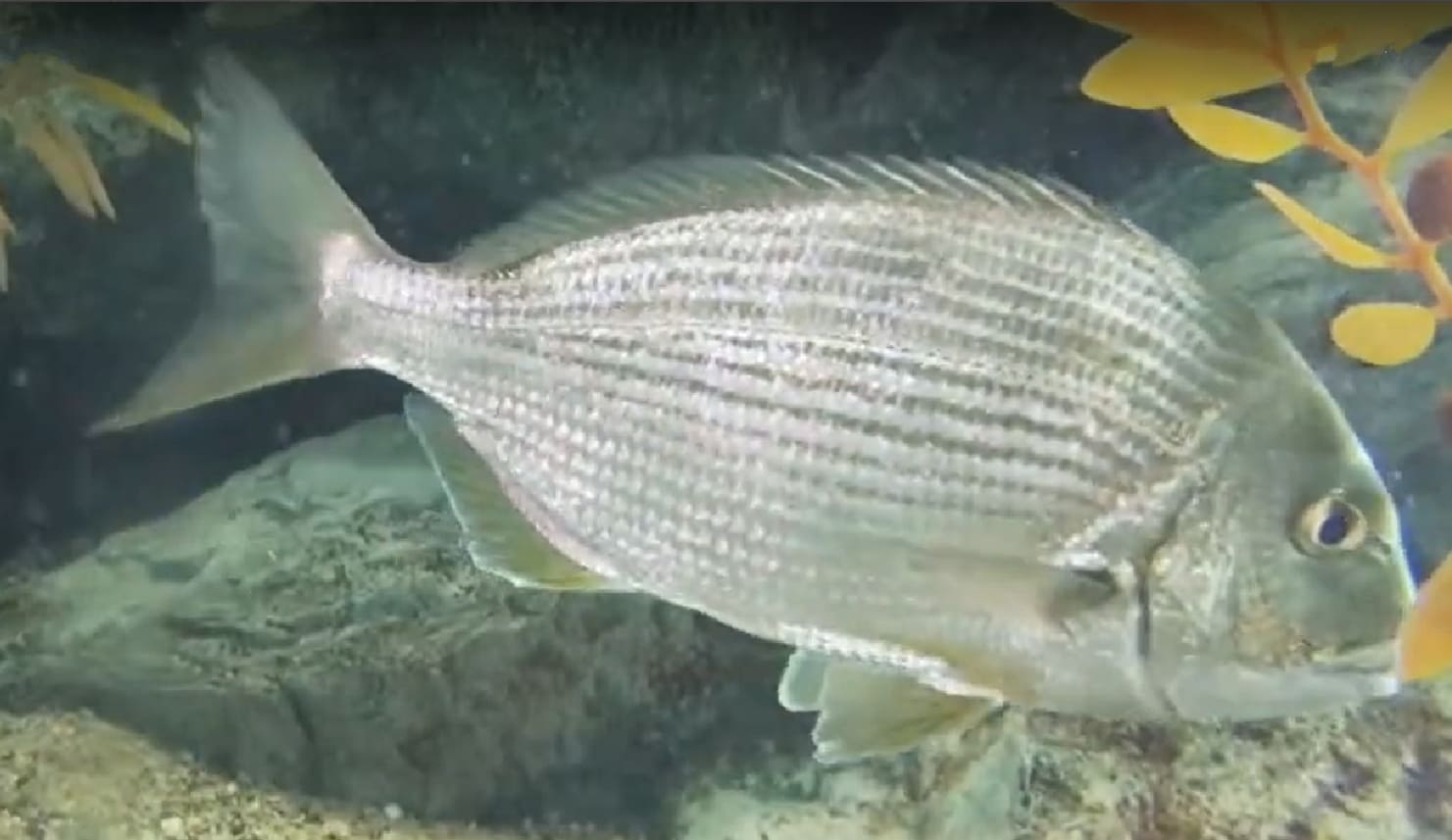
Rhabdosargus sarba
The goldlined seabream has a deep and compressed body, with a depth of 2-2.3 times its …
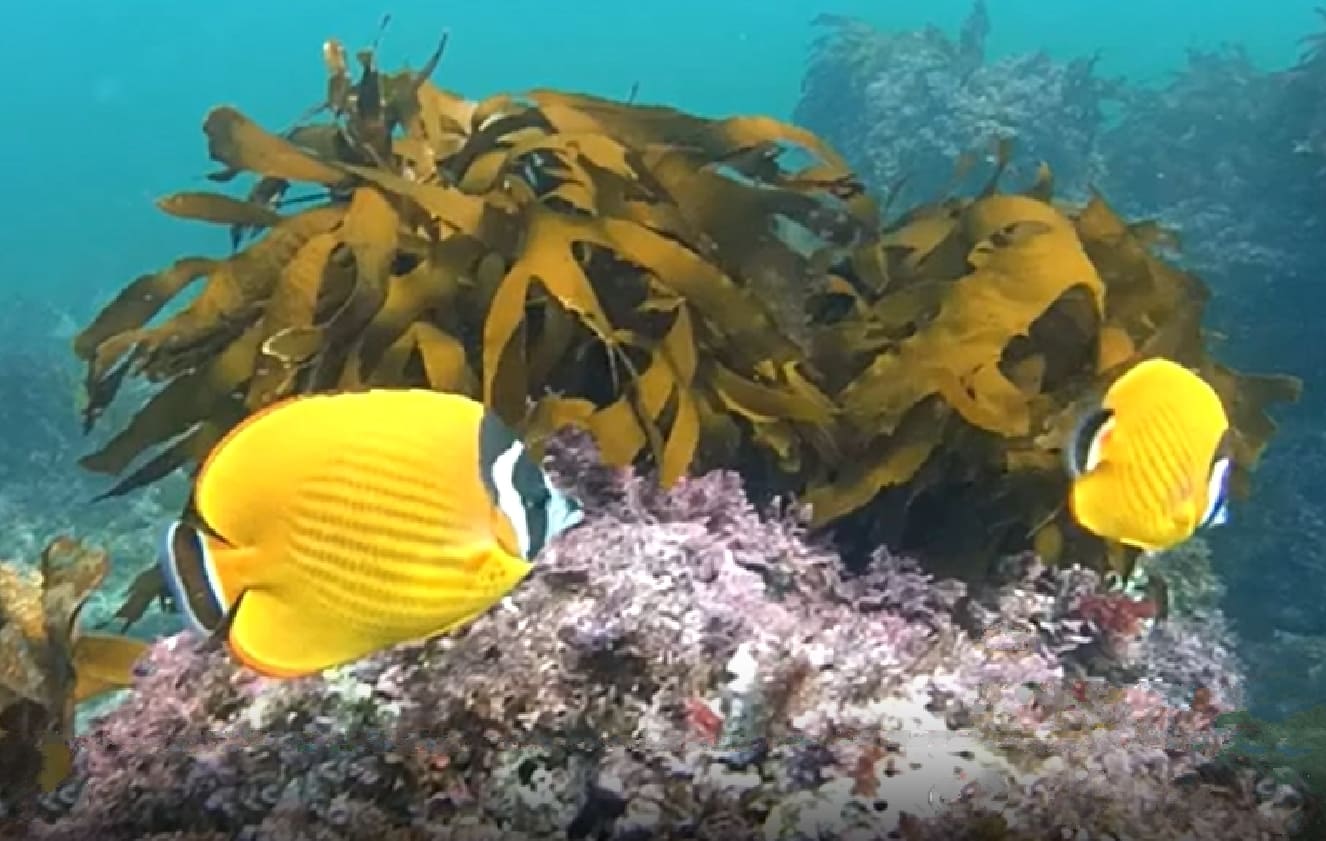
Chaetodon wiebeli
Chaetodon wiebeli was first officially described in 1863 by the German ichthyologist Johann Jakob Kaup (1803-1873), …
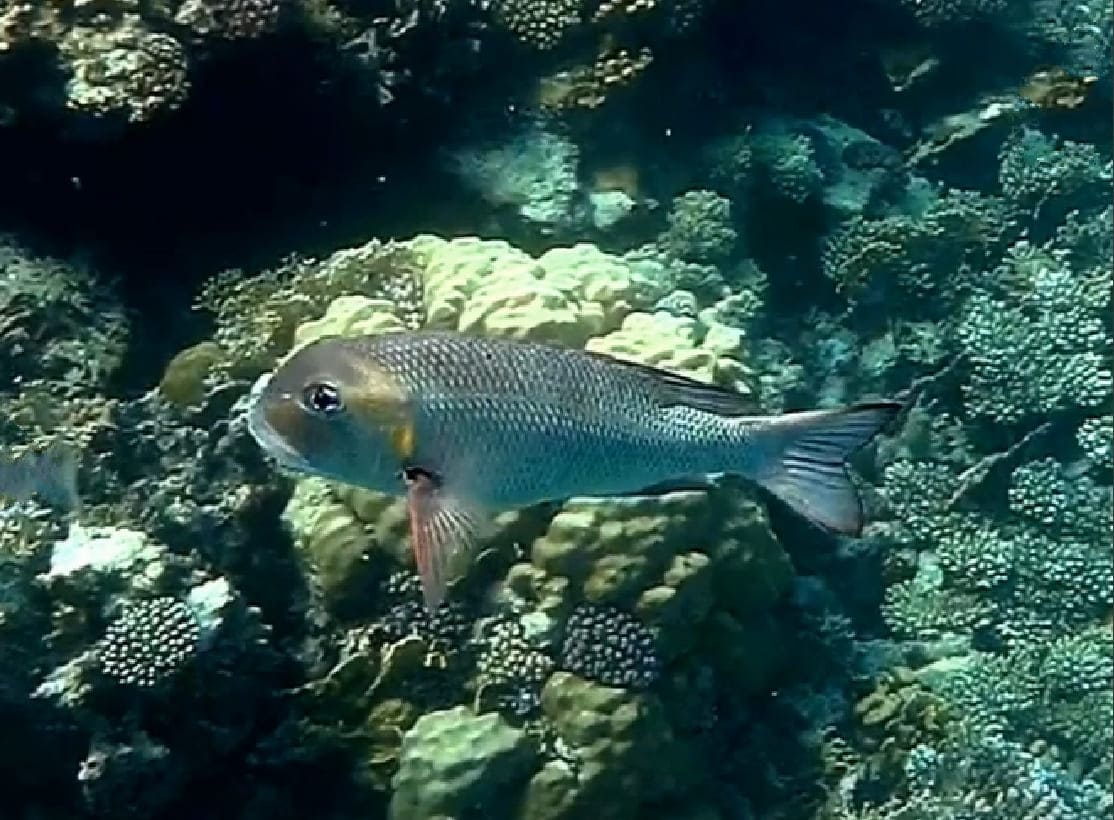
Monotaxis grandoculis
The humpnose big-eye bream has an elongated body with a depth of 2.1-2.7 times its standard …
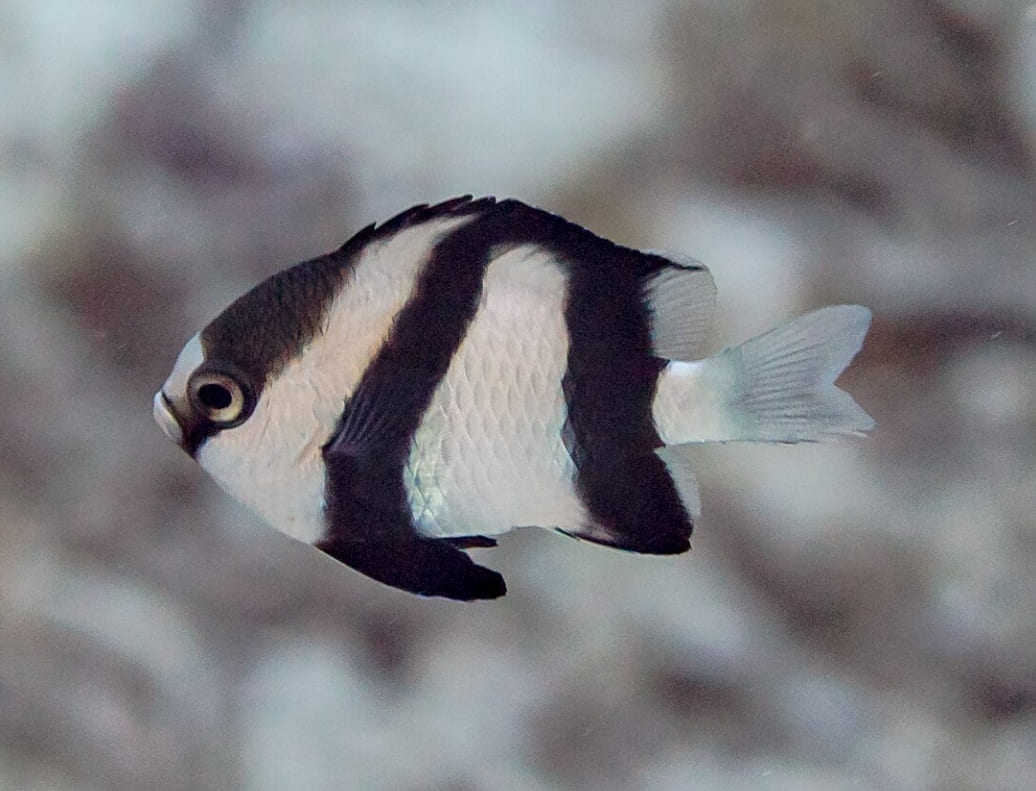
Dascyllus abudafur
The species name is derived from the Arabic word for the species, Abu-dafur Jabûd. Males are …
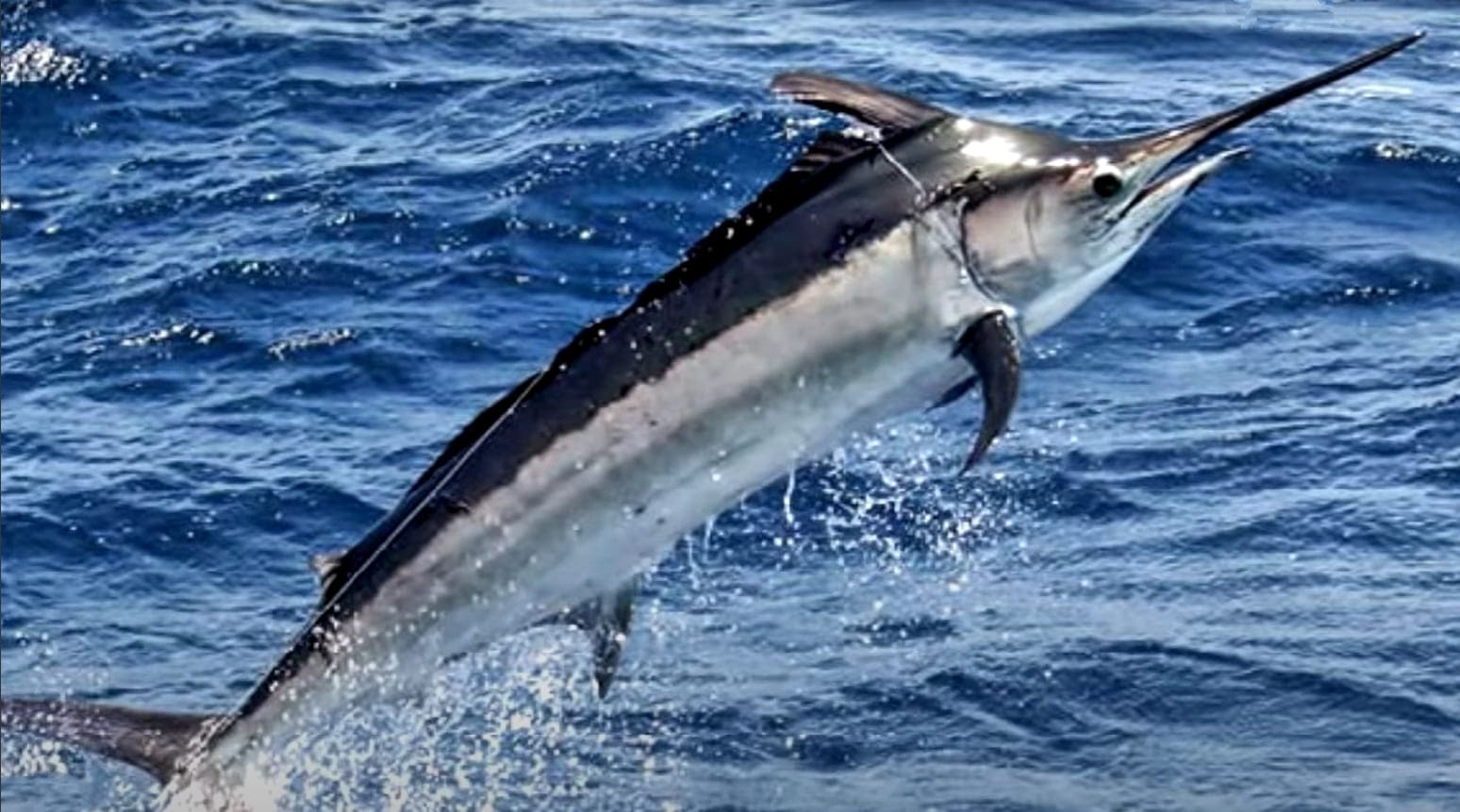
Makaira mazara
The snout is long. The lateral line is looped and almost indistinguishable in adults. Vertebrae: 24. …
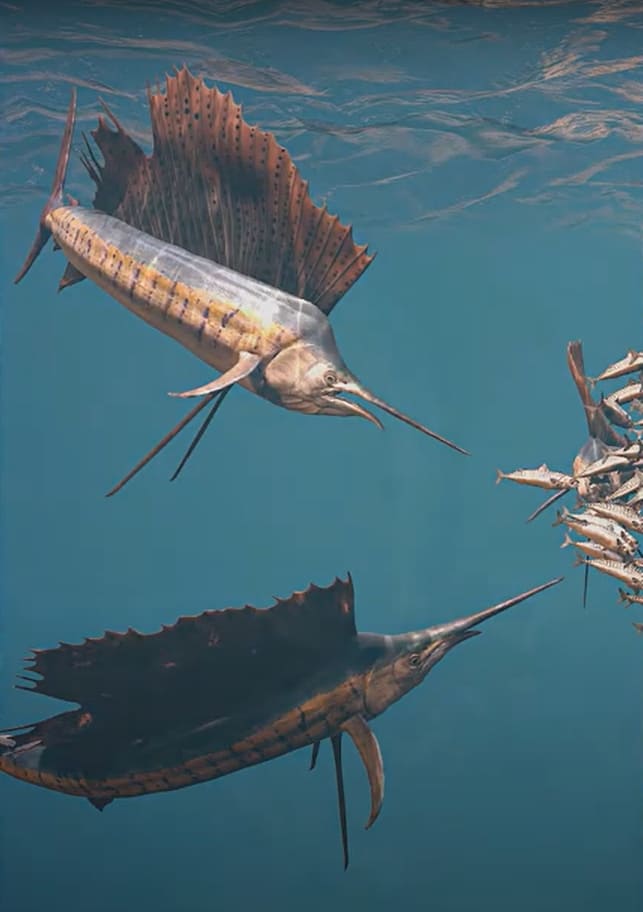
Istiophorus platypterus
This species is characterised by the following features: slender, elongated and rather compressed, with a high, …
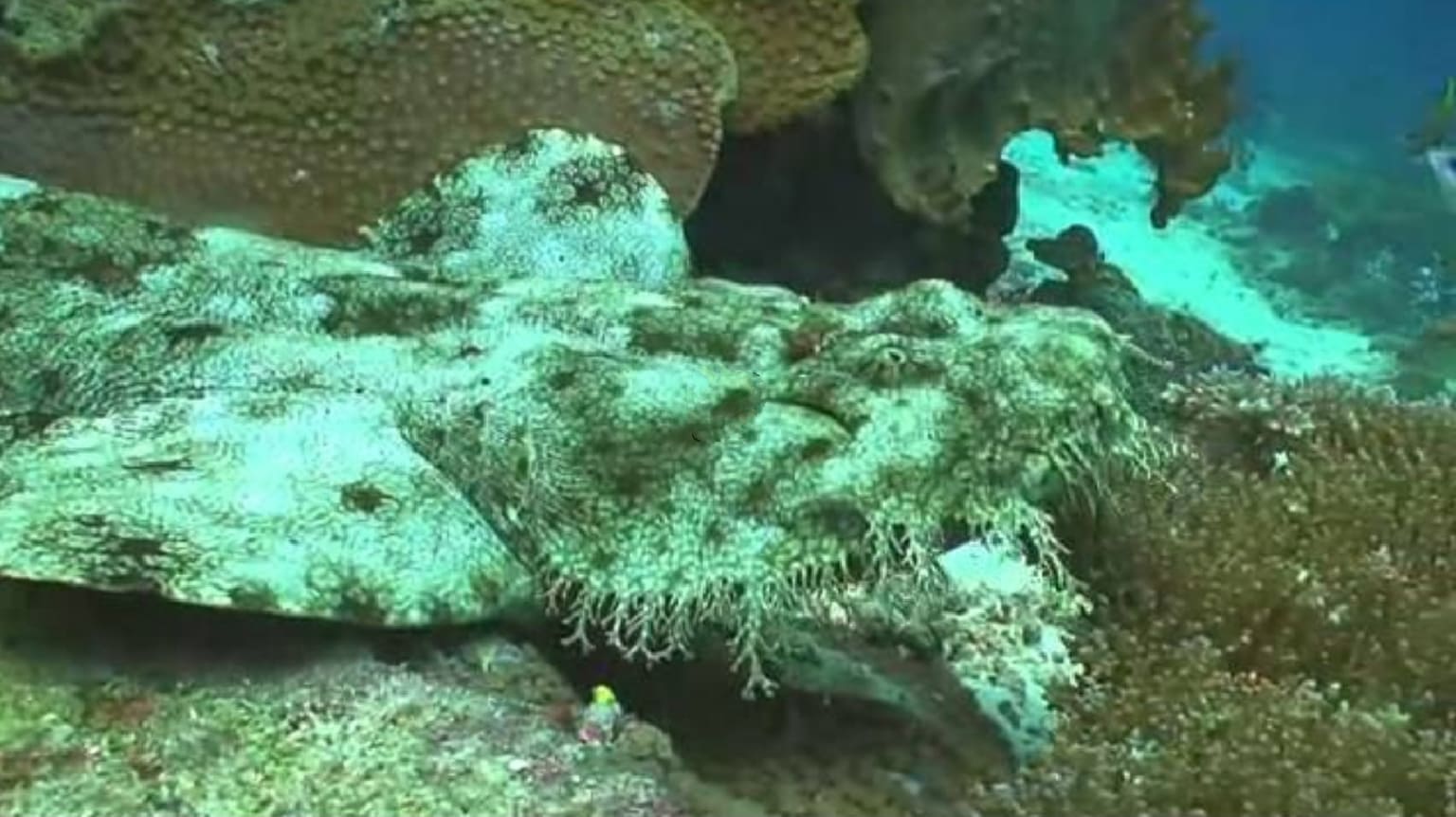
Orectolobus leptolineatus
The Indonesian Wobbegong has a flattened and broad head and body. The nostrils are framed by …
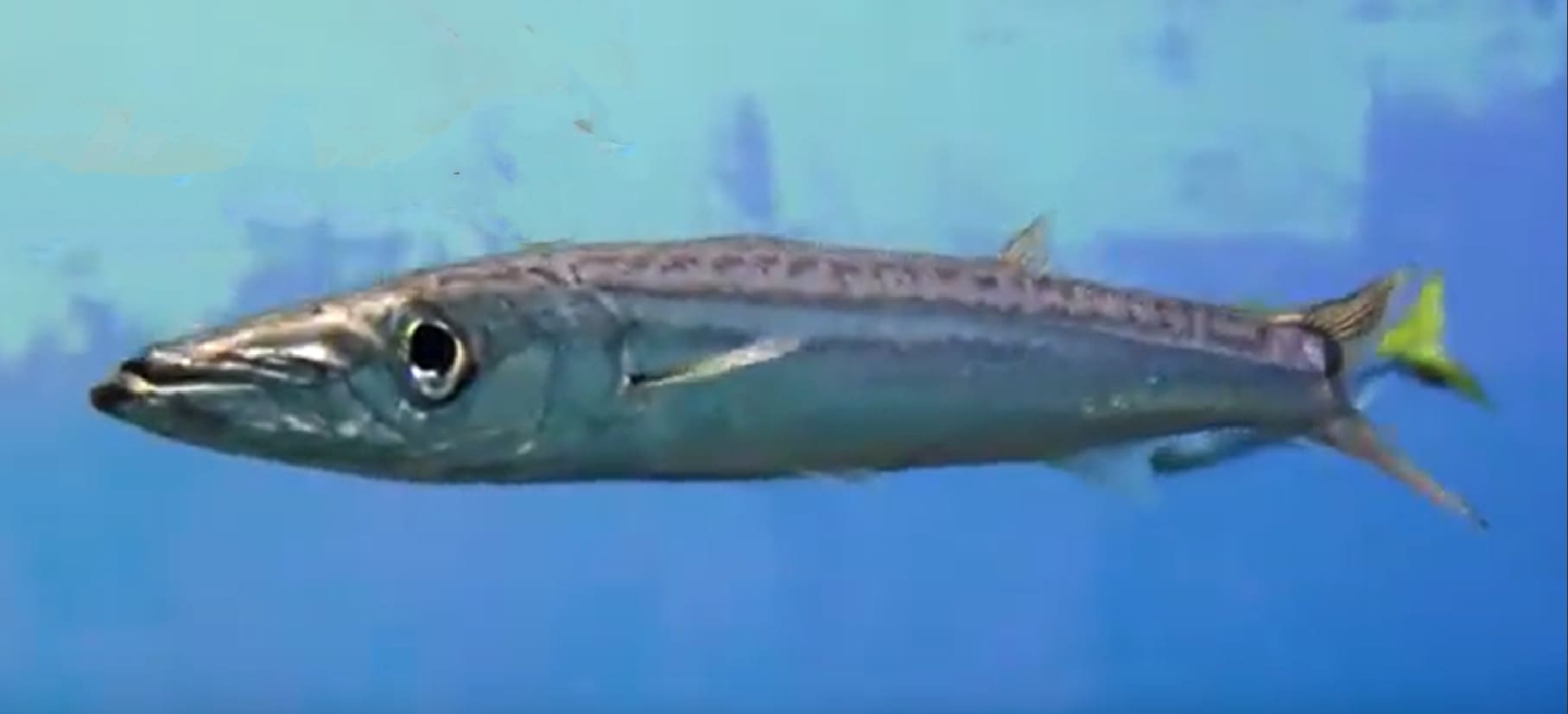
Sphyraena japonica
The body of the Japanese barracuda is elongated, rounded, slightly compressed at the sides, and covered …
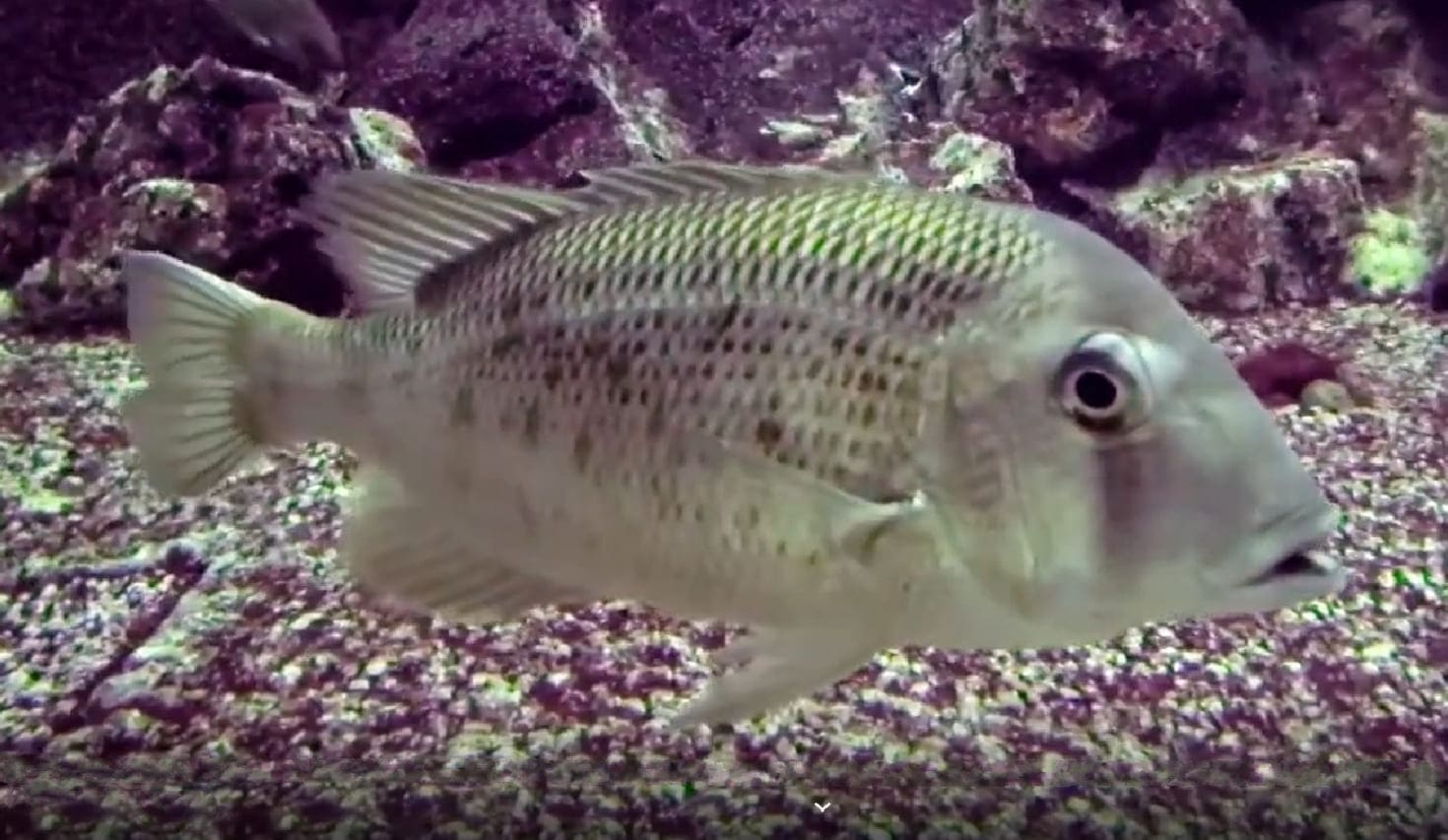
Gymnocranius euanus
The Japanese Large Eye Bream has an elongated body that is about two and a half …
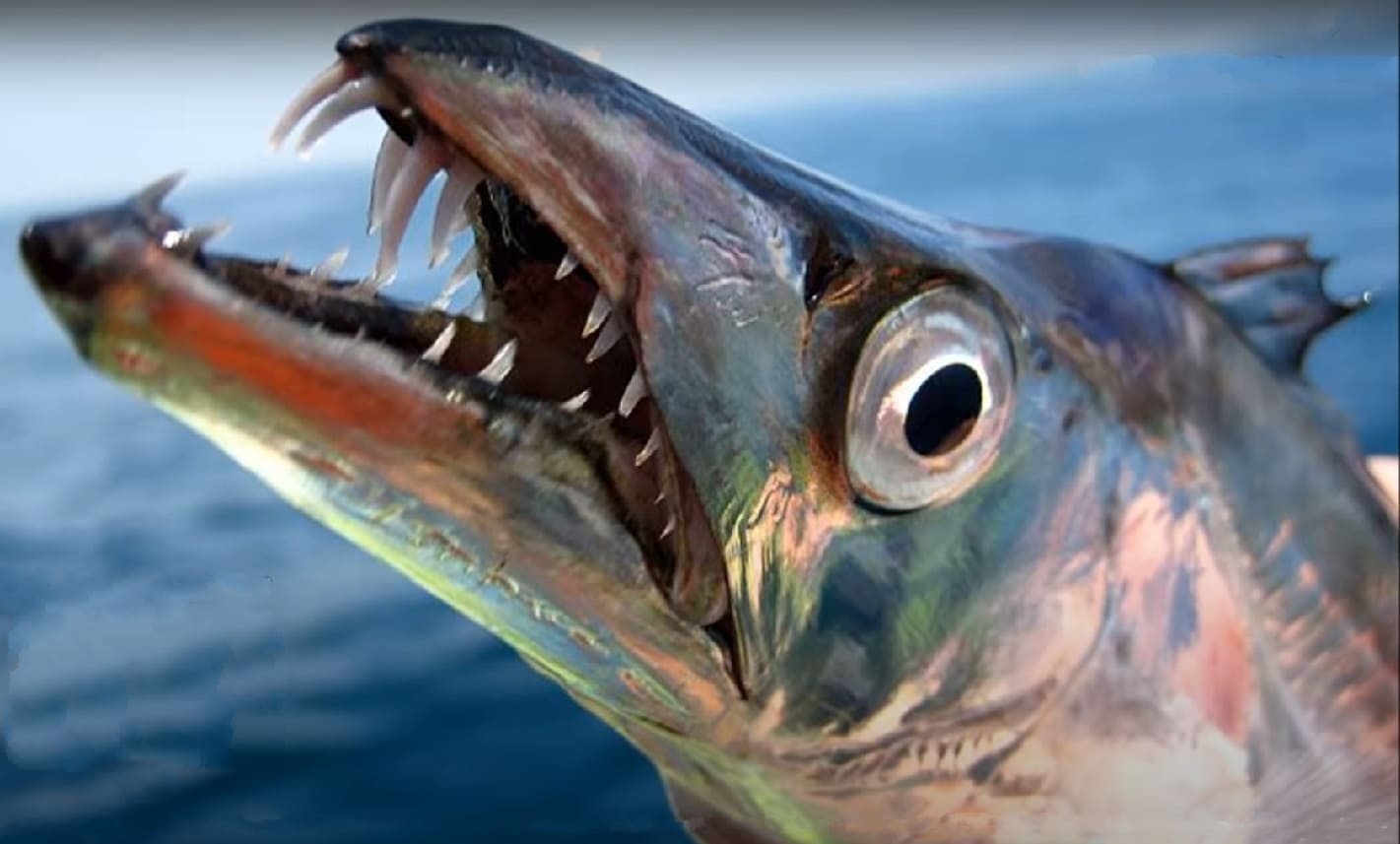
Trichiurus lepturus
The body is elongated, bare, and ends in a thread-like appendage. The eyes are large and …
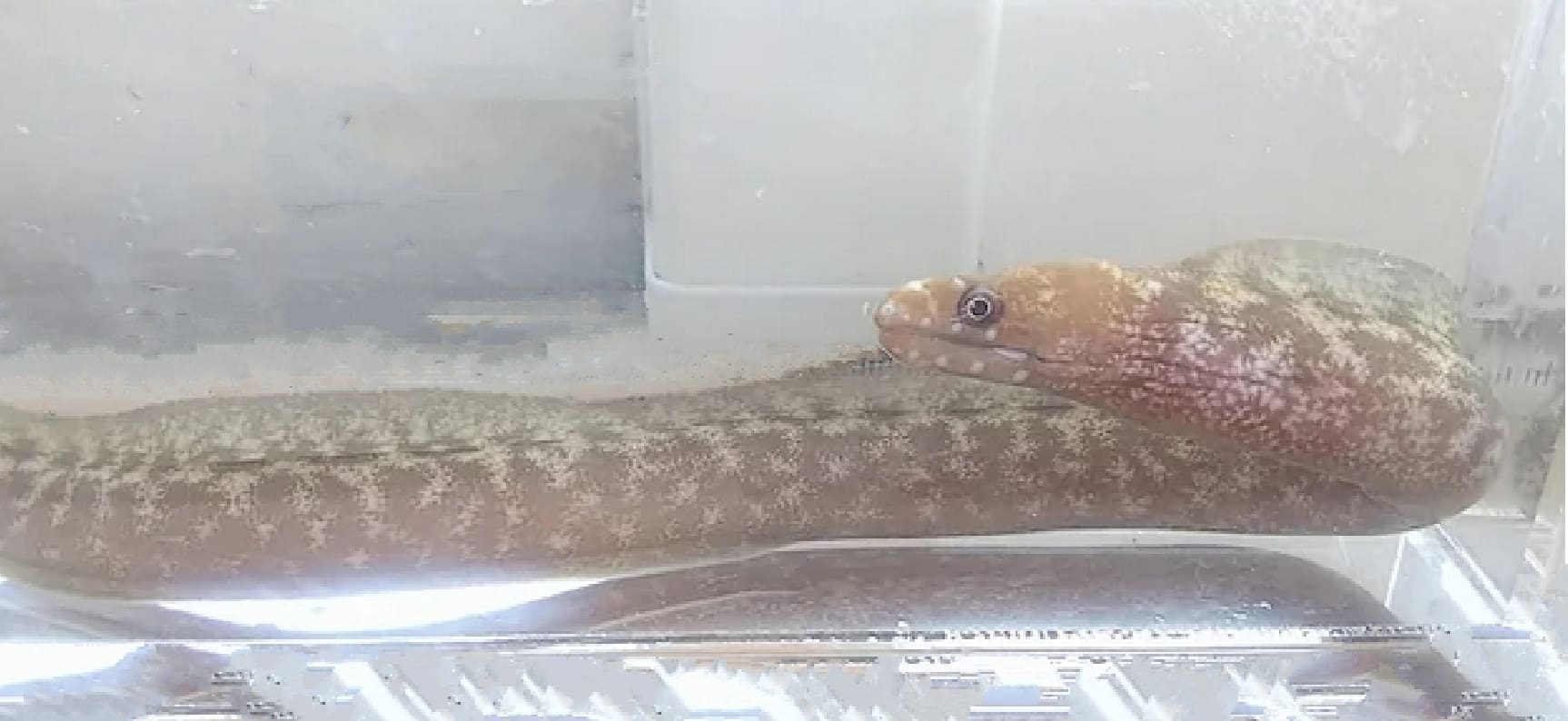
Gymnothorax chilospilus
The species was first named by Pieter Bleeker in 1864. Lipspot morays have 121-133 vertebrae.
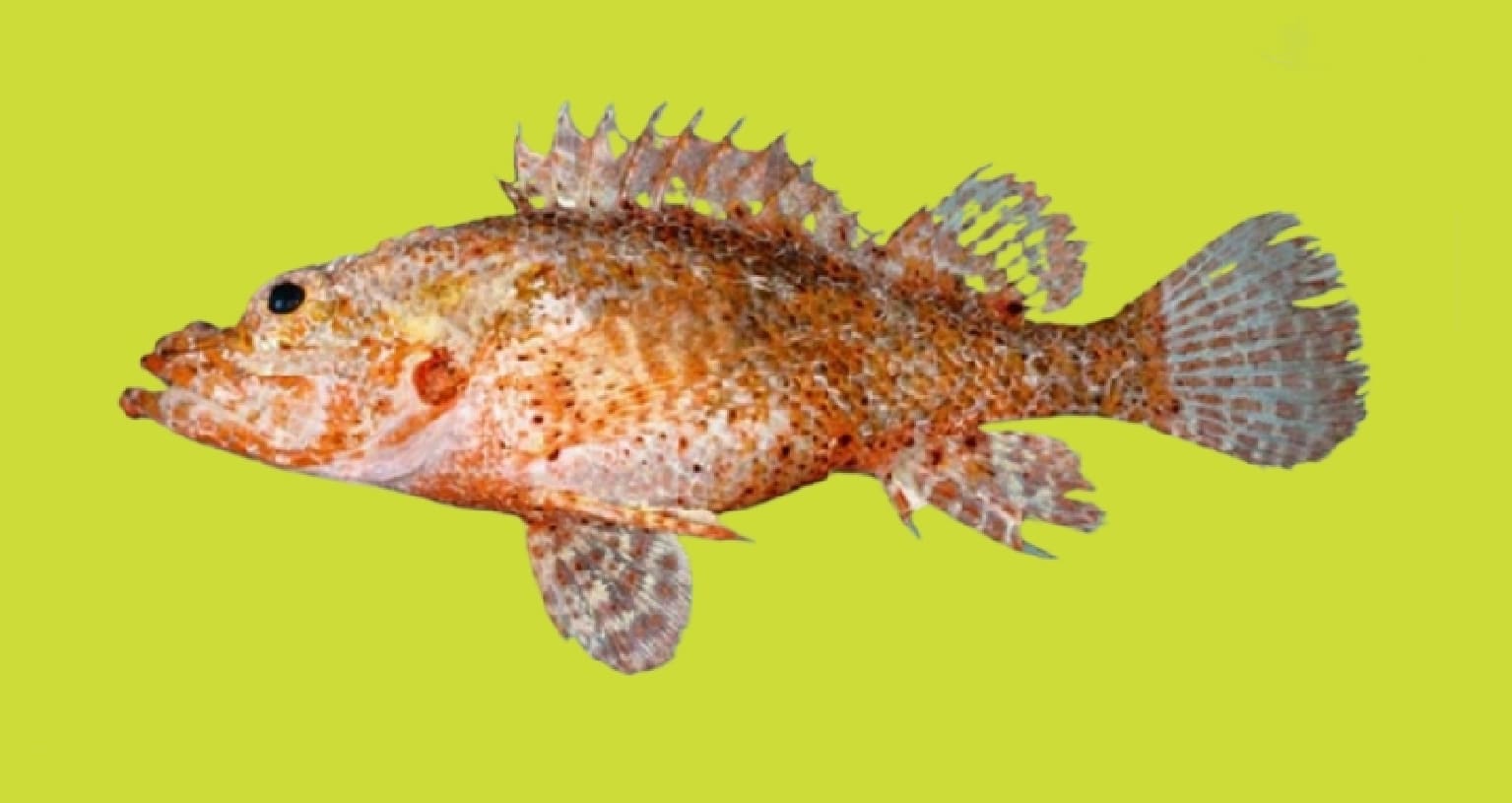
Scorpaenodes albaiensis
The longfin scorpionfish has a very bony head protected by numerous spines and lacks an occipital …
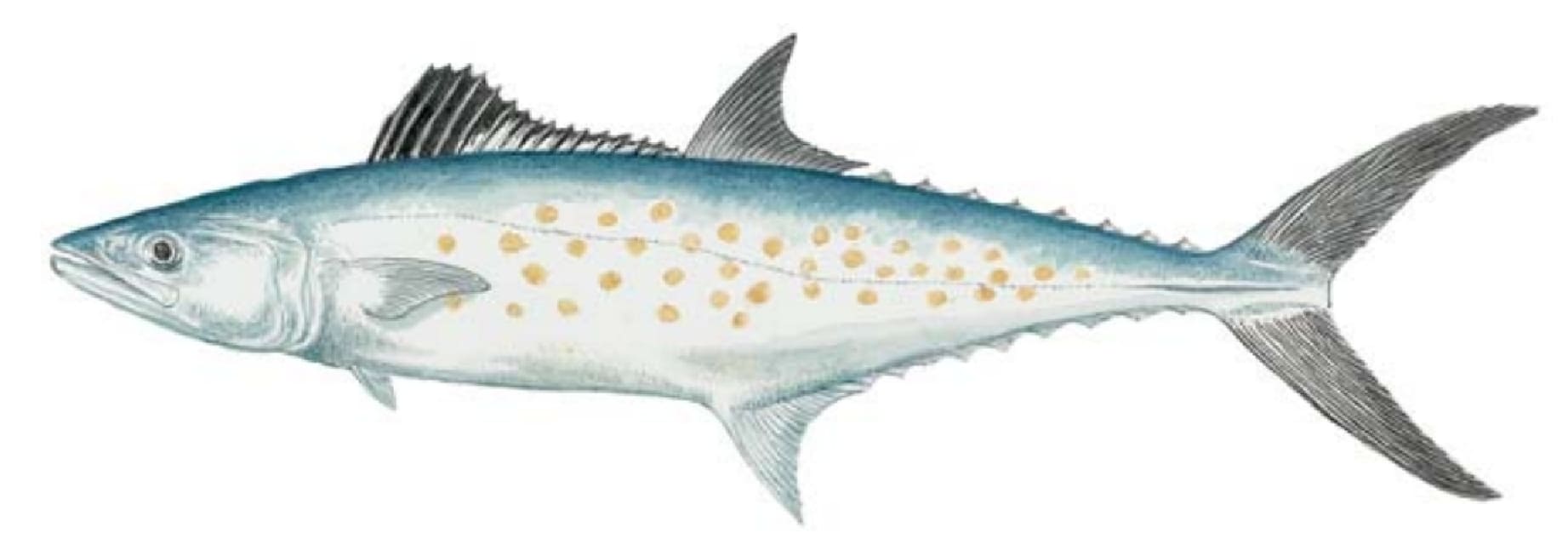
Scomberomorus maculatus
The slender, elongated body of the Spanish mackerel is silver with a bluish or olive green …
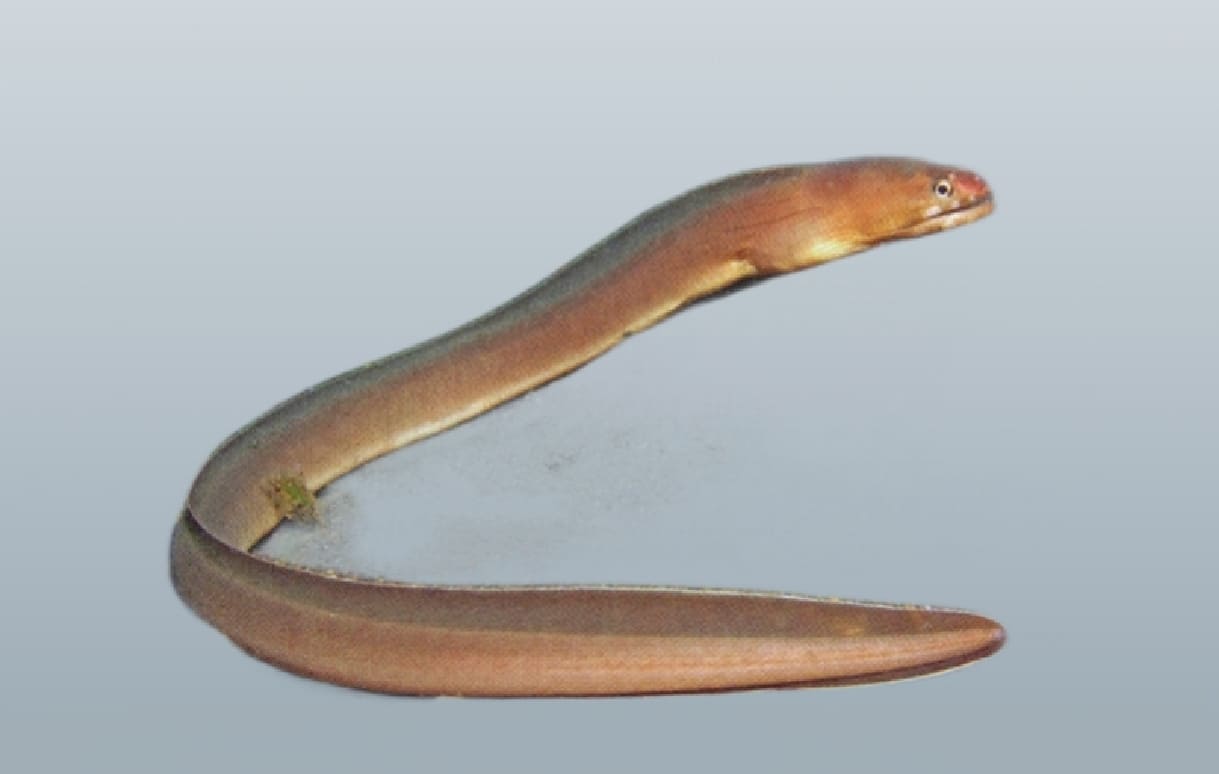
Gymnothorax angusticauda
The Narrowtail moray was first named by Weber and de Beaufort in 1916. They have 143 …
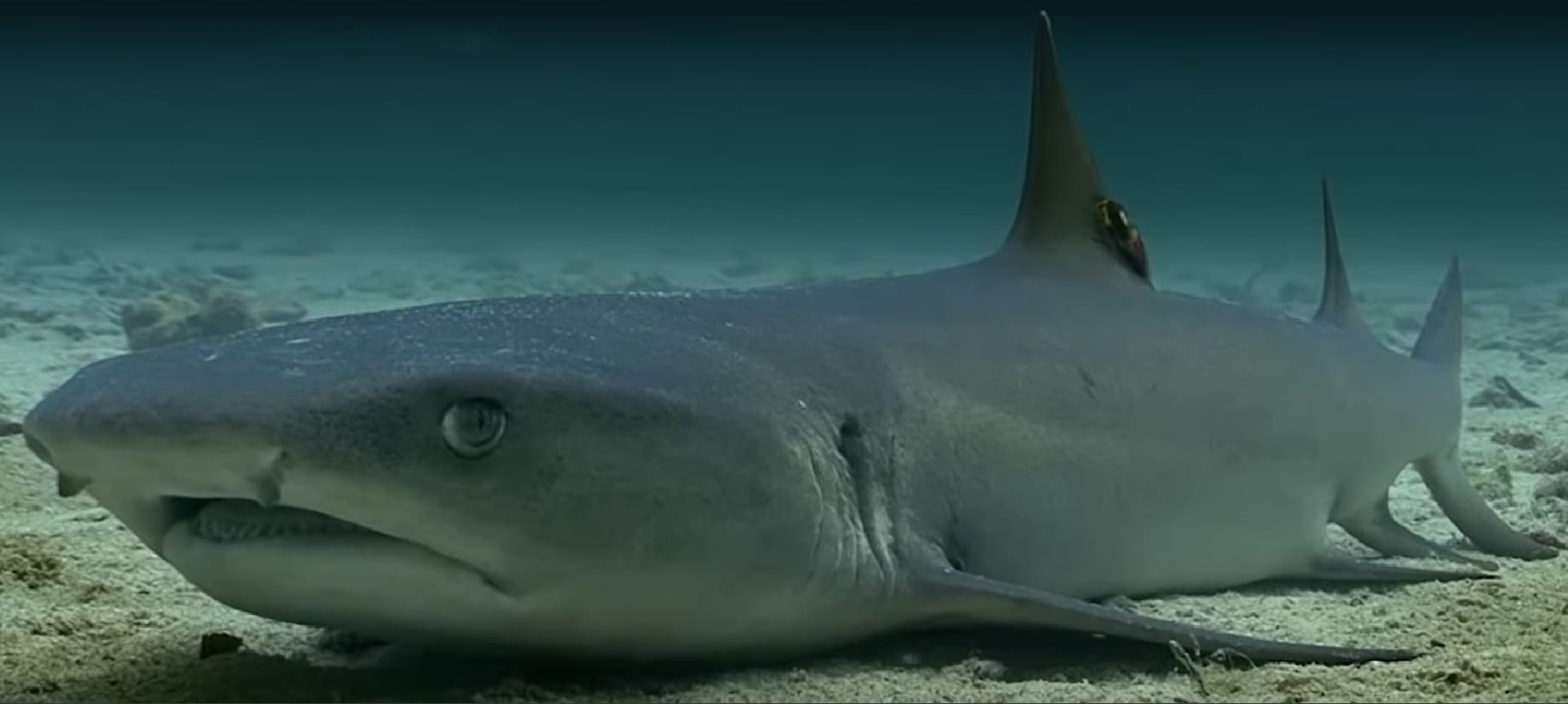
Carcharhinus longimanus
The pectoral fins are considerably longer and wider than those of most other sharks and are …
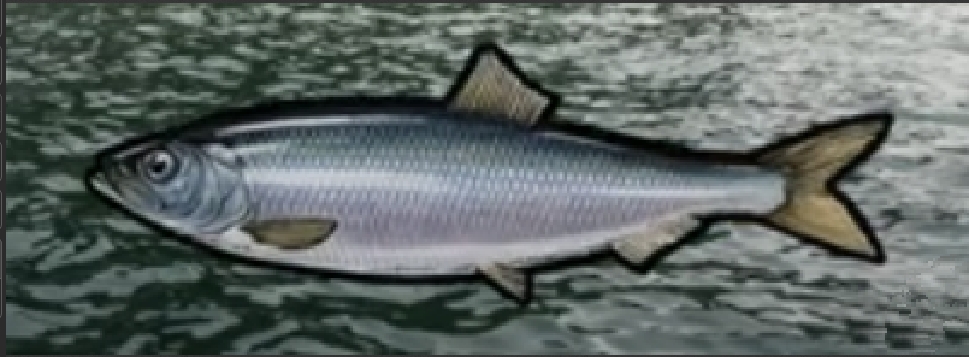
Titles in different languages North Pacific herring, Pacific herring (eng), Pacifisher hering (deu), aringa del Pacifico …
Pateobatis fai
Pectoral fin disk, thickened in the middle, about 1.1-1.2 times as wide as long. The outer …