 Allfishes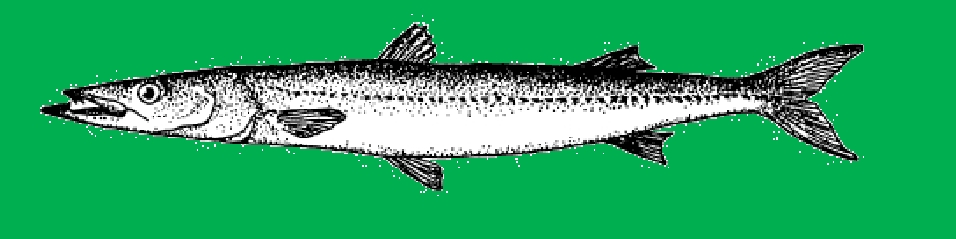
Barracuda, Pacific
Sphyraena argentea
The Pacific barracuda has a slender build, a conical head, a long thin snout, and large …
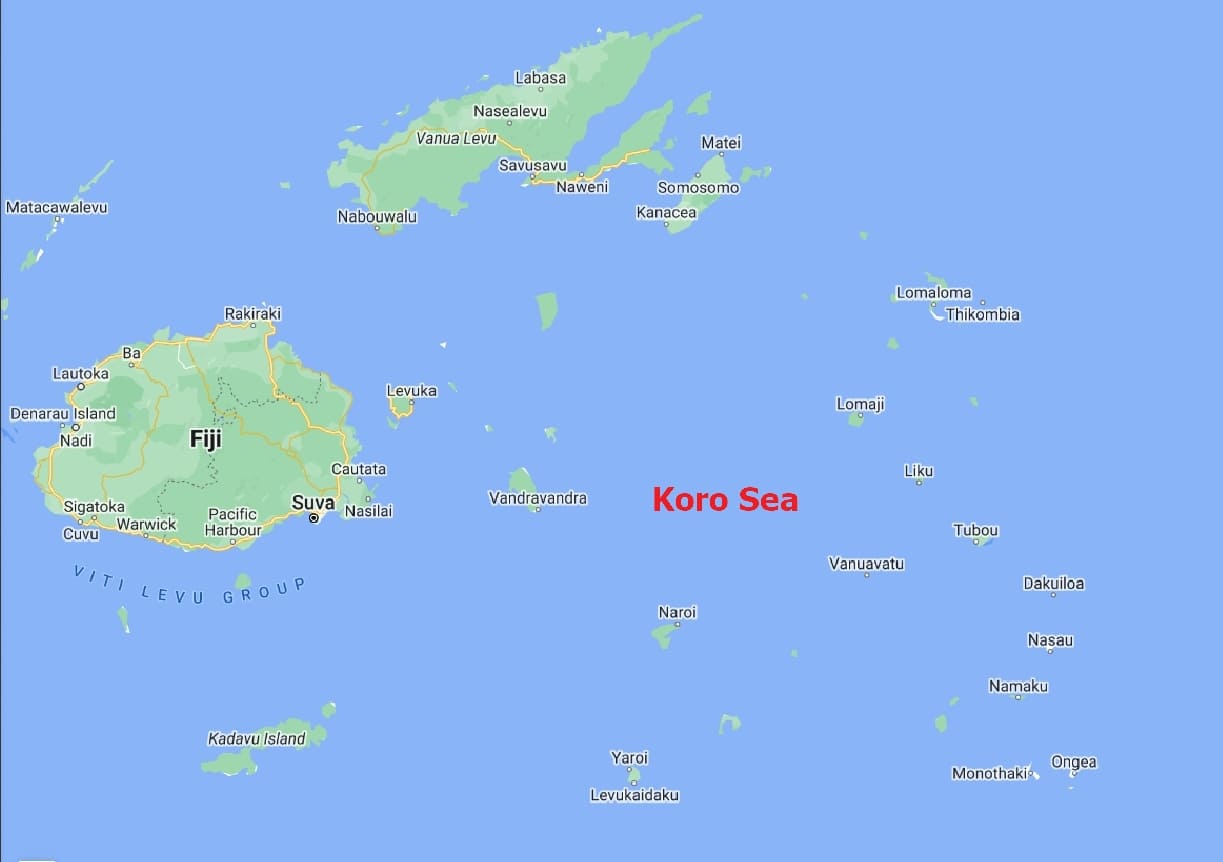 An inter-island sea in the southwest Pacific, surrounded by the islands of the Fiji archipelago: Viti Levu, Vanua Levu, Taveuni and the Lau Islands. The Koro Sea has amazing crystal clear waters, magnificent reefs with amazing marine life.
The fauna of the Koro Sea is very diverse due to the year-round warm water. There is a huge variety of corals and sponges. Pomacanthidae, Barracuda, Muraena, Butterflyfish, Parrotfish, Common eagle ray, Manta Ray and Yellowface angelfish can be found in the reefs. Amphiprion, Labrus, Nudibranch, Giant Trevally and Red Grouper swim in abundance in the water column.
The sea is rich in a variety of fish species, some of which are commercially important, such as Pacific bluefin tuna and Pacific herring. Other seafood, such as shrimp and lobsters, are also harvested commercially.
There is a different season for each fish in the Koro Sea. May to August is the best time for Mahi-mahi and skipjack tuna, April to July for yellowfin tuna, February is the best month for Pacific barracuda and giant trevally, and Indo-Pacific sailfish can be caught almost all year round. Closer to shore, Pacific jack mackerel, Pacific ocean perch and Pacific cod can be caught. Further offshore, especially near the reefs, you can catch coral grouper, red emperor, black marlin and other larger fish.
The Koro Sea allows divers to dive at night. At this time of day it is lit up with a greenish hue by the amazing horned lantern fish. It is also possible to stumble across the unusual body shape of the Ocean Sunfish. These bizarre fish are not dangerous to humans.
Sharks commonly seen include: Hammerhead shark, Oceanic whitetip shark, great white shark, whitetip reef shark, grey reef shark and rarely whale shark.
Showing 1–24 of 26
Sphyraena argentea
The Pacific barracuda has a slender build, a conical head, a long thin snout, and large …
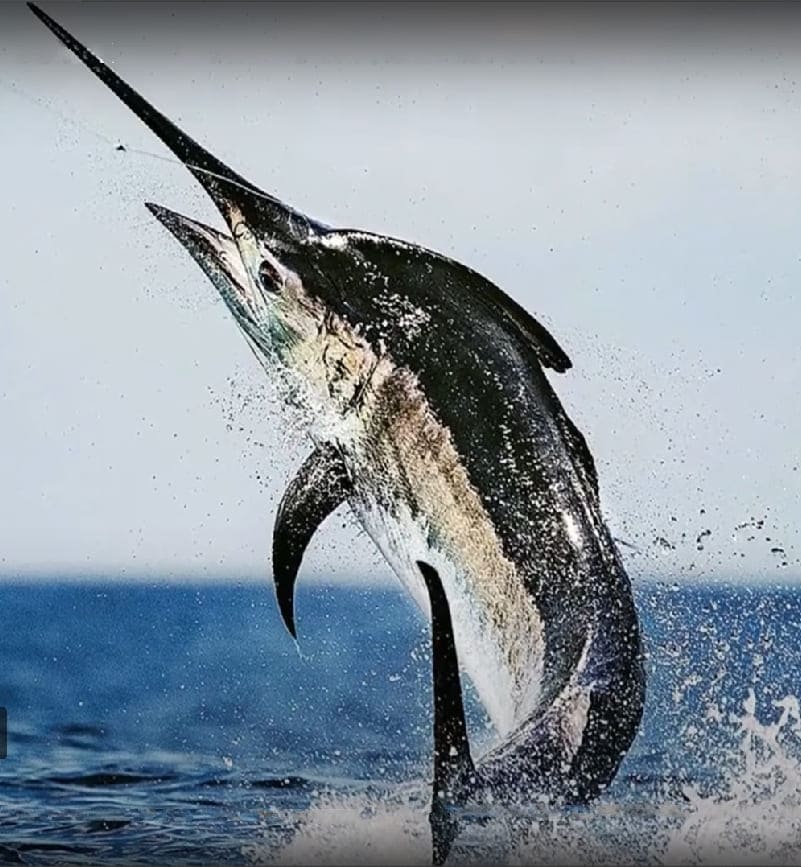
Istiompax indica
The body is elongated, not strongly compressed at the sides, covered with dense, thick, elongated scales …
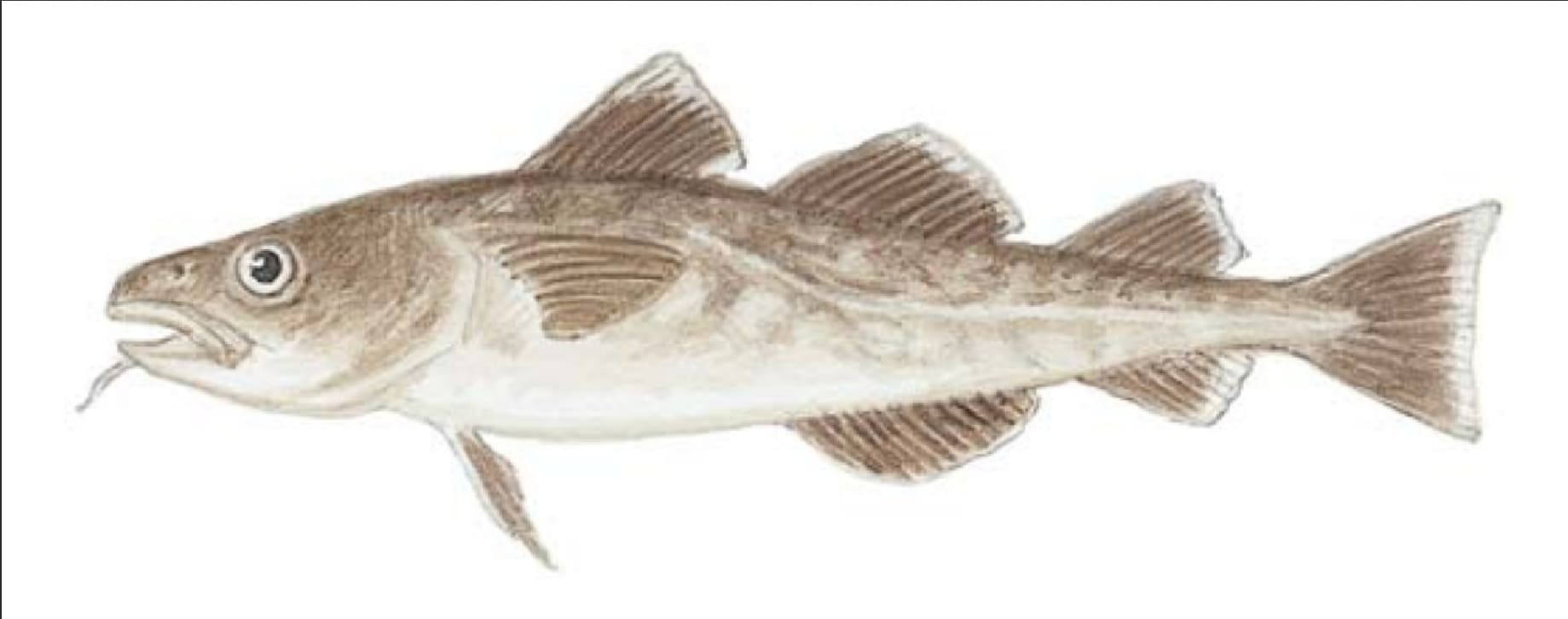
The Pacific cod, characteristic of the cod family, has three distinct dorsal fins, two anal fins, …
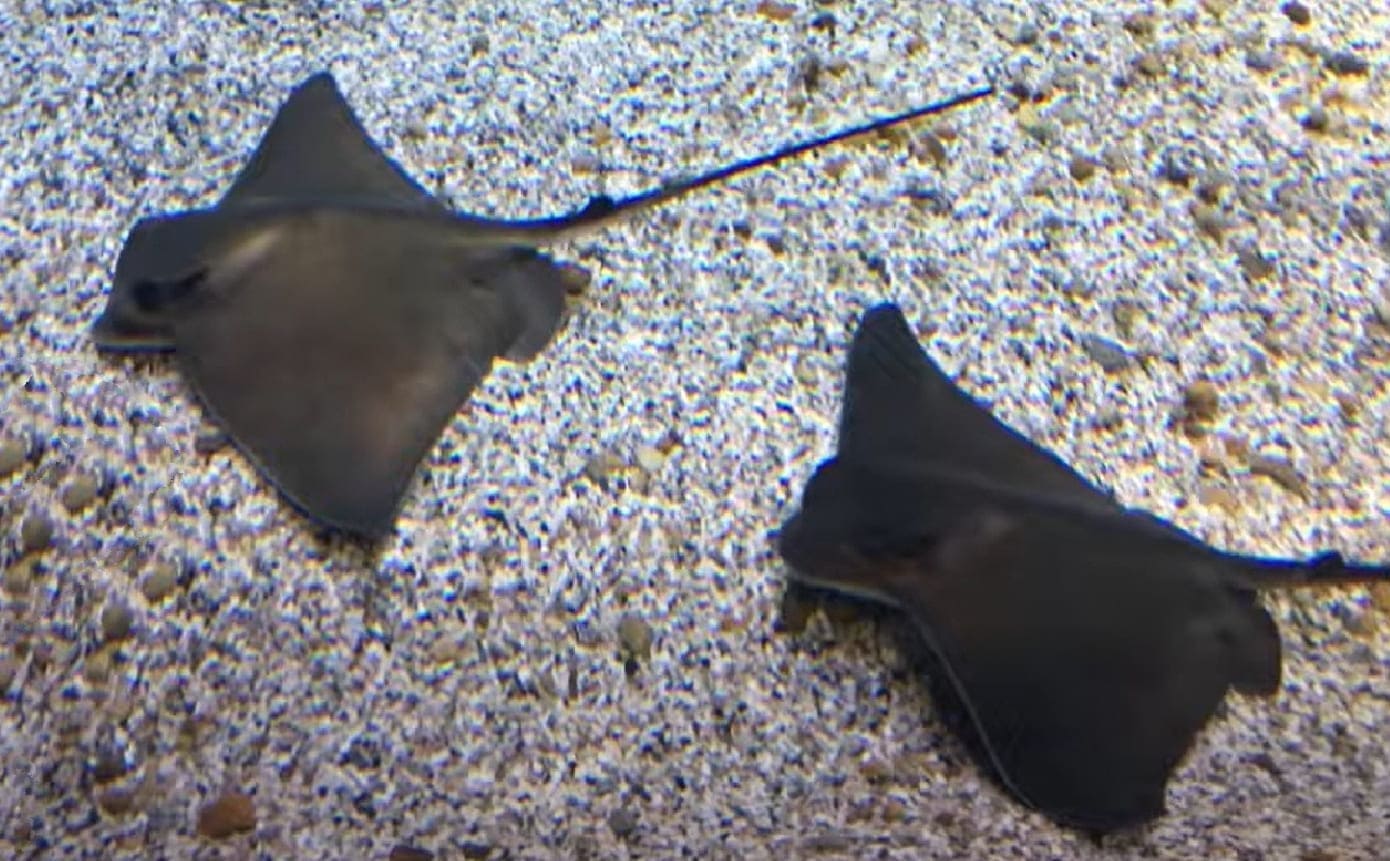
Myliobatis aquila
The pectoral fins fuse with the head to form a diamond-shaped flat disc, wider than long, …
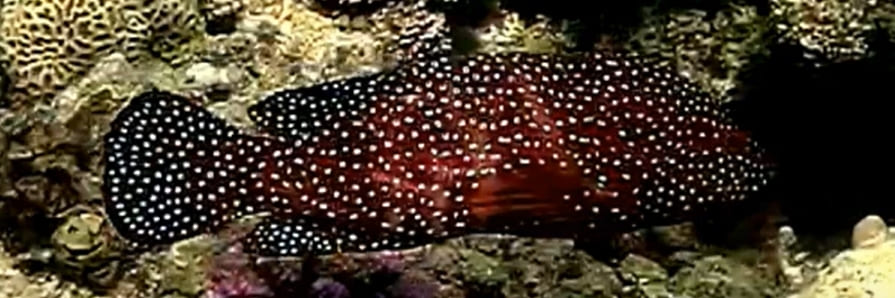
Cephalopholis miniata
Body elongate, massive, slightly compressed at the sides, covered on the sides with ctenoid scales. Body …
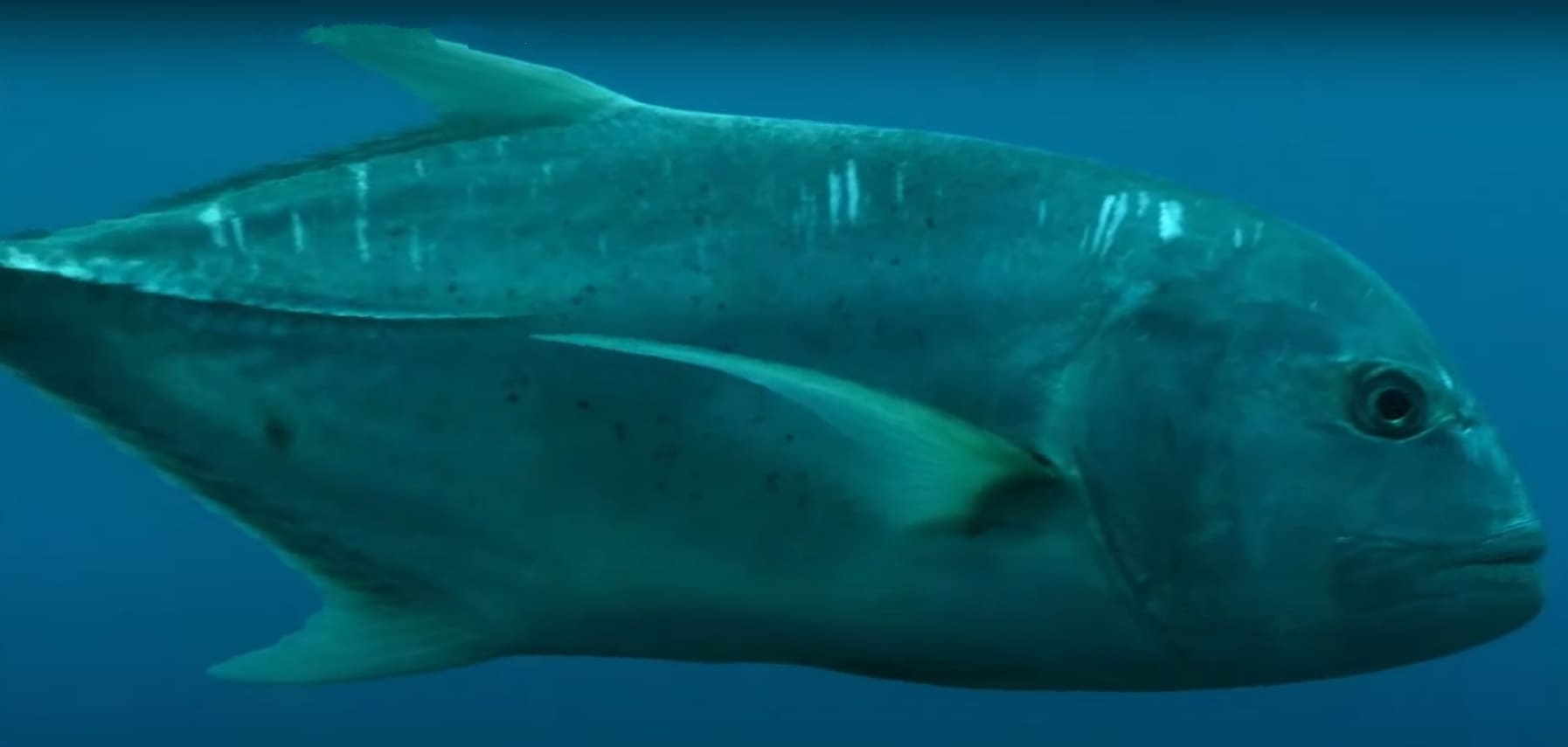
Caranx ignobilis
Body elongate, slightly compressed at the sides, covered with small cycloid scales. Thorax without scales. Upper …
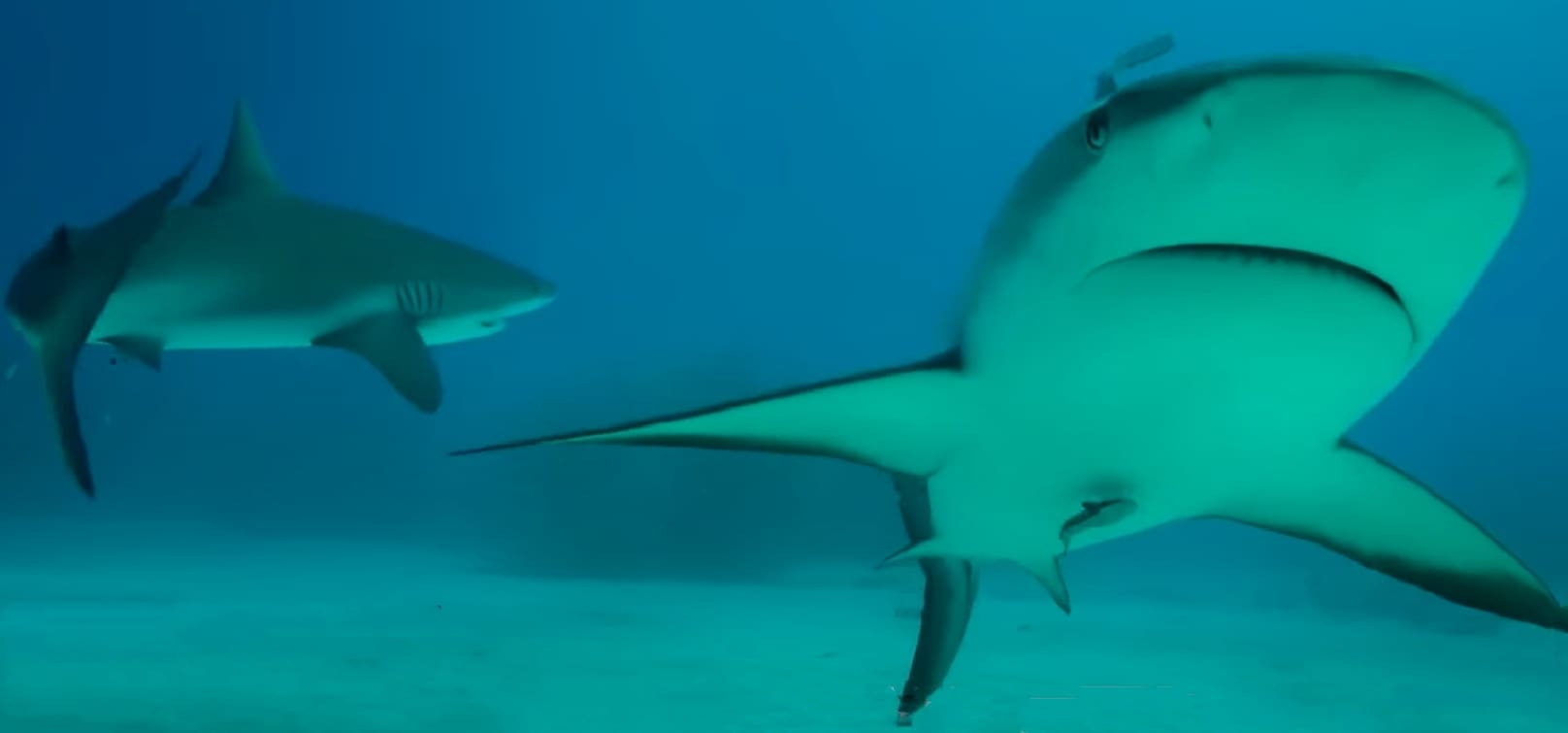
Carcharhinus amblyrhynchos
The body of the fish is torpedo-shaped, the snout is round, wide, the eyes are round, …
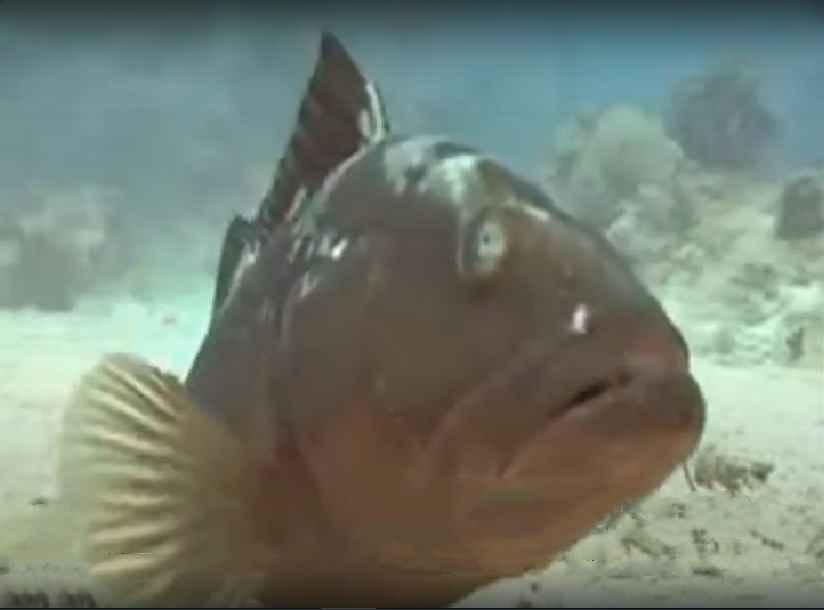
Epinephelus morio
Red grouper have different coloration, usually dark brown-red, may have dark stripes and spots similar to …
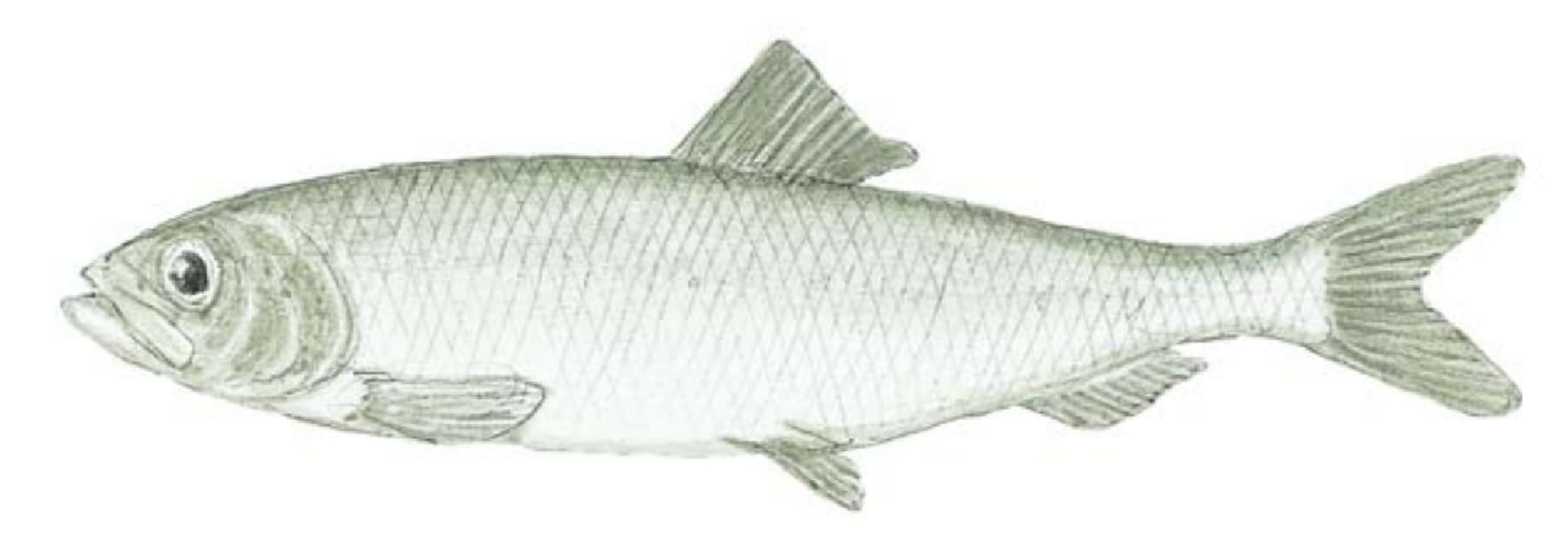
Clupea pallasii
The body is prostrate, compressed from the sides, covered with easily drooping scales. Abdomen rounded, ventral …
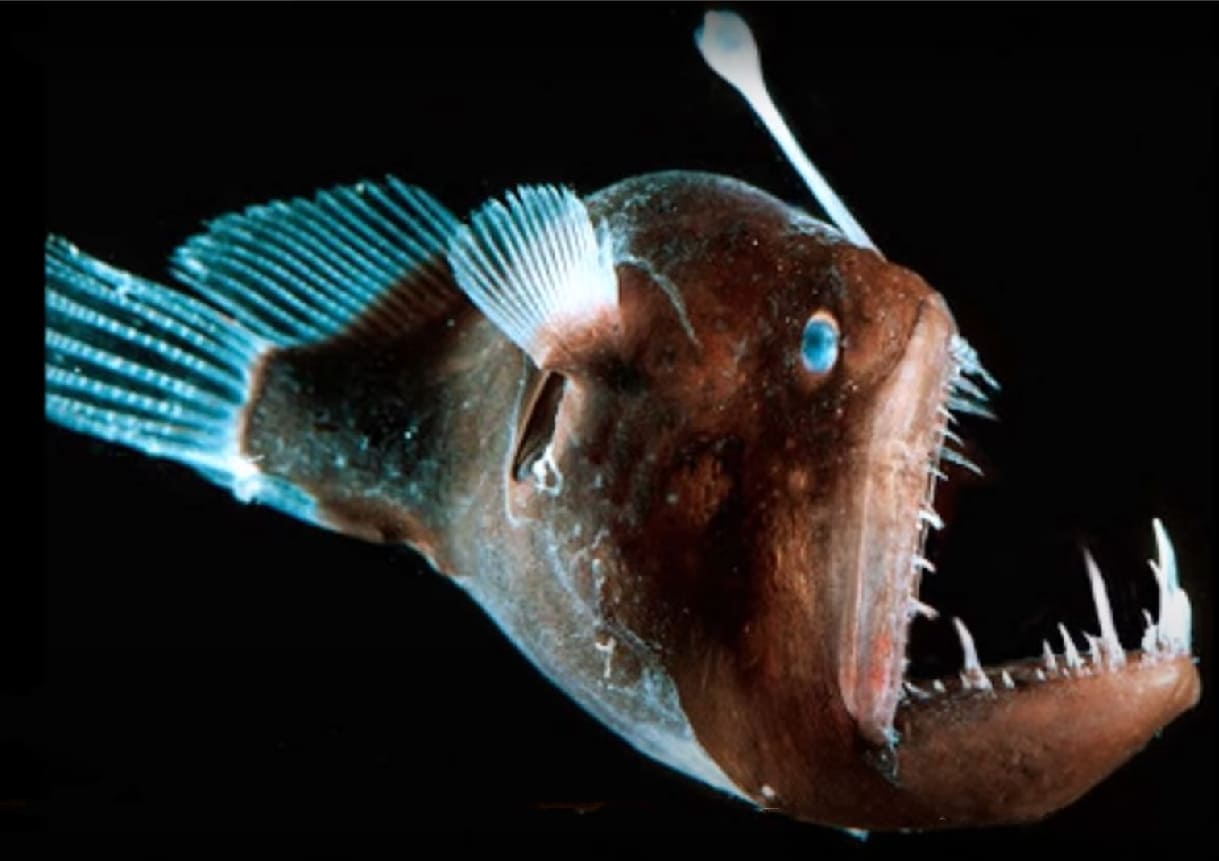
Centrophryne spinulosa
Metamorphosed females: with a single oval ovary; supraethamoid; forelimbs narrowly separated by cartilage along the dorsal …
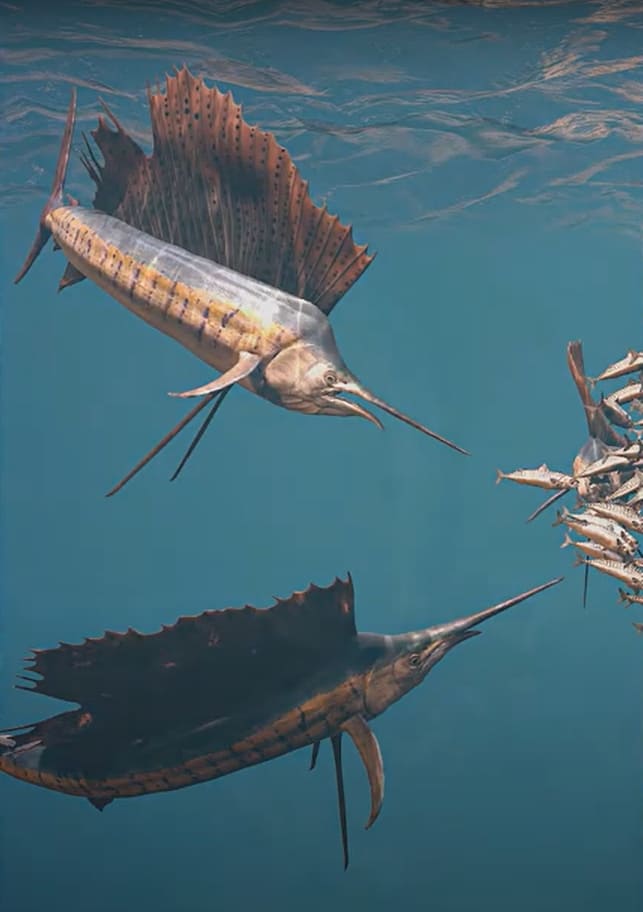
Istiophorus platypterus
This species is characterised by the following features: slender, elongated and rather compressed, with a high, …
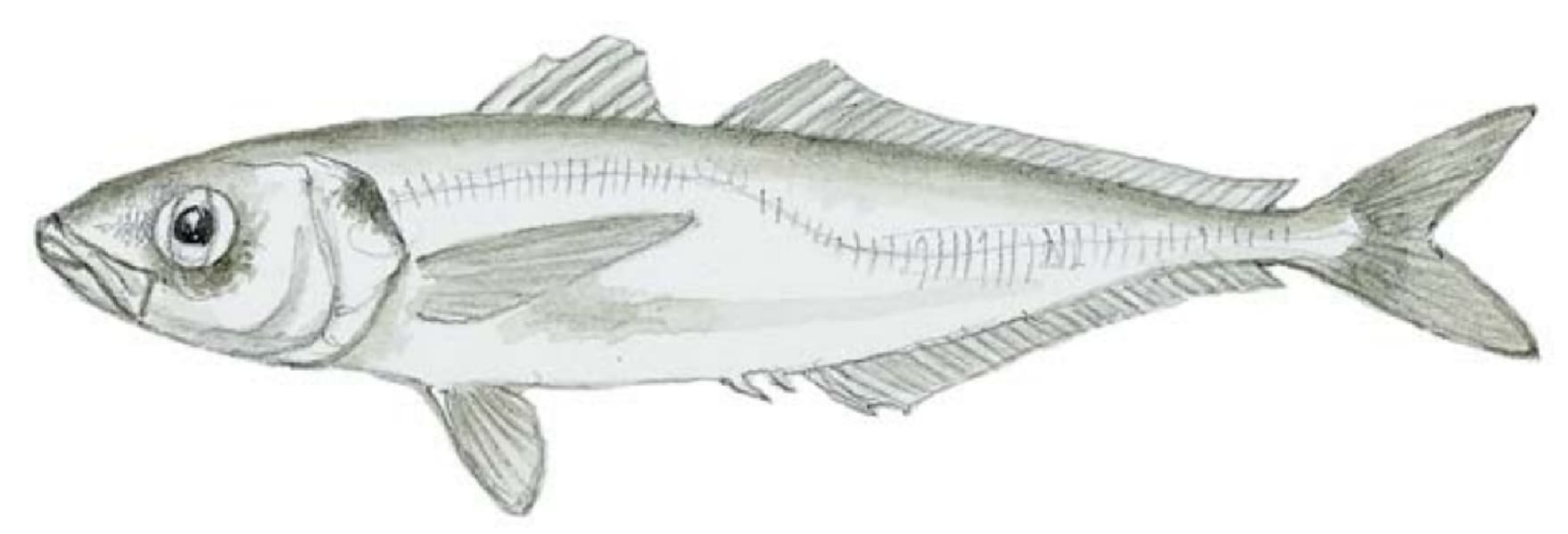
Trachurus symmetricus
The body of the Pacific horse mackerel is somewhat compressed and elongated, and the tail is …
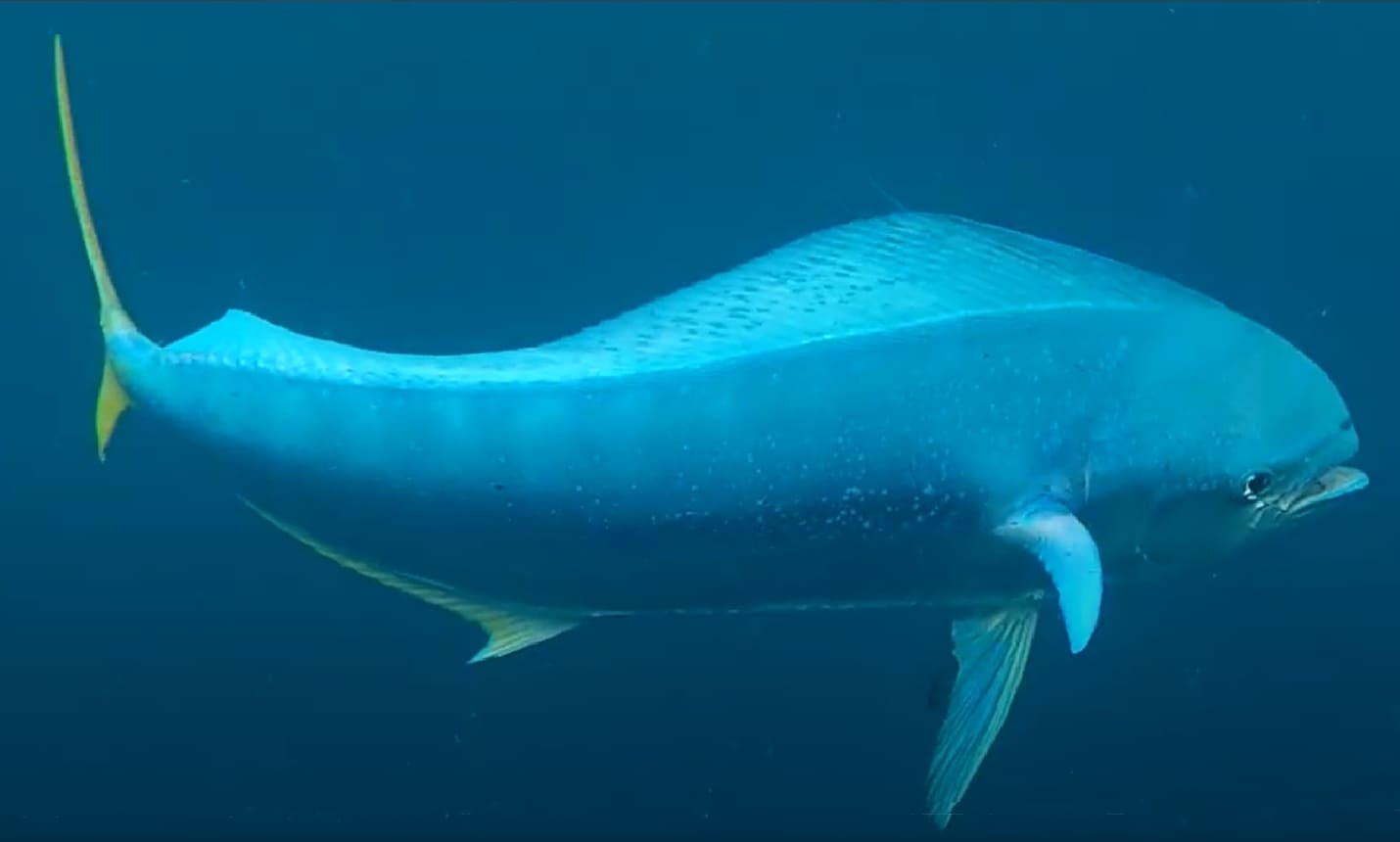
Coryphaena hippurus
The name "Coryphaena" is derived from the Greek κορυφή - head, and the species name from …
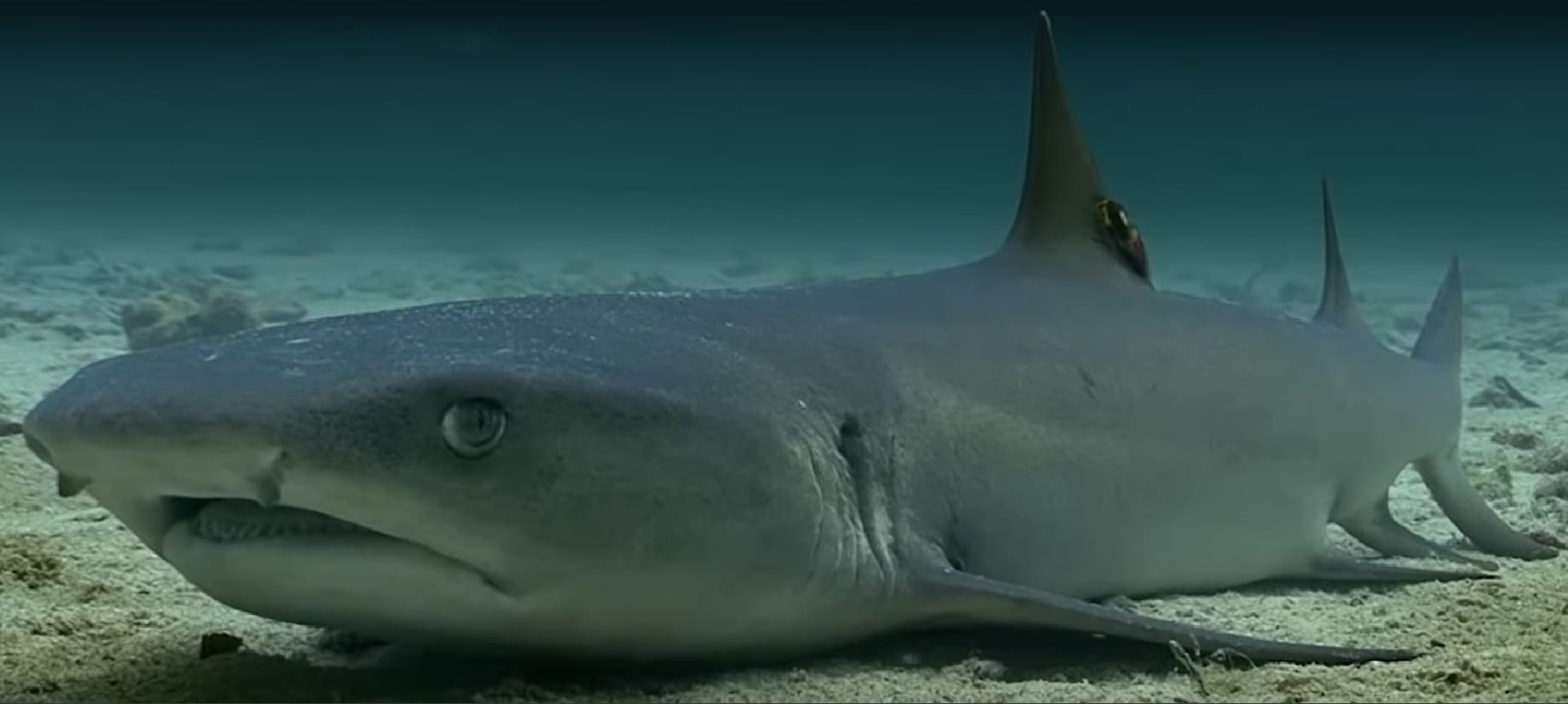
Carcharhinus longimanus
The pectoral fins are considerably longer and wider than those of most other sharks and are …
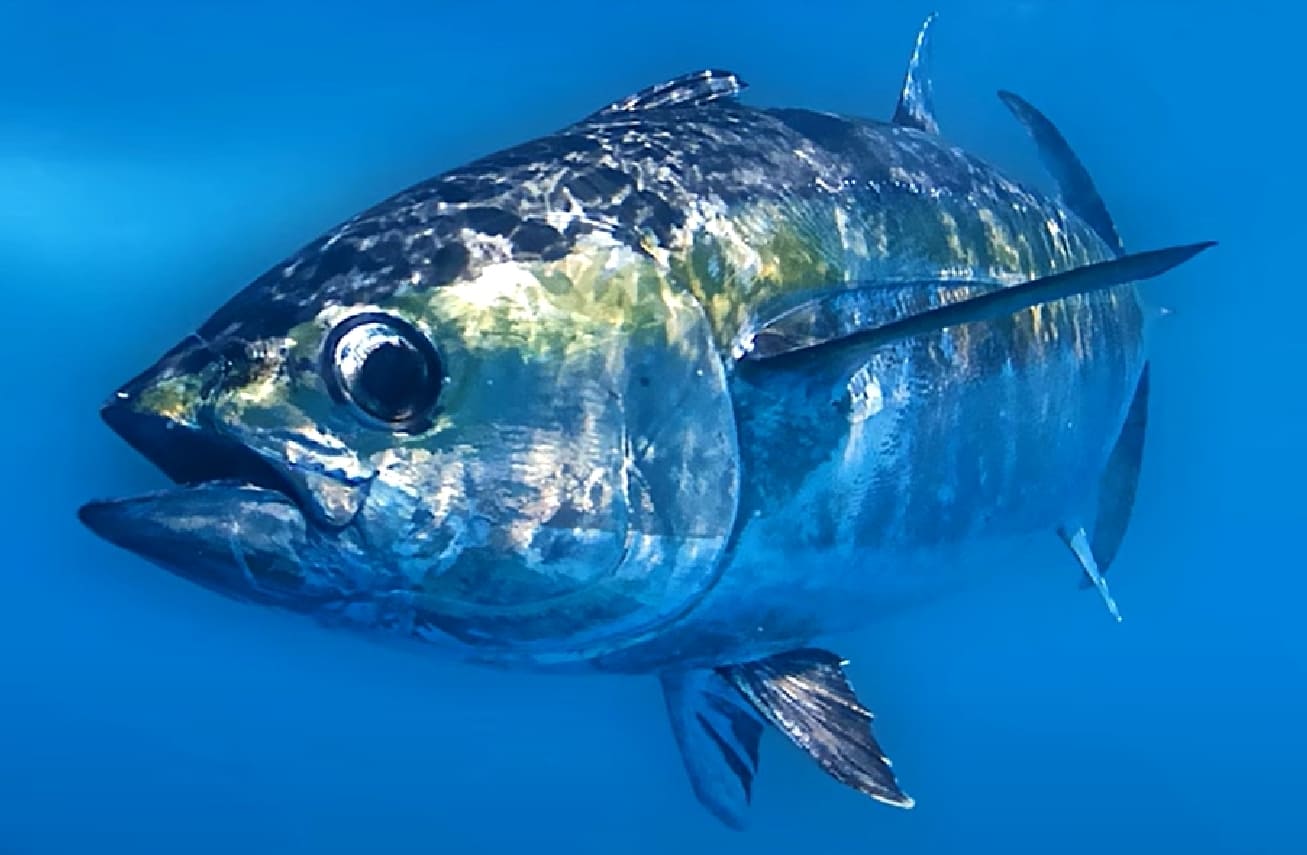
Thunnus orientalis
The fish has an elongated, spindle-shaped body that tapers sharply towards the tail. The height of …
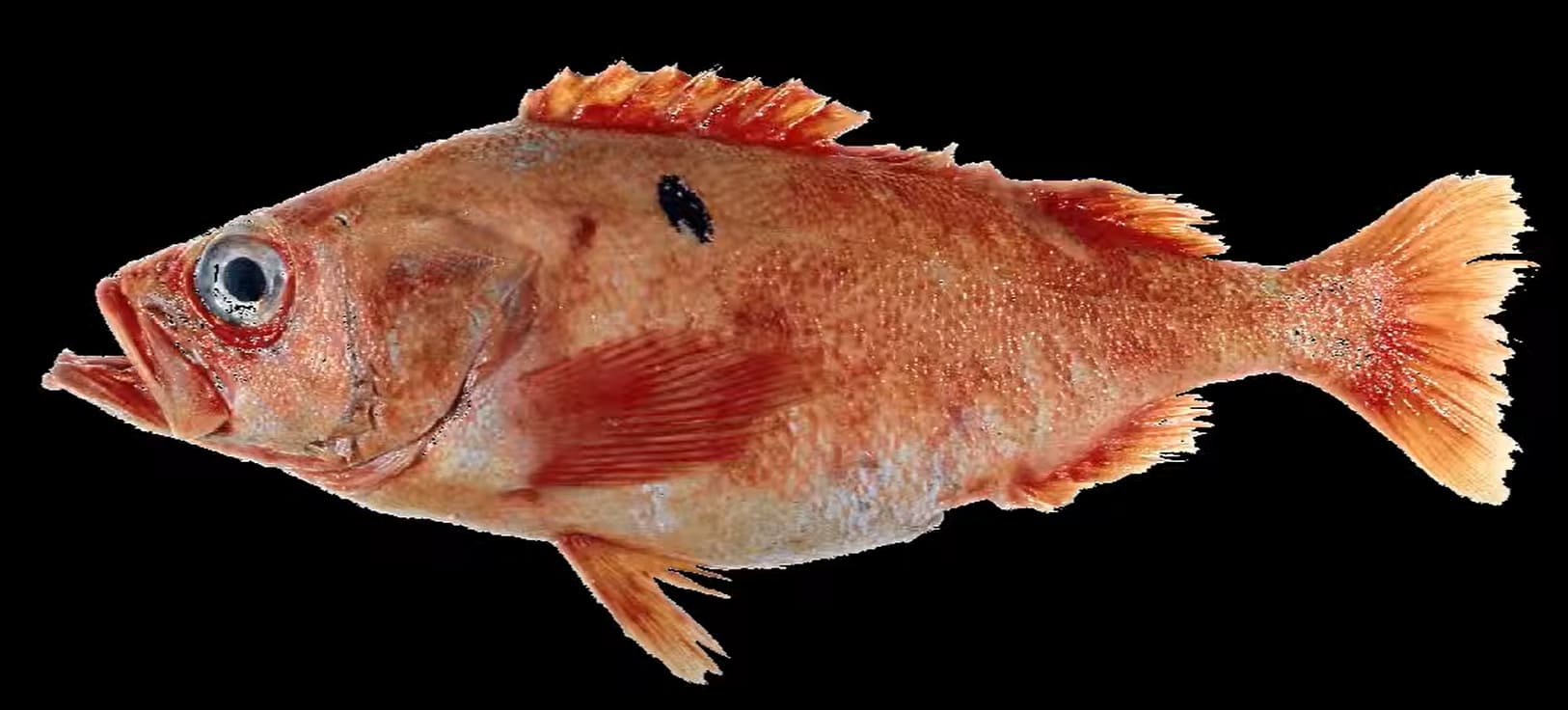
Sebastes alutus
The body is elongated, compressed at the sides. The head is large, with ridges, covered with …
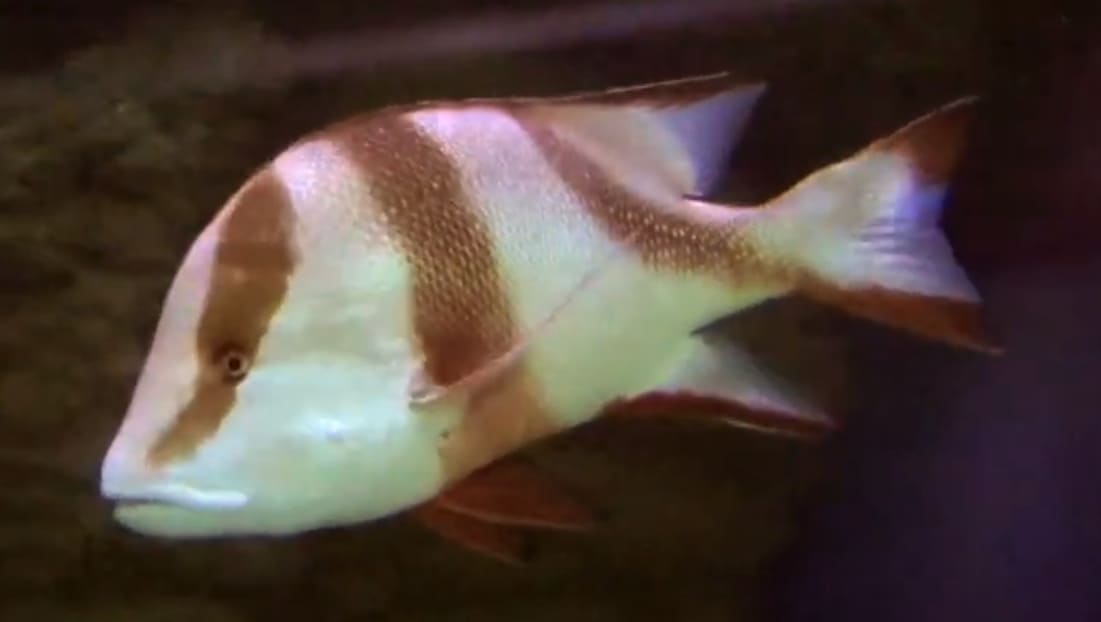
Lutjanus sebae
Body very tall, maximum height 2.1-2.4 times the standard body length, covered with fine ctenoid scales. …
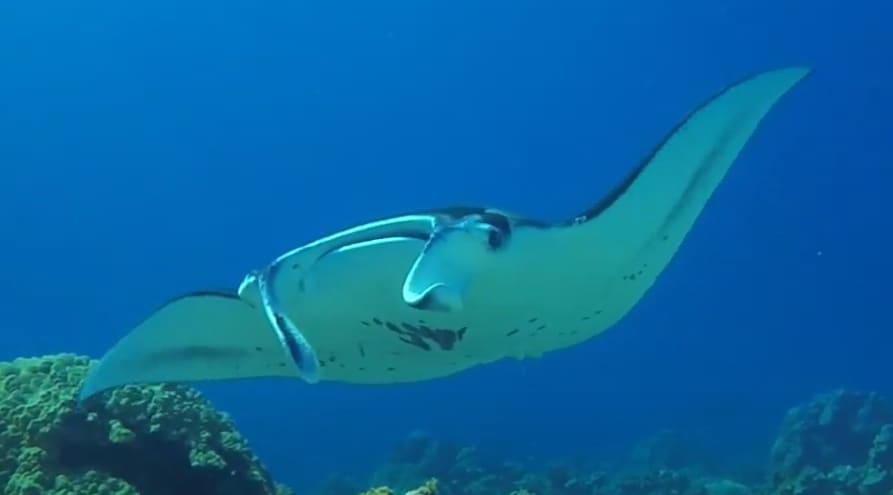
Mobula alfredi
Huge pectoral fins together with the head form a rhombic disc, the width of which is …
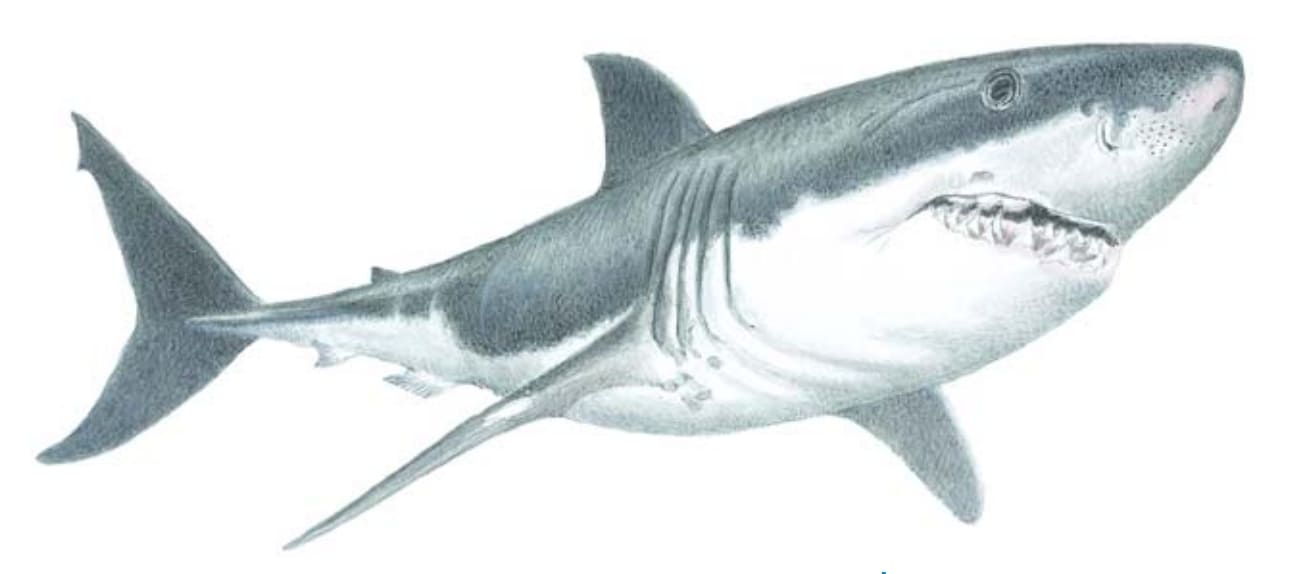
Carcharodon carcharias
The white shark has a strong, heavy body that can be a dull slate-blue, grayish-brown, or …
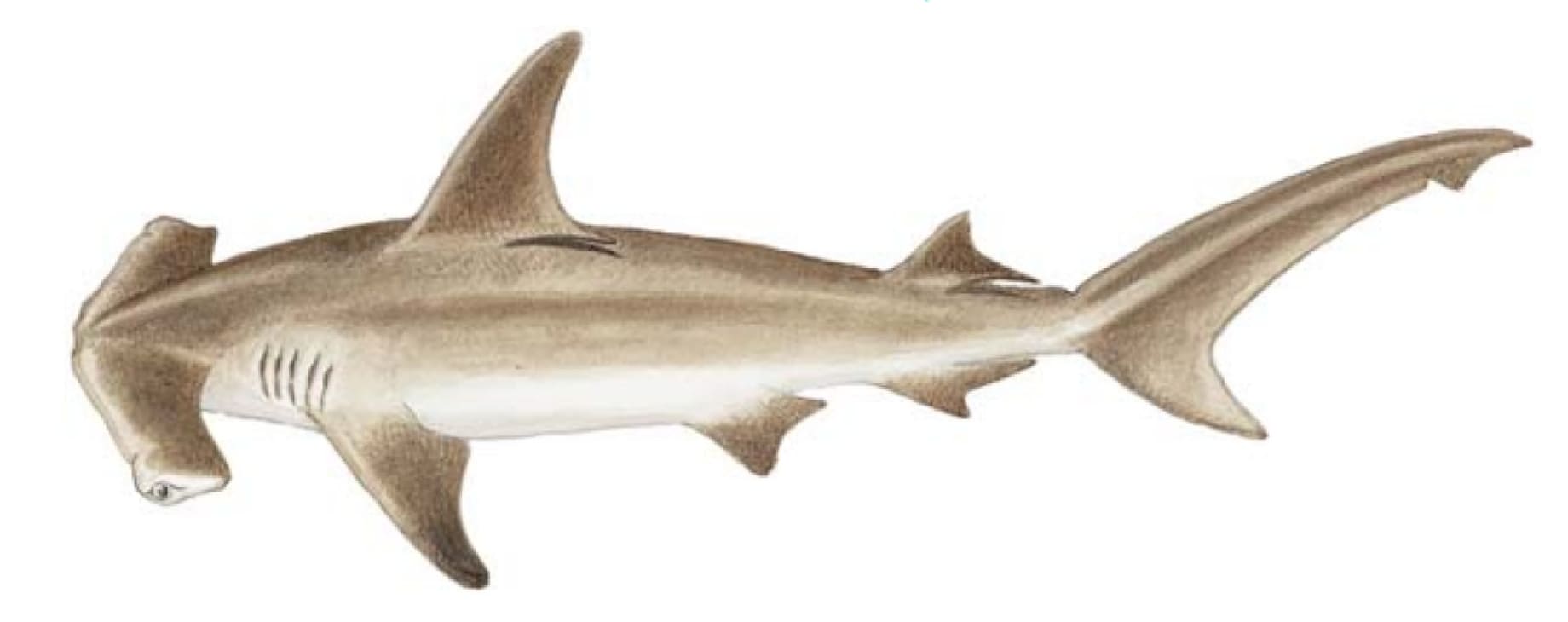
Sphyrna species
Hammerheads are easy to identify, even for the beginner: the eyes are located at the ends …
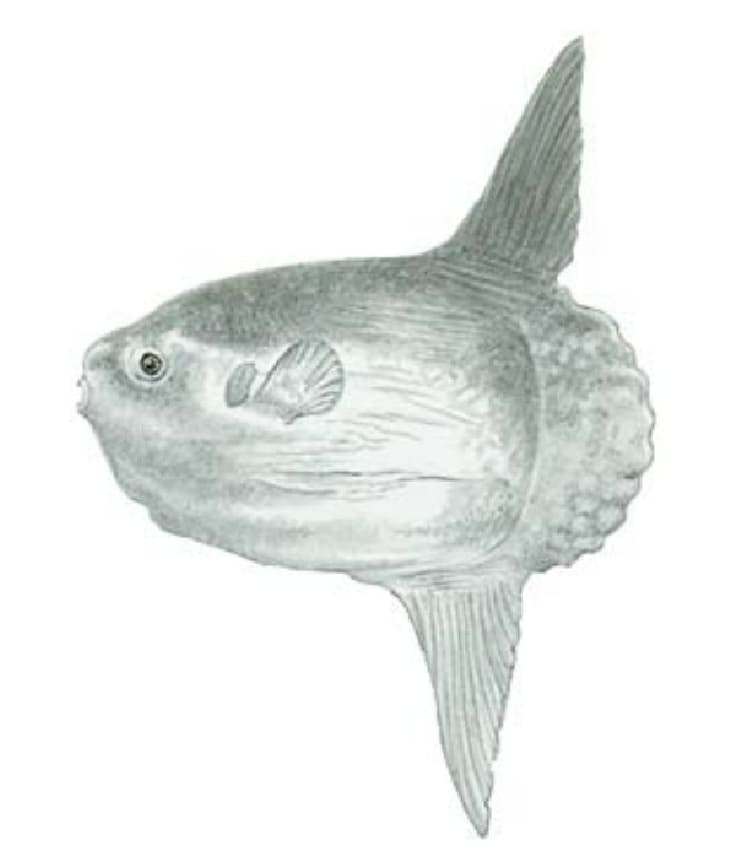
Mola mola
The short, strongly laterally compressed body is disk-shaped. Thick skin is covered with small bony tubercles. …
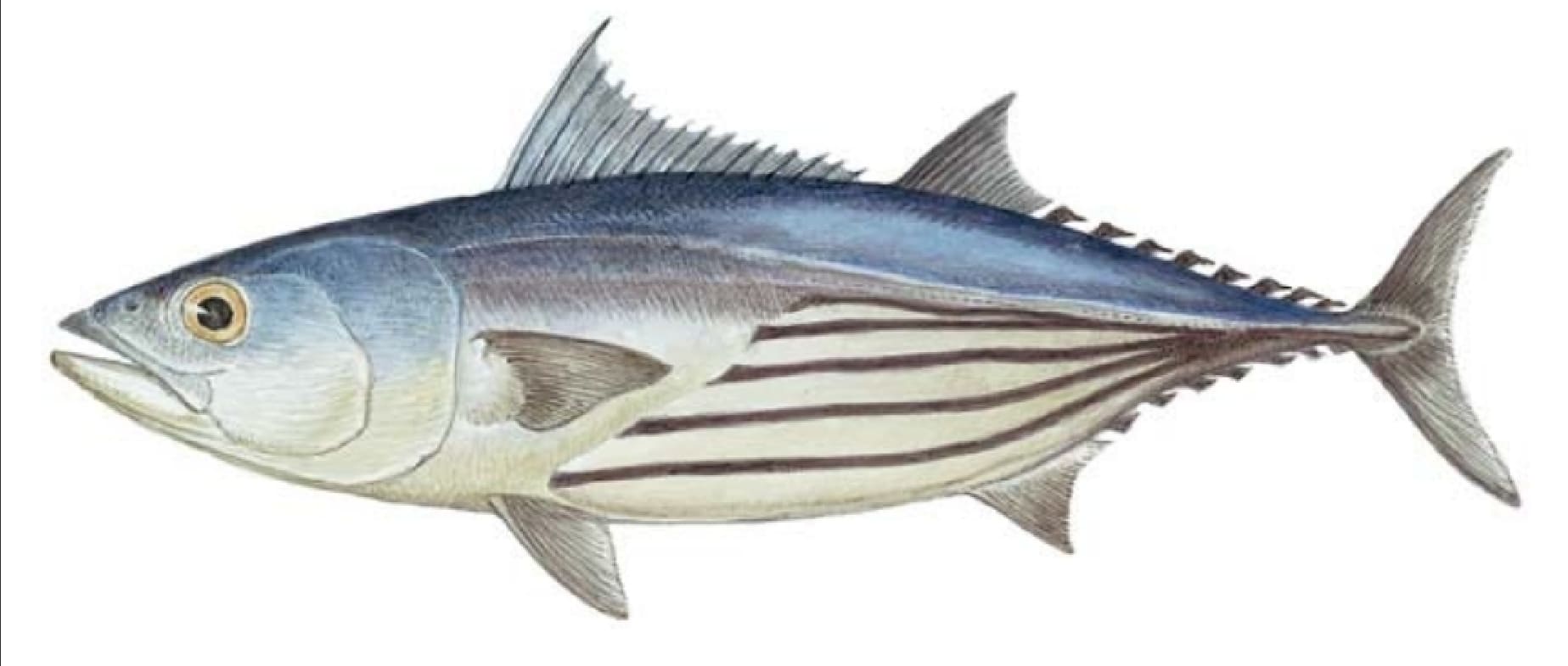
Katsuwonus pelamis
The body is typical of tuna - spindle-shaped, elongated, rounded in cross-section. The presence of stripes …
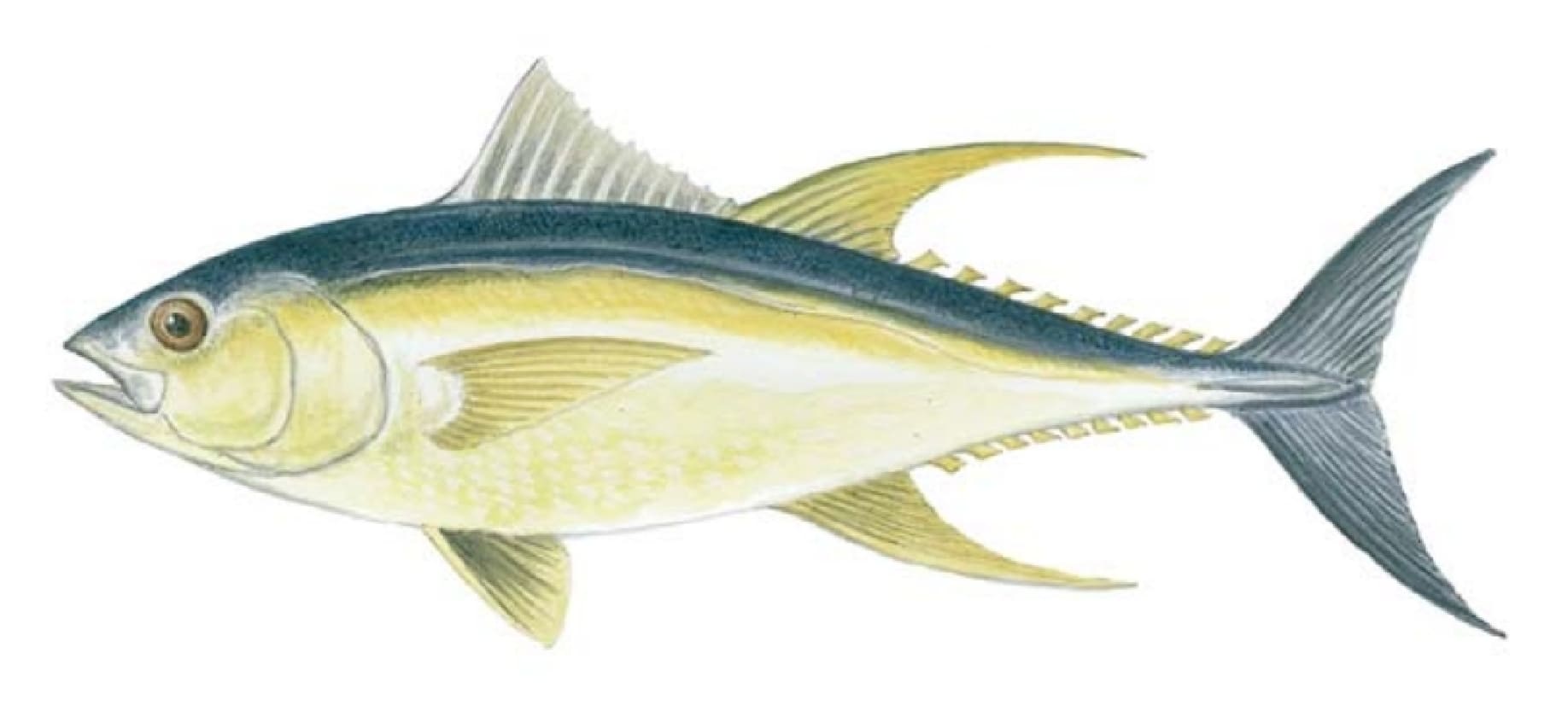
Thunnus albacares
This is probably the most colorful of all tuna. The back is blue-black, turning to silver …
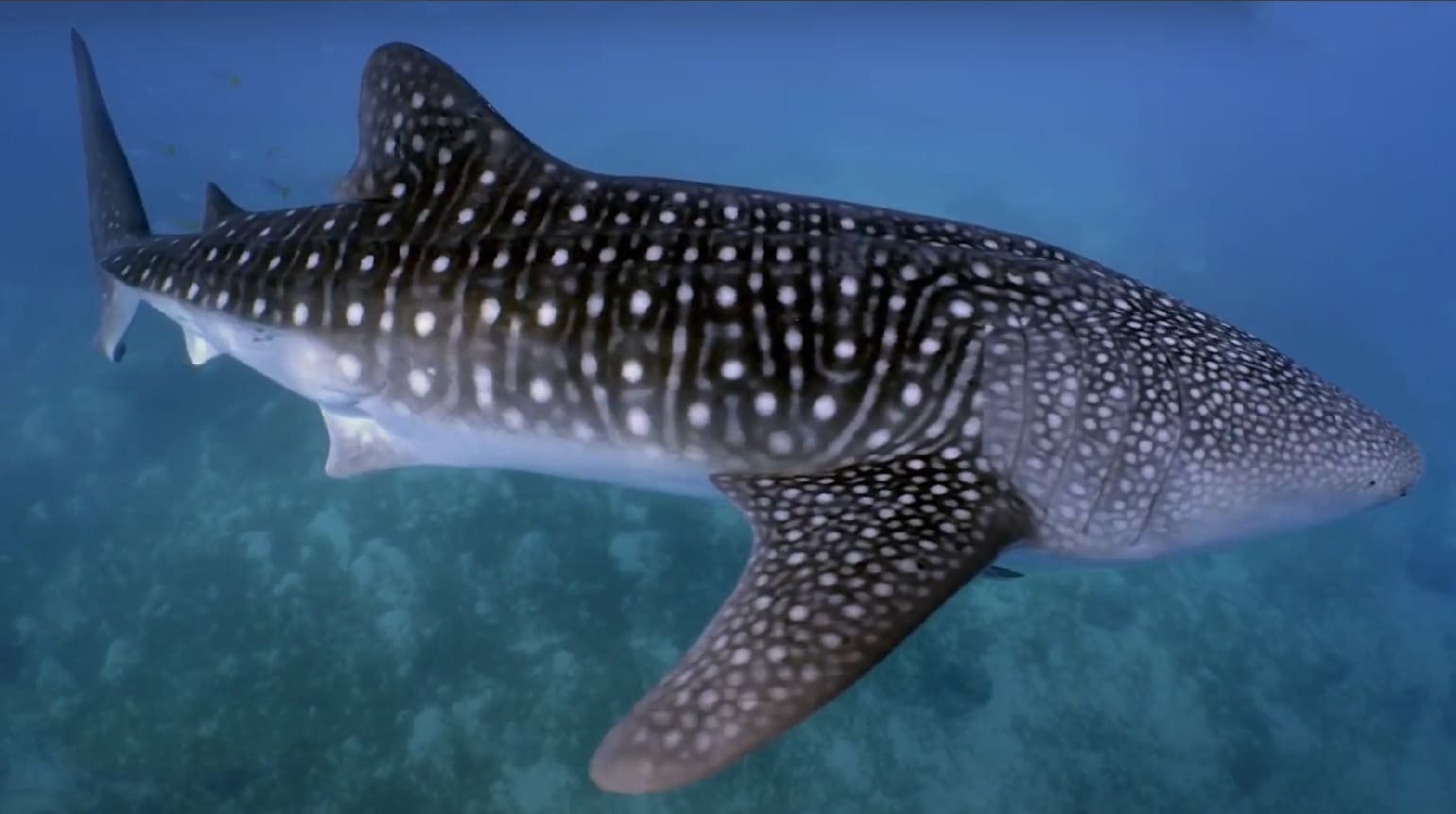
Rhincodon typus
The body is strong and thick, the head is relatively small. The shape of the head …