 Allfishes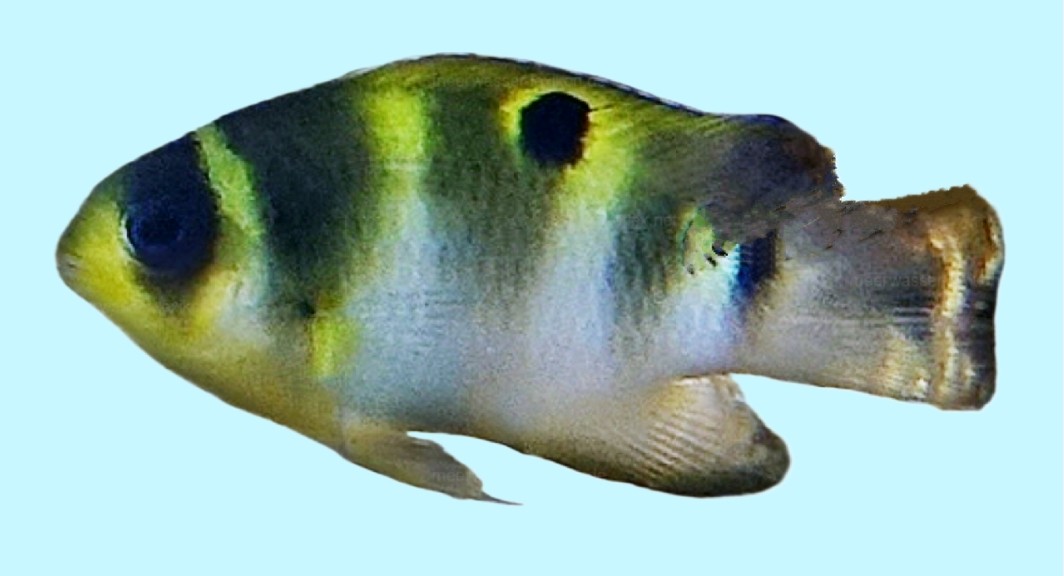
Banded damsel-fish
Dischistodus darwiniensis
Banded damselfish have a large, oval body, flattened on the sides, covered with moderately large and …
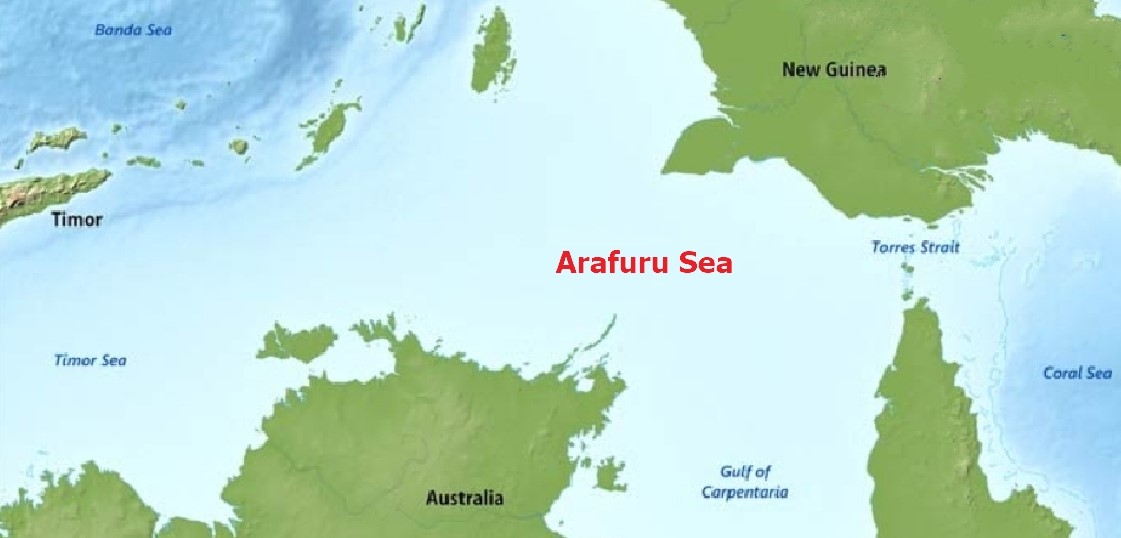 Maritime shelf sea in the western part of the Indian Ocean, between Australia, New Guinea and the islands of Tanimbar and Kai (Indonesia). Area 1017 thousand km2, depth in most parts up to 200m. Currents run from east to west in winter and from west to east in summer. The average water temperature at the surface is between 25 and 28°C. The salinity is 34-35‰. Tides are irregular and semidiurnal (2.5-7.6 m). It is bounded by the Coral Sea to the east (through the Torres Strait), the Timor Sea to the west, and the Banda and Seram Seas to the northwest. It is 1290 km long and 560 km wide.
The Arafura Sea is rich in fishery resources, particularly shrimp and demersal fish. Economically important species include barramundi, grouper, penaeid shrimp and fish of the Nemipteridae family (Delagoa threadfin bream, golden threadfin bream, large-head threadfin bream, double whiptail, etc.). Oyster farming and underwater fishing are also developed. Commercial marine fish include Dorab wolf herring, yellowstripe scad, blacksail snake mackerel, red sashed hogfish, dotted grouper, blacktip grouper, sixbar grouper, Indian halibut, leopard flounder and others.
The coastal areas of the Arafura Sea have many different types of algae and corals. Phytoplankton and phytovargae are not abundant because the water is too salty and warm. But the sea is rich in animal life. The waters are rich in molluscs, crustaceans, bottom-dwelling organisms and echinoderms. Nearly 300 different species of fish can be found here, ranging from demersal to pelagic species that live far from the coast. Inhabitants of the Arafura Sea: dugong, flying fish (tropical two-winged flying fish and sailfin flying fish), Indo-Pacific sailfish, skate (Australian butterfly ray, Reticulate whipray, Cowtail stingray and Longcomb sawfish), starry flying gurnard, purple-spotted wrasse, ornate slippery goby, crimson snapper, Heller's barracuda, pickhandle barracuda.
Dangerous marine animals are also found in the Arafura Sea. These include some Anthozoa and box jellyfish, which can kill an adult human in a few minutes. No antidote has yet been found for the venom of such fearsome creatures as the blue-ringed octopus and the cone snail. The Portuguese man o' war leaves severe burns on the human body. Sharks, dasyatis and barracudas can cause serious injury. Very dangerous encounter with the Irukandji jellyfish, which has 4 long, thin, almost transparent tentacles, from a few millimetres to 1 metre long, covered with stinging cells.
Almost all species of sharks found in the Indian Ocean can be found in the Arafura Sea. The most numerous species are: tiger shark, indian sand tiger, scalloped hammerhead, great white shark, shortfin mako shark, sharpnose sevengill shark, dusky shark, cenderawasih epaulette shark, tasselled wobbegong, as well as varieties of reef shark and requiem shark.
There are also very interesting species of animals, such as seahorses with a body shape resembling a chess piece - Western Spiny Seahorse and fish in a shell - Long-tailed Ghost Pipefish. A wide variety of beautiful and colourful reef fish (Chocolate Hind, Vermilion Hind, Dwarf Lionfish, Banded Damsel-fish, Japanese Pineapplefish, Violet Demoiselle, Palestriped Cardinalfish, Sailfin Ribbon-goby, Miller's Damselfish, Flagtail Dartfish) attract many divers here.
Pearl fishing was common in the region as early as the late 1700s. Locals gathered pearls from wild molluscs, usually oysters or mussels, and traded them when whaling ships arrived. Today there are pearl farms, hatcheries and museums, and tourist tours are popular and widespread.
Showing 1–13 of 13
Dischistodus darwiniensis
Banded damselfish have a large, oval body, flattened on the sides, covered with moderately large and …
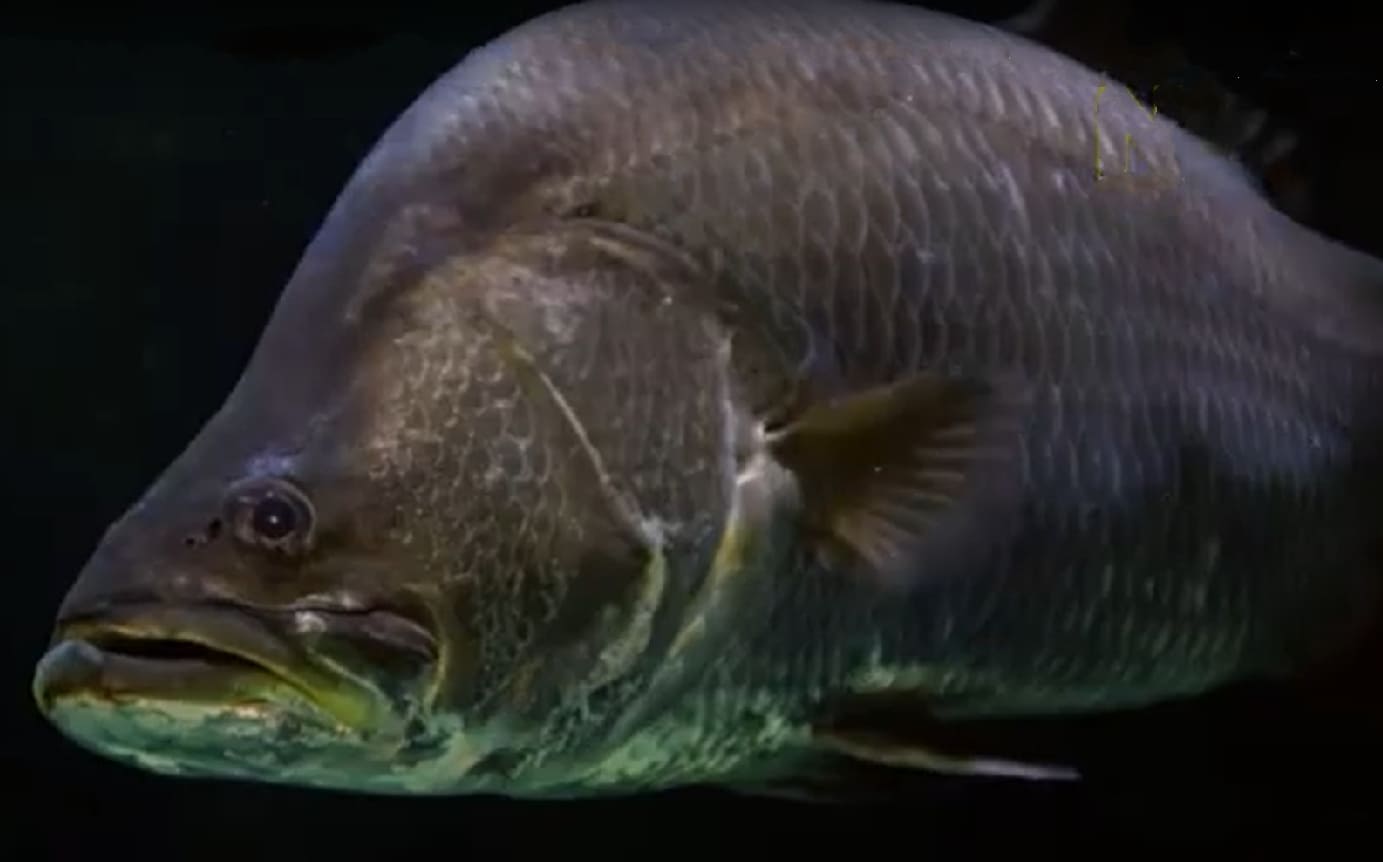
Lates calcarifer
Body elongated, compressed at the sides, with a high caudal peduncle. Head pointed, dorsal profile concave, …
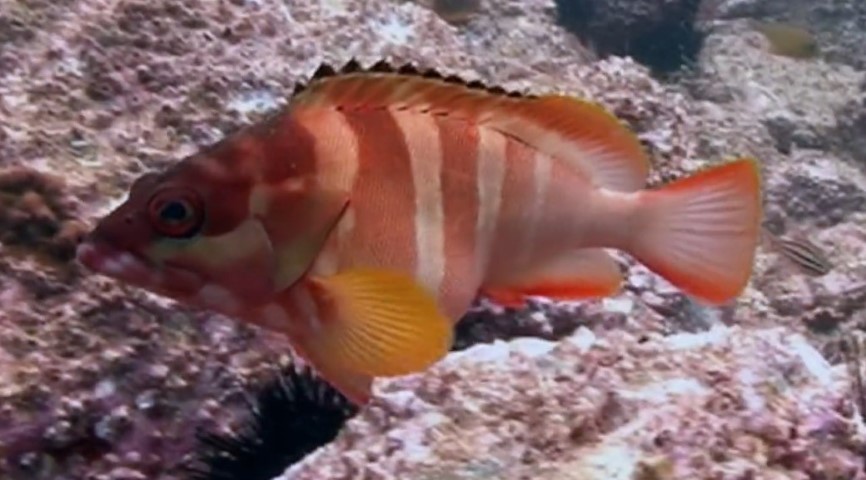
Epinephelus fasciatus
The body of the blacktip grouper is somewhat elongated, covered with ctenoid scales with additional scales. …
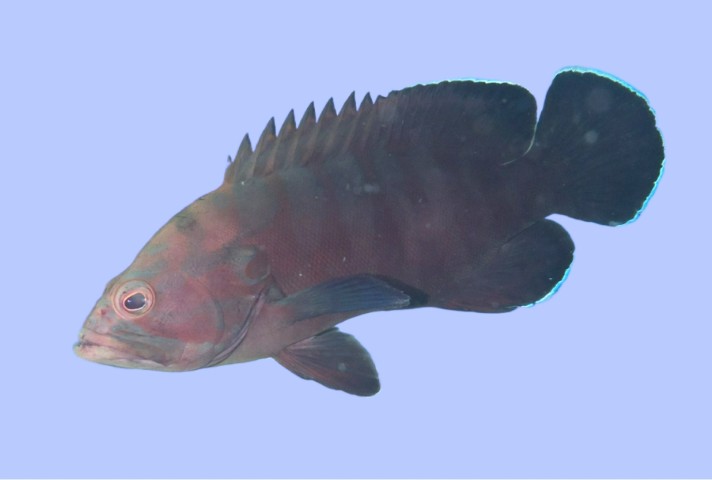
Cephalopholis boenak
Body of chocolate hind elongate, massive, somewhat compressed at the sides; sides covered with ctenoid scales. …
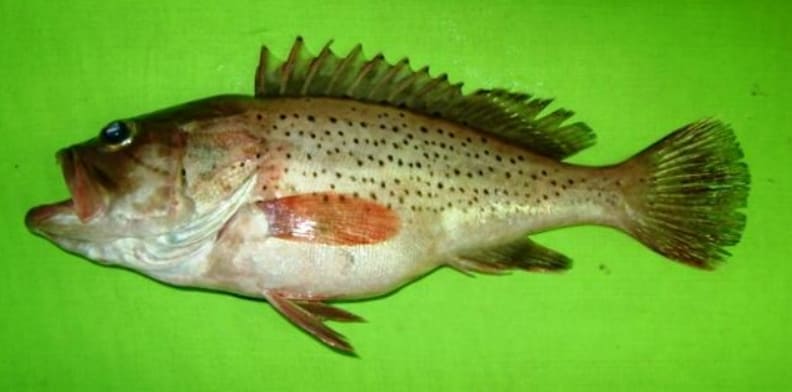
Epinephelus epistictus
Body somewhat elongate, covered with ctenoid scales with additional scales. Body length is less than head …
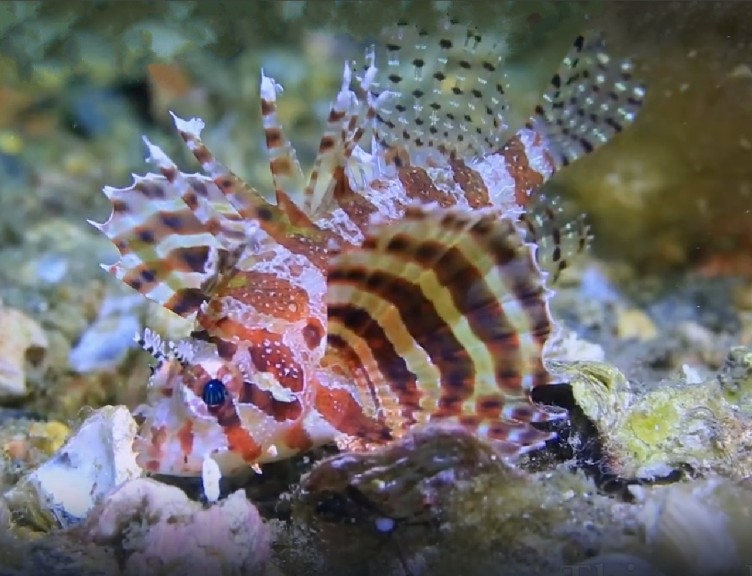
Dendrochirus brachypterus
The dwarf lionfish has a short tentacle above the eye and leaf-like projections on the head …
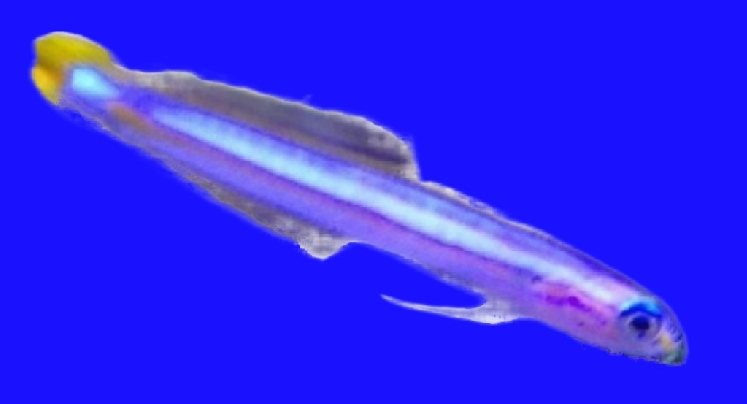
Ptereleotris uroditaenia
The flagtail dartfish has 26 vertebrae. Chin with median longitudinal fold. Scales small, densely packed, not …
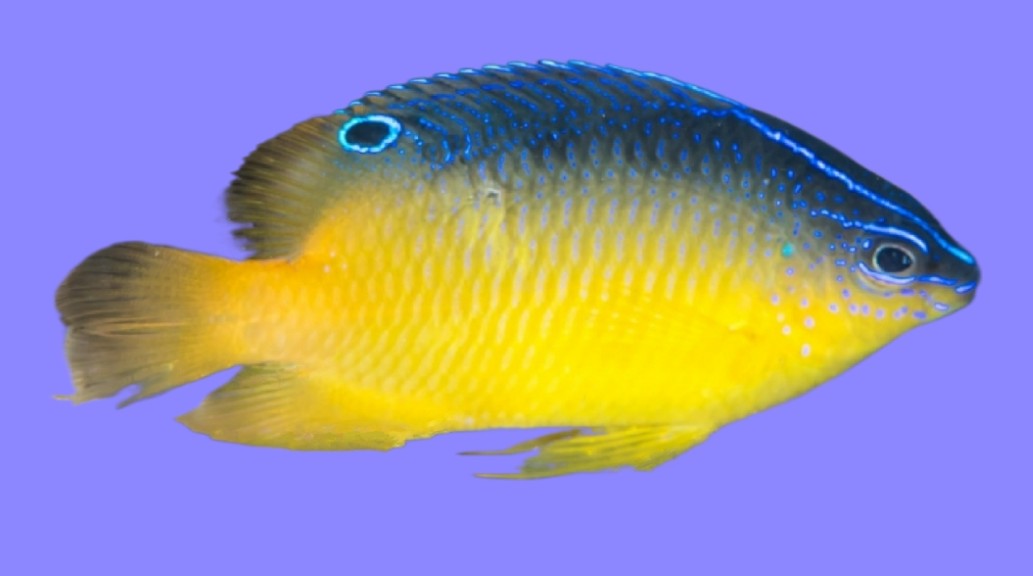
Pomacentrus milleri
Pomacentrus: Greek, poma, -atos = cover, operculum + Greek, kentron = sting.Miller's damselfish have an elongated …
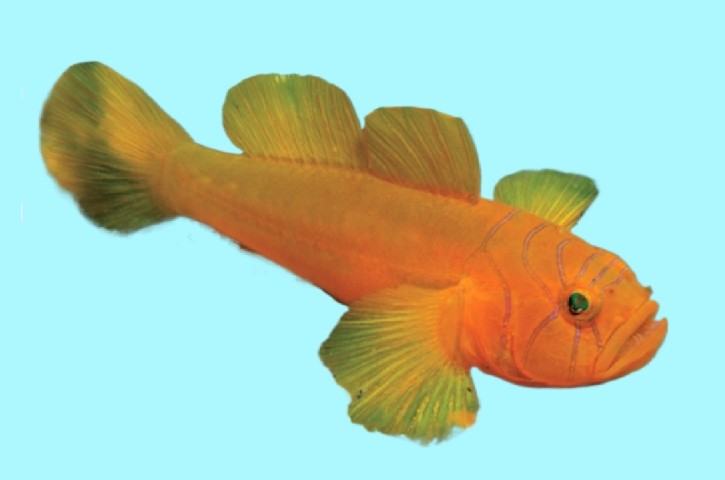
Lubricogobius ornatus
Ornate slippery goby body depth 2.9-3.9 cm. Anterior nostrils present. Dorsal and ventral margins of caudal …
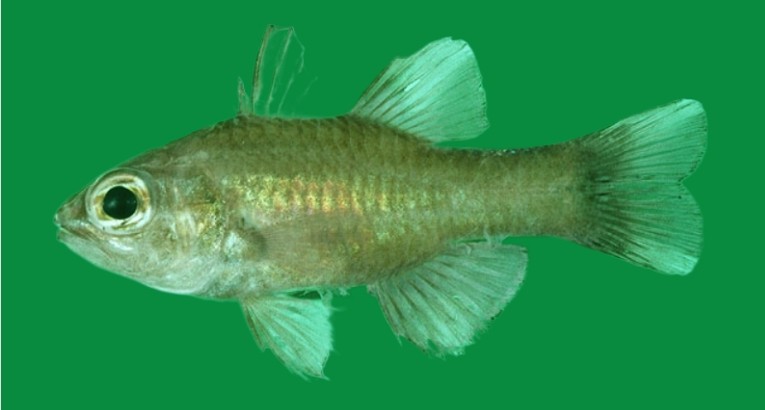
Ostorhinchus pallidofasciatus
They are small, agile fish with a characteristically large and thick body, skin covered with large …
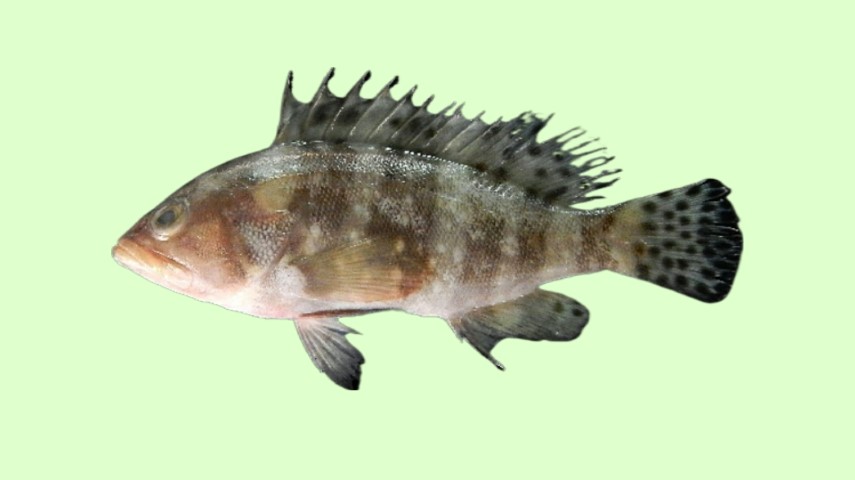
Epinephelus sexfasciatus
In the six-bar grouper, the standard body length is 2.7-3.2 times its thickness. The dorsal profile …
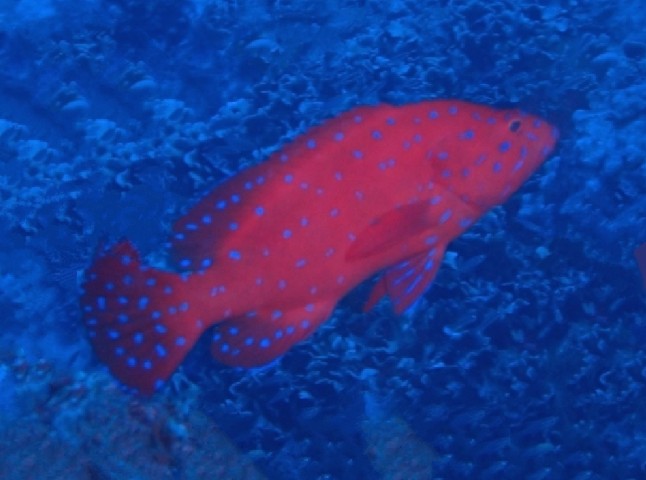
Cephalopholis oligosticta
Cephalopholis: Greek, kephale = head + Greek, pholis = scale.The vermilion hind is characterised by the …
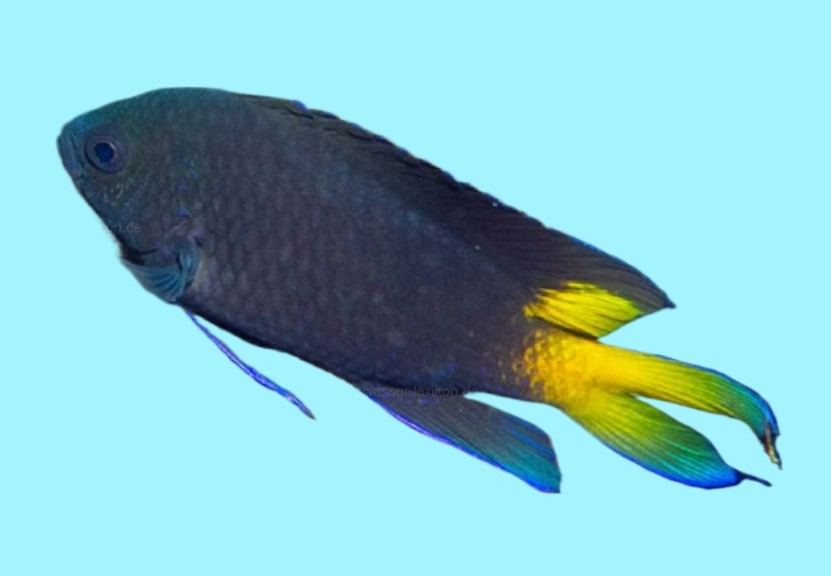
Neopomacentrus violascens
Violet demoiselle are blunt headed, flattened on the sides and high-bodied fish with large eyes and …