 Allfishes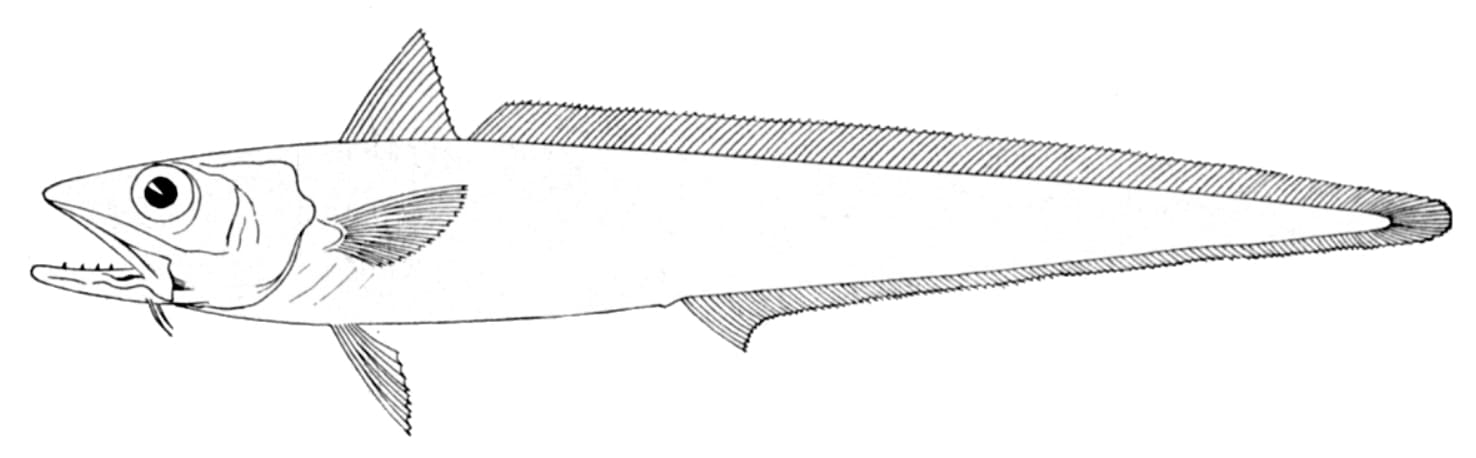
Blue grenadier
Macruronus novaezelandiae
Body very elongated and compressed, tail tapering towards the end. Vertebrae: 78-81.
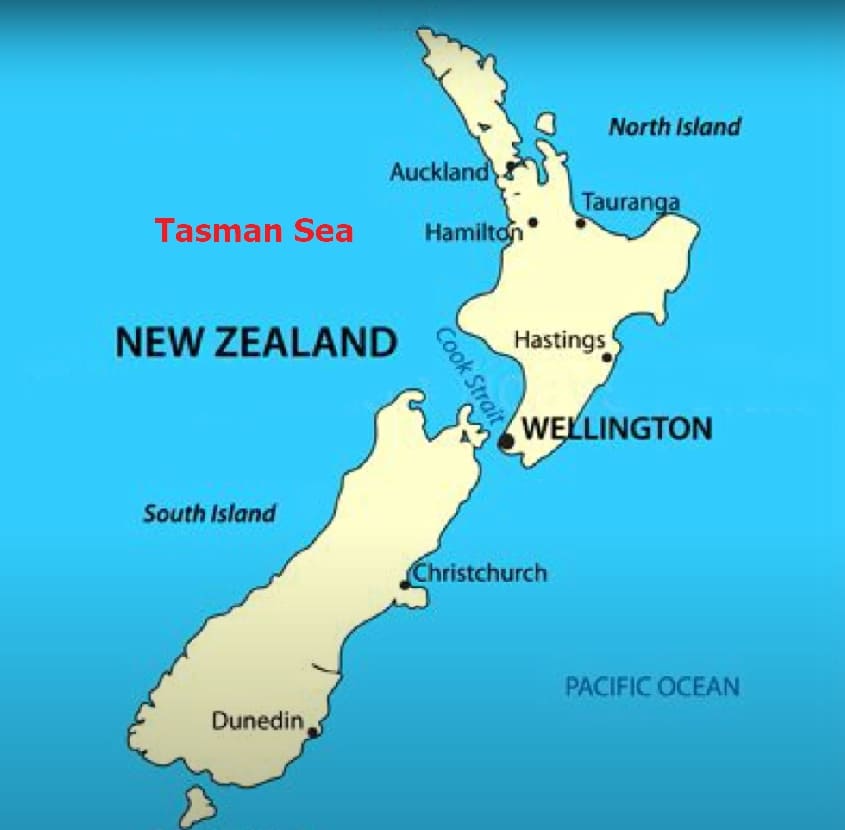 The Tasman Sea is located in the southwestern Pacific Ocean and separates Australia and New Zealand. The sea is very deep as it has the East Australian Basin at its bottom with a maximum depth of over 6,000 meters. The Tasman Sea is 2,250 kilometers wide and has an area of 2,300,000 square kilometers. The maximum depth of the sea is 5,493 meters. The bottom of the sea consists of globigerina silt.
The northern part of the sea is close to the tropics. The composition of animal and plant life is similar to the neighboring Coral Sea. There are islands with coral structures and atolls. The flora is represented by a small number of aquatic plants and algae, although the species composition of the vegetation is quite rich. Zooplankton - an insignificant amount of jellyfish, small crustaceans and larvae.
Near the islands in the southern part of the sea, the vegetation is characterized by a richer quantitative range. Close to the shores there are many different types of algae represented by thickets of multicellular organisms - brown, red and green. Moving southward, in the surface waters of the Tasman Sea there is a noticeable increase in the content of phytoplankton and zooplankton in the form of microscopic crustaceans - krill. In the southern part of the sea there are many pelagic and gregarious fish.
The northern Tasman Sea has warm and gentle waters, a high degree of warming without a long drop in temperature, which attracts tropical inhabitants. It is home to: Sailfin flying fish, Indo-Pacific sailfish, Swordfish. In the southern part of the climate is much colder, in winter the thermometer column fixes +5-8 degrees, sometimes come fragments of icebergs and the underwater world is quite different. Commercial fish species prevail here: Common sole, Pacific bluefin tuna, Chilean jack mackerel, Pacific jack mackerel, Blue grenadier, Pacific saury, Pacific herring and others.
The enrichment of the southern waters with zooplankton attracts whales: striped whales, sperm whales and killer whales. In the northern part of the sea you can meet humpback whales and fin whales.
The fauna of the Tasman Sea is represented by a large number of sharks, the species composition of which is not inferior to that of the neighboring Coral Sea. In the southern part and above the deep water basins, sharks are less common. Nevertheless, even here one can see such formidable predators as the great white shark, shortfin mako shark, blue shark, oceanic whitetip shark, great hammerhead shark. In the coastal waters of warm and temperate belts, the tiger shark is found. There are many reef and bottom shark species on coral structures and in the tropics.
Diving in the underwater tunnels you can meet interesting blue maomao fish. They do not settle in the coral jungle, but live where there is space. Marbled stargazers burrow in the gravel that covers the bottom, and leopard morays and zebra morays peer out from the coral caves. Red rock cod and eclipse spotted razor wrasse are also found here. The spotted eagle ray occasionally swims here. These waters are home to creatures accustomed to living in low light and deeper water, such as the giant grouper.
A giant pyrosome has been discovered in the waters of the Tasman Sea. This is a colony of microscopic organisms of the zooid type. They are "glued" together by a jelly-like membrane that turns into a hollow tube with a "mouth" that sucks in plankton. A fossilized megalodon tooth was also found here, as well as unique creatures such as fish with articulated teeth and ghost pipefish with long snouts for hunting prey. A particularly strange find was the toothed seadevil, the male of which bites and drinks the blood of the female during mating. Rarest creatures Red handfish have been found off the southern coast of Australia. The uniqueness of these fish is that they do not swim like other fish, but use their pelvic fins to walk on the bottom.
Showing 1–24 of 27
Macruronus novaezelandiae
Body very elongated and compressed, tail tapering towards the end. Vertebrae: 78-81.
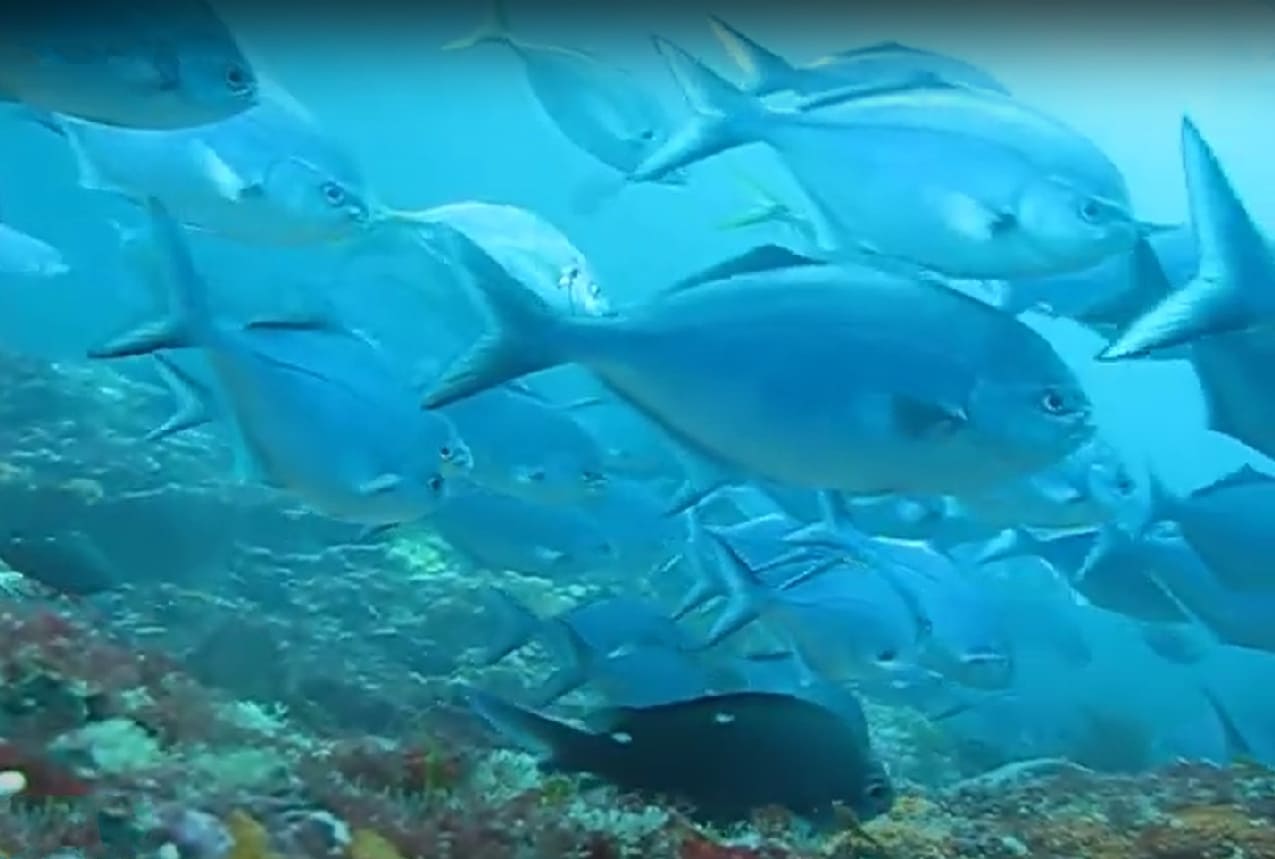
They have a laterally compressed and relatively deep body with a conspicuously bifurcated tail. They have …
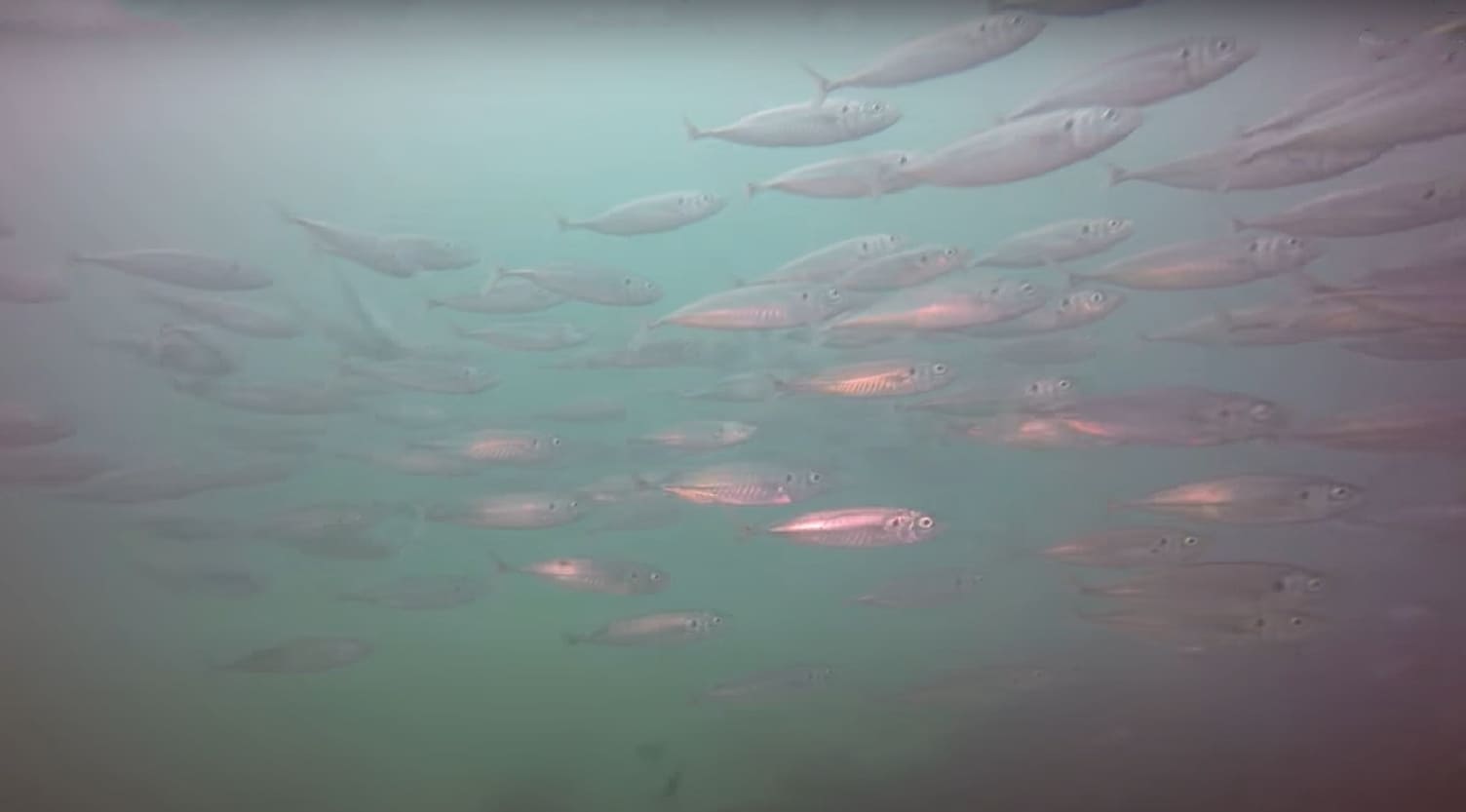
Trachurus murphyi
They have an elongated and laterally compressed body. The head is large, with well-developed transparent protective …
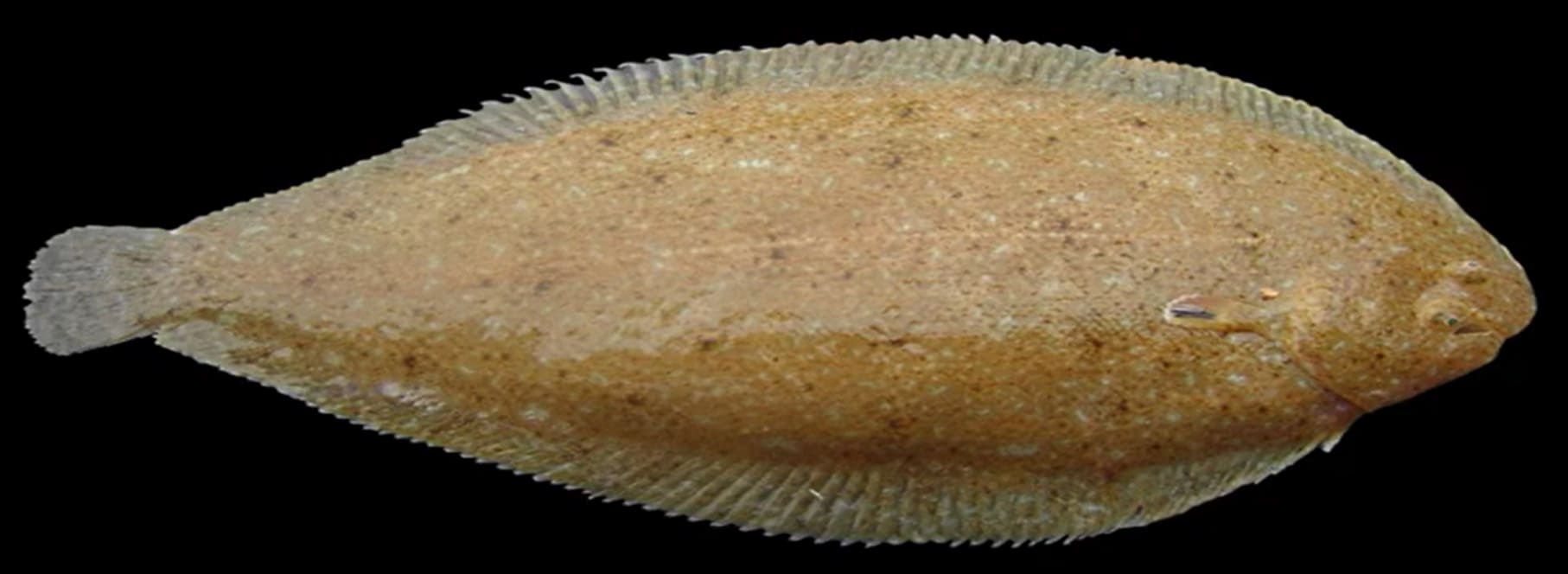
Solea solea
The genus and species names come from the Latin Sole, meaning 'sole', because of the similarity …
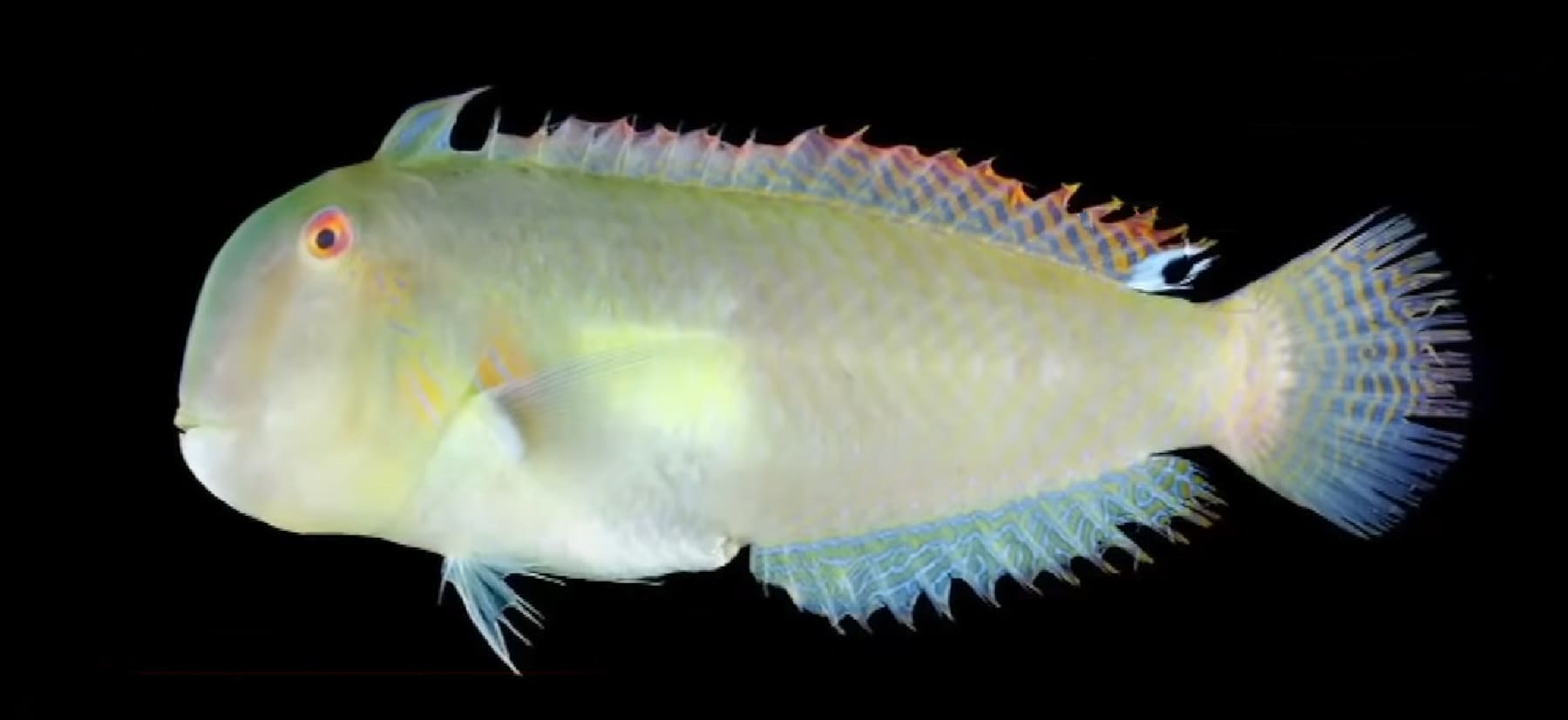
Iniistius bakunawa
Has a flat body covered with reflective scales. These fish have small mouths but very strong …
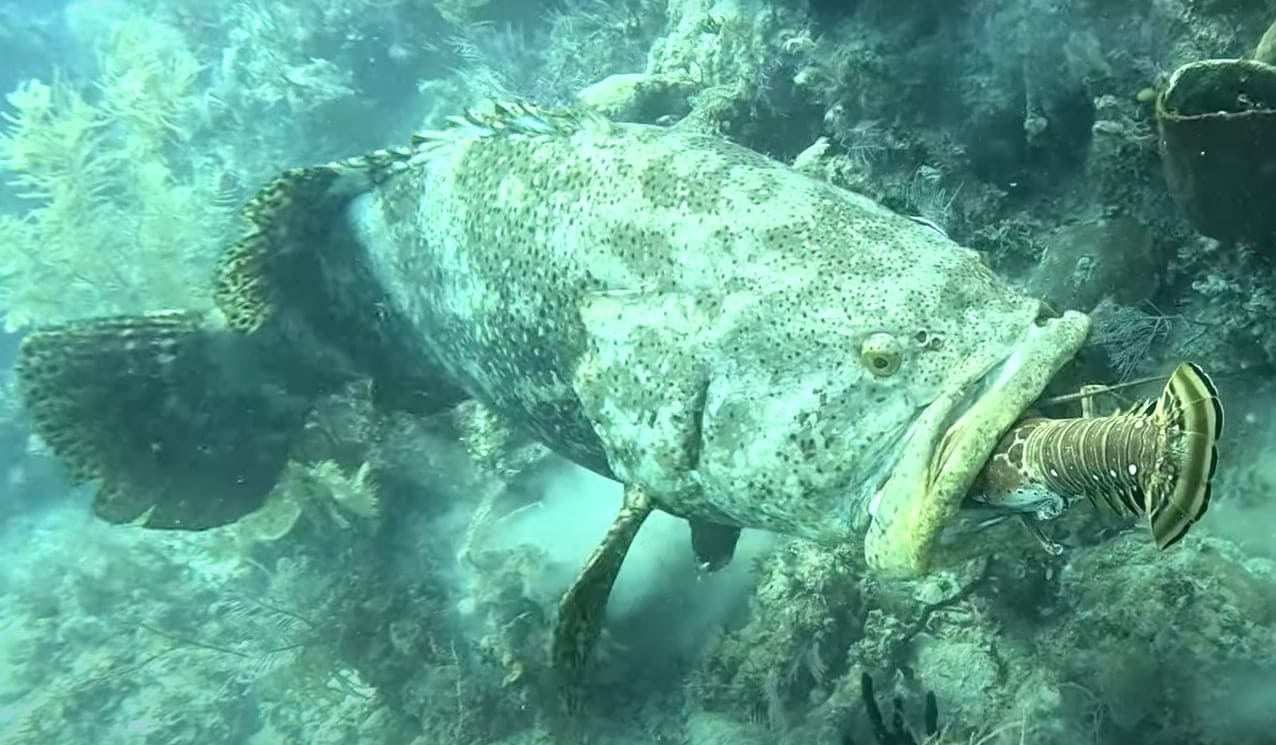
Epinephelus lanceolatus
The body is powerful. The height of the body is 2.4-3.4 times the length of the …
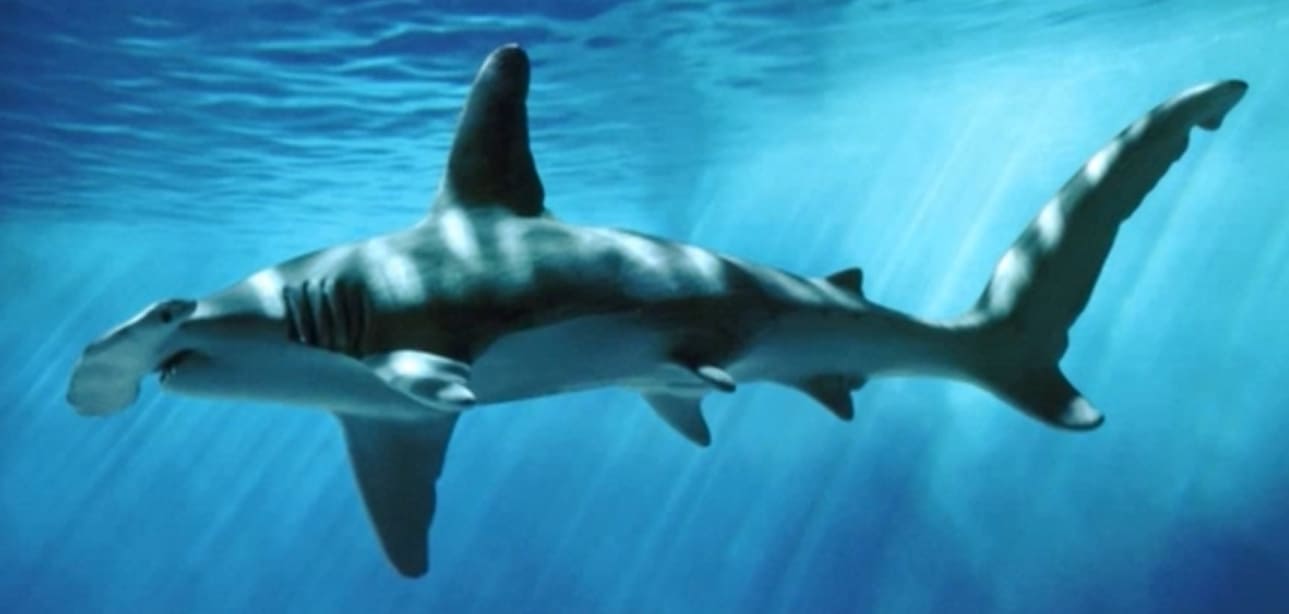
Sphyrna mokarran
They have a characteristic spindle-shaped body and head with projections on the sides. In adults, the …
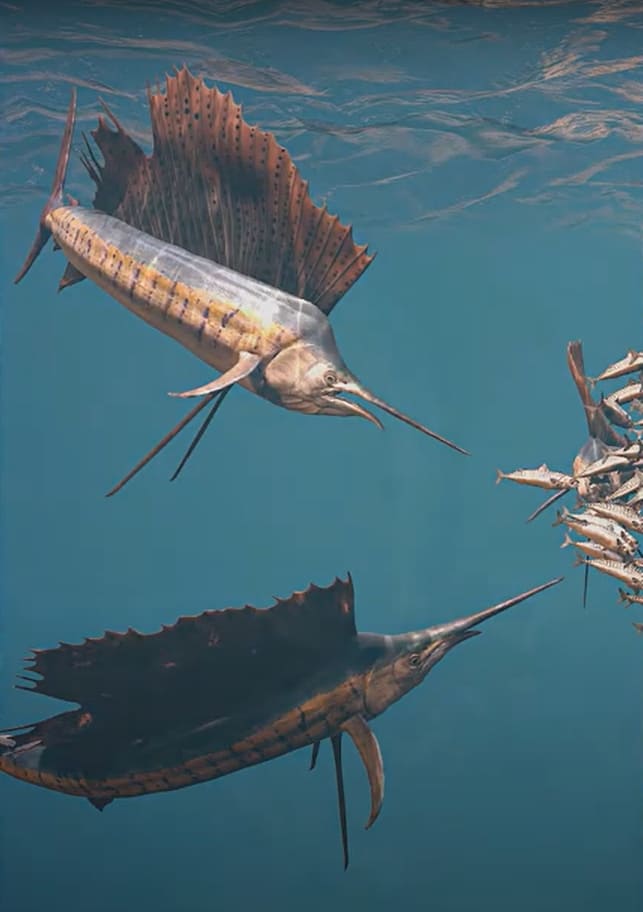
Istiophorus platypterus
This species is characterised by the following features: slender, elongated and rather compressed, with a high, …
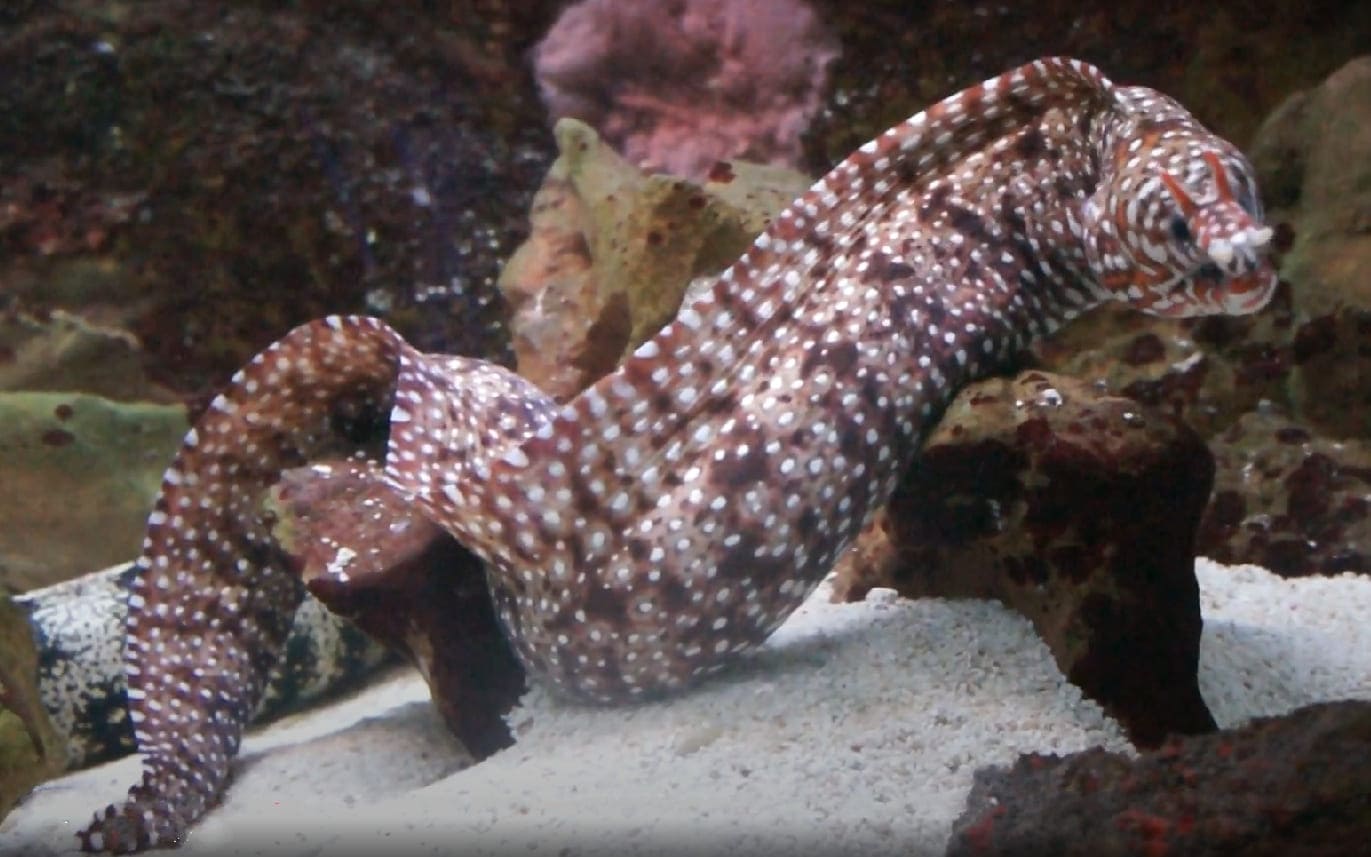
Enchelycore pardalis
Total number of vertebrae is 119-126. Long tubular posterior nostrils are located on the snout above …
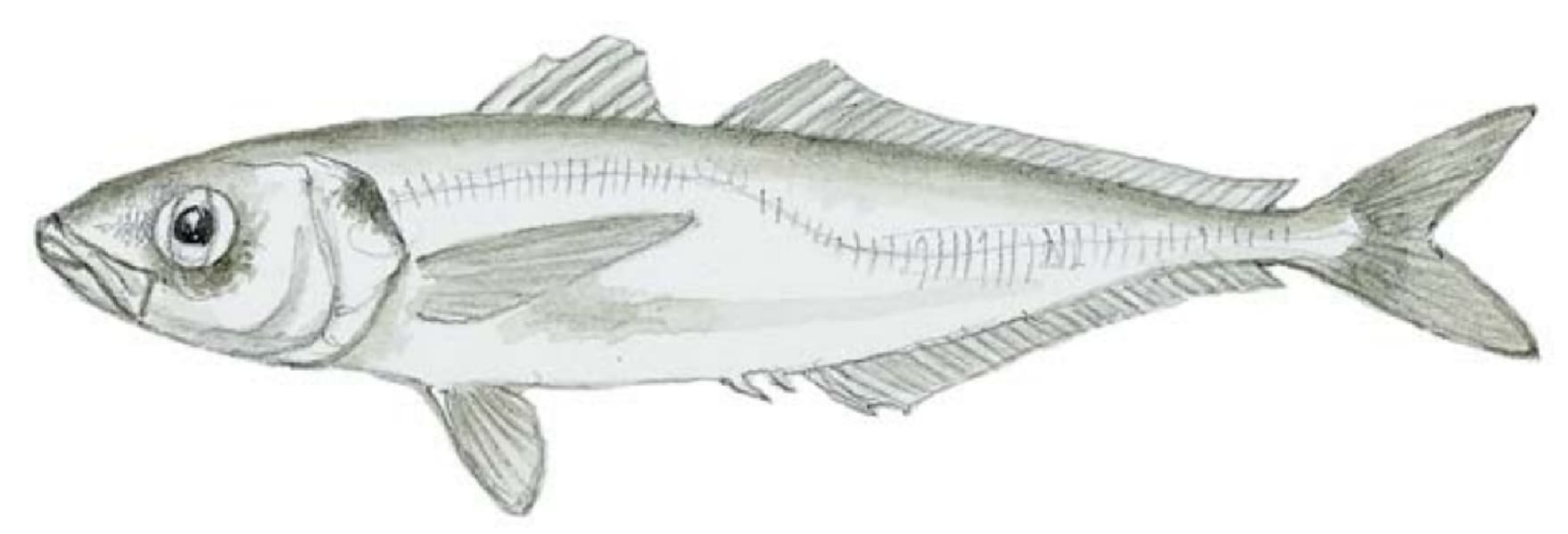
Trachurus symmetricus
The body of the Pacific horse mackerel is somewhat compressed and elongated, and the tail is …
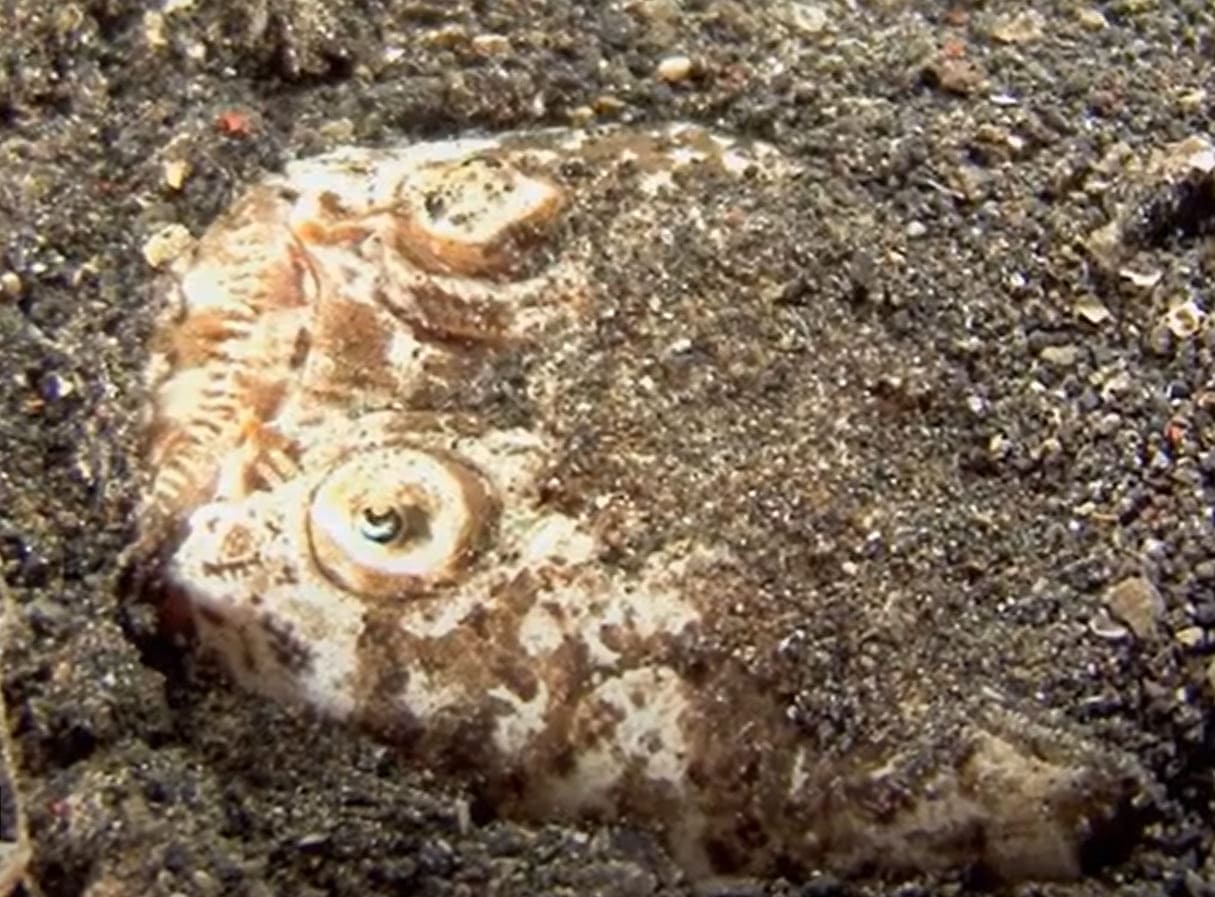
Uranoscopus bicinctus
They have a large head, flat on top, covered laterally and on top with flat tubercles. …
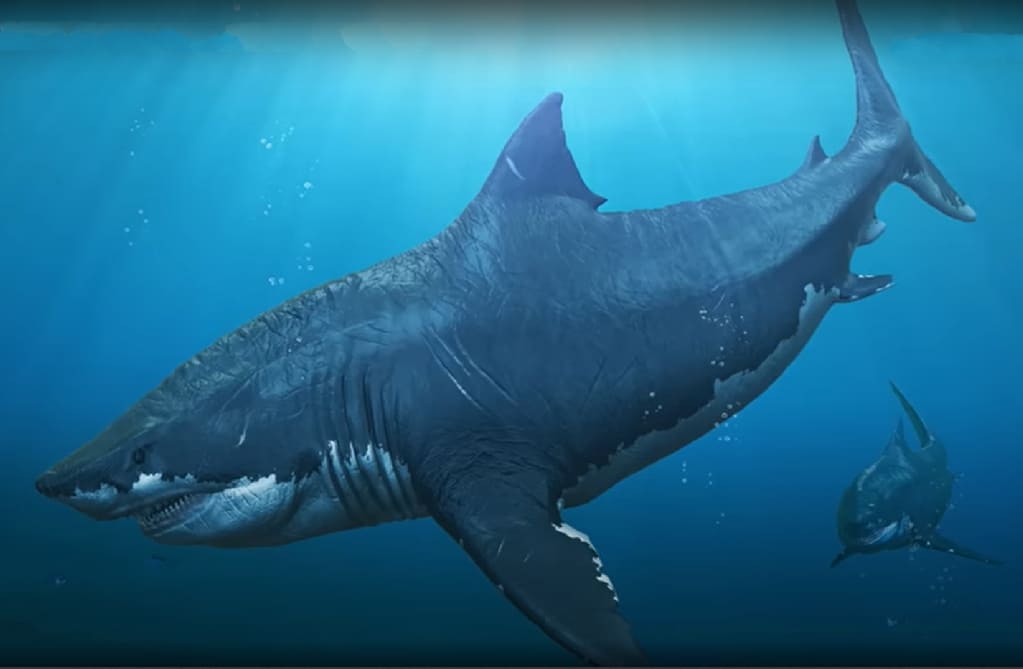
Otodus megalodon
Latin Otodus megalodon or Carcharocles megalodon ← Greek μέγας "large" + ὀδούς "tooth". It existed in …
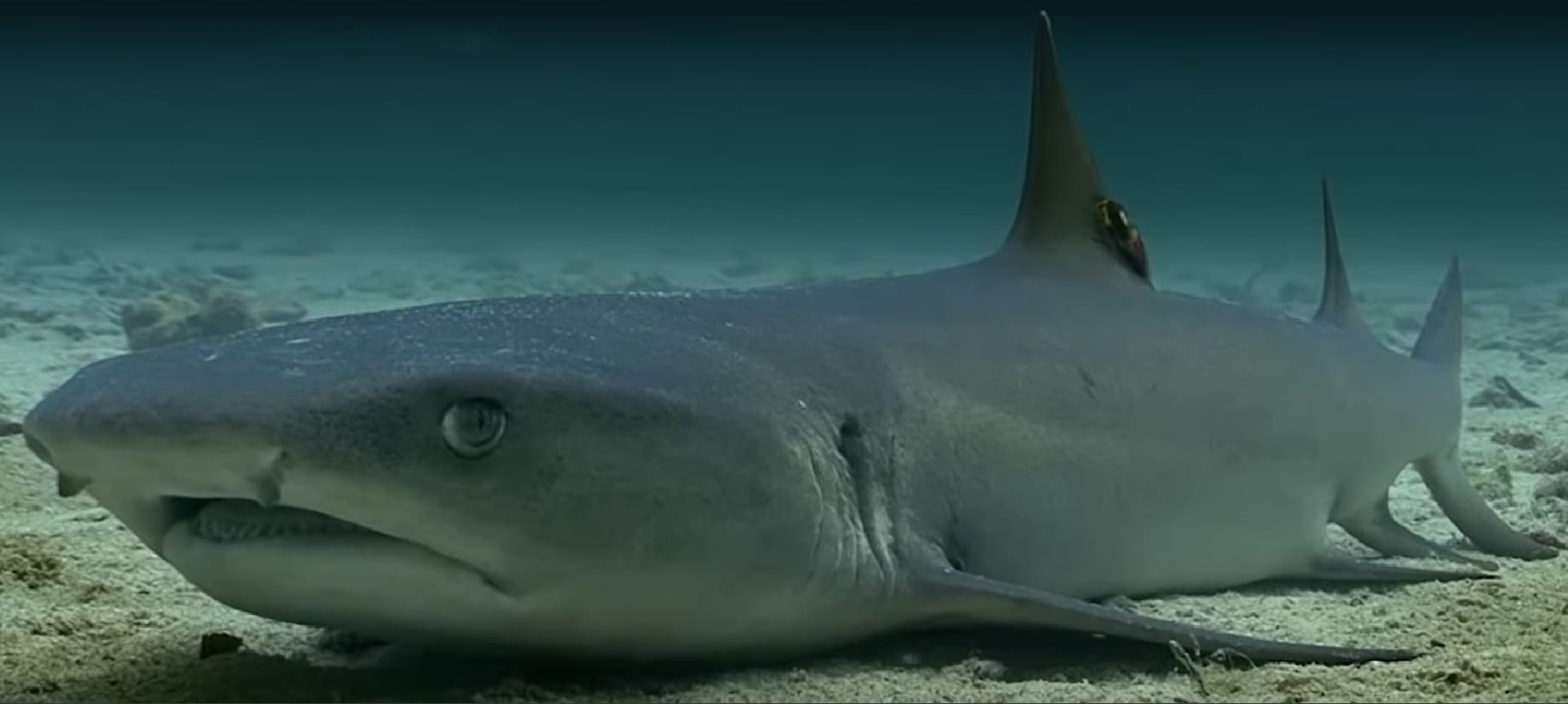
Carcharhinus longimanus
The pectoral fins are considerably longer and wider than those of most other sharks and are …
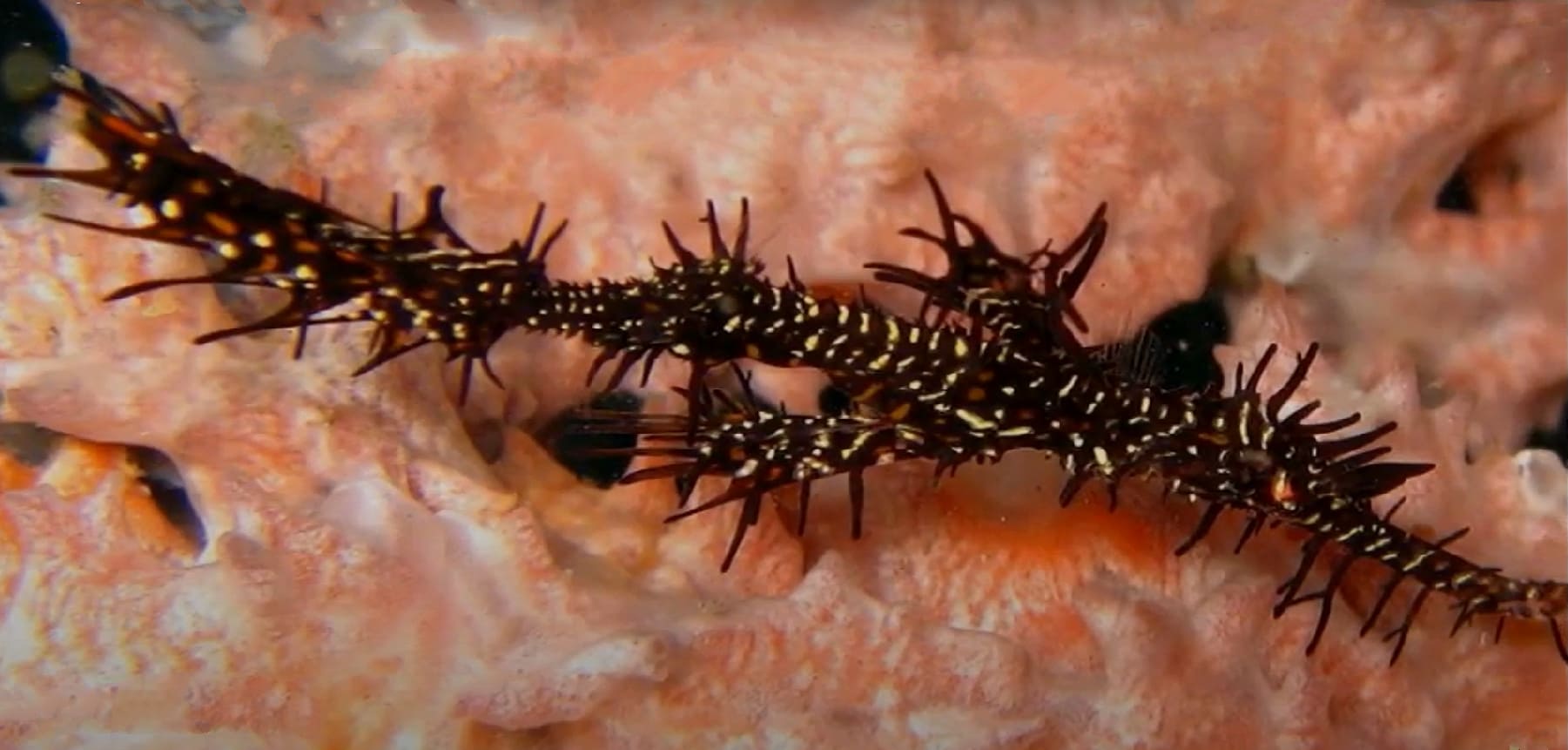
Solenostomus paradoxus
Vertebrae: 32-33. Post pelagic fishes are almost completely transparent and thinner compared to those formed in …
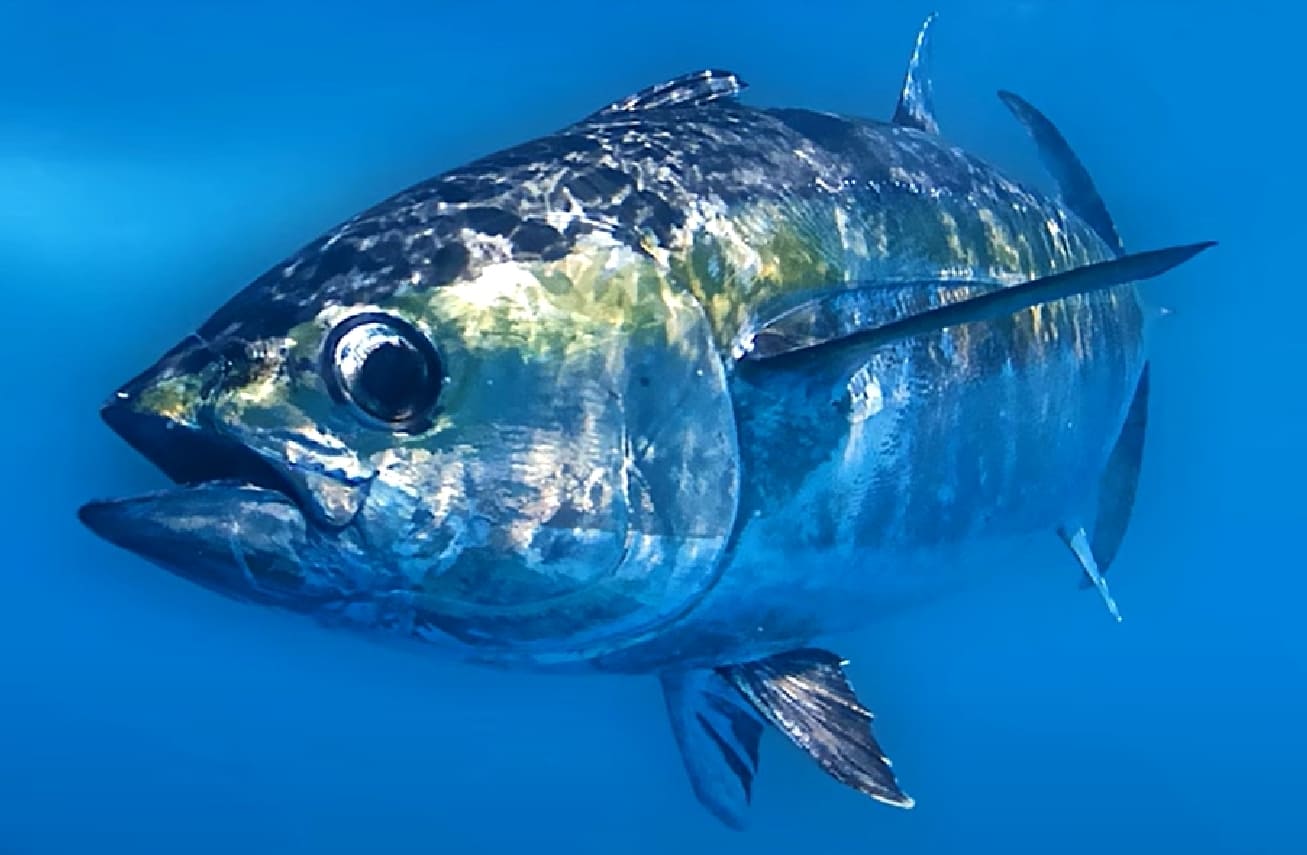
Thunnus orientalis
The fish has an elongated, spindle-shaped body that tapers sharply towards the tail. The height of …
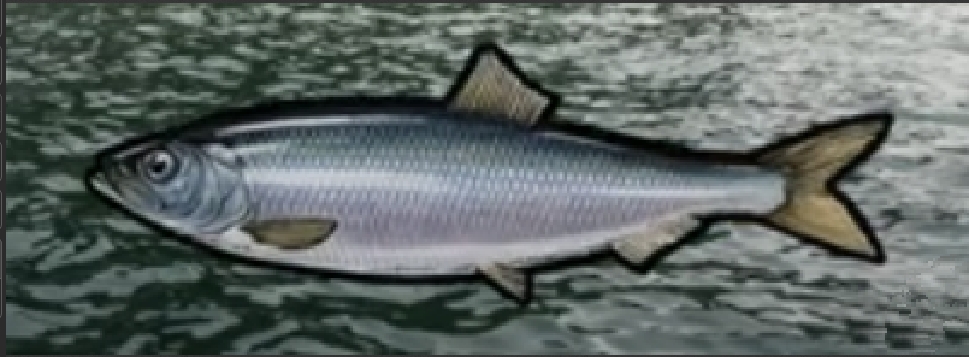
Titles in different languages North Pacific herring, Pacific herring (eng), Pacifisher hering (deu), aringa del Pacifico …
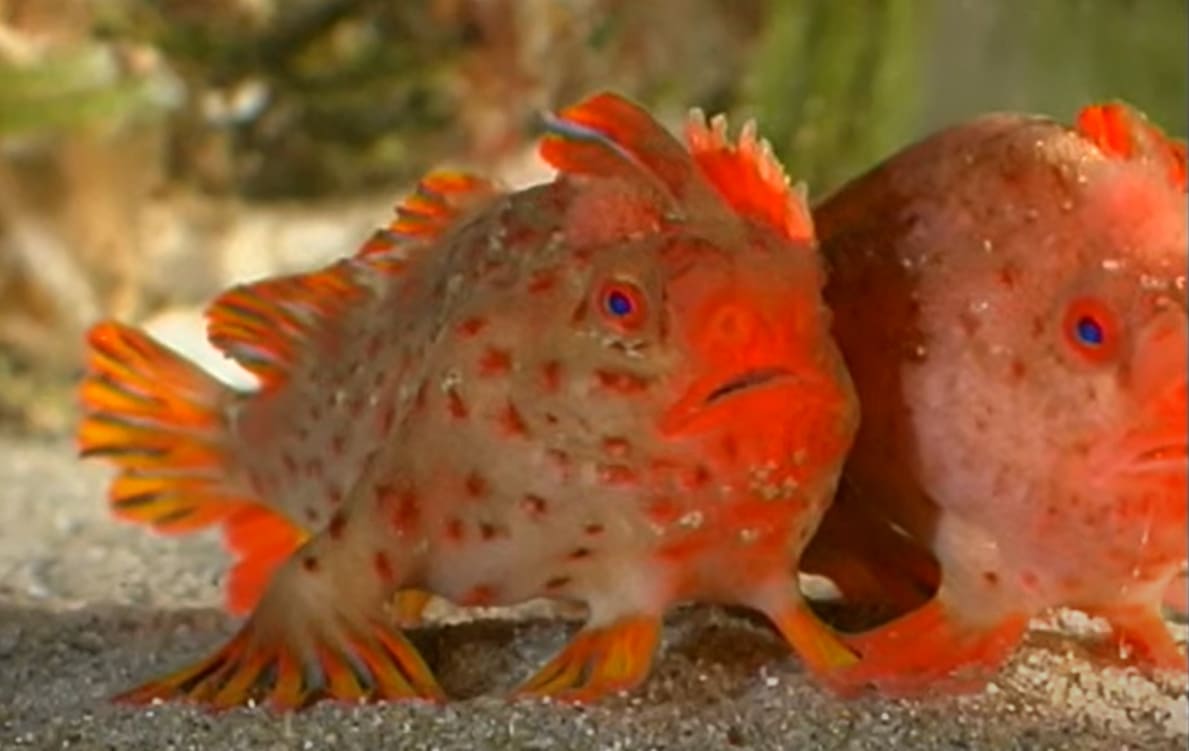
Thymichthys politus
This species is characterized by the following combination of features: large esca, medium-sized eyes, body variably …
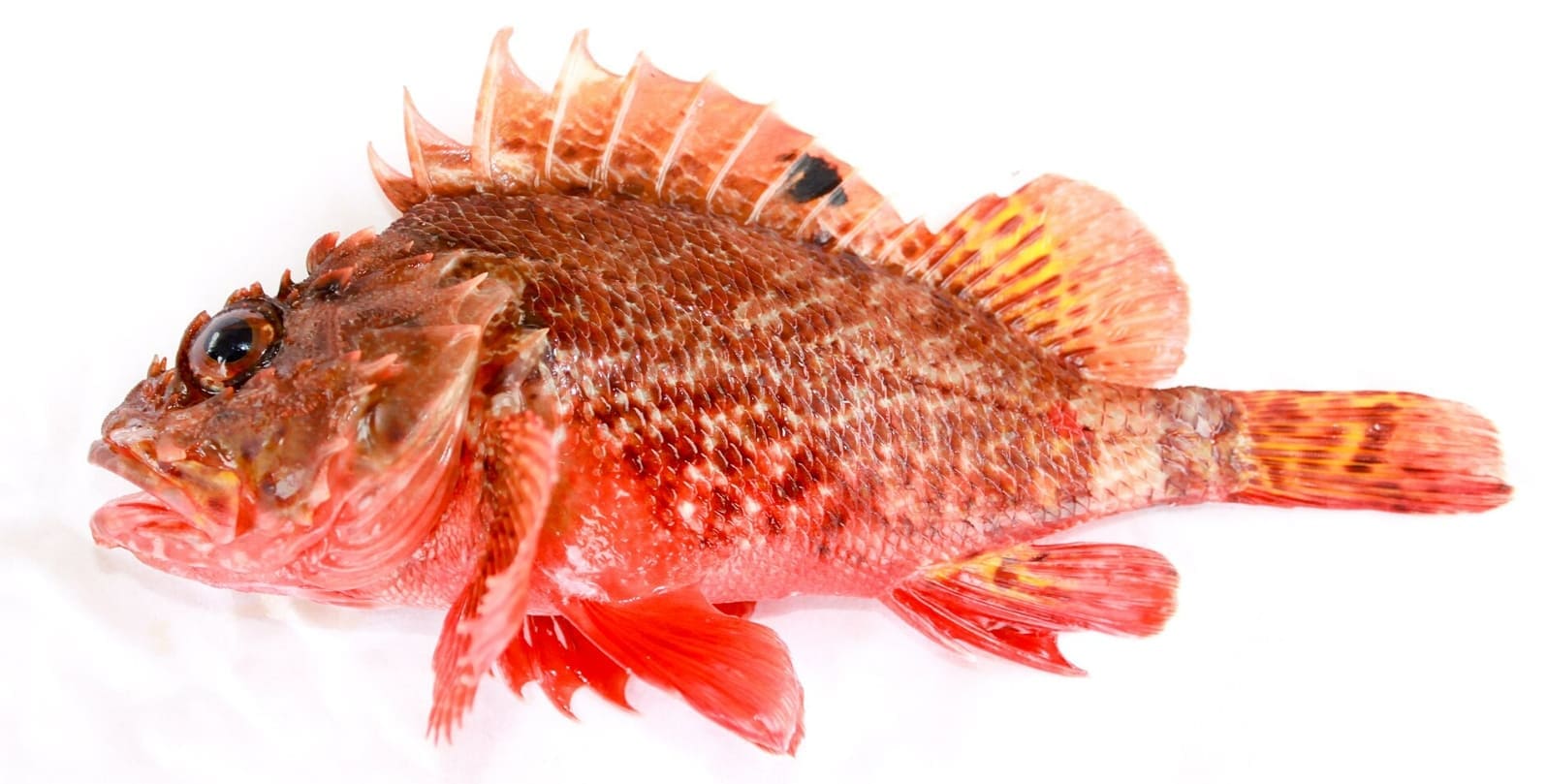
Scorpaena papillosa
Their large mouth contains small, thin teeth that form a lint. They have a small row …
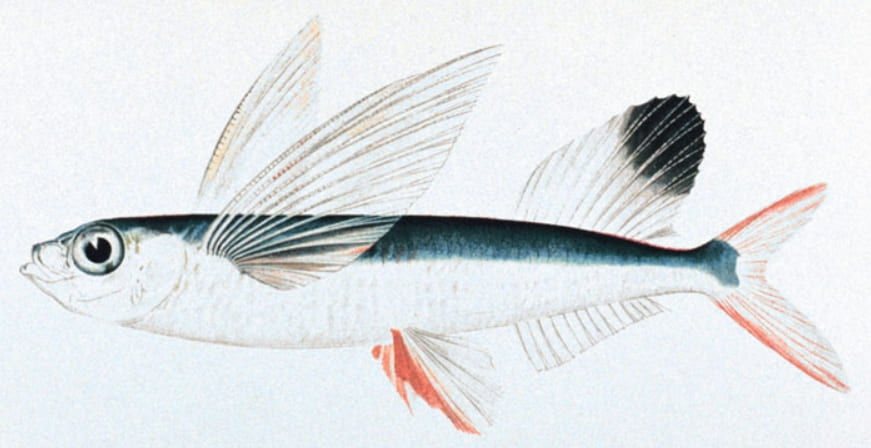
Parexocoetus brachypterus
Stocky compared to other flying fishes. One of the distinguishing features is the blunt snout. Like …
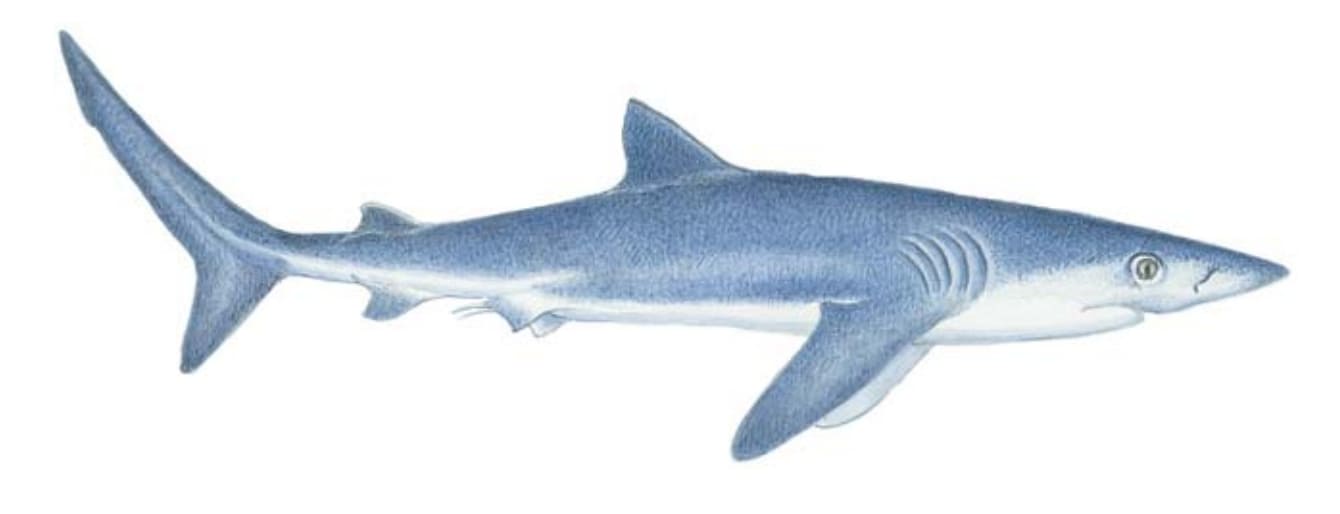
Prionace glauca
The blue shark is very slender and streamlined, with a long and pointed snout that is …
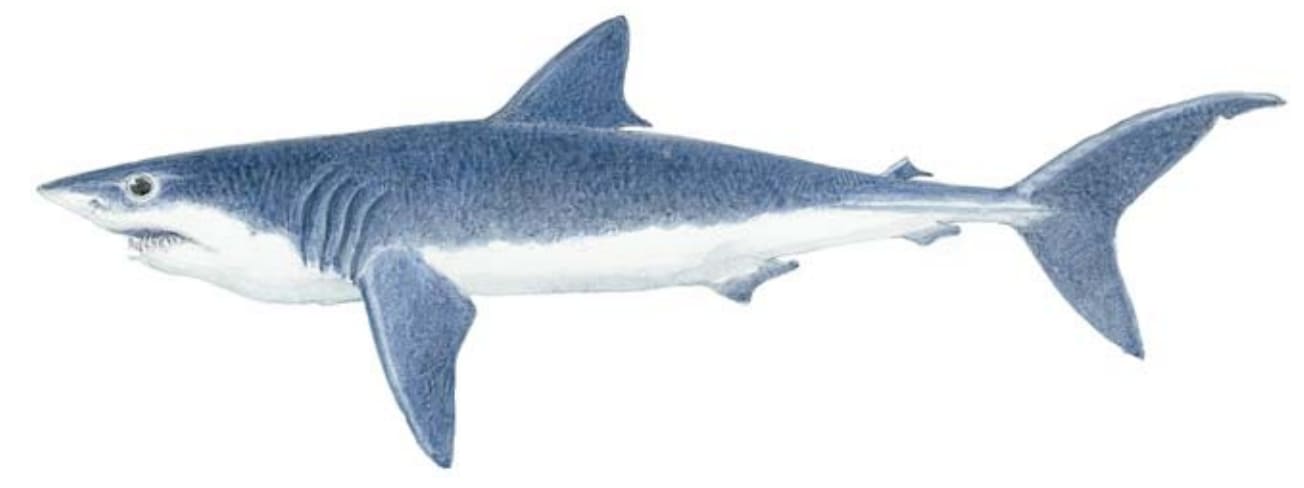
Isurus oxyrinchus
The snout is sharp, conical. There are 24-25 sharp lanceolate teeth on each jaw. The caudal …
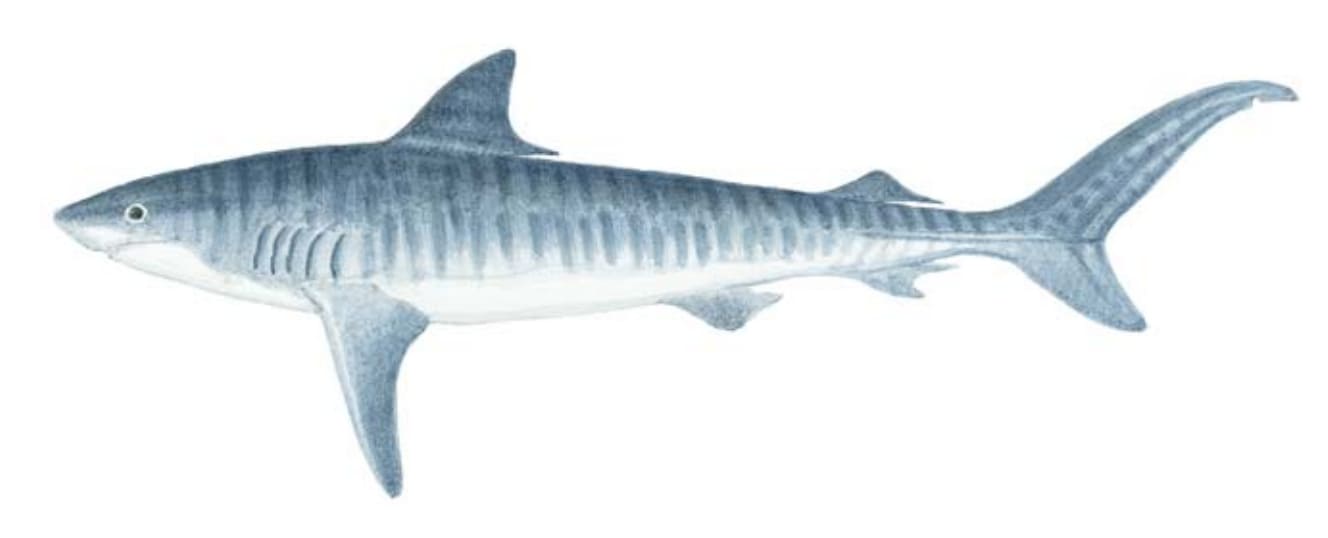
Galeocerdo cuvier
Dark bluish-gray or brownish-gray above and whitish below, the tiger shark is so called because of …
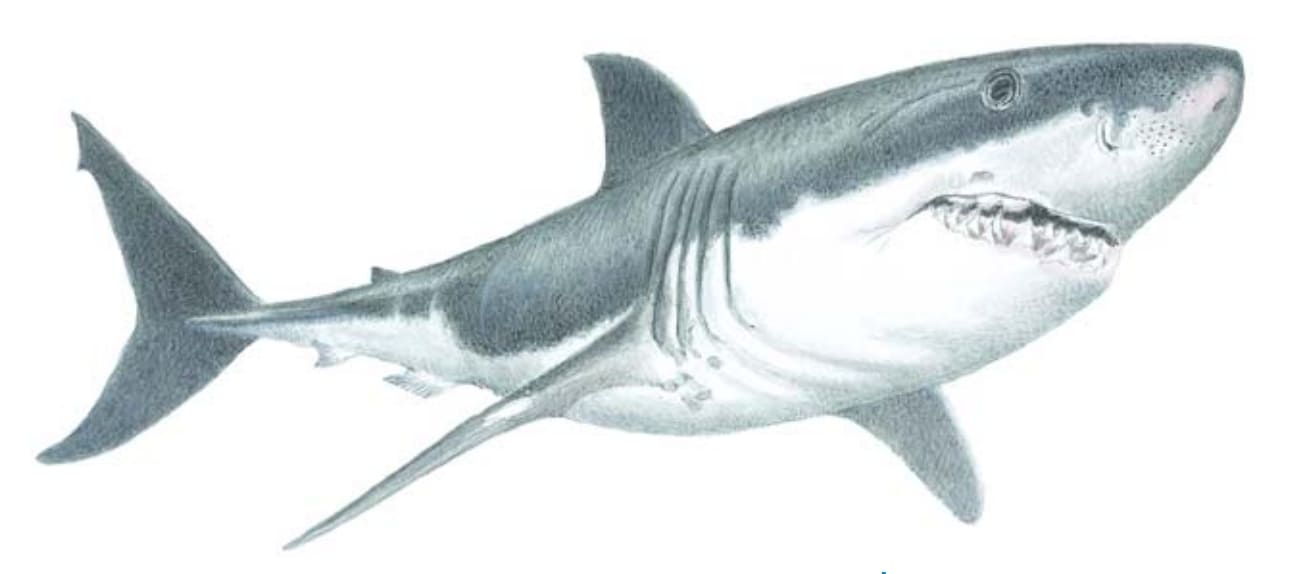
Carcharodon carcharias
The white shark has a strong, heavy body that can be a dull slate-blue, grayish-brown, or …
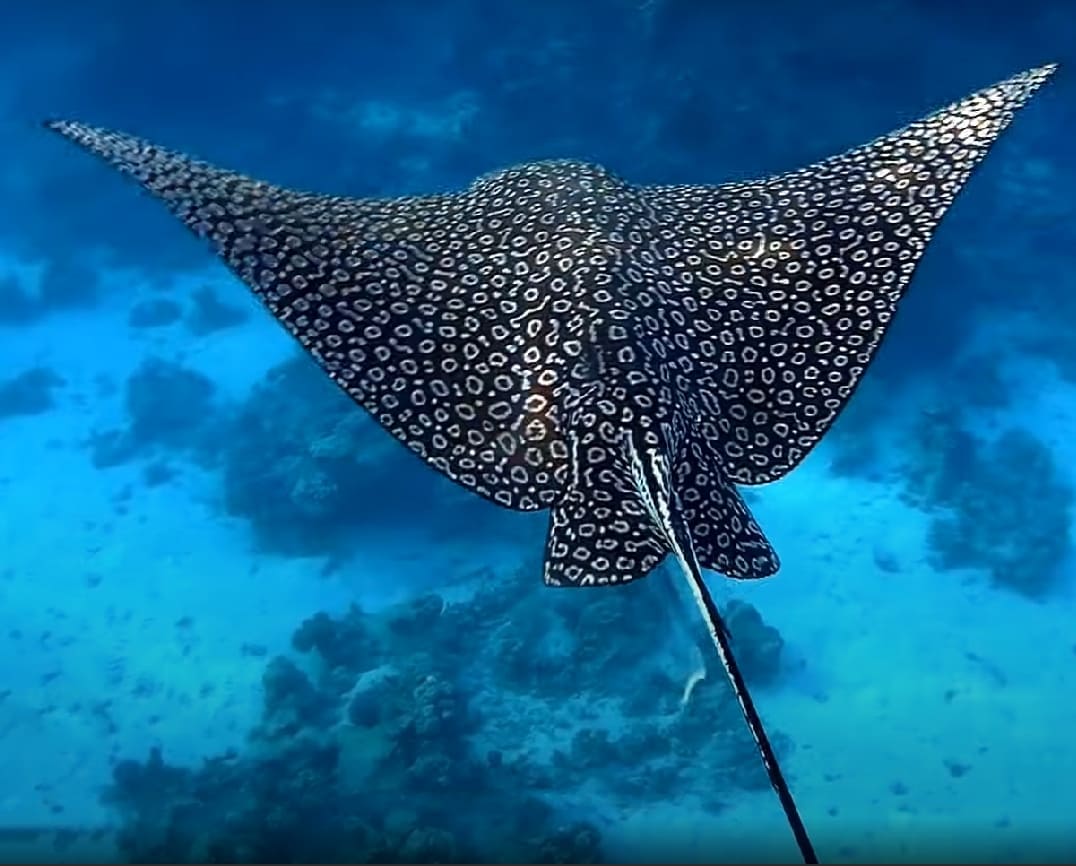
Aetobatus narinari
They have a flattened, disc-shaped body. The characteristic shape of the flat snout resembles a duck's …