 Allfishes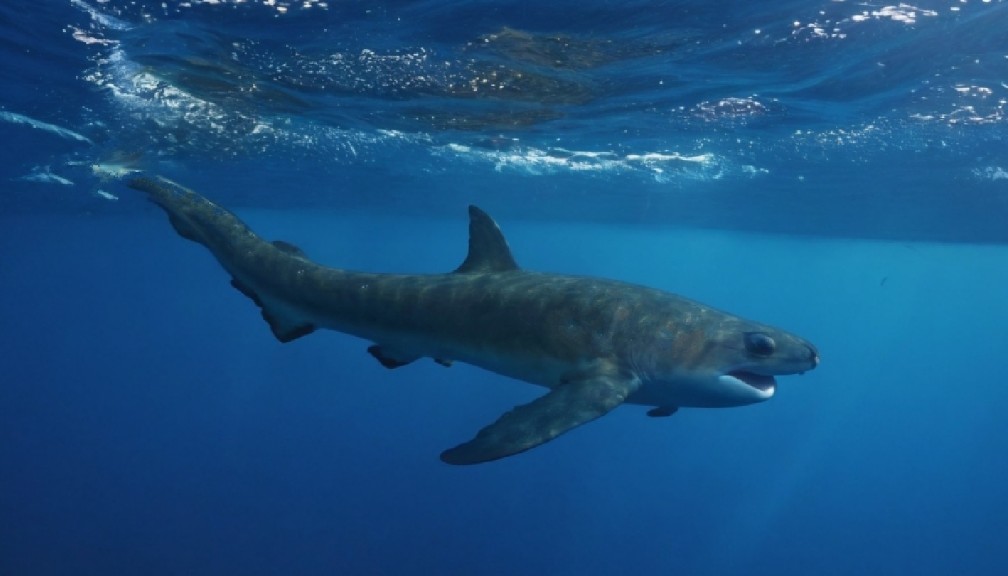
Bigeye thresher
Alopias superciliosus
A characteristic feature of the Bigeye Thresher is the long upper caudal fin blade, which can …
Guide to marine fish with sorting and selection options by family, feeding method, size, and other important characteristics.
Showing 1–24 of 30
Alopias superciliosus
A characteristic feature of the Bigeye Thresher is the long upper caudal fin blade, which can …
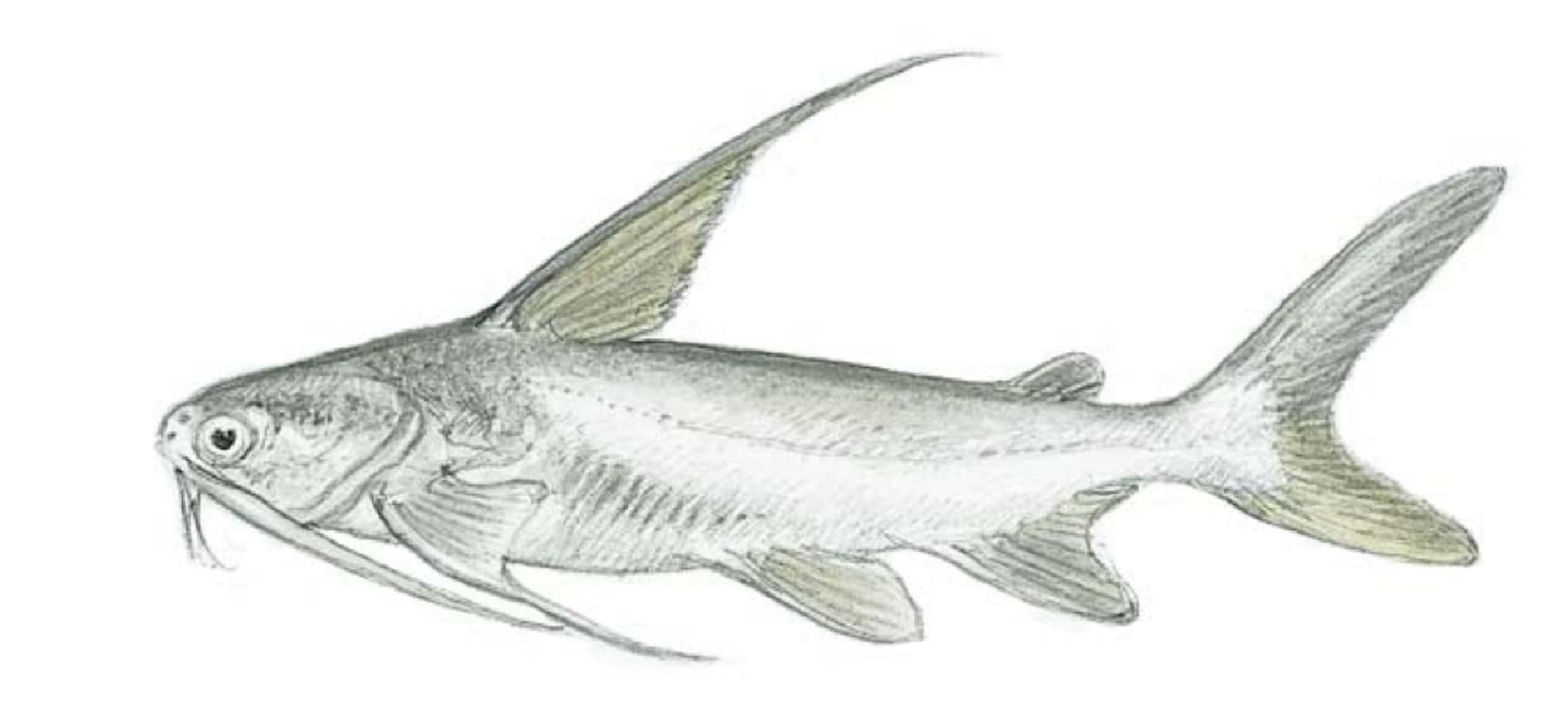
Bagre marinus
The Gafftopsail catfish has a grayish-blue dorsal fin, silvery pelvic fins, a strong body, and a …
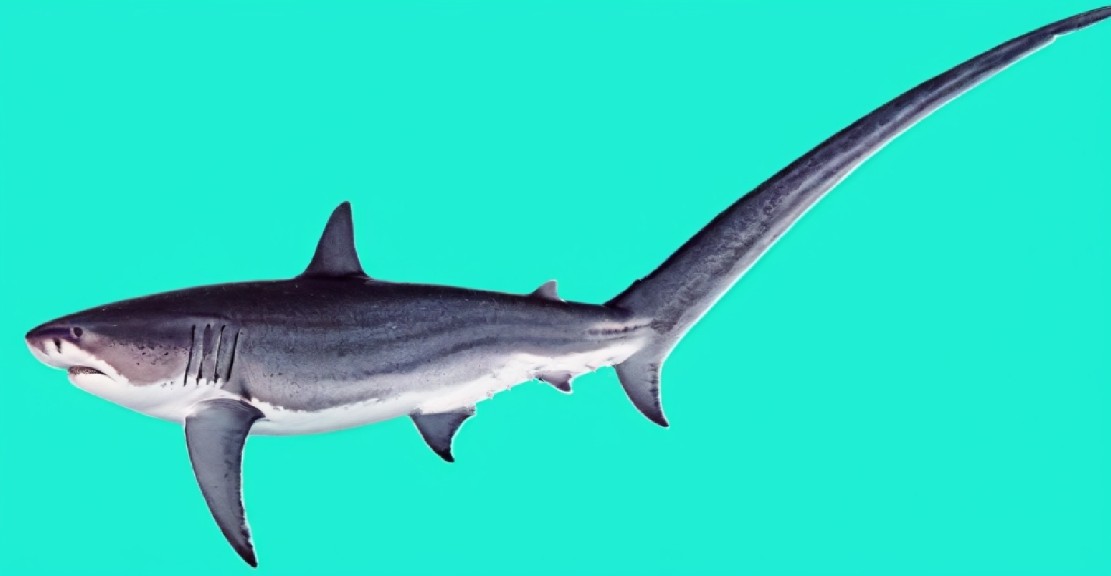
Alopias vulpinus
The common thresher is characterized by a highly elongated upper caudal fin blade that can be …
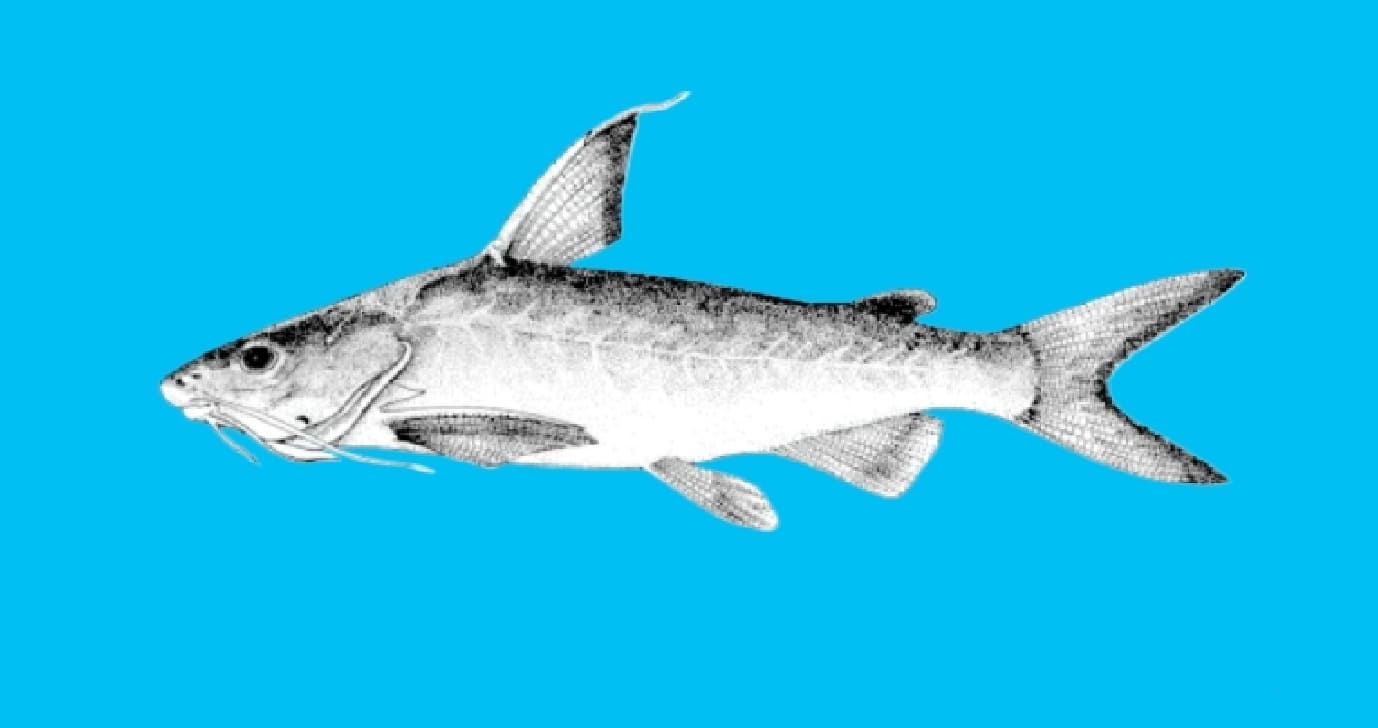
Arius dispar
The species was described by Albert William Herre in 1926, originally as part of the genus …
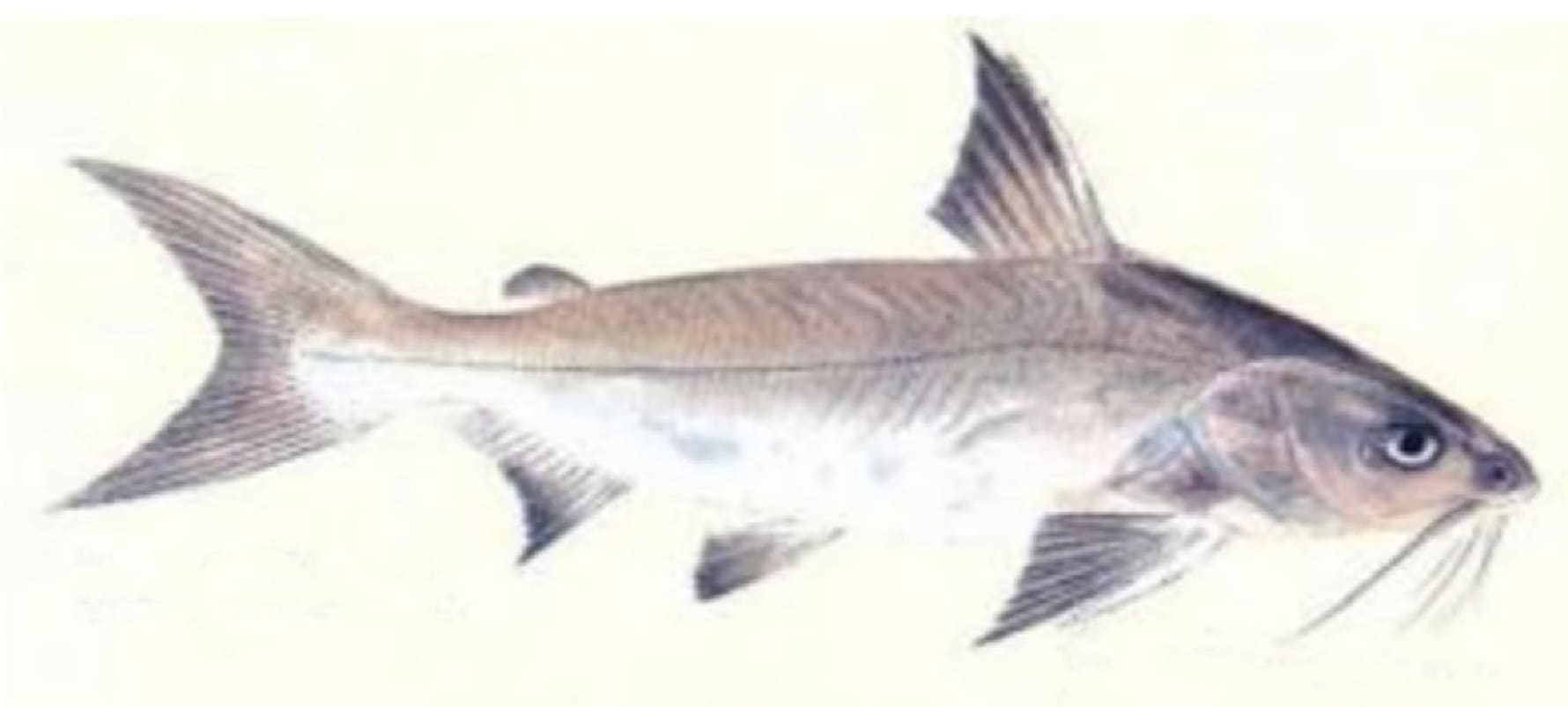
Netuma thalassina
The species was described by Eduard Rüppell in 1837, originally as the genus Bagrus.
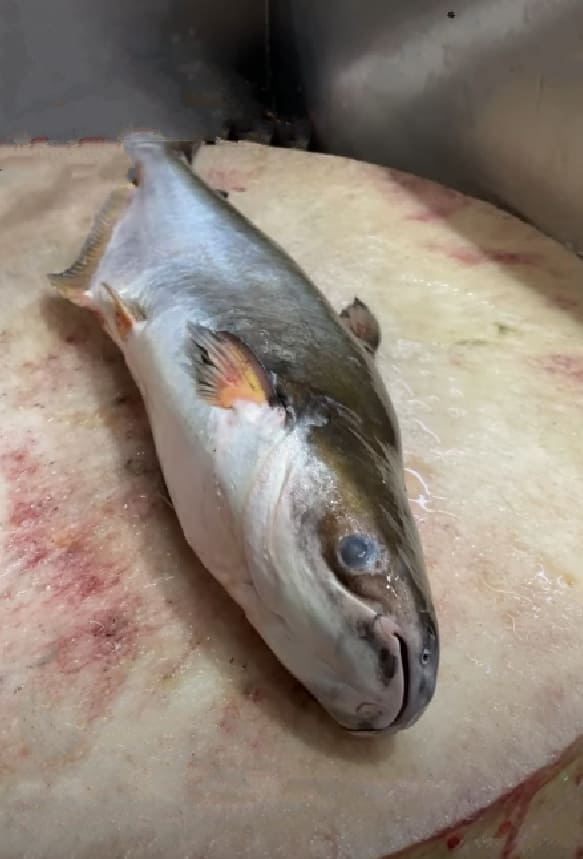
Arius gigas
Described by George Albert Boulenger in 1911, originally as genus Tachysurus. Body elongate and rounded; head …
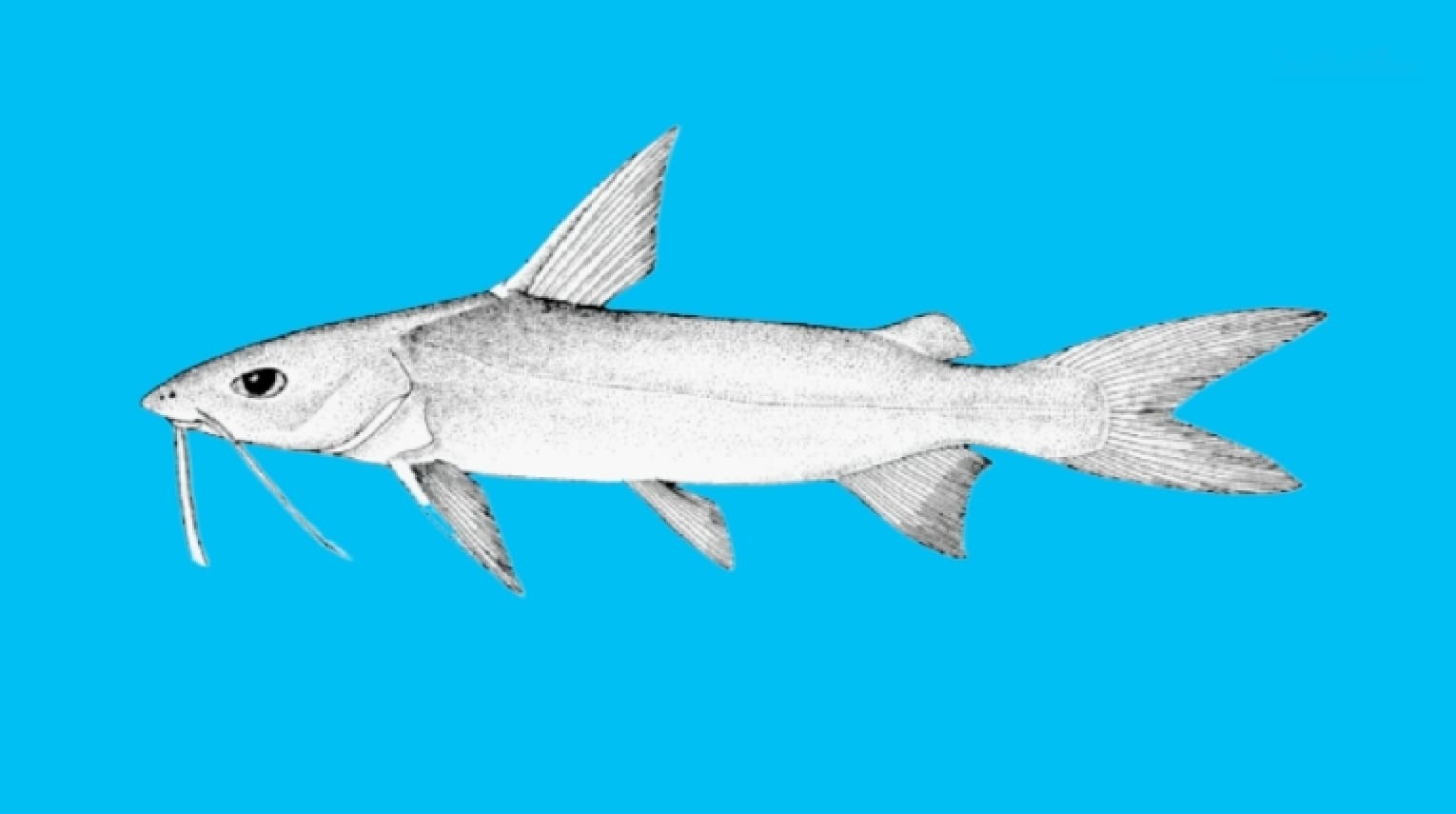
Arius sumatranus
The description of the species is attributed to Edward Turner Bennett in 1830. It was originally …
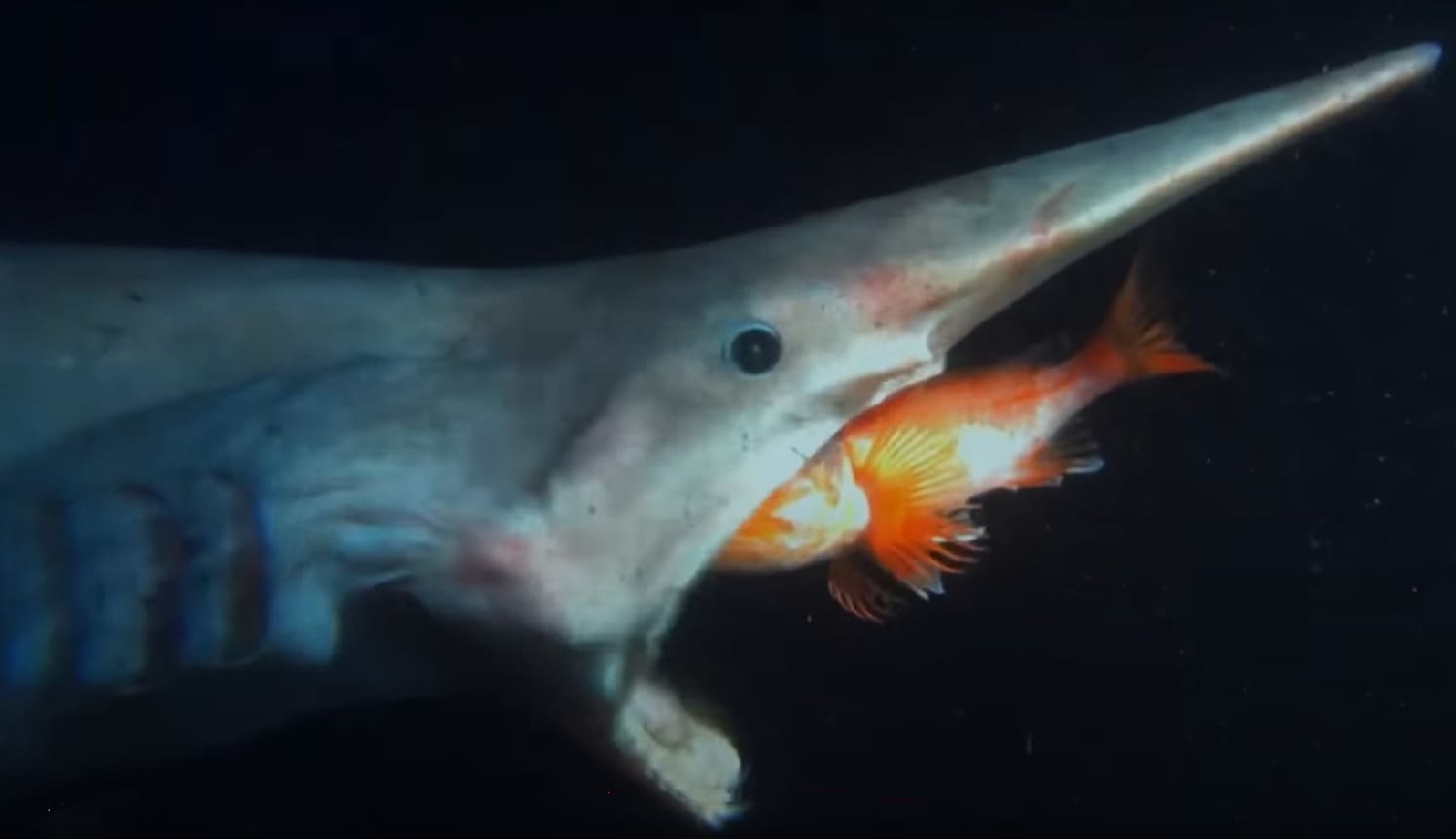
Mitsukurina owstoni
The body is spindle-shaped and the fins have an unusual rounded shape for sharks. The third …
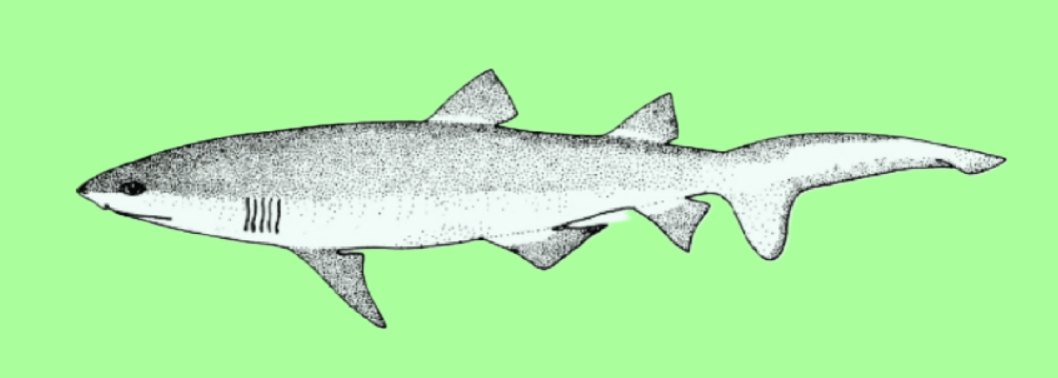
Carcharias tricuspidatus
Carcharias: From the Ancient Greek karkharías, shark, derived from kárkharos, sharp or jagged, referring to a …
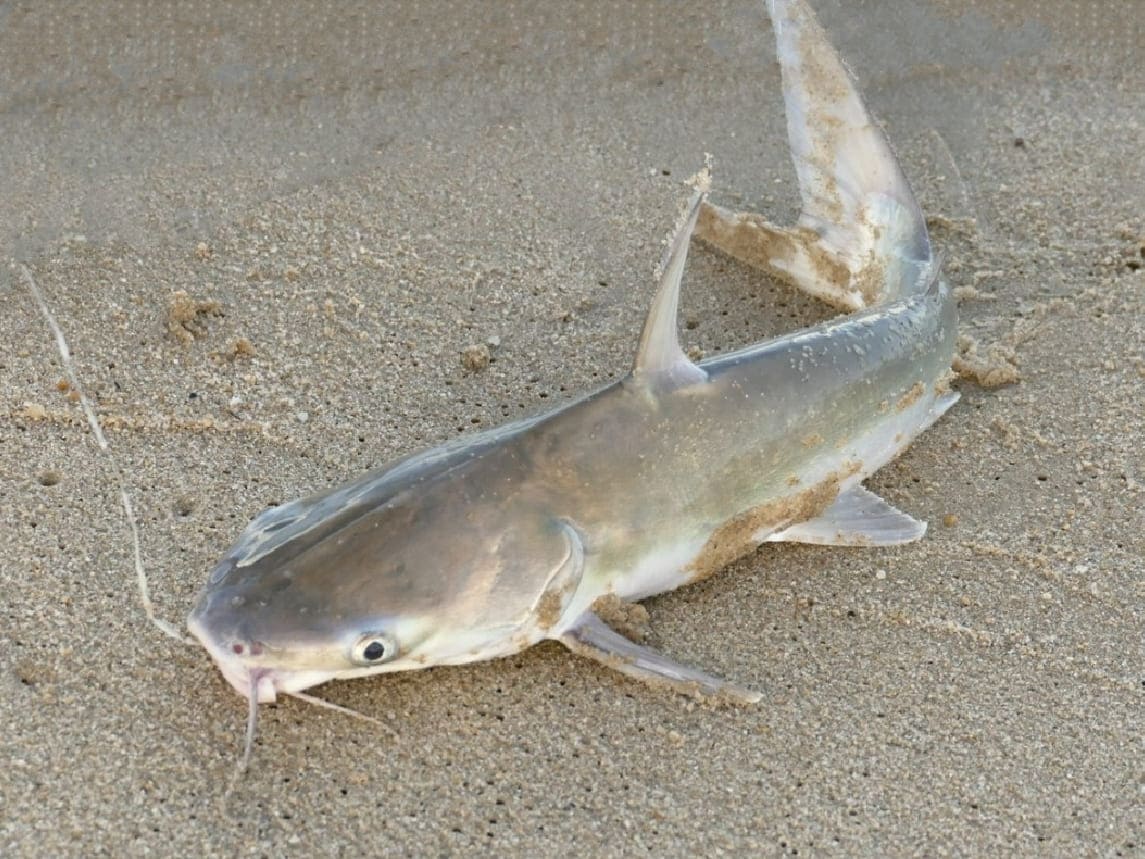
Plicofollis argyropleuron
The species was first described by Achille Valenciennes in 1840, originally within the genus Arius.Head depressed …
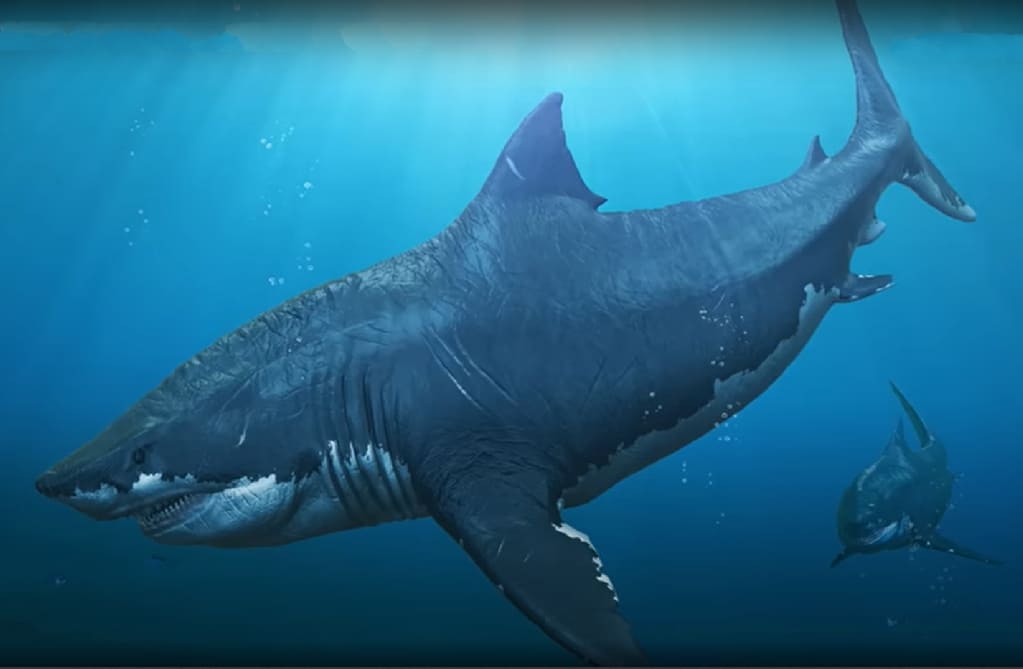
Otodus megalodon
Latin Otodus megalodon or Carcharocles megalodon ← Greek μέγας "large" + ὀδούς "tooth". It existed in …
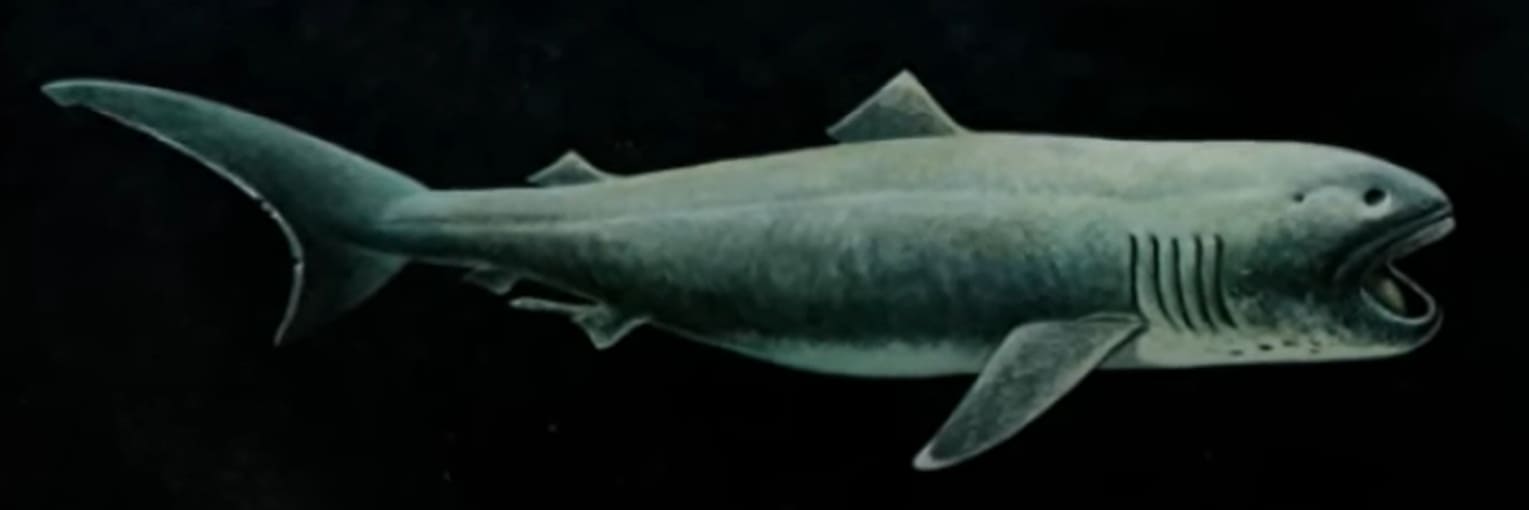
Megachasma pelagios
The most noticeable external feature that gives this shark its name is a large rounded head …
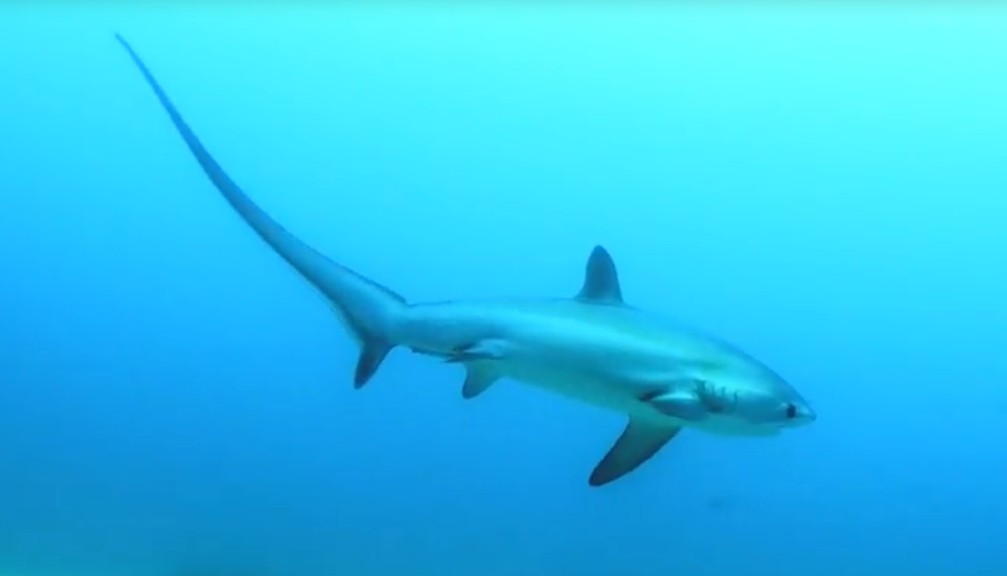
Alopias pelagicus
The Pelagic Thrasher is characterized by a long upper caudal fin blade that can equal the …
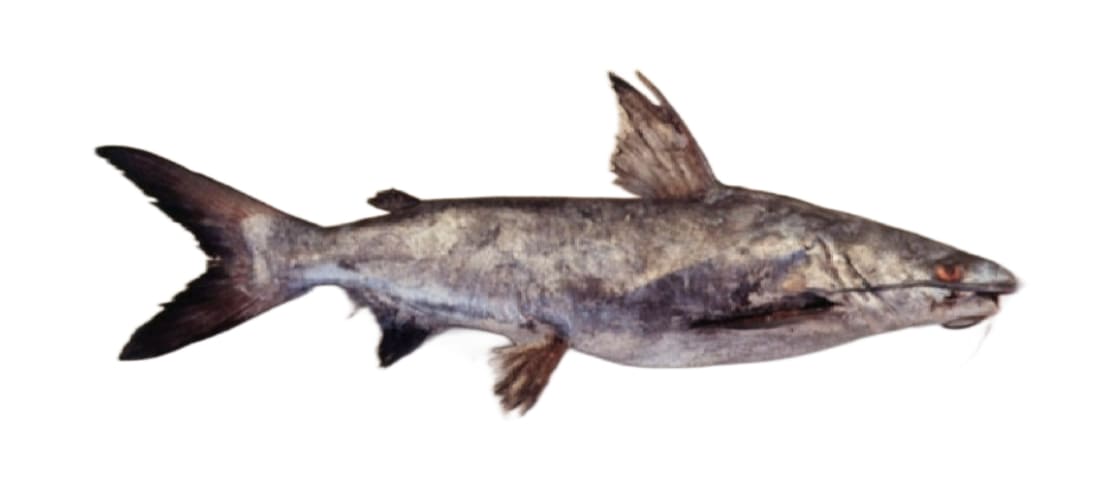
Plicofollis tonggol
Latin namePlicofollis tonggolOther nameManyung, arahan.DistributionThey inhabit the coastal waters of Indonesia, Malaysia, the Philippines and Pakistan.HabitatMarine …
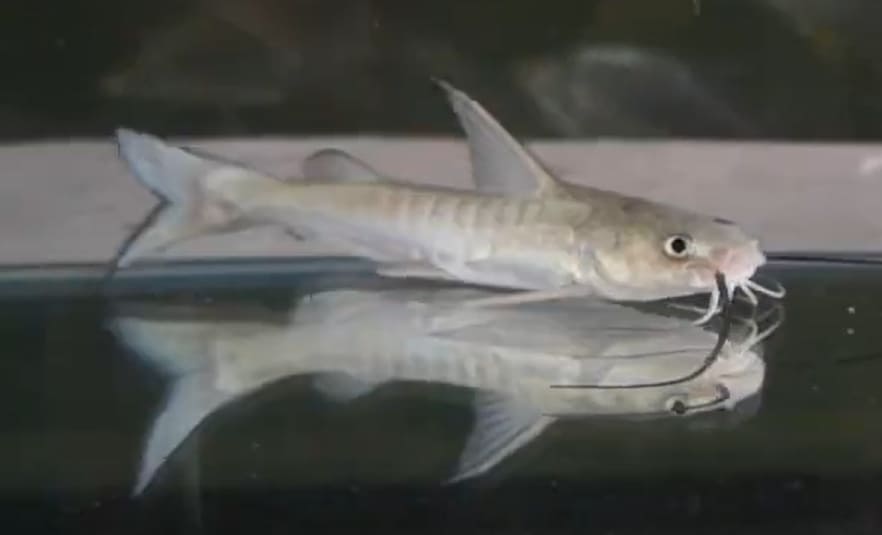
Hexanematichthys sagor
The species was described by Francis Buchanan-Hamilton in 1822, originally as part of the genus Pimelodus.
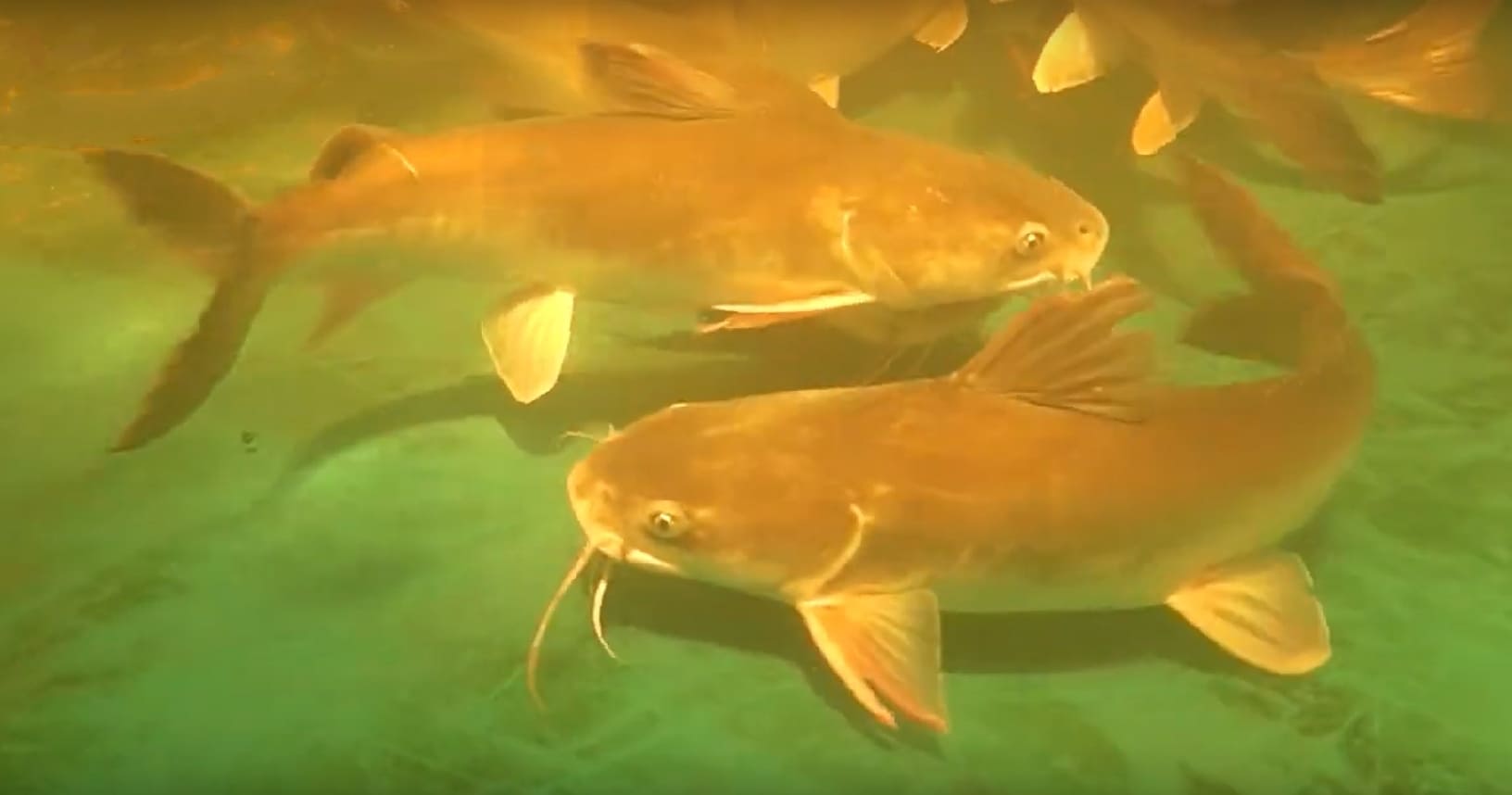
Neoarius leptaspis
It was described by Pieter Bleeker in 1862, originally within the genus Hexanematichthys.
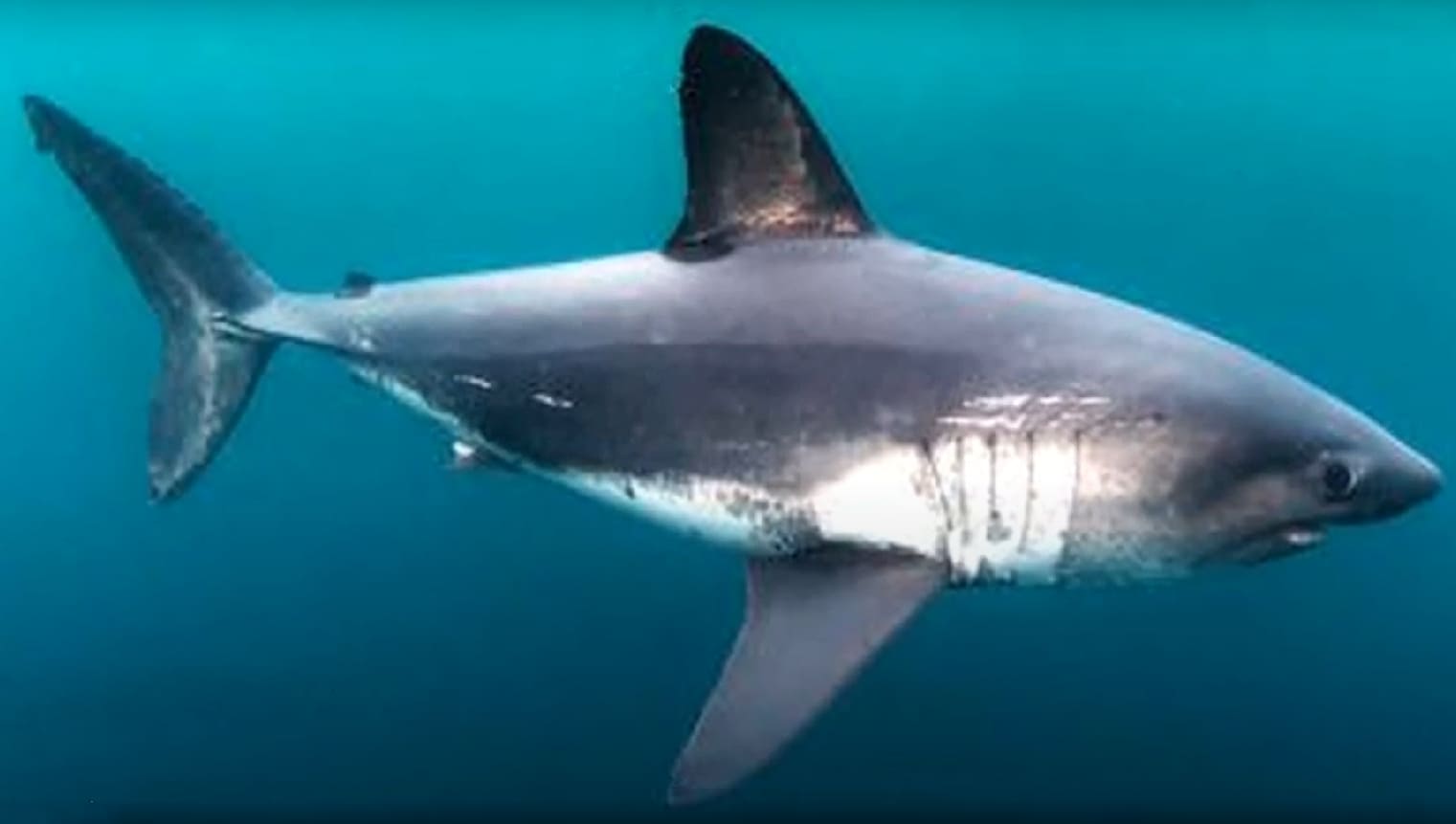
Lamnа ditropis
They have a thick spindle-shaped body, a short conical snout (the distance from the tip of …
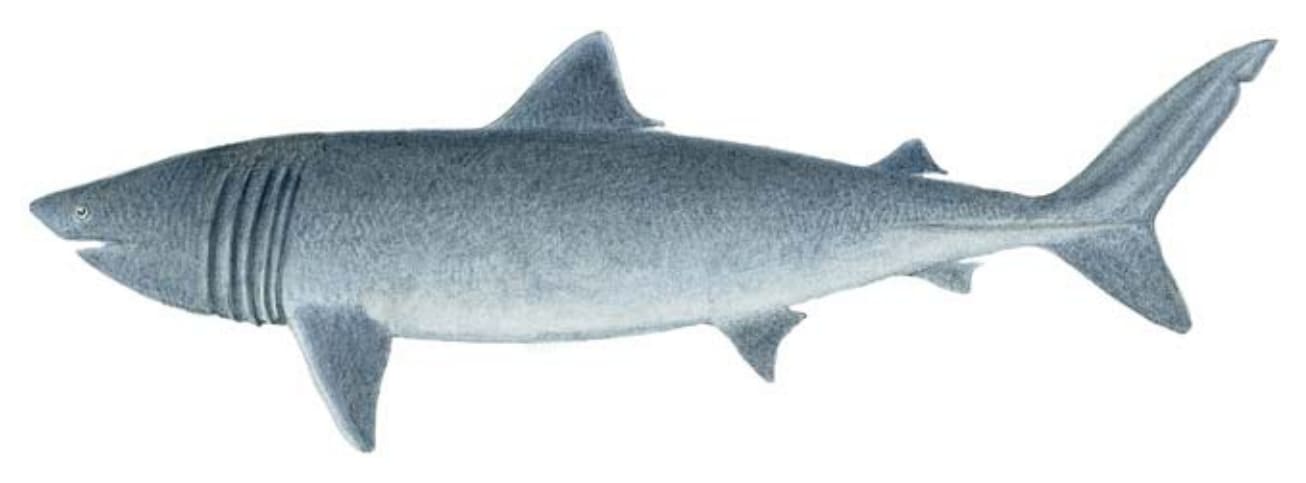
Cetorhinus maximus
The dark gray or slate-gray fish, transitioning to a paler hue, got its name from its …
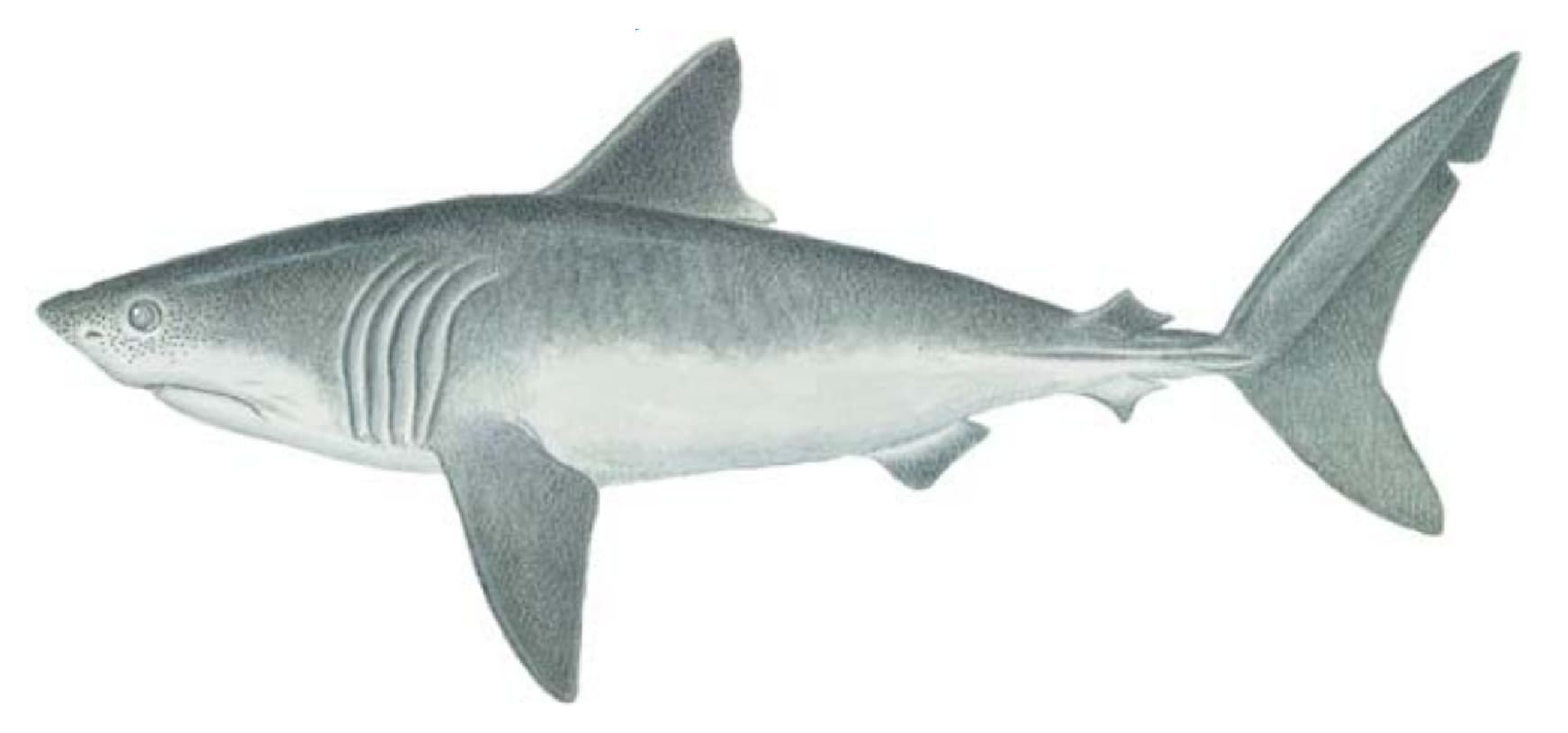
Lamna nasus
The porbeagle has a strong, cobalt blue body with a perfectly conical snout ending in a …
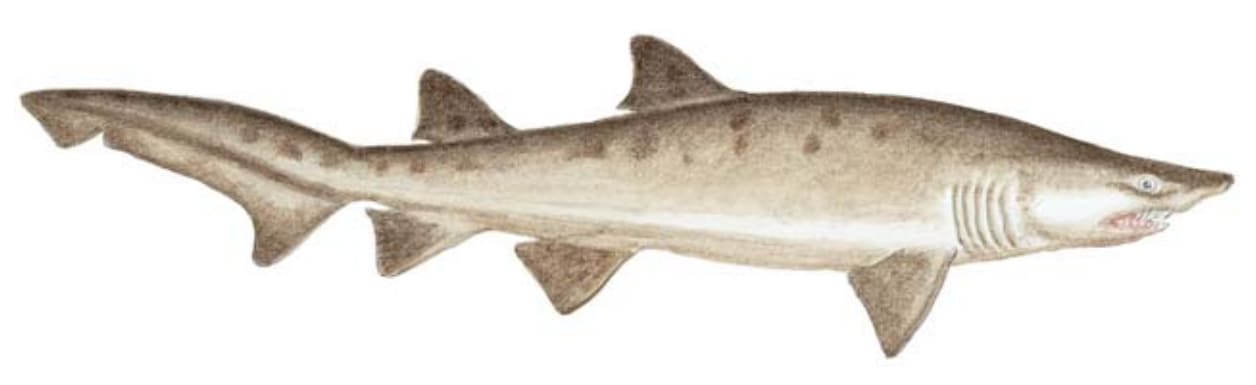
Carcharias taurus
It has a grayish-brown or tan coloration, with dark brown spots on the sides that increase …
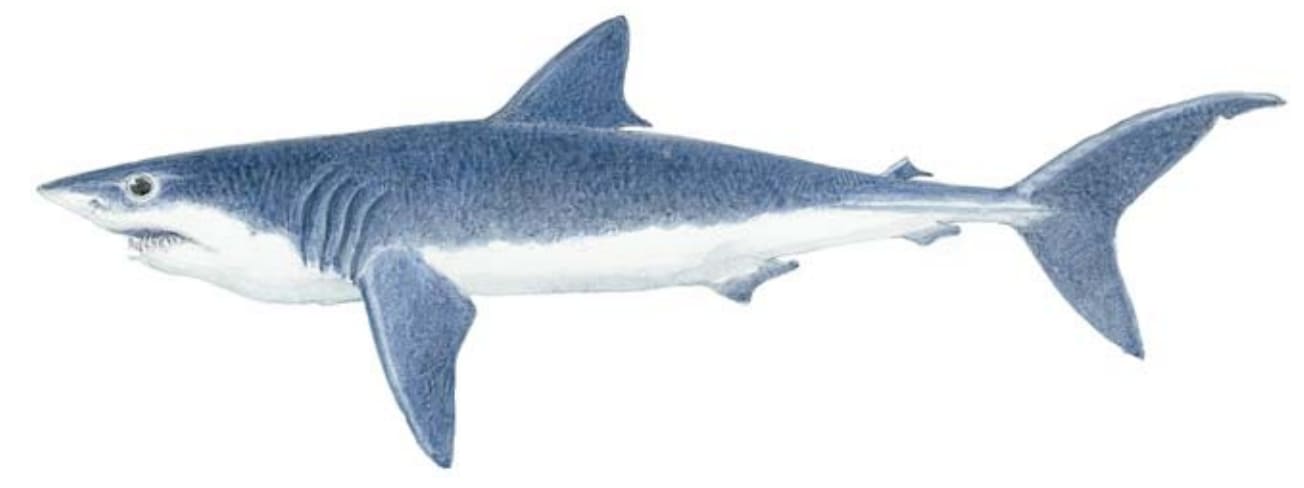
Isurus oxyrinchus
The snout is sharp, conical. There are 24-25 sharp lanceolate teeth on each jaw. The caudal …
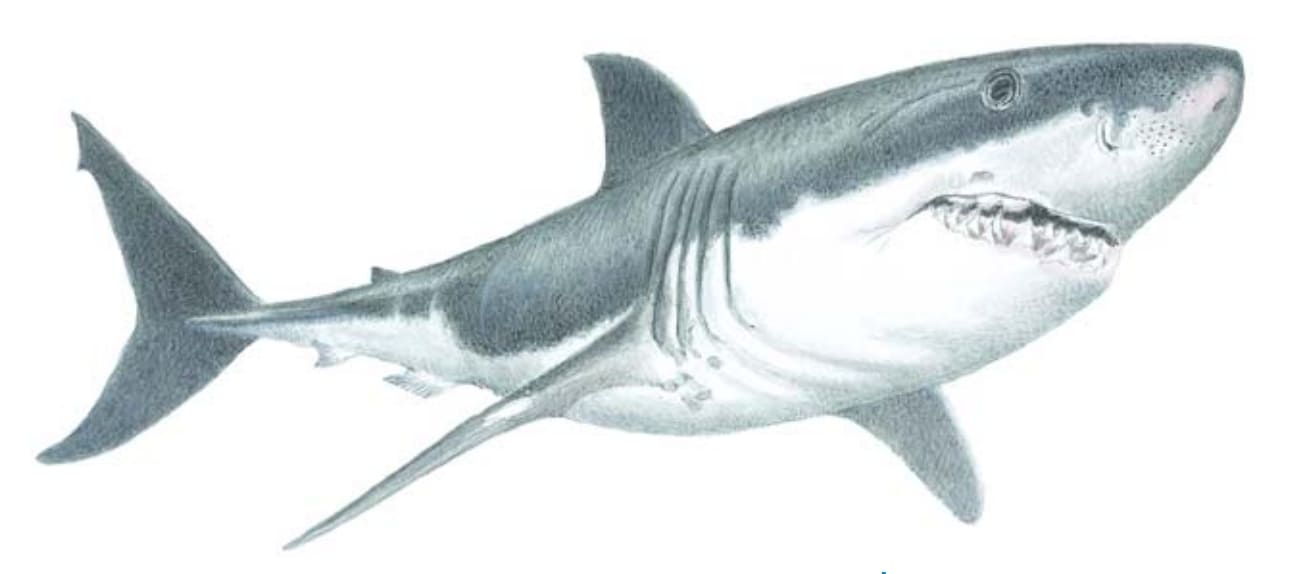
Carcharodon carcharias
The white shark has a strong, heavy body that can be a dull slate-blue, grayish-brown, or …
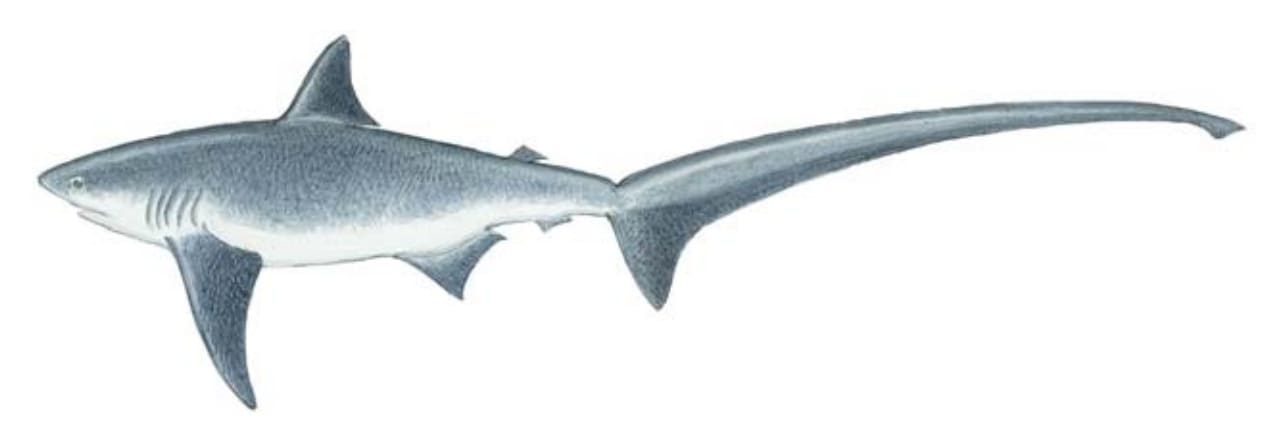
Alopias species
Known by various names, the thresher shark is distinguished by its well-branched tail, whose upper blade …
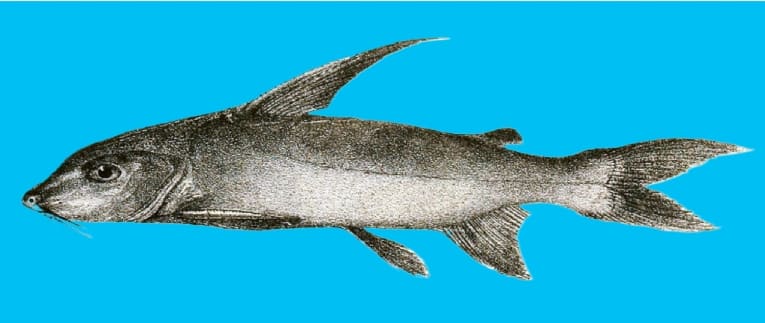
Arius subrostratus
The species was first described in 1840 by Achille Valenciennes.