 Allfishes
Shark, Basking (Cetorhinus maximus)
No information
Latin name
Cetorhinus maximus
Other names
No information
Identification
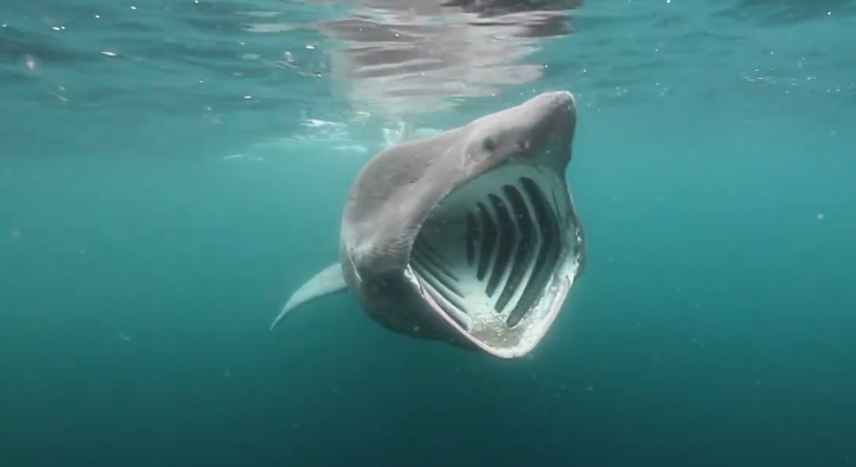
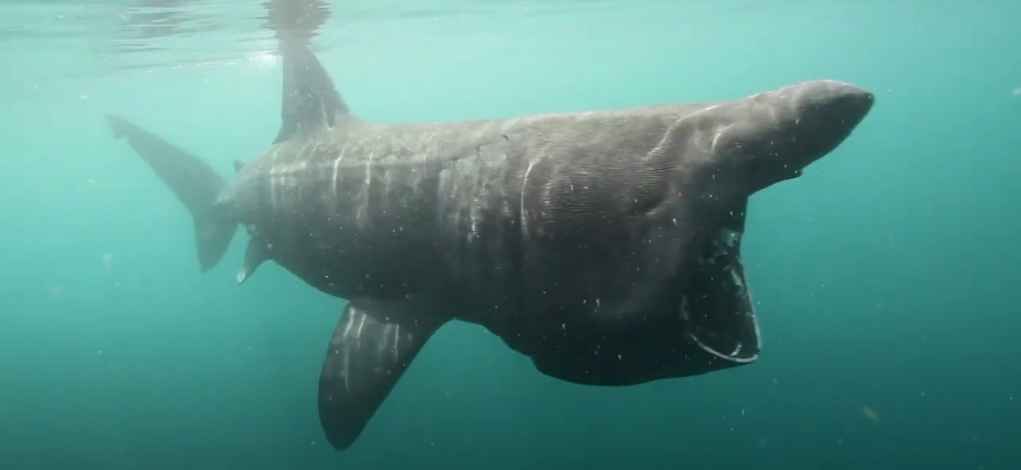
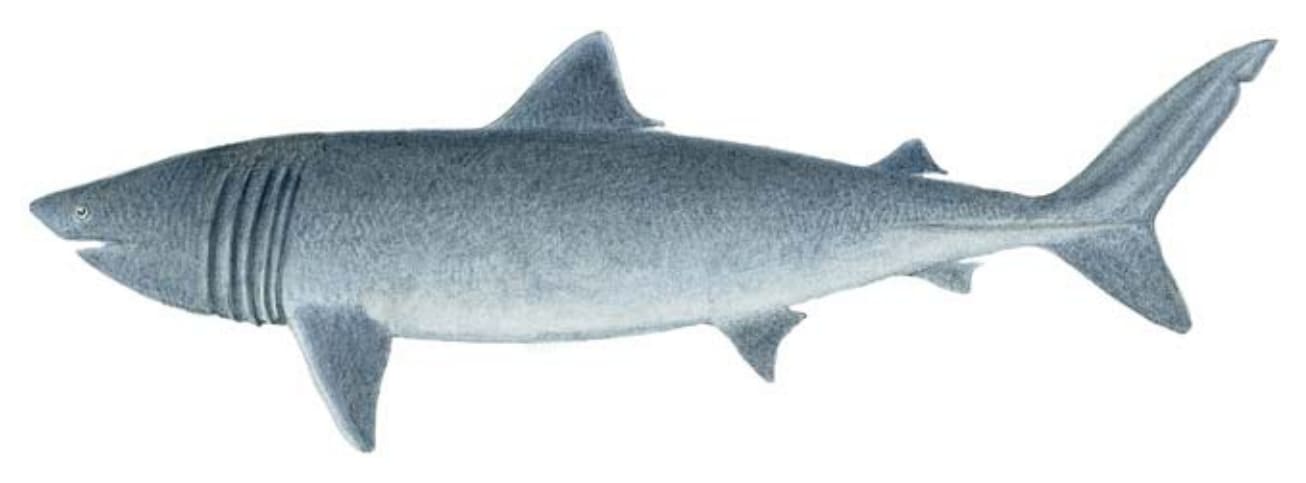
The dark gray or slate-gray fish, transitioning to a paler hue, got its name from its habit of swimming slowly at the surface. Its long gill slits cover its sides and almost close together underneath, with long, closely spaced gill rakes, which it uses to capture zooplankton. The gills are shed in winter and the shark basks on the bottom while it grows new ones.
Distribution
The shark is distributed almost all over the world.
Habitat
The Pelagic shark lives in cool, temperate waters.
Size
The second-largest shark in existence today, growing up to 45 meters.
Life history and Behavior
No information
Food and feeding habits
Feeding on plankton, it does not take bait because it is too big for sport fishing.
Reproduction
Her three-year gestation period is the longest of any shark.
Interesting facts
In summer, the basking shark feeds on plankton — and its gills are equipped with numerous long rakers. In winter, when plankton is scarce, it switches to feeding on benthic invertebrates — and the unnecessary rakers on its gills disappear.
Photos