 Allfishes
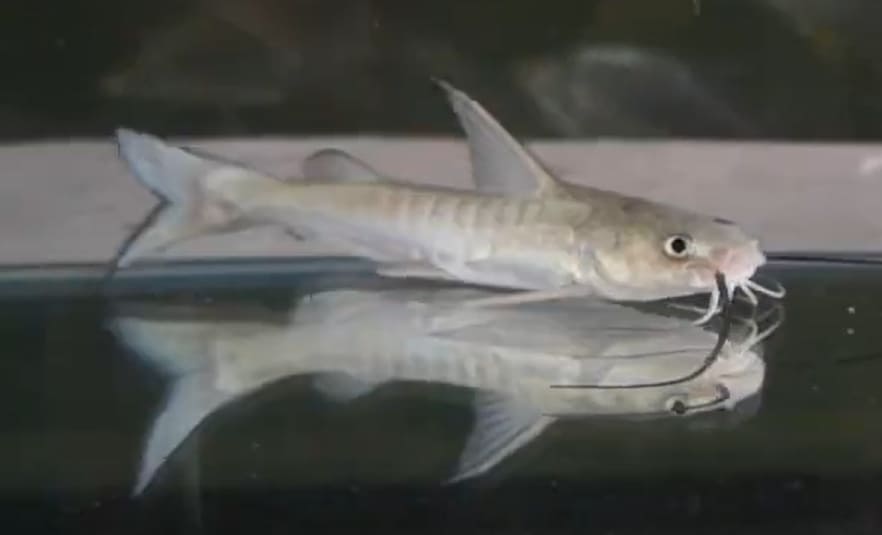
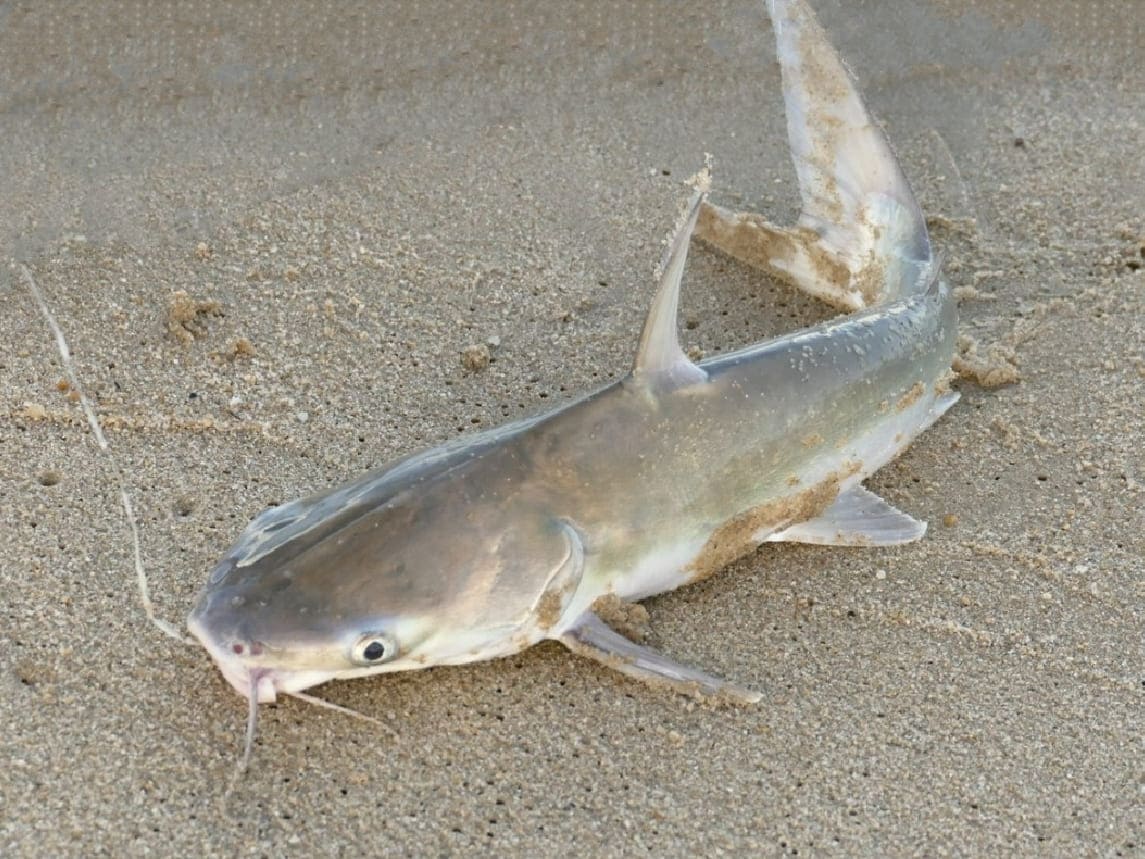
Sagor catfish (Hexanematichthys sagor)
Latin name
Hexanematichthys sagor
Other name
Sagor sea catfish, Sunda sea-catfish, marine catfish, dusky catfish.
Identification
The species was described by Francis Buchanan-Hamilton in 1822, originally as part of the genus Pimelodus.
Features of fish fins
Dorsal spines (total): 1; Anal spines: 0.
Fish colouring
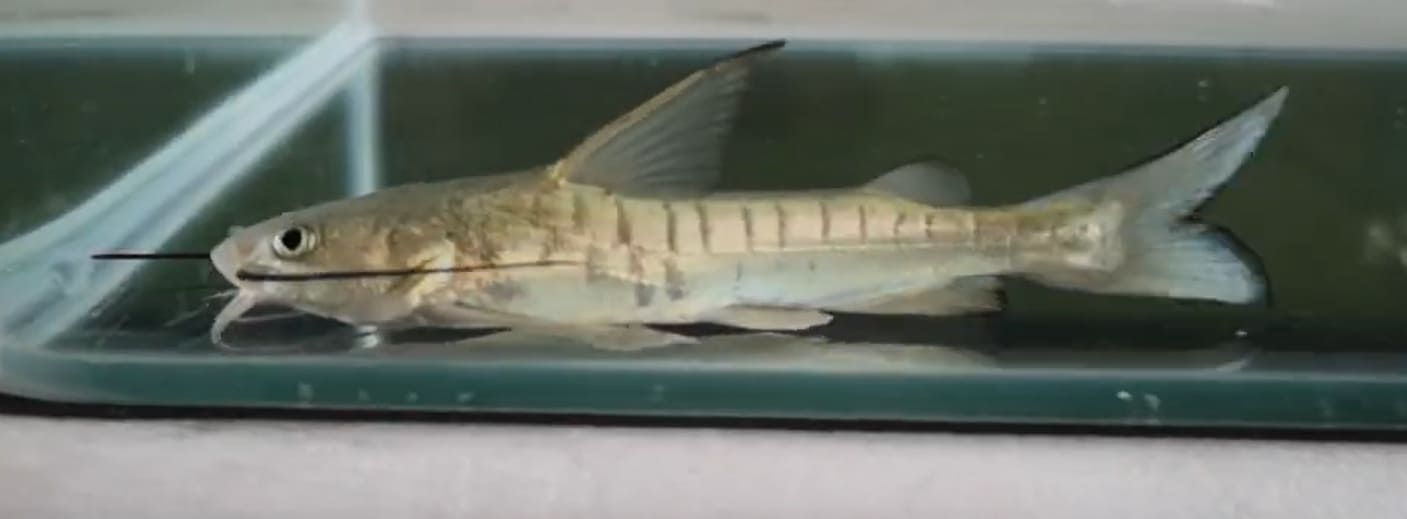
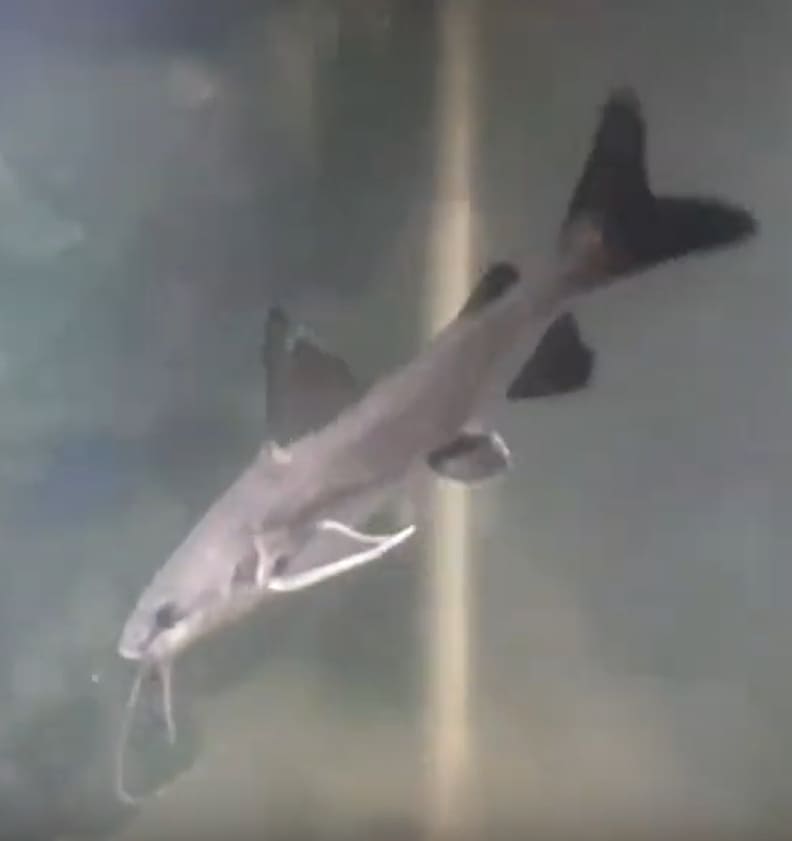
The body of this fish is silvery gray.
Distribution
These fish are found in many areas of the Indo-West Pacific Ocean: Pakistan, west and east coasts of India, Bangladesh, Myanmar, Thailand, Malaysia, Singapore, Indo-Australian archipelago (but not in Papua New Guinea or Australia). China and the Philippines have also been recorded.
Habitat
Tropical marine benthic amphidromous species. Lives in estuaries and freshwaters.
Size
This species has a maximum total length of 18 inches (45 cm), but most commonly reaches 12 inches (30 cm).
Behavior
Found along the coast, especially in estuaries. Rise to freshwater in the upper intertidal zone.
Food and feeding habits
The diet of the catfish consists of fish and benthic invertebrates.
Reproduction
They carry the eggs in their mouths. Juveniles continue to hide in males' mouths for the first 2 months.
Fishing
Sagor catfish are harvested commercially and for aquarium culture.
Relationship with a person
The flesh of these fish is sold fresh.
Traumatogenic for humans.
Photos
Related species (same family)
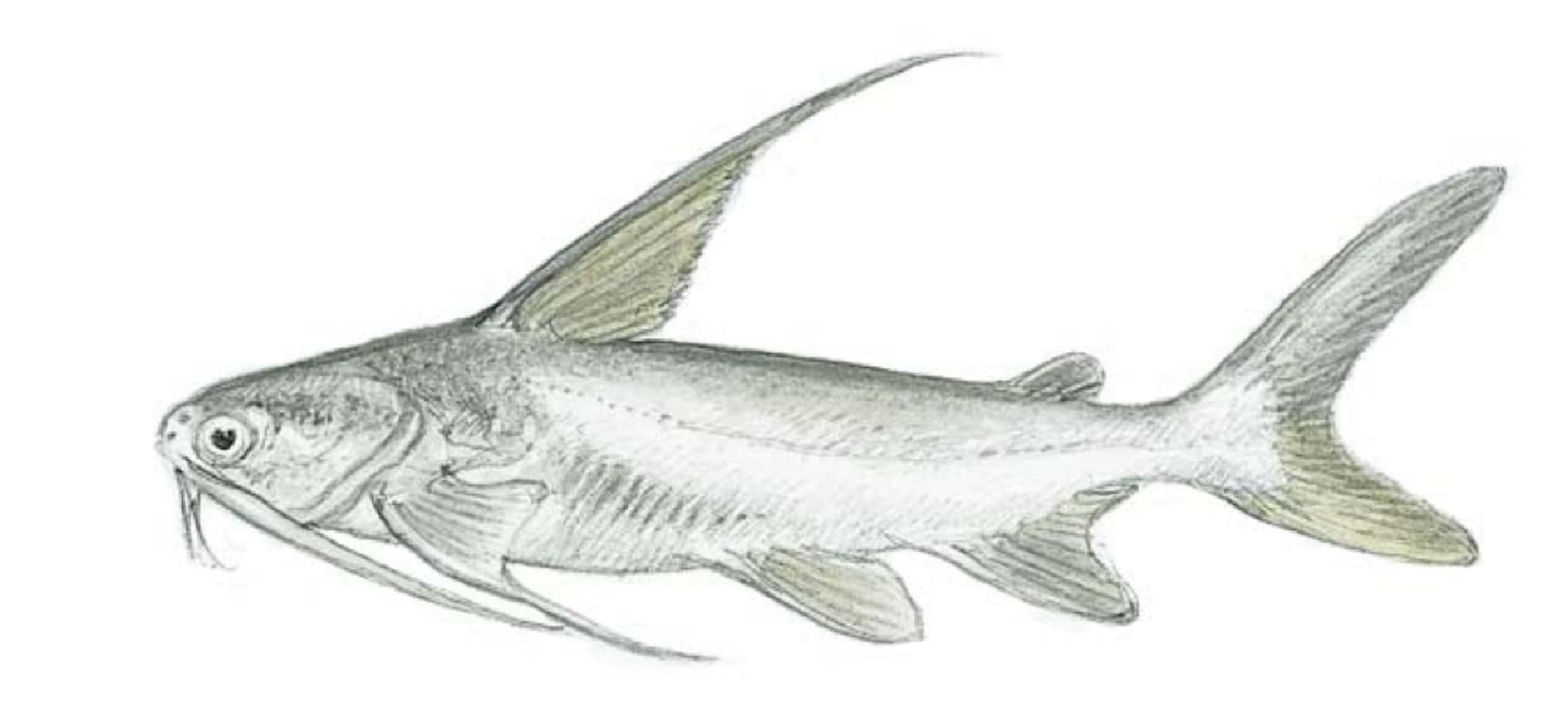
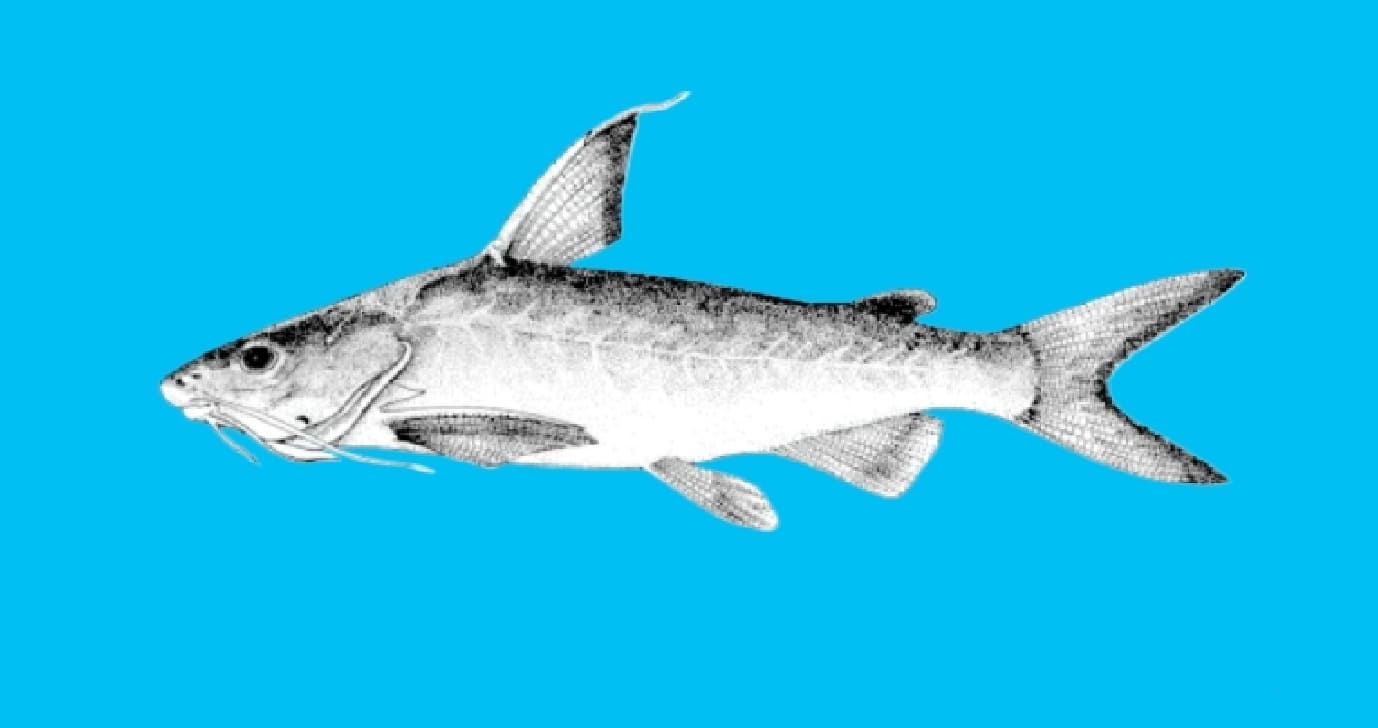
Catfish, Gafftopsail
Bagre marinus
The Gafftopsail catfish has a grayish-blue dorsal fin, silvery pelvic fins, a strong body, and a …
Fleshysnout catfish
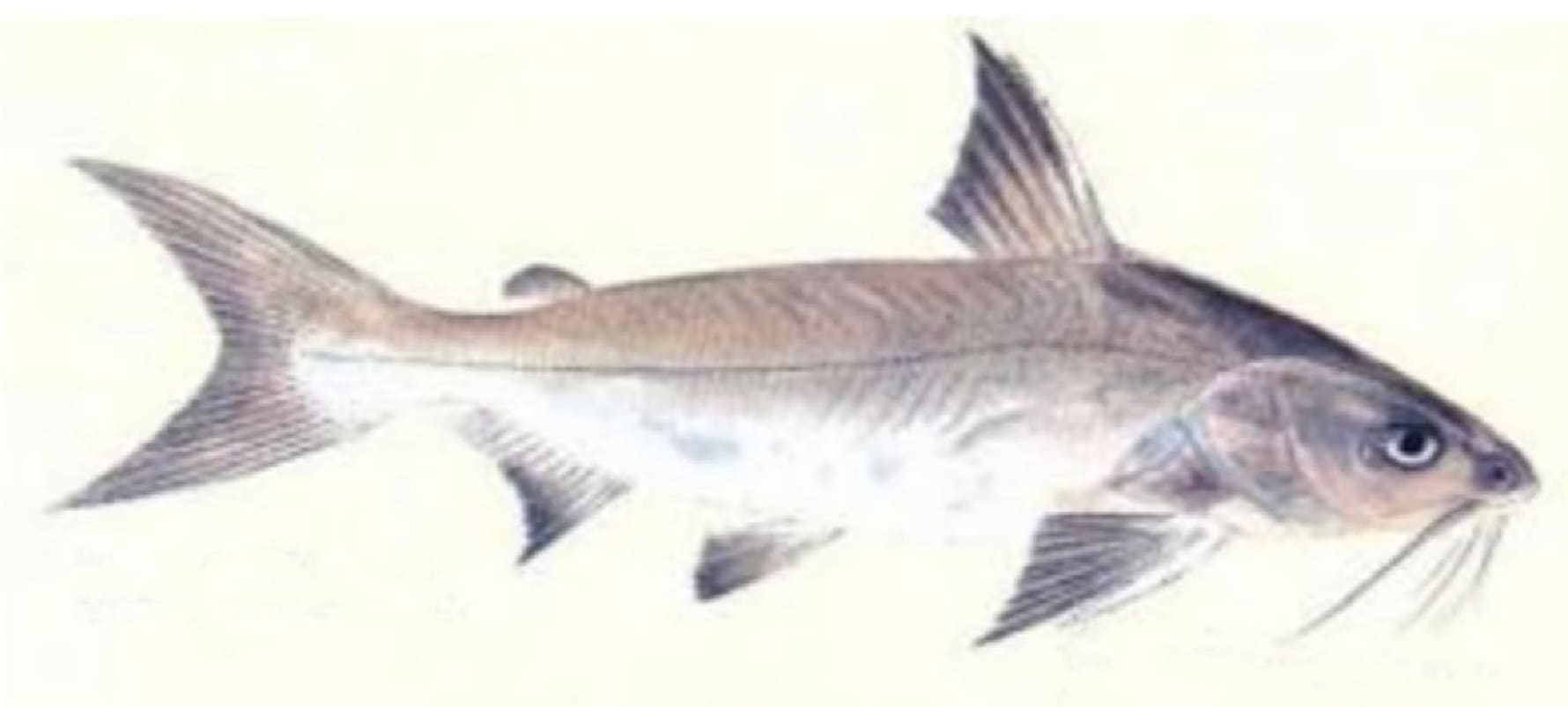
Arius dispar
The species was described by Albert William Herre in 1926, originally as part of the genus …
Giant catfish
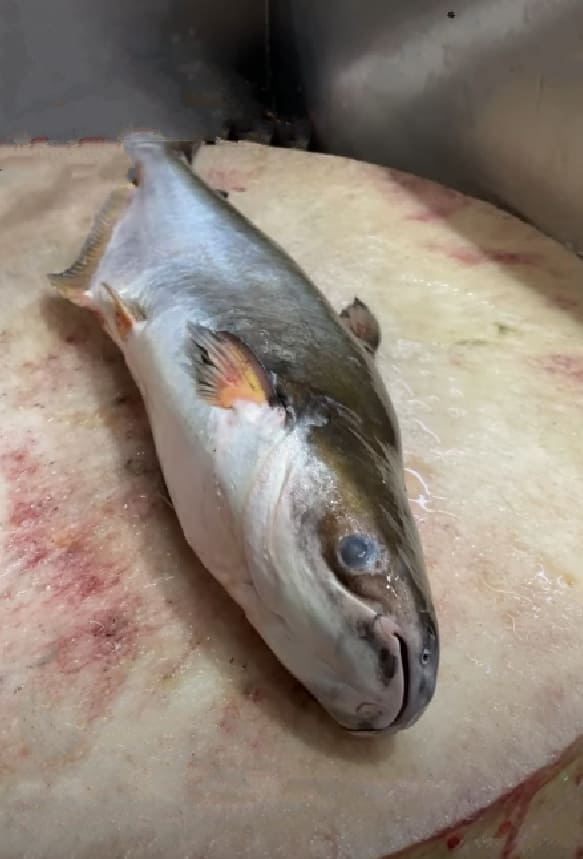
Netuma thalassina
The species was described by Eduard Rüppell in 1837, originally as the genus Bagrus.
Giant sea catfish
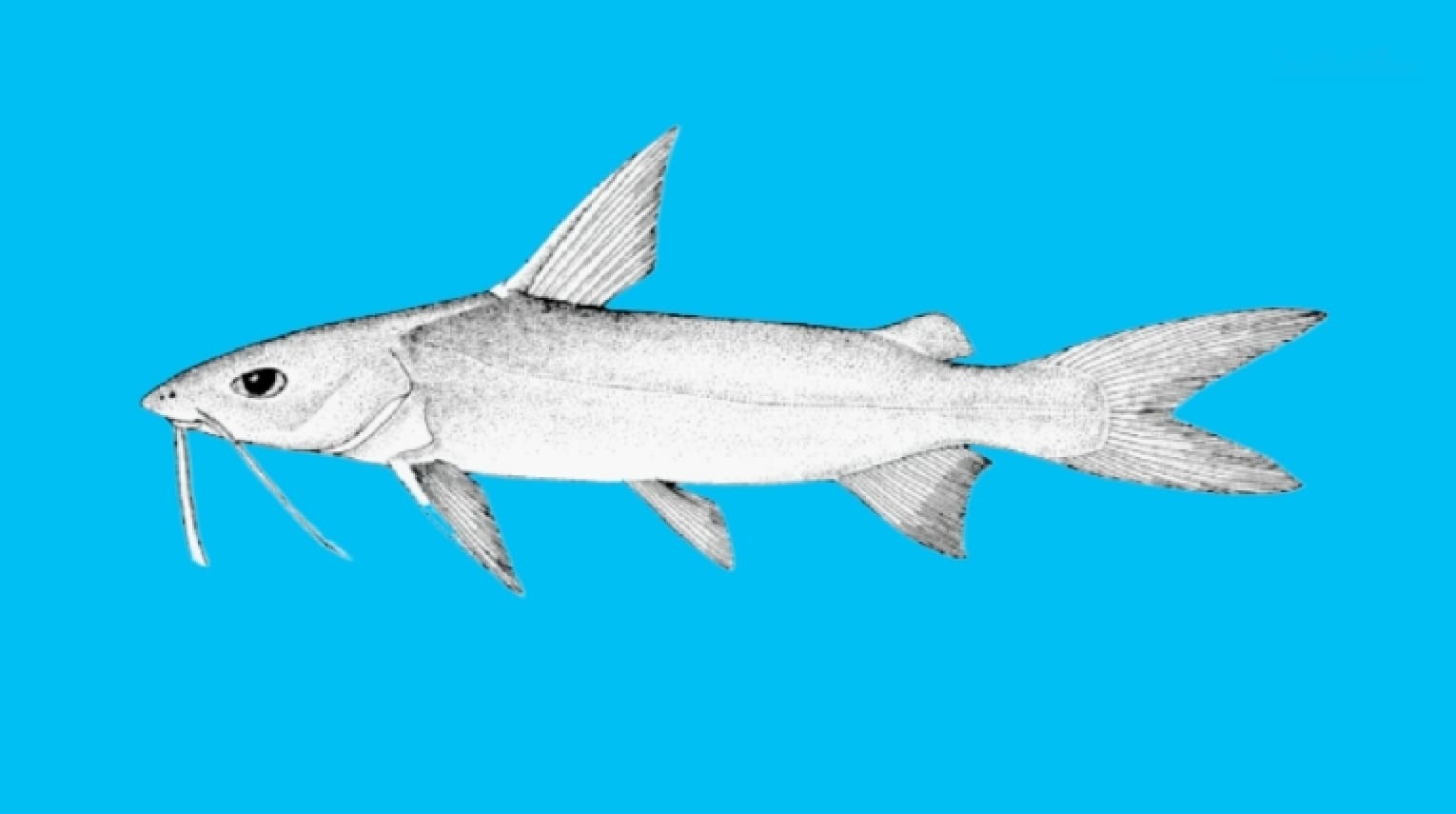
Arius gigas
Described by George Albert Boulenger in 1911, originally as genus Tachysurus. Body elongate and rounded; head …
Goat catfish
Arius sumatranus
The description of the species is attributed to Edward Turner Bennett in 1830. It was originally …
Longsnouted catfish
Plicofollis argyropleuron
The species was first described by Achille Valenciennes in 1840, originally within the genus Arius.Head depressed …