 Allfishes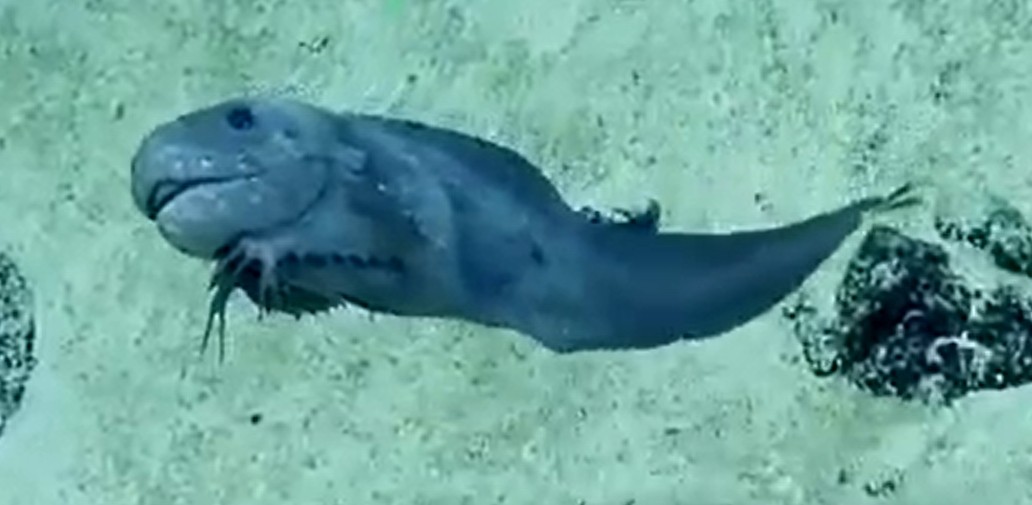
Broad-mouth tadpole
Careproctus latiosus
The broad-mouth tadpole can be identified by the following characteristics:59-60 vertebraeTwo pairs of weak pleural ribsThree …
Guide to marine fish with sorting and selection options by family, feeding method, size, and other important characteristics.
Showing 1–13 of 13
Careproctus latiosus
The broad-mouth tadpole can be identified by the following characteristics:59-60 vertebraeTwo pairs of weak pleural ribsThree …
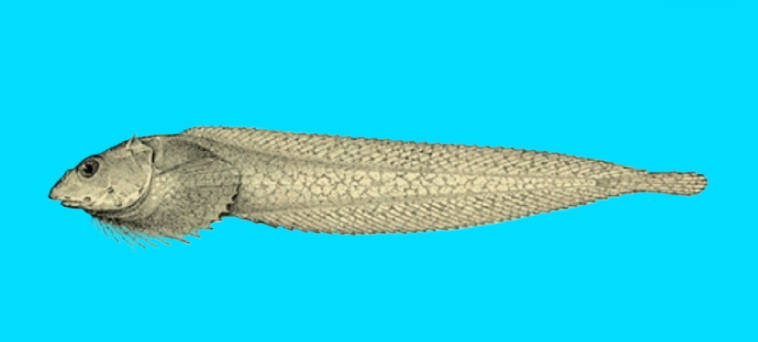
Careproctus catherinae
The body of Careproctus catherinae is elongated, gelatinous and without scales. The head is large compared …
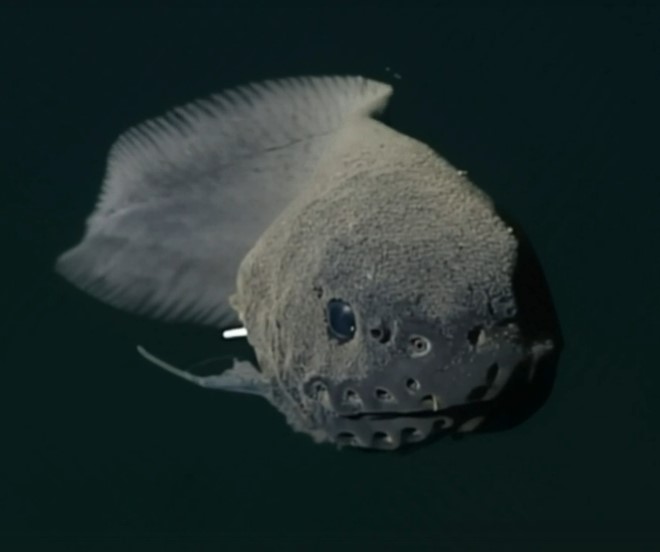
Careproctus inflexidens
Careproctus: Greek, kara = face + Greek, proktos = anus. Inflexidens: named for its recurved teeth.Careproctus …
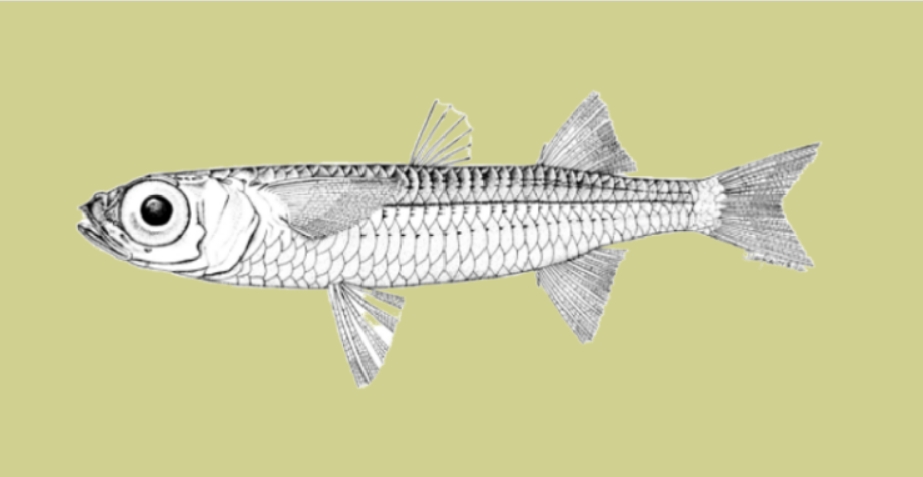
Atherinomorus regina
The palatal teeth are absent. Biology unknown. Probably used as food by commercial fish species.
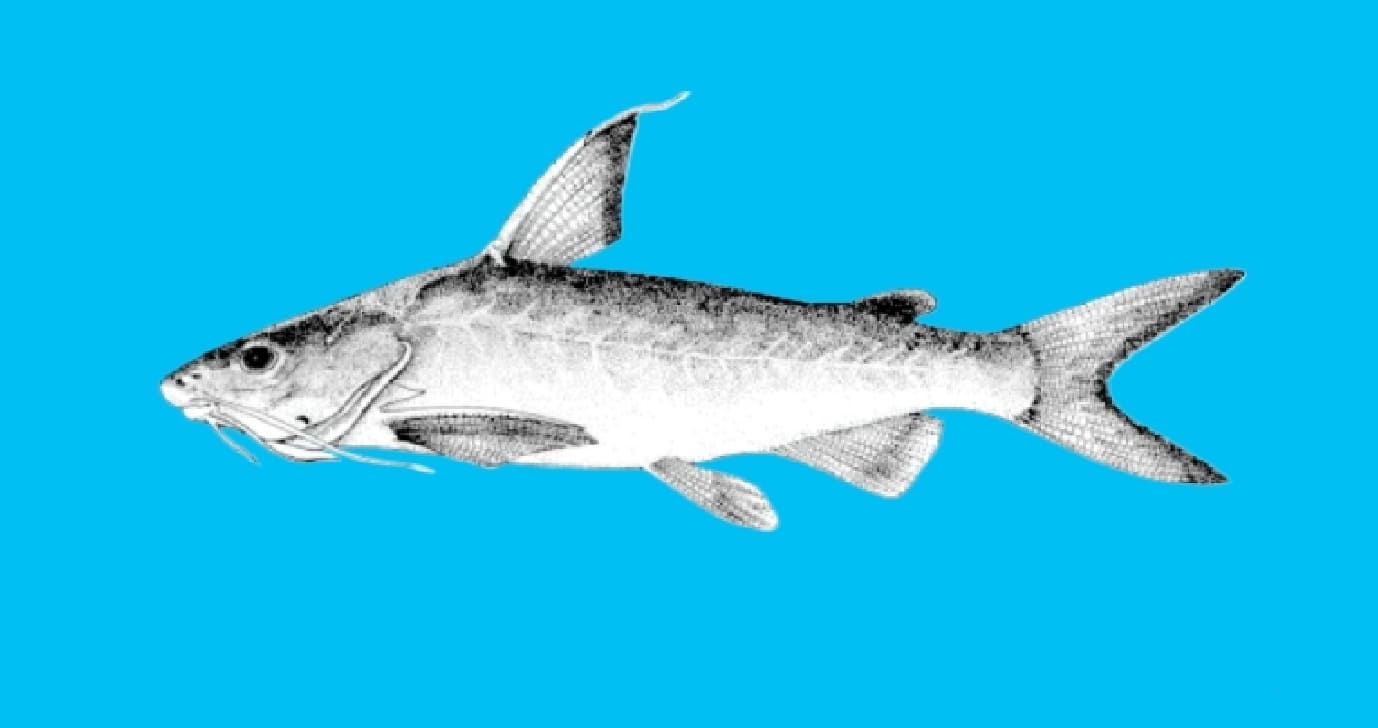
Arius dispar
The species was described by Albert William Herre in 1926, originally as part of the genus …
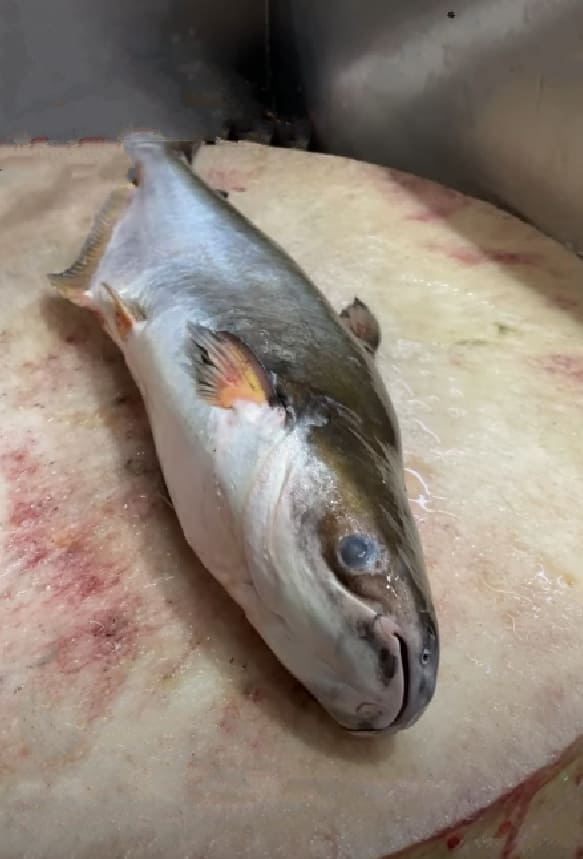
Arius gigas
Described by George Albert Boulenger in 1911, originally as genus Tachysurus. Body elongate and rounded; head …
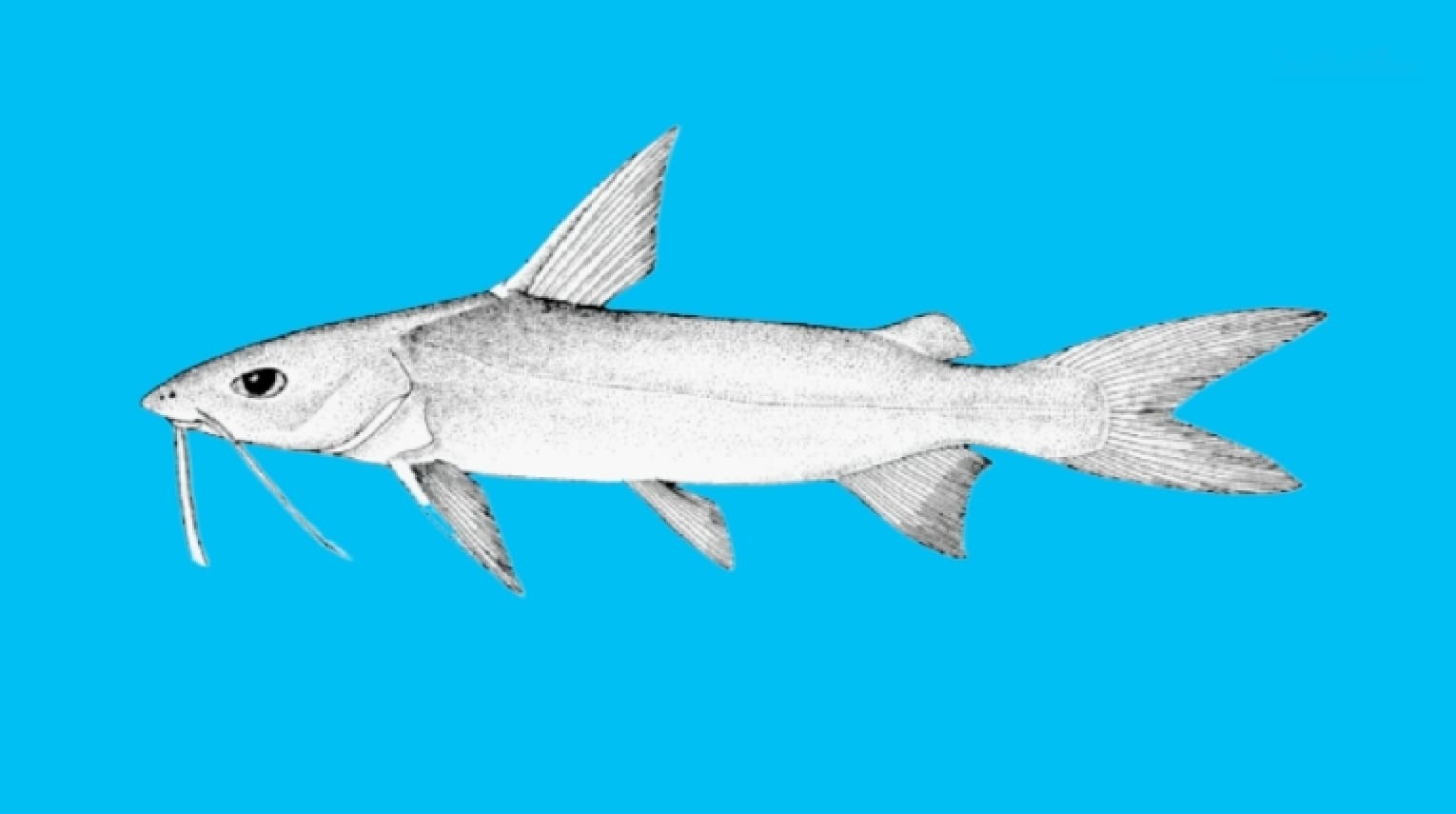
Arius sumatranus
The description of the species is attributed to Edward Turner Bennett in 1830. It was originally …
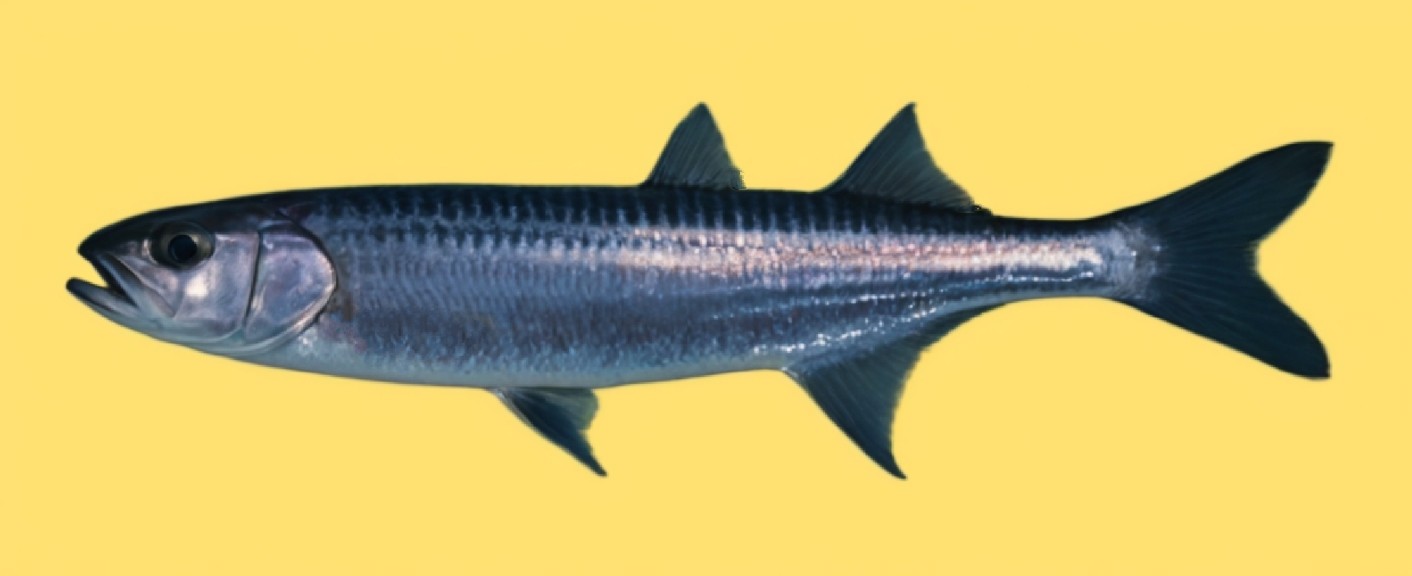
Atherinomorus lacunosus
The Hardyhead silverside is characterised by a very low and broad lateral protrusion of the premaxilla, …
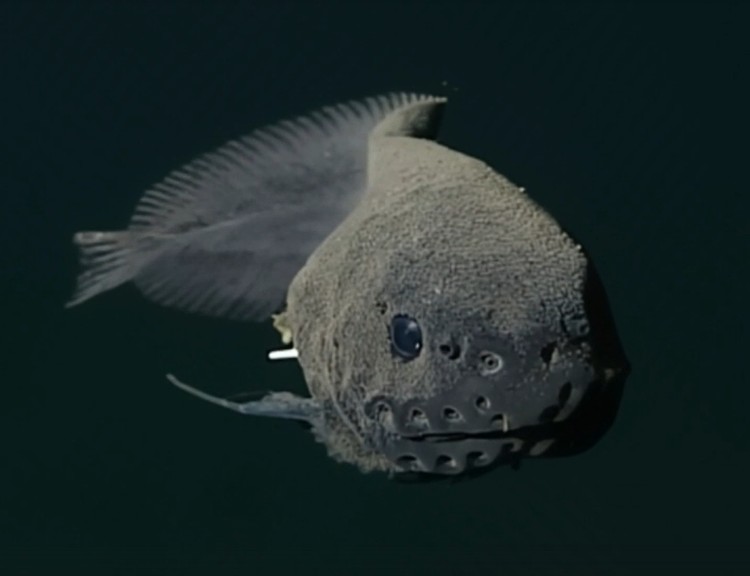
Careproctus moskalevi
Moskalev's tadpole отличается следующими признаками: позвонки 59-62; 2 пары слабых плевральных ребер; глубина тела в 5-6 …
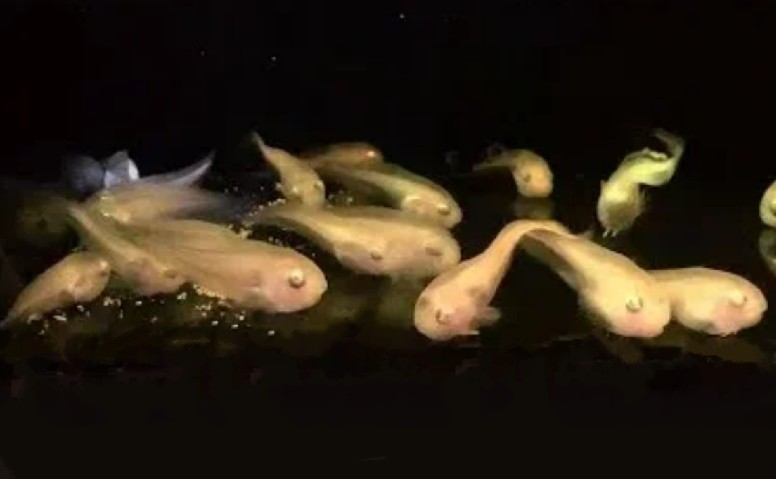
Careproctus rastrinus
The body of the Salmon snailfish is massive, high anteriorly, laterally compressed, and gradually tapering toward …
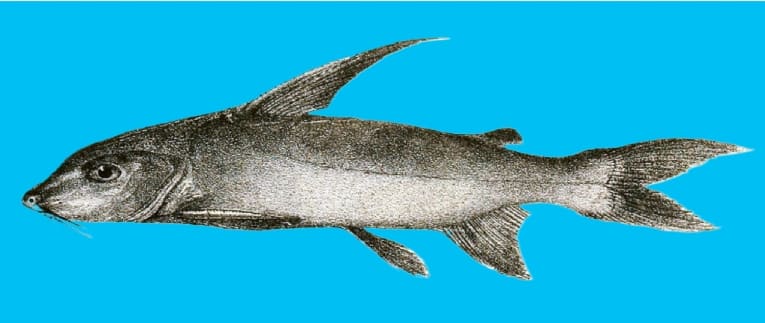
Arius subrostratus
The species was first described in 1840 by Achille Valenciennes.
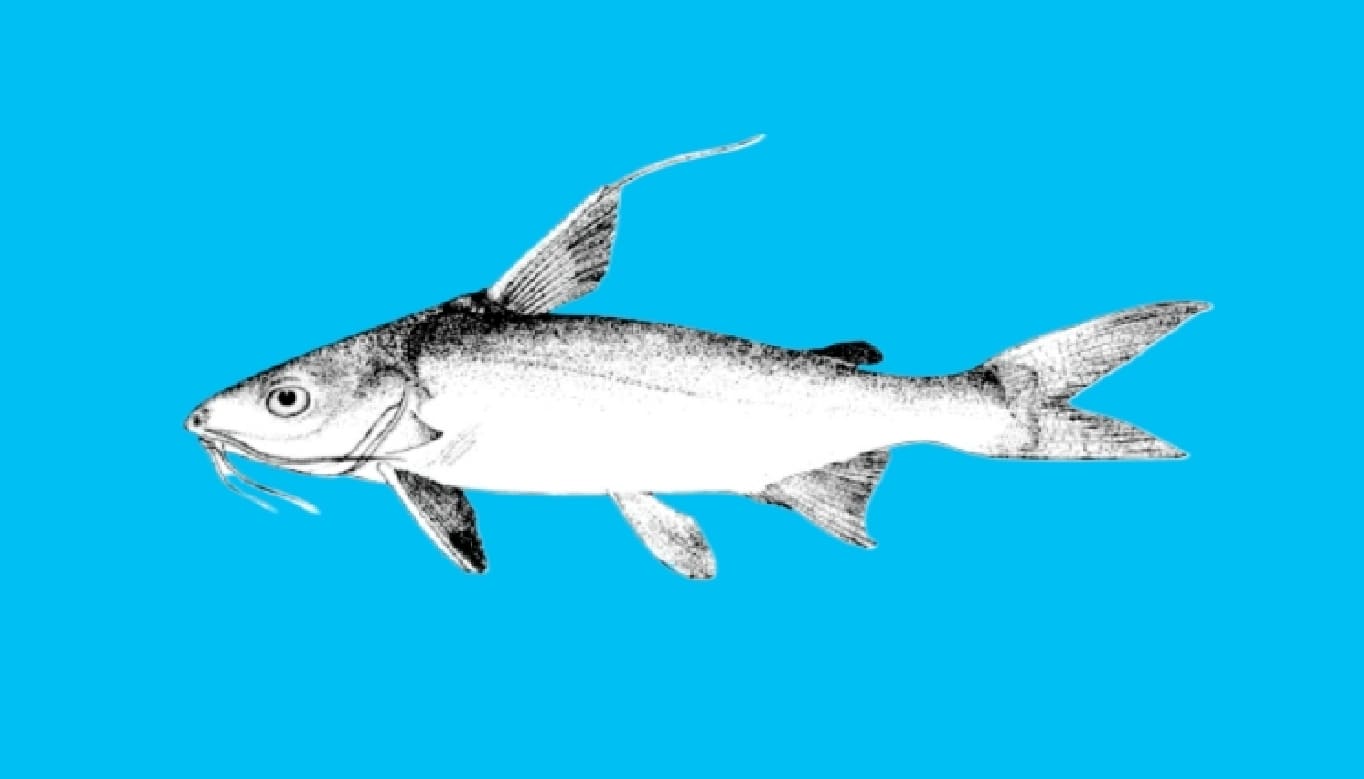
Arius arius
The species was described by Francis Buchanan-Hamilton in 1822, originally as part of the genus Pimelodus.
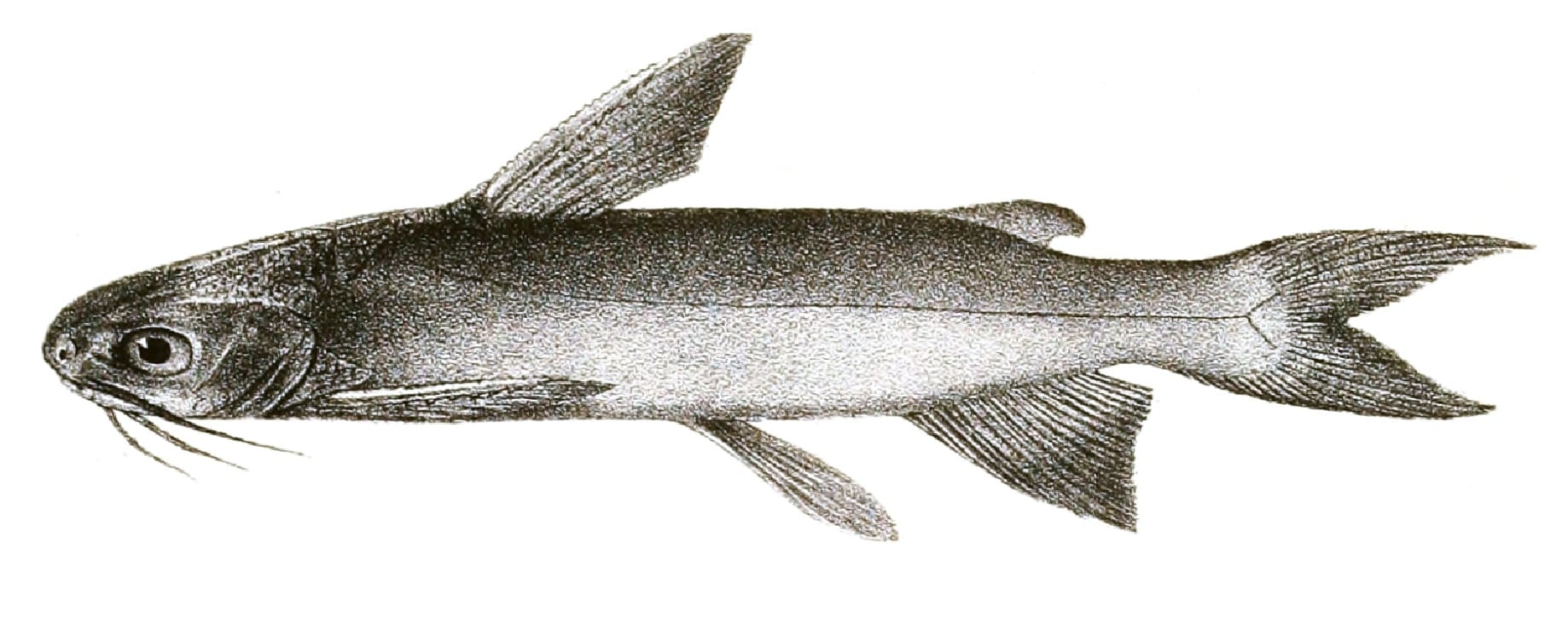
Arius venosus
The species was described in 1840 by Achille Valenciennes.