 Allfishes
Careproctus catherinae (Careproctus catherinae)
Latin name
Careproctus catherinae
Identification
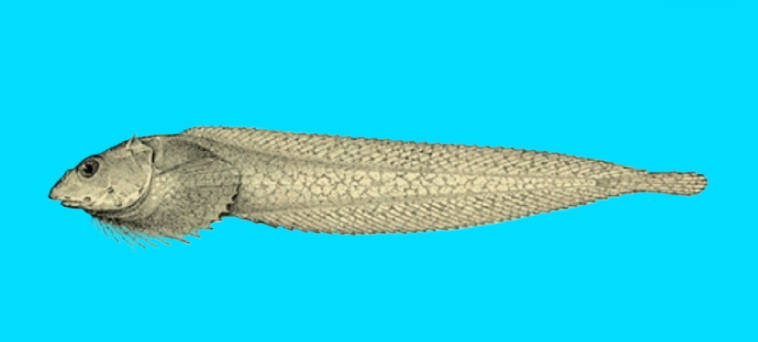
The body of Careproctus catherinae is elongated, gelatinous and without scales. The head is large compared to the body and the eyes are small. They have a thin, loose gelatinous mantle surrounding the spine. The gelatinous layer has a high water content and low protein, lipid and carbohydrate content, allowing it to support growth at low metabolic cost.
Features of fish fins
The long dorsal fin has 28-82 soft rays and the anal fin has 24-76 soft rays. The dorsal and anal fins merge or almost merge with the caudal fin. The pelvic fins are modified to form a rounded sucker.
Fish colouring
The body colour is monotonous.
Distribution
This fish species has only been found in the Southern Ocean in the Ross Sea.
Habitat
A deep-sea marine species. Their habitat ranges in depth from 1,382 to 2,154 metres.
Size
Males of this species reach a maximum length of 21.6 cm, females 19.2 cm.
Behavior
This species is characterised by a high survival rate.
Food and feeding habits
Careproctus catherinae feeds on plankton.
Reproduction
They lay sticky eggs on hydroids, in the perigallic cavity of crabs and in the mantle cavity of bivalves.
Fishing
Not of interest for commercial fishing.
Relationship with a person
Harmless.
Related species (same family)
Blackhead strainer snailfish
Rhodichthys melanocephalus
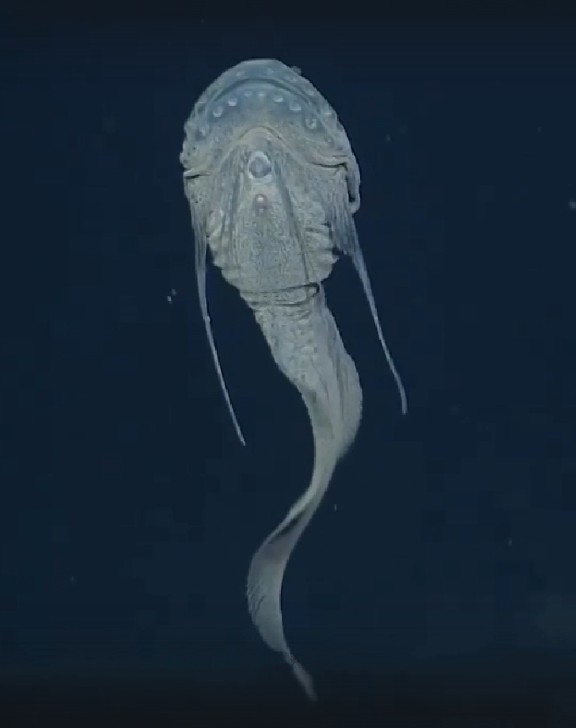
The blackheads trainer snailfish is characterized by the following features:body shape: elongate;cross-section: oval;nnumber of vertebrae: 62-66;preanal …
Broad-mouth tadpole
Careproctus latiosus
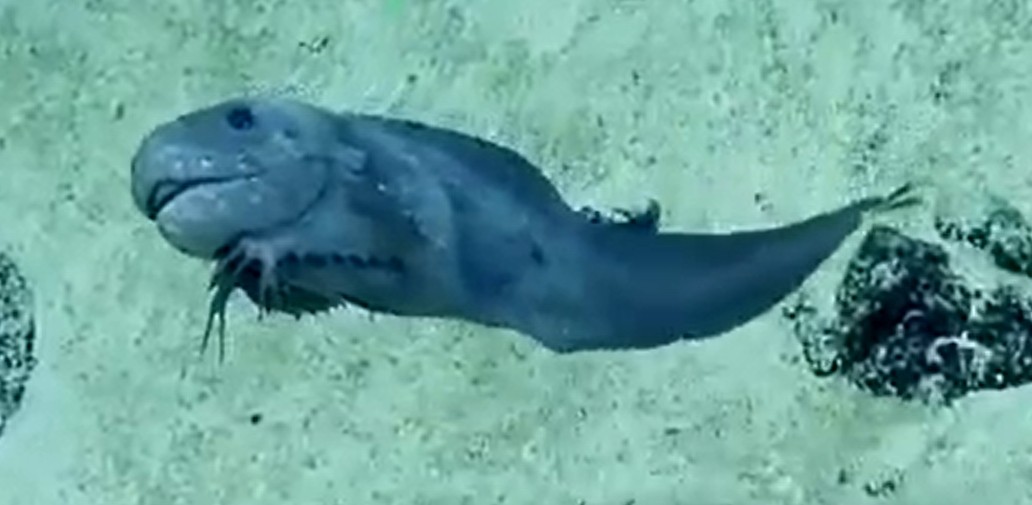
The broad-mouth tadpole can be identified by the following characteristics:59-60 vertebraeTwo pairs of weak pleural ribsThree …
Careproctus inflexidens
Careproctus inflexidens
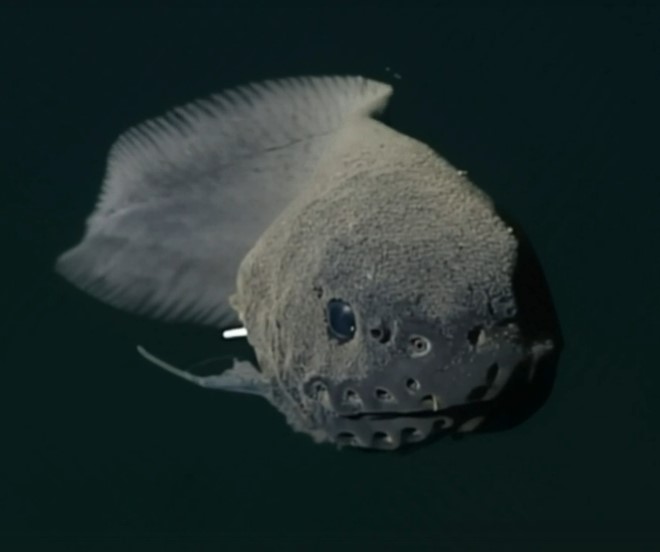
Careproctus: Greek, kara = face + Greek, proktos = anus. Inflexidens: named for its recurved teeth.Careproctus …
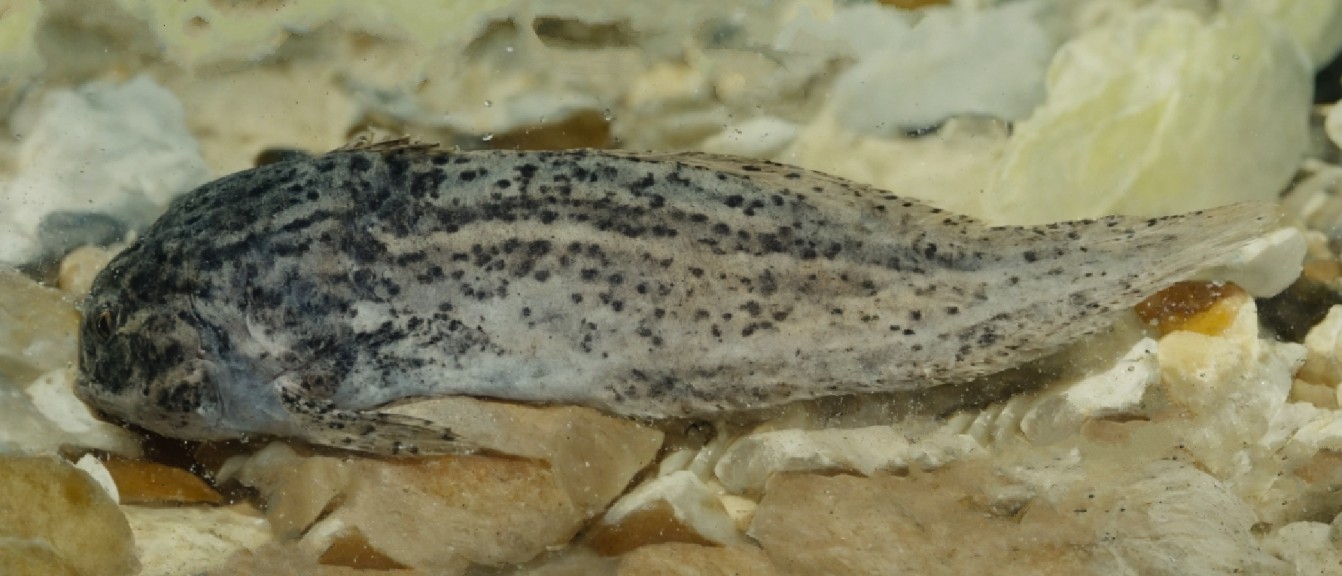
Common seasnail
Liparis liparis
The body of the common seasnail is elongated, compressed at the sides (especially at the rear). …
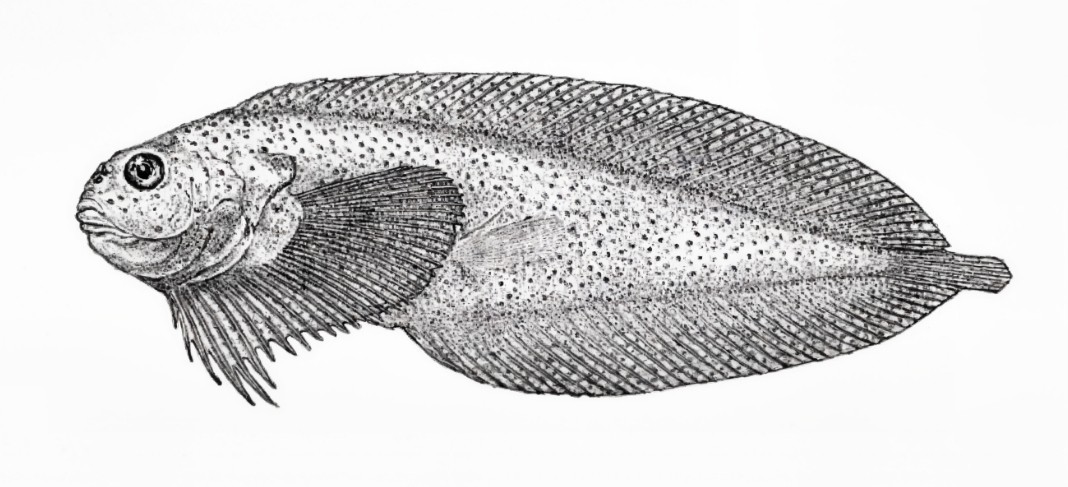
Gelatinous seasnail
Liparis fabricii
The body shape of the Gelatinous seasnail resembles a tadpole with a large rounded head and …
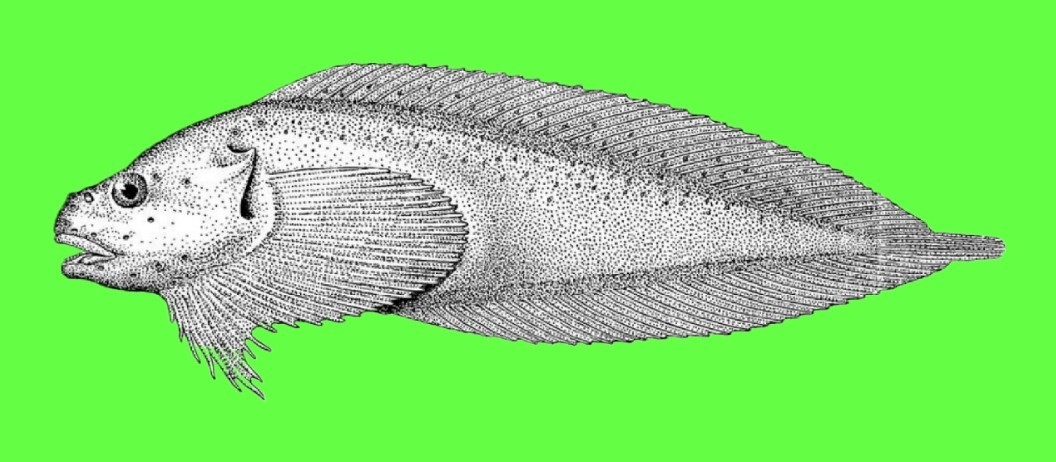
Kelp snailfish
Liparis tunicatus
The Kelp Snailfish has a broad, rounded head that is slightly compressed from the sides. It …