 Allfishes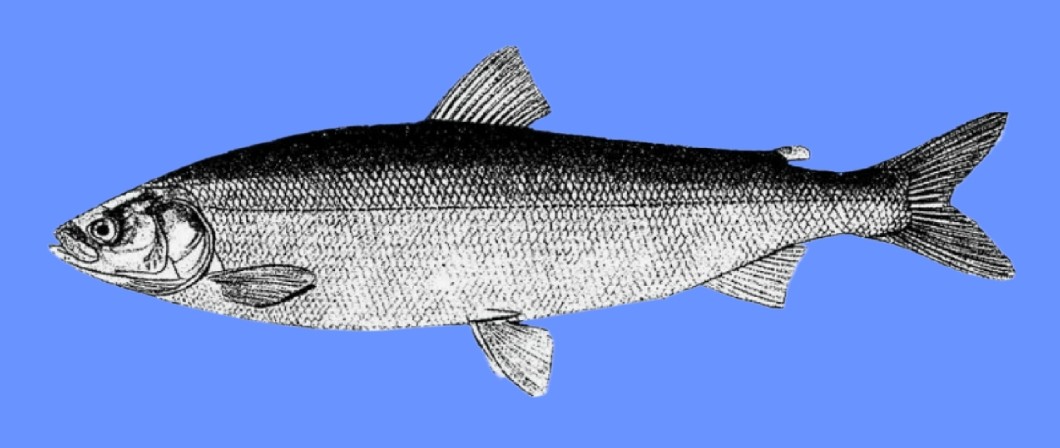
Arctic cisco
Coregonus autumnalis
The back of the Arctic cisco is rather high and slightly curved. The pelvis has an …
Guide to marine fish with sorting and selection options by family, feeding method, size, and other important characteristics.
Showing 1–15 of 15
Coregonus autumnalis
The back of the Arctic cisco is rather high and slightly curved. The pelvis has an …
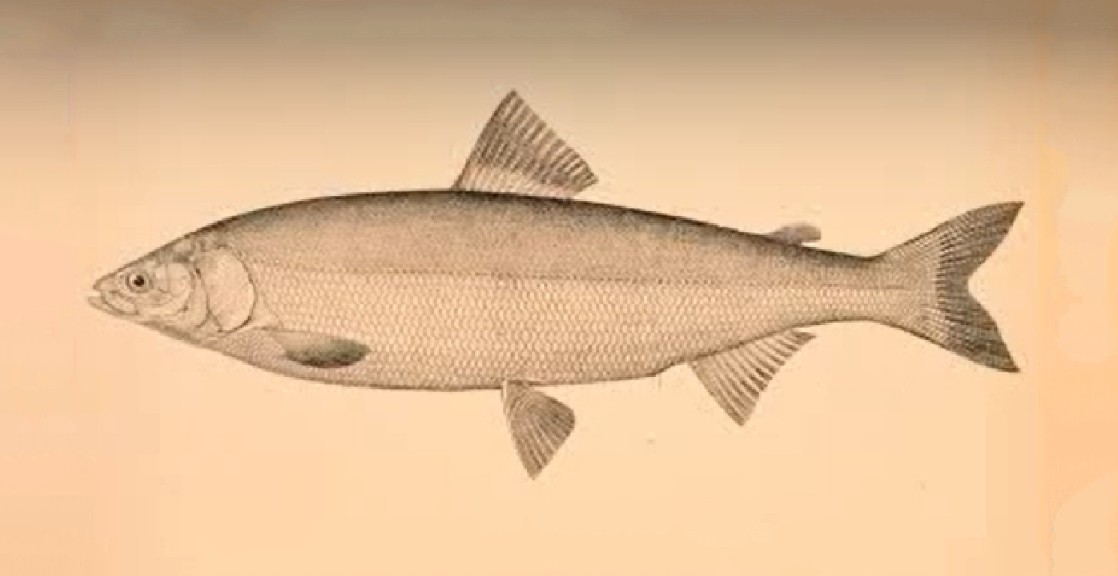
Coregonus laurettae
The Bering cisco has an elongated, compressed body. It is distinguished from the Arctic cisco (Coregonus …
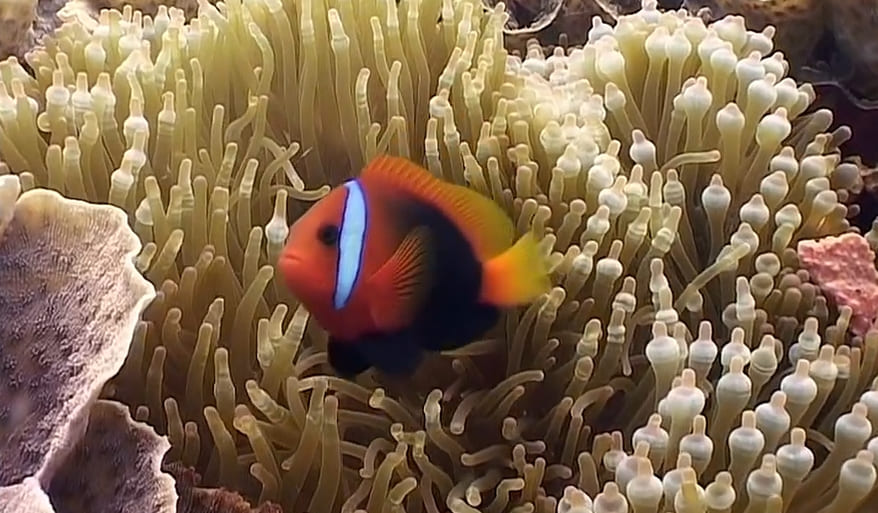
Amphiprion melanopus
The scientific name "Melanopus" comes from the Greek and means "black legs" in reference to the …
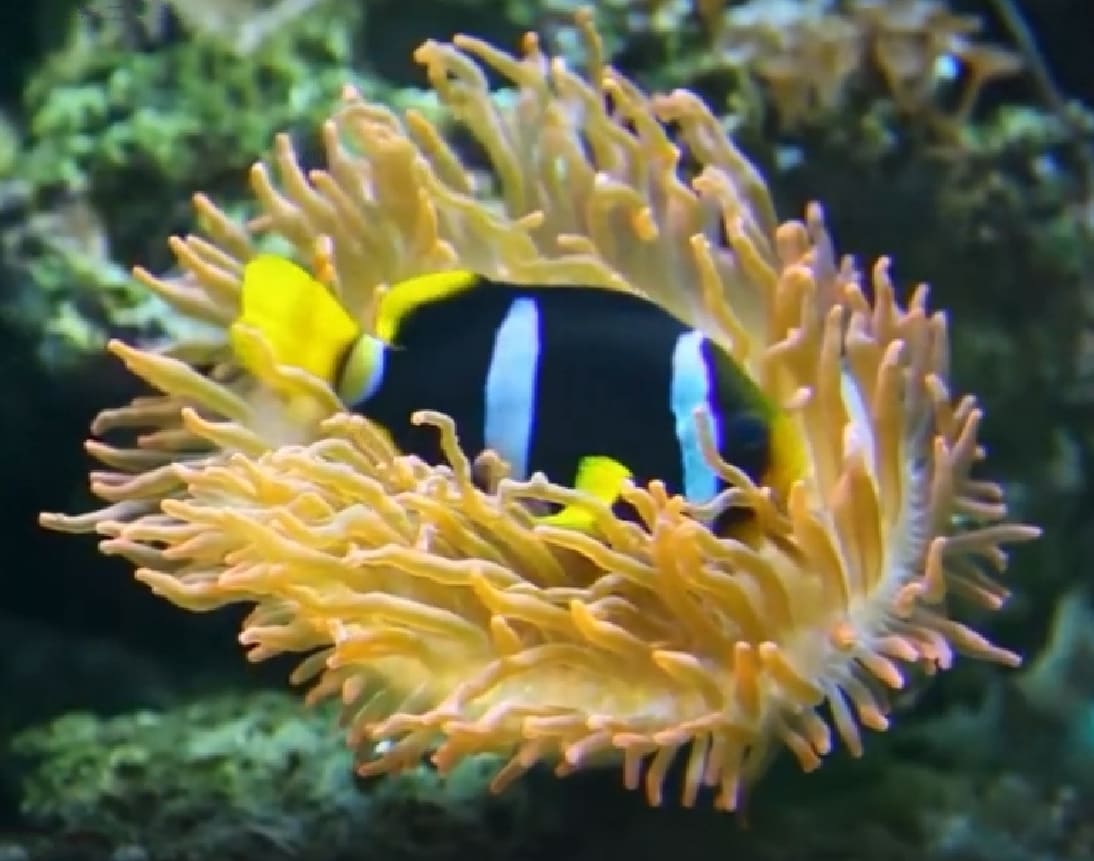
Amphiprion clarkii
The body of the Clark's anemonefish is oval, compressed at the sides, with a lateral line.
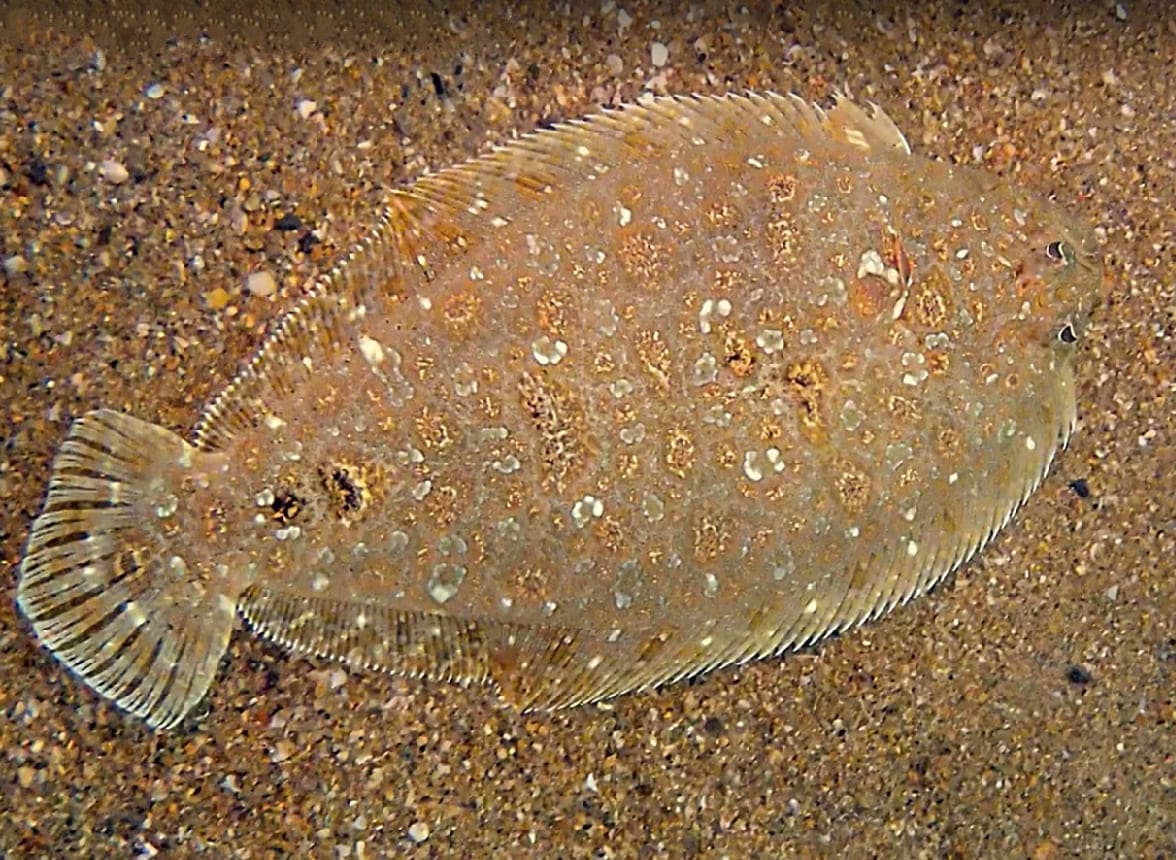
Bothus ocellatus
It is a flattened, disk-shaped fish. Like other members of this family, it lies on its …
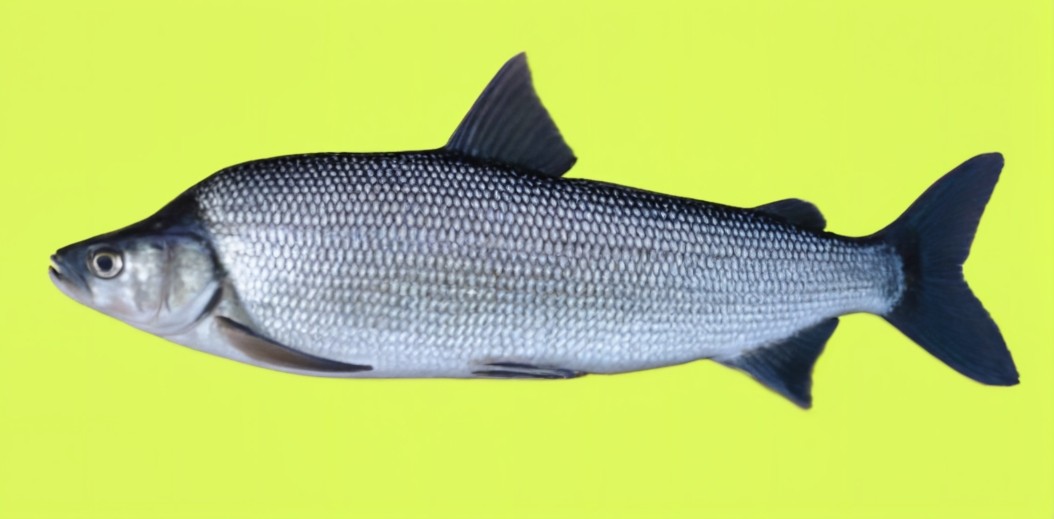
Coregonus pidschian
The body of the humpback whitefish becomes more pronounced with age, growing taller. A well-defined hump …
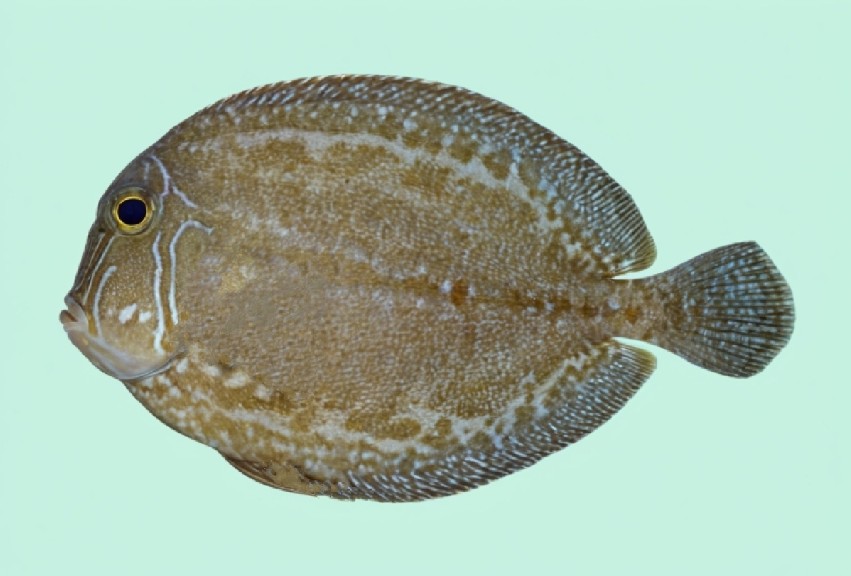
Bothus myriaster
The body of the Indo-Pacific oval flounder is oval, strongly compressed. Caudal peduncle narrow, much more …
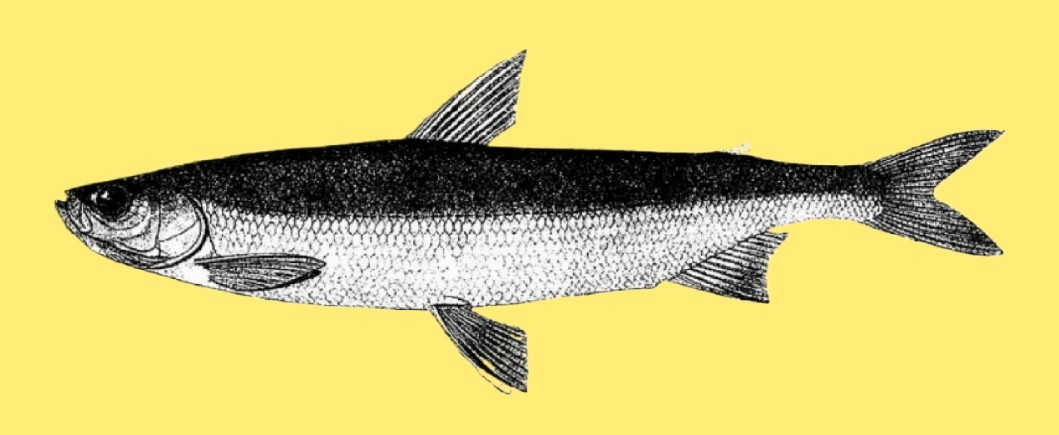
Coregonus sardinella
The body of the Least Cisco is elongated, somewhat compressed at the sides, with the greatest …
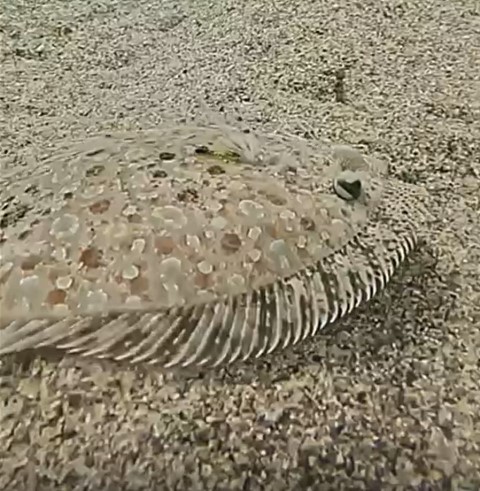
Bothus pantherinus
The leopard flounder is a highly compressed fish, one of the left-eyed flounders, meaning that the …
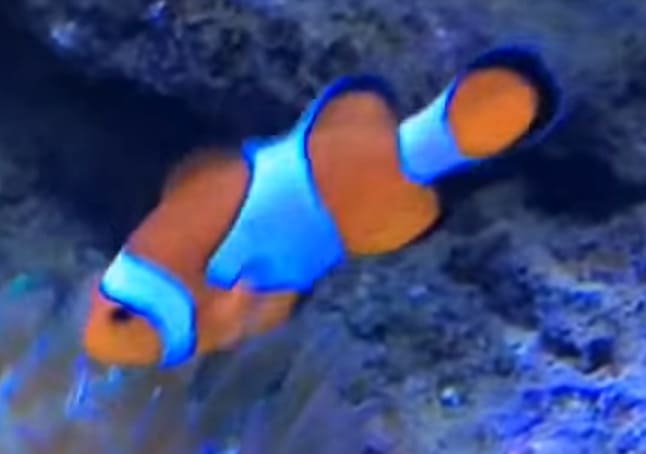
Amphiprion ocellaris
The body is stocky and oval in shape. It is compressed at the sides and has …
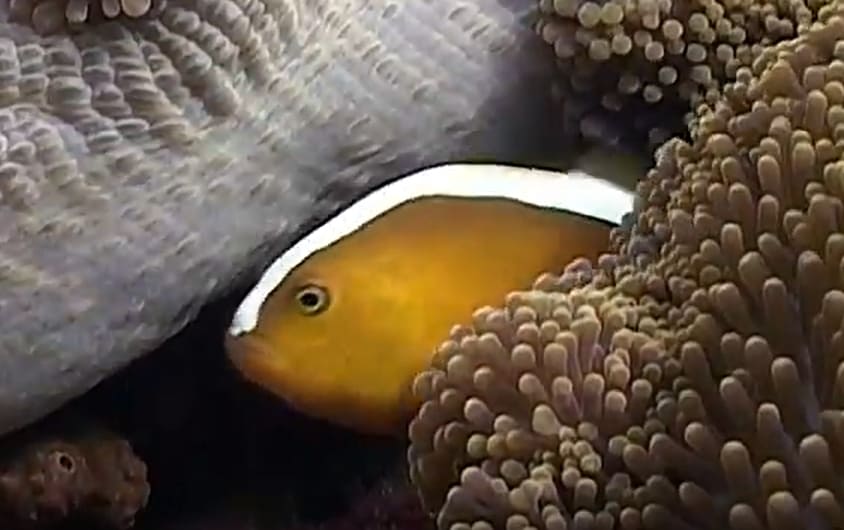
Amphiprion sandaracinos
The body of these fish has an oval shape, with the body compressed on the sides …
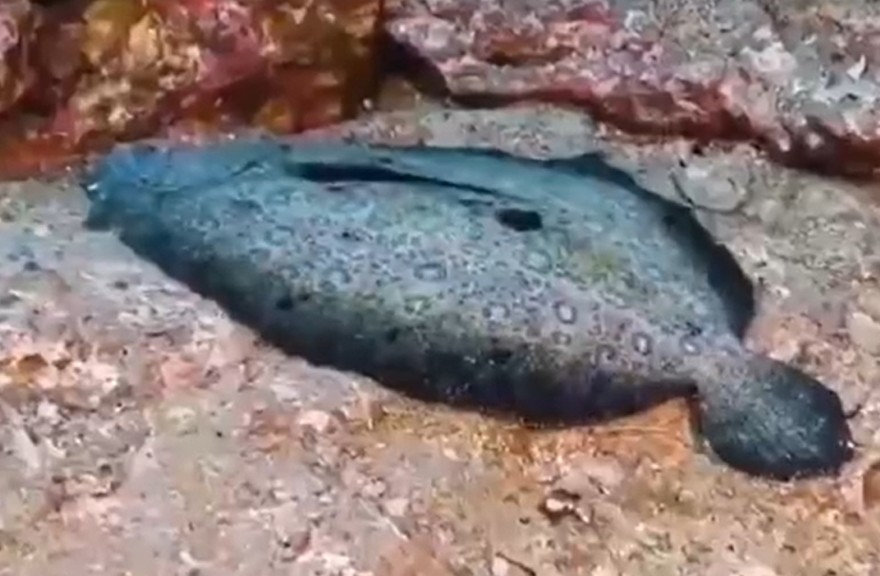
Bothus mancus
The Peacock flounder is also called the flowery flounder because its body is covered with bluish, …
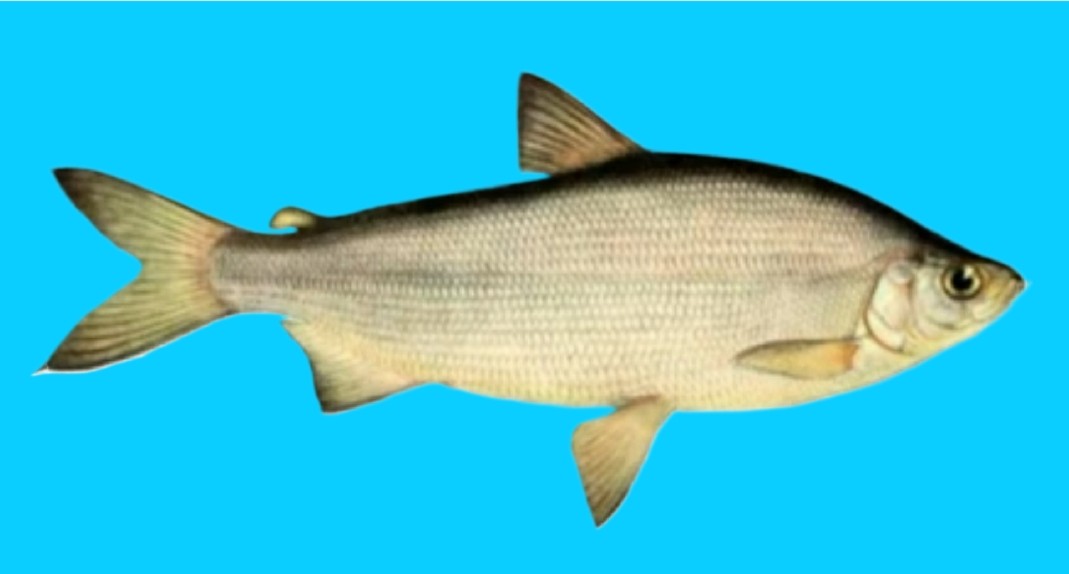
Coregonus peled
The peled can be easily distinguished from other whitefish by its terminal mouth, in which the …
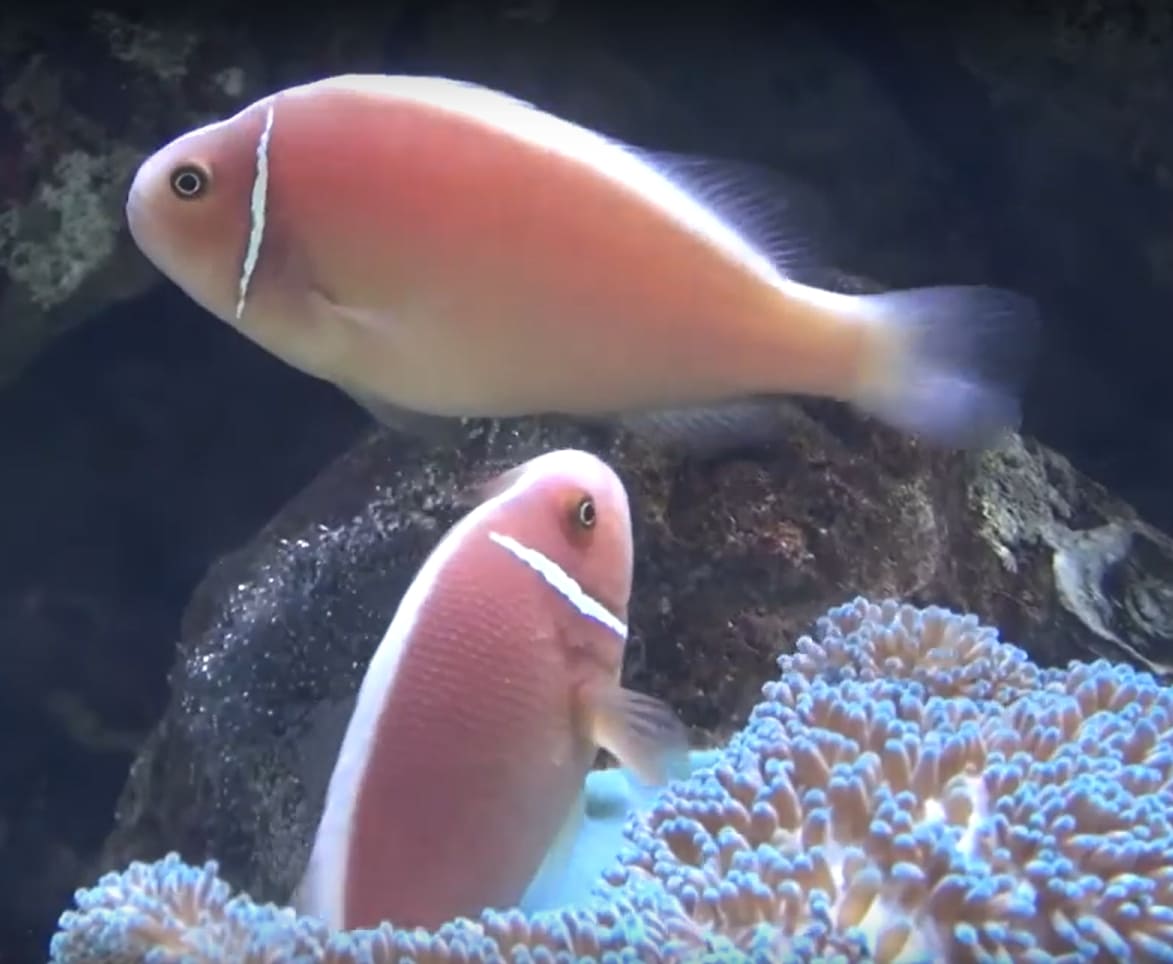
Amphiprion perideraion
These fish have a smooth oval body, a spiny dorsal fin, and a split tail.
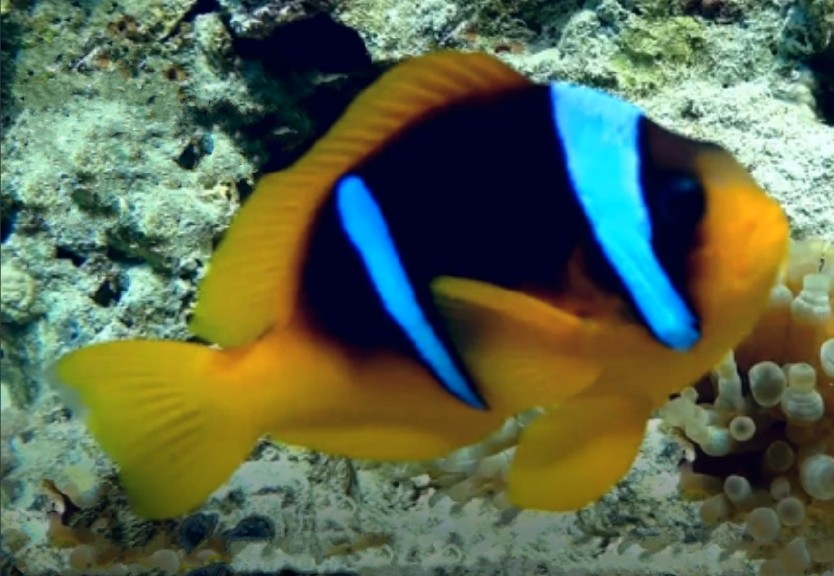
Amphiprion bicinctus
Small fish with a spindle-shaped body. The cross-section is compressed.