 Allfishes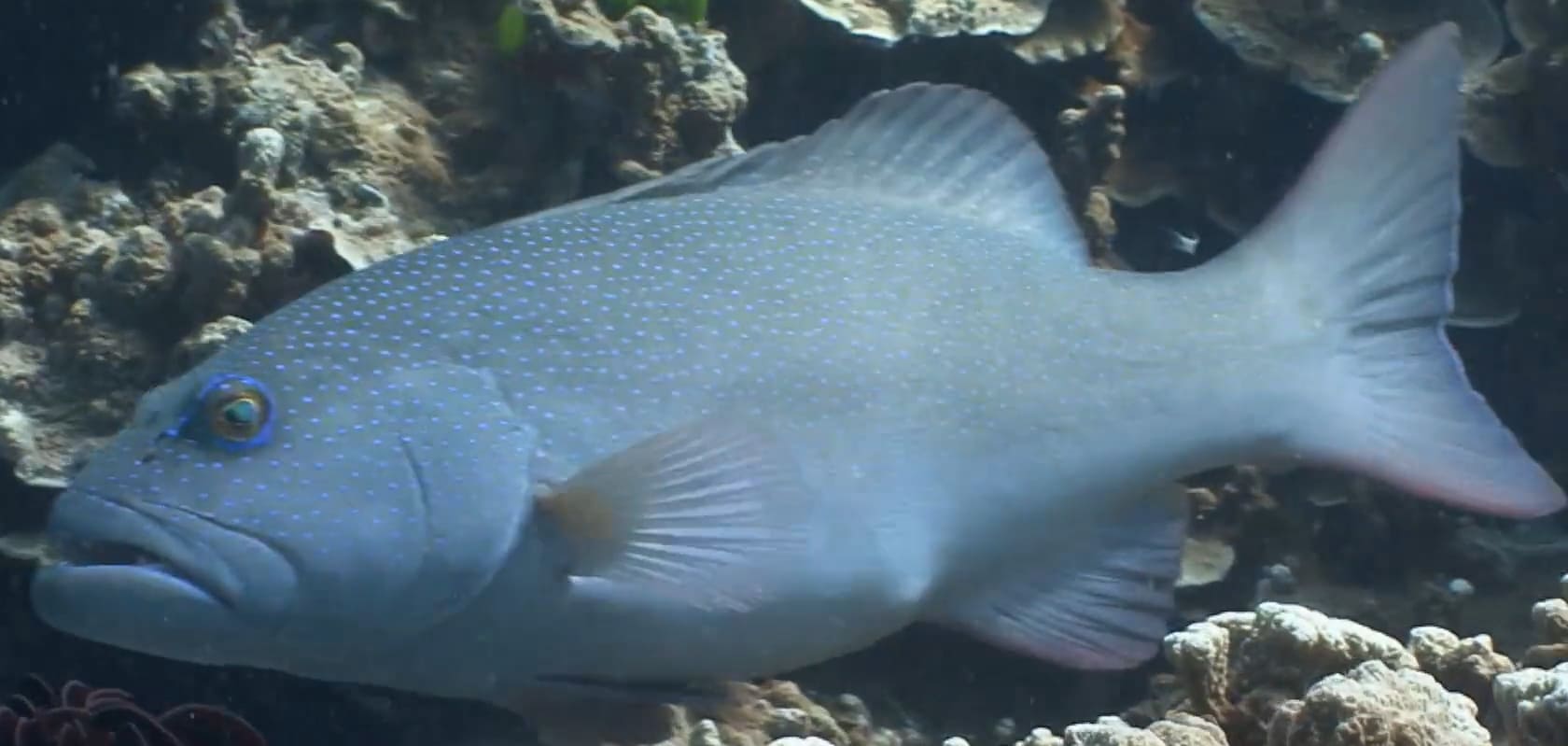
Leopard coral grouper
Plectropomus leopardus
The body is elongated and stout, with a standard length of 2.9-3.9 times the body depth. …
Guide to marine fish with sorting and selection options by family, feeding method, size, and other important characteristics.
Showing 457–480 of 919
Plectropomus leopardus
The body is elongated and stout, with a standard length of 2.9-3.9 times the body depth. …
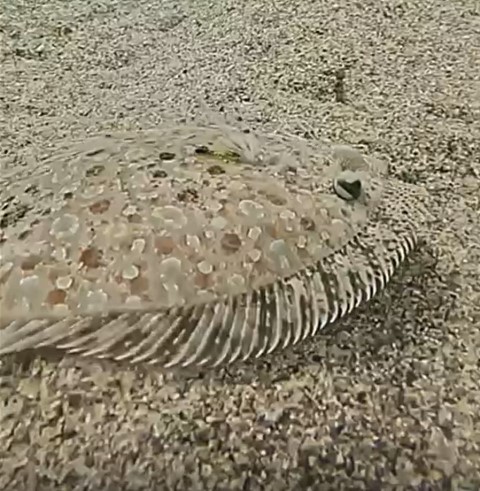
Bothus pantherinus
The leopard flounder is a highly compressed fish, one of the left-eyed flounders, meaning that the …
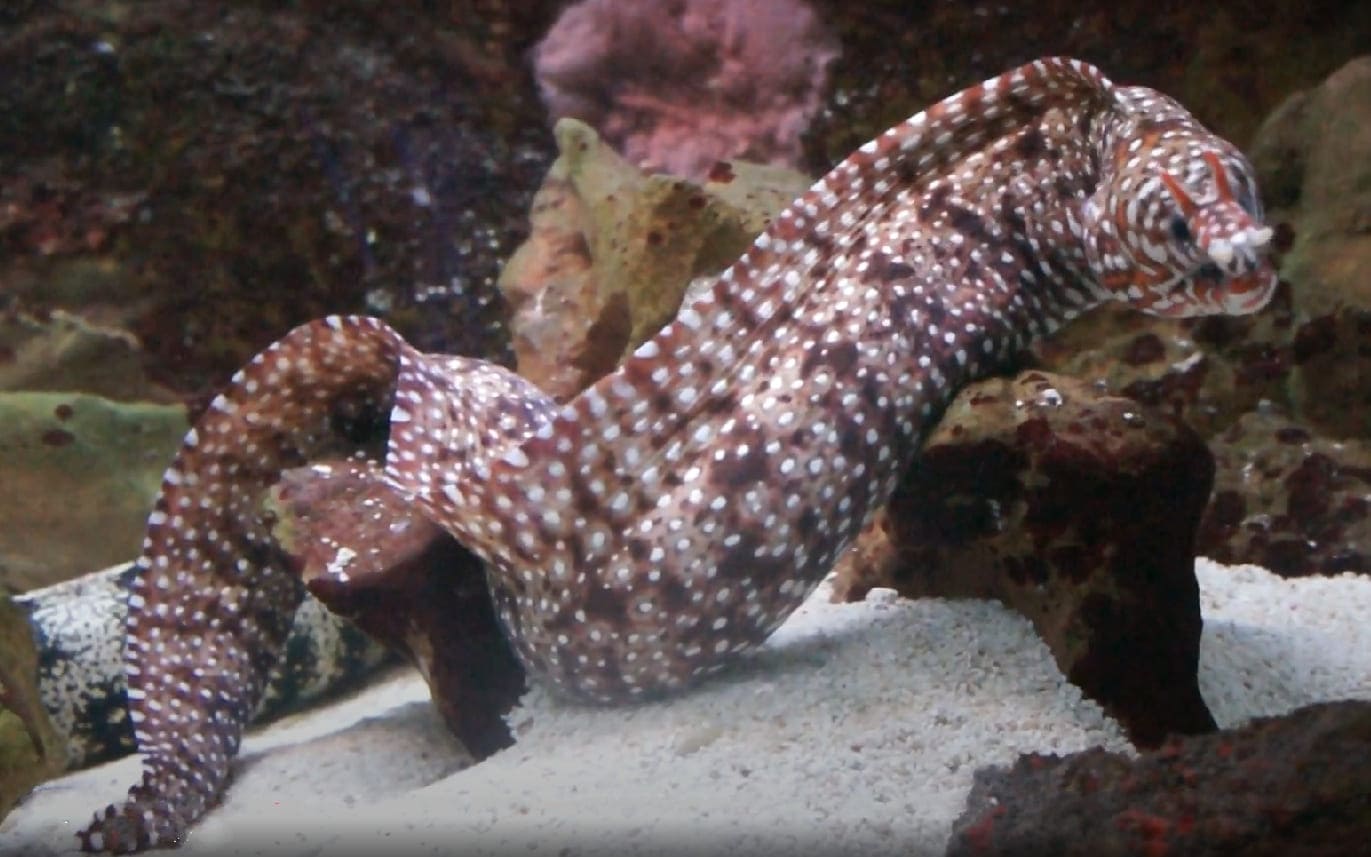
Enchelycore pardalis
Total number of vertebrae is 119-126. Long tubular posterior nostrils are located on the snout above …
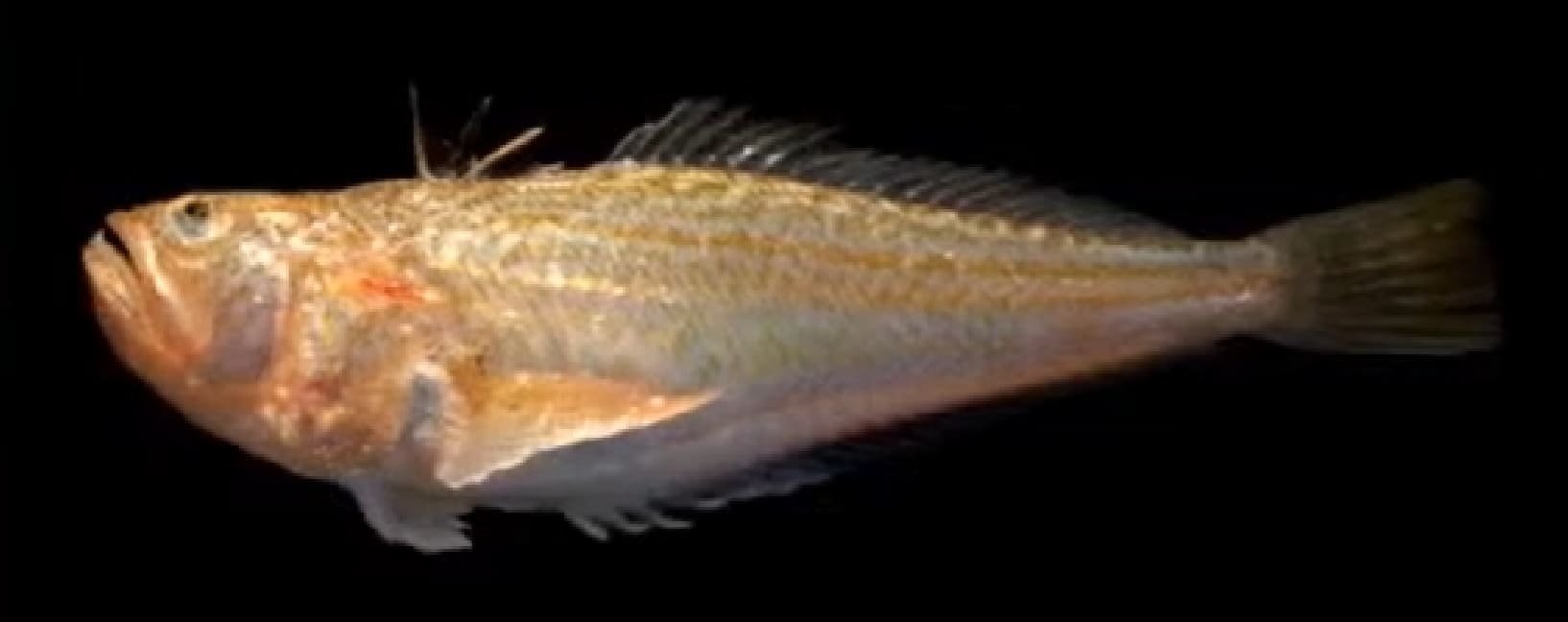
Echiichthys vipera
It has an elongated body, compressed at the sides; its height exceeds ⅕ of the body …
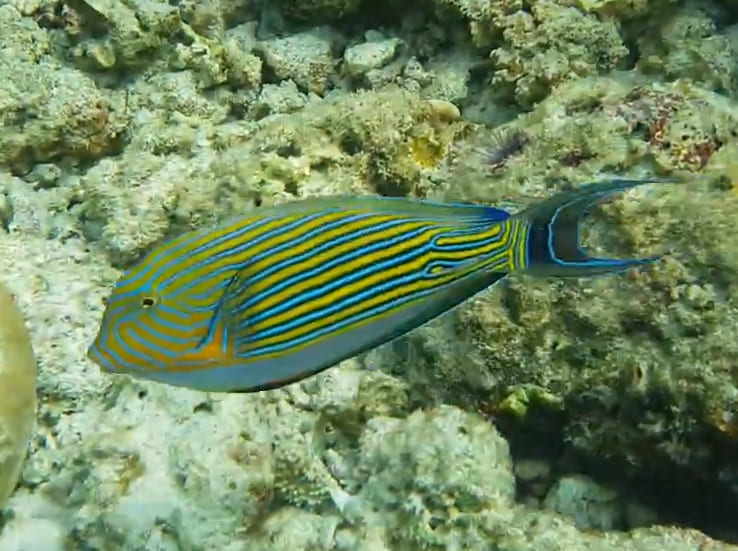
Acanthurus lineatus
Like all surgeonfish, the body is flattened at the sides. This species is characterized by the …
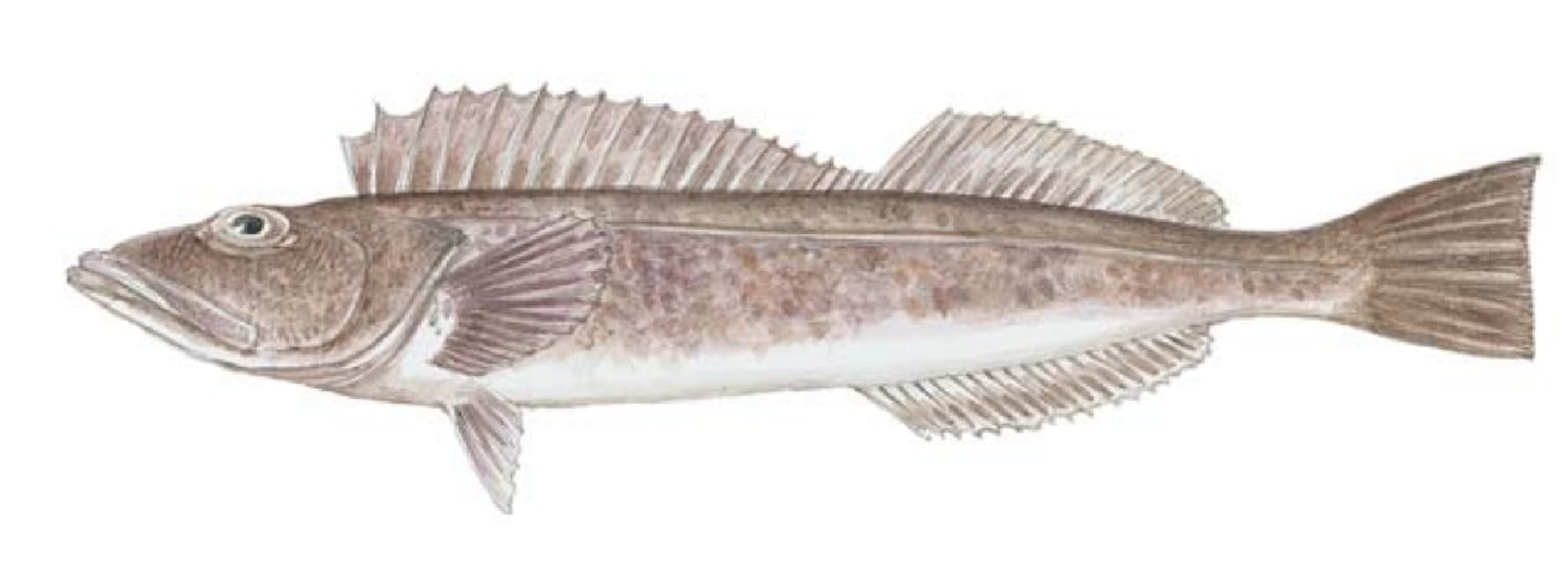
Ophiodon elongatus
The lingcod has a large mouth, large pectoral fins, smooth body, and a long, continuous dorsal …
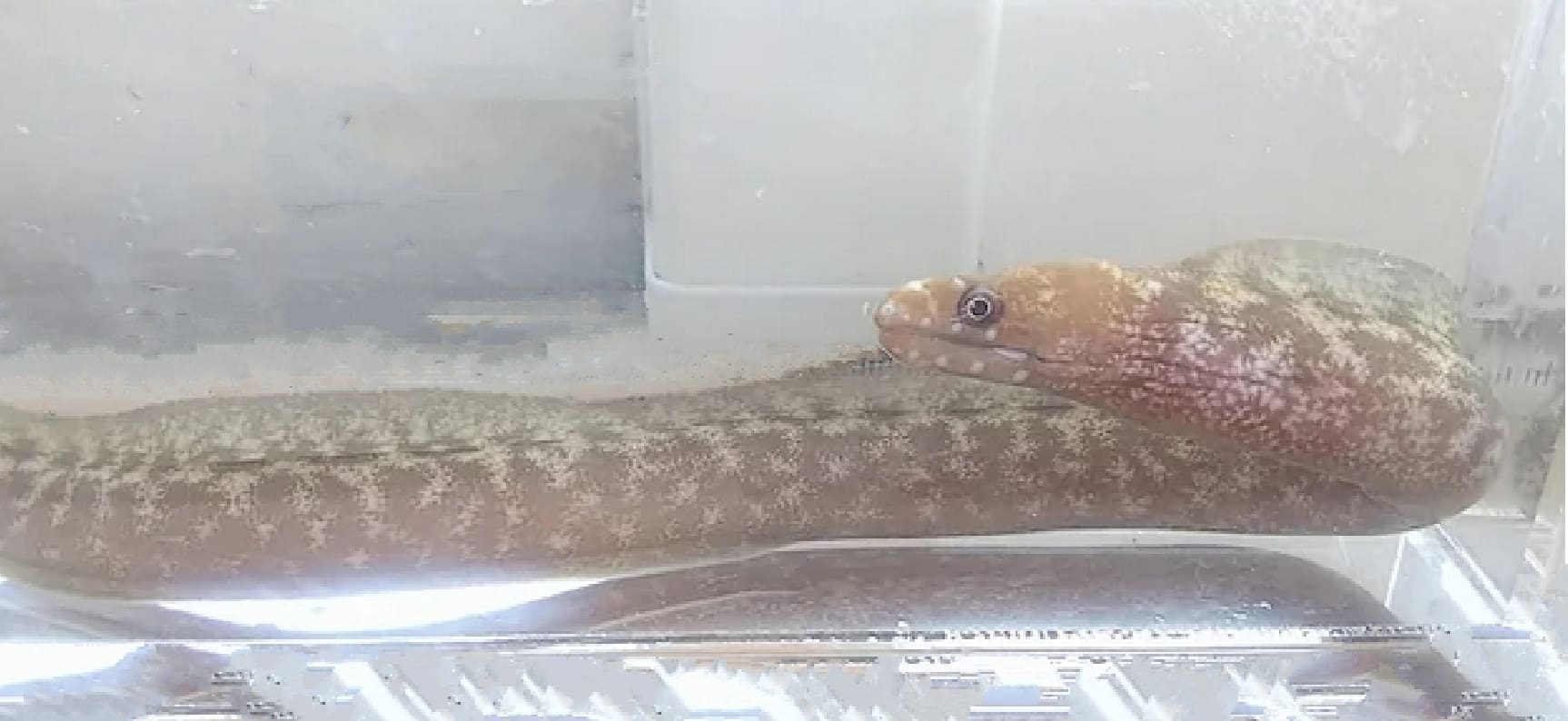
Gymnothorax chilospilus
The species was first named by Pieter Bleeker in 1864. Lipspot morays have 121-133 vertebrae.
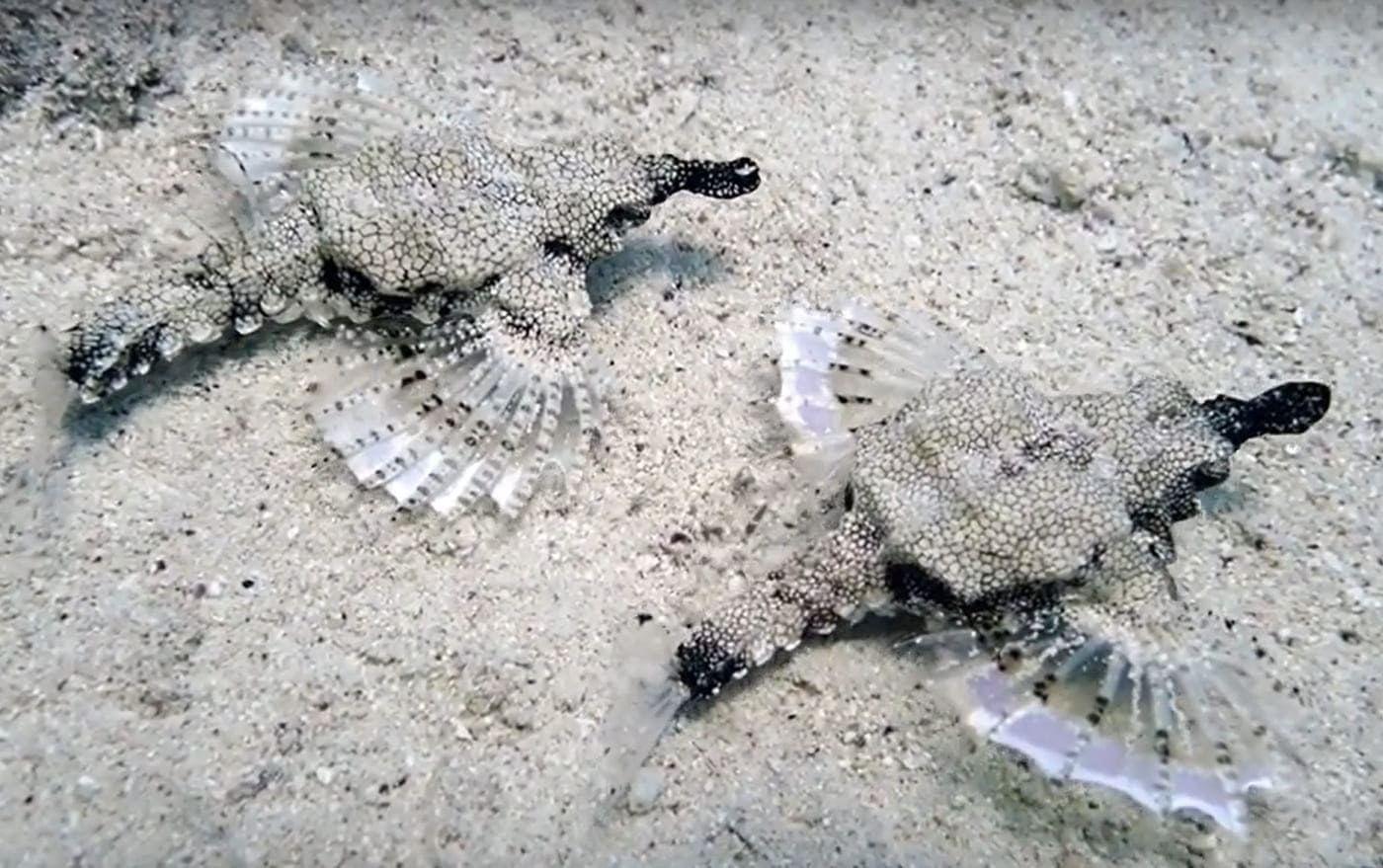
Eurypegasus draconis
The Latin word “draco” means a fabulous lizard-like animal. These fish have 19-22 vertebrae. Pelvic pelvic …
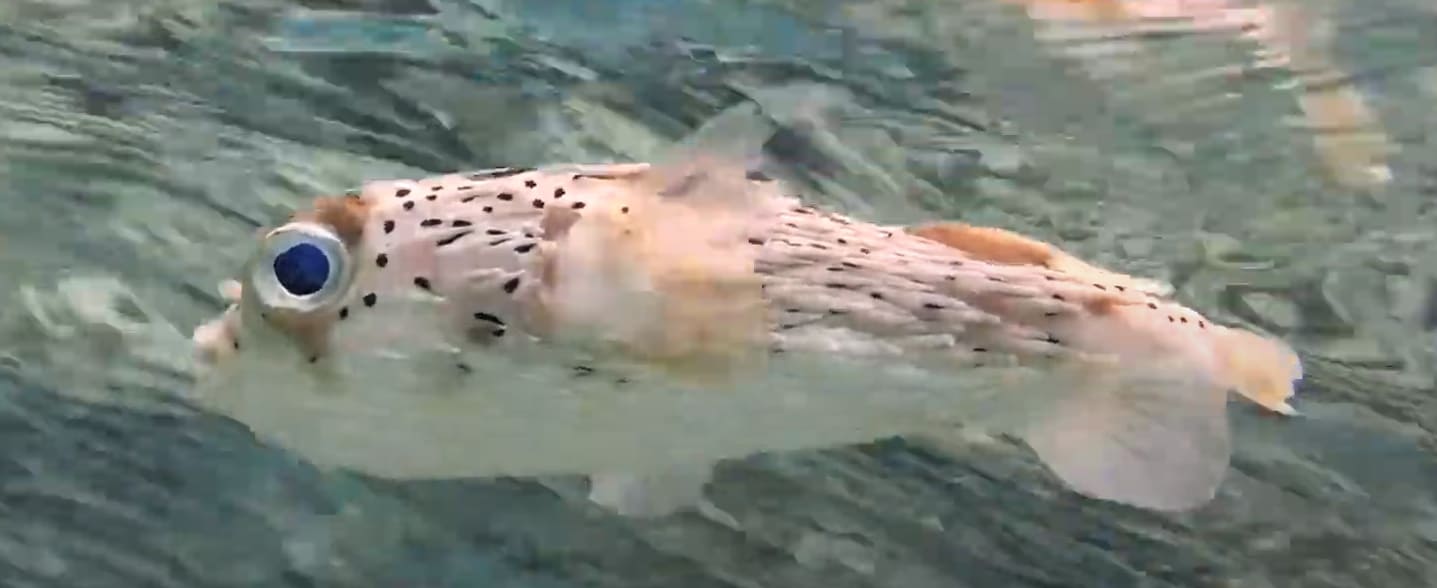
Diodon holocanthus
They have an elongated, rounded body with smooth skin covered with long, sharp spines that are …
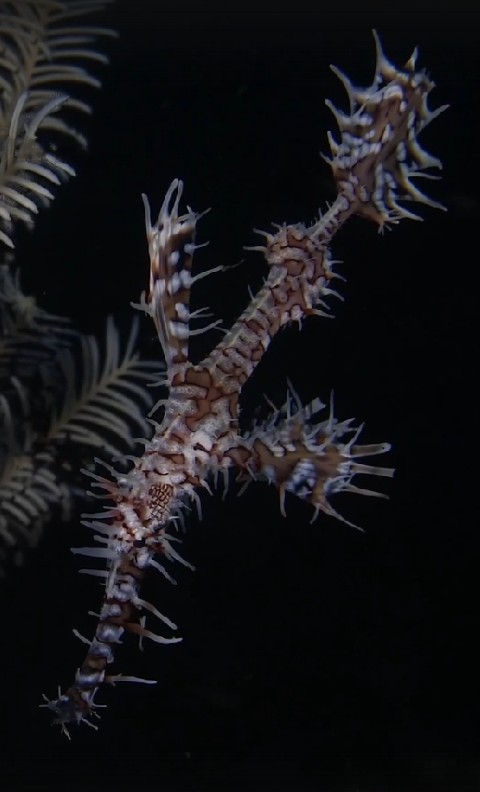
Solenostomus armatus
Solenostomus: Greek, solen = tube + Greek, stoma = mouth. The species name comes from the …
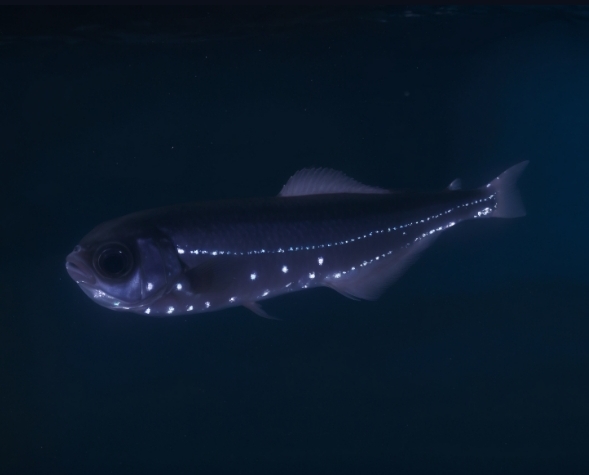
Diogenichthys atlanticus
The longfin lanternfish has a laterally compressed body, a large head, and a very large mouth …
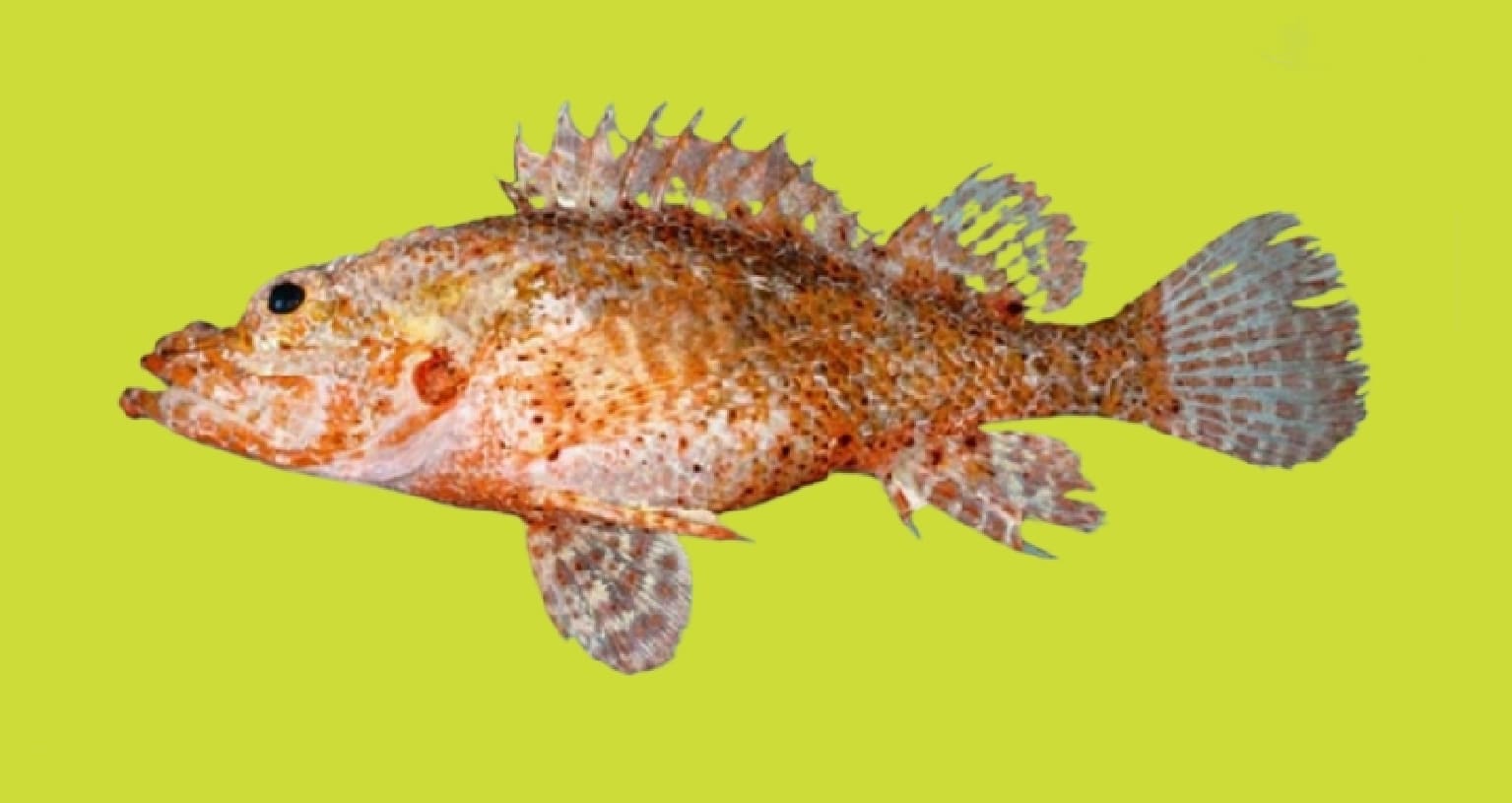
Scorpaenodes albaiensis
The longfin scorpionfish has a very bony head protected by numerous spines and lacks an occipital …
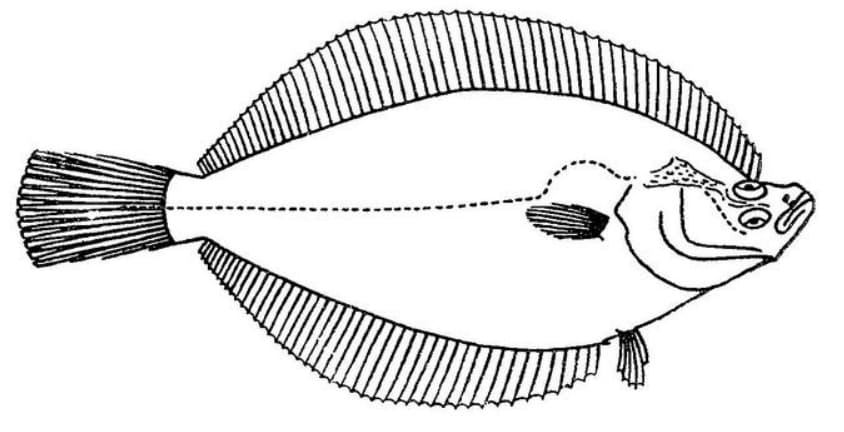
Limanda proboscidea
The lateral line forms a high arch above the base of the pectoral fin. The pectoral …
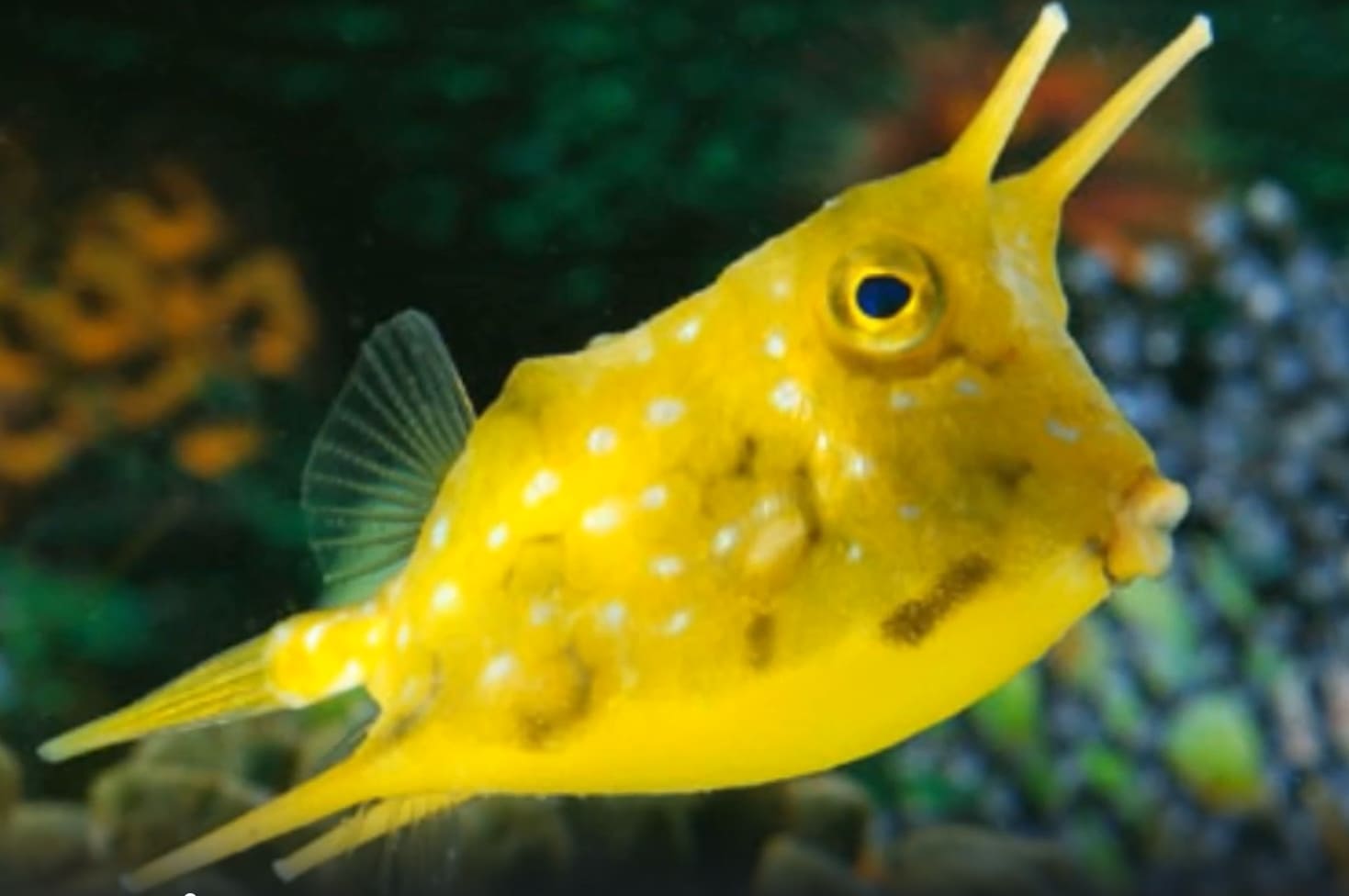
Lactoria cornuta
The body is usually conical in shape, widening towards the head, with two horn-like growths on …
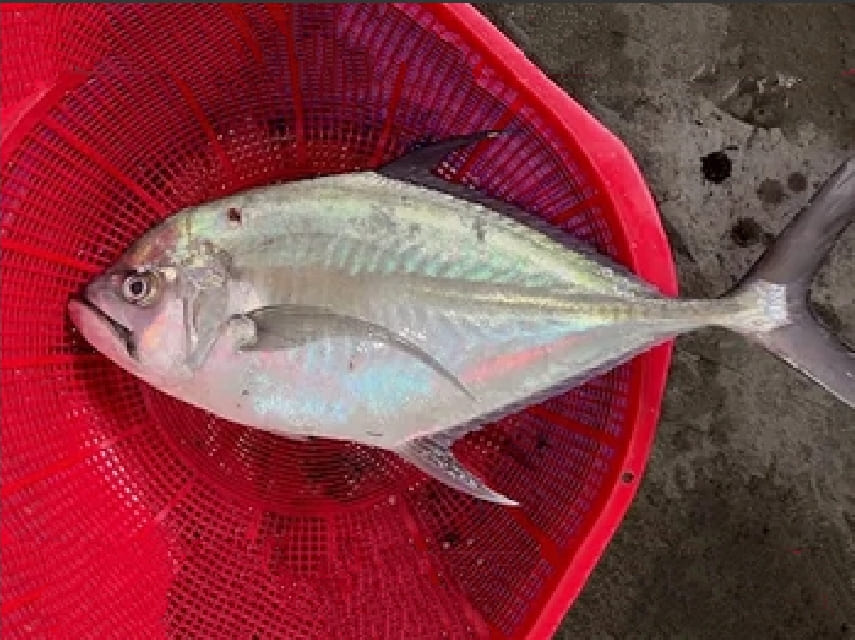
Ulua mentalis
The body of the Longrakered Trevally is strongly compressed at the sides and covered with cycloid …
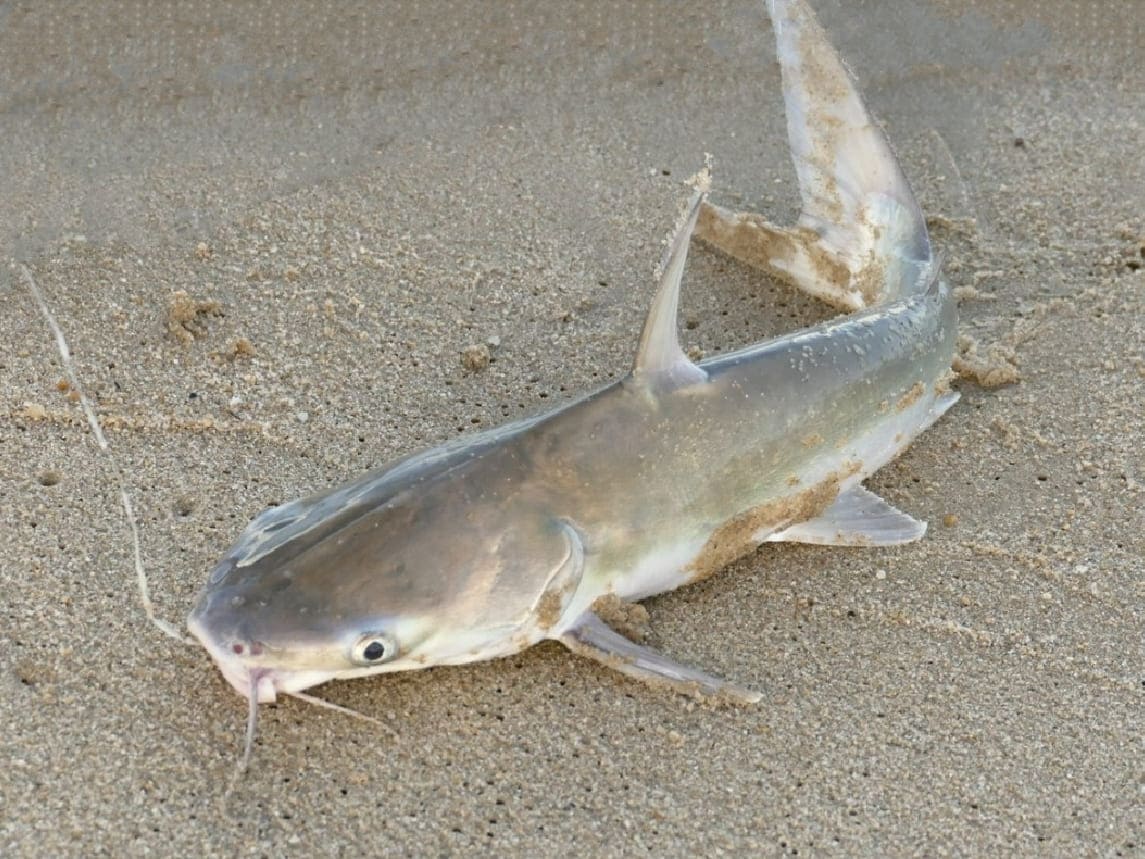
Plicofollis argyropleuron
The species was first described by Achille Valenciennes in 1840, originally within the genus Arius.Head depressed …
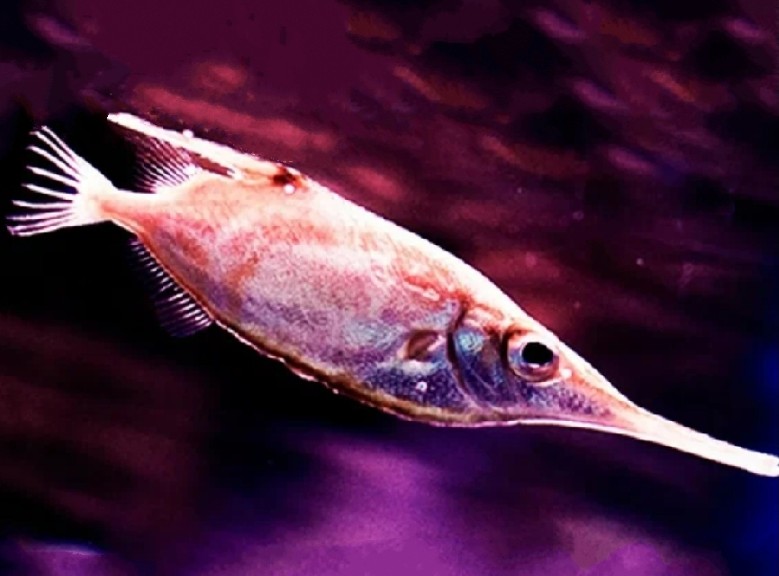
Macroramphosus scolopax
The longspine snipefish is distinguished by a head extended into a long tube, bony stripes along …
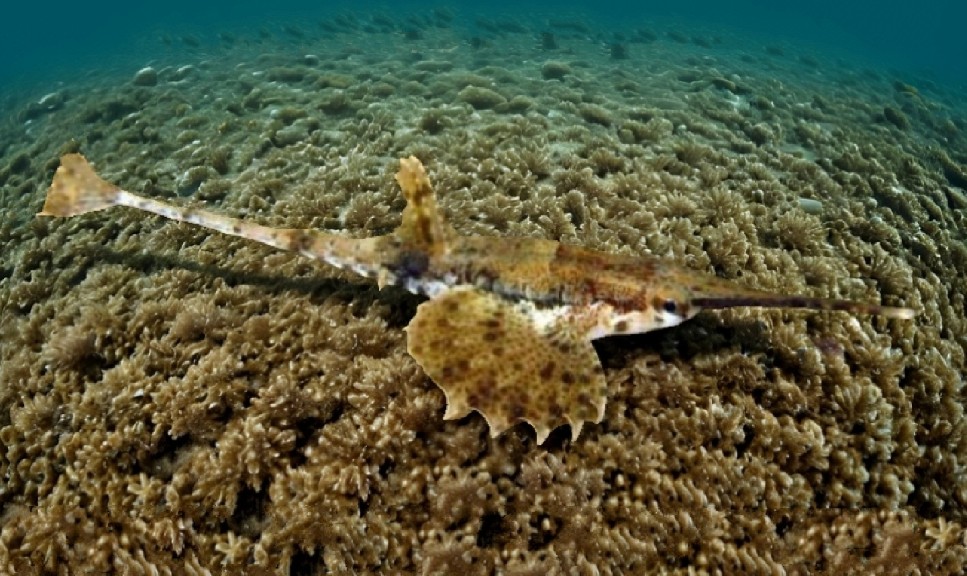
Pegasus volitans
The body of the longtail seamoth is strongly depressed, its depth being 13–14 times in standard …
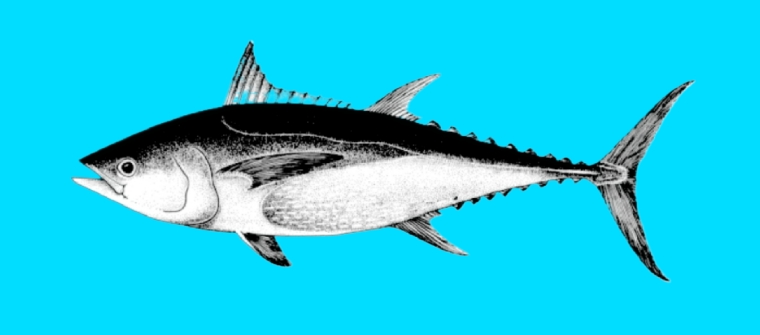
Thunnus tonggol
The longtail's body is torpedo-shaped, elongated, high in the midsection and tapering sharply towards the tail. …
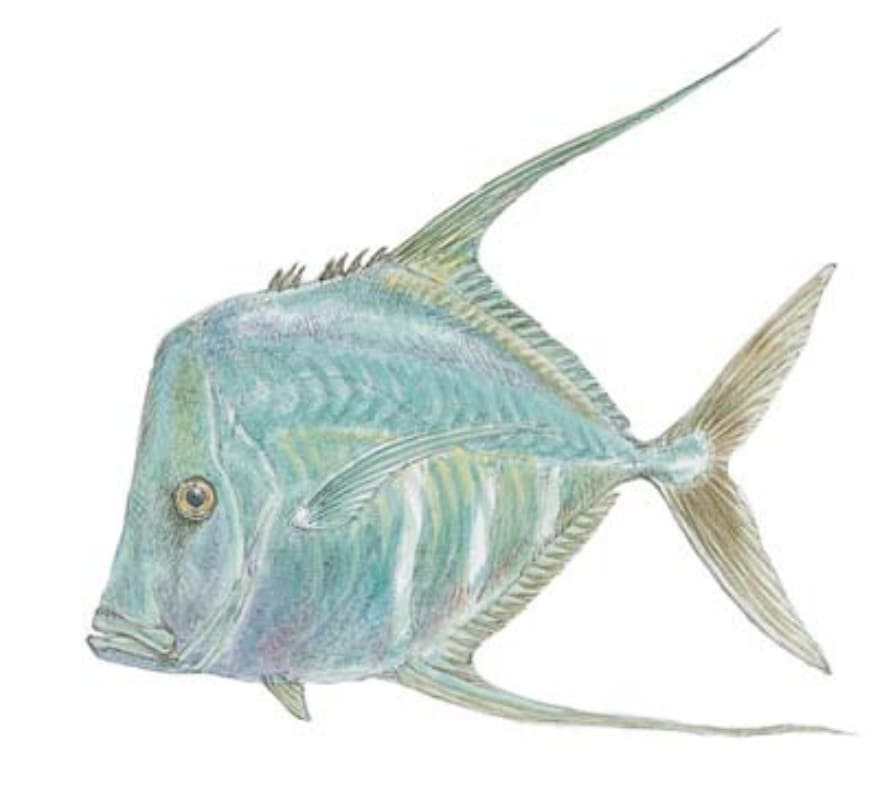
Selene vomer
Brightly silvery and iridescent, it has a deep and extremely compressed body, which can have golden, …
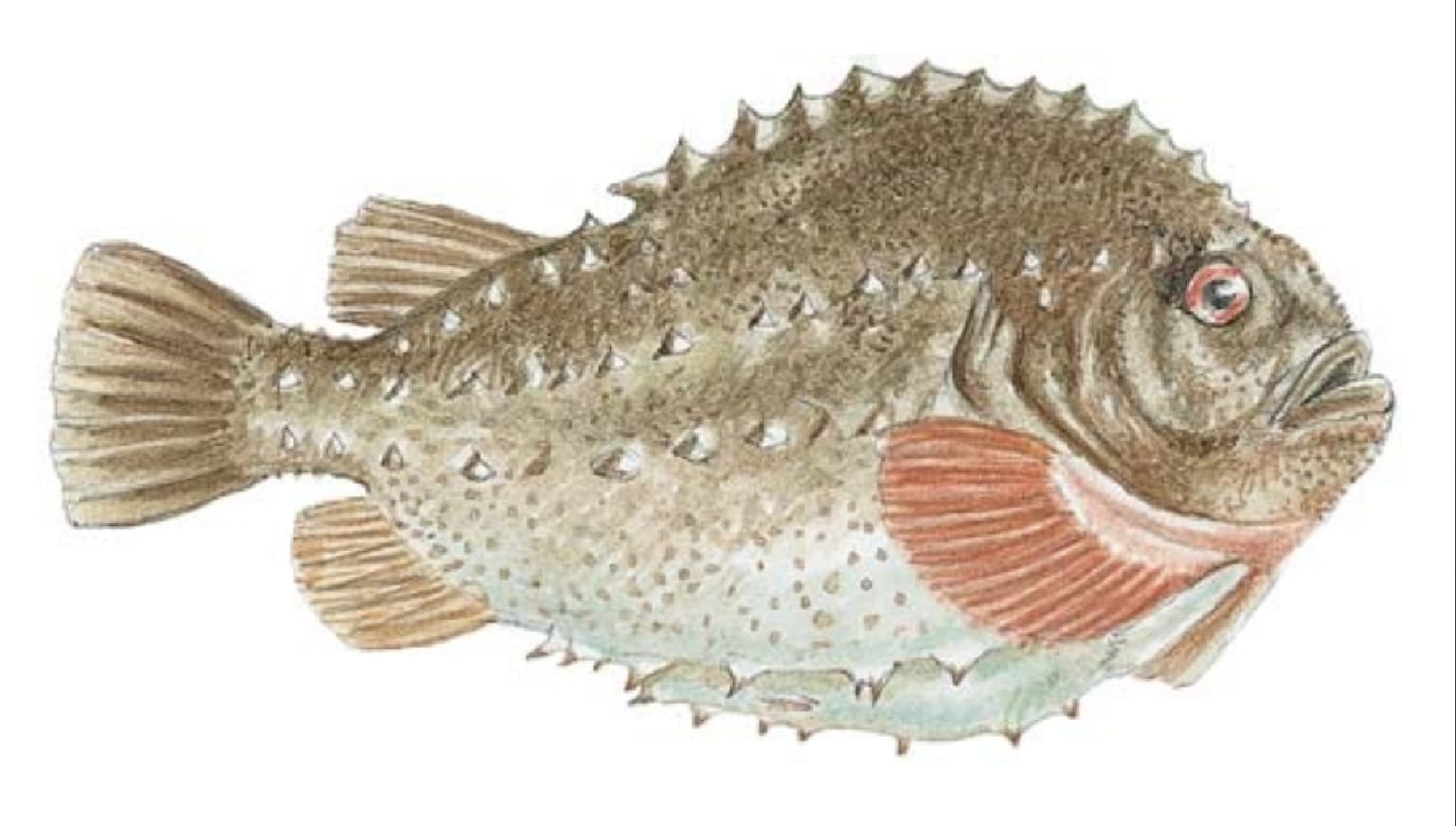
Cyclopterus lumpus
Lumpfish has a tall, thick body, but noticeably compressed from the sides, abdomen flattened. The head …
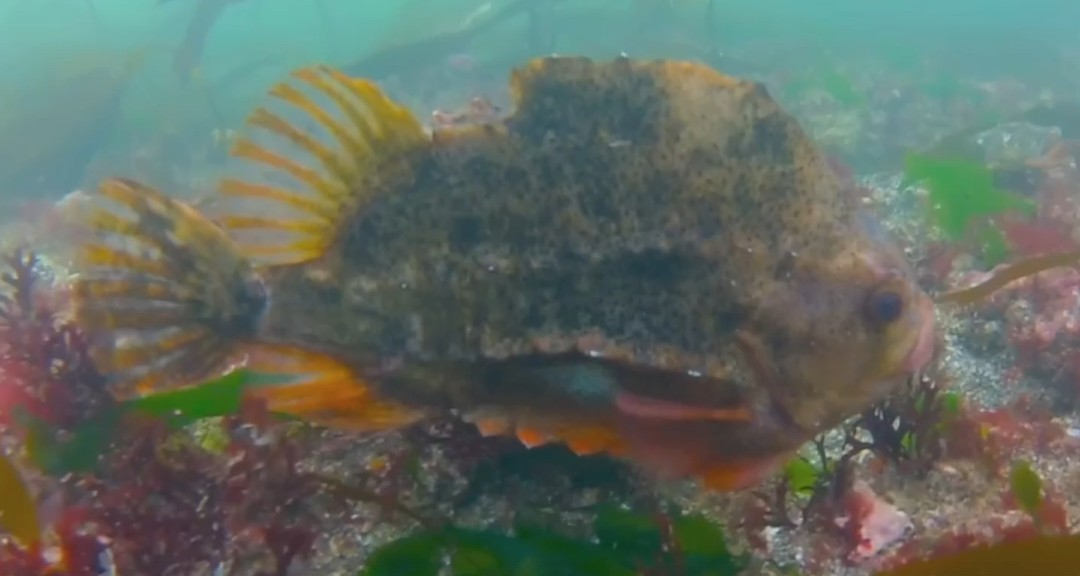
Cyclopterus lumpus
The body of the Lumpsucker is large, thick, and compressed at the sides. There are bony …
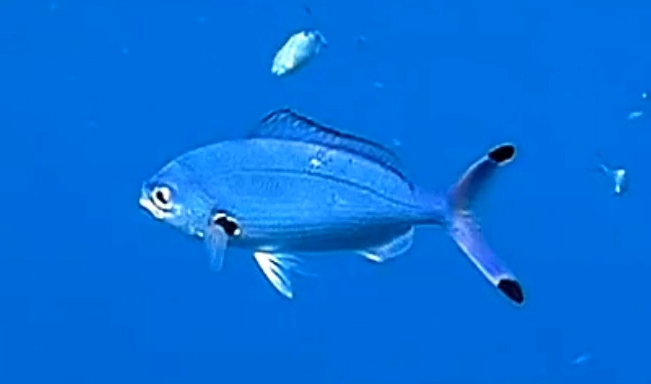
Caesio lunaris
The body of the Lunar Fusilier is moderately tall, spindle-shaped, somewhat compressed at the sides. Body …
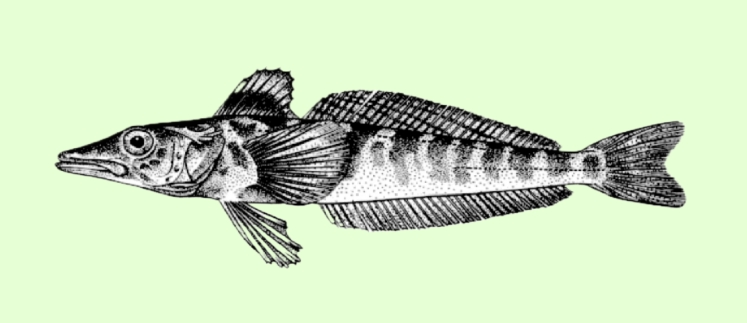
Champsocephalus gunnari
Champsocephalus: Greek, champso = crocodile, voracious predator + Greek, kephale = head.The body of the mackerel …