 Allfishes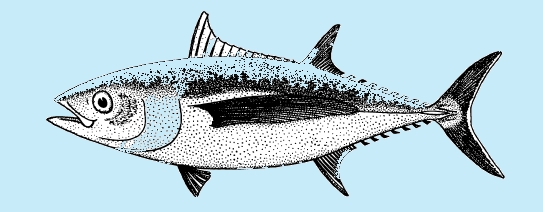
Albacore
Thunnus alalunga
The albacore has long pectoral fins that reach a point behind the anal fin, as well …
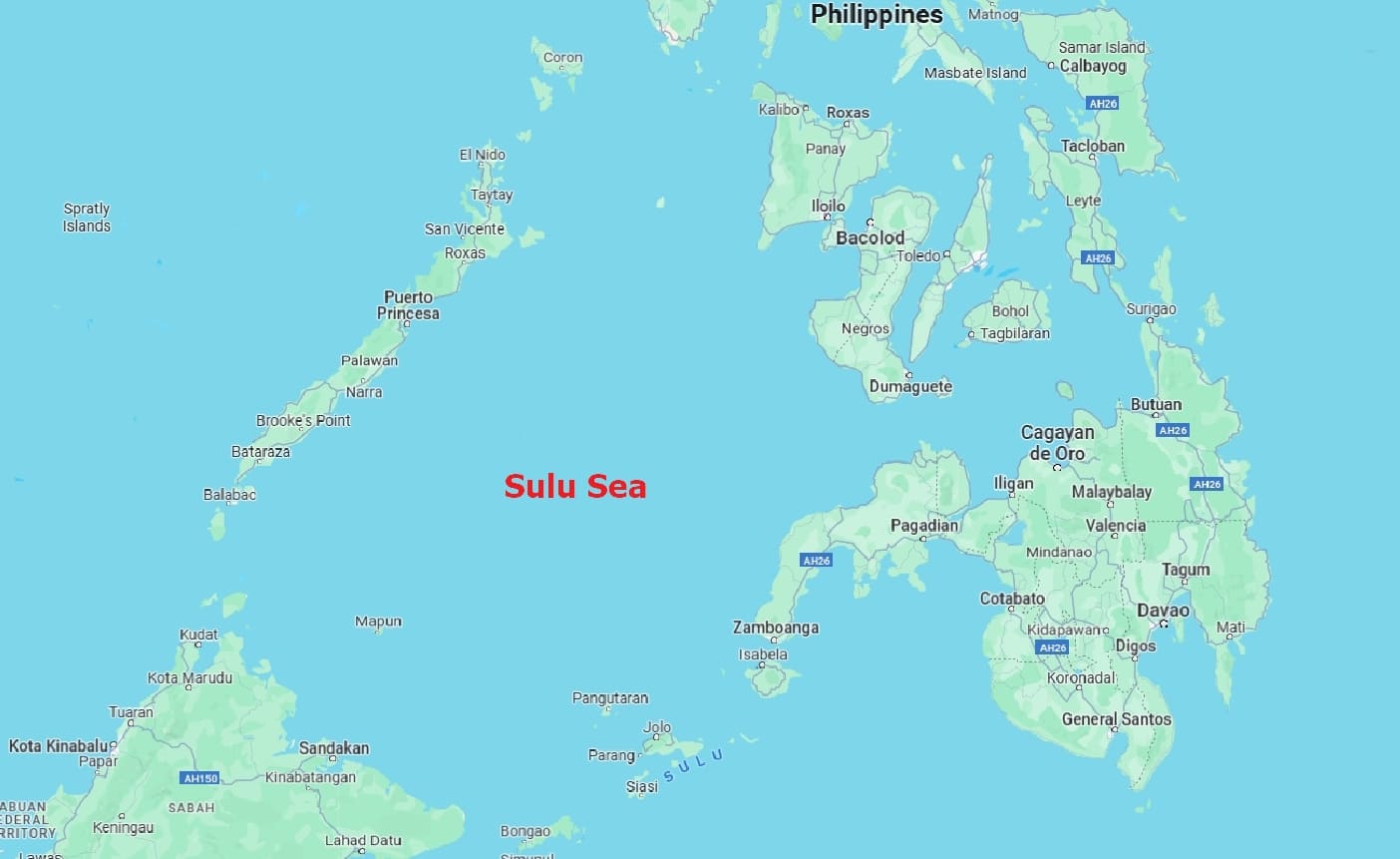 Inter-island sea in the Pacific Ocean, bounded on the west, north, and east by the islands of the Philippines and on the south by the northeastern coast of the Malaysian state of Sabah on the island of Kalimantan. The sea is about 490 miles (790 km) long from north to south and 375 miles (600 km) long from west to east. Salinity ranges from 32.5-33.5‰. The surface temperature is 27-28°C; at depths above 400 m, the temperature and salinity are uniform throughout the year, about 10°C and 34.5‰. Tides are irregular semidiurnal, 1-2 m high.
Sea fishing is very developed among the coastal inhabitants. Trepangas, turtle eggs, pearls and mother-of-pearl are mainly harvested. Indigenous fisheries include tuna (yellowfin, skipjack, albacore, bigeye), mackerel (Indian mackerel, escolar), giant trevally, Bombay duck, cobia, milkfish and barramundi. These high quality fish products are usually exported to international markets. Aquarium fish (Ocellaris clownfish, Moorish idol, Yellow-dotted butterflyfish, Indian parrotfish, Blue-throated fairy-wrasse, Indian ocean humbug) are supplied to Hong Kong and China. Mussels, shrimps, seaweed and oysters are farmed in Indonesia, Malaysia and the Philippines. They are supplied to European countries.
Tubbataha Reef National Marine Park is located in the Sulu Sea. It is one of the UNESCO World Heritage Sites. This natural park is home to at least 600 species of fish, 360 species of corals, 11 species of sharks, 13 species of dolphins and whales, and 100 species of birds. The reef is also a nesting site for the Hawksbill and Green turtles.
There are 22 species of mammals. Some of the larger inhabitants that have taken up residence in the sea include the extinct Dugong, Irrawaddy Dolphin, Stingrays (Spotted Eagle Ray, Jenkins' Whipray, Pink Whipray), Swordfish, Atlantic Blue Marlin, Black Marlin, Giant Moray, Humphead Wrasse, Largehead Hairtail. There are many colorful tropical marine habitats in the sea, such as the coral reefs surrounding the islands. They are home to a wide variety of colorful reef fish and other inhabitants. The waters of the Sulu Sea are home to prehistoric species of Indonesian coelacanth.
The Sulu Sea is home to almost all species of sharks. Blacktip and grey reef sharks are the most common. They are usually not dangerous to humans if not touched. The warm waters of the sea create comfortable living conditions for such predators as whale shark, blacktip shark, leopard shark, winghead shark, great hammerhead shark, tiger shark, Indonesian wobbegong and many others.
The Box Jellyfish (Sea Wasp and Irukandji Jellyfish), Conus geographus, the highly venomous Blue-ringed Octopus, Great barracuda, Red Lionfish and Crown-of-thorns starfish are among the animals common in the Sulu Sea that are dangerous to humans. Encounters with these creatures can result in injury, poisoning and even death.
Showing 1–24 of 39
Thunnus alalunga
The albacore has long pectoral fins that reach a point behind the anal fin, as well …
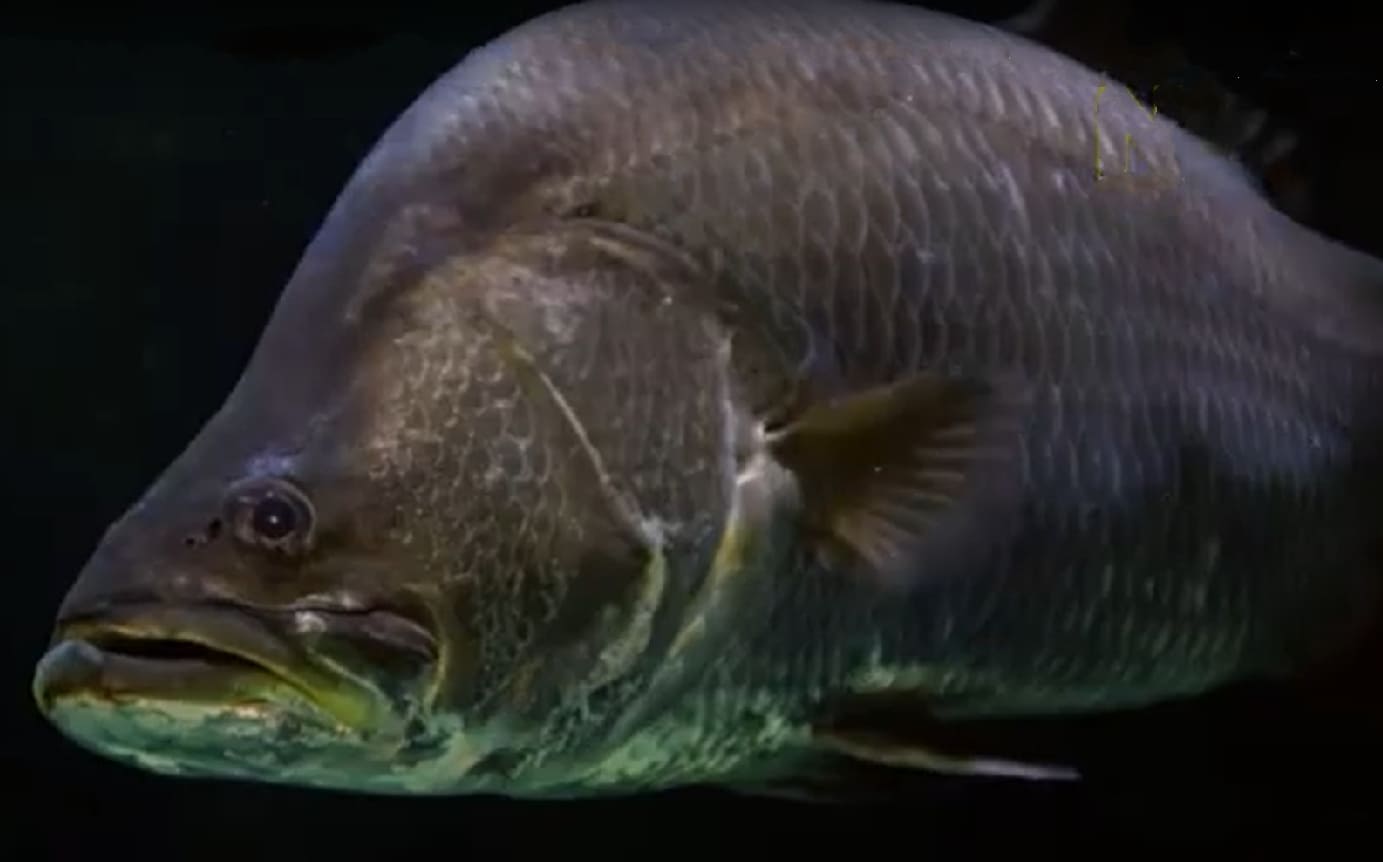
Lates calcarifer
Body elongated, compressed at the sides, with a high caudal peduncle. Head pointed, dorsal profile concave, …
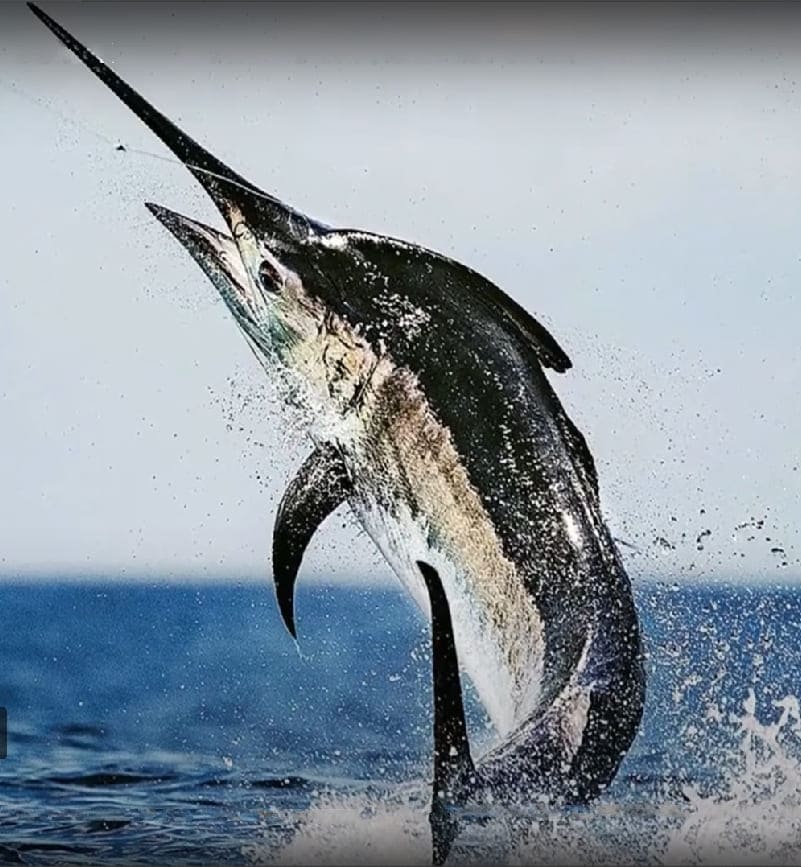
Istiompax indica
The body is elongated, not strongly compressed at the sides, covered with dense, thick, elongated scales …
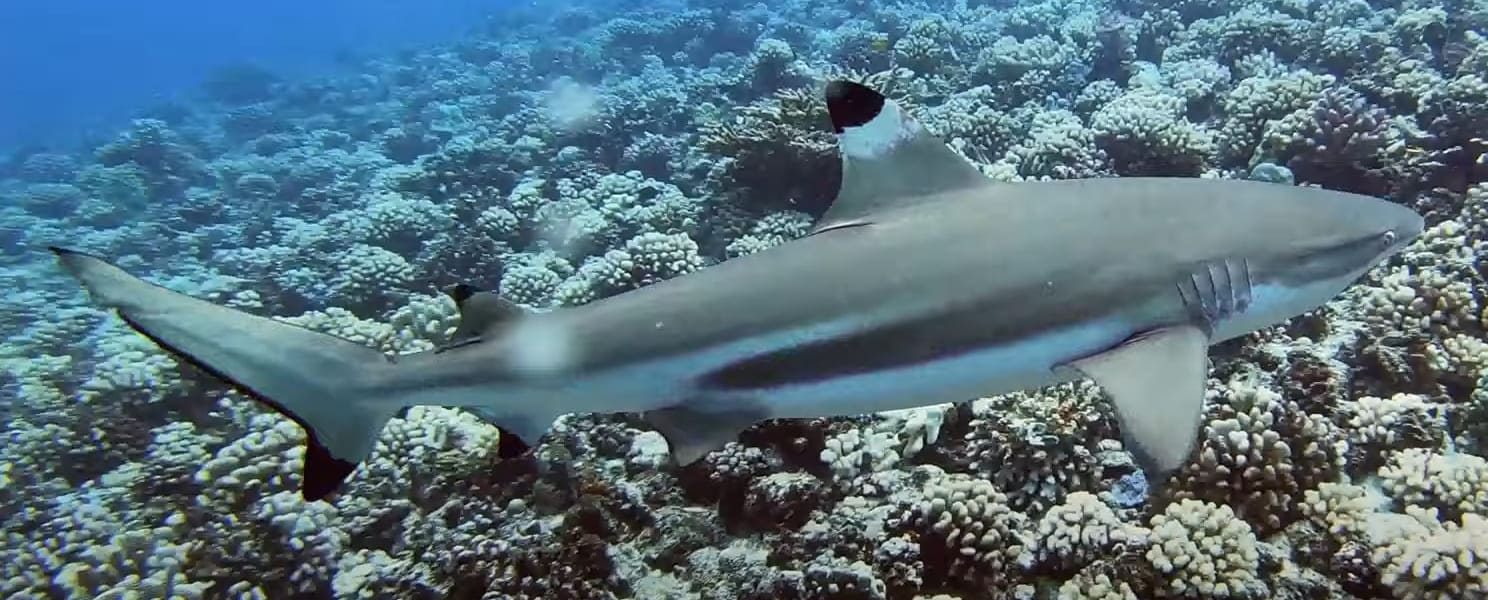
Carcharhinus melanopterus
This species has a characteristic torpedo-shaped, streamlined body. The snout is short, broad and rounded. The …
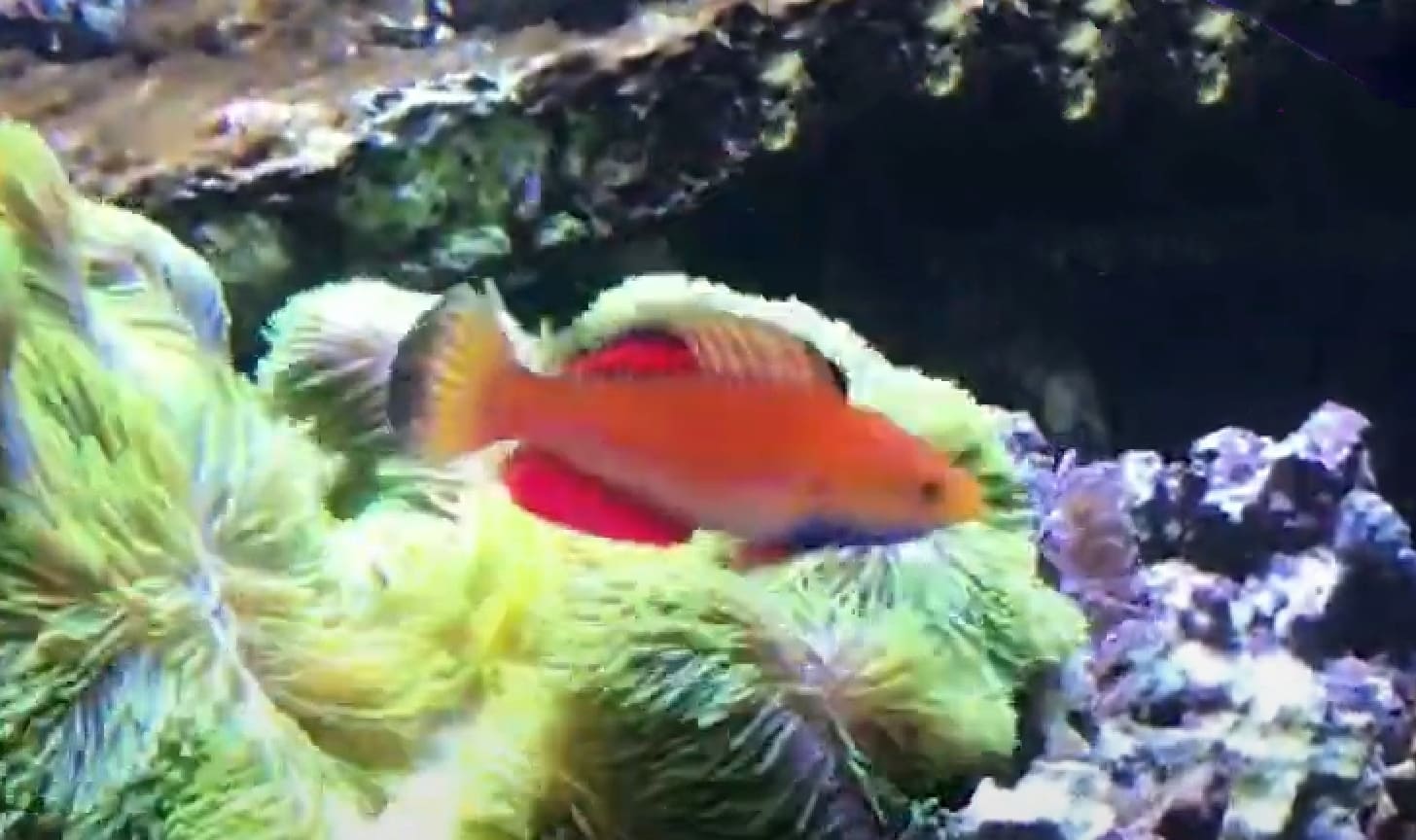
Cirrhilabrus cyanogularis
This species differs from its congeners in the following characters: one row of cheek scales; 6 …
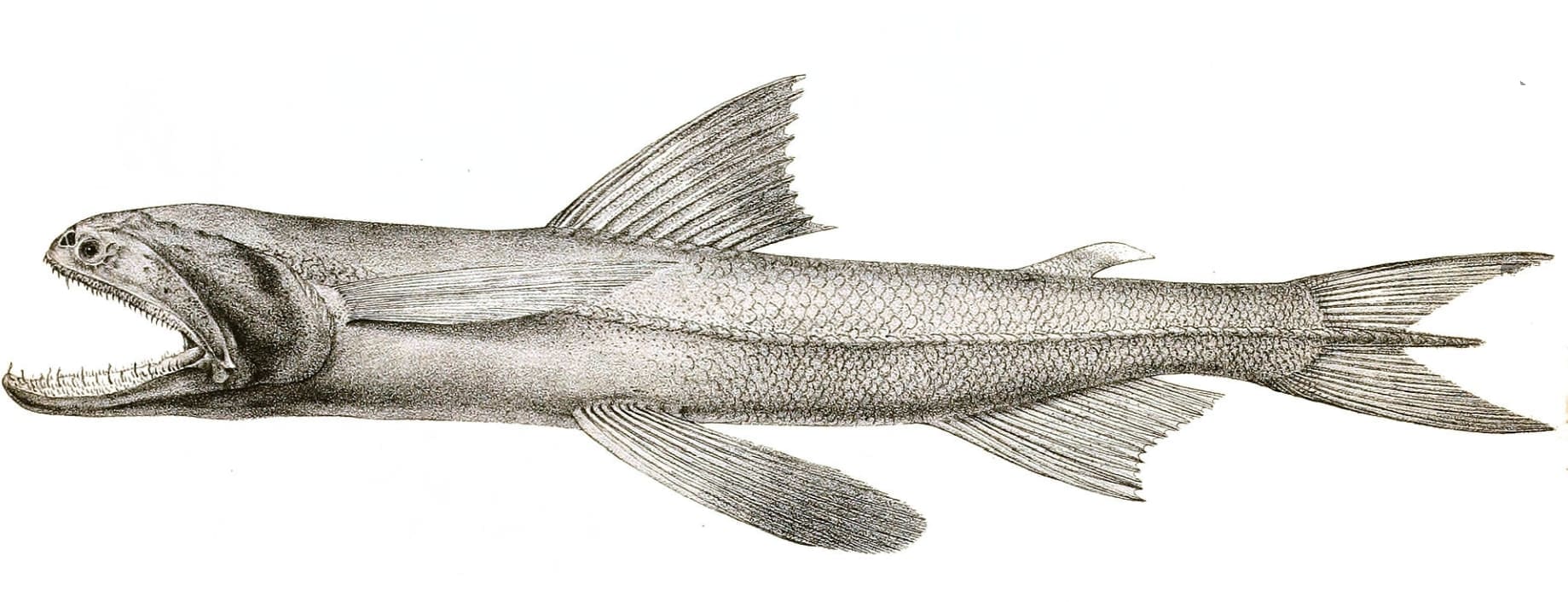
Harpadon nehereus
The body is pronghorn, compressed from the sides, without scales in the front part, soft to …
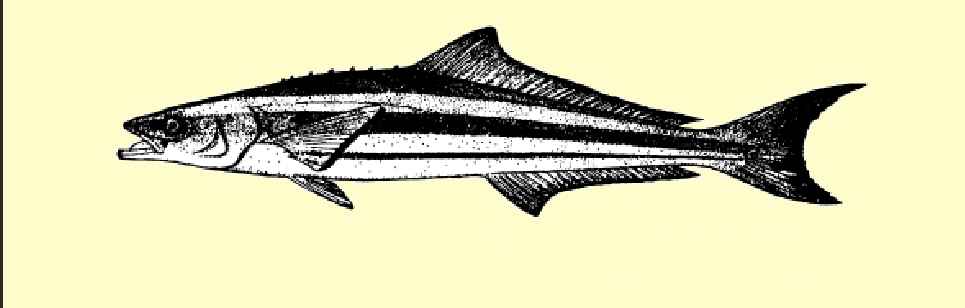
Rachycentron canadum
The body is elongated, with a broad, impressed head. The first dorsal fin consists of 8-10 …
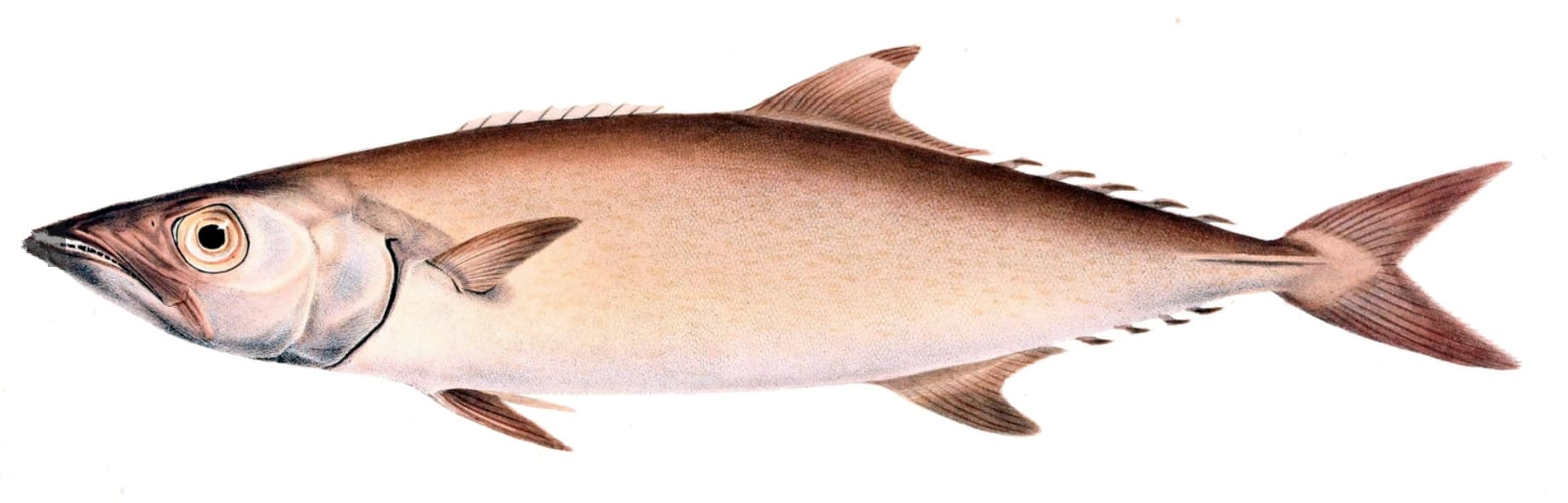
Lepidocybium flavobrunneum
The body is moderately elongated, oval in shape, slightly compressed at the sides, the body height …
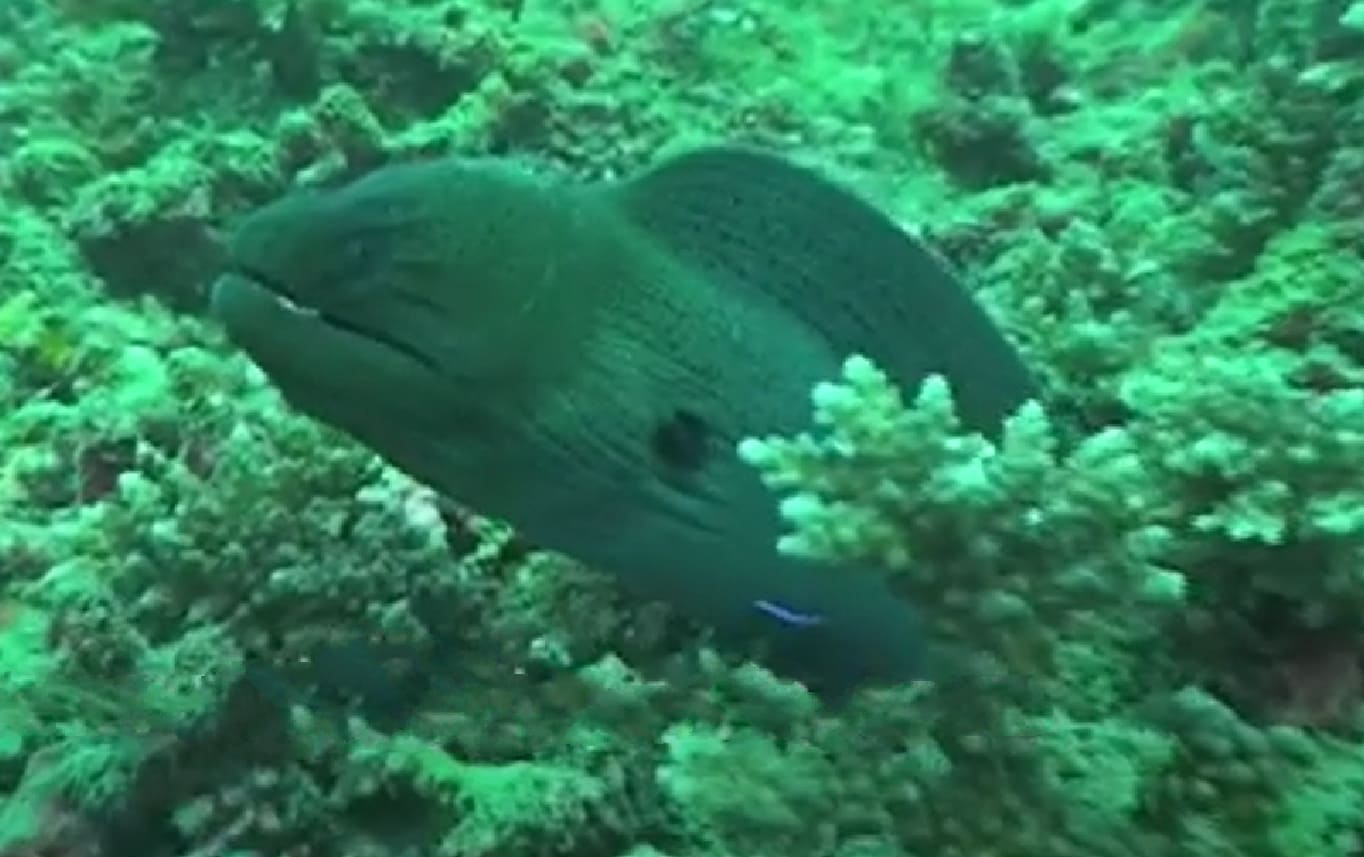
Gymnothorax javanicus
The body is compressed from the sides and covered with a layer of mucus, which allows …
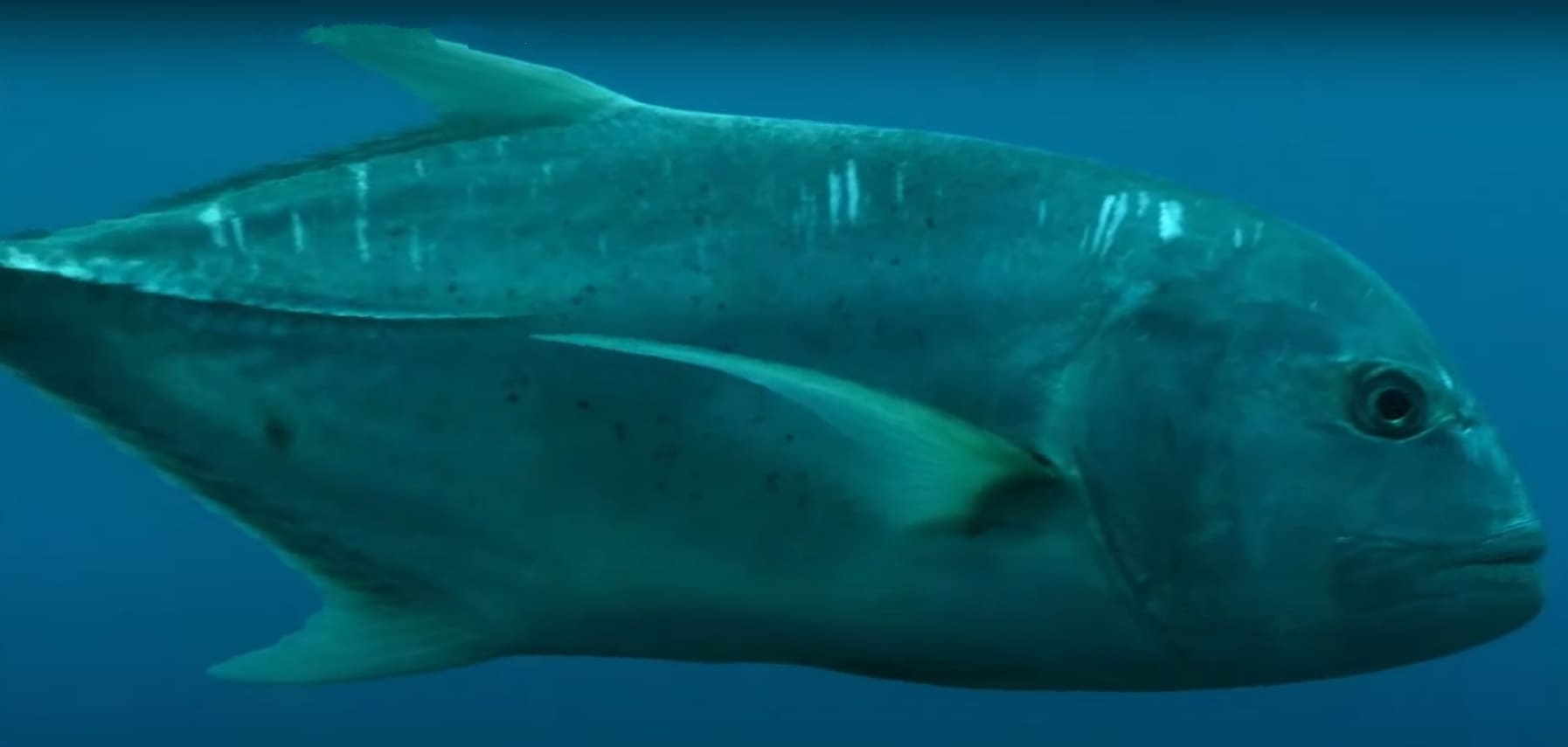
Caranx ignobilis
Body elongate, slightly compressed at the sides, covered with small cycloid scales. Thorax without scales. Upper …
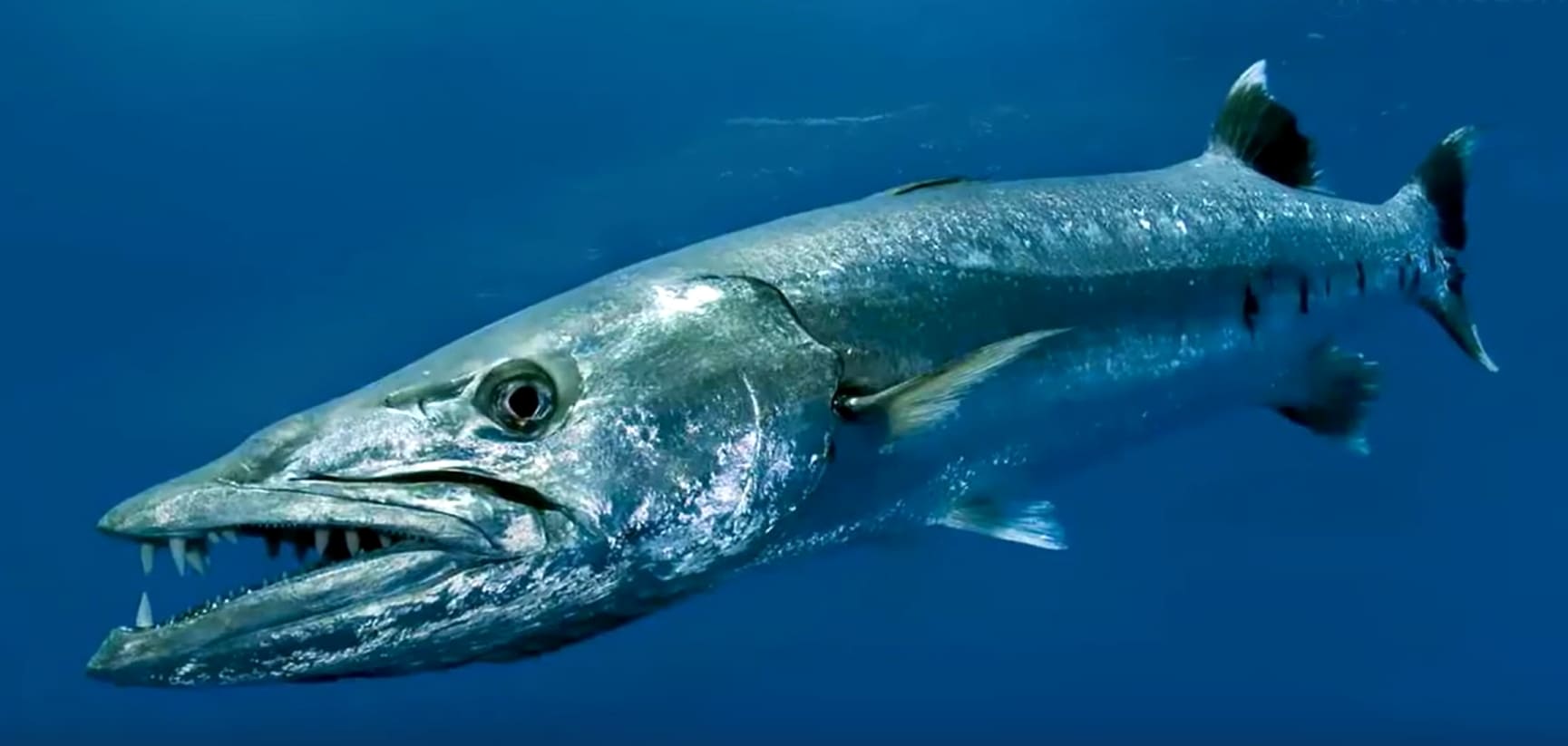
Sphyraena barracuda
Characteristic of this fish is a large head with a massive lower jaw. Great Barracuda, one …
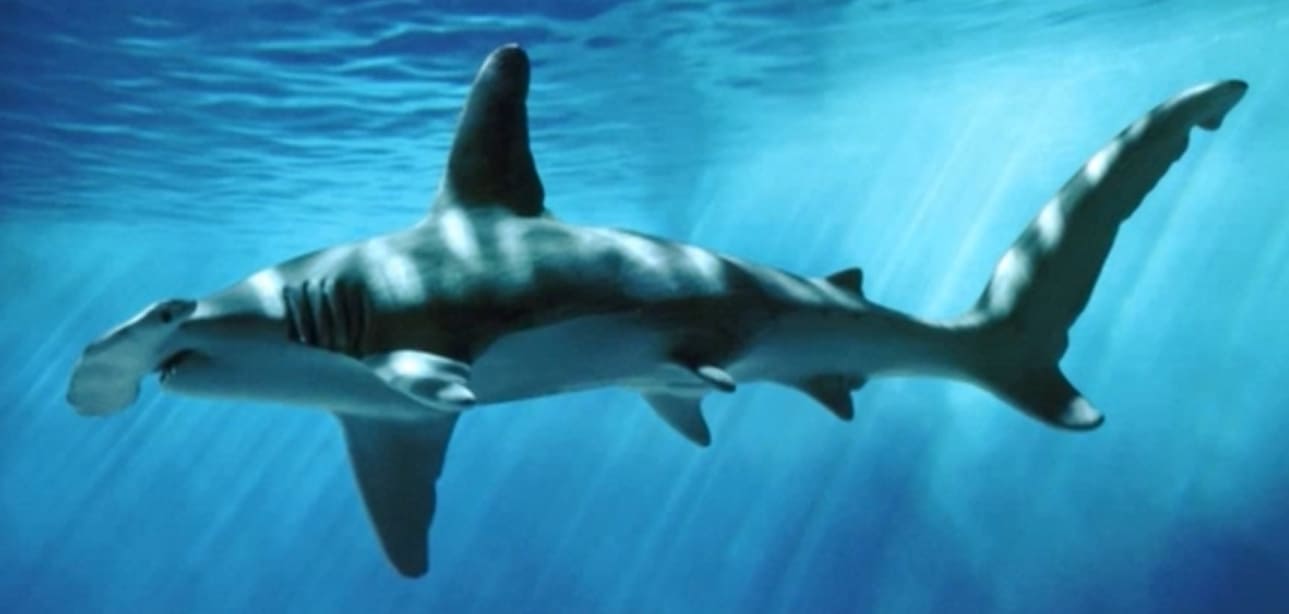
Sphyrna mokarran
They have a characteristic spindle-shaped body and head with projections on the sides. In adults, the …
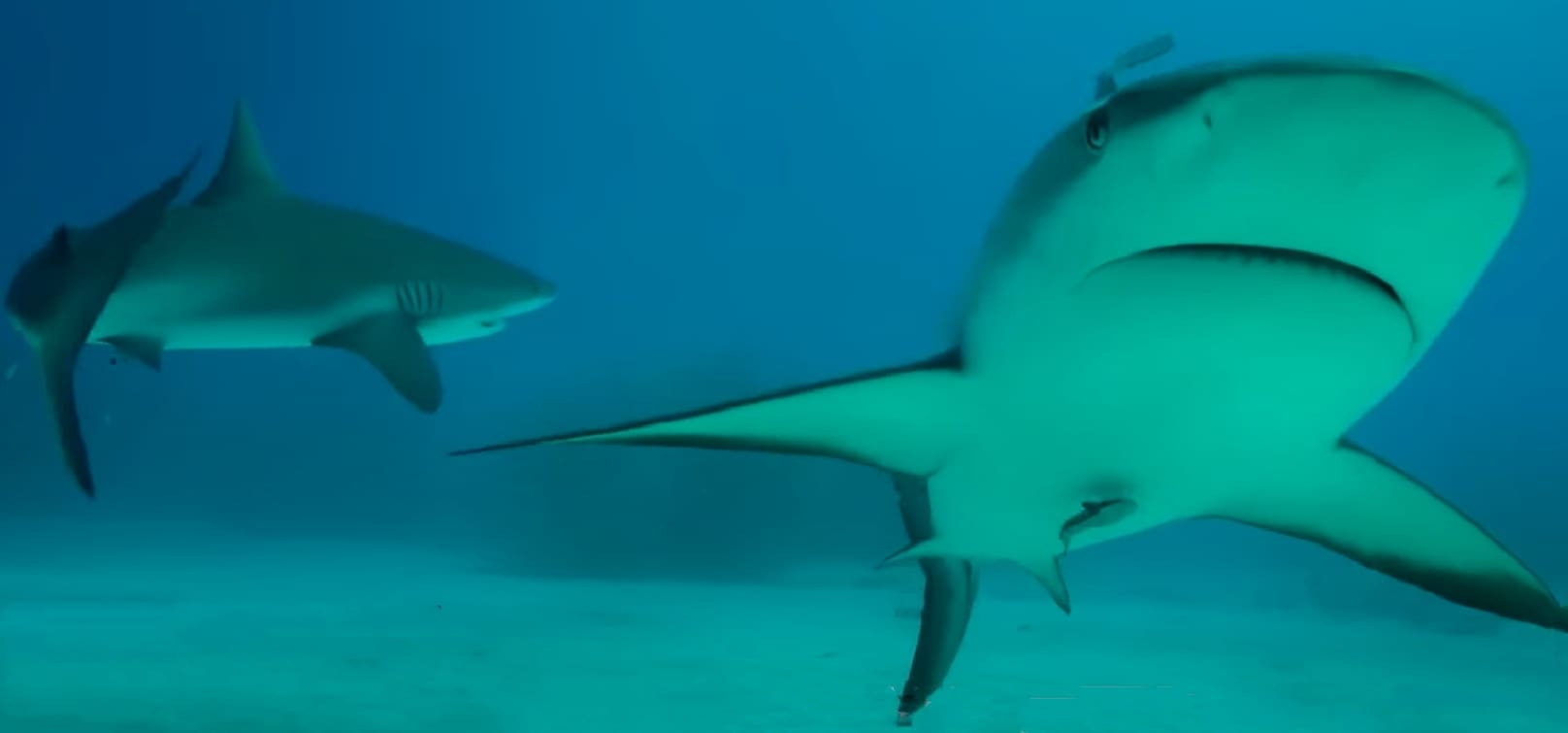
Carcharhinus amblyrhynchos
The body of the fish is torpedo-shaped, the snout is round, wide, the eyes are round, …
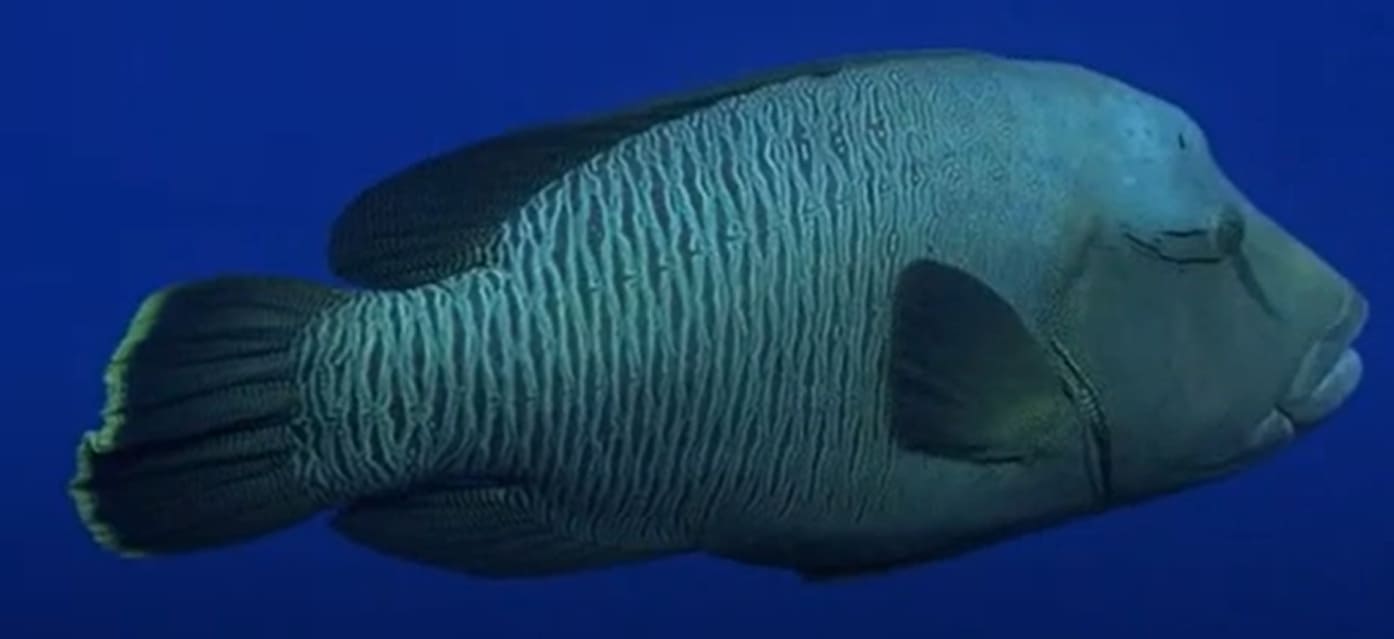
Cheilinus undulatus
Adult fish have thick, swollen lips and a prominent bulge on the head. This species is …
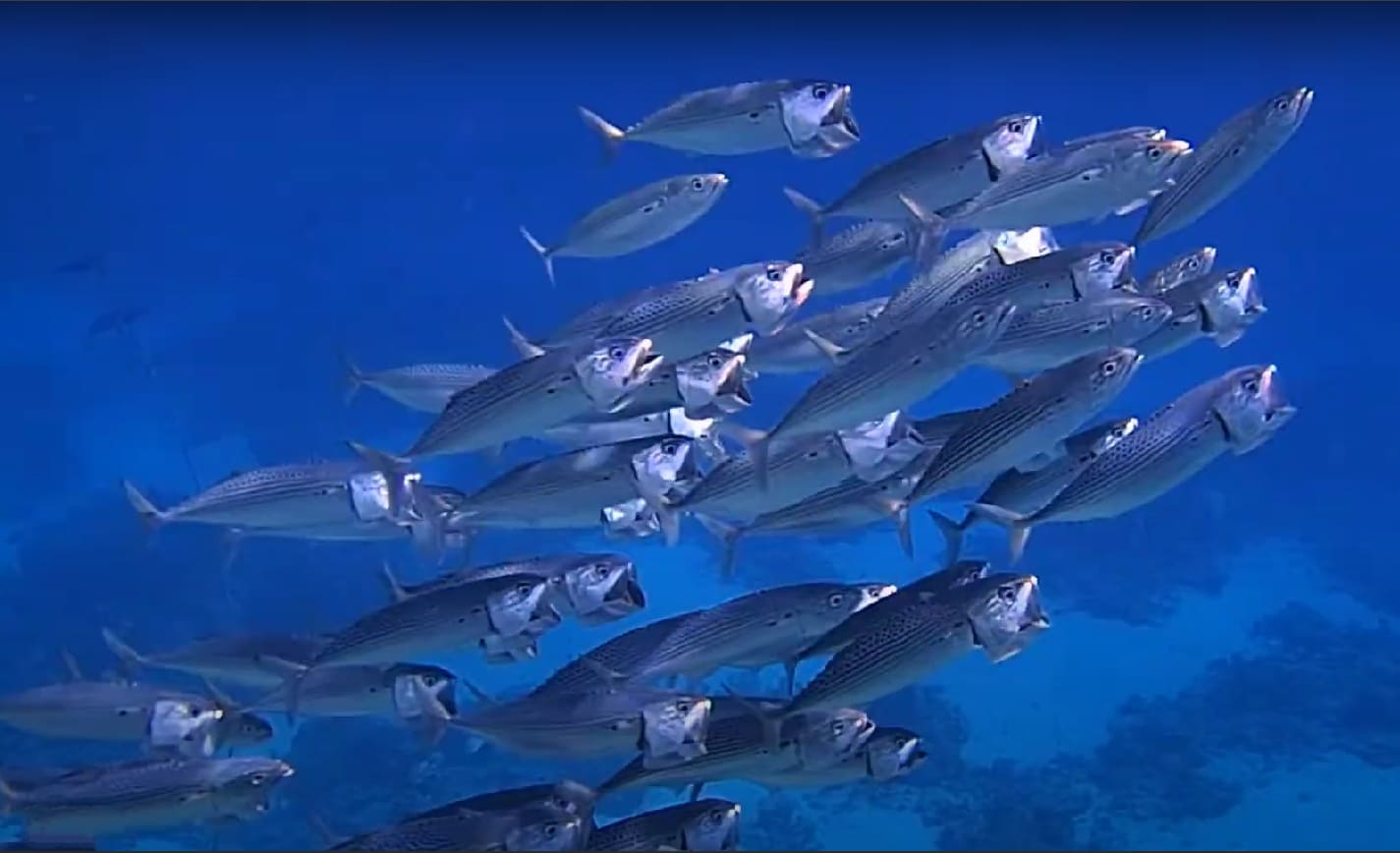
Rastrelliger kanagurta
Body elongated, spindle-shaped, moderately high, covered with fine cycloid scales. Maximum body height on the vertical …
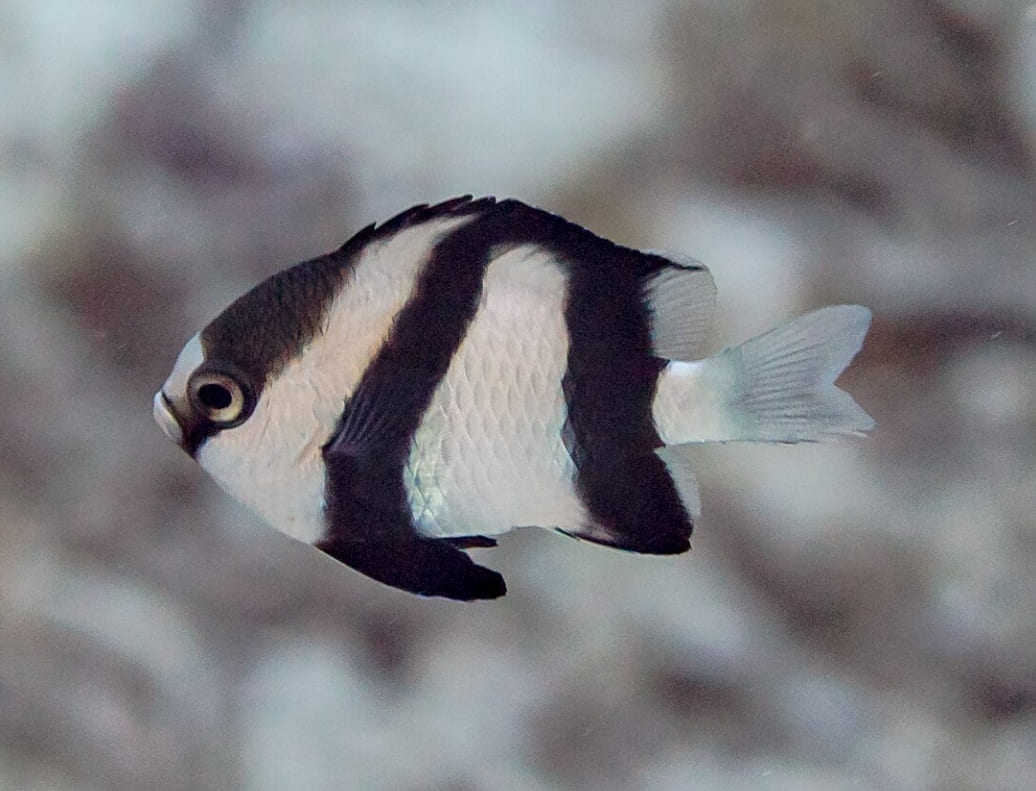
Dascyllus abudafur
The species name is derived from the Arabic word for the species, Abu-dafur Jabûd. Males are …
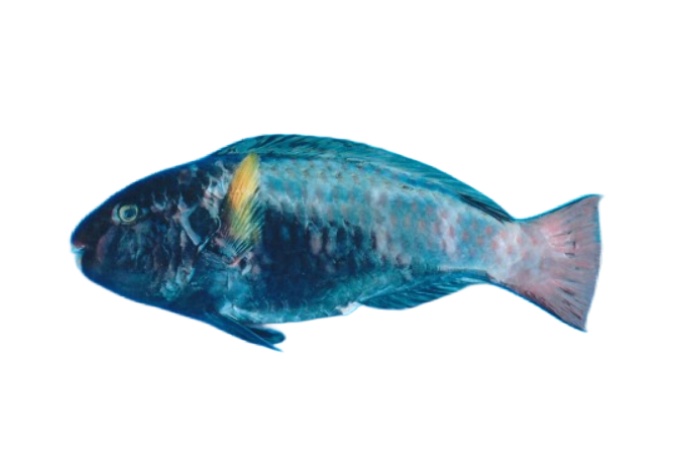
Chlorurus capistratoides
The head of these fishes is sharply rounded forward. Teeth fused to dental plates; dental plates …
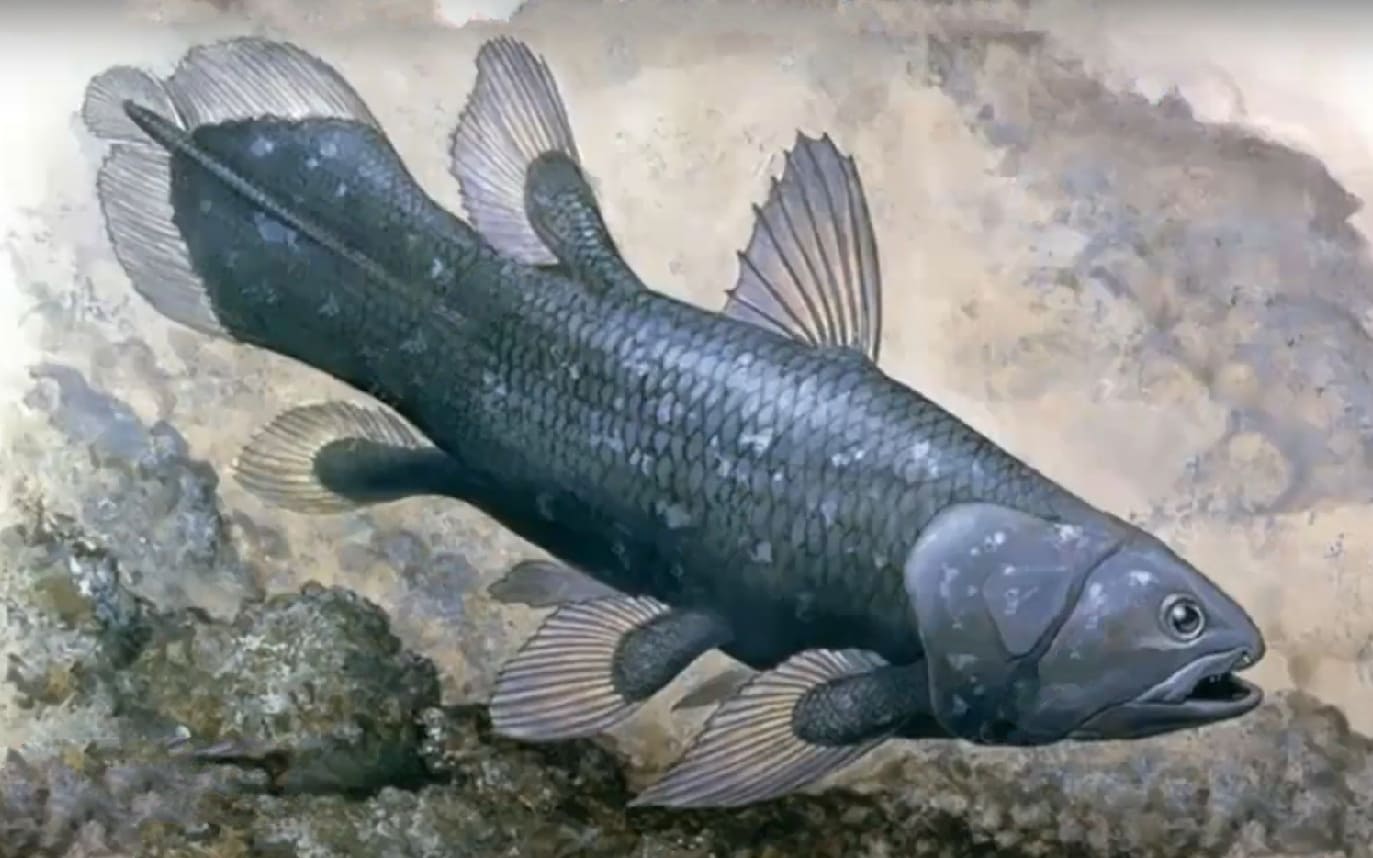
Latimeria menadoensis
Instead of vertebrae, the Indonesian coelacanth has a thick tube containing a highly pressurized fluid. An …
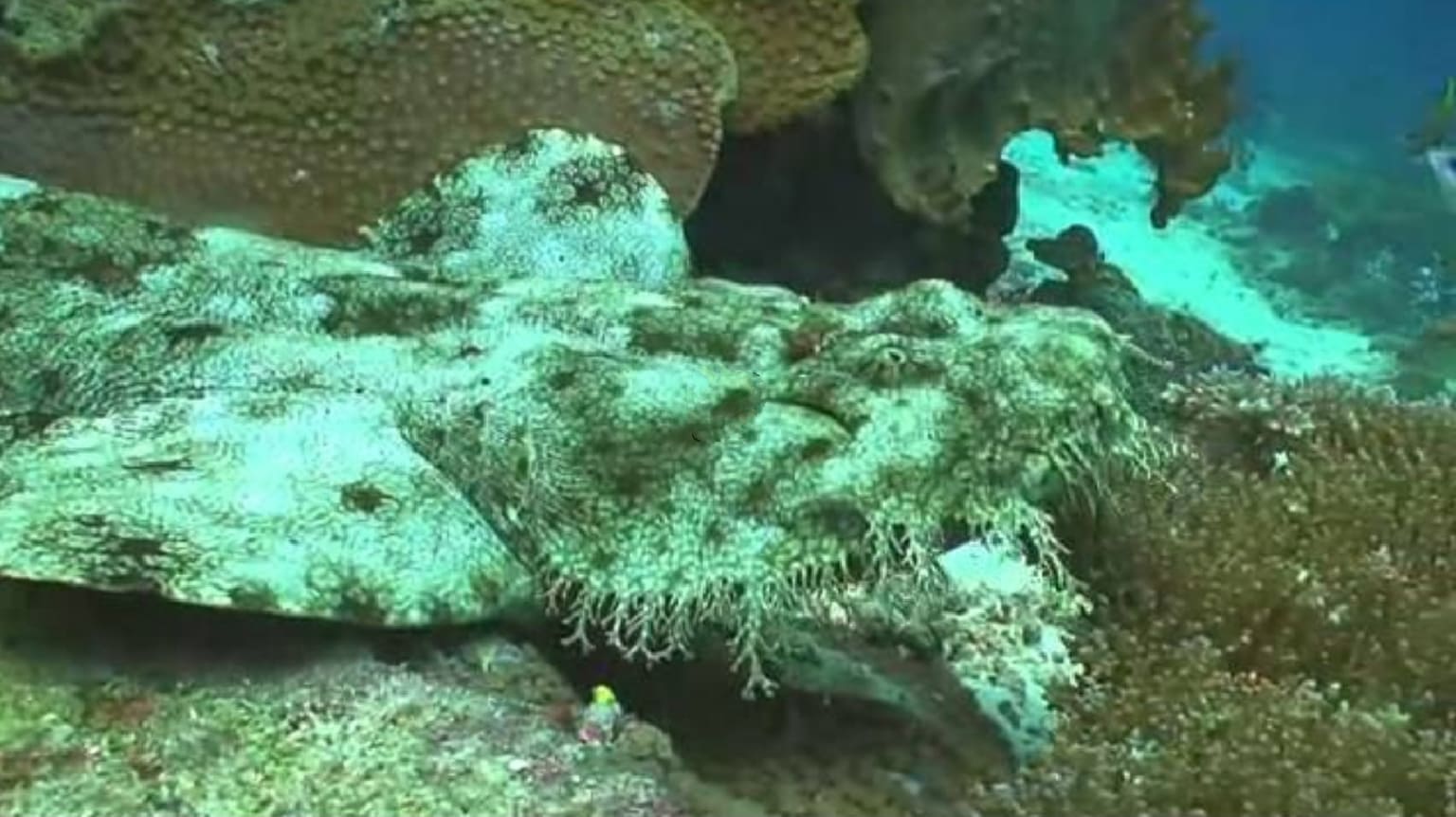
Orectolobus leptolineatus
The Indonesian Wobbegong has a flattened and broad head and body. The nostrils are framed by …
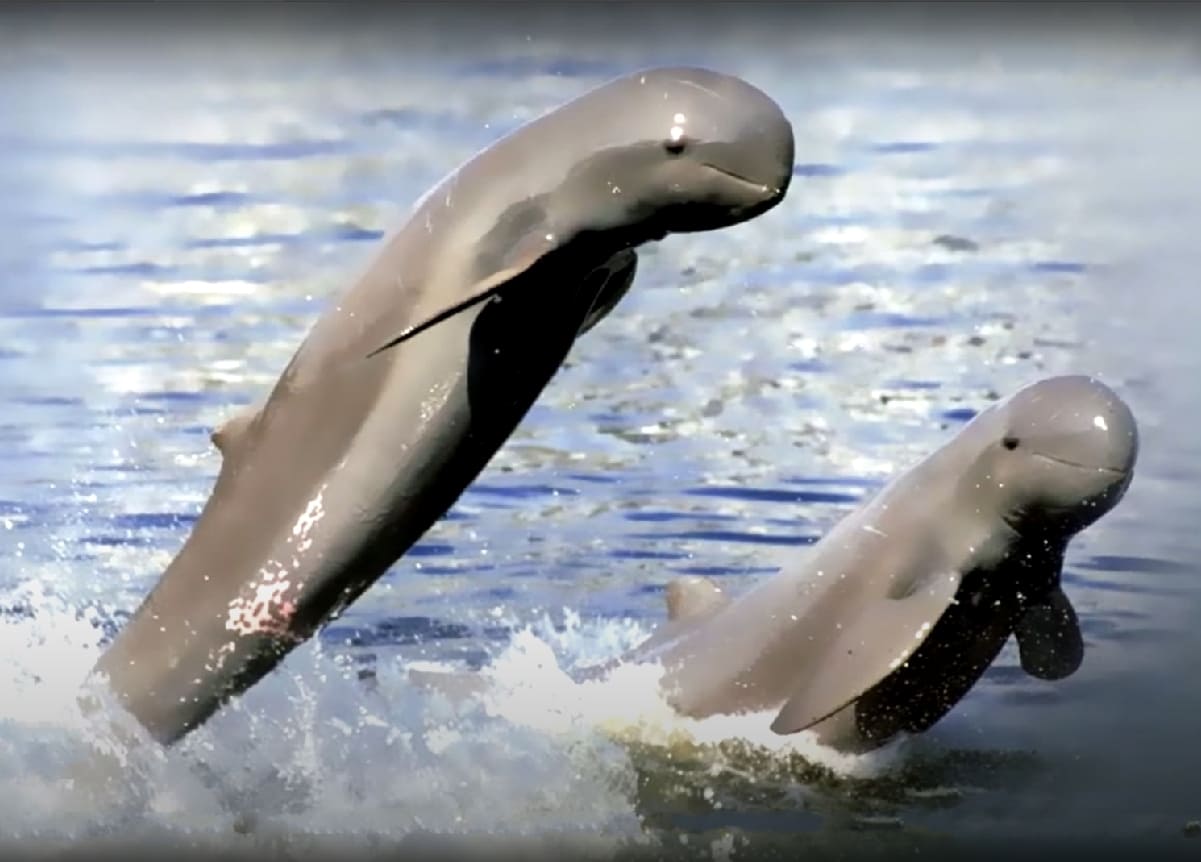
Orcaella brevirostris
Unlike other members of the Delphinidae family, Irrawaddy dolphins lack a beak and have a flexible …
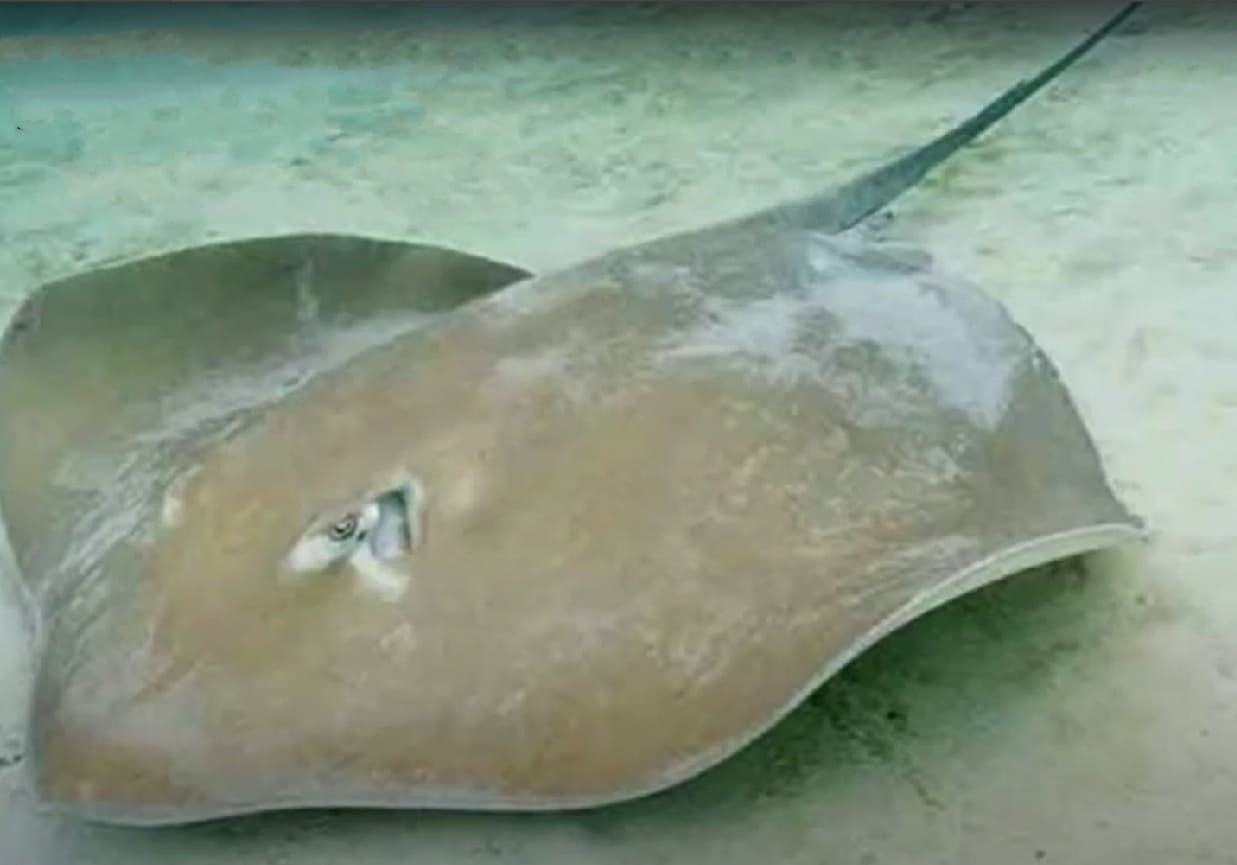
Pateobatis jenkinsii
The pectoral fins of these rays fuse with the head to form a rhombic flattened disk, …
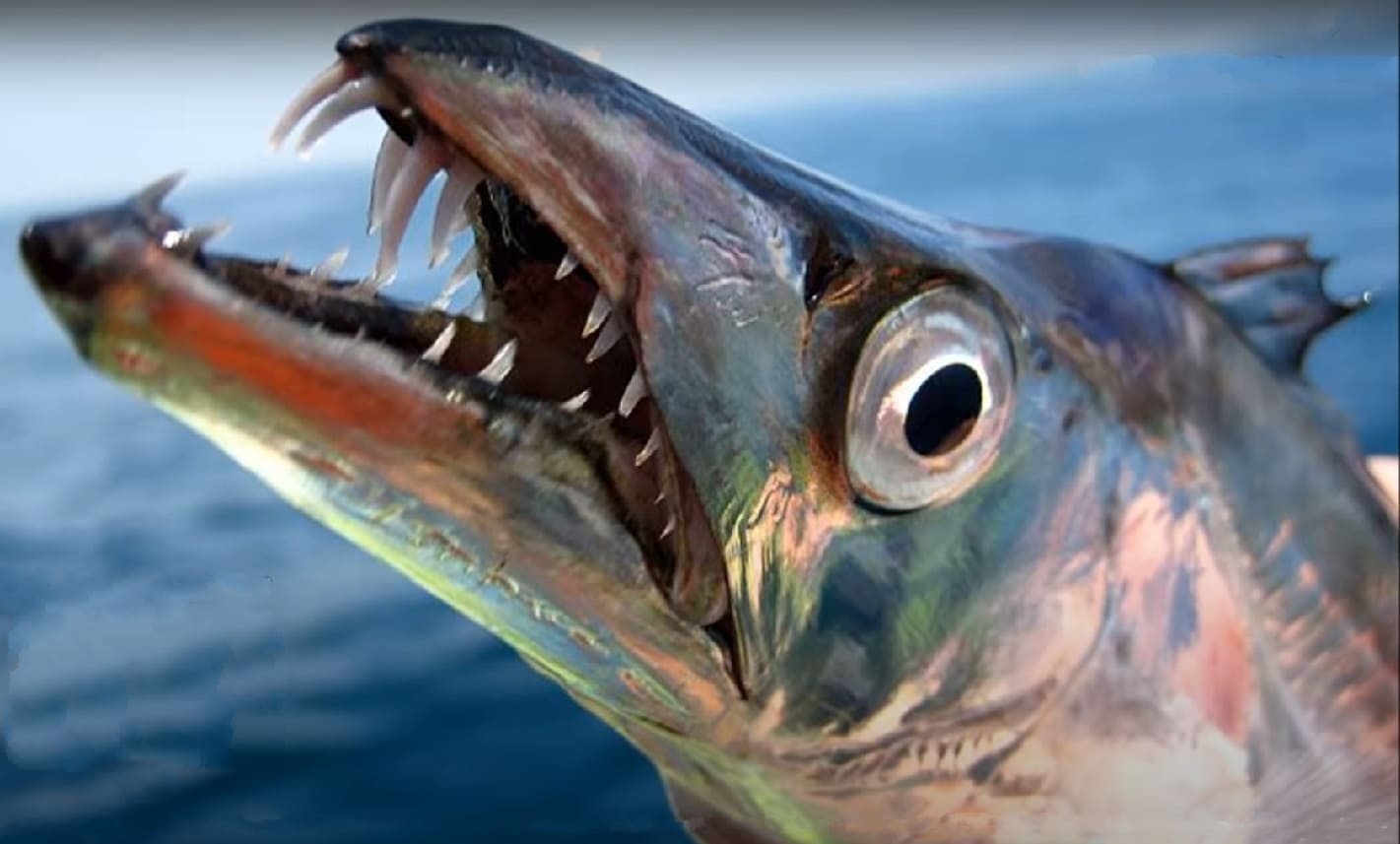
Trichiurus lepturus
The body is elongated, bare, and ends in a thread-like appendage. The eyes are large and …
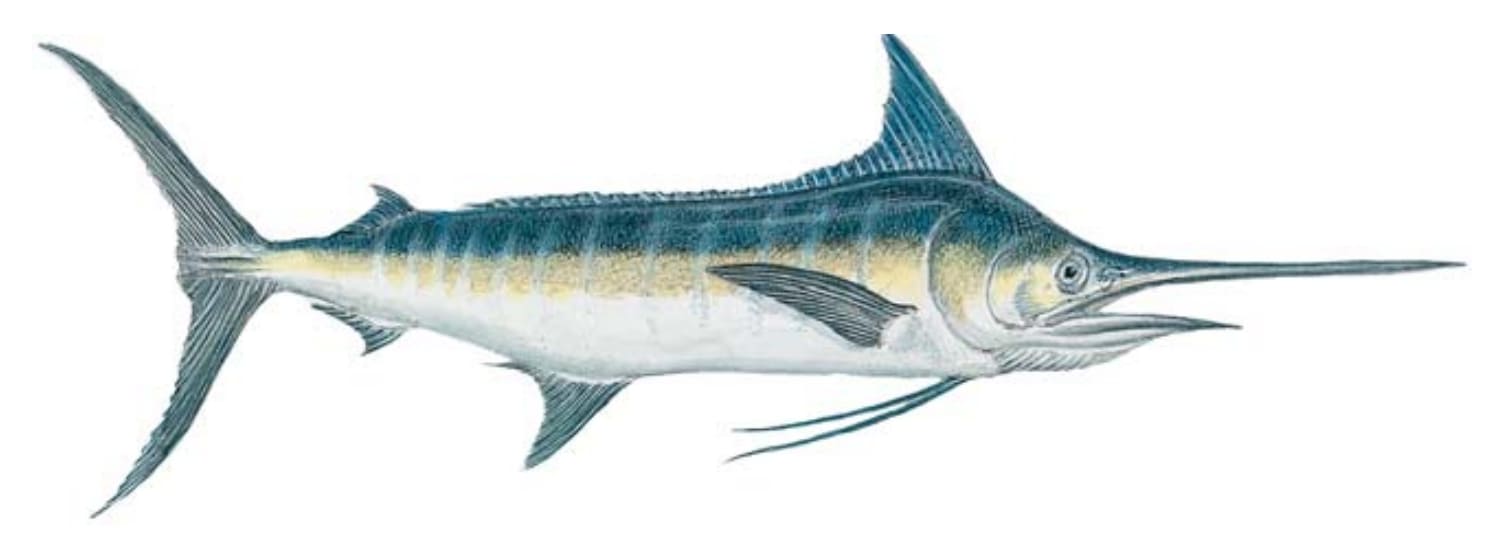
Makaira nigricans and Makaira mazara
The pectoral fins of the blue marlin are never rigid, even after death, and can be …
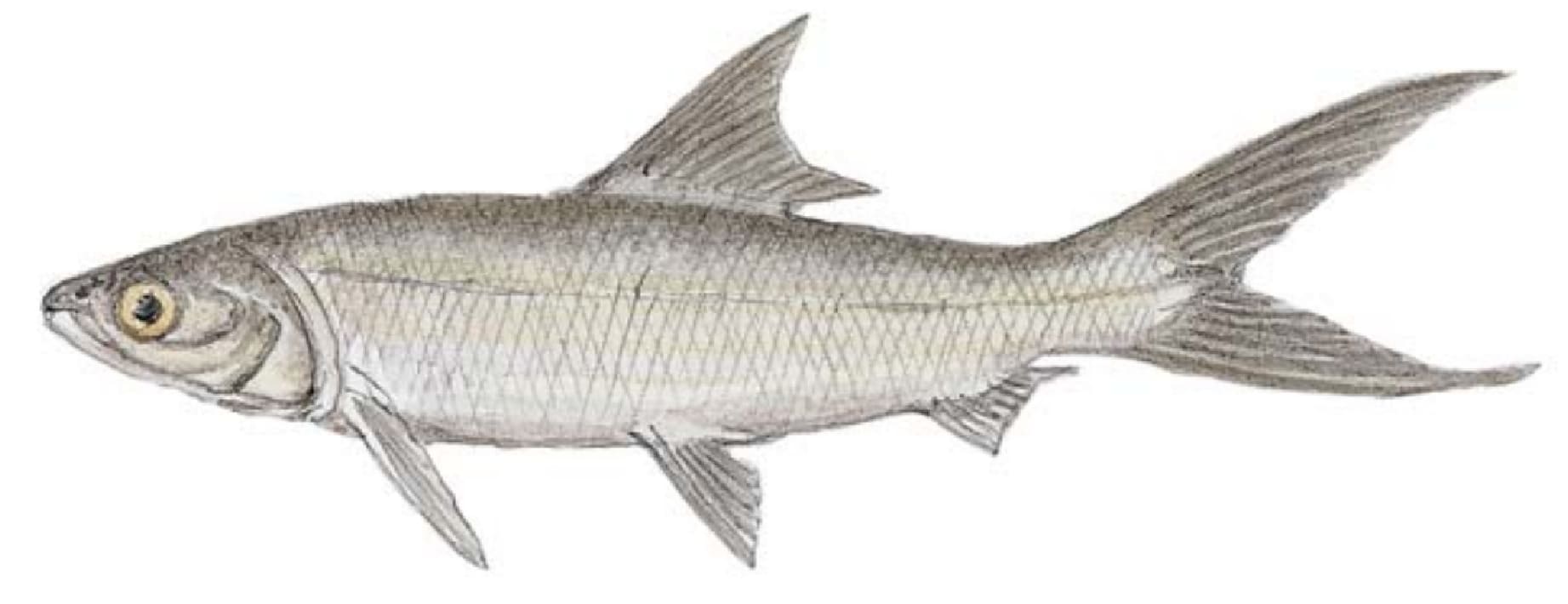
Chanos chanos
The height of the body is about 3,5 times its length. The caudal fin is very …