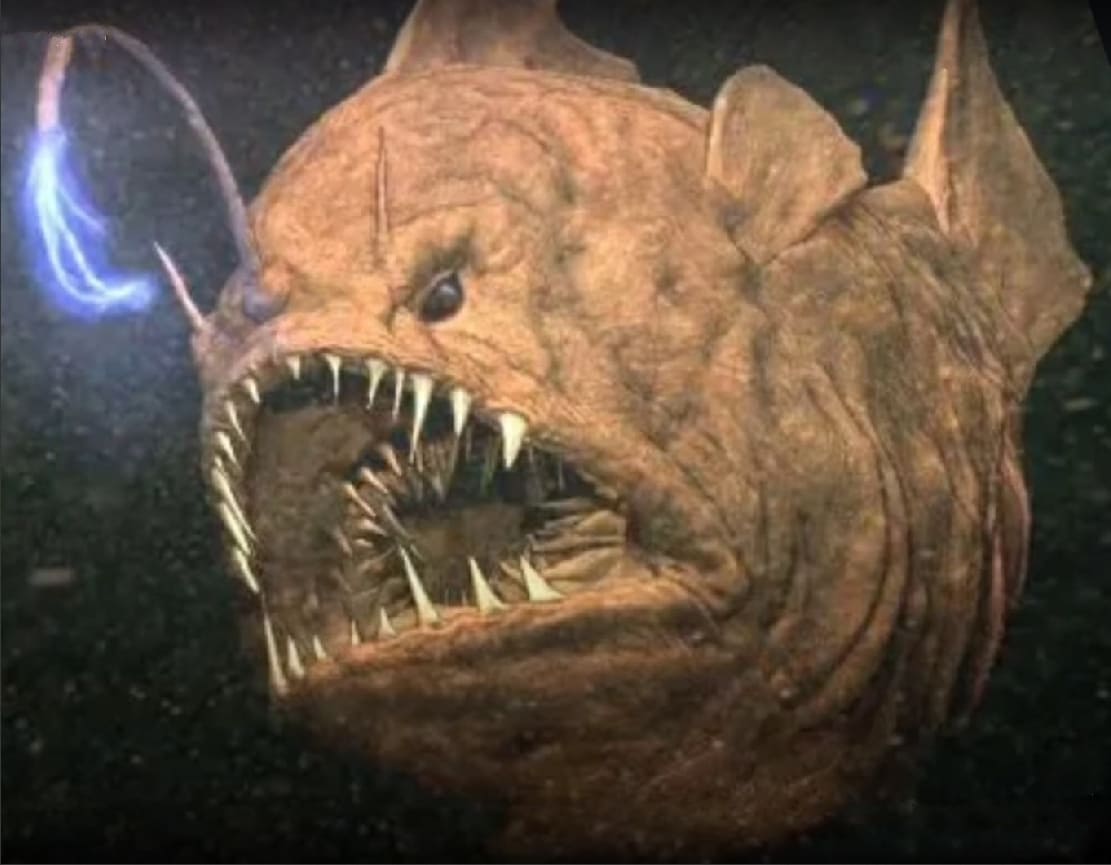
Angler
Lophius piscatorius
The body is naked, covered with numerous leathery growths and bony tubercles. On either side of …
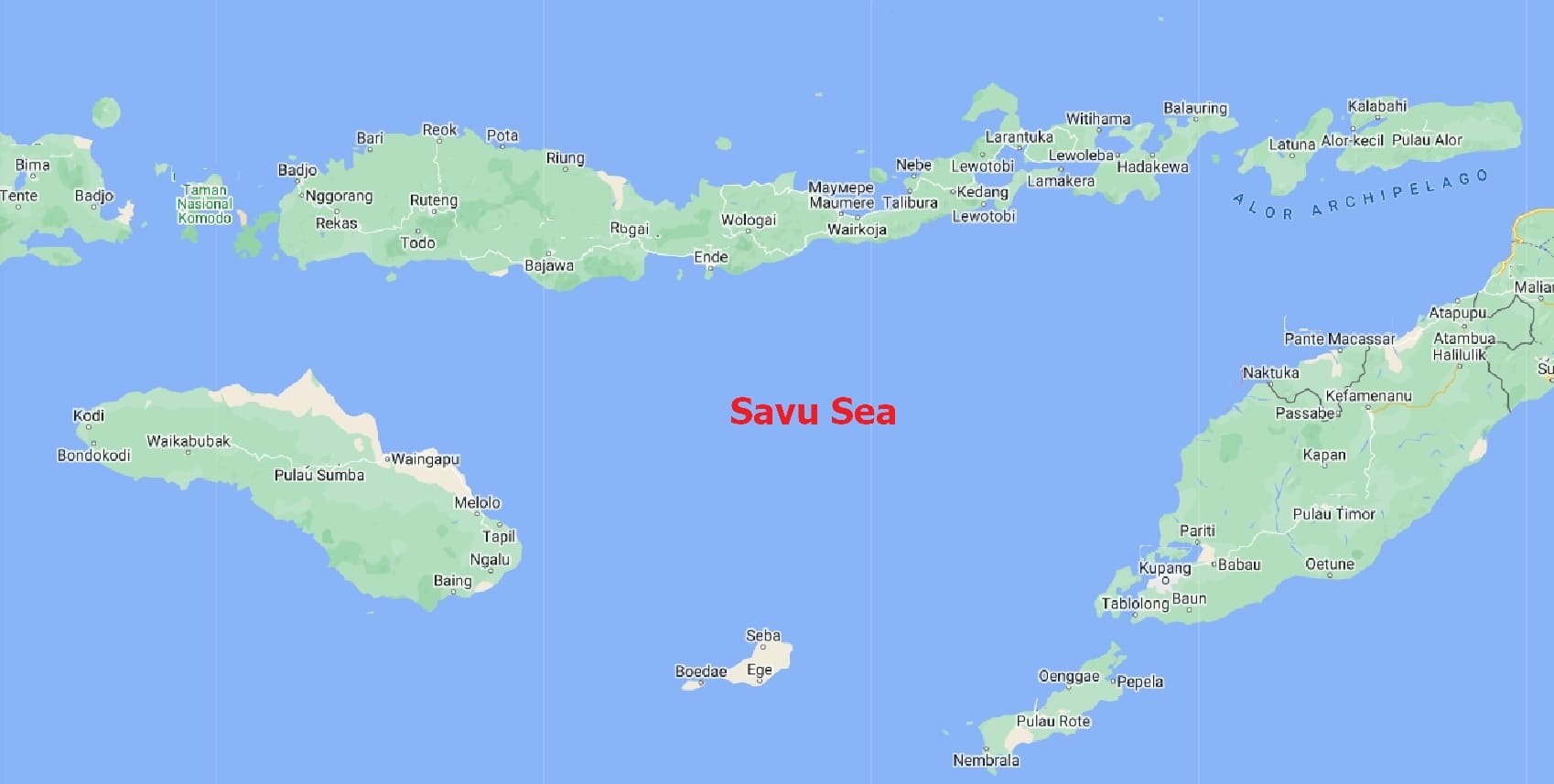 The Savu Sea is an inter-island sea in the Pacific Ocean between the islands of Flores, Sumba and Timor in the Malay Archipelago. It is rich in corals, of which there are about five hundred species in the coastal strip, including rare ones. It is the migratory route for almost half of the world's whale population and about three thousand species of fish.
The Savu Sea is home to some amazing creatures - deep-sea anglerfish, ocean sunfish, barracuda, sponges. Shoals of tuna come here to spawn. Reef manta rays and giant oceanic manta rays live here. When fishing, you can catch yellowfin tuna in snares and watch the fierce struggle of mahi-mahi.
All marine mammals in Indonesia are fully protected and the area has been declared the Savu Sea Marine National Park. The sea is home to schools of spinner dolphins. The area is inhabited by pods of colorful whales, including the melon-headed whale. Blue whales inhabit this sea, pygmy blue whales use this region as a migratory corridor. A pair of 3 meter long female humpback whales have also been observed here.
The Savu Sea is home to at least 24 recorded marine mammal species, including Bryde's whale, bottlenose dolphin, Cuvier's beaked whale, dugong, pygmy sperm whale, false killer whale, Fraser's dolphin, Indo-Pacific bottlenose dolphin, orca, pantropical spotted dolphin, pygmy killer whale, pygmy sperm whale, Risso's dolphin, rough-toothed dolphin and short-finned pilot whale. The presence of these species in the waters is related to the availability of food and the large migration of several species of fish.
Showing 1–18 of 18
Lophius piscatorius
The body is naked, covered with numerous leathery growths and bony tubercles. On either side of …
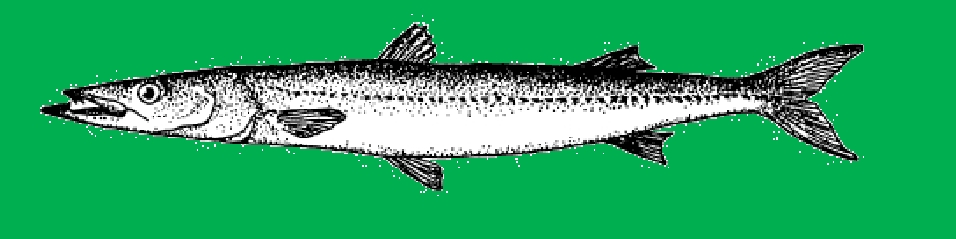
Sphyraena argentea
The Pacific barracuda has a slender build, a conical head, a long thin snout, and large …
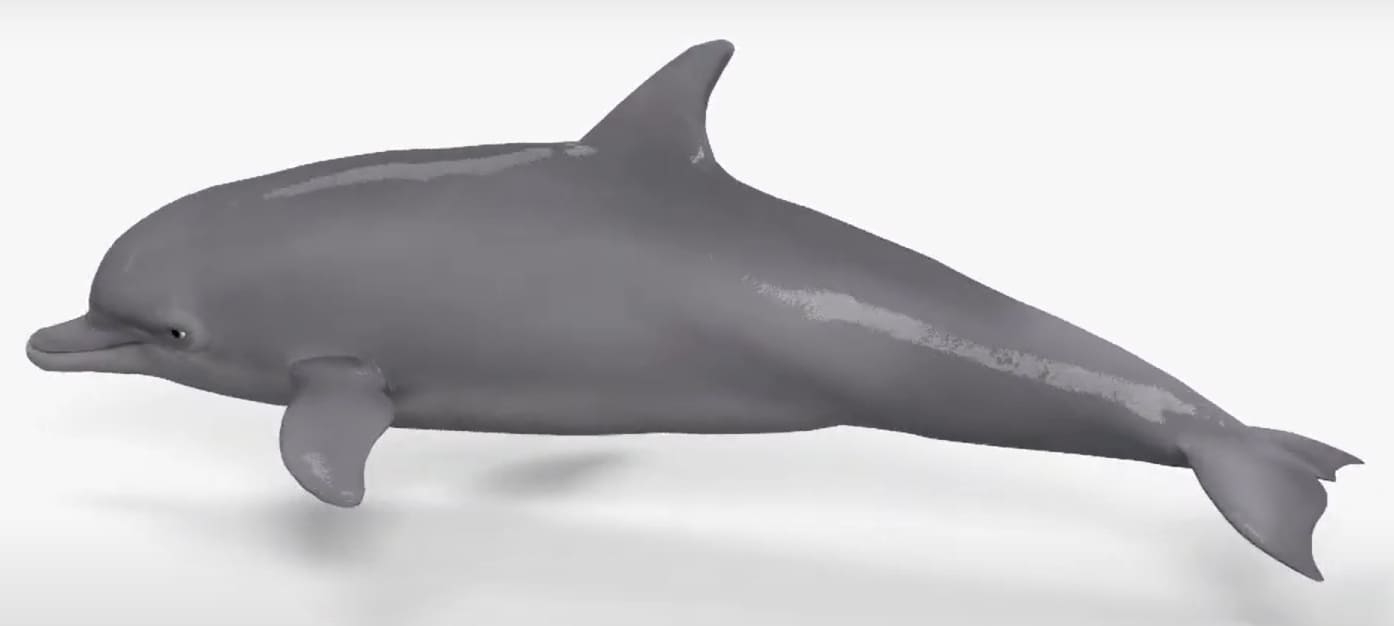
Tursiops truncatus
The moderately developed "beak" is clearly separated from the convex frontal-nasal (fat) pad. The skull reaches …
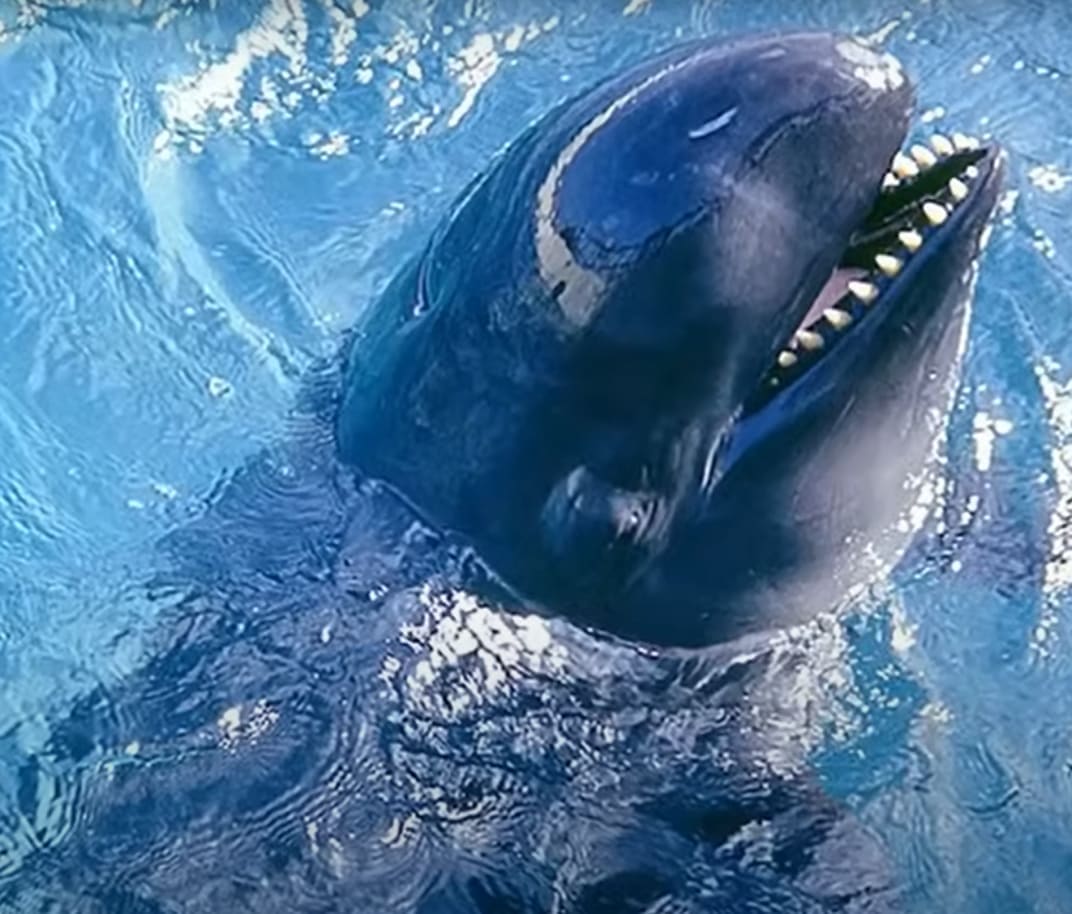
Pseudorca crassidens
The head is rounded, with a melon-shaped forehead. The body is elongated. The upper jaw is …
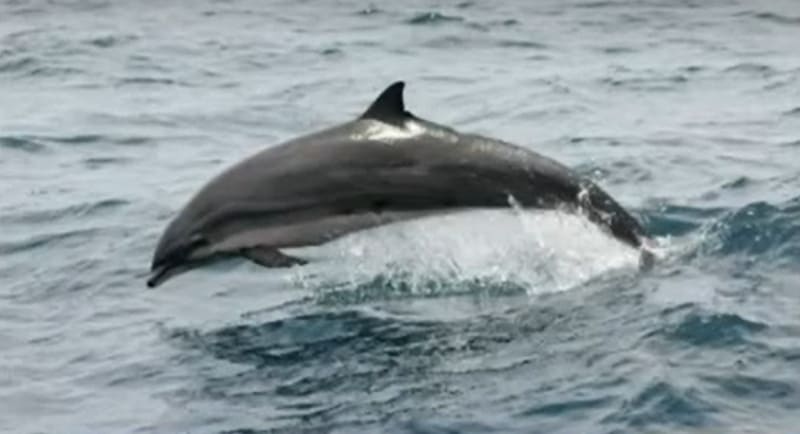
Lagenodelphis hosei
The skull is similar to that of the common dolphin and Lagenorhynchus. They have a stocky …
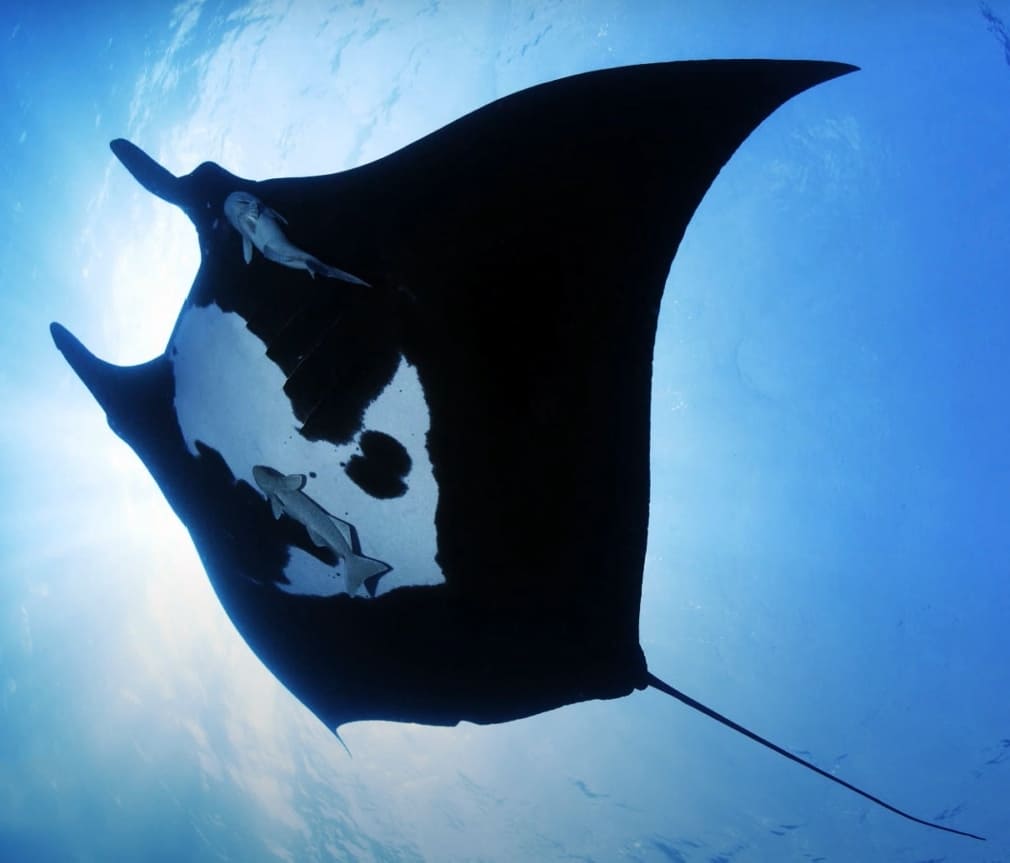
Mobula birostris
Huge pectoral fins form a diamond-shaped disc with the head, the width of which is about …
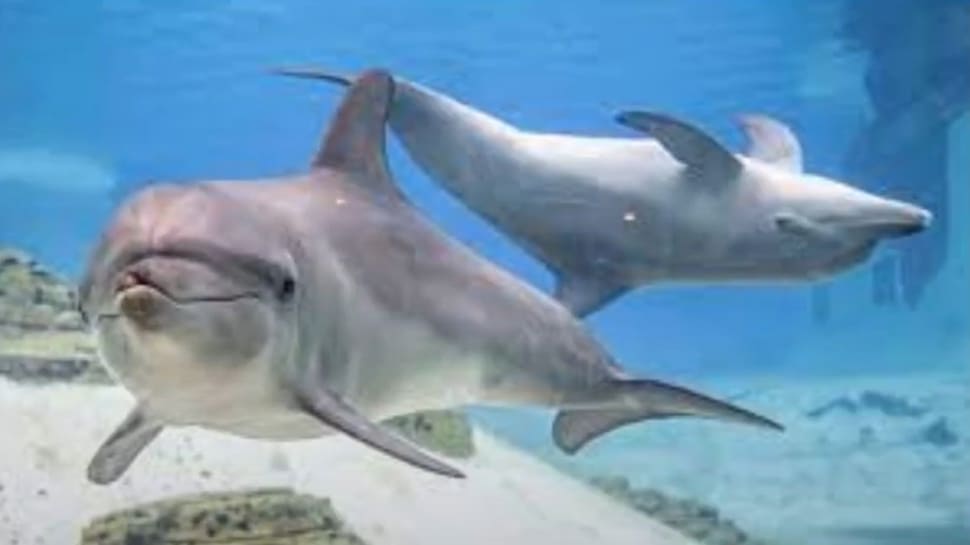
Tursiops aduncus
Common bottlenose dolphins have a fairly stocky body, a medium-length beak, and high, curved dorsal fins, …
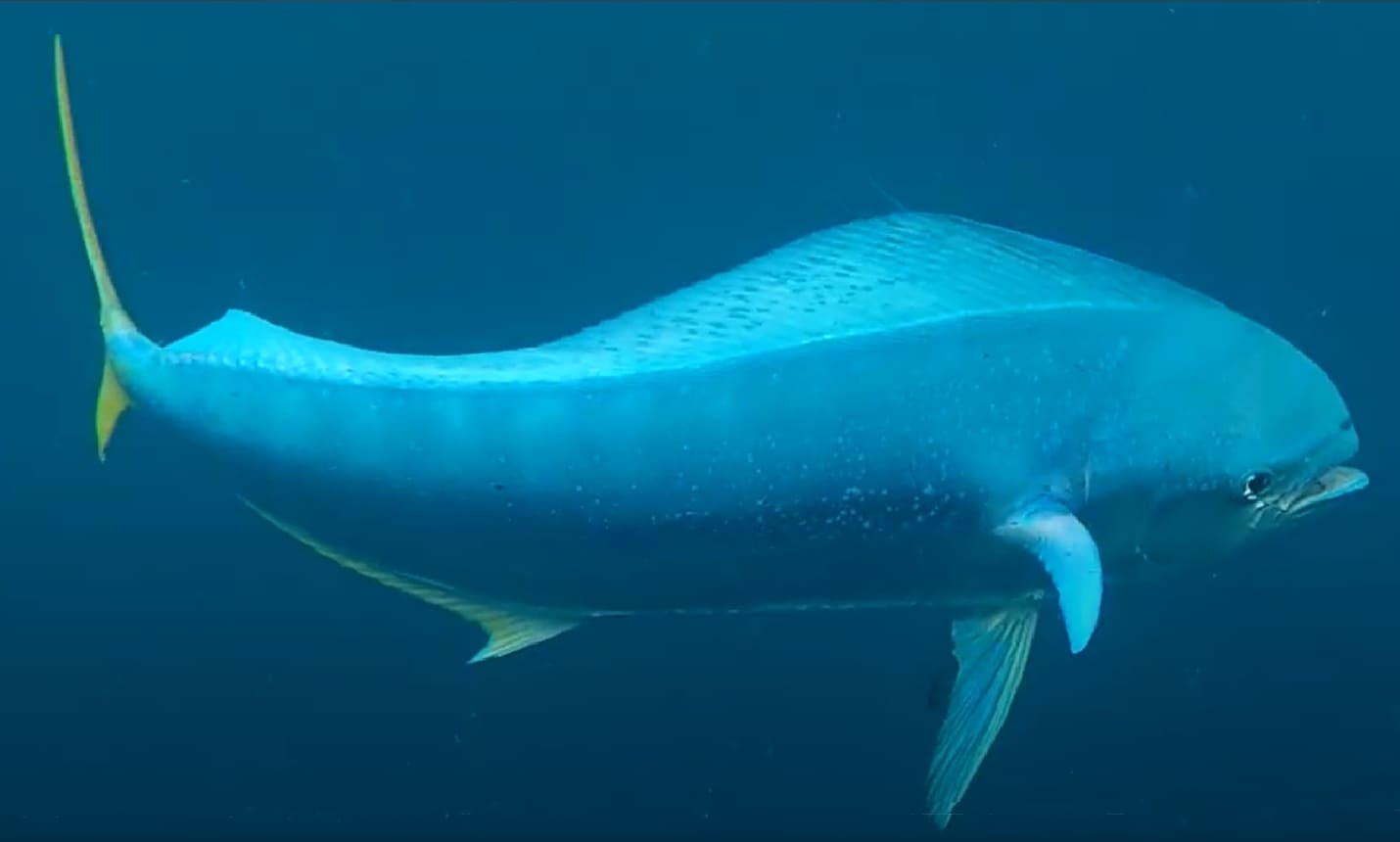
Coryphaena hippurus
The name "Coryphaena" is derived from the Greek κορυφή - head, and the species name from …
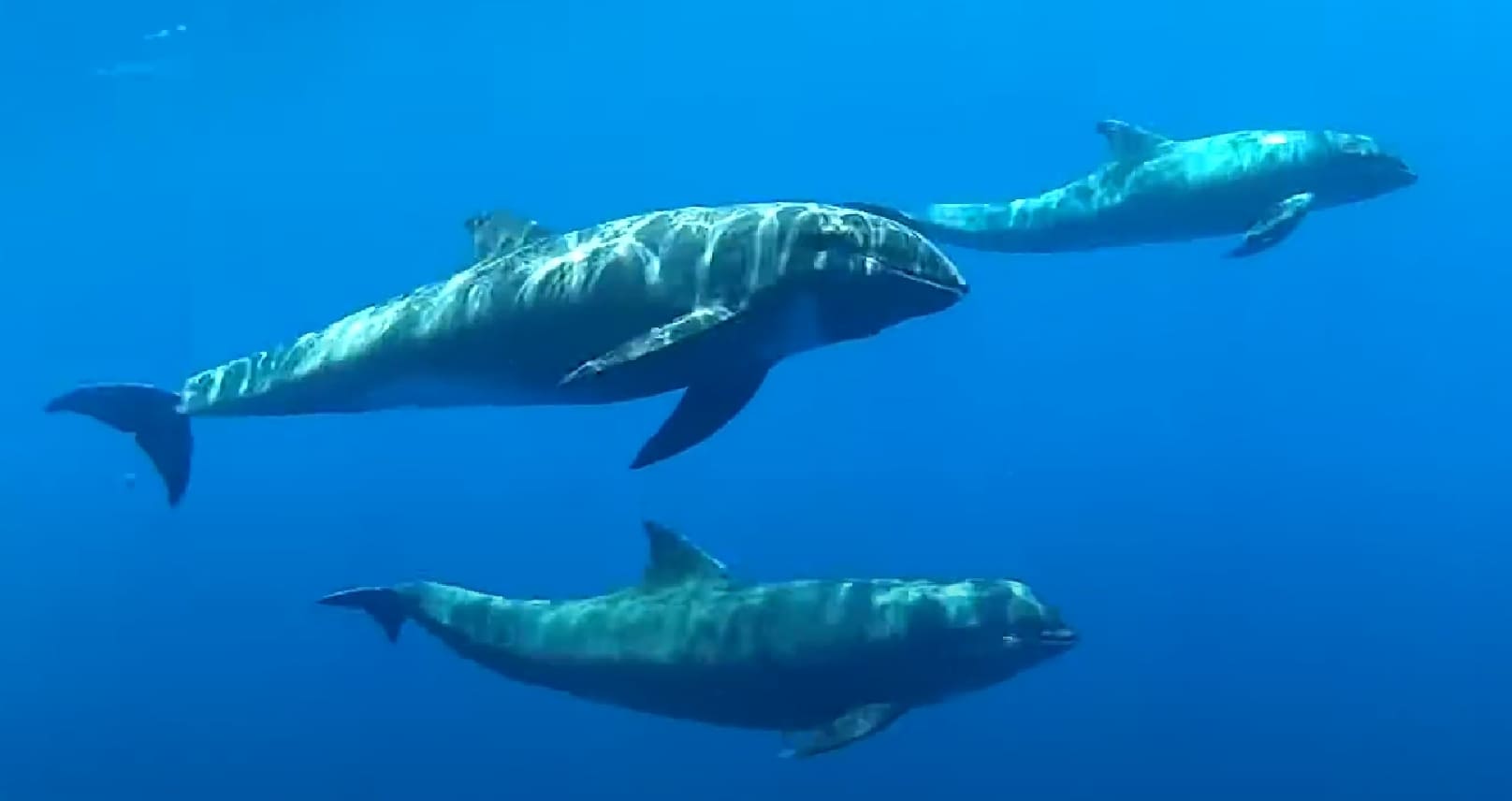
Peponocephala electra
It has a streamlined, torpedo-shaped body. Its head is a rounded cone, giving the animal its …
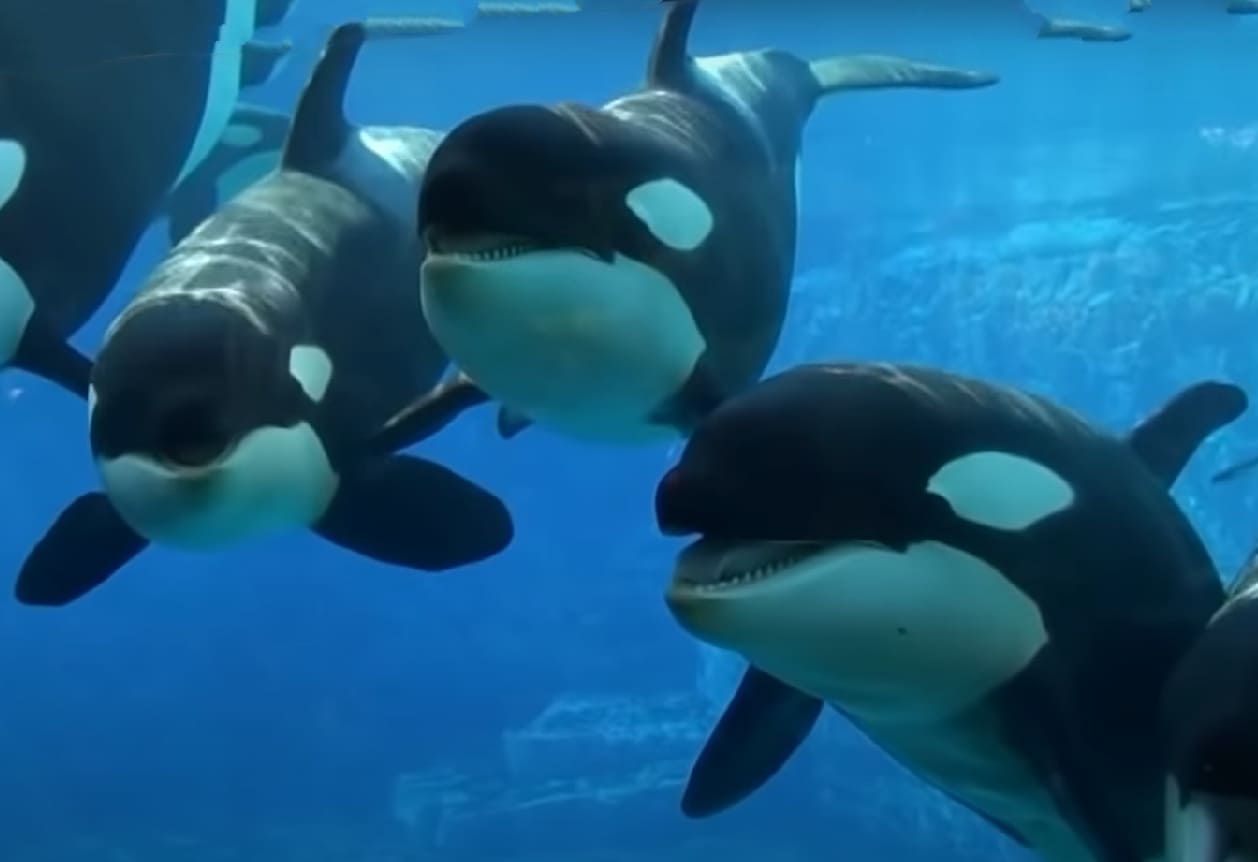
Orcinus orca
The Latin orca is thought to derive from the Greek ὄρυξ - a word used by …
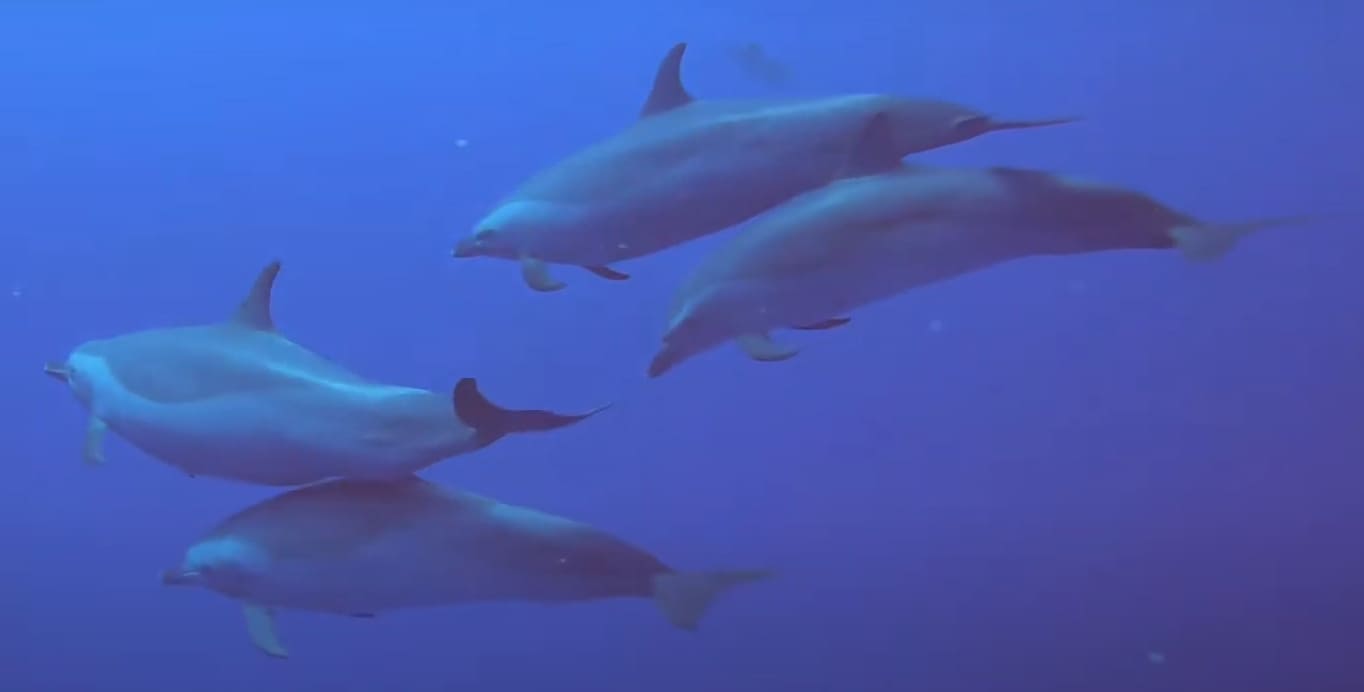
Stenella attenuata
The Pantropical spotted dolphin varies considerably in size and coloration throughout its range. The most significant …
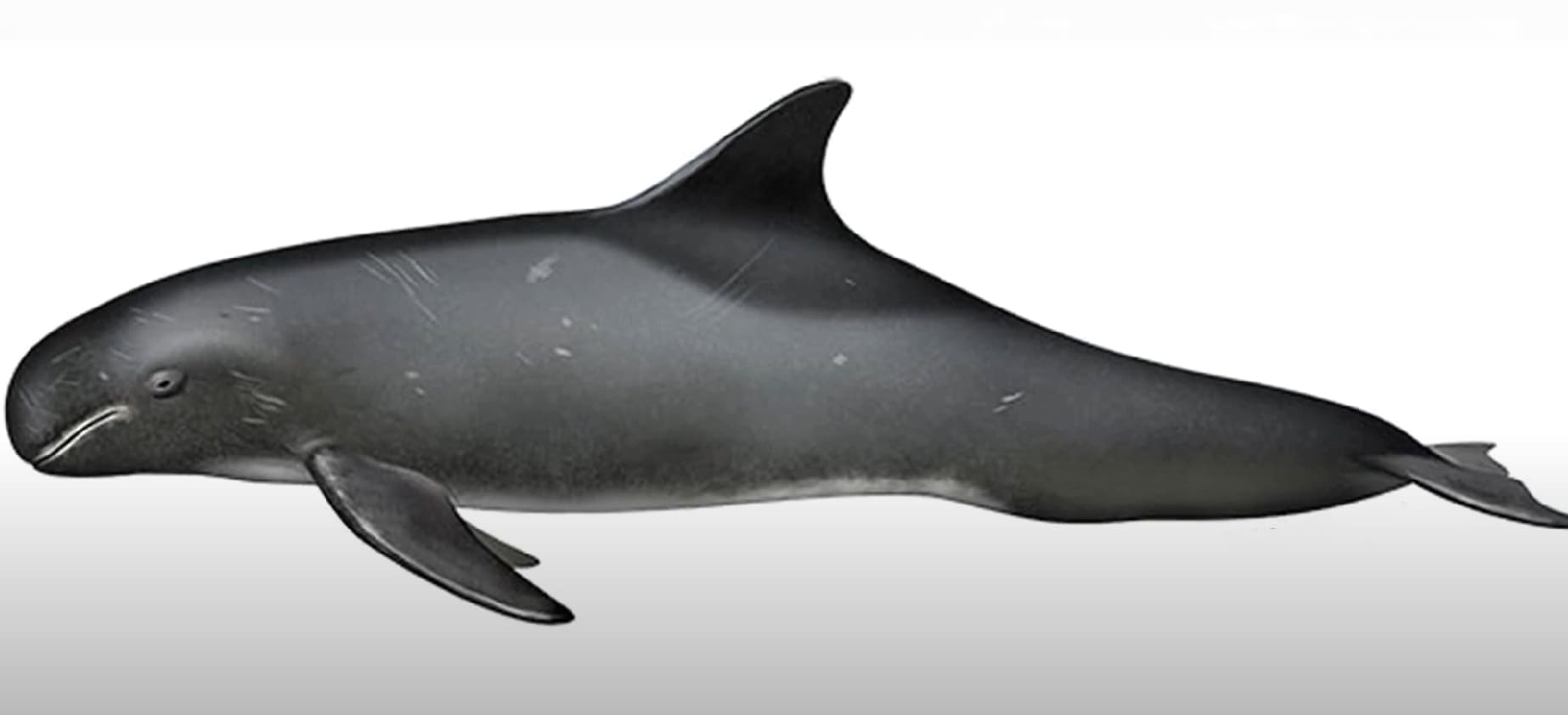
Feresa attenuata
Pygmy killer whales have a slender body, rounded head, and narrow tail. They do not have …
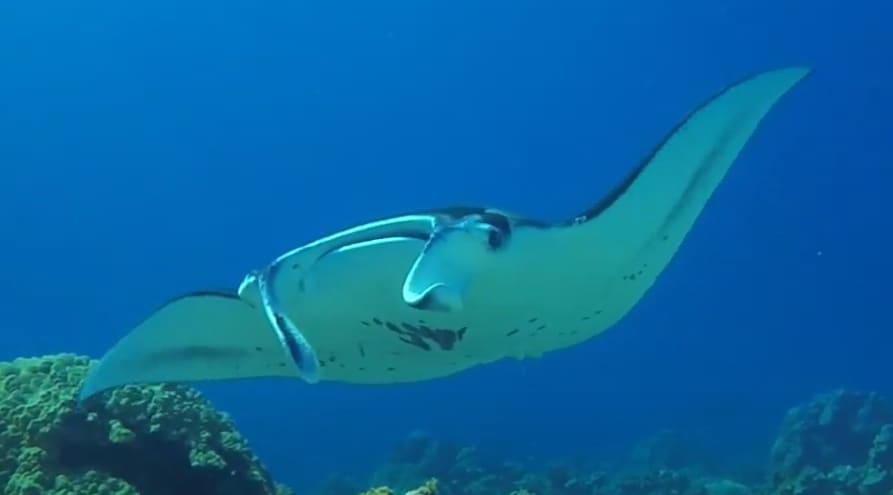
Mobula alfredi
Huge pectoral fins together with the head form a rhombic disc, the width of which is …
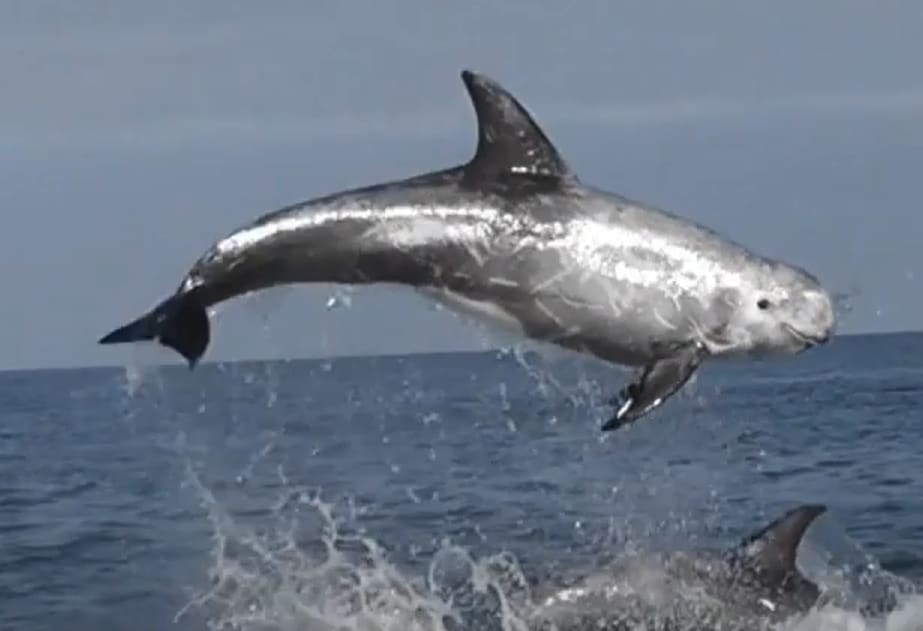
Grampus griseus
Risso's dolphin lacks the typical beak of other dolphins. It has a relatively large front body …
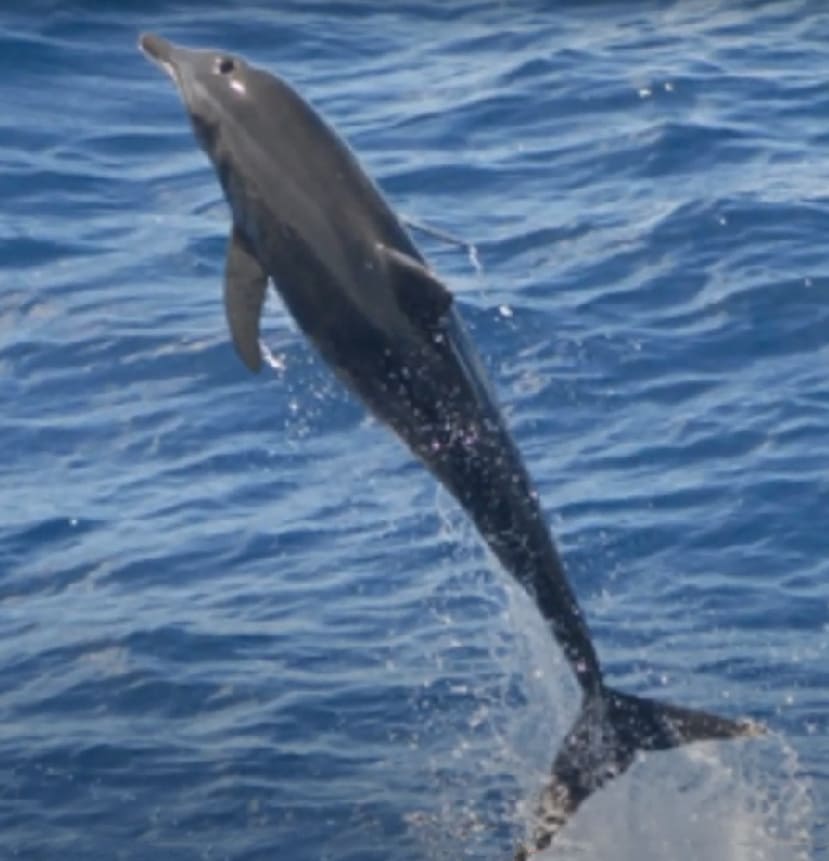
Steno bredanensis
The most obvious distinguishing features are the conical shape of the head and the thin snout. …
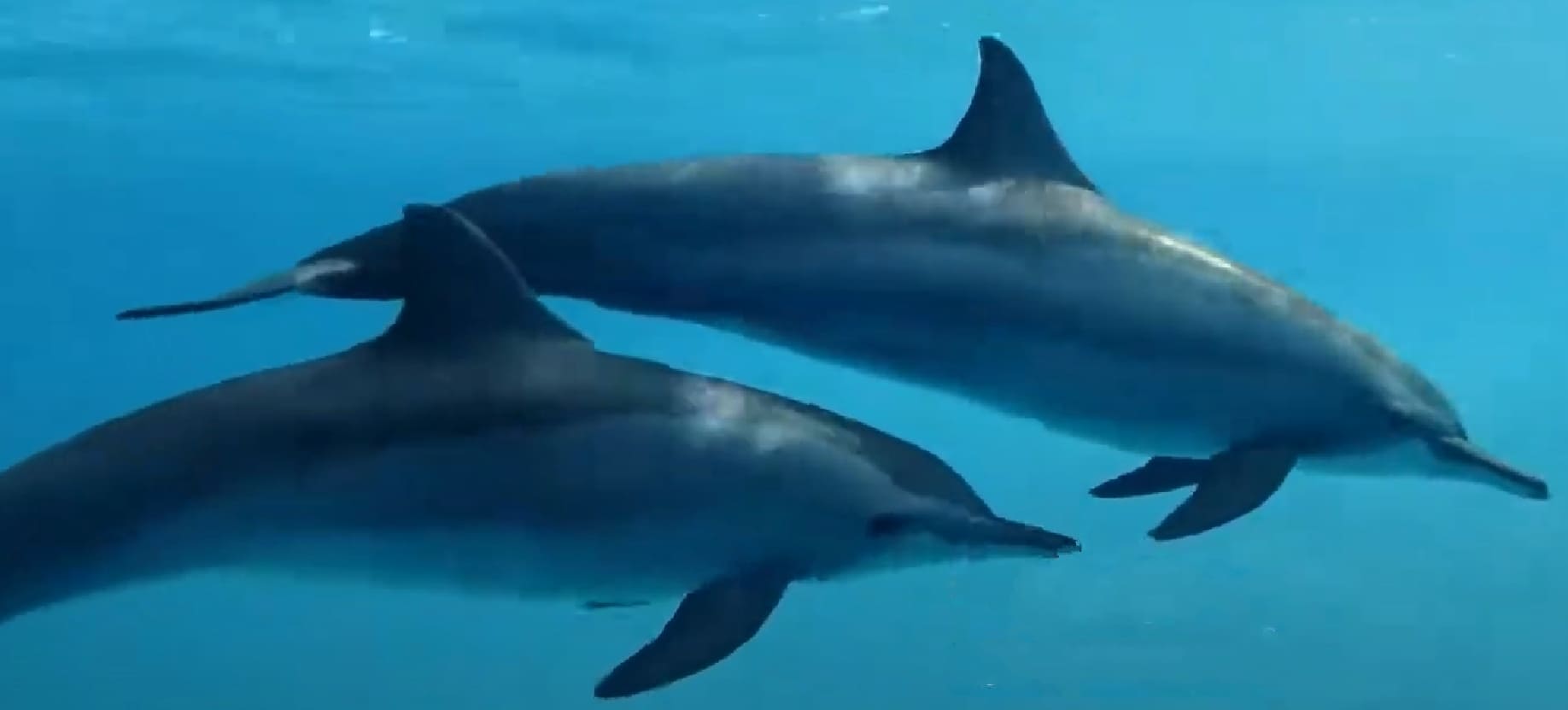
Stenella longirostris
The main characteristic is a long, curved snout. Spinner dolphins have different body shapes depending on …
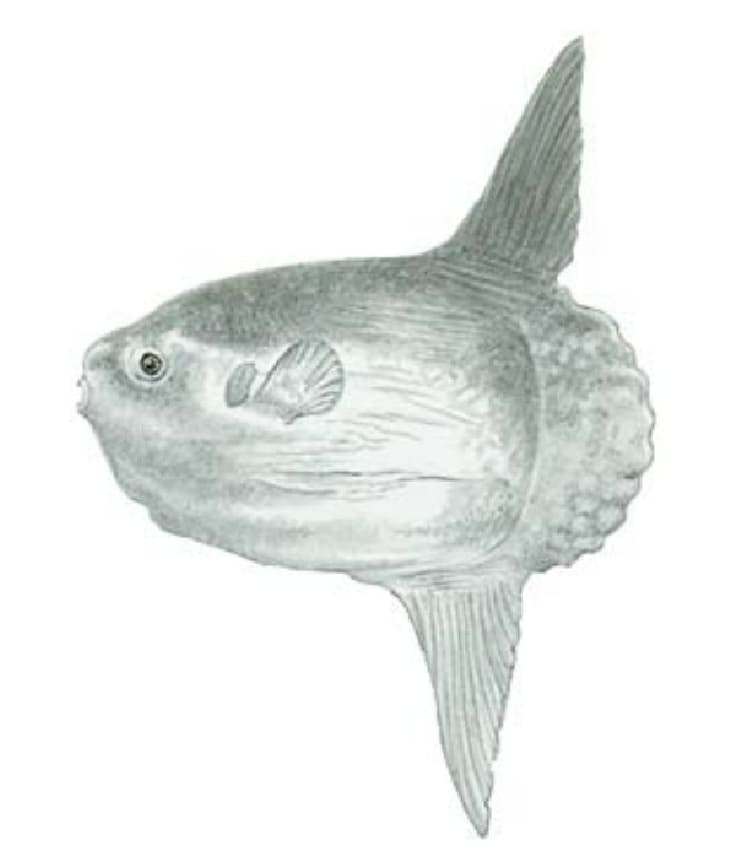
Mola mola
The short, strongly laterally compressed body is disk-shaped. Thick skin is covered with small bony tubercles. …
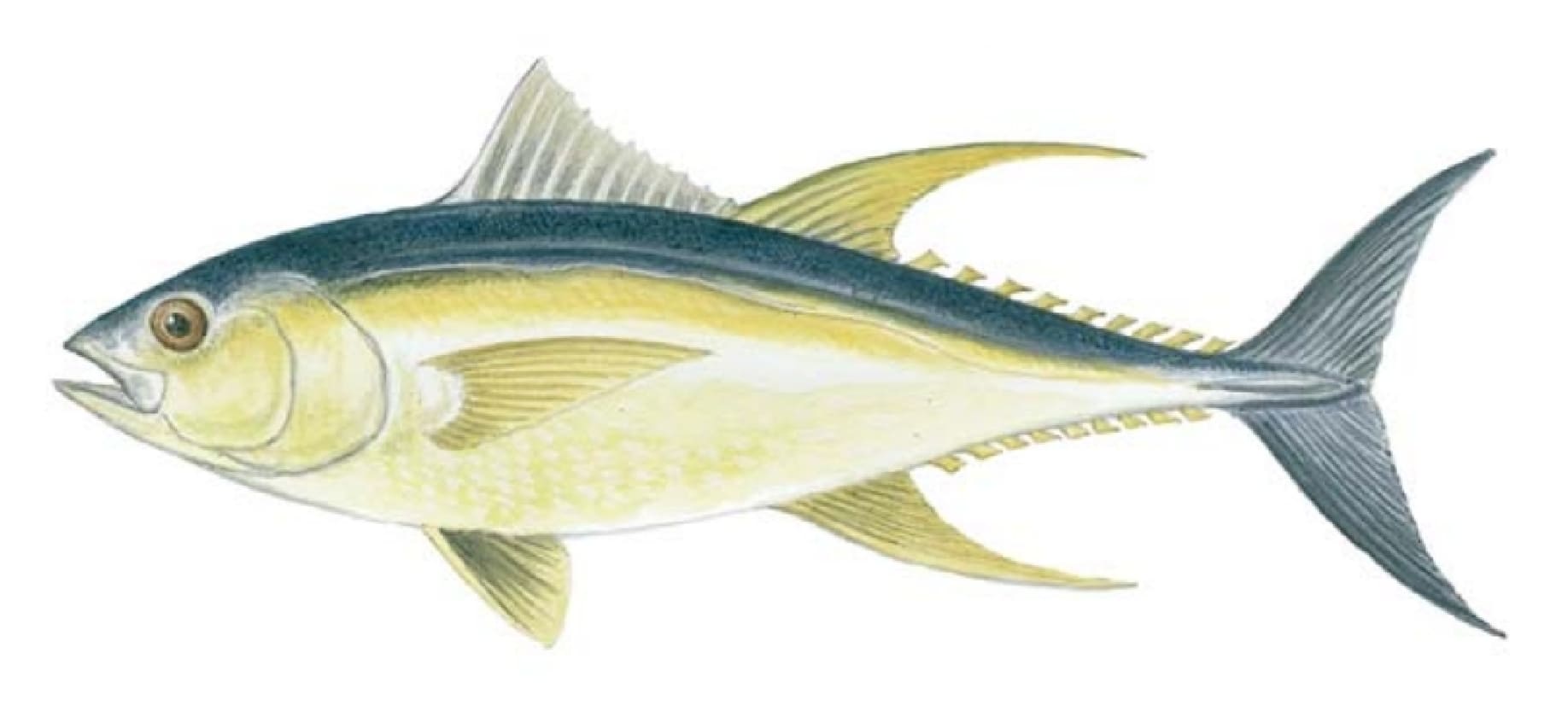
Thunnus albacares
This is probably the most colorful of all tuna. The back is blue-black, turning to silver …