 Allfishes
Pygmy killer whale (Feresa attenuata)
Feresa attenuata
Latin name
Feresa attenuata
Other names
Feresa attenuata
Identification
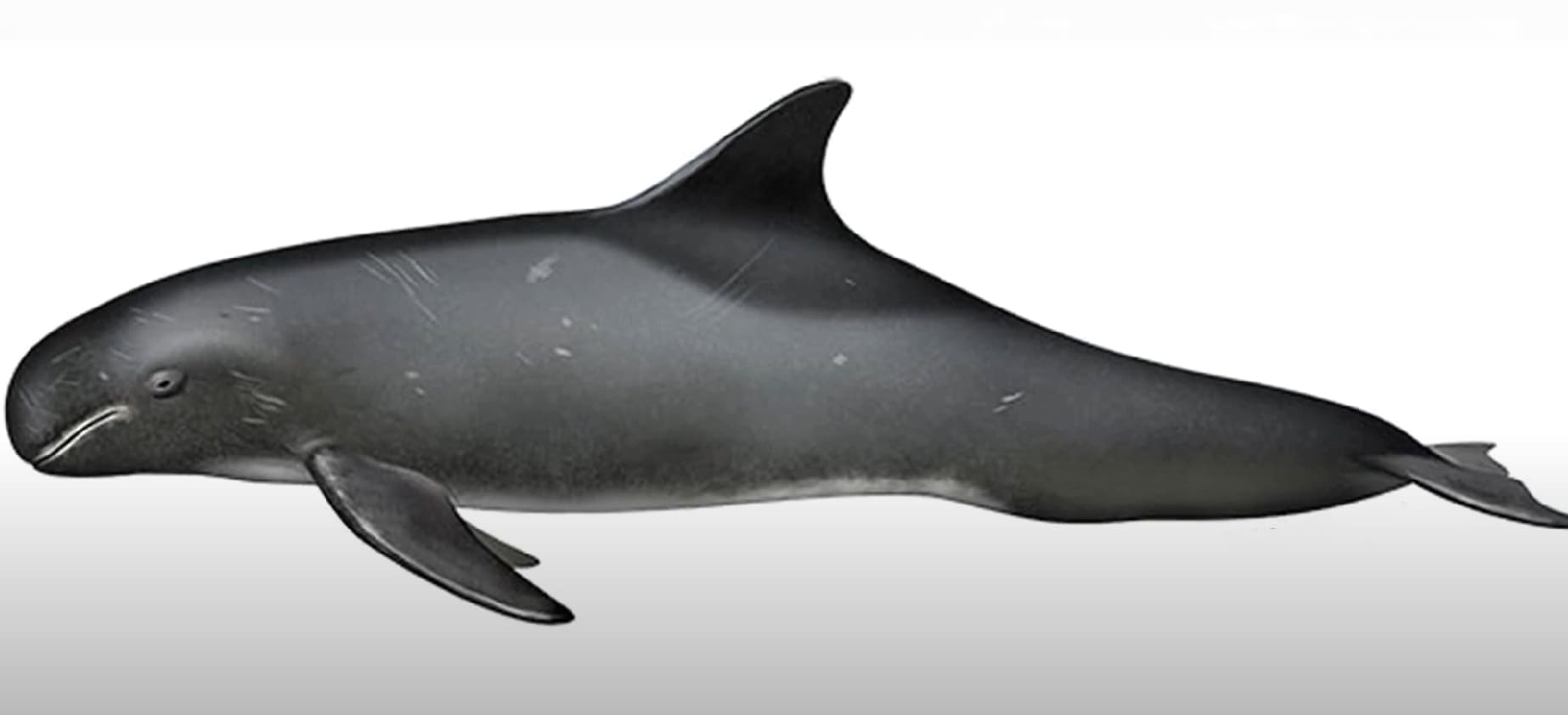
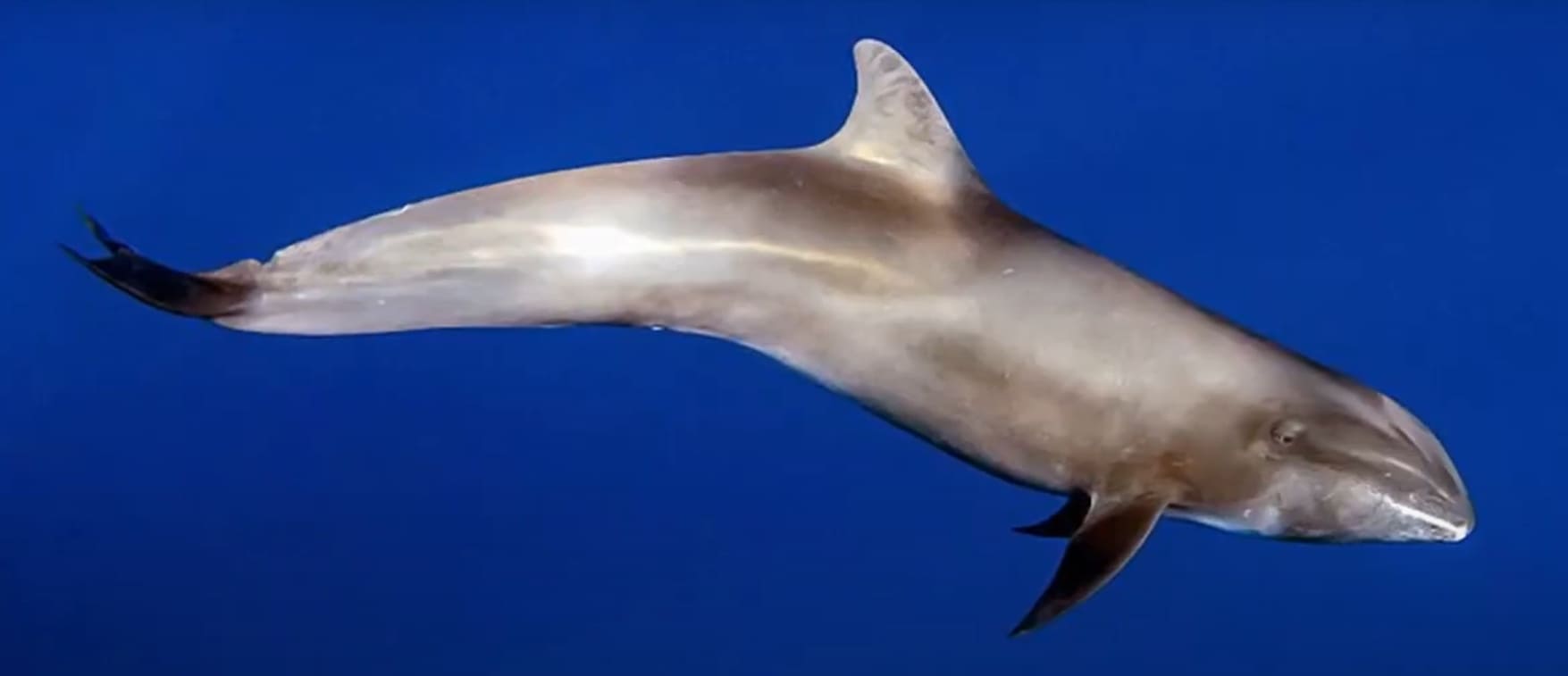
Pygmy killer whales have a slender body, rounded head, and narrow tail. They do not have the long snout associated with dolphins. The head is rounded and has no beak. The upper jaw has 8 to 12 pairs of teeth, while the lower jaw has 10 to 13.
Features of fish fins
Pygmy killer whales have a high dorsal fin that is curved at the end, as are the pectoral fins.
Fish colouring
The coloration of the body varies from dark gray to black on top and abruptly changes to light gray on the sides. The lips and end of the head are whitish, and there is an elongated, bright white patch on the abdomen in front of the anus, which varies greatly in shape. The genitals are surrounded by pinkish-white skin.
Distribution
This species is regularly sighted off the coasts of Hawaii and Japan. Bycatch suggests a year-round presence of pygmy killer whales in the Indian Ocean near Sri Lanka and the Lesser Antilles. These dolphins have also been found in the southwestern Indian Ocean, French Southern and Antarctic Territories off Europa Island, Mozambique and South Africa, but have not yet been recorded off East Africa. In the Atlantic Ocean, they have been observed as far west as South Carolina and as far east as Senegal. They have been seen along the coast of South America and as far north as the Gulf of Mexico, where they breed during the spring season. A resident population of pygmy killer whales inhabits the waters around the Hawaiian Islands. Most sightings have occurred around the island of Hawaii.
Habitat
The species is widespread in tropical and subtropical waters worldwide. It is found predominantly in deeper waters than related species, at depths from 500 m to 2000 m.
Size
Newborn dolphins are about 80 cm long. The average length of an adult animal is just over 2 m, with a maximum length of 2.6 m. Mass can reach up to 225 kg.
Behavior
Move at a speed of about 3 km/h.
Observed in groups ranging from 4 to 30 or more individuals.
The population has a well-established social structure with bonds between individuals that can last up to 15 years.
This population has been observed to overlap with false killer whales, short-finned pilot whales and common bottlenose dolphins.
Food and feeding habits
The diet consists mainly of squid, octopus and large fish such as tuna and mahi-mahi.
Reproduction
Males are considered mature when they reach 2 meters in length; females are slightly smaller.
Fishing
Subject to incidental bycatch.
Relationship with a person
Pygmy killer whales are sometimes involved in mass discards.
Photos
Related species (same family)

Atlantic white-sided dolphin
Lagenorhynchus acutus
The Atlantic white-sided dolphin is characterized by its shortened head and beak. Its genus name, Lagenorhynchus, …

Australian humpback dolphin
Sousa sahulensis
Australian humpbacks differ slightly from the other three humpback dolphin species in overall length, number of …
Common bottlenose dolphin
Tursiops truncatus
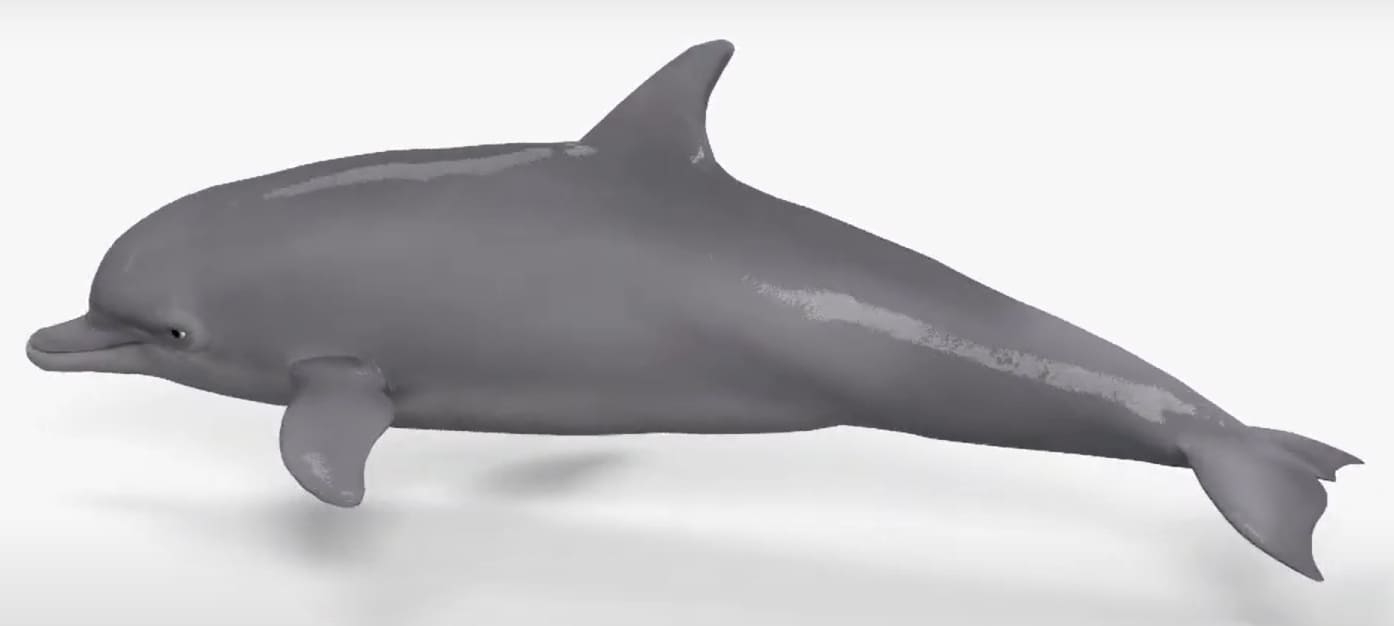
The moderately developed "beak" is clearly separated from the convex frontal-nasal (fat) pad. The skull reaches …
False killer whale
Pseudorca crassidens
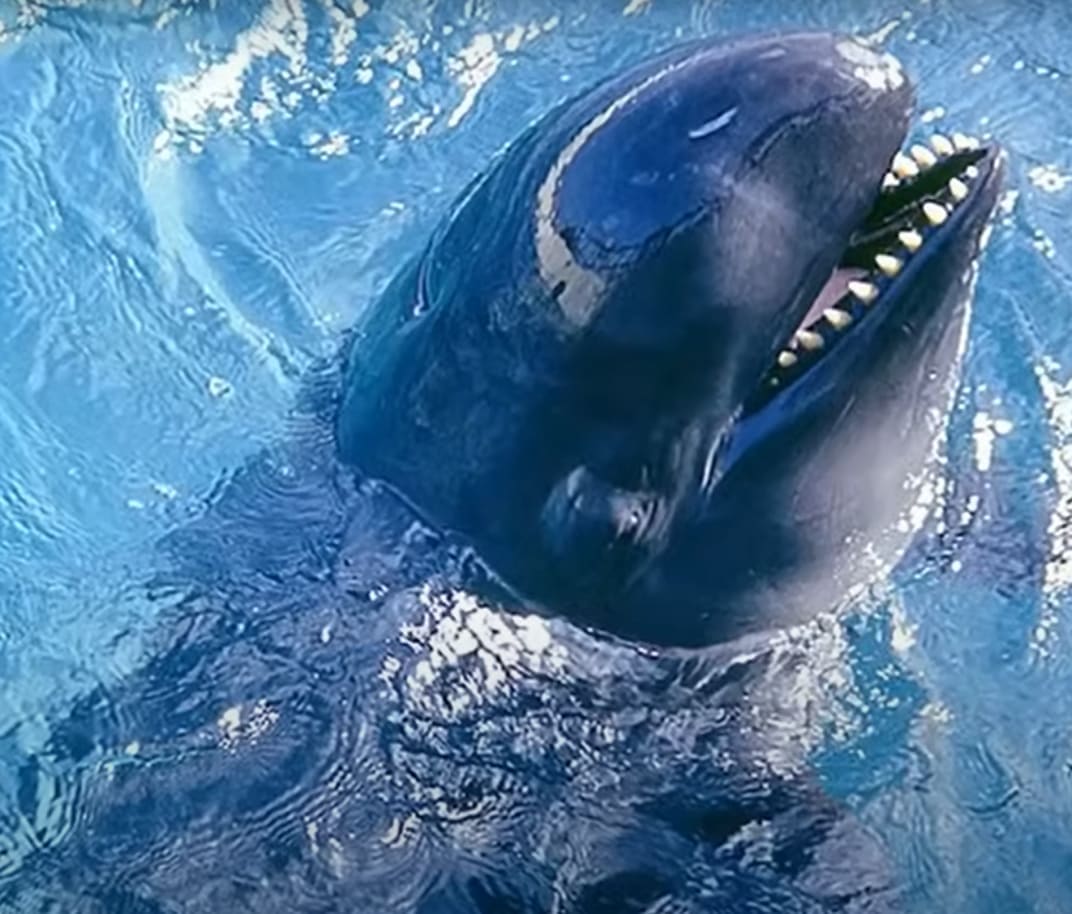
The head is rounded, with a melon-shaped forehead. The body is elongated. The upper jaw is …
Fraser's dolphin
Lagenodelphis hosei
The skull is similar to that of the common dolphin and Lagenorhynchus. They have a stocky …
Indian Ocean humpback dolphin
Sousa plumbea
These dolphins have smooth skin, a broad and high forehead, and their eyes are on the …