 Allfishes
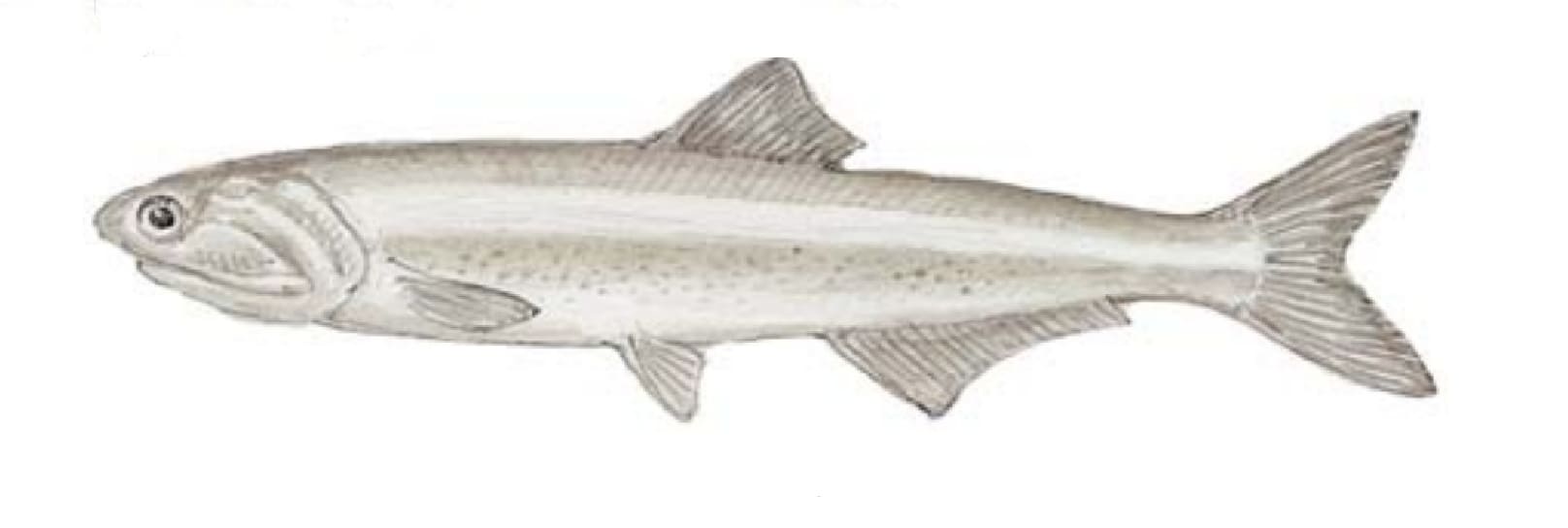
Striped Anchovy (Anchoa hepsetus)
Broad-striped anchovy; French: anchois rayé; Spanish: anchoa legìtima.
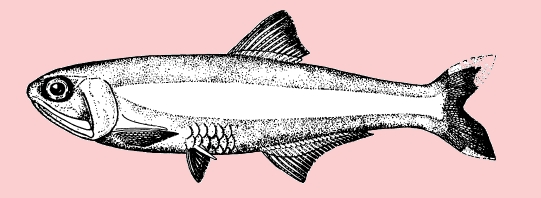
Latin name
Anchoa hepsetus
Other names
Broad-striped anchovy; French: anchois rayé; Spanish: anchoa legìtima.
Identification
The striped anchovy has a ribbon-like stripe along each side and some yellow near the head. Anchovy species are difficult to distinguish, the striped anchovy differs in its fin rays and pigmentation: it has 14-17 dorsal fin rays, 15-18 pectoral fin rays and 20-24 anal fin rays, as well as melanophores framing all its dorsal scales.
Distribution
Striped anchovies are found in the western Atlantic, occurring from Massachusetts to Fort Pierce Florida, in the northern Gulf of Mexico, rarely in southern Florida and not in the Florida Keys.
Habitat
Striped anchovies form dense schools and prefer coastal shallow waters, including bays and coves, and can tolerate a wide range of salinity.
Size
The average length of a Striped Anchovy does not exceed 4 inches, can reach 6 inches.
Life history and Behavior
The striped anchovy spawns from April through July in harbors, estuaries, and bays. Eggs of both species are round and float near the surface, hatching a few days after release. Juveniles mature in 3-4 years.
Food and feeding habits
They feed on plankton.
Reproduction
It makes anadromous migrations to rivers (up to 100 km upstream). It spawns in the Orinoco delta in May. Males mature at 4.8 cm in length, females at 7.7 cm.
Photos
Related species (same family)
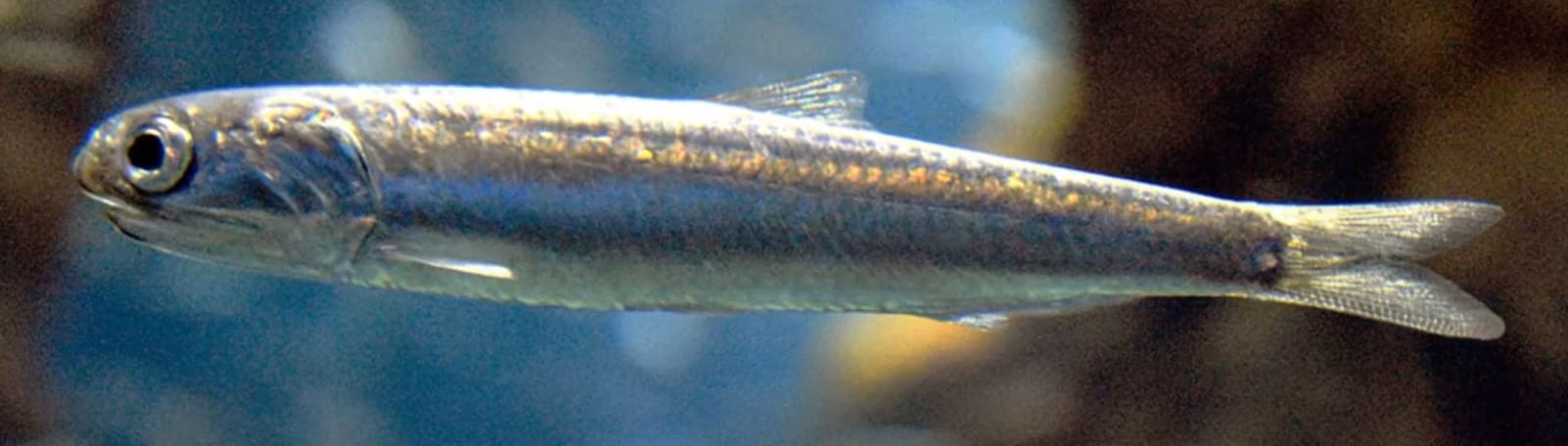
European Anchovy
Engraulis encrasicolus
Body elongated, low, covered with cycloid scales, head compressed at the sides, bare. Scales thin, easily …
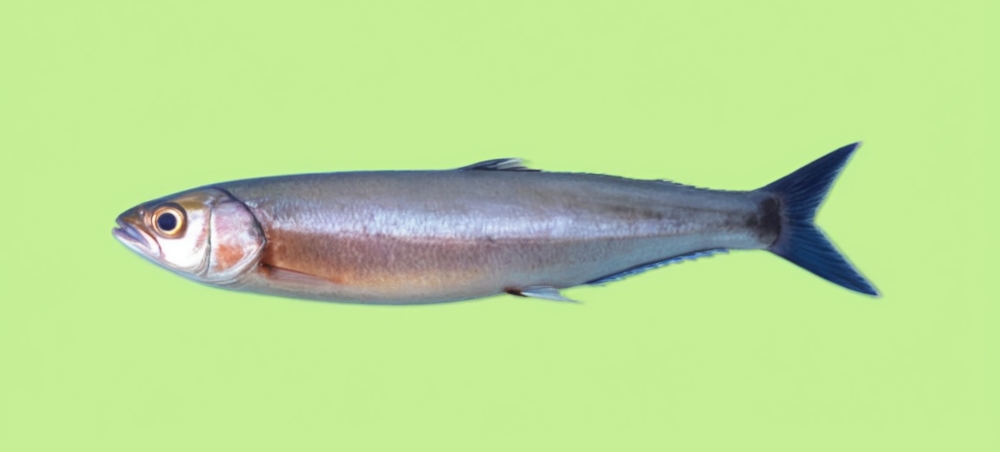
Indian anchovy
Stolephorus indicus
The body of the Indian anchovy has the typical shape of an anchovy. It is slender, …
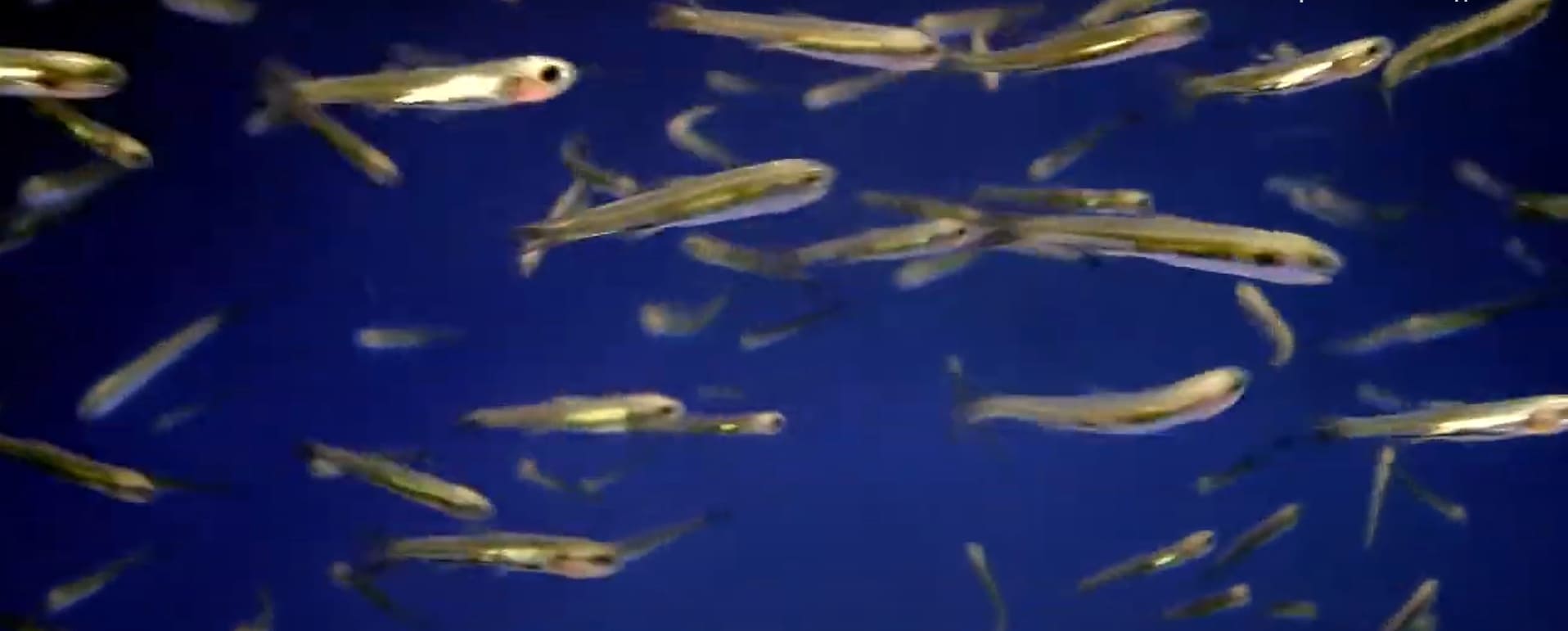
Japanese anchovy
Engraulis japonicus
Body elongated, moderately high, height 4-5 times less than length, compressed at the sides and covered …
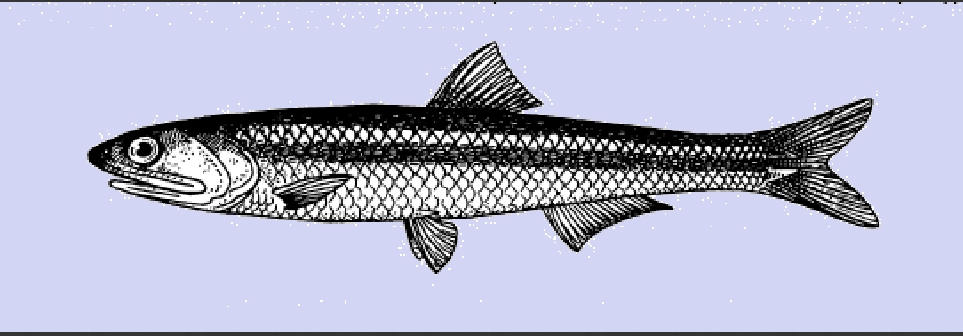
Northern Anchovy
Engraulis mordax
Anchovies are silvery fish that look like miniature herring. They have an overhanging snout and long …
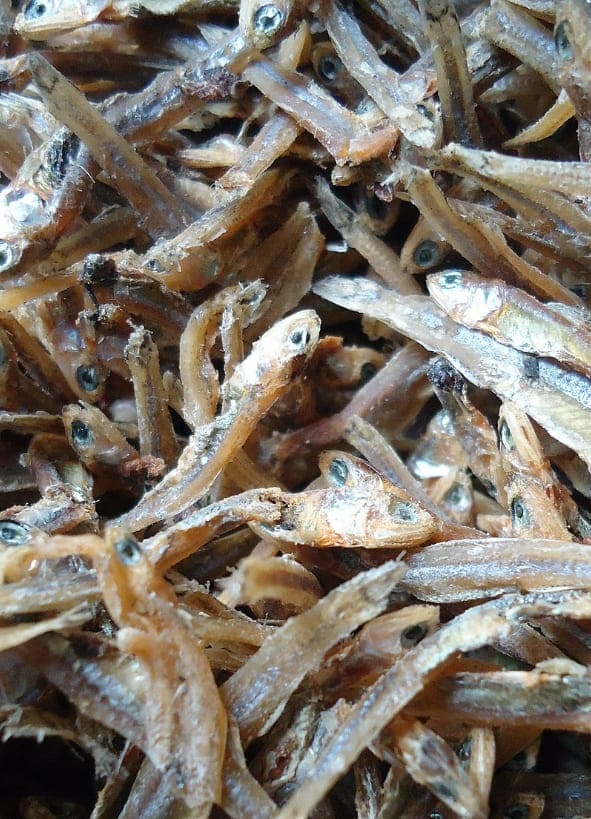
Philippine anchovy
Encrasicholina oligobranchus
This species is characterized by the following set of characters: 16-22 pseudogill spicules (16); first gill …