 Allfishes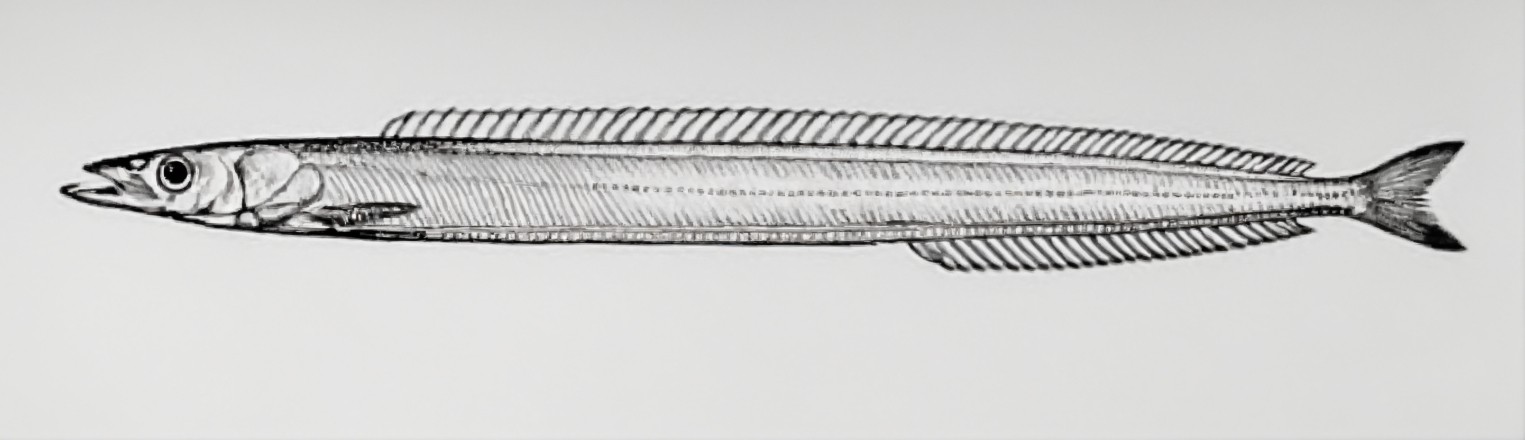
American sand lance
Ammodytes americanus
Like all lances, the American sand lance has a long, slender body with a pointed snout. …
Guide to marine fish with sorting and selection options by family, feeding method, size, and other important characteristics.
Showing 1–13 of 13
Ammodytes americanus
Like all lances, the American sand lance has a long, slender body with a pointed snout. …
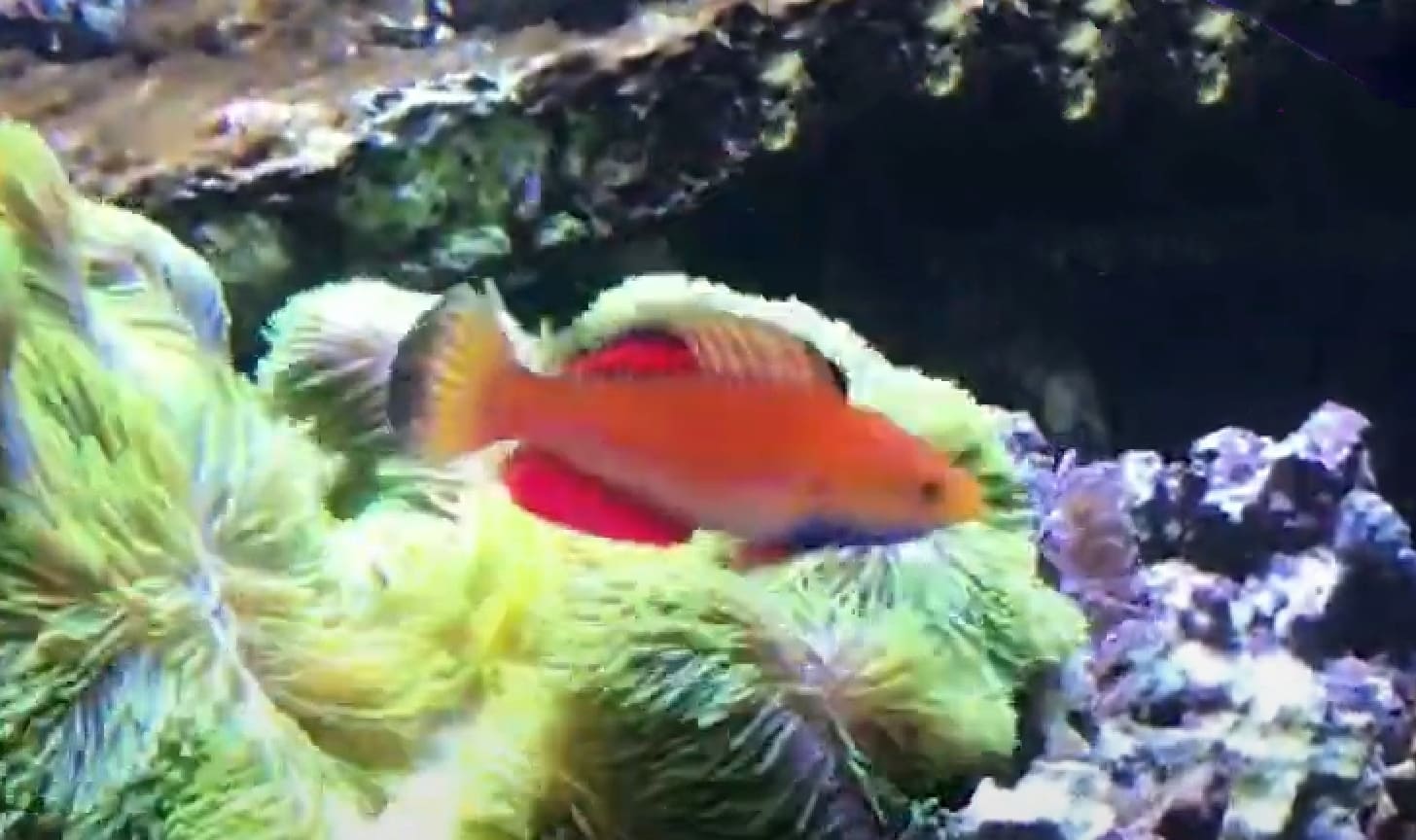
Cirrhilabrus cyanogularis
This species differs from its congeners in the following characters: one row of cheek scales; 6 …
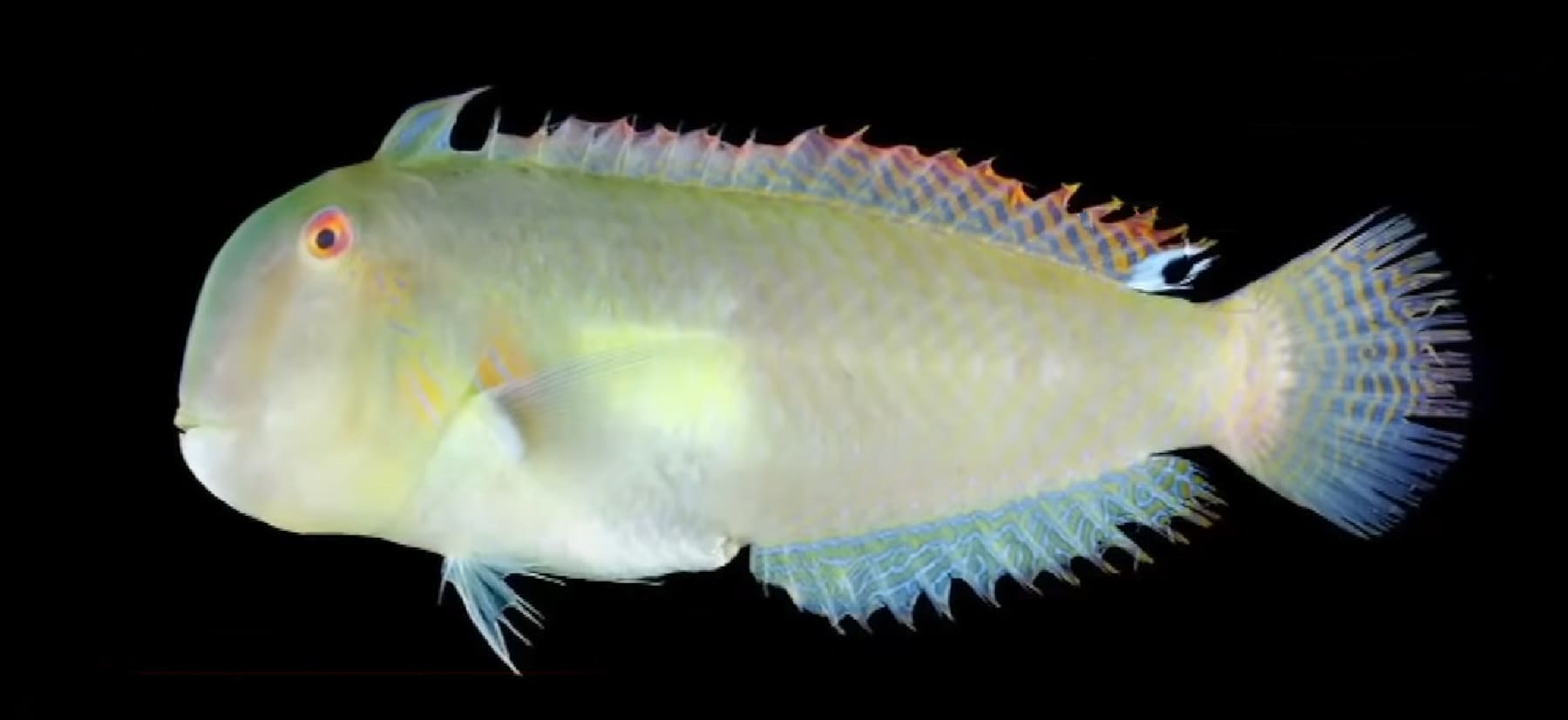
Iniistius bakunawa
Has a flat body covered with reflective scales. These fish have small mouths but very strong …
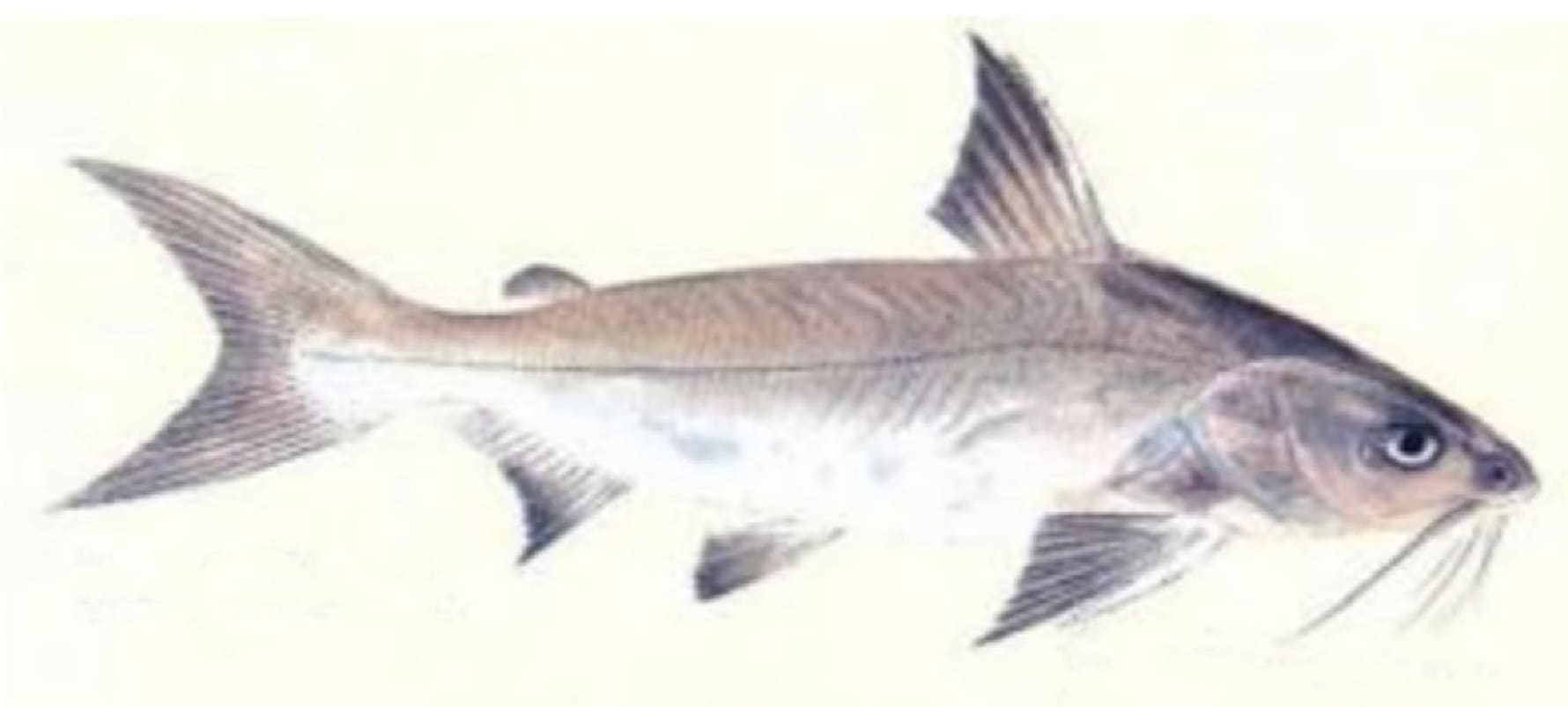
Netuma thalassina
The species was described by Eduard Rüppell in 1837, originally as the genus Bagrus.
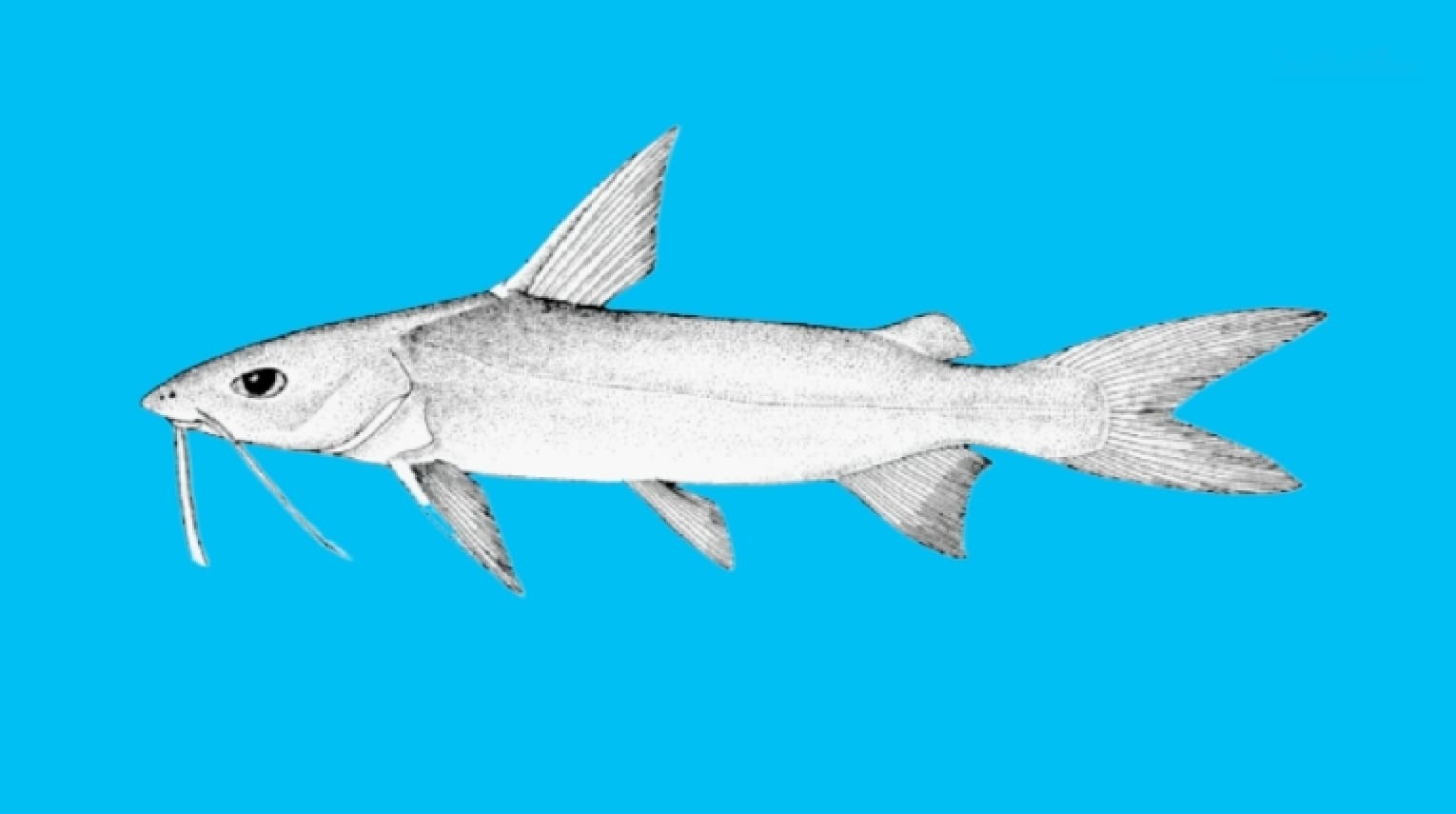
Arius sumatranus
The description of the species is attributed to Edward Turner Bennett in 1830. It was originally …
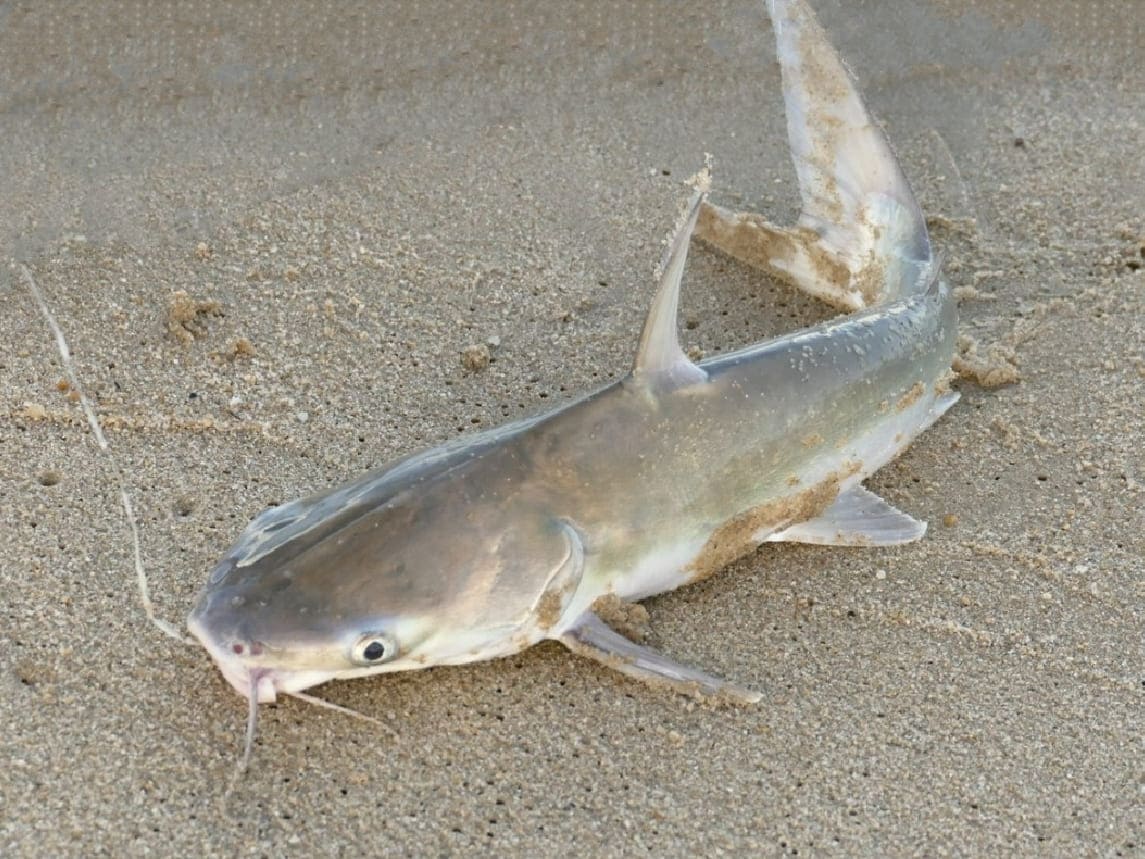
Plicofollis argyropleuron
The species was first described by Achille Valenciennes in 1840, originally within the genus Arius.Head depressed …
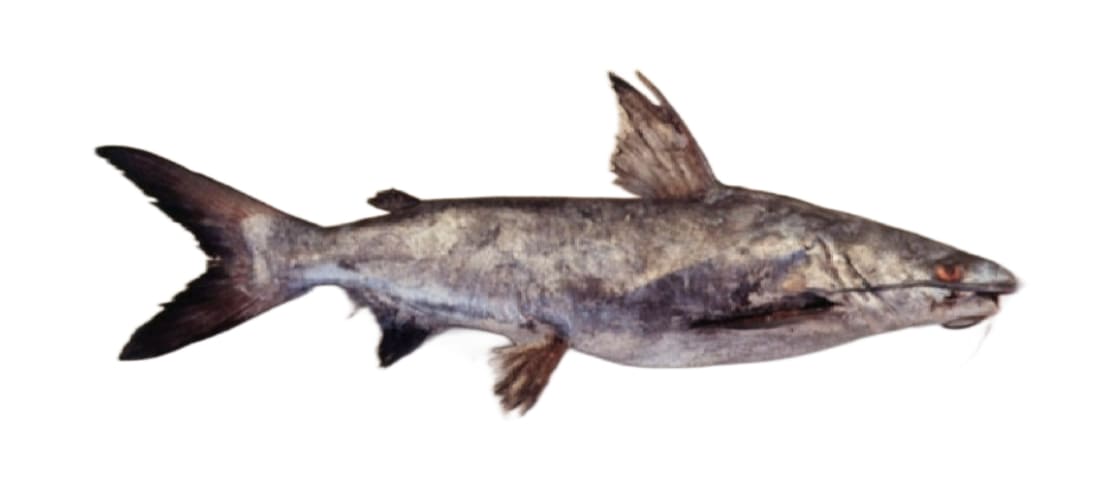
Plicofollis tonggol
Latin namePlicofollis tonggolOther nameManyung, arahan.DistributionThey inhabit the coastal waters of Indonesia, Malaysia, the Philippines and Pakistan.HabitatMarine …
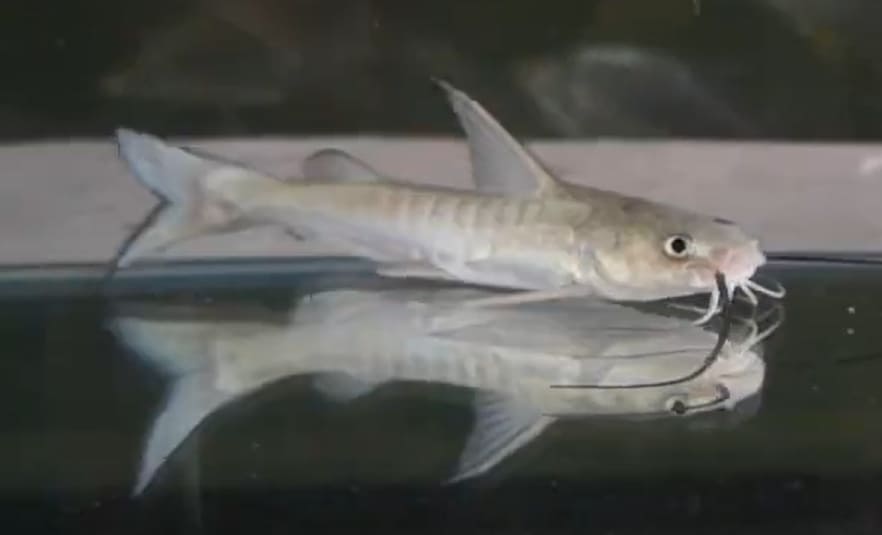
Hexanematichthys sagor
The species was described by Francis Buchanan-Hamilton in 1822, originally as part of the genus Pimelodus.
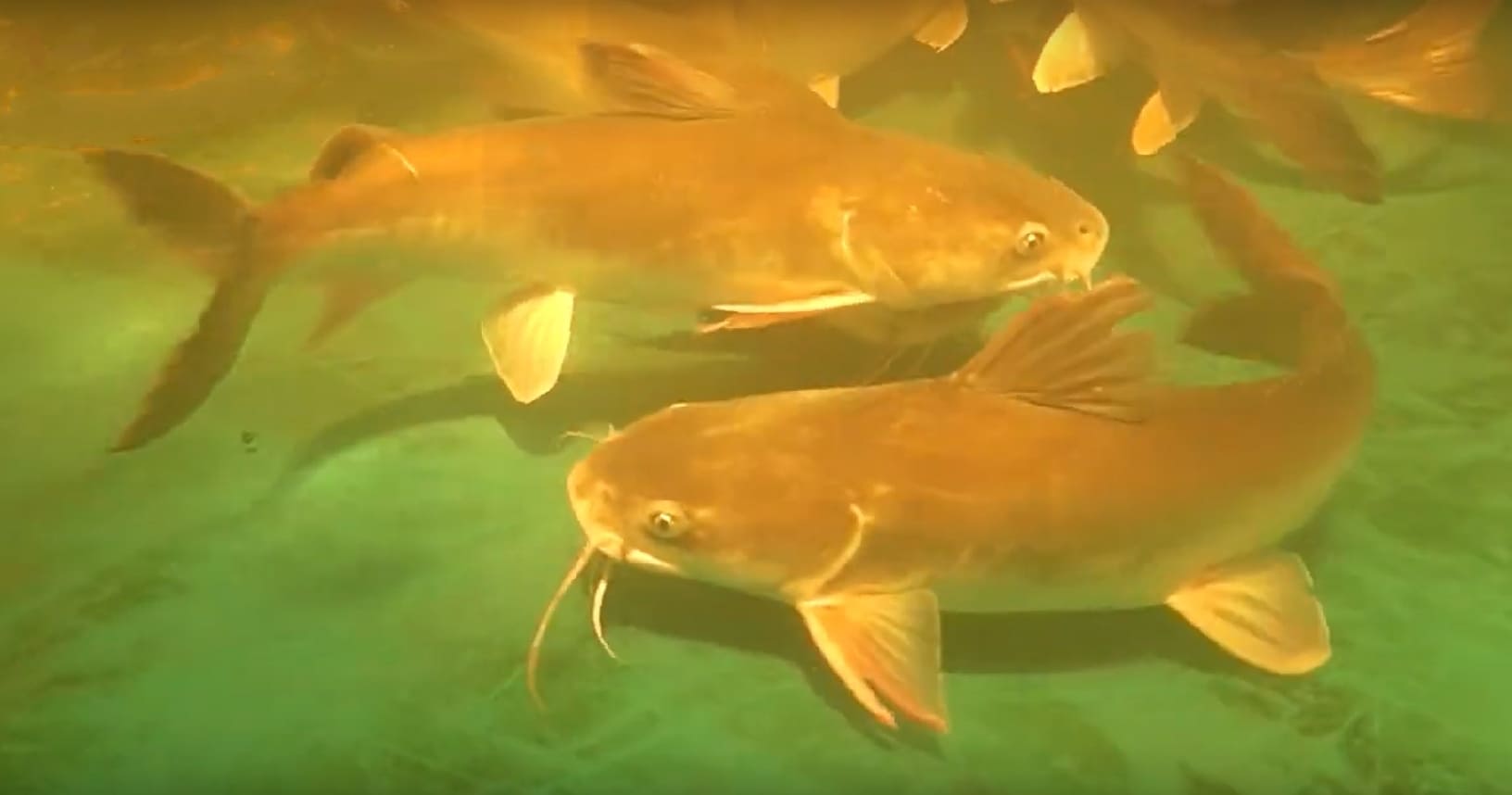
Neoarius leptaspis
It was described by Pieter Bleeker in 1862, originally within the genus Hexanematichthys.
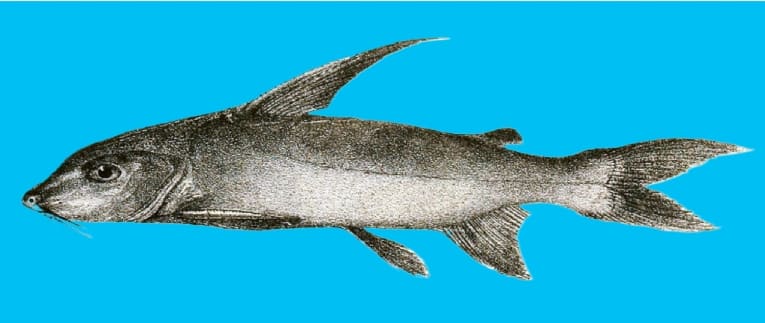
Arius subrostratus
The species was first described in 1840 by Achille Valenciennes.
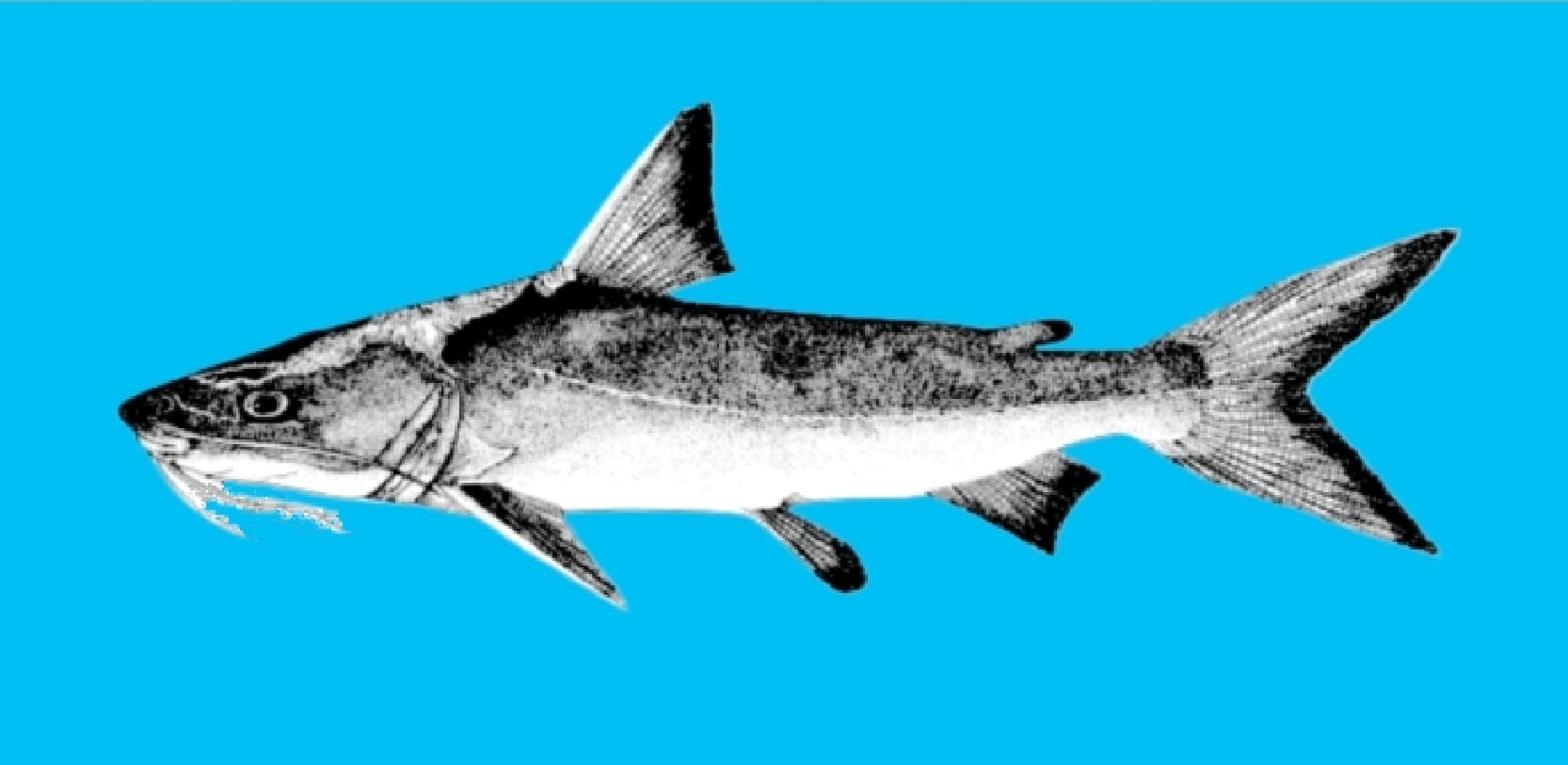
Plicofollis nella
Described by Achille Valenciennes in 1840, originally in the genus Pimelodus.Body elongated, compressed. Head depressed, scutellum …
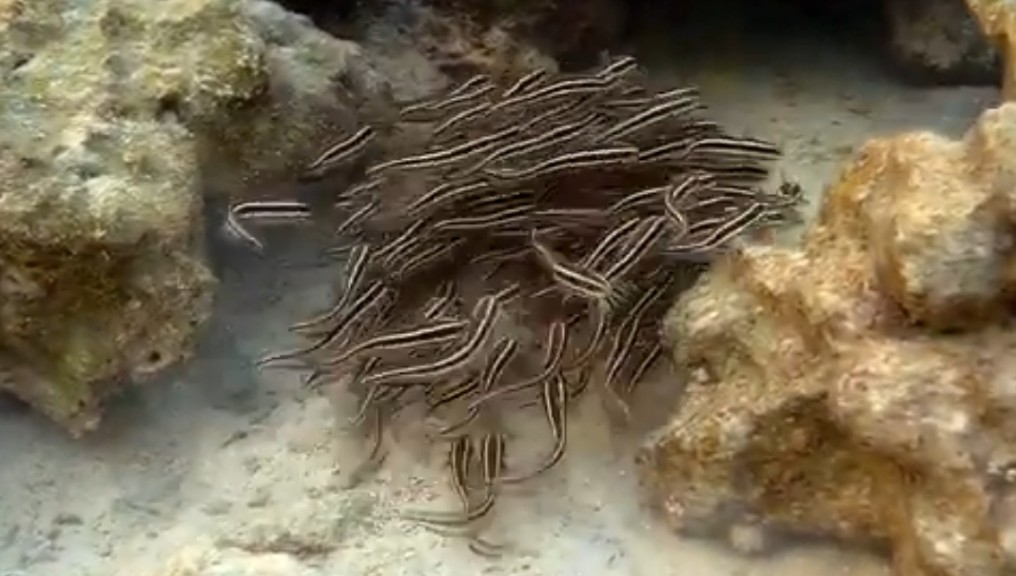
Plotosus lineatus
The body is elongated, flattened anteriorly and somewhat compressed laterally posteriorly, tapering to the caudal part. …
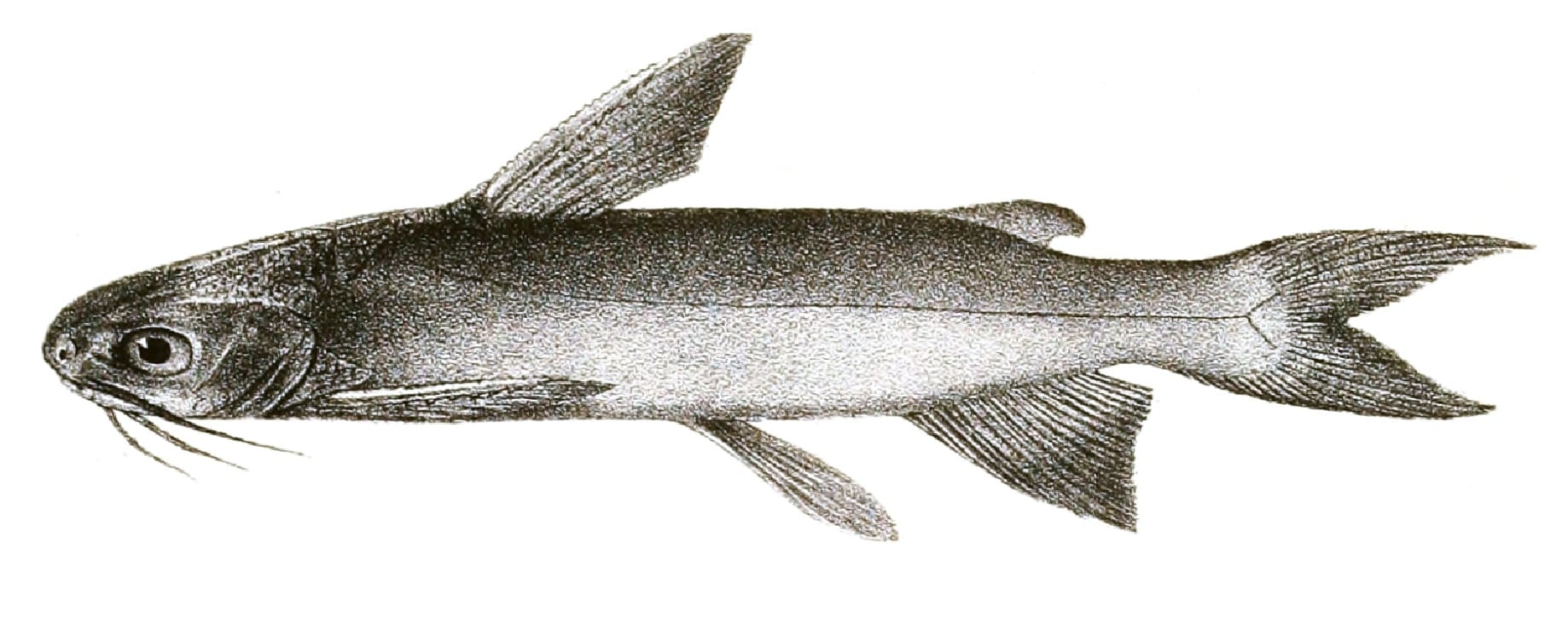
Arius venosus
The species was described in 1840 by Achille Valenciennes.