 Allfishes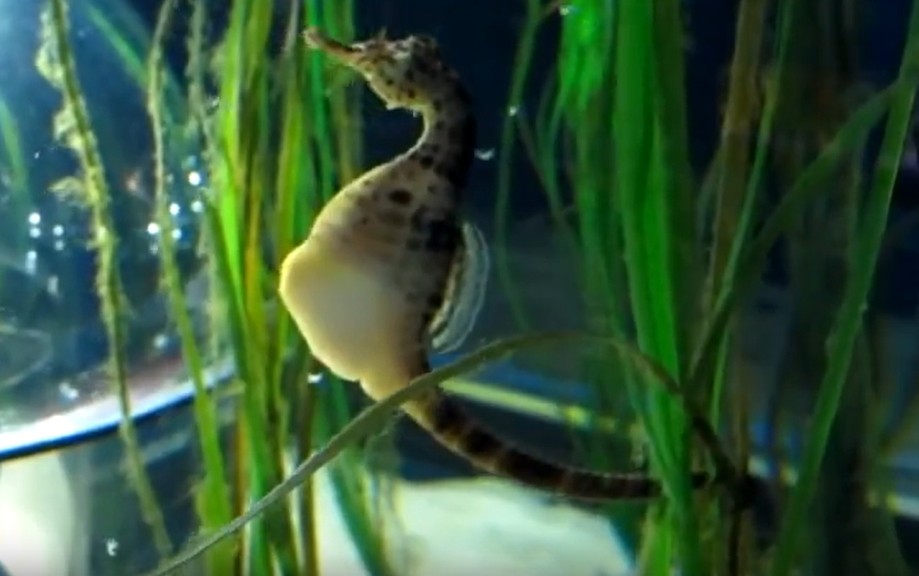
Big-belly seahorse
Hippocampus abdominalis
The big-belly seahorse has a forward-inclined head with a long snout, a swollen but narrow belly, …
Guide to marine fish with sorting and selection options by family, feeding method, size, and other important characteristics.
Showing 1–14 of 14
Hippocampus abdominalis
The big-belly seahorse has a forward-inclined head with a long snout, a swollen but narrow belly, …
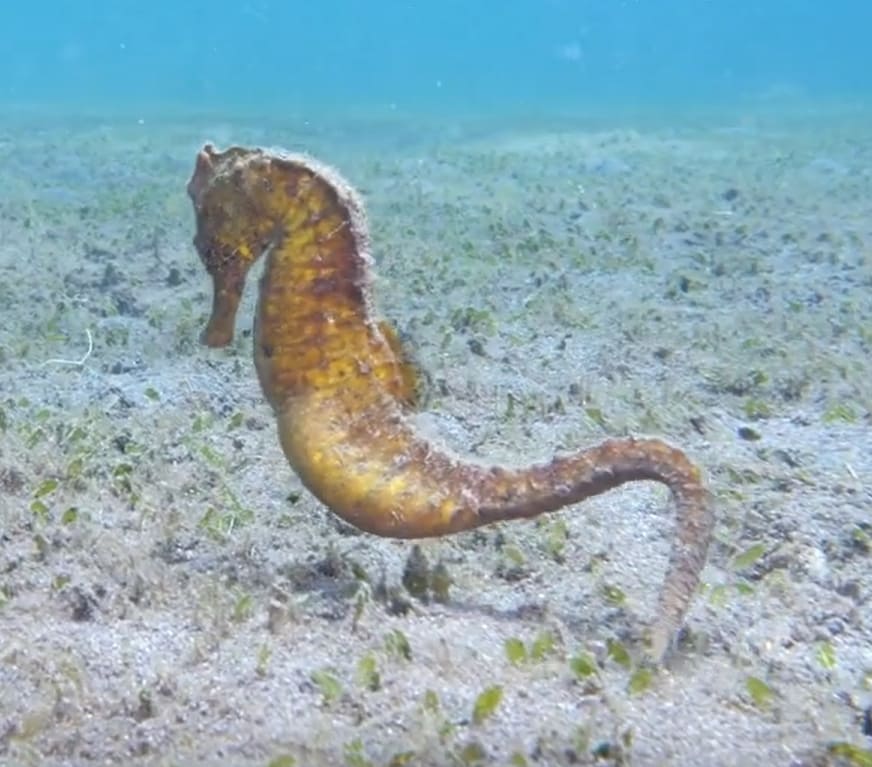
Hippocampus kuda
Body rather large, elongated, without spines, all convexities rounded. The head is relatively large in proportion …
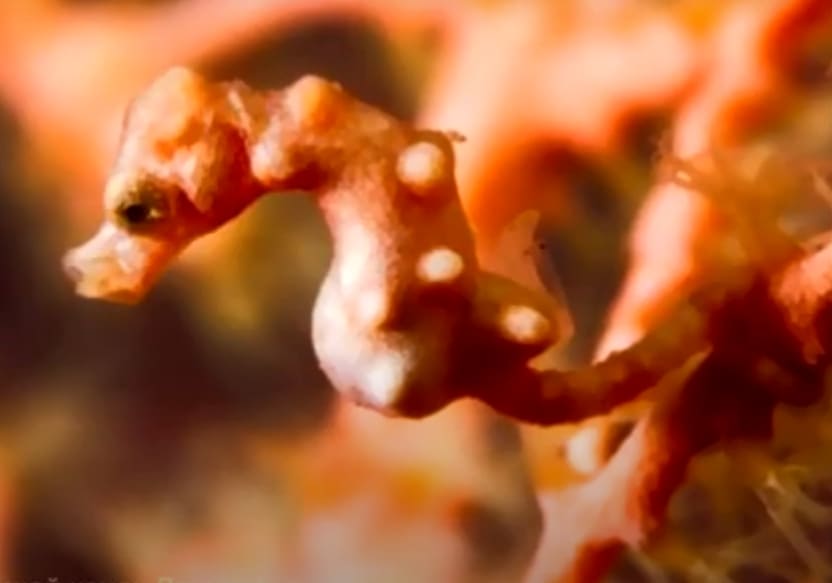
Hippocampus denise
Denise's pygmy seahorse has a short snout, a slender body and a stout tail. Its body …
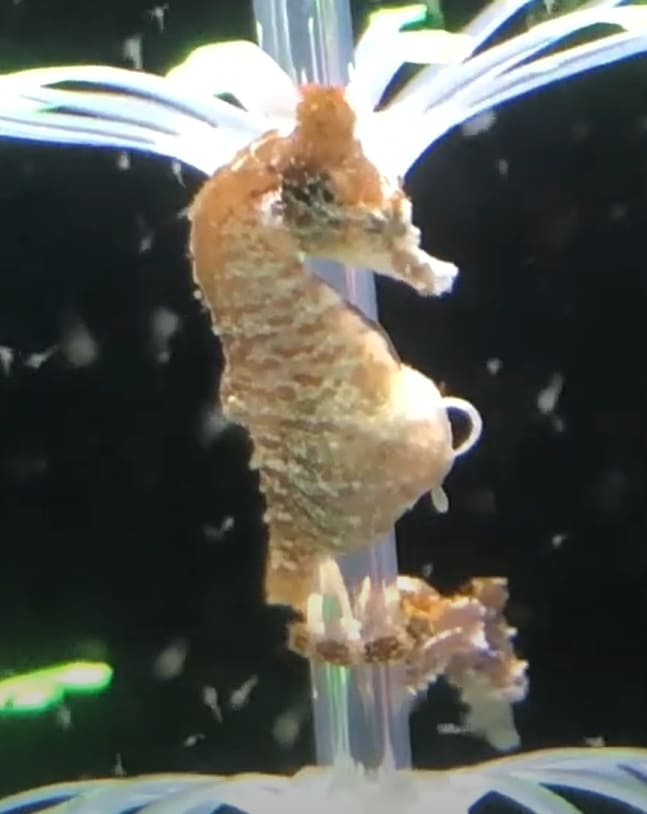
There are often small skin growths called tendrils that resemble algae. The head is at right …
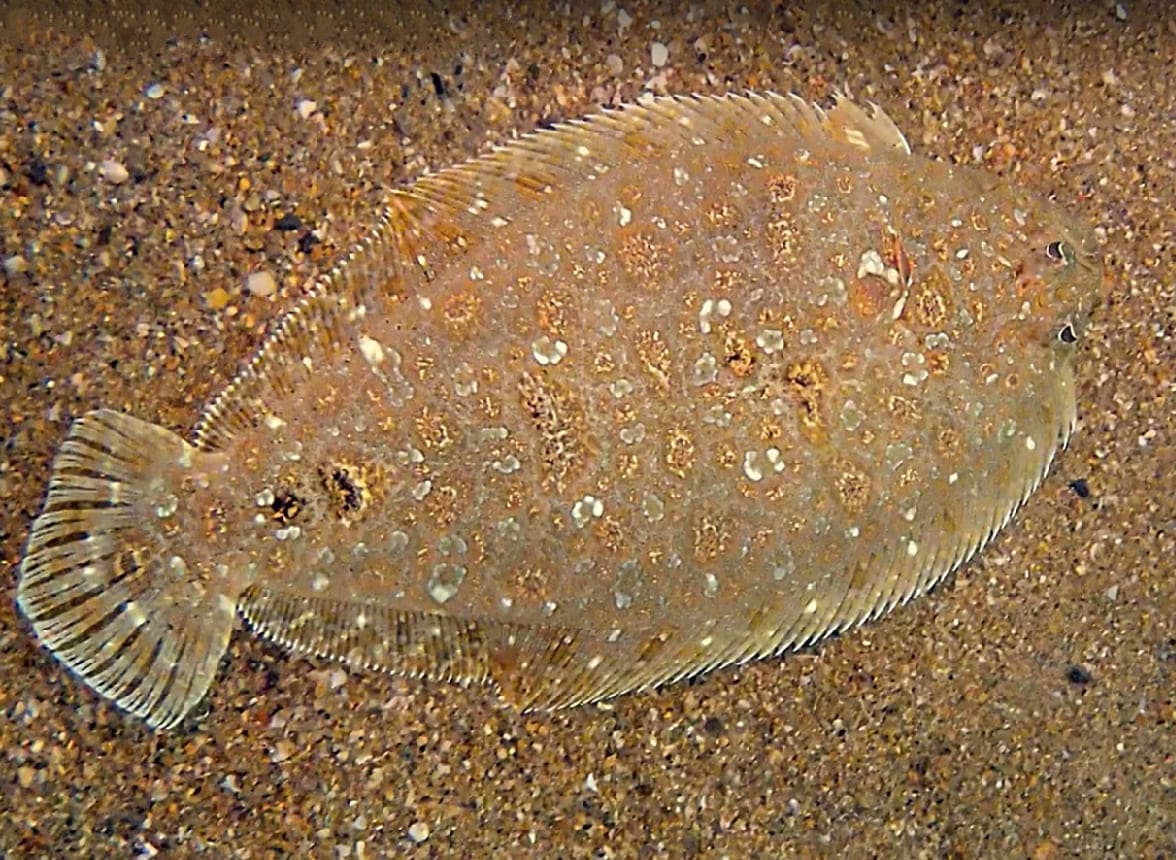
Bothus ocellatus
It is a flattened, disk-shaped fish. Like other members of this family, it lies on its …
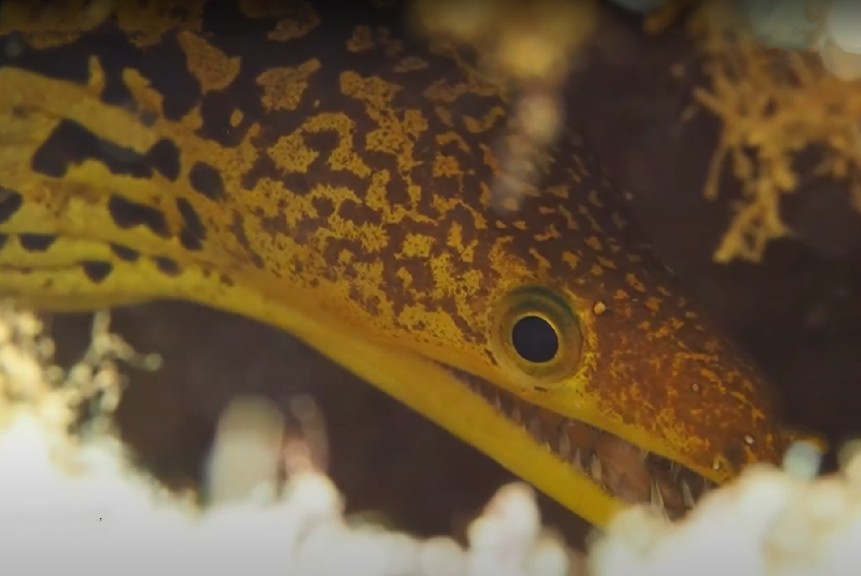
Enchelycore anatina
The Fangtooth moray has an elongated, powerful body that is slightly compressed from the sides. Its …
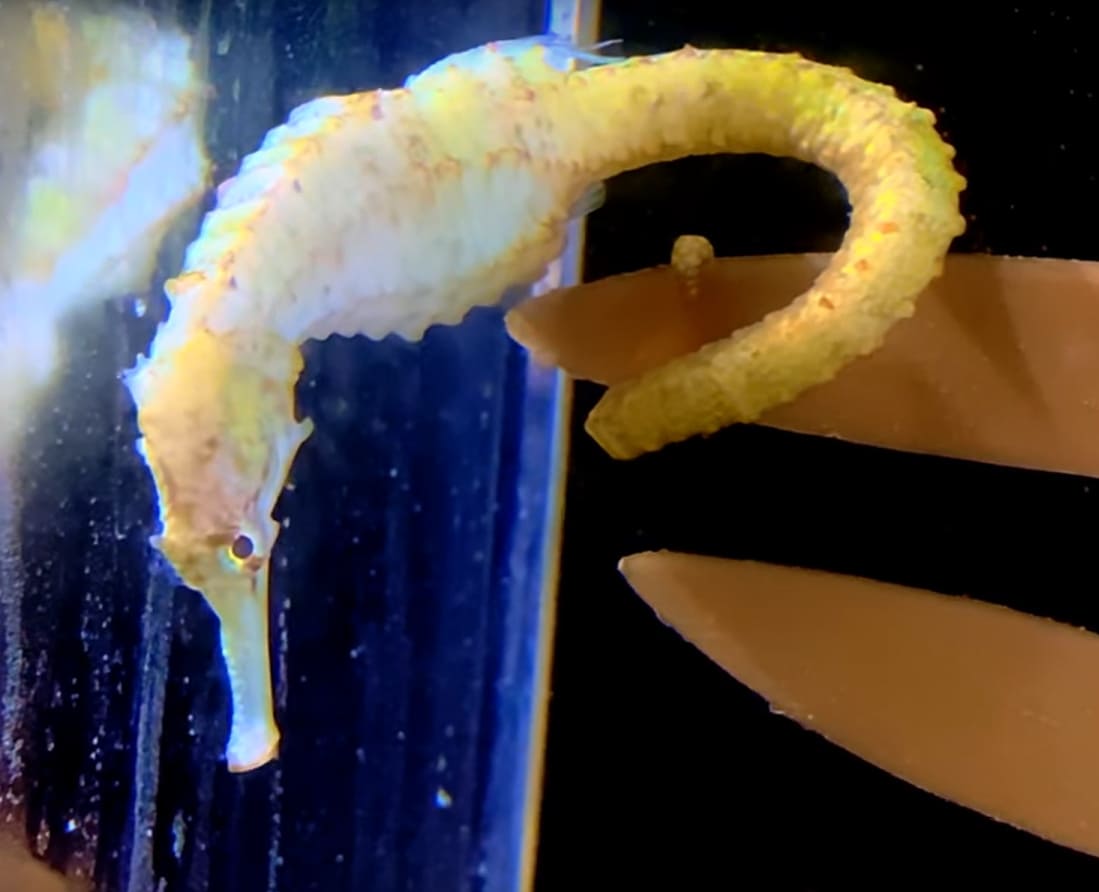
Hippocampus trimaculatus
The appearance of the flat-faced seahorse can vary, but it is usually flat with sharp, hook-like …
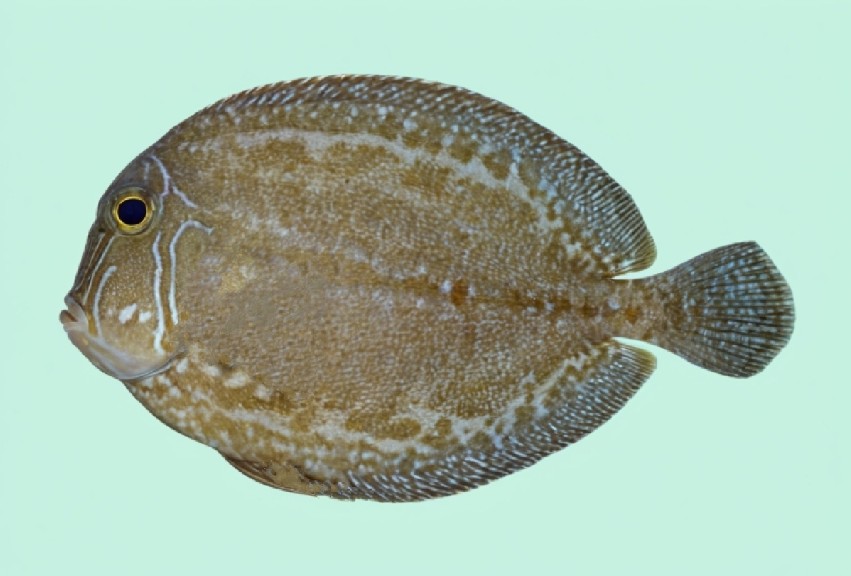
Bothus myriaster
The body of the Indo-Pacific oval flounder is oval, strongly compressed. Caudal peduncle narrow, much more …
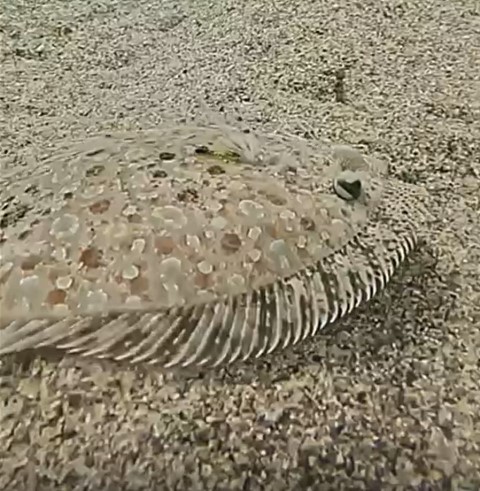
Bothus pantherinus
The leopard flounder is a highly compressed fish, one of the left-eyed flounders, meaning that the …
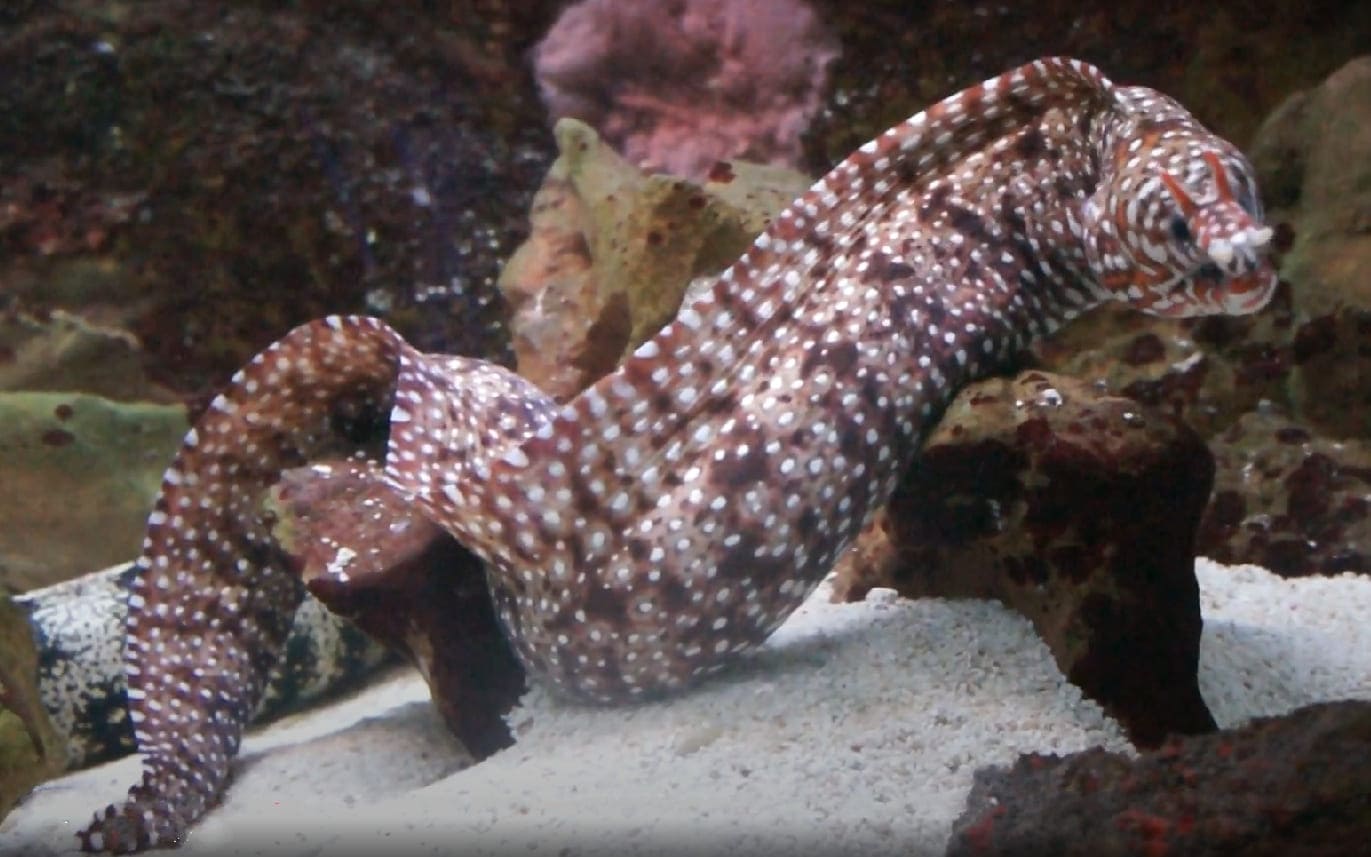
Enchelycore pardalis
Total number of vertebrae is 119-126. Long tubular posterior nostrils are located on the snout above …
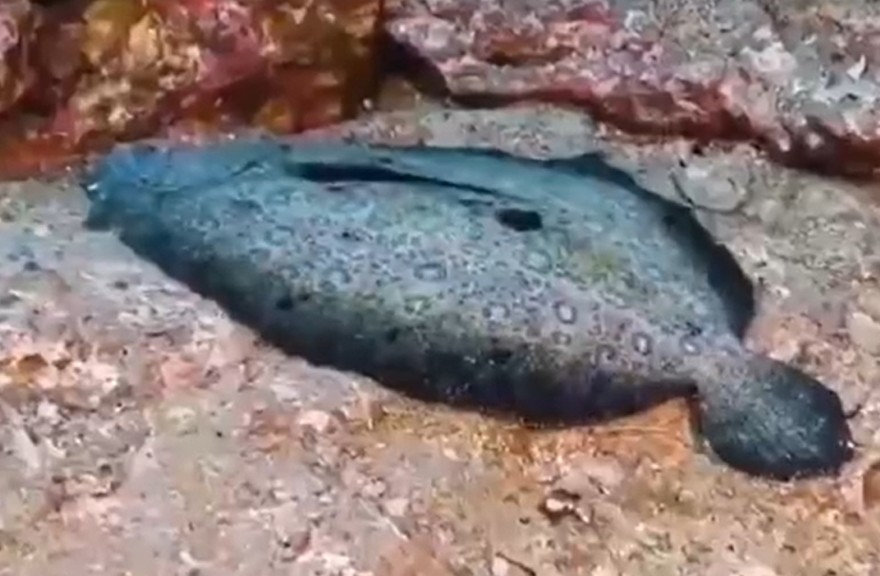
Bothus mancus
The Peacock flounder is also called the flowery flounder because its body is covered with bluish, …
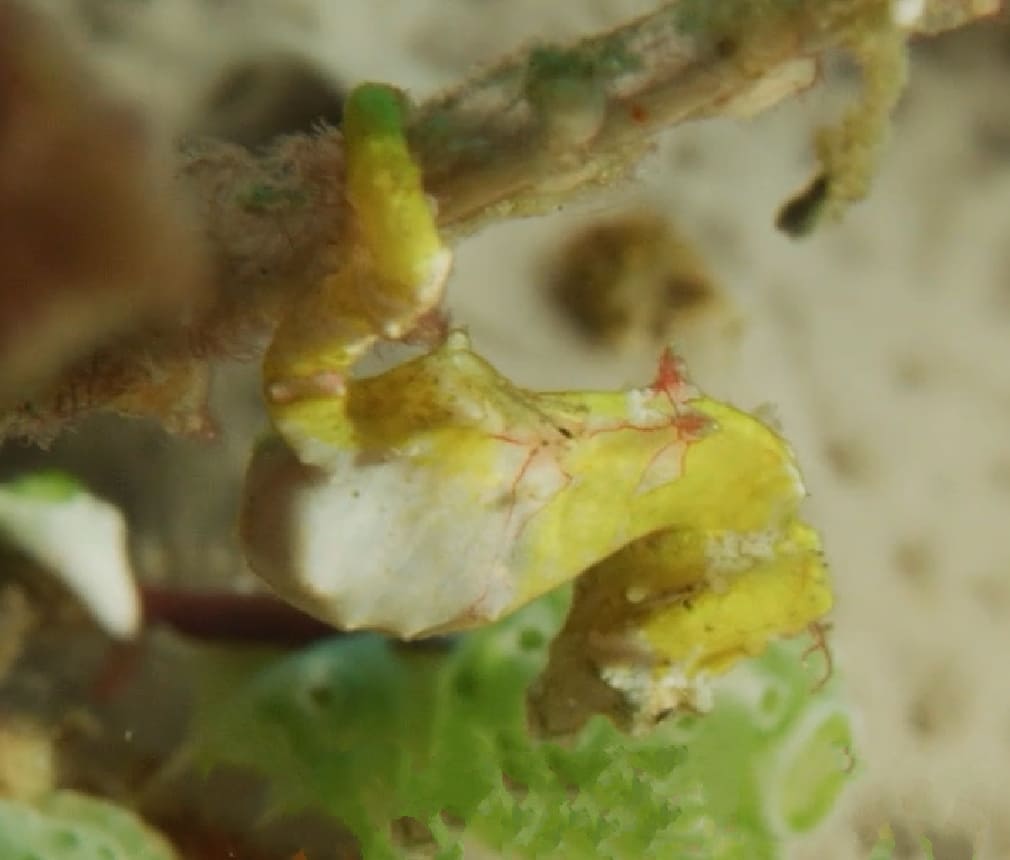
Hippocampus pontohi
The fish has a small and slender body with a tenacious tail. The head is relatively …
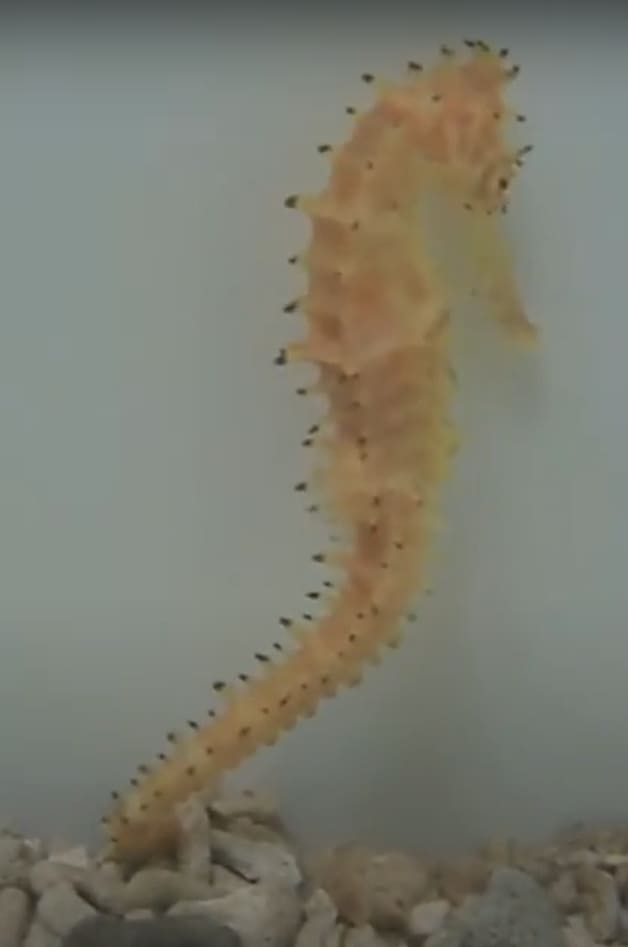
Hippocampus histrix
It has a slender, elongated, and fully spined body. They are sharp, with dark tips, and …
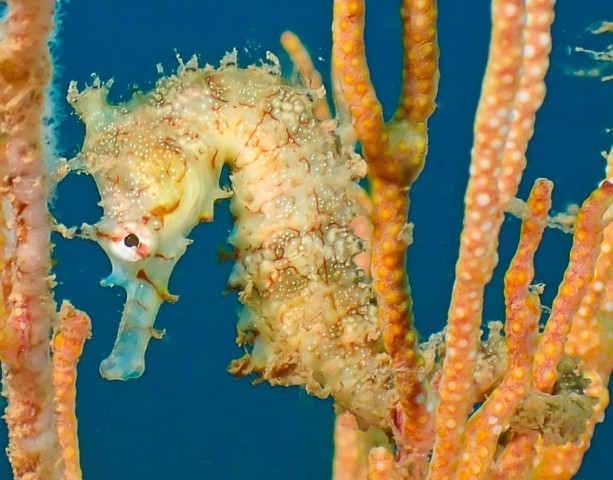
Hippocampus angustus
The western spiny seahorse can be recognised by its slender body, long snout, well-developed spines and …