 Allfishes
American plaice
Hippoglossoides platessoides
It has a slender body and a large mouth. The ocular side is covered with ctenoid …
Guide to marine fish with sorting and selection options by family, feeding method, size, and other important characteristics.
Showing 1–13 of 13
Hippoglossoides platessoides
It has a slender body and a large mouth. The ocular side is covered with ctenoid …
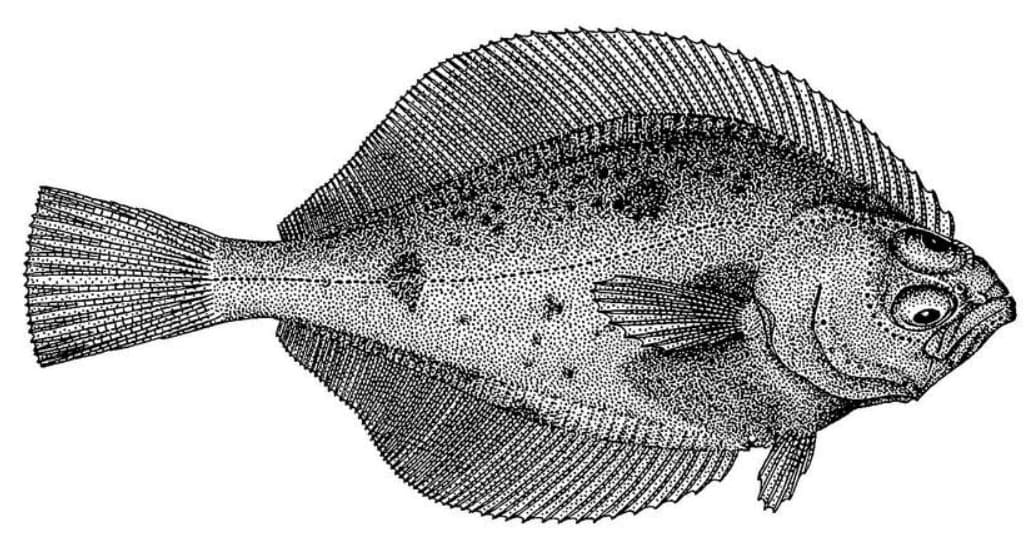
Hippoglossoides robustus
The mouth is large. The teeth on each jaw are arranged in a single row. The …
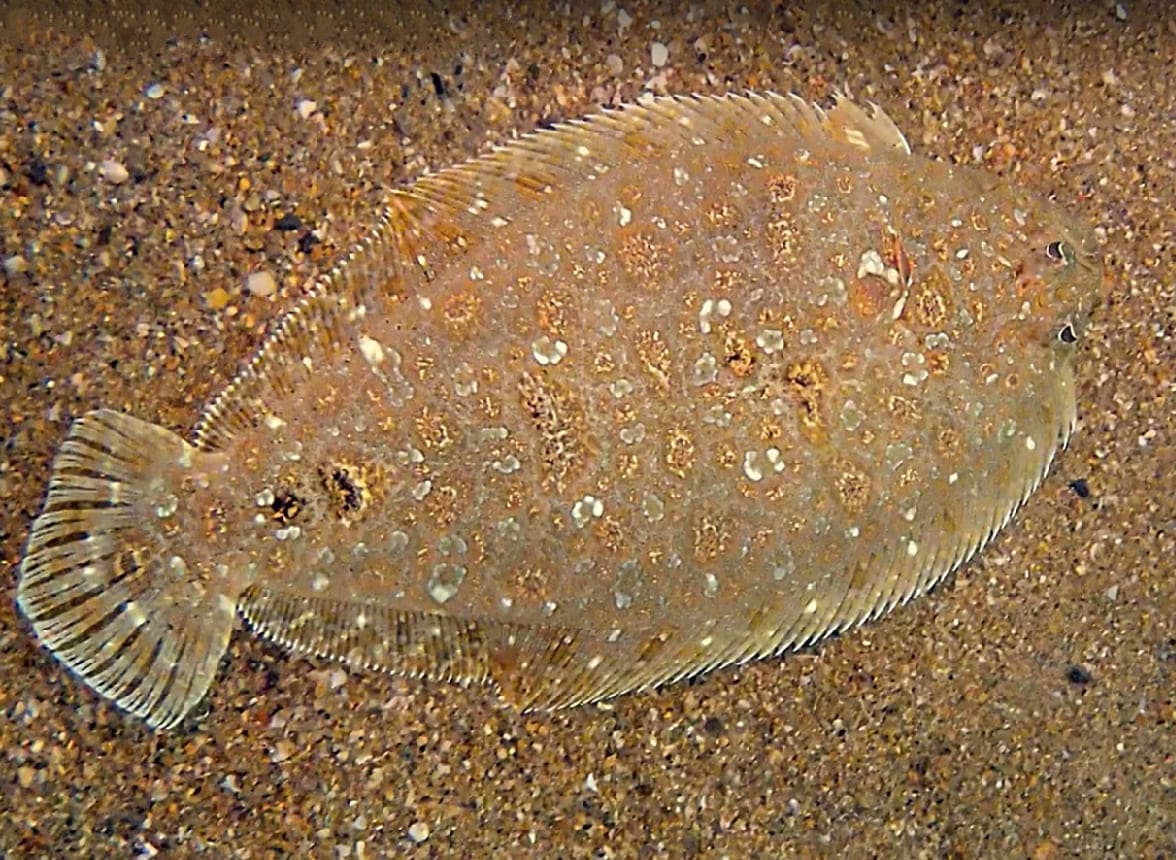
Bothus ocellatus
It is a flattened, disk-shaped fish. Like other members of this family, it lies on its …
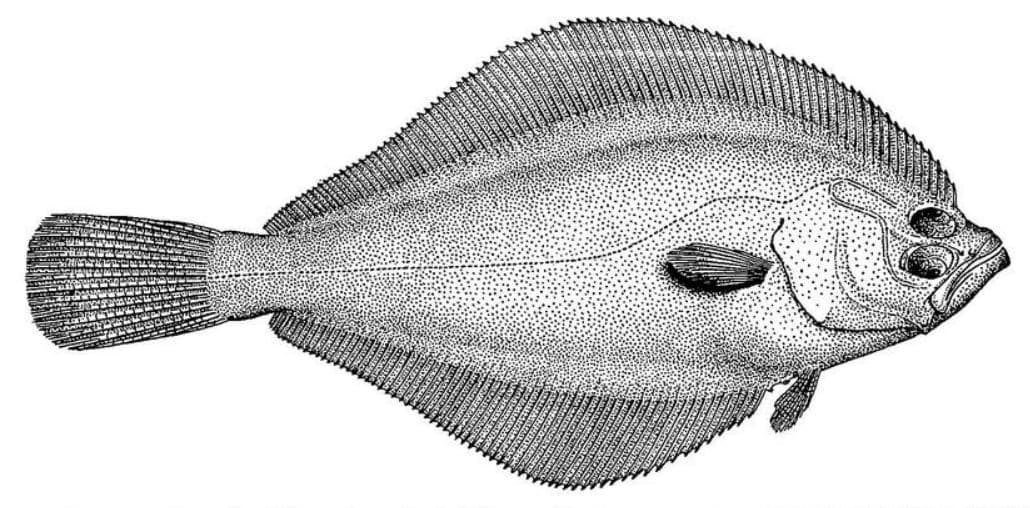
Hippoglossoides dubious
Body moderately tall, strongly compressed laterally, covered with ctenoid scales on the ocular side and cycloid …
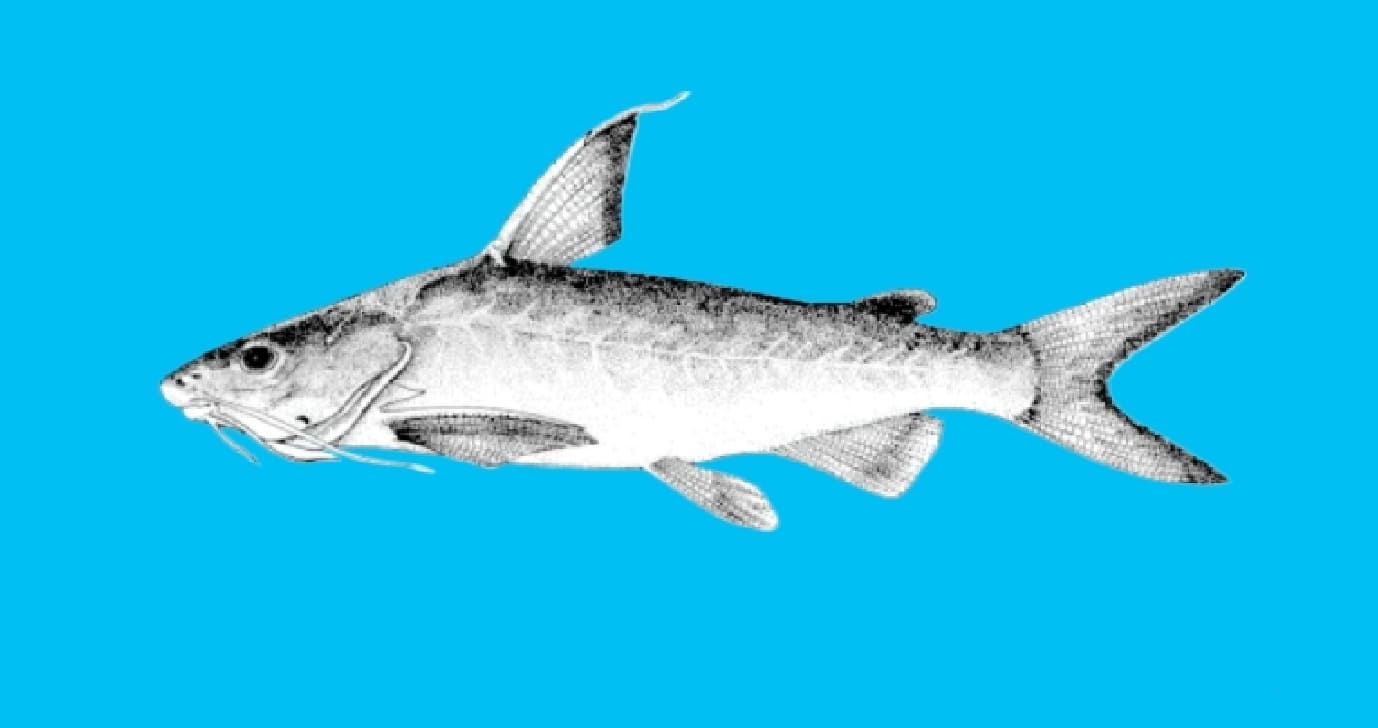
Arius dispar
The species was described by Albert William Herre in 1926, originally as part of the genus …
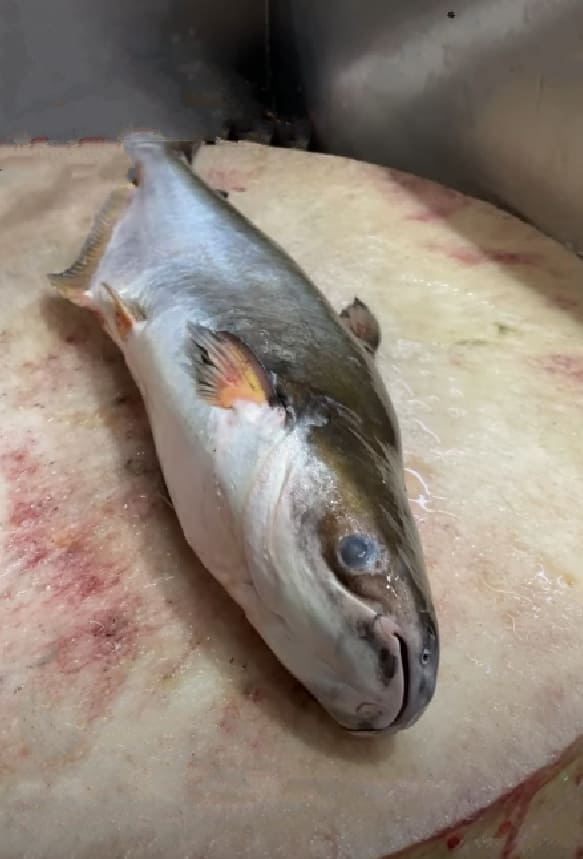
Arius gigas
Described by George Albert Boulenger in 1911, originally as genus Tachysurus. Body elongate and rounded; head …
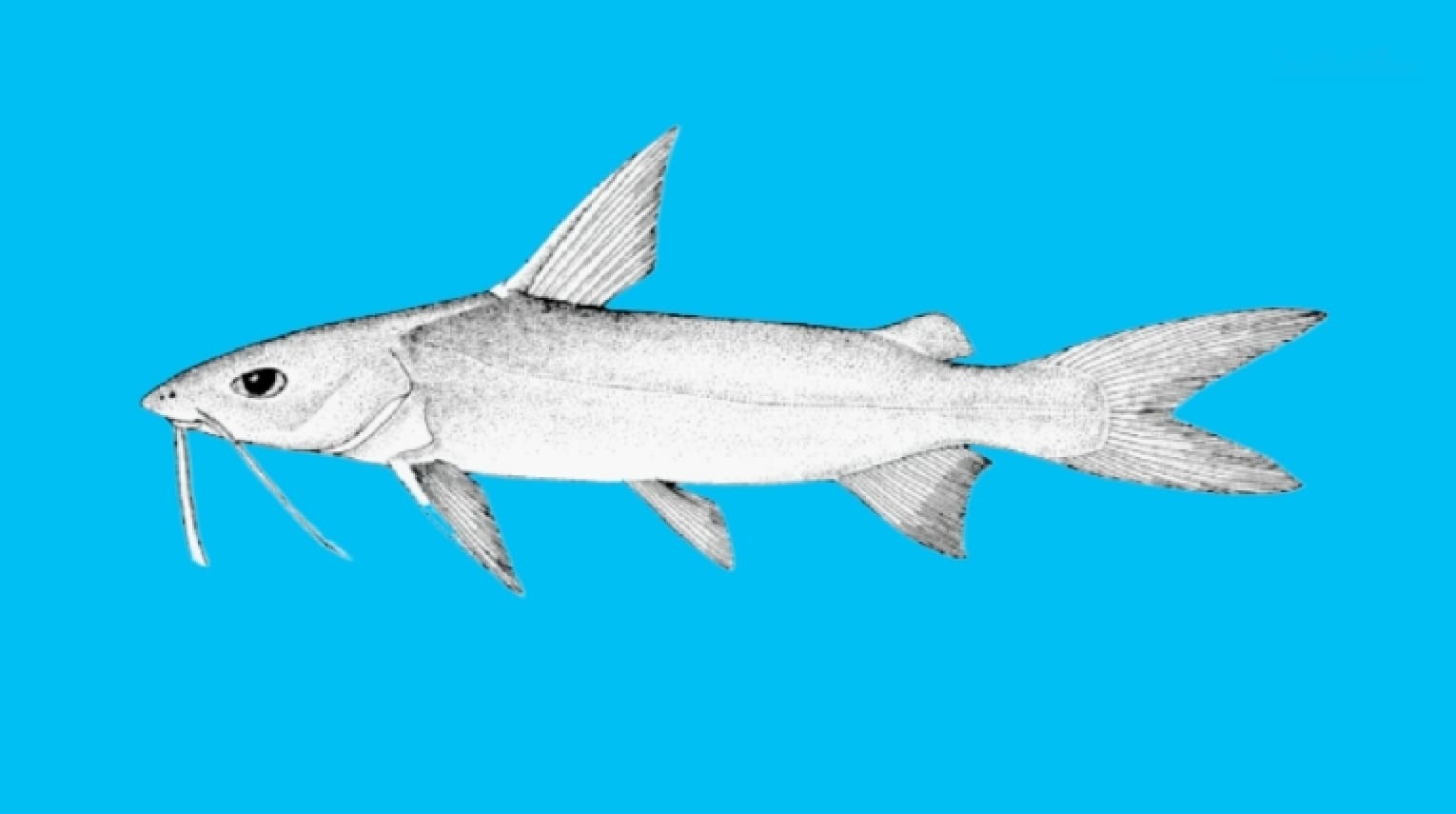
Arius sumatranus
The description of the species is attributed to Edward Turner Bennett in 1830. It was originally …
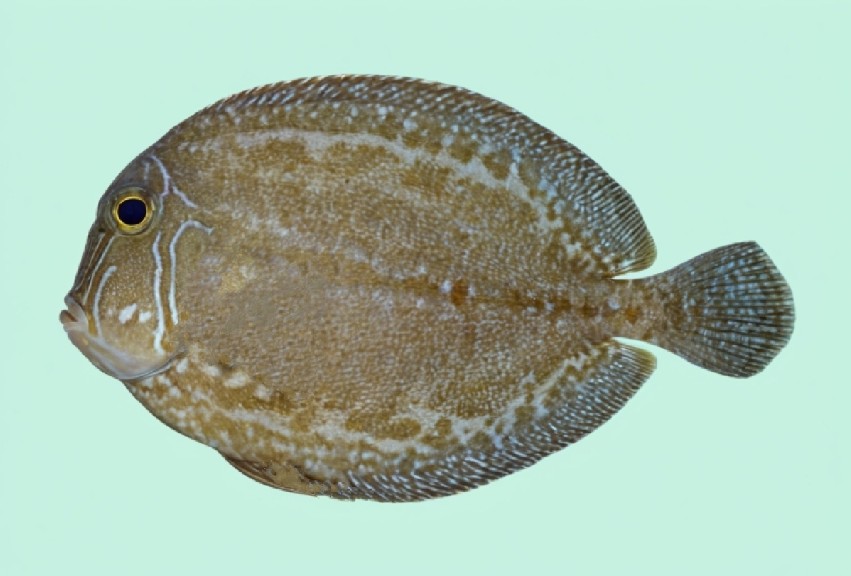
Bothus myriaster
The body of the Indo-Pacific oval flounder is oval, strongly compressed. Caudal peduncle narrow, much more …
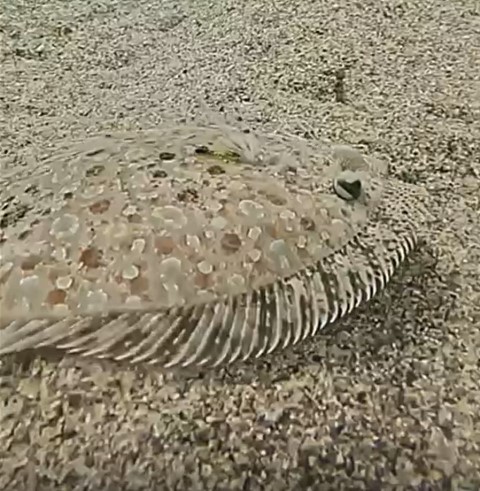
Bothus pantherinus
The leopard flounder is a highly compressed fish, one of the left-eyed flounders, meaning that the …
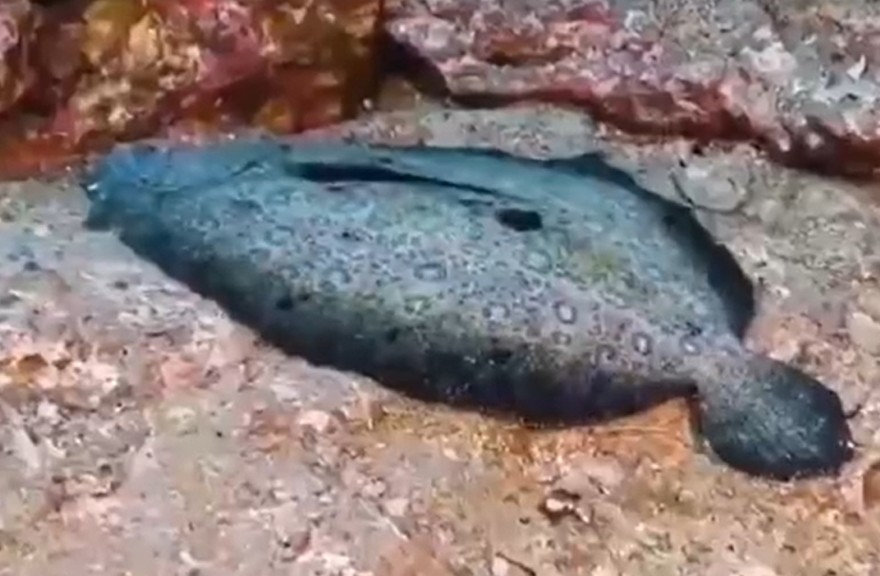
Bothus mancus
The Peacock flounder is also called the flowery flounder because its body is covered with bluish, …
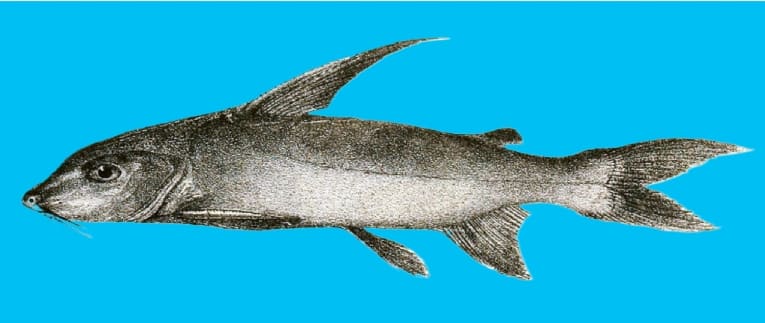
Arius subrostratus
The species was first described in 1840 by Achille Valenciennes.
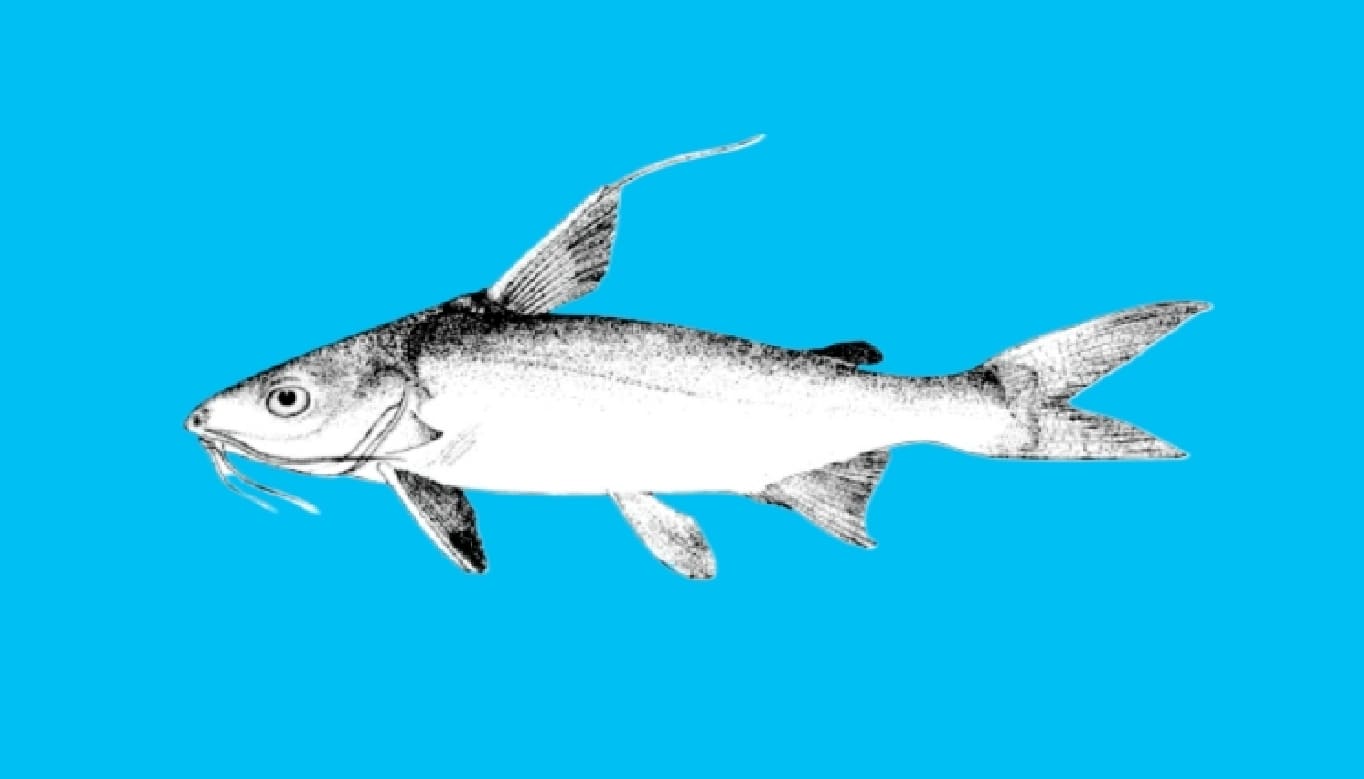
Arius arius
The species was described by Francis Buchanan-Hamilton in 1822, originally as part of the genus Pimelodus.
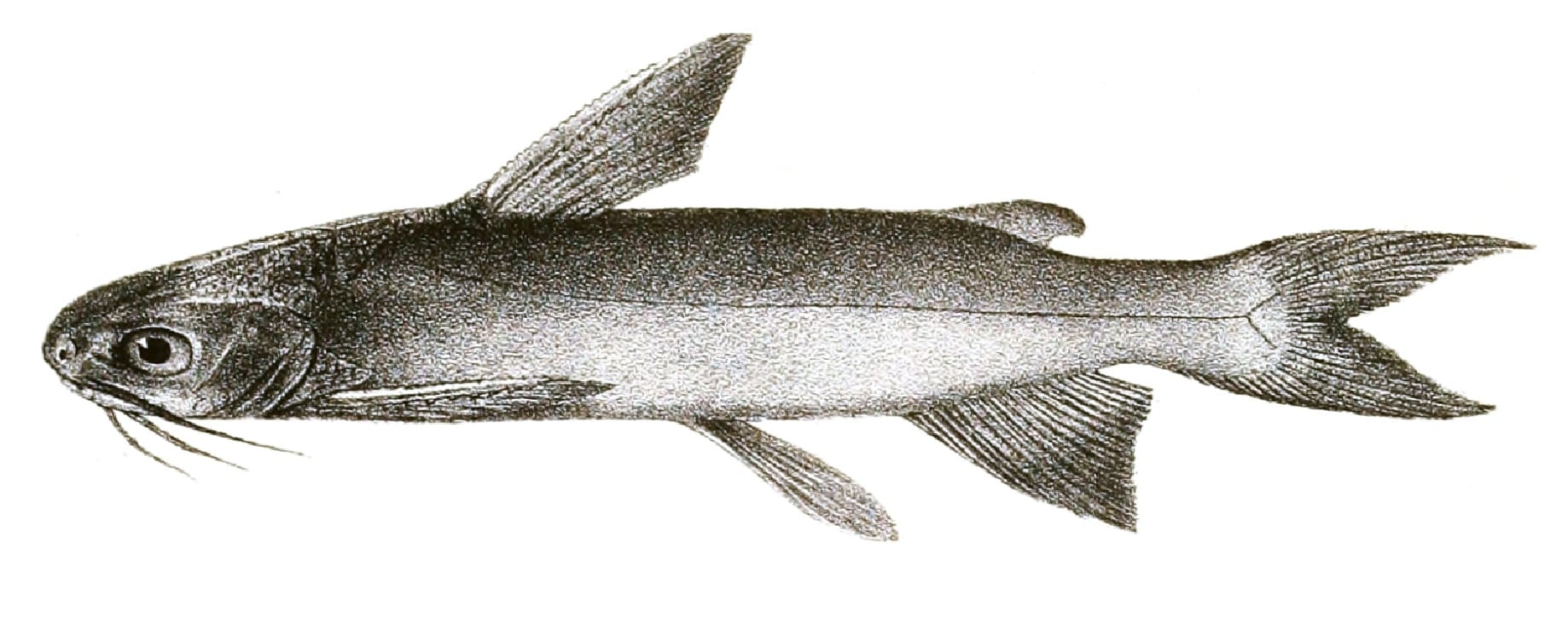
Arius venosus
The species was described in 1840 by Achille Valenciennes.