 Allfishes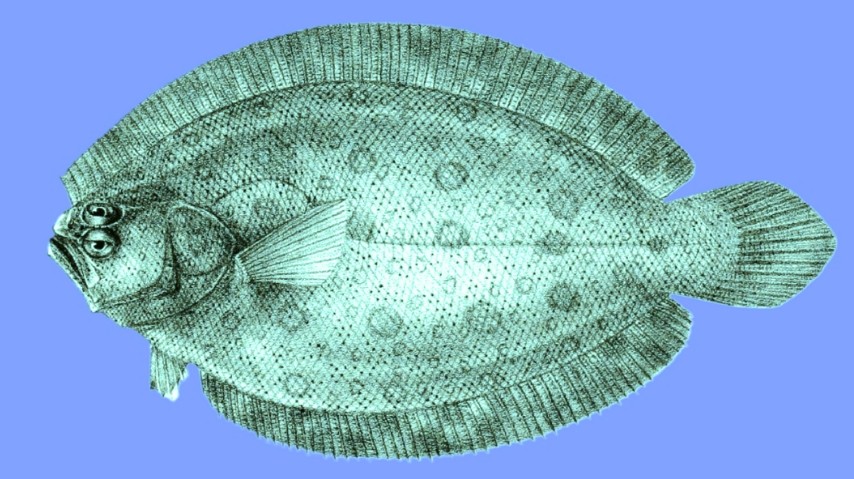
Deep flounder
Pseudorhombus elevatus
Deep flounder has 4-6 + 11-17 gill rakers and 10 + 24-25 vertebrae. The body is …
Guide to marine fish with sorting and selection options by family, feeding method, size, and other important characteristics.
Showing 1–15 of 15
Pseudorhombus elevatus
Deep flounder has 4-6 + 11-17 gill rakers and 10 + 24-25 vertebrae. The body is …
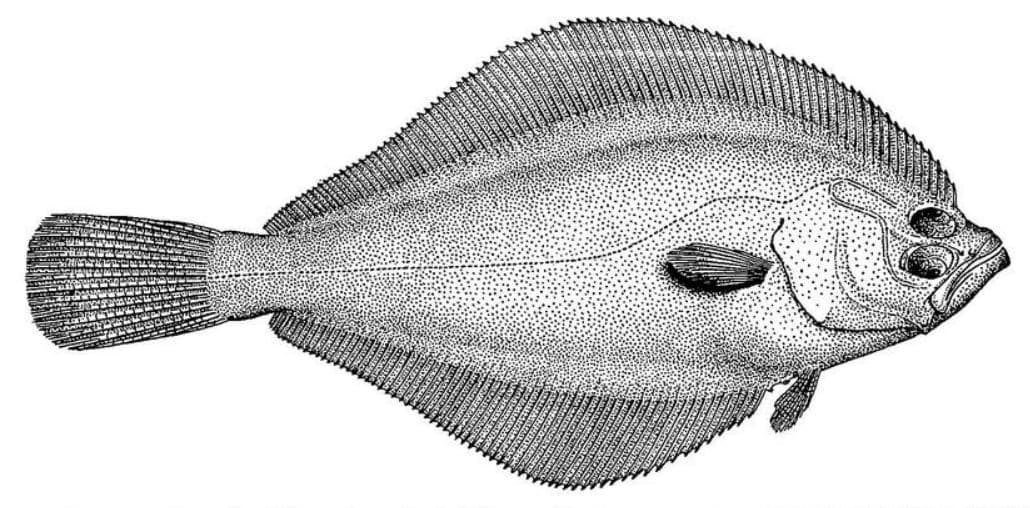
Hippoglossoides dubious
Body moderately tall, strongly compressed laterally, covered with ctenoid scales on the ocular side and cycloid …
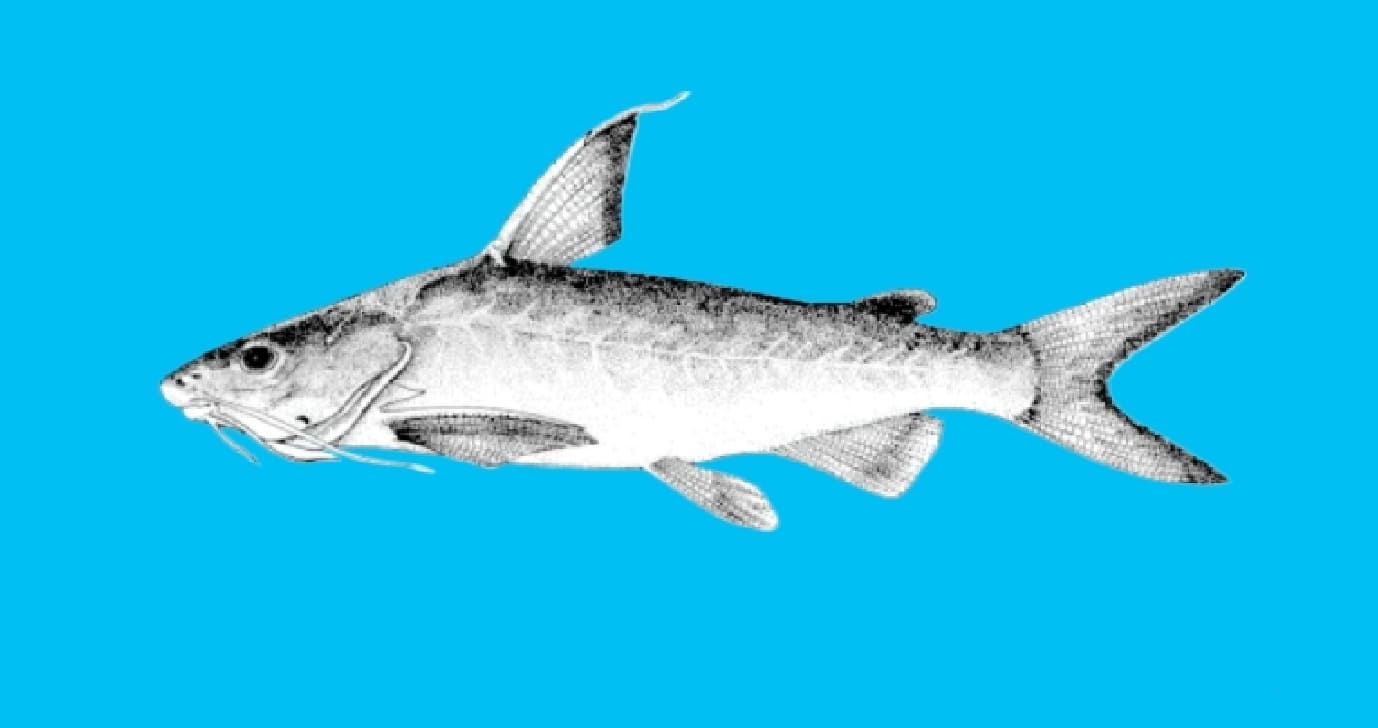
Arius dispar
The species was described by Albert William Herre in 1926, originally as part of the genus …
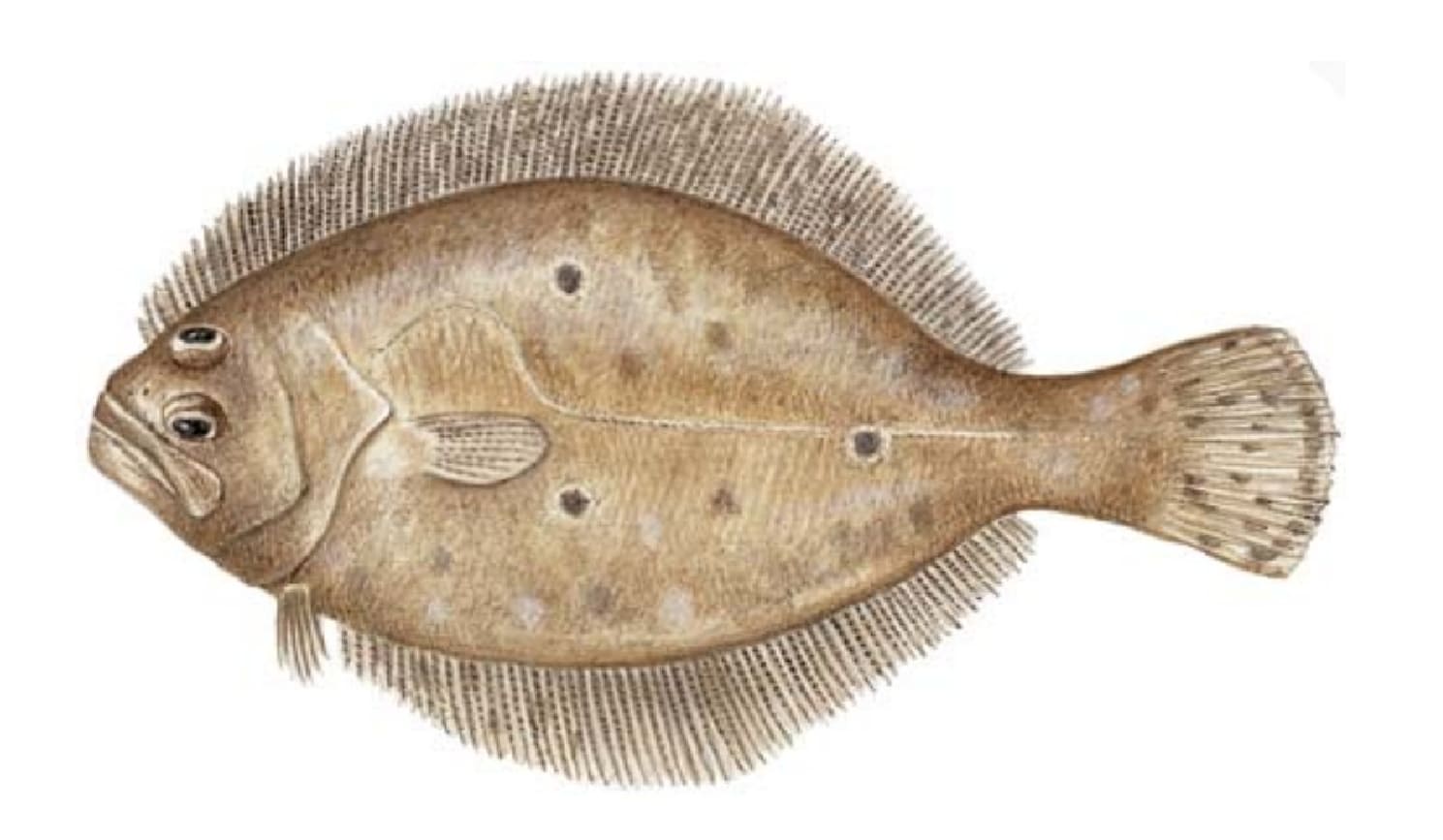
Paralichthys albigutta
The bay flounder has an olive-brown background and has three distinctive oval spots that form a …
Platichthys stellatus
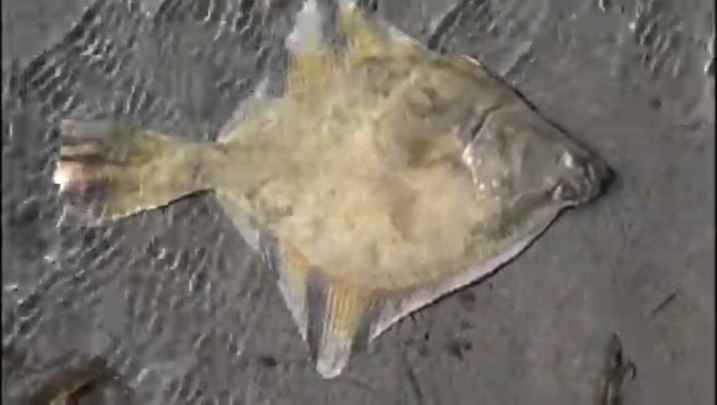
The starry flounder belongs to the right-eyed flounder family, but can also be left-eyed. The head …
Paralichthys dentatus
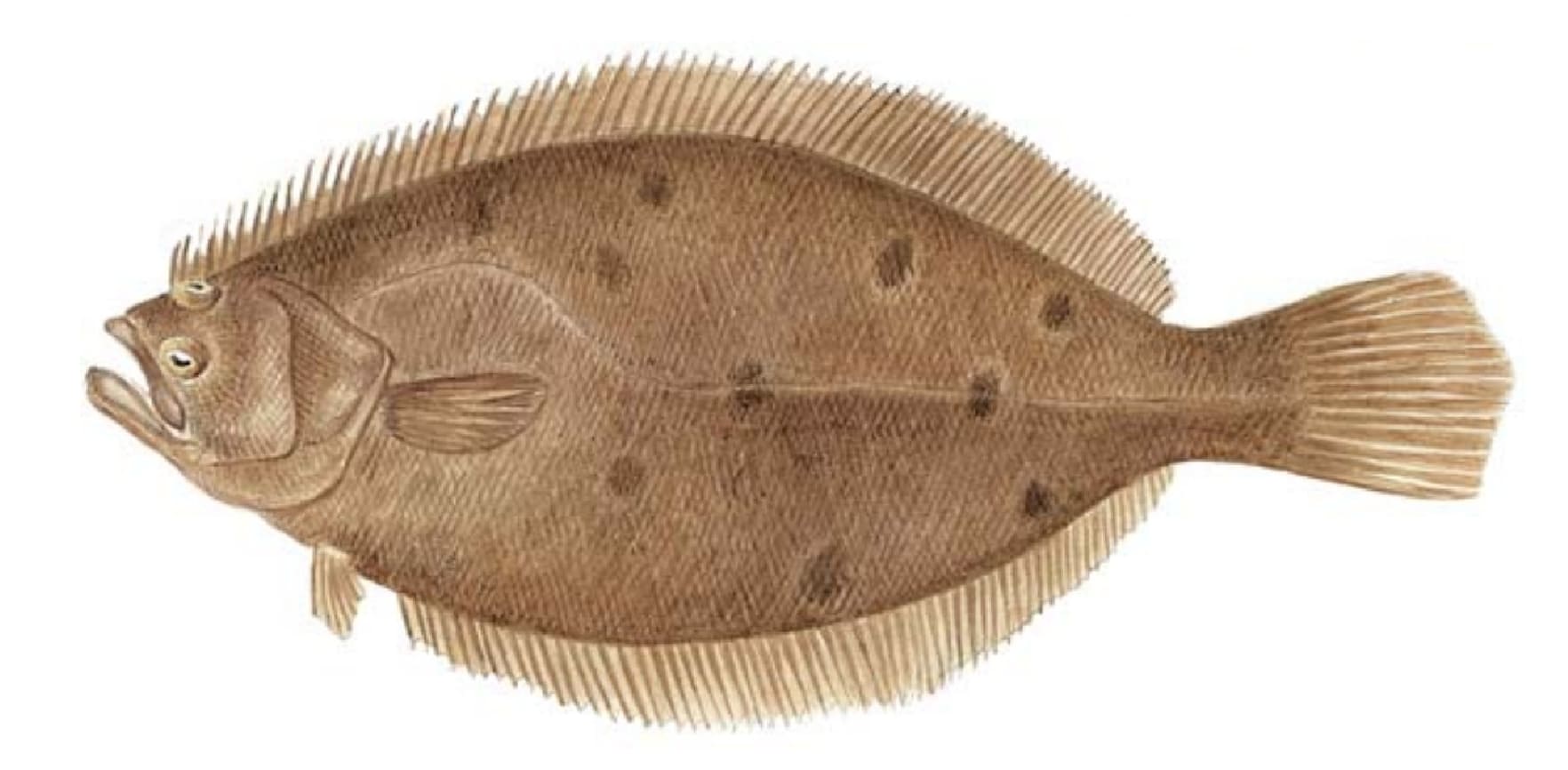
The body is broad and somewhat flattened, bordered by long dorsal and anal fins. The mouth …
Pseudopleuronectes americanus
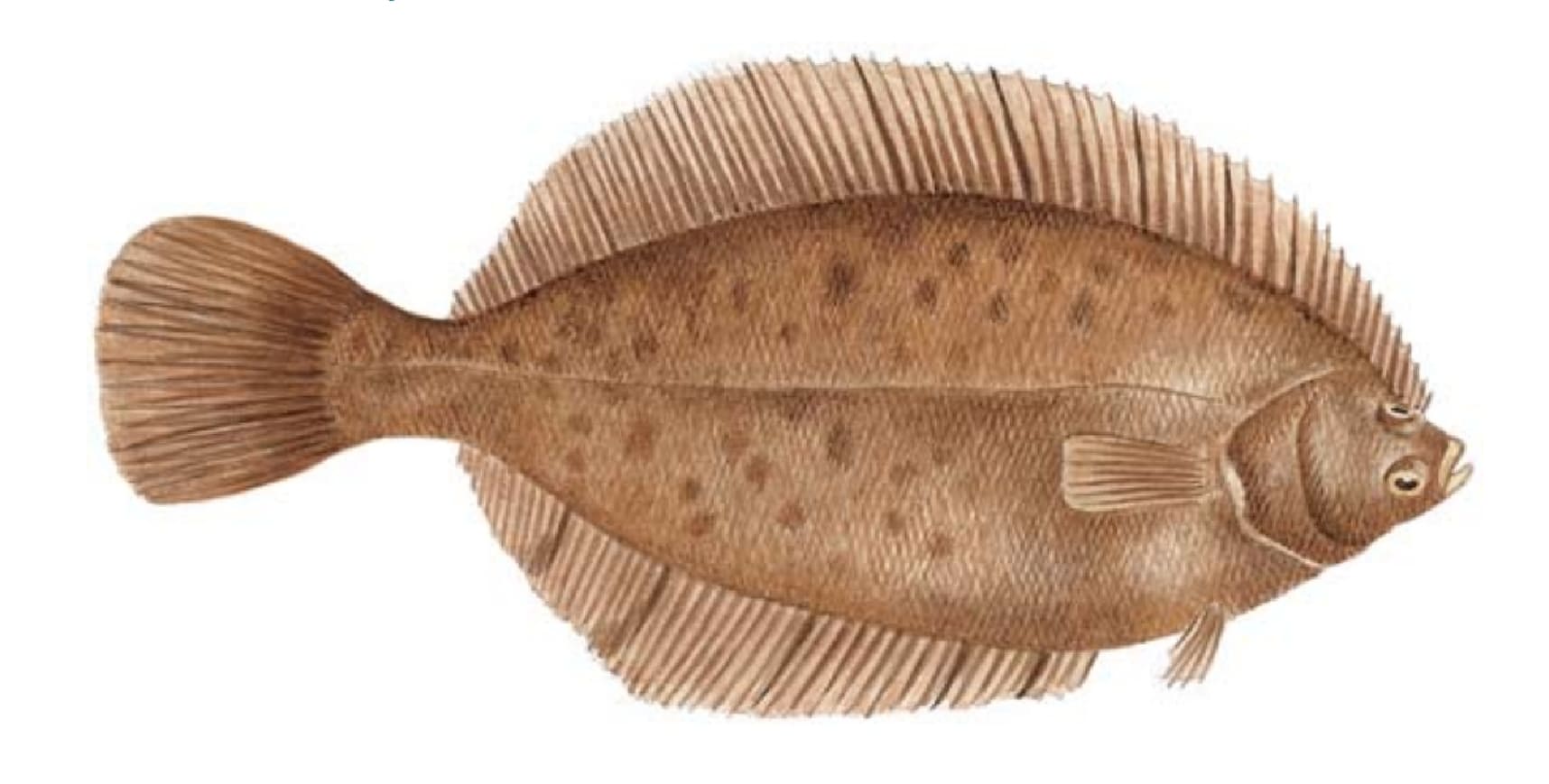
The body is oval and flat with a tiny mouth. The color varies from reddish-brown to …
Arius sumatranus
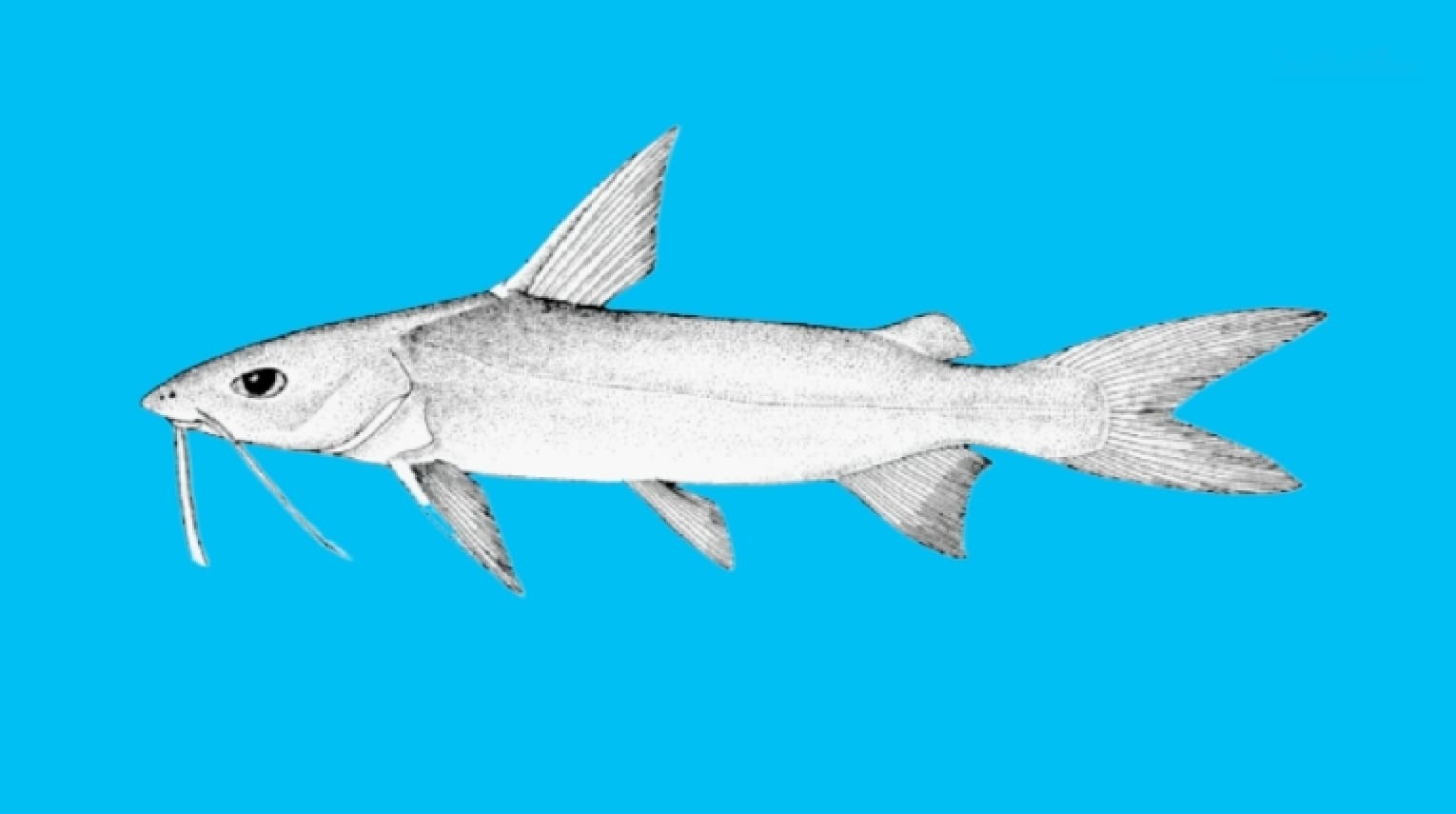
The description of the species is attributed to Edward Turner Bennett in 1830. It was originally …
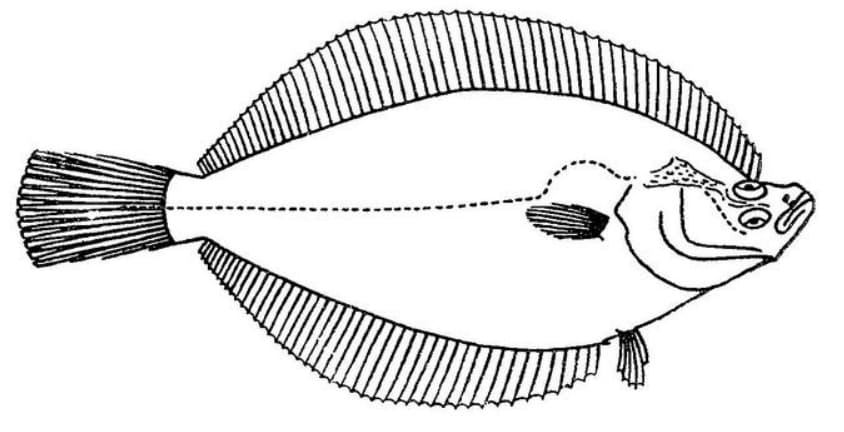
Limanda proboscidea
The lateral line forms a high arch above the base of the pectoral fin. The pectoral …
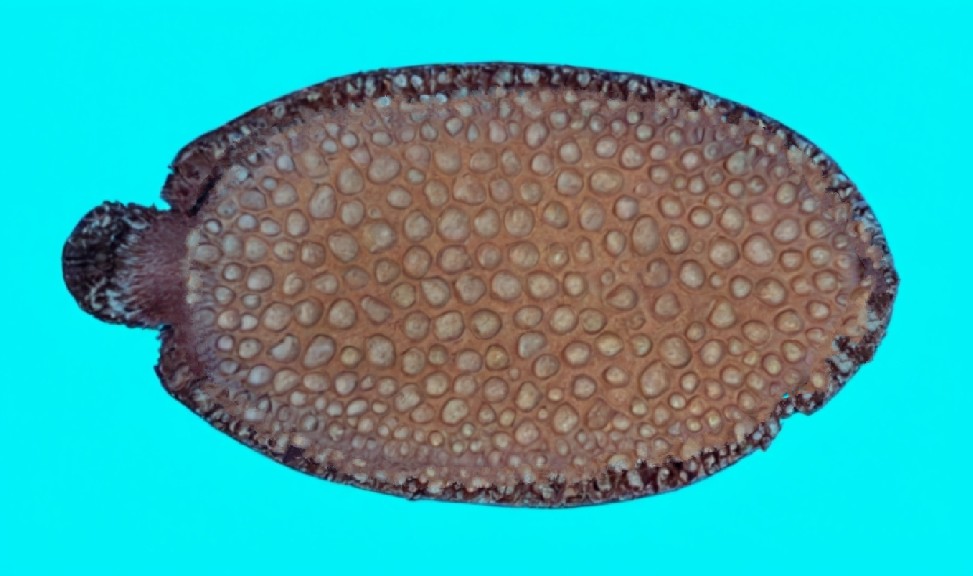
Pardachirus pavoninus
The body shape of the peacock sole is compressed and asymmetrical. The eyes are located on …
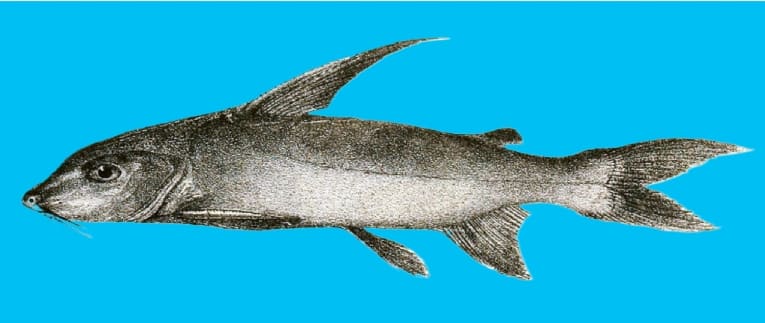
Arius subrostratus
The species was first described in 1840 by Achille Valenciennes.
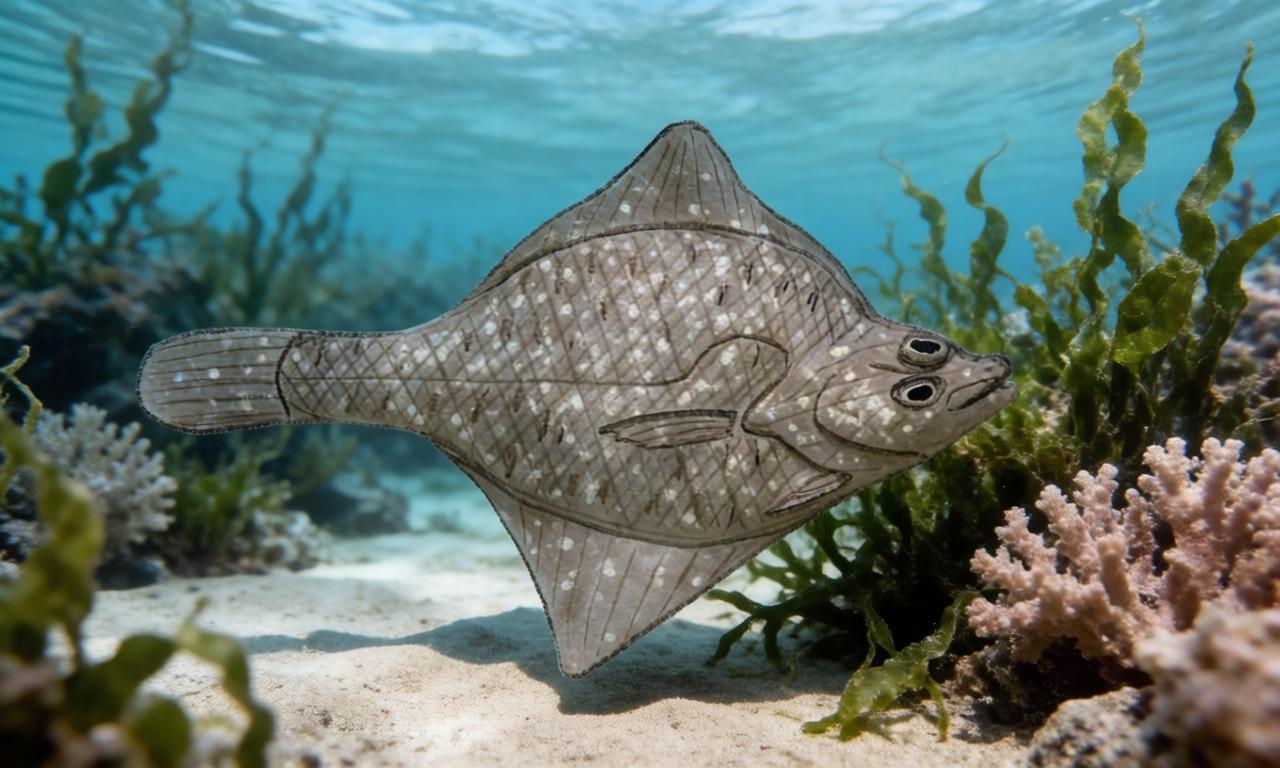
Limanda punctatissima
The speckled flounder has a strongly compressed, oval body typical of flatfishes. Its most distinctive feature …
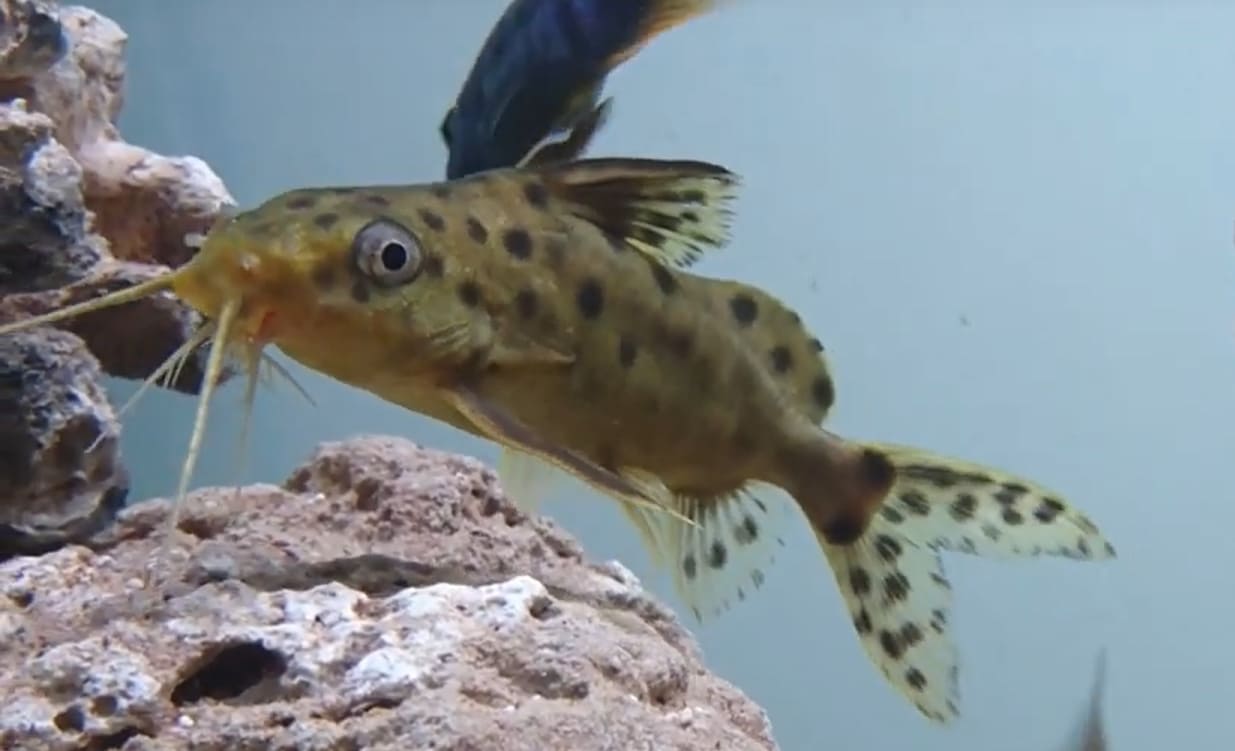
Corydoras punctatus
This species is rare. It is difficult to determine the sex of the fish until it …
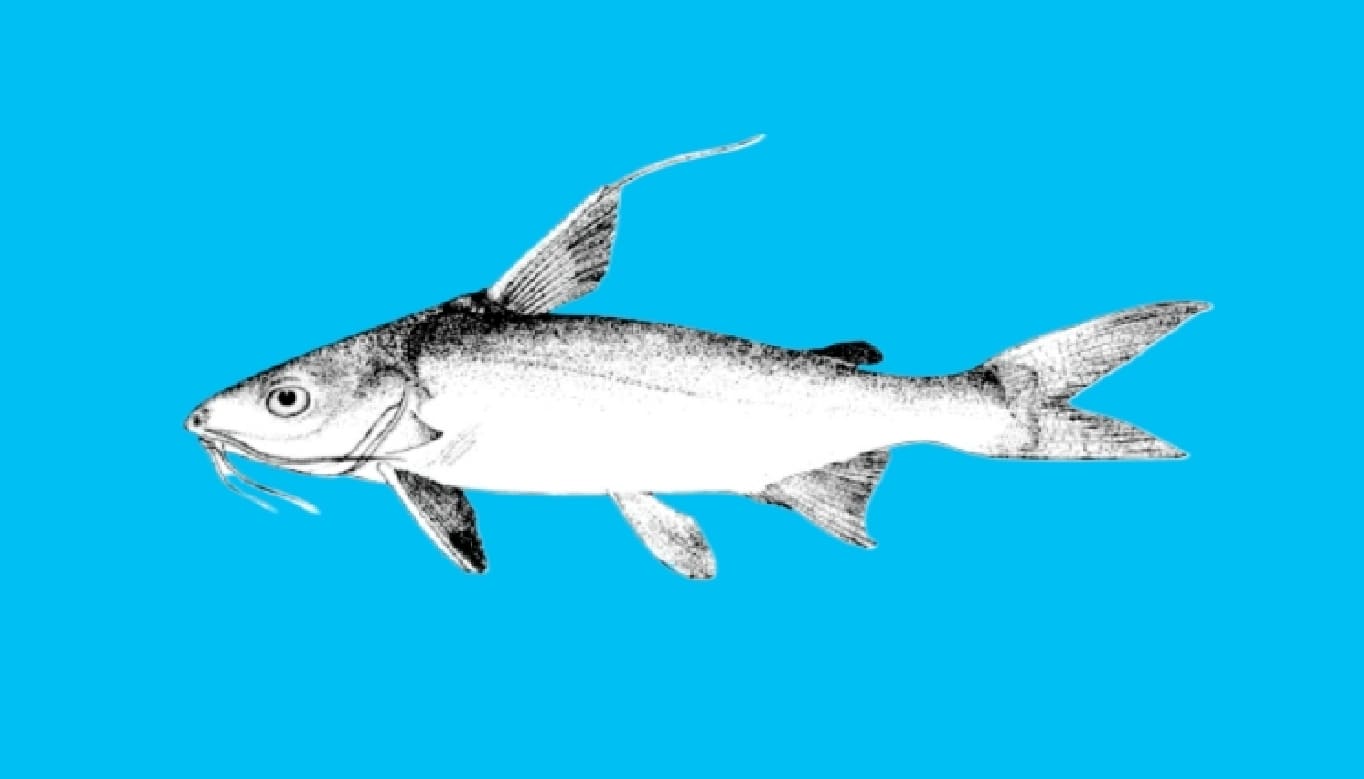
Arius arius
The species was described by Francis Buchanan-Hamilton in 1822, originally as part of the genus Pimelodus.
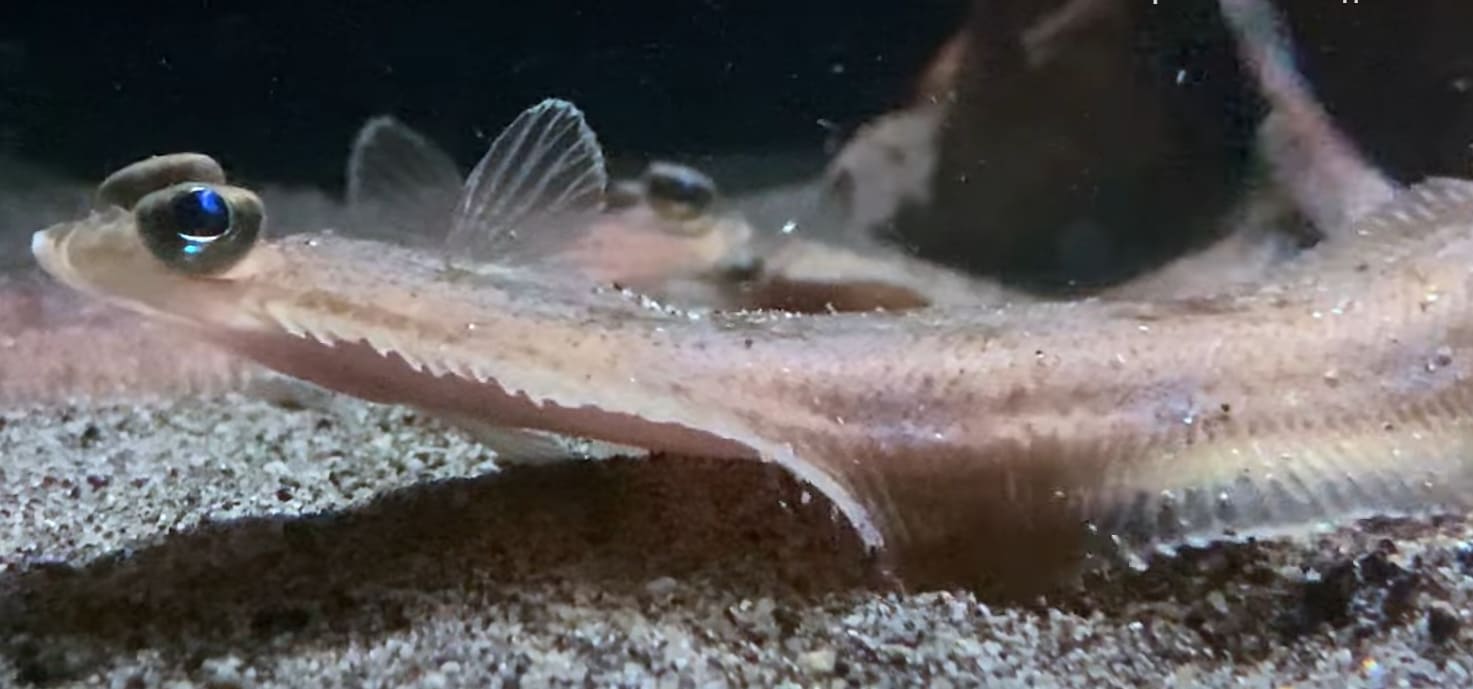
Tanakius kitaharae
Body ellipsoidal, strongly compressed. The mouth is small, the upper jaw reaching the anterior margin of …