 Allfishes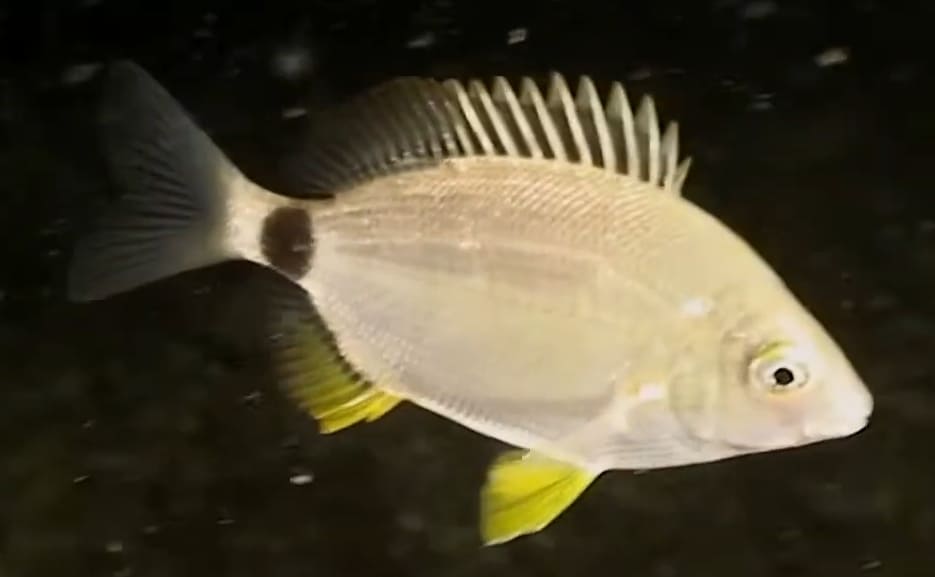
Annular seabream
Diplodus annularis
It has a deep, compressed body with an elongated ovoid shape. There are 8 incisors in …
The fauna of the Mediterranean is characterised by a great diversity of species, but the number of representatives of each species is small. There are crayfish, one species of seal (the Mediterranean monk seal), sea turtles and 550 species of fish.
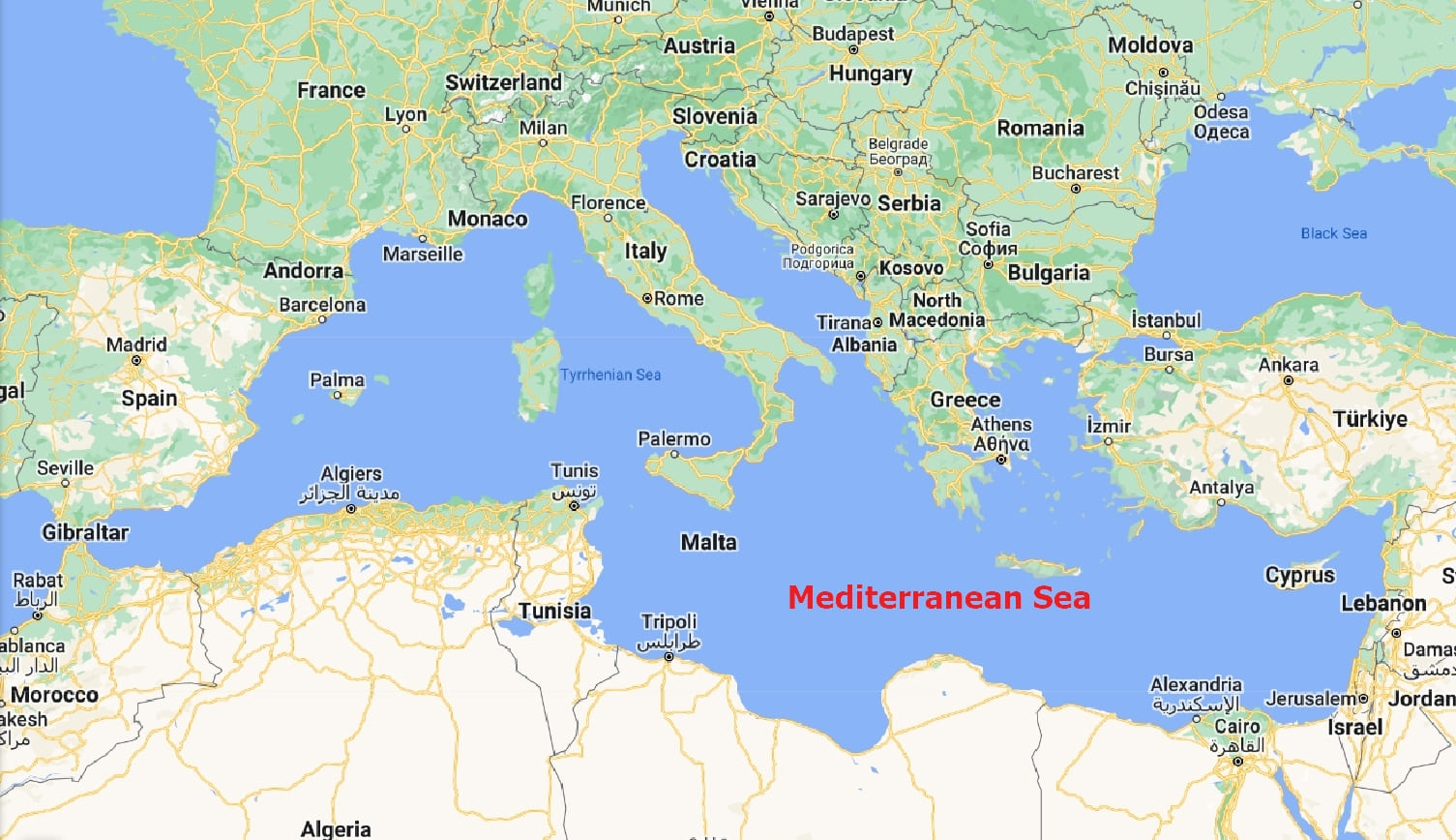
Zooplankton of the Mediterranean Sea
The Mediterranean Sea is characterised by a relatively low quantitative development of zooplankton, resulting in relatively few large animals, including fish, feeding on them.
Sharks, scombridae, clupeidae, anchovy, mugilidae, coryphaenidae, tuna, sarda, trachurus, etc. are the most common species found in the Mediterranean. About 70 species of fish are endemic, among them: rays, some species of hamsa, gobies, dogfish, guban, needlefish.
Mammals in the Mediterranean include dolphins, white-bellied seals, killer whales and porpoises. Turtles are also found.
The most important edible molluscs are the oyster, the Mediterranean-Black Sea mussel and the sea date.
Among the invertebrates, octopus, squid, sepia, crabs, achelata are common; species of jellyfish, siphonophores, thaliaceans, pyrosomes are abundant; sponges and red corals inhabit some areas.
There are believed to be more than 40 species of sharks in the Mediterranean Sea. The list of the most famous species includes:
Carcharodon carcharias - great white shark;
Galeocerdo cuvier - tiger shark;
Odontaspis taurus - sand shark;
Carcharhinus leucas - bull (bluntnose) shark;
Carcharhinus longimanus - oceanic longfin shark;
Isurus oxyrinchus - mako shark;
Heptranchias perlo - seven-gill shark;
Sphyrna mokarran - giant hammerhead shark;
Prionace glauca - blue (blue) shark;
Carcharhinus melanopterus - blacktip shark;
Negaprion brevirostris - lemon shark.
There are not many inhabitants in the Mediterranean Sea that are dangerous to humans. These are: luminous violet jellyfish, hermodice carunculata, sea eels and moray eels, stingrays, sea ruffs, and dasyatis.
Trachinus draco is the only dangerous fish in the Mediterranean that can attack humans first. It has venomous spines that contain a powerful toxin that can cause prolonged pain.
In total, there are more than 200 species of jellyfish in the Mediterranean. The most common species are Cotylorhiza tuberculata, Aurelia aurita, Pelagia noctiluca and Cassiopea Andromeda. Mediterranean jellyfish live at different depths, from coastal areas to the deep sea.
One of the most famous inhabitants of the Mediterranean is the Caretta caretta, or sea turtle. This unique and rare species attracts attention with its charming appearance and unusual way of living in the marine environment. Other interesting creatures include the common dolphin and the Atlantic white-sided dolphin.
Showing 1–24 of 56
Diplodus annularis
It has a deep, compressed body with an elongated ovoid shape. There are 8 incisors in …
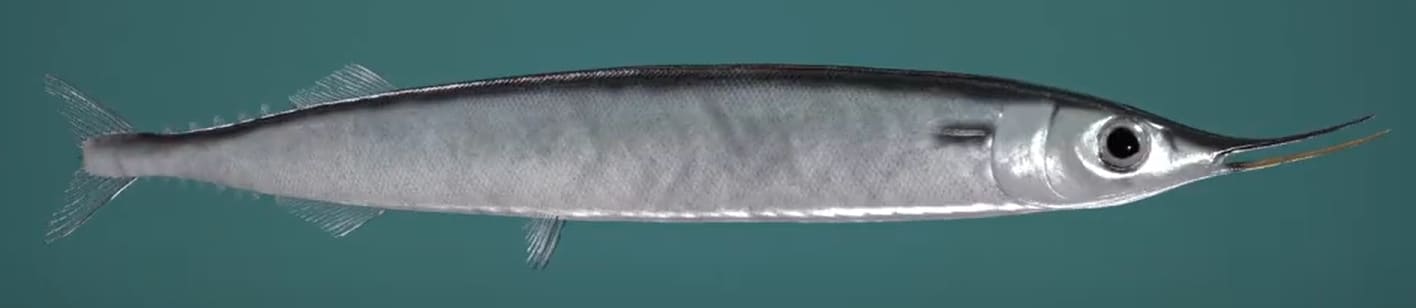
Scomberesox saurus
Representatives of this species are characterised by highly elongated beak-like jaws, very small teeth, elongated bodies …
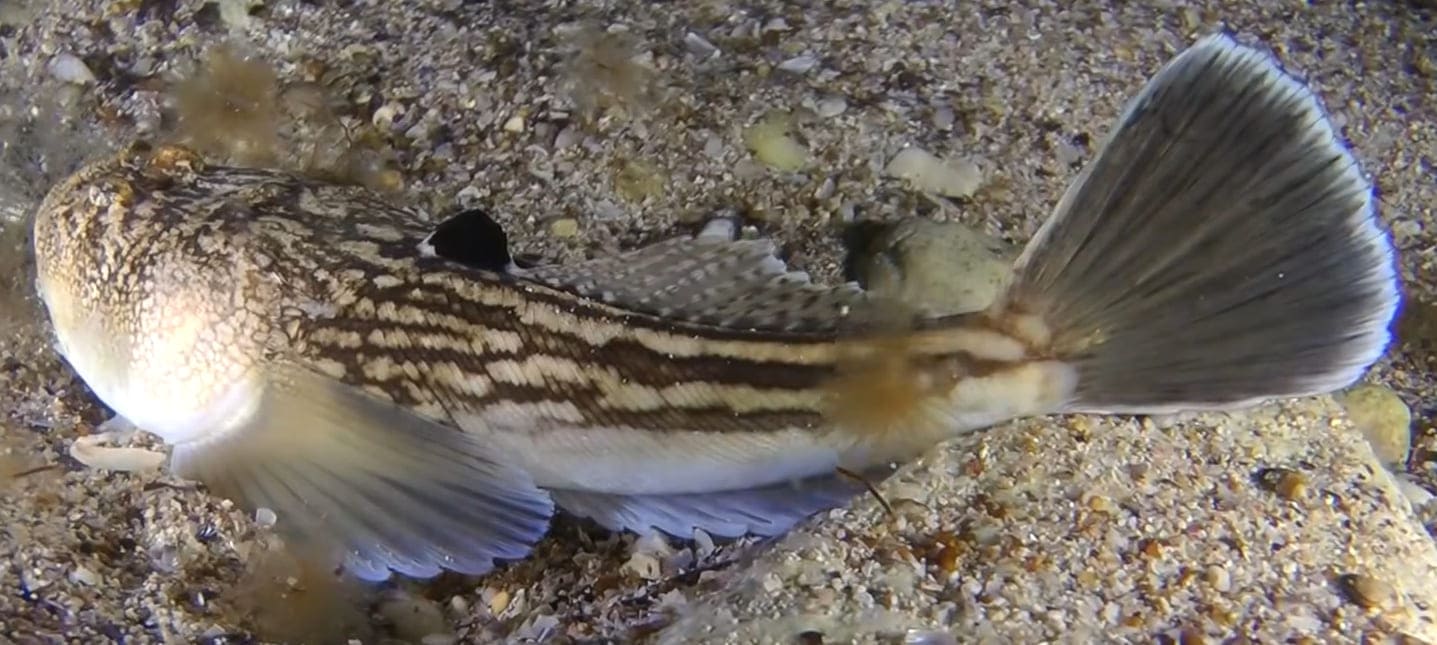
Uranoscopus scaber
The body is spindle-shaped. The swim bladder is absent. Its head and jaws are turned upwards …
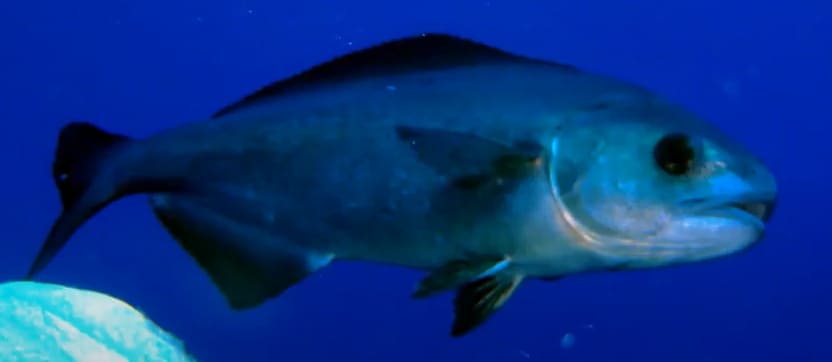
Centrolophus niger
Body oval, elongated, largely compressed at the sides. Head comparatively small with well developed seismosensory pores …
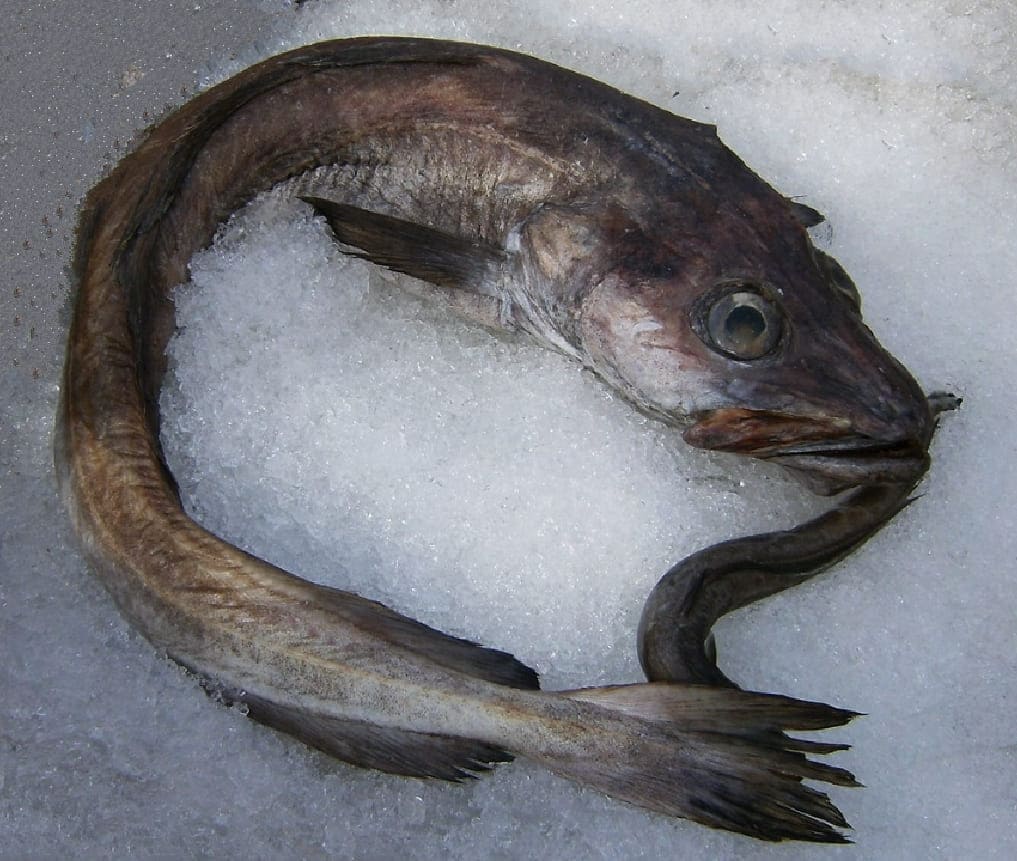
Molva dypterygia
The body is elongated, slender with a narrow tail stock. The lower jaw is longer than …
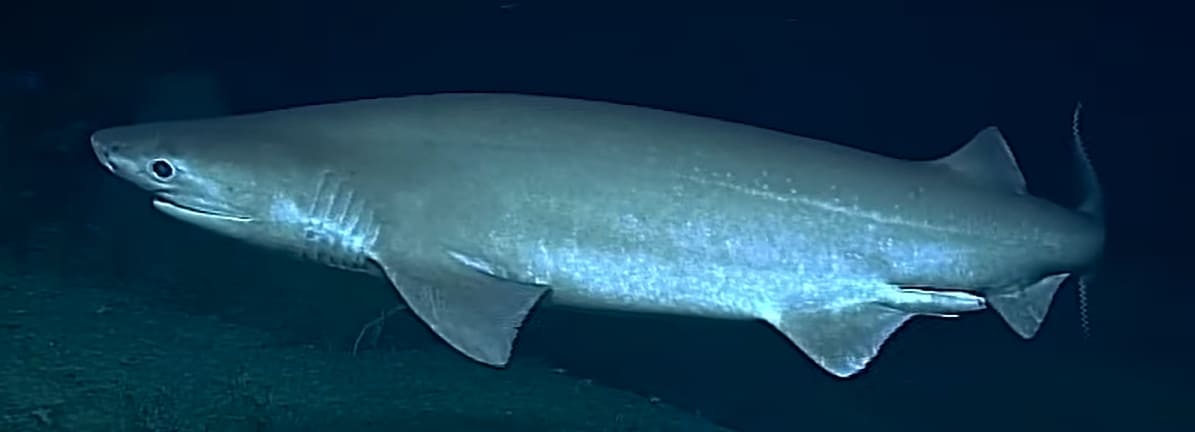
Hexanchus griseus
The bluntnose sixgill shark has a dense, spindle-shaped body and a broad head with a blunt …
Boops boops
Has an elongated body, compressed at the sides, covered with small scales. Dorsal spines: 13-15; Dorsal …
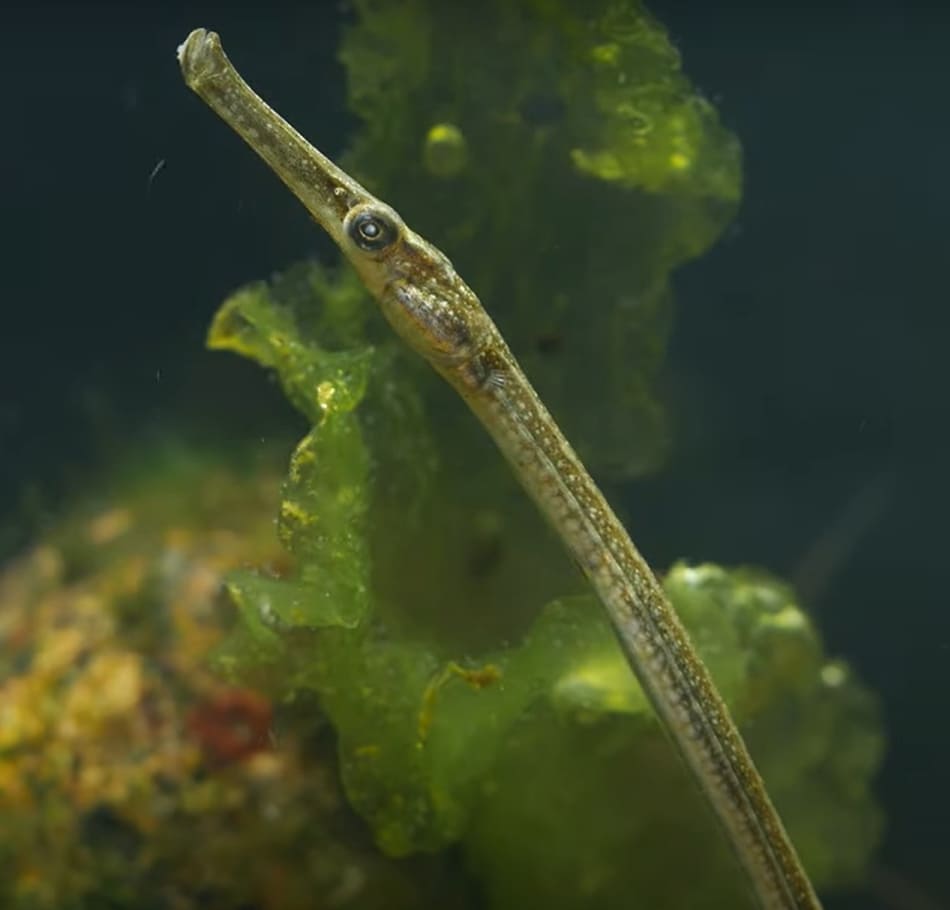
Syngnathus typhle
It is a slender, elongated fish with a hexagonal cross section, which distinguishes it from its …
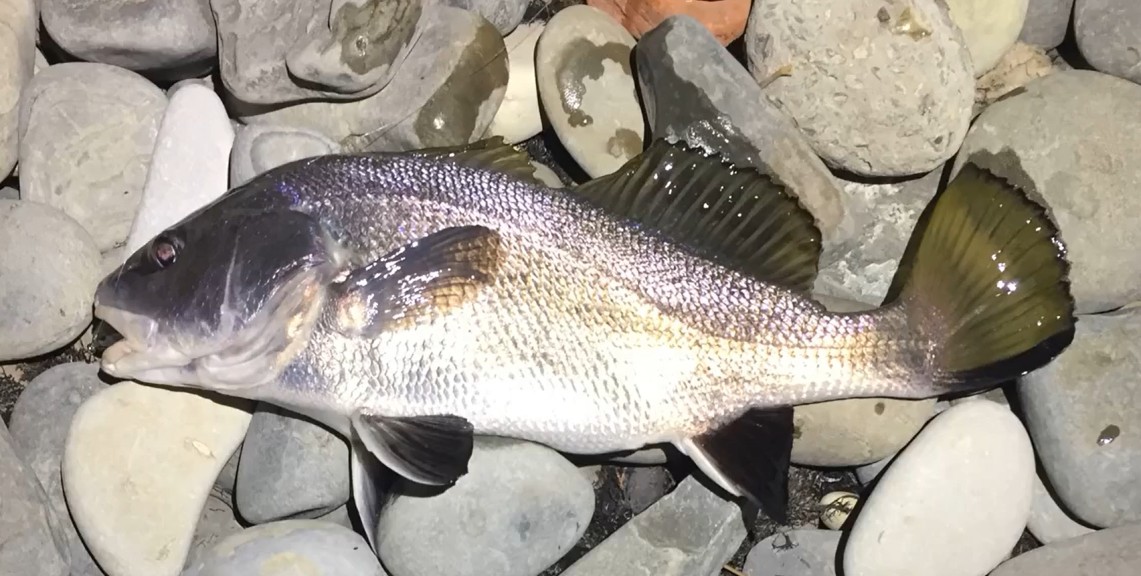
Sciaena umbra
The body of the Brown meagre is elongated, tall, with a humped back, somewhat compressed laterally, …
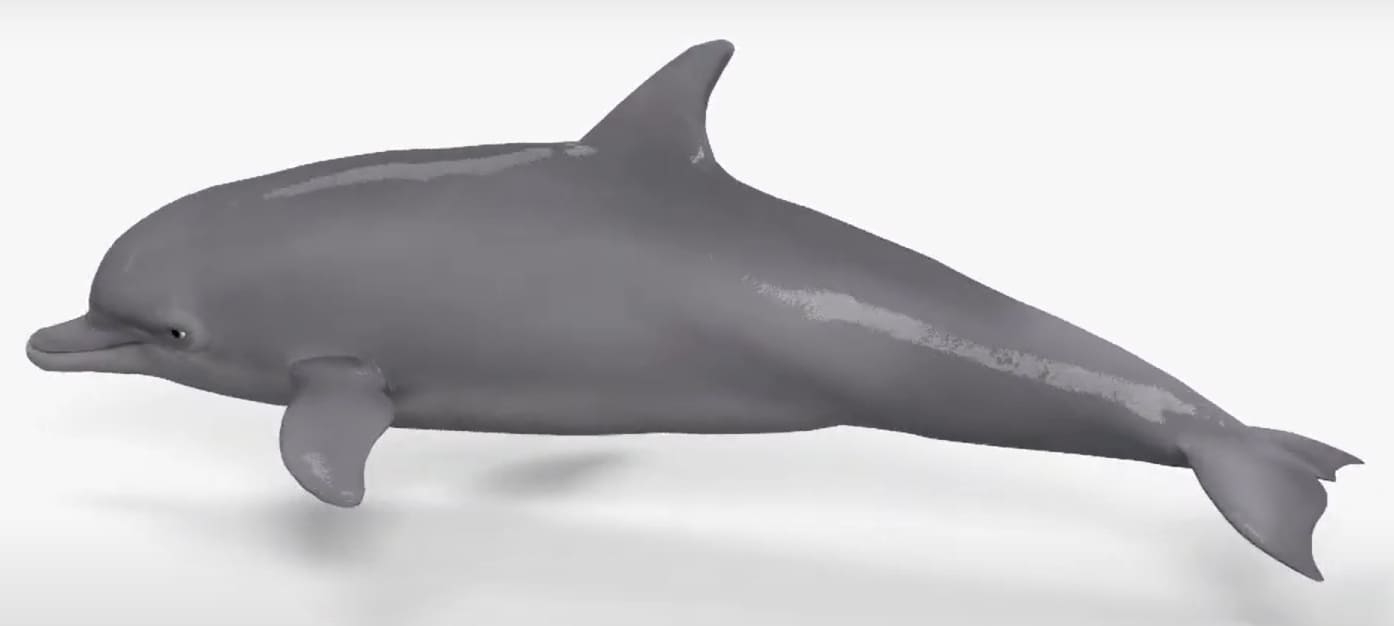
Tursiops truncatus
The moderately developed "beak" is clearly separated from the convex frontal-nasal (fat) pad. The skull reaches …
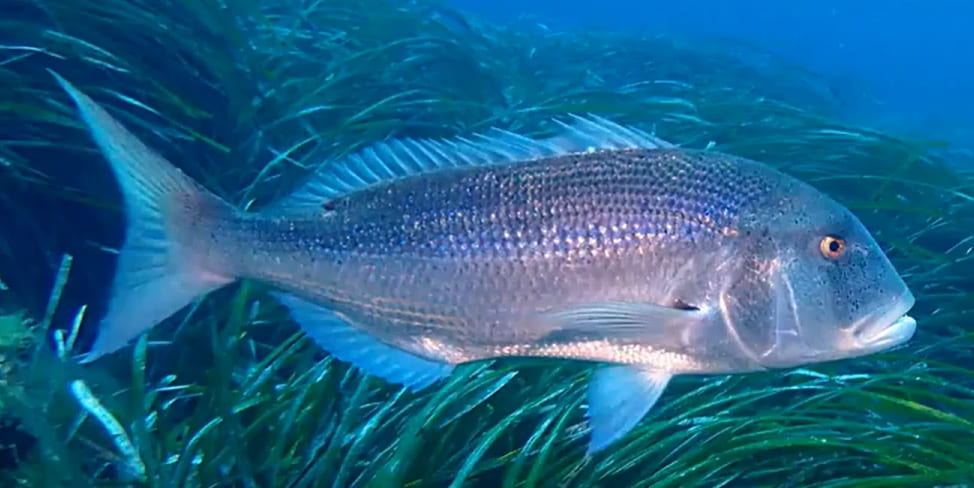
Dentex dentex
Body oval in shape, compressed at the sides. The lateral line organ is clearly visible on …
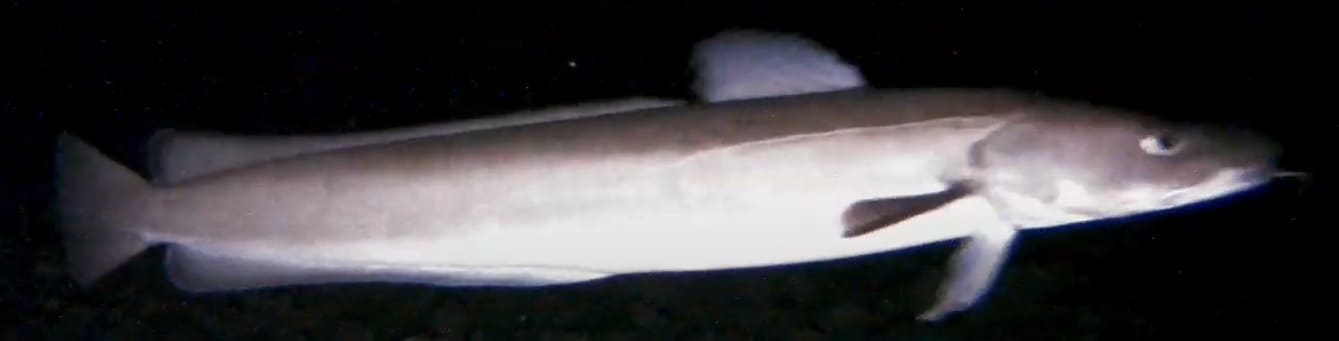
Molva molva
These fish have an elongated body and a long head large mouth, which has large teeth, …
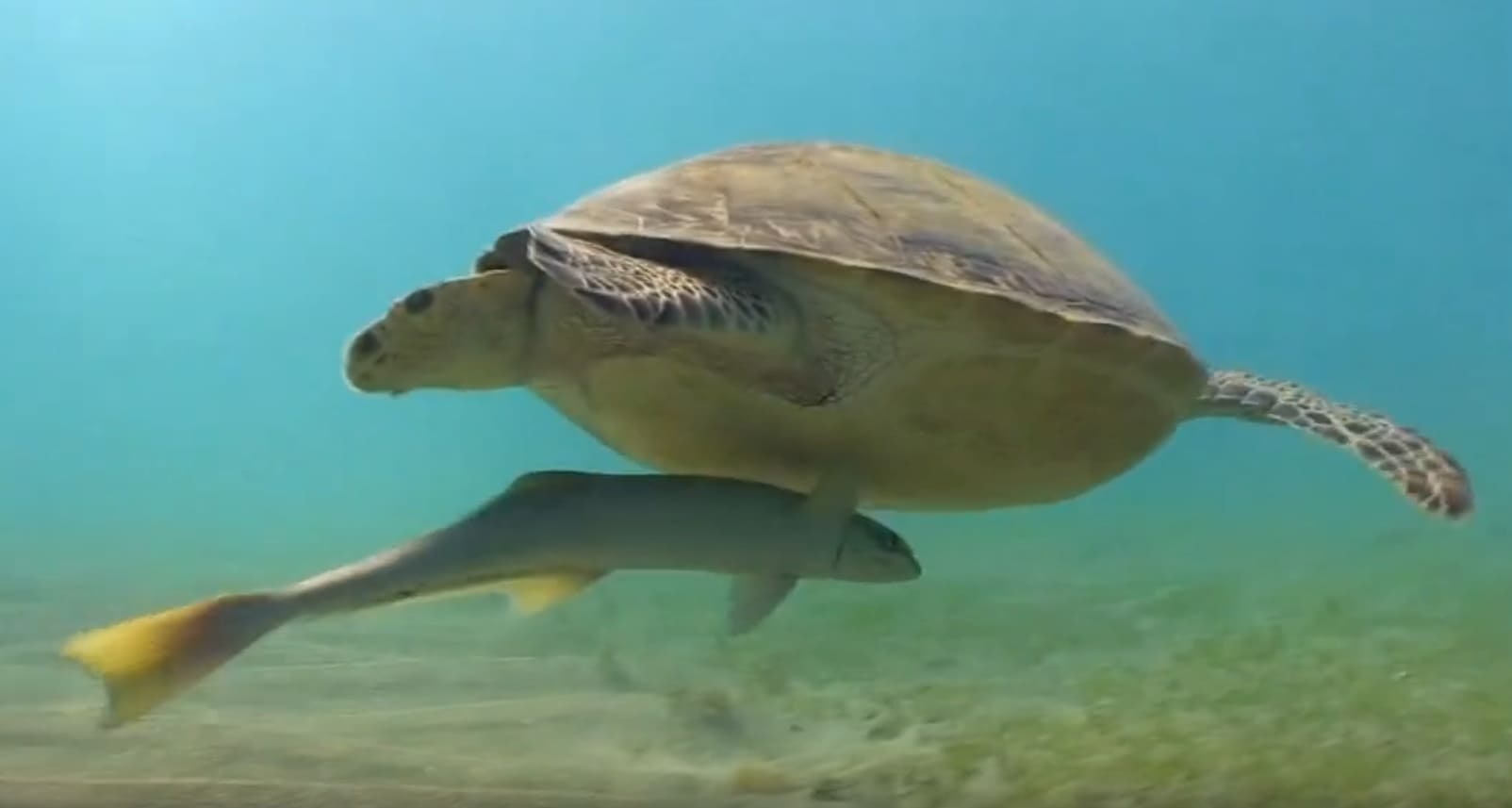
Remora remora
The body of the common remora is flattened horizontally in front and vertically behind. Lower jaw …
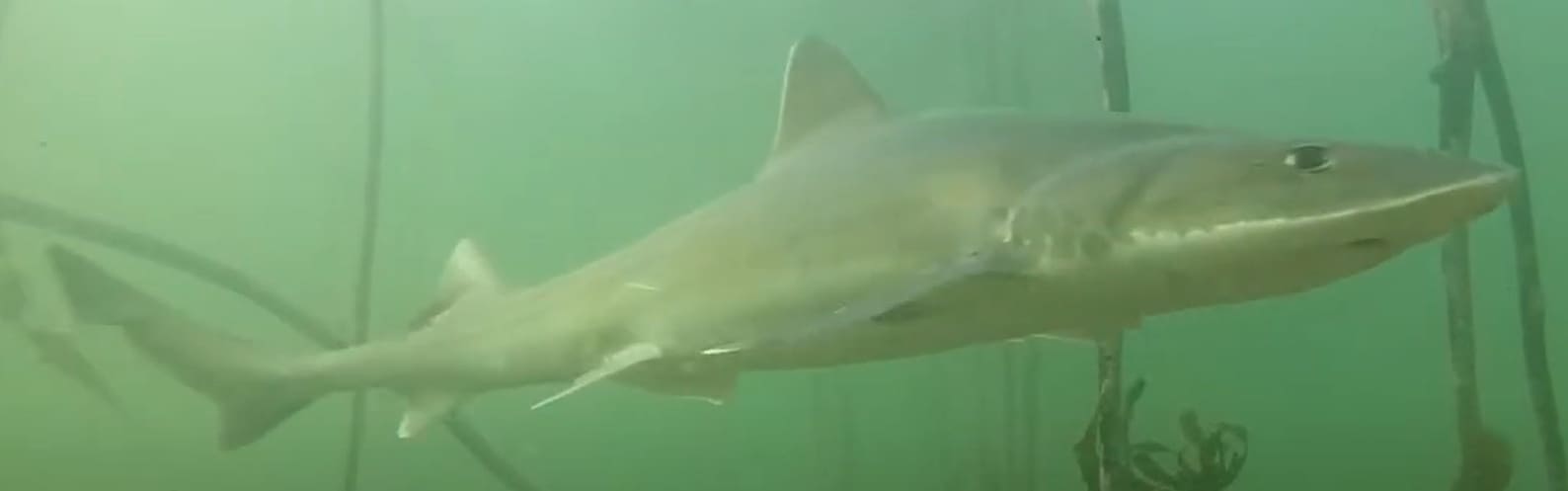
Mustelus mustelus
These sharks have a short head and an elongated body. The distance from the tip of …
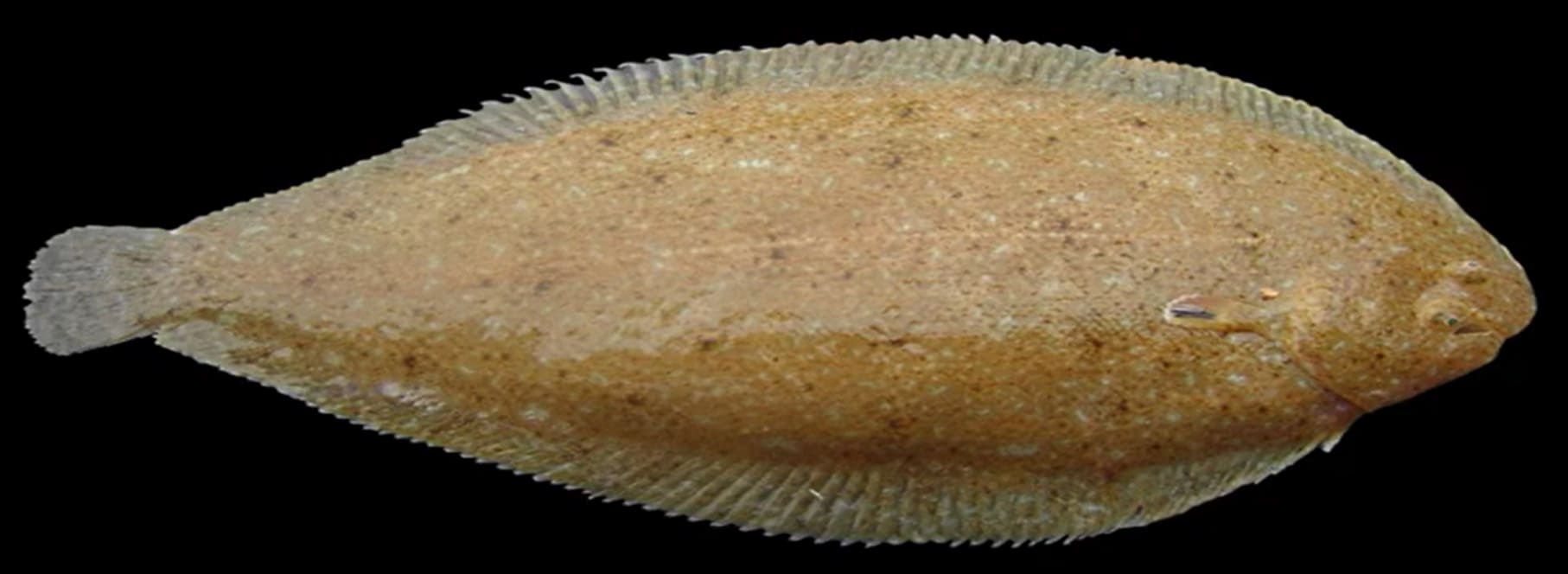
Solea solea
The genus and species names come from the Latin Sole, meaning 'sole', because of the similarity …
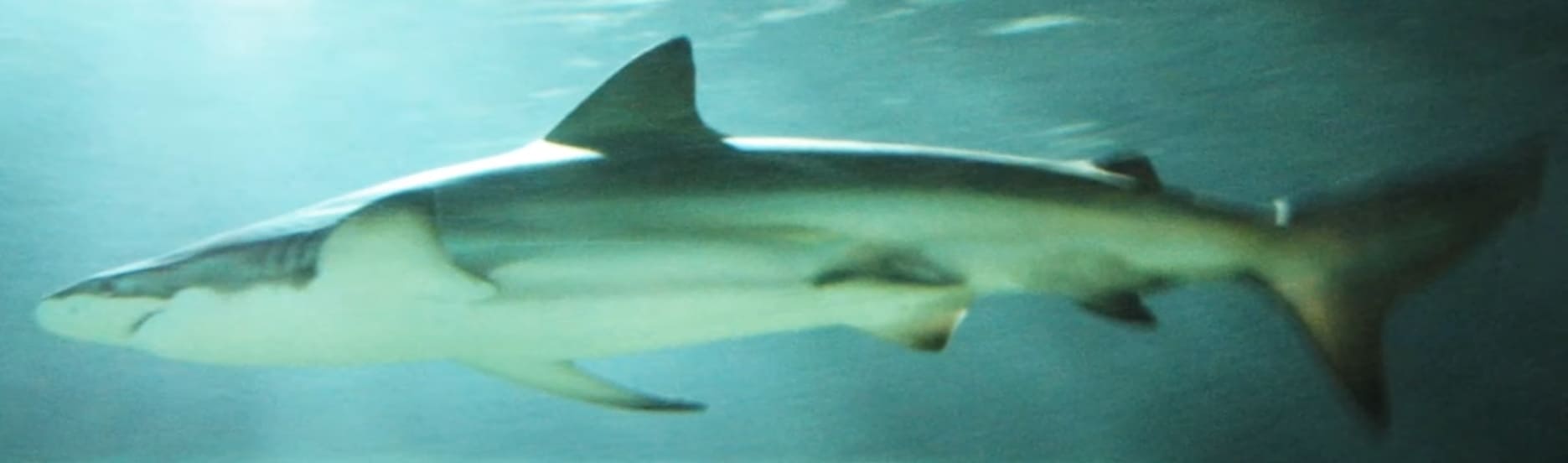
Carcharhinus brachyurus
It has a slender, streamlined body with a slightly curved profile behind the head. The muzzle …
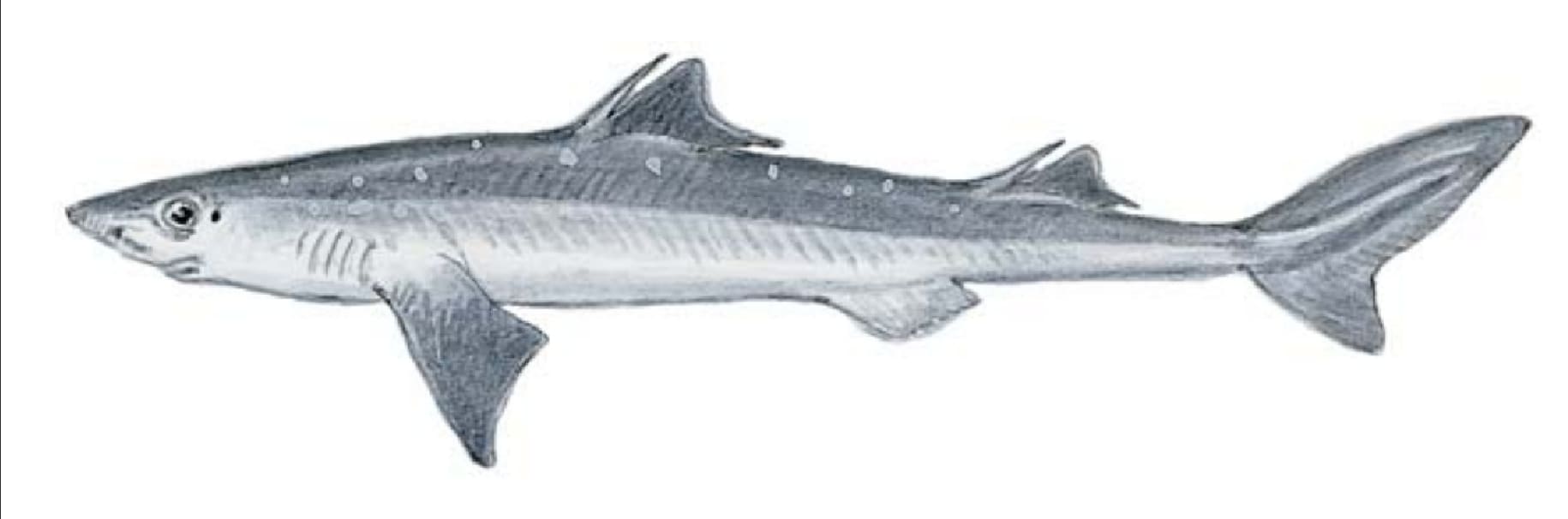
Squalus acanthias
The body is elongated and slender. Head is pointed. Coloration from above from slate-gray to brownish, …
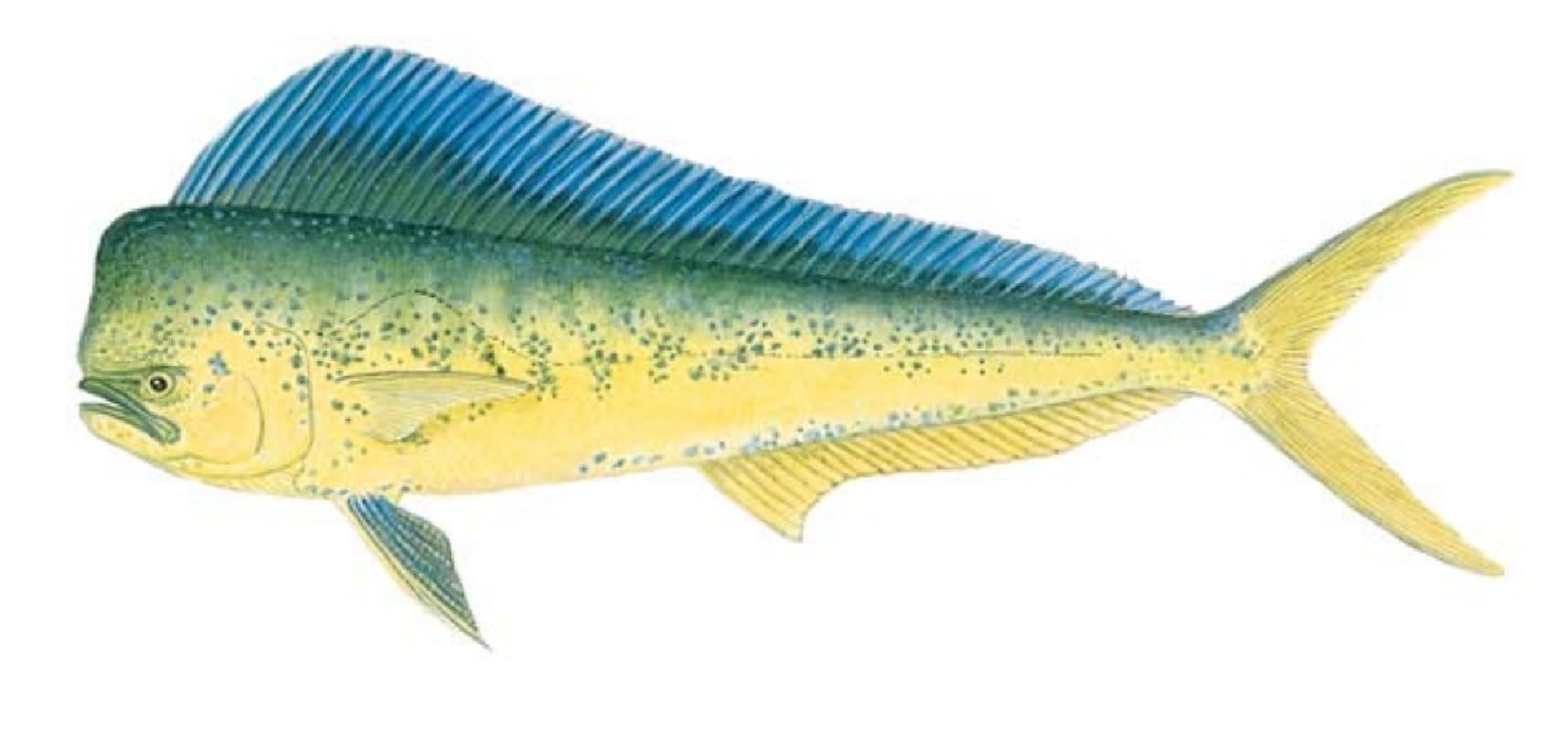
Coryphaena hippurus
The body is slender and streamlined, tapering sharply from head to tail. Large males, called bulls, …
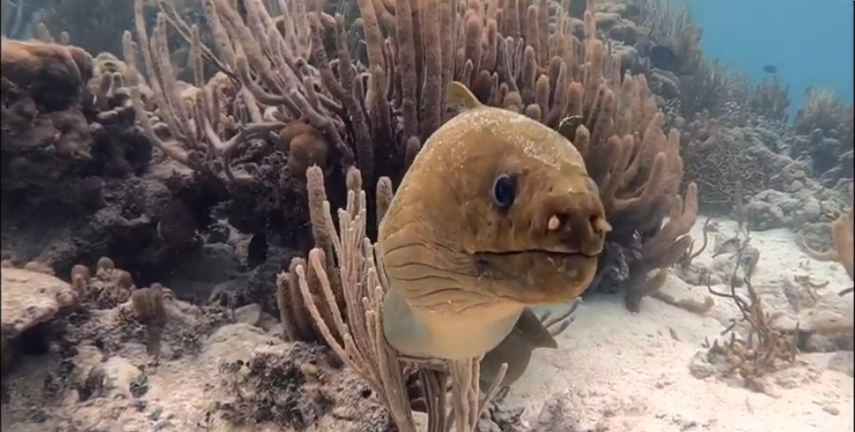
Gymnothorax funebris
The body of a typical moray eel is flattened from the sides, the pectoral fins are …
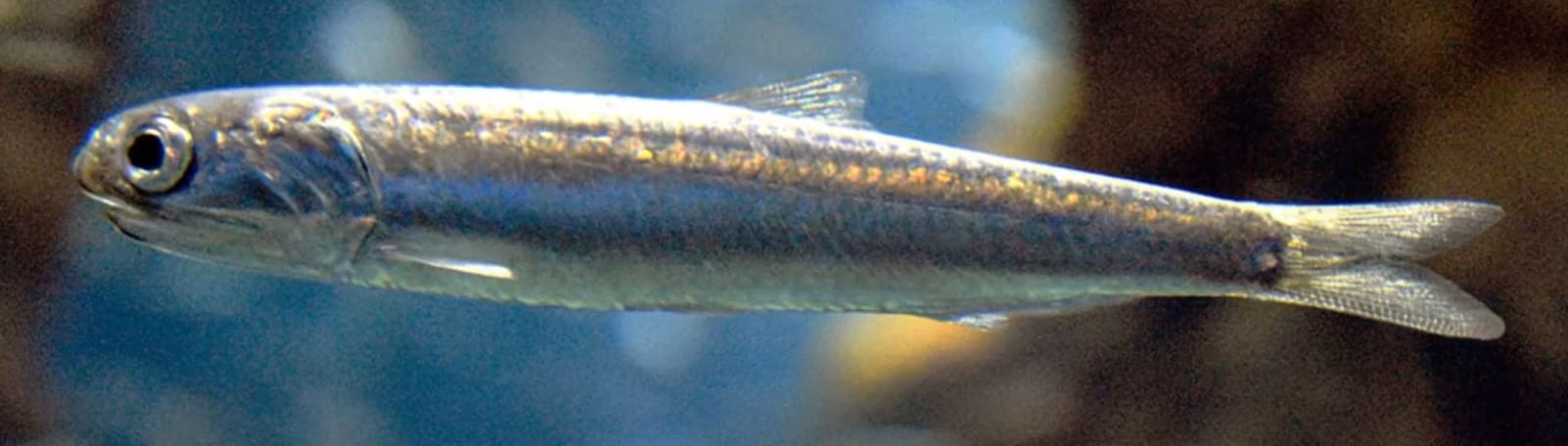
Engraulis encrasicolus
Body elongated, low, covered with cycloid scales, head compressed at the sides, bare. Scales thin, easily …
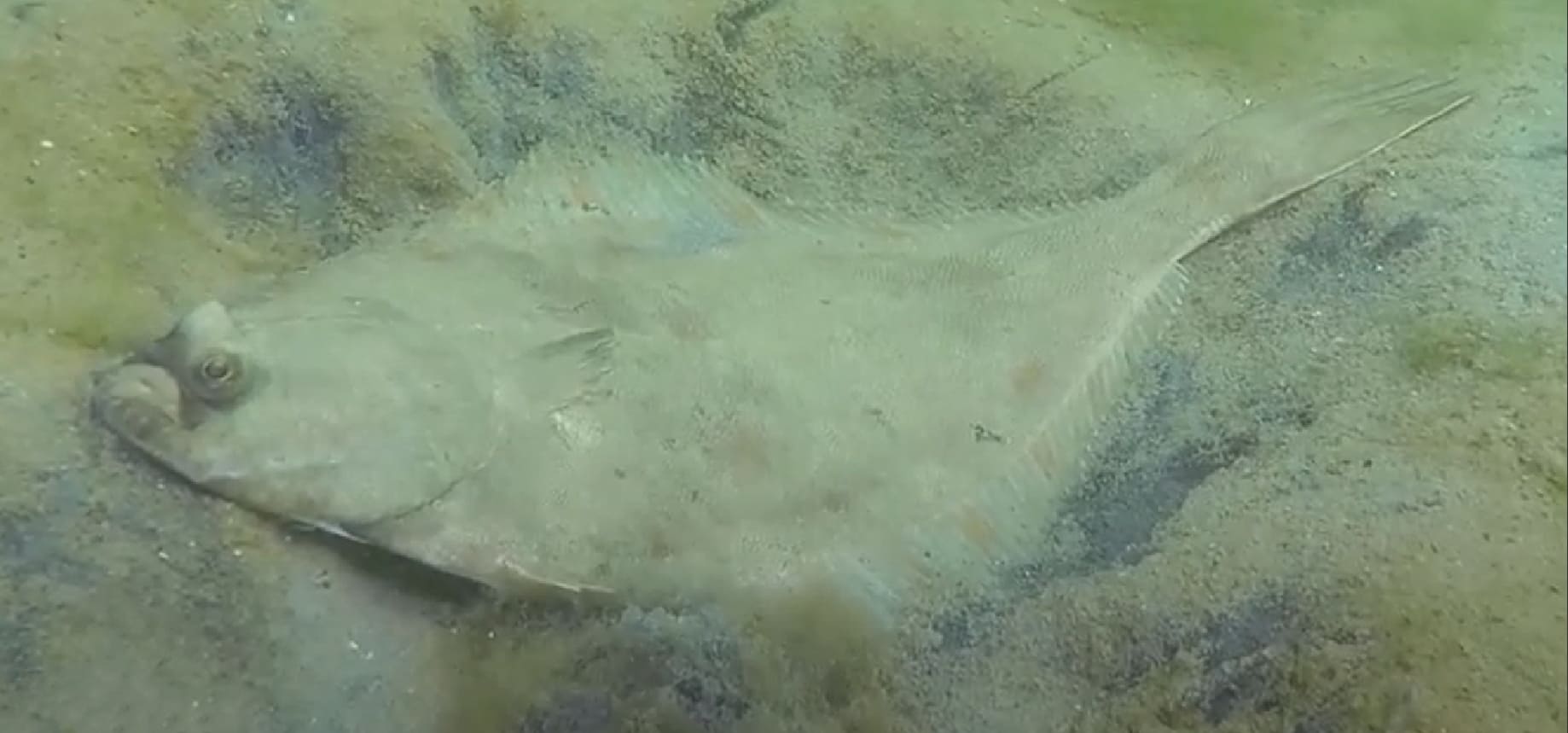
Platichthys flesus
The body is flattened. Both eyes are on the same upper side of the body. In …
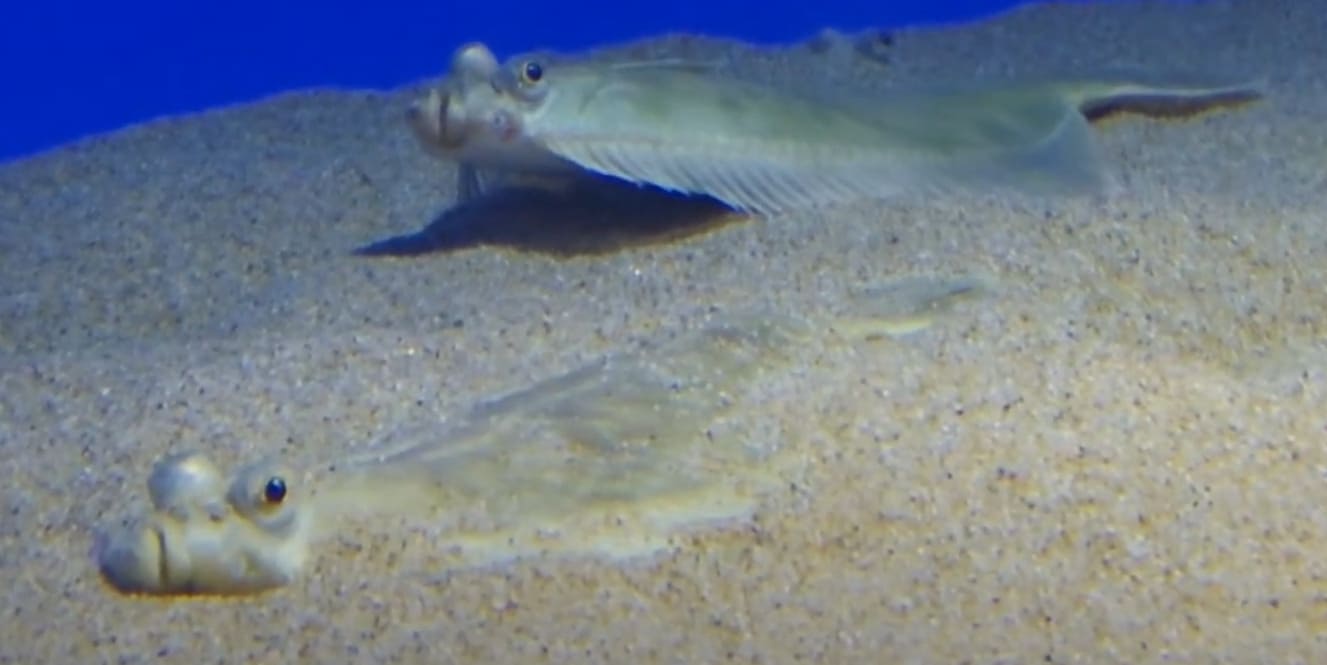
Pleuronectes platessa
The adult body shape is oval, with the body strongly compressed in the dorsoventral direction. The …
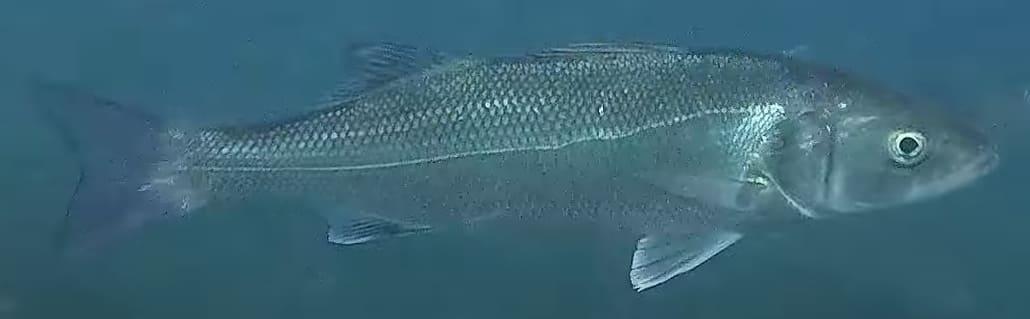
Dicentrarchus labrax
The generic Latin name is derived from the Ancient Greek δύο - two, κέντρον - barb …
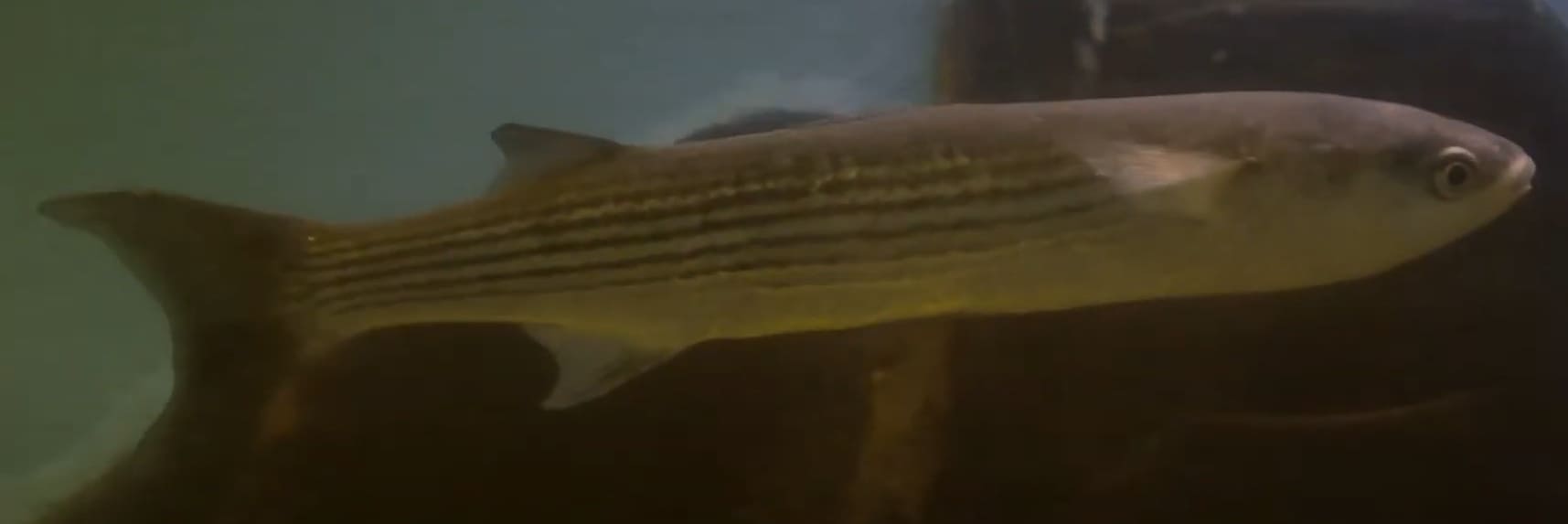
Chelon auratus
The body is elongated, low, barely compressed at the sides and covered with large scales. The …