 Allfishes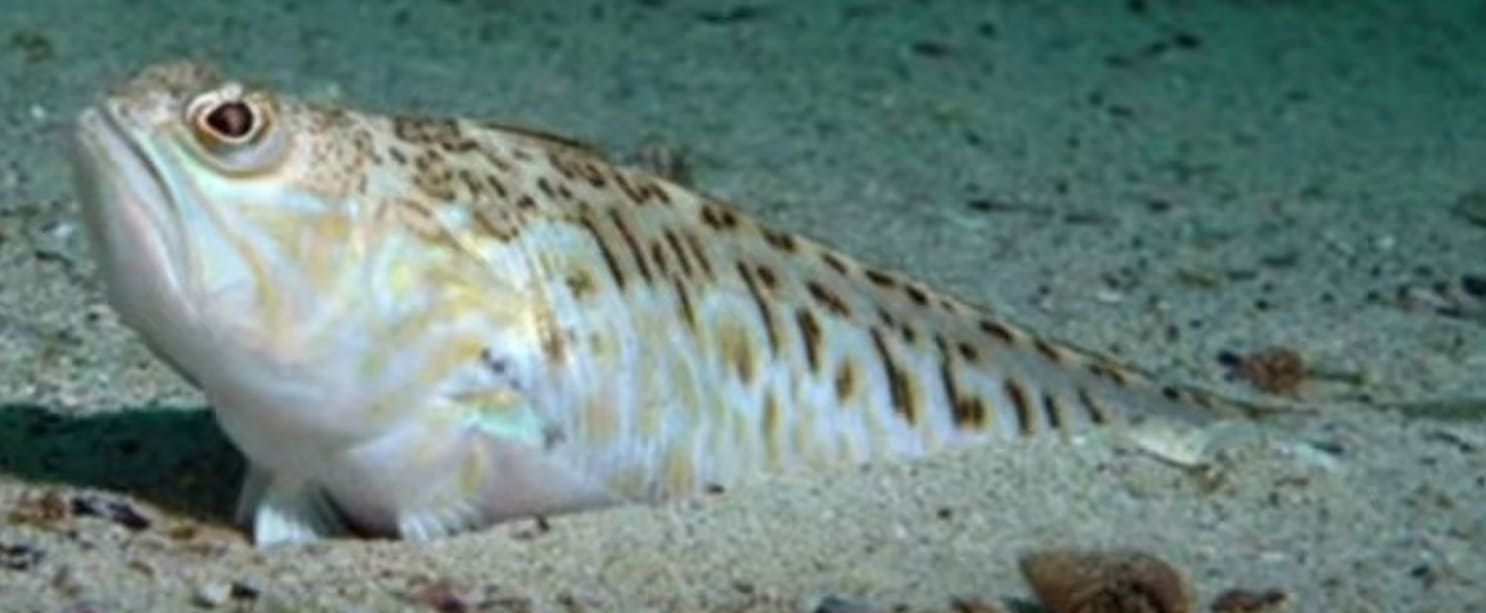
Greater weever
Trachinus draco
Elongated with a large angular head, a groundfish. The mouth is relatively large and slanted upwards. …
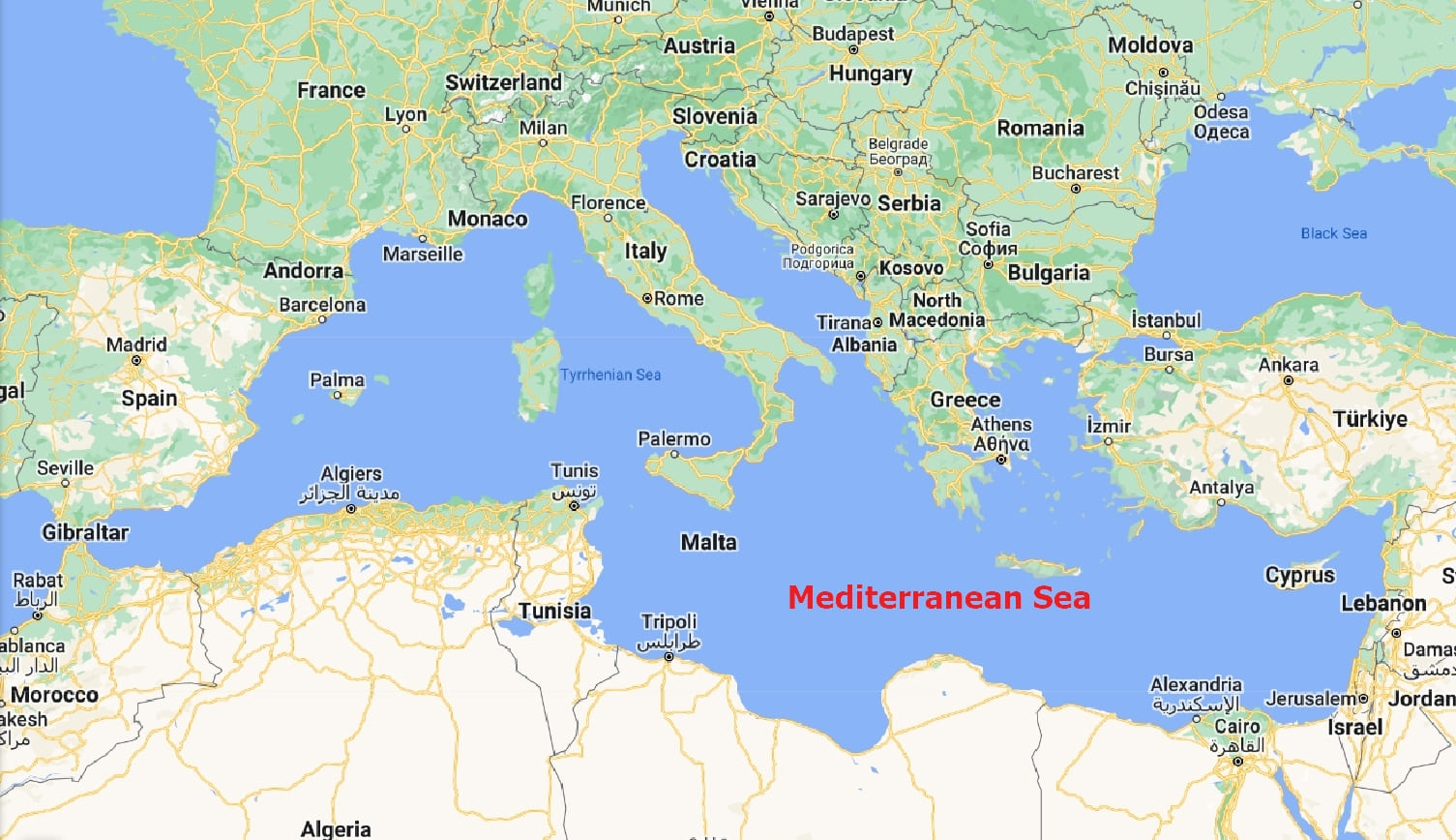
The fauna of the Mediterranean is characterised by a great diversity of species, but the number of representatives of each species is small. There are crayfish, one species of seal (the Mediterranean monk seal), sea turtles and 550 species of fish.
Zooplankton of the Mediterranean Sea
The Mediterranean Sea is characterised by a relatively low quantitative development of zooplankton, resulting in relatively few large animals, including fish, feeding on them.
Sharks, scombridae, clupeidae, anchovy, mugilidae, coryphaenidae, tuna, sarda, trachurus, etc. are the most common species found in the Mediterranean. About 70 species of fish are endemic, among them: rays, some species of hamsa, gobies, dogfish, guban, needlefish.
Mammals in the Mediterranean include dolphins, white-bellied seals, killer whales and porpoises. Turtles are also found.
The most important edible molluscs are the oyster, the Mediterranean-Black Sea mussel and the sea date.
Among the invertebrates, octopus, squid, sepia, crabs, achelata are common; species of jellyfish, siphonophores, thaliaceans, pyrosomes are abundant; sponges and red corals inhabit some areas.
There are believed to be more than 40 species of sharks in the Mediterranean Sea. The list of the most famous species includes:
Carcharodon carcharias - great white shark;
Galeocerdo cuvier - tiger shark;
Odontaspis taurus - sand shark;
Carcharhinus leucas - bull (bluntnose) shark;
Carcharhinus longimanus - oceanic longfin shark;
Isurus oxyrinchus - mako shark;
Heptranchias perlo - seven-gill shark;
Sphyrna mokarran - giant hammerhead shark;
Prionace glauca - blue (blue) shark;
Carcharhinus melanopterus - blacktip shark;
Negaprion brevirostris - lemon shark.
There are not many inhabitants in the Mediterranean Sea that are dangerous to humans. These are: luminous violet jellyfish, hermodice carunculata, sea eels and moray eels, stingrays, sea ruffs, and dasyatis.
Trachinus draco is the only dangerous fish in the Mediterranean that can attack humans first. It has venomous spines that contain a powerful toxin that can cause prolonged pain.
In total, there are more than 200 species of jellyfish in the Mediterranean. The most common species are Cotylorhiza tuberculata, Aurelia aurita, Pelagia noctiluca and Cassiopea Andromeda. Mediterranean jellyfish live at different depths, from coastal areas to the deep sea.
One of the most famous inhabitants of the Mediterranean is the Caretta caretta, or sea turtle. This unique and rare species attracts attention with its charming appearance and unusual way of living in the marine environment. Other interesting creatures include the common dolphin and the Atlantic white-sided dolphin.
Showing 25–48 of 56
Trachinus draco
Elongated with a large angular head, a groundfish. The mouth is relatively large and slanted upwards. …
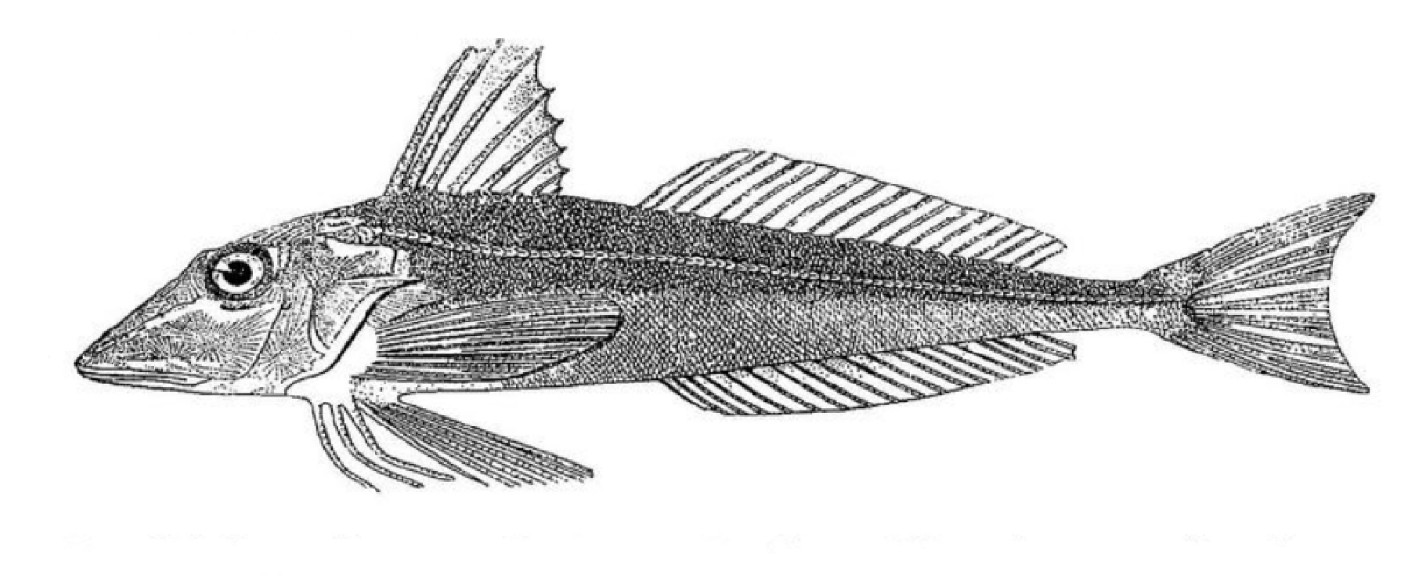
Eutrigla gurnardus
The elongated body of the gray gurnard is covered with fine scales; scales are absent from …
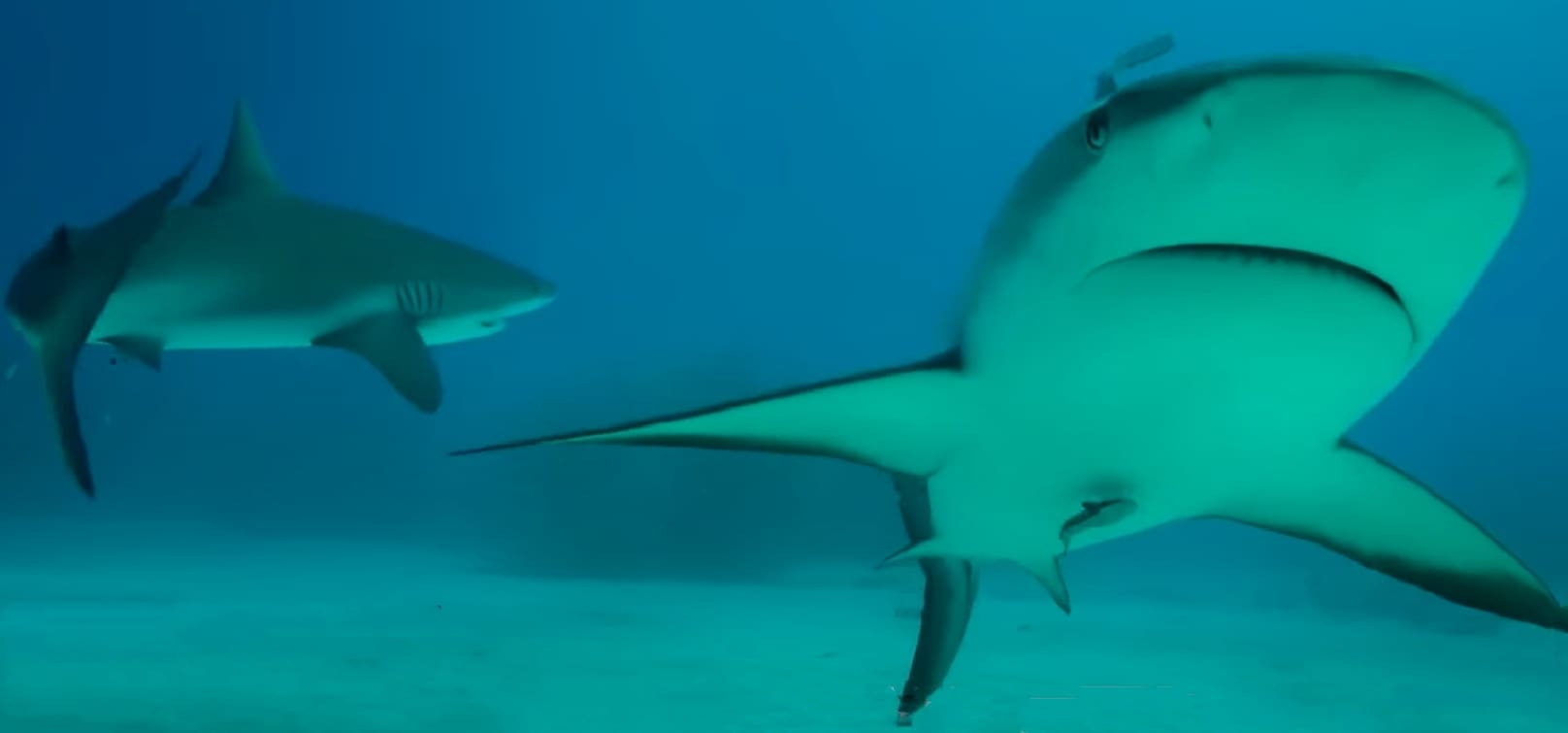
Carcharhinus amblyrhynchos
The body of the fish is torpedo-shaped, the snout is round, wide, the eyes are round, …
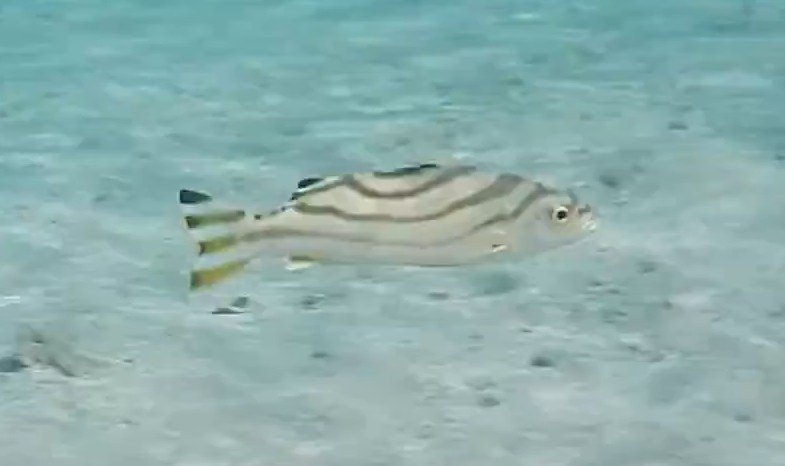
Terapon jarbua
The Jarbua terapon has an oblong body, moderately compressed laterally. The mouth is oblique, with jaws …
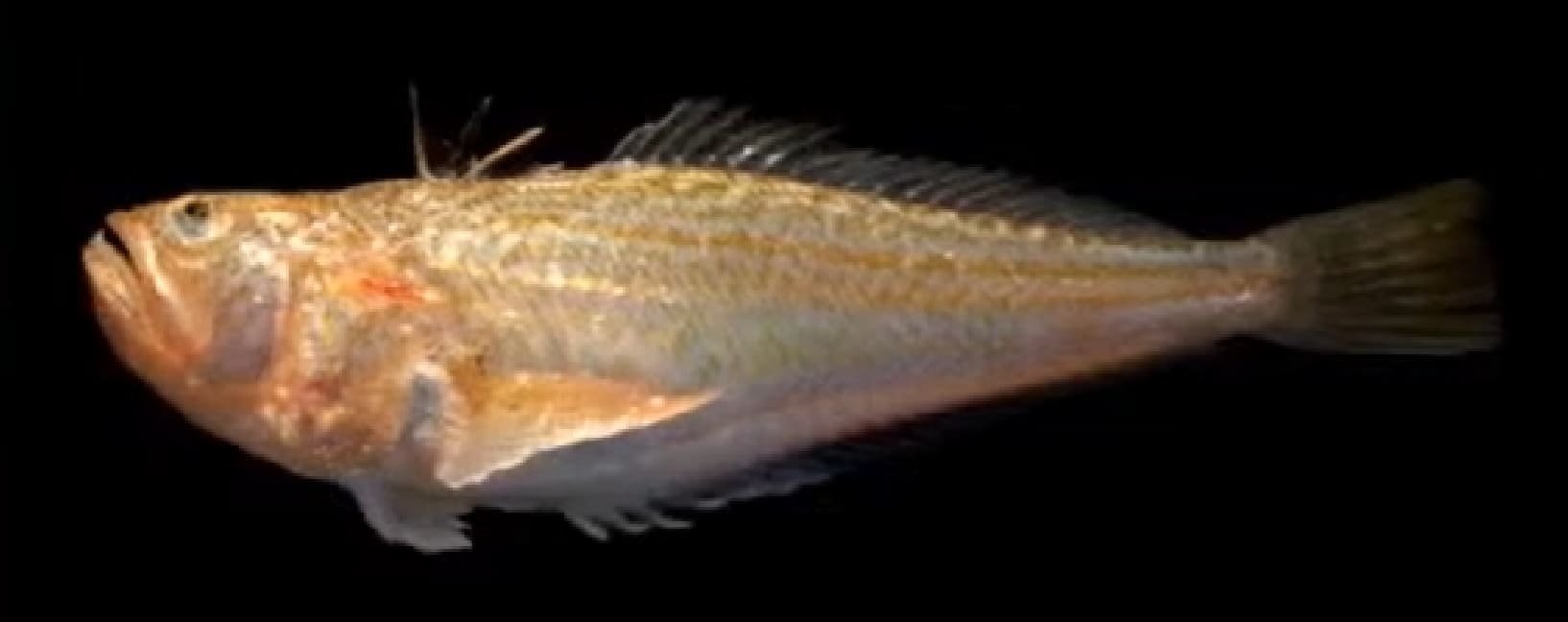
Echiichthys vipera
It has an elongated body, compressed at the sides; its height exceeds ⅕ of the body …
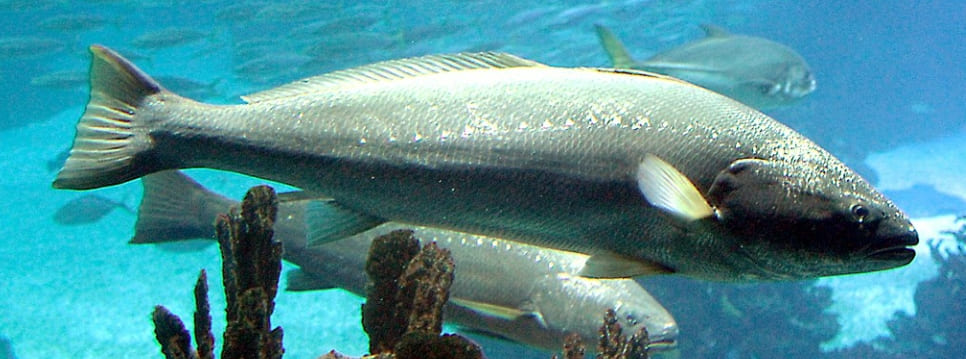
Argyrosomus regius
Body elongated, rather low, compressed at the sides, covered with ctenoid scales. The scales are cycloid …
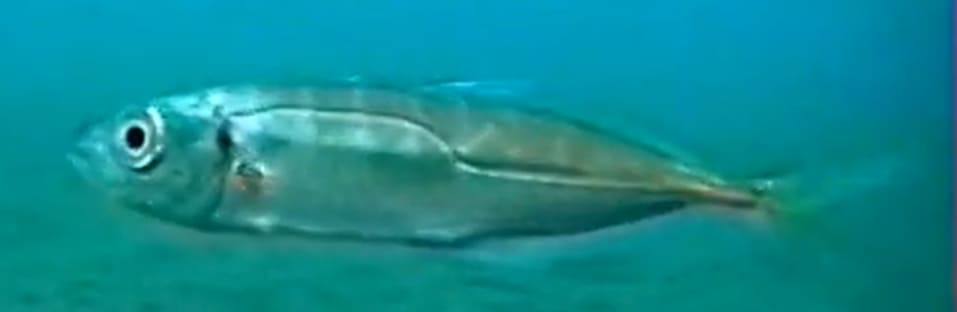
Trachurus mediterraneus
The body is relatively low, rounded; its greatest height is 16.8-24.0% of body length to the …
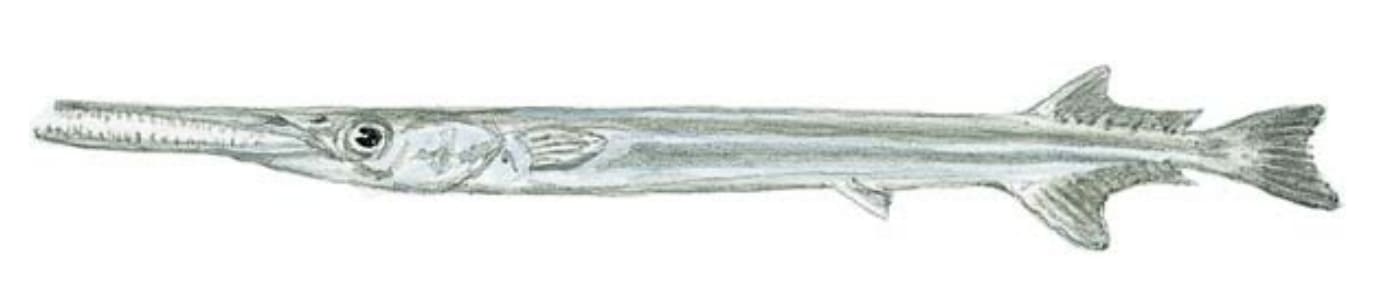
Atlantic Needlefish
The most characteristic features of needlefish are elongated upper and lower jaws with numerous needle-like teeth. …
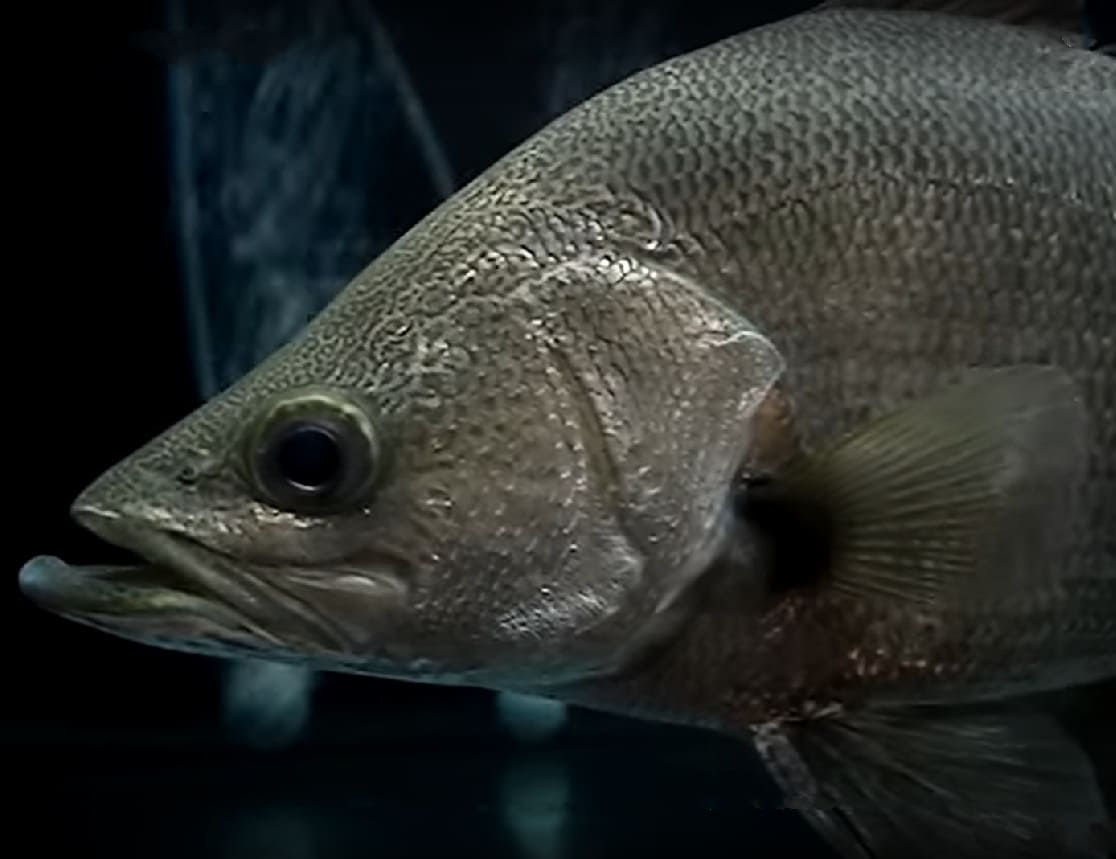
Lates niloticus
Body elongated, laterally compressed. Dorsal spines: 7-8; Dorsal soft rays: 8-14; Anal spines: 3; anal soft …
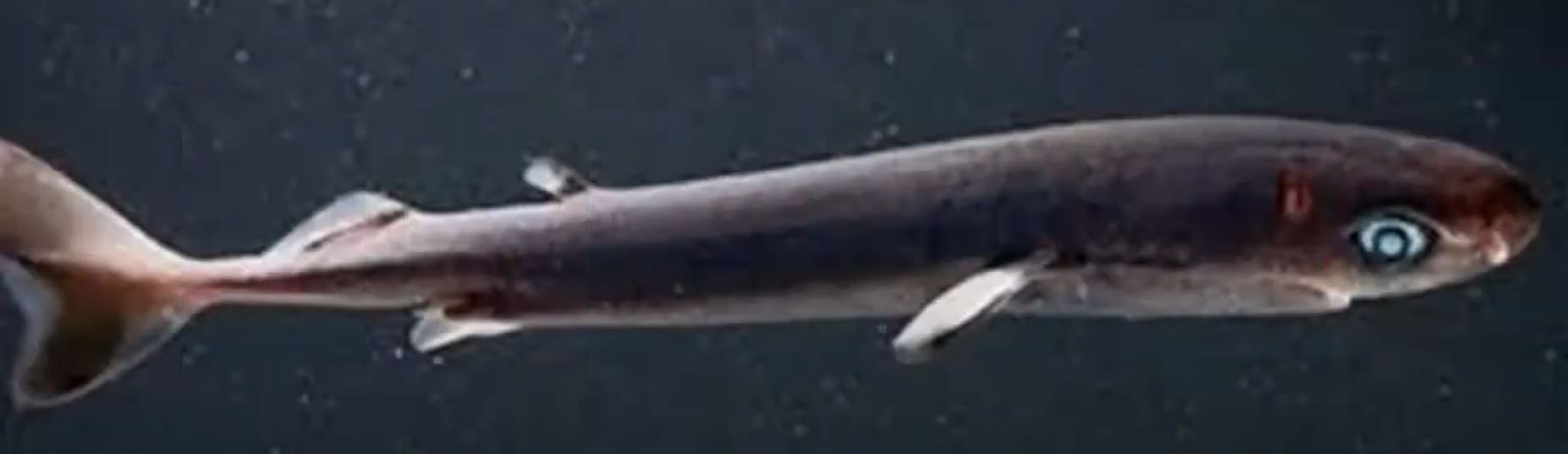
Euprotomicrus bispinatus
The generic name comes from the ancient Greek words εὖ 'good', πρώτος 'first' and μικρός 'small'.The …
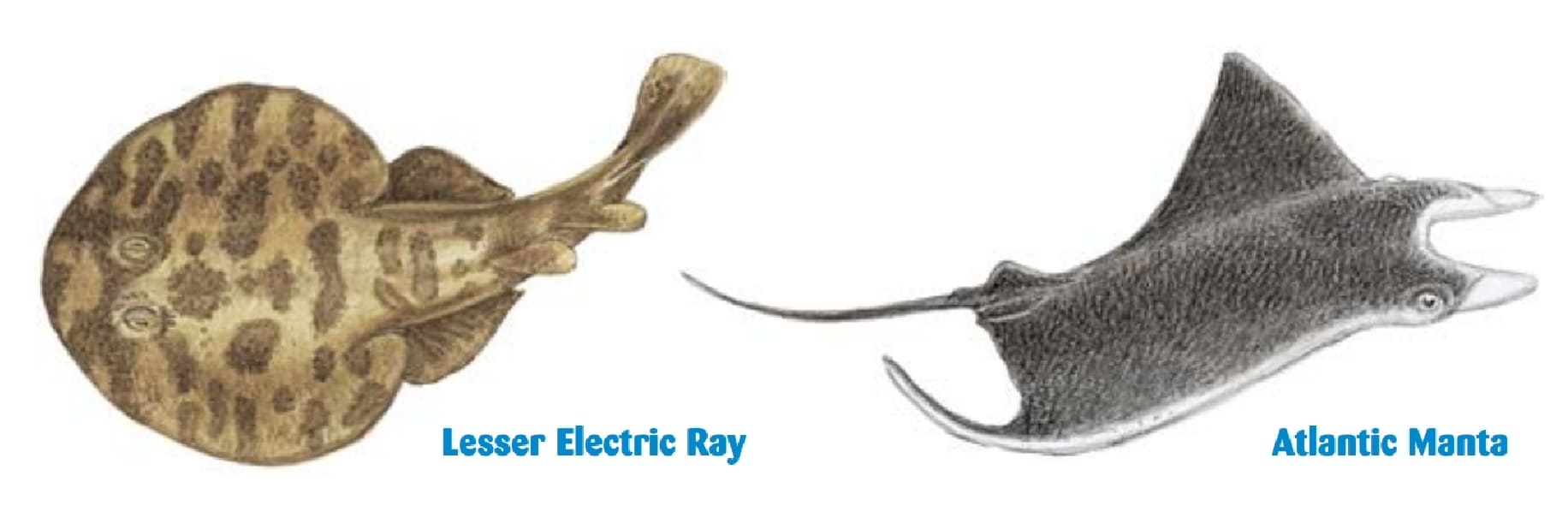
No information
Among the dominant distinguishing features of this order are the gill openings, located entirely on the …
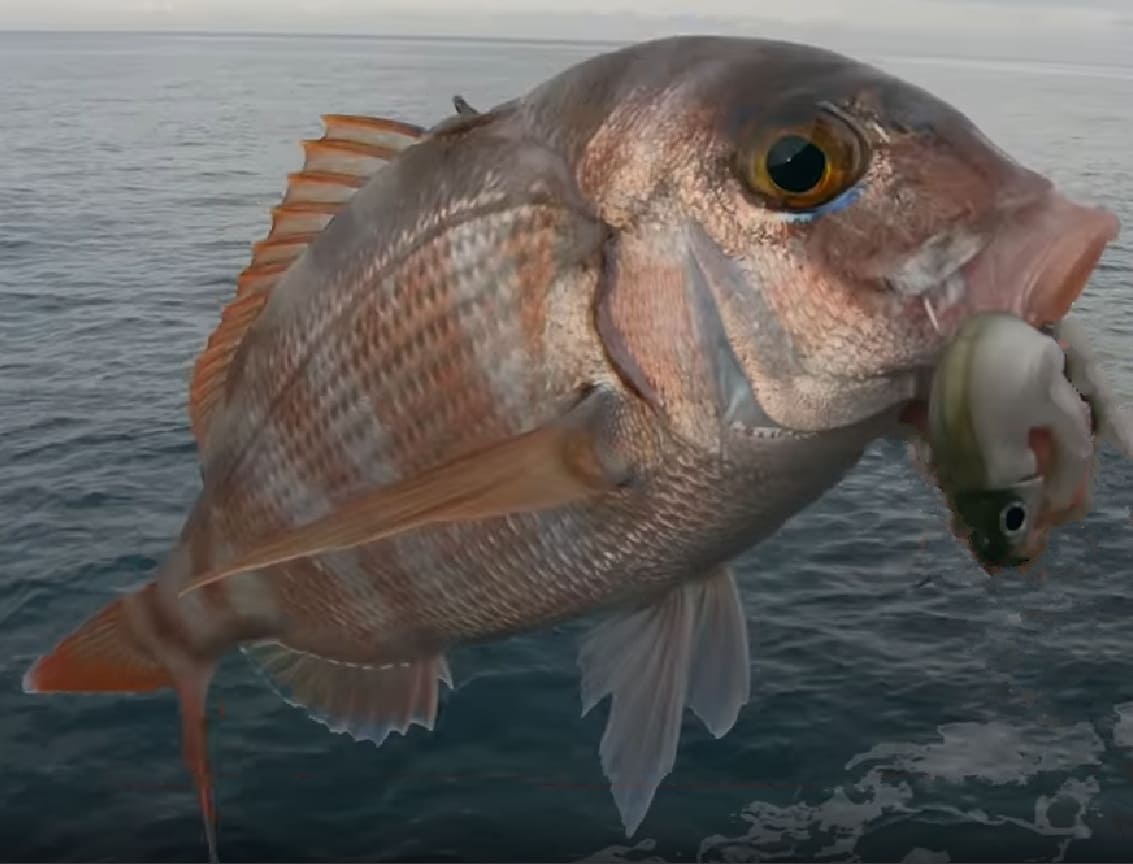
Pagrus pagrus
Body oval, moderately deep. Head profile convex, slightly steeper in front of the eyes; 6 or …
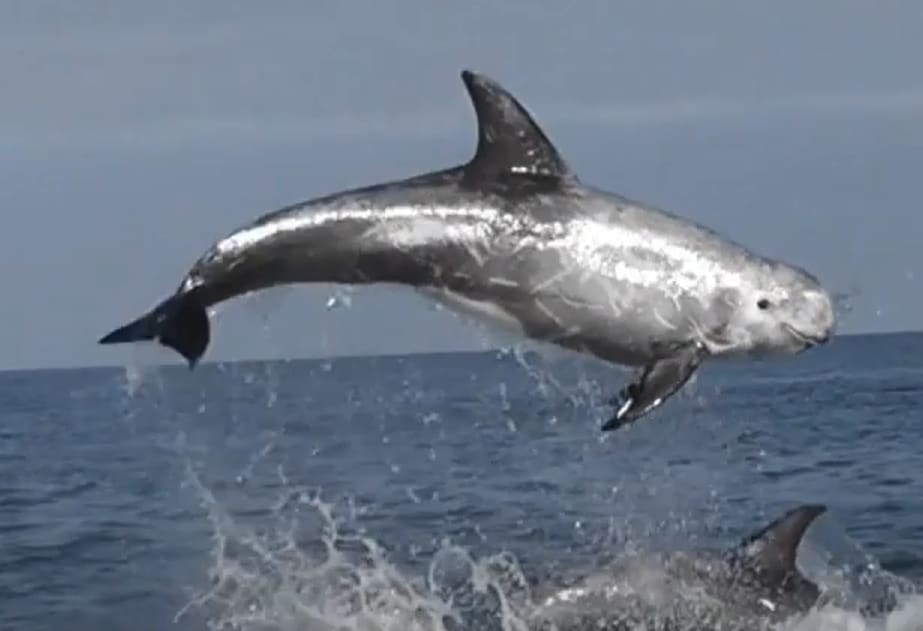
Grampus griseus
Risso's dolphin lacks the typical beak of other dolphins. It has a relatively large front body …
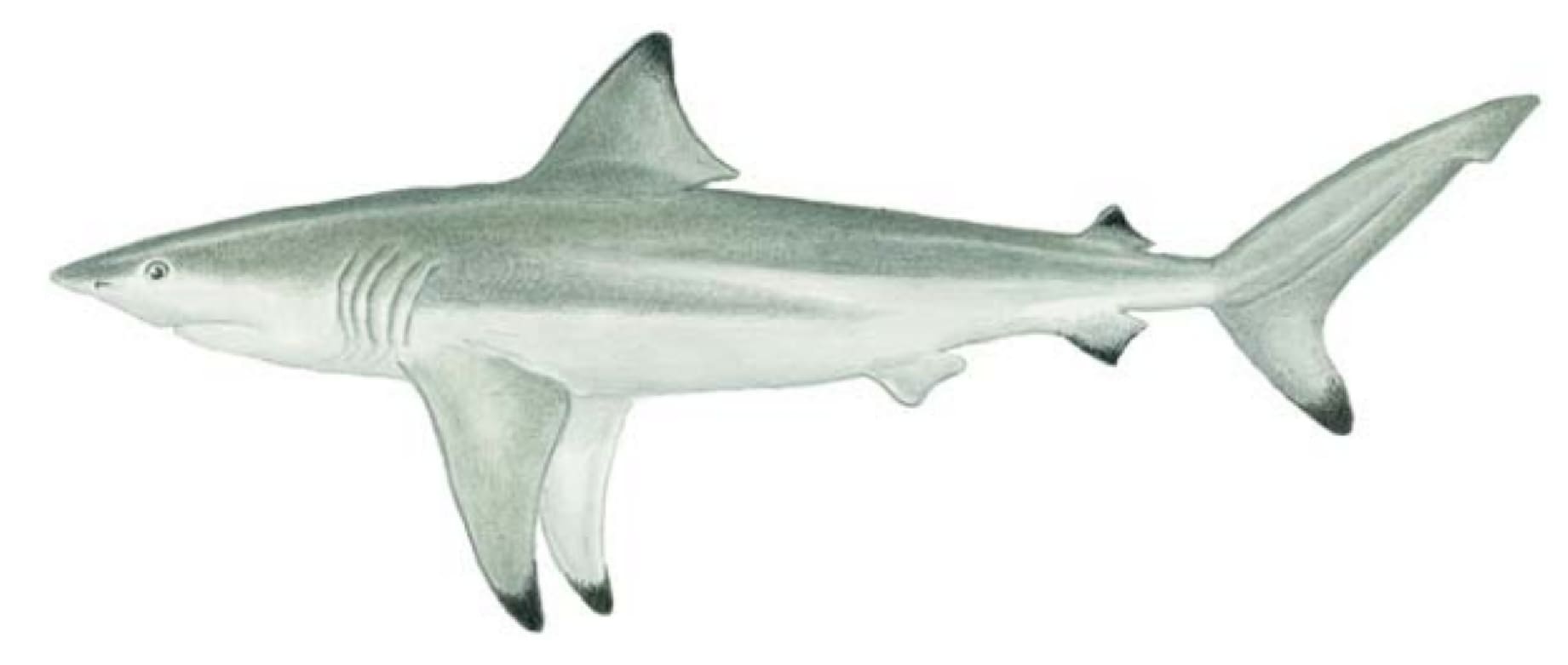
Carcharhinus limbatus
Dark bluish-gray on the back and whitish underneath, with a distinctive silvery-white stripe on each side. …
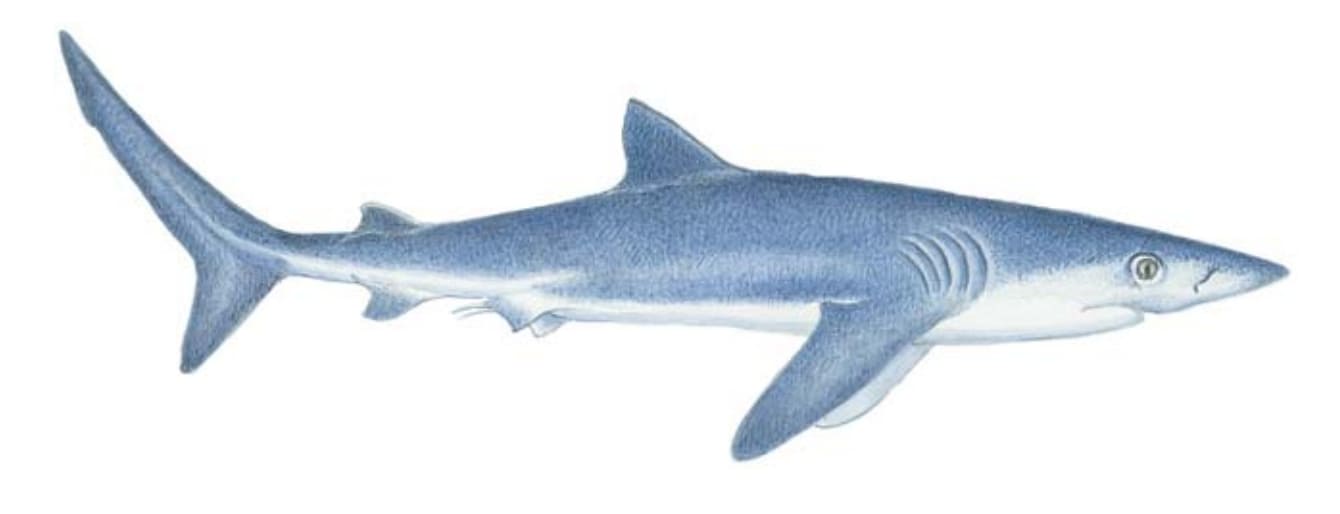
Prionace glauca
The blue shark is very slender and streamlined, with a long and pointed snout that is …
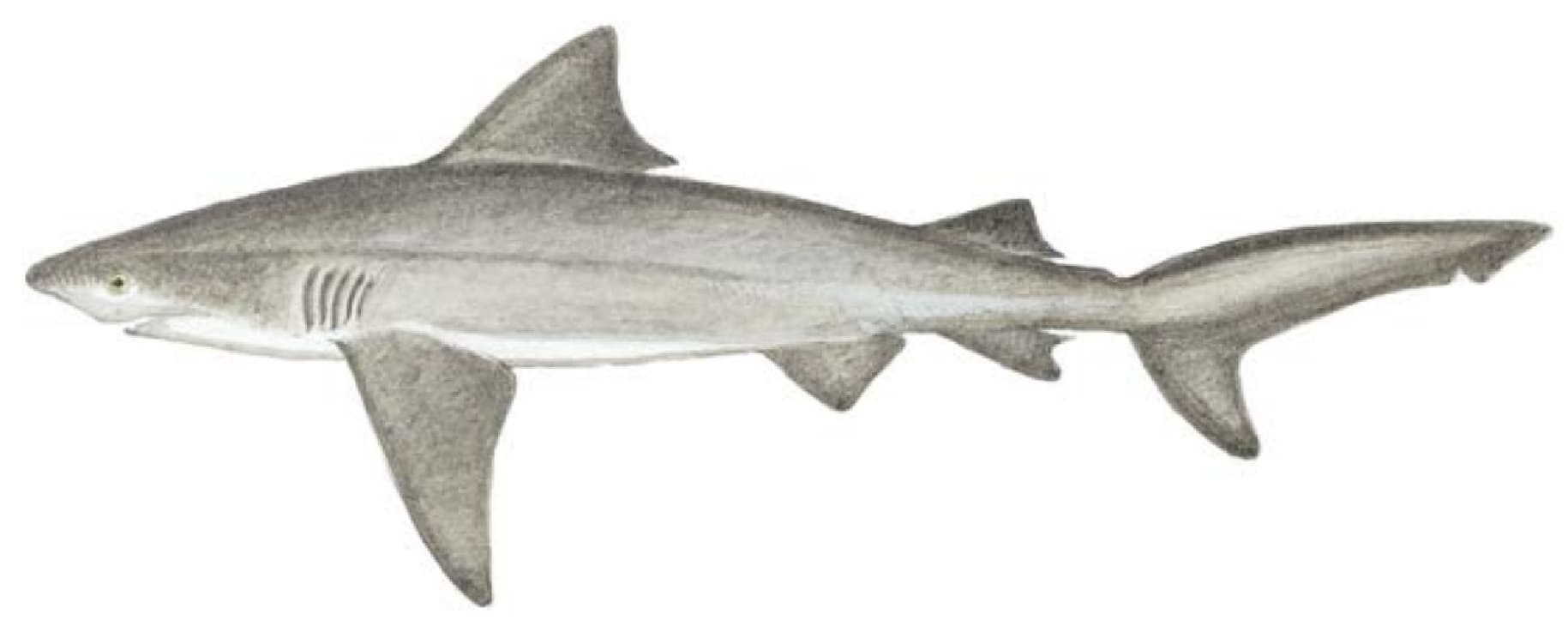
Carcharhinus leucas
The Bull shark gets its name from its bull-like head and is known for its heavy …
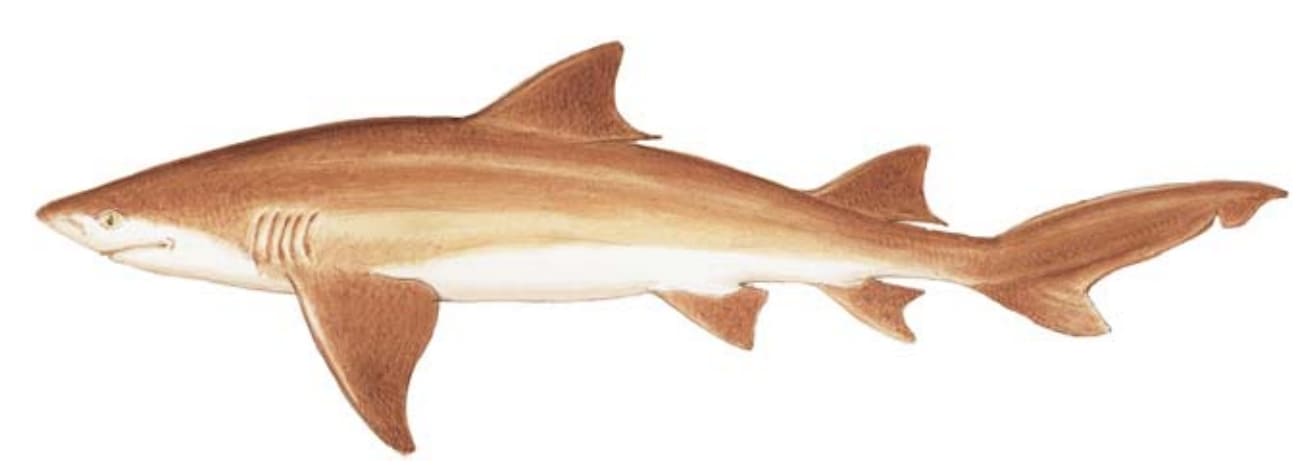
Negaprion brevirostris
It is usually yellow-brown, but can also be a dirty dark brown or dark gray with …
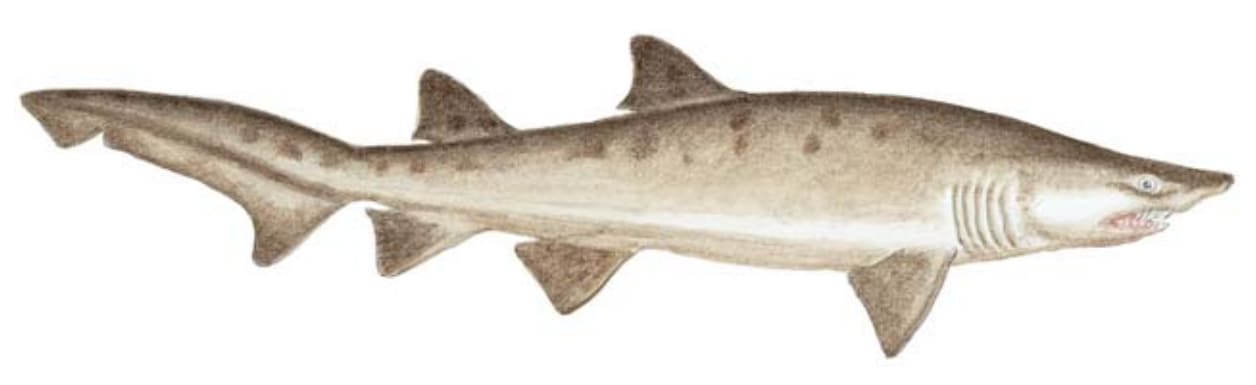
Carcharias taurus
It has a grayish-brown or tan coloration, with dark brown spots on the sides that increase …
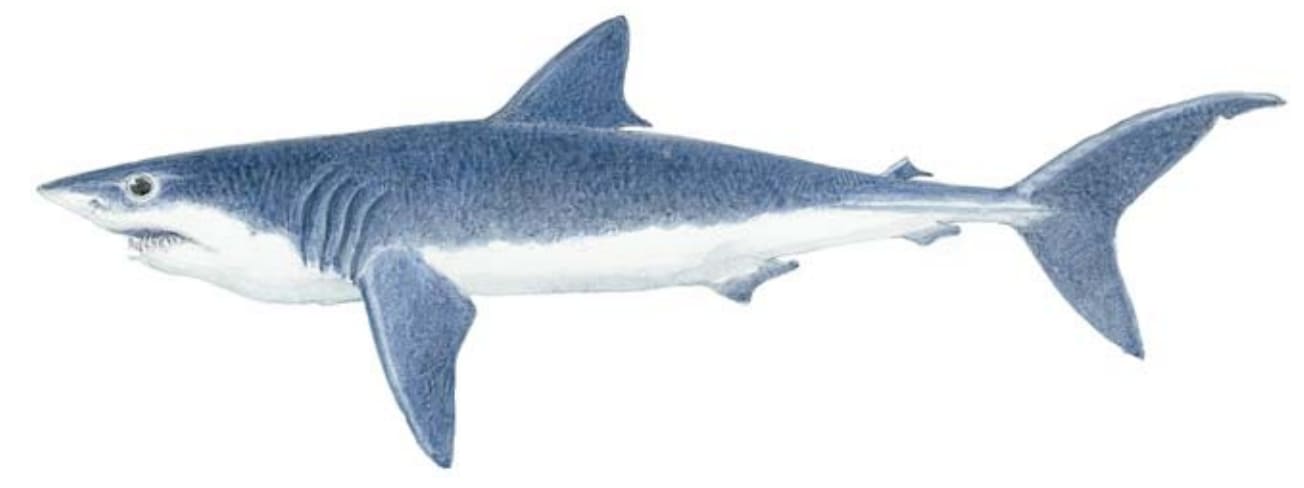
Isurus oxyrinchus
The snout is sharp, conical. There are 24-25 sharp lanceolate teeth on each jaw. The caudal …
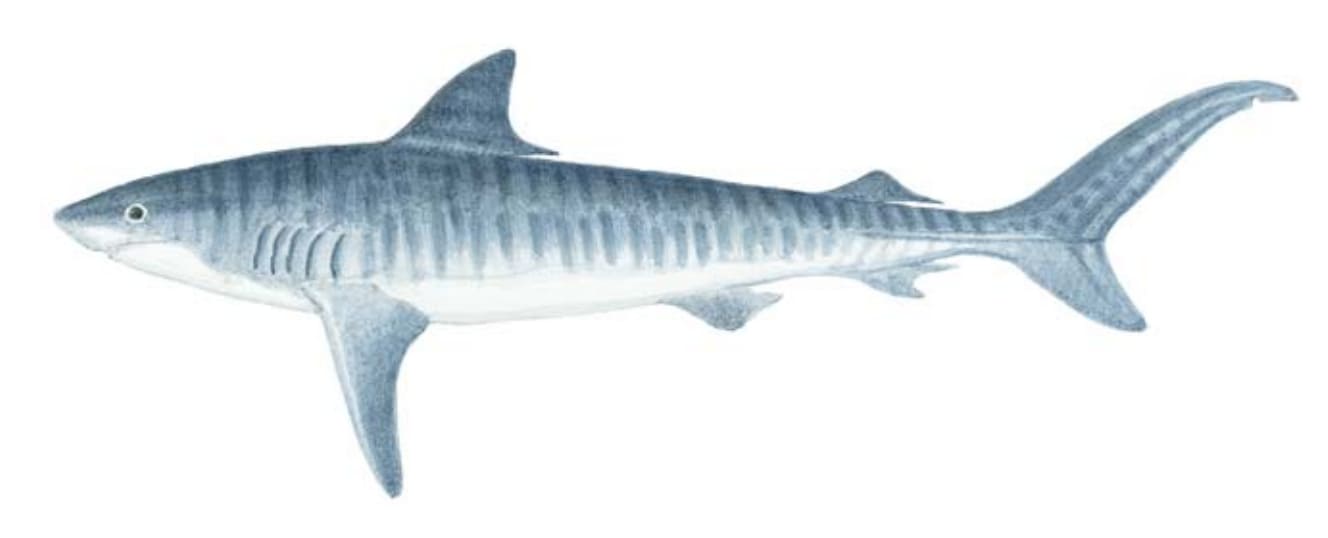
Galeocerdo cuvier
Dark bluish-gray or brownish-gray above and whitish below, the tiger shark is so called because of …
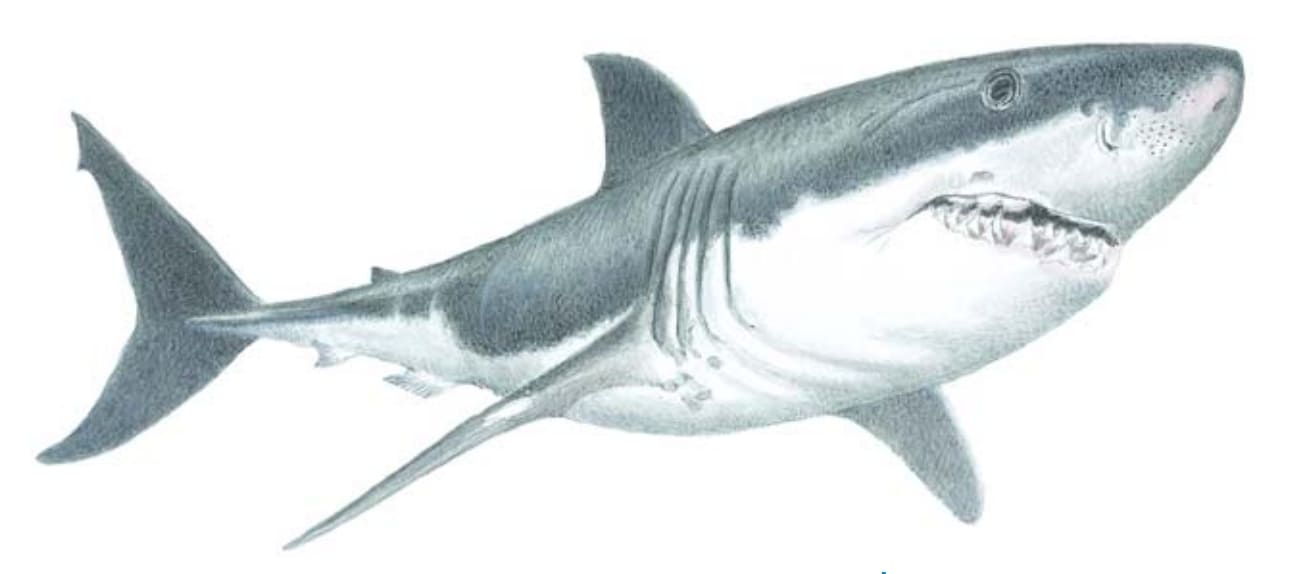
Carcharodon carcharias
The white shark has a strong, heavy body that can be a dull slate-blue, grayish-brown, or …
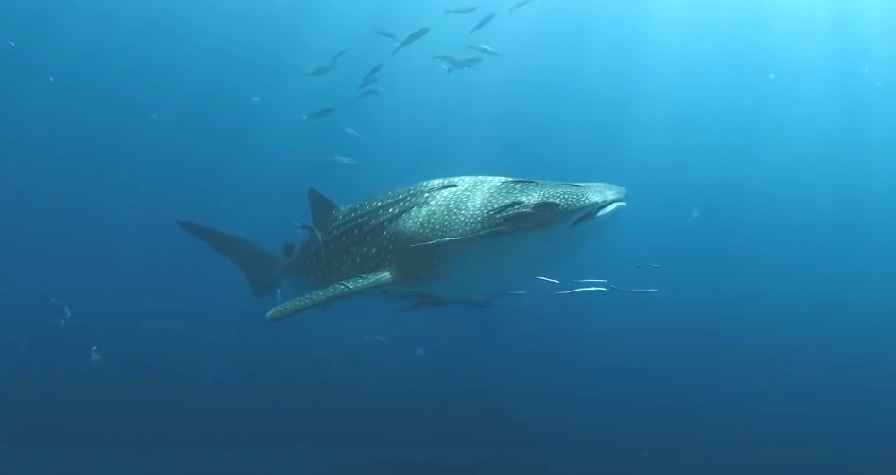
Like all fish, sharks are vertebrates, but ichthyologists separate them from most bony fish because a …
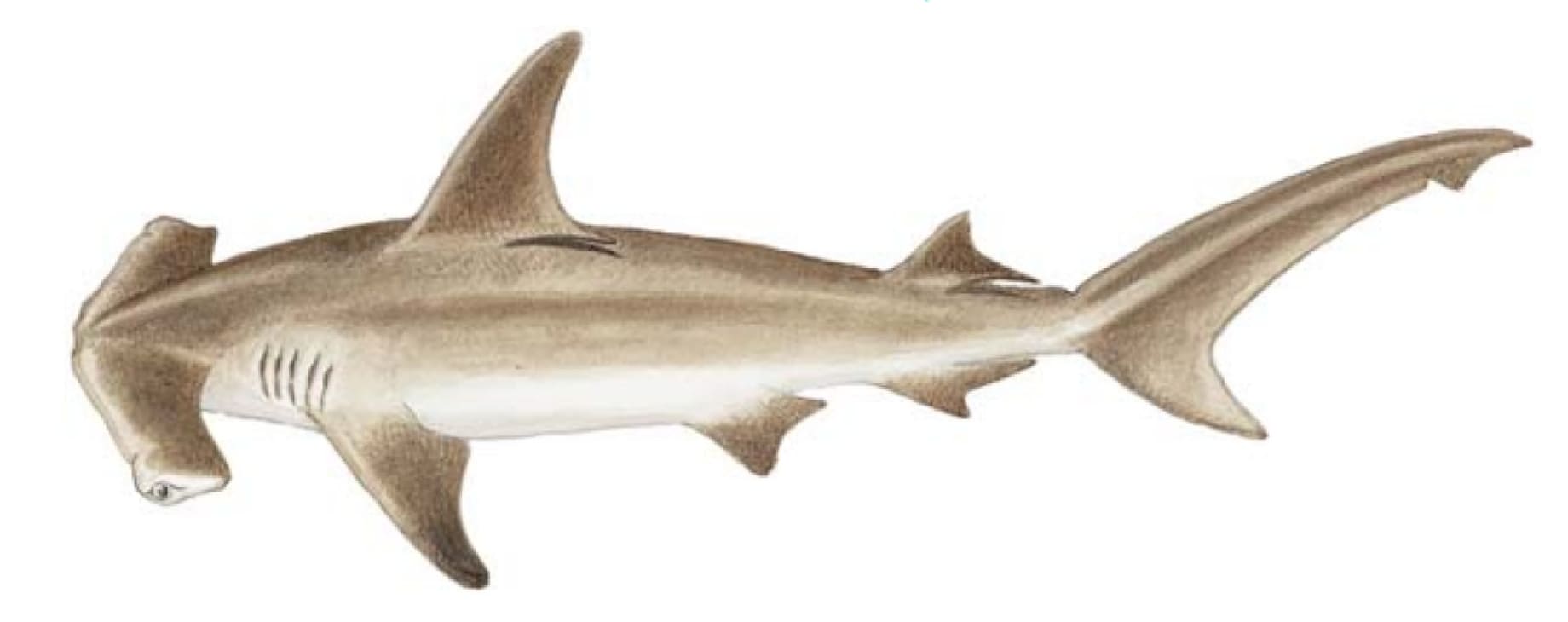
Sphyrna species
Hammerheads are easy to identify, even for the beginner: the eyes are located at the ends …
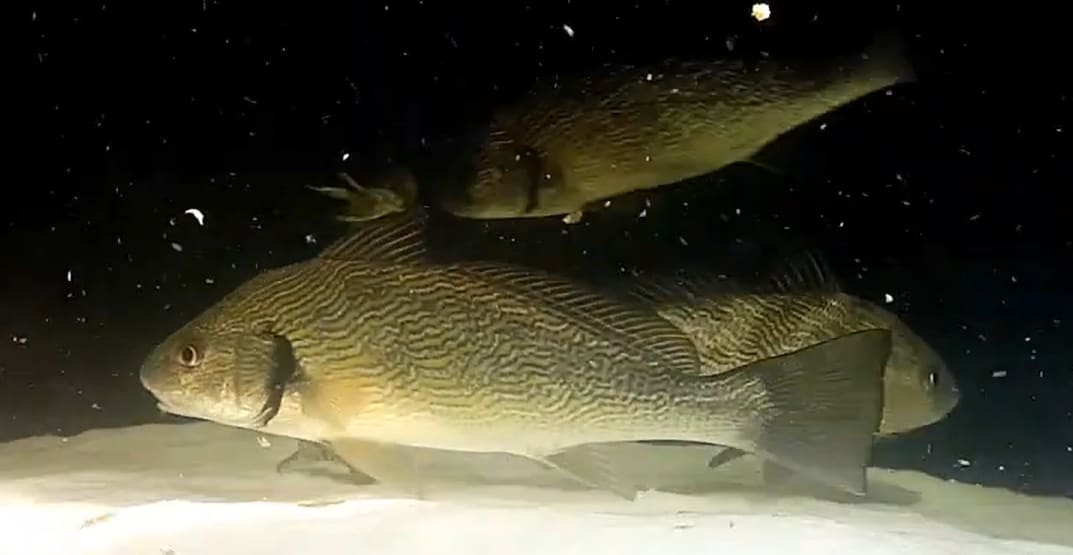
Umbrina cirrosa
Body elongated, high, slightly compressed at the sides. Muzzle short and blunt. Small mouth with fine …