 Allfishes
Amberjack, Greater (Seriola dumerili)
Amberjack, jack, amberfish, jack hammer, horseeye bonito, horse-eye jack, Allied kingfish (Australia); French: poisson limon, sériole couronnée; Hawaiian: kahala; Japanese: kanpachi; Spanish: coronado, pez de limón, serviola
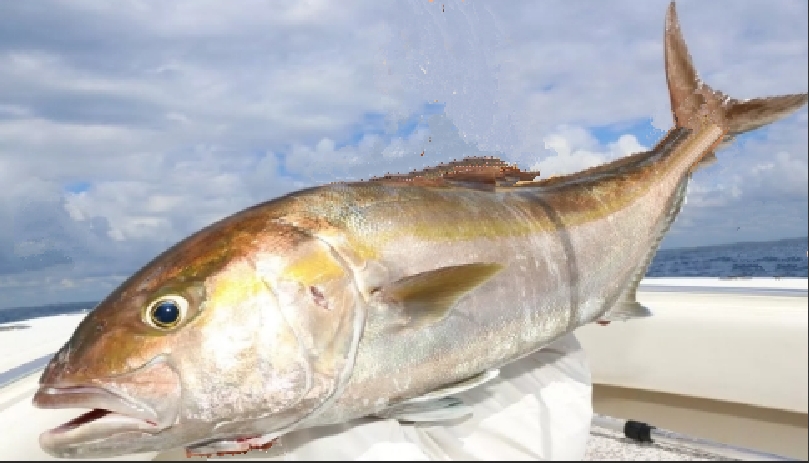
Latin name
Seriola dumerili
Other names
Amberjack, jack, amberfish, jack hammer, horseeye bonito, horse-eye jack, Allied kingfish (Australia); French: poisson limon, sériole couronnée; Hawaiian: kahala; Japanese: kanpachi; Spanish: coronado, pez de limón, serviola
Identification
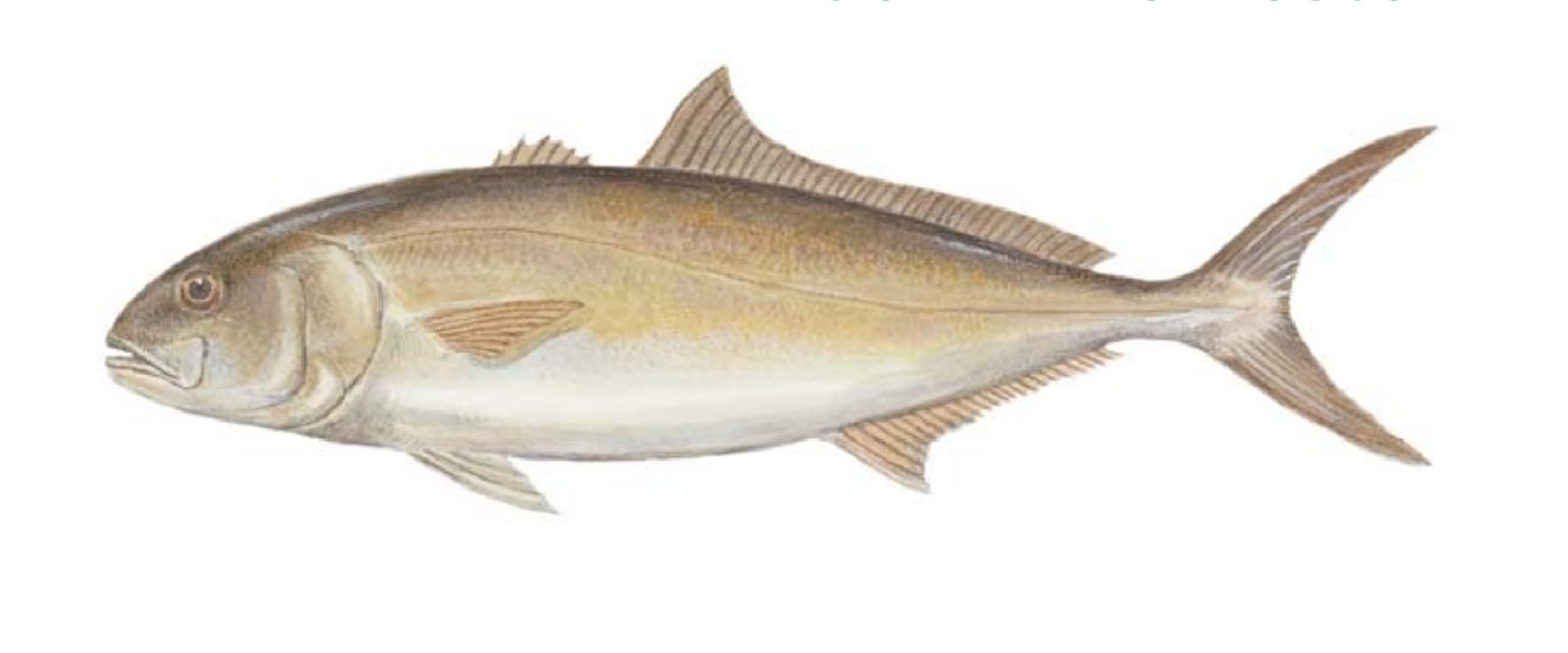
This fish is greenish-blue to almost purple or brown above the lateral line and silvery below the lateral line. A dark olive-brown diagonal stripe runs from the mouth through both eyes to the first dorsal fin. A broad amber stripe runs horizontally along the sides. The fins may also have a yellow tint. The large amberjack has short anterior dorsal fins, the head is bluntly pointed, and the fins are not separated. The amber band sometimes causes fishermen to confuse a large amberjack with a yellowtail, but it can be distinguished by 16 developed gill lobes on the lower extremity, the yellowtail has 21 to 28 gill lobes.
Distribution
In North America, the greater seriola is found off Hawaii, off the coast of Florida, and in nearby Caribbean waters.
Habitat
Found mainly in offshore waters and in considerable depths, and around offshore reefs, shipwrecks, buoys, and oil rigs. They can be caught anywhere in the water column, at depths of up to several hundred feet, but mostly at depths of 60 to 240 feet.
Size
The average amberjack usually weighs up to 40 pounds, can weigh more than 50 pounds and, according to some reports, exceeds 170 pounds. It can be more than 5 feet long.
Life history and Behavior
The Great Amberjack is often found in groups, but is not a gregarious fish. Migrations are associated with spawning behavior, which occurs in the Atlantic from March to June.
Food and feeding habits
The great amberjack feeds on fish, crabs, and squid.
Reproduction
It spawns from March to June. Spawning may occur in coastal ocean waters, but little research has been done. Spawning fish congregate near reefs and shipwrecks.
Photos
Related species (same family)
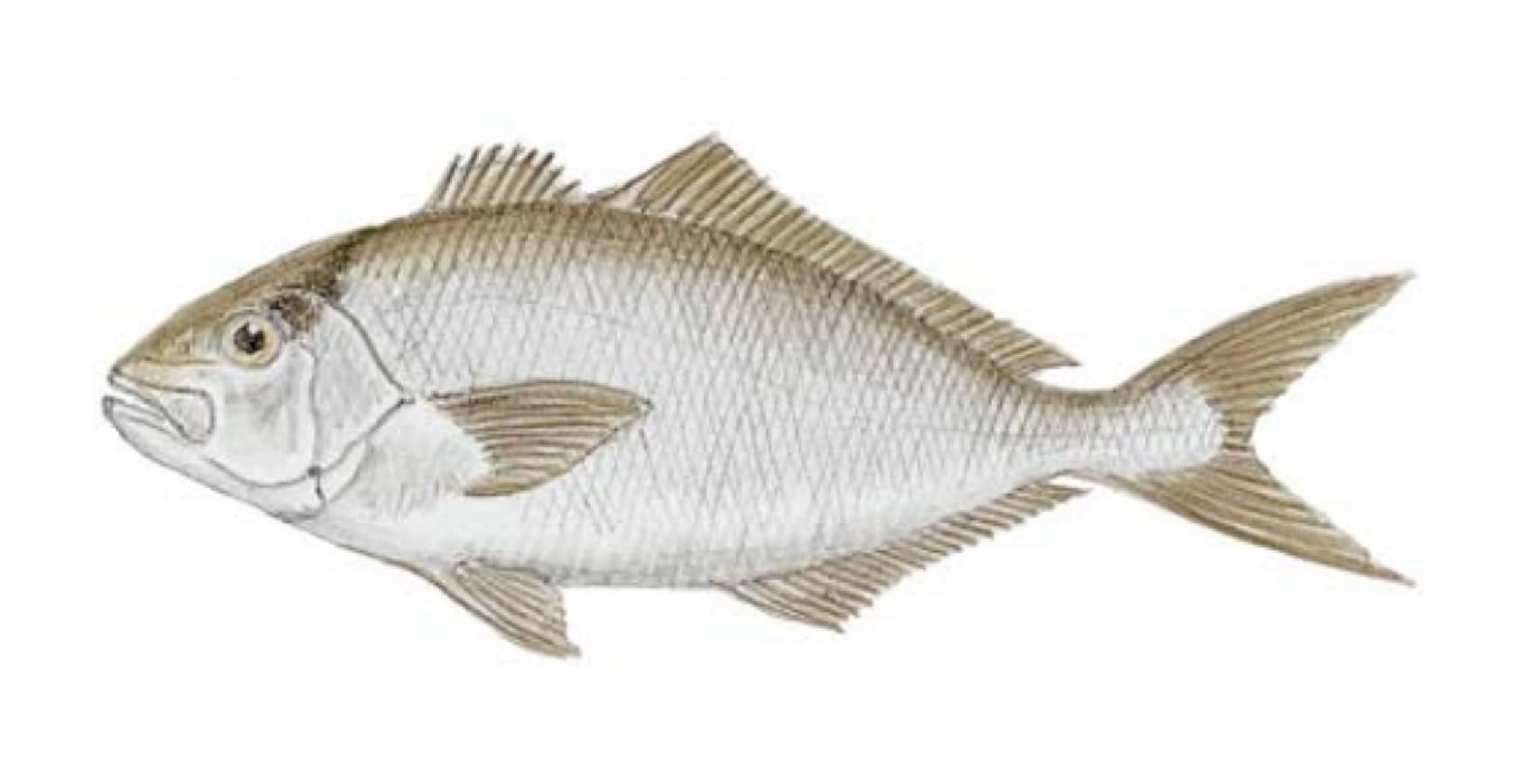
Amberjack, Lesser
Seriola fasciata
The amberjack has an olive-green or brownish back above the lateral line and silvery below it. …
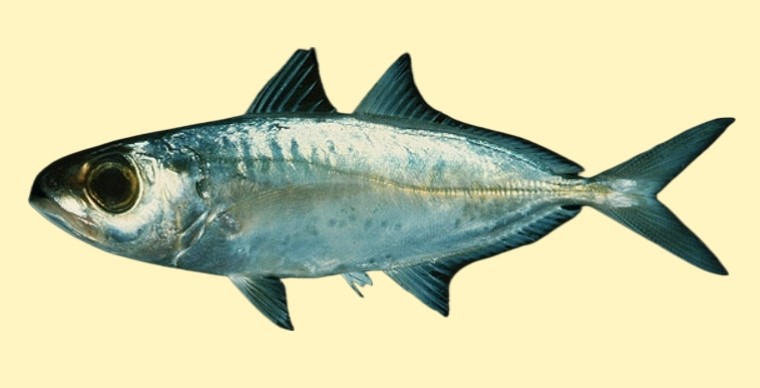
Arabian scad
Trachurus indicus
The Arabian Scad has an elongated and slightly compressed body, with approximately equal upper and lower …
Atlantic horse mackerel
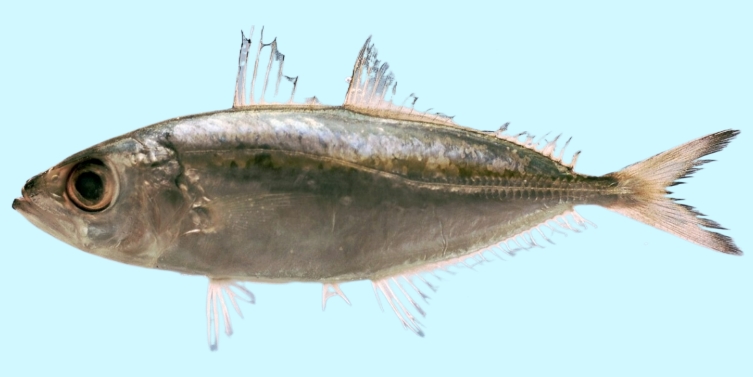
Trachurus trachurus
It has a spindle-shaped, elongated body covered with fine scales, ending in a slender tail stalk. …
Bigeye scad
Selar crumenophthalmus
The species name is derived from the Greek ὀφθαλμός 'eye' and Latin crumena 'leather purse or …
Bigeye trevally
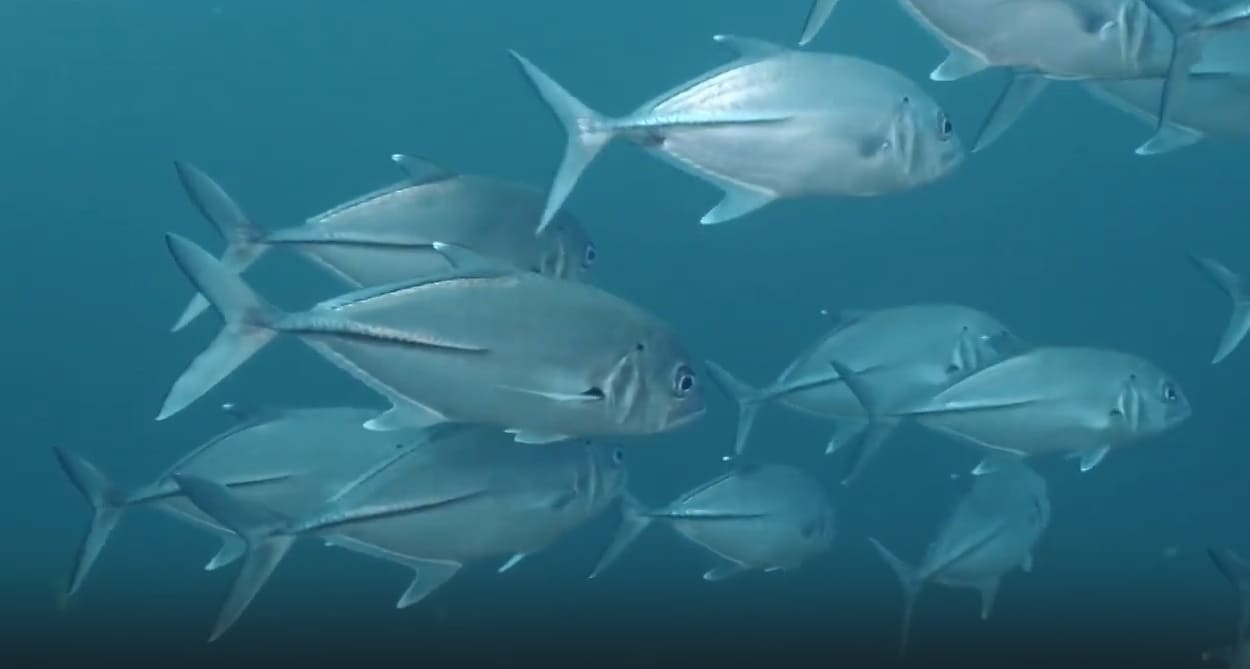
Caranx sexfasciatus
They have an elongated, slightly compressed body covered with small cycloid scales. The thorax is completely …
Black jack
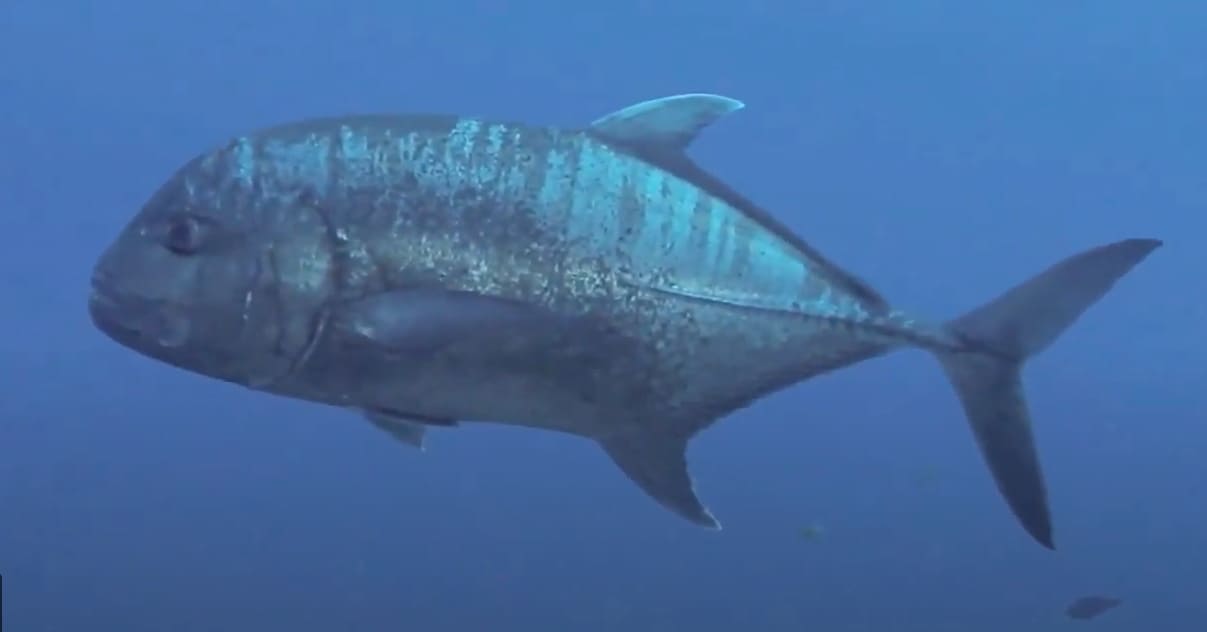
Caranx lugubris
They have a body shape similar to other Caranx species - elongated, compressed, with the dorsal …