 Allfishes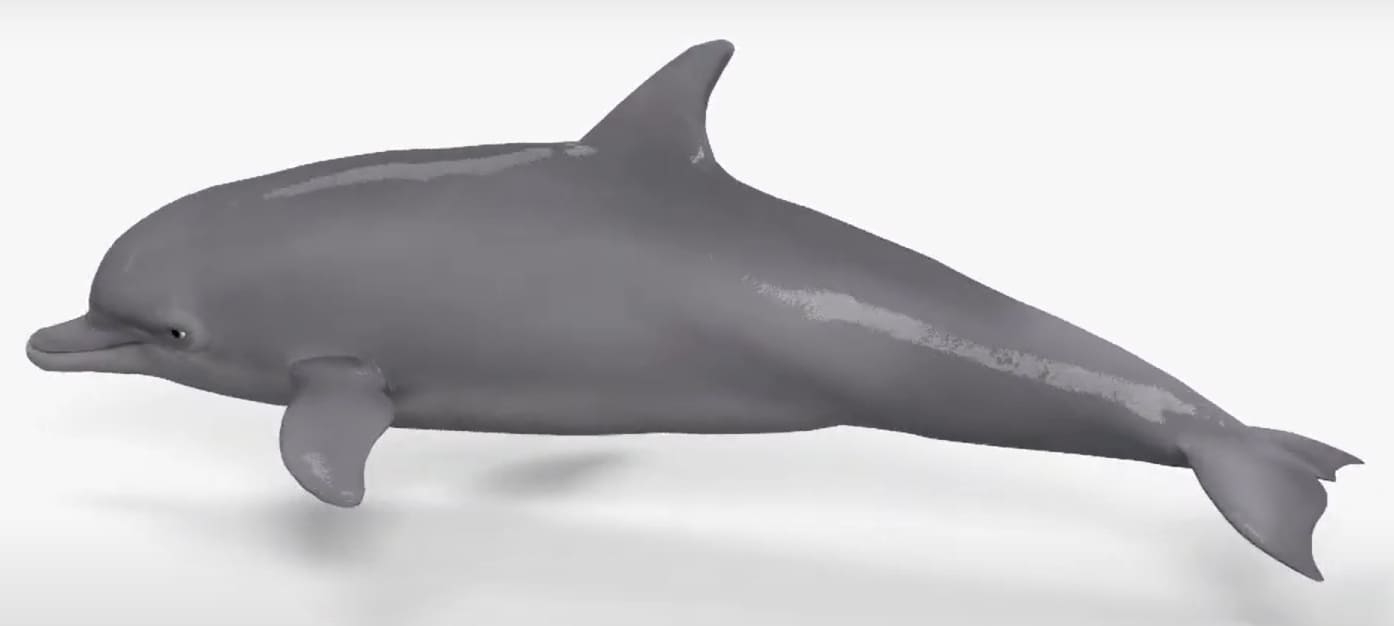
Common bottlenose dolphin
Tursiops truncatus
The moderately developed "beak" is clearly separated from the convex frontal-nasal (fat) pad. The skull reaches …
Guide to marine fish with sorting and selection options by family, feeding method, size, and other important characteristics.
Showing 97–120 of 503
Tursiops truncatus
The moderately developed "beak" is clearly separated from the convex frontal-nasal (fat) pad. The skull reaches …
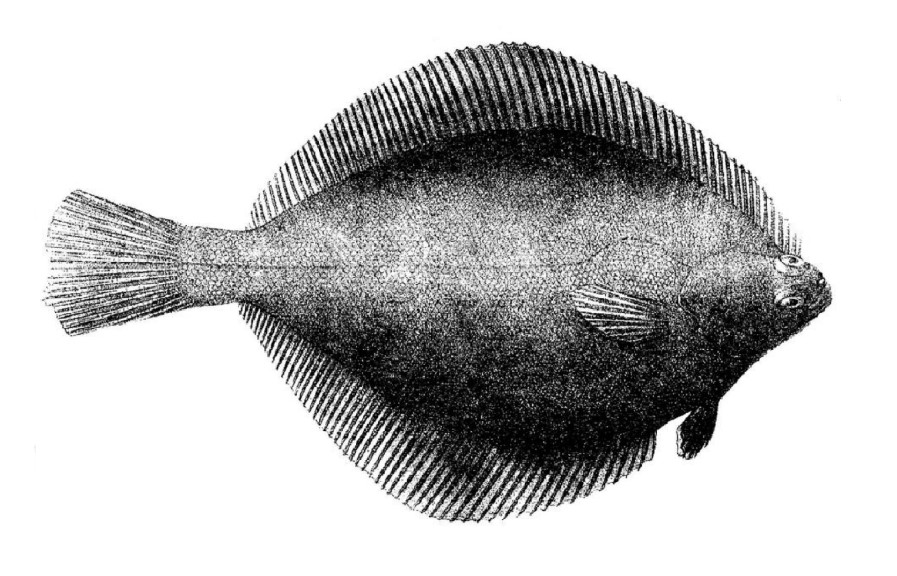
Limanda limanda
A distinctive feature of the common dab is the lateral line with a curve above the …
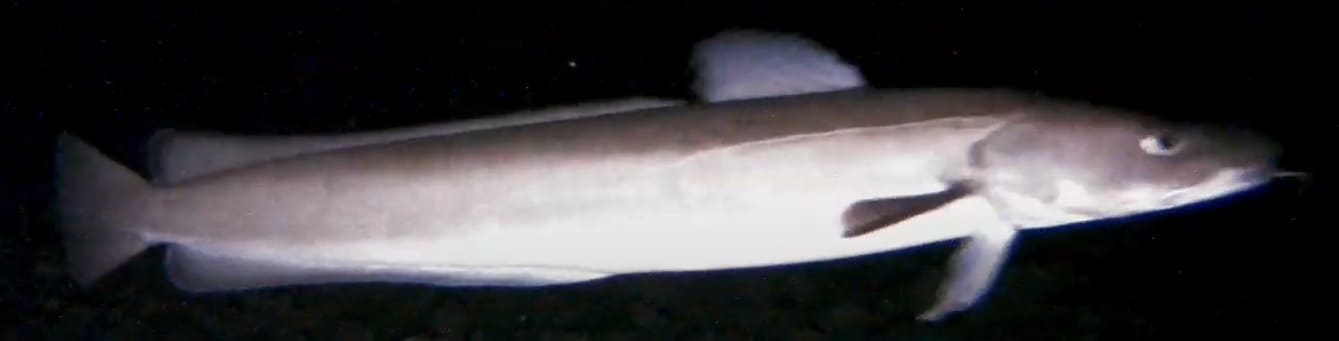
Molva molva
These fish have an elongated body and a long head large mouth, which has large teeth, …
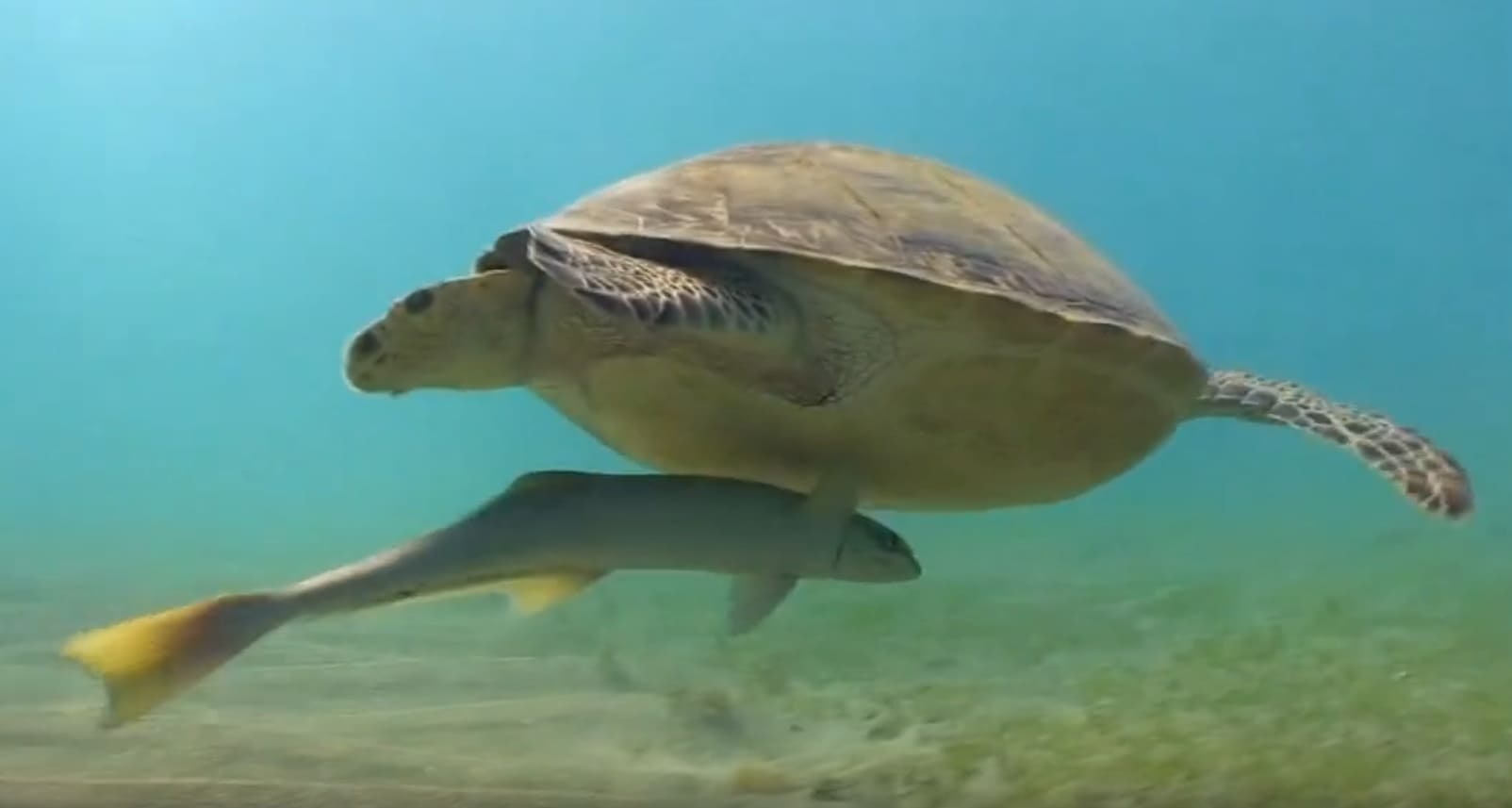
Remora remora
The body of the common remora is flattened horizontally in front and vertically behind. Lower jaw …
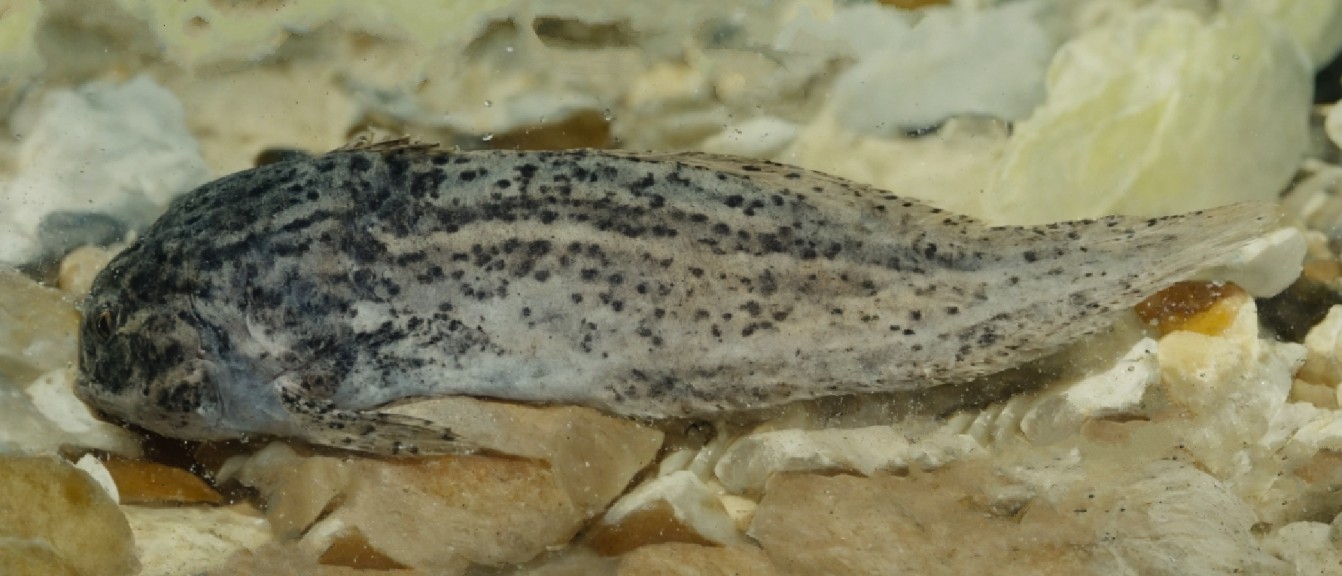
Liparis liparis
The body of the common seasnail is elongated, compressed at the sides (especially at the rear). …
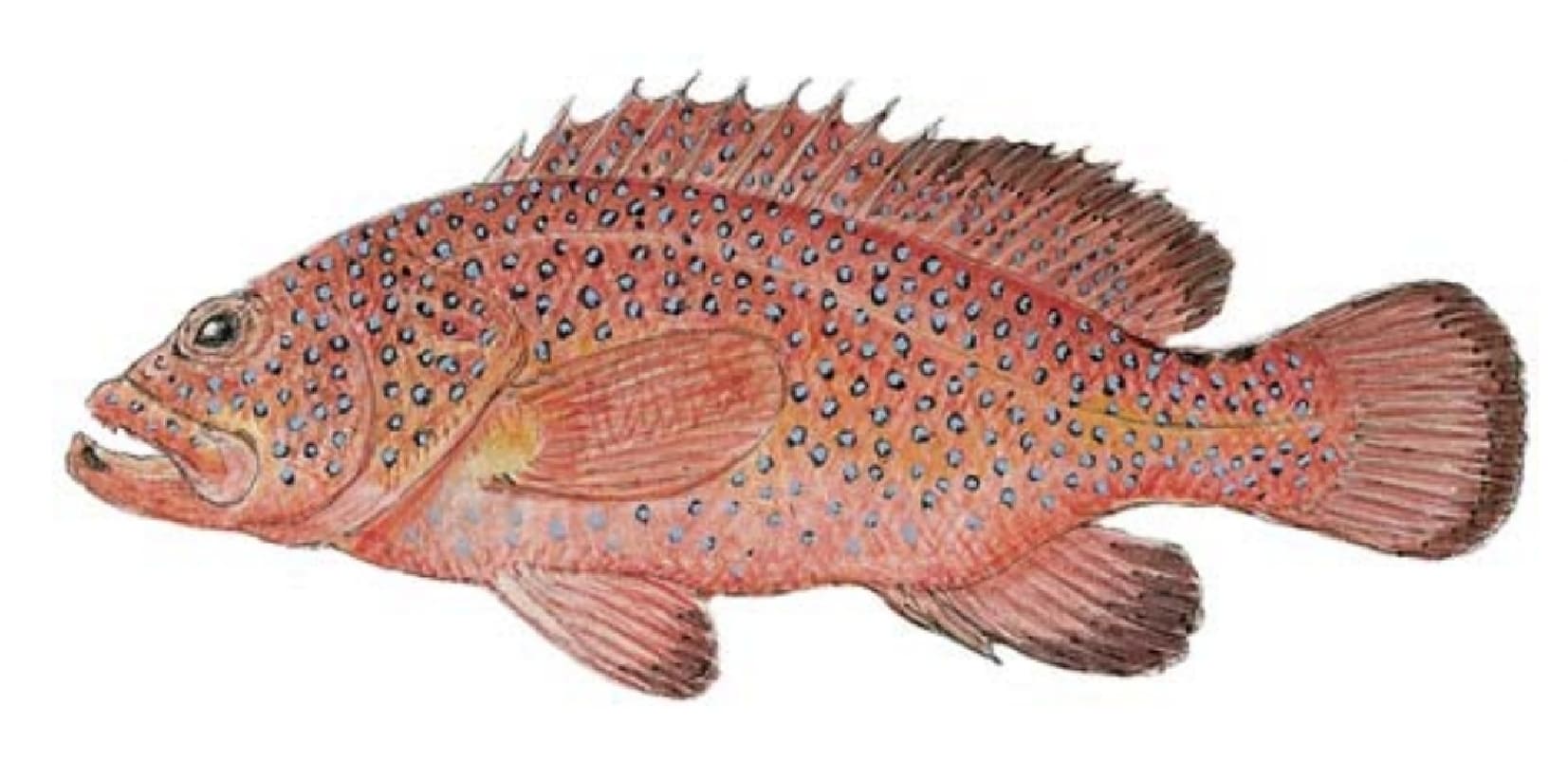
Cephalopholis fulva
The Coney has many color phases, you should not try to identify this fish by color. …
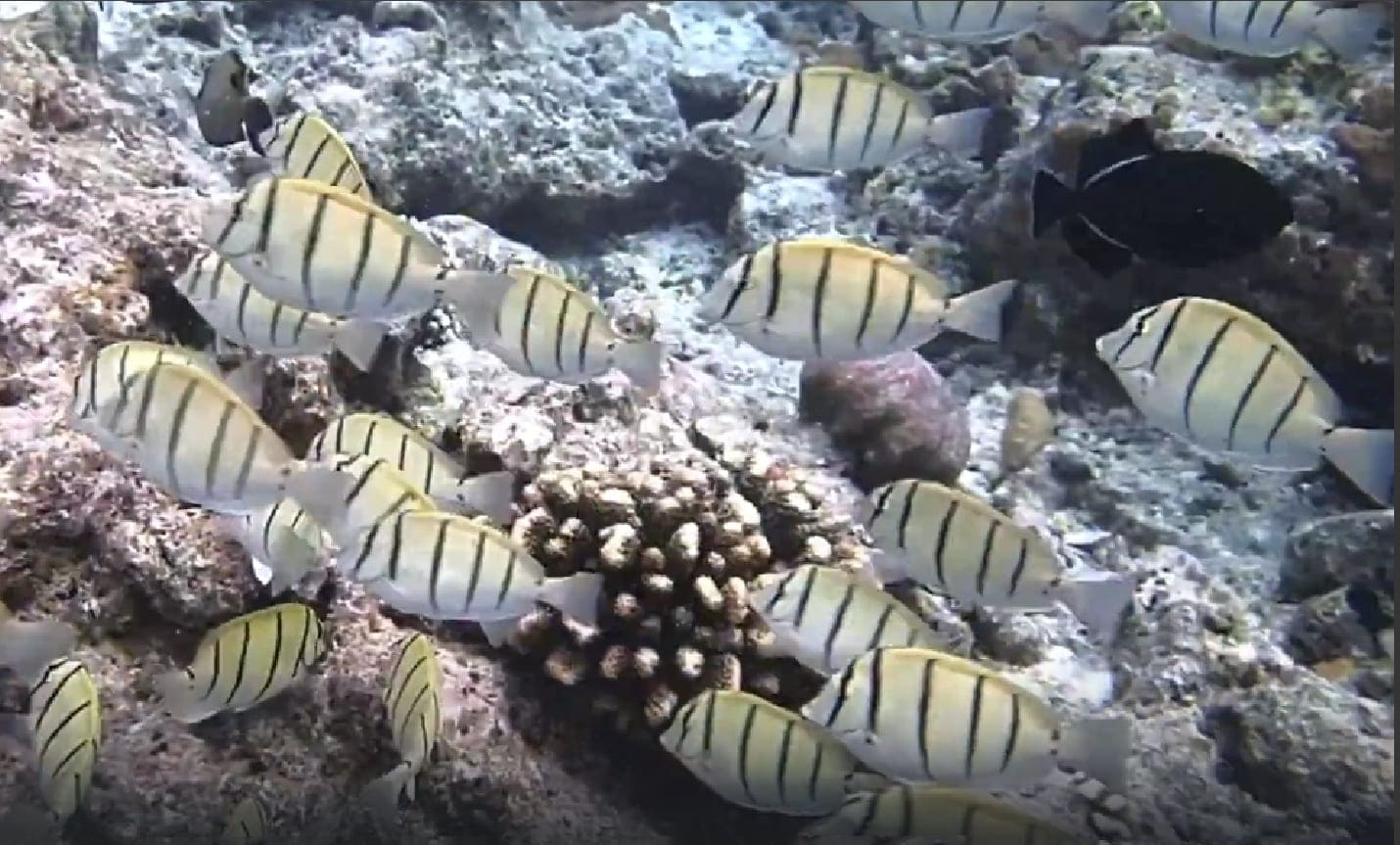
Acanthurus triostegus
The Convict surgeonfish has a large, laterally compressed, moderately oval body. The mouth is non-retractable, small …
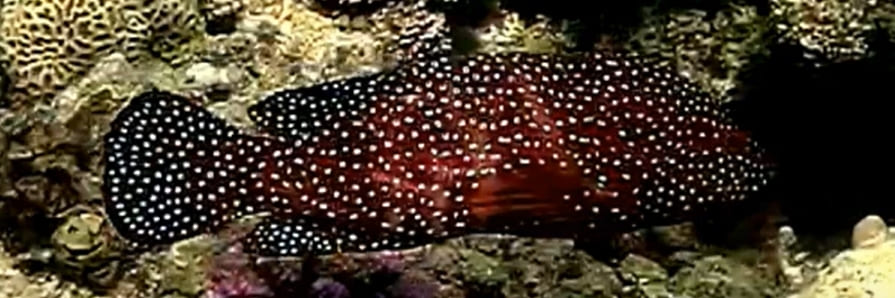
Cephalopholis miniata
Body elongate, massive, slightly compressed at the sides, covered on the sides with ctenoid scales. Body …
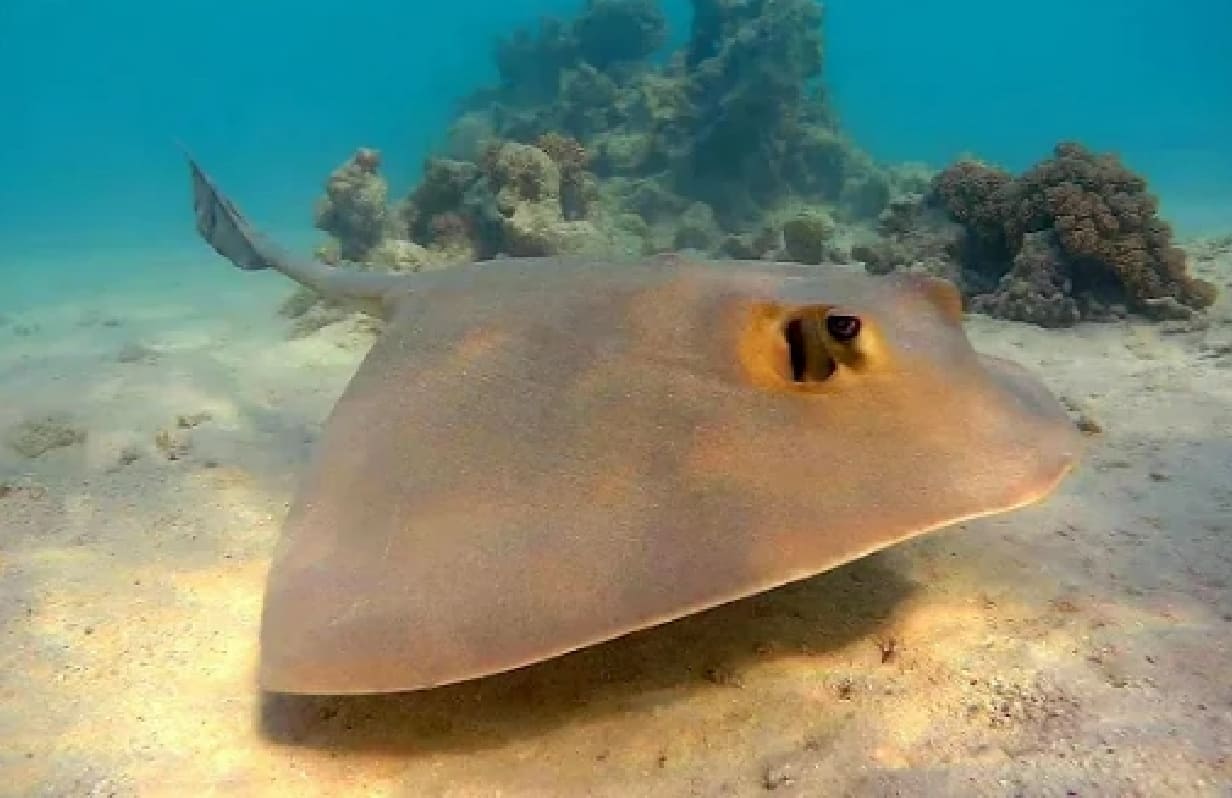
Pastinachus sephen
The thick pectoral fins of these rays fuse with the head to form a rhombic flattened …
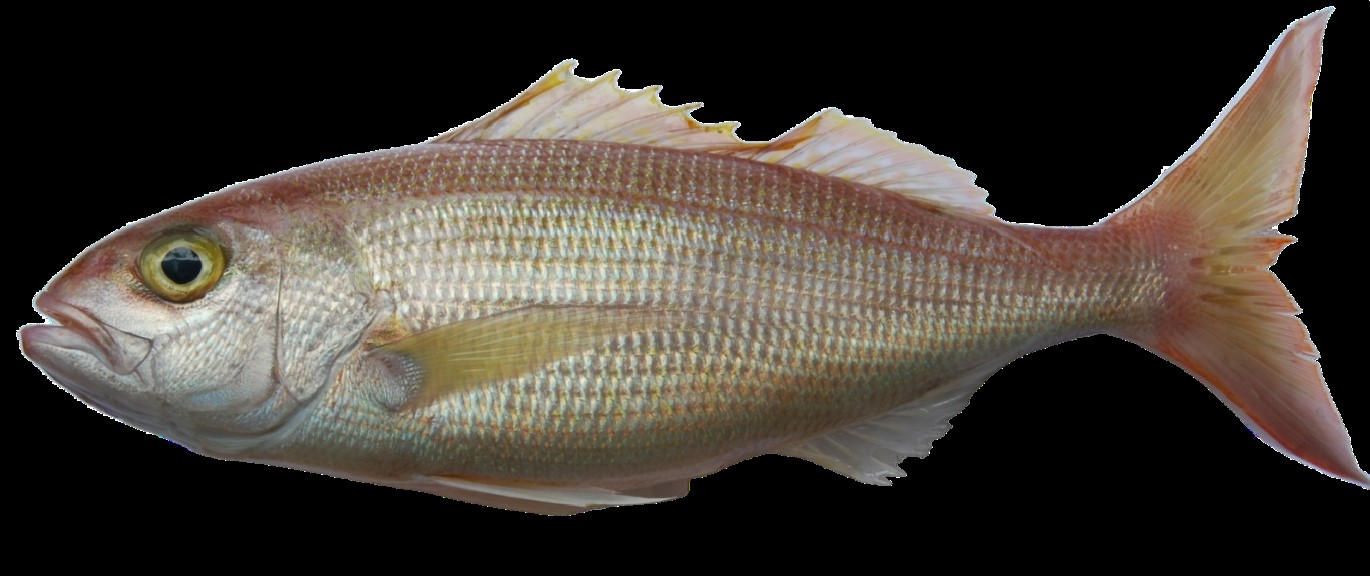
Pristipomoides filamentosus
The body is elongated, somewhat compressed at the sides, relatively low; the body height at the …
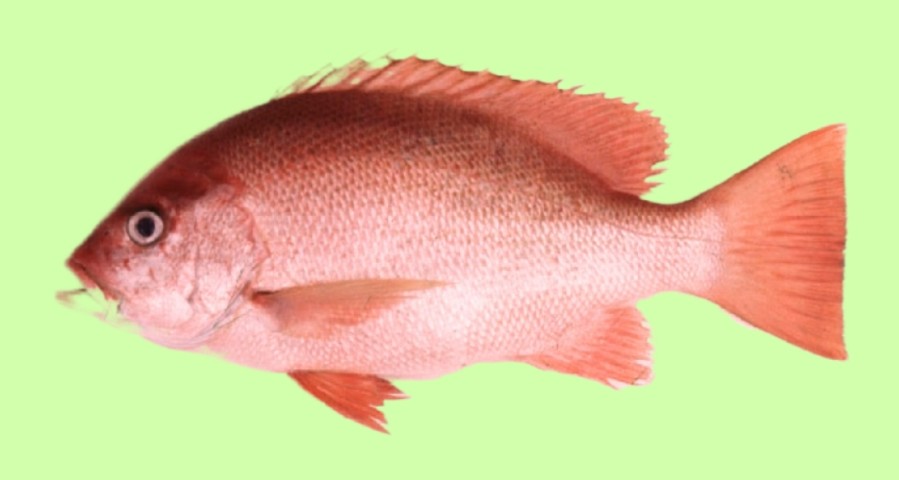
Lutjanus erythropterus
The body of the Crimson Snapper is spindle-shaped, moderately large and 2.5-3.0 times the standard body …
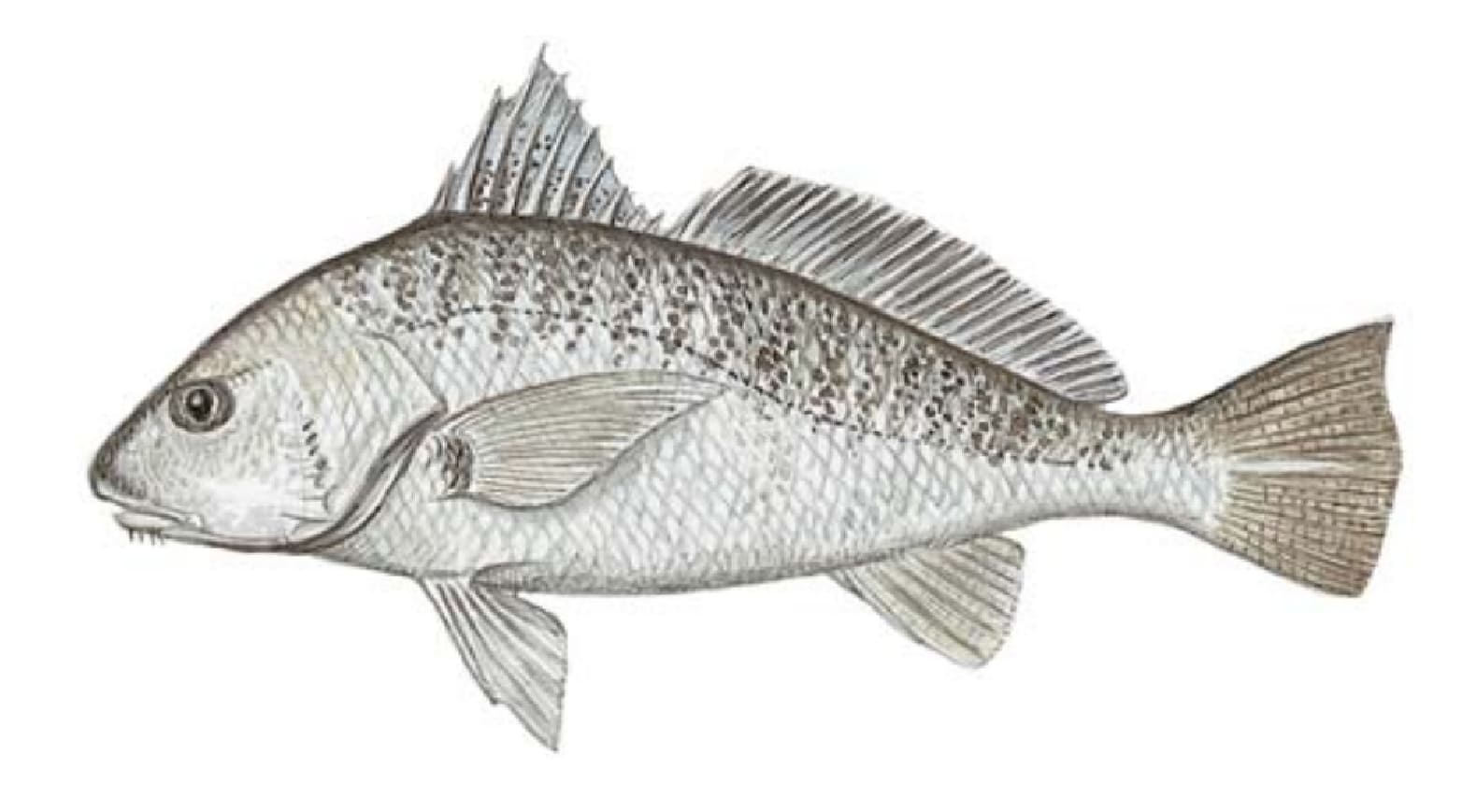
Micropogonias undulatus
Body is rather massive, back is elevated and compressed. Head is long, snout is protruded forward …
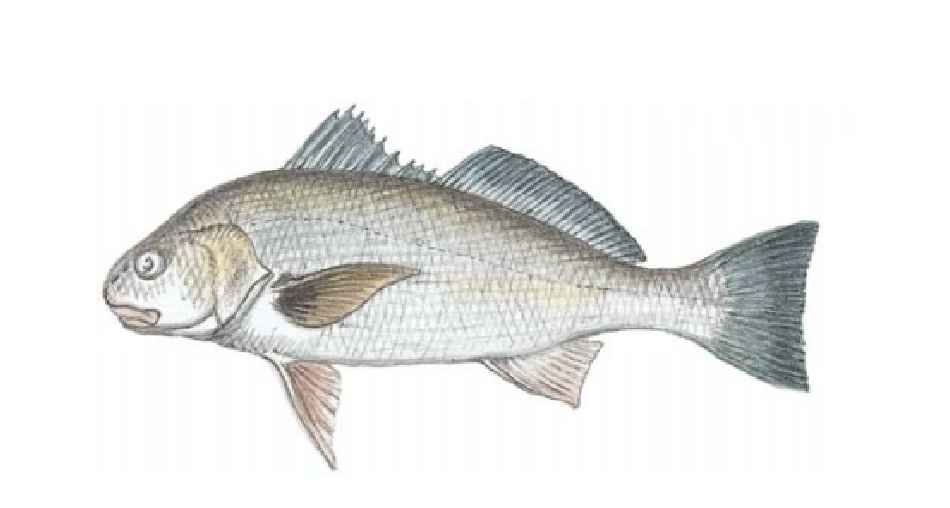
Roncador stearnsii
The body of the spotted croaker is elongated, strongly elongated forward. The upper profile of the …
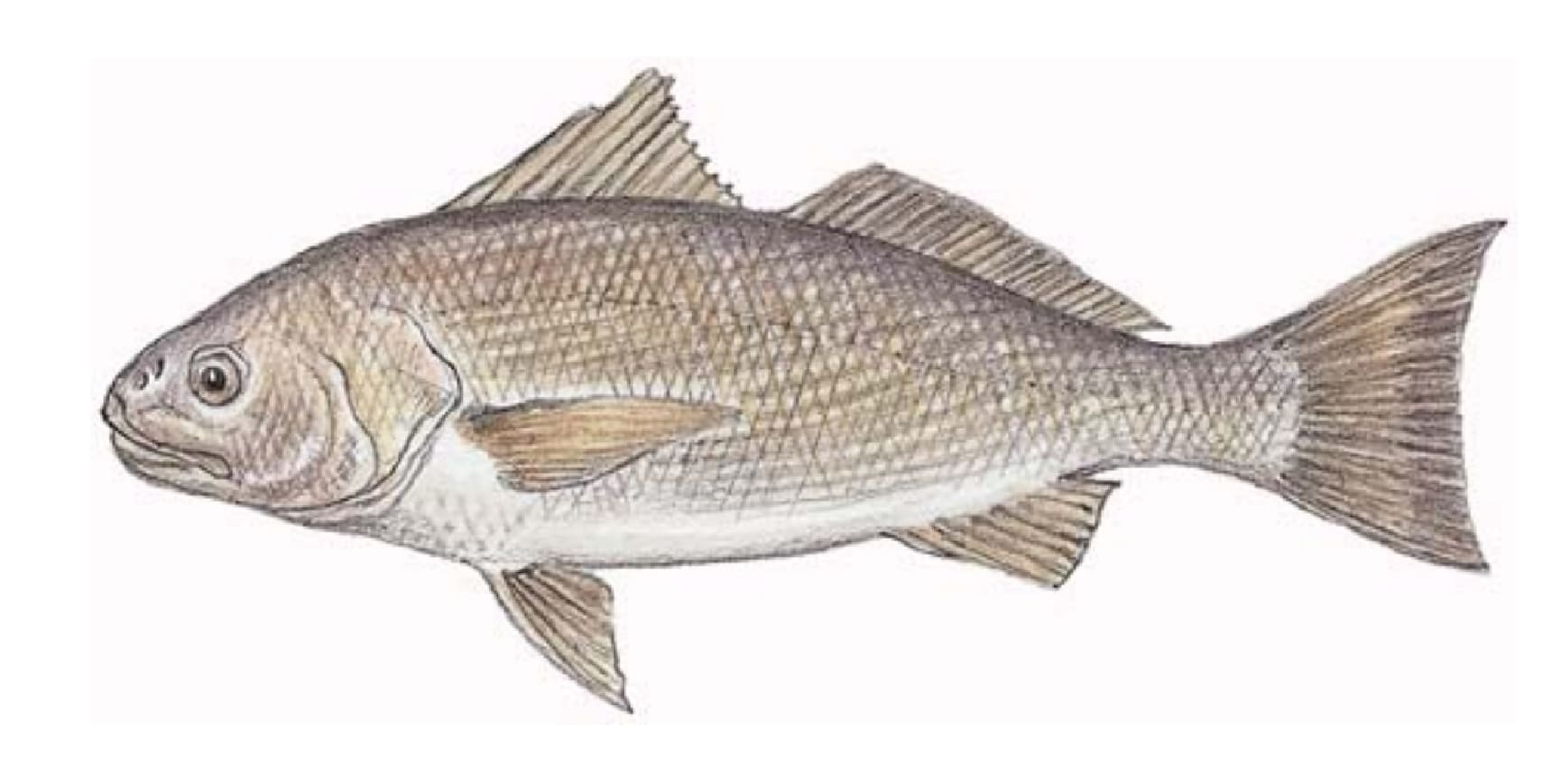
Genyonemus lineatus
The body of the white croaker is elongated and compressed. The head is oblong and bluntly …
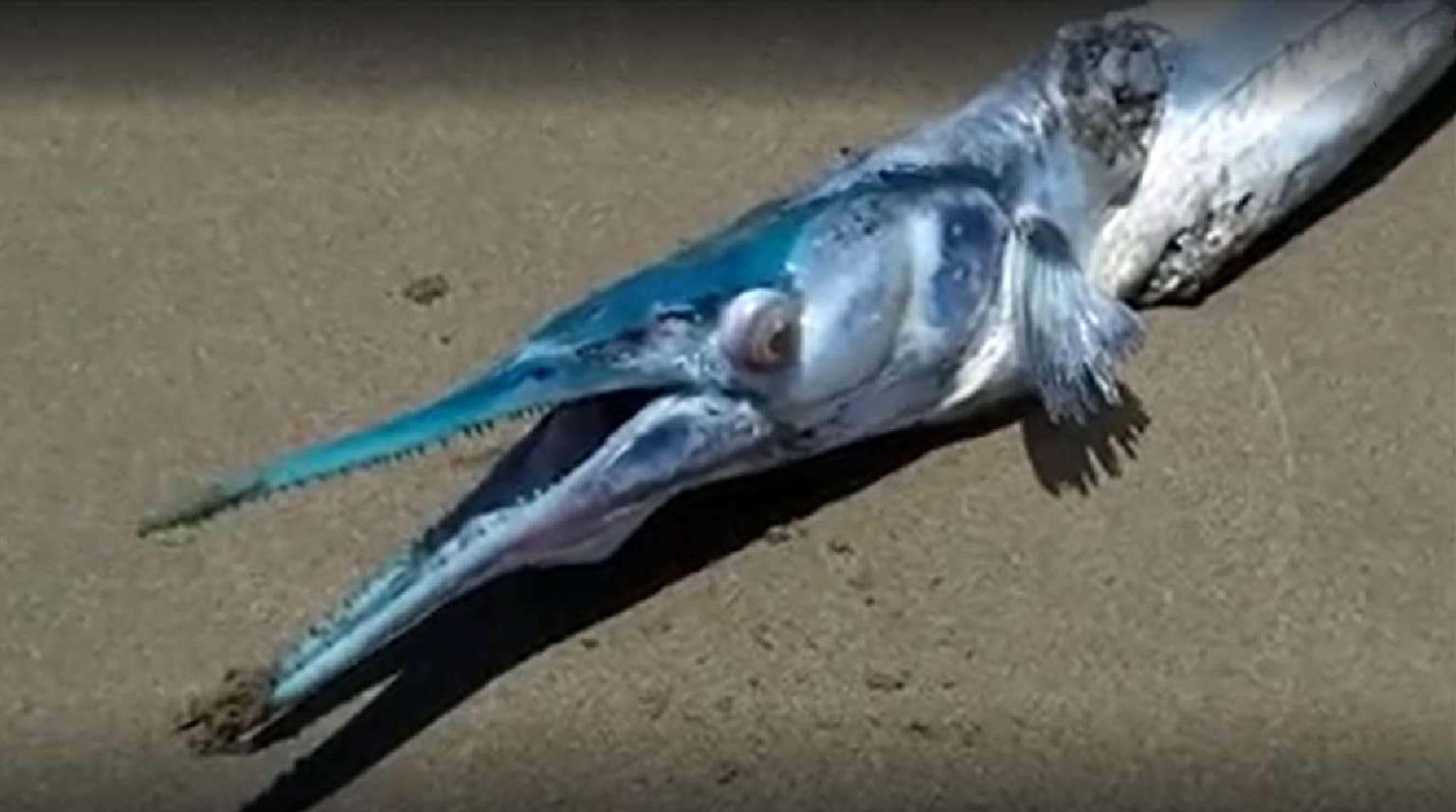
Tylosurus crocodilus
These fish are known to have 270-340 anterior scales and 75-80 vertebrae. The jaws are extremely …
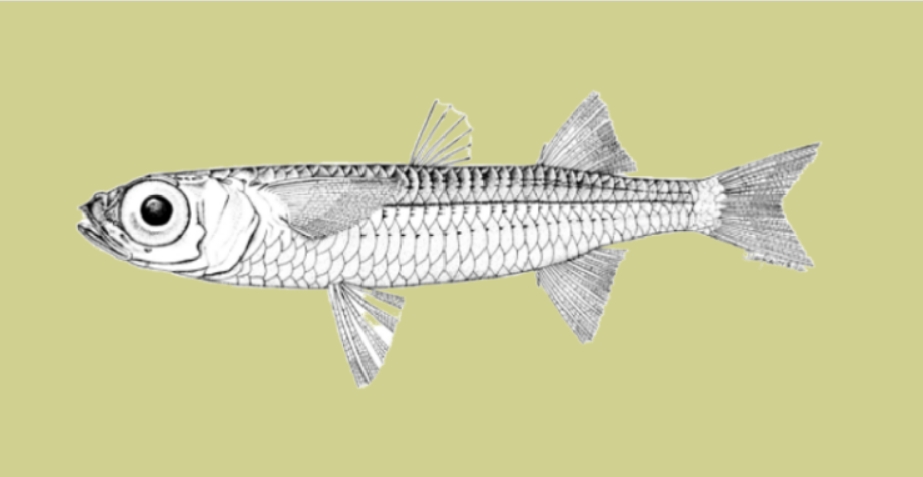
Atherinomorus regina
The palatal teeth are absent. Biology unknown. Probably used as food by commercial fish species.
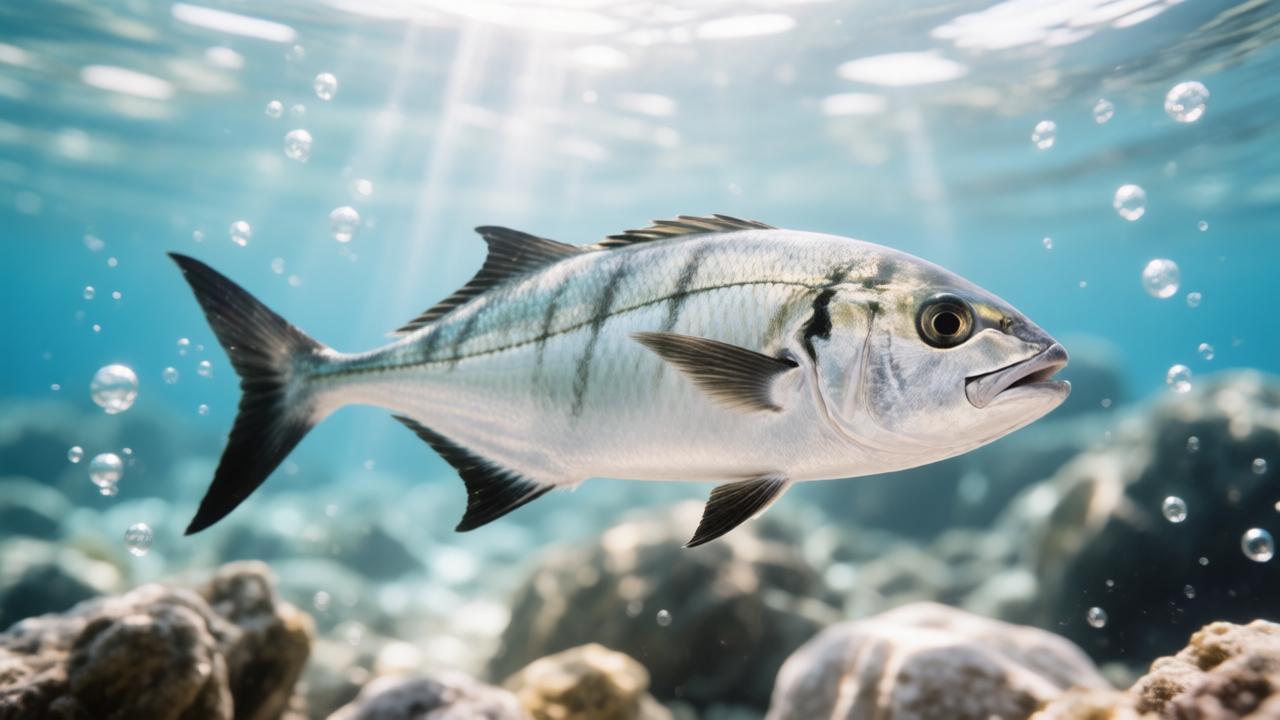
Trachurus trecae
The Cunene horse mackerel has a typical carangid streamlined body, adapted for fast swimming in the …
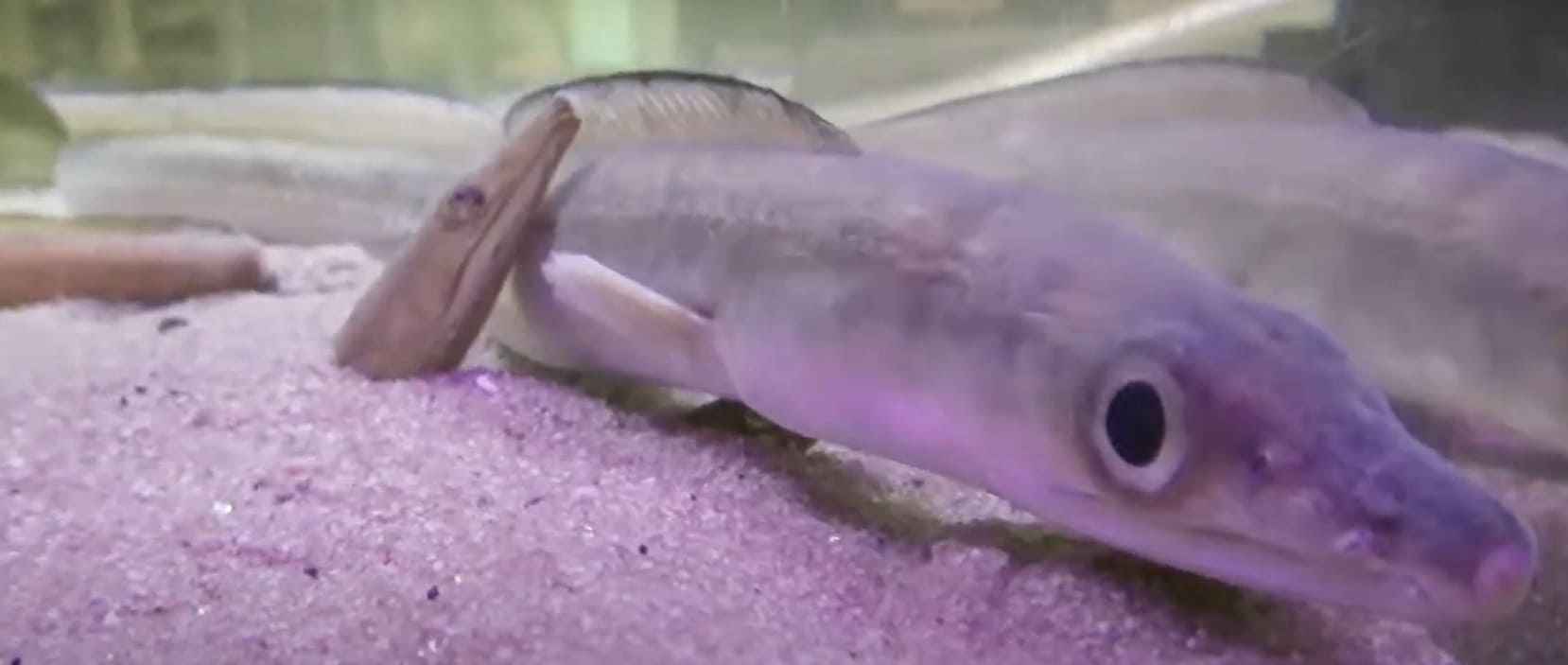
Muraenesox cinereus
The muzzle is long. The diameter of the eyes is 2-2.5 times the length of the …
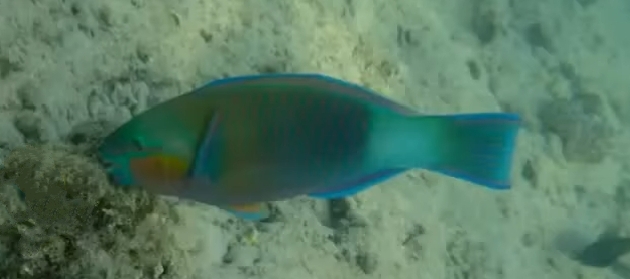
Chlorurus sordidus
The snout of the daisy parrot fish is rounded. Before sleeping, these fish secrete mucus that …
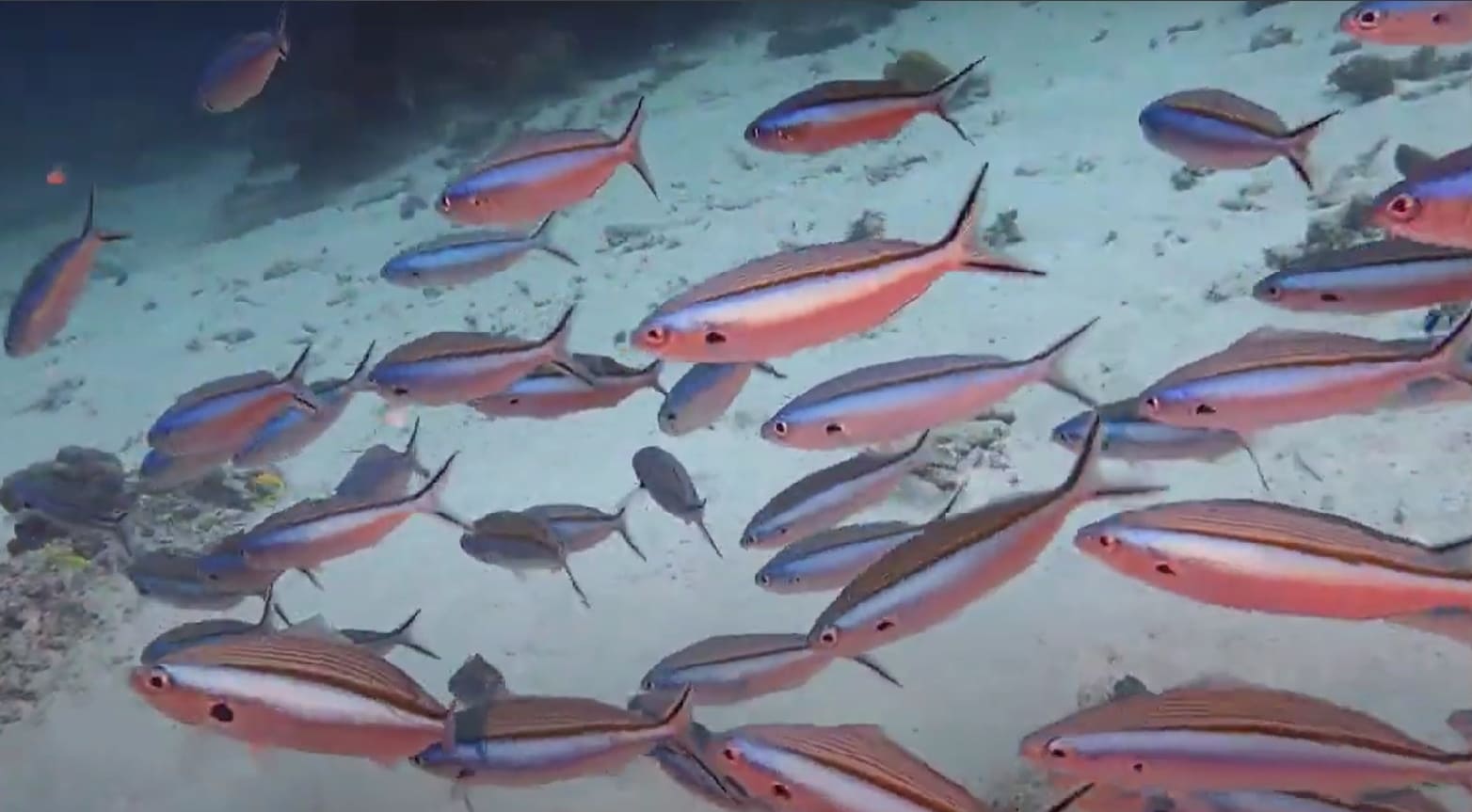
Pterocaesio tile
Body elongated, spindle-shaped, somewhat compressed laterally. Two postmaxillary processes. Mouth small, terminal, retractable. Small conical teeth …
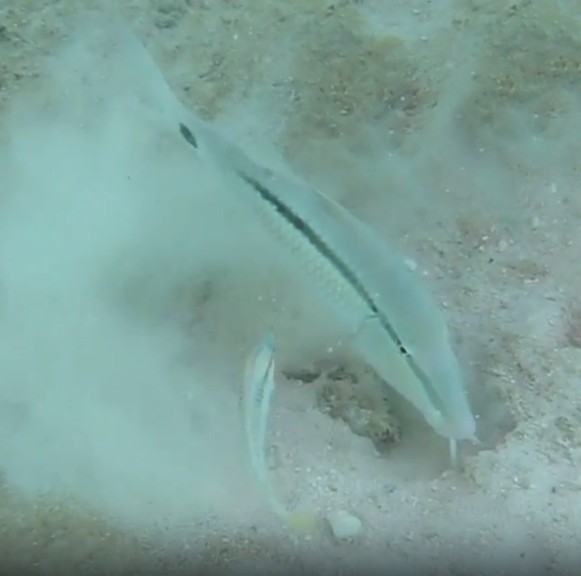
Parupeneus barberinus
The body is elongated, slightly compressed at the sides. The upper profile is straight. The mouth …
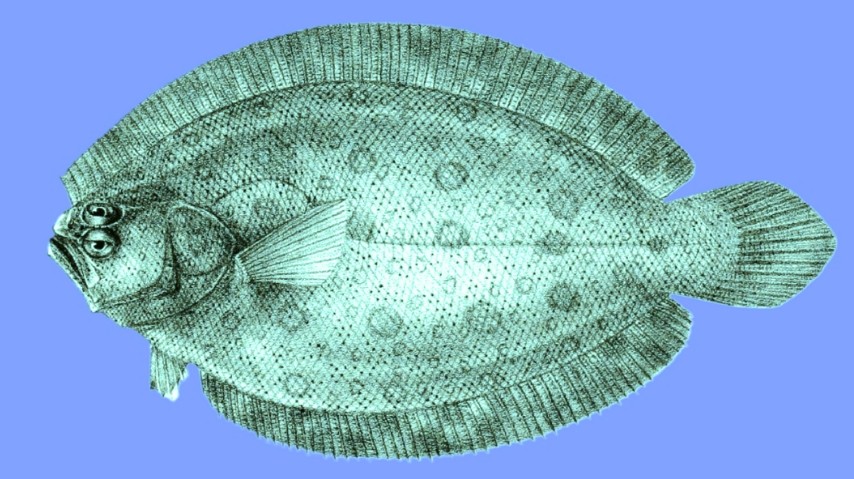
Pseudorhombus elevatus
Deep flounder has 4-6 + 11-17 gill rakers and 10 + 24-25 vertebrae. The body is …
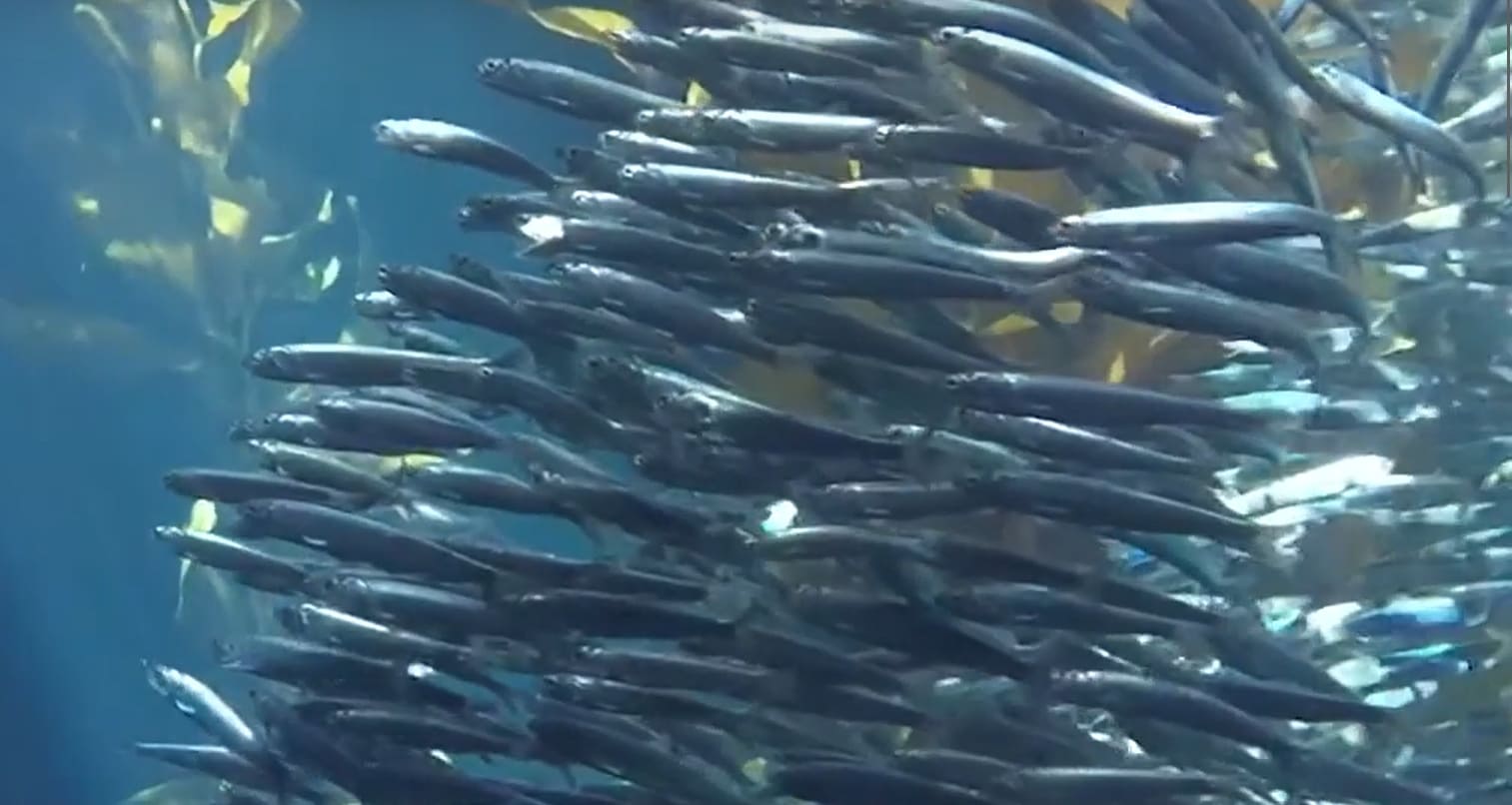
Sardinella brachysoma
Body deep; total number of scales from 29 to 32. Vertical furrows on the scales overlapping …
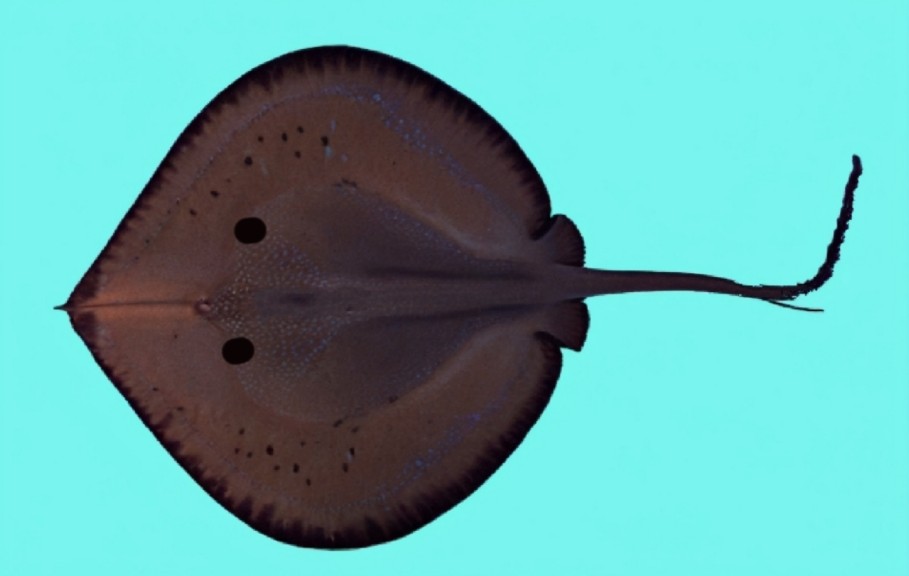
Plesiobatis daviesi
The body of the deepwater stingray is flabby, with the pectoral fins forming a rounded disc …