 Allfishes
Atlantic white-sided dolphin
Lagenorhynchus acutus
The Atlantic white-sided dolphin is characterized by its shortened head and beak. Its genus name, Lagenorhynchus, …
Guide to marine fish with sorting and selection options by family, feeding method, size, and other important characteristics.
Showing 1–24 of 42
Lagenorhynchus acutus
The Atlantic white-sided dolphin is characterized by its shortened head and beak. Its genus name, Lagenorhynchus, …
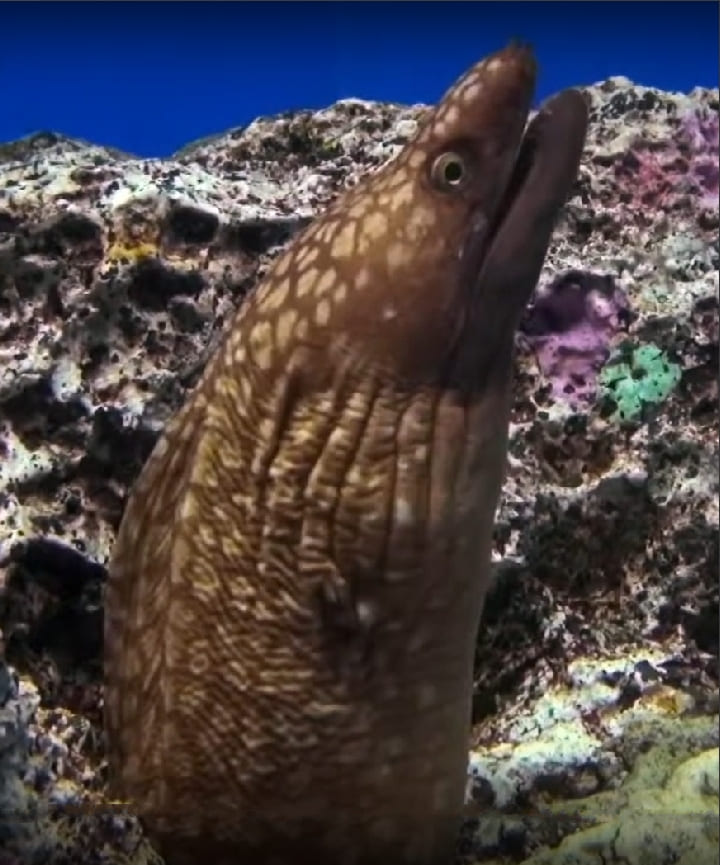
Gymnothorax prionodon
The teeth of the Australian mottled moray are located on two pairs of jaws - the …
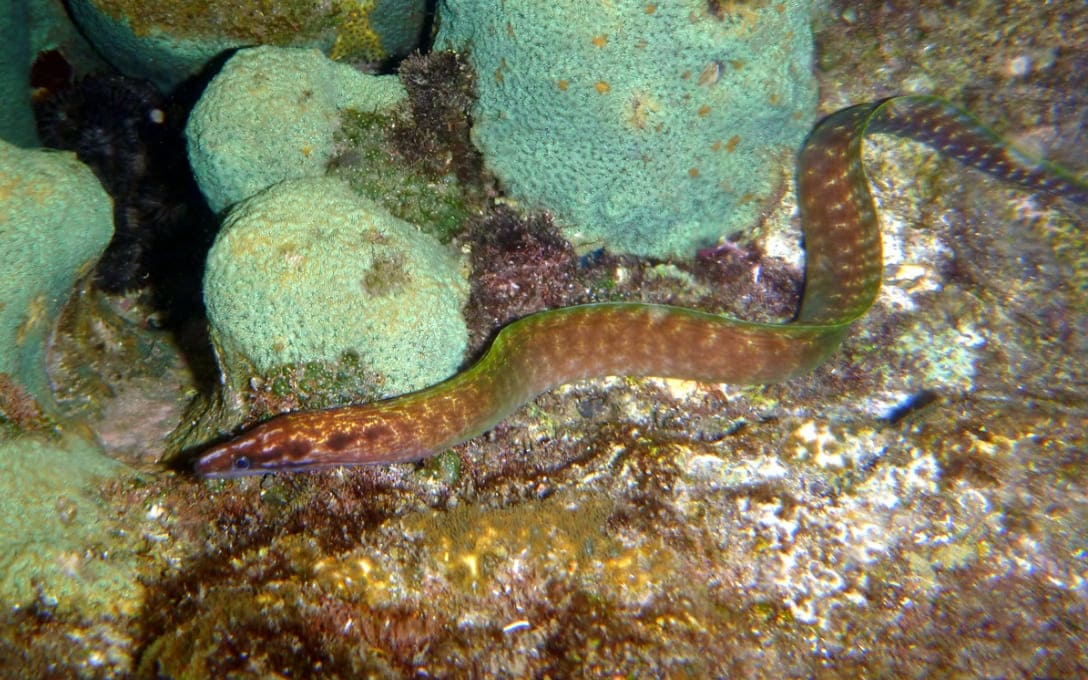
Gymnothorax margaritophorus
The species was first named by Pieter Bleeker in 1864.Have 126-143 vertebrae. Also characterized by depth …
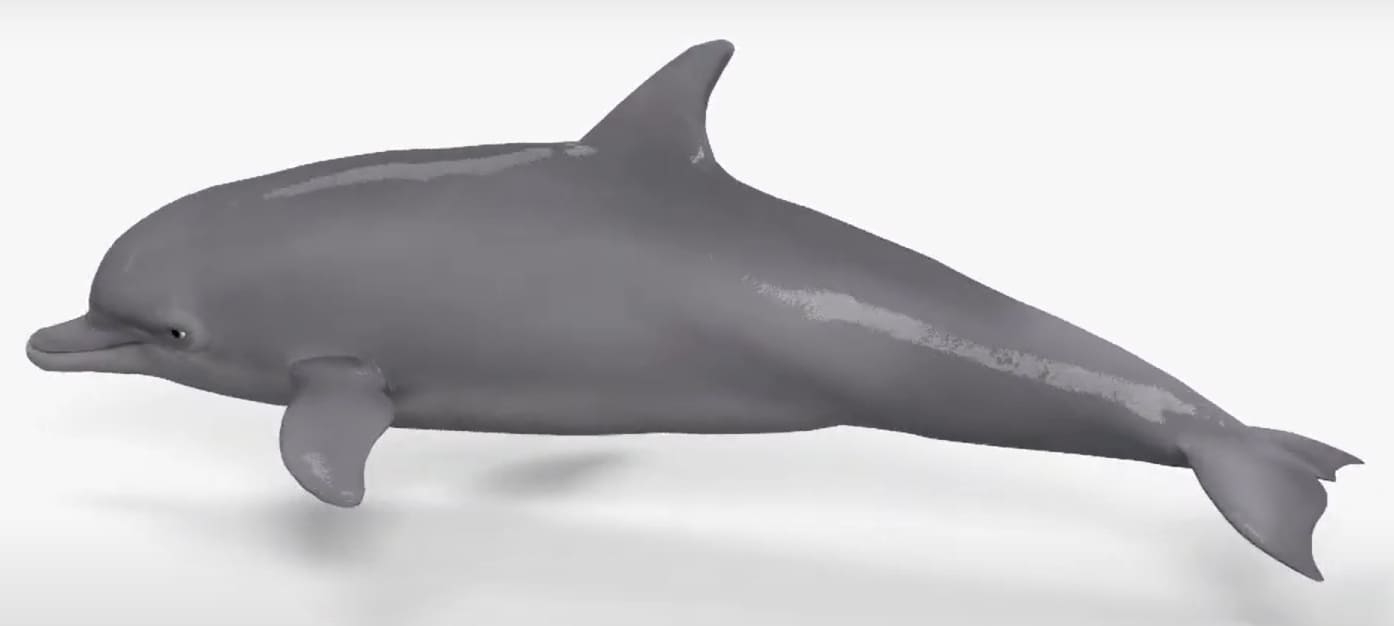
Tursiops truncatus
The moderately developed "beak" is clearly separated from the convex frontal-nasal (fat) pad. The skull reaches …
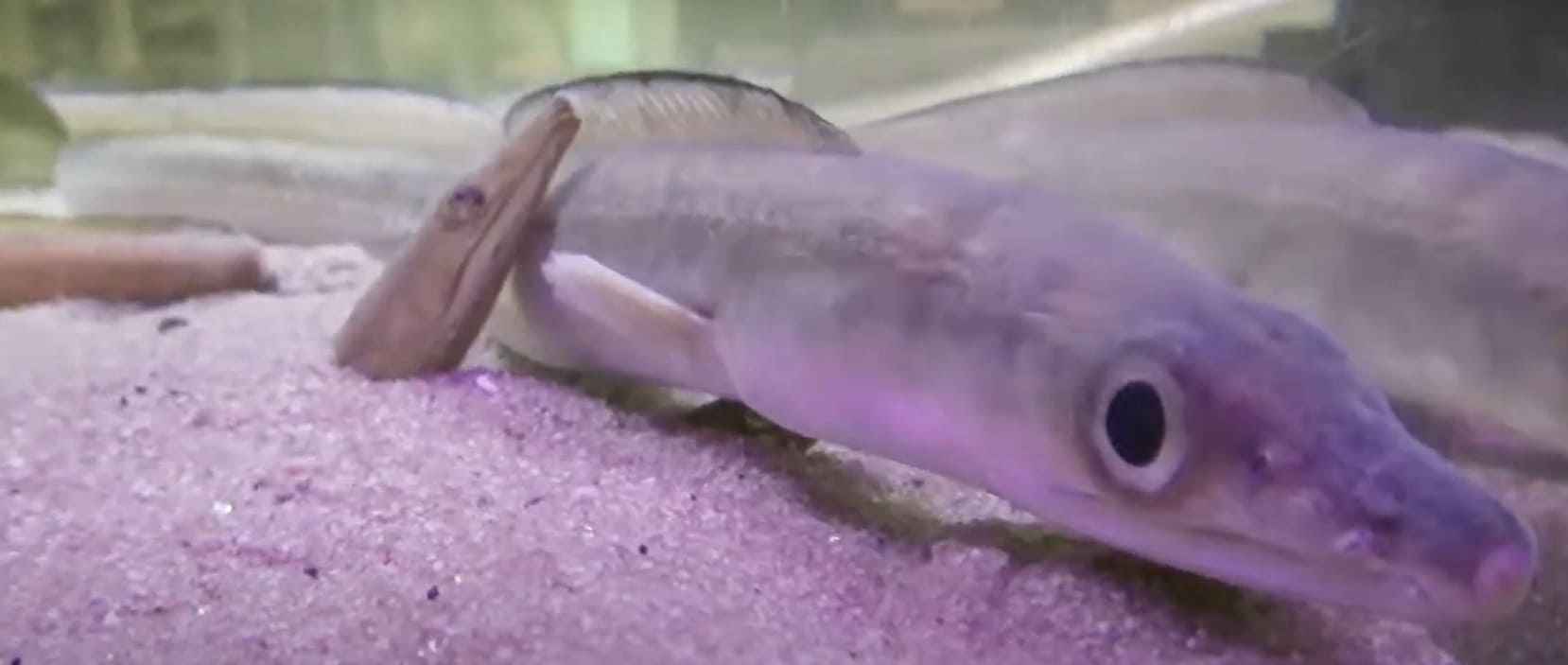
Muraenesox cinereus
The muzzle is long. The diameter of the eyes is 2-2.5 times the length of the …
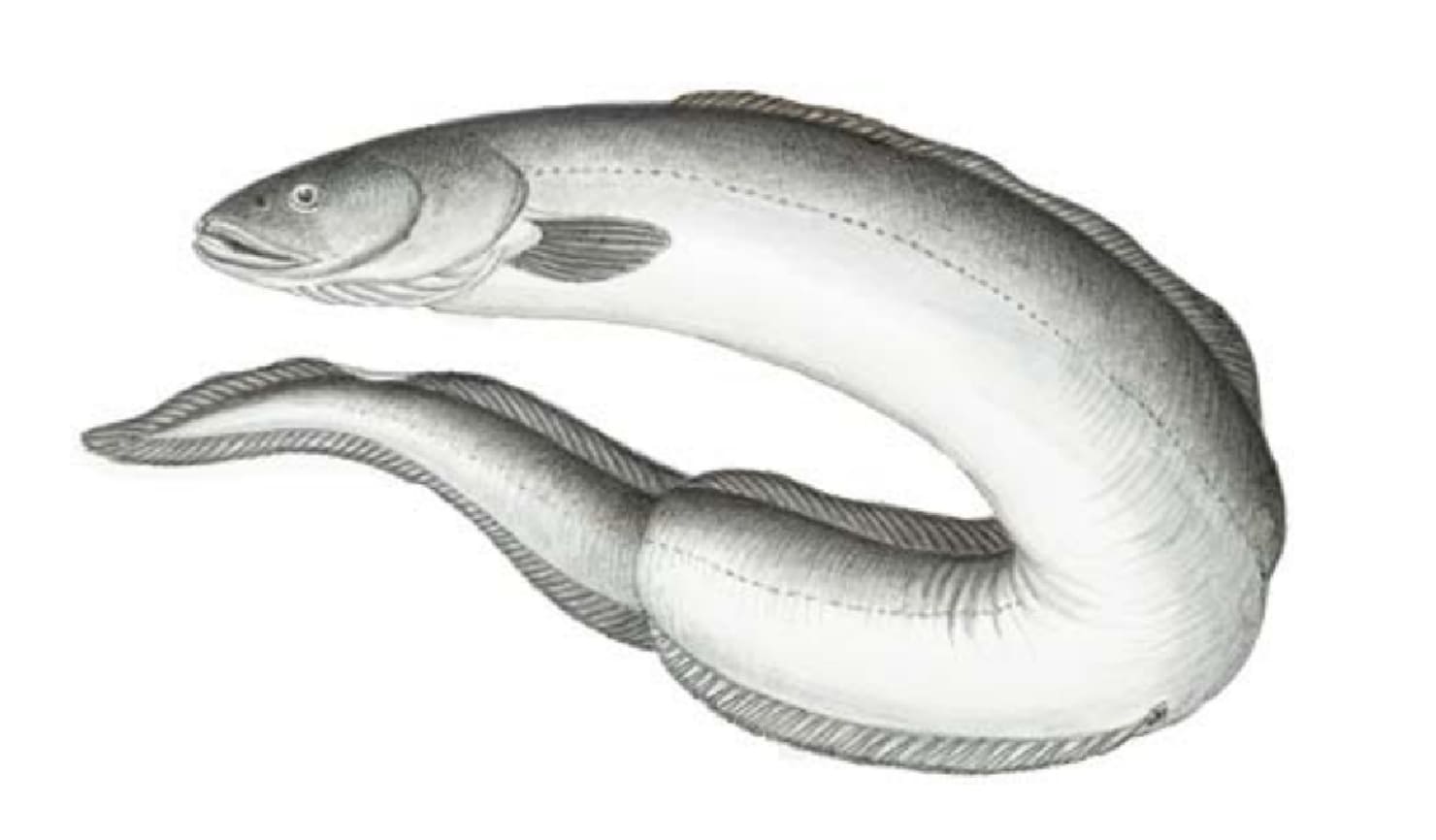
Conger oceanicus
Conger are distinguished from moray eels by having pectoral fins (morays have none) and by the …
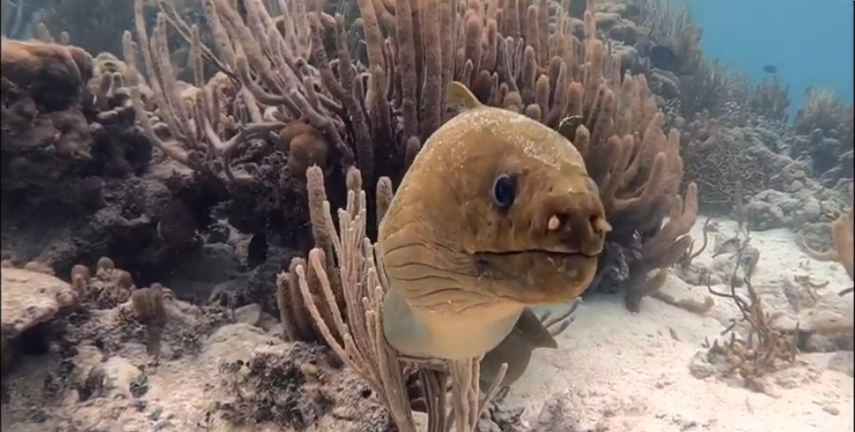
Gymnothorax funebris
The body of a typical moray eel is flattened from the sides, the pectoral fins are …
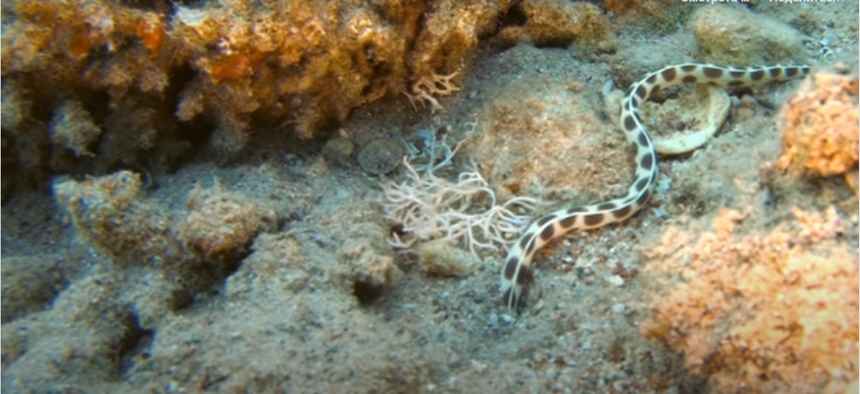
Ophichtus macrorhynchus
Snake eels of the family Ophichthidae have a long, cylindrical, snake-like body and can move backward …
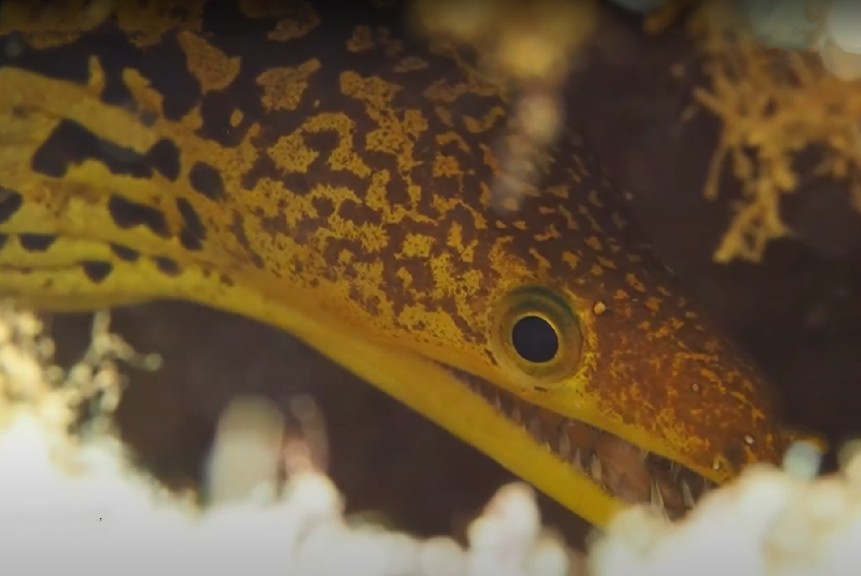
Enchelycore anatina
The Fangtooth moray has an elongated, powerful body that is slightly compressed from the sides. Its …
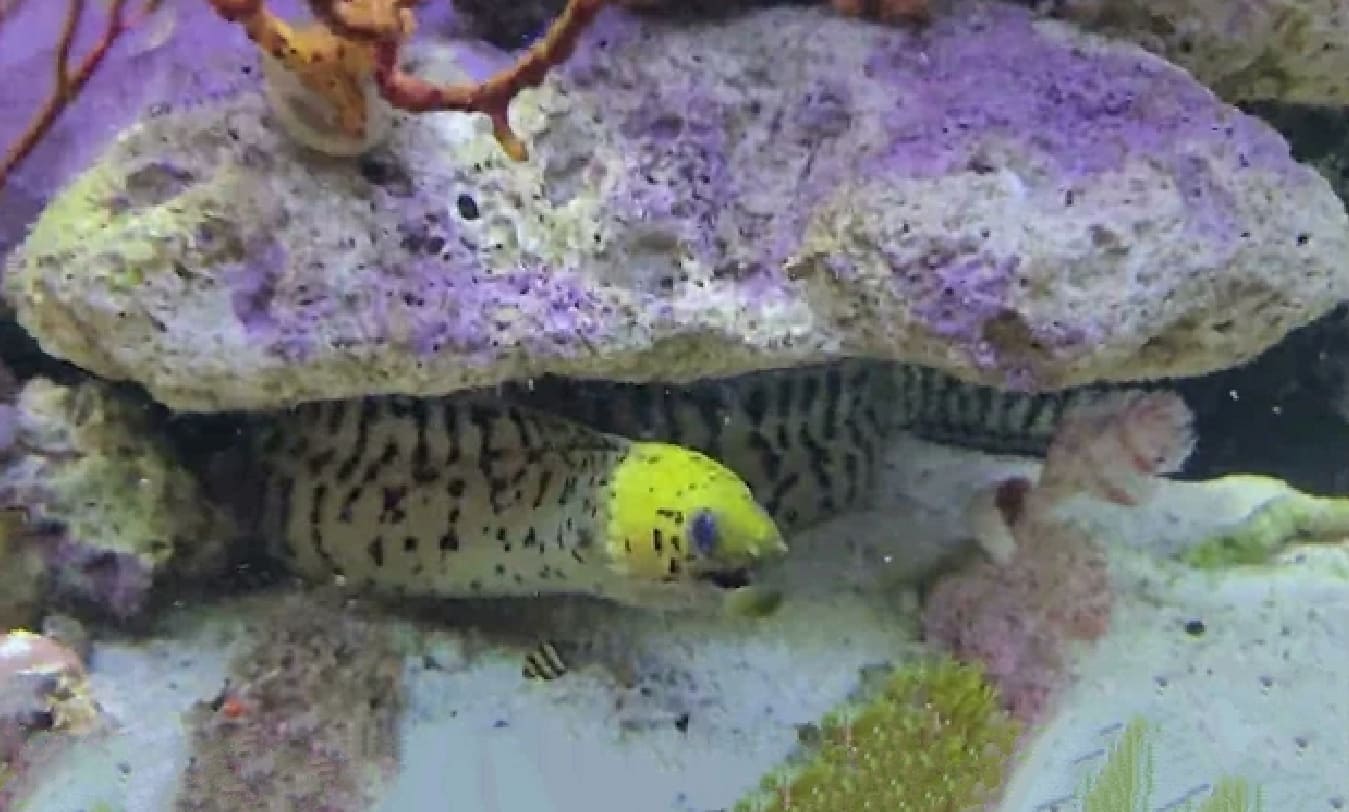
Gymnothorax fimbriatus
Fimbriated moray eels have a serpentine body and a pointed head. They have between 128 and …
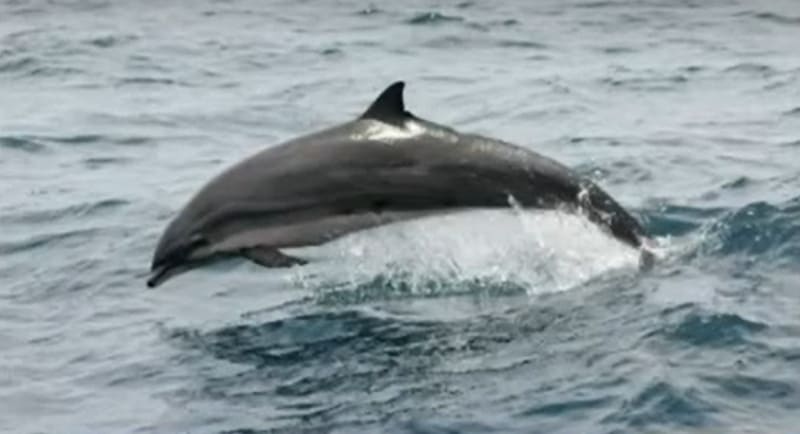
Lagenodelphis hosei
The skull is similar to that of the common dolphin and Lagenorhynchus. They have a stocky …
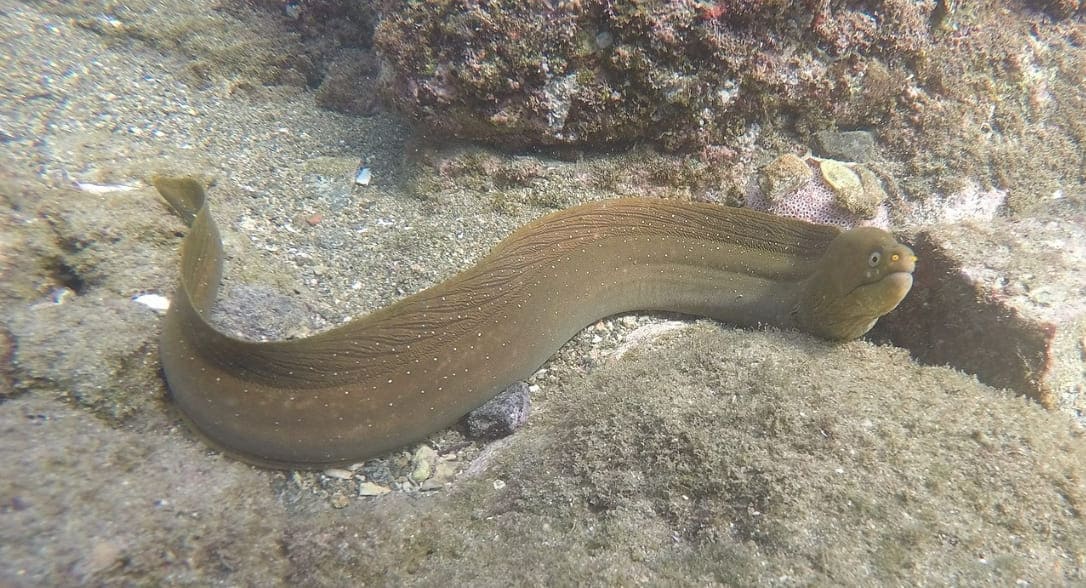
Echidna nocturna
The freckled moray eel has a long, snake-like body with an average of 120 vertebrae.
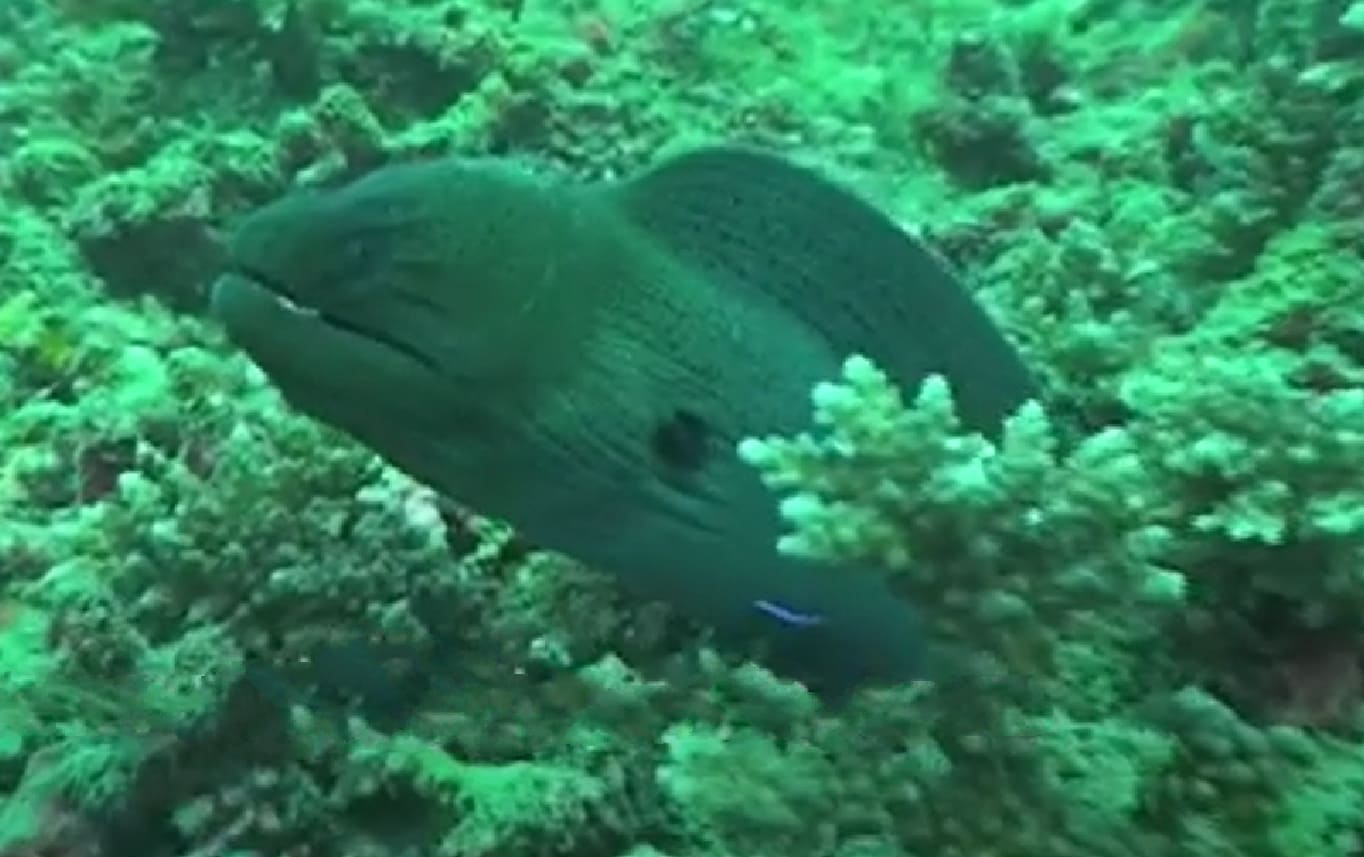
Gymnothorax javanicus
The body is compressed from the sides and covered with a layer of mucus, which allows …
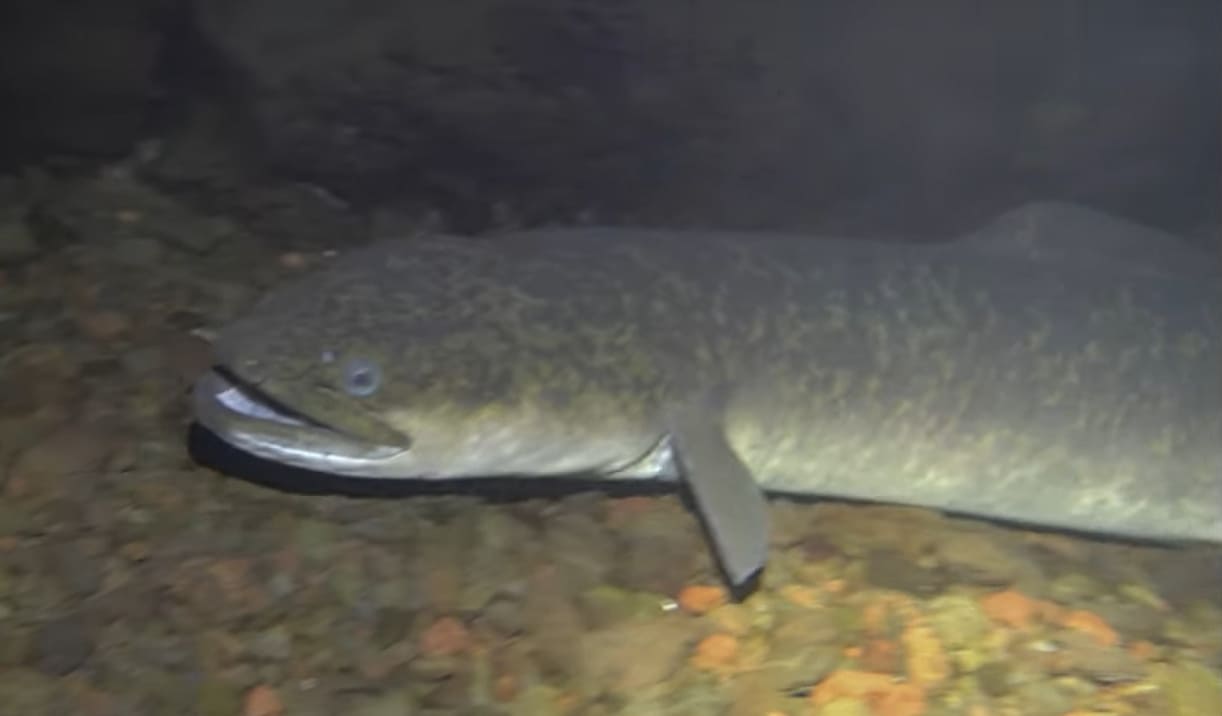
Anguilla marmorata
The giant mottled eel is cylindrical in shape with small, well-developed pectoral fins and a protruding …
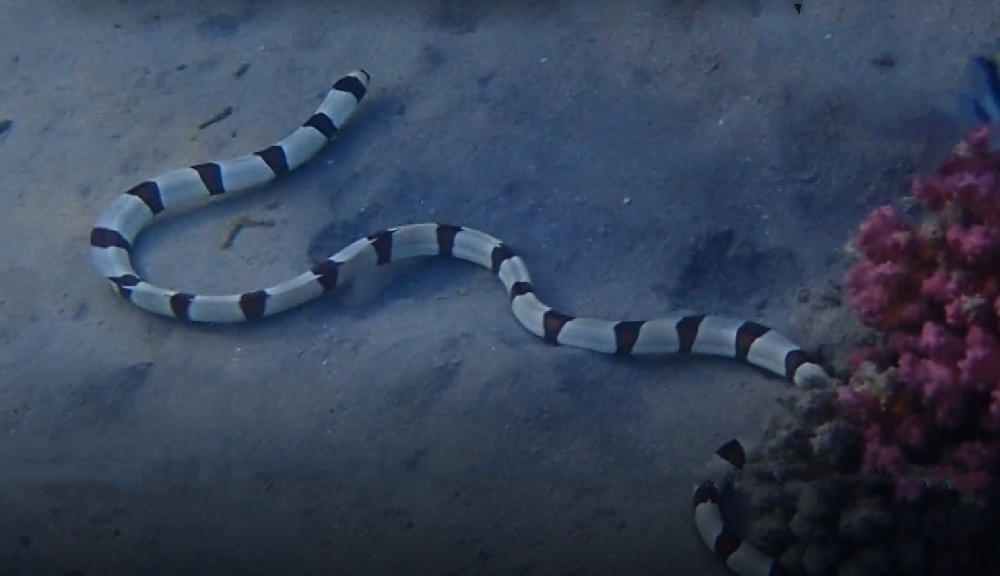
Myrichthys colubrinus
The harlequin snake eel has a long, tubular body shape and a narrow head. They are …

Congresox talabonoides
The Indian pike conger has 132 to 135 vertebrae. The body is stocky, shaped like an …
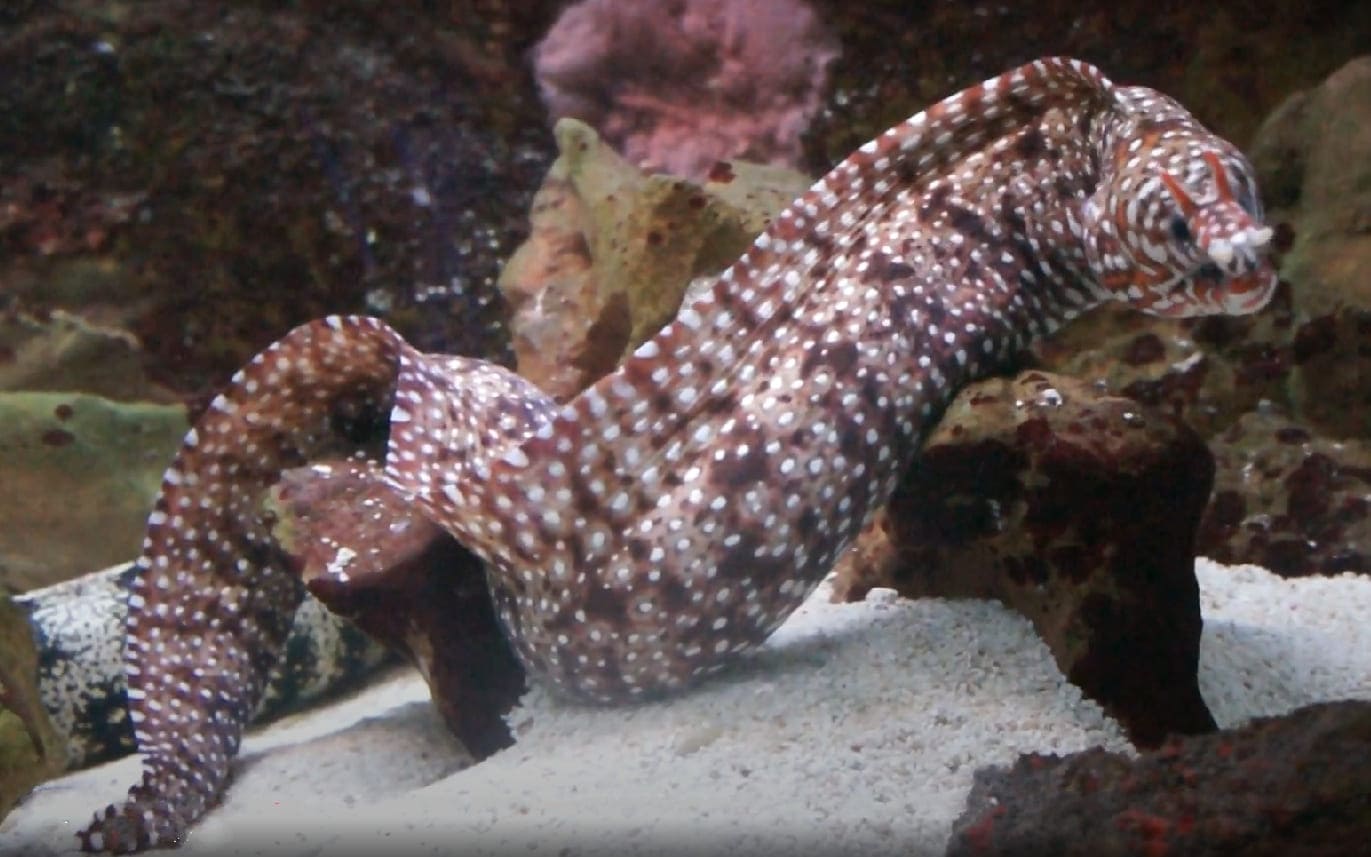
Enchelycore pardalis
Total number of vertebrae is 119-126. Long tubular posterior nostrils are located on the snout above …
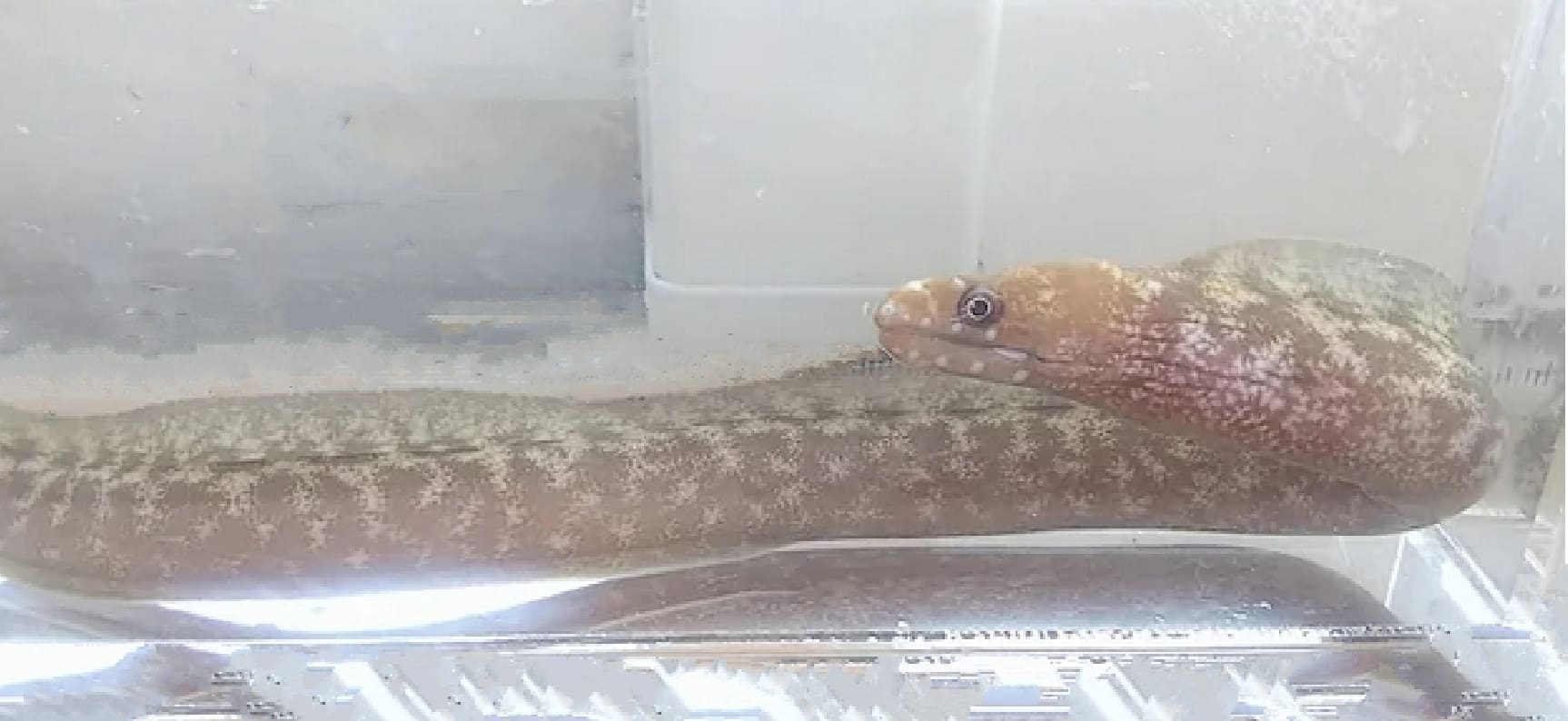
Gymnothorax chilospilus
The species was first named by Pieter Bleeker in 1864. Lipspot morays have 121-133 vertebrae.
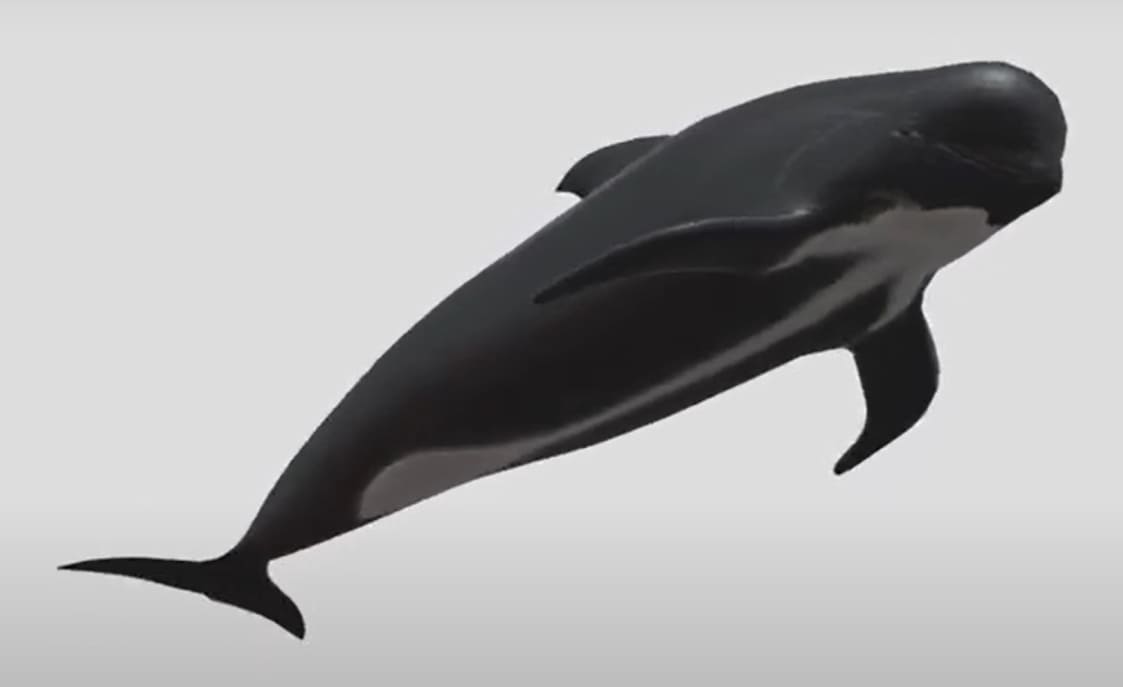
Globicephala melas
The most characteristic feature is a large, melon-shaped head. This shape does not appear immediately after …
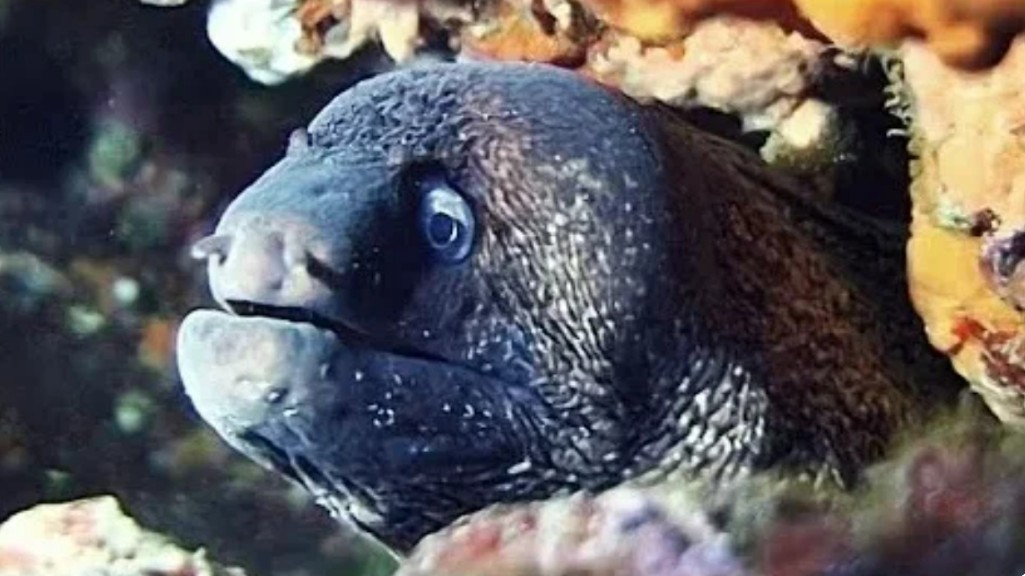
Muraena helena
The Mediterranean moray has a long, snake-like (anguilliform) body that is cylindrical in its first half …

Peponocephala electra
It has a streamlined, torpedo-shaped body. Its head is a rounded cone, giving the animal its …

Lissodelphis borealis
Have a slender hydrodynamic body. The fat pad on the head is low and the bill …

Lagenorhynchus obliquidens
The proportions and body shape are very similar to the Atlantic white-sided dolphin. Each tooth is …

Stenella attenuata
The Pantropical spotted dolphin varies considerably in size and coloration throughout its range. The most significant …