 Allfishes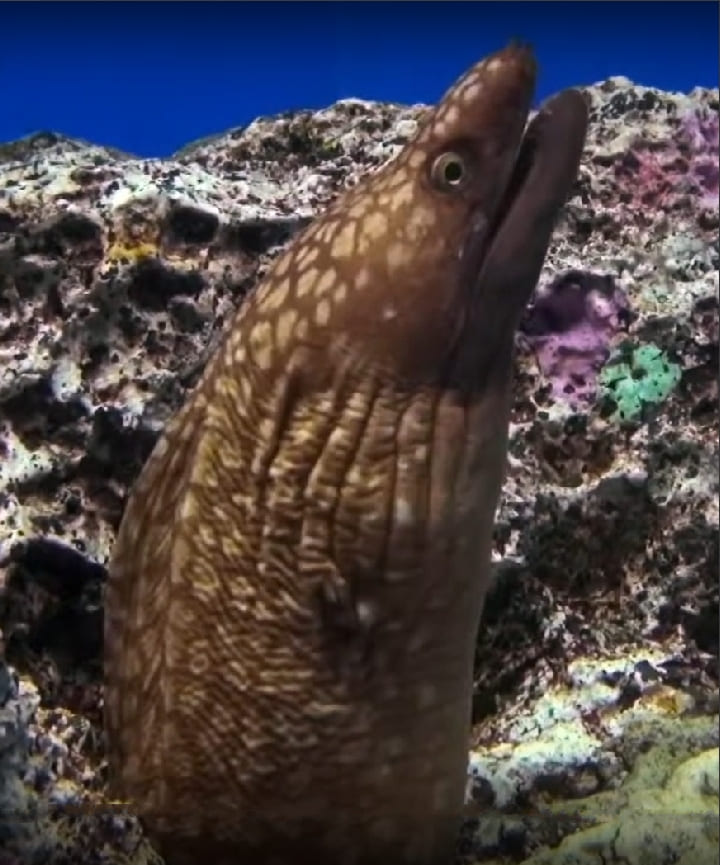
Australian mottled moray
Gymnothorax prionodon
The teeth of the Australian mottled moray are located on two pairs of jaws - the …
Guide to marine fish with sorting and selection options by family, feeding method, size, and other important characteristics.
Showing 1–24 of 41
Gymnothorax prionodon
The teeth of the Australian mottled moray are located on two pairs of jaws - the …
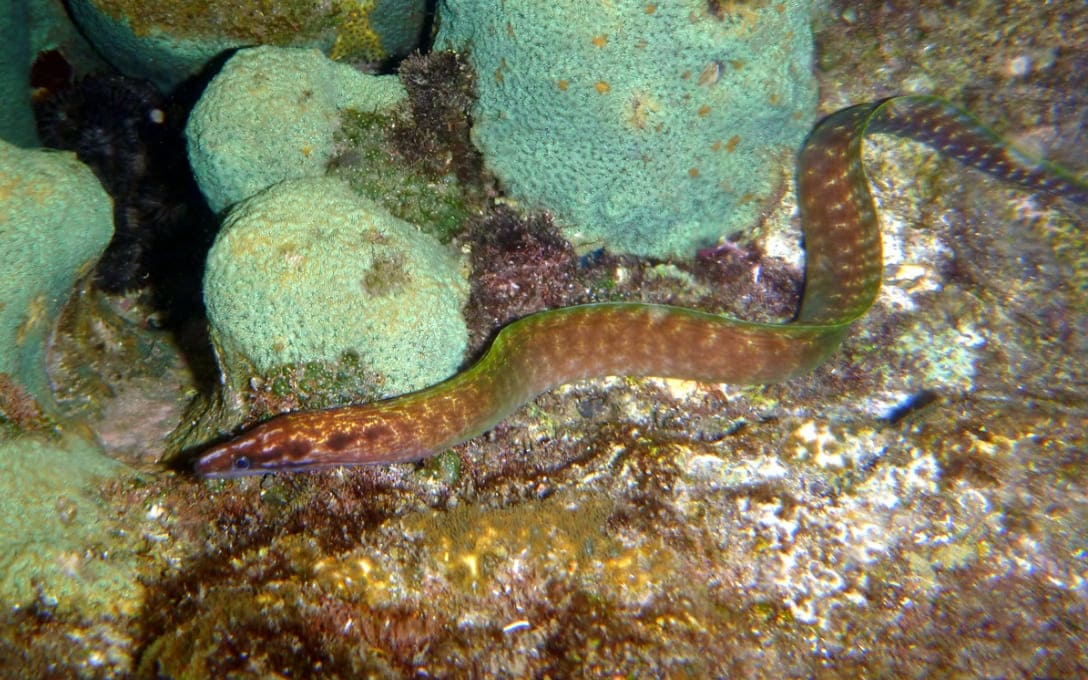
Gymnothorax margaritophorus
The species was first named by Pieter Bleeker in 1864.Have 126-143 vertebrae. Also characterized by depth …
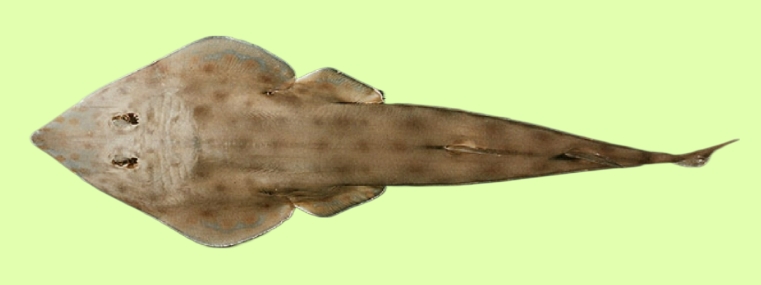
Rhinobatos schlegelii
Rhinobatos: Greek, rhinos = nose + Greek, batis, -does = a ray (Raja sp.)The snout ridges …
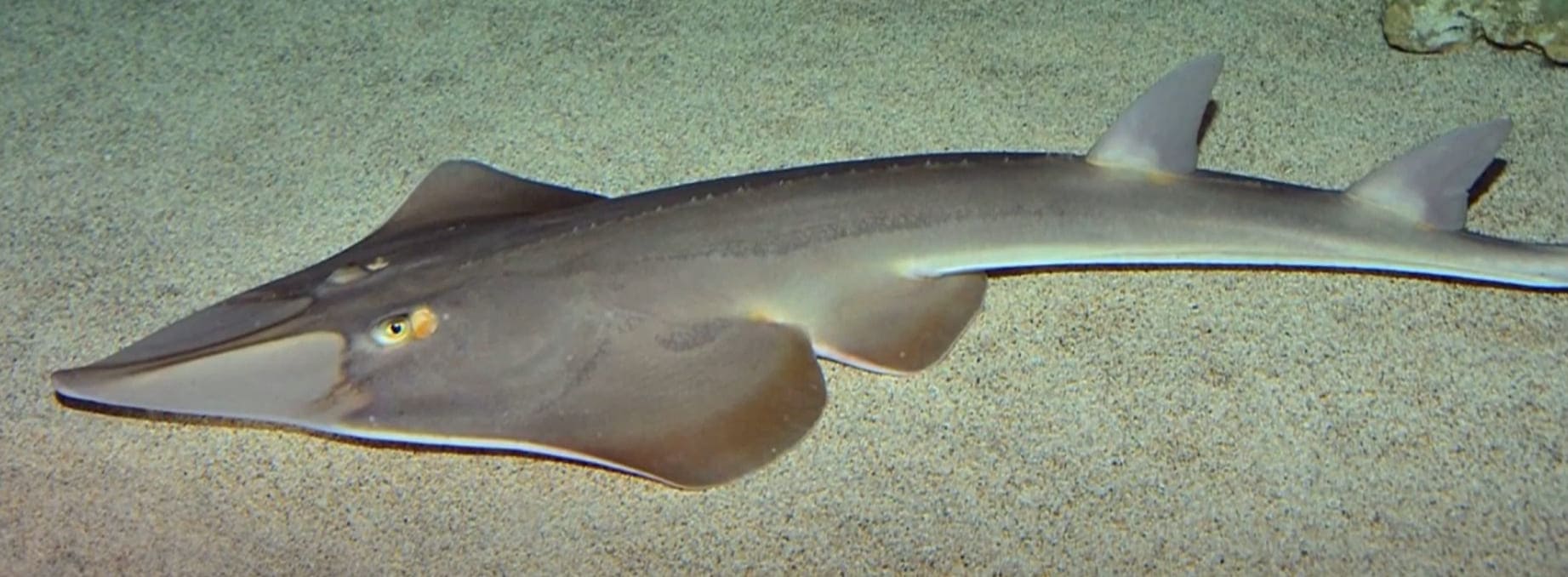
Rhinobatos rhinobatos
Very similar in appearance to the blackchin guitarfish (Glaucostegus cemiculus), but generally smaller, with larger eyes, …
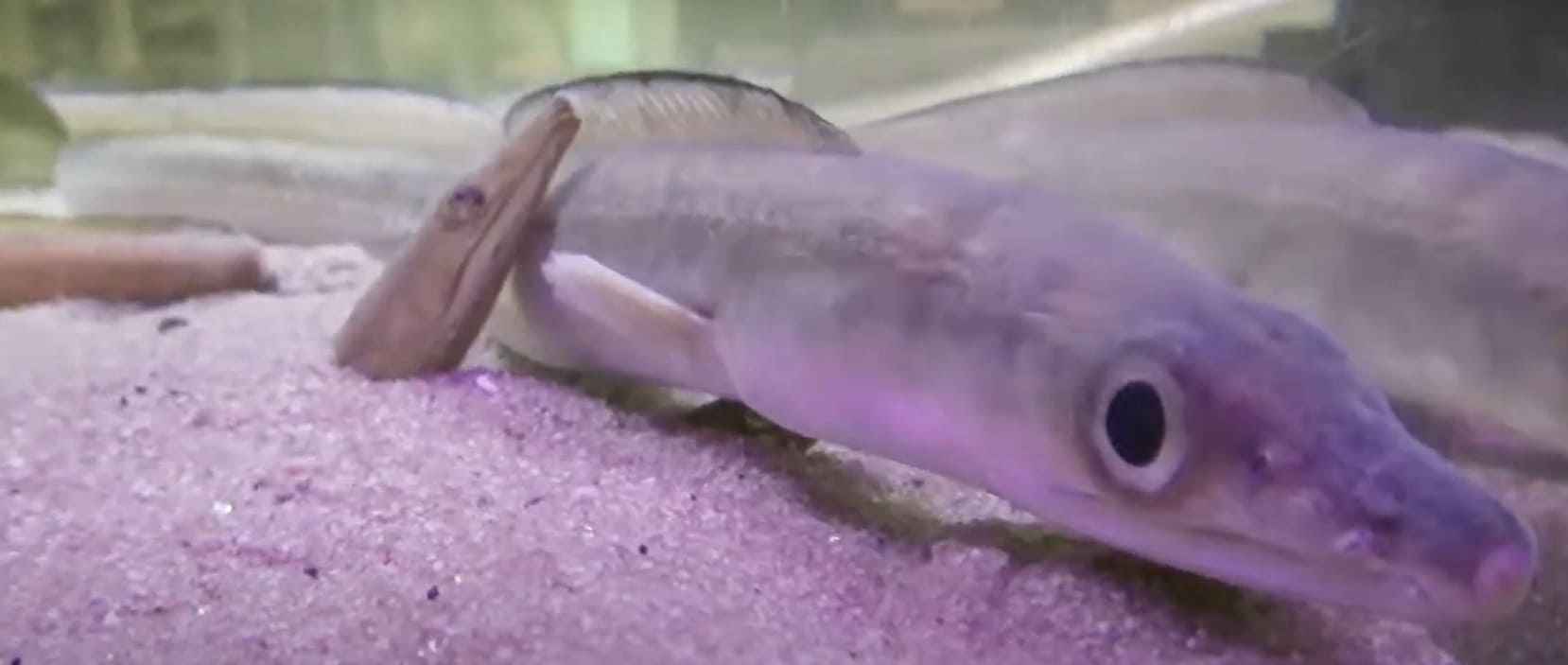
Muraenesox cinereus
The muzzle is long. The diameter of the eyes is 2-2.5 times the length of the …
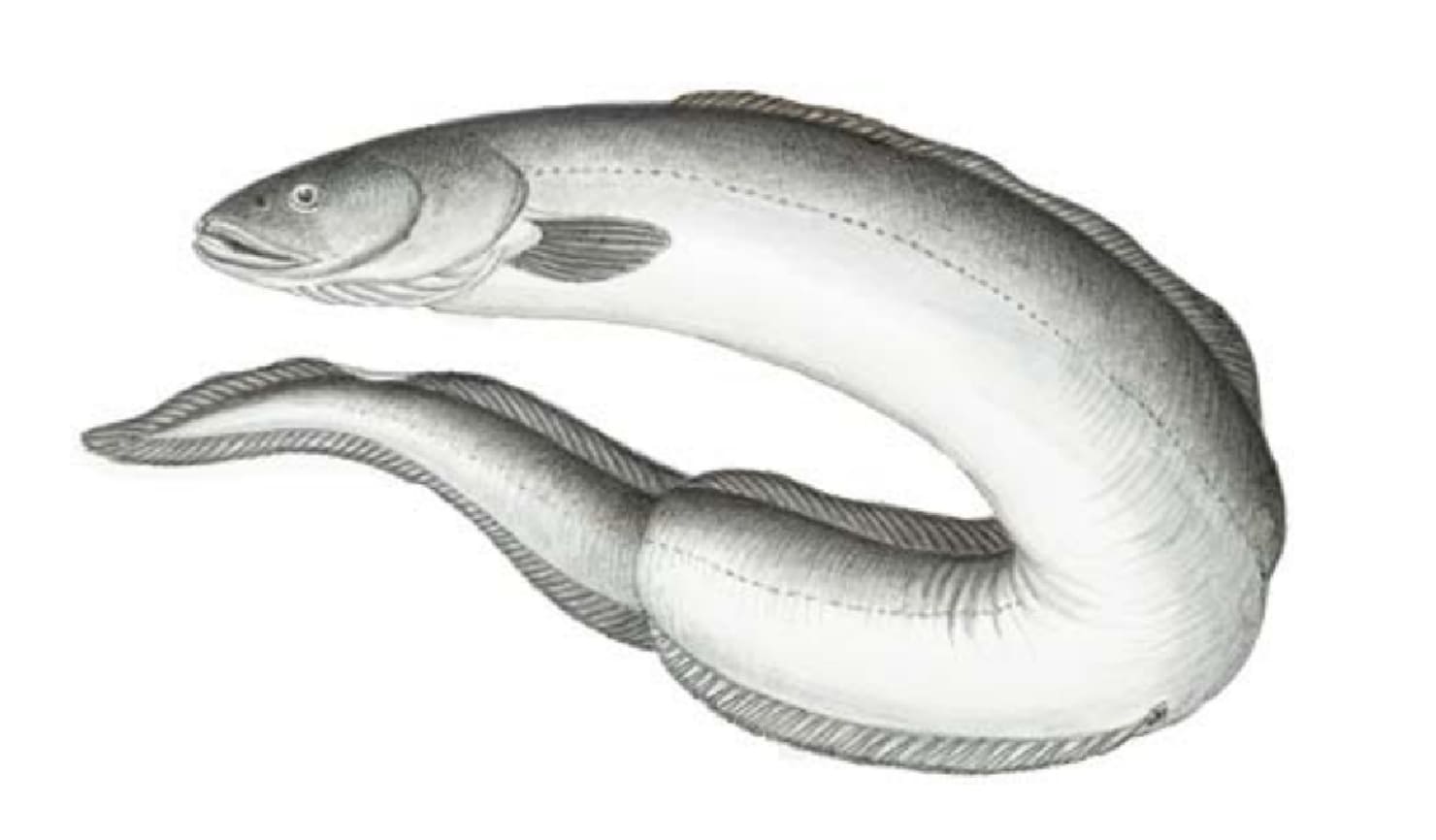
Conger oceanicus
Conger are distinguished from moray eels by having pectoral fins (morays have none) and by the …
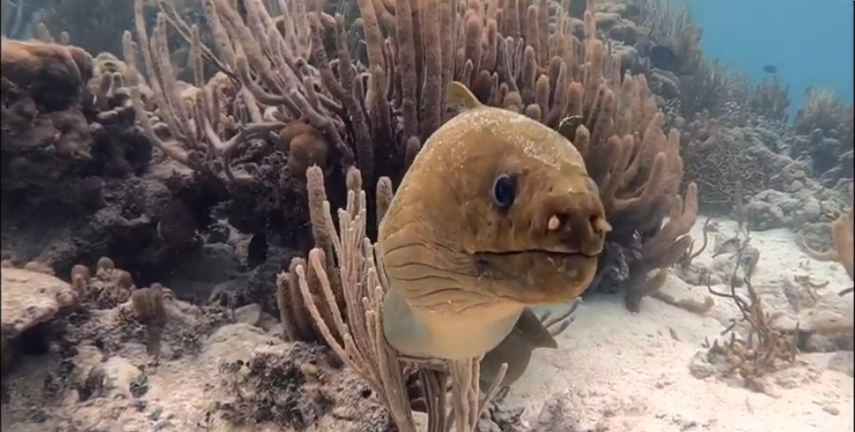
Gymnothorax funebris
The body of a typical moray eel is flattened from the sides, the pectoral fins are …
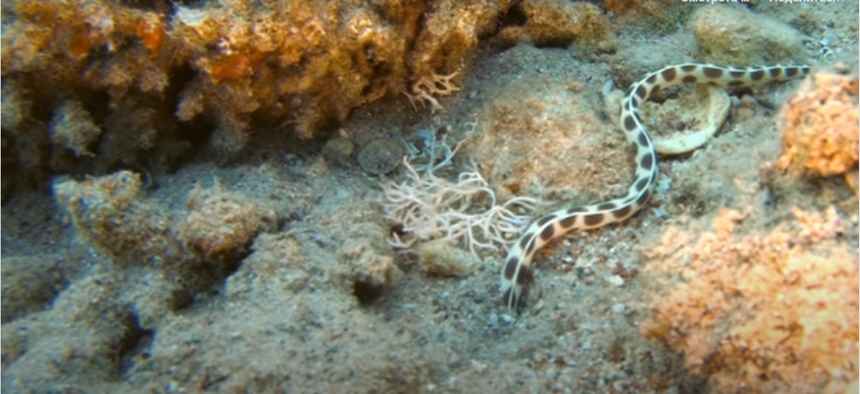
Ophichtus macrorhynchus
Snake eels of the family Ophichthidae have a long, cylindrical, snake-like body and can move backward …
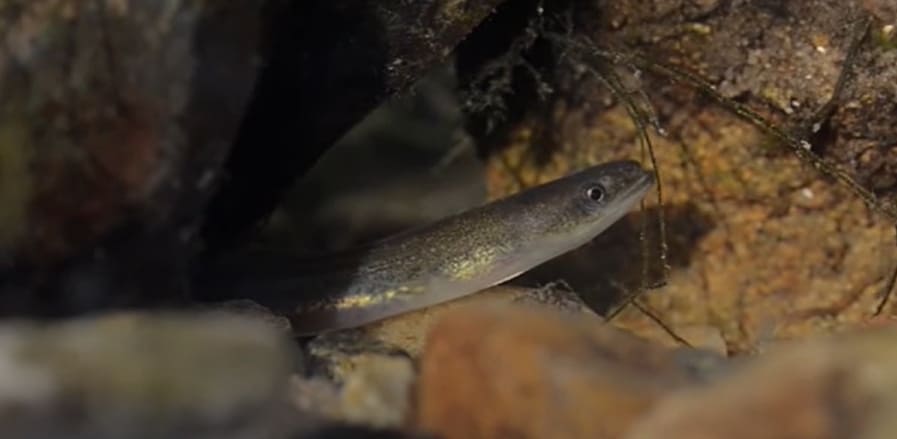
Anguilla anguilla
It has a long body with a brownish-greenish back, with yellowing on the sides and belly. …
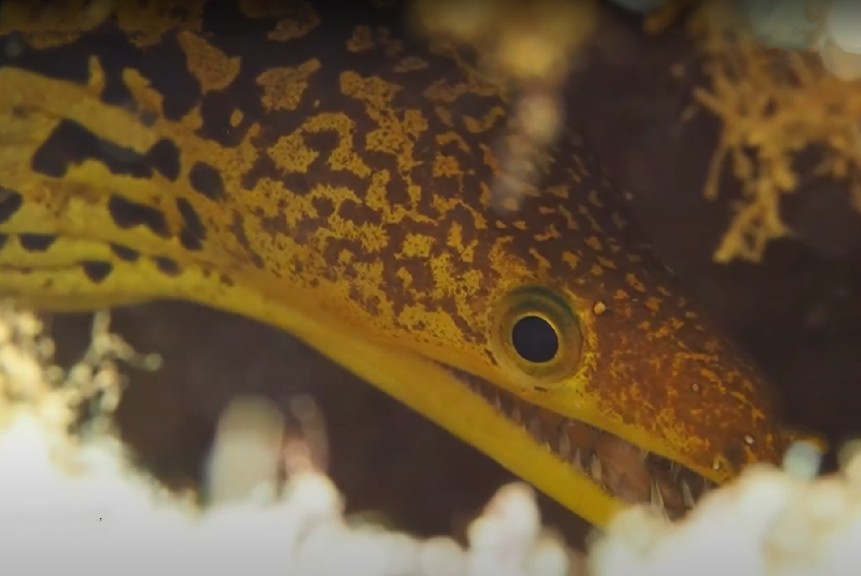
Enchelycore anatina
The Fangtooth moray has an elongated, powerful body that is slightly compressed from the sides. Its …
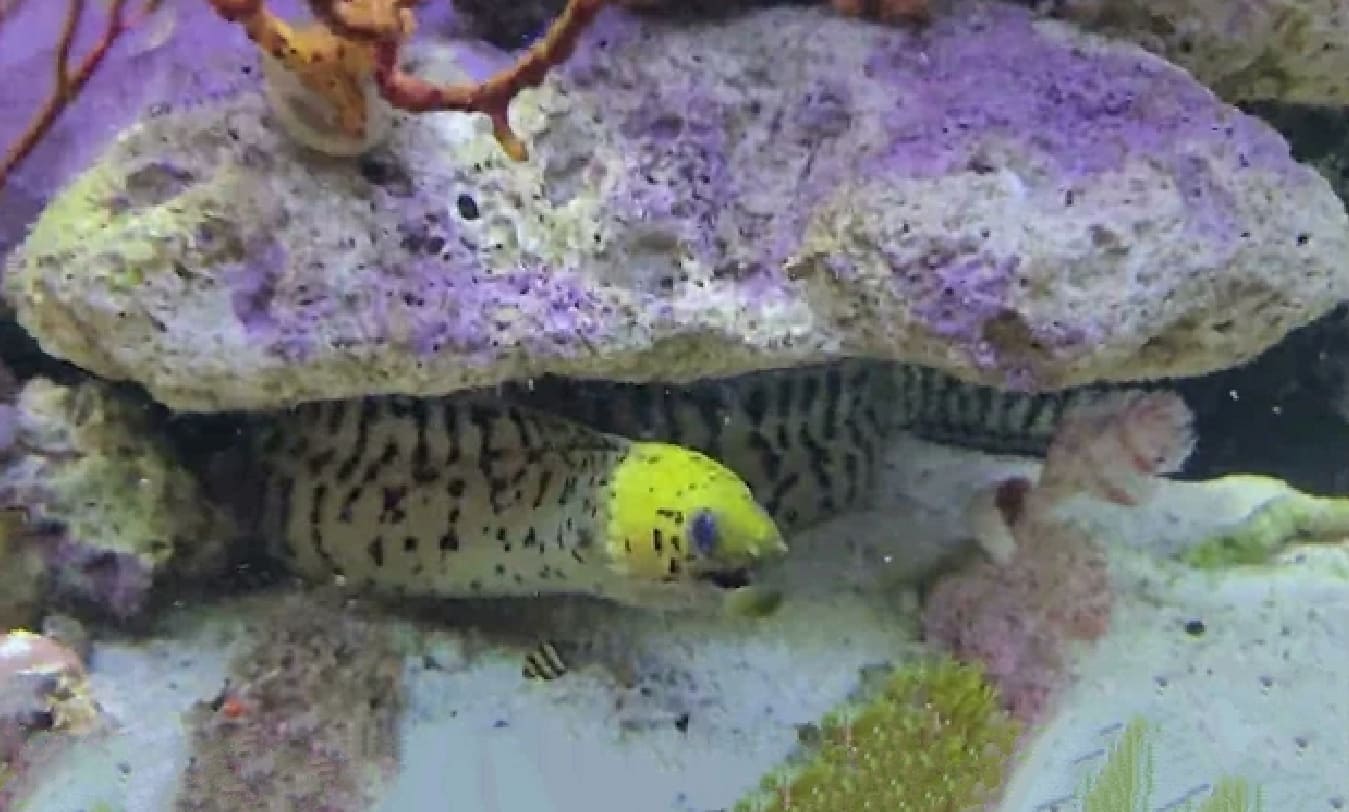
Gymnothorax fimbriatus
Fimbriated moray eels have a serpentine body and a pointed head. They have between 128 and …
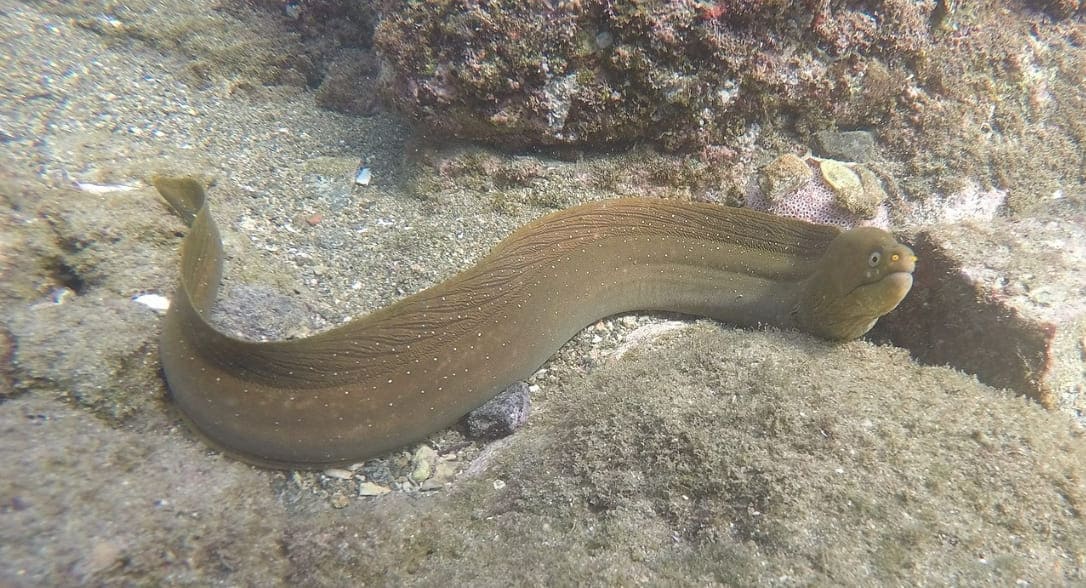
Echidna nocturna
The freckled moray eel has a long, snake-like body with an average of 120 vertebrae.
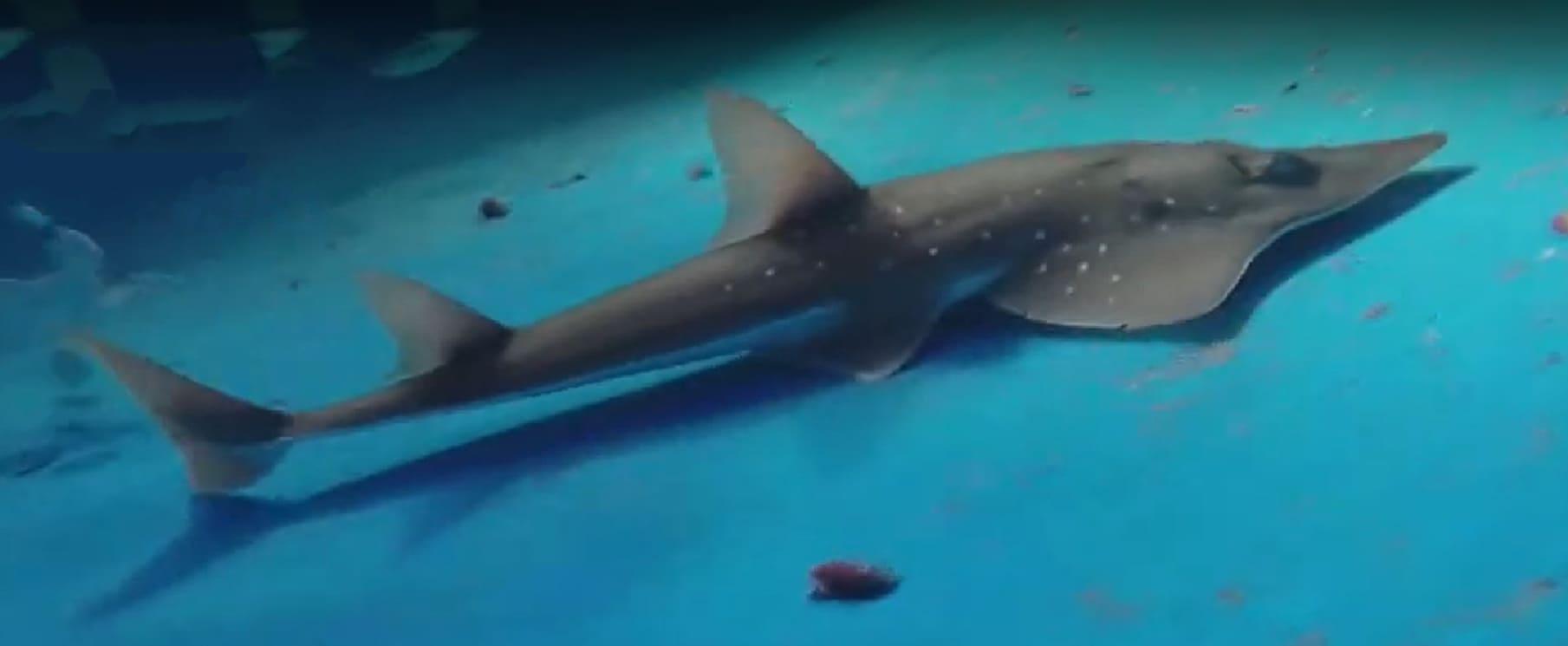
Rhynchobatus djiddensis
This species can be confused with its distant relative, the common shovelnose ray, from which it …
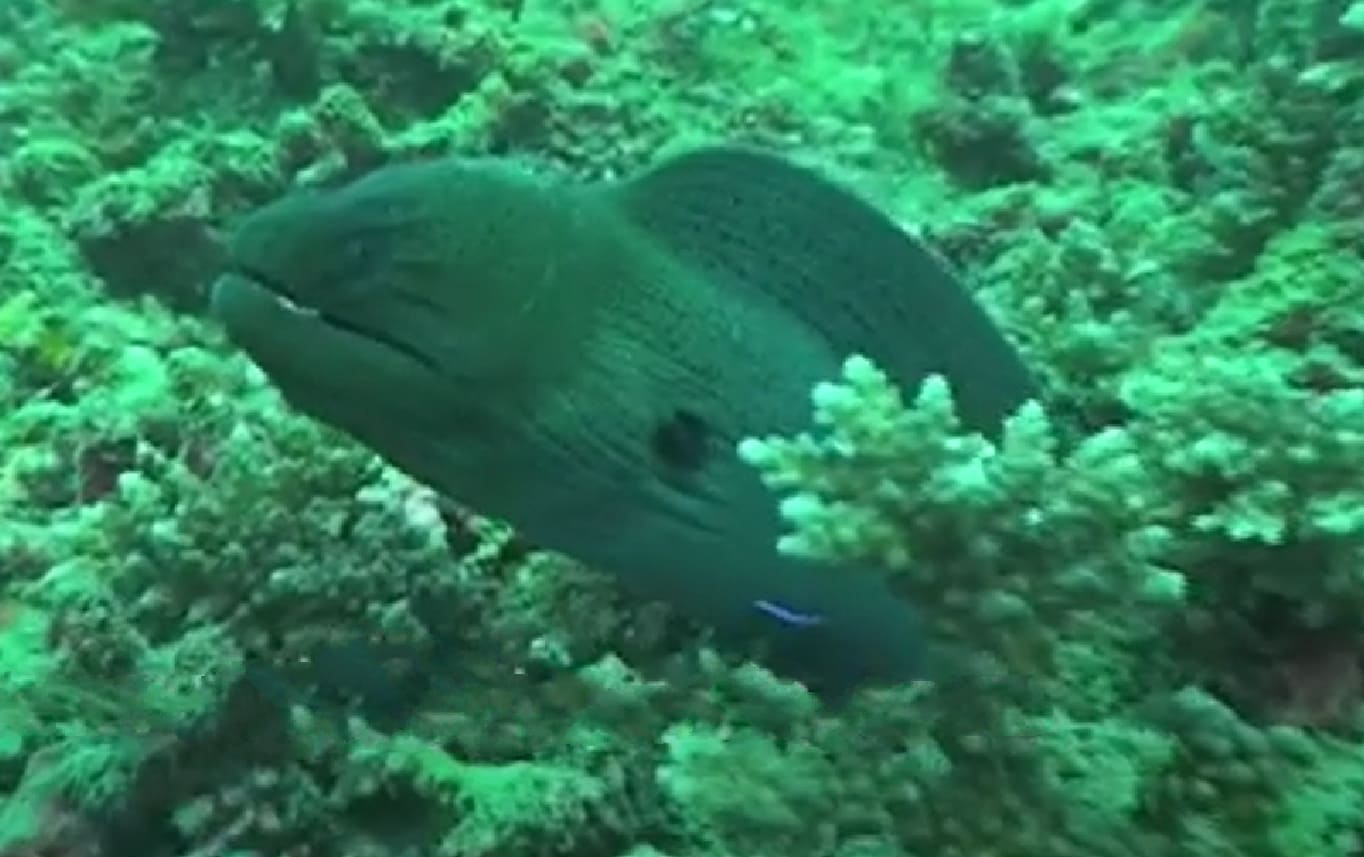
Gymnothorax javanicus
The body is compressed from the sides and covered with a layer of mucus, which allows …
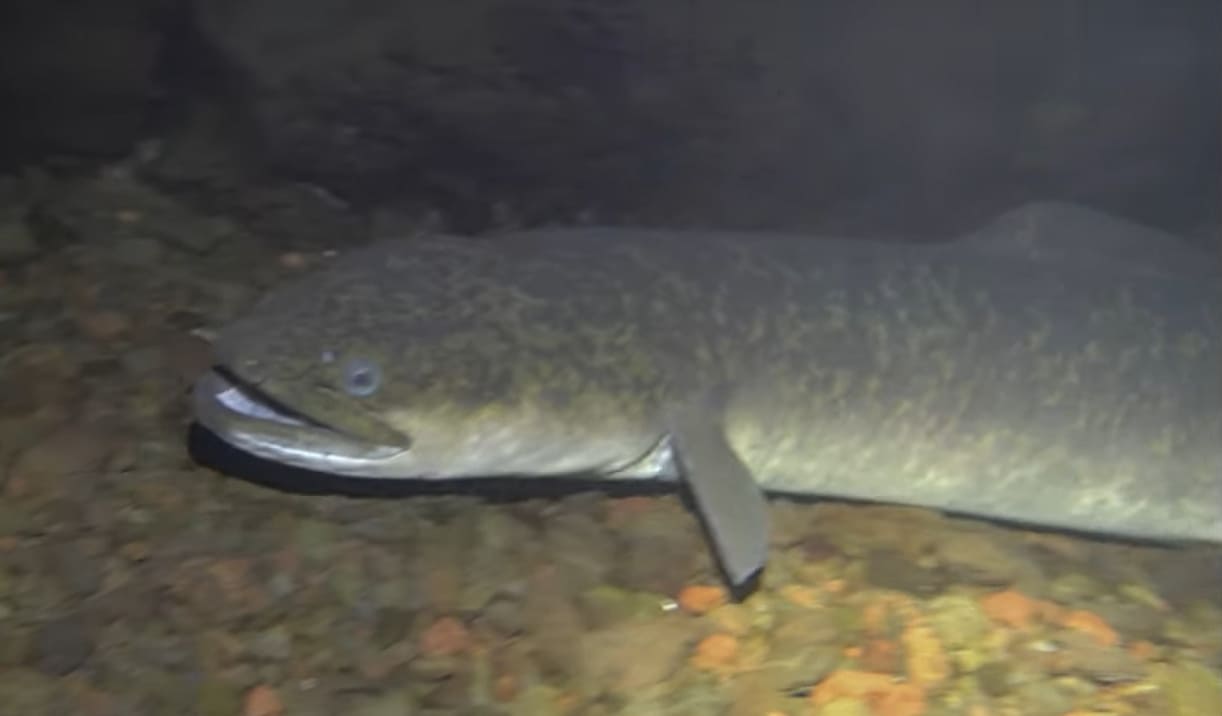
Anguilla marmorata
The giant mottled eel is cylindrical in shape with small, well-developed pectoral fins and a protruding …
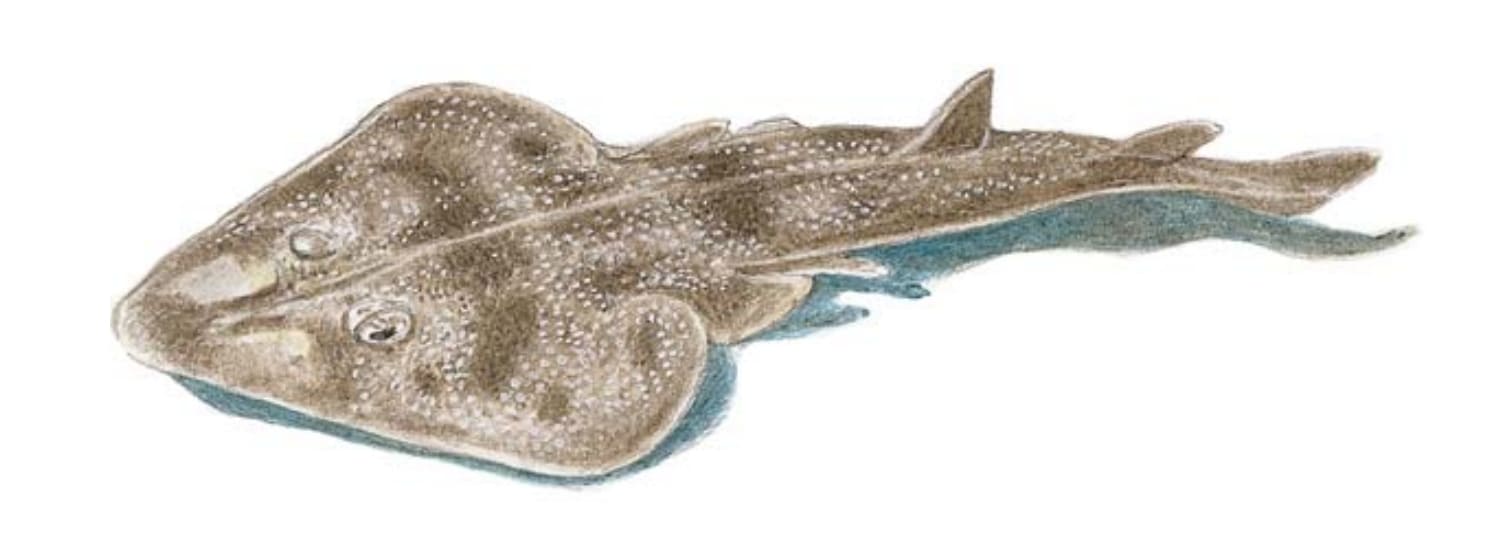
Rhinobatos lentiginosus
The head and pectoral fins form a triangular disk at the front of the body. The …
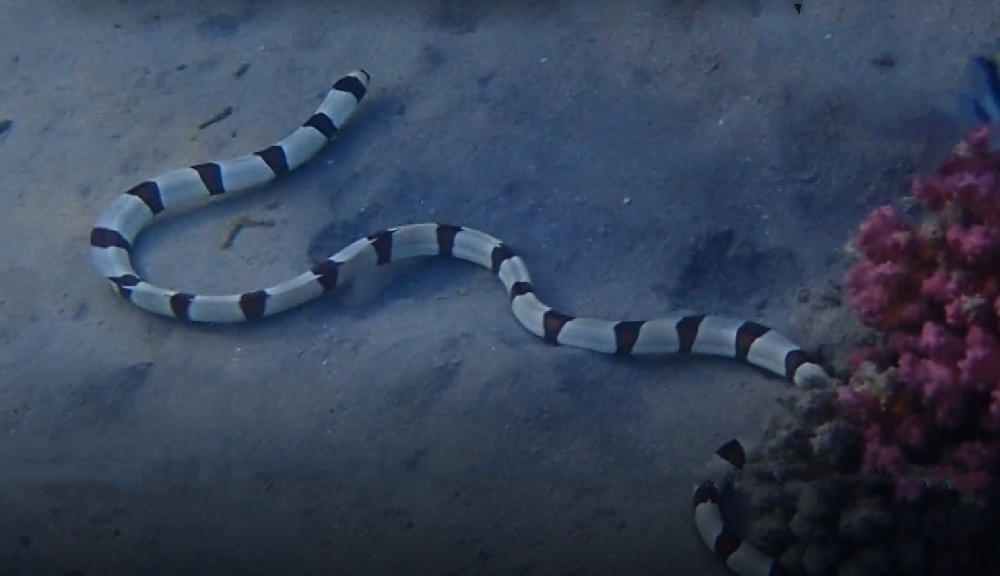
Myrichthys colubrinus
The harlequin snake eel has a long, tubular body shape and a narrow head. They are …

Congresox talabonoides
The Indian pike conger has 132 to 135 vertebrae. The body is stocky, shaped like an …
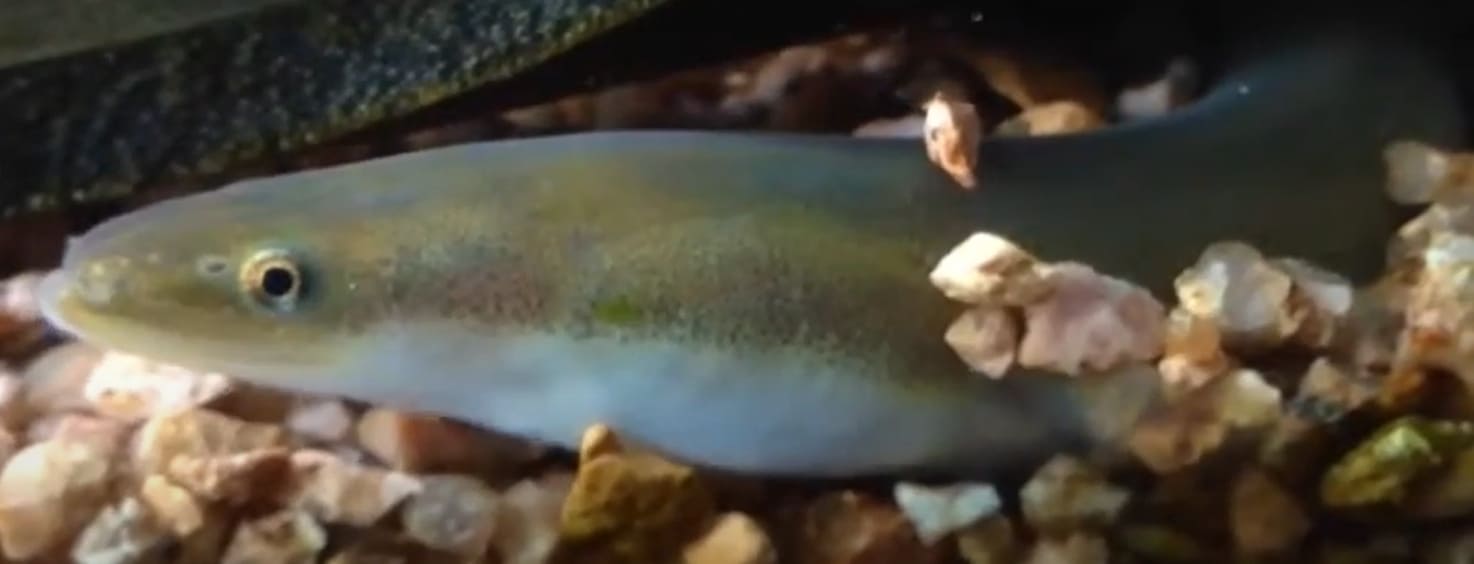
Anguilla japonica
Vertebrae: 114-118. Head length 11.2-11.9% (11.6%) of body length (according to Ege, females 13, males 12-13%). …
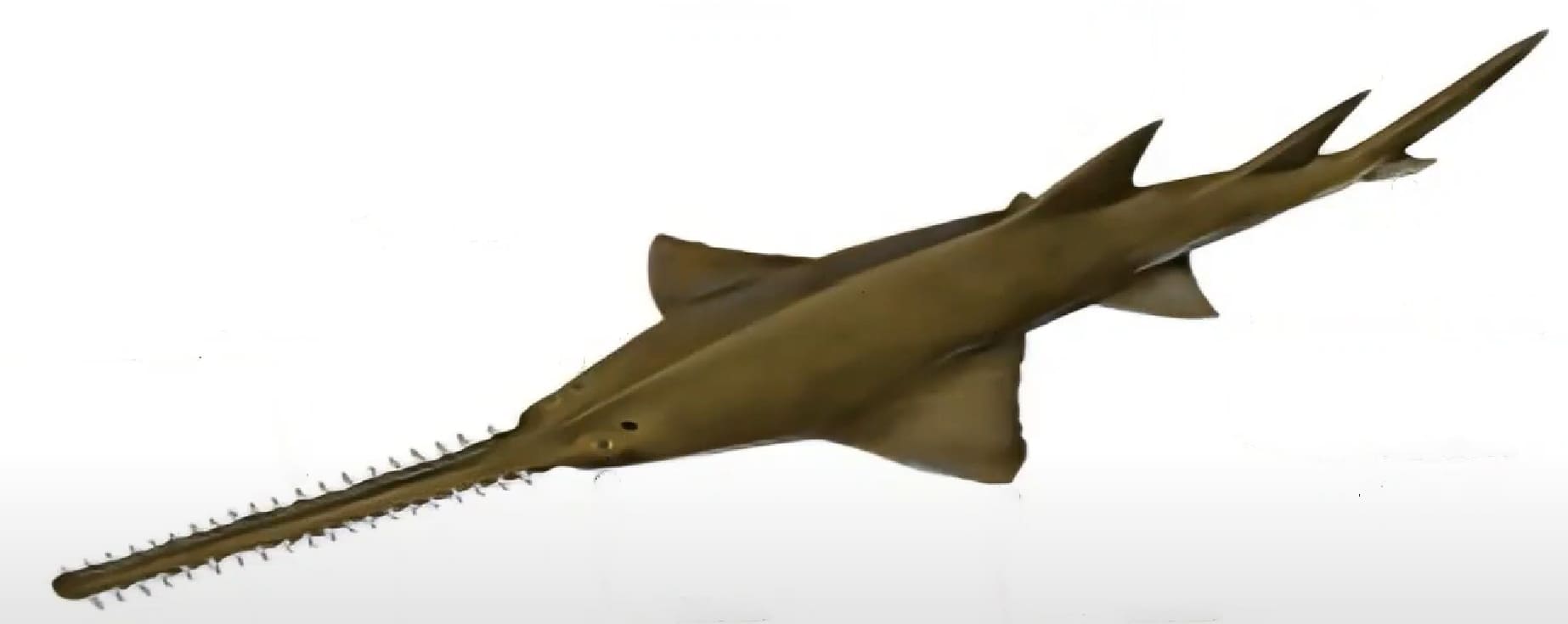
Anoxypristis cuspidata
The elongated, flat rostrum is covered with tooth-like projections on both sides. It is covered with …
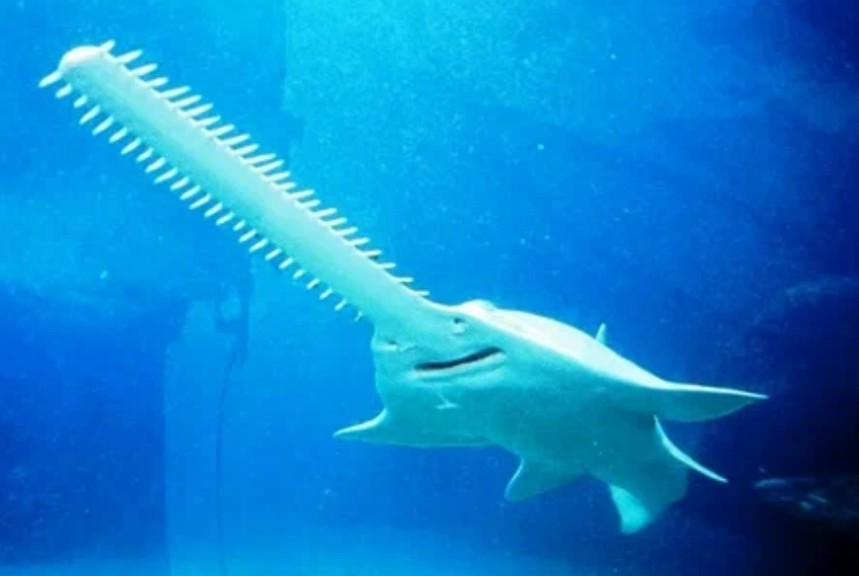
Pristis pristis
This is a fish that cannot be mistaken for any other due to its unique "weapon"—the …
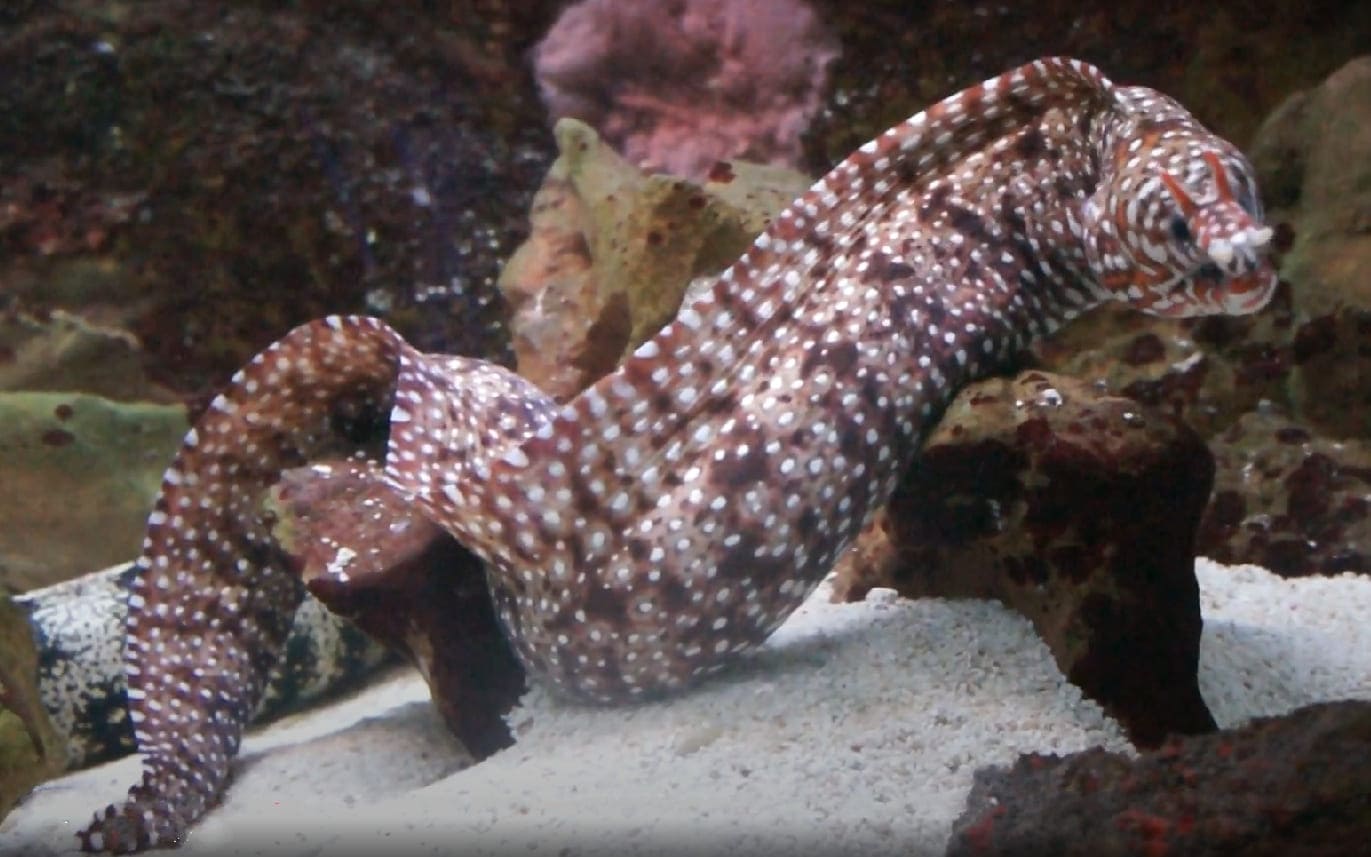
Enchelycore pardalis
Total number of vertebrae is 119-126. Long tubular posterior nostrils are located on the snout above …
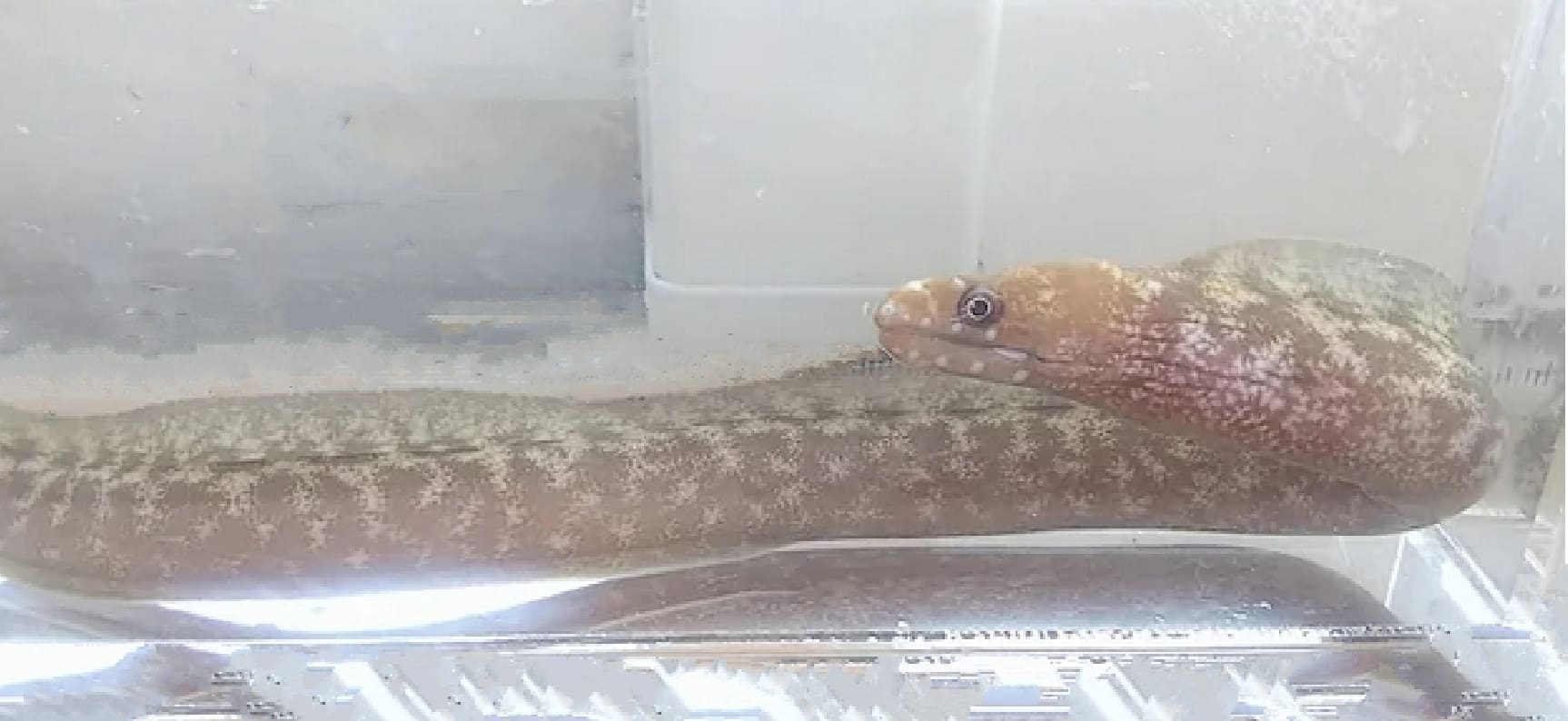
Gymnothorax chilospilus
The species was first named by Pieter Bleeker in 1864. Lipspot morays have 121-133 vertebrae.
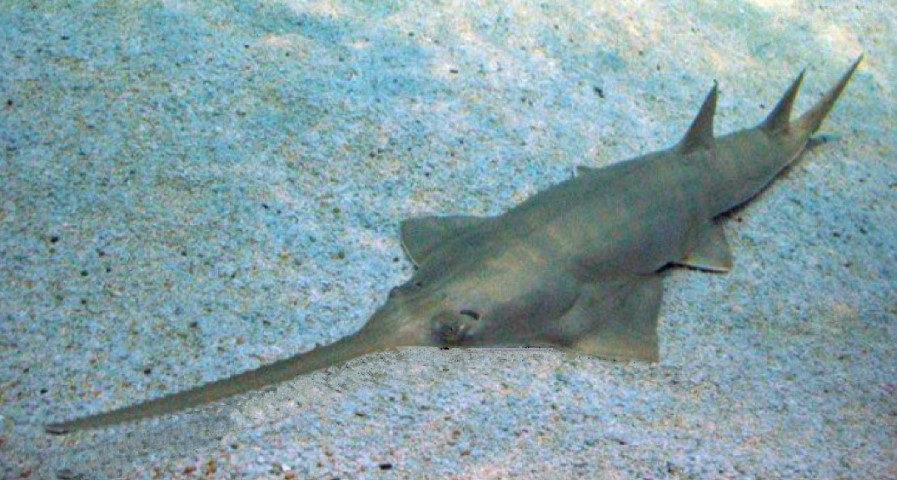
Pristis zijsron
The longcomb sawfish has an elongated, flat rostrum with tooth-like projections on either side. It is …