 Allfishes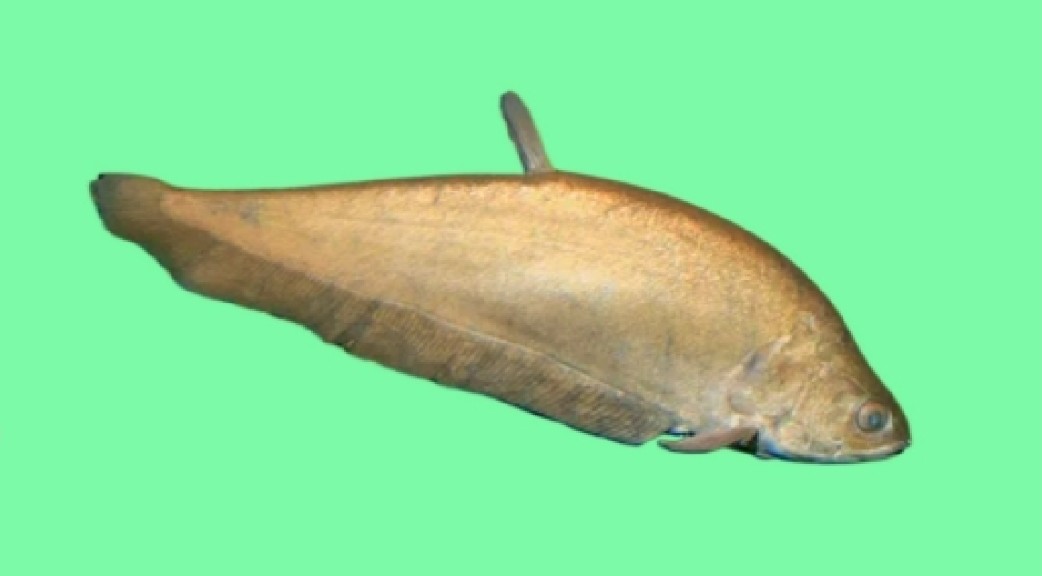
Bronze featherback
Notopterus notopterus
It is currently the only member of the genus Notopterus. Notopterus: from the Ancient Greek νῶτον …
Guide to marine fish with sorting and selection options by family, feeding method, size, and other important characteristics.
Showing 73–96 of 460
Notopterus notopterus
It is currently the only member of the genus Notopterus. Notopterus: from the Ancient Greek νῶτον …
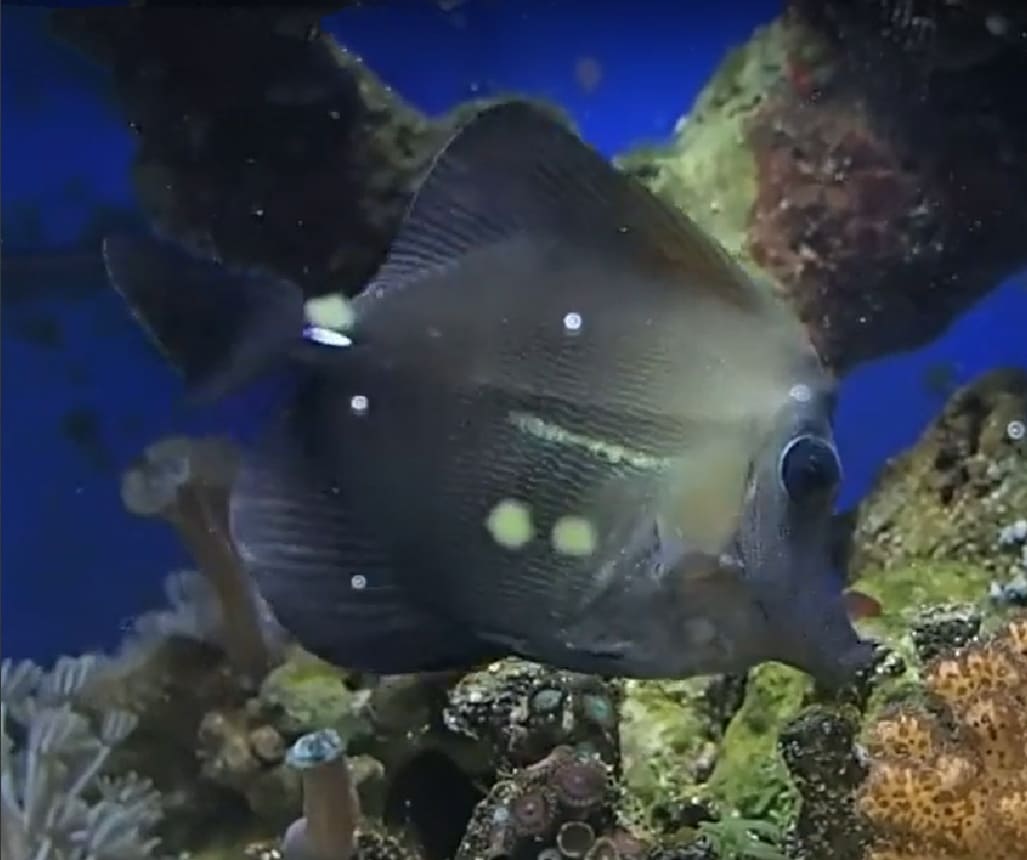
Zebrasoma scopas
These fish have a thick body compressed at the sides and a protruding face.
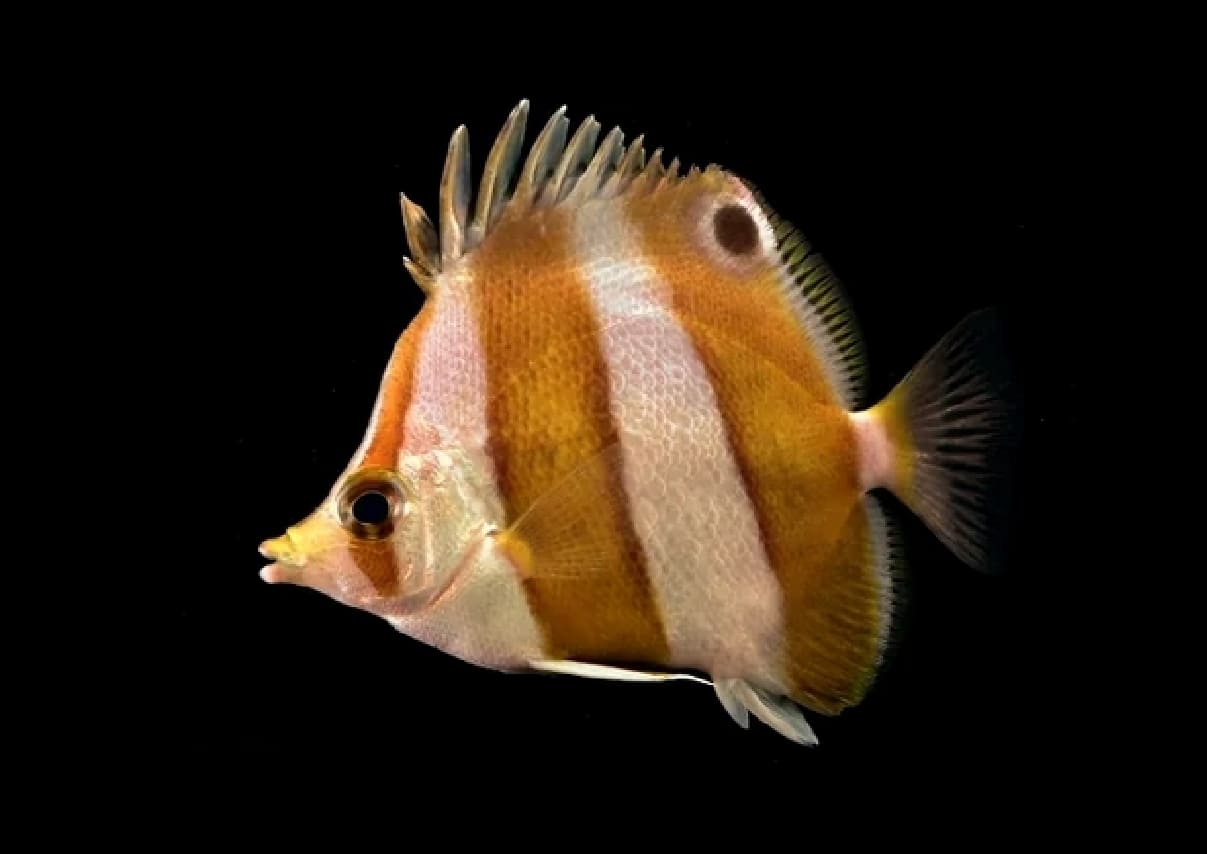
Roa modesta
The body of these fishes is large, short, strongly compressed at the sides. The head is …
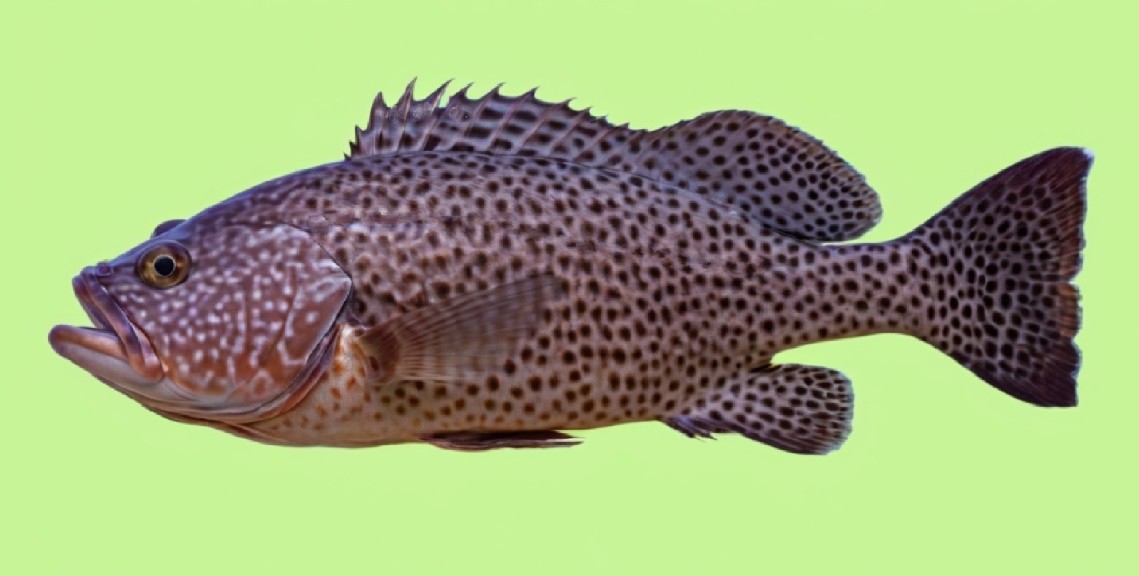
Epinephelus chlorostigma
The body of the brown spotted grouper is somewhat elongated and covered with ctenoid scales with …
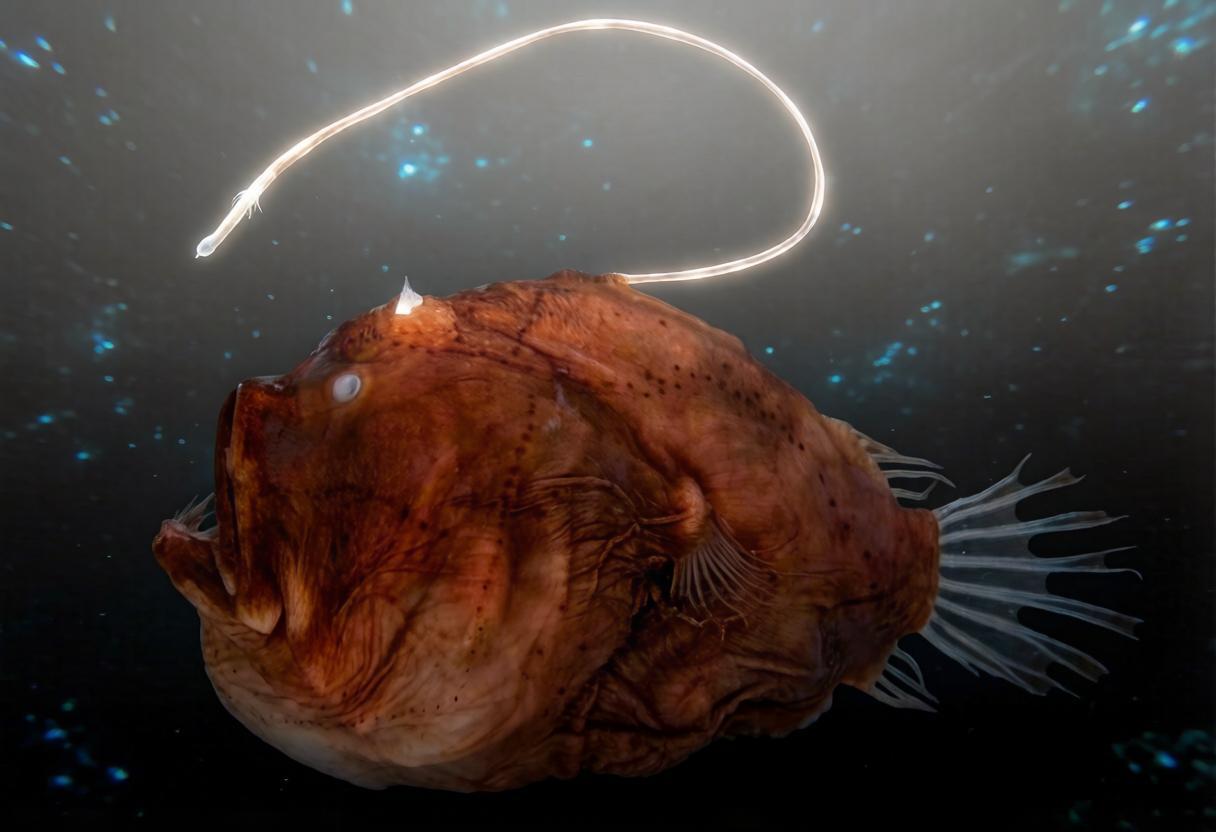
Bufoceratias wedli
The genus name Bufoceratias comes from the Latin bufo ("toad") and the Greek keras ("horn"), referring …
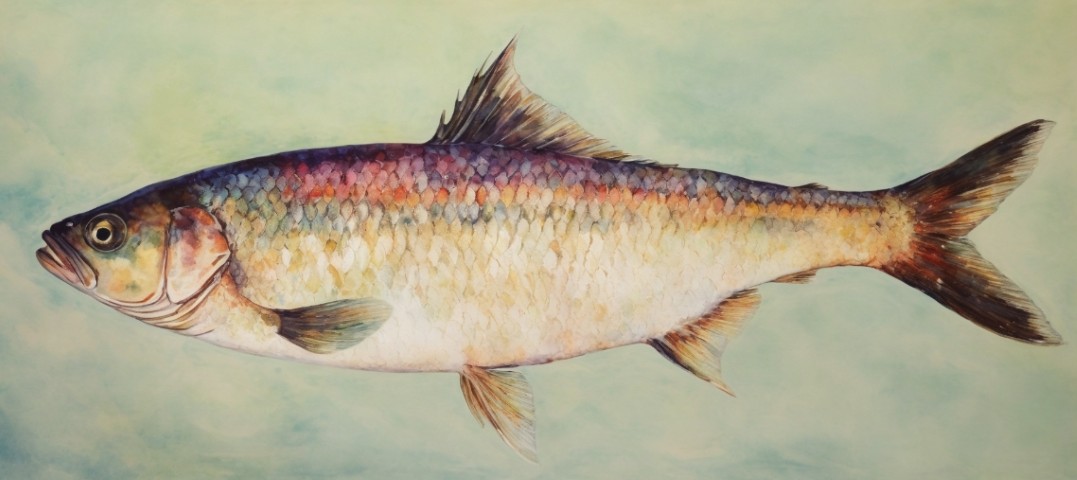
Alosa kessleri
The body of the Caspian anadromous shad is stout, noticeably rounded, with a particularly elongated caudal …
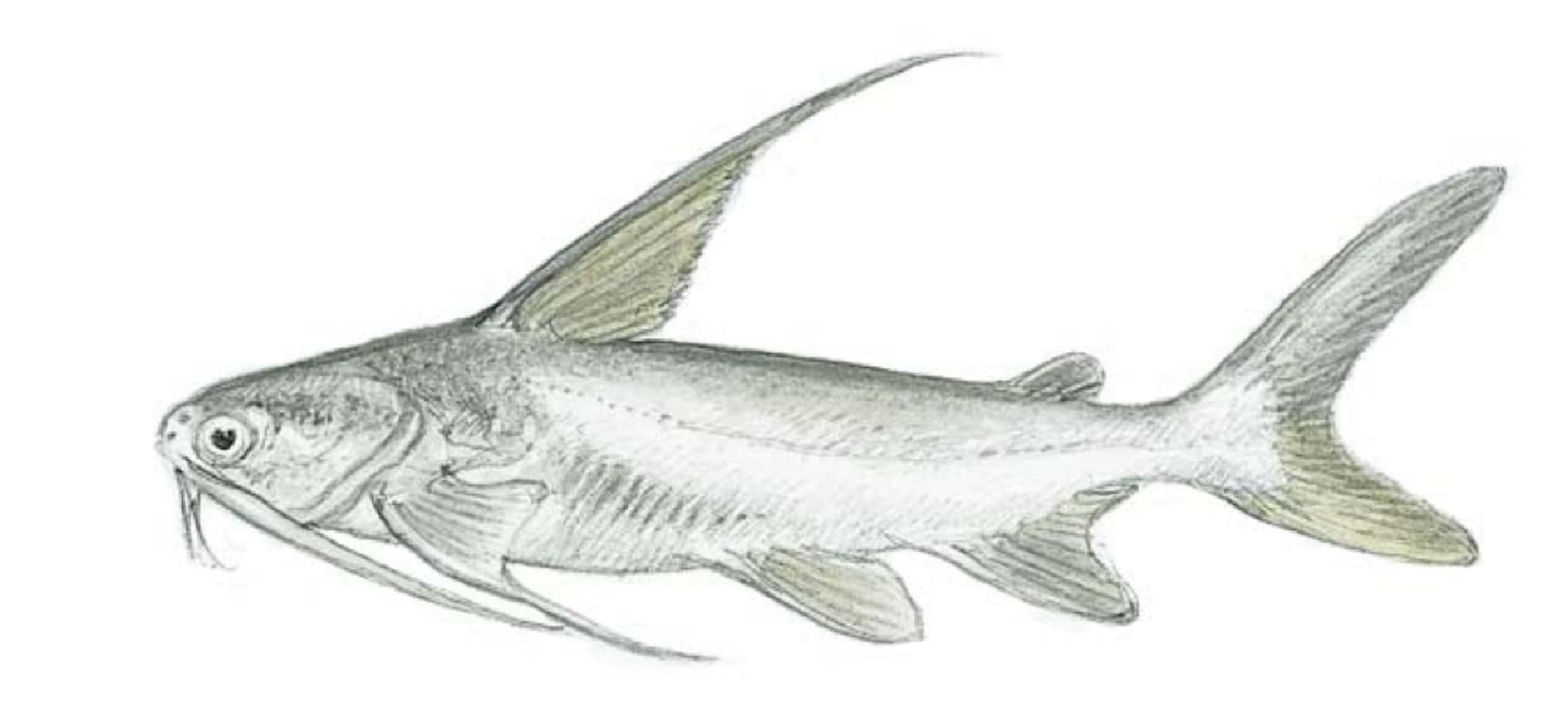
Bagre marinus
The Gafftopsail catfish has a grayish-blue dorsal fin, silvery pelvic fins, a strong body, and a …
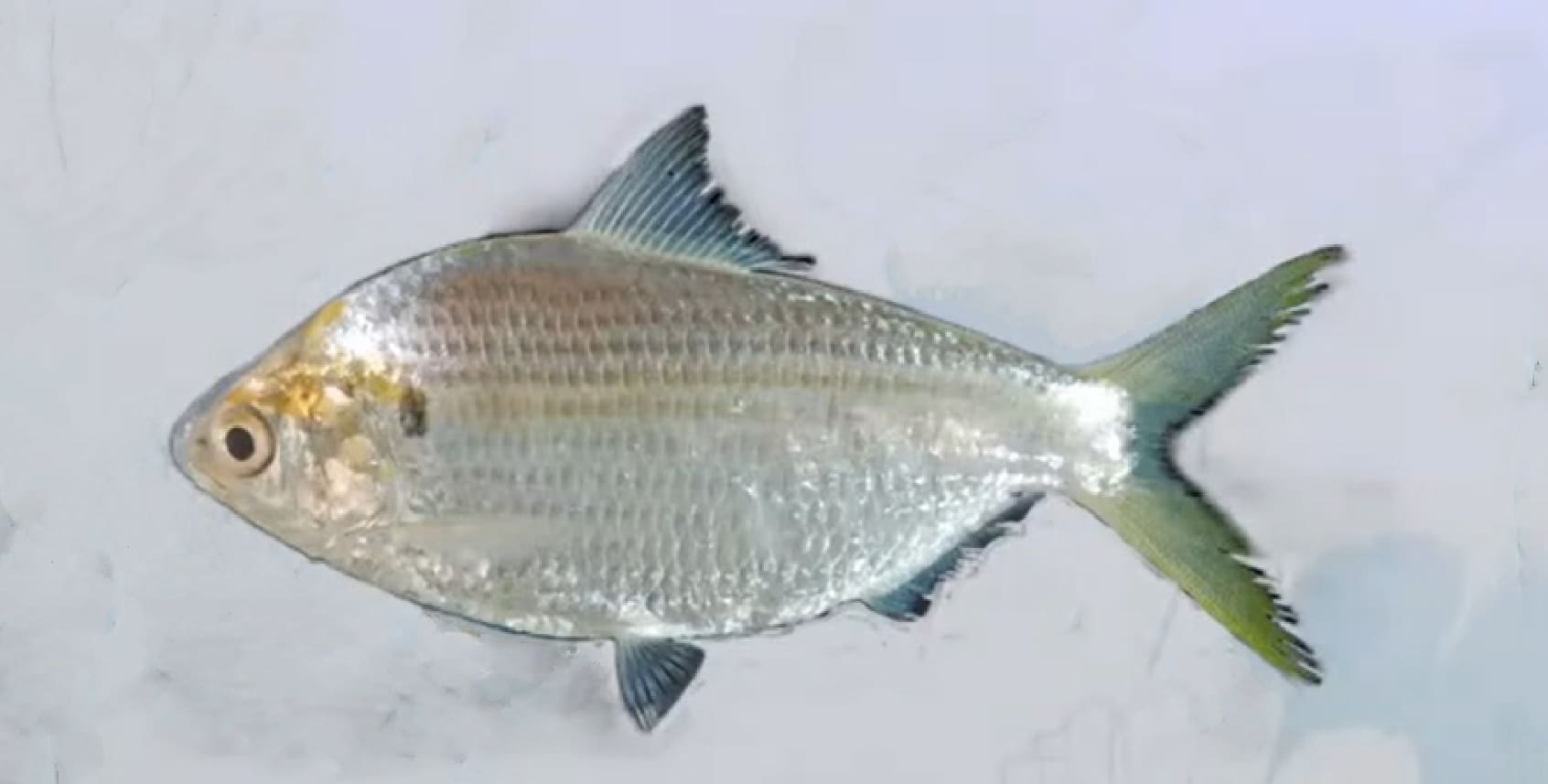
Anodontostoma chacunda
The depth of the body increases with the size of the fish, from 40 to 70% …
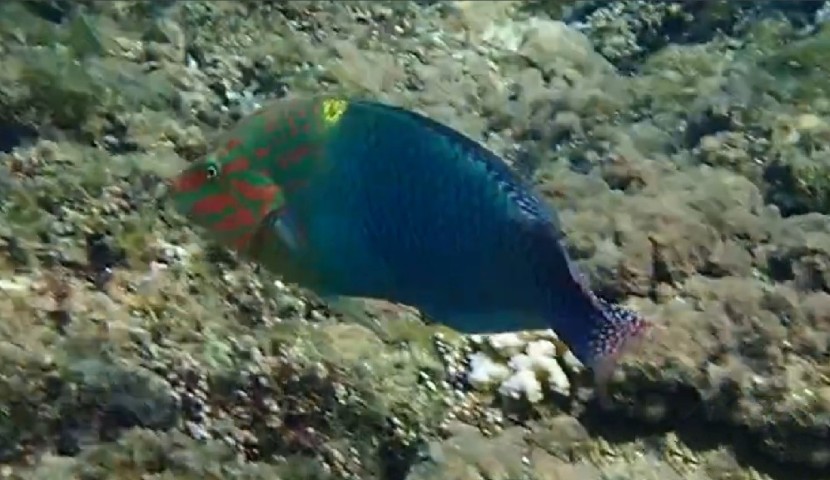
Halichoeres hortulanus
Both the sex and appearance of the Checkerboard wrasse change throughout its life and the colouration …
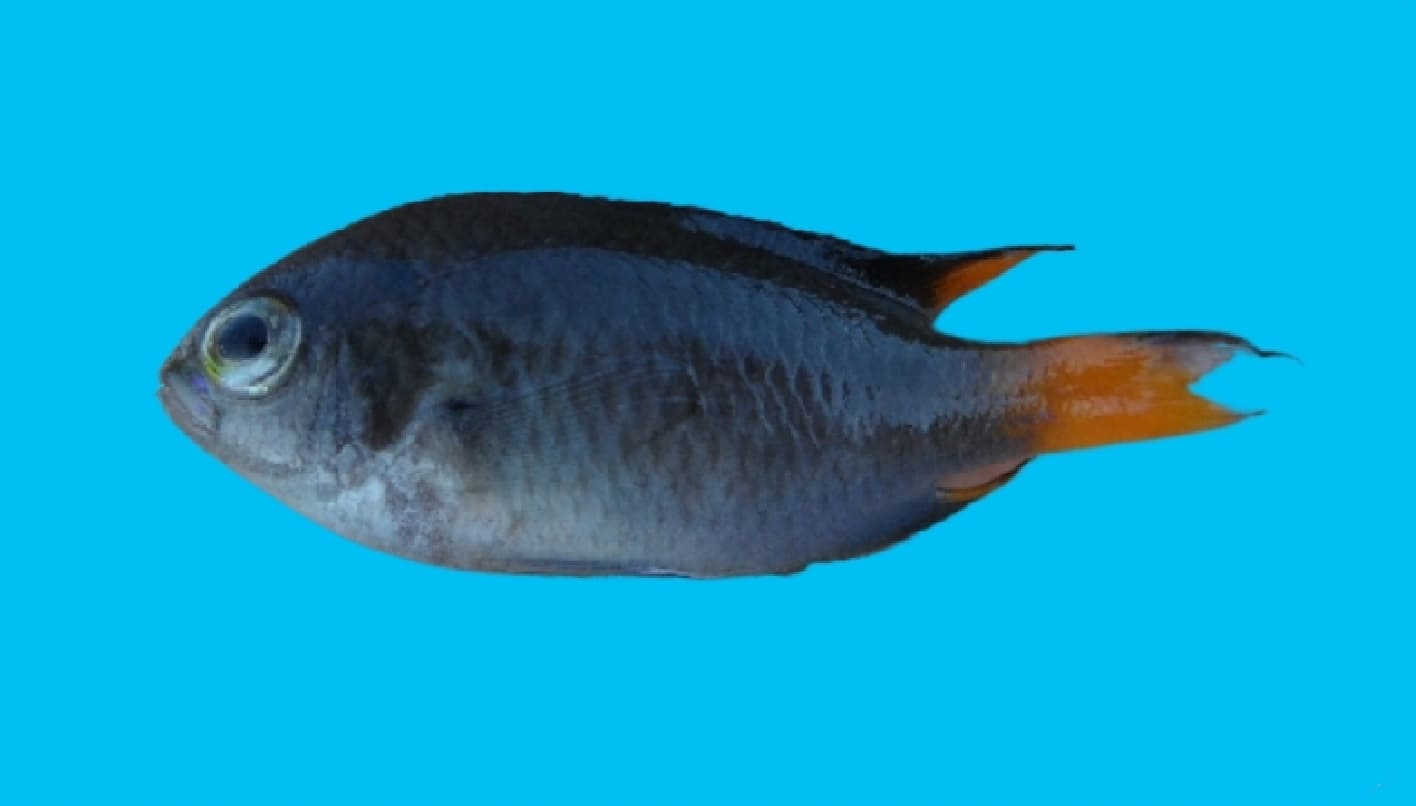
Neopomacentrus bankieri
Chinese demoiselle are characterised by ctenoid scales, weak teeth and only one row of gill rakers …
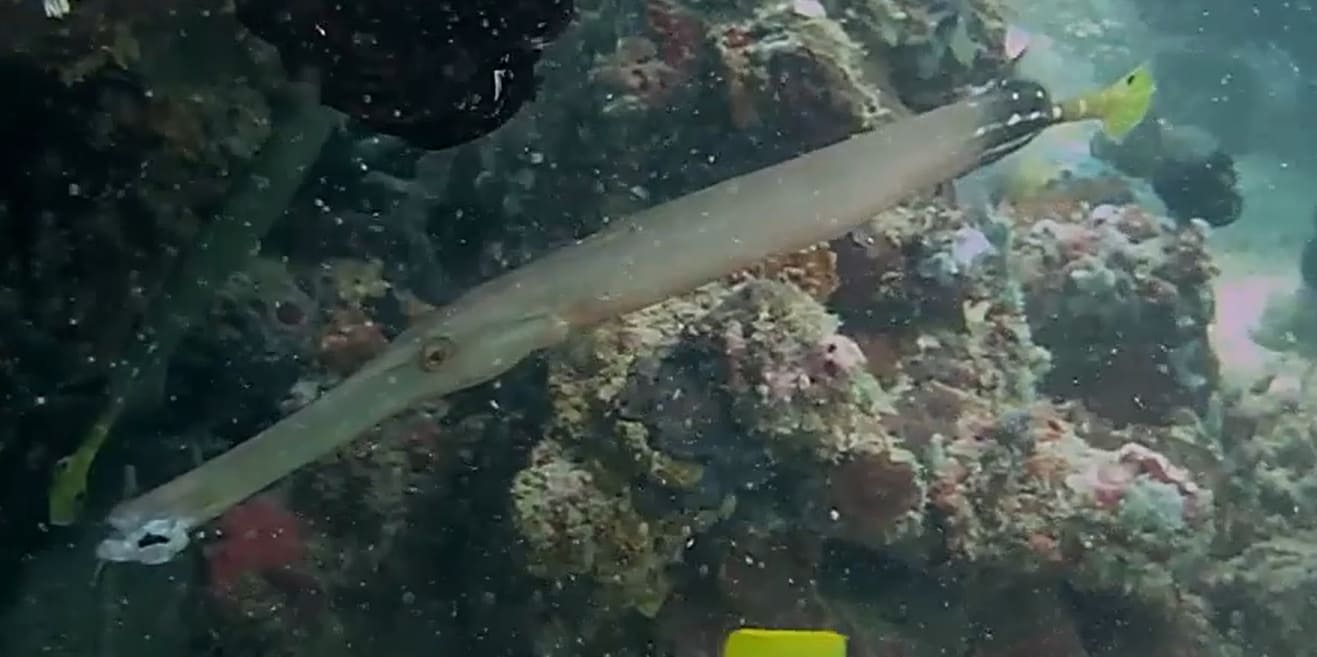
Aulostomus chinensis
Have a long body. Tubular, prominent snout with a mouth that can open to the diameter …
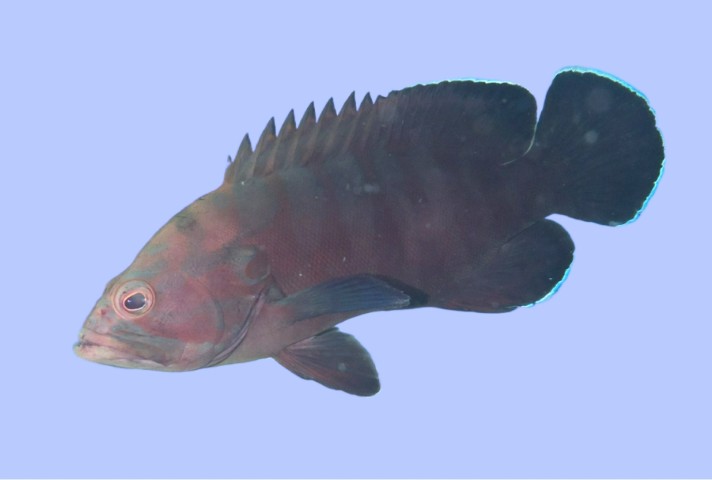
Cephalopholis boenak
Body of chocolate hind elongate, massive, somewhat compressed at the sides; sides covered with ctenoid scales. …
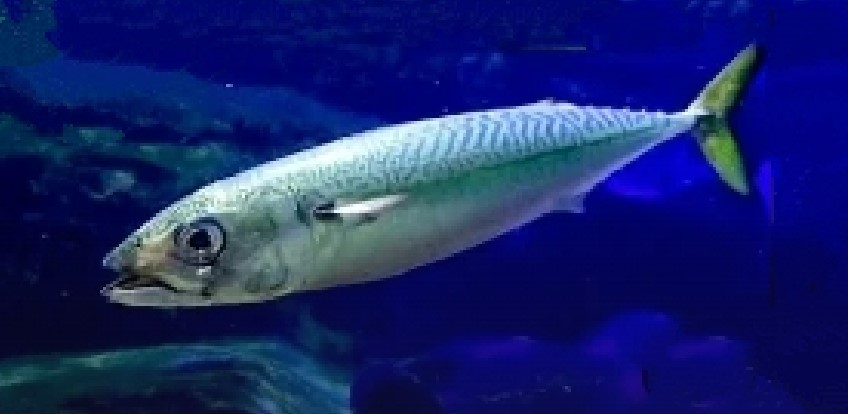
Scomber japonicus
The chub mackerel has an elongated, spindle-shaped body with a thin, laterally compressed caudal peduncle with …
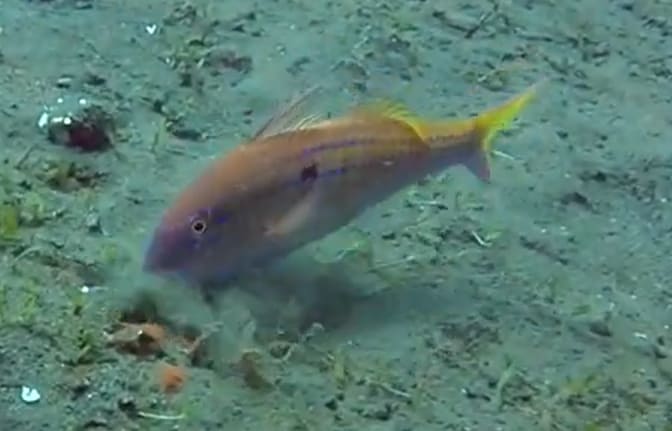
Parupeneus heptacanthus
Have 16 thoracic rays (rarely 15 or 17). Gill rakers 6-7 + 29-23 (total 26-30). Body …
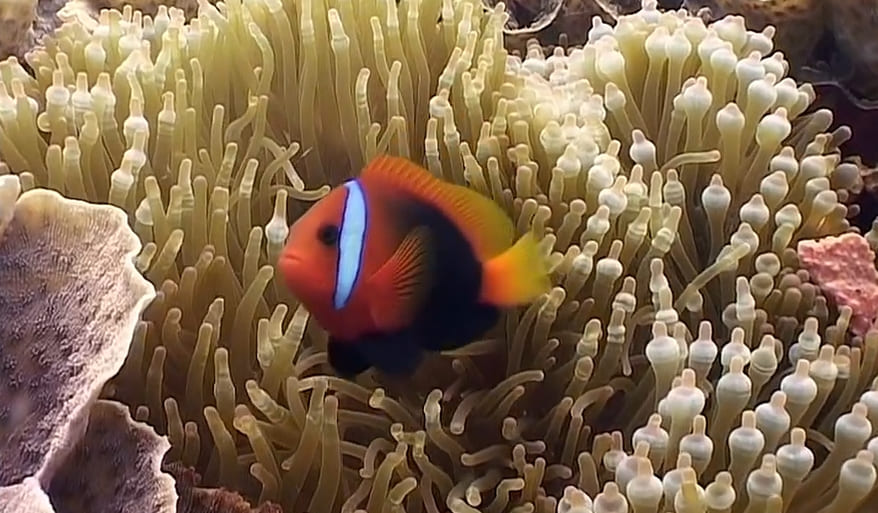
Amphiprion melanopus
The scientific name "Melanopus" comes from the Greek and means "black legs" in reference to the …
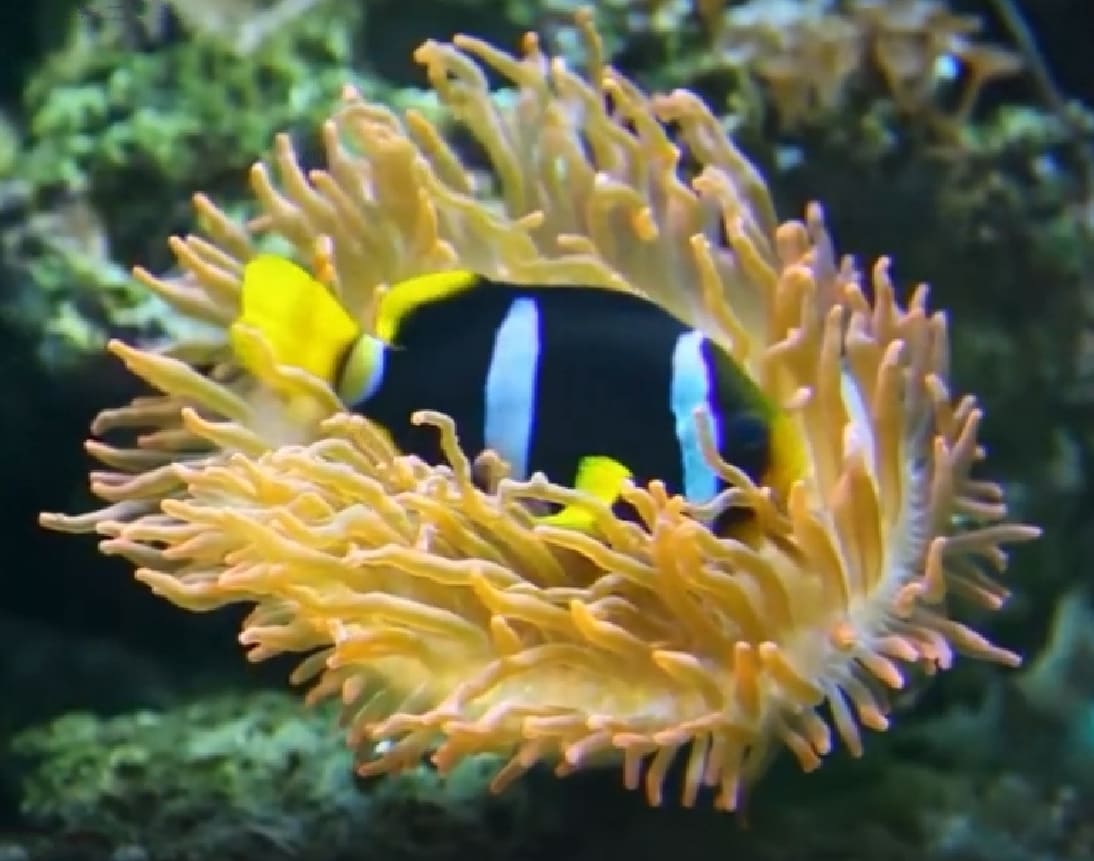
Amphiprion clarkii
The body of the Clark's anemonefish is oval, compressed at the sides, with a lateral line.
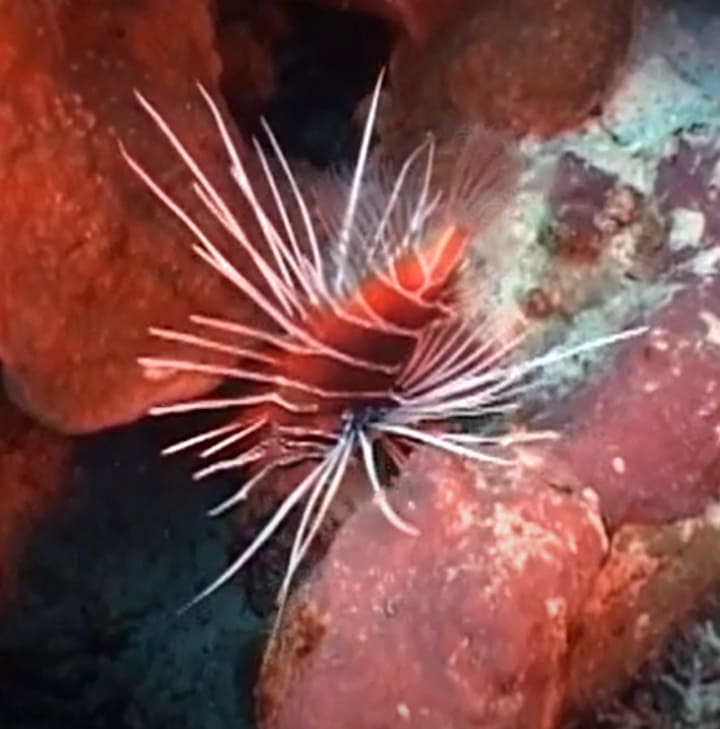
Pterois radiata
Have 12-13 venomous spines on the back and several clusters in the pelvic and anal fins. …
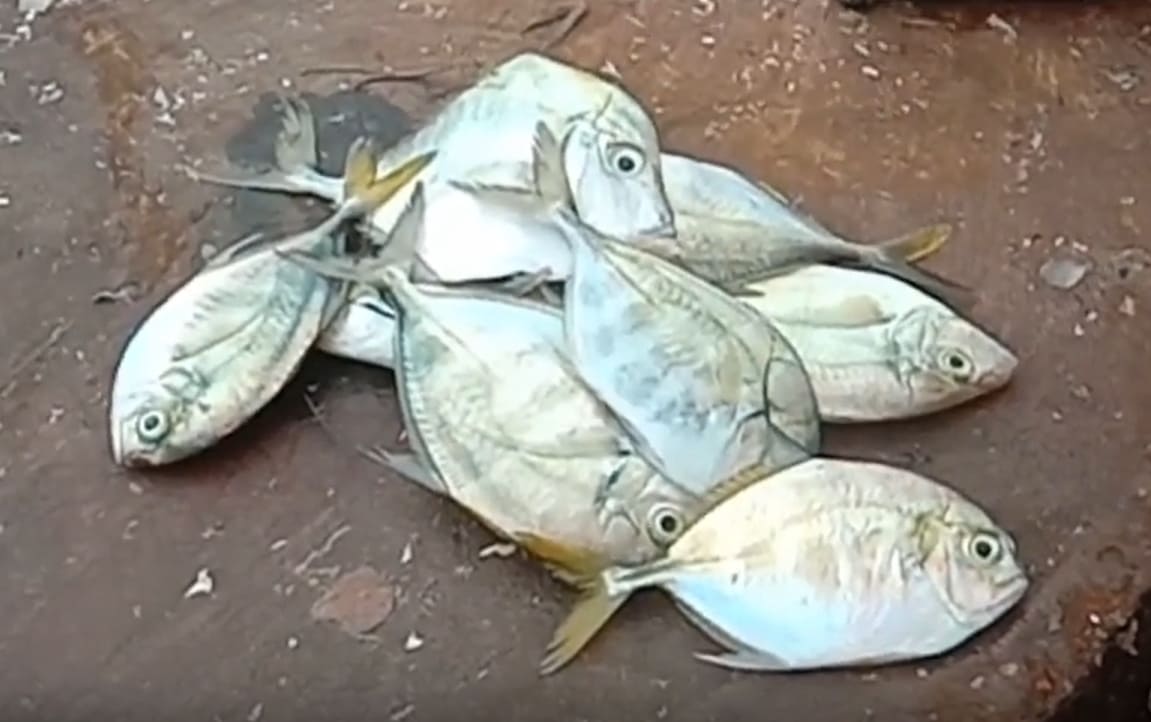
Atropus atropos
The body is oval in shape, strongly compressed at the sides. The height of the body …
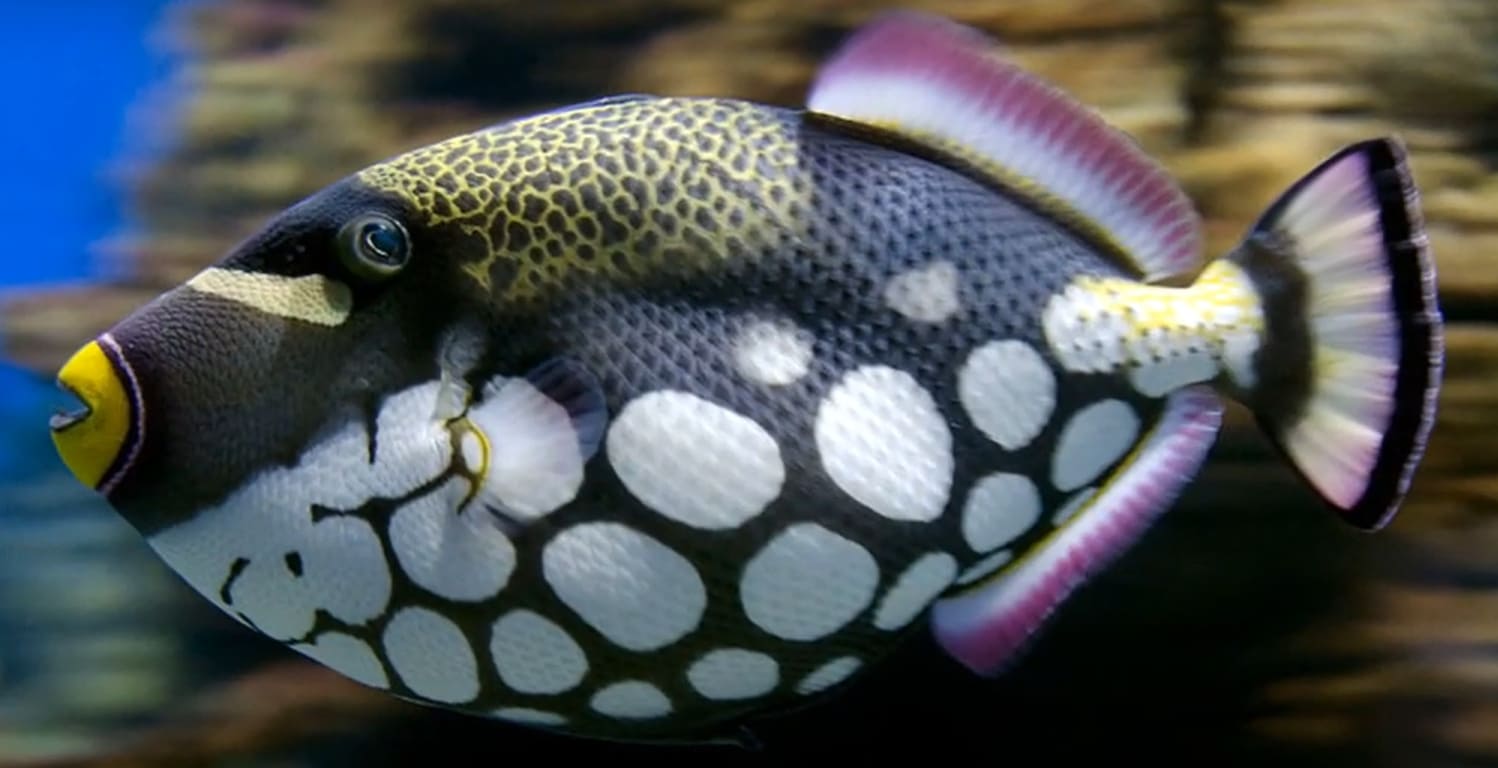
Balistoides conspicillum
Body wedge-shaped, flat, high, keel semicircular. Head large, mouth small, with 8 large teeth on each …
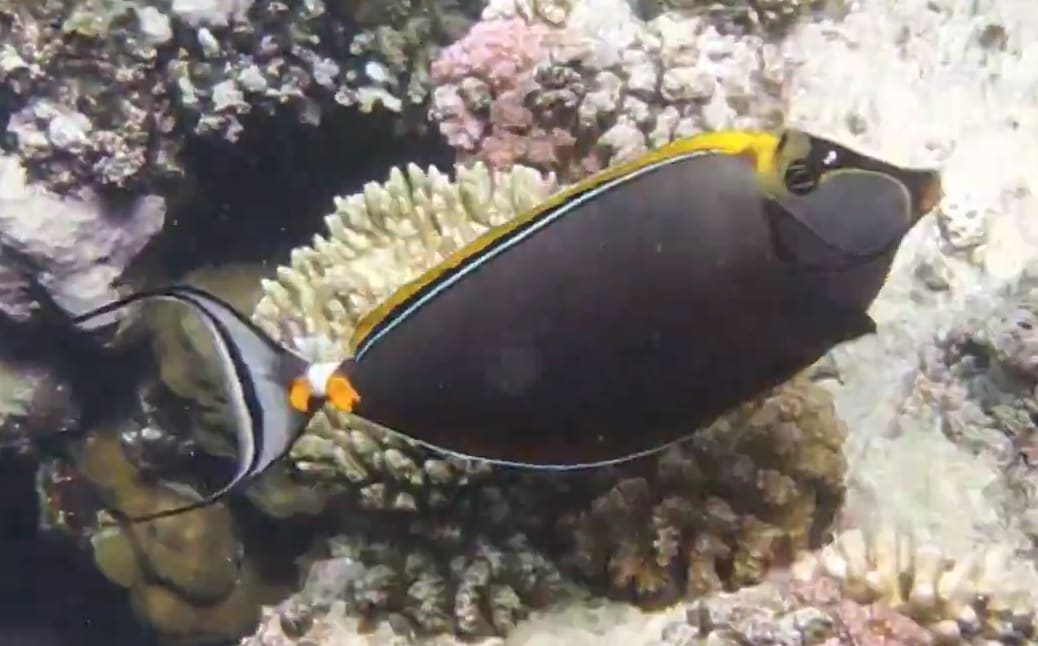
Naso lituratus
Characteristic features of Naso lituratus include orange lips, a caudal peduncle with a curved spine, and …
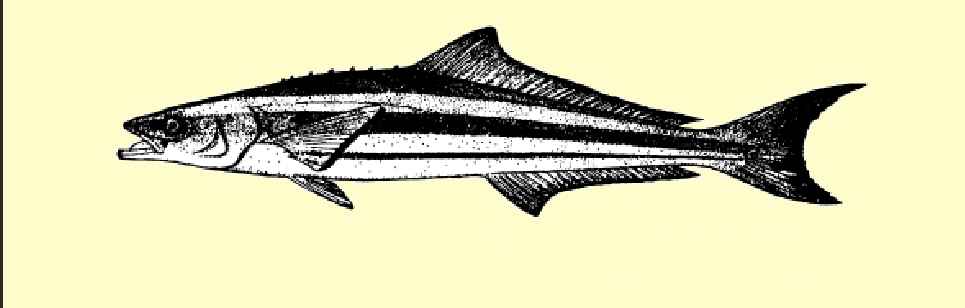
Rachycentron canadum
The body is elongated, with a broad, impressed head. The first dorsal fin consists of 8-10 …
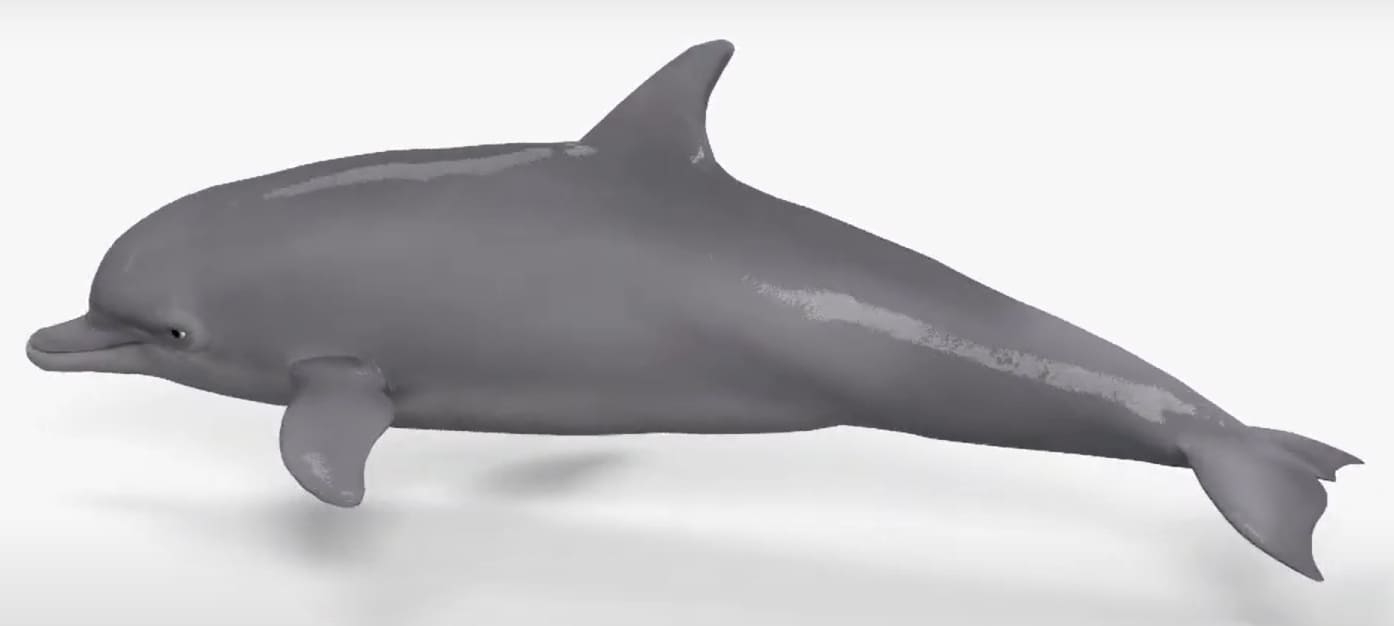
Tursiops truncatus
The moderately developed "beak" is clearly separated from the convex frontal-nasal (fat) pad. The skull reaches …
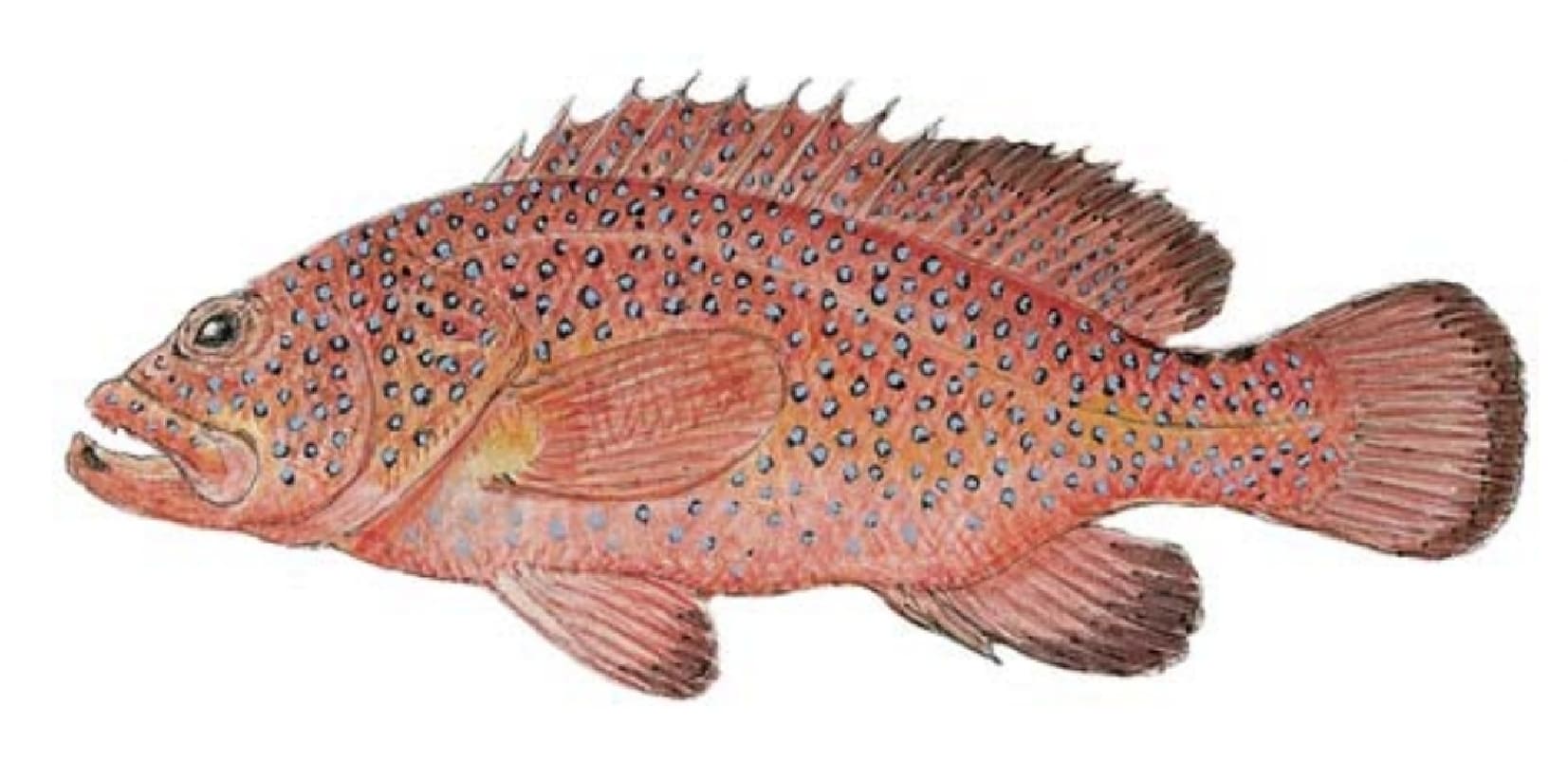
Cephalopholis fulva
The Coney has many color phases, you should not try to identify this fish by color. …
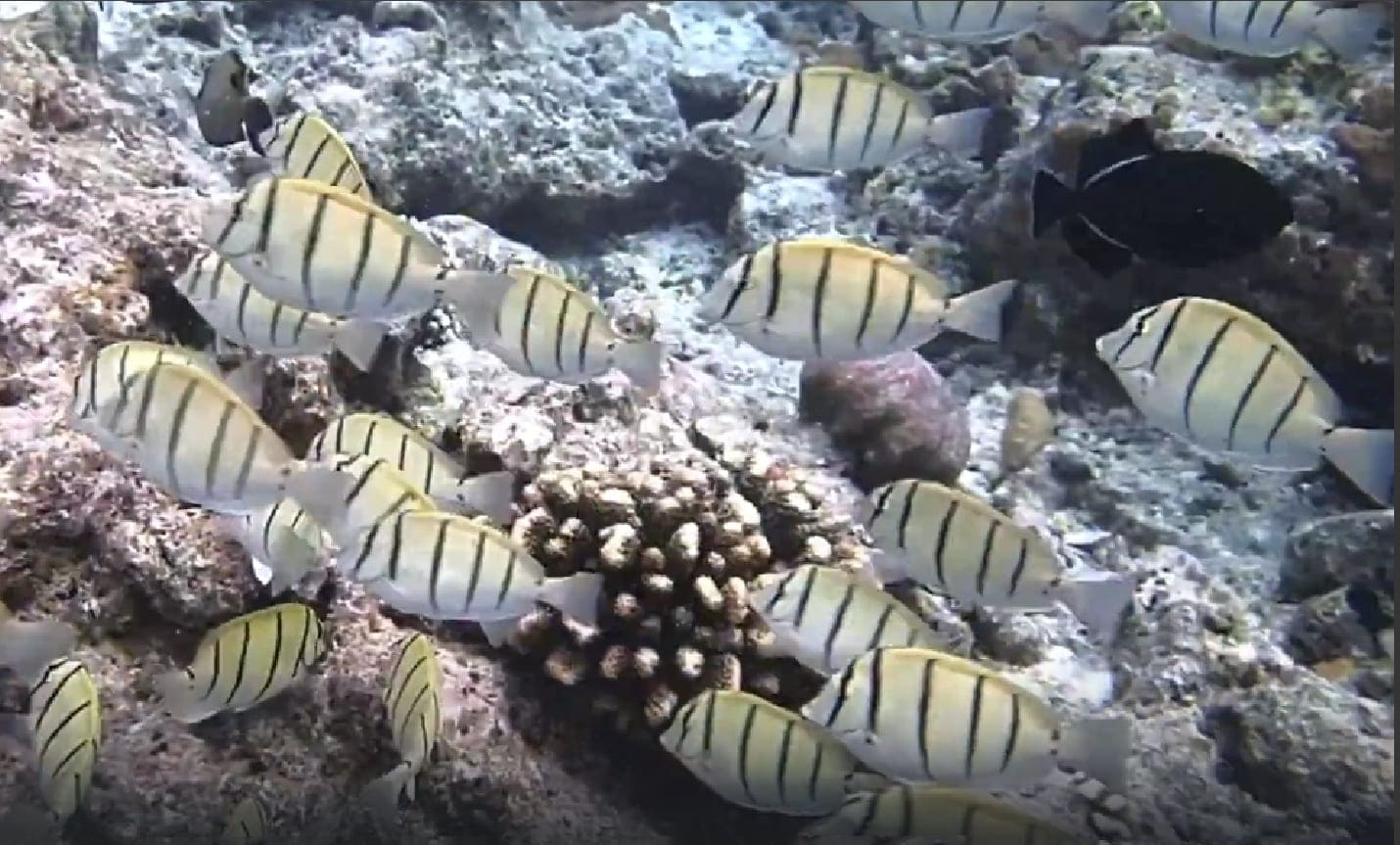
Acanthurus triostegus
The Convict surgeonfish has a large, laterally compressed, moderately oval body. The mouth is non-retractable, small …